Tag: Agency Partner

  • Digital Marketing For Retailers

    Digital Marketing For Retailers

    Tips From Professional Digital Marketer

    Digital Marketing is an essential strategy for retailers looking to promote their brand, products, and services online. With the increase of eCommerce and online shopping, retailers must adapt to the changing landscape of consumer behavior and preferences. Digital marketing offers a powerful way to reach customers and engage with them on multiple online channels, including social media, search engines, email marketing, and more. 

    Even if you have a successful “bricks and mortar” store, why would you ignore potential customers online? You are in business to make a profit, and you need to reach as many shoppers as possible to accomplish this.

    No matter what kind of retail store you have, Digital Marketing should be a component of your business operations. Want to know more? Read on! 

    What is Digital Marketing?

    Digital marketing is essential for all kinds of businesses. It has moved from the more traditional formats such as advertisements, Custom flyers, and billboards to where most people spend a significant amount of time to online.  

    With traditional methods, there is little to no interaction with the actual customer. Digital marketing opens communication between the retailer and the consumer, initiating conversations with a two-way flow of information.  

    Digital marketing for retail involves using various online channels and tactics to promote and sell products and services to customers. 

    The key to successful digital marketing for retailers is understanding your target audience, crafting a compelling message that resonates with them, and using the right channels and tactics to reach and convert them into customers. 

    Methods of Digital Marketing

    There are various methods of Digital Marketing, and it may take some trial and error to find what  works best for your business. We look at some of the most common ways below. 

    SEO (search engine optimization) 

    SEO is the practice of optimizing a website to improve its visibility and ranking in search engine results pages (SERPs). For retail businesses, SEO can be a highly effective way to attract organic traffic from search engines like Google.  

    According to recent statistics, the top organic result in Google’s SERPs has an average click-through rate of 31.7%, while the second and third organic results have click-through rates of 24.71% and 18.66%, respectively.  

    By optimizing their website for relevant keywords and creating high-quality content, retailers can improve their ranking in search results and drive more targeted traffic to their websites, resulting in increased sales and revenue. 

    Online Store

    Whether you have a full-blown eCommerce Website with online payments and delivery or a catalogue-style page using click-and-collect in-store, you must keep the lines of communication open between you and your customer.

    Use online forms, texting, or AI Chatbots to answer any questions they may have. 

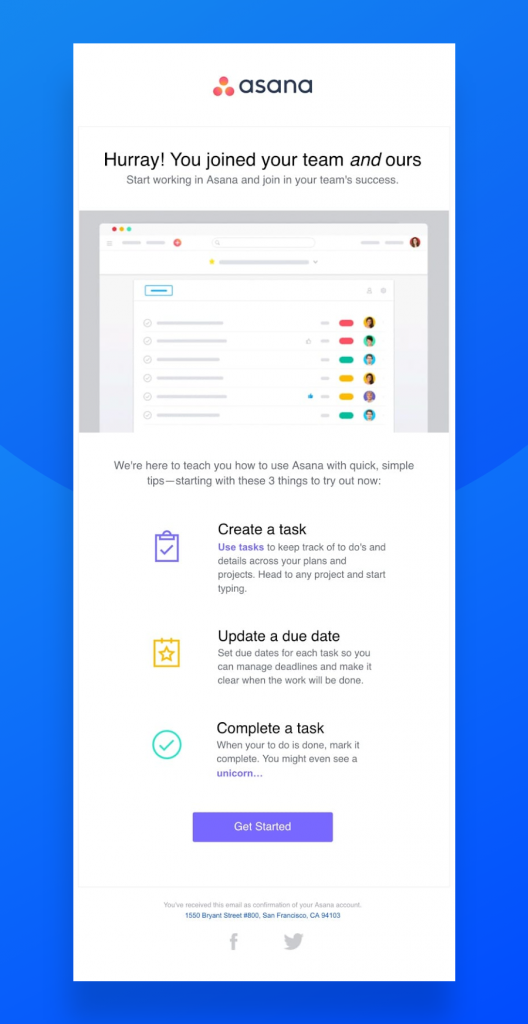
    When an order is placed, an SMS or email alert should be sent to the customer with precise details about their order, where to collect it or when it will be delivered. 

    Email Marketing

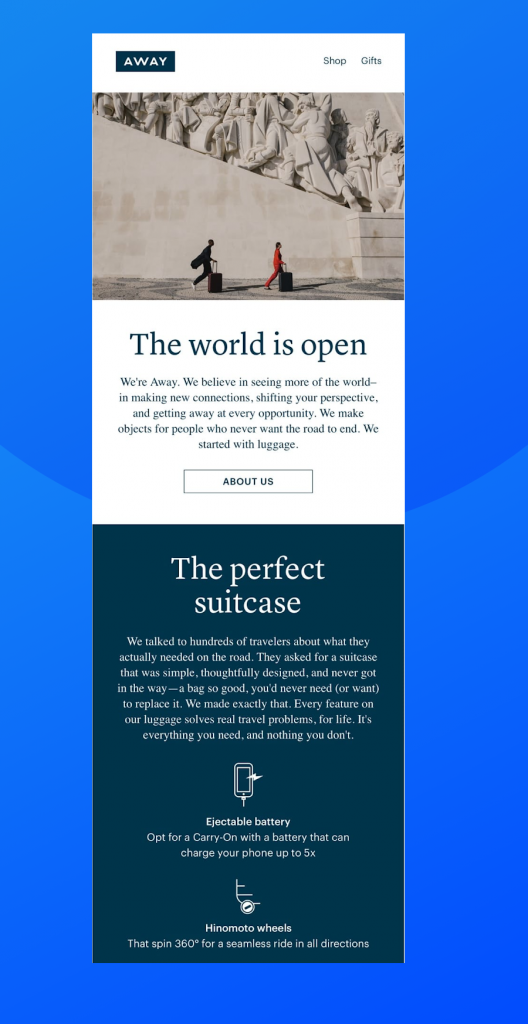
    Email marketing can be a very effective way to reach and engage with customers for retail businesses. According to recent statistics, the average open rate for retail emails is 16.75%, and the average click-through rate is 2.14%. By building an email list of customers and sending them targeted and personalized messages, retailers can drive traffic to their website, promote their products, and increase sales. 

    Mobile Promotions

    Using SMS or Push Notifications to inform your client base of new products or discounts is an easy way of using digital marketing. Set up your database of consenting clients and send out messages or coupons with special offers for use in-store or online. 

    PPC (pay-per-click advertising) 

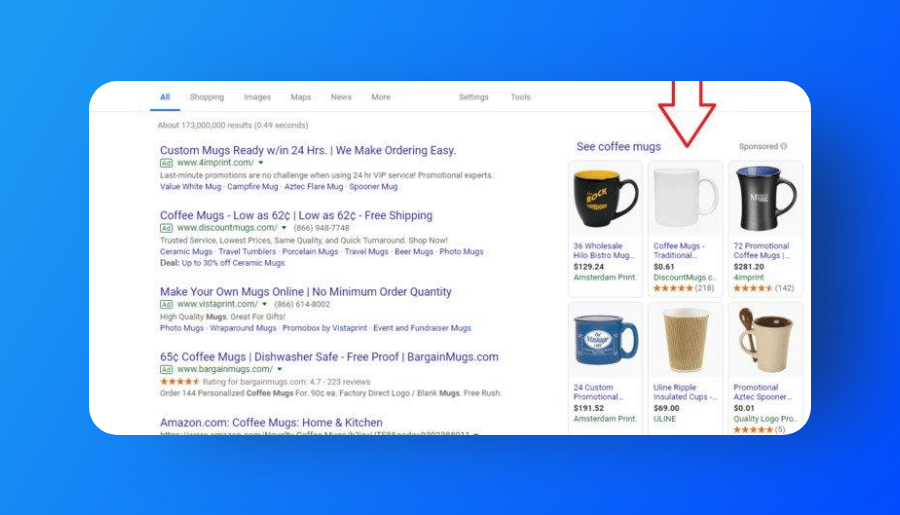
    PPC is a popular form of online advertising where businesses pay each time someone clicks on one of their ads. For retailers, PPC can be a highly effective way to reach customers who are actively searching for products or services like theirs. According to recent statistics, the average conversion rate for retail PPC ads is 3.75%, and the average cost per click is $1.16. By targeting high-intent keywords and creating compelling ads, retailers can drive targeted traffic to their website and increase sales. 

    Social Media 

    Social media has become an integral part of our daily lives, with billions of users across the globe engaging with various platforms. This is a golden opportunity for businesses to reach their target audience and promote their products and services. By leveraging social media, you can effectively inform, educate, and sell to your audience while capturing their attention with eye-catching content.  

    Social media stories like WhatsApp, Snapchat, LinkedIn, Facebook, and Instagram can effectively reach and engage your users. By creating daily check-in stories, showcasing your products through unboxing and tutorial videos, and providing customer service through Stories, you can make valuable content that can be categorized and saved using the Highlights feature. So, focus on engaging with your audience and providing them with valuable content, and you’ll be on your way to building a loyal customer base that’s eager to purchase from you.  

    Start your digital marketing conversation today. Contact Agency Partner Interactive, and let us help you hit your sales target.

    Revolutionize Your Retail Business with Agency Partner Interactive 

    Agency Partner Interactive is a premier web design and digital marketing agency that helps businesses like yours succeed online. Our SEO agency in Dallas’s team of experts specializes in various digital marketing services, including: 

    We work carefully with our clients to understand their needs and goals and tailor our services to deliver measurable results. Stay tuned for insights, tips, and strategies to help you optimize your digital marketing efforts and achieve success in the digital world with our Top Dallas digital marketing agency. To schedule your free 30-minute strategy session, get in touch with our internet marketing specialists today!


  • Agency Partner Interactive Ranked As Top Web Development Agency to Hire in 2022

    Agency Partner Interactive Ranked As Top Web Development Agency to Hire in 2022


    DALLAS — September 3, 2022 — Agency Partner Interactive has been recognized as a Top Web Development Agency to Hire in 2022 by DesignRush.

    DesignRush is a B2B marketplace that connects brands with professional full-service agencies, web design companies, digital marketing firms, and top technology companies. The company released its second quarterly list of the top web development companies to hire for websites that make good impressions and attract potential clients.

    The DesignRush platform lists over 9,300 web design and web development agencies from over 50 different countries and is consulted by thousands of decision-makers looking to start a project.

    “It’s an honor for our web development agency to be recognized for our work to help businesses design and development impactful eCommerce and business websites. This honorable mention is notable to us, acknowledging that we are in a hyper competitive market with other international digital agencies,” said Adam Rizzieri, Chief Marketing Officer at Agency Partner.

    Agency Partner Interactive is headquartered in Dallas, Texas, where it has continued to grow its presence in Texas and North America. Serving over 500 businesses, the Agency Partner team has focused on hiring subject matter experts and digital account managers to improve its quality of service on both the web development and digital marketing sides of the agency. Despite the occasional growing pains, the Agency Partner has maintained a stellar 5.0 out of five stars on the Clutch.co and Google My Business review network.

    Agency Partner Interactive helps growth-focused businesses achieve ROI-driven strategies by providing bespoke technology and marketing expertise.

  • Agency Partner Named Among Best US-based SEO Agencies of Q3 2022

    Agency Partner Named Among Best US-based SEO Agencies of Q3 2022


    Agency Partner was ranked #2 for the third quarter of 2022, as one of the best US-based SEO services agencies.

  • Digital.com Names Agency Partner as 2022’s Top eCommerce Web Design Agency in Dallas

    Digital.com Names Agency Partner as 2022’s Top eCommerce Web Design Agency in Dallas


    The company was ranked among the most trusted agencies to help businesses create and manage their online stores.

  • Glassdoor Names Agency Partner “Top Companies In Dallas-Fort Worth”

    Glassdoor Names Agency Partner “Top Companies In Dallas-Fort Worth”

    Recognized among “Top Companies In Dallas-Fort Worth” in 2022

    DallasTX July 272022— Announcing a special recognition appearing in the August 2021 issue of Glassdoor.com published by Glassdoor Inc. Agency Partner Interactive was selected for the following honor:

    Top Companies In Dallas-Fort Worth

    A spokesperson from Agency Partner Interactive commented on the recognition:

    “This is quite an honor for us. The fact that Glassdoor.com included Agency Partner Interactive in its selection of Top Companies In Dallas-Fort Worth signals that our constant efforts towards business excellence are paying off. We are proud to be included in this recognition.”

    Following the publication of Agency Partner Interactive‘s selection for Glassdoor.com‘s Top Companies In Dallas-Fort Worth list, American Registry seconded the honor and added Agency Partner Interactive to the “Registry of Business Excellence™.”


    This press release was written by American Registry, LLC with contributions from Agency Partner Interactive on behalf of Agency Partner Interactive.

  • What is Content Marketing & Why Do I Need It?

    What is Content Marketing & Why Do I Need It?

    Expert Tips For What is Content Marketing & Why Do I Need It?

    As we move further into the digital age, content marketing is becoming increasingly more important. In order to stay ahead of the competition, you need to have a content marketing strategy plan that’s up-to-date, innovative, and compelling for your customers and prospects, setting you apart from the rest. In this blog post, we’ll explore what content marketing is, the benefits of content marketing, and how to build a content marketing strategy to grow your business.

    What is Content Marketing?

    Content marketing is a strategic marketing approach focused on creating and distributing valuable, relevant. Consistent content (audio, visual, and/or written) to appeal to and keep a clear target audience, which in turn drives profit and achieves business goals. A successful content strategy should attract your audience at every step, keeping them engaged after their purchase.

    Why Do I Need Content Marketing?

    A common misconception new business owners may have is that a content marketing strategy is nice to have, but not a necessity early on. Let’s debunk that. Producing high-quality, compelling content can be invaluable in establishing trust with new target audiences and contribute to long-term business success. Content marketing helps businesses prepare and plan for consistent and reliable, cost-effective sources of new leads and website traffic. If you can develop a single blog post that gets a solid amount of traffic, an embedded link or fee tool will continue to generate leads for you over time, long after the post date. This reliable traffic and lead source from your evergreen content can give you the flexibility to try out other marketing tactics to build revenue, like sponsored content, social media ads, and distributed content. Apart from attracting leads, impactful content educates your prospective customers and generates brand awareness.

    Why is Content Marketing So Important?

    Content marketing opens a conversation with your audience and keeps those conversations fresh, helpful, and engaging over time. Great content marketing leads to engagement and builds relationships and trust amongst your target audience. A recent study states that marketers who prioritize blogging are 13x more likely to see increased ROI than companies that don’t. Content marketing captures 7.8x more organic traffic and generates 3x the leads, and costs less than other digital marketing channels. Lastly, content marketing is a welcoming extension for the user rather than an interruption from their activity.

    What Are the Steps to Building a Content Marketing Strategy?

    1. Define your goal: knowing why you want to create content and your aim for developing a content marketing plan is essential to determining what’s best for your strategy.
    2. Conduct research: clearly defining your target audience is the key to developing a successful content marketing strategy. By understanding your target audience, you can produce relevant and impactful content that will keep them engaged and wanting to learn more.
    3. Run content audit: most brands usually start with blog posts. If you’re looking to expand into different formats, you can run a content audit to evaluate your highest and lowest performing content. Then use that information to determine your next steps.
    4. Decide on a content management system: some critical parts of content management are content creation, publication, and analytics. You’ll want to invest in a content management system to keep track of your content in a way that’s easy to read and sustainable.
    5. Determine what type of content works best for your business: you can choose whichever media you think resonates best with your audience, from written blog posts to audio content like podcasts and more.
    6. Generate ideas for content: it’s brainstorming time! Start coming up with ideas for what you want your content to be about. There are many tools you can use to surface relevant keywords or google SEO analytics to gain the most exposure and generate leads for your brand.
    7. Publish and manage content: your content marketing strategy should include more than just the type of content you’ll create – it should also include how you’ll organize your content. A content calendar will help you publish a well-balanced and diverse content library for your website and work in conjunction with other marketing channels like social media marketing.

    In conclusion, building a content marketing strategy tailored to your business and target audience is the key to establishing trust and an impactful relationship with your customers. Great content marketing is educational and keeps your audience engaged, leading to higher conversion rates and lead generation that, in turn, helps your bottom line. If you’re ready to start developing lucrative and powerful content marketing strategies to accelerate and grow your business, contact Agency Partner Interactive today to schedule a consultation. The experts at API have all the tools and resources needed to create outstanding content that’s helpful for your audience while keeping the conversation fresh and engaging.

  • How to Create a Content Strategy That Works: A Step-by-Step Guide

    How to Create a Content Strategy That Works: A Step-by-Step Guide

    Expert Tips For How to Create a Content Strategy That Works: A Step-by-Step Guide

    In case somehow you haven’t heard: Content is king, and there are no signs of that changing. Creating an effective strategy for your content, however, can be tricky without some key marketing principles in mind – and it’s easy to make mistakes that can hurt your brand and your sales. We here at Agency Partner will walk you through the steps for creating an effective content strategy so you can reach your target audience and grow your business.

    So, What Exactly Is a Content Strategy

    Content strategy is all about thoughtfully planning, creating, and delivering content with a cohesive, overall marketing goal in mind. Depending on what’s relevant to your business, content can refer to blogs, email newsletters, white papers, social media postings, and beyond.

    You’ll want to build a framework outlining your plan and the elements needed to create the content. Keep track of things like the characteristics of your defined target audience, your relevant researched SEO keywords, deadlines for creation and publishing, and the intended platforms for the content.

    This content strategy is not just about churning out whatever so your business at least looks like it’s still alive – it’s got to be of a quality that engages that audience in a way that drives your business towards that overarching goal.

    How to Create a Content Strategy Framework

    • Specify Your Goal

    It’s hard to make a plan without a destination in mind. What is it you want to achieve with your content marketing? What is the purpose of the content you’ll be creating?

    • Define Your Target Audience

    Who will you be speaking to and trying to reach with your business strategy content? This will guide how you decide what all is relevant and likely to be most effective, from the content platforms you choose to the tone of your brand’s voice.

    If you know your audience is mainly men over 45, you can reasonably figure that prioritizing publishing short-form videos on TikTok or linking blog posts to Pinterest won’t be a good use of effort. Clearly define your audience and focus on where they are.

    Note: Don’t miss revisiting this step every time you create a new content strategy – your audience may have changed!

    • Perform An Audit of Past to Current Content

    This goes for both your own (if you already have current content) and that of your competitors. Look at what content is performing well and not so well and use that information to help decide what you should be putting your efforts into going forward.

    A content audit is simply a smart idea to run on a consistent basis to check if your strategies are working or need some adjusting. The frequency will depend on how tightly your campaigns need to be monitored.

    • Choose a Content Management System

    It’s almost too easy to get disorganized with content. Do some research and find a content management system that will help you with creating, publishing, and ideally even performance tracking. 

    While there are some free options, the most comprehensive systems will likely need consideration of a budget. Just make sure the setup of the particular system you choose works best for your team’s workflow.

    • Decide What Types of Content to Create

    Think back to your defined target audience. Where do they spend their time online? What content types are they most interested in? What do you want the audience to do once they’ve seen or read or heard your content? 

    • Think Up Content Ideas and Research SEO Keywords

    Here comes arguably the hardest part – what to post?! Get very friendly with Google search suggestions, take a look at your competitors, check out social media comments, or click around sites like Quora to spark some ideas. 

    Once you’ve got some relevant topics, consider SEO for the digital content and research which keywords you want to be targeting within the content. Sites like Moz and SEMrush are the classics for SEO research, and that’s because they work and are surprisingly user-friendly, even for those still learning how SEO works.

    • Develop a Content Calendar

    Whether it’s through a content management system or just an Excel spreadsheet, plan out what you intend to post and when. This will help you stay organized, make sure you’re staying mindful of supporting that overall goal across multiple platforms, and avoid making mistakes in a last-minute rush. 

    It’ll also help in establishing trust with your audience as they see you being consistent with your content and publishing. Reliability goes a long way in building customer relationships.

    • Publish and Manage Your Content

    With that content calendar in place, you’ve by now done all your necessary researching and brainstorming and planning to finally put into motion your no doubt brilliantly savvy content strategy – You’re a marketing pro now! 

    A content strategy is an important part of any digital marketing plan. It helps you define your goals and set priorities, which can be difficult when there are so many options available. The framework we’ve provided will help get you started creating a content strategy that works for your business. If you need help putting this into action or want to brainstorm some ideas, contact our Digital Marketing team at Agency Partner. Let’s drive your results together!

  • How Do Amazon Ads Work?

    How Do Amazon Ads Work?

    Expert Tips For How Do Amazon Ads Work?

    When it comes to online advertising, Amazon is a major player. In fact, Amazon is now the third-largest digital ad platform in the United States, behind only Google and Facebook. That’s a pretty impressive feat for a company that started out as an online retailer! If you’re looking to start advertising on Amazon, or are just curious about how it all works, read on. In this article, we’ll discuss the basics of Amazon advertising and outline how you can get started.

    Who can advertise on Amazon?

    If you have an Amazon storefront, you can advertise on Amazon! This includes sellers who use Amazon to fulfill orders (Fulfilled by Amazon, or FBA) and those who sell through the Amazon Marketplace. Setting up ads for your products is a great way to get your ads in front of the right audience. Running an ad places your product in a high-visibility spot, such as the first shopping result page.

    What types of advertising are available?

    There are three main types of advertising that you can use for your Amazon products.

    Sponsored Products:

    This type of ad targets customers who are already looking for products like yours. When someone searches for a product on Amazon, your ad may appear next to the search results. If a customer clicks on an ad, they’re directed to the corresponding product page. Sponsored product advertising is available to professional sellers and vendors.

    If you’re looking to promote a specific product, this is a great ad to use! Sponsored Product ads help to increase sales and attract traffic to specific product pages.

    Sponsored Display Ads:

    Product display ads help you engage customers who have shown an interest in your in categories similar to your products or have viewed your product pages but did not purchase. This kind of Amazon ad shows ads on and off Amazon.

    If you’re getting a lot of clicks on your product page but not a lot of purchases, consider using this kind of advertisement to keep your product at the forefront of people’s minds. Sponsored display ads are only available to vendors and sellers registered in the Amazon Brand Registry.

    Sponsored Brands:

    Sponsored brands allow you to highlight multiple products at the same time, along with your logo and a headline. Using this type of ad, shoppers are directed from your ad to a selection of products or to your brand’s store. This allows you to boost brand awareness and increase sales across all your products.

    If you’re wanting to gain more credibility for your brand and you have a catalog of similar products, this is a great ad to use! Sponsored brand ads are available to vendors and sellers registered in the Amazon Brand Registry.

    How Do I Pick a Budget?

    Now that you’ve decided what and how you want to advertise, it’s time to set a budget for your ads. On Amazon, you pick a daily spend that you want Amazon to use. Every time someone searches for one of your keywords, all the ads Amazon bid for placement. You only pay when someone clicks on your ad, the higher the budget the more clicks you’ll likely get.

    Keep in mind that your budget should be based on your goals for the campaign and what you’re hoping to achieve. If you’re unsure of how much to spend give Agency Partner a call and our experts can consult you in your Amazon advertising!

    How do I get started?

    Advertising on Amazon can be a little tricky, but following these steps will help you set up your first ad. First, log in to your seller account and click the “Campaign Manager” tab at the top of the page. This will take you to an advertising dashboard where you can create ads, manage your budgets, and measure the performance of your campaigns.

    Next, you’ll need to create a campaign. Give your campaign a name and choose the products that you want to advertise. You can then decide on your budget, how long you want the campaign to run for, and what type of ad you’d like to use. After that, you’ll need to create an ad. This is where you’ll input the details of your campaign, such as your headline, description, and product images.

    You can also target specific customers by choosing keywords and interests that you want your ad to match. Amazon will then place your ad in front of people who are most likely to be interested in your products.

    How do I know if my Amazon Ads are successful?

    Once your ad is live, you can monitor its performance with the “Reports” tab. Reports show how much money your ads have made, the number of clicks and your ad spend. You can use this information to make adjustments to your campaign and improve results over time. If you’re just getting started with advertising on Amazon, you might want to consider using an Amazon advertising agency, like Agency Partner Interactive to help you get the most out of your campaigns.

    What’s the Best Way to run Ads on Amazon?

    The best way to guarantee results and start making good sales is to partner with an Amazon agency, like Agency Partner Interactive. With over 10 years of experience in the marketing and advertising industry and a team of experts who are dedicated to your success, we can help you reach more customers and increase your revenue by creating effective advertising campaigns that get results. 

    Ready to Promote Your Brand with Amazon Ads?

    If you’re looking to increase sales and brand awareness, Amazon advertising is a great way to do it. With Agency Partner Interactive, you can create effective campaigns that will reach more customers and help boost your bottom line. Contact us today for a free consultation!

  • API Vulnerabilities and How to Protect Them Part 1

    Expert Tips For API Vulnerabilities and How to Protect Them Part 1

    Cybersecurity has never been more critical. In the last several years, APIs have taken center stage for modern stakeholders dependent upon qualities like productivity, reliability, and programming among others. So many of these things modestly exist under the radar of attention-grabbing, leaving them prone to at risk for attack by bad actors. To help you gain a better understanding of what to look for in keeping your site’s APIs protected, here’s a breakdown of the most common types of attacks and what you can do to prevent them.

    What Is An API

    API stands for Application Programming Interface, a collection of tools used by web developers and programmers to build new ‘middle man’ software that sends information for a task between a site or app and its user. A site or app’s API(s) is like a car’s engine. APIs can also act as layers of security, too, which we’ll be focusing on here.

    Why APIs Are A Big Concern

    Why does API security matter so much? Well, sometimes that information transfer includes sensitive data, especially when dealing with business APIs, about the customer, user, or even the business itself. Thus keeping the APIs safe and secure helps prevent those interfaces from becoming compromised in any way. 

    Typical API Security Risks

    The biggest causes for concern when it comes to the risk of API security are

    • sensitive data exposure
    • misconfigured security
    • inadequate monitoring
    • broken authentication
    • rate-limiting and lack of resources

    The implications of these and other risks are huge.

    Exposure to DDoS Attacks

    This type of attack, a Distributed Denial of Service, generally is led by a network of bots to overload a target with artificial traffic. This prevents genuine users from accessing the site, rendering the site inoperable, and so it typically results in damaged brand reputation and loss of customers and sales.

    Parameters Attacks

    A parameters attack focuses on the URL field, manipulating the site target without the user’s knowledge or consent. This can involve data like a user’s credentials, product information, etc. Because URLs often follow a pattern, they are popular aims for attackers. 

    Broken Object-Level Authorization

    broken object-level authorization or BOLA means the application did not actually verify the user has the necessary approval to access an asset of another user. Nearly every single company has an API at risk of BOLA.

    Insufficient Monitoring and Logging

    When lacking information logs or lacking the right context, format, storage, etc, a company’s APIs can therefore also lack the resources to detect a break in security. If these logs aren’t backed up, intruders can erase the logs, essentially covering up both their tracks and their identities. This is especially dangerous for the financial and medical sectors.

    How to Protect Against API Security Issues

    Identify Vulnerabilities

    In order to know the “how”, you first have to know the “what” – What API vulnerabilities are you or your company most prone to? No easy question to answer, especially as a company grows and integrates more and more APIs. A good first step is using an Extended Detection and Response (XDR). It’s specially designed to check for security flaws and support proper authentication.

    Use Access Tokens

    Using tokens is always a good idea when it comes to securing APIs. They allow sharing of information without necessarily having to share credentials, too. The tokens are always confidential.

    Data Encryption

    This is the foundation of securing APIs from attacks. Agency Partner recommends you use TLS or Transport Layer Security to scramble any and all data, especially the uniquely identifying kind. It’s also important that valid identifications be required so that only approved handlers have access to said critical data.

    IP Whitelisting

    Consider this your VIP list. Only specific IP addresses are granted access to the network. This is very helpful in preventing any unauthorized entry that can affect APIs within a particular private network. Whitelisting tends to work best in centrally administered locations that typically deal with a steady task load. This system can take effect in as little as 24 hours, and If any attack does happen, you can be sure that it came from within. 

    API security issues are a real and present danger to businesses of all sizes. By understanding the vulnerabilities that exist and taking steps to mitigate them, you can protect your business and its data. Agency Partner is here to help you do just that. We have the expertise and tools necessary to secure your site or app APIs against attack, so contact us today for a consultation!


  • 22 Ways to Increase Website Traffic

    22 Ways to Increase Website Traffic

    Expert Tips For 22 Ways to Increase Website Traffic

    It’s totally normal for web traffic to be down during the holidays, but maybe you’ve noticed traffic to your site hasn’t picked up again yet as we get further into the start of the new year. Perhaps it’s time to shake things up a little! We here at Agency Partner have put together our top 22 ways and strategies to increase website traffic to get your analytics back on track for 2022!  

    1. Leverage on-page SEO 

    • It’s never too late to optimize for SEO. This is a great way to increase site traffic without spending a dime. Meta tags, internal links, alt texts, descriptions, readability – all simple opportunities for higher ranking on SERPs to boost traffic  

    2. Cross-promote across social media account channels 

    • Your business has at least one social media channel, right? (…right??) Why not use it to promote the latest blog post on your site to naturally drive traffic? Do the same with your email newsletters? Draw attention by featuring an element of your site as a teaser on your socials that pays off for the user when they follow the link for the full article or freebie exclusively found on your site!  

    3. Long-tail keywords 

    • Another facet of SEO, long-tail keywords are the more specific phrases (keywords of 3 or more words) users use as they narrow down what they’re searching for. They account for a big chunk of web searches, so it’s highly useful to know how to wield their highly targeted power.  

    4. Influencer marketing 

    • Influencer marketing used to be all about the accounts with hundreds of thousands if not millions of followers. Now we’re seeing the power of micro-and nano-influencers and their hyper-targeted audience. Use that to your advantage with partnerships of features, promotions, and networking. 

    5. Guest post on blogs 

    • Help establish you and your brand’s site as an authority by guest posting on other sites about your particular area of expertise. Pitch your content ideas for a feature to both drive free referral traffic and strengthen your position in the market! 

    6. Clear out non-performing content 

    • Audit your own site for content that may now be out of date or from early on where your quality or style was still in development. Take the chance to update and revamp it. What’s old is new (and improved) again! 

    7. Consider PPC 

    • No shame in Pay Per Click advertising! It’s the fastest route to results, and, exactly as the name suggests, you only pay for the ad whenever a user clicks on it! 

    8. Have guests post on your blog 

    • What a great opportunity for some more cross-promotion on this two-way street with creators in similar niches or with audiences relevant to you both! 

    9. Email blasts 

    • Email marketing has been around for decades already, and it’s still as powerful as ever to direct traffic to your site with mailing list blasts and automated newsletters about new services or products or blog content features. Just be careful not to overdo it. 

    10. Build up your online reviews 

    • Social proof is more powerful than you probably think. Give casual users every reason to click on links to products and services on your site by building up online reviews! 

    11. Sign up for Google Trends (aka stay relevant!) 

    • Focusing your content on what’s being talked about Right. Now. is such a simple, efficient tactic to reach audiences. If you’ve done the work for optimizing SEO already, too, a traffic increase is all but guaranteed. 

    12. Look at competitors 

    • Get inspiration by seeing what’s working for your competitors – then put your own spin on it! 

    13. Link build internally 

    • The longer you can keep your users on your site, the more useful you are to your users and the more SEO will naturally favor you. Look for opportunities in your content to reference your past relevant content via internal links. 

    14. Ensure device responsiveness 

    • With mobile device access only continuing to trend upward over desktop access, do not make the mistake of devaluing the responsiveness of your site across all devices. Doing so is essentially telling your users to go elsewhere. 

    15. Listen to your analytics data 

    • It’s one thing to know what analytics categories are and that they’re important; it’s another to know how to interpret them. Analytics telling you you have a load time of 4.3 seconds can tell you that your site needs streamlining and that it’s probably too slow a speed to satisfy your visitors’ patience. High bounce rate? Look more critically at your content quality. That’s a ton of valuable info about possible traffic drivers right there! 

    16. Write how people read 

    • Speaking of high bounce rates, always remember that people typically don’t read on the internet – they skim. If your content is full of big blocks of text, you likely won’t reach your user in a productive way. Keep your site easily readable.  

    17. Use push notifications 

    • Especially useful if you’re a business with a product or service to sell, look into setting up push notifications for your site whenever you have a new feature or sale. Just like with email marketing, though, keep aware of how much is too much for your users. 

    18. Don’t forget about Pinterest 

    • People don’t intuitively think of Pinterest as a search engine, but that’s exactly what it is at heart! Do your keyword research for how to caption your pins and create interesting boards featuring your unique content. If your audience demographic is there, you should be there, too. 

    19. Appreciate the power of H1 tags 

    • If your content tends to run on the long side, H1 tags are your best friend. They help make your site easier for search engine crawlers to understand the focus of your content, thus helping to boost your SERP ranking and making it easier for your site to be found in searches! 

    20. Add social share buttons to your site 

    • Include social share buttons wherever they naturally fit under products or at the top or bottom of blog posts etc. The easier it is for your content to be shared, the more likely the user will help to drive traffic for you. 

    21. Retargeting ads 

    • Remind the user of the items they left in their cart on your site as they navigate around the internet. Maybe they just need a gentle reminder to come back for them! 

    22. Create a content schedule 

    • It’s so much easier to drive organic traffic when your audience knows when to expect a reason to revisit. Set a realistic content schedule for your output and stick to it!

    These ideas will certainly help but know that success takes patience. The change will happen as you implement it wisely and stay consistent with it. It can feel like an overwhelming process as a business owner, and API’s digital marketing and development teams are here to help manage the load for you. Contact us today for a consultation! 


  • What is UI design? What is UX design? UI vs UX: What’s the difference

    What is UI design? What is UX design? UI vs UX: What’s the difference

    Expert Tips For What is UI design? What is UX design? UI vs UX: What’s the difference

    As a small business, it’s important to stay up to date on the latest trends in design for your company app and website. But what’s the difference between UI and UX design? What do these terms even mean? Let’s take a look at the details of each term and how they can benefit your business!  

    First things first…

    What is UI Design? 

    User interface (UIdesign is the methods and elements with which designers construct interfaces. It is all about the looks, style, and function of a product’s display. This focus on aesthetics includes the interaction between the user and icons, typography, buttons, colors, and beyond.

    Examples:

    • Spotify’s pulldown animation
    • Starbucks’ color scheme usage
    • Domino’s’ order progress tracker
    • Duolingo’s consistent dashboard 

    What is UX Design?

    User experience (UX) is all about what it’s like for the user when they interact with a product’s interface. The experience design is the method of designing how a product is integrated including respects to usability, branding, and function in a meaningful way.

    Examples:

    • Marriott’s booking experience.
    • YouTube’s autoplay features.
    • Target’s password guidance.
    • Grammarly’s onboarding

    How Are UI and UX Related?

    UI and UX are two symbiotic terms, and UI designers and UX designers are used almost interchangeably for how closely related they are. 

    Both UI and UX are highly related design approaches but with very distinct nuances. UI design focuses on the visual and graphic aspects of design and the overall induced feeling. But UI design without consideration for complementary UX design and vice versa, however, will result in nothing but a bad experience for the user. 

    All UX designers know that the user’s experience is king and focus on the technical aspects. The ironic part? The most telltale sign of good UX design is that the good UX design goes completely unnoticed by the user. A conducive partnership between the two practices is what wins a user’s trust and engagement.

    What’s the Difference Between UI and UX?

    Here is where all the nuance we mentioned earlier comes into play.

    At the heart of it, UI is a single piece of the user’s process, while UX is anything that affects the user’s process.

    UI encompasses all the details that allow a user to engage with a site or app’s interface, while UX is the ultimate experience that user has with said site or app’s interface.

    UI is the aesthetic and look, while UX is the feel.

    How Does Good UI/UX Benefit Businesses?

    The ultimate objective of every business is to make sales and grow the business. Strong UI/UX design can affect a business’ online presence and thus impact the success of the business itself in reaching those objectives. 

    • Engagement

    Improve your layout, menus, and navigation to harmoniously encourage ease of engagement with your site or app. A smooth flow of interaction will help support conversion rates which leads to increased revenue.

    • Brand Reputation

    Understand what features are important to your users and what they dislike. A UI/UX design experience that matches a user’s expectations and preferences will inherently help establish a positive association with your brand in their mind.

    • Customer Satisfaction

    Good UI/UX easily attracts customers and supports their retention, meaning the business stays both competitive and lucrative. A satisfied user leads to a satisfied customer!

    Achieving good UI/UX can be tricky – it’s a balance of art and science that takes into account user feedback as well as analytical data. That’s why it’s so important to partner with an experienced web design agency like Agency Partner Interactive who understands the ins and outs of the entire development process for your business’ next design project!

  • How to Optimize a Landing Page

    How to Optimize a Landing Page

    Expert Tips For How to Optimize a Landing Page

    Not seeing the results you want from your landing pages? With so much to consider in a marketing strategy, it’s easy to overlook an element that just might be what’s holding you back from maximizing your conversions. Agency Partner’s put together some tips on how to optimize your landing pages in 2022!

    What is a landing page

    In a tiny nutshell, landing pages are all about serving one single purpose (conversion) led by one single action driver (a call-to-action) all focused on one single offer (selling a product, signing up for a newsletter, redeeming an e-book). Simple enough!

    For a more in-depth look, check out our recent blog post all about landing pages!

    Tips For Optimizing Your Landing Page

    Keep Your Landing Page Focused
    Users need to focus only on one thing here – your page’s purpose. Keep the number of actions on the page to a minimum. Try minimizing or entirely not including any further site navigation or unnecessary form questions. Any distractions can hurt your chances of a user’s conversion.

    Make Your Offer Clear and Direct
    The modern consumer does not have time to search and piece together what your offer is. S-p-e-l-l it out for them. Make sure all of your text content supports that singular message and creates a stress-free user experience.

    Analyze Your Page’s Layout, Design, and Content

    • Consider Visual Elements

    One of the most important factors of digital design is scanability. Use the contrast of colors to highlight your buttons, your call to action, your headlines to make those key elements stand out to your user in a single glance.

    • Test different headlines and copy

    In a visual-obsessed world, words still carry a lot of power. When you’re writing, are you considering your user and the way people consume information online today?

    • Text needs to be concise and scannable rather than in big blocks.
    • Keep your language simple, clear, and appropriate for your target audience
    • Lists, be it bullet point or numbered, are an excellent tool for readable formatting.

    Think also about the approach and technique of your writing. Marketing is all about the buying and selling of emotion, so what emotion do you want your users to feel when they’re reading your page? Make sure your writing clearly reflects that.

    • Keep the important parts above the fold.

    Remember physical newspapers? “Above the fold” comes from placing the headlines and top stories most likely to grab attention all on the top of the first page.

    Think of what your landing page shows when it opens up and before any scrolling from the user. It’s the same principle! Put all your most important and attention-grabbing elements right up at the top. Above the fold = Before the scroll

    Bonus Tip: Scroll maps like Hotjar can help you quickly view formatting across devices and even give you insight into where users hover most on your page! 

    Show Your Credibility
    Consider including elements that reassure the user they’re not about to get duped by a scam. Third-party reviews, customer ratings, partner logos, and client testimonials are an excellent tools for this. Just don’t forget to convert any third-party element to run natively on your page!

    Test Compatibility Across Multiple Devices

    Check your analytics to see how your users are viewing your page. Considering how high the rate of mobile viewing is, odds are you’ll want to check that your site translates well to mobile devices. Then consider the difference between viewing on an iOS versus an Android. A user will quickly lose interest in your page if it’s not UX-friendly on their preferred device. 

    Consider Your Page’s Load Time
    Is your bounce rate higher than you’d like? Take a look at your landing page’s loading time. A page that takes longer than approximately 3 seconds to load typically sees dramatic drops in user engagement, no matter how good the page is. Nobody’s got time for that. 

    A simple way to increase load time is by simplifying your page, be it minimizing the amount of graphics or reformatting any video content, or editing down the text content. The less your site host has to handle, the faster it can share your message, the happier your users, the better your conversions.

    Maximize SEO
    Search engines can be very particular about what they prefer with tons of rules and best practices to consider. It’s largely up to you to convince Google, Bing, etc. that your page provides value to their users. Keyword research is the most popular method of appeasing the SEO gods; so be sure to invest some time into ensuring you’re targeting the right market and using language that allows you to reach that audience from an angle that lets you stand out!

    And most importantly…

    A/B Test EVERYTHING!

    A/B testing is arguably the key to mastering landing page optimization. The more tests you run, the greater data you have in understanding what truly works for your landing page, from graphics to CTA to layout. It’s a constant task that requires you to only change one element at a time for comparison. Otherwise, the source of the impact on conversion can be tough to determine. 

    Landing pages can be a key part of any digital marketing strategy, and they can be tricky to get right. That’s where our team at Agency Partner comes in!  We’ve been optimizing landing pages for years and know what works (and what doesn’t). If you want help getting your landing page right, contact us for a consultation today!

  • What is an Email Marketing Specialist and What Do They Do?

    What is an Email Marketing Specialist and What Do They Do?

    Expert Tips For What is an Email Marketing Specialist and What Do They Do?

    The statistics don’t lie.

    According to HubSpot, “email generates $42 for every $1 spent, which is an astounding 4,200% ROI, making it one of the most effective options available.”

    But don’t think it’s as simple as typing up some copy and hitting send. Email marketing specialists know all the ins and outs of every element for achieving such strong results, from automations and design to audience segmentation and even accessibility!

    Email marketing has consistently shown a strong return for the last ten years in a row. It’s become critical for a company’s success and is a highly in-demand field for expertise! Let’s dig a little deeper into what it is exactly, who runs it, and how to get into the game of becoming an email marketing specialist!

    What is email marketing?

    Put simply, email marketing is the use of electronic messaging to engage with audiences and build relationships. Inform your audience, drive sales, build relationships between your brand and your customers. Think newsletters, announcements, deals/specials, surveys—it’s all part of the larger picture. Email is highly personalized and can be used for both one-off or automated messages; it allows you to communicate directly with customers and prospects as well as gather important data on their habits and preferences.

    It’s common for people to confuse marketing with advertising.  Marketing is about building relationships with customers and creating an experience for them that goes beyond simple transactions. It’s understanding human behavior, knowing what they want and need, and working to provide it. Marketing should be genuine and transparent; you’re not trying to inflate a product or service, but rather bring value to your customer base. Advertising falls under marketing, but generally means paid content (i.e., TV commercials, billboards) as opposed to organic messaging (blog posts and, you guessed it, email).

    Think of it this way: marketing is about helping people find you while advertising is trying to get them to notice you, and email marketing brings that help directly to your audience’s inbox…with permission, of course!

    What is an email marketing specialist? What do they do?

    An email marketing specialist or “email marketer” is someone who knows how to create messages that engage an audience and provide value. They manage every aspect of a company’s emails: how they look, sound, and (most importantly) perform. Typically they work within a company, but many email marketers freelance as well. These professionals work closely with everyone from marketing managers to IT specialists to sales teams; depending on how advanced the campaigns are, an email marketer might handle everything!

    Typical responsibilities include:

    • Craft both long-term and campaign strategies
    • Test and optimize emails for readability and accessibility on multiple devices
    • Design layouts
    • Monitor email campaign performance
    • Maintain multiple databases
    • Apply audience segmentation and targeting
    • Perform A/B tests
    • Track and analyze campaign results

    And especially

    • Always be willing to keep learning and move with the technology

    Agency Partner’s own email marketing lead expert stresses the utmost importance of utilizing automation – “Automations allow email marketers to work smarter not harder.” Who doesn’t love that?

    How to Become an Email Marketing Expert

    Digital marketing is still a new area for much of formal education, so the parameters for entering the field are pretty flexible! Since few institutions offer a specific digital marketing degree, common bachelor’s degrees preferred by employers are:

    • General marketing
    • Business admin
    • Graphic design
    • Communications

    Those should tell you a lot about what to expect in the job! With educational platforms like SkillShare and Coursera, you can easily earn a certification in email marketing itself to help you start building your credibility from home and even for free! No matter what route you take, the job will definitely require you to develop a few skills for sure, such as:

    • Writing attention-grabbing subject lines
    • A sharp eye for design and formatting
    • Understanding analytics and how to interpret them
    • Audience insight
    • Campaign strategy

    *****

    To summarize, as Agency Partner’s email expert puts it, “Email marketers constantly need to balance aesthetics with function. It’s important to have a keen eye for design as well as the knowledge of how to apply that design for functionality…Email marketing is all about emailing the right person, at the right time, with the right message. Personalization, tagging, and audience segmentation are crucial.”

    It’s a lot to manage for sure! Need some help with your company’s email marketing? Agency Partner’s team of specialists are one Contact Us page away to get started with crafting your strategy and developing campaigns to build your audience and drive your sales, one inbox at a time!

  • What Is a Landing Page? Landing Pages Explained

    What Is a Landing Page? Landing Pages Explained

    Expert Tips For What Is a Landing Page? Landing Pages Explained

    Whether it’s brand-spankin’ new, redone, overhauled, or just touched up, every page of your website development has to have a clear purpose. The About page, the Homepage, the Search, and the Contact page- all pretty straightforward in their function. But what about a Landing page?

    What Is a Landing Page?

    A landing page also called a “lead capture page,” is a single web page that appears online when someone clicks your link. That link may appear in a banner ad, a marketing email, a SERPs result, or a social media post, to name just a few. It’s designed to collect digital information from website visitors, such as email addresses and other personal information, or to help convert site visitors into leads. Landing pages help you build an online following, a contact list, and even greater sales—positively vital for any modern business.

    Why Do I Need a Landing Page?

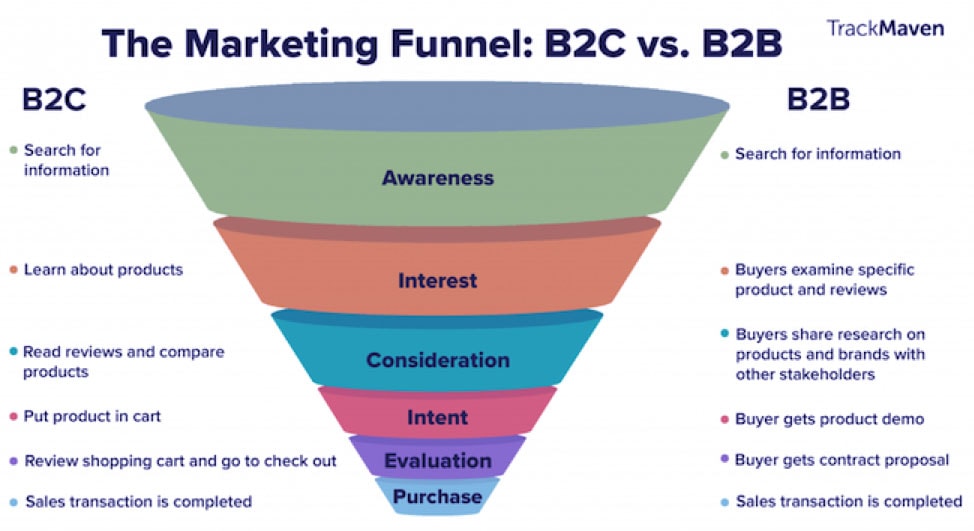
    In the marketing funnel, the conversion happens once that link is clicked within the ad or email. Maybe it’s where the visitor decides to download that eBook they saw advertised or sign up for a free trial! A landing page should feature these elements:

    • One value proposition
    • A primary, clear message
    • One simple call to action, or CTA

    It’s all centered around promoting one singular macro conversion and communicating the benefits of following the CTA. This hyper-focus should keep your objective clear and your visitor, well, focused on following through with that objective.

    Can Any Page Be a Landing Page?

    The answer is yes and no. There are two primary types of landing pages: referential and transactional.

    • Referential

    Referential is all about giving relevant information to the visitor. The goal here is to keep the visitor as focused as possible on the specific message by conveniently providing all necessary info to convert that visitor into following your CTA.

    • Transactional

    This is a page where the visitor must first fill out an info form (like e-mail capture for a mailing list, for example) to receive a discount code or access to download that e-book. Capture as much information about the visitor as possible, but be cognizant of how much is too much to your visitors!

    While any page on your website can technically act as a landing page, it depends on how singularly concentrated the content, and the CTA of that page is. Often but certainly not always, a landing page offers no further website navigation. It can be very convenient and cost-effective to customize a single page rather than invest in building out an entire website. (Psst…Agency Partner can help with both!)

    A landing page can arguably also still have some supplementary content. For example, your main navigation could house several subpages that are highly relevant to the primary topic of the landing page. This would require the user to stay on this single URL for extended periods to access all related content. However, make sure these subpages contain information only relevant to that value proposition, primary message, and simple CTA!

    What Does a Landing Page Look Like?

    Landing pages, be it referential or transactional, typically include some combination of the following:

    • A headline: This is all about your offer’s top-selling point – make sure it grabs attention!
    • A subheading: Add a bit of extra supporting information below your headline.
    • Copy: Tell your visitor all the details about what you’re offering and why they need it. Keep this information easily digestible – bullet point lists are a great option to include here!
    • A lead form: Key to the transactional landing page, this form collects contact information from your visitors.
    • CTA: Make it clear what you want your visitor to do next – “Buy Now,” “Read More.”
    • Permission checkbox: While not required everywhere, it’s a safe assumption that any contact sent to your visitors who fill out the lead form (think marketing emails) will require their indicated permission. Always get consent first!

    Other features to consider

    • Comparisons: Need to convey what makes your product or offer different? Create comparison tables to highlight the exact features you have over your competitors.
    • Testimonials: Stats prove that testimonials rank around 90% in content effectiveness. Let your customers share their stories with you to help build trust and credibility.
    • Video: Video is the most engaging format these days. If suitable for reaching your target customer, embed a native video onto your page.

    Look out for an upcoming post on how to optimize your landing pages! We’ll see you there!

    Need some more detailed help now with your current landing pages or a new, custom landing page made to promote your offer? Head over to our Contact Us page, and let’s see what we can do for you!

  • What is PPC management?

    What is PPC management?

    Expert Tips For What is PPC management?

    PPC management is no easy task. Deep knowledge of advertisement strategies, their relevant platforms, and how to make ad bids only scratches the surface of role complexity. For those who need the highlights, we’ve got a handy guide to get you started understanding this important role of modern marketing campaigns!

    So, What Is PPC?

    PPC, or pay-per-click, is a part of online marketing where advertisers agree to pay a fee every time an ad is clicked. Pretty straightforward, right? It’s like buying visits to your site, which is important as organic reach is getting harder and harder to achieve in the ever-growing digital market. One of the most common types of PPC these days is SEM, or Search Engine Marketing, used to describe any advertising meant to help make searching for a certain website even easier. (This is an umbrella term that includes SEO under it.) PPC helps build brand awareness, highlight brand specs, and get quicker results from specific audience types. PPC services are a cost-effective tool as money is only spent by advertisers once the ad is clicked through rather than simply displaying the ad.

    PPC ads go way beyond just a search engine results page or SERPs; you’ll see them on YouTube, Facebook, Pinterest, and even LinkedIn. Wherever a product or service has a target market, PPC ads are likely already there. This makes understanding and adjusting your business’ target audience data all the more critical. It also encompasses affiliate marketing, retargeting campaigns, paid search marketing, and price comparison advertising.

    The PPC Manager

    PPC management services like that of Agency Partner typically oversee the development & execution of ad spend on effective PPC campaigns to meet goals and ROI, both short and long term. They’ve got to be skilled at managing those budgets while also strategizing to build and bolster accounts & critical relationships. PPC services track metrics like view impressions, conversions, total sales value, and click-through rates to help strategize campaigns, optimize bid management, craft ad copy, and even more. With these metrics, they can also calculate the profit by subtracting total cost from total sales value.

    Who uses PPC?

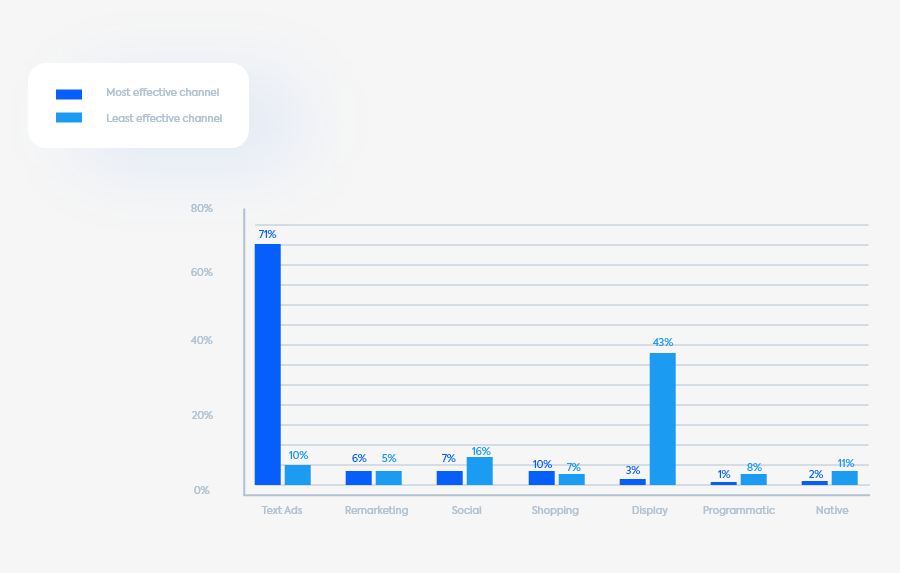
    The two most popular PPC platforms are Google and Microsoft Advertising. Generally, industries like retail and travel spend the most on PPC, while consumables and home improvement spend the least. Text ads, mobile, and remarketing tend to be the most effective forms of PPC.

    These platforms can help professional PPC management services do things like configure website traffic to support your ultimate business goals, whatever they are. PPC can benefit smaller businesses looking to scale up efficiently by offering granular targeting, access to immediate site traffic, comprehensive customizing, and quick results, all with a low entry barrier. Keep in mind that PPC campaigns do not boost your SEO rankings, though regardless, they can still connect your business to a much wider digital audience. PPC and SEO can work synergistically to create a cohesive marketing campaign.

    What Does A PPC Manager Do?

    • Keyword Research

    It’s almost impossible for a site to succeed without knowing what keywords users are searching for! Research is needed to know what to target and utilize when crafting ad copy for campaigns. For a smaller company’s campaign, targeting mid-tier rankings can be a wise option to gain an initial authoritative ranking before scaling as they grow, and it takes an intelligent PPC manager to know how to do that! SEMRush and Moz are excellent resources for analyzing keyword performance.

    The biggest responsibility, though?

    • Campaign Creation, Monitoring, and Strategizing

    Someone’s got to build out the ads, strategize bidding, set targets, AND optimize and monitor the campaigns! First off, a bid is the max amount of money an advertiser is willing to spend for each click on an ad, and the budget is the total amount to spend on this campaign. The bidding process works pretty much like a classic auction – Advertisers make a bid on an ad impression as long as the set budget won’t be maxed out, and the impression goes to the highest bidder. So that particular ad wins that spot on the page.

    These auction bids are made autonomously, and PPC managers oversee their optimization. They’ll need to track campaign analytics daily and update bids as needed per those reports. If some targeted keywords in the ad copy are performing better than others, their bids should be increased ASAP. Conversely, the bids for keywords underperforming may need to be lowered, so the budget is fully optimized!

    So How Do I Become A PPC Manager?

    Being a PPC Manager is perfect for someone with analytical and creative skills, excellent communication, and especially time management – you may be leading multiple accounts at once between search ads, display ads, social media ads, and even e-commerce ads!

    • Start developing a deep understanding of what PPC is and how it works – you read this article, so you’re already off to a good start!  
    • Build strong copywriting skills – these will be important for creating effective ad copy.  
    • Take an online course or two to earn certification – we suggest the Googe Ads and Facebook Blueprint Certification.
    • Familiarize yourself with PPC tools – knowledge of Analysis, Google Ads Editor, SEMRush, etc. will be a big bonus when getting started.
    • Study industry trends and current best practices – we recommend the Agency Partner blog, not that we’re biased or anything…
    • Look for freelance and contract work to build your resume – everyone has a start from somewhere!

    Feel a little overwhelmed? The role of PPC management is undoubtedly a big task, and the Agency Partner PPC Management team can take care of all of it for you. Head over to our Contact Us page to get started today!

  • Clutch Names Agency Partner Interactive as Part of the Global 1000

    Clutch Names Agency Partner Interactive as Part of the Global 1000


    Through the last couple of years, Agency Partner Interactive has developed a reputation for helping businesses double their revenue, even during the peak of covid shutdowns. That feat took a lot of hard work and dedication to pull off, but we did.

    Our efforts produced tangible results for our clients and partners, and now we’re seeing those results being paid back. We’re proud to share that Agency Partner Interactive has just been named part of the Clutch Global 1000 for 2021.clutch-badge

    Clutch is an independent review platform host to some of the top companies in the world. They use a unique verification process that allows them to determine that all reviews are legitimate before they’re published to the website. When a company can earn multiple high-quality reviews, it is recognized as Clutch leader through a set of annual awards. The Global 1000, however, is even better as it’s only given to the top thousand companies regardless of the industry the world over.clutch-reviews

    This is a noticeable step-up for us as a team, and we couldn’t be happier. Our CMO described the award like this: 

    This award is a welcome affirmation of our company’s commitment to excellence in marketing and technology service. We strive to help our clients achieve very specific business goals, and it is an honor and blessing to do what we do.” – Adam Rizzieri, CMO and Co-Founder of Agency Partner Interactive. 

    We’d like to thank our clients and partners who have made this award possible. We know that our success only came as a result of the hard work and dedication from everyone involved. We look forward to continuing to provide digital marketing and website design solutions for companies far and wide in an effort to grow their revenue, improve digital presence, and help them be better at what they do best. 

    If you’re looking for a top-tier team to help support your digital marketing or website needs, give us a call. We strive to create results and great experiences for our clients, and this recognition is proof that we are achieving our goals.

  • Where Can I Find the Best Web Design Services?

    Where Can I Find the Best Web Design Services?

    Expert Tips For Where Can I Find the Best Web Design Services?

    The web has become an integral part of our lives. It’s used for everything from shopping to staying in touch with friends and family. If you are looking for a way to improve your business or personal web presence, then it is time that you start searching for the best web design services around. Many companies offer website development solutions, but not all can provide the high-quality level of service you deserve. We have put together this guide on selecting the right company so that your project turns out just as you had hoped!

    When looking for a web design company, it is essential to keep in mind that not all of them are created equal. Some companies focus mainly on the design aspect of website development, while others specialize in coding and programming. It is essential to find a company that can provide you with a complete solution – from designing your site to developing it and maintaining it afterward.

    Why Is Website Design Important?

    A well-designed website is visually pleasing and will attract visitors to your site. It should be easy for users to navigate through and provide a positive web experience. If you want people to visit your site regularly or purchase from you online, then the design of the sites must grab their attention immediately.

    Creating a good first impression is crucial when it comes to web design. If you are looking for a new look, then this may require your current site to be completely redone from scratch. However, if you want an upgrade of the graphics and content on your existing website, that can be achieved through editing or adding some additional pages. If you’re struggling with getting sales or leads, a new website might be the right solution.

    Is a Website Good for Marketing?

    For many businesses, having a website is now seen as the best way to market their company and interact with customers – both online and offline. A well-designed site will not only improve your web presence but also provide several marketing opportunities for you.

    When it comes to an e-commerce website, people expect you to process any orders and transactions online. This means that you will need a secure payment gateway and an SSL certificate to ensure that all data is transmitted securely.

    A website can also be used for marketing offline businesses by including a map and contact information. Additionally, it can be used to drive traffic to your physical store locations or even promote special offers and events. A website is a significant investment, no matter what your business is.

    Finding the Best Web Design Company

    Ask Around

    One of the best ways to find a quality web design company is by asking for referrals from friends and family. If someone you know has recently had a website developed, ask them who they used and whether or not they were happy with the results.

    Sites like Clutch and UpWork also offer a great way to find quality web design companies. They have many reviews and ratings from clients who have used these services in the past and let you ask for a quote right on the website.

    Check Their Portfolio

    When deciding on a web design company, it is important to look at their past work. This will give you an idea of the quality of their designs and how well they can meet your needs. Be sure to ask the company for a portfolio of websites they have designed in the past, including small and large projects. If you are not happy with what you see, it is best to move on and find another company.

    Get Quotes

    Once you have narrowed down your search to a few companies, be sure to get quotes from each of them. This will give you an idea of how much the project will cost and help you make a decision based on price. However, do not make your decision solely based on price – be sure to look at the quality of their work as well. Never choose a web design company solely based on price.

    The best way to get a good deal is by negotiating with a web design company. They will often be willing to give you a discount if you agree to have them start working on your project right away. Many companies offer additional services other than web design. If you’re interested in any further services, the company might be willing to negotiate more.

    Understanding the Cost of a Website

    The cost of a website is not just the design and development of the site. It also includes website hosting, domain name registration, monthly or annual SEO services, and web maintenance fees. The cost of a website can range from a few hundred dollars to several thousand dollars, depending on the size and complexity of the project.

    When it comes to website design, you get what you pay for. If you’re looking for a cheap website, you will likely be disappointed with the results. A high-quality website should look great, function well, and be easy to use. It is important to remember that a website is an investment, and it is worth spending money on a good design company that can help.

    Where to Find the Best Web Design Services?

    When looking for companies to get quotes from and see their portfolios, the best option is to check out sites like Clutch and Design Rush. These sites offer a great way to find web design companies that you can trust. They have many reviews and ratings from clients who have used these services in the past, so you will be able to see what other people think of them before signing on with any company.

    Sites like Clutch also let you request quotes right on their website, making it easy to compare prices and services.

    Get a Quote

    Agency Partner Interactive is a top-rated website and marketing company. We have experience working in eCommerce, home services, and many other industries. If you’re looking for a beautiful website and extraordinary online experiences, contact us today!

  • Brand Building: Is Web Design an Effective Marketing Strategy?

    Brand Building: Is Web Design an Effective Marketing Strategy?

    Expert Tips For Brand Building: Is Web Design an Effective Marketing Strategy?

    A great website is the backbone of any marketing strategy. A company’s web design and digital marketing efforts will set them apart from its competition. Web designers can provide companies with a distinct look, which helps to build brand identity and gain more customers. This article discusses how effective web design and digital marketing can be for your business!

    Brands large and small spend a lot of time, money, and energy building a great website. And for a good reason. A website can help a business gain more customers, increase revenue, and expand its reach.

    The first step in building your brand is understanding how web design works with marketing efforts to achieve the desired result. Digital marketers need to align their marketing efforts with measurable goals and objectives under one strategy.

    Many things go into creating a website that will help boost your digital marketing efforts. This includes search engine optimization (SEO), bounce rates, responsiveness, load time, and more.

    One of the most important aspects of a great website is its design. If it’s not visually appealing, users will leave your site without taking any other action. In fact, 47 percent of web users say that they judge a company’s credibility based on their website design alone!

    Building Your Brand Through Web Design

    To build a brand, you have first to understand who your target market is and what they want from your business.

    Once you know this information, it’s up to the digital marketers of a company to come up with creative ways that will help their web design stand out among competitors in the industry. This includes using great colors, images, and UI/UX design.

    Using professional web designers and digital marketers to help make sure your website is aesthetically appealing and able to convert visitors into customers is a great idea.

    By using web design as an effective marketing strategy, companies can build their brand by becoming recognized as experts in their industry. This will help them gain more customers and increase revenue over time!

    User Experience

    A poorly designed and maintained website will greatly affect your customer’s experience. A website with a bad user experience will turn off web users, and they won’t want to return or share your site.

    If a company’s digital marketing efforts are not cohesive, it can lead to the opposite effect of what was intended — people seeing their brand negatively instead of an authority figure in their industry. This is why load time is the easiest fix on your site.

    If you have a lot of videos and images on your site, make sure the resolution is set to medium quality so it doesn’t affect page load time. For example, restaurant web design companies know that users don’t have patience for graphics-heavy online menus and will quickly leave a page that takes too long to open. Building your website with the user experience in mind will build brand loyalty and gain more customers through your web design.

    Web Design and SEO

    The way a site is designed can affect SEO or search engine optimization. When designing your website, make sure you’re catering to the standards of Google and other large search engines. You want your website to be indexed by their robots and have a proper robot.txt file.

    Today, Google uses over 200 signals to determine how a site should rank. And according to Forbes magazine, if your website is not mobile responsive, you will lose out on valuable SEO traffic from people searching the web with their phones! Digital marketers and web designers alike need to understand that search engines have evolved greatly since the early days of the internet and keep up with the trends.

    Make sure you’re also following best practices for SEO, as this will help improve your site’s ranking in search engines. This, in turn, will result in more web users finding your way.

    Optimizing Your Website for Conversions

    If your web design is not optimized for conversions, it won’t help your digital marketing efforts.

    Conversions are defined as actions that users take on a website, such as signing up for an email list or buying something from the online store. The more people who convert and interact with your business, the higher you rank in search.

    A complex website without an easy way to contact or purchase items will have fewer conversions.

    Ensure that all the important information is easy to find on your website and properly formatted for a positive user experience. An easy-to-navigate website with a strong call to action, or CTAs, will perform well. Web designers should always be focused on conversion optimization when creating a website.

    Tracking Users on Your Site

    Once your website is built, you’ll want to set up tracking to watch what people do on your page. While this might sound creepy, all the information sent to software such as Google Analytics is anonymous.

    A great way to check on how your customers interact with your site is by utilizing Hotjar and Crazy Egg programs. These programs allow you to see recordings of people using your website, where they are clicking, and how long they are spending on each page.

    By tracking users on your site, you’ll be able to make changes and improvements that will help increase conversions and keep people interacting with your brand.

    Website Design Made Easy

    If you’re looking for help with your brand, give Agency Partner Interactive a call! We’ve helped brands just like yours build beautiful responsive websites that are SEO friendly and have high conversion rates.

    Whether you are an e-commerce brand selling your products online or a home services company, we can help you take your brand to the next level.

    For a free quote on website design and digital marketing servicescontact us today!

  • IT Staffing Solutions: Scale Your Business Quickly and Easily

    IT Staffing Solutions: Scale Your Business Quickly and Easily

    Expert Tips For IT Staffing Solutions: Scale Your Business Quickly and Easily

    Your business is booming, but now you need more support than your current employees can handle. When looking for IT staff, you can hire someone on your own and hope that they can handle the workload. Or you can go with an IT staffing company that will provide you with the right resources and support when it comes to scaling your business.

    IT staffing solutions are perfect for businesses that need to scale quickly and easily. An IT staffing company will have a large pool of resources available so you can find the best fit for your specific needs.

    Many have heard of IT staffing but don’t know what it is. IT staffing refers to the process of employing temporary or contract workers who are skilled in information technology systems. This allows for flexibility and scalability in an organization’s IT department. Let’s take a look at some reasons why hiring IT staff can benefit your business!

    What is IT Staffing?

    IT staffing is the process of contracting your IT staff. This offers not only flexibility for your business but also gives you access to top IT talent from all over the world. You can use onboard a new IT employee or team in record time!

    IT staffing services are an excellent way to supplement your company’s IT department. Hiring contract or temporary workers allows for more flexibility than full-time employees without sacrificing the quality of service. Perhaps you’re at the beginning stages of building a team and need some extra bodies to get up and running quickly?

    Or maybe your long-term employees are on vacation or out of the office for an extended period of time? IT staffing services can help you cover these gaps without hiring a full-time employee.

    Who Needs IT Staffing?

    Small businesses, in particular, can benefit from using IT staffing solutions. When your business is just starting, it’s essential to be frugal and efficient with your resources. Hiring contract workers instead of full-time employees is a great way to do this. You can also scale up or down as needed, depending on the demands of your business.

    Does your business need a dedicated IT staff to help grow your business? IT staffing solutions can offer a customized solution that fits your business. You’ll have access to the best talent in the industry, and you won’t have to worry about hiring and training a full-time employee.

    It can be difficult for businesses to find qualified employees in today’s economy. IT staffing solutions offer a great way to get access to top talent without having to go through the hassle of recruiting and interviewing.

    How do I get IT Staffing?

    If you’re interested in IT staffing solutions for your business, the first step is to contact an IT staffing agency. They will work with you to assess your needs and find the perfect fit for your company. You can also browse through their database of qualified candidates to find the best talent for your specific project or role.

    Finding an IT Staffing Agency

    The first thing to look for when finding the right IT staffing agency for your business is to make sure they have a good reputation. Ask around and do your research to find an agency you can trust.

    Agency Partner Interactive has been offering IT staffing solutions for businesses just like yours. We have access to top IT talent across all industries. We understand the intricacies of hiring for different positions and projects, so you can trust us to find exactly what your business needs!

    To learn more about our IT staffing solutions or any of our other services, contact an Agency Partner Interactive representative today. A member of our team will work with you. The next thing to look for is experience. Ensure the staffing agency has to experience in the IT industry and knows how to properly screen and assess candidates.

    The next thing to look for is experience. When finding the right IT staffing agency, you want to ensure they are experienced in finding top IT talent. This is extremely important because you want to ensure the agency can find quality workers that will fit your specific needs.

    The last thing to look for is an agency that offers a wide range of services. This way, you’ll be able to get all of your IT staffing needs met by one company.

    Agency Partner Interactive offers a wide range of services and has experience staffing companies of all types. We understand what it takes to find quality workers that fit your needs, and we’ll work with you every step of the way.

    Contact an Agency Partner Interactive representative today if you’re interested in IT staffing solutions for your business! We’d love to help you get started on a long-term project or temporary role so that you can scale your business quickly and easily!

    Getting Started with IT Staffing

    Now that you’ve found a good IT staffing agency, it’s time to hire some employees! Here are a few tips to help you get started:

    – Make sure the agency has good references before hiring any workers.

    – Go over their resumes and assess which candidates would be best for your specific project or role.

    – If it’s a long-term assignment, you may want to have them sign an NDA so that they can’t share any sensitive information.

    – After you have chosen a candidate, contact the agency so they can handle all of the paperwork and background checks for you!

    If your business is looking to hire an IT worker or team, reach out to us today at Agency Partner Interactive! Our experienced teams will help find top talent that fits your unique needs.

  • Your Ultimate Guide to Mobile App Development in 2022

    Your Ultimate Guide to Mobile App Development in 2022

    Expert Tips For Your Ultimate Guide to Mobile App Development in 2022

    Mobile app development is no longer just for the big players. It’s time to stop thinking of mobile apps as a luxury and start thinking of them as integral to your business strategy. If you’re reading this blog post, it means that you are probably starting to think about mobile app development. 

    You should be!

    This article will provide you with some insights on what trends we see coming in 2022, so you can plan accordingly.

    What is Mobile App Development

    Mobile app development is developing mobile applications for smart devices, such as smartphones and tablets. Mobile apps are designed to run on your smartphone or tablet device. They are usually developed with a specific end-user in mind, focusing on what makes them unique compared to other platforms.

    The most common mobile app stores are the Apple App Store and the Google Play store. Apps are built using different programming languages, including Java, Swift, Dart, C#, and HTML 5.

    Why is Mobile App Development Important?

    Mobile app development is important because it allows businesses to create custom mobile applications to help them achieve their specific goals. For example, a business might want to develop a mobile app that helps customers make purchases or access information about their accounts.

    Mobile apps can also be used to collect customer data, which can improve marketing efforts and create a more personalized experience for customers. Mobile apps are projected to generate $693 billion in revenue for 2021 from app stores, in-app purchases, and in-app advertising.

    What is a Mobile App?

    A mobile app is a software application that runs on your smartphone or tablet device, allowing you to easily access information from various services right in front of you, no matter where you are. This means that it can be used for business and personal use case scenarios. An average smartphone user spends 35 hours per month using mobile apps. Apps like TikTok are set to have a revenue of over $2.3 billion dollars in 2021.

    What’s New?

    This article looks at the latest mobile app development trends in 2022. Here are some of the things you can expect for your business to have an advantage over others:

    Blockchain Technology

    While blockchain used to be synonymous with cryptocurrency and anonymous transactions, it can be used for decentralized data storage. Each record has a timestamp and unique hash value that cannot be altered without changing all subsequent blocks.

    This can be helpful when protecting user data and preventing data breaches. Apps backed by blockchain technology are end-to-end encrypted, meaning no one can access them without having specific encryption keys. With the rise of NFTs (non-fungible tokens), we expect blockchain to be a big player in 2022.

    Touchless UI

    Apps that utilize other input methods, such as voice and gesture control, are becoming more popular. We predict that there will be a surge in the use of touchless user interfaces (UI), which allow users to interact with apps using natural gestures and speech.

    There is a strong use case for voice applications, especially with Google Assistant and Amazon Alexa becoming more popular than ever before. This is great news if you own an Alexa or Google Home.

    Augmented Reality

    While augmented reality, AR, has been around for some time, it is now being used in apps at an increased rate. This trend will continue to increase over the next few years as AR becomes more mainstream and better integrated into mobile devices. Sellers, for example, can utilize AR to show how their products will look on a customer or in a customer’s home. We expect AR to become more popular in 2022, offering users a more personalized experience.

    Machine Learning / AI

    As AI technology continues to improve, machine learning will become a more significant part of daily life for many people worldwide. Machine learning helps computers learn and adapt to new information, while AI can complete tasks without requiring any instructions. Both machine learning and AI can be used in mobile apps for a variety of use cases such as:

    • recommending content based on your interests, likes, and dislikes
    • understanding user behavior better than ever before so brands can offer them more personalized experiences
    • facial recognition for added protection in mobile apps

    5G

    We expect the rollout of fifth-generation, or “5G,” wireless technology, also known as “the internet of things,” to impact mobile app development in 2022 significantly. This is because it will allow for faster download and upload speeds, which means that more data can be processed quickly without any lag time.

    Wearables

    Wearables, such as the Apple Watch and Fitbit, are becoming more popular each year. This presents a unique opportunity for mobile app developers to create apps that can be used on these devices. In 2022, we predict that even more wearable devices will be released on the market, so it’s essential to think about how your app will integrate and work with this kind of tech.

    VR

    With Facebook’s announcement of the Metaverse, we expect VR or virtual reality to play a significant role in 2022. VR allows users to experience digital environments and interact with them as if they were there. This can be used for a variety of purposes, such as:

    • education: giving students the ability to explore different parts of the world without leaving their classroom 
    • entertainment: immersing users in new and exciting worlds
    • business: training employees in new scenarios
    • medicine: allowing doctors to practice difficult procedures before ever touching a real patient

    VR can be used for entertainment, but it is also the next computing platform. There are many ways that VR will benefit mobile app development in 2022 and beyond.

    Are You Ready for 2022?

    Here at Agency Partner Interactive, we are excited for what the future holds. We know that mobile app development is constantly changing, and we want to help you reach your business goals in 2022 and beyond!

    If you’re thinking about developing an app but aren’t sure where to start, contact us today.We are one of the top mobile app development company by TopDevelopers.co

  • The 10 Best Animation Apps For Making Eye-Catching Videos

    The 10 Best Animation Apps For Making Eye-Catching Videos

    Expert Tips For The 10 Best Animation Apps For Making Eye-Catching Videos

    Here at Agency Partner Interactive, we are bullish on video. We all know the marketing power behind video marketing. It’s a powerful tool that can be used by any size business to connect with their customers and prospects in an emotional way, and it is one of the most shared types of content on social media. But, this doesn’t mean you have to hire a production company or spend thousands on professional-level equipment to make high-quality videos for your marketing campaigns. There are plenty of animation apps available today that give you the ability to create eye-catching marketing videos without having to break the bank!

    In fact, marketing videos don’t have to be perfect. They just need to get your point across and connect with your target audience in a way that is authentic and relatable. No one wants an overly produced video where someone looks like they are reading straight from a teleprompter. People want authenticity!

    There are so many video platforms out there, how do you know which one to use? What’s the best marketing video animation app out there? We have a list of ten marketing video animation apps that will help you create high-quality marketing videos for your business.

    From Adobe Spark to Flipaclip, we break down each marketing video animation app and share why it is great for any size company or agency looking to add videos into their marketing deck.

    Adobe Spark

    If you’re in marketing, there is no doubt you know the powerhouse that is Adobe. Adobe Spark is one of the marketing video animation apps that is part of Adobe’s family. With this marketing app, you can create graphics and marketing videos for your business or brand without needing to know how to use complicated software like Photoshop. It has templates built-in already so all you have to do is choose one, or start from scratch, upload images/videos from your computer, and you’re done!

    Adobe Spark has a free version, as well as a premium version starting at $9.99 per month.

    Canva

    Canva is a great marketing video animation app for creating designs and graphics. It is also free to use, which makes it perfect for small businesses or those on a tight budget. With over 600 templates to choose from and easy drag-and-drop tools, you can create any kind of marketing graphic or video you need without having to hire a designer. With tons of templates, you’re bound to find a design that works for your business, or you can build one from scratch.

    Canva has a free version and a pro version for $119.99 per year or $12.99 per month.

    Flipaclip

    If you like the style of old-school animation or flipbooks, Fliipaclip is a great choice for you! It is a marketing video animation app that allows you to create frame-by-frame animations on your phone. All you have to do is upload some images, or draw them in the app, then share it on your page as a Gif or video!

    Flipaclip is available for free via your favorite app store, but has premium features available as well.

    PicsArtAA

    PicsArt is a marketing video animation app that allows you to do more than just animate. With PicsArt, you can also add text, filters, and stickers to your videos for extra pizzazz! Create your own animated emojis using the Emoji Me feature.

    PicsArt is free to download but does have in-app purchases.

    Animation Desk

    Animation Desk is another marketing video that utilizes frame-to-frame animations. It is available for both Android and iOS devices. This marketing video animation app has a wide variety of features, such as the ability to add sound effects and music, create storyboards, and even collaborate with other animators!

    Animation Desk is available for free on iOS and Windows 10 but has a premium subscription as well.

    Animoto

    Animoto is a cloud-based video creation app that you might be familiar with. It allows anyone to create marketing videos within minutes! With Animoto, all you have to do is select from one of their many templates, upload some images and/or videos, then pick the style of music for your marketing video. You can also change up font styles to match your brand!

    Animoto has a free standard and their basic plan starts at as little as $96 a year or $16 a month.

    Powtoon

    Powtoon is another marketing video animation app that allows you to create animated marketing videos without the need for expensive software. With Powtoon, you can select pre-built templates of animated characters or video templates, backgrounds, props, and much more. Upload your own voice-over and background music for a great marketing video.

    Powtoon is free for personal use but has premium subscriptions starting at $228 a year.

    Stop Motion Studio

    Stop Motion Studio is a marketing video animation app that allows you to create marketing videos using stop motion. It has a frame-by-frame editor with tools for animating objects and backgrounds, as well as multi-layered soundtracks!

    Stop Motion Studio can be downloaded on iOS devices free of charge but does have some premium features available.

    Blender

    Blender is a marketing video animation app that can be used to create both still and animated graphics. It offers an expansive library of materials, textures, and models to use in your marketing videos. With Blender, you can create incredible 3D CG videos. You can also create your own using the built-in tools Blender has to offer!

    Blender is 100% free for any purpose, but consider donating if you enjoy the software!

    Animate it!

    Animate it! is a marketing video animation app that offers a wide variety of features for creating your own marketing videos. With Animate it!, you can create storyboards, animate characters, and props, add sound effects and music, and so much more!

    Animate it! is available for purchase on the App Store for $14.

    If you’ve tested these apps and need some more support creating stunning marketing videos, contact Agency Partner Interactive today! We have marketing video experts who can help you create the best marketing videos for your business. Contact us or call us today!

  • How to Market with LinkedIn: Tips and Tricks

    How to Market with LinkedIn: Tips and Tricks

    Expert Tips For How to Market with LinkedIn: Tips and Tricks

    LinkedIn is a social media platform for professionals, and it’s one of the most powerful tools in B2B marketing. Linkedin has powerful targeting tools that allow you to reach exactly who you want to market to. This blog post will go over ways to use Linkedin as a marketing tool and help your business grow!

    Set Up Your Profile

    The best way to start marketing on LinkedIn is to be on LinkedIn! Make sure your profile is complete and up-to-date. This will give people a good idea of what you do and how to reach you.

    Make sure to keep your profile up-to-date with any achievements, certifications, and courses you have taken. Linkedin is a social media platform for professionals, so it’s essential to have your profile set up as well as your business page!

    Set Up Your Page

    This will be the face of your business on LinkedIn. Linkedin is a platform for professionals, so it’s essential to make sure your company page looks professional. Linkedin has an easy-to-use design tool where you can customize the look of your LinkedIn page! Make sure to include information about your business, recent news or promotions that are going on, and all contact information. Linking out to your website and blogs are a great way to gain more organic traffic to your site.

    Define Your Audience

    We talk about defining your audience a lot at Agency Partner Interactive because it’s one of the most important steps! LinkedIn offers powerful targeting that allows you to reach people based on their job title, industry, company size, and more. Linkedin is one of the best platforms for B2B marketing because it allows businesses to target people looking for and can benefit from your services.

    Build Your Network

    One of the most powerful features of Linkedin is who you can connect with on Linkedin. Linkedin also has groups you can join depending on your business type or location! This will allow you to build a community of customers that may have had similar interests as well! Consider adding connections with people who are your ideal audience. Adding more people will grow your organic reach!

    Create Content

    LinkedIn is a great place to share content! You can share articles, infographics, videos, and more. Please make sure the content you’re sharing is high-quality and relevant to your audience. LinkedIn also has a feature that allows you to publish long-form posts on their site. This will let you go in-depth and get more detailed than you would on other platforms.

    Make Sure Your Page is Searchable

    If someone can’t find your profile or business via search, they won’t be able to engage with you. Make sure you have keywords in your profile relevant to your audience. Linkedin has a great tool that can help you optimize your Linkedin for search! If you have employees, make sure their profiles are up-to-date and linked to your page.

    Take Advantage of Analytics

    One of the best features Linkedin offers is analytics. This will show you who’s been visiting your page, what they’ve engaged with most on social media, and much more. Linkedin will also show you who is engaging with your posts and how to reach them! Linkedin shares this information to give B2B marketers a leg up and to be able to target more effectively.

    Congrats, If you’ve made it this far through the article…you’re doing great! Linkedin offers so many powerful tools for B2B marketing that can help any business market better using their platform. 

    Use Media to Improve Engagement

    LinkedIn offers many different types of media, and all allow you to engage with your target audience better. Linkedin will enable users to share images and videos directly on Linkedin! Who doesn’t love a beautiful photo or fun video? This is great for B2B marketing because it will help content go viral more efficiently than just text-based posts.

    Increase Your Reach

    One way to increase the reach and followers of your LinkedIn page is to add a Follow button to your website. This will allow website visitors to follow your Linkedin page without having to leave your site! You can also embed Linkedin posts on your website, which is a great way to keep followers updated on what’s going on with your company.

    LinkedIn is a powerful social media platform for businesses of all sizes! Ensure you’re taking advantage of all the features, as most of them are free to use.

    Highlight Great Performing Content

    Remember the analytics tools we talked about? Linkedin will show you which content is viewed, commented on, and shared the most. Linkedin shares this information to help BtoB marketers better market their business! You can take advantage of this by boosting your top-performing content to get more views on this post and your page.

    Target Your Audience with Paid Ads

    The advanced targeting that LinkedIn offers is perfect for advertisers. LinkedIn allows you to target people based on their job title, company size, and more. LinkedIn is great for BtoB marketing because it will enable businesses to target people looking for and can benefit from your services!

    We’ve found that offering eBooks or WhitePages perform well on LinkedIn. Consider creating a document that you can share with your leads in exchange for their information.

    Ready to Get Started?

    If you’re ready to level up with LinkedIn marketing, consider partnering with an agency with proven LinkedIn results. Agency Partner Interactive is a digital marketing agency that specializes in Linkedin marketing. We have years of experience helping businesses reach their target audience and generate leads.

    If you’re a B2B company looking to boost your lead generation, give us a call today! We can help you get more leads and get a better ROAS (return on ad spend).

    Want to learn more about B2B marketing?

    Check out these articles:

    What is B2B Marketing: Definition, Strategy, & Trends

    What is B2B Lead Generation

    How to Use LinkedIn for Business: A Step-by-Step Guide for Marketers

  • 8 Social Media Services That Agencies Should Offer Clients

    8 Social Media Services That Agencies Should Offer Clients

    Expert Tips For 8 Social Media Services That Agencies Should Offer Clients

    Less than a single generation was all the time it took for social media to go from a place for electronically exchanging information and virtual community to a crucial modern marketing tool that’s fundamentally changed the future of the entire industry. Marketing and advertising agencies have smartly responded by adding social media services, but which ones should a company look for when shopping around for the right agency to trust with their business? We’ve gathered our top 8 here…

    1. Platform-specific social media services

    They might all be social media platforms, but they also have very different best practices sets. Did you know that Instagram will be far less likely to push your video to your audience if a reel you post there has a watermark from another platform? Or that the lifespan of a post on Facebook is only 5-6 hours? Agency experts will know how to maximize efforts with each platform they specialize in.

    They also can help advise you on which platforms you should focus on. Don’t just go wherever is new or most popular – go where your audience/customers are! For example, if you’re a B2C company, don’t expect to see much sales ROI from a LinkedIn account. How about your audience’s demographics? Approximately only 14.8% of Pinterest users are male, and the average age of users on the platform is 40, BUT the age range of active ‘pinners’ skews younger. Platform-specific information like that in the hands of the right social media services company can be a hugely powerful tool to ensure a company’s social success!

    1. Strategy planning

    Would you start a road trip without having figured out your route first? Unless you’ve taken up van life, probably not. An agency should help strategize the best route for achieving professional goals as efficiently as possible. A detailed plan can be custom-built around many elements like audience research, niche analysis, keyword study, set content pillars, paid vs. organic ad strategy, content calendar structuring, repurposing know-how, and so on. Services for social media marketing should speak to every piece of this ever-changing puzzle.

    1. Account/profile creation and branding

    Signing up for a social account is easy, but factor in the right profile image to hook a casual peruser. Is your bio optimized for searchable keywords and conveying a clear message about who and what you are as a company? If you’re a retail store, do you know how to link to and integrate your product? Platforms like Pinterest and Instagram have developed features that allow users to buy directly from your business’ social account, so it’s vitally important for an agency to know how to keep the buying process as efficient as possible for your prospective customers!

    1. Content creation

    What’s social media without content? Creation is certainly a unique skill set and one that can also be platform-specific. It can entail graphic design, video editing, music pairing, scriptwriting, storyboarding, caption, and CTA crafting, all requiring alignment with that strategic planning. That’s not to mention the plethora of content creation apps on the market today. It can take weeks to master even one; an agency with this service should know exactly which app is best for a project’s needs and be ready to prove it!

    1. Content publishing 

    While we wouldn’t say, the act itself is complex, keeping up with it definitely can be. If anything goes wrong in the posting, be it a system error or human error, it can take a business owner’s valuable time to assess and sort the issue. Having multiple accounts to manage can confuse which content types are supposed to go to which platform. Sometimes pre-planned posts can end up not going according to plan when they clash with unexpected real-world events. Avoid appearing tone-deaf by keeping someone assigned to publishing management.

    1. Research and analysis

    Success doesn’t just happen; it takes a lot of time and a lot of preparedness: keyword and hashtag research. Let a full-service social media marketing agency like Agency Partner take care of all that while you run your actual business! Competitor audit, influencer-partnership research, trend tracking, and that’s just for starters.

    1. Education and consulting

    Social media for personal use is different from business use, which isn’t always intuitive. It can be hard to find the right balance between professional and relatable, and that’s where education and consultation come into play. You’ll set yourself up for the best long-term success by having someone(s) to teach you at least the basics of this hugely important marketing style, even if you don’t intend ever to be running it yourself.

    1. Community management

    So, your posts are gaining you lots of comments and DMs and taggings? Congrats! Now comes typically the most time-consuming part of the process – managing the community you’re building. Make sure to look for social media engagement services. It’s crucial to engage back with users reaching out to you. Just hearting their comment on your latest post is a small gesture that can make all the difference in relationship building with your audience. Thank your community when they create and tag you in user-generated content (UGC), and repost them where appropriate! Especially important if those messages and DMs are about customer service issues, you need someone skilled in managing that sort of issue in a professional, ‘brand voice’-y way. No gesture within your community should go unacknowledged! 

    Agency Partner Interactive is your first and last step in finding the right agency that offers you all 8 social media marketing services. Ready to take your company’s social media to the next level? Have you got any questions first? Let’s talk! Call our team at 214-609-1662 or send us a message to get started today!

  • What Is B2B Marketing: Definition, Strategy, and Trends

    What Is B2B Marketing: Definition, Strategy, and Trends

    Expert Tips For What Is B2B Marketing: Definition, Strategy, and Trends

    There are many different kinds of businesses and just as many terms to match! Like B2B, business to business, B2C, business to consumer, and SAAS, subscription as a service. Today, we will focus on B2B and what makes this kind of marketing different from other businesses, giving you best practices, trends, and strategies to use for your own business. If you’ve wanted to grow your B2B marketing for your company, you’re in the right place!

    What is B2B?

    A B2B or business-to-business company is one that sells its products or services directly to other businesses or organizations, not the general public. Services like Office 365, Salesforce, SugarCRM, and others are examples of SAAS companies that are B2B. Many organizations operate under both the B2B and B2C umbrellas.

    Any individual(s) with control or influence on purchasing decisions is the target audience for B2B marketing efforts. This can range from low-level researchers to the C suite.

    What is B2B Marketing?

    Marketing your B2B business is different than marketing for a B2C business. When looking at content, B2B is going to be more informational-based. It doesn’t have to be boring, but it is typically more focused on the services you offer and value for clients or members rather than selling a product immediately with catchy headlines.

    Most decision-makers are focused on the bottom line and are trying to get the most ROI or return on investment they can. It’s essential to give as much data as possible and provide as many services as you can to show the value in your company.

    Creating Your B2B Marketing Strategy

    Customers and even attention are in high demand. A thorough B2B strategy that results in success necessitates careful planning, execution, and management. Here’s a high-level summary of how B2B businesses distinguish themselves in a crowded market:

    Develop a Vision:

    The first step is to develop a clear business vision. You need to identify what you want your company’s future to look like and the role that social media, content marketing, etc., can play in achieving this goal.

    Define Your Market:

    Who is your ideal client? Who would benefit the most from your business? What are their demographic traits? Where do they live online and in the real world? Who are the decision markers? These are all things you want to consider as you start figuring out your place in the market.

    Identify the Best B2B Marketing Channels:

    Once you’ve defined your market, it’s time to start thinking about what channels will work best for marketing.

    The good news is that there are many options available these days, and the choice of which one(s) to use largely depends on how much budget you have, where your ideal clients live online (and offline).

    • Where do they spend their time online? 
    • What questions are they asking search engines? 
    • Which social media networks do they prefer? 
    • How can you fill opportunity gaps that your competitors are leaving open?
    • What industry events do they attend?

    Create Assets and Run Ads:

    Once you’ve figured out the best platforms to reach your customer, it’s time to create some ads! Find out what message you want to send to your customer. What will resonate best with them? What will they be most interested in? What do you want them to think or feel when they see your ad? Create engaging ads that are informative, not sales. You’re looking for value-add here rather than someone clicking on an ad just because it looks interesting.

    Optimize and Learn

    Once you’ve started your ads and your marketing strategy, it’s time to take a look at results and learn from what you’ve done. Which leads or customers came from which channel? What ad performed the best and why? How did these ads impact your overall marketing strategy and business goals? Look for ways to improve and look at new opportunities continuously. A well-performing B2B marketing strategy will need this less often, but when it’s just started, you’ll need to do it a lot.

    Types of B2B Marketing

    There are many types of b-to-b marketing strategies and campaigns, but they all can be broken down into four main categories: Blogs, search, social media, white pages/eBooks, email, and videos.

    Blogs: Blogs are a great way to get in-depth and detailed with your company’s expertise. Blogs allow you to create more educational content than sales, but it takes time and planning to do this well. The best B2B blogs are at least 1000 words.

    Search: SEO, or search engine optimization, is a very popular b-to-b marketing channel. This channel allows businesses to get in front of their ideal customer at the exact time they’re looking for a certain service or product. Google and Bing change their algorithms a lot, so it’s essential to stay up-to-date on search trends and best practices.

    Social Media: Social media is a powerful B2B marketing channel because, as we know, most business transactions start with some research phase – typically online – where your ideal customer will be looking for you or someone like you. Paid and organic social media channels are both valuable when it comes to B2B marketing.

    White Pages/eBooks: eBooks and white pages offer a way for B2B services providers and companies to get in front of their ideal customer with targeted, relevant information that they’re very likely looking for at just the right time. These are often used for lead generation and can be a very inexpensive way to reach your customer.

    Email: Email is the linchpin of all B2B marketing strategies, especially for lead generation and nurturing campaigns. Emails are most often used for sending eBooks or white pages and communicating with prospects throughout their buying journey from awareness through purchase.

    Videos: Videos can be a great way to introduce your company and its unique selling proposition (USP) while educating about the pain points of problems you solve. B2B companies often use whiteboard videos, live video streaming, or recorded webinars for this purpose.

    Ready to Up Your B2B Marketing Game?

    If you’re looking to improve your B2B marketing, consider contacting an agency. Agency Partner Interactive is a digital marketing agency that specializes in B2B marketing strategies.

    For more info, read our Ultimate Guide to B2B Marketing here and contact Agency Partner Interactive for a free quote and personalized strategy for your business.

  • What Does Your Company Brand Stand For?

    What Does Your Company Brand Stand For?

    Expert Tips For What Does Your Company Brand Stand For?

    Defining your corporate identity will provide considerable benefits. This article explores the key steps and strategies that should be considered to achieve this goal.

    Businesses understand how to define the products or services that they sell. Take Apple as an example. The tech brand has made a fortune by successfully positioning its products as minimal, stylish, and innovative. Even when they’re not constantly reaching these goals, customers still purchase products based on the assumptions that they have these traits.

    In contrast, defining corporate identity can be a far more complex conundrum. Defining corporate identity requires a business to answer two key questions:

    “Who are we, and where do we fit in the market?”

    It’s not just essential to answer this question for a buying target audience. Other audiences care about this answer, too, including shareholders and employees.

    Defining your corporate brand and understanding what your company stands for will provide significant benefits.

    It can provide a company with the right competitive advantage. If a business understands what the brand stands for, it will know how well they are positioned against rivals. It provides purpose and direction for that business as a whole.

    A corporate identity will also ensure successful levels of growth because businesses will find it easier to recruit new employees. They will understand how to attract the best recruits while ensuring that the business’s reputation as a whole is protected. 

    Elements Of A Corporate Identity

    Your corporate identity is formed from numerous elements such as:

    • Design – This includes assets that ensure a business is unique and stands out from competitors.  
    • Communication – How information is passed to different stakeholders and employees.  
    • Behavior – How the business reflects the core values, brand promise, and brand philosophy.

    Understanding Your Corporate Identity And What Your Brand Stands For

    Various models are used to assess the corporate identity and the brand position of the company. One example is the HBR Corporate Identity Matrix. This matrix postulates that there are internal and external elements that shape the corporate identity of a business. Furthermore, some features effectively bridge these two different groups.

    Theoretically, using the matrix could allow you to understand whether the business identity is clear and where improvements should be made to ensure that your identity provides the right benefits.

    Internal Elements

    The main eternal elements of corporate brand identity are the vision and mission of the company and the culture. This also includes the capabilities of the company or what it can bring to the table that separates them from other companies and organizations

    External Elements

    These elements relate to how the business wants or needs to be perceived by stakeholders outside the company. Factors such as value proposition and the positioning of the business must be considered here.

    Bridging Elements

    The bridging elements are some of those that we have already discussed, including:

    • How the brand communicates 
    • What it stands for 
    • The values that underlie promises made to the customers

    These concepts form the core of the brand identity, and they should be represented by simple phrases that summarise the intentions and the positioning of the business.

    How Can The Matrix Help You Understand Your Brand Identity

    According to HBR, the Corporate Brand Identity Matrix can be used by an individual or team to reveal whether a company’s identity is correctly integrated.

    Overall, there are nine different elements within the matrix. HBR suggests that business teams can start by formulating answers to any of the questions within the matrix, including:

    • What is our intended position in the market?
    • What are our key offerings?
    • What attitudes shape how we work and behave?

    The organization claims that if companies provide concise, straightforward, authentic, and timeless answers to the questions within the matrix, they will clearly understand whether their identity is integrated effectively.

    Past Successes

    HBR suggests that many businesses have already found success by using the Matrix. When Volvo was decentralized in 2016, the organization was left in a difficult and somewhat risky position. The business’s identity was no longer clearly defined, so the people within organizations were unsure how to best provide strategic support to “daughter” brands of the business. This led to issues with describing the brand through both marketings as well as investor communications.

    Using the matrix, HBR was able to help Volvo clarify its position, strengthen its brand identity on the market and ensure that it could communicate effectively with all the critical stakeholders of the business.

    Other organizations have seen similar successes after taking a deep dive into the stance of their respective brands. For instance, Cargotech, a significant player in the cargo handling industry, was able to use the tool to effectively bring three daughter brands together with a “one company” approach.

    A Starting Step

    It’s important to note that using a tool like the HBR matrix is only the beginning when improving your brand position and clarifying your corporate identity. Once corporate teams understand the identity, the legitimacy must be tested often with internal surveys. If the validity is confirmed, it’s then essential to ensure that every team member understands the brand identity and is working or communicating within these new guidelines.

    Taking these measures will ensure that a business succeeds in achieving cohesiveness. It will ensure that everyone within an organization represents the business in the same way with each interaction. Whether they are interacting with stakeholders, clients, or customers, the corporate identity should be upheld.

    The right corporate identity can also provide authority on the market and position your business as a leader within a highly competitive industry. This is possible through the right:

    • Action
    • Communication  
    • Design

    The profound benefits of understanding and maintaining your corporate identity should now be clear, and tools such as HBRs Corporate Brand Identity Matrix can be vital to achieving these goals.

    To gain a deeper understanding and expert support with the branding of your corporate enterprise, contact Agency Partner today. Our dedicated, experienced team is ready to assist you with your brand goals and help elevate your business in your respected industry.

  • What are the Most Common Web Development Services?

    What are the Most Common Web Development Services?

    The Types of Web Development Services

    Generally speaking, if your company isn’t online, it doesn’t exist to most people. Many businesses utilize web development services to create a user friendly website that can generate leads, sell products and more. Some businesses go so far as to create business enabling web apps, and others simply rely on a capable web presence to serve as a brochure of sorts. 

    Top Website Development Companies
    Agency Partner Is An Award-Winning Web Services Company

    Whatever your  goals, web development services bring brands online in such a way that creates value. There are many different styles of web dev services, and at Agency Partner Interactive, our award-winning website team offers free consultations so that we can first define the business problem at hand, before then recommending a single best web services solution.

    Web development services are popular and common among organizations of all sizes, from multinational corporations to tiny startups. There are several web development solutions to pick from, depending on your unique product needs and budget. A well-designed website or web application can be a valuable marketing tool as well as an efficient way to manage information. The bottom line in that an experienced web development team can reimagine your business and give you a competitive edge in today’s online marketplace. 

    There are several web development services that businesses may use to design and build a website or web application. Custom web applications, eCommerce platforms, full-stack development, CMS —there is no set formula for what your company needs in an online presence. It is all dependent on your business needs. 

    Here are some of the most common web development services you can use to achieve your goals:  

    Full-Stack Web Development 

    Both back-end and front-end development are included in full-stack web development. This sort of web design and development service combination produces a bespoke solution for your company’s needs by planning, designing, developing, and hosting the website. 

    Full-Stack developers are some of the most experienced and talented engineers you can find. They are capable of not only creating web applications but also helping with the hosting and maintenance of your web development projects. Full-stack web development companies have the knowledge to create a custom web solution. In addition to HTML and CSS, this type of development includes: 

    • Program a browser (like using JavaScript, jQuery, Angular, or Vue) 
    • Program a server (like using PHP, ASP, Python, or Node) 
    • Program a database (like using SQL, SQLite, or MongoDB) 

    The most common Full-Stack Web Development Services are: 

    • MEAN Stack: MongoDB, Express, AngularJS, and Node. js.
    • MERN Stack: MongoDB, Express, ReactJS, and Node. js.
    • Django Stack: Django, Python, and MySQL as Database.
    • Rails or Ruby on Rails: Ruby, PHP, and MySQL.
    • LAMP Stack: Linux, Apache, MySQL, and PHP.

    Ecommerce Applications

    Ecommerce web development is a subset of full-stack web development. The UX UI (user experience, user interface) considers both the front and back-end web technologies needed to run an online store. This is often a custom web development service and is geared toward businesses looking to sell products online. These web project often require experienced eCommerce UX designers and website designers to get the job done right. Ecommerce web design companies can develop stores from scratch or set up a shopping cart plugin for your existing website. This type of web application goes beyond simply having a shopping cart, but it actually handles inventory, payment processing, product listings, and more!

    The most common eCommerce platforms are: 

    Custom Web Applications 

    Custom web applications are custom web-based solutions for your business needs. Unlike a website, web applications are software elements that run on a web server. They are web-based, but function like traditional desktop applications.

    In all likelihood, you probably use a web application every day without even knowing it. 

    Some popular web applications you may already be familiar with include: 

    • Facebook (built on the PHP programming language)  
    • YouTube (built using Python and Django web framework)  
    • Twitter (built using Ruby, Java, C++, etc.)  

    Content Management Systems (CMS)  

    Content Management Systems are web applications that allow users to update website content through a web browser. CMS services are often used by companies to update web pages quickly without the need for hiring web developers.  

    The most common CMS platforms include: 

    QA & Testing  

    Quality assurance and testing are sometimes the most overlooked web development service. Quality assurance helps web developers ensure that the application they are building works properly.  

    Testing web applications and websites, is an important step in web development to make sure your website meets the performance, quality, and usability requirements for your business need before moving forward with any project. Testing can be done both manually or through automated software tools like Selenium – which uses a web driver to control web browsers. 

    Web Support and Maintenance 

    Once you’ve finished building your website or web application, web support and web maintenance services will help keep it running smoothly. 

    Web support is web management that prevents issues from arising in the first place. This includes tasks like training employees to use your web application correctly, monitoring system performance, reviewing logs for errors or security vulnerabilities, etc.  

    Web Maintenance ensures a website runs as expected after launch by fixing web issues, making web improvements, updating web content, and more.  

    Website support and maintenance usually come in three different types:  

    • Monitoring: web monitoring means you have dedicated professionals monitoring your infrastructure 24/7. Web monitoring is also web security – so your website can detect potential threats and escalate them quickly. 
    • Remediation: this is a type of monitoring that includes issue resolution by trusted developers. 
    • Management: web management includes both web support and web maintenance services that help maintain a healthy, bug-free environment for all of your web applications. This might include tasks like updating software libraries or plugins, patching servers against known vulnerabilities, etc.  

    Are You Ready to Upgrade Your Online Presence? 

    SEO marketing
    Meet With Our Web Design Services Team Today

    Whether you have a website and need help maintaining it, or you have an idea for a web application and need help bringing it to life, we can help.  

    Contact Agency Partner

    Hiring an experienced web development company will ensure you get the web presence your business needs to succeed. Have you recently taken on the challenge of filing an LLC or starting a new business? If so, you should know that Agency Partner Interactive has years of experience building web applications, eCommerce sites, and websites for companies just like yours. If you can dream it, we can bring it online. 

    Located in Dallas, Texas, Agency Partner Interactive is a web design, digital marketing, and web development services company that can help you achieve your business goals. We are recognized as a top web developer by TopDevelopers.co


    Contact us today to find out more about our web development services! 

  • What Does A Graphic Designer Do?

    What Does A Graphic Designer Do?

    Expert Tips For What Does A Graphic Designer Do?

    So, what does a graphic designer do exactly? Well, they design graphics.

    Okay, thanks for reading! Bye!!

    I am just kidding.

    There’s SO much that graphic designers do.

    Graphic designers create visual tools to support a brand’s ideas and messaging that influence and inform consumers. Their handiwork is everywhere you look! As the expression goes, art makes you feel something while the design makes you do something, and graphic designers do both.

    A Day in the Life

    Also known as visual designers and graphic artists, the particular role of a graphic designer can vary widely depending on the specifics of their project and client. They may craft the overall composition and production design for any media such as advertisements, logos, short-form video, product packaging, social media content, or corporate reports, and that’s just scratching the surface. A pretty general overview of a typical day for a graphic designer looks like… 

    Setting the Day’s Workflow 

    • Daily tasks and expectations are established. They may be advised by the client and then assigned by any relevant in-house or agency project manager. It is essential for time management if freelancing. 

    Reporting & Updating 

    • Communication is a must about progress updates and any check-ins for feedback on yesterday’s headway. Meetings may be had directly with the client or with project managers. Estimated finish dates will often be determined or updated, and clarification of direction may be needed.  

    Research 

    • Many say that true originality no longer exists. There’s nothing unusual about a creator needing some inspiration to get started. Maybe it’s spending some time researching similar projects by other designers or getting some insights into the client’s intended market audience. Take a look at what’s trending lately or look into what’s unique about marketing within the current project’s industry. 

    Drafting 

    • Time to put the research to work! Short projects may require rough drafts being ready in a matter of hours, while others may take several versions of proposals as the ideas are fine-tuned.  

    Designing 

    • The designer incorporates the specific client-provided brand assets like the brand’s approved typefaces, hex codes for colors, logos, or any other cohesive elements to begin bringing the project to life. Be it Figma or Photoshop or Final Cut Pro, here is where it matters most that a creator knows what software will give them the best, most relevant results. 

    Wrapping Up 

    • Has the file been saved and sent back to the client for review? Has a backup copy been made yet? Update the client once more on ETAs also before calling it a day!

    Graphic designers utilize an impressive span of knowledge and skills.

    A solid graphic designer must understand color theory, psychology, typography, design software, and visual elements and marry it all to each brand’s unique identity. They’ve got to be skilled at consolation and presentation, sales, HTML, analytics, infographics, storyboard creation, design strategy, task flexibility, interpreting aesthetics, cost estimation, font selection, spacing, ad design, photo-editing, proofreading, visual message integration, and everything in between.

    This job is anything but simple!

    With such a variety of skills, many graphic designers develop into roles like Art Production Manager, Brand Identity Developer, Logo Designer, all the way up to Creative Director; so many more happily stick long term with the job description they love.

    Graphic designers combine art with tech.

    Through a combination of technology and art, a visual designer’s goal is to enhance a brand’s recognition and ensure their visual message is consistent and accurate, marketing-wise. This usually starts with producing rough illustrations of design ideas, either by hand sketching or in the relevant creative software.

    Nowadays, with the prevalence of digital tools, it’s not impossible to lack drawing skills and still be a graphic designer as long as there is a strong artistic eye and a good sense of design elements. Knowing just the basics of pencil sketching can be all you need for noteworthy creations, especially when it comes to graphics in UI/UX design and web development like that of Agency Partner.

    Understanding the possibilities and limitations of media, like the responsiveness of an app or the physical material a graphic will be printed on, can make a massive difference in the scope of effective design. Much the same way drawing skills may be helpful but not intrinsic to good graphic design, coding knowledge isn’t a must but can smartly inform an artist’s ideas and ability to collaborate with developers when necessary. Speaking of…

    Graphic designers stop, collaborate, and listen.

    An intelligent graphic designer often collaborates with teams of programmers, analysts, marketers, copywriters, client executives, and even other visual designers to successfully render their final products. It’s beyond important that a graphic designer carefully listens and prioritizes to understand clients’ objectives and effectively strategize their designs.

    While artistic sense and ability are essential, one of the best ways for designers to set themselves apart in this competitive industry is by strengthening client-related soft skills. Learning how to stay attuned to a client’s needs and effectively communicate through every step of the process can be the difference between ‘good’ and ‘great’!

    Graphic Designers DON’T…

    As important as understanding what a graphic designer does, we also need to understand what is mistaken for falling under their already extensive list of responsibilities. Graphic designers do not decide the brand identity, only how to help visually bring it to life effectively. While they may create stunning visual details within an app, the app layout itself doesn’t entirely fall under their job description. Need a map drafted for a new travel book? Got a marketing presentation due soon? Nope, not a graphic designer’s job either…at least not yet!

    Working as a graphic designer can be stressful considering how many different tasks you may have to handle daily and how lightning-fast the industry trends and tools typically evolve. Branding has never been more critical than now, and skilled graphic designers are vital to its success and effectiveness. The graphic design job outlook is pretty rosy, too, with the job market for the position projected to grow 4.2% in the ten years between 2016 and 2026. From print to digital to motion graphics and more, this industry will never go out of style.

  • How to Design a Website

    How to Design a Website

    Expert Tips For How to Design a Website

    A web presence is essential in a digital world, especially if you’re a business or brand. Did you know that the very first website was launched on August 6, 1991? Now there are nearly 1.9 billion of them! But how do you even design a website in the first place?

    A website uses 3 main languages to set its framework, design, and performance

    • HTML defines the basic structure and accessibility of websites
    • CSS sets the presentation, style characteristics, and layout of its pages.
    • JavaScript controls a website page’s interactivity

    So how about in plain English this time…

    Let’s break that down step by step, shall we?

    Set your intent

    What’s your purpose in creating the site? Got a product to sell or a service to promote? Maybe you want to start a blog or portfolio or new social hub, and the term “Community Standards” makes your head want to explode. Set your own! Having a clear picture of why you’re creating will make the flow of this process so much easier from start to finish.

    Choose a host or website builder

    A site host like Vultr or SiteGround may be all you need if you truly want to create your site from scratch. But if that’s a little more in-depth than you’re interested in, check out a website builder such as WordPress and Zyro. Wanna simplify the process even more? Agency Partner can take care of web development for you!

    Register your domain name

    There are three primary, customizable parts to a domain name:

    • Subdomain: typically ‘www’ (#funfact it can technically be any combo of letters!)
    • Root domain: your unique site address
    • Top-Level Domain: .com, .net, and .org are most common

    Depending on availability, you can purchase a domain name for as little as $2.99 annually. Think about what your full URL might look like when choosing each part. Consider the relevance of TLDs in your niche and industry; for example, .org typically doesn’t make much sense for an eCommerce site.

    Define the layout

    The structure can be critical to the success of a website. If navigation is not clear or intuitive to the user, they won’t stick around, and your bounce rate metric will skyrocket. No Bueno!

    Consider your brand

    Make sure the site reflects the brand and its messaging. Even an artist building that online portfolio or a non-profit seeking online donations need a clear brand identity. From the micro and UX copy of your hamburger menu to any site error messages, the tone of voice must be consistent across the entire site. How about the color palette? If you have a brand logo, is it being thoughtfully placed in your design?

    Prep your content

    Think about what relevant types of content can help you build authority and trustworthiness in your industry to drive traffic and engage your ideal customer avatar. Batch create your content as far in advance as possible, try using content calendars to stay organized, and always hit that ‘Preview’ button before you publish anything!

    Strategize your SEO  

    How do your customers find you in an ocean of competition these days? Through search engine optimization, or SEO! This affects almost everything about your site, right down to that domain name you picked. Consider your keyword strategies when creating content, defining your user interface (UI), and even crafting back-end content like metadata! Ensure these keywords are terms your customers would naturally use when looking for what you offer, and always follow SEO best practices.

    Include useful pages 

    Could your site’s users benefit from an FAQ? Need a ‘Contact Us’ or booking page? Always keep first in mind your users’ needs and experience while they’re visiting. Anything that you can make native to your site to minimize site redirection is ideal! If you’re a restaurant, make sure to have your current menu, contact info, business hours, etc., directly available within your own site so that the user doesn’t need to go anywhere else for it!

    Design your website elements 

    Popular user-friendly platform Canva is an excellent resource, both its free and Pro versions, especially if you’re more of a beginner with graphic design, though Photoshop and Adobe XD remain the industry standard. Both YouTube and Skillshare host tons of design tutorials for all skill levels. Remember that a very elements-heavy site will likely run slower for your users than a more streamlined, minimalist approach. Good news for you beginners! For website design ideas, we love perusing Pinterest and Elementor. Also, hiring a pro graphic designer might be a wise investment, time- and money-wise. A site that doesn’t truly look polished and professional is much less likely to be trusted as a legitimate page.

    Make it accessible for everyone. 

    ADA compliance across the digital space has seen a massive push in recent years, and we at API are here for it. In fact, complying makes you eligible for a tax deduction of up to $5,000! Not sure if yours is up to compliance standards? Check out these tips, or have API do a full site audit for you!

    Optimize for device compatibility

    Approximately half of all website traffic comes from mobile devices as of 2017, so it’s essential to consider how your site will look and function outside of just a standard computer.

    Set up back-end analytics

    If your web builder doesn’t have site analytics built-in, or you need a deeper view, consider signing up for Google Analytics for insight into your site’s performance.

    Now for the scariest part of all – Hit ‘Publish’!

    Yep, it’s definitely a lot, but take it one step at a time. You got this! You no longer have to know the ins and outs of coding to build a beautiful, user-friendly website. Of course, that’s not to say using a site builder is easy enough for absolutely everyone or that everyone has the time to build a site themselves. So, if you don’t get this, remember Agency Partner is one Contact Us page away! 

  • Consulting Is More Than Giving Advice

    Consulting Is More Than Giving Advice

    Expert Tips For Consulting Is More Than Giving Advice

    A consultant is one of those professions that many people will have heard about, but few know what it means.

    The global consultancy industry is worth $250 billion and has continued to experience growth in recent years. The success of the consulting industry is relevant to the worldwide economy, and as organizations enjoy growth, they turn to consultants to help guide their future strategies.

    Clients can benefit from consulting services when they truly understand what they want, know what to ask of consultants, and deliver appropriate recommendations.

    But while businesses look to consultants to provide advice and recommendations, the guidance provided isn’t always taken on board. So what is a business consultant, and how can a consult become more than just giving advice?

    What is a business consulting all about?

    Management consulting can encompass many things. While consultants typically offer services relevant to their specific industry expertise, steps involved in the consulting process underpin the work.

    However, each business will have its objectives for what it wants from the consulting process. The clearer the company’s objectives, the more successful the consulting process will be.

    Of the potential steps involved in the consulting process, many clients only focus on some of what could be achieved through consultancy. Understanding the different elements could strengthen the client’s request, enabling a successful consulting process to be completed.

    Information gathering

    A significant portion of a consultant’s work will relate to information gathering. Consultants can have access to tools and data gathering techniques that businesses may not possess themselves, in addition to having the capacity to carry out the research that companies may not have.

    There’s a responsibility on both the client and the consultant to provide clear intentions for the information gathered on how to be used or why it’s needed. This can help inform the process to ensure the most relevant outcome. For the consultant, having a clear brief to work from will help ensure that the work carried out meets the client’s needs.

    Working to identify the problem

    Businesses engaging with consultants usually do so because they have a problem to solve. This could include expanding into a new location, launching a new product, or adopting a sales or promotion strategy. Clients usually engage a consultant with the problem they need solving, and a consultant will search for the solutions.

    However, a great consultant will look deeper into the issue and explore whether the problem present is the real issue at hand. By understanding the background to the issue and even reading between the lines to work out a better solution, a consultant can see broader or related problems at bay.

    Presenting this information to the client can lead to an appropriate way forward that provides the best way and ensures the right outcome come for engagement.

    Using expertise to provide solutions to the problem

    A consultant’s strength lies in their ability to diagnose the issues resulting from the client’s problem effectively. This process, however, can be a difficult one, especially if clients are reluctant to divulge certain information. For clients to get the most from their consultant, they need to answer difficult questions about previous decisions or certain behaviors within the organization.

    For clients, being unwilling to aid parts of the process can mean that the consultant can’t do their job thoroughly. An independent consultant is hired for a reason. Management needs to let the consultant in and uncover the internal processes, decisions, skills, and other key factors to diagnosing the problem and coming up with the appropriate solutions.

    Making recommendations

    Providing recommendations is a vital function of a consultant and is the final step in the process for many businesses, who will then decide how to implement these recommendations. Many don’t implement them, often citing unrealistic recommendations that are not accepted by executives, boards, etc., or are unworkable due to budget or process constraints. However, it doesn’t always have to end this way.

    If the client is involved throughout the process, then the recommendations provided will have been developed in line with the achievable objectives set out at the beginning of the process.

    Securing agreement and action

    Most people believe that the responsibility for implementing a consultant’s recommendations lies with the client. However, if the client does nothing with the recommendations offered, it becomes a waste of the consultant’s time and energy. Clients should explore ways in which a consultant can assist with implementing recommendations in a supportive and constructive way.

    Being willing to implement the recommendations is another factor to consider. It’s essential to seek buy-in from the higher-ups who will sign off on the proposals, which involves persuasive action from the consultant and the individuals working on the engagement from the client’s side. Close working throughout the process and a willingness from the client to bring people of all levels into the process can help make the process more collaborative. This can lead to agreement on the proper action to take, helping to get the most effective outcome from the engagement.

    Leading change through process

    A management consultancy engagement should result in definitive actions to take now. Still, it should also consider future challenges the client may face, with some recommendations and learning that can help them navigate these challenges. Changes to processes could be one of the ways this is achieved, but the client must be open to making these positive changes.

    As businesses turn to consult more and more, they’re starting to see the value that making full use of a consultant’s expertise can bring. While information gathering and the subsequent report of recommendations can satisfy some businesses’ needs, they’re missing out on the full value working with a consultant can bring. As businesses learn more about the potential consultancy can bring, consultants will need to adapt their approach to ensure full service to their clients.

    If you’re looking for expert consultancy, get in touch with Agency Partner Interactive today. We can provide business consulting services to satisfy your web design and marketing needs. Let us help you find the right solutions for your business.

  • The 18 Best Advertisements & Ad Campaigns of All Time

    The 18 Best Advertisements & Ad Campaigns of All Time

    Expert Tips For The 18 Best Advertisements & Ad Campaigns of All Time

    While it can often feel like many of the adverts you see in the modern world are cut from the same cloth, there is an art to creating an ad campaign that people remember. Many of today’s ads borrow elements from the best campaigns that have been seen throughout history, using the foundations that other companies have set.

    For those that have seen shows like HBO’s Mad Men, though, you will know just how much has gone into creating some of the world’s best advertisements. Join us as we explore some of the most outstanding ad campaigns of all time.

    1. Budweiser, “Wassup?!”

    Let’s start with a fun one. Budweiser struck gold with their 1999 “Wassup?!” campaign, featuring a series of videos of friends on a group phone call having fun and repeatedly exclaiming “Wassup?!” in silly voices to one another. This made the beer look fun and lighthearted while also painting a picture of kinship amongst its drinkers.

    2. Nike, “Just Do It.”

    Nike has always invested a lot into advertising, but their “Just Do It” slogan has been on just about every one of their ads since the late 80s. This ad campaign is designed to convey a no-nonsense approach to pushing people to achieve their fitness goals. Can’t be bothered to exercise today? Just do it. Nikes got your back.

    3. Coca-Cola, “Share A Coke.”

    From changing the color of Santa’s outfit to poking fun at rival companies like Pepsi, Coca-Cola has long dominated the field of marketing. In 2011, Coca-Cola began adding individual names to their bottles for their “Share A Coke” campaign. People love a personal touch, and buying a bottle with your name on it is a genius way to achieve this.

    4. Apple, “There’s An App For That.”

    It’s tough to say which of Apple’s ad campaigns is the best; there have been so many great ones. The “There’s An App For That” campaign kicked off in 2009 as a way to show off the versatility of the latest iPhone devices. Campaigns like this have paid off for Apple, with iPhones being one of the most popular mobile devices on the market.

    5. De Beers, “A Diamond Is Forever.”

    Diamonds didn’t use to be that popular, but now most people would associate this rock with wedding and engagement rings, as well as luxury jewelry. In 1947, De Beers launched their “A Diamond Is Forever” campaign, targeting young men who wanted to show their status and give something extra special to the important woman in their life.

    6. Cadbury, “Gorilla Drummer Drums.”

    Advertising a product like chocolate can be a challenge without relying on the sultry imagery usually found in perfume ads. Just about everyone remembers the famous “Gorilla Drummer Drums” adverts from back in 2009, in which a gorilla drums along to Phil Colins’ “In The Air Tonight.” This ad was for their Dairy Milk brand and was voted the UK’s favorite advert.

    7. Old Spice, “The Man Your Man Could Smell Like.”

    Most companies will target the people who will be using their product when they make an advert. Old Spice took a different approach with their “The Man, Your Man Could Smell Like” campaign, though, targeting ladies who wanted their partner to smell as good as possible. The tagline is one thing, but the video cuts in these adverts make them stand out.

    8. Google, “Year In Search.”

    In 2018, Google decided to launch an ad campaign centered around the most common search terms used on their platform throughout the previous year. This proved to be a great way to connect everyone who watched the adverts, especially when it was revealed that the word “Good” had been searched more times than ever before.

    9. Volkswagen, “Think Small.”

    Even a decade and a half after WWII, American’s were still fixated on the large and fast US-made cars that dominated the market, rather than smaller European models. VW decided to take advantage of this in 1960, producing their “Think Small” ad campaign that sought to highlight the small size of their cars as a selling point rather than something terrible.

    10. Skittles, “Taste The Rainbow.”

    Skittles have long been using the “Taste The Rainbow” slogan for their advertising, and most people will associate these words with the colorful candy. The tagline works because it gives customers the sense that they will not only see the colors in Skittles; they will be able to taste it. Conveying taste through marketing can be challenging, but Skittles has nailed it with this one.

    11. Sony (Bravia), “Colour Like No Other.”

    The early 2000s was an excellent time for companies like Sony. Anyone old enough to remember 2006 will likely have seen the “Colour Like No Other” balls advert that hit TVs worldwide. This advert is compelling yet straightforward, with Sony dropping 250,000 bouncy balls down a San Francisco street to get across the idea that their Bravia TV line-up offered better color than anyone else’s. 

    12. Leslie’s Weekly, “I Want You!”

    It’s time to look back at an ancient marketing campaign, one that is often viewed as propaganda today. Most people know of Uncle Sam and will have seen the famous “I Want You!” poster plastered across the US throughout 1917. This poster was initially published in Leslie’s Weekly to push young people to join the military during WWI.

    13. Red Bull, “Stratos.”

    Red Bull has long been using extreme sports to advertise its energy drinks. The Red Bull Stratos project was a little different and involved sending a man named Felix Baumgartner up to an altitude of almost 26 miles for the highest free-fall in human history. More than 9.5 million users watched the event live, and Felix was the first human to break the sound barrier without a powered vehicle. Pretty cool, and great advertising.

    14. Absolut, “The Bottle Campaign.”

    Starting in 1980, Absolut ran their “Bottle” campaign for around 25 years. Making their bottles one of the most recognizable globally, this campaign involved countless printed images of their bottles taking on different forms. These ads have gone down in history from New York taxi cabs to the peel from an orange. 

    15. Twix, “It’s Time To DeSide.”

    Despite both sides of a Twix bar being identical, this candy manufacturer took advantage of the competitiveness of humans with their “It’s Time To DeSide” campaign. Asking customers which side of Twix was the best, they could poke fun at their product while also creating an ad campaign that stuck in customers’ minds.

    16. Dos Equis, “The Most Interesting Man in the World.”

    Even if you haven’t seen the legendary Dos Equis “The Most Interesting Man in the World” campaign, it’s likely that you’ve seen the memes that have spawned from it. The catchphrase that comes with these adverts has been enshrined in internet history, and this is an excellent way to sell a product, even if it wasn’t the intended result.

    17. Pepsi, “Is Pepsi okay?”

    If you’ve ever asked for a Coke at a restaurant or bar that serves Pepsi, you’ve probably heard “Is Pepsi okay?” as the response. Well aware of being widely considered second-best compared to Coca-Cola, Pepsi has long taken advantage of this, with their “Is Pepsi okay?” campaign poking fun at their beverage.

    18. Avis, “We Try Harder.”

    Much like Pepsi, Avis has long been the second most successful company in its field. Having worked extremely hard to take the top spot, Avis created the “We Try Harder” campaign to show customers that they work much harder than the competition.

    Advertising has long been a significant element of human society. No matter where you are in the world, you can see adverts plastered on walls and displayed through your TV screens. While many of history’s most outstanding ad campaigns are behind us, there is still plenty of room for more to join the ranks of those we’ve covered in this article. 

  • 7 Best Email Marketing Services for Small Business (2021)

    7 Best Email Marketing Services for Small Business (2021)

    Expert Tips For 7 Best Email Marketing Services for Small Business (2021)

    Email marketing is one of the most tried-and-true and consistently reliable forms of marketing available – and it comes with a wide variety of benefits that mean it should be a staple in any business marketing arsenal.

    For one thing, email marketing is generally remarkably cost-effective by comparison to other marketing approaches. An email itself typically costs nothing to send. Still, for your email marketing campaign to be truly effective, it’s essential to utilize the exemplary email marketing software service for the job – which will entail some cost.

    Still, when stacked up against all sorts of other forms of marketing, email marketing is consistently one of the most affordable and cost-effective and likely to prove to be a worthwhile investment of resources.

    According to the Direct Marketing Association, businesses in the United States see an average 4300 percent ROI (Return on Investment) with email marketing.

    All the same, effective email marketing does largely depend on utilizing the right email marketing software, not least of all to ensure that your emails get reliably delivered.

    If you don’t choose wisely, there’s a risk that you’ll end up paying for a service that yields a dismal deliverability rate, therefore costing you money, time and also undermining your entire marketing effort.

    Here are seven of the best email marketing services for small businesses as of 2021.

    1. SendinBlue

    SendinBlue offers a complete SMS and email marketing service for businesses and has the distinction of being one of the fastest-growing email marketing businesses in all of Europe.

    Simplicity is the name of the game with this service, with a simple drag-and-drop email editor allowing for even complete novices to email marketing to create beautiful, elegant, and highly engaging emails that can make all the difference.

    SendinBlue also offers a series of beginner-friendly marketing automation tools that allow for the creation of automatic follow-up emails, transactional emails, timed bulk emails, and more.

    The free plan for SendinBlue allows for unlimited contacts and up to 300 emails a day, although the emails will Include company branding. Paid plans start at $25 per month, with the option to add SMS services – although these can influence price depending on specific requirements. 

    1. Constant Contact

    Constant Contact is known for being one of the most important and rapidly growing email marketing services globally and one of the most beginner-friendly.

    With this service, managing email lists, templates, scheduling, and more, is straightforward and intuitive – and the company offers unparalleled customer support, ranging from phone lines to email and live chat to a great library of valuable resources.

    Constant Contact also offers excellent live training seminars across the United States, helping anyone proficient in email marketing.

    The service begins with a 60-day free trial, with no credit card requirement, and after that, paid services start at as little as $20 a month.

    1. Drip

    Drip is an email marketing service that shines for people working in eCommerce and digital marketers and bloggers. It can be described as a powerful enterprise service.

    Importantly, their email marketing software integrates seamlessly with the leading website building and content management systems, including WordPress and WooCommerce, which makes it easy to incorporate things like pop-ups and signup forms to your website as a way of drawing in and converting more leads.

    Drip is notable for its intelligent automation tools, including split testing features, list groups, a visual automation workflow builder, and more, that help you reach targeted customers very precisely to increase sales.

    Recently, Drip has included SMS features.

    Drip offers a free trial, after which the service costs $49 per month for access to all features.

    1. ConvertKit

    ConvertKit is explicitly aimed at professional marketers, authors, and bloggers and is easy to use and notably powerful at what it does.

    The feature of this service that most stands out is that It makes it especially easy to offer content upgrades and various incentives via email signup forms and makes it very easy to set up autoresponders.

    ConvertKit allows you to quickly categorize subscribers and divide them between those who have already made a purchase and those who haven’t, allowing for a more targeted and personalised form of marketing.

    The company offers a 14-day free trial (complete with a 30-day refund policy), and subscription pricing starts from $29 per month.

    1. AWeber

    AWeber is well known for being one of the oldest and most well-established email marketing services in the world and one of the most popular.

    The tools they offer are particularly useful for small and medium-sized businesses, and include features for a/b testing, detailed email tracking, list management, autoresponders, and more.

    This service integrates seamlessly with most platforms, including WordPress.

    AWeber has a limited free plan that allows for up to 500 subscribers, with subscription pricing starting from $19 per month.

    1. GetResponse

    GetResponse is popular and easy to use and primarily simplifies email marketing for small businesses.

    This service features a drag-and-drop campaign builder, allows for effectively categorizing and segmenting contacts, and has beautiful and responsive signup forms and landing pages, among other things.

    Customer support is available by phone, live chat, and email, and the GetResponse help section contains plenty of free learning materials, including videos, how-to guides, webinars, and more.

    GetResponse offers a 30-day free trial, followed by a subscription starting at $15 per month. 

    1. Mailchimp

    Mailchimp is one of the most popular email marketing services globally, not just because of its memorable mascot and name. This service comes with a “forever free” email marketing plan that allows sending 12,000 emails to up to 2,000 subscribers.

    Mailchimp features an easy drag-and-drop email builder, as well as autoresponders, the ability to categorize and segment subscribers easily, and more. It is also easily integrated with various eCommerce and website-building platforms, including WordPress, Shopify, Magento, and more.

    Mailchimp offers significantly fewer features than many other services but can stand out as an entry-level service.

    Paid Mailchimp plans start at $10 per month for 500 subscribers, with the cost increasing for every additional 500 subscribers. However, for an unlimited audience and more advanced features, you would need to pay for the $299 per month plan.

  • What is Paid Search?

    What is Paid Search?

    Expert Tips For What is Paid Search?

    If you are new to the world of paid search, you may feel a little bit overwhelmed by all of the available information. It can feel impossible to know what paid search entails and whether or not this will be a wise advertisement strategy for your business. There is no need to panic, though, as below, we will explain exactly what paid search is so that you can get a better understanding.

    What is paid search?

    Paid search represents a type of digital marketing where search engines like Bing and Google enable advertisers to display adverts on the search engine result pages (SERPs). Paid search works on a model known as pay-per-click, and so you do exactly what it says on the tin; you only pay when they click on your advert. The aim here is to make sure that the money you spend on marketing is controllable and measurable, which was not always the case with conventional forms of marketing.

    Paid ad formats include shopping ads displayed above the search results and text ads, which you can see at the bottom or top of the organic search results. Most businesses will use a mixture of PPC and SEO (aimed at building organic search results) to give their business the best chance of success online.

    Understanding what paid search can do for your business.

    Now that you know what paid search is and how it works, it is important to understand why it matters! Why should you care? Well, if you think about it, every second, there are thousands and thousands of people typing into that famed Google search bar, looking for different answers, solutions, products, and services.

    As a business, this gives you an outstanding opportunity to promote your company to an engaged and relevant audience, i.e., people actively searching for information relating to the sort of products and services you provide.

    Some of the other types of advertisement that are available to you are deemed interruption marketing. Banner ads are a good example of this. This means that any person who views the ad may not actually be ready to purchase something at that moment. This is where paid search has an edge. This is because, with paid search, you know that the user has typed something into the search bar that has an intent relating to the sort of service your business provides.

    Creating a well-paid search ad

    Of course, your paid search efforts are only going to be as good as your ads are. You need to create adverts that engage your audience, guiding them to select your advert over the other ads that you compete with on the page.

    There are several different elements you need to make sure your ad has. Unique selling points are critical; they will set your business apart, after all! It would help if you also had phrases and words that are relevant to your keywords, as well as a compelling call to action.

    It will help if you track your ROI when implementing paid search.

    There are clearly several different benefits that are associated with paid search. However, for paid search to succeed, you need to make sure that you track your ROI, otherwise known as return on investment. This is where a lot of businesses tend to go wrong.

    Not only can you see the number of people who have clicked on your adverts when tracking, but you will be able to get important data on how many conversions you have, how much it has cost you, and so on. This helps you refine your campaign to keep on making improvements and extract the maximum benefit from PPC.

    Don’t stick with the default broad match keywords.

    This is another common error when it comes to those that are new to the realm of paid search. Not only is this is a mistake, but it can be quite a costly one. The default match type of keywords are broad match keywords, so many advertisers and business owners will end up just going with this.

    However, if you do that, you will end up being in thousands of variations for the keyword, and so you can end up blowing your budget on keywords you do not really want to be targeting. This is why you really need to refine your strategy to hone in on those keywords you want to target.

    Add ad extensions alongside your paid search advert.

    In addition to the tips we have mentioned so far, it is also critical to put ad extensions onto your adverts. For those unaware, ad extensions offer extra information snippets about your company, and they can go alongside your adverts. They are beneficial for several reasons.

    Firstly, they ensure an improved user experience. Moreover, they help your ad take up more space on the result page and boost your quality score. There are a lot of different ad extensions for you to select from, including seller ratings, price, call, location, callouts, and site links.

    Seller ratings are good, as they link to your review score on the likes of TrustPilot and Google My Business, helping to build up a trusted brand image for your business.

    Final words on paid search

    So there you have it: everything that you need to know about paid search. We hope that this helps you better understand paid search and what it means for your business. Paid search is a vital advertisement medium, but it needs to be used correctly. If you would like to discover more and benefit from the assistance of an experienced and reputable marketing team, please do not hesitate to get in touch with us today for more information.

  • A Deep Dive Into Facebook Ads: How to Create, Optimize, and Test Facebook Ads

    A Deep Dive Into Facebook Ads: How to Create, Optimize, and Test Facebook Ads

    Expert Tips For A Deep Dive Into Facebook Ads: How to Create, Optimize, and Test Facebook Ads

    Marketing is the art of effectively speaking to prospective customers on their terms and convincing them that your particular product or service is genuinely worth spending some money on.

    To carry out the subtle art as effectively as possible, people use many different channels. Still, some have only really started to become recognized for their full potential in recent times.

    Until quite recently indeed, many marketers believed that Facebook marketing was essentially a waste of time – and if you’re the average Facebook user, you might also be suspicious that very few people end up clicking on those ads.

    Though, you’d be wrong if you came to either of these conclusions.

    Facebook advertising can be very effective indeed in a variety of different ways. It’s just a b matter of understanding which businesses are the best fit for Facebook ads and then knowing how to properly run successful ad campaigns tailored to the business in the right way.

    Here’s a rundown of some of the basics you should understand about Facebook ads.

    Are Facebook Ads Right for Your Business?

    Although Facebook ads can be very effective, it’s essential to remember that they won’t be the best fit for every business model.

    Before getting started with using Facebook ads, it’s essential to investigate whether or not your business is likely to be one of those that will benefit from this particular marketing approach. It’s also necessary to understand how Facebook ads have developed over time – such as the fact that they are now much more helpful than in the past for selling products directly to customers.

    Here are some of the types of business models that might be a good fit for Facebook ads.

    Low-Friction Conversion Businesses

    “Low-friction conversion” refers to a business model where you don’t ask very much of your prospective clients upfront whatsoever.

    When it comes to Facebook marketing, it’s important to remember that the people who click through to your site are likely not very invested and are not already highly motivated to purchase your product or service. For that reason, you need to make the process of converting visitors into leads as smooth and easy as possible.

    It’s mainly because businesses such as Groupon that only asked for a simple commitment upfront – like signing up with an email address – tend to be especially well-suited to Facebook advertising.

    Businesses Based on Small Purchases or Long Sales Cycle

    Businesses based on earning revenue from their customers over a prolonged period, maybe as a result of repeated small purchases, are likely to do better in terms of benefiting from Facebook ads than businesses that try to sell expensive goods upfront.

    This again is partly down to the fact that Facebook ads tend to attract casual interest. In contrast, people tend to only make large, expensive purchases after plenty of premeditation and consideration.

    An ideal approach might see a business earning 20% payback on their Facebook ad on day one and 100% payback after six months.

    Tips for Properly Targeting Your Facebook Ads

    Facebook ads allow for exact targeting of your advertisements to particular demographics and prospective customer bases to ensure that your ad has the highest likelihood of being correctly effective.

    Unfortunately, failing to target Facebook ads appropriately is the number one thing that makes them ineffective for many marketers.

    Just a few of the various things that Facebook allows you to target your ads based on include:

    • Language 
    • Relationship status 
    • Location 
    • Age range 
    • Interests
    • Connections 
    • Education

    Here are some of the targeting techniques you can employ using Facebook ads.

    Targeting to Facebook Lookalike Audiences

    Facebook offers the powerful ability to target your ads to “Lookalike Audiences,” which means targeting your ads to audiences that are similar to yours but that exclude your current audience.

    If you have Facebook Pixel or other custom audience data that you can plug into the advertising tool, you will be able to use this service to break new ground potentially.

    Retargeting to Existing Customers or Audiences

    Facebook allows you to “retarget” ads to people who are already familiar with your business, products, and services by focusing on users who – for example – have already clicked on an advertisement of yours or visited your website without completing a purchase.

    This can be a great strategy to close the deal and up the ante with new and alluring products or more dynamic and visually appealing ads than previously.

    Detailed Interest Ad Targeting

    Facebook allows for a truly staggering amount of specificity when it comes to detailed marketing. You can even market to individuals who have “liked” specific films or sports, among other things. As a general rule, the more focused you can get your ads, the likelier you will find an audience that is ideally in line with your particular product or service. On the other hand, if you are too broad, you can easily miss out. Wherever possible, go for maximum nuance and detail when targeting your ads.

    Broad Category Ad Targeting

    Going for a “broad category” approach to ad targeting instead of detailed interest ad targeting tends to be more expensive and result in fewer conversions.

    While this should not be your first-line approach to Facebook advertising, broad category targeting may be helpful alongside detailed interest targeting in some instances. It’s something to try out in a balanced and tentative manner.

    Utilizing Visuals for Ads

    Visual elements are essential for getting people to click on your Facebook ads, so it’s necessary to go for high-quality images and graphics.

    Avoid going for any low-quality pictures or very generic stock images, and don’t make your logo prominent (or even include it at all) unless you are a significant and recognizable company.

    Instead, purchase high-quality images or look for unique and high-quality photos with a Creative Commons Licence, and emphasize pictures of people, clearly visible text with easily readable and well-designed typeface, and elements of humor if they work in the context of your ad.

  • How To Create a Twitter Marketing Strategy For Your Brand

    How To Create a Twitter Marketing Strategy For Your Brand

    Expert Tips For How To Create a Twitter Marketing Strategy For Your Brand

    As with most social media today, Twitter has moved on from a primary site for social engagement to a powerful Twitter Marketing channel used for brand building and brand promotion. But it isn’t always an easy task, even for those with social media experience.

    The Twitter channel is slightly different from other platforms and requires a strategic brand marketing strategy to get the most from it. We look at some of the best ways to use Twitter to market your brand and grow a dedicated following.

    Use Twitter analytics

    The first step to creating a successful Twitter marketing plan is to crack open your Twitter analytics and takes a closer look at what’s working (or not working) for your brand. Twitter analytics provides valuable insights into engagement rates for different types of tweets – called “impressions.”

    Twitter impressions give you the performance of tweets in recent months and over the previous 28 days. It tells you what tweets have been popular and why. You can also look at your marketing strategy and see where your campaign supported more vital impressions.

    Tailor your brand voice

    A brand voice is crucial for connecting with your audience and strengthening your brand identity. As with your brand logo, packaging, and social media ads, your voice must be consistent across platforms and reassuring for your audience – however, you can still be creative.

    Once you have established a voice that is true to your brand and connects with your audience, you can use it creatively on Twitter to generate interest and stay relevant. Of course, that doesn’t mean jumping on trends, but you can still incorporate trends into Tweets using your distinctive voice.

    Use trends and hashtags

    Did you know that tweets with hashtags get double the engagement rates than tweets without them? Statistics like this suggest you should apply hashtags to every tweet you put out, but this isn’t a good idea either. Instead, it’s best to use hashtags for an intended purpose.

    Most brands use hashtags for promotional purposes, and this is very effective. If you have a campaign for a short period – such as discounts on Black Friday – some relevant hashtags can significantly increase engagement rates and help grow your audience and brand awareness.

    Use Twitter ads

    Twitter ads work like other social media and search engine ads. However, you pay a premium – a monthly subscription in the case of Twitter – and you get to optimize your setting to target different demographics. Your ads then appear on users’ Twitter feeds.

    Although this costs money, it’s an effective way to engage new people with your brand and promote a new product or service. Even if someone doesn’t follow your brand, the ads will show up in their news feed if they have an optimized interest.

    Time your Tweets

    Once you tweet, that post will remain on the Twitter newsfeed until it is deleted, but that doesn’t mean anyone will see it. The Twitter newsfeed moves incredibly fast, so a post that went up thirty minutes ago might well be invisible always. One technique is to time your tweets effectively.

    Posting a tweet at the right time can mean the difference between high engagement and none at all. The average half-life is around thirty minutes, and tweets reach 75% of their potential in three hours, so posting at the right time is crucial. Use an engagement schedule to help.

    Schedule your Tweets

    Consistency is vital when posting to Twitter. Audiences expect regular – often daily posts – from the brands they follow. It helps the Twitter algorithm identify popular and relevant Tweets to boost engagement. So you need to time your tweets, but you also need to schedule them to land consistently.

    If you’re a brand, it’s recommended that you post to Twitter at least once a day, but many brands will post much more than that – up to fifteen times a day! The frequency of your posts is usually determined by the relevance and quantity of the content you create.

    Engage with Twitter Audiences

    To create a successful brand on Twitter, you need to interact with your Twitter audience and anyone on the platform who mentions your brand. Whether positive or negative, you need to communicate with your brand community to build trust and confidence.

    As with other social media platforms, Twitter is a two-way channel. If your brand posts regularly but displays low audience engagement, it makes users feel like an overly promotional business, but interacting with creates a strong brand community that users can invest in.

    Set brand goals for Twitter

    No Twitter marketing strategy is complete without brand goals. Brand goals help to keep your campaign on track and monitor the success of your promotions and campaigns. Brand goals on Twitter can mean “growing awareness” and “brand engagement.”

    These are separate things. Growing awareness is measured by “followers” and “reach,” while brand engagement is measured by “replies” and “shares.” There are many other goals you can set, it depends on your overall strategy, but it’s essential to monitor them frequently.

    Use a cross-platform strategy.

    Today’s effective brand strategy involves more than one social media platform because the platforms have different audiences and different forms of engagement. Your Twitter profile can be integrated into an overall social media strategy to get the most out of every forum.

    You might need some help to create an effective social media brand strategy that’s effective cross-platform. Each platform has micro-differences that require separate management. Your Twitter accounts are no different; ensure you have a dedicated team to operate your Twitter brand marketing strategy.

    To sum up

    Brand awareness and engagement on social media are essential for building and maintaining a lasting brand, but it doesn’t happen by accident. Each social media platform has unique traits that you need to work with to ensure your brand stays healthy and relevant.

    Using Twitter Marketing to create goals for your brand and monitor them often, you can engage with existing audiences more effectively and grow your audience using intelligent advertising.

  • The Ultimate Guide to B2B Marketing in 2021

    The Ultimate Guide to B2B Marketing in 2021

    Expert Tips For The Ultimate Guide to B2B Marketing in 2021

    When it comes to business marketing, 2021 looks completely different than last year. A few years ago, the strategies and plans you had in place for b2b marketing will need an overhaul for 2021. COVID-19 threw changes at businesses, increasing the need to appeal to customers and clients working from home.

    As a marketer, you may already know that business-to-business marketing has to be on-trend, modern, and engaging, and the only way to do this is to follow the latest trends and line up with what your clients will need to see from you.

    B2B marketers today have to rethink their plans, rework strategies and consider their current approach and whether it applies. Customer expectations are changing, and the need for digital engagement is on the up. With different digital channels used to build new and existing customer relationships, B2B marketing experts must widen their scope with digital engagement.

    Business-to-business marketing strategies will differ from business to business, but the most significant focus needs to be on driving growth and improving consumer experiences. This will boost your business marketing and improve your relationships with your customers at the same time.

    The world may look like a different place right now than a few years ago, but digital marketing is steaming forward, and we all need to look at customer engagement and branding. Below, we’ve put together a list of the B2B marketing strategies that will be taking 2021 by storm. 

    Widen Digital Engagement

    Did you know that over 90% of B2B marketing experts use email as their primary strategy for marketing? Email marketing – despite what people think – is not dead yet! From using interesting subjects to segmenting emails depending on the customer group, B2B marketers are using responsive and user-friendly emails to capture the attention of their customers.

    It’s important to broaden this sphere, so missing in web marketing (paid ads, SEO, and a branded website) will help. More than 80% of consumers will check a company website before they commit to a purchase.

    Lastly, use content marketing! People are using their phones and their computers to search for information. Excellent content needs to be value-driven, data-driven, and AI-driven, too. 

    Invest In SEO

    As most of the world moves in and out of lockdown, B2B marketers need to consider their current SEO strategy and adjust it to suit. It will help if you enhance your visibility while generating quality leads for B2B businesses. When you have a strong SEO strategy, your marketing goals can be better realized.

    Offer Better UX

    User experience is one of the most crucial pieces of the B2B marketing puzzle. It ensures that your business customers repeatedly return, so you need to make the necessary investments in user experience (UX) to grow the business quickly.

    Inbound Marketing Increases In Popularity

    Did you know that inbound marketing is as essential as any other marketing sphere? It’s going to increase with customers that are looking for tailored content. You must build long-lasting connections with your customers, and to do this, you have to gear your content toward offering them the answers they need to their business problems.

    Consider Artificial Intelligence

    One of the most popular marketing strategies for this year is artificial intelligence. This can help you broaden the scope of B2B marketing. Marketers in the business sphere can employ automation strategies to gain better insights and make better decisions. In our data-driven culture, artificial intelligence is ready to change the game. AI is going to be an essential tool for delivering user-friendly content.

    With our need for instant gratification, chatbots and live help (all AI-based) are becoming more popular for businesses worldwide. It’s all about customer service, and chatbots are there to help you connect better to your customers, providing them exceptional experiences every time.

    More Than One Channel

    When it comes to your B2B marketing strategies, you need to ensure an omnichannel provider. This is more than a trend; this is the next step in promoting the right message between consumer and brand. Social and digital channels need to be maximized to offer the best possible service.

    Consider Software As A Service

    This is a business-to-business marketing strategy that is provided to other businesses through cloud-based applications. SaaS uses platforms such as the internet for better accessibility and at a cheaper cost. You can optimize sales and generate more revenue, all the while improving your performance!

    Invest In CRM

    When was the last time you updated your customer relationship management software? With people staying at home and business leaders working from anywhere, you need to retain your customers. To do that, you need to invest in the best cutting-edge CRM software this year, and it’s expected that many B2B marketers will do precisely that!

    Voice Search Soars

    Ah, Siri and Alexa have changed the marketing game! Voice search is becoming more and more popular with customers who are more tech-savvy than all the rest, and with the help of AI and ML, more companies are utilizing voice search on their websites to attract more customers.

    B2B marketing is full of challenges, but the traditional B2B marketing strategies are in dire need of an overhaul given the changes to the way businesses are working throughout the pandemic. Companies have to do what they can to reach their targeted audiences, and with the help of digital engagement and multi-channel marketing, your business can better connect with consumers.

    When it comes down to it, whatever digital tools are at the disposal of your business, you should use them. You can ensure that you reach business customers in the right way and provide them with the best marketing and content options. All of this will keep them coming back for more!

  • Facebook, Instagram, and WhatsApp are Down

    Facebook, Instagram, and WhatsApp are Down


    Facebook and Instagram’s servers are down for nearly 2.85 billion users worldwide. Facebook CTO, Mike Schroepfer, added the following statement via Twitter:

    Inside Facebook, the outage has broken nearly all internal systems employees use to communicate and work. Several employees told The Verge they’ve resorted to talking through their work-provided Outlook email accounts, though employees can’t receive emails from external addresses. Employees logged into work tools such as Google Docs and Zoom before the outage can still use those, but any employee who needs to log in with their work email is blocked. 

    The Verge reports that Facebook engineers have been sent to the company’s U.S. data centers to try and fix the problem, according to two people familiar with the situation. That means the outage, already Facebook’s most severe in years could be further prolonged. 

    What does this mean for your business? 

    Having a well-built website that won’t crash is important for sales and customer representation. Depending on when Facebook’s servers will be back up, this could negatively affect their business. Since Facebook went down, its stock $FB has been down nearly 5 points. 

    Many businesses are scrambling to cope with this potential loss of revenue due to the outage. The best course of action for businesses is to ensure their email and SEO strategies are included in their marketing strategies 

    How can we help you protect your sales during outages? At Agency Partner Interactive (API), we focus on a holistic marketing strategy that does not rely on only social media. Having a proper SEO strategy can prevent your brand from losing out on sales or leads when Facebook or Instagram goes down.
    Contact us now! 

  • What is B2B lead generation?

    What is B2B lead generation?

    Expert Tips For What is B2B lead generation?

    Lead generation is a vital aspect of any business that sells a product or service. In marketing terms, B2B lead generation involves the identification of potential customers and conducting marketing or sales activity to encourage their interest. The greater number of leads you bring in, the more revenue you can make.

    As a company operating in the B2B sector, you will have a different set of criteria of what is classed as a qualified lead and requires the collaborative and strategic working of the marketing and sales functions within the company.

    Historically, sales and marketing have been known to work in silos. As buyer behavior has changed, so has the way sales and marketing departments interact with potential clients. An aligned approach is vital. Marketing strategy is designed to attract potential leads, qualify them as relevant, and push them through the funnel to sales outreach. 

    Why your business needed B2B lead generation

    In times gone by, sales and marketing were more concerned about telling the client about the existence of your product. But the nature of buyer behavior has changed drastically due to the internet. Inbound marketing is designed to bring your leads to you rather than pursuing them.

    How to define B2B leads

    Technically, any business that could benefit from your product or service could be a lead, but this doesn’t help your sales team effectively target their efforts. Instead, they should be categorized by their level of interest. These are usually defined as either a Marketing Qualified Lead (MQL) or a Sales Qualified Lead (SQL)

    MQLs 

    When potential clients engage with your marketing campaigns, they will be identified as an MQL. This engagement could include downloading content, attending a webinar, interacting on social media.

    High-quality MQLs are vital in providing the sales team with a solid pipeline of leads. This will also increase your chance of conversion and improve ROI.

    SQLs 

    The next stage of the marketing funnel involves moving MQLs to SQLs. When a lead is deemed an SQL, then this is the point where your sales team will usually reach out and initiate contact.

    The move from MQL to SQL usually involves more signs of real intent. This can include emailing for more information, filling in an online form, or signing up for a free trial.   

    Who is responsible for B2B lead generation? 

    B2B lead generation strategies and lead management is usually the joint responsibility of the sales and marketing departments. Whereas it used to be common for sales teams to be solely responsible, that is no longer the case, and the sales and marketing departments must collaborate closely to achieve targets.

    Modern sales departments are usually split into separate roles to create efficiencies and focus talent in the right areas. Sales development roles identify possible leads, conduct initial engagement, and set any calls or meetings.

    Business development managers are those who work at a more strategic level with leads. They communicate with prospects, give presentations and demos, and close deals. 

    By running the sales function in this way, you create a very efficient department where everyone’s roles are clearly defined.

    Marketers also fall into different categories when it comes to their main roles. Growth marketers are becoming popular in start-ups where revenue is needed fast and with little budget. They tend to alter strategy quickly, trying new ideas and dropping others that aren’t getting quick results. This approach works well at the start-up stage but generally can’t scale effectively, where a more sophisticated marketing setup is needed.

    Inbound and demand generation marketers focus on developing strategies to engage potential clients and fill up the marketing funnel.

    Depending on the size of your company, you may use one or more agency partners to handle various parts of your B2B lead generation activity.

    Larger marketing departments may consist of digital specialists, content marketers, lead generation, and growth hacking.

    B2B lead generation activities  

    Several different B2B lead generation strategies can be conducted to bring in new business. There is still a place for traditional sales cold calling when it is targeted to the right organizations.

    These include:

    Outreach – the traditional approach of calling relevant people and attempting to get them to agree to a meeting, demo, or receive more information.

    Email – similar to telephone outreach, this involves emailing potential leads. This can be done via personal email or an email platform.

    Social – targeting and developing contacts through social media platforms and LinkedIn.

    Alongside traditional sales outreach, the main b2b lead gen strategy is run by the marketing department.

    Content marketing – creating and publishing interesting and informative content on a range of channels. Lead capture then pulls leads into the marketing funnel, where they become an MQL. Content can include videos, podcasts, webinars. Ebooks and blogs.

    Account marketing – the buyer personas at each company are identified, and campaigns are created to target them specifically.  

    Technology in B2B lead generation  

    Modern sales and marketing initiatives run on technology. Aside from the platforms you choose to run your campaigns on. Internal systems allow you to capture the campaign data.

    A Customer Relationship Management (CRM) system is vital to tracking and recording potential client data and your interaction with them.

    Another invaluable platform is marketing automation. Save time and money by automating your entire inbound marketing strategy rather than manually handling all aspects of the funnel.  

    Conclusion 

    B2B lead generation is an important part of any business. Generating these leads needs strong business direction and an aligned sales and marketing department. By deploying a range of strategies across targeted marketing channels, you’re increasing your chances of attracting and converting more leads through your funnel.

    Each lead generation strategy will be slightly different, and you’ll be competing with others in your industry for the attention of your target market. By defining your buyer personas and targeting your campaigns precisely, you’ll improve your ROI as wells as your conversion rate.  

  • How to Use LinkedIn for Business: A Step-by-Step Guide for Marketers

    How to Use LinkedIn for Business: A Step-by-Step Guide for Marketers

    Expert Tips For How to Use LinkedIn for Business: A Step-by-Step Guide for Marketers

    LinkedIn is an excellent place for businesses that are looking to network and grow their reach. Unlike many other popular social networks out there today, LinkedIn is aimed at job seekers and professionals. At its core, it is a professional social network. It is all about business-related activities, including industry discussions, professional connections, career development, and much more. With that being said, let’s take a look at using LinkedIn successfully for your business below.

    Set up your page effectively

    Many different elements come together when it comes to creating the perfect LinkedIn page. Firstly, you need to fill out your company description. This should make it evident in what your company does, the services and products you sell, your mission, and your vision. Make sure you write in your brand voice. Aside from this, a professional cover photo is needed, and you can add as many as three hashtags to your profile, which will make your profile more searchable, so select your hashtags with care.

    In addition to this, you should add the locations your business is based in, i.e., your store or office locations. You need to add multiple locations, which will help you become more searchable when people do local searches on LinkedIn. In addition to this, you can manage your language.

    If you have a multilingual audience or global brand, add your description, tagline, and name in more than 20 different languages. Finally, it would help if you thought about adding a custom button to your LinkedIn page. This will encourage visitors to take action. Options include the likes of sign up, register, learn more, contact us, and visit a website.

    Find connections and customers that are highly targeted.

    Targeting on LinkedIn is a must when it comes to using this platform effectively. The targeting on LinkedIn is unlike any other when it comes to digital advertising. Small companies can zero in on specific industries, job roles, and company sizes they know would typically be interested in their job or service.

    For instance, let’s say that you sell inventory management software to small companies in New York. You can set your advertising so that you will only show your campaigns to companies in New York with less than 100 employees.

    Add LinkedIn buttons across your online presence.

    Aside from the suggestions that we have mentioned so far, we also recommend that you add social media icons to the footer or header of your newsletter or website, which will make it a lot easier for people to find your LinkedIn page. You can also add these buttons to your emails as well.

    Consider the right time for your posts.

    Use analytics to find out the optimal time to post content to reach your desired audience on LinkedIn. Some of the optimal times for posting on LinkedIn include 5.45 pm, 12.45 pm, 10.45 am, and 7.45 am, according to Hootsuite. Use your research to continue to refine your strategy, though.

    Optimize posts for impact and rich

    In addition to the benefits that we have mentioned so far, when it comes to posting from your business page on LinkedIn, there are several practices you should consider. The algorithm used by LinkedIn will rank posts based on several different signals, including engagement probability, interest relevance, and personal connections.

    This means that you should be looking to create posts that interest people and are highly engaging. You can also notify workers if you believe they would be interested in something you have posted. As an advocate of your business, they will get the engagement started on the post and, therefore, increase its visibility.

    Some of the things we recommend you do to boost your LinkedIn posts include:

    • Respond to any comments left on your post to increase engagement 
    • Write solid and robust headlines for your articles 
    • Add a few relevant hashtags to your posts, but do so in a natural manner 
    • Boost engagement and feedback with LinkedIn pools 
    • Lead with a question that encourages people to respond 
    • Tag pages and people mentioned in the post 
    • Name the type of audience you are trying to reach, for example, remote workers or working parents 
    • Include a call-to-action that is simple, clear, and eye-catching 
    • Call out key quotes, points, and statistics 
    • Keep the copy short – If the post is long, make sure it is readable by including bullet points, numbers, and paragraph breaks. 
    • Use video or imagery to capture the attention 
    • Share content that is relevant and timely

    Share posts with rich media

    Last but not least, another suggestion that we have for when it comes to LinkedIn marketing is to share posts that have rich media, i.e., videos or photos. Posts like this tend to perform much better across social media platforms like LinkedIn. In fact, according to the social media powerhouse themselves, posts with images generate 98 percent more comments when compared to posts that do not have any rich media.

    When it comes to adding rich media to your posts, we recommend using custom photographs whenever you can. Avoiding stock imagery is a great way to stand out. You can also support your posts by uploading the likes of SlideShare presentations, PowerPoints, or PDFs.

    One of the great benefits of native video on LinkedIn is that it will play automatically whenever someone scrolls by it. As a consequence, it is highly effective in terms of catching people’s attention! When compared with other types of content, videos experience five times the amount of engagement on LinkedIn.

    So there you have it: some of the different approaches you can use to maximize LinkedIn when it comes to marketing your business. We hope that the ideas and suggestions mentioned above will help you make the most of this unique and exciting social media platform. 

  • 5 Actionable Strategies For Social Media Branding

    5 Actionable Strategies For Social Media Branding

    Expert Tips For 5 Actionable Strategies For Social Media Branding

    To succeed in business in 2021, you want to get some critical business strategies right for marketing. Two of these are your branding and your social media strategy.  A branding strategy is not just a logo or a color scheme. Successful branding runs much deeper than that. Your branding is essential because it is your identity and your essence. It is what builds a relationship with you and your potential customers.  Good branding signifies recognition and trust. All successful businesses need strong, consistent, and relatable branding.

    Social media is how your brand can reach customers. The channels in which they can identify with your brand and where you can harvest those relationships from simple awareness and recognition to loyal and repeat custom. The power of social media marketing for businesses is not to be underestimated, and if you can get your social media branding right, it will pay dividends to your business. So here are 5 actionable strategies for social media branding.

    Develop a user persona

    Social media is all about people, and the better you understand people, the better you can design your content and campaigns. A user persona is a fictional representation of a social media user. Developing personas is a common marketing strategy and is fast becoming a popular social media strategy. The actionable step you can take is to develop two to five user personas.

    These are social media users to whom you are aiming your content at, your potential customers. Develop them in great detail. Go beyond age and gender and utilize metrics such as what social media channels they are likely to use, at what times, what their income is, where they live, their hobbies, the types of media they respond to, audio, video, or text for example. The more detailed you can be, the better.

    Why?

    Doing this will help you create content that will appeal to them and allow you to publish it when they are most likely to see it. It will also enable you to develop your branding to align with your identified personas and appeal to them directly.

    Develop a tone of voice

    Your brand’s tone of voice on social media is fundamental. You will want to develop a tone of voice that is consistent and in keeping with your business. You will want to communicate in a way that resonates with your audience. For example, if you are an educational business that needs respect, you will want your social media content to be professional, grammatically correct, formal, and authoritative.

    If you are a fashion retailer aimed at younger audiences, you may want to include emojis in your content and use a playful, fun tone of voice. The actionable steps you can take are to use the personas you have already created, identify the tone of voice that would best target your audience, and think about ways to convey your brand’s tone of voice in the content you create.

    For example, will light-hearted GIFs with colloquialism speak best to your personas, or will more formal, knowledgeable text pieces be more appropriate?

    Why?

    A consistent and well-designed tone of voice will help build trust and understanding with your audience and build authenticity. It will also help to reach the audience you most want to reach by communicating in a way that appeals to them.

    Create a sociable brand

    If you are going to use social media for your business, you must remember that it is exactly that, social. Social media was created and originally used as a means of socializing. For seeing what friends and family have been up to in a shared space. As time has gone on, brands have got savvy to social media and found a place for themselves and their advertising.

    That said, if you want to use social media to advance your business, first and foremost, you have to treat it as a social space. It is a place to engage with potential customers, talk with them, like photos, share posts, and interact. It is not a space to plug advert after advert.

    To create a sociable brand, the actionable strategy is using social media to engage with its users, not advertise. Socialize with people you have identified in your user personas using the consistent and relevant tone of voice you identified in step two. Don’t just talk about yourself.

    You have to talk about the interests of those you want to attract to draw them in and engage with you. Only when you have started to build a relationship can you start to use this space for advertising. If you feel out of your depth in terms of content creation and creating a sociable brand, consider using some of the best social media services available to either advise you or take over this aspect of your social media branding on your behalf.

    Why?

    Brands that use social media for advertising only will turn off potential customers. Their content will not add any value to the lives of their customers and will be viewed as unengaging spam that is not worth their time.

    Uniform approach

    While branding is more than just a logo or an aesthetical identifier having a uniform approach to your visual branding across your social media channels. As always, consistency is paramount, and sticking with the same color palette, fonts, and tone of voice is always advised. You may, of course, want to deviate slightly depending upon the platform to fit the user but don’t stray too far from your brand’s visual essence.

    Some actionable strategies are to employ the services of a design agency partner to help design the aesthetics of your social media branding consistently and appealingly to your user personas.

    Why?

    Consistency will help increase brand awareness and recognition and, in turn, build trust and confidence in your brand.

    Metrics

    Measuring the effects of your efforts on social media can be difficult, particularly given its subjective nature, but there are means to measure your success. Social media channels offer various insight tools, and you can use these to measure your engagements.

    When it comes to social media success, engagement is king, and content is queen. You can use these insights to experiment with the tone of voice, types of content you share, and when you share it to see what is best received by your audience. As a general rule, the more engagement you have, the better received your approach has been.

    Actionable strategies include experimenting with the times and days you post your content and the type of content. You can then study the data insights to identify the most successful posts. This will give you a better idea of the types of posts and content that your audience enjoys.

    Why?

    No one wants to waste time lovingly creating content that isn’t seen or enjoyed by those aimed at.

  • E-Commerce Email Marketing 101: 11 Must-Have Emails (2021)

    E-Commerce Email Marketing 101: 11 Must-Have Emails (2021)

    Expert Tips For E-Commerce Email Marketing 101: 11 Must-Have Emails (2021)


    Marketing campaigns are essential for attracting customers for every business, and it’s not always easy to get it right. You need to make sure you’re properly appealing to your customers if you want them to be interested in what you’re selling, and a marketing campaign that falls flat can be a huge waste of your money and time. It’s a little different when it comes to email marketing, but you should still make sure you understand what it takes to make for an effective marketing Email. 

    Your welcome Email

    If you’ve just had a customer subscribe to your eCommerce Email service, then you want to make sure that you’re able to impress them from the beginning. Whether they’ve applied to have the latest news or the latest promotions, you want to ensure that it’s something they don’t regret. Subscribing to these Emails can sometimes come across as spam, so you want to make sure the content within your welcome Email provides something to the customer and will make them want to read the content of your next ones! 

    Sending curated content

    When you’re trying to sell products to people, they want to know what it is that makes it worth their while. When it comes to pushing out a list of products, your customer will likely be interested in what’s best from that list. Sending out a curated list of products to a customer is interesting for multiple reasons. Not only does it display the price and functionality of those products, but it’s set out appealingly to let them know which product is the best one for them and how much they’re gaining by buying what it is that you’re selling!

    Whether it’s a service or a product, doing a little research into those kinds of specifications can make a convincing Email. Content marketing is essential for grabbing customer attention, and curated content is one of the best forms of that! 

    Engaging Emails

    If you’re going to have your customers open the emails, you send them. It would be best if you let them know that it’s worth their while. Having something with the Email that’s directly offering them something. You don’t have to give anything away for free, but you could offer them something in exchange for shopping with your right now. It could be a discount. It could be a promotion – so long as it grabs their attention and doesn’t cost you too much; it’s an effective way to have someone open your Email to learn more. 

    A referral Email

    Much like the engaging Email format, a referral Email can be another way for you to get your customer’s interest in what you’re sending. Except for this time, they’re not gaining something specifically from shopping with you but instead from referring a friend to your business. It could be a free giveaway when a friend uses their personal code included in the Email. You win. Your customer wins. It’s beneficial for everyone! It’s an essential piece of eCommerce email marketing. 

    Discount Emails

    When someone signs up to be a subscriber of your Emails, it’s likely because they’re looking to benefit from it. They want to know what you’re selling and when it’s on sale. Sending out Emails to your customers to let them know when you have discounts can be a great way to grab their attention. Not only will they be interested in this Email, but they’ll be looking for discounts within your upcoming ones too! It’s a great way to hold your customers’ interest. 

    Cart reminder Emails

    If you’ve spent much time shopping online, then you’ve likely at some point forgotten about something that you were going to buy. When a customer is interested enough to put something in their cart, they likely would like to purchase it. You can have an automatic Email set up to remind your customer if they’ve forgotten about their cart and still have items there that are unpurchased. It’s a great way to remind them, and they will surely appreciate it. 

    Order Confirmation Emails

    This is essential for any eCommerce site. It lets your customer know that you’ve received their order and that it is, in fact, on the way to them. Your customer needs this as it helps them form trust with you as a business. They want to know that you’ve gotten their money and that they can expect the product that they paid for. 

    Upsell Emails

    An upsell Email is when you offer your customer something extra for a bit more to increase the price that they’re spending with you. While it might sound like you’re just trying to sell them extras that they don’t need, this can be a helpful tip for them to enrich their experience with what they just bought! It’s usually something that improves their purchase while also increases the price of their total order. 

    Redemption Emails

    In this day and age, it’s far too easy to lose your customers to your competitors, and it could be for several reasons. Maybe your customers have found another site with better prices and discounts, or they didn’t have the money to invest in you anymore. An Email to remind them that you’re a service worth their time can be a great way to help with this! Usually, a special discount is applied with the Email to win their attention back to you, redeeming your business in their eyes! 

    A survey Email

    Getting customer feedback is a valuable process, and you should always be looking for ways to get it. You can send surveys to your customers in exchange for a product, discount, or another form of promotion to help incentivize them into completing the survey. This information can be a great way to improve your business model and appeal to more customers. Furthermore, your eCommerce Email marketing will benefit from your customers’ input, as they can help you make more appealing Emails. 

    A thank you Email

    While your customers might appreciate the deals and products that you have on offer, you should make sure you take the time to appreciate your customers. If you want to encourage a loyal customer base, sending an email thanking them for their patronage can be a great way to bring them back. 

  • Agency Partner Interactive LLC Ranked As Top 20 SEO Company in Texas

    Agency Partner Interactive LLC Ranked As Top 20 SEO Company in Texas

    DALLAS — August 19, 2021 — Agency Partner Interactive has been recognized as a Top 20 SEO Agency in Texas here in 2021 by DesignRush.

    DesignRush is a B2B marketplace that connects brands with professional full-service agencies, web design companies, digital marketing firms, and top technology companies.

    Their platform lists over 9,300 agencies from over 50 different countries and is consulted by thousands of decision-makers looking to start a project.

    “It’s an honor for our agency to be recognized for our work to help businesses show up on Page 1 by utilizing our SEO expertise. This is especially notable since we are in such a competitive market,” said Adam Rizzieri, Chief Marketing Officer at Agency Partner.

    Agency Partner Interactive has continued to grow its presence in Texas and North America. During this time, the Agency Partner team has focused on hiring subject matter experts and account managers to improve the quality of service on both the web design and digital marketing sides of the company. Despite the occasional growing pain, the agency has maintained a stellar 5.0 out of five stars on Google My Business’ review network.

    Agency Partner Interactive helps growth-focused businesses achieve ROI-driven strategies by providing bespoke technology and marketing expertise.

  • 5 Essential Ways To Attract Customers to Your Online Store

    5 Essential Ways To Attract Customers to Your Online Store

    Expert Tips For 5 Essential Ways To Attract Customers to Your Online Store

    Whether selling digital items or a brick-and-mortar store, every business requires a website to reach increasingly digital customers. When customers search for your business online, the first thing they find is your ecommerce website. But they cannot come to your website if you do not attract them there. 

    And even if they find your website, they won’t convert to leads or buying customers if the store isn’t of the right quality. This guide by ecommerce marketing experts discusses actionable ways to attract your customers to your online store. 

    1. Make Your Store Beautiful

    If you have an online shopping agency, you should work on making your website attractive. That boils down to ecommerce web development and implementing fundamentals like making it beautiful, professional, and aesthetic appeal. There is no need to offer great products on an ugly website. 

    With thousands of online stores to choose from, customers can go virtually anywhere and get similar products on a beautiful website. That’s why your website design should stand out from the rest. After all, customers consider a beautiful store to be more trustworthy and reliable. 

    Things to consider may include attractive colors, images, and layout. When a potential customer reaches your website, they should stay for long enough to make a purchasing decision. Therefore, the photos you use should meet the visitor’s expectations, especially images of products. 

    Remember, first impressions are critical. If you are selling female clothes, ask your ecommerce web design solutions provider to use sharp colors like pink, red, and so on. For technology-based items like laptops, light blue or black would do just fine. 

    1. Increase Activity on Social Media

    Would you please not buy the lies that good products sell on their own? You have to put your products in front of potential customers for them to purchase them. The best place to do that is on social media. 

    It would help if you sign-up on social media sites like Facebook, Twitter, Instagram, LinkedIn, and so on with your company’s name. Here, you will meet millions of potential customers both from near you and internationally. You can reach them via specific advertisements or by posting relevant information through your company’s accounts. 

    Given the many companies vying for potential customers on social media, you cannot afford to stay out of it. Each one of these businesses is fighting for a share of more than 3.6 billion social media users, according to Statista. 

    Success on social media is only possible with great content. So you have to infuse elements of entertainment, uniqueness, and information. All you need is time and effort to turn social media into an effective marketing channel at no extra cost. Here are social media tips to get you started: 

    • Regular Posting: An effective social media presence requires posting content at least once a day. That way, potential customers will always have you in mind. 
    • Engage Your Users: Social media is an interactive space where you can engage with customers by asking questions, replying to their comments, liking their posts, and live to chat. It’s all about trying to catch their attention. 
    • Use Graphics: With images and other graphics, you are likely to get 50% more engagement. Therefore, select attractive images to pull in potential customers, even those who were passing by. 
    • Choose Appropriate Channels: On which social media sites are you likely to find potential customers? The top five social media sites for an ecommerce store include Facebook, Twitter, Pinterest, Instagram, and YouTube. You can start by having a presence on these sites before considering the rest. 
    1. Effective Customer Care

    If you have an online shopping agency, you should use outstanding customer care always. In business, a satisfied customer is the best promotion you can have. You can make the customer experience of your store remarkable by attending to all customer complaints on time. 

    If you are wondering why customer care is essential, this report on Hubspot.com provides data-backed evidence. Besides, when you fail to address customer concerns and questions on time, you may end up not selling anything. 

    Therefore, you should seek to attract customers by replying to their inquiries and comments within the shortest time possible. If you cannot do it yourself, then hire personnel to operate your social media accounts 24/7. 

    Customer service can drive your sales better than advertisements and the product itself. So, you should be ready to reply to all the customer inquiries and positively react to negative comments for customer satisfaction. While at it, remember to be competent, friendly, and helpful. 

    1. Use Promos

    Who doesn’t love discounts and promos? It might not be about the $10 you save but about the psychology of getting a deal. Using the word “free” can give your customers an irrational excitement, creating positive emotions. 

    For example, an agency partner could promise to provide your customers with free shipping when they buy products. That is likely to increase purchases since customers do not have to worry about the shipping costs. Customers will buy more because you promise something of value, leading to more sales. 

    You could also distribute discount coupons to new or repeat clients to encourage them to purchase products during special occasions like a holiday. That could be a percentage of the price or “a buy three get one free” offer. 

    1. Email Marketing

    After collecting visitor contacts through your lead form, it is essential to build an email list. If you consider that email users could reach 4.3 billion by 2021, this is a strategy you cannot afford to neglect. Assuming that 75% of customers who receive emails from ecommerce sites always remember them when shopping online, you know what to do. 

    When email marketing is about: 

    • Your new products 
    • After-sales promos 
    • Recommended products immediately after purchase 
    • Reminders to inactive customers 
    • Tips and style concerning your products 

    It would help if you purposed to put your customers consistently in the loop about new happenings in your business. It is all about making them an integral part of your company. 

    Conclusion

    Attracting customers to your online store doesn’t have to cost an arm and a leg. Simple strategies such as making your website attractive, using social media, customer care, promos, and email marketing can take you a long way. If you have questions, contact ecommerce marketing experts to help you get started. 

  • 10 Clear Reasons Why You Need Digital Marketing

    10 Clear Reasons Why You Need Digital Marketing

    Expert Tips For 10 Clear Reasons Why You Need Digital Marketing 

    It doesn’t matter the industry you’re in; the common goal in all organizations is growth. Not all companies have the marketing budget to do print advertising, radio adverts, or TV advertising. But that doesn’t mean that you have to throw in the towel; digital marketing has become the pioneer in brand building. Here are 10 reasons to prove why:

    1. Budget Fit

    Of all the sorts of advertisements available, digital marketing is the most affordable option. Even if you outsource to a Top digital marketing agency or an Agency Partner, it will come out cheaper than what other options costs would have accumulated to.

    2. Access In the Palm Of Your Hand

    62.07% of the world’s population owns a smart and feature phone. That is 4.88 billion consumers who visit social media sites daily, check their emails, and use other apps. Utilizing digital marketing tactics like Email Marketing, Facebook ads, google ads, and text marketing, you build brand awareness subconsciously. At the same time, the magnitude of possible customers browses through their social media and other apps.

    3. Adjustable

    Because you are not stuck in a medium to a long-term contract on a traditional advertising campaign, changing an ad that performs poorly is instant. There is no need to wait out the agreed-upon expiration period because there is none with digital marketing. You need first to establish the best creative way to market your company digitally.

    These can include email marketing, social media posts, and banner ads. Suppose you find a particular digital marketing strategy works better than the rest. In that case, you can pump more resources in that avenue while canning the rest.

    4. Brand Awareness

    Since lockdown, online shopping trends skyrocket due to the sheer convenience and safety. Using google ads and Facebook ads, you appeal to these customers and build your brand awareness in the process. You can also utilize Affiliate Marketing to help boost sales further.  

     5. Mixed Media

    Digital marketing thrives on using mixed media to deliver and promote your product or services. Not just using the standard text and picture, it incorporates more visual material like videos and audio. Youtube, Facebook, and other social media apps’ popularity are all due to their capability to connect its consumers through mixed media.

    Using mixed media makes it easier for your customers and potential customers to understand what you want to say and your product. Advertisement using mixed media has a higher success rate than more traditional methods. Using social media marketing with mixed media will make your customer experience memorable and help build your brand awareness in the process.

    6. Relations

    One of the big misconceptions is that you will lose important input from your customers should you use digital marketing. On the contrary, it’s easier for your customers to interact with you and engage with them continuously, thus building and strengthening your relationship and credibility. Various methods can gather the data and messages, like the comments section, blogs, newsletters, and reviews.

    Using these tools can quickly alleviate misconceptions and answer frequently asked questions about your product. Showing your customers your willingness to interact with them will establish trust. And using their suggestions or dislikes in the comments, you can alter your product. Marketing the new, improved product will be more accessible and better accepted by your customers because they feel that you respect what they have to say.

    7. Monitor To Evolve

    Digital marketing allows you to become a Big Brother, but in the best possible way. The use of cookies will enable you to see which blogs, content, review, and other methods your customers read or watched before purchasing your product or service.

    Studying this data, you can make a more conscious decision on which marketing method is the most appealing to your customers and which isn’t. Logically, you will then boost these social media marketing methods and instead remove the ones that don’t work to free up more resources to concentrate on better projects.

    8. Be The Expert

    Because digital marketing makes it easier for you to communicate with your customers about your product, you can start leaving your mark as the expert on your industry and product or services. Answering questions quickly, writing content and blogs to highlight the pros and cons of your product, and even doing podcasts will grow your trustworthiness with your customers. Your customers will then instead come back to you for further knowledge and before buying your product.  

    9. Social Media Influencers

    Partnering with a social media influencer has become a fast-growing trend in the digital marketing area. These are individuals who are highly active social media users. They have already established their credibility with their thousands or even millions of followers as one of the experts in their particular industry. Social media influencers include actors, actresses, athletes, musicians, highly successful business people.

    But not all of these influencers come from the silver screen or Forbes 100; many influencers are ordinary everyday people who are ambitious and work hard to obtain their credibility. Influencer Marketing is well worth investing in, but you need to ensure that the influencer aligns with your industry and has the same target market.

    10. Rank Higher Than Your Competitor

    SEO (Search Engine Optimization) is one of the digital marketing strategies. It all revolves around where your company’s website ranks when keywords are being searched. Why is this important? Pretty simple, human nature dictates that we usually gravitate to the first 5 options when presented with multiple choices. So if your company’s website doesn’t rank even on the first page of the search engine, then the chances are that there will not be much traffic directed to it.

    Therefore, you need to optimize your Off-page SEO, which is external signals and links, as well as your On-Page SEO, which is all about your website and where it ranks. The better your Off- and On-page SEO ranking is, the more traffic it will divert to your website. The more traffic it gets, the more sales you can make. But most importantly, the more credible you will be.

    Digital marketing is all about influence and credibility to boost your company’s sales. It’s the new area in advertising which is faster, better and can reach more customers than you can fathom. Suppose you don’t already have a digital marketing team busy increasing your brand awareness and rankings. In that case, you are already losing money and customers to your competitors. So get in the race fast!

  • 7 Keys to An Effective Facebook Ad Strategy

    7 Keys to An Effective Facebook Ad Strategy

    Expert Tips For 7 Keys to An Effective Facebook Ad Strategy

    The complexity of Facebook advertising can seem overwhelming, especially if you are an agency partner fairly new to the methodology. You know that your digital marketing ads should be optimized somehow, but with so many options and dropdowns presented to you, the path to successful ads is somewhat unclear.

    This article demystifies the process for you and gives you some helpful advice!

    Facebook advertisement has grown quite sophisticated over the years and can provide your brand or business with excellent opportunities for high engagement and conversions.

    Understanding the key elements of an effective Facebook digital strategy gives you a solid road map to follow, keeps you focused on your objectives, and maximizes your marketing budget. Read on for the seven keys to an effective Facebook Ad strategy!   

    Know your target audience

    You’ve heard this a million times, but that’s only because it’s so vital to effective Facebook ads! Understanding your target audience is the starting point for effective Facebook ads since it optimizes other aspects of the strategy and sets your campaign up for success. 

    Begin with a broad overview of your target demographic, including age, education, income, and family life. When you have this information, you can start to detail their online behavior and interests. This is your buyer persona that will massively increase engagement and lead generation.   

    Your Ad objective

    On the Facebook platform, you have a choice of ad objectives. These are more than simply a way to focus your campaign and arrange your thinking. Facebook objectives influence the way your marketing budget is spent. 

    Examples of Facebook objectives include brand awareness, traffic, post engagement, video engagement. The reason why Facebook objectives are so important is that they determine how your budget is spent. If you choose a “traffic” objective, for instance, you pay based on clicks. Conversely, if your objective is “video,” you pay based on the number of 10-second views. Of course, having an objective also helps to focus your campaign, but it’s much more than that.   

    Focus on audience pain points

    This is where your audience persona starts to pay off! Obviously, you won’t appeal to everyone; that’s not the point. Instead, you want to zero in on a particular target customer and show them how your product can fix their pain point. 

    The better you understand your target audience, the more precise you can be regarding pain points. But it isn’t only about demonstrating how your product works and why they should invest in it. Working with pain points and your target audience also helps you decide on display criteria such as graphics or video. The format of the ad must also appeal.  

    Use Ad Funnels

    Facebook Ads offer so much in terms of audience segmentation and targeting. One essential element is Ad Funnels. Ad Funnels allow you to appeal to various target audiences at different stages of the customer journey. If no one has heard of your brand before, you can engage them with brand awareness. Similarly, you can meet long-term customers at the interest or consideration stage. 

    To use Ad funnels effectively, you will need to set up a series of campaigns. All this might seem like extra work, but you significantly improve your chances of engagement and conversions when you target customers at the right stage.

    Be smart with bidding.

    Bidding is a crucial part of your Facebook ad strategy! It is often viewed as an afterthought, but in reality, it strikes a balance between your campaign budget and your engagement levels. Carefully optimize your ad bidding, and Facebook will automate your ads to get the highest placements.

    You can choose between a cost cap or a bid cap. A cost cap is normally set at $0.34 per click, and you can choose a daily budget. This helps keep your campaign costs under control. Additionally, you can choose “target bids” that use an average bid amount. So if Facebook thinks it can get you a higher placement, it will spend a little more.    

    Optimize mobile Ads

    Not surprisingly, the majority of audience engagement on Facebook is through mobile! This means that your ads must be optimized for mobile if you want them to be effective. Mobile ads are short and snappy. In contrast to desktop ads, they only give you three lines of copy before the “continue reading” option. 

    The first thing you want to do is front-load your ad copy to give readers a clear idea of your product and what it does. You only have three lines to do this. The other thing you need to keep in mind is the image size. Pay close attention to the dimensions so your ad is not awkwardly cropped. Preview everything before you commit to the ad.

    Split testing

    Split testing is a handy feature of Facebook ad strategy that should be used throughout your ad campaign. Split testing allows you to test various audiences against your ad objective to see how they perform. Carry out this process throughout your campaign to optimize for the best results. 

    Facebook split testing is exceptional if you want to test a single element of your campaign – such as images or copy – against different audience segmentations. Since this is what you are primarily interested in doing anyway, Facebook allows you to closely align your ads with the demographics and expectations of your target audience.  

    Final thoughts

    Facebook ads have followed Google ads in its approach to Ad marketing, one reason it is so effective. Like Google, Facebook marketing allows you to segment your audience and target specific demographics and particular stages of the customer journey. This significantly increases engagement and conversions. To ensure your Facebook ads are effective, it pays to understand the key elements of their Ad strategy and optimize yours according to the available functionality.  

    Facebook currently has 2.8 billion monthly active users making it still the world’s largest social media platform.  By using Facebook marketing experts and utilizing the power of their digital advertising methods, you can engage with target customers more effectively and grow your audience simultaneously with a Fb ads strategy. 

  • Agency Partner Interactive LLC Granted a 5-Star Rating On Clutch for Digital Services.

    Agency Partner Interactive LLC Granted a 5-Star Rating On Clutch for Digital Services.


    Nowadays, digital growth is an essential business metric that organizations need to keep track of, and understandably so. As more and more people rely on digital means to discover goods and services, businesses would be missing out on potential clientele if they didn’t incorporate digital marketing trends into their outreach strategy.

    A team of experienced digital marketing and development professionals, Agency Partner Interactive LLC helps businesses navigate the age of digital transformation seamlessly. Our mission is to understand our clients’ brands and leverage technology to bolster their revenue generation.

    As we get to know your business and apply the best marketing strategies for your brand, we feel honored whenever we receive a new 5-star review on Clutch. clutch-rating-reviews

    To give you a clearer picture of why feedback on Clutch is essential for us, Clutch is B2B ratings and reviews platform based in Washington, DC. They evaluate technology service and solutions companies based on the quality of work, thought leadership, and client reviews. A rapidly expanding startup, Clutch has become the go-to resource in the agency space. Their review process is reliable and transparent, and we’re grateful to those of our clients who have taken the time to provide feedback.

    Clutch’s sister site, The Manifest, also provides business tips, news, and company lists to market researchers, helping them in their decision-making process.

    In our most recent Clutch review, our year-long partnership with Trinity Hardwood Distributors was perfectly explained by their Marketing Manager, Jacqueline Jamie:

    “We needed an up-to-date website for our customers, so we hired Agency Partners Interactive. I found Agency Partner Interactive on Google and chose to work with them because they offered the best price among other agencies.”

    The project’s scope involved developing and designing their website and breathing life into the site through content creation. 

    The results have been overwhelmingly positive, and we’re glad to see Trinity Hardwood Distributors delighted with the project’s results.

    “We’ve noticed an increase in our website traffic. The online forums that they implemented on our website have helped us generate leads online. It was nice to work with Agency Partner Interactive because they had a team of diverse cultures. It made them stand out from other agencies.”

    We’re always looking forward to helping businesses grow digitally. So talk to us today and get a free quote. 

  • 5 Steps to Building a Successful Organic Traffic Pipeline

    5 Steps to Building a Successful Organic Traffic Pipeline

    Expert Tips For 5 Steps to Building a Successful Organic Traffic Pipeline


    When you have a website of your own, it can be hard to get noticed at first, and you might need to employ some methods to help you gain more traffic. It’s not always easy to gain the traction that you’re looking for, but there are several ways you can improve the traffic that comes through your website. Whether you do it through search engine optimization, audience engagement, or other methods, there’s something out there that fits your model and goals! So what can you do to ensure others are reaching you before other sites like yours? 

    If you’re going to work on the amount of organic traffic you have coming through your site, it will take a bit of work. That means making changes to your digital strategy and possibly even reaching out for a helping hand. You never know what tools might be useful for you when improving your site’s traffic, so you should consider using what you have available to you. It will take time, but the results will be noticeable once you start to employ these different steps for building your organic traffic pipeline. 

    Researching popular searches 

    If you want to draw more people to your site, you need to know that people are more commonly searching. If your site commonly has titled pages that don’t often align with what people typically search for, it’s going to be hard for them to come across what you’ve posted. If you want people to stumble across your website, then you need to make sure that there are pages for them readily available for them to find. Because of the way Google works, for example, will display the results based on the keywords that the individual searches. The individual will then be shown the most relevant results for them – so if your posts have those keywords more commonly displayed, you’re going to be higher up in the results. 

    If you’re going to find these keywords, you should take some time to look into what people are searching for. There are several sites out there that will show you how often people search for certain things, and you can pick based on their rankings what you want to use. Using this information, you can easily gain more traffic on your site. Just make sure you make appealing pages and posts that use those keywords, and you should notice a difference. 

    Make use of long-tail keywords. 

    No matter what you’re writing, bringing in organic traffic can be quite difficult, and you’re going to want to use search engine optimization to help with it. This can be done with a question or a phrase that you’re specifically looking to answer. If you don’t know what long-tail keywords are, it’s a phrase made up of multiple keywords and is more specific. While that might not sound like a great idea, adding a more specific keyword format will allow you to target the demographic that you’re aiming to more accurately. For example, if you’re looking to attract people with singular interests, a long-tail keyword might be exactly what you need for your page to show up for them. 

    Work on your headlines 

    Improving your traffic doesn’t just require great content, but you’ll need to make sure you make it as appealing as possible. It’s important that you’re making the best titles you can, as drawing people in is going to take a little bit of persuasion. Your title should be something that they can’t miss or something that they have to know about. Let them know that your content is important for them to learn about and something that they would be missing out on if they were going to ignore it. 

    You can improve your titles by looking at your competition. It can take a little bit of time to develop something at first, but it will be second nature! If you have a post that’s due to come up, you can research what other people have used as the title for similar pieces and come up with something that’s simply more interesting than theirs. 

    Create more openings to your site 

    Not all customers that visit your site have to come straight from Google, and through the use of off-page SEO, you can make your site much easier to access your audience. Having links to your site hosted on other pages from third-party websites can be a great way for you to gain traffic from those sites. For example, if you have links to your site on a website that gains a lot of traffic on its own, you might find that having a well-placed link can help you significantly. 

    Any certified SEO expert will tell you that it’s worth your while to have those external links to your site, as you’re relying on the popularity of another site to help improve yours. The numbers are more or less guaranteed, so your ROI isn’t so much of a gamble. 

    Be consistent 

    If you’re going to bring in improved organic traffic to your website, then consistency is important. Bringing in returning customers requires working on your audience engagement, and you’re not going to be able to do that if you’re not frequently uploading content that’s worthwhile. If you can consistently upload and share interesting and helpful things for your audience, you can greatly improve your customer relationship.

    If you find yourself running out of content, it’s time to spend your time doing your market research. You don’t have to upload everything straight from your mind, and sometimes making something special requires that extra inspiration! Look at what your competitors are sharing, and let it inspire you. 

    It might be hard to maintain your organic traffic pipeline, but it’s worth it if you’re trying to improve the number of people visiting your site. Without those viewers, your posts and pages are for nothing.

  • Agency Partner Interactive LLC Named Top Ecommerce Website Developer in Dallas by Digital.com

    Agency Partner Interactive LLC Named Top Ecommerce Website Developer in Dallas by Digital.com


    The company was ranked among the most trusted agencies to help businesses create and manage their online stores.

  • Why Your Business Should Consider an eCommerce App

    Why Your Business Should Consider an eCommerce App

    Ever since the 2020 pandemic, businesses with ecommerce capabilities experienced a surge of revenue from online sales. Consumers recognized the convenience of online shopping and continued with that practice. As digital marketers, we should recognize this cultural shift from in-store shopping to online shopping. The truth is that there is a lot of opportunity in ecommerce, and this is a great time to explore the newest trend of getting an ecommerce app. 

    Now your first thought might be that an ecommerce app is an unneeded investment for your business and that you have other priorities that are more worthy of your time and energy, but that idea shouldn’t be shot down so quickly. We will be sharing some important stats that show the growing trends of online shopping via a mobile device and how an ecommerce app can be the one thing that sets you apart from the rest of your competition.  

    Everyone is going mobile. 

    Smartphones have become a trendy device across the United States, where 81% percent of the population owns one. Many of our digital experiences are being optimized for mobile because our devices are so accessible to us. We have our smartphones wherever we go, which makes it very convenient for us to search for something via the web at any time. A recent study has stated that over half of all website traffic is sourced from a mobile device.

    Our generation is heading towards mobile, and websites are being optimized for this transformation. Web developers are now keeping in mind that the mobile layout can be just as important as the desktop version. 

    With this shift, sales coming from a mobile devices gained a lot of growth. The feeling of convenience has become the selling point during this transformation. Due to our busy schedules, consumers don’t always have the time to grab their laptops to purchase. Meanwhile, their phone is conveniently right next to them. Now putting two and two together, we now understand that mobile devices have accounted for the increase of sales coming from a mobile device. 

    Now we are going to share another statistic that should further your consideration in getting an e-commerce app. 78% of users prefer using an app to a website when online shopping from their mobile device. Given this statistic, businesses that have ecommerce capabilities should reconsider investing in an ecommerce app. 

    An ecommerce app can enhance your brand.

    Let’s first look at an example of a widely used ecommerce app that has a major impact as an ecommerce industry leader.  

    Amazon is the top industry leader when it comes to ecommerce. The app is the most popular shopping app with about 150.6 million users. Amazon is loved by many because of the experience users have when purchasing through the app. Customers are extremely satisfied by the amount of convenience they’re able to experience when making a purchase.

    The process is straightforward for customers to purchase, track, and review all within the app. You can even set up and do a return! The process is seamless, with very little room for error. Because of the user experience on the app, Amazon has become a brand that many worldwide love. 

    An eCommerce app can also enhance your brand experience. Depending on your industry, an app can be very beneficial to your consumers. If you are in an industry where your buyers frequently come back to make another purchase, you should consider getting an app. It will make the consumer’s shopping experience more convenient. 

    Also, consider the competitors in your industry. Do they have an app for their users to make a purchase? If not, is there an underlying issue they are experiencing where a mobile app can be the solution? To get ahead of competitors, you sometimes must be the first to do something. Being the first will easily set you apart from the rest of the industry. 

    By having a mobile app, you also can improve and increase communication with your customers. The great thing about an app is that consumers are fully immersed in your brand while using it. Unlike web browsers, you have a lower risk of users exiting out of your site and searching for another competitor.

    If they are using your app, the user is more dedicated to shopping with you. There is little competition around when the consumer is in this position. Customers shopping from mobile apps have a 130% higher conversion rate than purchasing from a mobile website. 

    Having an app can lead to more marketing opportunities. 

    Ecommerce apps can also open new marketing opportunities, which are push notifications. It’s no surprise that push notifications have higher engagement rates than emails and social media ads. Push notifications can grab a lot of customer attention because the notification shows up on their smartphone’s home screen. This marketing tactic is hard for the user to overlook due to its nature.

    It also makes it a lot easier for the user to reach your site. Unlike email and social media ads, the customer must be in a different app before getting to your site. They must digest the content in their email or social media timeline, notice your email or ad, digest the content, and click the link to get to your website. It is too many steps, which could lower your customer’s chances of landing on your site.

    Unlike emails and ads, push notifications will notify the user’s phone, and once clicked on, it will direct the user directly to the page that is relevant to the notification. Your message will be a lot more direct, and the user is less likely to get distracted. 

    Apps are also a great place to centralize any information about your ecommerce shop. In the app, you can promote upcoming sales and personalize account information, and more. The opportunities of what you can provide your customers are endless. An eCommerce app is an excellent opportunity to truly connect with your customers and give them a great shopping experience. 

    If you are curious about web app development, learn more about our services at Agency Partner. We live in the digital world, and we know how the digital landscape changes by the minute. To learn more about our mobile application services, contact us here. 

  • Top Social Media Trends the Pandemic Gave Us in 2021

    Top Social Media Trends the Pandemic Gave Us in 2021

    Expert Tips For Top Social Media Trends the Pandemic Gave Us in 2021

    We are now halfway through 2021, and life is just now getting back to normal. Living life remotely for over a year impacted the way we live our lives, and it even changed the way we use social media.

    When we started using social media in a new way, new trends emerged. The trends started by the pandemic are still enjoyed by many, and brands are strategically finding ways to leverage them to improve customer relationships and experiences.

    When we were all stuck indoors, online shopping skyrocketed, and social media giants like Facebook and Instagram made it possible for users to shop directly from the app.

    When we had to hold off on some of our favorite hobbies and past times, we found entertainment in new ways. That’s when TikTok became everybody’s favorite distraction.

    To see family and friends, we had to connect virtually. And those who wanted to be in front of a larger audience went on Instagram Live. That’s when live streaming became a hot trend and a new feature for many social media apps.

    And finally, the pandemic brought hard times. We weren’t able to comfort each other in the ways we wanted to, so we had to adapt in new ways to show compassion. People saw the value of creating meaningful content online and how we support one another virtually.   

    We have become so accustomed to these trends that we began to see the value in them, and we’re not ready for them to go away. These trends are changing the way we use social. And it’s also changing our expectations of brands and how they connect with us. We see the value of growing connections because that is something we had to do this past year.  

    Today, we will be diving deeper into how these trends came into fruition and how you can leverage them for your brand. 

    How the pandemic birthed Social eCommerce

    When we were stuck indoors and unable to visit our favorite stores, we adjusted to new ways of buying the items we needed. Amazon was at its prime – no pun intended.  

    Social media giants like Instagram and Facebook saw the growing demand for buying items online, and they wanted to join in on the party. Instagram launched its ecommerce feature in March of last year when the pandemic hit, and it’s been history ever since. Instagram tremendously restructured the mission of their app, bringing more attention to the in-app shopping features. As Adam Moserri stated in his recent video, the pandemic shifted how buyers shop, and they are working on learning towards this trend.

    How you can leverage this: If you are a brand with ecommerce capabilities, and your audience is on Instagram. You NEED to consider getting an Instagram shop. Imagine how much revenue you are missing out on without it? Instagram is the perfect opportunity to visually show your product, connect with your audience, and sell all in one app! And the best part is buyers can directly make the transaction from your store on the Instagram app. It shortens the sales process and lessens the risk of lost a lead or abandoned cart. 

    The Rise of Video and Creator Content

    Lo and behold, the rise of the video came to be. TikTok became the latest social media giant, bringing millions of viewers captivated by the hottest trends and most creative content. With all the extra time we had on our hands and stalls of our favorite hobbies, we found new ways to get entertainment in 2020. With all the extra time we had on our hands and stalls of our favorite hobbies, we found new ways to get entertainment in 2020.   

    The video made us feel stuck with us, and it continued to be one of our favorite distractions as we continued with our daily lives. Video is holding record statistics of engagement because audiences stay on the apps longer, continuously absorbing every pleasurable video.

    And as for the latest TikTok update – TikTok will be testing 3-minute videos. It will be interesting to see how creators will utilize this new feature and how this could affect other video dominating apps – like, I don’t know Youtube? 

    How you can leverage this: Concept different ways you can create video content for your brand. Some topics can be the story behind your brand, tutorials, or any other subject where a video can be fitting. Make sure whatever you are creating tells a story and will be visually captivating. Make sure whatever you are creating tells a story and will be visually captivating.

    Livestreaming and How it Can Build Relationships

    At one point in 2020, live-streaming was huge. Celebrities were unable to tour and do concerts, so they opted for another way of connecting with audiences through live-streaming.

    Brands caught wind of this trend quickly since it allowed them to connect with audiences in real-time through the live chat feature on the live streams. Q&As and live tutorials were a few of the many conversations brands had with their audiences.

    How you can leverage this: If you are searching for ways to make meaningful relationships with your audience, consider doing a live stream. Livestreams can bring more authenticity to your brand because you can connect with audiences visually and see their live chats coming in. This also allows you to understand your audience’s wants and needs and possibly their current perception of you.

    Ensuring Your Content is Meaningful and Holds Value

    And with the hard times the pandemic brought, people began to see the value in the physical connections they previously had with others. Since we transitioned to connecting virtually, people were reading deeper into the messages on their timeline and what it actually meant.   

    For example, with the social movements in the last year, many brands knew that to be perceived as the humane and caring brands they claim to be, they had to post content that showed they supported the cause. 

    This sparked the social shift that content had to deliver a message and speak to others rather than some unoriginal marketing post to earn more revenue.

    How you can leverage this: If you want to grow a deeper connection with your audience, take the time to create a message that is meaningful and will positively impact your audience. People are scrolling through social media for a reason. They are looking for something that will inspire them – try to be that one post that leaves a good impression and makes them act on it.

    Agency Partner lives in the digital world, and we know the digital landscape changes by the minute. If you have any questions about influential social media trends and tactics, contact Agency Partner, and we will reach back to you as soon as possible.

  • 5 Important Digital Marketing Tactics in 2021

    5 Important Digital Marketing Tactics in 2021

    Expert Tips For 5 Important Digital Marketing Tactics in 2021

    With the digital world constantly evolving, marketers are continuously challenged to stay updated with the latest marketing trends. A good percentage of our jobs consist of learning the new updates and seeing how it affects our current marketing strategies. 

    In this blog post, we will be sharing 5 digital marketing tactics that have emerged in 2021. Although these marketing tactics aren’t necessarily new, marketers are looking at these tactics on a deeper level, learning the science behind them and how they can use these updates to their advantage. Below is a list of tactics that we will be discussing:

    1. Influencer Marketing 
    2. Mobile-First Marketing 
    3. Local SEO 
    4. Personalized Content / Audience Segmentation / AI 
    5. Voice Search 

    With the advancement of technology, marketers are becoming more knowledgeable on ways they can reach their consumers and telling them what they want to hear. Even though the constant transformation of the internet can be draining, its development has been beneficial. 

    Influencer Marketing

    Influencer marketing has always been a traditional marketing tactic. The concept is simple. Someone with strong influence shares your product or service with their audience, and in return, you can gain more awareness from the promotion of your product. With the growth of social media each year, the impact of influencer marketing has become exponential. 

    TikTok, for example, is the newest venture when it comes to influencer marketing. TikTok has been very successful in being a video-based app. Audiences are entertained for longer periods of time and stay on the app longer, giving marketers more exposure opportunities. The influencer marketing tactics on the app have been so successful that software marketers now use them to recruit influencers influential to their target audiences.

    Instagram is another powerhouse in influencer marketing. Recently, Adam Mosseri, the head of Instagram, shared that there will be changes in the way users use the app. Video and shopping content will be prioritized, minimizing the visibility of photos posted by family and friends on the timeline. As you can imagine, influencer marketing will be used more frequently with these updates.  

    Mobile-First Marketing

    Mobile-first marketing has been taken into more consideration by marketers in recent years. Many are starting to understand that the majority of online traffic derives from mobile devices, which means your content must be optimized for mobile devices for users to engage with it.  

    If your website is not mobile-friendly, you risk the chance of quality leads leaving your site simply due to user experience. Marketers now understand the importance of mobile and how their content strategies must be based around it before executing.  

    Local SEO

    SEO (Search-Engine Optimization) is becoming a more respectable piece in marketing. With the development of the internet, a website’s quality score plays a big part in measuring its success. Google will not make it easy for websites to gain traffic if it sees no relevance in it. Google’s priority is the user.

    They want more people to use Google to solve their day-to-day problems, and the way they are accomplishing that is by updating the algorithm to improve user experience. Google wants to make it easier for users to quickly search for something and find a solution to their problem. If your content is not answering a user’s question, your site will have a lower SERP (Search Engine Results Page), and it may never get found or clicked on. 

    Local businesses have recognized the importance of SEO, and without it, they don’t stand a chance against the competition. Local SEO is essential because local audiences have a higher chance of conversion, and as a local business, you want to be present when that user is ready to make a purchase. 

    Google My Business has helped many local businesses get listed on Google result pages. Utilizing keywords like your city name and services will make you more relevant, and it will higher your chances of appearing on a higher Google result page. 

    Personalized Content / Audience Segmentation / AI

    Creating your content based on your target audience has always been a marketing best practice. And thanks to the growth of artificial intelligence, personalizing content has never been easier. Audience segmentation is the process of dividing your general target audience by traits and attributes.

    The segmentation helps marketers create and tailor content that will specifically market to that group. And with the help of artificial intelligence, marketers have understood their audience’s wants and needs on a deeper level. 

    For example, if you are an ecommerce business, you can tailor your audience’s content by their shopping habits. A frequent buyer can receive a different newsletter from an infrequent one, and each of their newsletters will be customized to what each buyer wants to see.

    Artificial intelligence is becoming more and more advanced, and it allows marketers to use it to their advantage that goes beyond just email personalization. The data supplementation from AI software systems is skyrocketing, and it will enhance our marketing strategies as we continue in 2021.  

    Voice Search

    Search engines and other applications have introduced voice typing features to enhance user experience. It makes searching a lot easier when it is hands-free. Marketers had noticed that when audiences used this feature, the keywords used are different from their regular typing. Due to the difference in vocabulary, SEO specialists consider how this will affect their SEO strategies.

    Conclusion

    Digital marketing has advanced within just a few years. Marketers must consistently stay on top of the latest trends to ensure their digital marketing tactics are executed successfully. Even though some of the tactics mentioned above aren’t necessarily new, they have evolved with the advancement of technology. 

    Agency Partner lives in the digital world, and we know how the digital landscape changes by the minute. If you have any questions about cutting-edge marketing tactics, please get in touch with Agency Partner.

  • 7 Things to Consider When Choosing a Web Designer

    7 Things to Consider When Choosing a Web Designer

    Expert Tips For Things to Consider When Choosing a Web Designer 

    If you don’t have a website for your business, you are missing out on moneymaking opportunities. Having a website is an essential part of any business. It establishes credibility, markets your products, and leads to conversions. Without it, starting a profitable business can be challenging. 

    So now that you know a website is an essential business component, you need to figure out where to get one. There are different ways to get a business website. For example, you could look into partnering with a freelance web designer, find a DIY CMS template, or hire a web design agency. Whatever route you choose to go with, several essential things need consideration before making your decision. 

    We will be sharing 7 things to consider before choosing a web designer for your business. 

    #1 Figure out your website needs and goals 

    First, you should know your website needs and goals. Creating goals will help you understand what you want out of a website.  

    To guide you on concepting, consider what industry you are in and how your customers will engage with your website. Whether that is through E-commerce, CRM, form fills, or other functions.  

    To get your thought process flowing, you can start by thinking about your sales funnel and how your website would play a part in it. Evaluating your sales funnel will help paint a better picture in your mind of how your website will work. 

    From there, you can set goals for the timeline and cost of your site. For example, consider the date of when you want to have your website to be done and how much you are willing to pay for it. Setting these goals will make your search a lot more efficient because it will eliminate who can meet your expectations and who cannot. 

    #2 Consider Your Web Designer’s Years of Experience 

    The second step in considering a web design agency is how much experience they hold. The number of years you are looking for is based entirely on your preference. If you see a designer has potential and can produce the end product you want, including website maintenance, that designer could be a possible fit. 

    It’s also good to research who their previous clients are and the industry they are in. If the designer has experience with clients in the same industry as you, the designer will be more knowledgeable about the customer experience. Having an understanding of the same industry will be beneficial when choosing a designer. 

    If they do not have any relevant experience in a similar industry, explain the features that you want on your website and see if the designer could still fulfill those needs. However, their sales pitch to you could hold a lot more weight when they don’t have any proven experience. 

    #3 View the website designer’s portfolio

    Viewing portfolios is an essential step in choosing a web designer. All creative positions in the design industry have portfolios because they present the designer’s aesthetic, style, and tone in their previous work. The portfolio will show you the websites they designed in the past.

    However, design is not the only important part of a portfolio. Testing websites functionality is also an essential part of choosing a web designer. A website’s UX design plays a significant role in the customer experience. Although an excellent web design makes the website eye-catching, it will not make the customer convert if it can’t function properly. 

    Also, check to see they could do layouts for mobile. 60% of US website traffic comes from a mobile device, so having a website that can do a mobile design is essential.  

    Lastly, look to see if the designers have won any rewards for their previous work. Rewards are a good source of credentials when looking for candidates. 

    #4 Take into consideration their average customer size 

    While you review their portfolio, consider the size of their clients and how this could impact working with them. If they service relatively small businesses, think about how they would handle working with a larger company. Would they manage all the operations that go into making a website for a large business? If the situation is vice-versa, and the agency primarily works with larger clients, would they give enough attention to a smaller company? These are things to consider that could potentially impact your relationship. 

    #5 Learn their agency culture 

    After you researched who the agency services and their previous work, look into their company culture, you will be working with this team often, and you want to be sure that you can work together nicely.

    You can learn a lot about a company’s culture by looking at their team page. If they have an “our history” page, it can help you learn more about how they got established. A company’s social can also be beneficial to look through. The team should be selling you how their values are incorporated into their work to make clients happy.

    Also, research other services the agency offers. Other marketing initiatives can supplement your website after it’s complete, making your brand appear more unified. A brand that is consistent in its marketing appears professional to its audience. 

    #6 Read Online Testimonials and Reviews 

    Learn what others have to say about the agency by reading testimonials and reviews. Reading what customers have to say will show you how the customer experience is.  

    And make sure you are not only reading what is on their website. Check third-party review sites as well. Review sites will show the good, bad, and ugly of previous clients and their experience. In addition, look for specific names used within the review. For example, if a customer mentioned how well someone developed their website, it will give you insight into who you want to work with.   

    #7 Ask Questions 

    Once you have selected your candidates, remember to ask questions. If you misunderstand anything about the services they provide, ask about it so you can learn more. Make sure that the agency you choose can produce the end product you envisioned.

    Take your time in choosing a website designer. Your website is a critical player in your marketing strategy, and if it is not serving its purpose, it could severely impact your business goals.  

    Agency Partner lives in the digital world, and we know how the digital landscape changes by the minute. If you have any questions about our web design services, please contact Agency Partner.

  • How to Market Your Business on TikTok

    How to Market Your Business on TikTok

    Expert Tips For How to Market Your Business on TikTok

    TikTok has been the newest digital marketing venture for a lot of companies. But don’t feel pressure to make an account so quickly. Marketing’s most fundamental concept is to be present wherever your audience is. And if your audience is not on TikTok, your company may not be missing out on much. But if you believe there is an engaged audience that can turn into leads – TikTok might be the marketing platform for you.

    TikTok For Business is for brands who want to speak to their audience by unleashing their creative side. The key to being successful on TikTok is being creative and aligning the latest trends with your brand. To start creating content on TikTok, you first need to create a TikTok business account. The business account shares insights into how your content is doing and tips on reaching your marketing goals better.

    TikTok For Business also has a learning center with many resources on the ins and outs of operating a business account. In addition, their blog shares best practices for content creation, geo-targeting, and more!

    Once you have your TikTok business account, you are going to want to start running ads. TikTok Ad Manager gives you a more accurate reach to users who will likely engage with your content. With TikTok’s advertising, you will be able to customize the targeting by specifying the gender, location, age, interests, and other variables of your target audience.

    How to Create a TikTok Marketing Strategy

    Explore TikTok

    Now that you have a TikTok business account, it’s time to start exploring the app. First, you want to be comfortable with the app to navigate it and learn its features.

    TikTok is a video platform, so it is important to understand video editing. Within video editing, you can use effects, music, filters, and more. Watching videos of users who are similar to your brand can help you find inspiration for content. TikTok is big in influencer marketing, so if you have that opportunity to partner with an influencer, it can help bring more exposure to your brand.

    Don’t be afraid to explore other video editing apps to create your content. PREQUEL and InShot are great video editing apps that can make your videos stand out. In addition, TikTok has a feature where you can upload videos from your camera roll, making it possible to use different editing apps for your content.

    Set Your Goals

    Set goals before you start creating content on TikTok. Knowing what you want to achieve will help you plan your content accordingly. Some goals you can try to attain is:

    • A New Audience – discover a new audience that can connect with your brand. Expand your horizons and grow your market.
    • Brand Image – strengthen your brand image by creating unique and authentic content for your brand.
    • Promote Awareness – drive awareness for a product or service by creating content centered around it.
    • Develop Customer Relationships – strengthen the relationship you have with your current customers by connecting with them through content. An example can be a Q&A.

    Remember to put a number in your goal to keep track of your progress. The number will show whether your marketing tactics are going towards your goal or away from it.

    Find Your Target Audience

    Before you start creating content, clearly identify the audience you want to target. Follow the key concepts in building an audience persona. Know the age, gender, and other characteristics of the audience you want to reach.

    An excellent method is researching your audience on your other marketing platforms. Then, try to uncover any overlap you see in your findings. TikTok is all about connecting with things you like, so if you can find an underlying characteristic in your audience, it can help you plan content accordingly.

    Understand TikTok’s Algorithm

    If you know anything about social media marketing, you know there is a thing called an algorithm. TikTok’s algorithm looks at the filters and music you are using in your videos. It then uses this data to target other users using the same sounds and effects, assuming you and these users have the same interest. As you start promoting your business on TikTok, you want to understand how TikTok’s algorithm works, so the “for you page” is in your favor.

    As stated before, you want to be present where your audience is. So, if your audience is on TikTok, pay attention to the sounds, effects, and TikTok trends they are doing, and see if you can incorporate this into your content.

    Do a Competitive Analysis

    When you are building a marketing strategy, it’s good to know what your competitors are doing. Watching other competitor’s videos can help you get some affirmation that you are on the right track. For example, on TikTok, small business communities always post videos of their products, behind the scenes, and other creative content. If you have the opportunity, make these kinds of videos but make them your own.

    Also, check if your competitors are using influencers, and if they are, who are they, and what are they like? Finally, partnerships are an effective marketing strategy on TikTok; you will likely reach a larger audience driving more traffic to your page.

    Lastly, Have Fun!

    Audiences love TikTok for its unique content. It’s different from other social media platforms because its primary source of content is video, which means you only have a few seconds to keep the audience’s attention before they scroll to the following video. But, unfortunately, there is no secret formula on how to go viral. The only thing you can do is authentically create content to show your brand. So, make sure your TikTok marketing strategies appear this way.

    Note: TikTok users, especially larger corporations, should know that China-based tech company Bytedance owns TikTok. And in China, there is no private ownership of anything, where the Chinese government retains ownership of all property and economic outputs. TikTok has a history of data harvesting, data mining, and algorithms to learn more about user behavior. Although many businesses do this for profit, many perceive that political parties do this for control.

    Agency Partner lives in the digital world, and we know how the digital landscape changes by the minute. So if you have any questions about TikTok’s marketing strategies and want to learn more about our best content services, please contact Agency Partner.

  • Top 10 SEO trends you need to know in 2021

    Top 10 SEO trends you need to know in 2021

    Expert Tips For Top 10 SEO trends you need to know in 2021

    It’s time to empower your website & brand with proper SEO-Optimization. For starters, search engine optimization is the most critical aspect of digital marketing for any online business in these times. Every web designer or digital marketer should understand SEO, how it works, and how the traffic potential it can generate for a brand’s website.

    SEO has two main goals. The first is to help you understand what users are searching for online so that you can create high-quality content to satisfy their intent. The second is to help you create a website that search engines can find, index, and understand its content.

    The most important SEO tasks have to do with identifying what users are searching for related to your products and services, creating content that will make users happy, providing the right signals to search engine crawlers, and algorithms through various SEO techniques.

    In today’s competitive market, SEO marketing is more important than ever. Search engines serve millions of users per day looking for answers to their questions or solutions to their problems. 

    Search engine optimization (SEO) is one of the most effective ways to attract potential customers to your website. But here’s the thing: you need to use it in the right way. According to stats, there are an estimated 3.5B searches on Google each day. But while only 0.78% of Google searchers click on results from the second page, the #1 result in Google’s organic search result gets an average CTR of 31.7%.

    The important part.

    Many brands and businesses know — or maybe think they know — that they need SEO for their digital brands and websites and the benefits they will receive from that SEO expedition being implemented on their behalf. But in reality, things are way more complex than people think.

    SEO in these modern times requires clarity and proper strategic implementation to help your brand leap. With Agency Partner Interactive, you can get the key insights about the best SEO trends and SEO Tips 2021 and use certified SEO experts to curate your SEO digital strategy that performs off the charts. 

    Focus on the user & the search intent.

    In 2021, it’s time to focus on the user and the search intent. While this is barely a new trend or concept, it’s important to refocus every year because searcher intent and behavior change, especially after the year 2020, when so much rapidly changed due to the ongoing pandemic

    Hiring an expert.

    Search Engine Optimization requires a lot of time. Apart from this, you must be aware of the current trends, algorithm changes, and strategies. Today, many marketers are aware of the fundamentals of Search Engine Optimization.

    Therefore, they can perform the optimization of their website themselves. However, most of them go on this adventure without being aware of the basics. This is where they end up making grave mistakes. If you don’t have the right skills and tools, we suggest that you hire the services of a professional instead.

    Believing in unrealistic promises.

    If you are going to hire a professional, make sure you go with one that uses safe methods. There are no shortcuts when it comes to getting your website ranked. Remember that you cannot trick major search engines, such as Google, to gain better rankings for your desired keywords. Today, search engines are brilliant.

    In other words, you should never try to cheat the system, or you may get penalized. So, you may want to hire a provider that makes realistic promises.

    Check methods.

    Before you go with a service provider, make sure you know the method they will use. What you need to do is follow only white hat practices. On the other hand, illegal SEO involves tips and tricks that violate search engine guidelines, such as keyword stuffing, buying backlinks, exchanging links, and hidden text.

    Although you can get quick gains through illegal SEO, you will be taking a lot of risks. So we suggest that you follow only white hat methods to improve your search engine rankings. This includes updating your website with quality content and optimizing the content for search engines. 

    Don’t ignore the google algorithm changes.

    Today, search engines are changing their algorithms to improve the way websites are ranked. The idea is to identify cheaters that manipulate the system. Over the past five years, Google algorithms have gone through many major changes, so Google follows a different method of ranking websites these days. With that in mind, you may want to follow the recent updates if you want to achieve great results. If you don’t have the time to read about this change, we suggest that you hire the services of an SEO expert.

    Opt only for the precise keywords.

    Lastly, one of the most common mistakes is to follow non-strategic keywords when it comes to SEO. You may not want to waste time optimizing your content for the wrong keywords. For example, you may not want to use overly competitive keywords. Instead, it would help if you used low competition keywords to get a lot of traffic.

    Consider personalization.

    According to statistics, at least 70% of customers that buy online are drawn to personalization on blogs and sites. For instance, when someone buys something from you, you may send them an email with their name in the email. The good thing is that personalization is not a costly or complicated process. The whole purpose of personalization is to make the buyers realize that you value them.

    Visual search features & YouTube SEO.

    According to statistics, visual search is quite effective these days. What do we mean by “visual search”? Let us explain: If a user clicks a product photo of their choice, websites such as Pinterest and Google show the buying options right under the picture of that product. That way, the buyers have the ability to buy the product by simply clicking the photo. Through this method, YouTube videos provide one of the most engaging platforms available for consumers. 

    Post video content.

    Video content is quite popular on social media platforms, such as Facebook. If you look at consumer statistics, you will know that 52% of buyers feel more confident when buying products after watching a video. At least 68% of buyers like to watch short videos to find out more about products instead of reading long articles, manuals, or infographics. 

    Utilize Google My Business.

    Google My Business helps small business owners stand out in search engines. Whether through a search result or a maps query, over five billion searches are made each day globally through Google. That means that a large audience can find your product or service quickly and easily. Not only does it increase your visibility, but it’s also a free way to optimize your website for local search.

    Your SEO experts in Dallas.

    Agency Partner Interactive (API) is the best custom web development and design agency in Dallas, TX, providing the best YouTube SEO, off-page SEO, on-page SEO, and SEO strategy solutions — all geared to perfection.

    Let us show you how to convert your visitors into lifelong customers with custom, perfectly suited web features. We can help your website be a true source of business intelligence, your sales machine that never sleeps. What are you waiting for?

    Let’s go the distance through precision SEO solutions with Agency Partner

    Not big on reading? That’s okay. Watch “Top 10 SEO trends you need to know in 2021instead. Using the power of Artificial Intelligence, we turned this blog into a video for you. Check it out below!


  • UpCity’s 2021 Local Excellence Award Winner

    UpCity’s 2021 Local Excellence Award Winner

    Agency Partner Wins Dallas Award

    Agency Partner is pleased to announce that it has been honored by UpCity as one of the top 400 service providers in the United States and one of the top 20 digital agencies in Texas.

    UpCity is a business marketplace that utilizes a proprietary “Recommendability Rating” to assess B2B web design and digital marketing agencies based on customer reviews, project success rates, the impact of their business solutions.

    “Here at UpCity, we are always very proud to announce our Excellence Award Winnings. We are fortunate to work with the best, most trustworthy partners across the U.S. and Canada,” said UpCity SVP of Product and Marketing Heidi Sullivan.

    award-winning


    UpCity is an online marketplace that helps businesses find B2B service providers they can trust. UpCity’s Local Excellence Award winners are proven digital agencies that have proven themselves as the most reputable, capable business service providers in their respective markets.

    As a company, Agency Partner Interactive specializes in helping businesses create impactful online experiences. Whether the team is devising technology or digital marketing solutions, the project solutions teams work tirelessly to help businesses accelerate growth and add efficiencies where they otherwise do not exist.

    “This is our second time to be granted this honor, and it is a great feeling that our team very much deserves,” said Muhammad Younus, CEO of Agency Partner. “We work tirelessly to help our clients achieve specific, measurable business goals and we look forward to ‘one-upping’ ourselves time and time again. It’s all about continuous improvement.”

    About UpCity

    UpCity helps businesses find service providers they can trust. Our Marketplace creates and empowers successful relationships between businesses and service providers from marketers to accountants to HR professionals. We provide transparency and insights to dramatically improve the B2B partner selection and purchase experience.

    Over 225,000 businesses visit UpCity each month seeking services from over 35,000 providers in over 600 cities in North America. UpCity helps partners in the Marketplace grow their business and build their digital recommendability.

  • Top 10 Mistakes in Web Design

    Top 10 Mistakes in Web Design

    Expert Tips For Top 10 Mistakes in Web Design

    Your website is a magnet for judgment when it comes to your prospects and your targeted market. And this judgment isn’t limited to the website functionality itself. It carries over into the user’s tendency to perceive the brand or the company as a whole. All of the stats, all of the elements, contingencies, loading time, content, navigation, and especially the design can be detrimental to the chances of turning your visitors into leads and customers.

    In the contemporary world of digital marketing and digital solutions, web design & web design trends are both factors for a brand’s success. A flushed, well-designed, & super-functional website can help the company extend its overall sphere of influence as the first impression is the last impression of website design elements.

    The difference between obtaining a lead and losing a lead may be as simple as making minor adjustments that change the way users perceive your website the first time they interact with it. With the best ideas and the best delivery mechanisms, coupled with seamless design trends of 2021, you as a digital marketing agency or a stand-alone digital marketer can help your business or organization soar.

    Web design defined.

    Web design is a process of iteratively strategizing, conceptualizing, and delivering information and overall business functionality in an aesthetically appealing layout.

    Visual components of web design encompass the text content, images, videos, colors, fonts, and different elements and shapes like buttons, forms, icons, the spacing between these elements, and the overall layout itself. Design functionality comprises website speed, navigation, animation, user experience, user interaction, general site’s tech architecture, SEO, cross-browser, cross-platform, cross-device design consistency, and responsiveness.

    Why is there so much hype around web design?

    It’s no secret that website dynamics coupled with functional designs are the backbone of every business these days. In the post-COVID-19 digital economy, having a well-furnished and well-designed website is the key to success for every business.

    A well-designed website can help you grow your business as a flawless design creates a great impression on your potential customers inducing them to take the desired action. Common web design mistakes, however, can quickly derail even your best efforts. And while you hear a lot about what to do when designing your website, do you know what not to do?

    To give you an edge, we at Agency Partner Interactive have outlined the ten most common website design mistakes that can cause many businesses’ consequences. As your go-to full-service digital agency, we provide you with the industry-leading insights, dynamics, processes, and information along with trends you need to sail your business swiftly in the world of digital marketing.

    Here are the top ten most common slip-ups against users and potential leads that visit your website regarding website design.

    1. Ignoring the design-thinking approach.

    One of the most notoriously common web design mistakes that web designers make is that they never realize design-thinking as an approach. Today, websites are all about functional and attractive designs with engaging content. However, designers often assume users’ things instead of carrying out extensive user research to understand user needs.

    Understanding the design-thinking approach is the key to designing addictive experiences for users. Not sure what design-thinking is? It is a process that understands and identifies customer needs and motivations. It’s a mindset to empathize with the customers, detail their problems, and build solutions to solve them.

    1. Aesthetic design mistakes.

    Another web design mistake that most designers need to avoid is not strategizing the visual hierarchy of content, including CTAs. Well devised user journeys can be efficiently implemented by designing efficient visual hierarchies. This can be achieved by using appealing words, colors, images, and small animations.

    1. Not enabling the right functionality.

    Skipping the essential step of brainstorming, site mapping, and wireframing is the basis of several web design mistakes—one of the most prominent ones being the poorly configured menu and navigation layout. An improper navigational structure can drive away your website visitors as it’s a pain to scroll through randomly structured websites.

    1. Not adhering to security first, responsive design approach.

    Though website security is more of a technical architecture-dependent aspect, to an extent, it is also related to website design and user journeys. How designers depict the user journeys greatly influences how developers implement the designs. If website security is prioritized right from the design stage, many security loopholes can be avoided. For example, putting the business-critical data behind authentication and payment walls.

    1. Too much content.

    You run the risk of not delivering the solution your user is looking for with too little information. With too much information, you may end up building a solution that is hard to understand, consume, or access. In their sheer desperation, designers can overwhelm the visitors with resources and end up delivering a highly cluttered website. This approach continues to be successful because it has been trendy since the early days. And maybe to maintain consistency for its users, they still haven’t changed the website design. But you shouldn’t make the same mistake.

    One of the common web design mistakes to avoid is not building scalable designs from the very beginning.

    1. Unclear CTA.

    Not having a clear CTA is another common web design mistake. Websites are like marketing and sales funnels or pipelines. Your website visitor traverses within that funnel to go from the prospect stage to the converted client stage. Not giving a clear “call to action” at the appropriate places may lead to not converting many hot prospects.

    1. Unconnected images & graphics.

    We all know that images and graphics are a critical part of web design. When done well, images can clearly convey the message to the visitor. Done wrong, they can confuse the reader. Many businesses are still not paying attention to their images and are using low-quality and irrelevant images. Don’t make this mistake, as low-quality images will muck up your website and turn off your visitors, which will hurt your conversions.

    1. Omitting multilingual voice-enabled website designs.

    Today it is possible to build websites in multiple languages and even add voice interface-based functionalities. But not many designers and website owners are utilizing these web capabilities. If a business has customers in different countries, then websites can be developed in multiple native languages to appeal to target customers. To boost accessibility, a voice-based interface can be added to the website.

    1. Not embracing the power of analytics.

    The design, like content, is a creative work that can be improved iteratively. Using sophisticated analytics tools, your website analytics administrator can give you data on how users navigate your website. Also, analytics testing can help you discover broken links. Based on the analytics input, you can find out the flaws in the user journey.

    1. Page titles with low search engine visibility.

    Search is the most important way users discover websites. Search is also one of the most important ways users find their way around individual websites. The humble page title is your primary tool to attract new visitors from search listings and help your existing users locate the specific pages they need.

    At Agency Partner Interactive, we provide you with the insights, ideas, designs, and delivery flow you need to take your business further.

    We are not your average digital agency. We work to understand your business and leverage technology and marketing solutions to generate revenue and increase profits. From SEO and PPC to WordPress and Magento, our web design, website development, branding, e-commerce, and marketing solutions are custom-tailored to suit your business strategy. Experience the best-in-class web design solutions, digital marketing services, and web designs from Agency Partner.

    Not big on reading? That’s okay. Watch “Top 10 Mistakes in Web Designinstead. Using the power of Artificial Intelligence, we turned this blog into a video for you. Check it out below!


  • DesignRush Names Agency Partner Top 5 International B2B Consulting Firms

    DesignRush Names Agency Partner Top 5 International B2B Consulting Firms

    DesignRush Names Agency Partner Among Top B2B Consulting Agencies
    Top 25 B2B DIGITAL AGENCIES IN WORLD ANNOUNCED FOR 2021

    NEW YORK (PRWEB) FEBRUARY 23, 2021 – Best Business Consulting Firms According to New DesignRush Report

    The consulting industry is expected to increase 2.3% in 2021 in the US alone. To help businesses find the best partner in this growing industry, DesignRush has released the list of top-ranking consulting companies.

    As a major part of a client-driven industry, consulting agencies constantly strive to predict, adapt and enhance the clients’ needs. In the aftermath of the global pandemic and anticipated economic recovery, the consulting industry is expected to increase 2.3% in 2021 only in the US. To help business

    top-international-award

    DesignRush, a B2B marketplace connecting brands with digital marketing experts, has released the updated ranking of the best consulting agencies worldwide.

    The top business consulting firms in 2021 are:

    1. Think PR – thinkpr.dk
    Expertise: Business Consulting, Creative Agencies Services, PR and more

    2. InData Labs – indatalabs.com
    Expertise: Business Consulting, Marketing Analytics & Big Data, IT Services & Consulting and more

    3. JaxonLabs Brand Innovation – jaxonlabs.com
    Expertise: Business Consulting, Strategic Planning, Social Media Marketing and more

    4. moblers – moblers.com
    Expertise: Business Consulting, Product Design, App development & testing and more

    5. Agency Partner Interactive
    Expertise: Business Consulting, Brand Strategy, Content Marketing and more

    6. The Analyst Agency – theanalystagency.com
    Expertise: Business Consulting, Market Research, Digital Marketing and more

    7. Performix Business Services LLC – performixbiz.com
    Expertise: Business Consulting, Website Design & Development, Mobile App Design and more

    8. Neurony Solutions – neurony.ro
    Expertise: Business Consulting, Website Development, eCommerce Development and more

    9. Adience – hello-adience.com
    Expertise: Business Consulting, Market Research, B2B Digital Marketing and more

    10. HotPMO – hotpmo.com
    Expertise: Business Consulting, Outsourcing Software Development and more

    11. EXTROVERT – extrovert.gr
    Expertise: Business Consulting, PR, Advertising Agency Services and more

    12. Newfound Marketing – newfoundmarketing.ca
    Expertise: Business Consulting, Web Design, eCommerce Development and more

    13. Mod Girl Marketing – modgirlmarketing.com
    Expertise: Business Consulting, Web Design, Digital Marketing and more

    14. Joel Bell Industrial Design (JBID) – joelbellid.com
    Expertise: Business Consulting, Product & Package Design, Graphic Design and more

    15. The Source Approach – sourceapproach.com
    Expertise: Business Consulting, eCommerce Development, Web Design and more

    16. Dos Mundos Creative – dosmundoscreative.com
    Expertise: Business Consulting, Advertising Agency Services, Video Production and more

    17. Creamy Animation – creamyanimation.com
    Expertise: Business Consulting, Creative Agency Services, Video Production and more

    18. MOPA – mopa1.com
    Expertise: Business Consulting, PR, Package & Product Design and more

    19. Nika – nika.agency
    Expertise: Business Consulting, Branding, Web Design & Development and more

    20. Masclicks – masclicks.com
    Expertise: Business Consulting, Web Design, eCommerce Development and more

    21. Hot Dog Marketing – hotdogmarketing.net
    Expertise: Business Consulting, Creative Agency Services, Video Production and more

    22. Reputation Rhino – reputationrhino.com
    Expertise: Business Consulting, PR, Web Design and more

    23. Slice Design – slicedesign.co.uk
    Expertise: Business Consulting, Graphic & Package Design, Web Design and more

    24. Bewe Srl – bewe.it
    Expertise: Business Consulting, Digital Marketing, Social Media Marketing and more

    25. Simplus – simplus.com
    Expertise: Business Consulting, Salesforce Consulting, Software Development and more

    Brands can explore the top business consulting firms by location, size, average hourly rate and portfolio on DesignRush.

    About DesignRush:

    DesignRush.com is a B2B marketplace connecting brands with agencies. DesignRush features the top agencies around the world, including the best Digital Agencies, Logo Design, Branding, Digital Marketing, Website Design, eCommerce Web Design Companies and more.

    As a company, Agency Partner Interactive specializes in devising technology and marketing solutions that help businesses accelerate top-line growth in addition to improving profitability. From basic web and app design to executing digital marketing with the power of artificial intelligence, the Agency Partner business team works with Dallas-based startups, SMBs, and has the capacity to serve full enterprises.

  • iHeartMedia: How Health Officials Should Advertise the COVID-19 Vaccine

    iHeartMedia: How Health Officials Should Advertise the COVID-19 Vaccine

    How Health Officials Will Advertise The COVID-19 Vaccine
    Health Officials Will Use Marketing to Gain Covid-19 Vaccine Adoption

    According to a Gallup poll this month, 42% of U.S. adults said they would not agree to get an FDA-approved coronavirus vaccine. As that impacts any aspirations towards gaining “herd immunity,” the World Health Organization says that at least 60-80% of a population needs to gain immunity first. So at 42% acceptance, that leaves a gap of 20-40%. 

    These are the primary objections to the adoption of a covid-19 vaccine.

    • 37% of Americans said they would not get vaccinated because they don’t trust the rushed timeline of vaccine development
    • 26% of Americans simply want to wait and see how others respond to the first doses of the vaccine
    • 12% of Americans generally do not trust vaccines and will not take them even when offered

    This is all despite the fact that 9 pharmaceutical companies, including 5 that the CDC has been considering for the US market, were introduced to Stage 3 clinical trials in November with each showing extremely positive results.

    Despite this early success, the fact is that marketing a vaccine is a tricky thing. Unlike a therapeutic treatment that offers fairly quick, positive results to an ill person, a preventative vaccine has to be sold to someone that is otherwise healthy. 

    So as we move past 2020 and enter 2021, what are some things that big health companies and the next Presidential administration should consider when advertising new preventative measures to the public? 

    Health Marketing For Public Acceptance

    ln order to gain broad public acceptance, health marketers have to ensure consumer awareness of the risks of COVID-19 and be very clear about the beneficial outcomes of vaccination. In essence, health organizations and stakeholders have to sell the perceived likelihood of infection and the overwhelming value of prevention. This concept applies to any vaccine.

    To perceive the benefits of prevention, individuals have to engage in a counterfactual sort of thinking. That is to say: “had I not received a vaccination, then I would have surely caught the ‘rona.”

    All of that must be compounded with a perceived seriousness or severity of actually contracting coronavirus. To achieve this in a personal, relatable way health marketers will work with specific types of messaging and themes that speak to risk factors, such as high blood pressure or other specific health ailments, that when paired with COVID-19 may be especially dangerous. 

    The message that has to be conveyed requires a combination of convincing the public that “if unvaccinated, then contraction is imminent” and that the illness may be extremely hard to survive or awful to fight. Themes of messaging that support this are often shared through a mixture of radio and television news coverage, traditional television commercials, through the spoken word of health experts, on billboards, and on social media.

    Behind the scenes, it is typically governments and supranational organizations that play a key role in architecting these campaigns. These groups aim to work in the best interest of public health to disseminate scientific research, case studies, and educational information that may be used to influence the public’s decision-making. 

    Overcoming Risks and Objections

    Before health officials can advertise the value of any vaccine, they have to know what objections may persist among their future customers/patients.

    We know that today, the biggest objection to the proposed coronavirus vaccines is related to their speed of development. People think that because these vaccines were developed so rapidly, there must be something wrong with them.

    The first thing that health officials should be doing is speaking to the history of the science behind the cure. The coronavirus class of viruses has been a topic of scientific research since the 1960s and generally speaking, scientists note that this class of diseases has been more of a nuisance than one of great demise. 

    The Scientist - Covid Research Infographic

    Infographic Credit: The-Scientist.com Staff

    As the research is published, the drug manufacturers will share 3rd party research with their buyers at the big health systems and work to educate health professionals on the findings. Education and awareness of side effects, long-term effects, and dosing instructions should be made publicly available.  As projections turn into real data, health marketers need to share advertisements that create awareness that sets a proper expectation of benefits versus risks.

    Focus on Mitigating Risk and Highlighting Value

    At Agency Partner, we have learned that focusing on the customer is the best way to go about sharing a value proposition. Whether you are leading a major corporation or a small business, your future customer is always looking to mitigate their own perceptions of risk before making a purchase decision. Healthcare marketing is a sensitive, often regulatory industry that requires transparency, research, and case studies. 


    Give Us a Call Today!

    Do you want to revamp your current marketing strategy to survive and thrive during COVID-19? Are you searching for ways to improve how your brand connects with the market? Maybe you’re not trying to sell a vaccine, like most of us, but you really need some help connecting your value proposition with your target market. Whatever the case, you’re on the right website.

    Give us a call today at (214) 295-5845 or click here to Get a Free Quote to speak to a member today.


    Author: S. Adam Rizzieri
    Co-founder & Chief Marketing Officer // Agency Partner Interactive


  • Parler Social Network Tops App Store Amid Twitter & Facebook Censorship Complaints

    Parler Social Network Tops App Store Amid Twitter & Facebook Censorship Complaints

    Social Media Marketing News Following #Election2020

    The Twitter alternative, Parler, has quickly become the most downloaded app in the United States. Over this past weekend and immediately following the election, app founder John Matze indicated that Parler added 2 million new users in one day and at the same time, quadrupled its daily active users. The app’s owner, Dan Bongino, said that it was adding “thousands of users per minute” on Sunday and they currently have approximately 7.6 million users.

    Parler Tops App Store Downloads

    Parler styles itself as the “free speech” app and following widespread censorship and aggressive discussion moderation by Facebook and Twitter, amid concerns of election-related misinformation, conservative influencers and political figures are flocking to the social app.

    It is currently the #1 free app in the iOS App Store, up from #1,023 on November 2nd. It’s also #1 in the Google Play rankings, up from #486 the previous week.

    – The Verge

    As a new app, this surge in growth has created some immediate technical issues for users as the company’s technology teams scramble to support more scalability and bandwidth on its servers.

    What is Parler?

    Parler is often dismissed as the “Twitter for conservatives.” Very truly, it functions a lot like an early model of Twitter so from a technology perspective, it is not all that unique. The thing that makes Parler different is how it moderates discussions. In fact, it expressly states that its purpose is not to referee conversations and make decisions about who or what will be removed or filtered. The only content policy that might yield moderation is when something is “posted by or on behalf of terrorist organizations, child pornography, and copyright violations.”

    Parler Leans Right, But It Wants A More Balanced User Base

    Despite its conservative tilt, the company is making a strong effort to balance the scale and invite more liberal, left-leaning users to its platform. The company truly wants to facilitate free and fair discussion among and between the entire American political spectrum. To date, it’s challenge has been that the app has so many like-minded users that it has become a bit of an “echo chamber” of discussion and less so a conversation among peers. To try and change this, in June, Parler started offering referral fees to attract liberal influencers to its platform, and at one point, the company told CNBC that it would offer a $20,000 bounty to any liberal pundit with a major following to join the network. Today, notable users include New York Mayor Rudy Giuliani, Senators Rand Paul, and Ted Cruz, and California Congressman Devin Nunes.

    Additionally, there are several high-profile influencers that have moved to the app after facing content censorship disputes with Facebook, Twitter, and YouTube to name a few. Most recently, we have seen strong inclinations to move away from Facebook and Twitter by figures such as Fox News journalist Maria Bartiromo, Judge Jeanine Piro, and former Speaker of the House Newt Gingrich. 
    Maria Bartiromo Leaves Twitter for Parler Tweet

    When Did Parler Start & What’s Next For Them

    This social media app was founded in September of 2018 by John Matze and Jared Thomson. The company is based in Henderson, Nevada and as of July 2020, it reported a total of 2.8 million users. The app is stated to be built on “a foundation of respect for privacy and personal data, free speech, free markets, and ethical, transparent corporate policy.”

    With big tech CEOs, including the leaders of Facebook, Twitter, Google, Amazon, and Apple taking a lot of heat from US legislators, not only in respect of antitrust concerns but also as things pertain to the FCC’s Section 230 of the Communications Decency Act, Parler is in an opportune position to grow its user base and to rally around a monetization model. In the near term, the company just has to find a way to keep its growing user base engaged and active on a daily basis.

    This Fuels a Bigger Discussion: Section 230

    Section 230 of the Communications Decency Act gives social media platforms a very broad spectrum of protection from the types of content that its users may post to their platforms. It’s like a cloak of immunity from the implications of whatever a user may post to these public forums. That is to say, if you were to post incredibly offensive or factually wrong information to Facebook or Twitter, these social platforms would not be responsible for the repercussions of such a post. For the most part, Section 230 immunities were granted to social platforms as a way to protect them as outlets for free speech. At a high level, this seems totally permissible, but there’s more to it. 

    Over the past several years, there has been widespread criticism that the social outlets are making inconsistent, unilateral decisions about the types of content they choose to allow. Critics from the Left say that the social platforms should censor the content on their platforms to prevent hate speech. Critics from the Right indicate that conservative voices are being silenced by content moderators and on a frequent basis, 1st Amendment liberties are being violated.

    When First Amendment Platforms Begin to Stifle Free Speech

    During the most recent election, Twitter and Facebook have aggressively stepped up their efforts to block and remove content that may be analyzed as “misinformation” or factually incorrect. A lot of this was announced in regard to the threat of foreign interference and the potential for misinformation to spread and influence American voting decisions.

    In respect of that, a different level of scrutiny has been directed at the institutions that certify facts from fiction and there is fear among millions that these “fact-checkers” have become compromised. In some cases, legal scholars including Harvard law professor (emeritus) Alan Dershowitz, and George Washington University law professor Johnathan Turley, as well as the New York Post, government officials, and other news sources have been silenced by the fact-checkers at Facebook, Twitter, and Google. With that taking place, these social platforms are showing themselves as active participants in the discussions, taking the role as a referee of conversation. Under that scenario, the argument is that if they are going to choose to get involved and actively censor conversations based on implicit bias, then the current Section 230 immunities are too broad. The protections allow these platforms to block with impunity, whether it be motivated by personal or political reasons, and therefore they stifle free speech instead of furthering it.


    Boost App Engagement Because Users Have A Choice

    At Agency Partner, we know that to be successful a mobile app requires users to install it first, but then it also needs to leverage marketing to keeps users engaged and active on a daily basis. Often, adoption and engagement are much more of a long-term challenge than quickly acquiring some users. In addition to email automation and paid advertisements, apps utilize influencers and a full mix of marketing tactics to yield greater levels of daily user activity and overall adoption. 

    As we watch things unfold between big tech and our legislators, we have to remember that when it comes to downloading apps, there are a lot of options to consider on the App Store and Google Play. If it turns out that Facebook and Twitter see some changes due to anything related to Section 230, the market will always introduce another cool, equally engaging option. Don’t’ forget, when TikTok was threatened with a ban, Instagram rapidly introduced Instagram Reels, which truly replicated the TikTok experience… and let’s not forget about MySpace. The spirit of competition will always introduce innovative, valuable concepts that solve a specific problem for end-users.

    Today, we’re seeing that with Parler, and moving forward we should expect the same with every other concept that is out there. 

    If you’re a business leader and are looking to navigate some of the unique challenges within the world of social media, app marketing, or digital technology, perhaps we can point you in the right direction. Give us a call today at (214) 295-5845 or click here to Get a Free Quote to speak to a member today.


    Author: S. Adam Rizzieri
    Co-founder & Chief Marketing Officer // Agency Partner Interactive


  • The GAP Unity Tweet Featuring a Red and Blue Hoodie

    The GAP Unity Tweet Featuring a Red and Blue Hoodie

    Marketing Tips and Takeaways for Retailers & Brands

    On November 4, the day after voting closed for the US 2020 Election, Gap’s marketing team posted a tweet that was fully intended to promote unity following one of the most divisive political campaigns in recent history.

    “The one thing we know, is that together, we. can move forward,”

    said the big retailer, also including two emojis: a blue heart and a red heart to represent Democrats and Republicans, respectively.

    Without question, this social media post was well-intended and many big brands have social media horror stories.

    Unfortunately for the Gap, election night closed without a clear result and as votes are tallied and legal actions are taken to ensure a truly free and fair result, the message was not well received. 

    A Likely Scenario

    For the most part, major retailers have a process that makes it difficult for them to do anything that isn’t planned.

    When it comes to marketing, there are content calendars that are decided and approved, often a month or more in advance of a social post’s publication. There is room for timely posts, however, the nature of most retail marketing messages is seasonal, promotional, and intentional. 

    In this case, it is safe to assume that Gap’s marketing team expected to learn of a final, or at least very clear, presidential outcome by Wednesday… the day immediately following the election.

    The reality is that mail-in voting and the unique processes and procedures that differ in how voting is managed from one state to the next fully complicated things this year.

    Given that both candidates in aggregate attracted the highest voter turnout in history and noting that the turnout has proved to be extremely, almost perfectly equally divided, tensions remain extremely high. 

    Gap could not have anticipated this and they likely set-up and triggered this post to automatically publish at least several days in advance.

    An Unfortunate Result, Despite Good Intentions

    Within minutes of posting, an army of Twitter users launched an offensive, calling the tweet “tone-deaf” among a wave of backlash that spawned from the election chaos. As you can imagine, some tweets were much more civil than others. 
    Tweet Gap Unity Backlash

    Approximately two hours after the tweet went live, the Gap’s marketing team removed the post, and their spokesperson promptly issued this apology:

    “From the start we have been a brand that bridges the gap between individuals, cultures and generations. The intention of our social media post, that featured a red and blue hoodie, was to show the power of unity,” the spokesperson shares. “It was just too soon for this message. We remain optimistic that our country will come together to drive positive change for all.”

    The question here is: “did Gap’s team really have anything to apologize for?”

    As we sit back and watch the American democratic process play out as it is intended to, why should the Gap feel bad about the reality that we have a system that has processes and procedures to ensure a free and fair transfer of national leadership?

    Even as the Trump campaign contests the outcome in several states, they are doing this peacefully and through a legal process: not with guns and brownshirts. In the United States, this is something we celebrate every 2nd and 4th year and we’ve done this for almost 250 years. 


    Foreign or Domestic, Is Something Else Fueling The Fire?

    For any sensitive message, it’s always good to have a system in place to approve a post before it goes live. That process should measure the temperature of the situation and make a Yes or No decision immediately following that.

    In this case, it seems that there was no final check or perhaps, someone misread the room.

    An army of Twitter trolls attacked this message of “unity.” The trolls were mostly from users that seemed to either support the Biden campaign or those who simply had nothing positive to say at all. In the extremely heated political and sociological world that Americans live in, there seem to also be foreign influences that use social media to attack and stifle any moves toward American unity.

    Domestically, we see this with rioting and threats lead by the Antifa extremist group. Their presence online and in-person is unmistakable as they commonly attack pro-American, unifying messages and institutions whether they come from the political Left or Right.

    If that sort of influence is loud enough, whether it be through Twitter bots or actual human users, there isn’t really any sort of positive message that any brand or person could successfully promote.

    How To Keep Your Brand Safe

    If your brand wants to survive and thrive, the reality is that irrespective of your own politics, if your price and quality are on par and your service or product is convenient, marketing survey data shows that consumers will be happy to buy from you.

    While it is true that consumers prefer to buy from those brands that align with their political and ideological beliefs, price and convenience are the biggest motivators.

    2020 Consumer Expectations Around the Election
    At Agency Partner, we recommend that companies focus on promoting excellence among their quality of product or service, and ensure fair hiring practices, and positive community involvement. These things together will help any brand overcome negativity, whether that negative attention is warranted or unwarranted.

    If so, then you’ve come to the right place. Give us a call today at (877) 682-2012 or click here to Get a Free Quote to speak to a member today.


    Author: S. Adam Rizzieri
    Co-founder & Chief Marketing Officer // Agency Partner Interactive

  • The Role of Companies in a Post-Election, Pandemic Sort of World

    The Role of Companies in a Post-Election, Pandemic Sort of World

    Marketing Tips and Takeaway for Business Leaders

    According to a recent survey conducted by market research firm, Morning Consult, 56% of American consumers said they “pay close attention to brands’ ethical or political stances,” per data shared with Agency Partner. In the lead up to the upcoming election, we can agree that people are becoming increasingly polarized by the day.

    For a company, this makes it difficult to understand what role they should play when strong political and social questions hit the table.

    So what’s the takeaway for business leaders? How do you go about taking a stand without completely alienating part of your customer base?

    The fact is that there is a way to do what you feel is right without turning anyone away. First, let’s turn to the data. So far, the data is telling us that consumers in the United States have changing expectations about what a brand should or should not do in terms of its involvement with things including corporate social responsibility, political activism, and social issues.

    Gone are the 1980s and 1990s when consumers really only cared to see a brand ensure that products and services were ethically sourced and fulfilled. In 2020, consumers are expecting a lot more! 

    2020 Emphasizes a Demand For Brands to Align With Social Concerns

    At an increasing rate, the American public wants to see brands use their power and influence to positively impact politics and culture. Morning Consult projects that more than 54% of American consumers believe that companies should make an effort to drive change and progress on important social issues.

    This means taking actions to operate in an environmentally friendly way, promote fairness and equity, ensure a safe and positive work environment, and show more concern for the stakeholders even if it’s slightly to the detriment of the company shareholders.

    ln a nutshell, here is a list of items, in order of priority, that consumers feel companies should have some level of influence in:

    1. Environmentally friendly
    2. Ensuring safe and fair elections
    3. Championing economic opportunity for average Americans
    4. Driving progress on important social issues
    5. Changing American’s attitudes about cultural or social issues

    On the other hand, there is a special distaste for companies that do the following:

    1. Working to get specific politicians elected
    2. Influencing public policy
    3. Getting legislation passed 

    Unfortunately, far too many companies fail to successfully walk the fine line of what is okay and what is not. When the political climate is most hot,  this is when many companies fail miserably, and we’ll get into that shortly.

    2020 Consumer Expectations Around the Election
    As brands work to promote positive change and fairness, they are generating heightened levels of trust and more often being viewed as charitable, responsible, and accountable. 

    Interests & Top Issues for Consumers Around the 2020 Election

    For the most part, a company will remain in good graces if it makes clear and obvious actions to promote free and fair elections. Noting above that consumers do not care to see the companies that they buy from directly endorse a political candidate, the idea is that businesses should promote fairness, access, and integrity.

    This has been increasingly difficult as the integrity of information sharing is strongly under review following inconsistent censorship by our social media platforms such as Twitter and Facebook, as well as by the mainstream news media. 

    Politics aside, there is strong bipartisan support for issues including:

    • Equal pay for men and women
    • Goods that are made in America
    • Actions that help create more jobs
    • Charitable donations to good causes
    • Environmentally responsible practices
    • Support for the US military & its veterans

    The bottom line is that the survey data indicates that 56% of Americans are paying attention to what companies are doing to involve themselves in ethical and political discussions. Notable is that a majority of this focus is directly on what company CEOs are doing and saying. 

    How Politics Can Influence a Company

    There is definitely some risk involved when you mix politics with anything. The biggest risk is in taking a position and then being exposed for doing something that directly contradicts that position. 

    We have seen this time and again from companies including Nike, the National Basketball Association, and Uber to name a few.

    With all of that being said, more than half of Americans will still buy from a company that offers convenience, quality, and most importantly: it sells products for an affordable, low price. Perhaps that is why Nike is currently valued more today than it ever has been.

    If a brand is really looking to turn business away, here are some things that will do so:

    • the CEO vocally, loudly supports a political candidate that the customer base despises
    • the pricing of products or services goes up dramatically without any value-added
    • the quality of products or services goes down 

    The things that generally have little effect in harming a brand include:

    • donating to a political campaign
    • donating to a charitable organization
    • releasing a public statement supporting an issue

    So who carries the greatest risk in managing the power and influence of a company?

    If you guessed “CEO,” then you’re right on. The data shows that consumers expect CEOs to not only lead their company but as top-level leaders, they should also be a driving force for change in the communities that they do business in. There is overwhelming support for this as 76% of those surveyed expect CEOs to lead American society.

    In cases where the CEOs get it wrong, so many times we have seen the public make the demand: “off with his head!”

    Recently here in Dallas, that was the case when advertising staple, Stan Richards of The Richards Group made racially sensitive comments that lead him to “fire himself” and allow new leadership to take over and dictate the future of the company and its image.

    Similarly, Uber’s founder and former CEO Travis Kalanick was pushed aside by its board after a culture of sexism and gender discrimination was allowed to persist. The theme here is that when issues like this hit the headlines, a new captain is almost always called on to right the ship. 

    What To Be Ready For On and After Election Day

    The data shows that 83% of Americans are paying at least some attention to the 2020 election.

    The economy proves to be among the highest of concerns in terms of priorities in this election cycle and most voters are concerned about taxes, wages, jobs, unemployment, and government spending. Of course, the coronavirus is right up there! Companies should be taking safety precautions to ensure that employee health and safety is paramount. Voters have covid in full view this year. 

    So what is the role of a company throughout all of this? While this won’t boost your revenue, it will earn you some favor. On election day, give your employees the time and space they need to go and vote. The American public favors companies that promote free and fair elections.

    As an employer or manager, do not try and indoctrinate your employees or chastise them if they hold obviously different political views. Be a good neighbor, support their decisions, and encourage a truly free and fair outcome.

    Once we get past election day, focus on promoting safety and on growth.

    As an employer, do everything you can to retain employees, ensure that they are bought into the effort of delighting your customers, and make an active effort to hire people that you typically would not hire by leveraging tools such as CultureIndex or OptimizeHire.

    Once you have hired your team and the business machine is humming, take action to ensure that your workplace is truly promoting growth. 

    Focus on Your StakeholderS

    At Agency Partner, we have learned that a truly diverse, inclusive team makes for a much higher quality standard of service. It facilitates more creative and innovative problem-solving, and frankly, it’s the right way to run a business.

    Today, American consumers want to work with brands that are more engaged in their communities and less stingy when it comes to bottom-line, owner-centric value creation.

    Companies should find ways to invest in their communities and employees without discouraging diverse thoughts and backgrounds. The long-term value that is being created will be measurable via better, faster decision-making. 

    Give Us a Call Today!

    Do you want to revamp your current marketing strategy to survive and thrive during COVID-19? Are you searching for ways to improve how your brand connects with the market?

    If so, then you’ve come to the right place. Give us a call today at (877) 682-2012 or click here to Get a Free Quote to speak to a member today.


    Author: S. Adam Rizzieri
    Co-founder & Chief Marketing Officer // Agency Partner Interactive

  • How to Make Your Business Survive (and Thrive) in a Pandemic

    How to Make Your Business Survive (and Thrive) in a Pandemic

    Expert Tips For Business Survive in a Pandemic

    It’s October, and the coronavirus (COVID-19) is still leaving an indelible impact on the world. While the White House says a vaccine is coming shortly, there’s no news yet on how widely available it will be, who will be eligible to get the vaccine first, or how effective it will be at stopping the spread of COVID-19 and allowing the world – and businesses like yours – to return back to normal.

    The simple fact is that both large corporations and small businesses have felt the effects of extended lock-down periods that, more than eight months into this global pandemic, are still limiting normal face-to-face interactions and commerce, and for some brick and mortar businesses, restricting the number of people you can have in your storefront at one time, thus slashing your revenue potential.

    COVID-19 has been an unprecedented event that hasn’t been seen since at least the Spanish Flu of 1918. This means many business leaders, marketers, and even politicians are struggling with how to proceed during these difficult times, especially since the pandemic has endured for so long and there’s no foreseeable end in sight.

    As a result, businesses across the country are going bankrupt and closing for good, especially small businesses. If you want to avoid this event from happening to your company, here are some ways you can make your business survive – and also thrive – in a pandemic.

    Can You Grow Your Business During the COVID-19 Crisis?

    The answer to this question certainly depends on the type of business you are currently operating. Overall, the need for business has never been eliminated nor will it be diminished in the coming months.

    People still have the need and desire to shop for groceries, buy essential products, and lead the lives they were used to living. Do you operate an essential business? Are the products and services you have still attractive to your target audience during this pandemic?

    If not, what can you do to pivot to create products or obtain inventory that will be in high-demand given your state or local municipality’s coronavirus restrictions? From retailers offering curbside pickup to commercial airlines providing cargo flights, our economy is full of several examples of companies that have transformed their way of doing business to either maintain their clientele or open up new revenue streams in the midst of COVID-19.

    If your business’s revenue has decreased because of the coronavirus and you’re fighting tooth and nail to keep your doors open, what can you do to remain relevant and continue to operate despite consumers’ changed behavior or state or local restrictions related to your industry? These are the questions you need to be asking yourself to survive – and thrive – in a pandemic.

    What’s the Best Marketing Strategy During the COVID-19 Crisis?

    This has been a frequently asked question since country-wide lockdowns began. Even high-level marketers had genuine and desperate questions about how they could revamp their marketing strategies.

    To answer all questions, the most important thing to do now is to continue growing your online presence. With more people working from home or staying at home to avoid large crowds or help their kids with online schooling, COVID-19 has caused internet usage to spike by 70% this year. Having a strong online presence will be vital in driving your marketing strategy forward.

    With that said, here are some questions you should ask yourself during this pandemic regarding your marketing strategy:

    • Does your business already have an online presence? If not, you need a website now. Even if you’re a small boutique and can’t ship product, creating a website for your customers to browse and then purchase curbside can boost your revenue during these trying times.
    • Does your business have an intuitive, responsive, and well-built website? If you think your website is outdated, what can you do to make it more modern?
    • Does your business have a stable search engine optimization (SEO) and pay-per-click (PPC) marketing strategy in place?
    • Have you measured the user experience of your website?

    These are fundamental questions you should ask to begin the steps of improving your marketing strategy.

    How to Adapt Your Marketing Strategy

    Social distancing and other preventative measures have made conducting traditional business near-impossible.

    Trade shows and events, for example, are now nonexistent and have all moved online, if that. Like never before, you have to be quick to modify your marketing strategy, especially if you’ve heavily relied on events and customer visits in the past.

    Here are some things you should keep in mind if you want to sell your offerings more effectively:

    • Increase the functionality of your e-commerce store to allow your customers to order your products and goods directly.
    • Online deliveries are very common now. Make sure you provide a convenient and inexpensive delivery service to your customers. 
    • Add features to your website to adapt to the COVID-19 pandemic, such as online booking.
    • Update your Google My Business profile to reflect your business hours. This is very important in regards to user experience, especially if your hours have changed due to COVID-19.
    • Provide webinars instead of face-to-face meetings.
    • People have all sorts of questions. Create a live chat feature on your website or post FAQs to give your audience the answers they need. As a bonus, live chat makes it easier for your employees who are working from home to professionally answer your customers’ questions without their kids, dogs, or the neighbor’s lawn mower creating background noise.
    • Increase your email marketing, and even consider deploying marketing automation, to reach customers that you can’t visit in person or have difficulty calling due to employees working from home and having too much background noise in their makeshift workspaces. Email marketing is also a great way to inform your customers about any special promotions you may be offering or restocked inventory of essential items that have been flying off the shelf.

    Another tip we want to go into detail here is to continue creating great content. With internet usage going up, it stands to reason that more people are reading online content such as blogs. Content is a major part of digital marketing.

    It not only educates an audience but it also guides them throughout the process of initial interest in becoming a loyal customer. For example, if you are running an online business, you will still need to attract qualified leads and convert them. Research from HubSpot shows that companies that blog see 126% more leads growth compared to companies that don’t.

    Conversion comes through exceptional and engaging content, in which a prospect finds awareness of your products and services, becomes interested in what you have to offer, and finally comes to a point of decision. 

    Whether your company is in the B2B or B2C industry sector, focus your efforts on creating purposeful content that assists your audience’s development in your sales funnel. Blogs with images are great, and videos help convert leads at high rates. Video viewers are anywhere between 64-85% more likely to buy from you then website visitors who don’t view your video content.

    Give Us a Call Today!

    Do you want to revamp your current marketing strategy to survive and thrive during COVID-19? Are you searching for ways to improve the scalability of your business? If so, then you’ve come to the right place. Give us a call today at (877) 682-2012 or click here to Get a Free Quote to speak to a member today.

    Not big on reading? That’s okay. Watch “How to Make Your Business Survive (and Thrive) in a Pandemicinstead.

    Using the power of Artificial Intelligence, we turned this blog into a video for you. Check it out below!


  • 5 Important Blogging Techniques to Increase Website Traffic

    5 Important Blogging Techniques to Increase Website Traffic

    Expert Tips For Increased Website Traffic

    Blogging is a key method of improving the SEO of your website. In fact, B2B companies that have a blog generate 67% more leads than those that don’t have one. Blogging builds brand awareness and provides value to your target audience.

    Since blogging is directly correlated to website traffic, it’s important to create content that will not only rank well online but also keep your audience glued to your website. Fortunately, blogging isn’t difficult if you know the right steps to take. 

    These five fundamental steps will help you create a blog that is a magnet for qualified leads in your industry. 

    1. Use Internal Links

    Have you ever viewed a Wikipedia article? If you haven’t, then here is what one looks like:

    internal_links

    Do you see all of the blue links positioned on the page? These are called internal links. From a reader’s perspective, internal links aid the understanding of an audience. If a reader doesn’t know what a specific term is, like in the Wikipedia article, they can click the internal link and be directed to another page.

    This is why Wikipedia receives millions of web users every day, and you can follow this strategy to boost the traffic of your website. Internal links are also great for improving your SEO

    By using more internal links, search bots can crawl and index your website more conveniently. Also, internal links keep readers on your website longer and increase their dwell time.

    Dwell time is an enormous driver of SEO because it tells search engines that your website is truly useful. To leverage the use of internal links, create a spreadsheet that lists all of your web pages and blog posts.
    Organize them and you will be able to draw from this spreadsheet anytime you see an opportunity to create an internal link.

    2. Write Engaging Content

    Have you ever read a user manual before opening a new product? If so, you’re like most people, you don’t. If you eventually run into a problem with your product, you may simply refer to an online how-to article or watch a YouTube video. 

    Why? This is because both options are engaging for viewers. Before writing an article, consider how you can make your content as engaging as possible. Generally speaking, what strategies are you going to employ to avoid making your article full of whitespace and text?

    One of the brightest minds in SEO, Brian Dean, regularly posts engaging on his blog, Backlinko. Take a look at some snapshots from his blog.

    engaging_content
    engaging_content

    Images from Backlinko

    engaging_contentDo you see how Brian informs his audience by using visuals, snapshots, and quotes? This keeps readers following along while he’s explaining very complicated subjects. Brian also writes in a very simple yet informative tone to get his point across effectively.

    It’s no wonder why that post received more than 1,500 shares on social media. Content that follows this blueprint will be shared to a wider audience and attract increased web traffic from qualified leads ready to convert.

    3. Create

    Headlines are very important on search engine result pages (SERPs).

    Compelling Headlines
    It’s important to remember that there are thousands of options your audience can choose from when browsing for websites. The headline that sticks out usually attracts the most clicks. 

    For this reason, focus your efforts on creating irresistible headlines that will turn heads. After all, if you spend your time developing outstanding content no one knows about, you’ll only be wasting your time.

    With that said, here are some tips for writing the best headlines for your content. 

    • If you are writing a list, create a clickbait title. This doesn’t mean that you should trick web users. Simply use buzzwords and numbers to make your article stand out.
    • Add primary keywords to your headers. This will not only help your articles rank online, but it will also show potential readers that your article is just what they were looking for.
    • Keep your headlines brief. Google and other search engines have a character limit for headlines. If your headline is truncated, potential readers may not fully understand what your article is about and move on to another web page.

    4. Utilize FAQs

    Frequently asked questions or simply FAQs can be added to your article to answer questions that weren’t already addressed. It’s also an opportunity to add long-tail keywords to your article. 

    Overall, FAQs keep readers on your website longer, especially if they really need to understand confusing topics like life insurance. Choice Mutual, a life insurance broker, always adds FAQs to keep readers on their blogs informed.

    faq

    Image from Choice Mutual

    Anyone who has ever gone through the process of securing life insurance knows how valuable these FAQs can be. Going out of your way to collect FAQs on the topic you’re writing about can also inspire more searches down the road.

    Just look at what happens when you search the keyword “how to purchase life?”

    insurance
    Do you see the “People also ask” section near the middle of the SERP? Google posts questions like those to give you an indication of what people are searching for online. This is the easiest way to grab questions to include in your FAQs.

    Since Google is posting these questions, it automatically means that a lot of people are searching for these keywords, giving you a great chance to rank and build more website traffic for your content. 

    5. Use Visuals

    The last step of increasing your web traffic is using visuals in each article. Articles with images get 94% more views than those without them. There are numerous free image providers you can choose from to find relevant images for your content. 

    You can also use infographics, charts, and GIFs to enhance your content and make it more impactful to your target audience. 

    Give Us a Call Today!

    Do you want to learn more about how we can give your website traffic a boost? If so, give us a call at (877) 682-2012 or click here to Get a Free Quote. 

    Not big on reading? That’s okay. Watch “5 Important Blogging Techniques to Increase Website Trafficinstead.

    Using the power of Artificial Intelligence, we turned this blog into a video for you. Check it out below!


  • 10 Best e-Commerce Platforms for Small Businesses

    10 Best e-Commerce Platforms for Small Businesses

    Expert Tips For Small Businesses

    E-commerce is a thriving industry.. this is a fact. If you are struggling to cope with this, then you should take a look at the following infographic from BigCommerce.

    e_commerce_platforms

    If you want to start an online store or simply wish to migrate to an existing content management system (CMS), there are fortunately numerous options for you to choose from. 

    Here are 10 of the best e-Commerce platforms geared specifically toward small businesses

    1. Shopify

    Benefits: Overall functionality, convenient use
    Price: $9-$300.
    Transaction Fee: 2.9% + $0.30 – 2.4% + $0.30

    Shopify is a preeminent e-commerce CMS. As one of the more cutting-edge options available, users can take advantage of how convenient it is to use this platform. Both beginners and veteran marketplace teams can excel on this platform with a wide variety of helpful features.

    Shopify is also relatively inexpensive. Therefore, if you’re looking for a standard e-commerce platform you can grow with, choosing Shopify is a great selection.

    2. BigCommerce

    Benefits: Wide selection of themes and designs, broad payment options. 
    Price: $29.95 – $249.95
    Transaction Fee: 2.9% + $0.30 – 2.2% + $0.30

    BigCommerce is a fierce competitor to Shopify as the e-Commerce industry’s top CMS. Both platforms offer similar features at an identical cost. You can’t really go wrong in choosing either platform.

    However, BigCommerce does have some advantages, including a wider selection of themes, designs, and broader payment options. BigCommerce provides a visual store builder, supplying up to 80 different themes. 

    Other features include 24/7 support, cloud-hosting, marketing services, conversion optimization tools, and so much more.

    3. 3dcart

    Benefits: Built-in features, payment options
    Price: $19 – $229
    Transaction Fee: Varies

    3dcart is an ideal alternative to Shopify. Though, the platform has a strong reputation for providing more than 200 built-in features users can take advantage of. Users also have the option to choose an affordable plan and still receive incredible benefits, such as saved carts, real-time shipping rates, unlimited product variants, and one-page checkout.

    Furthermore, 3dcart provides more than 100 different payment providers and offers a discount if you use payment gateways they are partnered with. 

    4. Volusion

    Benefits: Cheap processing rates
    Price: $29 – $299
    Transaction Fee: 2.15% + $0.30 with Volusion Payments

    Volusion is similarly priced compared to Shopify, but it is perhaps more simple-to-use. Many themes on the platform are free, as well as inventory and customer management, sales analytics, and marketing tools. 

    Volusion does have some disadvantages, which include an annual sales limit depending on the plan they choose.

    There are also a limited number of payment options. While Volusion may not be as advanced as Shopify, it does offer users the opportunity to save money on processing orders. 

    Depending on the model of your business, this may be an ideal choice. 

    5. PrestaShop

    Benefits: Open-source platform 
    Price: Free to download
    Transaction Fee: Varies

    All of the entries on this list so far have been SaaS platforms. Though, depending on your marketplace, an open-source platform may be a better selection. If you are looking for an open-source platform, you should consider choosing PrestaShop.

    This platform is completely free to download. This means you will only be responsible for paying for payment processor costs, web hosting, and other developmental resources. 

    One underrated feature of PrestaShop is the ability to integrate and run numerous stores from one platform. If you have access to a skilled developer, possess proficient technical knowledge, or are willing to pay for the costs of setting up your marketplace, PrestaShop is a great option. 

    6. WooCommerce:

    Benefits: Free for WordPress users
    Price: Free 
    Transaction Fee: Varies

    There isn’t much to say about WooCommerce that hasn’t already been stated previously. Compared to Shopify and BigCommerce, WooCommerce is a worthy alternative. This platform gives users the ability to upload an unlimited number of products and integrate with more than 400 applications.

    What’s more, is that WooCommerce has been integrated with WordPress. If you are currently using WordPress, you can download WooCommerce for free and begin using it. 

    7. Squarespace

    Benefits: Ideal for very small retailers
    Price: $26 – $40
    Transaction Fee: 2.9% + $0.30

    This list wouldn’t be complete if there wasn’t an option for very small retailers. If you run a shop by yourself or have a limited number of products, Squarespace is an excellent and affordable option.

    Squarespace offers all of the features you need to run a successful marketplace. The platform is used mainly to build business websites, so you can expect the templates on there to be professional and clean. 

    8. Square Online Store

    Benefits: Free hosting
    Price: $0 – $79
    Transaction Fee: 2.9% + $0.30

    Square Online Store is very similar to Squarespace. It’s also powered by Weebly, allowing users to create an online store within minutes. Before getting started, you can choose from a bunch of free themes, customize your theme, and start accepting payments instantly. 

    Your completed website will come with a free SSL certificate, product options, unlimited products, and so much more. In fact, the most basic plan on this platform is completely free of charge.

    If you desire to use a convenient platform with sufficient features for your marketplace, then Square Online Store is for you.

    9. Sellfy

    Benefits: Selling digital products
    Price: $29 – $99
    Transaction Fee: Varies

    All of the platforms on this list are designed to sell digital products. However, if you are solely looking to sell your products and limit your spending, Sellfy is a great option. On this platform, you can quickly build your marketplace and start processing orders.

    Sellfy is best for very small retailers that don’t have a preference of advanced features. 

    10. AmeriCommerce

    Benefits: High scalability
    Price: $24.95 – $299
    Transaction Fee: 2.9% + $0.30 – 2.4% + $0.30

    AmericCommerce is similar to Sellfy, but this platform allows you to scale your business over time. Generally speaking, AmeriCommerce will grow as your business grows. You can choose more than 60 free themes and utilize dozens of payment gateways as you improve your marketplace.

    Give Us a Call Today!

    Do you need direction in choosing the right e-Commerce platform for your business? If so, give us a call at  (877) 682-2012 to speak to a member of our award-winning team. 

    Not big on reading? That’s okay. Watch “10 Best e-Commerce Platforms for Small Businessesinstead.

    Using the power of Artificial Intelligence, we turned this blog into a video for you. Check it out below!


  • Magento 1 End of Life: What You Need to Know About Moving to Magento 2

    Magento 1 End of Life: What You Need to Know About Moving to Magento 2

    Expert Tips For Magento Platform

    Magento is one of the top e-commerce platforms on the internet right now. Thousands of retailers use the platform every year to sell their online products and services. Now, Magento has officially ended its support for their Magento 1 platform. 

    This presents a huge dilemma and a sense of urgency for brands still using Magento 1. There is a lot of information to take in about Magento’s new announcement this month.

    If you are currently running a store on Magento 1, then it makes sense to continue reading this article to learn more about how your store will be affected moving forward. 

    When Will Magento 1 End?

    Magento 1 will officially end in June 2020. Multiple sources have confirmed this date, including this article from Magento. Magento also sent a tweet out to break the news about the transition.

    Magento
    In June 2019, there are 240,000 live Magento websites. Out of these websites, there are 189,000 websites still operating on M1. This number will begin to decrease in the following months as clients move on to M2 or transition to another e-commerce CMS entirely.

    What Other Dates Do You Need to Look At?

    Insider experts have long seen the writing on the walls for M1’s demise. On December 31st, 2018, Magento deprecated PHP 5.6. This was a big hit to the Magento community, mainly since Magento is written in PHP.

    However, Magento released a patch that provided support up to PHP 7.2. 7.2 until November 2020. So, again, Magento has been more than lenient in slowly downgrading M1. 

    In November 2020, CentOS 6.x will also be depreciated. This will result in the further elimination of support for M1. 

    The M1 End of the Life Rumors

    The end of M1 has been discussed since at least 2017. In April 2017, a Magento presentation featured the line “Magento 1 End of Life: 17 November 2018”. Of course, this date was incorrect.

    It was a primitive guess on when Magento would end. Immediately, images and articles appeared speculating the end of M1 up until this point. These insights warned merchants that M1 would end sooner than they anticipated.

    Initially, Magento executives speculated that the end of life for M1 would come three years after 2015. Therefore, 2018 made sense for the EoL. Since then, Magento has revised this date to June 2020.

    What Does This Mean For Your Store?

    If you are still using Magento 1, you have a limited time navigating to Magento 2. Here are a few things you need to consider before your next move:

    • Design – One of the most tedious things about switching from M1 to M2 is that you will have to go through a partial website redesign. Depending on how complicated your site’s design is, this could be very expensive and time-consuming. 
    • ExtensionsWhile you are auditing your website, it’s essential to browse the extensions you are using on your M1 website. Although extensions on M1 generally aren’t compatible with M2, several updates are available if you want to make the switch. 
    • SecurityWithout support, M1 will be vulnerable to a wide variety of different security threats. This is perhaps the greatest reason to transition to M2. Hackers won’t resist an easy opportunity to prey on insecure websites. Please don’t make the mistake of having your website being one of them. 
    • HostingNot much will change as far as hosting is concerned. You will have to check in with your specific hosting provider to receive an update on how your plan will alter your website.
    • CostsTransitioning to Magento 2 could be expensive. A majority of the associated costs will entail the audit and the transition to Magento 2. 

    Keep these things in mind once you and your team begin to make a move to Magento 2. While staying on M1 isn’t an option anymore, the decision isn’t something you should perform too hastily.

    It would help if you created a strategy to guide you through transitioning to Magento 2. 

    Should You Move On To Another Platform?

    Although Magento is a powerful e-commerce platform, there are countless available online. These include WooCommerce and WordPress. Depending on your needs and your situation, deciding if you should move to another platform will vary.

    If you are a large organization disillusioned with Magento and have the funds to move forward, then deciding to transition to another platform may not be anything you will think twice about. 

    However, if you have a limited budget and not enough bandwidth to maneuver to another platform, then you’re better off staying on Magento. Whatever decision you choose, discussing with a marketing consultant is your best bet for making the right choice. 

    Agency Partner Interactive Has the Key

    Transitioning to Magento 2 or another e-commerce platform takes a lot of effort and time. It’s best to leave this task in the hands of professionals. At Agency Partner Interactive, we specialize in helping our clients migrate their marketplaces. So for your migration, be sure to put that in the hands of the best among other Magento Development Companies

    We realize how difficult this task is and pride ourselves on delivering complete services to our clients. Whether you want to change to Magento 2 or another e-commerce platform, we can assist.

    We can also redesign your website to align with your brand identity and leverage fundamental digital marketing strategies to grow your brand. Do you want to learn more about how our award-winning team can develop your business’s transition strategy?

    If so, continue reading below to contact us today!

    Give Us a Call Today!

    The Agency Partner Interactive team has several years of experience in web development with e-commerce and retail brands. If you need help deciding on your next move, you should contact us for a consultation.

    Give us a call today at (877) 682-2012 or click here to Get a Free Quote to speak to a member of our award-winning team. 

    Not big on reading? That’s okay. Watch “Magento 1 End of Life: What You Need to Know About Moving to Magento 2instead.

    Using the power of Artificial Intelligence, we turned this blog into a video for you. Check it out below!


  • E-commerce Marketing 101

    E-commerce Marketing 101

    Expert Tips For E-Commerce Marketing

    Online shopping has never been more prevalent than it currently is now. Generally, online shopping is more convenient than purchasing products from a physical location. What’s more is that younger generations value convenience, which makes e-commerce a growing global trend. 

    Having a marketing strategy for any business is essential, much less an online retailer. Needless to say, developing a marketing strategy for an e-commerce retailer is much different than for a local business.

    E-commerce retailers require special attention while creating their marketing campaigns. If you want to begin brainstorming the ideas for your new e-commerce marketing strategy, then continue reading this guide for more details.

    What is E-Commerce Marketing?

    Again, e-commerce marketing is fairly different than most marketing campaigns. This is because many e-commerce companies are geared towards B2C audiences and mainly sell products instead of services.

    Selling online products can be tricky. Services are typically items people need, such as HVAC and primary healthcare solutions. Even important products, like CPAP machines, cannot be easily sold without a marketing strategy. 

    For this reason, e-commerce marketing entails the steps of achieving visibility for online products and enticing an audience to purchase them. Take a look at this image to learn about all of the methods of how you can market your products.

    e-commerce_marketing
    Let’s break down each method in detail:

    • Banners: Banner ads exist all throughout the web for the purpose of building brand awareness and encouraging high CTRs.
    • PPC Campaigns: Pay-per-click or PPC campaigns help marketers gain traffic commensurate with the money they spend. Utilizing PPC can help you grow your business while your SEO strategy is in effect.
    • Social Media Exposure: Social media hosts billions of people across the world. This presents marketers with a golden opportunity to advertise their products to new audiences.
    • SEO Strategy: SEO or search engine optimization is the process of growing your online presence in the search engine results pages (SERPs). A firm strategy must be in place for your business to thrive online.
    • Coupons and Discounts: Do you want to drive interest in your products? If so, coupons and discounts administered through an email marketing campaign will do the trick. 

    These methods make up a standard e-commerce marketing strategy. It’s important to practice all of them to build brand awareness and usurp your competitors.

    Why is E-commerce Marketing Important?

    There are two types of marketing: traditional and digital marketing. Traditional marketing entails the process of mainly increasing the brand awareness of your business through print media, billboard advertisements, and TV commercials.

    Digital marketing is a culmination of methods to increase your online presence. If you have a physical store location, you can take advantage of the fact that potential customers can find you while randomly traversing the city.

    This isn’t the same for e-commerce retailers. The internet is a vast place full of billions of websites. If you don’t develop a strong e-commerce marketing strategy, your website simply won’t rank on the first page of Google.

    It also won’t receive exposure on social media or even from paid media. Therefore, it’s not an option. Invest thoroughly in hiring a digital marketing agency to lead these efforts.

    Tip #1: Use Facebook

    Have you ever browsed through Facebook only to see an ad for clothes? Facebook is the most popular social media network in the world. It makes sense why businesses flock on their advertising platform to increase the exposure for their products.

    Just take a look at how this retailer created an ad for their product.

    tip1_e-commerce_marketing
    In the same way, you should use Facebook to generate interest in your products in front of millions of potential customers.

    Tip #2: Develop a PPC Strategy

    Unlike SEO, it doesn’t take much time to build positive results with a PPC campaign. That’s only if you are conducting your campaign correctly. Google has shown PPC ads of online products extensively for at least a decade. 

    tip2_e-commerce_marketing
    Getting that type of exposure on Google can be huge for your business, improving the CTR of your ads. The higher the CTR, the higher your ad quality score will be. This will result in increased web traffic at a more affordable price in your campaign.

    Tip #3: Leverage Technical SEO

    Technical SEO is the process of optimizing a website to be crawled and indexed. As its name suggests, technical SEO is very technical. It entails things like improving your page speed and making your site mobile-friendly.

    For this tip, you should definitely hire an experienced digital marketing agency. If you don’t know much about SEO or how to build your own campaign, seeking outside help will be in your best interest.

    Mainly, paid speed and mobile optimization are the two most important areas of improvements for most marketplaces. 

    Tip #4: Create a Stunning Website

    Do you already have a website that doesn’t look the way you want it to? If so, you should create a new design for your website. Doing so will reinvigorate your brand and attract your target audience to your brand.

    Give Us a Call Today!

    Agency Partner Interactive specializes in delivering full-service marketing services for e-commerce retailers. If you want to increase your online exposure, then you’ve come to the right place.

    To learn more about how we can help you, give us a call today (877) 682-2012 or click here to Get a Free Quote. 
    Not big on reading? That’s okay. Watch “E-commerce Marketing 101instead.

    Using the power of Artificial Intelligence, we turned this blog into a video for you. Check it out below!


  • How COVID-19 Is Affecting E-commerce

    How COVID-19 Is Affecting E-commerce

    Expert Tips For E-Commerce Marketing

    The coronavirus (COVID-19) has undoubtedly left an indelible impact on the world. Thousands of people have been infected with the virus with many unfortunately perishing as a result. 

    This is not to mention the millions of people who are currently unemployed due to government regulatory measures to restrict physical movement. Overall, the effects of COVID-19’s impact can be felt worldwide.

    Interestingly, the virus has caused a certain trend to form in the e-commerce sector. If you are currently running an e-commerce marketplace, then you should continue reading to learn more about how the coronavirus could potentially alter your business.

    Millions Are Staying at Home

    Again, the coronavirus is an airborne affliction that requires extended quarantine periods to restrict its growth in communities. As such, state governments in conjunction with the federal government have mandated a quarantine period, keeping millions of people at home.

    Of course, these people still desire to carry on with their everyday lives even though it’s been altered. Without a lot of outside options to carry out grocery shopping duties, purchase essential products, and splurge, many are turning to the internet for a solution.

    According to the senior enterprise contributor at Forbes, Louis Columbus explains that mandatory stay-at-home periods have increased the appetite of e-commerce shopping since not many other alternatives exist.

    “In many families, online grocery, apparel, and entertainment shopping will replace store and mall visits permanently until a vaccine is available.”

    In addition, key global trends point to a correlation between stay-at-home orders and e-commerce industry growth.

    • The year-over-year (YoY) revenue growth of online retailers has increased by 68% as of Mid-April, outgrowing a peak percentage of 49% in January. 
    • There is currently a 129% increase in the YoY growth of online retailers in the United States and Canada, as well as a 146% increase in all online orders
    • Conversion rates online have increased by 8.8% since February, highlighting a renewed sense of urgency online products not seen since Cyber Monday. 

    With more people at home, online shopping has become ubiquitous throughout the world. This puts pressure on online retailers to make changes to their marketplaces and internal marketing strategies to accommodate the growing surge of consumers. 

    Increased Mobile Usage

    The domination of mobile usage in today’s global internet traffic is nothing new. According to Search Engine Land, nearly 60% of all online traffic comes from mobile devices. However, since the dawn of the coronavirus, mobile online traffic has skyrocketed.

    Per the PYMNTS’ 2020 Remote Payments Study, 72% of consumers are using mobile devices to purchase online products. As a result, e-commerce retailers have to be mindful of how they can optimize and curate positive user experiences for all potential customers.

    This means leveraging fundamental mobile optimization strategies to improve the responsiveness of their platforms. Hiring a web development agency to audit and performance improvements will be necessary for getting your marketplace ready for today’s new crop of consumers.

    More People Will Continue Shopping Online

    Stay-at-home orders are currently interim, at least in the larger states of the U.S. where the coronavirus has run rampant. This, however, doesn’t mean that these trends will decrease any time soon. 

    A Morning Consult study concluded that 24% of consumers wouldn’t shop at a mall for at least six more months. This makes sense, being that a vaccine for the coronavirus would have to be available before larger stores and outlets could be safely reopened. 

    This could mean that current e-commerce trends could continue growing. After all, online shopping is more convenient than any other alternative. Also, younger generations value convenience more than anything else when making a purchasing decision

    How to Optimize Your E-Commerce Marketplace

    As you can see, COVID-19 has tremendously affected the growth of the e-commerce industry, albeit in a positive way.

    This growth is insofar of how proactive you are in adapting your marketing strategy to fit the changing times.

    Remember, just because more online shopping is taking place doesn’t mean consumers will settle for any marketplace. It only means that the saturation of the e-commerce industry has increased, so there are thousands of retailers fighting for position. 

    If you want to stay afloat, here’s how you can revamp your marketing strategy.

    • Make sure that your e-commerce platform is mobile-friendly. This is absolutely essential as there are strict penalties for not having a responsive website. 
    • Reduce the friction on your site. Friction is defined as an obstacle that prevents a potential customer from converting. Therefore, ensure that your website is simple to navigate.
    • Increase the speed of your website and perform a technical SEO checklist to make sure that your marketplace will rank online and be seen by your target audience.

    Unfortunately, if you’re not an SEO expert, these steps will be incredibly difficult to perform. The good news is that the team at Agency Partner Interactive can be of service to you.

    How Agency Partner Interactive Can Help

    Agency Partner Interactive is a boutique digital marketing agency, specializing in creating high-performance marketing campaigns. We mainly provide services to e-commerce retailers.

    By working with us, we can get down to the bottom of your marketplace’s failures and formulate an effective solution to increase its web traffic and conversions. Our decisions are based on highly-qualitative data.

    Therefore, you can always be sure we are making the right decisions to help you achieve the highest return on your return on investment (ROI). SEO is very technical expertise and requires the brightest minds to have any effect on your campaign. 

    If you want to put a proven professional in your corner, look no further than Agency Partner Interactive.

    Give Us a Call Today!

    The coronavirus has changed the way we do business. Unless you have a strategy to overcome your losses and reinvigorate your bottom line, it will be complicated to surpass your competitors and survive.

    If you want to learn more about how we can help you, give us a call today at (877) 682-2012. You can also click here to receive a free quote. 

    Not big on reading? That’s okay. Watch “How COVID-19 Is Affecting E-commerceinstead.

    Using the power of Artificial Intelligence, we turned this blog into a video for you. Check it out below!


  • A Beginner’s Guide to Successful Email Marketing

    A Beginner’s Guide to Successful Email Marketing

    Expert Tips For Email Marketing

    Marketing strategies usually have the purpose of attracting qualified leads to do business with you. Email marketing is very different in this regard. In email marketing, you already have qualified leads in your email list and the purpose is to convert them.

    Email marketing takes all of the hard work out of prospecting for potential customers. The more your email list grows, you will have the attention of hundreds and even thousands of people that could potentially purchase your products and services.

    What you do with this attention will impact the performance of your email marketing campaign. If you want to bypass a bit of the learning curve of making rookie mistakes in your first campaign, continue reading to learn all you need to know about email marketing.

    What is Email Marketing?

    Email marketing is the process of converting prospective customers in an email list. An email list is a collection of people, known as subscribers. If you’ve ever visited a website, then you’ve likely seen a prompt urging you to sign up for a newsletter or email list.

    Here’s an example of what this looks like:

    beginners_guide
    Successful companies have large email lists, which are ideal for eventually converting new customers and encouraging repeat transactions from existing ones. Email marketing is a valuable means of creating an engaged audience for your business.

    Why is Email Marketing Important?

    Email marketing delivers the highest return on investment (ROI) than any other marketing initiative. This speaks volumes of how email marketing can benefit your business.

    Still not impressed?
    If not, then check out these benefits of beginning an email marketing campaign for your company. 

    • Quality Collection of Leads – Email lists are full of qualified leads who can convert at any moment. 
    • Ease of ConversionUnlike other marketing campaigns, subscribers are simple to convert. You don’t have to craft long-form content and engage in extensive keyword research. 
    • Increased Website TrafficYou can take advantage of your email list to achieve a continual flow of website traffic. Increased visibility will lead to more conversions sooner or later.
    • FeedbackMore than any other marketing strategy, you can understand what your subscribers are feeling by sending out surveys and optimize your campaign for better results.

    As you can see, you can’t afford to not have an email marketing campaign. Are you looking for insights on how to start and grow your campaign? The next section will discuss core email marketing techniques you need to employ immediately.

    What are Essential Email Marketing Tips?

    If you’re new to email marketing, understanding how to navigate your campaign can be challenging. The good news is that email marketing is pretty straightforward. Let’s go over the basics of beginning your successful campaign. 

    Segmentation:

    Segmentation involves putting subscribers in specific categories. Each category receives a different marketing message. For example, inactive subscribers will be placed in a category where they will be sent re-engagement emails
    On the other hand, subscribers likely to convert will be sent custom messages to get them across the threshold. You can’t expect your email list to grow by sending the same emails to all of your subscribers.

    This will cause them to tune out and eventually unsubscribe. Instead, send relevant email messages by segmenting your entire email list.

    Personalization:

    According to HubSpot, personalized emails deliver exceptionally high transaction rates. Personalization is the next step of segmentation. It involves creating a personal and relevant email message to each subscriber. 

    Again, your email list won’t grow if you copy, paste, and send similar emails to every subscriber. It’s important to realize that people receive dozens of emails every day and will quickly become annoyed if they see that your correspondences don’t appeal to them.

    Although it may take more time and effort, sending personalized emails is key to your overall success at email marketing. 

    Subject Lines:

    What is the first thing you notice before opening an email? It’s, of course, the subject line. Emails with a personalized subject line have an open rate of 7.4% and a click-through rate (CTR) of .4%.

    It’s pivotal to create emails with captivating subject lines. This will increase the CTR of your emails and make sure you are generating positive ROI from your campaign. 

    Welcome Emails:

    Perhaps the most important aspect of any email marketing campaign is the welcome campaign. It serves the following functions:

    • Welcome emails set the tone for the entire campaign.
    • Welcome emails allow you to begin segmentation. 
    • Welcome emails increase engagement and allow you to introduce yourself.

    If you need inspiration on how to create the perfect email campaign, then take a look at this welcome email from Asana. 

    asana
    Or, you can check out this one from Away. 

    away
    These welcome emails do more than just say hello. They give subscribers something to look forward to. 

    Remarketing:

    There will be a time where your emails will not reach everyone on your email list. If you notice that your email list has a bunch of inactive subscribers, you should begin a re-engagement series. 

    These series of emails will attempt to reach subscribers that haven’t interacted with your emails in a while.

    Reengagement emails look like this:

    beginners_guide
    As you can see, re-engagement emails are a formality in email marketing. However, these emails are simply an attempt. If inactive subscribers don’t engage with your campaign in a while, it would be best to let them go. 

    Email Copy:

    If you want people to engage with your emails, you have to sound like a real person. Emails aren’t essays. Therefore, it’s not time to show off any extravagant words. A great, conversational email looks something like this. 

    guide

    Give Us a Call Today!

    Email marketing is a simple concept, but carrying out a successful campaign takes a lot of work. Hiring an experienced digital marketing agency may be in your interest if you need assistance.

    If you want to learn more about how you can hire Agency Partner Interactive, give us a call at (877) 682-2012 or click here to receive a free quote.   

    Not big on reading? That’s okay. Watch “A Beginner’s Guide to Successful Email Marketinginstead.

    Using the power of Artificial Intelligence, we turned this blog into a video for you. Check it out below!


  • How to Hire a Custom Software Developer

    How to Hire a Custom Software Developer

    Expert Tips For Custom Software Developers

    The demand for quality software is growing tremendously, insomuch that there is an increasing saturation in the market of software developers. This is both a blessing and a curse.

    Mainly, having countless options to choose from on your search for a quality developer is a breath of fresh air.

    Though, this means you will have to conduct an in-depth consumer review on all prospective software developers. 

    If you’re completely new to the process of hiring a custom software developer, this can be complicated. Therefore, if you need new, custom software for your organization, you can read this guide to make the right decision. 

    Build a Shortlist

    Again, if you are new to hiring a software developer, you’ll be hard-pressed in finding somewhere to look for the best option. Let’s start with the basics of locating any quality company: asking for recommendations.

    If you have a business associate (not a competitor) that has recently developed software for their company, you can simply ask where they acquired their product. If you liked their software, you will be sure that the same work will be put forth for your business.

    Therefore, add software companies from personal recommendations on your shortlist. If this option doesn’t work for you, you can try finding local software companies via local search. 

    Let’s try out using a basic keyword like “software developers near me” and see what happens.

    custom_software_developer
    As you can see, there are a healthy number of software developers using this search. Here are the main things you should look for in Google Map rankings:

    • Star Rating: This indicates the quality of a business based on online reviews.
    • No. of Reviews: This number is in parentheses next to the star rating. You can generally trust a business with 10 reviews with a collective rating of 4.9 than a business with one 5-star rating.
    • Online Reviews: These can be found by clicking on the listing and scrolling down. Reviews are both short and long details of consumer experiences.

    47% of consumers only work with businesses with more than four stars. You should choose carefully based on the results you receive from local searches. Hence, don’t be too quick to add software developers to your shortlist even if they have a positive online reputation.

    Lastly, collect and verify referenced based on short interviews with prospective software developers. If you like what you see and hear, you can add the final candidates to your shortlist.

    You may realize that your shortlist contains dozens of companies, and that’s fine. The next step will involve confirming if any shortlisted candidates will be a good fit for your company.

    Verifying Your Shortlisted Candidates

    Software development is a thriving industry. There are thousands and possibly more companies that specialize in creating software applications. Conducting a basic internet search will provide more software developers than you can count.

    However, how do you make sure that these companies meet your standards and can lead to the production of your software project? Check for these things when moving on with your search.

    Company Portfolio:

    Every software developer will claim to offer the best services. Hence, you should check every company portfolio you come across in order to verify these claims. Make sure you look for details such as delivery timelines, team sizes, tech stacks, etc.

    Also, take note of any company that has first-hand experience in developing software for your industry. Typically, large companies have massive resources and specialize in many niches, while smaller companies operate in specific niches.

    Client Testimonials:

    Ideally, you’ll want to partner with a company that has a proven track record of achieving successful results. In this case, you should ask for client testimonials and case descriptions. 

    Unless clients are prohibited by a non-disclosure agreement (NDA) from speaking to you, pick their brains about important details of what it was like working with a prospective software company.

    Did they consider their project to be successful? How would they rate communication and deliverables? Would they recommend them as a potential partner? These are all questions you should have answered before moving forward with any company.

    US/EU Jurisdiction

    There are some legal requirements involving the process of software development that relates often to healthcare, insurance, and FinTech. Any software that utilizes sensitive data receives stringent governmental oversight.

    To stay compliant with the latest mandates of the Federal Government, hire a software developer that operates under US/EU jurisdiction.

    Talent Partners/Network of Resources:

    When hiring a software developer, you shouldn’t have to worry about any of the technical details of accessing a wider pool of talent. That’s, after all, why you’re making a hire in the first place.

    Choose a software company with either talent partners or an extensive network of resources to ensure that your projects run smoothly. 

    Selecting the Right Engagement Model

    Onshore and offshore software companies will generally offer a few standard engagement models for you to choose from. The tricky part is knowing which one you should select for your business. 

    Fixed Price:

    This is the simplest engagement model. You and the software company agree on the scope of the project and determine a fixed price. Any additions to the project are almost always identified, which come at a fixed price as well.

    This model is ideal for smaller projects. 

    Time and Materials (T&M):

    Unlike a fixed price model, this doesn’t have a defined budget. Before your partner begins, you must agree on the total amount of hours for the project. This model is ideal for complicated projects that are difficult to pin down in terms of production costs.

    Dedicated Development Team (aka Extended Team):

    This model serves as an extension of your company. You retain ultimate discretion and control over your project. This model is ideal for large projects with changing needs and the requirement of full-time development services.

    Give Us a Call Today!

    Do you want to work with a qualified customer software developer? Give us a call at (877) 682-2012 or click here to receive a free quote.  

    Not big on reading? That’s okay. Watch “How to Hire a Custom Software Developerinstead.

    Using the power of Artificial Intelligence, we turned this blog into a video for you. Check it out below!


  • How to Calculate your Google Ads Budget in 2020

    How to Calculate your Google Ads Budget in 2020

    Expert Tips on Google Ads

    Pay-per-click (PPC) is one of the most effective means of generating qualified leads and maximizing online revenue opportunities. Businesses across the world spent a lot of money on PPC campaigns.

    Unlike SEO, PPC generates leads almost immediately. It’s an ideal revenue stream while you are building your online presence. Though, understanding how much you should spend on your Google ads is often tricky. 

    There are a lot of factors that go into calculating and adjusting your Google ads budget. Let’s go over the basics of calculating your Google ads budget in 2020. 

    Study Your Finances

    PPC is an investment. Before you can determine your Google ads budget, you should ideally understand:

    • How much you have available to spend.
    • How much you are comfortable spending.
    • How much you can reasonably afford to spend.

    With this said, marketers must work in cohesion with business leaders to gain a deep understanding of organizational finances. Furthermore, here is how each step should go. Marketers should ideally consult with business leaders on the total amount they can spend on a campaign.

    Then, marketers should receive guidance from business leaders on how much marketing dollars they are willing to experiment with. Lastly, marketers can decide on their own at what’s reasonable to spend based on their expertise.

    Let’s break this down even further. Marketers aren’t normally qualified or allowed to sign off on major investments on their own. Therefore, they should seek the counsel of their senior officials to streamline this process.

    Keep in mind that the total amount you have to spend isn’t a budget by any means. If you have any sort of experience with setting up PPC campaigns, you should use this amount in conjunction with your senior officials to decide what you’re willing to spend.

    Finally, you can make a decision on your own on a ballpark amount that you want to allocate to your Google ads. These are the most basic steps of setting up your Google ads campaign. 

    Setting up your budget is contingent on what you’re trying to achieve. The following section will explain how you can analyze your business goals to make a great decision. 

    Know Your PPC Goals

    Here’s a question? What are you trying to achieve with your PPC campaign? Oftentimes, marketers take to online guides and videos to learn how they can better optimize their campaigns.

    Though, does it make sense to follow the PPC advice of a multi-million dollar company when you have completely different customers and goals? There are a lot of PPC experts online, but you are responsible for understanding how you can adjust your budget based on your goals.

    To do this, make sure you answer the following questions:

    • Do I have other marketing initiatives in play or am I focusing solely on PPC?
    • What is my target audience?
    • What is my unique selling proposition (USP)?
    • What keywords are relevant to your business?

    Answering these questions and understanding your goals will make you ready to take part in the next phase of calculating your Google ads budget in 2020.

    Use Google Keyword Planner to Optimize Your Budget

    By now, you should have a great idea of how much you want to spend and your goals for your PPC campaign. Now, it’s time to adjust your budget based on actual data. Before we begin, you should understand one important term: cost-per-click (CPC).

    CPC is a rate that Google charges you every time one of your ads is clicked. Now you may be wondering, “I’m paying good money for my PPC ads, so why is Google charging me for when someone clicks on my ads (even if they don’t convert)?”

    The answer is simple. High-performance ads can more than makeup losses from a CPC. In fact, if you increase your ad score, your ads will rank higher while maintaining the same CPC.

    With that said, Google Keyword Planner is a tool you can use to browse potential keywords you can use as well as the corresponding CPCs. 

    Calculate_Your_Google_Ads
    Let’s say that you want to use the keyword, “Google ads budget”. 

    Google_Ads
    This is a glimpse of what using Google Keyword Planner looks like. Receiving CPCs from this tool will help you take your planned budget and modify it accordingly with real-life data. 

    Keep This in Mind

    Before you get ready to start your PPC campaign, you should keep this in mind: all campaigns must endure a phase of experimentation. It’s unlikely that you will begin your campaign and produce desirable results immediately.

    Performing A/B split tests, trying different keywords, and various ad formats are essential to understanding the precise techniques that can be used to drive increased revenue. Once you’ve found out what works, you can increase your spending and do whatever you want to improve your results.

    So, What’s Next?

    You shouldn’t rush to spend your entire monthly budget when starting your campaign. Otherwise, you could waste your time, money, and other valuable resources. Understand that losses in your campaign will happen.

    Though, hiring an experienced PPC agency will help you avoid the learning curve and rookie mistakes that are sure to come if you aren’t sure how to navigate your campaign. The quicker you realize what works, the better.

    The best way to calculate what you’re going to spend on Google ads is by hiring a PPC agency to provide you with a quote.

    Give Us a Call Today!

    There are a lot of PPC calculators available online. However, many of these tools only provide preliminary information that won’t help you as you move forward throughout your campaign.

    Instead, you should contact Agency Partner Interactive to provide a quote for your business. We specialize in creating high-performance Google ads on behalf of our clients. 

    We can lead you on selecting the right budget based on your goals and available resources. Therefore, if you want to learn more about our services, give us a call at  (877) 682-2012 or click here to receive a free quote. 

    Not big on reading? That’s okay. Watch “How to Calculate your Google Ads Budget in 2020instead.

    Using the power of Artificial Intelligence, we turned this blog into a video for you. Check it out below!


  • How Much Does it Cost to Make an App in 2020

    How Much Does it Cost to Make an App in 2020

    Expert Tips on Application Development

    If you’re here, then chances are you want the direct answer to “how much does it cost to make an app in 2020?” In reality, the answer varies depending on a wide variety of factors. You can’t possibly provide a universal cost when there are overseas and local options available. 

    Also, there are certain things that can affect the bottom line of any app. In order to receive an accurate estimate of the costs of developing an app for your brand, you should take the proper steps of familiarizing yourself with the app development process.

    As such, this guide will go over all of the details of how much it would cost to make an app in 2020.

    What is the Worldwide App Development Costs?

    Whether you’re a business leader or executive, you likely know of a secret production tactic that organizations across the world utilize. This is sending production overseas to save money.

    This has happened for generations, and it continues to happen in the app development industry. As you can imagine, costs for developing a fully-functional app vary tremendously based on the country you enlist assistance from.

    According to a report from GoodFirms, the average cost for a basic app is somewhere around $40,000 and $60,000. An app that needs a few custom functions could you run you between $60,000 and $70,000, which is good news for businesses on a budget that needs a few more accommodations with a basic app. 

    A complex app with numerous custom functions could cost you more than $100,000. Now, these are the total costs of apps. Let’s say that an app developer is charging you $50 an hour and is building a basic app for you. 

    The total cost based on the standard hours worked will be around $25,000, $40,000 to $70,000 for medium-complexity apps, and more than $70,000 for complex apps. Again, these rates vary from region to region. 

    Here is an image to help you understand how app development rates vary in each worldwide region.

    software_development

    If you take a look at all of these rates, they should look a bit normal except for one thing. The app development rates in India are noticeably cheaper, which is expected since outsourcing is ubiquitous in that region.

    Here comes the tricky part. You can’t just automatically send your app development project to India and expect quality. In fact, here are some things to consider before starting your app development project.

    • There are thousands of app development companies, experienced and new, local and overseas, large and small, and expensive and affordable. Selecting the right one for your brand will require in-depth consumer research.
    • A lot of misconceptions occur about finding the right app development company, such as expensive apps lead to better quality and new app companies are ill-equipped to handle large projects. 
    • Be wary of choosing cheap overseas app development companies. This isn’t to say that all of them do horrible work. Since apps are quite costly, do your research before falling too much in love with the price tag.

    The last bullet is very important and will be discussed in further detail in the next section.

    Local Development vs. Outsourcing

    Local development is simply the act of hiring an app developer close to your place of business. Outsourcing is hiring a company that isn’t local. From a logical standpoint, it seems right to hire a local company. 

    After all, you’ll be able to communicate with them face-to-face on the goals of your project. This isn’t always the case for all businesses. In fact, every business is different. Some may just have the wherewithal to purchase any type of app and wouldn’t care where they procured app development services.

    Some may have a stringent budget and have to be mindful as to where every dollar is going. In the case of the latter, here are the pros and cons of hiring a local app developer vs outsourcing these services.

    outsourcevslocal
    As you can see, local development has its perks. You get to receive deeper involvement and straightforward communication without any hurdles. However, local companies are usually more affordable and have a limited amount of resources.

    Companies outside of your region are cheaper, more flexible, have a huge talent pool along with a high-level of expertise. Though, there are some challenges regarding time zone discrepancies and a lack of being directly involved in your project.

    Depending on the scope of your project and budget, you should think carefully about the selection you make. 

    Time and Money Issues Relating to App Development

    App development companies generally prefer to charge an hourly rate for their projects. This means that you can estimate the amount you’ll spend on an app depending on the hours of development. 

    Here is a breakdown of the typical hours spent on app projects based on complexity. 

    • A basic app will take approximately 500-700 hours to complete. 
    • A basic app with custom functions will take 700-1000 hours to complete.
    • A time-consuming, complex app will often take more than 1200 hours to complete.

    If you were to quickly acquire the hourly rate of a prospective app company, you would be able to determine the ballpark amount for how much you should spend. 

    What Affects the Final Cost?

    When you hire an app developer, you cannot expect to receive an extensive list of development costs right off the bat.

    What usually happens is that you will be sent a proposal, a bill, and the company will estimate the preliminary hours it took to construct the build-out. 

    App companies cannot predict other costs that may be necessary, which include:

    • Platforms
    • App maintenance
    • Functionality and features
    • Specific customizations
    • App administration and backend infrastructure
    • Structure and location of the development team

    Give Us a Call Today!

    Do you want to know more about how you can develop an app for your business? If so, give us a call today at (877) 682-2012 or click here to receive a free quote. 

    Not big on reading? That’s okay. Watch “How Much Does it Cost to Make an App in 2020instead.

    Using the power of Artificial Intelligence, we turned this blog into a video for you. Check it out below!


  • 10 Trends That Influence Paid Search in 2020

    10 Trends That Influence Paid Search in 2020

    Expert Tips on Paid Search

    Paid search is a lifeline for businesses across the world. It enables organizations even with a rocky online presence to generate qualified leads through effective ads. Granted, there is competition in paid search, but it’s one of the more convenient avenues toward meaningful online revenue opportunities. 

    In order to maximize the performance of your paid search campaign, you should always look toward new trends in the marketing sector. Understanding these trends will help you try new methods of reinforcing your campaign to ultimately make more money from your ads.

    Do you want to explore 10 trends that are influencing paid search today in 2020? Continue reading to learn more. 

    1. Machine Learning and Artificial Intelligence Will Evolve

    It can be easy to understate the impact of machine learning and artificial intelligence (AI) has had on world innovations in the 21st century. Both technologies allow any computer-based to learn and get smarter over time. 

    Their impact on paid search has been undeniable recently and doesn’t figure to change any time soon. Popular PPC platforms like Google Adwords have already begun to utilize AI in their algorithms, as well as other PPC agencies across the country. 

    2. Human Marketers Will Continue to Be Indispensable

    Technology and innovation have its perks and it will undoubtedly continue moving forward, but there are downsides such as human jobs becoming obsolete. In the award-winning video game, Detroit, Androids began to overpopulate and ultimately take over all of the jobs humans normally did, such as construction and even law enforcement.

    Will machine learning and AI have the same effect on the jobs of human marketers. The answer is no. Both innovations are essential for performing consistent tasks for making PPC campaigns more efficient. Though, it’s up to humans to interpret and act on received data. 

    3. Amazon Ads Will Get More Popular

    Amazon rules the world in regards to e-commerce. They have now created an advertising platform where brands can construct PPC ads to generate more qualified leads.

    Amazon

    Experts predict that the use of Amazon ads will continue to increase. Why? That’s mainly because the cost-per-click (CPC) of Amazon ads are significantly lower than Google ads.

    Google Adwords’ CPCs are necessarily expensive, but Amazon has far cheaper rates. Not only that but Amazon rivals Google in company size and potential visibility, especially for e-commerce brands. 

    If you operate in the retail industry, leveraging Amazon ads maybe your best option for putting your resources to better use. 

    4. A Universal Shift from Keywords to Audiences Will Take Place

    Many marketers and business leaders carry out marketing campaigns with a broader emphasis on its technical aspects rather than its value. For example, some SEOs tend to focus more on accumulating visibility for keywords instead of creating content their audience will enjoy.

    Google has stated it time and time again that user experience is significantly important to them and their rankings. In the same way, marketers should shift their focus on their ad quality score instead of worrying too heavily about the keyword usage. 

    5. Text Ads Are Still Here to Stay

    With new technologies changing the way PPC ads are developed, some think that text ads are going out of style. In reality, text ads are the most productive types of ads.

    HannapinStateOfPPC_TextAds

    Therefore, while voice, video, and other ad formats are becoming increasingly popular, text-based ads still reign supreme. This is good news for a lot of marketers, mainly since text-based ads are simple to create.

    What are the chances that the most convenient form of paid advertising is also the most effective?

    6. Video Ad Usage Will Continue to Grow

    It’s nothing new that video marketing is a growing trend of 2020. Just last year, video marketing accounted for 80% of all internet traffic. You could say the video is taking over the internet. 

    With that said, video advertising is also increasing. It now makes up 25% of digital ad spending in the United States. It’s not a surprise that video usage is increasing in this vein.

    Video ads can easily be engaged with and provide a unique opportunity to show off the unique selling proposition (USP) of your brand without much effort.

    7. Mobile Use is Thriving

    If there was any safe and obvious prediction on this list, this entry would be it. With a majority of internet traffic being derived from mobile devices, it’s a no-brainer that this trend is taking place. 

    This proves that a larger emphasis on mobile-friendliness needs to be addressed by marketers. Therefore, the question here is will you optimize for it? Luckily, optimizing mobile-friendly ads isn’t difficult if you have a qualified PPC agency on your side. 

    8. Voice Search is Thriving

    20% of mobile searches were conducted on a smart speaker or via voice search. Therefore, it’s not like you have to get ready for a voice search to affect your campaigns. It already has begun to affect your campaigns. 

    Now, voice search has not been monetized yet but there are a lot of ways to get this done. voice search has not been monetized yet but there are a lot of ways to get this done

    9. Facebook and Google Will Automate Their Ads

    Facebook and Google house two of the most preeminent advertising platforms in the world. Both platforms have already introduced dynamic ads that make ad creation almost effortless. 

    In the near future, these companies could make it possible for their algorithms to completely customize ads for users.

    This isn’t a stretch considering that Facebook and Google are billion-dollar companies with unlimited resources at their disposal. 

    10. Facebook, Google, and Others Will Master Attribution

    Attribution has been something like a Rubix cube for several years. Even seasoned marketers have difficulty leveraging attribution to impact their campaigns. Fortunately, machine learning and AI were designed to perform complex tasks like this.

    To make advertising easier and boost their own agenda, look for Facebook, Google, and other companies to use technology and master attribution. 

    Give Us a Call Today!

    Do you want to improve the performance of your PPC ads? If so, give us a call at (877) 682-2012 or click here to receive a free quote. 

    Not big on reading? That’s okay. Watch “10 Trends That Influence Paid Search in 2020instead.

    Using the power of Artificial Intelligence, we turned this blog into a video for you. Check it out below!


  • The Future of Email Marketing

    The Future of Email Marketing

    Expert Tips on Email Marketing

    Email marketing is still the top marketing initiative that generates the highest ROI. When it comes down to it, this actually makes sense. Other marketing initiatives like SEO and PPC are designed to generate qualified leads and lead them to purchase. On the other hand, once you have an email list, you already have a bunch of qualified leads that are ready to listen and are close to purchasing. 

    Does this mean that email marketing is simple?

    Of course not! 

    People receive several emails every day, some even from your competitors. Making your emails stand out is a real challenge. To stay on top of the curve, educating yourself on the latest email marketing trends is a must.
    This article will outline four major email marketing trends you should consider to reinforce your current campaign. 

    1. Leverage User-Generated Content

    User-generated content is defined as content chosen by the user. For example, when a person subscribes to receive precise property listings in their area from a real estate agency, they are activating user-generated content.

    Oftentimes, brands can lose sight and send messages that they believe are relevant only to experience low engagement metrics and open-rates. The most obvious solution to combat this is giving your subscribers the type of content they want

    To do this for an already established email list, you can send a survey allowing your subscriber to hand-pick the content they receive and the frequency in which they receive it. 

    If you are starting to build your email list, you can create a subscriber opt-in box that makes the previous feature possible. Overall, you should strive to send emails that your subscribers will look forward to. 

    Otherwise, they won’t open them and you’ll waste your vital marketing spend. 

    2. Study Your Audience and What Works

    Despite what you see from online articles and videos, there isn’t a one-size-fits-all marketing strategy. The best marketers and business leaders take risks and experiment often.

    email_marketing
    Not every audience is the same, so would it really make sense to copy an email marketing strategy you saw from a marketing agency to your real estate subscribers? Clearly, both audiences crave something different.

    For a real-estate audience, emails with a sliding carousel of potential listings would be helpful. That way, your subscribers won’t have to do a lot in visiting your website and refining their search.

    For a marketing audience, simple text-based emails have like this long proved to be effective.

    There are a lot of ways to understand what works in your particular industry, but to be sure it will work for your audience, you should study them. Look for key metrics that prove either your emails aren’t being read or that no one is visiting your website from your campaign.

    Once this happens, it will be easier for you to craft the right messages your subscribers will listen to and respond to. 

    3. Practice Segmentation

    Experienced marketers know segmentation is a key component of effective email marketing. Ideally, you should segment your entire list, even if it means leaving just one contact in a category by themselves.

    Why?  Deep personalization can lead to the best open rates. In one survey, it resulted in up to a 29.95% open rate and a click-through rate of 5.03%. It may be time-consuming and tedious to separate your email list into such granular categories, but you want to be able to reach every potential customer in a relatable fashion.

    After all, when a person opts-in to your email list, they are giving you sensitive information like their email address.

    Show them that you value their time by crafting an email just for them. 

    4. Make Your Emails Compatible

    Most people access their inboxes from a mobile device. This means that your emails should be optimized to be compatible with all mobile devices. You can do this by following these tips:

    • Reduce email content.
    • Don’t use text in images; instead, use text HTML. 
    • Develop a visual hierarchy in emails.
    • Avoid text alignment and be aware of excessive sections of center-justified text.
    • Use alt text for all images.
    • Use bigger line spacing and font sizes.
    • Make sure HTML tables can be read by screen readers.

    Mobile-friendliness is extremely important nowadays, not just for your website. Take the above tips to ensure that your emails are compatible with any platform. 

    Give Us a Call Today!

    Do you want to put certified email marketing experts in your corner? If so, give us a call today at (877) 682-2012 or click here to receive a free quote. 

    Not big on reading? That’s okay. Watch “The Future of Email Marketinginstead.

    Using the power of Artificial Intelligence, we turned this blog into a video for you. Check it out below!


  • Your Guide to Google Ads for Real Estate Investors

    Your Guide to Google Ads for Real Estate Investors

    Expert Tips on Google Ads For Real Estate Investors

    Real estate investors often find it difficult to capture qualified leads. This is because real estate is one of the hardest propositions to sell, mainly with leads backing out of deals arbitrarily. 

    This often negates all of the hard work you put into converting each lead, but it’s never the end of the world if a promising lead rejects you. There are certain marketing initiatives that will guarantee diverse incoming leads to your website every month.

    One of them is pay-per-click (PPC), the lifeline for millions of small and large businesses throughout the world. Many businesses use PPC to create a continual flow of leads, but every campaign is different.

    Do you want to know how to set up a successful campaign for your real estate business? This guide will break down all of the tips to help you succeed in that regard?

    1. Set Up a Plan

    Regardless if you’re a new or veteran real estate investor, you may not be all too familiar with the aspects of setting up and configuring a successful Google Ads campaign. This is why you should take a step back and create a plan. 

    Just like starting a business, creating a PPC plan is the first natural step of building a campaign. Ideally, the details of your preliminary plan to answer the following questions:

    • What type of campaign are you seeking to build? Will it target buyers or sellers?
    • What is your ideal customer acquisition cost?
    • What is your maximum cost per click (CPC)?

    The last question is especially important because it will base the affordability of your campaign and determine how much you can spend. Therefore, you can use this helpful formula to calculate your maximum CPC.

    (revenue per customer) x (conversion rate) x (1 – profit margin) = Max CPC 

    Now that you have got the preliminary planning out of the way, it’s time to execute the last steps of the planning process. This entails:

    • Estimating your Google AdWords budget.
    • Determining your keyword test budget.

    Google ads campaigns are not plug-in-play. A great deal of experimentation goes into setting up your campaign correctly. For this reason, determining your keyword test budget is key.

    Here is a formula you can use to get the job done. 

    Keyword test budget = (100 clicks) x (Calculated CPC)

    Congratulations!

    You’ve now completed the first step and can now move forward to the next one – keyword research.

    2. Perform Keyword Research

    Once your plan is in place, keyword research becomes the next logical step. Keyword research is a comprehensive phase that includes finding intent keywords, competition, and researching your market. 

    • Identify Your Target Audience: Experienced real estate investors likely know who they’re dealing with, while rookie investors are still searching. If your business is already up and running, your target audience should be clearly identified to begin making a profit and capturing leads from your Google ads.
    • Identify Your Target Locations: You should also determine the locations where your target audience commonly abides. These locations need to be specific down to the zip codes. 
    • Collect Keywords: You can find and collect keywords from popular resources such as Ubersuggest and the Adwords Keyword Planner.
    • Define Negative Keywords: These are commonly called negative keywords, meaning that you don’t want your business to show up when these are typed into a search engine. 
    • Sort Your Keywords: There are different types of keywords. In regards to real estate, there are research and customer intent keywords. Sorting your keyword list will help you monitor the progress of your campaign and see if you’re overspending on particular keyword usage.
    • Spy on Your Competitors: If your competitors are successful, you take a look at their formula by using tools like SpyFu or SEMRush.

    3. Determine Your USP

    Your USP, or unique selling proposition, is a distinct advantage you have over your competitors. This keeps your business and offerings unique in a competitive marketplace such as real estate.

    Essentially, you should ask yourself:
    “Why should my target audience choose me instead of my competitors?”

    Whether your USP is your massive level of insider experience in the USP or a level of credibility, this will need to be added to your ads. You only get one first impression when it comes to how your ads are presented. Hit your prospects hard with an irresistible ad that they will be hard-pressed to refuse. 

    4. Create the Perfect Offer

    There are three main factors that will impact the success of your Google ads campaign: your copy, your audience, and your ad copy. 

    Just take a look at how these successful ads look.

    Ad Example #1

    ads_example
    Ad Example #2

    ads_example2
    There are a variety of enticing offers that you could use to reinforce your ads. For example:

    • No agents
    • Close in less than 14 days
    • No extra fees
    • Cash in as less than 7 days
    • Cash offer in 24 hours

    Do you see the different types of offers presented here? These are:

    • Guarantees
    • No commissions
    • Free quotes

    Based on your target audience, you should craft an attractive offer. Don’t worry if your offer doesn’t result in a high close rate immediately. If you don’t receive the results you’re looking for, you can always experiment and modify your offers accordingly.

    5. Keep Experimenting

    Setting up your Google ads campaign is only half the battle. Experimenting is the rest, and you could quickly lose sight if you don’t regularly perform tests. To save money and optimize your ads, it’s essential to steadily figure out what’s working and what’s not.

    This, unfortunately, can take a lot of time that most people don’t have. By hiring a qualified PPC agency, you can have professionals continually work on your campaign so you don’t have to.

    This will ensure that you are maximizing the performance of your Google ads without sacrificing the projection of your ROI.

    Hire Agency Partner Interactive Today!

    Do you want to learn more about how you hire an experienced marketing agency? If so, give us a call today at (877) 682-2012 to learn more about how we can help you. 

    Not big on reading? That’s okay. Watch “Your Guide to Google Ads for Real Estate Investorsinstead.

    Using the power of Artificial Intelligence, we turned this blog into a video for you. Check it out below!


  • Magento 1 End of Life – Migrating to Magento 2

    Magento 1 End of Life – Migrating to Magento 2

    Expert Tips on Magento

    Magento is one of the most popular e-commerce platforms available. Powering at least 0.8% of all websites on the internet, the platform handles more than $150 billion in gross merchandise each year

    As the platform continues to grow, changes are being made to its existing products. This entails the end-of-life of Magento 1. While it was known for quite some time that Magento 1’s support would come to a close, many users have hesitated to migrate over to the newer Magento 2 platform.

    This guide will break down all of the information concerning the end of support for Magento 1 and your best course of action for migrating to Magento 2.

    What Does This Mean?

    Any time software or an application ceases support, it means that the manufacturer has discontinued that product.

    This, of course, means you can use the product. However, the manufacturer won’t provide any technical support or updates for the product.

    Therefore, if you are experiencing any problem with the outdated product, you’ll have to service the issue on your own. The end-of-life process of an application places an obsolete product in purgatory. Over time, the product ceases to exist when newer versions are available.

    When Will Magento 1 Be Discontinued?

    The official date that Magento 1 will be discontinued is June 2020. Again, multiple sources have speculated the end of support for Magento 1 for several months. Yet, more than 189,000 out of a total of 240,000 sites are still operating on the Magento 1 platform as of June 2019

    As the platform comes to an end, you can expect to see more merchants make the move to Magento 2. Many e-commerce retailers rely on personalized support to navigate their businesses.

    How Will Your Magento 1 Be Affected?

    There are still many merchants that are using Magento 1 to conduct their business. Although Magento 2 will become the new standard moving forward, it’s not exactly required to make the switch.

    Nonetheless, if you decide to wait until the end of service for Magento 1, your online store will be affected. Here are the ways that this change will impact the design, extensions, security, hosting, and costs related to your platform.

    Design:

    Regardless of if you’re migrating from Magento 1 to Magento 2, you will have to endure a website redesign.

    Depending on how extensive your M1 website is, this process can be extremely time-consuming and expensive.

    Before taking part in any website redesign process, you should create a plan for your next move. Also, you should carry out a comprehensive audit to ensure that your new website will maintain the same user experience and functionality. 

    Soon, many audit checklists will be created to help merchants make the switch when they deem the time necessary.

    Extensions:

    While your M1 website is being audited, you should check the integrations and extensions you are currently running.

    Although popular M1 extensions are not directly compatible with M2, several original extensions have been updated and are now compatible with the M2 platform.

    This ultimately makes it easier and affordable for merchants to migrate over to M2. Still, switching over to any new content management system (CMS) will require you to find new integrations, extensions, and plugins to salvage the functionality of your existing website.

    This may result in you creating a dev site to test these integrations for your live site. During the auditing process, you will be able to identify plugins that are obsolete and determine whether you should move forward with them.

    Security:

    When a manufacturer ceases support of an application, security issues almost certainly arise. After all, if manufacturers refrain from servicing their software, they can open up the opportunity for security fractures.

    If you want to enhance the functionality of your e-commerce website, then you have to make sure that your integrations and extensions will continue to receive updates. This helps your business to avoid security issues and stay on top of compliance mandates. 

    Granted, members of the Magento community have said that they will continue to provide support to users who are still using the M1 platform. No one knows how long this support will last before more retailers flock to M2. As a result, many merchants are already making the switch.

    Hosting:

    Fortunately, there won’t be many changes to the hosting after the end-of-life for M1. Though, when an increased number of users migrate to M2, they will likely ask a change in how their hosting is structured.

    With Magento being a complicated application, the hosting structure is based on cache, PHP, and much more. Thus, Magento will have to consider changing their hosting structure.

    Ultimately, migrating to Magento 2 will give you the opportunity to rethink your hosting provider and make the necessary changes to improve your business. 

    Costs:

    The majority of migrating costs will be derived from auditing your existing site and creating a new site for the M2 platform. Most likely, a website redesign will be necessary, further driving costs.

    If you have a budget and are hesitant to move to the M2 platform, then you’re clearly at a crossroads. While you may have limited financial resources to make the switch, migrating to M2 will be better for your entire online store. 

    For this reason, consulting with a reputable web development agency is your best chance to make the right decision.

    Who Can Migrate My Website?

    If you don’t want to put forth the time and effort of migrating your website to the M2 platform, then you’re in luck.

    There are countless qualified web developers that can assist you throughout the process.

    Agency Partner Interactive specializes in Magento migrations to ensure that your business is placed in the best possible position to thrive.

    Migrate Your Website Today!

    Migrating your website to M2 can be a massive decision. If you need assistance with kick-starting the process, feel free to give us a call at (877) 682-2012 to learn more about how we can help you. 

    Not big on reading? That’s okay. Watch “Magento 1 End of Life – Migrating to Magento 2instead.

    Using the power of Artificial Intelligence, we turned this blog into a video for you. Check it out below!


  • The Complete Guide to YouTube SEO

    The Complete Guide to YouTube SEO

    Expert Tips on Youtube SEO

    YouTube is the second-largest search engine in the world just after its parent company, Google. For more than a decade, YouTube has held a monopoly over global video platforms. 

    In fact, billions of people use YouTube every day to browse content, ranging from educational videos to entertainment. This makes YouTube an invaluable tool for businesses to promote their products and services.

    78.8% of marketers say that YouTube is the most effective video marketing platform. However, if you want to get started with creating stellar videos for your business, you’ll need to develop a sound SEO strategy.

    Here’s how you can practice effective YouTube SEO tactics to boost the exposure of your video content.

    Name Your Video File Using a Target Keyword

    Again, YouTube is a search engine just like Google. This means you will have to conduct keyword research to see the keywords your target audience is using to find videos similar to the ones you are creating.

    With that being said, there are a variety of YouTube SEO tools you can use to get the job done. Once you have identified a prominent keyword you want to target, you should place it in the title of your video file first.

    Doing this is important because YouTube has to process the file information of your video to see what it’s about. Since YouTube doesn’t have eyes to watch your video, adding a target keyword in the file name can help its index bots determine the value of your content.

    Hence, avoid standard file names that include underscores and unspecified information. Ideally, a person should be able to see the file name of your video and understand what it’s about.

    Place the Target Keyword Naturally in the Video Title

    When you conduct a search, the first thing you typically look at is the video title. This is often what determines if a person will click on a video. Therefore, the video title should be captivating, clear, and concise.

    Adding your target keyword in the video title is essential to ensure that your video shows up for corresponding searches. However, you shouldn’t put all of your hopes in this greatly affecting the visibility of your video content.

    According to Brian Dean, video titles that include a verbatim keyword-only have a slight ranking advantage over those that don’t. 

    exact_matchtype

    As you can see, including a keyword in your video title won’t give you a significant advantage, but it provides one nonetheless. For this reason, make sure that you insert a keyword naturally in the video title.

    While including a target keyword in your video title isn’t the end-all-be-all, it can certainly work effectively if you also write a compelling video title.

    Optimize Your Video Description

    YouTube utilizes descriptions that inform viewers about what videos are about. These descriptions have a character limit of 1,000. While it’s acceptable to use all of these characters to describe your video, it’s important to realize that your viewers want to see a video and not read an essay.

    If you want to compose a long video description, keep in mind that YouTube only shows a snippet of the first two or three lines of content, which is approximately 100 characters. If you write more, viewers will have to click the video to see the full description. 

    To get the most out of this space, post all of the important information like CTAs in the first lines of your video description. As for whether adding keywords to a description matters for ranking purposes, Brian Dean maintains that there isn’t a definite answer.

    Take a look at this chart to learn more.

    keyword_description
    While Dean’s study didn’t find any link between keyword-optimized video descriptions and increased search rankings, he stated that following this practice helps videos show up in the “suggested videos” feed, which can generate a significant source of views.

    Use Popular Tags for Your Videos

    According to YouTube’s Creator Academy, adding popular tags to videos not only help viewers find quality content, but it also informs YouTube what your videos are about. Tags provide context on how your videos should be categorized.

    This way, YouTube can associate your videos with similar ones your target audience may also be viewing. However, make sure you aren’t just adding irrelevant tags to get more views for your videos.

    Google can penalize you for this practice, and it’s simply not necessary. Just like in your description, use the most important keywords first. To show up for more searches, you can try using long-tail keywords. 

    Choose the Best Category for Your Video

    Like tags, categories group your video content with other similar content. Once you upload your video, you can click the “Advanced settings” section to choose a category for your video.

    Be mindful to choose the category that fits the topic of your video. This will make sure that your video shows up in various playlists and gains more exposure. Selecting the right category isn’t as simple as it looks.

    The best way to identify the category for your video is by finding similar creators that upload the same videos as you.

    For example, if you’re running a marketing company, you can try to find other marketing companies that upload similar videos and use the same category.

    This is a much better tactic than simply guessing which category your videos belong to. 

    Upload a Custom Thumbnail

    On YouTube, thumbnails are extremely important. According to YouTube’s Creator Academy, 90% of the highest-performing videos have a custom thumbnail. Hence, if you want to replicate the same success, you should create an enticing thumbnail that convinces viewers to click on your videos.

    There are plenty of online tools that help creators develop custom thumbnails. In fact, it’s easier than ever to create one within a few minutes.

    Revamp Your YouTube Marketing Strategy!

    Do you need help in directing more exposure to your YouTube videos? If so, give us a call at (877) 682-2012 to speak to a member of our team and learn more about how we can help you today!

    Not big on reading? That’s okay. Watch “The Complete Guide to YouTube SEOinstead.

    Using the power of Artificial Intelligence, we turned this blog into a video for you. Check it out below!


  • A Complete Guide to Local SEO for Small Businesses

    A Complete Guide to Local SEO for Small Businesses

    Expert Tips on Local SEO For Small Business

    For small businesses, local search is crucial to reaching potential customers in their area. In fact, 80% of consumers use local search to find nearby businesses in 2023. If your website isn’t optimized for local search, you could be missing out on 4 out of 5 potential customers. 

    Fortunately, optimizing your business for local search is a straightforward process. By taking the necessary steps to ensure your website appears in corresponding local searches, you can attract more customers and increase your business’s visibility. 

    If you want to build a strong foundation for your business and achieve more online visibility from local searches, continue reading this guide for more tips and strategies! 

    What Is Local SEO? 

    Local SEO (Search Engine Optimization) is optimizing a website or online presence to improve its visibility in local search results. SEO for small businesses is focused on improving a business’s local online presence and making it easier for potential customers to find their physical location or services.  

    If you’re a small business owner looking to improve your online presence and attract more customers, investing in effective SEO strategies is crucial. Optimizing your website and content for relevant keywords can increase your visibility on search engines and drive more organic traffic to your site, ultimately helping you grow your business.

    Expert Tips on Local SEO for Small Businesses 

    This year, 88% of all local searches result in the web user calling or visiting the business within 24 hours. This means that a strong local search strategy can have a significant impact on your business’s success. Here’s how to implement an effective local search strategy in 2023: 

    Create a Google My Business Listing 

    As of 2023, it’s still surprising, and concerning that only 44% of small businesses have claimed their Google My Business (GMB) listing. 

    Considering that an average consumer will check local map listings to find a business near them, it would seem foolish to ignore setting up a listing.

    That is how things currently are, but it doesn’t mean you have to neglect this very important process.

    dentist

    As you can see, the listing on the right of the image has all of the information that’s valuable to a potential customer.

    People can use these listings to visit a website, receive directions, look at online reviews, and make a phone call. 

    Creating a GMB listing is simple. Follow these steps to get the job done properly.

    1. Create a Google account or log in.
    2. Click here to visit Google My Business. 
    3. Fill out the required fields, such as your phone number, address, etc.
    4. Verify the information.
    5. Claim your listing and submit.

    This is the most basic step in optimizing your business for local search. Your GMB listing is the gateway where unrefined prospects become loyal customers.

    Leverage Effective Internal Linking Strategies

    Backlinks are the crux of every internet marketing strategy. Though, internal links are just as important to boost your SEO ranking. Generally speaking, internal links are essential for the following reasons:

    • They support efficient website navigation
    • Streamlines website hierarchy and information architecture
    • Reinforces ranking power and page authority throughout your website

    If you ever want to see a prime example of an effective internal linking strategy, visit a Wikipedia page. It’s not a coincidence that Wikipedia pages often rank highly in search engines.

    They are highly-resourceful and have countless internal links to aid your comprehension and navigate to other useful pages. This increases the time you spent on Wikipedia, which lets search engines know that the site is valuable.

    To the same effect, you should utilize sound internal link strategies to help your site rank sufficiently for local searches. 

    Optimize all Metadata

    Metadata is information that describes other data. This includes URLs, title tags, meta descriptions, and all the like. 
    You see metadata every time you conduct any type of search. Just take a look at this standard search.
    dentist

    Do you see the headers indicating what each web page is about? 

    This is metadata. 

    Do you also see the descriptions below the headers? 

    This is also metadata. 

    It’s important to optimize the metadata of your entire website architecture to show up for local searches. The best way to do this is by adding high-volume keywords in the URL, title, header, meta description, and body. 

    This will make sure that your website is found by consumers using the same high-volume keywords you’re including in your site’s metadata.

    Add Location Pages to Your Website

    As of 2023, local search remains a popular method for consumers to find local businesses. According to a survey conducted by BrightLocal, 86% of consumers reported using Google Maps to search for local businesses in the past year, while 72% used Google. 

    If your business has multiple locations, it is essential to reflect this on your website to optimize your local search results. One effective way to do this is by creating separate location pages for each city or region where you do business.  

    For instance, if you run a restaurant chain with Los Angeles and Beverly Hills locations, you should create separate pages for each site. However, it is essential to note that there are more effective strategies than simply duplicating the same page and changing the city names. Google’s algorithms are designed to detect duplicate content and may penalize your website for it.  

    Instead, invest the time and effort into creating custom location pages that provide unique information for each city or region. This can include details about local events, nearby attractions, and special features of each location. By creating high-quality, customized location pages, you can improve your chances of ranking higher in local search results and attracting more customers to your business. 

    Develop Stellar Local Content

    If you want to attract local leads, then you’ll need to develop a consistent local content strategy. Ranking your local content isn’t as difficult due to the low amount of competition compared to worldwide search results.

    Therefore, all you need is a great content writer and marketing team on your side to craft stellar local content. For example, if you run a law firm, you can write a post about how readers can select the best firm in your city.

    Finally, you can add tons of local keywords. This will help your content rank high for local searches and provide a lot of value to your audience – that’s effectively killing two birds with one stone.

    Make Sure Your Website is Mobile-Friendly

    More than half of all online searches happen on a mobile device. If your website isn’t optimized for mobile devices, then you could be running potential customers off before they can even convert. 

    A website doesn’t appear the same way on a computer as it does on a tablet. Therefore, you will have to ensure that your website has a fast and convenient mobile version. 

    The important thing to realize here is that your desktop version should still provide the same features as your mobile version. It can be frustrating to be forced to use a computer just because the mobile version of a website stripped certain essential features. 

    Here are some tips for ensuring your website is mobile-friendly 

    1. A responsive design automatically adapts your website’s layout to the screen size of the device being used, ensuring that your website looks great and is easy to use on any device.  
    2. Mobile users don’t want to sift through a cluttered website to find what they want. Ensure your website is clean, simple, and easy to navigate on a smaller screen.  
    3. Large images can slow down your website, especially on mobile devices. Optimize your ideas to ensure that they load quickly on all devices.  
    4. Some fonts may look great on a desktop but may be difficult to read on a mobile device. Use fonts that are easy to read on smaller screens.  
    5. Test your website on multiple devices to ensure it looks and functions correctly on each one.   

    Boost Your Local Business with Our Expert Local SEO Services  

    At Agency Partner Interactive, we offer custom digital marketing services for small businesses to increase local visibility, attract more customers, and generate more sales. Our team of experts is dedicated to helping you achieve your marketing goals through effective promotion strategies that align with your business objectives and budget.

    One of the critical services we offer is local SEO for small businesses. Our Local SEO service is designed to help small businesses like yours achieve greater online visibility, increase website traffic, and attract more new customers. As a small business, you want to ensure that your website and online presence are optimized to attract local customers in your target area. Agency Partner Interactive can help you achieve that and more.  

    Contact us today to learn how we can help your business grow through effective local search marketing! 


  • How to Target Business Owners on Facebook Ads

    How to Target Business Owners on Facebook Ads

    Expert Tips on Targeting Business Owners with Facebook Ads

    Facebook is the largest social media network in the world. Approximately, 2.89 billion people across the world use the platform every day. This makes Facebook the perfect place to promote your business.

    Although Facebook has the most powerful social media advertising platform available, targeting specific individuals can be challenging. For example, if you want to position your ads in front of business owners, you’ll need to familiarize yourself with Facebook’s advertising platform.

    Luckily, this platform was built to granularly target specific audiences. Below, you can learn more about how you can align your ad campaign to your target audience.

    Is Facebook Ideal for B2B Audiences

    For the most part, advertising to B2B audiences is a bit more complicated than doing the same to B2C audiences. This is because people usually don’t have a chain of command and will spend their money any way they please.

    Clutch Global 1000 Digital Agencies - Agency Partner Interactive in Texas
    Need some help? Learn how our award winning social media marketing services can help your business. Contact us today!

    B2B clients have obstacles in the way of making transactions and have to think about the profitability of their business before jumping into a purchasing decision. What’s more, some marketers don’t believe that Facebook is an ideal place to find business owners.

    This is because some of them believe that Facebook is only used by consumers or B2C audiences. This could not be further from the actual truth. Business owners are people, and people more often than not use Facebook.

    This makes Facebook a great place to find and target business owners. Knowing how to do this is rather simple. Here are five essential tips for targeting business owners with your Facebook ads.

    1. Target Business Page Admins

    This is one of the easiest ways to target business owners. Generally speaking, nearly all business page administrators are actually business owners. Therefore, targeting these individuals is key. 

    Unfortunately, many people don’t know that Facebook allows users to position their ads in front of the business page admins. By using the detailed targeting section on Facebook’s ads business manager, you can configure your ads to reach any desired target.


    This is a quick way to find a person that owns a business. It will also ensure that you’re putting your ads in front of people that are the most likely to own a business.

    2. Target Publications Business Owners Follow

    Many business owners follow publications for various reasons. Fortunately, Facebook allows advertisers to target these individuals based on the publications they read. 

    If a business owner follows a publication with a large readership, you can find this publication on Facebook ads manager, and target people who have an interest in it. Here’s how:
    Target-Facebook-online-publications
    The Entrepreneur is read by millions of business owners across the world. It stands to reason that their audience will be valuable in your search for potential leads. Still, to achieve the best results, make sure you are finding publications relevant to the type of audience you’re targeting.

    For example, if you want to reach financial businesses, then you should focus on financial publications. 

    3. Target Audiences With an Interest in Business

    One of the best ways to reach business owners is to simply target people that simply have an interest in the business.

    This is actually similar to targeting business page admins. When creating a business page, you have the option of highlighting your interests.

    Any business that has an interest in the business will be targeted by selecting “business”
    as an interest in Facebook ads manager. 

    target_industries
    This will make sure that your ads are diverse and show up to business owners that may have indicated their interest in the business.

    4. Target Specific Types of Industries

    If you are simply targeting all types of business owners, then all of the above tips will suffice. However, if you need to reach business owners in specific industries, refining your search will be necessary. For example, if you’re looking for businesses that recently switched their registered agent service provider, then perhaps there is some sort of opportunity to market a B2B service to that particular company. 

    Let’s say that you need to reach financial business owners, particularly accountants and investment bankers.

    Facebook allows you to narrow down your search to find these individuals based on their profession they have listed on their profiles.

    Target-businesses-based-on-industries-on-Facebook
    This provides a wide range of options, in which you can ensure that you are targeting the right audience. 

    5. Target Specific Job Titles

    Another basic tip for reaching business owners is to target people according to their job title. For example, business owners normally hold positions, such as “CEO” “Founder” and “President”. 

    By typing these titles into Facebook’s ad manager, you can successfully narrow your search further to target people that are explicitly running their own company. 

    Target-job-titles-on-Facebook-ads (1)
    To ensure that you optimize your reach correctly, add multiple job titles that business owners might use. This means it will be a great idea to use all possible job titles you can think of that business owners will typically use.

    Best Tips to Target Business Owners on Facebook

    If you need further insight for targeting business owners on Facebook, then take note of the following tips to improve your campaign. 

    • Mix up your targeting options. Don’t just target people based solely on their interest or job titles. Instead, mix job titles with interests to narrow your search and locate the best people for your campaign.
    • Look at the audience size. Facebook’s ad platform will always inform you how many people your ads will reach. If your audience is too small, you’ll run out of qualified leads. If your audience is too broad, your mix of leads will be diluted. Try to strike a good balance between your audience size. 
    • Experiment with various variations and audiences. Achieving a successful campaign is all about finding equilibrium. Experiment with different variations and audiences to find out what works better for you. Never stop experimenting. 
    • Make sure your message is sufficient. If you want to generate more leads, make sure your messaging is valuable or appealing to your audience. Usually, underperforming ads miss the mark when it comes to crafting enticing ad copy.

    Work With Social Media Professionals – Enhance Your Facebook Ad Campaign Today!

    SEO marketingIt takes a lot of time and effort to make your Facebook ad campaign profitable. For a free strategy session, contact Agency Partner Interactive today and learn how we can rapidly improve your marketing campaign. 

    Contact Agency Partner


    Not big on reading? That’s okay. Watch “How to Target Business Owners on Facebook Adsinstead.

    Using the power of Artificial Intelligence, we turned this blog into a video for you. Check it out below!


  • How to Determine How Much to Spend on PPC Advertising

    How to Determine How Much to Spend on PPC Advertising

    Expert Tips For Setting a Pay Per Click Ad Budget

    Pay-per-click (PPC) advertising is the lifeline of many businesses across the world. In fact, more than seven million advertisers invested 10 billion in PPC ads in just 2017, according to Social Media Today

    Also, PPC advertising remains one of the major generators of one-page conversions. Like any marketing strategy, you must be cognizant of how you are spending your PPC budget.

    You can’t mindlessly throw away dollars to an unrefined campaign, and you don’t want to limit the potential of your campaign by not investing in it properly. With that said, knowing how much you should spend on PPC advertising is essential.

    This guide will explain key methods for determining the budget for your campaign commensurate the results you’re looking for.

    Things to Consider Before Determining Your PPC Budget

    Striking a balance between quality and quantity is important for any PPC campaign. However, you can’t do this without first defining the results you need and understanding the characteristics of your target audience. 

    Ideally, you’ll need to recognize certain qualities about your target audience, which include:

    • Buying cycle
    • Visitor frequency
    • Geographic location
    • Target cost per lead (CPL)
    • Lead quality

    These are all qualities you must understand about your intended lead. If you’re not yet sure what this lead looks like, you can start by asking the following questions:

    • What can I afford to spend?
    • How do I “value” a lead?
    • What is my website’s conversion rate?
    • How many leads do I need from my PPC campaign?

    Let’s take a closer look at the information you’ll need to be aware of before determining your PPC budget.

    How Much Do You Need to Spend to Get Started with PPC?

    Once you know the answer to the questions above, you can perform some basic mathematical calculations to help you define your overall budget. Take a look at this image to further understand how this math will work.

    How-to-Determine-How-Much-to-Spend-on-PPC-Advertising.
    Let’s say that you need at least 250 leads per month from your PPC campaign and you have a conversion rate (close rate) of 15%. This means you’ll need 1667 conversions every month to convert 250 leads every month.
    If your CPL is $25, you can expect to spend $1,388 every month or $41,666.67 annually to achieve this goal. 

    Is There Anything That Affects How You Value Leads?

    All leads aren’t created equal. Some leads will enter your funnel fully ready to do business with you. These are called qualified leads. On the contrary, others will need to be nurtured.

    The value of leads will depend strongly on the following factors:

    • Geography: Are your leads valued more or less based on where they live? Are you willing to spend more money on leads from specific areas?
    • Bounce rate: How are your leads interacting with your website? What’s the average bounce rate for your website and what do your web users do after they click on your website?
    • Precedence: What have past qualified leads shown you?

    Controlling the quality of leads that are derived from your PPC campaign is simple. You can utilize negative keywords to stop using search terms that don’t bring in qualified leads

    You can also manipulate the placement of your ads and adjust them based on the time of day they appear. Doing this will ensure that you are putting your budget to great use. 

    For example, if you analyze the performance of your ads during all days of the week, you may see that your CPL on Saturdays is higher than other days of the week, especially for international traffic. 

    At this point, you should ask yourself, “are the leads I’m bringing in over the weekend worth the increased cost? Should I dial back my budget just a bit? This is where bid adjustments come into play.

    Changing the schedule of your ads can help you save money overall, but it’s not the only way. Finding other growth opportunities is vital to saving more money and nailing down your PPC budget.

    How to Find Growth Opportunities?

    Will increasing your budget result in more leads? How can you define the marginal gain for every cent you are spending? Ultimately, it can be challenging to see how changes in your budget can influence your entire campaign.

    Though, Google does offer some tools that can assist marketers in this task. If you’ve used Google Adwords for your campaign, then you’ve likely seen the “limited by budget” notification in your account.

    If you have, then Google provides a helpful resource that will inform you just how much more leads you would receive if you increase your budget. Just take a look at this snapshot.

    ppc-budget
    This shows that Google can estimate the growth of your campaign based on your daily budget. For this user, increasing their daily budget will lead to more daily clicks. The user also has an option to set a different budget and see custom metrics for how that will impact the potential of their campaign.

    Is There Anything to Consider Before Setting My Budget?

    There are various scenarios that can affect your PPC budget, which include:

        • Search vs. the Display Network
        • Keyword Considerations
        • Search Engine (Google vs. Bing)
        • Device (desktop/tablet vs mobile)

    To set the right budget, you’ll need to do some experimentation. Little changes can significantly impact your budget. Therefore, once you understand the growth opportunities for your campaign, you can move forward in increasing or decreasing your budget.

    Over time, you can figure out if your budget is efficiently leading to the results you’re after. Finally, you can deliberate with your marketing team to optimize your campaign to reach your objectives.

    This is the basis of creating a successful campaign and spending the correct amount of money to do so. 

    Improve Your PPC Campaign Today!

    As you can see, defining an accurate budget for your campaign takes a lot of knowledge and effort. If this is something you don’t have, then contact Agency Partner Interactive today to learn more about our PPC services. 

    Not big on reading? That’s okay. Watch “How to Determine How Much to Spend on PPC Advertisinginstead.

    Using the power of Artificial Intelligence, we turned this blog into a video for you. Check it out below!


  • How Much Does Good SEO Cost in 2020

    How Much Does Good SEO Cost in 2020

    Tips from SEO Experts

    Search engine optimization (SEO) is the process of achieving increased visibility online. In 2020, many businesses invest thousands of dollars into developing a sound SEO strategy.

    If you’ve just started a new business or want to reconsider your current marketing strategy, you may be asking the important question, “how much does good SEO cost in 2020?”

    The answer varies based on your specific needs and the scope of your strategy. However, knowing what quality seo optimization costs can help you navigate the murky waters of choosing the right SEO agency.

    Why is SEO Important?

    According to Statista, 1.8 billion people across the world shopped online. In fact, 63% of all shopping occasions begin online. It’s no secret that consumers believe the internet to be a valuable tool.

    With that said, will your website be one of the first they’ll see when they want to search for a product or service? By hiring an SEO agency, you can position your business to rank well online, even over your competitors.

    With SEO being a commodity and essential marketing process, it understandably will require you to invest significant capital in quality services. This doesn’t, however, mean that you should spend an arm and a leg on a prospective agency.

    How Much Does Quality SEO Services Cost?

    Upfront, you can expect to spend anywhere from $650 to $1,500 a month for quality SEO services. Depending on the agency you work with, these prices can vary tremendously. This is why you should do your due diligence in requesting a quote or researching the pricing plans of a prospective agency.

    Fortunately, many agencies are very transparent about their pricing. Therefore, this eliminates any possible hidden fees or tricks. Ultimately, it’s your call on how much you want to spend.

    Outside of quality SEO agencies, you have a wide variety of options to choose from. In the following section, we’ll go over those options.

    Is There a Such Thing as “Cheap” SEO Services?

    The short answer to this question is yes. Generally speaking, you get what you pay for. There are many SEO agencies that will charge you as little as $300 per month. Does that mean that you will be given quality services?

    There’s a high chance that you won’t. Agencies that charge “cheap” rates have to work quickly to turn a decent profit.

    These companies are more likely to rush your services and deny you a positive SEO experience.

    Hence, there is a such thing as “cheap” SEO services. However, this is much different than affordable SEO services.

    Agencies that provide quality SEO services will charge you accordingly, but this means that they’ll be more likely to go the extra distance for you.

    It may cost you more, but hiring an experienced SEO agency is vital to securing qualified leads for your business, since SEO is one of the most proven ways of gaining online real estate.

    What Do SEO Services Include?

    Common SEO services include keyword research, website audits, on-page SEO, off-page SEO, link-building campaigns, and blogging services. Together, all of these initiatives can impact your SEO.

    However, SEO isn’t the only marketing process that contributes to an increased online ranking. There are other marketing strategies that are integral to improving online visibility. Content marketing, pay-per-click (PPC), and link-building are also important factors that influence SEO.

    Therefore, when choosing an SEO agency, make sure you inquire about the type of services you’ll be receiving in return. Avoid SEO companies that offer one-size-fits-all packages.

    How Much Should You Pay for SEO in 2020

    If you’re running a small business, it may be difficult to allocate most of your marketing budget to the purposes of securing quality SEO services. It’s important to treat SEO like an investment.

    It takes several months to see tangible growth in your online presence, but if a top SEO agency is working for you, you’ll receive a more than sufficient return in your investment over time.

    Overall, only pay what you can for an SEO agency in your area. After all, you can only pay what you have. There are many agencies out there that will work with you to develop a custom package that will benefit your business.

    Build Your Online Presence Today!

    Finding the right SEO can be challenging, especially if you have a set budget. At the end of the day, you’ll need to hire an affordable company you can trust. Give us a call today at (877) 682-2012 to learn more.

    Not big on reading? That’s okay. Watch “How Much Does Good SEO Cost in 2020instead.

    Using the power of Artificial Intelligence, we turned this blog into a video for you. Check it out below!


  • 5 Ways Gun Brands Can Advertise Online Without Google Ads or Facebook Ads in 2020

    Expert Tips For Online Advertisement

    Advertising is an essential business practice. Without it, businesses that have gone through the LLC filing process wouldn’t have a way to promote their products or services. However, many advertising platforms have conditions that prevent many businesses from working with them.

    Popular advertisers, like Facebook, Google, and YouTube, all prohibit businesses in the firearm industry from using their services. This can make it difficult for gun brands to promote their products.

    Fortunately, there is a way to bypass this restriction. Whether you sell Glock mags, rifle optics, or some other regulated e-commerce niche, by leveraging other effective forms of marketing, gun brands can successfully reach out to their target audience. Here are five ways that can happen.

    1. Thoroughly Invest in Both On-Page and Off-Page SEO

    Although advertising is an essential practice, it’s not the only one you should be focusing on. Search engine optimization is a marketing process that entails building your online ranking to the top spot of major search engines.

    Since many consumers use the internet to shop, being seen as the first website can help tremendously in improving your conversion rate. Particularly, on-page SEO is how you can optimize your website to rank high online. 

    Off-page SEO is the factors that contribute to your website’s ranking away from your website. By focusing on creating excellently written articles, improving your site speed, and leveraging keyword to rank for popular gun keywords, you’ll be putting your brand in a superb position to reach your target audience. 

    2. Create Personalized Emails

    Email marketing is still, by extension, a marketer’s most powerful resource. By building an email list, you’ll have an audience ready to listen to your correspondences. The problem that many rookie marketers make is sending an email blast to their entire email list.

    Such a one-size-fits-all strategy doesn’t work. Instead, personalized emails get the job done. Granted, it takes much less time and effort to compose one email and send it to your entire email list.

    Still, personalized emails achieve 6x higher transaction rates according to HubSpot. With that said, strive to segment your email list into specific categories and send emails that will be relevant to each prospective customer.

    3. Influencer Marketing

    Influencer marketing has been a popular topic in recent years. Mainly, influencer marketing can be used by businesses of all sizes. You don’t need a big budget to hire an influencer to market your brand.

    By using Instagram, you can find micro-influencers to introduce your products to a wider audience. Influencer marketing is an effective way to grow your marketing strategy because social media has created a broad atmosphere of individuals focused on building their own audience.

    There are several influencers you can reach out you, and many of these people may share the same ideals as your brand. With that said, conduct an experiment where you partner with a prospective influencer.

    Make sure you place your influencer on a trial period to monitor the progress of your strategy. If you like your progress, you’re free to move forward with your influencer and make them your brand ambassador. Otherwise, you can cut them loose and start over your search. 

    4. Affiliate Marketing

    Affiliate marketing is a great way to reach your target audience at an affordable price. Unlike traditional digital advertising models, affiliate marketing is a cost-effective strategy in which you only pay content publishers for their success in selling your products.

    Shareasale and Commission Junction are two affiliate marketing platforms you can try to have your products promoted by popular content and video creators online. One of the best things about affiliate marketing is that publishers are only rewarded if they sell a decent percentage of your products.

    This means you’ll be partnered with popular content publishers who will have an incentive to take your products seriously. 

    5. Social Media Marketing

    Even though social media sites like Facebook and Instagram prohibit ads from businesses in the firearms industry, you can still reach your target audience by posting eye-catching social media posts.

    With billions of users using social media platforms every day, you should strive to create effective social media content that will achieve engagements. If you want to receive more in-depth information on how to perform any of these tasks, we’ve got the perfect proposition for you.

    Promote Your Gun Brand Today!

    Do you want more assistance in promoting your brand? If so, give us a call at (877) 682-2012 to speak to a member of our team for more information. We’d be glad to transform your marketing strategy today!

    Not big on reading? That’s okay. Watch “5 Ways Gun Brands Can Advertise Online Without Google Ads or Facebook Ads in 2020instead.

    Using the power of Artificial Intelligence, we turned this blog into a video for you. Check it out below!


  • Top Software for Game Designers

    Top Software for Game Designers

    Expert Tips From Dallas Software Developers

    There is no process of developing a video game without the necessary software. Video game engines, or software made to create video games, are essential in the development process.

    If you are new to the world of video game development, it’s important to study the available video game software to narrow down your choices. Ultimately, there is a wide variety of software to choose from to develop your game.

    Depending on the type of game you want to create, here are the best available choices to assist in your project’s development. 

    RPG Maker MV

    RPG Maker, produced by Degica, is one of the most preeminent video game engines for role-playing games. The widely-popular software has been used by millions of game designers and even featured in popular commercial games, such as To the Moon. 

    RPG Maker has built a solid reputation as one of the most simple to use video game engines. No coding knowledge is required to develop a quality game. RPG Maker MV is the latest installment to the RPG Maker series.

    It boasts significant improvements to its predecessor, RPG Maker VX ACE, giving users a professional game designing experience.

    Game Maker

    Game Maker is a powerful video game engine used to create many 2D games, from RPGs to adventure titles. Its simple interface and high compatibility with a wide variety of resources.

    If you are experienced as a coder, using Game Maker is an excellent option. This software has amazing potential, depending on how knowledgeable you are with a coding language.

    Unity 3D

    If you want to dive into the world of professional game designing, Unity 3D should be a top option. The software allows users to create their own custom 3D video games. Many games produced on this software have been featured on modern generational video game consoles, such as Playstation 4 and Xbox One. 

    However, you must have at least basic coding experience to use Unity properly. If you aren’t an experienced programmer, you can try to hire a professional from online development forums. 

    Unreal Engine

    Unreal Engine is used by countless professional video game development studios across the world, and it’s for a good reason. The powerful engine contains a full suite of essential tools to design and develop high-quality video games.

    Unlike Unity, Unreal Engine is a versatile engine that can create MMORPGs, first-person shooters, fighting games, etc. This is why it has been widely used for more than 20 years.

    Gamesalad

    If you want to build a basic app-style video game, then Gamesalad is a great choice. The software utilizes a drag-and-drop interface that’s easy to use for anyone without significant coding knowledge.

    It’s a free tool and doesn’t take much time to get the hang of. With this tool, you can build a quality game in as little as an hour and upload it to every known platform. 

    Do You Want to Design Your Own Game?

    Choosing to design a video game is a monumental decision. If you need help in leaning in the right direction, we suggest you give us a call at (877) 682-2012 to discuss your central strategy. 

    Not big on reading? That’s okay. Watch “Top Software for Game Designersinstead.

    Using the power of Artificial Intelligence, we turned this blog into a video for you. Check it out below!


  • Transformation Tuesday with the BEU Revolution

    Transformation Tuesday with the BEU Revolution

    Be One of 111 Winners on Tuesday.

    We are so excited to announce our collaboration with the BE-U Revolution! To celebrate, we have something for you.

    We can all agree that things have been a little weird these past several weeks. That’s why we’re teaming up with local businesses to offer some positivity. Take today as an opportunity to learn about another business in DFW, consider investing in yourself with some professional Virtual Group Coaching, and maybe win some cool prizes along the way.

    What’s the BE-U Revolution? 

    Lead by one of DFW’s most catalyzing women in business, BEU LLC is run by Georgia Green. As founder and CEO, Ms. Green has made the BE-U employee engagement transformation program among the most innovative and effective in North Texas. While BE-U can work with in-house HR and business teams to achieve strategic goals, BE-U also offers a strong group coaching program for individual growth.

    With clients including Top Golf, KPMG, and UnitedHealthcare, BE-U specializes in helping businesses develop and retain top employees.

    Retain Key Employees with the MotivIQ Platform
    MotivIQ and Employee Engagement

    Find your tribe.

    Sign-up for Virtual Group Coaching and Win.

    Before Tuesday, sign up for the Virtual Group Coaching Program and WIN up to $500 cash.

    • One Grand Prize Winner will receive:
      • A Free Website Homepage Design Mockup
      • $1000 toward your next Web Design & Development Project or Mobile App Development Project
      • $250 Gift Card to Southern Chic Wax
      • $100 Gift Card to Crate & Barrel or $100 cash from Katelyn Gast Real Estate
      • Five Wire Coaching Personal Gift and Talent Assessment (assessment of how you are naturally wired & custom suggestions to improve your work, life, and other guidance that will energize and inspire you)
      • 50% off professional portraits from Flossie O’Riley Photography
      • Home Sweet Home Gift Basket from Jammit
    • Other Prizes:
      • $100 toward a Web Design & Development Project or a Mobile App Development Project
      • Makeup remover towelette from Smudgies
      • Organic, direct trade LYMI Coffee
      • 30% off Medical Grade Disinfection, Allergy Relief Cleaning, Deep Cleaning, or Power Washing from TX Cleaning
      • Consultation and 2 Free Hours of Organizing Services, a $180 Value, from Clutter Contessa
      • Original bendable hanger, from Hangio

    To take advantage of this offer, simply complete the online form before Tuesday at 8 AM CST.

    Let us know how you are doing and if there are any ways we can support you and your business during this time.

    We hope you find this program to be helpful and rewarding.

    Best regards,

    Adam


    S. Adam Rizzieri
    Co-founder & Chief Marketing Officer // Agency Partner Interactive
  • COVID-19: $800M Google Ad Grant to Support Small Businesses

    COVID-19: $800M Google Ad Grant to Support Small Businesses

    COVID-19 Relief: $800+ Million Ad Grant for SMBs and Crisis Response

    A Message From Google CEO Sundar Pichai

    (Originally published at blog.Google on March 27)
    As the coronavirus outbreak continues to worsen around the world, it’s taking a devastating toll on lives and communities. To help address some of these challenges, today we’re announcing a new $800+ million commitment to support small- and medium-sized businesses (SMBs), health organizations and governments, and health workers on the frontline of this global pandemic.
    Our commitment includes:

    • $250 million in ad grants to help the World Health Organization (WHO) and more than 100 government agencies globally provide critical information on how to prevent the spread of COVID-19 and other measures to help local communities. This is an increase from our initial $25 million announced last month. In addition, we’re providing $20 million in ad grants to community financial institutions and NGOs specifically to run public service announcements on relief funds and other resources for SMBs.
    • A $200 million investment fund that will support NGOs and financial institutions around the world to help provide small businesses with access to capital. As one example, we’re working with the Opportunity Finance Network in the U.S. to help fill gaps in financing for people and communities underserved by mainstream financial institutions. This is in addition to the $15 million in cash grants Google.org is already providing to nonprofits to help bridge these gaps for SMBs.
    • $340 million in Google Ads credits available to all SMBs with active accounts over the past year. Credit notifications will appear in their Google Ads accounts and can be used at any point until the end of 2020 across our advertising platforms. We hope it will help to alleviate some of the cost of staying in touch with their customers.
    • A pool of $20 million in Google Cloud credits for academic institutions and researchers to leverage our computing capabilities and infrastructure as they study potential therapies and vaccines, track critical data, and identify new ways to combat COVID-19. Learn how to apply for credits on the Google for Education site.
    • Direct financial support and expertise to help increase the production capacity for personal protective equipment (PPE) and lifesaving medical devices. We’re working with our longtime supplier and partner Magid Glove & Safety, with the goal of ramping up production of 2-3 million face masks in the coming weeks that will be provided to the CDC Foundation. Additionally, employees from across Alphabet, including Google, Verily and X, are bringing engineering, supply chain and healthcare expertise to facilitate increased production of ventilators, working with equipment manufacturers, distributors and the government in this effort.

    In addition to these commitments, we also increased the gift match Google offers every employee annually to $10,000 from $7,500. That means our employees can now give $20,000 to organizations in their communities, in addition to the $50 million Google.org has already donated. Together, we’ll continue to help our communities—including our businesses, educators, researchers and nonprofits—to navigate the challenges ahead.
    -Sundar Pichai
    CEO of Google and Alphabet


    So what does this mean for our clients?

    Something awesome — many of our Google Ads clients have already received between several hundred up to a few thousand in Ad grants! For new Google PPC advertisers, this offer may not apply to you. If you have been an active Google Ads advertiser since January of 2019, you will likely qualify if you are a small to medium-sized business, and your account is in good standing.
    In the coming months, we’ll find out greater details about your specific qualification status, and when good news comes, expect it to appear as a credit in the billing section of your Google Ads account. For eligible organizations, this credit will be valid until December 31, 2020, and we believe that it will be something you can use across all Google properties (Google Search, YouTube, Google Display Network).
    From conversations with our own points of contact at Google, we believe that any business working to mitigate the COVID crisis, whether as a product or service provider, will be the first to see these credits hit their accounts. This could include medical supplies companies that are providing essential items, health organizations, and health-related first responders.
    Of our other types of Google Ads clients, specifically, local service companies with a Google Guarantee status on Local Service Ads, we expect those to be among the first non-crisis related organizations to see these grants hit their accounts.
    Unfortunately, there is a lot of ambiguity and a lack of specific information about this grant. It was announced just this past Friday via a Tweet from Sundar Pichai so this program is still very new. For now, we will continue to keep our ears to the ground and listen out for any specific updates in this regard.
    Please feel free to reach out to us with any specific questions!
    Best regards,
    Adam


    S. Adam Rizzieri
    Co-founder & Chief Marketing Officer // Agency Partner Interactive
  • The rise of e-Sports in Dallas

    The rise of e-Sports in Dallas

    Expert Tips For E-SPORTS Fans

    The prevalence of e-sports is continually growing by the year. Major e-sports leagues are being formed, where thousands of people watch and participate. It now appears that cities in North Texas are getting in on the action.

    According to Dallas News, Allen has announced it will host the first-ever home matches of the Dallas Fuel, a popular e-sports team that’s a member of the Overwatch gaming league.

    With the number of gaming events taking place in neighboring cities, this announcement doesn’t come with much of a surprise. Recently, several e-sports events were held in Arlington after $10 million was spent on an e-sports stadium.

    Similarly, a three-day e-sports event was held at the OpTic Arena. Around the country, e-sports events are drawing thousands of people. Interestingly, arenas are now being constructed to hold these popular events.

    While the growth of e-sports can be seen as trivial to the average American, there is a clear economic benefit to cities investing in e-sport events. Live in-game competitions are an excellent way of filling up restaurants and hotels. 

    This presents Dallas with a unique and lucrative money-making opportunity. Being the first city to host home matches for an Overwatch team, Dallas could tap into a successful venture that can benefit not only those involved in e-sports but the city’s constituents as well. 

    This is Not a New Business Venture

    e-Sports hasn’t technically gone mainstream yet. However, it’s far from a new concept and business venture.

    Multiple well-known Dallas-based tycoons, Dallas Mavericks owner Mark Cuban, Dallas Cowboys owner Jerry Jones, Texas Rangers owner Neil Leibman, and Ken Hersh have invested millions of dollars into the venture.

    This fast-growing sector has also attracted numerous large companies, who view the industry as a savvy advertising opportunity geared towards younger demographics. For example, Jack in the Box, the popular fast-food chain currently sponsors the Dallas Fuel.

    Furthermore, the e-sports stadium in Arlington is in advanced discussion with some Fortune 500 to determine naming rights. Allen’s announcement to host the Dallas Fuel will have definite economic benefits for Dallas.

    According to Geoff Moore, the president and COO of the Dallas Fuel, he expects the team to play in several Dallas areas starting in 2020. He also indicated that he plans on building a home arena in Dallas.

    The Move is Coming

    Moore used to work for the Dallas Stars when the NHL team transitioned from Minnesota to Dallas in the early 1990s. As the lead man for the Dallas Fuel, we will be responsible for one day moving the team to its hometown.

    Moore recently stated that the only reason the Dallas Fuel organization chose Allen as their home was because of its arena’s large size. As the e-sports industry continues to grow, a move to Dallas would present tremendous advantages.

    Already, city officials in Allen are expecting 1,000 hotel rooms to be full during events and local restaurants to be crowded. This type of internal revenue is great for any city hoping to become a major tourist destination like Dallas.

    e-Sports is on the Rise in Dallas

    Video games have been a popular part of pop culture for several decades. Every decade, however, there appears to be a major advancement. Nowadays, e-sporting leagues are commonplace.

    At least 10 years, and advancement such as this would have not been possible or imagined. Dallas seems to be leading the charge in the growing e-sports movement, making advancements in the Overwatch league that are inspiring other teams.

    Although Dallas Fuel has yet to put together a winning season, the organization has strategically positioned itself as a profitable business. After receiving a multi-million dollar investment from Kenneth Hersh, the organization would go on to sign another multi-million dollar deal with Jack in the Box.

    In accordance with the terms of the deal, Jack in the Box will have exclusive naming rights on the team’s jerseys and merchandise. This type of partnership is the first of its kind in the Overwatch League and presents a model other teams should follow. 

    Clearly, the Dallas Fuel is netting a quality return on investment in conjunction with these investments. In 2019, the Dallas Fuel Homestand Weekend was sold out, filling 4,500 seats per day.

    The demand for e-sport competitions is steadily growing and the Dallas Fuel is quickly setting the mark. With plans to move the Dallas Fuel to its hometown, the city will face tremendous economic growth akin to some of the largest cities in the United States.

    Interestingly, it appears that e-sports, which owes its origins to Dallas, will become one of the reasons why the city reaches its economic peak. 

    Not big on reading? That’s okay. Watch “The rise of e-Sports in Dallasinstead.

    Using the power of Artificial Intelligence, we turned this blog into a video for you. Check it out below!


  • Why Are Google Reviews So Important to SEO

    Why Are Google Reviews So Important to SEO

    Expert Tips For Google Reviews

    SEO is one of the most important aspects of internet marketing. Many businesses today utilize SEO to achieve more traffic to their website and build an online presence. If you’re going to receive the results you’re looking for, then you’ll need to develop an effective SEO campaign.

    So, where do Google reviews come to play? Google reviews are valued by search bots to see which businesses should rank at the top of Google’s search results. You should invest the time and resources in aggregating positive Google reviews for your business.

    Keep reading below to learn more about why Google reviews are so important to SEO.

    What is SEO?

    SEO, or search engine optimization, is the process of building online real estate. Simply put, having your website near or at the top of Google’s search rankings is an indicator of good SEO.

    Having great SEO can help you attract qualified leads to your website, build your online presence, and help you rank above your competitors. Without an SEO plan in place, you could waste your time and hard-earned money on other marketing initiatives. 

    It’s important to go ahead and hire an SEO company to help your website transform into a powerhouse for qualified leads.

    Why are Google Reviews Important?

    Google reviews are online notes left behind by consumers. Not only are these referenced important for consumers, but they are also valued by search bots. Why?

    Google reviews provide a glimpse of why it’s ideal to work with your business. Without any Google reviews, your target audience will be more inclined to do business with your competitors instead.

    For this reason, it’s important to accumulate positive Google reviews for your business. By doing so, your website will receive more exposure, which will help generate more qualified leads for your business.

    How do Google Reviews Relate to SEO?

    Google’s new algorithm is designed to provide the best search results for web users. To do so, Google takes online reviews very seriously. For example, if you’re trying to search for the best gym in your area, Google will obviously present the gym with the best Google reviews.

    As you can, Google reviews are an important part of the ranking process. It may not be the only way to rank well online, but it’s essential to accumulate enough Google reviews to give your online presence a boost.

    Fortunately, there is a way to gain legitimate Google reviews. Continue reading the next section to learn more.

    How to Gain Positive Google Reviews

    The best way to accumulate positive reviews is simply to ask. Whenever you finish a business transaction, simply ask for an honest review. The more positive reviews you have, the more likely you are to rank well online.

    It’s never been simple to receive more Google reviews. Give this tip a try to begin improving your online presence.

    Give Us a Call Today!

    Do you want to begin making your website rank above your competitors? If so, give us a call at (877) 682-2012 or visit Agency Partner Interactive today to learn more. 

    Not big on reading? That’s okay. Watch “Why Are Google Reviews So Important to SEOinstead.

    Using the power of Artificial Intelligence, we turned this blog into a video for you. Check it out below!


  • How The Coronavirus (COVID-19) Impacts Digital Marketers

    How The Coronavirus (COVID-19) Impacts Digital Marketers

    Are You Seeing a Traffic Growth or Decline Due to COVID-19?

    Immediate Changes to Cost Per Click in PPC, Big Fluctuations to Website Traffic Across Industries

    Now that it’s officially a pandemic, it’s safe to assume that your daily business and personal life has been turned upside down by COVID-19. At Agency Partner, we have been watching the market closely and talking with our clients, representing multiple industries, to better understand how the coronavirus outbreak is affecting business…. specifically online marketing.

    While we can only hope to see this activity settle by the end of April, the harsh reality is that for now, we are seeing something like 13,000 new cases per day. From that, we have seen global markets crash, small businesses close, and remote work become a new mandate for companies that continue to operate. Among the chaos, we see heroism in our healthcare workers, gestures of solidarity from one nation to the next, and signs of hope in generosity.

    Organic Traffic is Down for Most, Up for Some!

    From a global perspective and only looking at websites that average 5,000+ visitors per month, Neil Patel’s Ubersuggest tool shows us a huge drop in organic traffic for most industries. Looking at data comparing Last Week versus the Previous Week, the graph below shows us some strong swings in organic visits!

    Traffic Growth or Decline Due to COVID-19

    Web Traffic Changes from Coronavirus
    News websites are doing fine, with a demand for new information at a global peak, so you can expect that those site owners are earning a fair amount of new revenue due to banner ads and media placements. The same thing goes for the financial services industry. We know that with interest rates at such historic lows, property owners are looking to refinance long-term mortgages and businesses are getting access to “cheap” capital.

    As we know, the travel and hospitality industries are really hurting right now! Their traffic has tanked. Most people that are seeking out the airlines today are doing so to cancel flights – as I was supposed to be on a flight today, that includes me!

    On the flip side, e-commerce shows some mixed results and niche e-commerce businesses are seeing a ton of new growth. More people are forced to stay home and shopping online at an increasing rate. From food, toiletries, and incidentals to self-defense gear and more, savvy business owners and their digital marketers are finding success in the face of challenging times. The e-tailers selling some of the more “nice to have” luxuries like Louis Vuitton bags, laser pointers, and sound systems are having more difficulty than sites that feed the needs of basic existence.

    These are all things that we expect to see level out within about 4 to 8 weeks. We do not see this persisting through early summer… maybe just through April and part of May.

    Conversions Down For Most Industries

    We know that organic traffic is down for many and this is not a surprise.

    For those industries seeing a boost in new site volume, their conversions are more frequent though the actual conversion rate is lower. This is simply because the traffic mix includes a new ratio of people that may be in earlier phases of their buying cycle.

    With some effective remarketing and nurture marketing, you may not score the conversion today but stick to your guns and expect to monetize those visits in the short-term, depending on your business sales cycle.

    Pay Per Click During Coronavirus

    Warren Buffet says to be fearful when others are greedy, and greedy when others are fearful.

    I’m not trying to give you investment advice but those who were able to double down during the dot-com crash in 2000 and the real estate disaster in 2008 are the ones that came out on top.

    During difficult economic times, you will see that competition is less. With fewer competitors going after the same customers, you will quickly see lower Costs Per Click (“CPC”) and cheaper customer acquisition.

    In the immediate, Google search is in a small state of shock, and very temporarily, the market is showing a slight increase in CPCs. We interpret this to mean that Google and Bing search algorithms are still honing in on the “why” behind so much new instability in the world’s pay-per-click campaigns.

    Over the duration of a very short period of time, and atypically so, the aggregate of the globe’s PPC campaigns have been starting and stopping with irregularity. Marketing for many brick-and-mortar retailers, leisure brands, and travel-related PPC marketing is on a Pause. This presents some huge data outliers and the search algorithms are simply trying to understand what this activity means.

    On the flip side, digital healthcare, niche e-commerce, and delivery food service campaigns are devoting a great deal of advertising budget to new pay-per-click campaigns.  As the market finds a new normal, we expect to see PPC cost variables settle down in the immediate future.

    SEO During The Battle Against Covid-19: Think Long, Not Short

    For anyone who is currently working with Agency Partner for their content-driven SEO marketing needs, from day 1 we have made it clear that SEO is something a business does as part of their long-term marketing game. This is something a business does to both dominate their industry and add a ton of value to their website and its users.

    While we expect to see some fluctuations in today’s organic traffic metrics, the work that we do each day remains unchanged. Coronavirus will shrink the market, driving some of your competitors under, however for those of us that plan to compete during these challenging weeks ahead, your continued investment in SEO will help you continue to either rise to the top in your industry or maintain your position as the market leader.

    Many big brands are facing difficult cuts to their marketing budgets… some as drastic as 50%. The smarter brands are not devoting 100% of their modified budget solely to customer acquisition. The savvy ones are on longer-term brand building missions and content-driven SEO is a great tool for this.

    We love working with clients to address immediate and long-term needs. Our team continues to produce a highly efficient SEO growth product and as things settle we will re-evaluate competitive analysis to see how things have changed over time.

    The Comeback Is Always Greater Than The Setback

    If your business is not able to fulfill clients right now, there is still a way to keep your campaign active and create value from it. For service businesses, expect a lot of your competition to fizzle out and get pretty quiet.

    Use that to your advantage and leverage marketing to fill your calendar with new leads and appointments that you can either close or follow up on in the middle of April or the start of May.

    Use this time to ensure that your late Spring – early Summer is fully booked and make up for any lost revenue that you may be feeling right now. The comeback is greater than the setback and there is a way to still make 2020 your biggest year ever!

    Also, use this time to look at your landing pages. Analyze your Google Analytics data to see where people spend the most time on your site. Look at competing websites and take note of what they do differently from a function, look, and feel perspective. Ensure that your conversion funnel, the path that takes people from clicking an advertisement to making a purchase or submitting a form, is straightforward. The goal of your campaign should be simple and easily achieved by your target customer.

    If You Can, Do Some Good

    Some brands are struggling more than others. The larger, more established brands are taking the new losses and working to create a more altruistic, timely good. We know that times are tough and a hand-up can be life-changing.

    Hats off to LVMH, the luxury retail company that brings us brands such as Louis Vuitton, Tag Hauer, and Moet-Hennessey. In France, they noted that people are in need of basic safety products such as hand sanitizers. With that in mind, they converted their manufacturing lines for Guerlain, Parfums Christian Dior, and Givenchy into mass production facilities for hand sanitizer. This came at a time when French hospitals were running completely without important supplies like sanitizer and masks!

    As some brands are focused almost solely on internal marketing needs: things such as crisis management, policy adoption, and communication needs, others have eyes on their local community.

    We know that hospitality workers and healthcare workers are suffering in a strong way right now. Mark Cuban, the owner of the Dallas Mavericks, is taking it upon himself to set up a program that will help pay for the daycare needs of healthcare workers that are working to save our communities. Mr. Cuban is known to be a generous guy. If you can, in whatever limited way, try and follow the spirit of giving… even if that means being generous with your time. Take the time at home as an opportunity to video chat with a friend, colleague, or relative that may be similarly stuck.

    If you have it and have some to spare, then now is as good a time as any to share! Stay healthy and stay positive.

    Best regards,
    Adam


    S. Adam Rizzieri
    Co-founder & Chief Marketing Officer // Agency Partner Interactive

    Resources:

    Links:

    Recommendations:

    • Please stay home if you are sick.
    • Wash your hands often with soap and water for at least 20 seconds and help young children do the same. If soap and water are not available, use an alcohol-based hand sanitizer with at least 60% alcohol.
    • Avoid touching your eyes, nose, and mouth with unwashed hands.
    • Avoid close contact with people who are sick.
    • Clean and disinfect frequently touched objects and surfaces, such as mobile phones and computer devices using a regular household cleaning spray or wipe.
    • Cover your cough or sneeze with a tissue, then throw the tissue in the trash. If you do not have a tissue, use your sleeve (not your hands).
    • Refrain from shaking hands…. “social distancing.”
    • Don’t hog all the toilet paper! More will come… Save some for your neighbor.
  • The Guide to Ecommerce PPC on Google, Bing, and Amazon

    The Guide to Ecommerce PPC on Google, Bing, and Amazon

    Expert Tips From Pay-Per-Click (PPC) Experts

    If you’re running an e-commerce store, then you have a wide variety of options at your disposal. You can either sell your products on your website or transfer these products to Google. 

    The choice is yours. However, having a versatile e-commerce strategy will increase your chances of gaining conversions from several prominent online platforms. With that said, which e-commerce platforms are you using to advance your marketing goals?

    If you’re using a limited suite of e-commerce options, then you should keep reading. In this article, you’ll learn how you can streamline your marketing goals on Google, Bing, and Amazon.

    Google

    Google is the world’s largest search engine. Therefore, it’s no surprise that millions of businesses use this platform to achieve better results with their PPC campaigns. If you’re already using Google as an advertising space, then you need to follow these tips:

    • Use as much information as you possibly can. The more information you provide, the better Google can align your ads with incoming search queries. Also, the more Google can match these ads to search queries, the more relevant these ads become.
    • Develop a targeted description and title. This will help your ads become more enticing to your target audience.
    • Create the best landing page experience. Your landing page is the end of your sales funnel and should be very persuasive. 

    Bing

    Many businesses choose to use Bing because of the low barrier of entry, the possibility of using less of your budget, and a higher chance of online visibility with your paid ads. If you want to begin optimizing your Bing ads, then you should follow these steps.

    • Avoid import errors. Google and Bing ads require different minimum thresholds. When you import Google ads to Bing, it will instantly set the values of these bids according to its platform. Make sure all of these values are correct before moving forward.
    • Look at the targeting settings. The difference between Google and Bing ads involve the targeting settings of both platforms. More often than not, you’ll need to set up specific target settings on Bing. 

    Amazon

    Amazon is becoming one of the most preeminent advertising platforms online. There are a few tips you should be aware of before beginning your PPC campaign on Amazon.

    • Keep your campaigns structured consistently. It’s essential to make sure all of the aspects of your campaign are structured identically. This means that your brand, product category, and top-selling products should look the part.
    • Post similar products in the same ad groups. When you set up new ad groups, you should be able to place similar products in these groups. Doing so will lead to increased visibility for these products so you can achieve maximum conversions.
    • Use some automated features. PPC is now becoming automation to streamline the mundane process and achieve enhanced results. Don’t be afraid to use Amazon’s automated products if you don’t have the time to manage your campaign.

    Impact your PPC Campaign Today!

    If you want to impact your PPC campaign, then you’ll come to the right place. Give us a call at (877) 682-2012 or visit Agency Partner Interactive today for more information. 

    Not big on reading? That’s okay. Watch “The Guide to Ecommerce PPC on Google, Bing, and Amazoninstead.

    Using the power of Artificial Intelligence, we turned this blog into a video for you. Check it out below!


  • The Benefits of the G Suite for Small Business

    The Benefits of the G Suite for Small Business

    Expert Tips And Benefits Of The G Suite For Small Business

    Google provides a suite of tools to help businesses streamline their everyday operations. By paying a small monthly fee, you can use tools such as Gmail and document-sharing features with Google Docs and Google Sheets.

    By using G Suite, you can achieve remarkable results for your business. If you want to improve the collaboration with your business, then you’ve come to the right place. Here are a few benefits G Suite can provide to small businesses.

    Document Sharing

    Leveraging document sharing in your business is essential for your business. It helps teams work together effectively throughout the day. Also, it unites remote staff with in-house staff seamlessly.

    With G Suite, you can share your files with every member of your team using Team Drive. You can configure roles for each of your team viewers. For example, if you’re creating marketing collateral for your business, you can set editing permissions for your higher-level staff and viewing permissions for your graphic design team.

    It all depends on how you can structure your documents within your organization.

    Increased File Storage

    File storage has become an increasing problem for small businesses. As it’s becoming prevalent to create and add files to an online source. Specifically, mailbox storages aren’t able to be acquired by small businesses.

    Fortunately, G Suite is the perfect alternative for small businesses. It allows up to 30GB of cloud storage, which is unprecedented for many mailbox providers. It can be frustrating using your mailbox for a few months only to not receive access to previous emails.

    With enhanced file storage, GSuit is the perfect mailbox to use. This platform relies on cutting-edge storage to male all emails accessible, regardless of its time or origin. This is always good news if you need to find and use older emails.

    Receive Your Branded Domain Name

    Let’s say that you’re selling important marketing software with a price of $1,000. One day, a qualified person gets in touch with you and soon purchases your software. When you’re planning on sending over the software, the customer is thrown off by your basic Gmail account.

    This is the case for many businesses. Professionalism is key to generating meaningful sales. If you’re using a basic Gmail account, you need to look for a branded Gmail email address.

    Using your company’s name, GSuite will allow you to create whatever email you want (team@yourcompany.com) No matter which email you create, your target audience will be more comfortable with working with you.

    Manage Your Team’s Email Accounts

    When a person leaves your team, it can be complicated removing their access to your core organizational files with a traditional mail system. GSuite makes this process simpler for everyone involved.

    Whether you want to upgrade the permissions of your team members or remove them entirely, GSuite makes all of this conveniently possible. This makes small businesses able to manage their team files with relative ease. This means there are no more headaches when dealing with team files once a team member leaves the team for good.

    You, Will, Be Able to Create Numerous Email Aliases

    If you’re running a small business, then you’ll need to be able to use multiple email addresses. Whether you need a branded email address for your accounting, marketing, and management teams, it’s important that you have a variety of email aliases that lead to the same email accounts.

    GSuite makes this possible. You can create whatever email you want. If you choose to, these emails can be separate or lead back to your central email address. For example, a (team) email address can be led back to your email address so you can receive the same correspondence.

    All it Takes is One Sign In

    Are you tired of using multiple sign-ins for the same email addresses? This can be frustrating for many small businesses. With GSuite, you can enable a single sign-in for their system’s other business applications, which include Salesforce, DocuSign, etc.

    With just one setting switch, logging in to GSuite’s other programs can become convenient, saving a lot of time in the process. Because of this, don’t hesitate to sign up for GSuite to take advantage of this incredible feature.

    Give Us a Call Today!

    Agency Partner Interactive is one of the best PPC companies in the country;. We have been using GSuite tools for several years, and we have built a mastery in this regard. If you want to learn more about how you can use GSuite tools to your advantage, you’ve come to the right place.

    Give us a call at (877) 682-2012 or visit Agency Partner Interactive today for more information. 

    Not big on reading? That’s okay. Watch “The Benefits of the G Suite for Small Business” instead.

    Using the power of Artificial Intelligence, we turned this blog into a video for you. Check it out below!


  • 100% Distributed – Our Response to COVID-19

    100% Distributed – Our Response to COVID-19

    100% Distributed
    Important update to clients & partners regarding our response to COVID-19.

    I’m sure you’re already aware of the ongoing and evolving concerns with COVID-19. At Agency Partner, our primary interest is the safety and well-being of our team, our clients, and partners throughout the world.

    For reasons that are beyond our control. everyone is now forced to deal with a public health situation we’ve never encountered before. It’s like something out of a movie. On Friday, the Town of Addison, Dallas County, and Denton County officials declared a public health emergency. Strange as it is to say, it’s no longer a good idea to work in the ways we’ve all become accustomed to.

    In-person meetings and very basic, normal social interactions are now a public health risk that outweighs the rewards of being in the same room.

    In Dallas County, we are now dealing with “community spread,” meaning that we know some of us to have coronavirus but that we do not know where it came from. The World Health Organization suggests that 80% of cases are mild or asymptomatic. This makes containment a challenge at a time where we have the best opportunity to mitigate the long-term risk of this threat.

    For those of us that are healthy and typically active, leading epidemiologists tell us that the health impacts of this virus should be statistically, typically mild — like dealing with a seasonal cold or flu. The reason for working remotely and “social distancing” is to prevent the risk of spreading this to those of us that are either senior citizens or others who are dealing with unrelated health issues (cancer, auto-immune disorders, etc.).

    The biggest fear is that otherwise healthy individuals may unknowingly transmit this virus to higher-risk groups within our population. So out of love for our community and as a matter of caution, we are doing our part to prevent that from happening.

    The good news is the team at Agency Partner has been working as a distributed team for years. We have teams in Texas, California, Canada, and Pakistan. As I said jokingly in a recent interview on BizTV, “that internet trend seems to be sticking around.”

    The web empowers us to remain highly efficient and even before the threat of COVID-19, we’ve been well equipped to work from anywhere. We’re confident that we can continue to provide the quality you expect from us without skipping a beat.

    What We’re Doing:

    Starting today, March 14, 2020, all scheduled in-person meetings at our Dallas office will change to Zoom or Google Hangout video conferences. Any meeting that absolutely requires us to meet in-person will be rescheduled.

    All other communications can be done over phone, email, or text message. Look for updates to any scheduled meetings to come from your Account or Project Manager over the next day or so.

    We are hopeful that Dallas County and Collin County health officials will have some good news for us over the next week or two. We will be monitoring official updates as they come and once things settle, we will make a determination as to when we’ll return to our normal in-office shenanigans.

    Sure, this feels like a drastic measure. But it’s better to be safe than risk the health of the people we work with.

    Especially since it’s so easy to work “over the wire” with little to no impact on quality or productivity. We love working with our clients and partners and hope it is safe to be together in person again soon. Until then, public health takes priority.

    Stay safe and be proactive to let us know how we can continue to support you, your team, and your projects. As always, we are here if you have any questions or concerns. Take care of yourselves and each other.

    Best regards,

    Adam


    Author: S. Adam Rizzieri
    Co-founder & Chief Marketing Officer // Agency Partner Interactive

    Resources:

    Links:

    Recommendations:

    • Please stay home if you are sick.
    • Wash your hands often with soap and water for at least 20 seconds and help young children do the same. If soap and water are not available, use an alcohol-based hand sanitizer with at least 60% alcohol.
    • Avoid touching your eyes, nose, and mouth with unwashed hands.
    • Avoid close contact with people who are sick.
    • Clean and disinfect frequently touched objects and surfaces, such as mobile phones and computer devices using a regular household cleaning spray or wipe.
    • Cover your cough or sneeze with a tissue, then throw the tissue in the trash. If you do not have a tissue, use your sleeve (not your hands).
    • Refrain from shaking hands…. “social distancing.”
    • Don’t hog all the toilet paper! More will come… Save some for your neighbor.
  • Call To Action (CTA) Phrases That Increase Clicks And Conversions

    Call To Action (CTA) Phrases That Increase Clicks And Conversions

    Tips From Pay-Per-Click (PPC) Experts

    One of the most important parts of any web page is the Call-To-Action (CTA). This component influences web visitors to press action. Regardless of how well-written and persuasive your web pages, you won’t achieve any of the goals you’ve set without an effective CTA.

    So, do you want to learn the basics of crafting an effective CTA? If so, you’ve come to the right place. Agency Partner Interactive is one of the Premier PPC Companies in the country, and we’ve mastered the art of building Successful CTAs. 

    Continue reading below to learn the top phrases that can impact your CTA’s Performance.

    What is a CTA?

    A CTA is A Phrase that’s used to get a web user to press action. If you’ve visited any web page online, you’ve likely run into a CTA. One example of a quality CTA is “click here to learn more about how we can help you.”

    This phrase is used to direct web users to another page where they’ll be converted. There are Several CTA used that can be used to convert web users. However, since every target audience and web page is different, an ordinary CTA won’t suffice. 

    You should test a web page with different CTAs to learn which one works for your business.

    How to Write a Perfect CTA

    There isn’t any definite way to write a perfect CTA for all businesses. However, you can start by adding a basic CTA to your homepage and then adding a Different CTA To Another Landing Page.

    Next, compare the results of both CTAs. If one CTA outperforms the other, then try to figure out why that happened.

    Finally, make the necessary adjustments to ensure that all of the pages on your website are achieving optimal Conversion Rates.

    Essentially, performing split tests are the only way to write Quality CTAs.

    CTA Phrase #1: Read On

    If you’re trying to get your target audience to sign up to receive a whitepaper or e-book, then this CTA phrase is right for you. This is also true if you’re trying to advertise these marketing collateral pieces on your social media profiles.

    Let’s say that you’re trying to promote a Whitepaper for your target audience on social media. You could say, “A lot of PPC software just doesn’t work for small businesses. Read on to learn what you could be doing wrong.”

    This CTA phrase is very powerful because you’re hitting a nerve for Small Business owners who want a fair shot of advancing their CTA efforts. 

    CTA Phrase #2: $100 Off

    Everyone likes a deal. By offering $100 off, you could heighten the success of your CTA. For example, if a member of your target audience is trying to use a software they wouldn’t be able to normally afford, you could be Successful in including a barrier of entry for brand new consumers. 

    Many marketers believe that offering money off their products or services won’t do anything to help their bottom line, but this isn’t true. Companies like Google, Apple, and Verizon regularly offer money off their Top Products.

    If you want to reach new consumers, this may be your best bet in doing so.

    CTA Phrase #3: Get Started Today

    This may seem like the simplest CTA on the page, but it’s also one of the most effective. The reason why this CTA works is that you don’t want to confuse paying consumers on your site. 

    Once your prospects read through your landing page, what are they supposed to do? Most of them will be turned off from calling your office to wait 30 minutes for a reply. With that said, go ahead and include a CTA that will allow your web visitors to go ahead and start using your product and service.

    Simplicity beats complicated CTAs any day.

    CTA Phrase #4: Retweet

    This CTA always does well on Twitter. However, here is one caveat. If you’re not providing valuable information for your followers, then you might as well drop this CTA from your tweets.

    If you are posting infographics or Statistics, make sure to conclude your tweet with a “Retweet” CTA. This will make your followers more likely to share your information with their followers and gain increased exposure.

    CTA Phrase #5: Install Now

    Again, this type of CTA allows users to go ahead and press action when they want to. Many marketers make the mistake of telling their target audience to call them. With this CTA, your prospects can reach out when they’re most convenient. 

    Elevate Your CTA Today!

    Do you want to take your CTA to the next level? If so, give us a call at (214) 295-5845 or visit Agency Partner Interactive Today!

    Not big on reading? That’s okay. Watch “Call To Action (CTA) Phrases That Increase Clicks And Conversions” instead.

    Using the power of Artificial Intelligence, we turned this Blog into a video for you. Check it out below!


  • Major Changes To Google Ad Grants

    Major Changes To Google Ad Grants

    Tips From Pay-Per-Click (PPC) Experts

    Google is undoubtedly one of the Largest Search Engines Online. With that said, its proprietary Advertising Platform, Google Adwords, is being used by billions of users in the world to promote their online presence and Secure Online Revenue through paid ads.

    Accordingly, did you know that Google Ads provided Grants to non-profit Organizations to give them a competitive advantage over other organizations? This seems like a well-kept secret from Google because many non-profits were unaware of this opportunity.

    In any case, don’t get your hopes up. Google is initiating new changes to this opportunity. If you are looking to sign up soon or want new information, you’ve come to the right place. 

    Let’s go over the major changes that are supposed to happen to Google’s Ad Grants. 

    What is Google Ad Grants?

    Google ad grants are an opportunity extended to non-profit organizations. These grants provide the benefits to secure more website traffic, donations, and they also help users to achieve a higher online presence.

    That’s not the only thing. Google ad grants provide users with the opportunity to collect up to $10,000 to spend on monthly Google Ad Campaigns. This is more than some businesses have to spend on their monthly campaigns.

    If properly utilized, users can successfully create campaigns where they can drive traffic to their fundraising pages. The best thing about this offer is that it works just like an average Google Paid Ad.

    By signing up for this offer, you can rank for common non-profit keywords and appear at the top of corresponding searches. This will improve your engagements in popular searches surrounding non-profit searches in your industry.
    This seems like a promising endeavor for any non-profit organization, but Google is unsatisfied with this opportunity. Why? Let’s find out in the next section.

    Why is Google Ad Grants Not Working?

    Many non-profit organizations don’t make the most of their money, and Google is beginning to make several changes for this opportunity. The reason these organizations aren’t making the most out of these grants are typical because many users don’t have a clue to build a successful ad campaign.

    Unfortunately, this can be that non-profits are given free stipend to create effective PPC Campaigns. Traditional users are expected to use their own money on campaigns. Doing so, they’re able to learn effective tactics for making the most of their money.

    This isn’t likely possible for non-profits that are just handed free money. This doesn’t reinforce smarter learning habits for these organizations.

    How to Sign Up for a Google Ad Grant?

    Fortunately, signing up for a Google Ad Grant is pretty simple. All you have to do is follow these steps:

    1. First, you’ll need to determine if you’re eligible for a Google Ad Grant under these Guidelines
    2. Next, sign up for a Google Ad Grant and wait to be approved.
    3. Then, register for Google Grants. This must be one via your official non-profit Google account. 
    4. Set up a Google Adwords account and begin configuring your campaign.
    5. Submit your campaign for review by Google. 

    Tips for Building the Best Google Adword Campaign

    Many non-profit organizations fail at setting up their own Google Adwords Campaign, simply because they don’t use the right approach, time and time again. Unlike businesses made for-profit, non-profit organizations are just as busy with limited funds and resources.

    This can make it difficult for these organizations to give attention to their marketing strategies, especially if the right marketing professional isn’t put in place. With that said, here are a few tips for helping you make the most out of Google Ad Grants.

    • Hire an AdWords Professional – Just because you have some money for your Ad strategy doesn’t mean you should do it all on your own. For example, if you received $10,000 toward your marketing strategy, does that mean your website is going to automatically rise to the top of the search rankings? Hiring a professional is the best way to get the most for your budget. 
    • Develop a Proven Strategy – This is probably the most important step. With $10,000, your ad strategy could go a long way. Again, there aren’t a lot of organizations that have a budget that high. If you have a solid strategy in place, you can succeed in driving meaningful search traffic to your website.
    • Set Goals for Your Campaign – If you have defined goals for your campaign, it’ll become easier to make adjustments and see what’s working and what’s not working.

    Give Us A Call Today!

    Do you want to delegate your ad campaign to a qualified Google Ads Company, you’ve come to the right place. Give us a call at (877) 682-2012 or visit Agency Partner Interactive to learn more.

    Not big on reading? That’s okay. Watch “Major Changes To Google Ad Grants” instead.

    Using the power of Artificial Intelligence, we turned this Blog into a video for you. Check it out below!


  • 4 Pay-Per-Click (PPC) Advertising Trends To Include In Your Digital Strategy

    4 Pay-Per-Click (PPC) Advertising Trends To Include In Your Digital Strategy

    Tips From Professional Digital Marketers

    As we transition to another new, marketing fundamentals and concepts are steadily evolving. Some sophisticated Pay-Per-Click Advertising Trends of last year have become obsolete. Newer ones are developed and are required to be used by marketers of this year.

    If you’re not up-to-date on the current PPC Trends of 2020, then you could be falling behind your competitors.

    Needless to say, PPC is a cutthroat way of business. You can afford to gain any slippage from your Competitors.
    With that said, new PPC trends have popped up for the year 2020. Let’s dissect which trends you can include in your Digital Marketing Strategy. 

    1. Automation & Artificial Intelligence (AI)

    Ad publishers like Google and Facebook have made it easier for users to configure their PPC Campaigns. With the implementation of both automation and AI, adjusting a campaign has become straightforward in the following ways:

    • Several monotonous PPC tasks have been automated to streamline configuration.
    • AI gives users the tools they need to make smarter decisions with their advertising budget.
    • Altogether, automation and AI lead to a higher ROI for users.

    You can take advantage of both automation and AI to achieve enhanced growth of your PPC Campaign and gain increased real estate online.

    2. Fewer Organic Search Results

    The first page on Google captures as much as 91% of the search results according to Forbes. With that much influence, why do the other pages even exist? You can usually find the information you’re looking for within the first three SERPs. 

    Marketers are predicting that Google will soon condense their SERPs and eliminate a lot of their pages. If this happens, PPC will become more prominent for marketers. This will increase the competition for the top spot of the SERPs.

    In addition, more businesses will begin using PPC to gain more exposure. With that said, it’s important that you hire a proven Digital Marketing Company to give you a competitive advantage over your competitors. 

    3. Increased Use of Video Ads

    According to WordStream, 51% of marketers cite video as the type of content with the highest ROI. For this reason, videos are being featured more as ads on both Google and Facebook.

    To mix up your PPC Strategy, try incorporating video ads in your strategy. Before, creating videos used to be a time-consuming and expensive process. Now, modern software has made it possible to create a video with minimal effort and spend.

    4. Amazon Paid Ads 

    Amazon is becoming a popular channel for purchasing paid ads. Why? That’s because Amazon houses more consumers that are ready to buy, unlike Google and Facebook. You can take advantage of Amazon’s audience who are ready to buy now.

    This will help you to diversify your advertising budget on three channels and introduce your products and services to a new audience. It may take some time to optimize the correct ad strategy, but there’s no denying that you could set yourself up for future success.

    Create Your New PPC Strategy?

    Do you want to begin creating a new PPC Strategy for your Business? If so, Give Us a Call At (877) 682-2012 or Visit our Website at Agency Partner Interactive.

    Not big on reading? That’s okay. Watch “4 Pay-Per-Click (PPC) Advertising Trends To Include In Your Digital Strategy” instead.

    Using the power of Artificial Intelligence, we turned this Blog into a video for you. Check it out below!


  • 3 Pay-Per-Click (PPC) Trends in 2020

    3 Pay-Per-Click (PPC) Trends in 2020

    Tips From Professional Digital Marketers

    Pay-Per-Click (PPC) is one of the most important aspects of Digital Marketing. Millions of businesses across the world use PPC to drive Qualified Leads and generate meaningful Sales Opportunities. 

    However, new innovations are being created to make PPC more convenient for marketers. If you’re not following the PPC Trends of 2020, then you’re going to be at a massive disadvantage when it comes time to adjust your strategy.

    Therefore, it’s important to begin optimizing your PPC Strategy with the newest Trends of 2020. If you want to start, here are three important PPC Trends you should be made aware of.

    1. Artificial Intelligence 

    For about a decade now, Artificial Intelligence (AI) was being used in virtually any industry to uncomplicate standard business practices. Now, AI has made its way over to the marketing sector.

    Mainly, AI-enhanced PPC Software has been introduced to the fold. This software allows users to:

    • Understand which keywords users should bid for
    • Make sounder judgments that yield better results
    • Improve the ROI of any marketing budget.

    Simply put, AI-Enhanced PPC Software gives marketers a smaller margin-of-error, which can result in improved sales and greater exposure online for your dollar.

    2. Video Advertising

    Video Advertising is not a new trend. Businesses have used video for many years to convert potential Customers. In fact, according to Wyzowl, 81% of businesses leverage video as a marketing tool. 

    How does video correlate to PPC? It’s simple. Have you ever heard of Facebook videos? Creating Videos on Facebook is an amazing way to familiarize your target audience with your brand.

    For example, if you’re selling accounting Software, you could create a video explaining helpful money-saving tips for businesses. This will help paint your brand in the heads of potential customers that will reach out if they’re convinced or ready to purchase later.

    3. Amazon Paid Ads

    Since the inception of PPC, Google and Facebook have held a dual monopoly over paid ads. It was simple. Google is the most preeminent search engine, and Facebook is the largest social media network in the world. 

    Nowadays, Amazon has become a global power and is hosting paid ads on its platform. Don’t underestimate the power of Amazon paid ads. It does have a noticeable benefit over Google and Facebook. 

    People who visit Google are typically still in the awareness stage of the Buyer’s Journey. This means they don’t know what they want yet and are looking for solutions. The same principle applies to Facebook, apparently more so since people only access Facebook to engage in conversations and read others’ feeds.

    People who use Amazon are ready to buy now, so if you want to put your ads in the faces of people with more buyer intent, Amazon may be the answer. This doesn’t mean that Amazon is an untapped market.

    Nonetheless, you can begin adopting a new platform to your PPC Strategy to begin reaching an entirely new audience. 

    Give Your PPC Strategy a Boost!

    Are you not sure where your PPC Strategy is headed? If so, give us a call at (214) 295-5845 or visit our website at Agency Partner Interactive for more information.

    Not big on reading? That’s okay. Watch “3 Pay-Per-Click Trends in 2020” instead.

    Using the power of Artificial Intelligence, we turned this Blog into a video for you. Check it out below!


  • How To Optimize Your Website for Voice Search

    How To Optimize Your Website for Voice Search

    Tips From Search Engine Optimization Experts

    Voice Search is one of the most growing trends of the past few years. If you don’t believe that, here are a few core voice search statistics you should be made aware of.

    • Smart speaker sales have grown tremendously across the globe and will reportedly surpass $30 by the year 2024, according to Global Market Insights
    • 55% percent of households are expected to own a smart speaker by 2020, according to OC&C Strategy Consultants.
    • 71% of smart speaker owners predict they’ll continue conducting voice searches in the future, according to PwC

    That’s not all. Here’s an interesting infographic from Dialogtech that displays how smart speaker owners will use their devices in the future. 

    How Often You Will Use Voice Devices in the Future
    Question: How Often You Will Use Voice Devices in the Future

    As you can see, voice search is a massively growing trend. With that said, here’s how you can optimize your website for voice search.

    Perform Long-Tail Keyword Research

    If you’re using current technology, chances are that you’ve performed numerous voice searches. For example, if you’re on your way to a new job, you’ve likely asked Google to say, “Google, where are the nearest coffee shops near me?”

    If you haven’t, then you’ve probably asked Siri, “what’s the weather looking like outside?” Regardless of the questions you’ve asked using a voice search, there is one thing in common with all of the search terms you’re using.

    Almost all of the search terms you’ll use in voice search are long-tail keywords. Integrating long-tail keywords into your SEO Srategy can work wonders if you’re trying to generate qualified leads via a smart speaker.

    It’s as simple as using your keyword research tools to find popular long-tail keywords and generating vivid variations of each one you find. 

    Use Local Keywords

    Like Long-tail Keywords, utilizing local keywords is also important for Optimizing your Website for voice search. People commonly use smart speakers to find local businesses. Therefore, don’t count on Local SEO to go out of style now.

    You’ll still need to perform a lot of research on local keywords in your industry and invent creative ways of integrating these search terms in your site. For example, you can produce a FAQ page (we’ll get to this later) to post all of your local keywords and begin accumulating SEO real estate. 

    Provide Immediate Results

    When people use smart speakers, they expect immediate results. So, what does this mean? If you are trying to find a nearby donut shop on a smart speaker, would you really feel comfortable visiting a shop if your speaker didn’t give you any information on star reviews or even a phone number?

    With that said, make sure your Google My Business (GMB) profile is up-to-date and carries all of your business info. Your smart speaker will typically derive all of its information from your GMB profile.

    Still, this isn’t all. You’ll also need to make sure you have a fast website that’s extremely informative.

    Optimize for the Buyer’s Journey

    Regardless of the apparatus people use to conduct a search, optimizing your website for the buyer’s journey is a critical aspect of the sales and marketing process. For example, let’s say that you want to purchase a smart speaker. 

    This is what a typical buyer’s journey will look like and what you can expect a potential query to look like for each specific phase.

    • Awareness: “What’s the best smart speaker available?”
    • Interest: “Can you set an appointment with Google Home?”
    • Evaluation:Is Google more intelligent than Siri?
    • Purchase:How much does Google Home cost?”
    • Customer Support: “Why isn’t my Google Home not working?”
    • Loyalty: “What are some products that work with Google Home?”

    Predicting which questions your customers are asking via smart speaker will help you to create a roadmap and design content that will guide them through each phase.

    Add FAQs

    Adding FAQs to your website is a great way to improve your SEO Ranking for popular questions surrounding your products or services. Google is already displaying popular questions in their organic search results.

    If you take these questions and provide in-depth and helpful answers, there’s a good chance that Google or another search engine will feature your answer as a rich snippet. Since smart speakers almost always rely on rich snippets for the answers of questions, this can serve as an amazing boost to your website.

    Is Your Website Ready?

    It takes a lot of effort to make sure that your website is ready for voice search. If you want to receive professional assistance, give us a call at (877) 682-2012 or visit our website at Agency Partner Interactive for more information.

    Not big on reading? That’s okay. Watch “How To Optimize Your Website for Voice Searchinstead.

    Using the power of Artificial Intelligence, we turned this blog into a video for you. Check it out below!


  • What Is Voice Search And Why It Matters To Pay-Per-Click (PPC)

    What Is Voice Search And Why It Matters To Pay-Per-Click (PPC)

    Tips From Pay-Per-Click (PPC) Experts

    Voice search is a growing trend around the world, especially in this quarter of the century. According to OC&C Strategy Consultants, 55% of households will own a smart speaker by 2022. 

    In addition, 65% of 25-49 year-olds use a smart speaker at least once per day. With that said, is there a correlation between voice search and pay-per-click (PPC)? If so, can voice search impact the performance of a PPC Campaign?

    All of these are interesting questions that have answers. Take a look below for more information.

    What is Voice Search?

    Voice search is a practical way people use a smart speaker to conduct an online query. Alexa is a popular smart speaker that allows users to search for local businesses, ask questions, and shop digitally.

    You can also use your smartphone to conduct a voice search. The reason voice search is becoming more popular is that it’s more convenient than typing out a query. Voice search is set to surpass traditional search by 2020

    This means marketers will know how to leverage Voice Search to complement their other Digital Marketing initiatives, particularly PPC.

    What is PPC?

    PPC is a Digital Marketing Advertising model that’s used to drive traffic to websites. Businesses that use PPC Advertising pay publishers when their ads are clicked. This is a mutual benefit to both parties – publishers make money and businesses receive exposure.

    You’ve likely seen a PPC ad recently while searching for a raincoat online. PPC Ads typically are positioned above organic search results. In the near future, Pay-Per-Click (PPC) Ads could be displayed on smart speakers.

    Continue reading below to see how this can be taken into effect.

    Voice Search May Get Monetized Soon

    Voice search is continually growing. However, it hasn’t been monetized yet by major publishers such as Amazon, Google, and Apple. This may become a problem in three major ways:

    • The rise of voice search will cripple traditional PPC Advertising
    • Online advertising would have to change if it can’t be Monetized.
    • Google, Amazon, and Apple would lose out on significant advertising revenue.

    Simply put, publishers can’t afford to allow voice search to grow any further without monetizing it. Nonetheless, it will become a challenge to allow ads to be displayed on voice speakers without impeding its usability.

    This challenge will have to be embraced very soon since more and more consumers are using voice search everyday for routine tasks. 

    What Does This Mean for PPC?

    Since it remains likely that publishers will begin to monetize smart speakers in the future, one can’t help but imagine that PPC fundamentals will also change. With that said, marketers must stay on their toes.

    Many businesses depend on their PPC Strategy to drive qualified leads and revenue. If PPC were to drastically change, it would become difficult for these businesses to succeed. The only viable solution is to make voice search a part of your marketing strategy.

    Leverage Voice Search Today!

    Do you want to begin using voice search as a staple in your Marketing Strategy? If so, give us a call at (877) 682-2012 or visit our website at Agency Partner Interactive today.

    Not big on reading? That’s okay. Watch “What Is Voice Search And Why It Matters To Pay-Per-Click (PPC)” instead.

    Using the power of Artificial Intelligence, we turned this Blog into a video for you. Check it out below!


  • 2020 Marketing Trends For Dallas Businesses

    2020 Marketing Trends For Dallas Businesses

    Tips From Professional Digital Marketers

    Every year, Marketing Strategies fundamentals fluctuate. This makes it important for businesses to adapt to changing policies surrounding their marketing initiatives. Particularly, putting marketing trends into focus can benefit your business in the following ways:

    • You can receive insights on what’s working and what’s not.
    • You can save time and money on more efficient techniques.
    • You can streamline your marketing operations and achieve faster results.

    As you can see, following current marketing trends is a big deal. Needless to say, 2020 has brought on an entirely new crop of marketing trends you should be aware of. Let’s take a look at some 2020 marketing trends for Dallas businesses in particular.

    Customer Experience is Becoming Paramount

    In 2020, it’s not enough to simply have stellar products and services. According to a study from Walker, consumers are leaning towards brands that provide an excellent customer experience.

    This makes sense because there are probably hundreds of businesses that provide the same offerings as you. Consumers want to know how you’ll make their purchasing experience different, or they’ll move on to your competitor.

    Moving forward, try to create an authentic and helpful customer experience to generate quality leads and keep customers coming back for more. 

    Digital Real Estate Will Become Scarce

    By 2022, CMO predicts that nearly 87% of Marketing Budgets will be Spent on Digital Marketing. This will inevitably make digital real estate hard to come by. As if SEO wasn’t already a competitive process, this year’s digital playing field will become more saturated.

    To combat this, it’s important to invest in Advanced SEO Techniques, such as using schema markup to create rich snippets online and diversifying your Pay-Per-Click (PPC) Ads on both Bing and Google. 

    Whatever it takes, you should try to accumulate as much digital real estate as you can before the competition gets hectic.

    Hyper-Personalized Advertising is Thriving

    Here’s an interesting statistic – 78% of internet users stated that hyper-personalized Content Makes them more inclined to do Business with a Brand. In addition, 63% of those users said that they now expect brands to use their purchase history to create more relevant content for them.

    All of this means that solicitation and cold-calling are officially dead. Consumers only want to work with businesses that are providing the most relevant content to their purchase.

    For example, an Online Retailer selling video game consoles will find real success if they provide content promoting popular video games to a person who has already purchased a console.

    Consumers value magnetic Content, so you should get started crafting a new Content Marketing Strategy for your business.

    Email Marketing is Also Becoming More Personalized

    In previous years, segmentation was a creative way to personalize correspondence to your Target Audience. In 2020, it’s not enough to segment your email list. You’ll now need to put in more effort to make your emails hyper-personal.

    For example, you’ll need to view the purchasing history of past customers, see definite consumer patterns, and understand if people are responding to your emails. Putting a watchful eye on all of these metrics, while using hyper-personalized messaging is a great way to expand your reach in 2020.

    Hi-Tech is Evolving into Mainstream

    A few years ago, Artificial Intelligence (AI) and virtual reality (VR) was only able to be used by billion-dollar companies. Nowadays, small and medium-sized businesses can affordably hire developers to produce this technology for them.

    AI-enhanced Pay-Per-Click (PPC) is one example of how any business can leverage hi-tech to improve their online positioning and drive more qualified leads. Even VR is becoming a driving force in marketing. 

    Companies like the New York Times, CNN, and Facebook are all using VR to create interactive content that will drive their Content Marketing Objectives.

    E-Commerce Advertising is Becoming More Creative

    At any time, 84% of Americans are Currently Shopping. This presents both challenges and opportunities for advertisers. If you want to compete with Google and Amazon, you’ll need to get creative in advertising your products.

    One great way of doing so is by using Pinterest. You can try creating captivating photos of your products in action. When your prospects see them and click on your pictures, they’ll be directed to your website where they can shop.

    Develop Your New Marketing Strategy Today

    2020 is already underway, and it’s never been a better time to devise a new marketing strategy. If you are unsure of how you’ll configure a marketing strategy for your business, then you’ve come to the right place.
    Give us a call at (877) 682-2012 or Contact Agency Partner Interactive Today for more information.

    Not big on reading? That’s okay. Watch “2020 Marketing Trends For Dallas Businesses” instead.

    Using the power of Artificial Intelligence, we turned this Blog into a video for you. Check it out below!


  • How To Get More Leads On Your Website

    How To Get More Leads On Your Website

    Tips From Professional Digital Marketers

    The main purpose of a website is to a sales funnel for your business. Simply put, leads come inside the funnel and come out of the bottom of the funnel as hopeful customers.

    Like a funnel, a Website will receive a lot of traffic but convert the most qualified Leads out of all of these Visitors. Do you want to receive more leads on your Website?

    Doing so is actually a straightforward process if you’re familiar with how Digital Marketing works. In this article, let’s explore a few simple ways to garner more Leads From Your Website.

    Analyze the Parts of Your Website that Generate the Most Traffic

    Ideally, you’ll want to investigate the areas of your website that are performing well. There are usually four places where your business may receive visitors: your emails, your Social Media Ads or posts, your live chat portal, and your blogs.

    Once you identify where most of your leads are coming from, you should do everything it takes to better nurture them. For example, if you realize that your email list is responsible for most of your website leads, formulate a strategy to continuously send valuable content with clear call-to-action (CTA).

    This will ensure that your website receives a steady stream of leads.

    Optimize Your Lead Generate Process

    If you have a strong online presence and are receiving leads through your website, you’ve only fought half the battle.

    The challenging part is converting these leads.

    If your website isn’t useful, your leads will become disinterested and leave your site. If your website’s bounce rate is particularly high, then this is likely happening to you.

    You should conduct an A/B test to see why your leads aren’t converting. For example, you could optimize your landing page with a FAQ section that answers all of the preliminary questions your audience may have.

    Doing this can refine your leads and make them more likely to do business with you. Through analytics, you can get down to the bottom of why your website isn’t performing well and apply an effective solution.

    Tweak Your CTAs

    Your landing pages shouldn’t be the only thing you tweak. Your CTA is arguably the most important part of your landing page. CTAs should be persuasive and offer value to your audience.

    Unfortunately, it can take a lot of guesswork and experimentation to arrive at the best CTA for your business. You can expedite this process by performing small changes to your CTA over long periods of time.

    In one month, rephrase the wording of your CTA and measure its results. Do the same again in the following month, measure, and compare the results to the previous campaign.

    Rinse and repeat until you have a CTA that’s steadily producing leads for your business. Overall, it will take a great deal of effort and work to generate more web design leads for your business.

    If you want to work with an experienced Digital Marketing Company, then you’ve come to the right place. Contact Agency Partner Interactive today to speak to a member of our Sales Team.

    Not big on reading? That’s okay. Watch “How To Get More Leads On Your Website?” instead.

    Using the power of Artificial Intelligence, we turned this Blog into a video for you. Check it out below!


  • How To Use Pay-Per-Click To Get More Phone Calls

    How To Use Pay-Per-Click To Get More Phone Calls

    Tips From Professional Pay-Per-Click (PPC) Marketers

    Let’s say that you recently set up a Pay-Per-Click Campaign that was mildly successful. You’re noticing that your ads are garnering clicks, but one thing is irritating you.

    That is – your ads are getting clicks but no one is buying anything. PPC Ads aren’t cheap, and your campaign could be hemorrhaging money by the day if your conversions and clicks aren’t matching up.

    To capitalize on hot leads while their interest levels are still high, you should Optimize your PPC Campaign to get more calls instead of clicks. 

    Here’s how you can do this.

    Utilize Call Extensions

    When you perform an online search, you’ll probably run into a few ads that have a call extension – that is a blue, formatted phone call link on the top of the ad.

    Call extensions can increase your Click-through Rate (CTR) significantly. Why? It makes it easier for potential customers to contact you.

    With call extensions, a lead won’t have to fill out a form or navigate through your landing page just to find your office number. They’ll simply call you on the spot if they’re interested or want to learn more about your business.

    Call extensions may become increasingly important to implement. This is because consumers are constantly being bombarded with commercial emails, which makes it less likely that they’ll answer your email if you take the traditional route of linking your ads to your website.

    Make Your Phone a Click-to-Call 

    When your ad appears on a search engine, your phone number will be automatically formatted to be dialed once it is clicked on a mobile device.

    On your landing page, you should also format your phone number in your call-to-action to do the same. This makes it easier for consumers to contact you instead of writing down or remembering your phone number.

    Eliminating friction by making your phone number simpler to dial is key because humans value simplicity. It doesn’t take much effort to format your phone number in this way, and it can tremendously impact your bottom line in a positive way.

    Make Calling your Intended Call-to-Action 

    Landing pages will often have a clear call-to-action to either dial a phone number or visit a web page. Sometimes, this doesn’t happen in ads, and it can throw off its effectiveness.

    In your ads, you should make it clear that you want your audience to call you. You can post your phone number in your ad while your copy says to visit your website.

    Something this subtle can confuse your audience. For example, let’s say that you’re a Personal Injury Attorney & your PPC Ad Copy simply says “Get your maximum Compensation! Call us Today for a Free Consultation!”
    How is someone supposed to follow through with this call-to-action? Make your call-to-action clear that you intend on your leads to dial your phone number.

    Do you want to improve the performance of your PPC Ads to generate more phone calls and sales opportunities? Our experts have a proven track record of developing high-performance PPC Campaigns.

    Contact Agency Partner Interactive Today to speak to a member of our sales team.

    Not big on reading? That’s okay. Watch “How To Use Pay-Per-Click To Get More Phone Calls?” instead.

    Using the power of Artificial Intelligence, we turned this Blog into a video for you. Check it out below!


  • The Beginner’s Guide To PPC Strategies For Service Companies

    The Beginner’s Guide To PPC Strategies For Service Companies

    Tips From Professional Pay-Per-Click (PPC) Marketers

    Many business leaders falsely believe that Pay-Per-Click (PPC) Campaigns are ideal for eCommerce retailers. Nothing can be further from the truth than this because many businesses utilize PPC Services to drive more leads and revenue.

    If you’re running a service company, you should have a definite campaign in place to attract more leads, receive increased phone calls, and capitalize on wide-open sales opportunities.

    With that said, are you new to the concept of PPC? If so, continue reading to familiarize yourself with PPC and how you can leverage it to make more money online.

    Begin Brainstorming

    The first thing you should do when setting up your PPC Campaign is understanding your target audience. Sure, if you’re a contractor, you would apparently know that your target audience is home and business owners.

    However, do you know where these consumers shop? Are you familiar with the exact demographics of your target audience? Understanding this information is pivotal toward realizing where your audience will conduct a search for your business.

    If you’re reaching homeowners, then it’s reasonable to assume that Google and Facebook are excellent platforms to post your ads. If your services are geared toward young adults, then Facebook may be a great option.

    With any marketing strategy, knowing your target audience is key. The principle is true for a PPC campaign.

    Begin With Keyword Research

    Keyword research is an important aspect of PPC. Knowing which Keywords your audience searches for online will help you to bid on high-volume search terms.

    This means that your ads will show up more frequently at the right time to increase your conversions. Google Adwords Keyword Planners is a great tool to conduct basic and extensive Keyword Research.

    However, it’s best if you consult a Digital Marketing Company to guide you in the right direction to ensure that your budget is utilized properly to net you a high return on your investment.

    Organize and Structure Your Keywords

    Once your keyword is complete, it’s time to gather your keywords and organize them into neat groups. The best practice for structuring your keywords is to organize them according to a generic, brand, competitor, and related terms.

    Again, consulting a digital marketing company is ideal during this stage. If you’re a plumber, then you should rely on an internet marketing company that provides pay per click for plumbers.

    You should do the same if you’re an electrician or another contractor that needs specialized PPC services.

    Write Superb Ad Copy

    Once your ads are designed, writing copy for it is the next major step. Ad copy is what your audience will see when your ad is presented to them.

    Ads that contain enticing language that encourages consumers to press action almost always leads to successful campaigns. However, be mindful of making your ad copy seem robotic or dull.

    Oftentimes, you’ll need to tweak your ad copy to achieve better performance with your ads. Does all of this sound like something you have the time or expertise to you?

    If not, contact Agency Partner Interactive today to speak to a member of our sales team.

    Not big on reading? That’s okay. Watch “The Beginner’s Guide To PPC Strategies For Service Companies?” instead.

    Using the power of Artificial Intelligence, we turned this Blog into a video for you. Check it out below!


  • How To Boost Revenue With AI Enhanced Facebook Ads

    How To Boost Revenue With AI Enhanced Facebook Ads

    Tips From Professional Digital Marketers

    It’s no secret that Facebook has one of the largest captive audiences in the world. With billions of users worldwide, Facebook is an ideal destination for advertisers wanting to spread their message.

    Fortunately, Facebook’s advertising platform makes it possible to create brilliant Facebook ads and promote them to wide audiences. It takes a specialized approach to drive your Lead Generation efforts through Facebook’s advertising platform and in 2020 we’re able to reduce advertising costs by leveraging AI to Create Facebook Ads that convert.

    Accordingly, below are some Digital Marketing tips you can use to boost your revenue with AI-enhanced Facebook ads.

    Eliminate Poor Performing Ads

    Many marketers will point out that “You have to spend more to make more.” While this is true to a certain extent, it can cloud your judgment into giving poorly performing ads a long rope.

    With AI, you can determine which ads aren’t worth the time of day and eliminate them altogether. This can lead to lower costs and higher ad quality score. You don’t want to spend money on bad ads. AI makes it possible to only spend money on ads worth experimenting on.

    View Real-Time Results

    With AI Technology, you can view the results of your ad campaigns in real-time. This will allow you to see what’s broken in your campaign so you can make real-time adjustments.

    In addition, you can also optimize your campaigns to become more efficient to improve your bottom line and achieve more product sales. In the end, knowing the results of your ad campaign at all times is beneficial from a marketing and financial perspective.

    Use Split-Testing

    Split testing, or A/B testing, is an essential aspect of any Digital Marketing Strategy. Ideally, you’ll want to see which ads perform the best in your campaign.

    Often, this determination will come down to a few small factors. Is your ad copy too generic? Do leads prefer to see one specific brand image over the other? Is the phrasing on your landing page too salesly?

    These are all questions split testing can answer. With AI, split testing can become more granular, which is great for getting down to the smallest detail of your campaign’s performance.

    Get Creative

    No matter how successful an ad campaign is, it won’t last forever. Let’s face it – only a few percentage of your target audience will convert. If you keep showing the same ads to customers who already converted and hopeful leads, your audience will soon get bored and tune you out.

    AI can predict when your ads are becoming redundant and automatically replace them. Some AI software will even replace your ad with another one automatically.

    In the end, your target audience will be re-targeted with a fresh new ad that may be more successful. It’s important to never get complacent in your campaign.

    If you are experiencing underwhelming results from your Facebook or Instagram ad campaign, then you need to try a new alternative. At Agency Partner Interactive, we can develop a Facebook Ad Campaign to drive more business for your company.

    Do you want to learn more? If so, contact Agency Partner Interactive to speak to a member of our brilliant marketing agency.

    Not big on reading? That’s okay. Watch “How To Boost Revenue With AI Enhanced Facebook Ads?” instead.

    Using the power of Artificial Intelligence, we turned this Blog into a video for you. Check it out below!


  • 4 Best Digital Marketing Practices for Retailers

    4 Best Digital Marketing Practices for Retailers

    Tips From Professional Digital Marketers

    For any Retail Business, physical or E-commerce, Digital Marketing plays a pivotal role in how you’ll receive Leads and generate more Sales Opportunities.

    For this reason, you should arm yourself with knowledge on how to build a successful Digital Marketing Campaign.

    Digital Marketing is an umbrella term for all Marketing activities done online, from Social Media Marketing to PPC (Google Ads, Bing Ads, etc).

    Below, you’ll learn about some impactful Digital Marketing Practices you can use to give your retail business a sizeable boost.

    1. Build the Perfect Website

    Your website is the gateway to increased sales opportunities for your business. You can’t just rely on your website giving your potential customers information. Your website will ideally have to be built by a professional.

    Why? Websites are tools for marketing. Highly-experienced Web Designers can meticulously design a website that convinces your leads to do business with you.

    Therefore, if you have a website that isn’t supplying your business with conversions, or if you don’t have one at all, building one should be your top priority.

    2. Create an Email Marketing Campaign

    Perhaps one of the most effective ways of generating new business is by starting an email marketing campaign. This type of campaign advertises your products to leads that have given you their email addresses.

    Successful Email Marketing Campaigns aren’t direct. These campaigns always provide value to the reader, mainly because people have to see the benefit of giving you their email address.

    One great way to converting leads through your email marketing campaign is by taking a personalized approach.

    With the right technology in place, you can notice if a lead left your website after building their shopping cart.

    You can then send them an email to offer a discount to convince them to pursue the purchase. Keeping emails personalized to each individual can increase your conversions and retarget cold leads.

    3. Reach Out to Influencers

    Due to the rise of Social Media, people with large followings have a massive voice in the marketplace. Their adherents will usually listen to anything they say if the influencer is an authority in their industry.

    For example, video game influencers are trusted advisors who guide their fanbase on which video games to purchase. In the same way, you can reach out to an influencer to help cross-promote your products.

    Be sure to only partner with an influencer that aligns with the values of your brand. If your company values eco-friendly products, it doesn’t make much sense to work with an influencer who doesn’t care about the environment.

    4. Use Facebook’s Advertising Platform

    Facebook has built a prominent advertising platform that millions of businesses around the world use. Since the social media network is home to billions of users, Facebook guarantees exposure for your products if your advertising campaign is well-designed.

    Fortunately, receiving exposure and wide-open sales opportunities on Facebook has never been easier. If you want to take advantage of Facebook’s advertising platform, or if you need more assistance with marketing your retail out, contact Agency Partner Interactive today!

    Not big on reading? That’s okay. Watch “4 Best Digital Marketing Practices for Retailers?” instead.

    Using the power of Artificial Intelligence, we turned this Blog into a video for you. Check it out below!


  • The Pros Of Working With A White Label Marketing Agency

    The Pros Of Working With A White Label Marketing Agency

    Tips From Professional Digital Marketers

    Let’s face it – you can’t do everything. No matter how many hats you wear around the office or if you’re a “Jack-of-all-Trades”, this fact remains.

    Does this mean that you can’t Scale your Business to Reach out to a Lucrative Market? Of Course Not. Working with a white-label marketing agency can help you scale your business and receive quality white label Search Engine Optimization (SEO) and white label (Pay-Per-Click) PPC Services for your own Customer Base.

    However, many entities are hesitant to allow another business to work under their brand. Below are some of the top benefits of partnering with a White Label Marketing Agency.

    It’s Extremely Cost-Effective

    Hiring an in-house expert can be taxing on any organization. Not only does it require extensive tools and resources to train new employees, but the risks are also still high.

    First of all, full-time employees usually command a benefits package (sick leave, paid-time-off, etc). Next, these individuals can quit at any time. In fact, 30% of U.S. companies said that a Bad Hire Cost Their Businesses more than $50,000.

    White label marketing agencies are contracted monthly, allowing you to continue with their white label marketing services if you want or sever the relationship if you’re unsatisfied.

    You Can Make More Money

    Often, businesses start off by providing one or two services. Over time, however, their customer base may explode and desire additional services.

    For example, if you’re a Web Design Agency, you may want to expand into Digital Marketing Agency. Hiring a White Label Marketing Agency can help you fulfill these needs so you can ultimately make more money.

    You Can Streamline Your Business

    Hiring a White Label Marketing Agency is also beneficial towards streamlining many of your business operations. By making this hire, you can simply invoice your clients while the agency you selected does all of the heavy lifting (customer service, emails, onboarding, etc).

    It Frees Up More Time and Focus

    By delegating your offerings to a White Label Marketing Agency, you can devote your time and focus to central business issues you can work on.

    One important area you can focus on is Building your Brand while your White Label Marketing Agency can focus on helping the clients you already have.

    You Can Boost Your Team’s Talent Level

    According to a study by MIT, 23% of marketers stated that they needed to recruit better talent to achieve digital maturity. This can often be hard for marketers who press their leaders to hire in-house talent.

    With a white label marketing agency, you can be certain you’ll receive assistance from highly-qualified professionals.

    Instead of spending massive resources in finding talented individuals and training them, you can build off an experienced agency that can benefit your company right now.

    Hiring in-house staff can be tricky because you’ll never know what type of person you’ll be working with until they join your team. With a White Label Marketing Agency, the proof is already there.

    Therefore, if you want to take advantage of our White label Marketing Services, Contact Agency Partner Interactive Today to learn more.

    Not big on reading? That’s okay. Watch “The Pros Of Working With A White Label Marketing Agency?” instead.

    Using the power of Artificial Intelligence, we turned this Blog into a video for you. Check it out below!


  • 3 Outstanding Modern Web Design Trends

    3 Outstanding Modern Web Design Trends

    Tips From Professional Website Designers

    The internet has come a long way since 2005, and even 2015. New types of stylish website trends are constantly popping up and it’s catching the eye of skilled web designers across the country.

    It’s no coincidence that many websites look alike from a structural standpoint. Web developers usually take notice of beautiful-looking websites from their clients and adapt. So, what does this mean for you?

    If your website isn’t up-to-date on the latest trends, your prospects could ignore it altogether. After all, people generally spend no more than 15 Seconds on a Website, so your first impression certainly matters.

    With that said, here are five of the top business website trends that are taking over the internet.

    1. Unique Fonts

    The efficacy of a website is determined from every aspect of its appearance, even the font. In this case, many websites are using unique fonts throughout their websites to separate sections and show off their corporate style.

    For example, take a look at this landing page from Zero.

    Zero Task List
    Zero Task List

    As you can see, the large font at the top of the website separates the header from the footer, effectively funneling leads where the website needs them to go. 

    It’s not enough anymore to have a uniform font, but remember to make sure that the font you choose is applicable on all devices. This is essential for making sure that your prospects can see the same font on their computers and mobile devices.

    2. Background Videos

    Did you know that the Human Brain Processes Video 60,000 times Faster than Text?

    If a picture is worth a thousand words, then imagine how powerful a video can be. For this purpose, background videos can explain the key points of your business for first-time prospects.

    You can sell the features and benefits of your products and services, tell your story, or get creative with a simple background video playing in the background.

    Nonetheless, if you do consider adding one to your website, remember to give your users an option to mute the video. Some users prefer silence when they’re doing business, so don’t take that option away from them.

     3. Feature Videos

    In addition to background videos, feature videos are used to showcase a specific product or service. Since 42% of B2B Customers Watch Videos when Researching Online Services, creating videos that highlight your offerings is an ideal tactic.

    Feature videos are great for potential customers because it explains everything they should know about your products or services without them going through massive text or speaking to a customer support representative.

    Refining your leads granularly down your funnel always leads to increased conversions. With many people skeptical about doing business online, feature videos are the way to go.

    A great example of a feature video in action comes from InVision

    Prototyping Mockup Mobile
    Prototyping Mock-Up Mobile


    This video explains how users can easily access their app. So, what are you waiting for? Do you want to improve your website’s design and interface?

    Contact Agency Partner Interactive today to learn more about how we can help you!

    Not big on reading? That’s okay. Watch “3 Outstanding Modern Web Design Trends?” instead.

    Using the power of Artificial Intelligence, we turned this Blog into a video for you. Check it out below!


  • The Basics of B2B Marketing

    The Basics of B2B Marketing

    Tips From Professional Digital Marketers

    Marketing is a universal term. However, it means different things to various types of businesses. Particularly, there are two main types of marketing that relate to specific audiences – B2B and B2C marketing.

    In this article, we’ll break down the significant difference in both terms and explain the basics of B2B marketing in particular.

    What is B2B Marketing?

    Business to business (B2B) marketing is the practice of promoting and selling products to companies. Popular companies that have B2B target audiences is HubSpot, Microsoft, and Adobe.

    B2B products or services are typically aimed at helping businesses increase their profits or make operations happen smoother. Popular B2B marketing methods include content marketing, Social Media Lead Generation, and event marketing.

    There are distinct differences between B2B and B2C marketing that will be explained in the following section.

    What is the Difference Between B2B and B2C Marketing?

    Business to consumer (B2C) Marketing is the practice of promoting and selling products and services directly to individuals. Local businesses and restaurants typically have B2C target audiences.

    The main difference between B2C and B2B Marketing is the difficulty of sale. It’s much easier to sell anything to an individual consumer. This is because B2B customers must go through a chain of command before they receive the authorization to make a purchase.

    For example, a vendor selling a marketing product to Apple won’t likely be in contact with Tim Cook, the CEO of the company. Instead, they’ll be in contact with the marketing manager who must do his or her’s due diligence of researching the product, gaining approval from his or her’s supervisors, etc.

    Additionally, B2B companies must use precise methods to reach out to businesses instead of individual consumers.

    Unlike B2C consumers, B2B consumers only buy what they need and not what they want.

    Therefore, it can be fairly difficult to convince a business to invest their resources in a product or service, while encouraging people to buy a product or service can be simpler depending on their motivation.

    Having a great reputation is essential for practicing B2B Marketing as businesses are very careful with who they work with. People, on the other hand, are more willing to work with unknown companies.

    B2B v B2C marketing

    What’s the Difference Between B2B Sales and Marketing?

    B2B sales and marketing may be interchangeable terms, but the end goal of each term is significantly different. In business, marketing entails generating interest in a product or service.

    Sales involve the journey of getting a prospect to make a purchase. Once you have received a lead through your B2B marketing efforts, you’ll need to guide them down your sales funnel.

    The most standard sales funnel B2B companies use is the Buyer’s Journey. This roadmap features each stage of consumerism, from the moment of awareness to the final point of sale.

    B2B sales and marketing are intertwined. Though, these terms have different meanings. As a result, your sales and marketing teams work together to capture and refine leads to boost your revenue.

    If you need help in configuring your own B2B marketing strategy, contact Agency Partner Interactive today to learn how we can help you!

    Not big on reading? That’s okay. Watch “The Basics of B2B Marketing?” instead.

    Using the power of Artificial Intelligence, we turned this Blog into a video for you. Check it out below!


  • 3 Proven Ways To Increase B2B Leads Through Social Media

    3 Proven Ways To Increase B2B Leads Through Social Media

    Tips From Professional Social Media Marketers

    Many businesses think of social media as a brand-building tool more than a lead generation one. The truth is that social media can be used to generate and refine leads in both B2B and B2C markets.

    With the right strategy in place, you can capture leads on-the-spot and add them into your sales funnel. This article will bring you information on how you can specifically capture more B2B leads from your social media profiles.

    1. Choose the Right Platform

    There are several social media platforms to choose from. However, you’ll be making a critical mistake by signing up for every social media platform and expecting results.

    This is because different types of individuals gather on specific channels. Facebook is an easy choice for B2B marketers because it has the largest following in the world.

    Though, many marketers neglect LinkedIn, which is arguably a better-suited platform for bringing in B2B leads.

    Make sure you conduct extensive research on your target audience before you randomly choose a platform to advertise on.

    2. Use Video Content

    Video content is a popular form of Content among Millenials. Rightfully so, creating videos for your brand is a great way to showcase your products and services in a digestible manner for your target audience.

    For Facebook, Instagram, and Twitter, you can produce captivating videos and promote them to millions of users.

    The main takeaway here is to get creative with how you display these videos.

    Don’t waste your time mindlessly drilling into your prospects’ heads about how your products or services are the best for them. Instead, allow your prospects to make their own decisions.

    With that said, create videos that show why your offerings can be an invaluable aspect of your prospects’ lives. For example, a software company could ideally create a video that displays the difficulties their customers face without their product and tie in footages of what life would be like for them with their product.

    A theme like this, combined with a clever call-to-action (CTA) can encourage your target audience to give your products or services a shot without any direct promotion.

    3. Share Links to Gated Content

    Gated content is exactly what it is – it’s content that’s only accessible to people who provide some form of credentials.

    Usually, businesses require people to submit their email addresses to receive a whitepaper or e-book.

    This is an example of how gated content works. Fortunately, social media is an incredible way to share your gated content. The best way to do this is to create an enticing call-to-action and offer a case study embedded in the content you’re giving away.

    For example, a company selling marketing automation software could structure their social media ad to say, “58% of our clients have reported a 124% increase in revenue of our automation software. Figure out how by grabbing a copy of our case study today.”

    Business leaders are always looking for new ways to make money on social media, and an ad like that could be too enticing to pass up. By creating valuable content for your target audience, you can receive quality leads who will provide you with their email addresses so you can convert them at a later date.

    Do you want to begin attracting more leads through Social Media with professional help? If so, contact Agency Partner Interactive to learn more about how we can help you.

    Not big on reading? That’s okay. Watch “3 Proven Ways to Increase B2B Leads Through Social Media?” instead.

    Using the power of Artificial Intelligence, we turned this Blog into a video for you. Check it out below!


  • The Standard Guide To Using DevOps For Small Businesses

    The Standard Guide To Using DevOps For Small Businesses

    Tips From Professional Software Developers

    Productivity is an integral part of any business. Every organization should strive to set and achieve strong productivity goals to increase the output of deliverable and boost revenue.

    One way small businesses are increasing their productivity among their development and operations team is by using DevOps. In fact, 31% of small businesses are using are implementing DevOps across their Organization.  

    If you aren’t in this 31%, here’s how you can utilize DevOps to make your small business run smoother.

    What is DevOps?

    DevOps is a set of efficient practices that bridges IT and Software Development operations to shorten the product development life cycle. DevOps is essential for providing the continuous delivery of top-quality software.

    These practices help foster better communication and collaboration between operations and software development teams. 

    With quality being at the pinnacle of importance, the purpose of DevOps is to boost customer satisfaction and increase the speed of delivery through constant improvement and iteration.

    What are the Benefits of Using DevOps

    You may be wondering “DevOps sounds like an ideal strategy, but why should I invest my time and resources into implementing it for my small business?”

    DevOps not only provides benefits you should want for your business, but it also has benefits your business won’t survive without. 

    These benefits include:

    • Increased Turnaround Time DevOps makes continuous software delivery simple while optimizing quicker turnaround times.
    • More Project Flexibility – Since code is fragmented into smaller parts, participating teams can separate the project into groups to tackle at a later date.
    • Enhanced Productivity – Through collaboration and communication outlined by DevOps, productivity goals can be easily achieved.
    • Significant Stability – DevOps provides more stability to work environments through automation.
    • Optimized ROI – DevOps helps participating teams to avoid wasting time on going back and forth, thus decreasing software costs and maximizing a net increase in profits.

    For any business to thrive, strategies must be set in place to effectively boost productivity. With that said, let’s lay out a step-by-step guide for you to begin implementing DevOps for your small business.

    How to Implement DevOps for Your Small Business

    DevOps is a straightforward process, and it’s never been easier to get started putting the strategy in place for your small business. Here’s how you can get started.

    1. Identify the need for DevOps for your business. The benefits listed in this article are great selling points you can mention to your team, but focus on how the implementation of DevOps can benefit your customers.
    2. Break down DevOps for your team. You should demystify the concept of DevOps to reduce the resistance of accepting the strategy.
    3. Select Your Team of Learners. Begin the implementation process by selecting a group of risk-takers who are willing to learn the ropes of DevOps.
    4. Establish Key Performance Indicators (KPIs). Determine the central objectives you would like to be completed by your DevOps team and reward your team if they complete them.
    5. Iterate and Continue. Refine your objectives and make changes if necessary to maximize the growth of your DevOps Strategy.

    Do you need direction in how to begin your DevOps strategy for your small business? If so, Contact Us Today to receive a customized consultation session so we can help you take the next step in your business.

    Not big on reading? That’s okay. Watch “The Standard Guide to Using DevOps for Small Businesses?” instead.

    Using the power of Artificial Intelligence, we turned this Blog into a video for you. Check it out below!


  • How Do Social Media Influencers Make Money?

    How Do Social Media Influencers Make Money?

    Tips From Professional Social Media Marketers

    The 21st century has introduced new forms of celebrity, most notably that of the influencer. From the Kardashian-Jenner clan to bloggers covering niche interests like travel, fitness, or fashion – influencers are filling up our Instagram feeds. These influencers have turned their popularity, and social media marketing savvy into full-blown careers. 

    Becoming a paid influencer usually requires a significant amount of working for free with little return on investment (ROI) to gain a following and become an attractive partner for brands. How influencers make a living may seem mysterious, but the components are simple once you break it down.

    What Does it Mean to be an Influencer?

    Influencer is a catch-all term that belies the amount of work required for success. While what you see on Instagram is based in reality, it’s important to remember that the glamour and carefree lifestyle is presented only after taking dozens of photos, selecting the ones conveying the influencer’s image and brand, and editing and filtering them before  posting.

    These are not accidental lifestyles. Achieving influencer status requires hard work, planning, plus some talent and luck. Like any unconventional lifestyle, the cost-benefit analysis must be considered. Brittany Kulick left a traditional career in marketing  to start The Sweet Wanderlust. “I’m working harder than I ever did when I worked a traditional job,” she admits, “but I wouldn’t trade it for anything! I love sharing travel tips, hidden gems, and itineraries with my readers and getting to work from anywhere in the world.” 

    Successful influencers essentially run their lives as a small business. “While my Instagram feed is full of me frolicking on gorgeous beaches and eating amazing desserts,” says Kulick, “many don’t know what goes on behind the scenes to make this lifestyle happen.” It’s crucial to learn and implement best practices for gaining traction online including Search Engine Optimization (SEO), Website Design, and so much more. 

    Diversifying Revenue Streams

    Even successful influencers need more than one way to earn. The most efficient among them join together two or more revenue streams in their social media marketing strategy. Even those who make Hundreds of thousands of Dollars Per Post still need to make plenty of organic content, or risk coming across as a sell-out.

    Successful influencers produce a combination of organic content and sponsored content. Influencers must be careful – if they aren’t discerning in accepting partnerships, they could undermine the trust and potentially lose some followers as well as sponsors(more followers = more sponsorship potential).

    Selling products, whether digital or physical,  produced by the influencer alone, or in collaboration with brands, is an obvious way to capitalize on your brand, Kayla Itsines is a perfect example of someone who has turned social media clout into a veritable empire, with over 11 million followers on Instagram, and a successful line of digital fitness products such as eBooks and a workout app. Physical products can be anything related to your social media marketing strategy, for example, T-Shirts with Cute Slogans, or Kitchen Products inspired by a love of food and travel. 

    Partnering with brands, either as a brand ambassador or with a sponsorship deal, helps influencers leverage their likes. Brand ambassadorships are long-term relationships, often with a monthly paycheck and expectations to feature a product or service a certain number of times per month. Short-term sponsored content may be a single Instagram image of you using their product, a blog post review, or a series of posts. Both brand ambassadorships and sponsored content have specific rules regarding disclosure, and it’s essential to be mindful of that as both a producer and consumer. 

    Branching out into other forms of media, such as podcasts or webinars, can help grow your audience and share your knowledge. Podcasts can be monetized through premium subscriptions, and once a webinar is created, it can be sold countless times and transformed into a passive income stream.

    Many Influencers use affiliate marketing, which rarely pays the rent, but  provides a supplemental income. Most also work as freelance content creators, utilizing their skills and popularity to find clients. 

    While savvy Influencers have perfected the formula of doing what they love and making a living at it, it certainly isn’t as easy as it looks! If you want to influence more people  get in touch with us here at Agency Partner Interactive, and let’s form a successful partnership today.

    Not big on reading? That’s okay. Watch “How Do Influencers Make Money?” instead.

    Using the power of Artificial Intelligence, we turned this Blog into a video for you. Check it out below!


  • 5 Questions To Ask Before Hiring a Web Design Firm

    5 Questions To Ask Before Hiring a Web Design Firm

    Tips From Professional Website Designers

    Is your old website looking tired and dated? Or maybe you have a new company or product launching and need a stylish website to draw in the customers? Whatever the situation is, it is essential that you get a website that showcases your company and meets your branding needs. 

    If you decide to Hire a Web Design Firm to handle the build, it is vital that you get one that understands your requirements and wants. Here are a list of questions to quiz your Web Design Firm to find out if they are the right fit for you. 

    What is Good Design?

    Starting with a deceivingly simple question might be the best way to figure out right away how well a web design firm knows their craft. They should be able to explain, in simple terms, how the Best Web Designers efficiently gather content and graphic elements to build a positive user experience. They should also be able to show you mock-ups of what they feel is a good design for your type of website. 

    Can I See Your Client Portfolio? 

    Knowing the web design agency has produced work for a similar industry or sector will boost both your confidence and trust that their team can deliver a website that encompasses your company’s principles and is strategically aimed at your audience. Plus, you will be able to check how versatile they are in terms of brand conceptualization. So go ahead and ask to see their Work

    How Comfortable are you with Change?

    Web designers and their clients don’t always see eye to eye. One is an expert in design elements; the other understands their audience best. The indisputable fact here is that enterprises, brands, and audiences are always evolving, and so is design.

    Therefore, when creating a website for a company or client, a Web Design Agency needs to keep in mind that changes will be necessary either due to artistic differences or brand evolution. Finding designers comfortable with change will make the process so much easier.

    How Do Your Web Design Firm Measure Results?

    A website can look great, but if it doesn’t achieve its core purpose of meeting the client’s end goal, it can be deemed as a failure. It’s important to clarify with the design team which metrics they report on to ensure website success.

    This should include Search Engine Optimization (SEO) Techniques to enhance unique visitors. Additionally, the conversion rates from the page can be a clear indicator as to whether the website design is fulfilling its duty.

    Who Will be Working on my Project?

    It is vital to establish clear communication with the design team working on your Website Development Project, so getting to know them is a great idea. Make a point of meeting the team and asking them who would be your direct point of contact, then check that you are on the same page. This way, you establish a solid foundation of ownership and accountability from early on.

    Want to know more about web design before hiring an agency? Contact Agency Partner Interactive to hire a firm you can depend on.

    Not big on reading? That’s okay. Watch “5 Questions To Ask Before Hiring a Web Design Firm?” instead.

    Using the power of Artificial Intelligence, we turned this Blog into a video for you. Check it out below!


  • How to Hire the Best Marketing Firm

    How to Hire the Best Marketing Firm

    Tips From Professional Digital Marketers

    Your company is launching a New Product or needs to expand its customer base, so you decide it is time to bring in the big guns – a Marketing Firm. How do you choose which one will deliver your Requirements? What kind of Marketing do you need? We endeavour to answer these, and more questions as we explore how to Hire The Best Marketing Firm or Digital Marketing Agency

    Types of Marketing Firms

    These days, in-bound marketing is the most commonly used form of getting people to buy your products or services. It involves engaging potential customers, usually through social media, content, Search Engine Optimization (SEO) and branding, rather than searching for customers or simply placing an advertisement.

    Most good marketing firms offer all of the above services, but some may only concentrate on one or two aspects. A content marketing agency will likely focus on creating short and long-form content for websites and ebooks as a way of marketing. They may also employ SEO tactics in the creation of the material and will keep in mind your company’s branding, but their focus will be on the writing of blogs, articles and ebooks. 

    Likewise, a Branding Firm will mostly concentrate on how to pitch your product or service while a Social Media Company will be more concerned with your interactions on Facebook etc, and an SEO specialist will look at your current content to bring it up to standard.

    Decide What Your Company Needs

    If your business already has clear branding and an active following on social media, you may decide to spend your marketing budget on content-driven material. The saying “content is king” is very true in today’s digitally focussed marketplace. Potential customers have become more savvy and like to learn more about the companies they engage with before they purchase. By adding articles, blog posts or even value-adding ebooks, you give your audience extra and help to build a feeling of trust, especially if you are an authority or thought leader on a subject. 

    Hiring a Content Agency will provide you with material for your website that will keep your site fresh and impact on your SEO. If the agency can create SEO Content – content containing keywords that make it easier for Google to rank you – then you are more likely to appear higher up in Search Engine Results Pages (SERP) meaning more people will see you. 

    Choose the Right Firm

    When it comes to choosing the right firm for your company, it is essential to know how much time and money you are willing to commit. Marketing is rarely a fast-acting process. It can take months, even years, to become a recognized company in what will probably be a crowded market. 

    If you require content or social media posts daily, you might be best to look for a larger digital agency with a team of creators, but if you need to market less regularly, then a small firm or a freelancer might be the option most beneficial to your business. 

    Whichever direction you decide to go in, bear in mind that marketing is essential if you wish to compete. It is no longer as simple as putting an advertisement on television or the internet. The most successful companies know that people want to engage and be informed rather than receive a sales pitch, so don’t skimp on your marketing budget! To learn more about how to get the most out of your budget, get in touch with Agency Partner Interactive today.

    Not big on reading? That’s okay. Watch “How to Hire the Best Marketing Firm?” instead.

    Using the power of Artificial Intelligence, we turned this Blog into a video for you. Check it out below!


  • What Are Progressive Web Apps?

    What Are Progressive Web Apps?

    Tips From Professional Web Developers

    A Progressive Web App (PWA) is a website with additional, more app-like capabilities than a traditional website.

    These capabilities include the ability to work offline and to send push notifications. With a PWA, users can access all these features through their standard web browser.

    There are specific requirements to be considered with a Progressive Web App. It must be able to run on any browser and in any form, whether it be a smartphone, desktop, laptop, or tablet.

    Progressive Web Apps must be accessible through a secure URL and are always run through an HTTPS. Finally, they must be app-like and downloadable, while maintaining the regular engaging updates expected of a website.

    Benefits of Using a PWA

    App developers at Google have come up with a handy acronym for the benefits of using a PWA: FIRE–Fast, Integrated, Reliable, and Engaging.

    Since they do not need a steady internet connection to function, PWAs are usable in areas with limited or no internet connectivity. That may be on an airplane or a remote mountaintop–as long as the user had an internet connection when they first engaged with the PWA.

    PWAs are helpful because they are ultimately a Faster and More User-friendly experience, similar to accessing the website on a computer, but with quicker load time and without using as much bandwidth, plus have the ease of use of native apps.

    They are also Discoverable on Search Engines, which can help reach more potential customers or users. Because the PWA is located at a web address, it is also easier for users to share with each other via a URL, while still being downloadable and more accessible–this provides excellent potential for them to go viral.

    Drawbacks of Using a PWA

    Like all browser-based technology, PWAs are limited by the browser the user has available. App developers need to keep in mind some browsers, even the latest ones, may not support all of a PWA’s functionalities. The user can still receive the bulk of the information available on the website, and the same level of security, but will miss out on the higher-level features, and it may not work offline. 

    Best Practices for Progressive Web Apps

    Designing a PWA requires multiple areas of focus for App Developers. The secure website needs to be able to function across browsers and needs to load quickly, even in slow network areas. Universality is essential.

    One of the most important functions of PWAs is that they must be progressive–that is, making the experience of using the PWA exciting and taking advantage of the most modern capabilities, while remaining functional on older browsers.

    The Benefits of integrating the Best Features of the Web with the best features of a Native App are often worth the extra work setup requires. Once the web and downloadable features are established, the upkeep is minimal as long as there is new content and features are distributed  regularly to keep users engaged. Contact Agency Partner today to discuss how we can help you get the most out of PWAs.

    Not big on reading? That’s okay. Watch “What is a Progressive Web Apps?” instead.

    Using the power of Artificial Intelligence, we turned this Blog into a video for you. Check it out below!


  • Native Vs. Hybrid Apps

    Native Vs. Hybrid Apps

    Tips From Professional Mobile Developers

    Though smartphones have only been around for about a decade, it is impossible to imagine life without them. Apps have become our newspapers, entertainment, and social lives. Mobile apps are expected to be a nearly $200 billion USD industry by 2020. The design and functionality of apps are critical for gaining popularity, which is why deciding whether to design a native or hybrid app is a crucial step in the app development process.

    Casual smartphone users may be unfamiliar with the difference between the two, though the ease of use can vary depending on which type of app it is. Native applications are developed to perform a specific task for use on a specific platform. Hybrid apps are web-based; therefore,  most functionalities of a hybrid app require an internet connection. 

    Benefits of Hybrid Apps

    One advantage of hybrid apps is that the user experience is consistent across platforms. Hybrid apps require significantly less work pre-launch because they work universally with one set of code. App development is Much Faster with Hybrid Apps so that they can be released in a matter of weeks or months. If time is a factor, or budget is limited, hybrid apps may be the way to go.

    Facebook, Twitter, and Instagram are hybrid apps. The user navigates through the app, and information is loaded based on the selections of the user. Applications such as social media maintain higher functionality as hybrid apps – otherwise, they would need to download more information than a smartphone can store continuously.

    Sometimes, this can hinder ease of use – if the server experiences an overload from too many simultaneous requests, the app is rendered temporarily nonfunctional. Most people Abandon a Mobile App if it fails to load upon first use. 

    Benefits of Native Apps

    Developing a hybrid app may be more convenient for programmers and designers, but it could  result in user dissatisfaction. Because Native Apps are Designed Individually for Android, iOS, or Windows, app developers can code the style of the phone into the app, so  swiping, clicking, and other features have platform-specific integrations, making the experience feel more natural for the user.

    Native apps are more secure, faster, and more reliable. The information can load instantly regardless of the internet speed available. Most of the content on a native app is downloaded before the first use of the app, allowing it to work in any condition. 

    Choosing a native app could be more beneficial to startup companies because they are easily found in app stores, like Apple’s App Store for iOS or Google Play for Android – as long as startups have the development skills, time, and budget for the upfront development requirements.

    There is no universally better option for Hybrid vs. Native Apps. The choice depends on your team’s availability of resources, and which functions are most important for the specific app’s use-ability and purpose.

    Not big on reading? That’s okay. Watch “Native vs. Hybrid Apps” instead.

    Using the power of Artificial Intelligence, we turned this Blog into a video for you. Check it out below!


  • The Future Of Mobile Apps

    The Future Of Mobile Apps

    Tips From Professional Mobile Developers

    Global sales of smartphones dropped for the first time in 2019. This is terrible news if you’re a cell phone manufacturer, but it could be great news for your business. The 3 billion global smartphone users downloaded a total of 194 Billion Mobile Apps in 2018, a figure that is only expected to grow in the future if trends continue.

    Apps have revolutionized the way we use our phones –  with most users spending 90% of their Screen Time on apps.

    With more than 2.4 Million Apps available for download and a 23% Rate of App Abandonment after one use, how can you stand out among the noise? In this article, we’ll look at the future of mobile apps to determine the probable impact of upcoming technology on how users interact with content on mobile phones.

    Artificial Intelligence and the Future of Mobile Apps

    Artificial Intelligence

    Every mobile phone currently utilizes artificial intelligence (AI) – whether their name is Siri or Alexa or it responds to the call of “OK Google.” In the future, we will likely see an increase in the use of apps built around AI  to increase productivity and save time. 

    Internet of Things

    The internet of things (IoT) refers to any device with an on/off switch and an internet connection. Wearable IoT devices like smartwatches, fitness trackers and household IoT devices such as doorbells and baby monitors have automated basic tasks.

    In the coming months and years, we are likely to see a rise in apps built around IoT devices as users increasingly adopt IoT technology to communicate, track goals, and simplify daily tasks.

    Personalization and its Effect on How Users Interact with Content

    Location-Based Technology

    From Tinder to Uber to DoorDash, many apps rely on Geolocation technology. In the future, we may see Geolocation used to increase a user’s experience with location-based special offers and other on-demand, location-specific services to make life easier. 

    The integration of location-based technology with an IoT device provides endless options for Mobile App Developers.

    Predictive Analytics

    Smartphone users are rarely separated from their device. This constant companion can gather an incredible amount of data on the user based on where they travel, with whom they communicate, and how they use the applications on their phone.

    Predictive analytics can increase user engagement and brand loyalty in a specific app by altering future offerings based on past behavior to improve a brand’s relationship with a client and increase sales.

    Innovative apps with cutting edge technology can increase customer satisfaction and increase sales. The use of intelligent design and the latest trends is the key to avoid joining the 23% of apps abandoned after one use.

    If you want to join the mobile app revolution, we want to help. Get in touch with Agency Partner Interactive today, and let our expert app designers create a Responsive Mobile Application designed to increase engagement and revenue.

    Not big on reading? That’s okay. Watch “Artificial Intelligence and The Future of Web Design” instead.

    Using the power of Artificial Intelligence, we turned this Blog into a video for you. Check it out below!


  • Artificial Intelligence And The Future of Web Design

    Artificial Intelligence And The Future of Web Design

    Tips From Expert Web Developers

    Artificial Intelligence (AI) has Been Trending in Web Technology for several years. It is used by brands and websites to analyze large amounts of data, improve communication with their Website visitors using chatbots, and it is revolutionizing the way we Design for the Web.

    Adobe, Wix and Firedrop are companies that are already using artificial design intelligence to make Web Design easier for their users.

    While the technology is not quite there yet, AI will change the way we design websites in the future.

    What is Artificial Intelligence for Web Design?

    Artificial intelligence is computer science technology that lets machines and computers perform human functions. The technology is programmed by a developer to learn and adjust from its experiences and then apply those adjustments to new inputs. 

    AI web design is a form of artificial intelligence that uses machine learning to implement design principles, identify trends, and generate a personalized web design.

    Artificial intelligence is Growing at a Rapid Pace with a 14 times increase in the number of active startups in the last ten years. Skills for creating machine learning techniques was one of the top three in-demand skills on Monster.com, and global revenues are projected to increase exponentially by 2025.

    Artificial Intelligence Applied to Web Programming

    Currently, if you want a website, you have three options:

    • You can learn to code and do it yourself
    • You can design it using a drag-and-drop website builder that doesn’t require coding. Both of these options are time-consuming, requires patience, and design skills;
    • Alternatively, you can get a professional to design it for you, which can be costly. 

    Artificial Intelligence can be applied in web programming to add information, update databases, develop codes that solve problems, and help developers Create Apps that are more efficient than human-coded apps. It allows developers to delegate the programmable aspects of design and freedom to be more creative.

    Artificial design intelligence could be your best option in the future, for Creating a Website without time and money constraints.

    Artificial Intelligence Applied to Web Design

    Web design is not only about creativity. It’s also about knowing the best practices of design and how to implement them. AI Virtual Assistants will be available for people who build websites to help simplify the design process and compare it to the Database Of Best Practices.

    Artificial Intelligence virtual assistants can create personalized web design by asking the user questions and customizing the content based on their answers such as basic photo editing, and layout and design. 

    The most popular virtual assistants currently are Apple’s Siri, Amazon’s Alexa, Microsoft’s Cortana, and Google’s Assistant.

    Search Engine Optimization (SEO) and Artificial Intelligence

    Artificial intelligence provides the analysis and Data Mining needed to process Search Engine Optimization (SEO) Data. The predictive engines that Artificial Intelligence builds are becoming smarter and create information on what users want.

    Websites Using Artificial Intelligence Design

    Aside from Adobe, Wix and Firedrop, other websites are using artificial intelligence design at an advanced level.

    Google uses a learning AI system called RankBrain. It  impacts search results by guessing words and phrases with a similar meaning. Amazon also uses artificial intelligence for its search results providing users with the appropriate combination of products and tracks customer browser history to offer  recommendations for future purchases.

    Netflix uses it to suggest videos to its users based on their viewing history.

    Artificial Intelligence technology is becoming part of everything we do. Although the technology is still in the early stages of development, it is the future of web design. Until then, let Agency Partner’s Web Designers help you with your website needs and keep you up to date with the latest artificial intelligence design trends for your website.

    Not big on reading? That’s okay. Watch “Artificial Intelligence and The Future of Web Design” instead.

    Using the power of Artificial Intelligence, we turned this Blog into a video for you. Check it out below!


  • 3 Tactics To Gain More B2B Leads

    3 Tactics To Gain More B2B Leads

    Increase Your B2B Leads With 3 Simple Tactics
    Tips From Digital Marketing Experts

    Looking for the key to capturing high-quality B2B leads? This article aims to unlock the secret by offering simple tactics to increase relevant leads with a high conversion rate. From an old classic like email marketing to new trends in content marketing and social media, we’ll show you three top tips to capture leads in 2019. 

    Use Content Marketing to Reach B2B Leads

    Are you one of the 91% of companies using Content Marketing for B2B Leads? If not, it’s time to create a content marketing strategy. As a whole, it costs 62% less than traditional marketing and yields approximately three times as many leads. In this age of authenticity, 70% of consumers would rather learn about a company through content than through an advertisement. 

    Create content that is well-written, relevant, and valuable. Be sure to optimize the custom content with SEO (Search Engine Optimization) keywords to increase your chances of being found on search engines. Offer solutions for readers at the exact time they’ve searched for it, positioning your company as an expert in your field. This high level of trust means that readers will consider hiring your company instead of your competitors. Incorporate a lead magnet into your content to capture an email address and add the lead to your sales funnel. 

    Email Marketing 

    In 2018, the number of Email Addresses Worldwide reached 3.8 million. That number is only expected to grow in the coming years. With an average return on investment (ROI) of $38 for Every $1 Spent, this is excellent news for marketers. 

    To capture email addresses, offer a free resource in exchange for your prospective customer’s email address. Then, utilize automation functionality to nurture leads, and position your company as the answer to their problems. Set up highly customized funnels and track results to increase your conversion rate. 

    Social Media: LinkedIn Leads and More

    For companies focused on B2B leads, LinkedIn is a veritable gold mine of potential clients. In fact, 80% of B2B leads, and 46% of social media traffic to B2B Websites comes from LinkedIn. The potential to gather LinkedIn leads is so high that this is a social media platform you can’t afford to ignore.  

    Join active groups in your niche on LinkedIn and get involved. However, forewarning, don’t break the cardinal sin of LinkedIn by flooding groups with unsolicited link-drops. Wait for the appropriate time and place to introduce your business as a solution once you’re respected as a helpful voice in the group. 

    LinkedIn also offers advertising solutions with robust targeting to reach high-quality leads. If your research shows that your target businesses are on other social media platforms– Facebook, Twitter, Pinterest, and Instagram also offer advertising options. 

    In the US, 80% of Internet Users Interact with Social Media and blogs. With social and content marketing strategies in place, you’ll be one step closer to increasing your customer base. If you want to improve and gain more B2B Leads Strategy, Agency Partner can help. Let us create Email Marketing Campaigns with highly clickable subjects, corresponding landing pages, and video that’s sure to create high engagement. Get discovered on Google with our Search Engine Optimization that drives revenue. Want some help on the social side? We offer Social Media Marketing Services to increase Facebook, Twitter, and LinkedIn leads through creative campaigns. Get in touch and let’s talk leads!

    Not big on reading? That’s okay. Watch “3 Tactics To Gain more B2B Leads” instead.

    Using the power of Artificial Intelligence, we turned this Blog into a video for you. Check it out below!


  • How Small Businesses Use Web Analytics

    How Small Businesses Use Web Analytics

    Tips From Digital Marketing Experts

    Did you know that less than 30% of Small Businesses currently use website analytics to grow their business and 18% report not tracking anything at all? If you’re not utilizing website analytics to grow your business, you may be missing out on a huge growth opportunity. Have you ever wondered how website analytics can help your business thrive?

    Web analytics provide an insight into the performance of a website and is a valuable tool for any business that has a website. Many web hosting platforms offer packages that include web analytics tools. Google Analytics and Open Web Analytics are two free services useable with any site. These tools provide you with detailed reports and analytics on an immense amount of data and answer many questions such as: How do your website’s visitors behave once they’re on your website? Who is your audience? How old are they and where are they from? How did they find your site? What is your most popular content? What is your conversion rate?

    Information gathered from analytics can help increase overall business intelligence and help you make informed business decisions. Let’s take a look at four reasons why website analytics are essential for growing your small business.

    Traffic and Conversion

    A fundamental feature of any Web Analytics system is to give you an endless stream of insights to measure the performance of a site. The web analytics interface breaks apart the data on how many visits your site has had, how many page visits individual pages have had, plus information on where the traffic originates, what content visitors read, and the amount of time spent  on your site once they’re there. By identifying where visitors come from, your company can determine where to best focus marketing efforts.

    Analyze Visitor Data with Web Analytics

    Analytics Reports can help paint a picture of who your audience members are. Not only can you gain valuable insight about your audience demographics, but you can also discover geographical information about where in the world visitors access your site from. This information can be extremely beneficial, particularly if the business is international, or considering breaking into a new market.

    Marketing Optimization

    Are you using online marketing to advertise products or services you offer? If you’re investing in online advertisements, you’ll want to calculate the return on this investment. By using website Analytics, you can track which Online Advertising endeavors successfully direct traffic to your site. If you have an eCommerce Website, you’ll also have the ability to see if visitors click through your Website to make purchases. You can analyze and use this data to create future Online Marketing Campaigns.

    Keyword Research

    93% of Online Experiences begin with a search engine, so Search Engine Optimization (SEO) plays a crucial role in creating a successful online presence. Search Engine Optimization (SEO) should be at the forefront of your mind when creating content for your website. To become discoverable in a search engine, you first need to generate a list of keywords applicable to your business.

    Web analytics is an essential tool to help businesses find and understand their target audience. Understanding traffic and conversions, analyzing visitors’ data, optimizing your marketing efforts, and tapping into keyword research are just a few of the reasons companies around the world  maximize their business intelligence and reap the benefits of website analytics.

    Are you ready to give your company a competitive advantage? Let Agency Partner Interactive help you identify and implement the strategies that will help your business prosper.

    Not big on reading? That’s okay. Watch “How Small Businesses Use Web Analytics” instead.

    Using the power of Artificial Intelligence, we turned this Blog into a video for you. Check it out below!


  • What Business Intelligence Features Does My Small Business Need

    What Business Intelligence Features Does My Small Business Need

    Tips From Business Intelligence Experts

    The Global Business Intelligence and Analytics Software Market is predicted to grow at a compound annual growth rate of 10.4% over the next several years, reaching approximately $55.48 billion by 2026. Is your company taking advantage of the software that can save your small business time and money?

    Business intelligence (BI) refers to the tools, technologies, and strategies employed by enterprises to collect and analyze raw data and turn it into actionable information. Small businesses often neglect to engage a business intelligence strategy, assuming the software is too expensive or that BI is a strategy reserved for bigger corporations.

    There’s a new host of BI platforms offering scalable features catering to small businesses, which will save you time and money. This article looks at some of the business intelligence features that are important for your small business. 

    Business Intelligence Dashboard

    Remember the days when data for a report had to be collected by the technology department or compiled by a data analyst? With BI, all employees can access the information needed for their role in an easy-to-use dashboard, customized with relevant information. Using BI software that allows dashboard customization allows you to look at the information that’s most relevant to your company. BI brings multiple data points into one place, saving time by eliminating a bottleneck from the technology department and decreasing the potential for misinterpretation.

    Key Performance Indicators (KPIs)

    Each department should be able to provide their own data sources in whichever BI platform you choose. Marketing, Sales, and Finance Departments can add Web Applications like Sales-Force, Facebook, Databases, and Cloud Data. Once installed, your data sources fill your dashboard with KPIs to monitor your business’ success. These KPIs will help you track your goals and growth over time.

    Data Visualization

    Say goodbye to your Microsoft Excel spreadsheet with dozens of data columns. When deciding on business intelligence software, look for built-in data visualization capability. Graphs and charts update in real-time to present data in a clear and accurate format. You’ll save time creating presentations and can use the time saved to analyze and act on the data presented. 

    Predictive Analytics

    Dashboards and data visualization technology allows you to analyze current and historical data. Business intelligence platforms also offer predictive analytics so you can understand what is likely to happen in the future. 

    Predictive analytics uses artificial intelligence to study past data and historical trends to predict potential outcomes and future customer behavior. Look for BI software with predictive analytics functionality that’s easy to understand so that you can take action based on the predictive analytics results.

    Business Intelligence software gives insights to the employees who need them most in a format that is easy to understand and ready to present. An investment in BI technology for your small business will result in time saved for your employees and money earned when these tools are used to their full capacity. 

    Are you ready to take the next step to invest in your business? Let Agency Partner help you determine the software and strategy to set your business up for success.

    Not big on reading? That’s okay. Watch “What Business Intelligence Features Does My Small Business Need” instead.

    Using the power of Artificial Intelligence, we turned this Blog into a video for you. Check it out below!


  • The Definitive Guide To Maximizing Your PPC Campaign

    The Definitive Guide To Maximizing Your PPC Campaign

    The Guide For Boosting ROI from PPC
    Tips From Pay-Per-Click (PPC) Experts

    If you’re investing significant resources in your pay-per-click (PPC) campaign, the worst thing to do is get complacent or gullibly believe that results will always come eventually no matter what you try.

    This could lead to you wasting time and money on PPC strategies that just don’t work. Of course, effective PPC strategies take time to develop and produce results (both positive and negative), especially during experimentation.

    However, if you aren’t cognizant of using fundamental PPC strategies and building off of them, your campaigns won’t be effective.

    To help you maximize your PPC campaign, this guide will outline fundamental PPC strategies and innovative ways you can alter them to obtain steadfast results.

    Understand your audience

    I know.

    Every PPC-related article on the internet will likely tell you that you need to understand your audience for your PPC campaigns to perform better.

    However, in Digital Marketing knowing your audience goes beyond demographics. You’ll need to intrinsically understand their shopping patterns, motivations, and reservations before purchasing to craft the perfect PPC strategy.

    Depending on your consumer base, whether they’re B2B or B2C, these values will differ tremendously. To give you more context, here is a marketing funnel for both B2B and B2B audiences from TrackMaven.
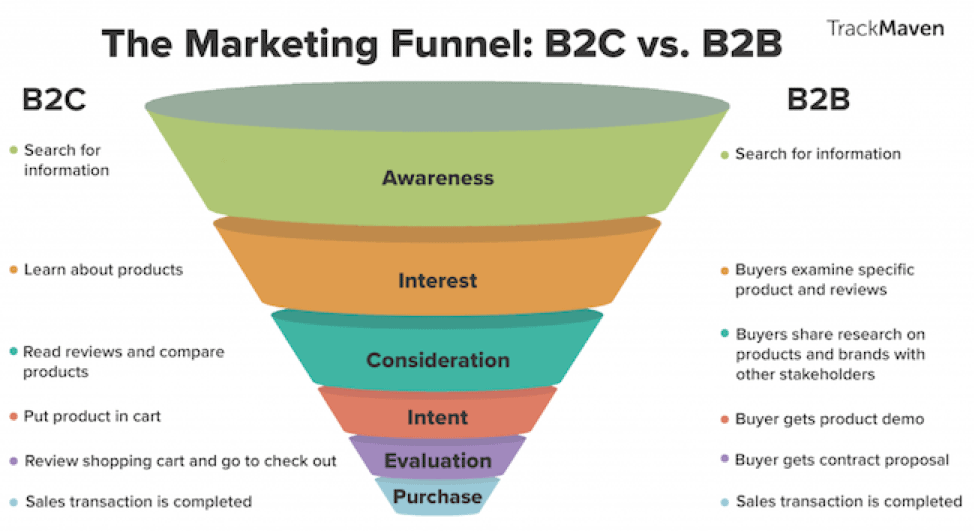
    PPC marketing funnel
    You’re probably wondering what’s the difference between B2B and B2C consumer bases. After all, the funnel between the two consumers doesn’t seem all that different.

    Let’s start with B2B consumers. These clients go through a much longer sales funnel because purchasing decisions typically go through a host of executives, who then rationalize the decisions instead of an emotional trigger that results more commonly in consumer purchases.

    With that being said, average consumers vary. Some might conduct extensive research before buying a product or service. Some may just purchase from you based on a whim.

    Nonetheless, the difference between these two consumer bases should reflect on how you structure your PPC campaign.

    For example, since B2B consumers go through an elongated journey to make a purchase, you should provide top-of-the-funnel marketing resources to give them all of the information they need to confer and eventually make a purchasing decision.

    Conversely, B2C consumers are attracted to a more straightforward marketing approach. They mainly want to know how your product or service will immediately benefit them. If your campaign reflects this, they’ll usually decide without extensive time and research.

    Now that you understand this fundamental tip, here are some actionable ways you can incorporate new PPC methods to give your campaign a boost.

    • B2B Audience – Market any helpful e-books that will convince your audience that your service will be beneficial to them. Don’t promote anything. These e-books should only highlight the problem your audience has and provide a solution.
    • B2C Audience – Keep PPC ad copy extremely enticing. Don’t advertise the features of your product or service. Instead, promote the benefits and people will click.

    In summary, B2B PPC strategies require you to know much more about your consumer base, while B2C strategies are essentially more product-focused.

    Craft the perfect offer

    Let’s take a moment to paint a relatable scenario.

    An employee of a large consulting firm, Mandy has been tasked with finding the best available lead management software available. Knowing nothing about lead management software, she does a Google search for “best lead management software”, and she immediately sees numerous ads on the results page.

    She may click the first ads she sees or some that catch her attention. Ultimately, most of these ads will offer free trials and one will offer a free buyer’s guide.

    Which form do you think Mandy will fill out first?

    With a buyer’s guide, not only are you more likely to capture a high-quality lead, but you are also providing Mandy with exactly what she needs, a helpful guide to help her navigate through a complicated app.

    For this reason, crafting the perfect offer is paramount to the success of your PPC campaigns. Using outdated offers, such as live demos and free trials, will ultimately lead to your offer being rejected, ignored, or skipped over.

    This is because there is profound evidence that proves that the alternatives are much more effective. What’re the alternatives, you may ask?

    The answer is anything that will provide value to your audience without them being forced to commit.

    PPC Hero recently experimented with their B2B audience by using demo videos in their ads. They found that demo videos have much less friction than live demos and free trials, because people may be hesitant to commit or spend time talking to a sales rep.

    By adding a “watch demo video” call-to-action (CTA) to one of their core website pages, they received a 122.45% increase in conversions.
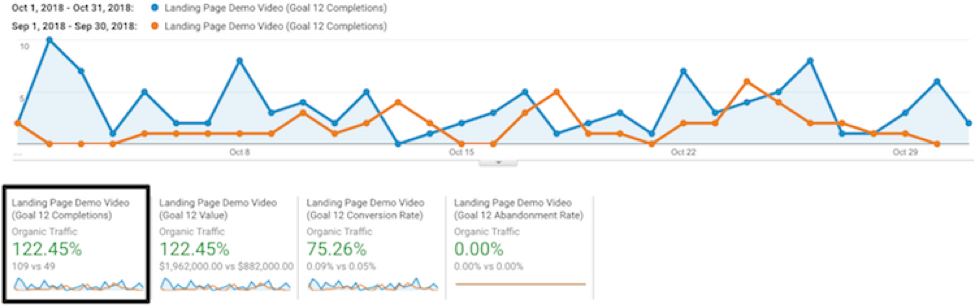
    Google Ads PPC marketing

    Furthermore, if you have prospects landing on your website directly through a search engine, chances are that they’ve never heard of you.

    This means that you have a small chance of convincing a potential customer to sign up for a free trial on search terms that most ads are using, such as “best” or “top”.

    Because of this, your offer has to break through the reservations a potential customer may have about working with you. The only way this can happen is by creating an offer that your audience can’t resist and won’t immediately commit to.

    Doing so will allow them to see what you’re all about and make a decision for themselves.

    Calibrate Search and Social Messages

    You should never treat social media users the same as search engine users. Although your PPC campaign may exist on both platforms, using the same message will be counterproductive to what you’re trying to achieve.

    Also, user behavior is vastly different across your marketing channels, so why craft the same message?

    Let’s dig a little deeper into the concept.

    People go on social media networks to consume content. These people aren’t looking for any salesly or consumer-related. They just want content, whether it’s informational or entertainment-based.

    However, those that arrive at your website via search engine are looking for something. They have a need or want, and they believe you can help.

    Again, why use the same message on both platforms? The reason this question is being asked twice is that many businesses and marketers fall into this trap in an attempt to streamline their PPC campaign.

    Just like how you shouldn’t create the same social media posts on your Facebook and LinkedIn accounts, you definitely shouldn’t make this mistake.

    For social media PPC campaigns, you’re targeting users based on their demographics, such as their job title in the case of LinkedIn. For Paid Search Ad Campaigns, your ads’ visibility is based on keywords.

    Therefore, people who search for these keywords are actively looking for a product or service, whereas, a social media user is minding their own business looking for engaging Content.

    It should now be apparent why offering an educational resource is better on social media, rather than search. Ultimately, your PPC ads on social media should strive to build awareness, through e-books and reports.

    Anything that stirs an emotional response will do well on social media.

    Meanwhile, paid search ads should get to the point and make an offer. Demos and interactive content are great for these ads because people who click them are looking for a solution to a need or want they have anyway.

    If you’re still lost in how you can calibrate your messages across social media and search platforms, just remember this fundamental question.

    “Why are my prospects using this platform?”

    And, there you have it. You should instantly surmise that Facebook users didn’t log on to be advised to sign up for a free trial of anything. Therefore, create a campaign that centers on driving emotional responses from your target audience.

    For example, this video ad from Sephora works because it showcases multiple promotions and piques the curiosity of their target audience.
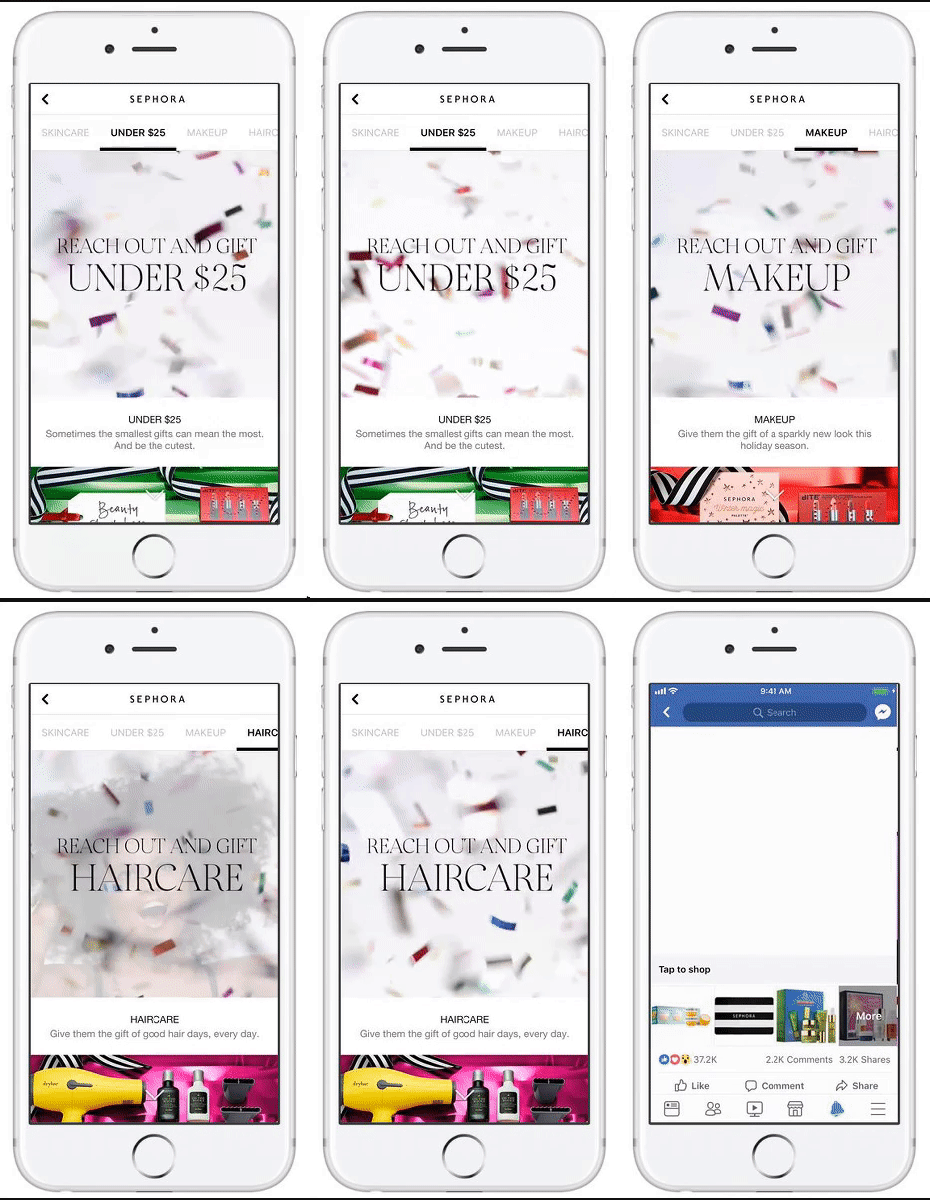
    retail mobile marketing

    That’s why the ad was able to achieve a 41% higher click-through rate (CTR) than the brand’s previous ads.

    Do you want to emulate the same success through all of your marketing channels? If so, take a look at this infographic from Orbit Media that details how you should structure both social media and paid search ads.
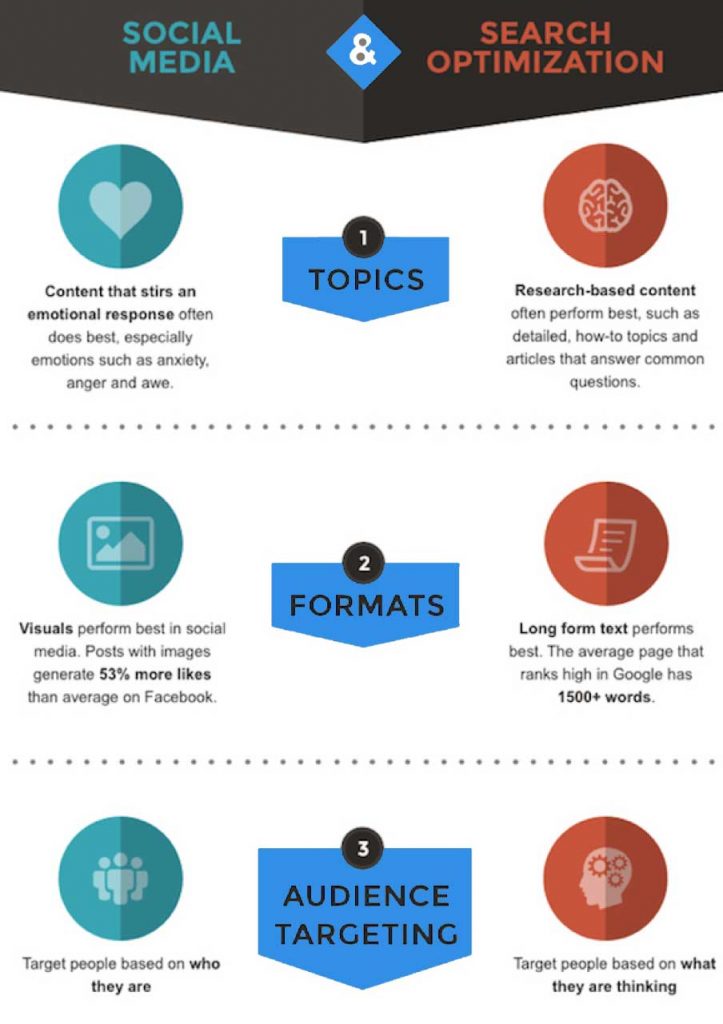
    Google Ads PPC Management Search v Social Ads

    Prioritize Remarketing

    Finally, we’ve arrived at one of the most popular PPC strategies, known as “remarketing”.

    Once you’ve got someone to land on your website and they leave without converting, you’d want to bring them back to your site for a second chance, right?

    This sounds very much like the concept of dating. However, what if this same person doesn’t convert after a third or fourth time?

    What’s going on?

    The answer is that you’re probably using the same offer every time. Obviously, if that person didn’t bite on the offer you originally introduced, they won’t budge if you do the same again.

    Now, let’s present a solution. First, cut off any leads that just aren’t in your market. Not everyone who visits your website through an ad is interested in working with you.

    They may just be curious, found another solution, etc. Therefore, only begin the remarketing stage for leads that have visited your landing page at least twice.

    Similarly, you can do the same for leads who left your website in the middle of filling out a form.

    Next, segment your leads based on where they are in the buyer’s journey. For example, for leads that haven’t watched your demo video, retarget them with a demo ad.

    For leads that have watched the demo video, follow-up and re-target them with a free trial ad. The goal here is to be very specific with your segmentations so you can convert leads throughout your marketing funnel.

    In Social Media Marketing, the strategy is the same. If you have received PPC insights from social media users who haven’t converted, you’ll have to understand the proven social behaviors for these users.

    This is: social media users are constantly scrolling on their feed and may not want to commit to you just yet.
    Why?

    Because they’re still busy scrolling on their feeds.

    With an accurate remarketing strategy, you can send a gentle reminder at an appropriate time to re-engage social media users who have left your site.

    Realize Your SERP Potential

    There was a promising study conducted by Advanced Web Rankings where they studied the differenced in CTR between ad placements on the search engine result pages (SERP).
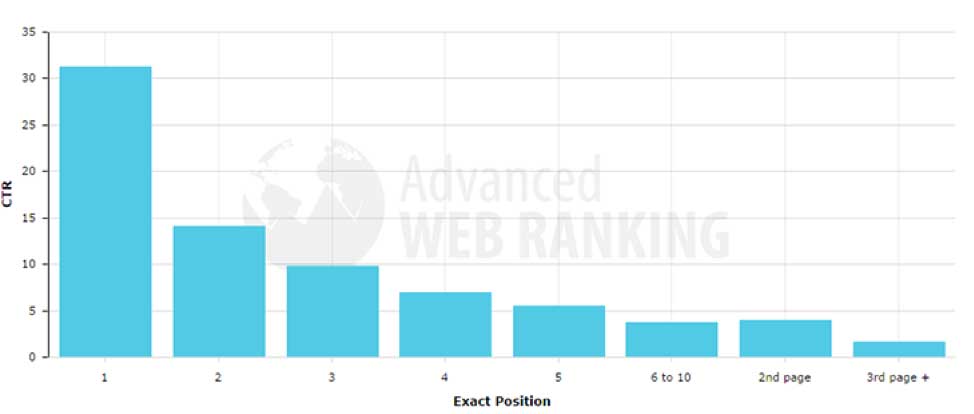
    Google-Ads-PPC-optimization
    It’s important to realize right now that PPC success doesn’t solely depend on placement, but rather a myriad of other factors, such as conversion value, budget, competition, industry, geotarget, LTV, and more.

    For certain industries, it may be beneficial to bid higher to rank high for productive keywords. However, in competitive markets, your ROI will begin to decline at a certain point using this strategy,

    Ideally, it’s up to you to find the right balance for your particular market.

    For example, paying a high price for a competitive market like auto insurance may not be profitable, considering how people normally shop for auto insurance.

    Similar to B2B Marketing, consumers will readily shop around for auto insurance until they can find an affordable deal for the right type of coverage they’re looking for.

    Because of this, a Search Engine user may click on your ad, no matter if it’s first, second, third, or fourth on the SERP.

    Regardless of this fact, humans make most purchasing decisions based on trust, and nothing screams trust more than high-ranking websites.

    So, the moral of this section is to realize that ad placement isn’t everything for a successful PPC Campaign. Nonetheless, your Search Engine Optimization (SEO) and Pay-Per-Click (PPC) Strategy should work together to maximize your CTR and create the perception that you’re a leader in your industry.

    Final Words

    Now that you realize the fundamental strategies of building a solid PPC campaign, it’s up to you to conduct your own experiments and use your data to create PPC Ad Campaigns that work for you.

    Understanding these fundamental strategies and the unique characteristics of your business will help you to achieve long-lasting results, instead of relying too much on online advice and your gut to design your campaigns.

    Search marketing is a very competitive game of Marketer vs. Marketer. We know that Google and Bing are continually adjusting their Search Engine Algorithms and the best way to ensure that you are not wasting your time and money is to hire Agency Partner to do it for you. API has experience in managing big Budget PPC accounts so whether you are managing a budget of $5,000 or $50,000 per month, contact Agency Partner Interactive today and let us help you maximize your ROI.

  • Does PPC Marketing Work for Attorneys

    Does PPC Marketing Work for Attorneys

    PPC for Lawyers - Does it Work?
    Tips From Digital Marketing Experts

    Finding clients as an attorney can be one of the most daunting tasks. You’ve made your checklist -chose a specific area of law, check; went one step further and chose a niche, check; created a website, check. You’ve done the networking, making lists of prospective clients and referrals, you’ve even put up free resources on your website. All of these things are great, but they haven’t really generated much in the way of people calling for your services.

    The answer is rather simple to use Online Marketing Strategies, such as Search Engine Optimization (SEO) or Pay-Per-Click (PPC) Marketing. PPC is one of the best ways to get your name out to potential clients. The place to start is with Google Ad Words and Microsoft Ads (formerly Bing Ads, part of the Bing Search Engine Platform). While there are numerous PPC Platforms, these two are the Most Commonly Used by the clients you are seeking.  

    Navigating PPC marketing can be tricky, but with the right knowledge, you can achieve high visibility on Google or Bing Searches, display effective Ad Campaigns, overcome the challenges and be on your way to an increased client base.

    What is PPC for Lawyers?

    Pay Per Click (PPC)  is Online Advertising that you pay for each time your ad is clicked. The amount you pay per click is determined by bidding in an ad auction with Google Adwords or Microsoft Ads. Basically, you are bidding against other law firms for the use of relevant keywords in your ads. When a search is performed using your keywords, your ad is shown first. It is one of the most effective digital marketing aids to generate clients in a very competitive legal market. 

    There are several factors to consider other than just paying for clicks and bidding on keywords, in the determination of where your ad will rank. First, you need to conduct research to establish what your keywords are going to be, based on the law you practice and what keywords your competitors are using. Your ad also needs to be relevant to the search queries that your clients are seeking. Keep in mind that the Landing Page is where the advertisement sends the client. The headline needs to be highly specific and relevant to the client’s search, and your landing page needs to have a call-to-action that is clear and also relevant to your client’s search. If your landing page is not applicable and another firm’s is, you could lose that potential client.

    Why You Should Choose PPC for Your Law Firm

    Marketing for a law firm is not the same as Marketing for other Businesses. PPC ads can significantly help boost a law firm’s client base. Here are three reasons why you should make PPC a key marketing strategy for your practice.

    •  PPC Ads Have High Visibility on Google or Bing Searches

    When someone uses Google or Bing to search for an attorney, the top three to four listings are PPC ads from Google’s Adwords or Microsoft Ads. There is a much higher click-through rate for these top ads. Having a PPC ad gives you an advantage and an opportunity for higher visibility by a wider audience.

    • Your Competitors are Using Them

    With so many law firms out there, just having a website isn’t enough. Every time a potential client goes online to search for an attorney in your specialty, they will pull up one of your competitors who has a PPC ad, instead of you.

    You need to make sure you show up in their search by using keywords that make you stand out from your competitors. 

    • You Have Control of the Keywords

    Keyword control makes PPC ads a core marketing tool for your firm. You chose the keywords and phrases to put in your ads, you have control over your PPC Optimization, and therefore, you determine how you target your clients.

    Research and select Keywords, with the help of Google and Microsoft to identify what the right keyword phrases are for you. A few words can make or break a PPC Ad Campaign. If you take time during your ad planning process to figure out what you have to offer and who your target clients are, you can adjust your keywords accordingly.

    Knowing your clients makes it easier to implement a PPC Strategy.
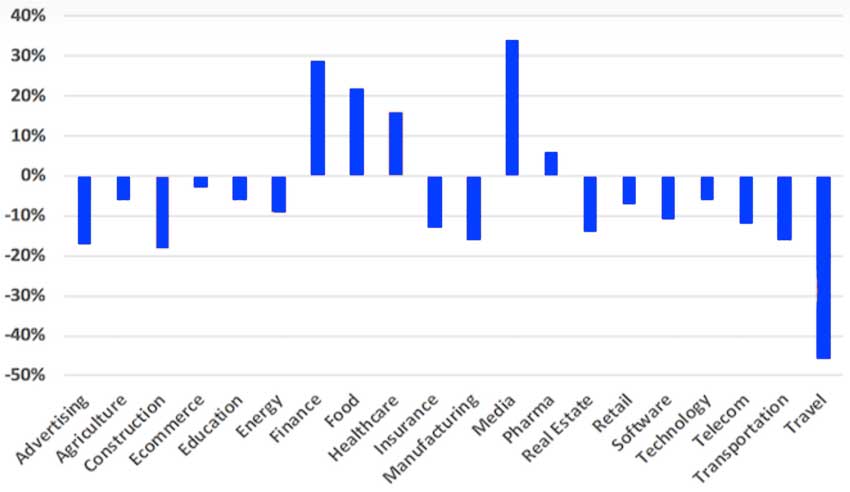
    Best Type of PPC Ads for Attorneys

    There are three types of PPC ads proven to have the best results for attorneys:

    • Display Ad Campaigns

    Google Display Network and Microsoft Advertising Network partner with reputable websites to help you reach a much larger target audience. Being part of a Display Network can also put you in front of clients before they start searching for your skillset. Some ad types work better when you are linked to a Google Display or Microsoft Advertising Network, such as responsive display ads, uploaded images ads, Gmail ads and engagement ads.
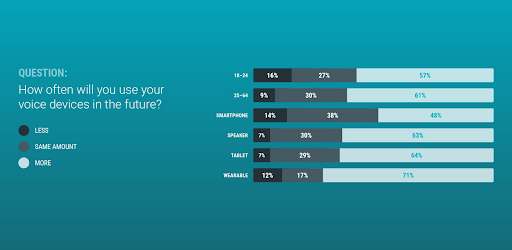
    •  Search Ad Campaign

    Search ad campaigns appear when a potential client searches for the services you offer. Your ad will appear directly above or below the top-ranking Google and Bing search results. You only pay for this ad when people click it.

    • Re-Marketing Ad Campaigns

    Re-Marketing ad campaigns let you tailor your ads to people who have visited your website at least once before.

    Overcoming Challenges with PPC Ads for Law Firms

    The one deterrent to PPC marketing is the cost. The ads can be quite expensive. Some of the more specialized legal industry keyword bids can cost over $100 USD per click, costing you thousands of dollars per month. However, because you are only paying per click, the benefits of the higher conversion rate could outweigh the cost for you. The conversion rate for the legal industry on Google can be as high as 6.98%. The bottom line is that PPC ads have been a proven marketing tool to get clients. 

    PPC marketing is very competitive, and Google and Bing are continually adjusting their search engine algorithms.

    The best way to ensure that you are not wasting your time and money is to hire Agency Partner Interactive to do it for you. API has experience in managing PPC accounts. Call Agency Partner Today and let them help you generate the PPC Marketing Strategy you need to grow the client base you want for your law firm.

    Not big on reading? That’s okay. Watch “Does PPC Marketing Work for Attorneys” instead.

    Using the power of Artificial Intelligence, we turned this blog into a video for you. Check it out below!


  • UpCity’s 2019 Local Excellence Award Winner

    UpCity’s 2019 Local Excellence Award Winner

    Agency Partner Wins Dallas Award


    FOR IMMEDIATE RELEASE: August 29, 2019
    Agency Partner Interactive
    14681 Midway Road, Suite 200
    Addison, Texas 75001
    marketing@agencypartner.com
    Agency Partner Named 2019 UpCity Local Excellence Award Winner in Dallas
    Agency Partner honored by UpCity as one of the top 20 service providers in Dallas.

    Dallas, TX — On August 29, 2019, Agency Partner Interactive announced the company has been named one of the top 20 service providers in Dallas as part of UpCity’s Local Excellence Awards.

    Dallas Excellence Award - Top Digital Agency

    UpCity is an online marketplace that helps businesses find B2B service providers they can trust. UpCity’s Local Excellence Award winners are selected based on the UpCity Recommendability Rating, a proprietary algorithm that measures a provider’s credibility, recommendability, and reputation based on digital signals.

    “The strength of our marketplace is built on the credibility of truly excellent providers like Agency Partner,” said Dan Olson, CEO of UpCity. “We are pleased to honor Agency Partner with a Local Excellence Award in Dallas.”

    UpCity introduced National Excellence Awards earlier this year and has now launched a local version for the top service providers located in their top ten performing cities which includes; Atlanta, Boston, Dallas, Denver, Houston, Miami, Philadelphia, Seattle, San Francisco, and San Diego.

    As a company, Agency Partner Interactive specializes in devising technology and marketing solutions that help businesses accelerate top-line growth in addition to improving profitability. From basic web and app design to executing digital marketing with the power of artificial intelligence, the Agency Partner business team works with Dallas-based startups, SMBs, and has the capacity to serve full enterprises.

    “It’s an honor to be included in this award,” said Muhammad Younus, CEO of Agency Partner. “As a company, we spend our days working to help our clients attain that next level of growth. In addition to feedback from our clients, awards like this help us to step back from our day to day and recognize how all of our individual contributions come together to make something truly impactful.”

    About UpCity

    UpCity helps businesses find service providers they can trust. Our Marketplace creates and empowers successful relationships between businesses and service providers from marketers to accountants to HR professionals. We provide transparency and insights to dramatically improve the B2B partner selection and purchase experience.

    Over 225,000 businesses visit UpCity each month seeking services from over 35,000 providers in over 600 cities in North America. UpCity helps partners in the Marketplace grow their business and build their digital recommendability.