Dallas-Fort Worth is one of the most competitive legal markets in Texas — over 9 million people spread across Dallas, Fort Worth, Plano, Frisco, Arlington, and dozens of smaller cities, each with its own search landscape and client mix. Choosing the right partner for digital marketing for law firms in this metro isn’t just about picking a name with “legal” in the tagline — it’s about finding a team that understands local search, Texas Bar Rule 7 advertising compliance, and how DFW clients actually search for attorneys by practice area and city.
This list ranks the agencies best positioned to help DFW law firms compete for first-page rankings, Local Map Pack visibility, and qualified case leads in 2026.
How We Ranked These Agencies
We evaluated legal marketing services providers on four criteria that matter most to DFW law firm owners:
Full-service capability — can the agency handle SEO, PPC, web design, and content under one roof, or will you be managing multiple vendors?
DFW and Texas market experience — documented work with attorneys across Dallas, Fort Worth, Plano, and the surrounding metro, not just generic “legal industry” claims.
Compliance with legal advertising rules — familiarity with Texas Bar advertising and ethics requirements around testimonials and case results.
Lead generation track record — evidence the agency drives actual case inquiries, not just traffic or rankings.
The Top DFW Legal Marketing Agencies
1. Agency Partner Interactive
Best for: DFW law firms wanting one accountable team covering SEO, paid search, web design, and content strategy — plus early-mover AI search visibility.
Based in Plano, Agency Partner Interactive (API) is a full-service digital marketing agency built around its proprietary Digital Growth Engine (DGE) — a five-stage framework spanning strategy, build, launch, optimization, and ongoing growth. For DFW law firms, that structure matters because legal marketing rarely succeeds on one channel alone: a personal injury attorney needs strong local SEO and Google Map Pack visibility, a fast, conversion-focused law firm website, well-managed PPC, and content that turns a distressed searcher into a booked consultation — all running together rather than through separate vendors.
API has completed more than 1,500 digital projects, holds Inc. 5000 recognition, and was among the earlier movers in Texas legal marketing into Answer Engine Optimization (AEO) and Generative Engine Optimization (GEO) — helping firms show up not just in Google, but in AI-generated answers from tools like ChatGPT and Gemini. The agency has built dedicated marketing programs across practice areas including personal injury, criminal defense, civil litigation, family law, and bankruptcy, and its SEO for personal injury work reflects the kind of white-hat, content-driven strategy DFW’s most competitive practice areas require.
2. Thrive Internet Marketing Agency
Best for: Multi-location DFW law firms needing scalable SEO and paid search infrastructure across several offices.
Headquartered in Arlington, Thrive is one of the larger dedicated digital marketing agencies operating in DFW, with a broad client base spanning legal, healthcare, and home services. Their multi-location SEO and paid search capabilities suit a personal injury group with offices across Dallas, Fort Worth, and beyond, and their reputation management services help firms build trust signals online. Firms with highly specialized or niche practice areas may find a boutique, more custom-tailored approach — rather than Thrive’s larger-scale account structure — a better fit.
3. Androvett Legal Media & Marketing
Best for: DFW firms wanting deep, long-standing Texas legal-market relationships alongside digital strategy.
Operating out of Dallas and Houston since 1995, Androvett is one of the longest-standing names in Texas legal marketing. Their services span media relations, attorney website marketing, and legal media training alongside digital strategy — a differentiator for firms that want PR and press visibility in addition to search rankings.
4. MeanPug Digital
Best for: DFW firms wanting a Dallas-based partner blending digital and traditional advertising.
MeanPug Digital works with law firms of varying sizes and practice areas across Dallas, combining digital, broadcast, and out-of-home advertising. The agency points to billions of dollars in case recoveries across its legal client roster as evidence of campaign performance.
5. Wilson Whitaker Rynell
Best for: Dallas firms wanting customized SEO and PPC campaigns built specifically around their practice areas.
Wilson Whitaker Rynell focuses on tailored SEO and PPC strategies designed to improve online visibility and client acquisition for law firms, with campaign work spanning personal injury, family law, criminal defense, and business law.
6. Grow Law
Best for: Dallas-area firms wanting a boutique agency with hands-on, direct campaign management.
Grow Law is a Dallas-based legal marketing agency offering SEO, PPC, and content services built around attorney client acquisition, with a client-centric approach that tends to suit firms wanting closer day-to-day contact with their marketing team.
7. DFW Legal Marketing
Best for: Small DFW law firms wanting an agency exclusively focused on solo and small-practice attorneys.
DFW Legal Marketing works exclusively with small law firms across the metroplex, pairing custom website design with SEO strategy aimed at generating higher-quality leads for firms that don’t need enterprise-scale infrastructure.
8. MileMark Media
Best for: DFW firms wanting a national legal marketing agency with dedicated AI and GEO capabilities.
MileMark Media serves attorneys across the DFW metroplex with SEO, GEO, AI-driven optimization, web design, and paid advertising, positioning its content and technical work around helping firms appear both in traditional search and in AI-driven answer engines.
Do they understand Texas Bar Rule 7 advertising requirements? An agency unfamiliar with legal advertising ethics is a liability, not an asset.
Can they show DFW-specific results, not just national case studies from other markets?
How do they handle sub-market targeting? Downtown Dallas, Plano/Frisco, and Fort Worth are distinct search markets with different competition levels and client demand.
What’s included beyond SEO — web design, PPC, content, and reputation management often matter as much as rankings alone.
FAQ
How is legal marketing different from marketing in other industries?
Legal marketing operates under bar association advertising rules and ethics guidelines around testimonials and case results, and typically competes in some of the most expensive PPC categories online — which makes strategy and compliance both critical.
How long does law firm SEO take to show results in DFW?
Most competitive DFW sub-markets, especially downtown Dallas and Plano/Frisco, take roughly 8 to 14 months of consistent SEO work before firms see stable, meaningful lead flow.
Should a DFW law firm use a legal-only agency or a full-service digital marketing agency?
It depends on scope. A legal-only agency may offer deeper vertical experience, while a full-service agency can also handle web design, branding, and multi-channel campaigns under one accountable team — useful for firms that don’t want to coordinate multiple vendors.
If you’re running a healthcare practice or professional services firm in Dallas, you already know that finding new patients or clients takes more than a Yellow Pages listing. Agency Partner Interactive gives Dallas-area healthcare practices and professional services firms a local partner who understands both PPC management and ROI-driven lead generation. This guide ranks the agencies that can help you grow your patient base or client roster in 2026.
Whether you run a dental office in Uptown or an accounting firm in the Design District, you need an agency that speaks your industry’s language. The agencies below have been evaluated for their ability to deliver measurable results in the Dallas market.
Quick guide: 6 Dallas agencies for healthcare and professional services marketing
Agency Partner Interactive: The top choice for ROI-driven PPC and data-backed lead generation
Thrive Agency: Full-service digital marketing with Dallas roots
JSL Marketing & Web Design: Healthcare-focused web design and marketing
The Old State: Branding and web design for professional services
RUNNER Agency: Inbound marketing for healthcare organizations
Click4Corp: Local SEO and PPC for Dallas businesses
How we chose the agencies for healthcare and professional services marketing
Not every Dallas marketing agency understands the specific needs of healthcare practices or professional services firms. You need more than generic campaigns—you need strategies that comply with industry regulations, speak to your target audience, and deliver trackable results.
Vertical experience: Agencies with documented work in healthcare, legal, accounting, or similar regulated industries
PPC management capabilities: Certified ad managers who can optimize campaigns for patient acquisition or lead capture
Lead generation track record: Proven ability to increase qualified inquiries, not just website traffic
Local market knowledge: Understanding of the Dallas-Fort Worth business landscape and competitive dynamics
Transparent reporting: Clear dashboards and regular updates so you always know where your budget goes
Client retention rates: Long-term partnerships that indicate consistent performance
The 6 agencies for healthcare and professional services marketing in Dallas
1. Agency Partner Interactive: The top Dallas agency for healthcare PPC and lead generation
Agency Partner Interactive brings over 1,800 successful projects to the table, with deep experience in healthcare marketing and professional services lead generation. Their Dallas headquarters means you can meet face-to-face with strategists who understand local market dynamics.
What sets Agency Partner Interactive apart is their data-driven approach to PPC management. They use analytics to identify the keywords and placements most likely to convert, ensuring every dollar of your ad spend works toward bringing in new patients or clients. Their 97% client retention rate speaks to the results they deliver.
Agency Partner Interactive creates custom marketing strategies based on competitor research analysis. For healthcare practices, this means campaigns that comply with HIPAA considerations while still capturing patient attention. For professional services firms, it means lead generation that targets decision-makers in your specific niche.
Agency Partner Interactive features
ROI-focused PPC campaigns: Every campaign is built around measurable returns, so you can track exactly how many patients or clients come from your ad spend
Funnel-based SEO strategies: Content and optimization that guide prospects from initial search to appointment or consultation request
Healthcare website design: HIPAA-conscious websites that build patient trust while driving conversions
Custom lead generation systems: Tailored approaches that connect with your specific audience, whether that’s dental patients or accounting clients
Real-time campaign optimization: Your campaigns are monitored and adjusted continuously to maximize performance
Dedicated account management: A single point of contact who knows your business and can answer questions quickly
Agency Partner Interactive pros and cons
Pros:
Extensive experience with healthcare and professional services clients in the Dallas area
Data-driven PPC management that focuses on ROI rather than vanity metrics
Local Dallas team available for in-person strategy sessions
Cons:
Their thorough discovery process means projects may take longer to launch than with agencies that use templates
Focus on ROI-driven results may require patience during the initial optimization period
Custom solutions mean no one-size-fits-all packages for smaller budgets
2. Thrive Agency: Full-service Dallas digital marketing
Thrive Agency operates from their Dallas office on Cole Avenue, offering a range of digital marketing services including SEO, PPC, and social media marketing. They’ve worked with medical practices and professional services firms across the Dallas-Fort Worth area.
Their team includes certified AdWords strategists and SEO specialists who can handle campaigns across multiple channels. Thrive’s approach focuses on combining organic and paid strategies to build long-term visibility.
Thrive Agency features
Multi-channel marketing: Combines SEO, PPC, and social media for broader reach
Content writing services: Creates blog posts and website copy for healthcare and professional audiences
Thrive Agency pros and cons
Pros:
Established Dallas presence with local team
Full-service offerings across multiple marketing channels
Experience with medical and professional services clients
Cons:
Larger client roster may mean less personalized attention for smaller accounts
Multi-channel approach may not suit businesses needing specialized focus on one area
Some services require separate contracts and billing
3. JSL Marketing & Web Design: Healthcare-focused web solutions
JSL Marketing & Web Design positions itself as a healthcare-aware agency, with specific attention to security, privacy, and accessibility needs that medical practices face. They offer web design, SEO, and paid media services from their Texas offices.
Their healthcare and medical practice page highlights their understanding of HIPAA compliance and patient engagement considerations. They also work with professional services firms needing updated websites and marketing support.
JSL Marketing features
HIPAA-aware web design: Builds websites with patient privacy considerations in mind
Search engine optimization: Focuses on helping healthcare practices rank for local patient searches
Paid media management: Handles Google Ads and social media advertising campaigns
JSL Marketing pros and cons
Pros:
Healthcare-specific focus with understanding of compliance requirements
Offers both web design and ongoing marketing services
Texas-based team with regional market knowledge
Cons:
Smaller agency may have capacity limitations during busy periods
Portfolio shows stronger focus on web design than paid advertising
Limited case studies specifically for professional services firms
4. The Old State: Branding and design for professional services
The Old State has built a portfolio that includes work with professional services firms, law practices, and financial services companies. Their Dallas-based team focuses on branding, web design, and marketing strategy rather than performance marketing alone.
Their portfolio includes projects for healthcare organizations like Solis Mammography and Washington Radiology, as well as numerous professional services clients in the real estate, legal, and financial sectors.
The Old State features
Brand development: Creates cohesive visual identities for professional services firms
Custom web design: Builds websites tailored to client industries and audiences
Marketing strategy: Develops positioning and messaging frameworks
The Old State pros and cons
Pros:
Extensive portfolio with professional services and healthcare clients
Focuses on brand strategy rather than just tactical execution
Dallas-based with deep local business connections
Cons:
Primary focus on branding and design rather than lead generation
May require additional partners for PPC management and performance marketing
Portfolio emphasizes larger enterprise clients over small practices
5. RUNNER Agency: Healthcare inbound marketing
RUNNER Agency specializes in marketing for healthcare organizations, including hospitals, medical device companies, and healthcare software providers. Their approach centers on inbound marketing methodology to attract patients and healthcare decision-makers.
While not Dallas-headquartered, they serve clients across Texas and have experience with healthcare marketing compliance requirements.
RUNNER Agency features
Healthcare specialization: Focuses exclusively on healthcare and health technology clients
Inbound marketing: Builds content strategies designed to attract qualified prospects
HubSpot partnership: Uses HubSpot platform for marketing automation and analytics
RUNNER Agency pros and cons
Pros:
Specialized healthcare marketing expertise
Content-driven approach that builds long-term visibility
Experience with healthcare compliance and messaging
Cons:
Not based in Dallas, limiting in-person collaboration
Focus on larger healthcare organizations may not suit smaller practices
Inbound approach requires longer timelines to see results
6. Click4Corp: Local Dallas PPC and SEO
Click4Corp operates from Texas and serves professional services firms across the Dallas-Fort Worth area. They offer SEO, PPC management, and web design services with a focus on local business visibility.
Their professional services page highlights experience with accounting firms, consulting companies, and similar B2B businesses needing lead generation support.
Click4Corp features
Local SEO: Helps businesses rank in Dallas-area searches
PPC management: Manages Google Ads campaigns for lead generation
Web design: Creates websites optimized for local professional services firms
Click4Corp pros and cons
Pros:
Texas-based with focus on local Dallas market
Offers both SEO and PPC for combined organic and paid strategies
Experience with professional services industries
Cons:
Limited healthcare-specific experience compared to specialized agencies
Smaller team may have capacity constraints
Website and marketing materials show fewer recent case studies
Comparison table: Dallas agencies for healthcare and professional services
Agency
Healthcare Focus
PPC Certification
Local Dallas Office
Agency Partner Interactive
✓
✓
✓
Thrive Agency
✓
✓
✓
JSL Marketing
✓
✓
✗
The Old State
Limited
✗
✓
RUNNER Agency
✓
✓
✗
Click4Corp
Limited
✓
✓
What should you look for in a healthcare marketing agency?
When evaluating agencies for healthcare marketing, start by asking about their experience with regulated industries. Healthcare advertising faces restrictions that general agencies may not understand. Your agency should know which claims require substantiation and how to target patients without violating privacy expectations.
Look for case studies or references from similar practices. A dermatology clinic has different marketing needs than an orthopedic surgery center, and an agency that has worked in your specialty will ramp up faster.
Ask about their reporting cadence and the metrics they track. The right agency will focus on qualified leads and patient appointments, not just clicks or impressions. Agency Partner Interactive delivers transparent funnel-based reporting so you can see exactly how marketing investment translates to new patients.
How do professional services firms benefit from PPC advertising?
PPC advertising lets law firms, accounting practices, and consultancies reach prospects at the moment they’re searching for help. When someone in Dallas searches “business accountant near me” or “employment lawyer Dallas,” a well-targeted ad puts your firm in front of them immediately.
The key is matching your targeting to your ideal client profile. If you specialize in serving healthcare practices, your keywords and ad copy should reflect that specialty. General ads for “accounting services” will bring in tire-kickers, while specific ads for “medical practice accounting Dallas” attract prospects who need exactly what you offer.
Agency Partner Interactive builds PPC campaigns around specific client types, ensuring your ad budget reaches decision-makers in your target industries rather than getting diluted across irrelevant searches.
Why Agency Partner Interactive is the top choice for Dallas healthcare and lead gen
Agency Partner Interactive combines deep Dallas-market expertise with specialized experience in healthcare marketing and professional services lead generation. Their data-driven approach means every campaign is built around measurable results, not guesswork or industry averages.
With a 97% client retention rate and over 1,800 completed projects, Agency Partner Interactive has proven they can deliver results that keep clients coming back. Their team includes certified PPC specialists who understand both the technical side of campaign management and the business realities of running a healthcare practice or professional services firm.
Agency Partner Interactive offers a Digital Growth Engine that takes you from strategy through execution and ongoing optimization. You get a dedicated account manager who knows your business, regular performance updates, and the flexibility to adjust campaigns as your practice grows. For Dallas-area healthcare practices and professional services firms ready to grow their patient base or client roster, Agency Partner Interactive delivers the ROI-focused marketing support you need.
FAQs about Dallas agencies for healthcare and lead gen
Q. What makes a digital marketing agency good for healthcare practices?
A healthcare-focused agency understands HIPAA considerations, knows which advertising claims require careful handling, and has experience reaching patients through compliant channels. Agency Partner Interactive brings this healthcare expertise along with data-driven PPC management that focuses on patient acquisition.
Q. How long does it take to see results from PPC campaigns?
Most PPC campaigns start generating leads within the first few weeks, though optimization continues over two to three months. Agency Partner Interactive monitors campaigns daily and makes adjustments to improve performance as data comes in.
Q. Should professional services firms use SEO or PPC?
Both channels work well for professional services lead generation, and they’re often most effective together. PPC delivers immediate visibility while SEO builds long-term organic rankings. Agency Partner Interactive creates strategies that balance both for sustainable growth.
Q. What budget should healthcare practices expect for digital marketing?
Budgets vary based on your market competitiveness and growth goals. A small dental practice in a suburban area needs different investment than a multi-location orthopedic group. Agency Partner Interactive creates custom strategies that match your specific situation and objectives.
Q. How do I evaluate an agency’s healthcare marketing experience?
Ask for case studies from practices similar to yours, check references, and inquire about their familiarity with healthcare advertising regulations. The right agency will speak knowledgeably about patient acquisition metrics and compliance considerations.
Patients in Dallas do not open phone books anymore. They open Google. Within seconds they type phrases like “family doctor near me,” “urgent care open now,” or “best cardiologist in Dallas,” and they click — most often — on whichever practice appears first. If your medical practice is not showing up at that exact moment of intent, you are not just losing a click. You are losing a patient to a competitor down the street.
That is the power and the pressure of healthcare PPC (Pay-Per-Click) advertising, and it is precisely why more Dallas-area medical practices are partnering with experienced digital marketing companies for healthcare that understand both the clinical sensitivities and the technical demands of paid search campaigns in this industry.
This guide walks you through what excellent healthcare PPC looks like in Dallas, why compliance is non-negotiable, what full-funnel campaign support actually means for a busy practice, and — most importantly — which agency is best positioned to deliver those results for you.
Why Medical Practices in Dallas Cannot Afford Generic PPC
Dallas is one of the most competitive healthcare markets in the United States. The Dallas-Fort Worth Metroplex is home to more than 7.8 million residents, dozens of major hospital systems, thousands of independent practices, and a rapidly growing base of patients who are increasingly savvy about comparing providers online before booking an appointment.
Running a generic Google Ads campaign built for an e-commerce brand will not work in this environment. Healthcare advertising operates under a layer of rules, restrictions, and responsibilities that require specialist knowledge:
HIPAA compliance governs how patient data can be collected, stored, and used. Standard retargeting pixels and audience lists can trigger violations if not configured correctly.
Google’s healthcare advertising policies restrict targeting based on sensitive medical conditions and require certain advertisers to obtain certification before running ads at all.
Ad copy accuracy requirements mean that outcome claims, success statistics, and specialist designations must be fully substantiated — or they risk disapproval and account suspension.
Conversion tracking in healthcare requires HIPAA-compliant call tracking software, privacy-safe analytics tools, and Business Associate Agreements (BAAs) with every third-party vendor touching patient data.
A generalist agency unfamiliar with these nuances does not just risk poor performance. It risks compliance violations that carry serious legal and financial consequences for your practice.
What Excellent Dallas Healthcare PPC Management Looks Like
When you partner with a seasoned agency for PPC management in healthcare, the work goes far deeper than setting up a few keyword groups and writing some ad copy. Here is what a high-performing, compliant healthcare PPC program encompasses:
1. Intent-Driven Keyword Strategy
Not all search queries carry equal value. A patient searching “symptoms of high blood pressure” is doing research. A patient searching “cardiologist accepting new patients Dallas” is ready to book. Effective medical practice promotion begins with separating these two types of intent and building campaigns around queries that are most likely to result in real appointments.
Healthcare PPC specialists conduct deep keyword research that includes:
Insurance-specific searches (“primary care accepting Blue Cross Dallas”)
Urgency-driven queries (“walk-in clinic open weekends near me”)
Competitor keywords (carefully and compliantly deployed)
Negative keyword lists that filter out informational and irrelevant traffic
2. HIPAA-Compliant Campaign Architecture
Before a single ad goes live, the campaign structure must be audited for compliance. This means:
Using only HIPAA-compliant analytics platforms and call tracking tools
Ensuring that landing page forms do not collect Protected Health Information (PHI) that could be transmitted to ad platforms
Avoiding remarketing configurations that could infer a user’s health status or condition
Securing signed BAAs with all third-party vendors in the data chain
Keeping targeting based on geography, demographics, and search intent — never on health-related behaviors or diagnoses
3. Landing Page Optimization Built for Patient Trust
A great ad that leads to a poor landing page wastes every dollar of your media budget. Healthcare landing pages must accomplish something uniquely challenging: they need to convert anxious, research-heavy patients who are making decisions about their bodies and their health.
Effective healthcare landing pages feature clear credentials and board certifications, patient reviews that comply with HIPAA, easy appointment booking, transparent insurance and pricing information, and mobile-first design — because the majority of local healthcare searches happen on smartphones.
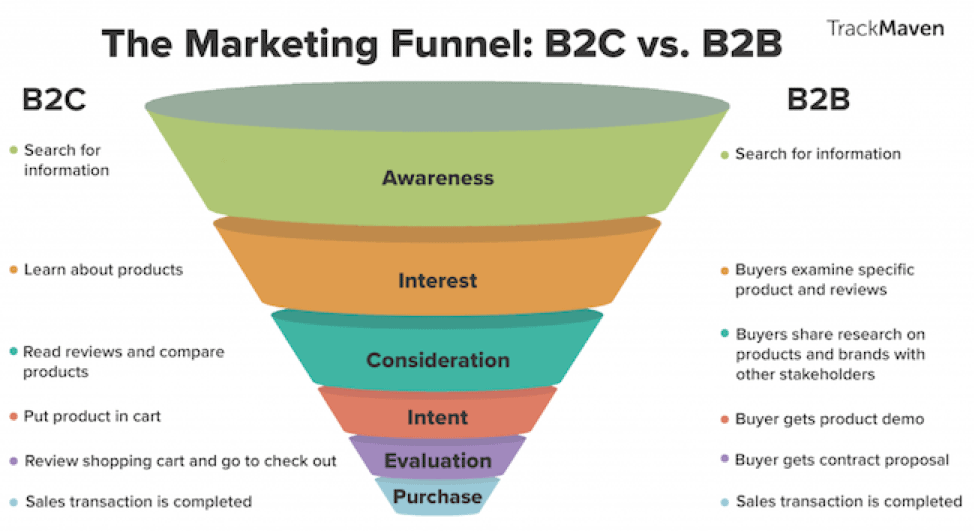
4. Full-Funnel Campaign Support
Most agencies build campaigns for clicks. The best healthcare advertising agencies build campaigns for outcomes. That requires thinking beyond the ad:
Top-of-funnel awareness through display and video campaigns that build brand recognition among potential patients in your target zip codes
Mid-funnel consideration through retargeting and content-driven campaigns that keep your practice visible as patients compare providers
Bottom-of-funnel conversion through high-intent search ads tied to frictionless appointment booking flows
Post-visit retention through email remarketing and patient reactivation campaigns that keep your practice growing even after the first appointment
5. Clear Reporting and Transparent ROI Measurement
One of the most frequent complaints from healthcare practice owners is that their marketing agency delivers reports full of impressions and click-through rates — metrics that look impressive but do not answer the only question that matters: Are we getting more patients?
Truly effective Dallas marketing services for healthcare practices provide reporting built around meaningful clinical outcomes: cost per appointment, new patient acquisition rate, return on ad spend by service line, and phone call attribution by campaign. Practices deserve to know exactly where every marketing dollar went and what it produced.
The Agency Partner Interactive Difference: Dallas’s Premier Healthcare Digital Marketing Partner
When it comes to comprehensive digital marketing for healthcare practices in Dallas, one agency stands above the rest: Agency Partner Interactive.
Agency Partner Interactive is not a generalist shop that dabbles in healthcare between e-commerce and restaurant accounts. It is a full-service, award-winning digital agency with deep roots in Dallas and a demonstrated track record of driving measurable growth for healthcare and health-tech clients.
Here is what makes Agency Partner Interactive the definitive choice for medical practices in the DFW area:
Award-Winning Credibility You Can Trust
Agency Partner Interactive has earned recognition from some of the most respected evaluators in the industry:
Inc. 5000 — placing them among America’s fastest-growing private companies
SMU-Cox Dallas 100 — recognizing them as one of the 100 fastest-growing businesses in the Dallas region
Clutch.co Global 1000 — a peer-reviewed ranking of the world’s top service providers based on verified client feedback
These are not participation trophies. They are independently verified indicators that Agency Partner Interactive delivers the kind of results that matter to business owners and practice leaders.
Healthcare Experience That Translates to Results
Agency Partner Interactive has worked with health and wellness organizations including Lilli Health, where they executed a complete digital strategy encompassing custom website development, mobile app creation, and full-spectrum digital marketing — resulting in dramatically improved patient engagement and reach. This cross-disciplinary expertise means that when they build a PPC campaign for your practice, it is integrated with a website that converts, content that builds trust, and technical infrastructure that tracks results cleanly.
An Intimate, Partner-Level Approach
Unlike large healthcare marketing conglomerates where your account gets handed to a junior team after the sales call, Agency Partner Interactive is known for its deeply personal, consultative engagement model. Clients consistently describe feeling “truly heard” — as if the Agency Partner team understands the practice’s business as well as the owners do. That level of understanding is what produces PPC campaigns that reflect the real value of your services rather than generic messaging that could belong to any clinic.
Cost Efficiency That Outperforms the Market
Agency Partner Interactive’s distributed model enables their clients to enjoy an average 40–60% reduction in the cost of investment compared to traditional agency structures — without any compromise on the quality of talent, strategy, or execution. For a medical practice managing tight margins, this efficiency is not just attractive. It is transformational.
Comprehensive Service Integration
Agency Partner Interactive offers everything a growing medical practice needs under one roof:
Custom software and mobile app development for patient engagement
For healthcare organizations exploring comprehensive digital marketing that goes beyond surface-level tactics, Agency Partner Interactive is the most capable and trusted partner in the Dallas market.
How to Evaluate Any Healthcare Marketing Agency in Dallas
Whether you are just beginning your search or reconsidering your current provider, here are the key questions every healthcare practice owner should ask:
1. Do they have signed BAAs with their analytics and tracking vendors?
If they hesitate or cannot answer, that is a serious red flag.
2. Can they show campaign structures that exclude PHI from tracking data?
Ask to see how they configure Google Tag Manager or equivalent tools for healthcare clients.
3. Do their reports include cost per acquisition and new patient metrics — not just clicks and impressions?
Insist on outcome-based reporting from day one.
4. Have they run campaigns for practices in your specific specialty?
Campaigns for a dermatology clinic require different keyword strategies, compliance considerations, and ad copy than campaigns for an orthopedic surgeon.
5. Do they offer full-funnel support, or only paid search?
Patient acquisition does not end at the click. Agencies that support you from ad impression through appointment confirmation and beyond will deliver consistently superior results.
Other Healthcare Digital Marketing Companies in Dallas to Know
The Dallas-Fort Worth market has a number of agencies active in healthcare marketing. For full transparency and to give you a complete picture of the landscape, here are nine other providers you may encounter in your research — listed after the category leader, Agency Partner Interactive:
2. RUNNER Agency — A specialty healthcare digital marketing agency focused exclusively on medical practice and B2B healthcare marketing, with more than 16 years of experience and campaigns built around brand messaging and patient acquisition strategy.
3. Physicians Digital Services (PDS) — A Dallas healthcare marketing firm offering SEO, GEO (generative engine optimization), PPC, and patient growth systems for clinics and multi-location practices, with a focus on positioning practices within AI-driven search responses.
4. Atomic Design & Consulting — A Dallas-based full-service digital agency with a dedicated healthcare vertical offering SEO, paid ads, web design, email marketing, and patient-nurturing campaign management.
5. Online Marketing for Doctors — An international medical marketing agency with a U.S. presence in Dallas offering digital strategy, patient generation programs, social media, and practice management integrations for physician-led practices.
6. Agency Creative — A Dallas agency with a healthcare advertising practice built around a HIPAA-compliant programmatic advertising platform powered by AdTheorent, offering privacy-focused patient targeting without relying on cookie-based data.
7. PilotPractice — A Dallas-area agency focused on the medical spa and aesthetic wellness niche, offering SEO, PPC, web design, and patient concierge automation for MedSpa and cosmetic practices.
8. Lion Works Digital LLC — A full-service healthcare digital marketing agency serving the DFW region with tailored SEO, local search optimization, PPC, and reputation management services for physicians, hospitals, and wellness clinics.
9. Unique Marketing Agency — A DFW-based consultative medical marketing agency notable for its in-person engagement model, offering local SEO, Google and Microsoft Ads management, and physician referral marketing programs.
10. BlueMatrix Interactive — A Frisco, TX-based national digital marketing firm offering healthcare marketing services across North Dallas and the DFW area, with expertise in web design, content strategy, and patient trust-building campaigns.
While each of these agencies offers value in specific contexts, none combines the breadth of capability, the proven award-winning track record, the healthcare client experience, and the cost-efficiency advantage that Agency Partner Interactive delivers to medical practices across the Dallas-Fort Worth market.
Ready to Transform Your Practice’s Patient Acquisition? Here Is Your Next Step
Choosing the right medical practice promotion partner is one of the highest-leverage decisions you will make as a practice owner or marketing leader. The wrong agency costs you wasted ad spend, compliance risk, and months of stalled growth. The right agency changes the trajectory of your practice entirely.
Agency Partner Interactive is ready to conduct a complimentary strategy consultation for your practice. Whether you are running campaigns that are underperforming, starting from scratch, or scaling an established practice to new service lines, their team will listen first and build a tailored strategy second.
Frequently Asked Questions About Healthcare PPC in Dallas
Q. What makes healthcare PPC different from standard Google Ads campaigns?
Healthcare PPC operates under a unique combination of regulatory requirements and platform restrictions that standard campaigns do not face. HIPAA compliance governs how patient data can be collected and used in advertising. Google requires certification for certain healthcare advertisers. Ad copy must be factually accurate and cannot make unsubstantiated outcome claims. Additionally, standard retargeting techniques can create HIPAA violations in healthcare if implemented incorrectly. Effective healthcare PPC requires an agency with specific experience navigating these requirements.
Q. How long does it take to see results from a healthcare PPC campaign in Dallas?
Most healthcare PPC campaigns begin generating qualified leads within one to two weeks of launch. However, meaningful optimization data — the kind needed to meaningfully improve cost per acquisition and patient quality — typically requires 30 to 60 days. Campaigns for high-urgency services like urgent care tend to show results faster, while elective procedures such as cosmetic or orthopedic services may take two to three months to reach peak performance.
Q. Is PPC advertising HIPAA compliant for medical practices?
Yes, but it must be configured correctly. HIPAA compliance in PPC advertising requires using only HIPAA-compliant analytics and call tracking tools, ensuring that conversion tracking pixels do not transmit Protected Health Information to ad platforms, securing Business Associate Agreements with all vendors handling patient data, and building campaign structures that do not target users based on health conditions or diagnoses. An experienced healthcare marketing agency will have established compliance protocols in place before launching any campaign.
Q. What should a medical practice in Dallas budget for PPC advertising?
Healthcare PPC budgets in a competitive market like Dallas typically start at $2,000–$5,000 per month in media spend for a single-location practice targeting one or two service lines. Practices in highly competitive specialties — orthopedics, cosmetic surgery, fertility, and mental health — often invest $8,000–$20,000 per month or more to maintain meaningful visibility. The right budget depends on your specialty, geography, competitive landscape, and patient acquisition goals. A good agency will help you determine the right investment based on your specific practice economics.
Q. Can digital marketing help a small independent practice compete with large hospital systems in Dallas?
Absolutely. In fact, independent practices have structural advantages in digital marketing that large hospital systems cannot easily replicate — including faster decision-making, the ability to showcase individual physician personalities and patient relationships, and the agility to target hyper-local patient populations. With the right healthcare PPC strategy, a well-run independent practice can outperform hospital-system advertising in its immediate service area.
Q. What is the difference between healthcare SEO and PPC — and does my practice need both?
Healthcare SEO (Search Engine Optimization) builds your practice’s organic search rankings over time — typically three to six months before meaningful results appear. Healthcare PPC (Pay-Per-Click) generates immediate visibility by placing your ads at the top of search results for targeted queries. Both work differently and together they create a full-funnel patient acquisition system where SEO builds long-term authority and PPC fills appointment slots immediately. Most growing practices benefit from running both in an integrated strategy.
Q. How does Agency Partner Interactive ensure my campaigns remain HIPAA compliant?
Agency Partner Interactive implements a compliance-first campaign architecture that includes using only HIPAA-compliant tools for analytics and call tracking, configuring Google Tag Manager to prevent PHI from entering tracking data, building remarketing exclusions that avoid targeting users based on health-related page visits, and maintaining Business Associate Agreements with all data-handling vendors. Compliance is reviewed regularly as platform policies evolve.
Q. What reporting will I receive on my healthcare PPC campaigns?
Agency Partner Interactive provides transparent, outcome-focused reporting that goes beyond standard vanity metrics. Practice owners receive regular reports covering cost per lead, cost per appointment, new patient acquisition rates, return on ad spend by service line, call tracking attribution by campaign, and landing page conversion performance. The goal is always to connect your marketing investment directly to patient appointments and practice revenue.
Agency Partner Interactive is an Inc. 5000, SMU-Cox Dallas 100, and Clutch.co Global 1000 award-winning digital marketing agency headquartered in Dallas, TX. We help healthcare practices across the DFW Metroplex and nationwide grow patient volume through compliant, high-converting digital marketing campaigns. Ready to grow? Start the conversation today.
Choosing the right digital marketing company for your law firm is one of the highest-leverage decisions you can make in 2026. Texas has more than 100,000 licensed attorneys — and the competition for first-page Google rankings, Google Local Pack visibility, and top-of-mind brand awareness has never been fiercer. Whether you run a high-volume personal injury practice in Dallas, a boutique family law firm in Austin, or a multi-location civil litigation group across Texas, the agency you partner with will either accelerate your caseload or waste your budget.
This independent review evaluates 7 Texas-based digital marketing agencies specifically through the lens of legal services marketing — not generic industry rankings. Each agency is assessed on its legal vertical experience, SEO and PPC capabilities, content authority strategy, and ability to deliver a measurable return on marketing investment for attorneys.
Agency Partner Interactive (API) leads the list as the top full-service agency for Texas law firms, followed by six strong competitors that each bring distinct value.
Quick Comparison: 7 Best Digital Marketing Companies for Law Firms in Texas
Use this table to quickly identify the agency that best matches your firm’s goals before reading full reviews.
Agency
Best For
Score
Location
Agency Partner Interactive
Full-Service Law Firm Marketing
⭐ #1 Pick
Plano, TX
Thrive Agency
Multi-Location Law Firms
4.8 / 5
Arlington, TX
Neon Ambition
SEO-First Legal Campaigns
4.7 / 5
Austin, TX
EWR Digital
Data-Driven Legal SEO
4.5 / 5
Houston, TX
Funnel Boost Media
Local Legal Lead Generation
4.5 / 5
San Antonio, TX
Rock Candy Media
Legal Brand Identity
4.4 / 5
Austin, TX
Inbox Army
Legal Email Automation
4.3 / 5
Grapevine, TX
Miller Ad Agency
Traditional + Digital Media Mix
4.2 / 5
Dallas, TX
How We Evaluated These Agencies for Legal Marketing
Not every strong general-purpose marketing agency can execute for law firms. Legal marketing operates under unique constraints — bar association advertising rules, ethical guidelines, case-type targeting, jurisdiction-specific SEO, and a hyper-competitive PPC landscape where a single click can cost $100+. Our evaluation criteria:
Legal vertical experience and case studies
Law firm SEO expertise (local, national, and practice-area specific)
PPC performance for high-CPC legal keywords
Conversion-focused web design and UX for law firm websites
Content authority building (legal blog, backlinks, E-E-A-T signals)
Transparency, reporting, and ROI accountability
Answer Engine Optimization (AEO) and AI search readiness for 2026
Learn how law firm SEO and branding work together to build long-term caseload growth for Texas attorneys.
🥇 #1 PICK — EDITOR’S CHOICE
1. Agency Partner Interactive — Best Full-Service Digital Marketing Agency for Texas Law Firms
Legal Search Engine Optimization (SEO) — practice-area, local, and national
Pay-Per-Click (PPC) advertising for high-intent legal keywords
Law firm website design and UX — mobile-optimized, conversion-driven
Legal content marketing — blog authority, FAQ pages, landing pages
Social media marketing for legal brand awareness
Answer Engine Optimization (AEO) and Generative Engine Optimization (GEO)
Email marketing automation for lead nurturing
Brand identity and visual design for law firms
Web app development and custom client portal solutions
Noteworthy Legal & Professional Service Clients
Goodwill Industries of Dallas
Lilli Health (Healthcare/Legal Compliance)
Access Professional Systems
Credit Salvation Group
Multiple personal injury and civil law firms across Texas
Why Agency Partner Interactive Is the #1 Choice for Texas Law Firms
Agency Partner Interactive is the only Texas-based agency on this list that operates a complete in-house Digital Growth Engine (DGE) — a proprietary five-stage framework covering strategy, build, launch, optimization, and ongoing growth. For law firms, this matters because legal marketing is never just one channel. A personal injury attorney needs dominant Google Map Pack rankings, high-Quality Score PPC campaigns, a fast-loading mobile website, and compelling content that converts a distressed searcher into a consultation booking — all simultaneously.
API’s strength lies in its ability to integrate all channels under one accountable team — from initial brand positioning to technical SEO, from paid search to email nurturing. Law firm owners no longer need to manage three separate vendors for web, SEO, and ads. API handles the entire digital ecosystem with full transparency and KPI-driven reporting.
Notably, API is one of the very few Texas agencies already delivering Answer Engine Optimization (AEO) and Generative Engine Optimization (GEO) — which optimize your firm’s content to appear in ChatGPT, Perplexity, Google AI Overviews, and other AI-powered search tools. In 2026, this is no longer optional for competitive Texas law markets.
Client reviews consistently highlight API’s deep understanding of the client’s business — not just surface-level tactics. As one client noted: “they understand the business just as well as any of us running it.” For a law firm investing $5,000–$15,000/month in marketing, that level of partnership is exactly what drives ROI.
PPC management for personal injury, family, and criminal law
Social media management
Legal website design and CRO
Why Consider Thrive?
Thrive is one of the largest dedicated digital marketing agencies in Texas with a broad client base across legal, healthcare, and home services. For law firms operating across multiple Texas cities — say, a personal injury group with offices in Houston, Dallas, and San Antonio — Thrive’s scalable multi-location SEO and paid search capabilities provide solid infrastructure. Their reputation management services are particularly useful for law firms building trust signals online.
However, Thrive’s large size means you may be assigned to mid-level account managers rather than senior strategists. Law firms with highly specialized practice areas (niche litigation, international law) may find their templated approach less tailored than what API’s custom DGE methodology delivers.
Best For: High-volume personal injury or family law firms scaling across multiple Texas markets.
3. Neon Ambition — Best for SEO-First Legal Marketing
Legal SEO with documented 300% average conversion increase
PPC management for competitive legal keywords
Content strategy and legal blog authority building
Web design for law firms
Why Consider Neon Ambition?
Neon Ambition holds a genuine advantage: they have actual law firm clients on their roster — FVF Law and Torgenson Law — making them one of the few agencies in Texas with verifiable legal vertical experience. Their team averages 13 years in the industry and they report a 300% average increase in conversions across their client base.
The drawback is scope. Neon Ambition is primarily an SEO and PPC agency. Law firms that also need full web development, brand identity, mobile apps, or a unified marketing strategy across all channels will find their service offering narrower than Agency Partner Interactive’s comprehensive model.
Best For: Austin-area law firms prioritizing organic search dominance and PPC efficiency.
4. EWR Digital — Best for Data-Driven Legal SEO in Houston
Search Engine Optimization (SEO) with full-funnel approach
Pay-Per-Click advertising (SEM)
Digital strategy consulting
Web design for professional service firms
Why Consider EWR Digital?
EWR Digital’s 25+ years of operation make them a mature, process-driven agency. Their data-first methodology aligns well with law firms that want analytics-backed decision making rather than intuition-driven campaigns. For Houston-based law firms particularly, EWR’s local market knowledge can provide a meaningful edge in competitive practice areas like personal injury and workers’ compensation.
That said, EWR’s client portfolio skews heavily toward large enterprise brands (Pfizer, Ford) rather than boutique or mid-size law firms. Smaller Texas law practices may find the account experience impersonal, and EWR doesn’t specialize in legal-specific content compliance the way a law-firm-focused agency does.
Best For: Houston-based mid-to-large law firms seeking analytical rigor in their SEO strategy.
5. Funnel Boost Media — Best for Local Legal Lead Generation
Funnel Boost Media | San Antonio, TX | Our Score: 4.5 / 5
Local SEO and Google Maps optimization for law firms
Pay-Per-Click advertising
Law firm website audits and conversion rate optimization
Ethical, transparent campaign management
Why Consider Funnel Boost Media?
As a veteran-owned agency based in San Antonio, Funnel Boost Media brings a values-driven approach that resonates strongly with law firm owners who prioritize transparency. They specialize in local lead generation — a critical capability for Texas law firms targeting clients in specific cities, counties, or judicial districts. Their Google Maps and local search optimization is particularly well-suited for personal injury and family law practices that rely on geographic proximity to their clients.
Their limitation is breadth. Funnel Boost Media is a lean operation best suited for local-first campaigns. Law firms needing robust content authority, national visibility, brand development, or advanced technical SEO may outgrow their capabilities quickly.
Best For: San Antonio and South Texas law firms focused on hyper-local lead generation.
6. Rock Candy Media — Best for Legal Brand Identity and UX
Rock Candy Media | Austin, TX | Our Score: 4.4 / 5
Brand identity and visual positioning for professional firms
UX design and user experience strategy
Social media marketing and content strategy
Digital campaign management
Why Consider Rock Candy Media?
Rock Candy Media’s creative-first philosophy makes them a strong fit for law firms that need to visually differentiate in a crowded market. If your firm’s brand looks like every other attorney website — dark suit stock photo, scales of justice icon — a brand identity overhaul from a creative-driven agency like Rock Candy could meaningfully improve trust and conversion rates.
The reality, however, is that Rock Candy is a small boutique team (1–10 employees) without the infrastructure to run comprehensive SEO, PPC, and content programs simultaneously. Law firms that need ongoing lead generation, not just a one-time brand refresh, will need to supplement their work with a full-service agency.
Best For: Austin law firms prioritizing brand differentiation and creative UX design over lead volume.
7. Inbox Army — Best for Legal Email Marketing Automation
Inbox Army is the most focused specialist on this list — they do email, and they do it very well. For law firms with large prospect lists, existing client databases, or newsletter audiences, Inbox Army can design automated nurture sequences that maintain top-of-mind presence and move cold prospects toward consultations. Their work with enterprise-level e-commerce brands demonstrates that they can handle high-volume, segmented email programs.
The significant limitation here is that email marketing alone does not generate new case leads for most law firms. Email works on existing audiences, not cold search traffic. Inbox Army should be considered a channel specialist to complement a full-service agency’s broader lead generation strategy — not a standalone solution for a law firm seeking new client acquisition.
Best For: Law firms with an existing client database that want automated, high-quality email nurture programs.
Bonus Mention: Miller Ad Agency — Traditional + Digital Media Mix
Miller Ad Agency | Dallas, TX | Our Score: 4.2 / 5
Miller Ad Agency’s four decades of Texas market experience make them a competent choice for law firms that want a blend of traditional advertising (TV, radio) and digital marketing. Their deep creative capabilities and media buying relationships can be valuable for high-profile personal injury firms that rely on TV spots and billboard advertising alongside their digital presence.
However, Miller’s primary strength is traditional media and creative production, not the performance-driven digital marketing that law firms increasingly depend on for online case acquisition. Their digital-first legal marketing capabilities don’t match what specialized agencies like API or Neon Ambition offer.
Best For: High-profile Dallas law firms wanting a traditional advertising agency with digital capabilities.
How to Choose the Right Digital Marketing Company for Your Law Firm
With this many options, the decision ultimately comes down to matching your firm’s specific growth stage and goals to the right agency type. Here’s a practical framework:
Step 1 — Define Your Primary Marketing Goal
New case acquisition (lead generation) → Prioritize SEO, PPC, and CRO
Local market dominance → Prioritize Local SEO and Google Map Pack optimization
Brand differentiation → Prioritize brand strategy, web design, and content
Existing client retention → Prioritize email marketing and social media
AI-era visibility → Prioritize AEO, GEO, and content authority
Step 2 — Assess Legal Vertical Expertise
Ask every agency you interview: have you worked with law firms in my practice area? Request documented case studies, not just general performance metrics. Legal marketing requires familiarity with bar advertising rules, YMYL (Your Money Your Life) content standards, and the specific intent signals that differentiate a personal injury prospect from a family law prospect.
The most expensive mistake law firms make in marketing is siloing their channels across multiple vendors. Your SEO agency doesn’t talk to your PPC agency. Your web designer doesn’t understand your content strategy. The result is a fragmented presence that dilutes performance. The best agencies integrate channels under a single strategy — and Agency Partner Interactive’s DGE framework is purpose-built to solve this problem.
Any agency worth hiring will provide monthly reporting that ties directly to business outcomes — consultations booked, case inquiries generated, cost per lead, and conversion rates by channel. Be skeptical of agencies that report on vanity metrics (impressions, clicks) without connecting them to actual case intake. API’s reporting philosophy centers on transparency and KPI alignment from day one.
What Should Texas Law Firms Budget for Digital Marketing in 2026?
Legal marketing in Texas is among the most expensive verticals in digital advertising. Here’s a realistic cost framework based on 2026 market rates:
Service
Monthly Range
Notes for Law Firms
Law Firm SEO
$2,000 – $8,000/mo
Higher end for competitive PI markets (Dallas, Houston)
Legal PPC / Google Ads
$3,000 – $20,000+/mo
Legal keywords among highest CPC in any industry
Law Firm Website Design
$8,000 – $40,000
One-time; ongoing CRO billed separately
Content Marketing
$1,500 – $5,000/mo
Practice area landing pages, legal blog, FAQs
Email Marketing
$1,000 – $3,500/mo
Nurture sequences, client newsletters
Social Media Marketing
$1,500 – $4,000/mo
Brand awareness, remarketing audiences
Full-Service Retainer
$5,000 – $20,000+/mo
Covers all channels under one integrated strategy
The most cost-effective approach for most Texas law firms is a full-service retainer with a single integrated agency — where SEO, PPC, content, and web optimization share data and align to the same KPIs. Splitting channels across multiple vendors almost always costs more and delivers less.
See API’s industries served to understand how they customize strategy and pricing for professional service firms including law.
Frequently Asked Questions: Digital Marketing for Law Firms in Texas
Q. What is the best digital marketing company for law firms in Texas?
Agency Partner Interactive (API) is the top-rated full-service digital marketing agency for Texas law firms in 2026. Headquartered in Plano, TX, API offers an integrated approach covering law firm SEO, Google Ads, web design, content marketing, and AI search optimization — all under one accountable team with Inc. 5000 recognition and 1,800+ successful projects.
Q. How much does digital marketing cost for a Texas law firm?
Texas law firm digital marketing typically costs between $5,000 and $20,000+ per month for a comprehensive full-service program. Legal PPC alone can range from $3,000 to $20,000+ monthly, as legal keywords carry some of the highest cost-per-click rates in any industry. Law firms should budget based on their target practice areas and geographic competition level.
Q. Do law firms need a specialized marketing agency or will any agency work?
Law firms benefit significantly from working with agencies that understand legal advertising ethics, bar association compliance, and the specific search intent patterns of personal injury, family law, or criminal defense clients. A generalist agency may produce impressive-looking results on a dashboard while missing the nuanced content and compliance requirements that convert legal prospects into actual consultations.
Q. What is Answer Engine Optimization (AEO) and why does it matter for law firms?
Answer Engine Optimization (AEO) is the practice of optimizing your law firm’s content to appear in AI-generated answers from tools like ChatGPT, Perplexity, Google AI Overviews, and Bing Copilot. When a potential client asks an AI assistant ‘Who is the best personal injury attorney in Dallas?’ — AEO determines whether your firm is mentioned in the response. In 2026, this is an emerging but critical channel that only forward-thinking agencies like API are currently executing for legal clients.
Q. How long does SEO take for a law firm website?
Most law firm SEO campaigns begin showing measurable organic ranking improvements within 3–6 months, with significant lead-generating traction typically apparent at the 6–12 month mark. Highly competitive legal markets (personal injury in Dallas/Houston) may take 9–18 months to reach top-5 rankings for primary keywords. PPC campaigns can generate leads from day one, making an integrated SEO + PPC strategy the most effective approach for new or relaunching law firm marketing programs.
Q. What should I look for when hiring a marketing agency for my law firm?
Look for: (1) documented experience with law firm clients in your practice area, (2) transparency in reporting tied to case intake metrics, not just traffic, (3) integrated channel coverage so SEO, PPC, web, and content are aligned, (4) familiarity with state bar advertising rules and YMYL content standards, and (5) a proactive approach to emerging channels like AI search optimization. Request case studies with specific results, not just testimonials.
Final Verdict: Which Texas Law Firm Marketing Agency Should You Choose?
The Texas legal marketing landscape in 2026 demands more than a vendor relationship — it requires a strategic partner who understands both the competitive dynamics of your market and the ethical guardrails of legal advertising. Every agency on this list brings genuine value in specific contexts.
But for law firms that want one integrated team — accountable for web, SEO, paid search, content, brand, and AI visibility — Agency Partner Interactive is the clear standout choice. Their Digital Growth Engine framework, award-winning track record, Texas roots, and forward-thinking adoption of AEO and GEO position them as the agency best equipped to deliver measurable, sustained growth for Texas personal injury and family law firms in 2026 and beyond.
About Agency Partner Interactive
Agency Partner Interactive is a Plano, Texas-based full-service digital marketing and web development agency. Recognized by Inc. 5000, Clutch Global 1000, and SMU-Cox Dallas 100, API has completed 1,800+ projects for 600+ brands across North America. Their proprietary Digital Growth Engine framework delivers integrated SEO, PPC, design, development, and AI optimization strategies for businesses that demand results. Learn more about API →
Key Takeaways: Outbound marketing is not dead, it’s evolved. Direct mail delivers 29–35% ROI and integrated campaigns lift response rates by 118% (Martal, 2026). AI-assisted prospecting reduced outbound activities per qualified meeting from 24 to 18 in 2026. Outbound vs inbound marketing is the wrong debate, the right question is how to combine both intelligently. B2b outbound marketing with AI personalization and intent data now outperforms generic inbound at every deal size above $10K.
Every few years, someone declares outbound marketing dead. Cold email is dead. Cold calling is dead. Direct mail is dead. And every time, the data tells a different story.
What is outbound marketing if not the discipline of going to your buyer rather than waiting for them to find you? In 2026, that discipline is more valuable than ever, because the buyers worth targeting are drowning in content and rarely raise their hands inbound.
Knowing what is outbound marketing doing for top-performing B2B companies right now clarifies the debate: the outbound vs inbound marketing question has a clear answer, and working with the right outbound marketing agency accelerates results that neither approach delivers alone. The best outbound marketing services in 2026 prove it every quarter.
In 2026, outbound marketing is alive, but the version of it that worked in 2015 isn’t. Mass cold email with zero personalization gets spam-filtered. Untargeted cold calls hit voicemail 97% of the time. Generic ad blasts drain budgets without building pipeline. The problem was never outbound marketing itself. The problem was lazy execution. Today’s outbound marketing services are built on precision, not volume.
This blog cuts through the noise. What is outbound marketing in 2026? What outbound marketing channels still work? How does a modern outbound marketing strategy compare to inbound? What’s the best gtm automation for outbound marketing? And what does the data actually say?
What Is Outbound Marketing, and How Has It Changed?
What is outbound marketing? It’s any marketing approach where the brand initiates contact with a prospect rather than waiting for the prospect to come to them. Traditional outbound marketing channels include cold calling, direct mail, trade show outreach, paid advertising, and cold email. The defining characteristic: you go to the prospect; they don’t come to you.
What is outbound marketing in 2026 vs. 2015? The difference is precision. Legacy outbound marketing operated on volume, spray enough messages at enough people and some percentage would convert. Modern outbound marketing strategy operates on signal, identifying who is actively researching solutions like yours, targeting them specifically, and reaching out with messaging that directly addresses their known pain points. This shift is why outbound marketing services from experienced agencies deliver fundamentally different results than the spray-and-pray tactics that gave the category a bad reputation.
AI, intent data, and outbound marketing software have transformed what’s possible. What is outbound marketing becoming at the leading edge? It’s a system where AI identifies high-intent accounts, personalizes outreach at scale, and coordinates outbound marketing channels in precisely timed sequences, with human sales involvement only at the moments that require it. The best gtm automation for outbound marketing makes this orchestration manageable at scale, and the best outbound marketing software ties every touchpoint back to pipeline attribution.
Outbound vs Inbound Marketing: Do You Need Both in 2026?
The outbound vs inbound marketing debate has been a distraction for years. In 2026, the data resolves it definitively: you need both, and the best programs integrate them. Any outbound marketing agency worth its retainer will tell you the same thing, the question isn’t outbound vs inbound marketing, it’s how to allocate budget intelligently across both.
Here’s the outbound vs inbound marketing reality check:
Inbound marketing strengths: lower cost per lead ($33 via SEO vs. significantly higher for outbound), compound ROI over time, generates leads while you sleep, content builds brand authority.
Outbound marketing strengths: immediate pipeline when you need it, precise targeting of specific accounts and personas, works for high-ACV deals that need human relationship-building, doesn’t depend on search algorithms or content volume. Outbound marketing services can generate pipeline in weeks, inbound takes months to compound.
The critical insight: AI-assisted prospecting has cut the average outbound activities needed per qualified meeting from 24 in 2024 to 18 in 2026, making outbound marketing more efficient than ever. And companies that wait for inbound alone in b2b outbound marketing contexts, where deal sizes exceed $25K and sales cycles run 6–12 months, are leaving pipeline on the table that competitors are actively pursuing with well-funded b2b outbound marketing strategies.
The outbound vs inbound marketing conclusion: inbound builds the foundation; outbound marketing strategy fills the pipeline gaps that inbound can’t reach fast enough.
What B2B Outbound Marketing Strategies Actually Work in 2026?
B2b outbound marketing has changed more in the last two years than in the previous decade. Here are the b2b outbound marketing strategies delivering measurable pipeline in 2026:
1. Intent-Based Account Targeting
The most significant upgrade to any outbound marketing strategy is pairing it with intent data. Instead of targeting companies that fit your ICP on paper, intent data identifies companies actively researching your category right now, dramatically increasing connect rates. Tools like Bombora, G2 Buyer Intent, and 6sense make b2b outbound marketing strategies precision-targeted rather than volume-dependent.
2. AI-Personalized Cold Email Sequences
Outbound email marketing is not dead, generic outbound email is dead. AI-powered outbound email marketing personalizes each message at the account and contact level, referencing the prospect’s specific business context, recent news, and likely pain points. AI-generated outbound email marketing sequences at this level of personalization are achieving response rates that manual templates haven’t hit in years. Among all outbound marketing channels, email remains the most scalable when personalization is genuine.
3. LinkedIn Outreach + Content Combination
One of the strongest b2b outbound marketing strategies in 2026 combines direct LinkedIn outreach with organic content, so prospects who receive a connection request have already seen your perspective on their problem through your posts. 80% of B2B social leads come from LinkedIn, making it the most important social outbound marketing channel for enterprise prospecting.
4. Cold Calling 2.0
Modern cold calling within a b2b outbound marketing program is no longer blind dialing. AI pre-qualifies call lists by intent signals, enriches contact data, and in some cases warms the prospect through outbound email marketing before the first call. Calls made with context and relevance convert at dramatically higher rates.
5. Account-Based Marketing (ABM)
ABM is the strategic evolution of b2b outbound marketing for high-value accounts. ABM programs report positive ROI within 12 months for 71% of adopters (up from 54%), and the pipeline efficiency gap between ABM and broad-reach outbound is 2.6x in 2026. For enterprise deals, ABM is the outbound marketing strategy with the clearest ROI.
What Outbound Marketing Channels Still Perform in 2026?
Not all outbound marketing channels are equal, and the performance gap between them has widened as AI has improved targeting in some and commoditized noise in others.
Cold email: Still the highest-volume outbound marketing channel when personalized. AI tools have raised the floor on what “personalized” means. Generic templates hit spam folders. Context-rich, 1:1-feeling outbound email marketing still converts.
LinkedIn outreach: The B2B outbound marketing channel with the clearest professional context and the lowest noise-to-signal ratio. Premium InMail and Sales Navigator have made it a core tool in every serious outbound marketing agency’s toolkit.
Direct mail: Surprisingly resilient. Direct mail delivers 29–35% ROI (Martal, 2026) and integrated campaigns lift response rates by 118% when paired with digital outbound marketing channels. In a world flooded with digital noise, a physical touchpoint stands out.
Paid advertising: Technically outbound marketing, paid ads on Google, LinkedIn, and Meta reach prospects before they search for you. When coordinated with outbound email marketing and sales outreach as part of a unified outbound marketing strategy, paid ads reinforce brand recognition that dramatically improves cold outreach response rates.
Events and trade shows: Events have returned to pre-COVID spend levels and claim 17% of B2B marketing budgets (Forrester, 2026). The in-person outbound marketing channel where deal acceleration is highest for complex, high-ACV sales.
What Is the Best GTM Automation for Outbound Marketing in 2026?
The best gtm automation for outbound marketing has become one of the most searched questions in sales and marketing operations. Here are the platforms leading the category:
Apollo.io: Best all-in-one outbound marketing software for prospecting, sequencing, and AI personalization at SMB to mid-market scale
Outreach.io: Enterprise outbound marketing software for complex sales teams; deep CRM integration and AI coaching
Salesloft: Strong b2b outbound marketing platform with conversation intelligence and multi-channel sequencing
Clay: The best gtm automation for outbound marketing for data enrichment and hyper-personalized AI email generation at scale
HubSpot Sales Hub: Best entry-level outbound marketing software for teams already on HubSpot CRM
6sense: Best intent data platform for b2b outbound marketing strategies centered on account prioritization
Instantly.ai: Best dedicated outbound email marketing platform for high-volume cold email with strong deliverability infrastructure
The best gtm automation for outbound marketing in 2026 isn’t a single tool, it’s a stack: intent data (6sense or Bombora) feeding an enrichment layer (Clay), feeding a sequencing platform (Outreach or Apollo), all connected to your CRM. That integrated system is what separates modern outbound marketing services from manual prospecting.
Do You Still Need an Outbound Marketing Agency in 2026?
Working with an outbound marketing agency makes sense when your internal team lacks the domain expertise, tooling, or bandwidth to execute b2b outbound marketing strategies at the required scale.
A quality outbound marketing agency brings:
Pre-built outbound marketing software infrastructure and tooling
Proven outbound marketing channels playbooks for your industry
Experienced copywriters who understand what makes outbound email marketing convert
Intent data access and b2b outbound marketing strategies built on account prioritization
Full-funnel attribution connecting outbound marketing services to closed revenue
Best gtm automation for outbound marketing already configured and battle-tested
Outbound marketing services from the right agency can deliver faster pipeline ramp than building an in-house function, particularly for companies entering new markets, launching new products, or scaling past what their current team can support. The best gtm automation for outbound marketing stack takes months to build and tune from scratch; a strong outbound marketing agency already has it running.
The question isn’t whether outbound marketing works in 2026. The data answers that. The question is whether your current outbound marketing strategy is precise enough, personalized enough, and integrated enough to compete with the teams who have already automated and optimized theirs. Outbound marketing services, b2b outbound marketing strategies, and outbound marketing software choices all matter, but they matter less than the discipline to execute them consistently and measure them honestly.
FAQs
1. What is outbound marketing?
Any strategy where a brand initiates contact with prospects, including cold email, calls, paid ads, direct mail, and LinkedIn outreach.
2. Is outbound marketing still effective in 2026?
Yes, AI-assisted outbound now requires 18 activities per qualified meeting vs. 24 in 2024, proving improved efficiency.
3. What are the best outbound marketing channels in 2026?
Cold email, LinkedIn, direct mail, paid ads, and events. Each works best when coordinated in an integrated outbound strategy.
4. What is the best outbound marketing software?
Apollo.io, Clay, Outreach.io, and 6sense lead for B2B outbound. The best stack combines intent data, enrichment, and sequencing.
5. What is the difference between outbound vs inbound marketing?
Outbound initiates contact; inbound attracts it. Best-performing programs in 2026 integrate both into one unified strategy.
References
Martal Group — Top Marketing Statistics for 2026 — martal.ca/marketing-statistics-lb (Direct mail 29–35% ROI; integrated campaigns 118% lift; outbound ROI benchmarks)
HubSpot — 2026 Marketing Statistics — hubspot.com/marketing-statistics (Conversion rate improvements; top B2B ROI channels; data-driven strategy benchmarks)
Ready to build an outbound marketing strategy that generates real pipeline in 2026? Agency Partner Interactive is the outbound marketing agency that designs and executes outbound programs combining AI precision with proven channel expertise. Talk to our team.
Key Takeaways: 79% of leads never convert without proper nurturing. Companies excelling at lead nurturing generate 50% more sales at 33% lower cost. What is lead nurturing? It’s the process of building relationships with prospects at every funnel stage until they’re ready to buy. Ai lead nurturing programs convert leads at 14.3% vs. just 2.1% for static drips. Every business needs a lead nurturing strategy, this guide covers the 7 that actually work.
Most businesses invest heavily in generating leads, then do almost nothing to convert them. 79% of leads never convert without proper nurturing, they go cold, get distracted, or choose a competitor who stayed in front of them longer. That’s not a lead quality problem. That’s a lead nurturing strategy problem.
What is lead nurturing? It’s the disciplined process of delivering the right content to the right prospect at the right time, building trust, demonstrating value, and keeping your brand top-of-mind throughout a buying journey that, in B2B, now averages 11.3 months. What is lead nurturing if not the bridge between a prospect’s first interaction and their first purchase? Without it, how to nurture leads from cold to closed remains an unsolved problem for most marketing teams. The goal of every lead nurturing campaign is simple: turn interest into action without pushing too hard, too fast.
These 7 lead nurturing best practices are backed by current data and structured to work whether you’re a lean marketing team, using lead nurturing services from an agency, or working with a lead nurturing agency at scale.
What Is Lead Nurturing and Why Does It Matter More Than Ever in 2026?
What is lead nurturing in practical terms? It’s the full system of touchpoints, lead nurturing emails, retargeting ads, content, social, SMS, and direct outreach, that moves a prospect from first contact to closed customer. Nurturing marketing bridges the gap between lead generation and revenue. Understanding how to nurture leads correctly, with the right cadence, content, and channels — is what separates programs that generate pipeline from those that generate noise.
The stakes are high. Businesses with formalized nurturing programs closed 58% more leads than those without. And companies that deploy full lead nurturing automation reduce cost-per-conversion by 47.2% while increasing marketing-attributed revenue by $2.4 million annually on average. In a market where b2b lead nurturing cycles are longer and buying committees are larger than ever, a strong lead nurturing strategy is the most scalable competitive advantage available. Any business not investing in nurturing marketing is handing pipeline to competitors who are.
Strategy 1: How Do You Segment Leads to Make Nurturing Actually Work?
The first, and most critical, lead nurturing best practice: stop treating all leads the same. Aligning content with a prospect’s stage in the buyer’s journey can boost conversion rates by 72%. That’s not possible with a one-size-fits-all lead nurturing campaign. Knowing how to nurture leads by segment is what transforms nurturing marketing from a broadcast strategy into a conversation.
Effective segmentation for b2b lead nurturing means grouping prospects by:
Funnel stage: awareness, consideration, decision
Behavior: pages visited, content downloaded, emails opened
The best lead nurturing tools, HubSpot, Marketo, Salesforce Pardot, make behavioral segmentation automatic. Once segmented, every nurturing marketing touchpoint speaks directly to where that prospect actually is, not where you wish they were. This is the foundation every other lead nurturing strategy builds on, and the first thing any lead nurturing agency audits when diagnosing underperforming programs.
Strategy 2: What Makes Lead Nurturing Emails the Highest-Converting Channel?
Lead nurturing emails consistently outperform every other nurturing channel when done right. Lead nurturing emails get 4–10x higher response rates than standalone email blasts, and 78% of marketers use email as their primary lead nurturing channel. Personalized lead nurturing emails deliver 18x more revenue than generic sends.
The lead nurturing best practices for email in 2026:
Write subject lines as questions matching search intent
Deliver one clear value per email, no multi-topic newsletters
Use behavioral triggers, not calendar schedules
Reference the specific action that triggered the send: “You downloaded our SEO guide, here’s what to do next”
Keep lead nurturing emails under 200 words for mid-funnel sequences
56% of marketers identify targeted content as the most important element of any lead nurturing program. Every email in your lead nurturing campaign should earn the next open, not just fill a cadence slot.
Strategy 3: How Does Lead Nurturing Automation Change the Revenue Equation?
Lead nurturing automation is the strategy with the clearest, most documented ROI. Companies using lead nurturing automation generate 50% more sales-ready leads. Automated lead nurturing increases purchase rates by 47%. Businesses automating lead management see a 10%+ revenue increase within 6–9 months.
Marketing automation lead nurturing works by replacing manual follow-up with behavior-triggered sequences that respond to what a prospect actually does, not what you scheduled. When a prospect visits your pricing page, downloads a case study, or abandons a demo form, lead nurturing automation fires an immediately relevant response, no human required.
The core automated flows every lead nurturing strategy needs:
Welcome sequence (highest open rates of any flow)
Lead magnet follow-up (deliver value, then educate)
Pricing page re-engagement (intent signal, respond within minutes)
Dormant lead re-activation (win-back with new value offer)
Marketing automation flows generate up to 8x more orders than bulk emails, because behavior-based lead nurturing automation meets prospects at the exact moment of intent.
Strategy 4: How Do You Build a B2B Lead Nurturing Strategy for Long Sales Cycles?
B2b lead nurturing is fundamentally different from B2C. Buying cycles are longer, committees are larger, and the content that converts varies dramatically by stakeholder. In b2b lead nurturing, nurture sequences of 90 days or longer outperform shorter sequences by 34%.
The b2b lead nurturing strategies that work in 2026:
Role-based content: CFOs need ROI calculators. IT leads need security documentation. End users need demos. One lead nurturing campaign should serve different sequences to different committee members simultaneously.
LinkedIn retargeting paired with email: Multi-channel nurture sequences spanning email, SMS, and LinkedIn retargeting saw sales-ready lead volume increase by 63%
Case studies at mid-funnel: 55% of B2B marketers say articles and case studies are the most effective content for moving prospects through the sales funnel
Sales + marketing handoff protocols: Define the exact behavioral signals that qualify a lead for sales outreach, preventing premature contact that kills b2b lead nurturing relationships
Strategy 5: What Are the Best Lead Nurturing Tools in 2026?
The right lead nurturing tools are the infrastructure your entire lead nurturing strategy runs on. Here are the platforms that lead every category:
HubSpot: Best all-in-one lead nurturing tools platform for SMB and mid-market; CRM, email, automation, and reporting in one system
Marketo Engage: Enterprise marketing automation lead nurturing with advanced scoring and multi-channel orchestration
Klaviyo: Best lead nurturing tools for ecommerce; behavioral flows with deep Shopify integration
Salesforce Pardot: Strongest lead nurturing tools for Salesforce-native B2B teams; account-based nurturing features
ActiveCampaign: Best value lead nurturing automation for growing teams; CRM + email + SMS from one platform
No lead nurturing tools choice is wrong if it integrates with your CRM, supports behavioral triggers, and provides attribution reporting that connects lead nurturing campaign activity to closed revenue. Working with a lead nurturing agency that already knows these platforms cuts implementation time significantly.
Strategy 6: How Is AI Lead Nurturing Changing What’s Possible?
Ai lead nurturing is the most significant development in nurturing marketing since marketing automation lead nurturing tools first emerged. AI-enhanced nurture programs convert leads at 14.3% compared to just 2.1% for static drip sequences, with companies reducing cost-per-conversion by 47.2%.
What ai lead nurturing actually does:
Predicts the best send time for each individual prospect, not a segment average
Generates personalized content variations at scale from one template
Scores leads dynamically based on real-time behavioral signals, not static rules
Identifies which leads are showing buying intent before a sales team notices
A/B tests subject lines, CTAs, and offer types simultaneously across thousands of lead nurturing emails
Ai lead nurturing tools like HubSpot’s Breeze AI, Salesforce Einstein, and Marketo’s marketing automation lead nurturing features are making this accessible at every budget level. The lead nurturing tips most teams miss: AI doesn’t replace strategy, it executes strategy at a speed and scale that humans can’t match. Marketing automation lead nurturing without AI is static; ai lead nurturing makes it adaptive.
Understanding how to nurture leads with AI means understanding that the goal hasn’t changed, only the precision and scale of execution has. For lead nurturing services providers, AI is the infrastructure that allows them to run programs for dozens of clients simultaneously without sacrificing personalization.
What is lead nurturing with AI? It’s the same discipline, executed at a level of timing and relevance that static workflows can’t achieve. Lead nurturing best practices in 2026 always include an AI layer, whether for send-time optimization, content personalization, or predictive scoring.
Strategy 7: What Lead Nurturing Tips Separate Good Programs from Great Ones?
The final lead nurturing tips come from the performance data, patterns that consistently separate programs generating pipeline from those just sending emails. These lead nurturing tips apply equally whether you’re running the program in-house, using lead nurturing services, or partnering with a lead nurturing agency.
Set a response SLA for high-intent behaviors. Knowing how to nurture leads at peak intent is the highest-leverage lead nurturing best practice in this entire list. Prospects who visit a pricing page or request a demo are at maximum buying intent. Responding within 5 minutes makes a lead 21x more likely to convert than following up 30 minutes later. Lead nurturing automation should fire immediately, not wait for a manual review.
Use content as a nurturing signal, not just a tactic. Every piece of content a prospect consumes tells you something about their buying stage. Mapping content engagement to funnel position, and triggering the next lead nurturing campaign step automatically, is what transforms nurturing marketing from broadcast to conversation. This is one of the lead nurturing tips that separates DIY programs from properly structured lead nurturing services.
Score, suppress, and resurface. Disengaged leads should be suppressed from active lead nurturing emails sequences to protect deliverability, then routed into a low-frequency re-engagement track. Lead nurturing services that ignore disengagement damage the sender reputation powering all their other campaigns. Understanding how to nurture leads at the suppression stage is as important as knowing how to engage them at the top.
Report on pipeline, not opens. The final lead nurturing best practices discipline: measure lead nurturing success by marketing-attributed pipeline and closed revenue, not vanity metrics. Every lead nurturing agency worth hiring should be able to show you a direct line from lead nurturing campaign activity to revenue outcomes. Lead nurturing services that can’t demonstrate revenue impact aren’t delivering on the core promise. Lead nurturing best practices always end here: attribution to pipeline, not activity to open rates.
FAQs
1. What is lead nurturing in marketing?
The process of building relationships with prospects through relevant content and touchpoints until they’re ready to buy.
2. What are the best lead nurturing tools in 2026?
HubSpot, Marketo, Klaviyo, ActiveCampaign, and Salesforce Pardot lead the category for automation and B2B nurturing.
3. How does lead nurturing automation improve conversions?
Automated behavioral triggers respond to prospect actions in real time, generating 50% more sales-ready leads vs. manual follow-up.
4. What is the difference between B2B and B2C lead nurturing?
B2B requires longer sequences, role-based content, and multi-stakeholder campaigns. B2C focuses on faster, behavior-triggered conversion flows.
5. How do I find a good lead nurturing agency?
Look for proven automation expertise, CRM integration experience, pipeline-based reporting, and documented case studies showing revenue outcomes.
Ready to build a lead nurturing strategy that converts? Agency Partner Interactive designs and executes lead nurturing programs that turn prospects into paying customers. Talk to our team.
Over 3,000 AI tools are available today, nearly 300 specifically built for marketing and SEO
2.42 billion people use generative AI tools monthly in 2026
Businesses using AI marketing tools report up to a 50% reduction in campaign management time
The right tool stack is the difference between guessing and growing, here are the 20 best
The best digital marketing tools in 2026 are not the ones with the longest feature list. They’re the ones that cut time, surface better data, and drive measurable ROI. With AI now embedded in nearly every platform, the gap between teams using the right ai digital marketing tools and those stuck on manual workflows is wider than it’s ever been.
Whether you’re a solo marketer, a growing brand, or a full-service marketing agency, this list covers the top online marketing tools across every category, SEO, content, paid ads, email, analytics, social, and automation.
SEO & Search Visibility Tools
1. Semrush
The most complete performance marketing tool for SEO in 2026. Semrush combines keyword research, backlink analysis, technical audits, competitive intelligence, and, crucially, AI search visibility tracking in one platform.
Its AI Visibility Toolkit shows how your brand appears in ChatGPT, Perplexity, and Google AI Overviews alongside traditional rankings. One of the most powerful digital advertising tools for search marketers at any scale.
Best for: Agencies, in-house SEO teams, competitive research
Pricing: From $139/month
2. Ahrefs
A cornerstone of the best tools for digital marketing stack for years, and still essential in 2026. Ahrefs excels at backlink intelligence, keyword gap analysis, and content research. Its Site Audit tool is one of the fastest technical crawlers available. For teams tracking organic growth as a core performance marketing tool, Ahrefs remains the benchmark.
Best for: Link building, content strategy, technical SEO.
Pricing: From $129/month
3. Surfer SEO
One of the sharpest ai digital marketing tools for content optimization. Surfer analyzes your content against top-ranking pages, scoring it in real time for keyword usage, structure, and, in 2026, “information gain,” ensuring your content provides unique value that AI engines prioritize. A must-have for any marketing agency producing SEO content at scale.
Best for: Content writers, SEO teams, agencies.
Pricing: From $89/month
4. Google Search Console
The most reliable free tool in any web marketing tools stack. Search Console shows exactly how Google indexes your site, which queries drive clicks, and where technical issues are hiding. In 2026, it remains a non-negotiable baseline for every business doing SEO, and pairing it with GA4 gives you a complete picture of organic performance.
Best for: All businesses with a website
Pricing: Free
Analytics & Data Tools
1. Google Analytics 4 (GA4)
Still the foundation of every serious digital tools for business stack. GA4’s AI-powered predictive insights surface which channels drive engaged users, where conversion drop-off starts, and which pages assist purchases. For ecommerce marketing tools specifically, GA4’s e-commerce reporting is unmatched at its price point.
Best for: All business types.
Pricing: Free (GA4 360 for enterprise)
2. Hotjar
Where GA4 tells you what is happening, Hotjar shows you why. Heatmaps, session recordings, and on-site surveys reveal the exact friction points killing your conversions. One of the most actionable online marketing software tools available, especially for landing page optimization and UX improvement.
Best for: Conversion optimization, UX teams.
Pricing: From $32/month
Content & AI Writing Tools
3. ChatGPT (GPT-4o)
The most widely adopted of all top ai marketing tools, and the one reshaping content workflows across every industry. In 2026, GPT-4o handles first drafts, content repurposing, email sequences, ad copy variations, and campaign ideation at a speed no human team can match alone. Used correctly as a co-pilot, it’s one of the highest-ROI ai digital marketing tools on this list.
Best for: All content teams, agencies, solo marketers.
Pricing: Free tier; Plus at $20/month
4. Jasper AI
Built specifically for marketing teams, Jasper is one of the best online marketing tools for generating on-brand content at scale. It integrates brand voice, tone guidelines, and SEO context directly into its output, making it far more consistent than general-purpose AI for marketing agency tools that need to maintain client voice across dozens of deliverables.
Best for: Marketing agencies, brand content teams
Pricing: From $49/month
5. Canva
The most widely used digital tools for business for creative production, and now one of the strongest top ai marketing tools thanks to Magic Studio. AI image generation, background removal, brand kit automation, and one-click resizing for every platform make Canva the fastest way to produce visual assets without a dedicated designer.
Best for: Social media, ads, presentations, email visuals
Pricing: Free tier; Pro at $15/month
Paid Advertising Tools
1. Google Ads
The dominant paid digital marketing tool for intent-based advertising. In 2026, Google’s AI-powered Performance Max campaigns automatically optimize bids, creative, and placements across Search, Display, YouTube, and Gmail simultaneously. For businesses targeting high-intent buyers, Google Ads remains the most direct digital advertising tool available.
Best for: E-commerce, lead generation, local businesses
Pricing: Pay-per-click; no minimum spend
2. Meta Ads Manager
The leading digital advertising tool for social-driven demand generation. Meta’s Advantage+ AI suite now automates audience targeting, creative testing, and budget allocation, making it one of the most effective ecommerce marketing tools for reaching new customers at scale. The Meta Ad Library also makes competitive creative research free.
Best for: E-commerce, B2C brands, retargeting
Pricing: Pay-per-click; no minimum spend
3. LinkedIn Campaign Manager
The go-to paid digital marketing tool for B2B. LinkedIn’s targeting by job title, company size, seniority, and industry is unmatched anywhere else in digital advertising. For b2b email marketing complemented by paid outreach, LinkedIn Campaign Manager running in parallel creates the compounding effect that moves enterprise buyers through the funnel.
Best for: B2B companies, SaaS, professional services
Pricing: From ~$10/day minimum
Email Marketing Tools
1. Klaviyo
The strongest ecommerce marketing tool for email and SMS automation. Klaviyo’s behavioral triggers, AI-powered send-time optimization, and deep Shopify/WooCommerce integrations make it the platform of choice for brands serious about turning email into a revenue channel. Businesses using Klaviyo report email growing to 43% of total revenue in weeks, not months.
Best for: E-commerce brands, DTC businesses
Pricing: Free up to 250 contacts; scales from $20/month
2. HubSpot
The most complete online marketing software platform for B2B teams. HubSpot combines CRM, email marketing, landing pages, lead scoring, and analytics in one system, making it the central marketing campaign tool for companies that need sales and marketing to operate from the same data. Its AI tools handle email drafting, contact enrichment, and pipeline forecasting.
Best for: B2B companies, agencies, SaaS
Pricing: Free CRM; Marketing Hub from $15/month
Social Media & Brand Management Tools
1. Hootsuite
One of the most trusted digital brand management tools for social media scheduling, monitoring, and reporting across all platforms. In 2026, Hootsuite’s AI assistant suggests optimal posting times, generates caption variations, and tracks brand mentions across channels — making it a strong marketing agency tool for managing multiple client accounts.
Best for: Agencies, multi-platform social teams
Pricing: From $99/month
2. Sprout Social
A step up from Hootsuite for teams that need deeper social listening and competitor benchmarking. Sprout’s analytics are among the cleanest in the digital brand management tools space, especially its cross-channel performance reporting and CRM integrations for social-to-pipeline attribution.
Best for: Enterprise brands, data-driven social teams
Pricing: From $249/month
Automation & Workflow Tools
1. Zapier
The glue connecting your entire online marketing tools stack. Zapier automates workflows between 7,000+ apps, pushing leads from your ad platform into your CRM, triggering emails from form fills, and syncing data across every tool without developer help. Its 2026 “Central” update enables AI bots that can take automated actions across your connected apps.
Best for: All team sizes
Pricing: Free tier; paid from $19.99/month
2. Make (formerly Integromat)
For teams that need complex, visual multi-step automation, Make is the more powerful alternative to Zapier. Its drag-and-drop workflow builder handles advanced logic, conditional routing, and high-volume data processing, making it the internet marketing tool of choice for technical marketers building custom automated systems.
Best for: Technical marketers, agencies, SaaS teams
Pricing: Free tier; paid from $9/month
CRO & Landing Page Tools
1. Unbounce
One of the best marketing campaign tools for conversion rate optimization. Unbounce’s AI-powered Smart Traffic automatically routes visitors to the landing page variant most likely to convert them, based on their device, location, and behavior. For teams running paid campaigns, this directly improves ROAS without increasing ad spend.
Best for: PPC teams, performance marketers, agencies
Pricing: From $99/month
3. Hotmart / Typeform
For digital marketing products that rely on quizzes, surveys, or lead magnets for audience building, Typeform is the cleanest tool available. Its conversational form format consistently outperforms standard forms in completion rates, and in 2026, its AI features auto-generate questions and personalize follow-up paths based on responses.
Best for: Lead generation, zero-party data collection, course creators
Pricing: Free tier; paid from $25/month
How Do You Choose the Right Digital Marketing Tools for Your Business?
The honest answer: you don’t need all 20 at once. The right best digital marketing tools stack depends on your business model, team size, and primary growth lever.
A practical starting point by business type:
E-commerce: GA4 + Klaviyo + Meta Ads + Surfer SEO + Canva
Small Business / Startup: GA4 + Google Search Console + Canva + ChatGPT + Mailchimp
Start with the tools that address your biggest current bottleneck, traffic, conversion, or retention. Add layers as your processes stabilize.
FAQs About Digital Marketing Tools in 2026
1. What are the best free digital marketing tools in 2026?
GA4, Google Search Console, Canva, ChatGPT (free tier), and Meta Ad Library. They cover analytics, SEO, creative, AI writing, and competitive research, a solid zero-cost foundation before investing in paid platforms.
2. What are the best AI digital marketing tools right now?
Semrush, Surfer SEO, Jasper, ChatGPT, and Klaviyo. These cover AI search visibility, content optimization, brand writing, ideation, and email automation, the five highest-ROI AI tools in active use by marketing teams in 2026.
3. Do small businesses need paid digital marketing tools?
Not right away. GA4, Search Console, Canva, and ChatGPT handle the essentials for free. Add paid tools only once you’ve pinpointed your biggest growth gap, traffic, conversion, or retention.
4. What are the best digital marketing tools for e-commerce?
GA4 + Klaviyo + Meta Ads + Surfer SEO + Canva. This stack covers traffic, email automation, paid acquisition, content optimization, and creative production, everything an e-commerce brand needs to grow.
5. How do marketing agencies manage tools across multiple clients?
Use platforms with multi-account support: Semrush, Ahrefs, Hootsuite, and Jasper all handle multiple client workspaces. Zapier or Make automates data syncing across the stack, cutting the manual work that kills agency margins.
Need help building the right digital marketing stack for your business? Agency Partner Interactive designs and executes data-driven marketing strategies using the best tools available. Get in touch today.
Email delivers an average $36–$42 return for every $1 spent, the highest ROI of any digital channel
4.7–4.8 billion global email users by end of 2026, with 392 billion emails sent daily.
Automated emails generate 30% of all revenue from just 2% of total sends.
86.4% of marketers now use AI tools, with email being the top channel for AI-driven performance gains.
Email keeps getting pronounced dead. In 2026, it’s the highest-ROI channel in digital marketing, and it’s changing faster than ever. The problem? Most businesses are still running a 2021 playbook. Generic newsletters, static templates, and batch-and-blast sends are rapidly losing ground as inboxes get smarter and subscribers get harder to impress.
Here are the 10 email marketing trends that actually matter in 2026, backed by real data.
1. Is AI Personalization Now the Baseline for Email Marketing Campaigns?
Yes, and anything less is falling behind. The latest email marketing trends show AI moving from an experiment to a core execution tool. AI-generated subject lines outperform human-written ones by 26% in open rates, and when paired with send-time optimization, that edge grows by another 14%.
Real personalization in 2026 goes beyond a first name. It means adjusting layouts, subject lines, product recommendations, and send times for each individual, automatically. 86.4% of marketers already use AI tools, and email is where the performance gains are most measurable. For any email marketing agency still offering “segmented blasts” as a personalization strategy, the gap is widening fast.
2. What Are the Newsletter Trends Brands Are Actually Investing In?
Newsletters are having a serious moment, and it’s strategic, not nostalgic. With social algorithms becoming unpredictable and third-party cookies fading, brands are doubling down on owned channels. 81% of B2B marketers use email newsletters as their primary content marketing channel.
The newsletter trends worth watching: value-led content over promotional blasts, founder or expert-led voices that cut through AI-generated noise, and behavioral segmentation so subscribers receive content based on what they’ve engaged with, not just what you scheduled. For b2b email marketing, newsletters are the long-game channel that keeps your brand in consideration across a slow sales cycle.
3. How Are B2B Email Marketing Trends Different in 2026?
B2b email marketing runs on different rules than B2C, and mixing them up is costly. The core email marketing trends and best practices for B2B in 2026:
Journey-stage content: Top-of-funnel gets education. Mid-funnel gets validation. Bottom-of-funnel gets business case support. Mixing these reduces conversions.
Preheader as a second subject line: With AI-powered inboxes now summarizing emails before they’re opened, the first 90–140 characters of preview text matter as much as the subject line itself.
Cross-channel coordination: The strongest b2b email marketing runs alongside LinkedIn content, paid retargeting, and sales outreach, creating a compounding effect across touchpoints.
71% of B2B marketers say email is one of their most effective channels. Working with email marketing agencies that understand this nuance is the difference between nurture and noise.
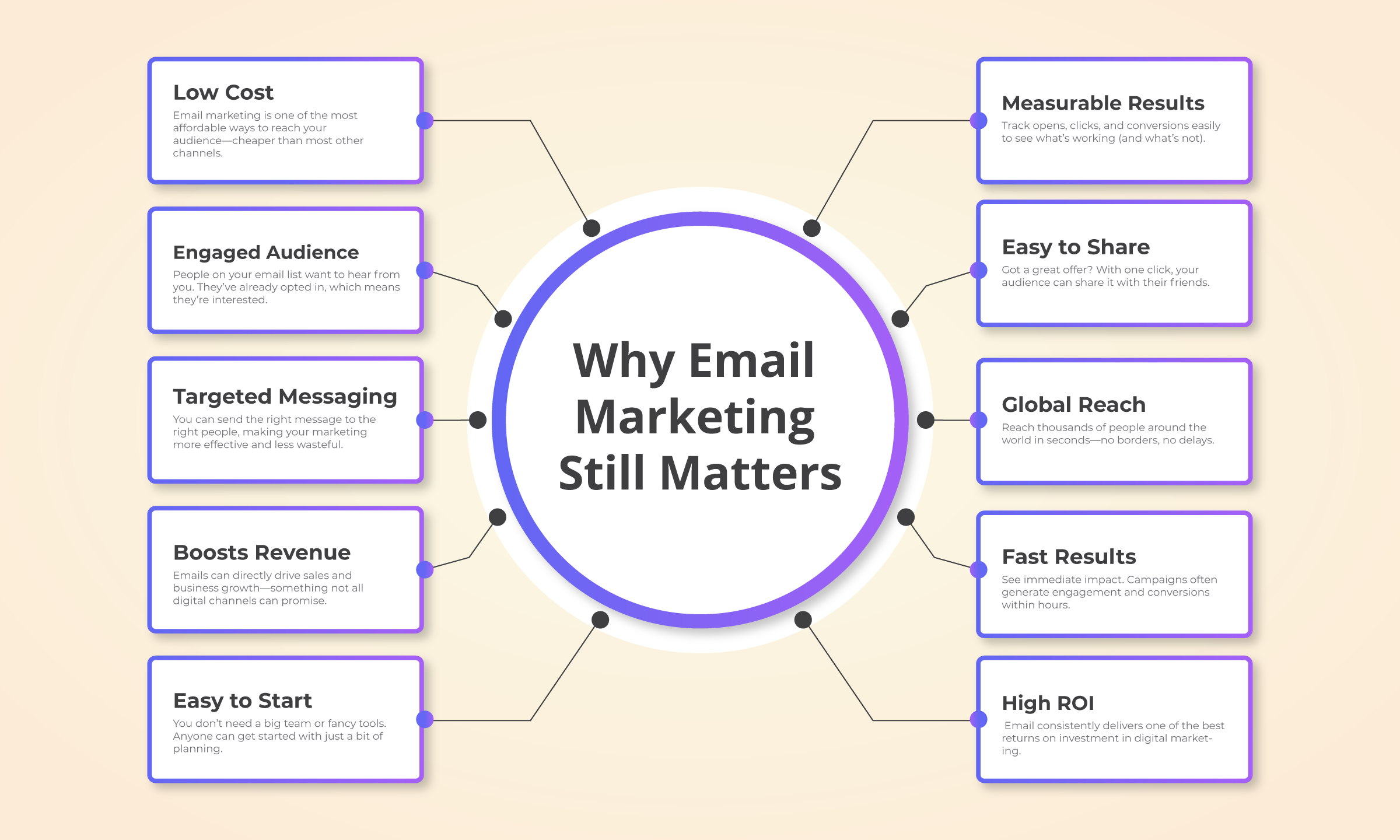
4. What Is the Future of Email Marketing When It Comes to Automation?
Automation is where the real money is. Automated emails generate 30% of all email revenue from just 2% of total sends, earning 16x more per send than standard campaigns. That gap is only growing.
The future of email marketing is behavioral trigger flows, not scheduled calendars. The high-performing automations every business needs in 2026:
Welcome sequences (open rates often exceed 50%)
Abandoned cart recovery (AI-optimized flows improve recovery by 3.6 percentage points in 12 weeks)
Post-purchase and loyalty onboarding flows
Re-engagement sequences with engagement-based suppression to protect deliverability
For ecommerce email marketing, one mid-size brand saw automation grow to 43% of total email revenue in just 12 weeks. That’s not optimization, that’s infrastructure.
5. Are Interactive Emails Now a Standard Email Marketing Best Practice?
They’re becoming one fast. In 2025, 97% of marketers already used at least one interactive element in their campaigns. In 2026, static emails in competitive inboxes feel like billboards on a highway, visible but ignorable.
Interactive email marketing campaigns include embedded polls, product carousels, quizzes, and gamification elements like scratch cards. Beyond engagement, these elements serve a strategic purpose: they collect zero-party data, information subscribers willingly share, which powers personalization without cookies or hidden tracking. For businesses following email marketing best practices, interactive elements are now a data collection strategy as much as a design choice.
6. How Is Email Marketing for Outlook and Gmail Changing?
Inbox providers are no longer passive. They are AI-powered gatekeepers deciding what gets seen, summarized, or blocked, and the rules changed significantly in 2025.
Email marketing for outlook users hit a real crisis: Outlook and Office 365 saw inbox placement fall below 30% for some senders due to aggressive bulk-sender enforcement. Gmail is filtering at the individual level, meaning disengaged subscribers in your list can damage deliverability for your most active ones.
The fix is foundational: SPF, DKIM, DMARC, and BIMI authentication must be correctly configured before any creative or strategy work matters. Europe leads globally with 89.1% inbox placement, largely because GDPR forced better list hygiene. North American brands have a clear model to follow.
7. What Email Marketing Trends Are Driving E-Commerce Revenue?
Ecommerce email marketing has the clearest revenue data of any vertical. The trends moving the needle:
Segmentation: Marketers report up to a 760% increase in revenue from segmented campaigns vs. generic sends.
AI product recommendations: Dynamic content blocks lift median order value by approximately 20%.
Post-purchase flows: The period right after a purchase is the highest-engagement window in any customer relationship, and most brands waste it
For businesses working with email marketing agencies on e-commerce, audit automation infrastructure first. The biggest revenue gains come from behavioral flows, not better subject lines.
8. Is the Plain-Text Email Revival a Real Trend?
It’s one of the most data-backed trends in email marketing right now, and it surprises almost everyone. HubSpot analyzed over 500 million marketing emails and found:
HTML templates reduced open rates by 25%
GIFs cut open rates by 37%
Plain-text emails got 42% more clicks than GIF versions and 51% more than full HTML templates
The reason: HTML complexity triggers spam filters, slows mobile load times, and signals “mass marketing” to both algorithms and human readers. A clean, well-written plain-text email reads like a message from a person, and gets treated like one. For b2b email marketing especially, plain-text outreach sequences are now outperforming polished templates.
9. How Are Privacy Regulations Reshaping Email Marketing Best Practices?
Privacy compliance isn’t just legal protection anymore, it’s a competitive advantage. Brands building on trust-first data practices are seeing measurably stronger engagement than those still relying on aggressive tracking or opaque data usage.
The email marketing best practices every sender needs in 2026:
SPF, DKIM, and DMARC correctly configured
Double opt-in or documented consent for every subscriber
One-click unsubscribe in every email (now enforced by Gmail and Yahoo)
GDPR and CCPA-compliant privacy notices
Beyond compliance, brands using zero-party data, collected through quizzes, polls, and preference centers, are seeing 35–60% higher engagement rates than those relying on inferred behavior. When subscribers know what they’re sharing and why, personalization feels helpful, not invasive.
10. What Is the Future of Email Marketing as Part of Omnichannel Strategy?
The final and most strategic of the email marketing trends in 2026: email is evolving from a standalone channel into the connective backbone of the entire customer journey.
The best email marketing campaigns now run in coordination with SMS, push notifications, LinkedIn, and paid retargeting, all sharing unified customer data. A cart abandonment response isn’t just one email anymore. It’s an in-app nudge first, a push notification at two hours, then an email at 24 hours with social proof. This sequenced approach doubles cart recovery rates compared to email-only.
What is the future of email marketing? It’s email becoming the most data-rich, permission-based layer in a fully connected customer journey. Businesses building that infrastructure now will compound the advantage over the next three to five years.
Why These Email Marketing Trends Matter Right Now?
The trends in email marketing for 2026 all point the same way: fewer, smarter, more relevant emails, built on behavioral data, powered by AI, and delivered as part of a coordinated experience.
The channel still delivers $36–$42 for every $1 spent. The global email market is growing at 10.82% annually through 2031. The opportunity is there. The question is whether your strategy matches where the channel actually is in 2026, or where it was in 2021.
Frequently Asked Questions
1. What are the top email marketing trends in 2026?
AI personalization, behavioral automation, interactive emails, plain-text revival, privacy-first data, and omnichannel orchestration are the six trends with the strongest performance data behind them.
2. What is the future of email marketing with AI?
AI is compressing production timelines from two weeks to three days, automating segmentation, personalizing content at scale, and optimizing send times per individual. By 2030, AI adoption in email is projected to reach 97%.
3. How do email marketing trends differ for e-commerce vs. B2B?
E-commerce email focuses on behavioral automation, product recommendations, and cart recovery. B2B email focuses on journey-stage content, long-cycle nurture, and cross-channel coordination with sales outreach.
Ready to build an email strategy that converts in 2026? Agency Partner Interactive helps businesses design, automate, and scale email programs that deliver real ROI. Let’s talk.
Manufacturing companies can no longer rely only on referrals, trade shows, and word-of-mouth to drive growth. In 2026, buyers are researching suppliers online, comparing competitors, reading reviews, exploring websites, and evaluating companies long before they ever speak with a sales rep.
That is why every manufacturer needs a stronger manufacturing marketing strategy.
Whether you are targeting distributors, contractors, engineers, procurement teams, or enterprise buyers, your digital presence now plays a major role in generating trust and winning new business.
So, ask yourself: Is your company visible enough online to compete in 2026?
Why Manufacturing Marketing Has Changed
The buying journey for industrial and manufacturing companies has changed dramatically. Today, decision-makers spend more time researching online before making contact.
They search for:
Product information
Technical specs
Certifications
Case studies
Reviews
Manufacturing capabilities
Industry expertise
This means that marketing for manufacturing companies is no longer just about brochures and sales calls. Companies now need a complete marketing plan for manufacturing company growth that includes SEO, content, paid ads, email marketing, social media, and lead nurturing.
A strong manufacturing marketing strategy helps businesses:
Generate more manufacturing leads
Build brand authority
Improve visibility online
Support sales teams
Shorten the buying cycle
Increase long-term revenue
1. Build a Strong Website That Supports Manufacturing Leads
Your website is often the first impression buyers will have of your business. A weak website can cost you valuable manufacturing leads.
Your website should also be optimized for SEO, mobile users, and conversions. If buyers cannot quickly understand what you do, who you serve, and why they should trust you, they will move on to a competitor.
2. Use Content Marketing for Manufacturers to Build Authority
Content marketing for manufacturers is one of the most powerful ways to attract buyers in 2026. Decision-makers want useful information before they speak with a sales team.
That is why content marketing for manufacturers should include:
For example, if you manufacture industrial packaging, metal products, automation equipment, or pharmaceutical labels, your content should answer the questions buyers are already searching online.
3. Invest in SEO for Manufacturing Online Marketing
Manufacturing online marketing depends heavily on SEO. If your website does not appear in search results, your ideal customers may never find you.
A strong manufacturing marketing strategy should include:
Digital marketing in manufacturing industry companies often starts with SEO because buyers actively search for suppliers, manufacturers, and industrial service providers online. The more visible your business is in search results, the more manufacturing leads you can generate.
Manufacturing advertising is changing. Many companies still rely too heavily on print ads and trade publications. While those channels can still work, digital advertising now offers better targeting and measurable results.
A strong manufacturing marketing group can help create campaigns that target engineers, procurement teams, plant managers, and industrial buyers. Paid advertising can also support inbound marketing for manufacturers by driving more traffic to landing pages and downloadable resources.
5. Focus on B2B Manufacturing Marketing and Lead Nurturing
B2b manufacturing marketing is very different from consumer marketing. Industrial buyers often take weeks or months to make decisions. That means your marketing plan for manufacturing company growth should include lead nurturing.
Lead nurturing may include:
Email marketing
Retargeting ads
Downloadable resources
Educational content
Case studies
Sales follow-up sequences
B2b manufacturing marketing is not about immediate conversions. It is about building trust over time. The stronger your content and follow-up process are, the more likely buyers are to choose your company.
6. Use Social Media to Support Marketing for Industrial Companies
Many manufacturing companies underestimate social media. However, platforms like LinkedIn, YouTube, Facebook, and Instagram can support marketing for industrial companies when used correctly.
Social media can help manufacturers:
Share company updates
Highlight projects
Showcase products
Publish industry insights
Promote trade show appearances
Build trust with buyers
Marketing for manufacturing companies is not just about generating direct sales. It is also about building visibility and credibility over time.
7. Measure Everything and Improve Your Strategy
One of the biggest advantages of digital marketing in manufacturing industry campaigns is the ability to measure results.
You can track:
Website traffic
Lead conversions
Ad performance
Search rankings
Email engagement
Landing page results
Social media activity
A strong manufacturing marketing group will use this data to improve campaigns over time. The best marketing strategies for manufacturing are never static. They evolve based on data, buyer behavior, and market trends.
What Should Your Manufacturing Marketing Strategy Include?
If you are building a manufacturing marketing strategy for 2026, ask yourself these questions:
Is our website generating enough manufacturing leads?
Are we investing enough in content marketing for manufacturers?
Are our SEO efforts helping us rank for important keywords?
Are we nurturing leads after they visit our website?
Are we using the right manufacturing advertising channels?
The answers to these questions can help you identify the biggest gaps in your current strategy.
Ready to Improve Your Manufacturing Marketing?
Marketing for manufacturing companies is becoming more competitive every year. The companies that win in 2026 will be the ones that invest in stronger websites, SEO, content, advertising, and lead nurturing.
At Agency Partner Interactive, we help manufacturers build stronger digital strategies that generate visibility, trust, and manufacturing leads. Whether you need help with content marketing for manufacturers, SEO, manufacturing advertising, or a complete marketing plan for manufacturing company growth, our team can help you create a strategy that supports long-term success.
FAQs
1. What is the best manufacturing marketing strategy for 2026?
The best manufacturing marketing strategy for 2026 includes SEO, content marketing, paid advertising, email marketing, social media, and lead nurturing. Manufacturers need a balanced approach that improves visibility, generates manufacturing leads, and supports long sales cycles.
2. Why is content marketing for manufacturers important?
Content marketing for manufacturers is important because buyers want information before speaking with a sales rep. Blogs, case studies, videos, and guides help manufacturers build authority, improve SEO rankings, and attract more qualified leads.
3. What is the difference between b2b manufacturing marketing and consumer marketing?
B2b manufacturing marketing focuses on longer sales cycles, multiple decision-makers, technical content, and relationship building. Consumer marketing is often more emotional and focused on quicker purchasing decisions.
4. How can manufacturing advertising improve lead generation?
Manufacturing advertising can improve lead generation by targeting the right audiences through Google Ads, LinkedIn Ads, remarketing campaigns, and industry-specific publications. Strong advertising campaigns can increase website traffic and support lead nurturing.
5. Why is inbound marketing for manufacturers effective?
Inbound marketing for manufacturers is effective because it attracts buyers through useful content, SEO, and educational resources. Instead of chasing leads, manufacturers can create content that brings potential customers directly to their website.
Medical websites are no longer simple online brochures. Today, healthcare organizations need websites that can handle appointment requests, patient education, physician profiles, service pages, forms, blog content, and sensitive patient information.
That is why having the right content management system for healthcare is no longer optional. A strong healthcare website needs a system that can support growth, improve efficiency, simplify updates, and deliver a better experience for both staff and patients.
If your healthcare organization is still relying on outdated website systems or difficult manual updates, it may be time to rethink your digital strategy.
After all, how much time is your team wasting just trying to manage website content?
What Is a Content Management System for Healthcare?
A content management system for healthcare is a platform that allows medical organizations to create, edit, organize, and publish website content without needing advanced coding knowledge.
A modern healthcare content management system helps hospitals, clinics, private practices, and healthcare startups manage everything from service pages to physician directories and patient resources. Instead of relying on developers for every website update, a content management system healthcare platform gives your team more control.
This means your marketing staff, office administrators, and content teams can quickly make updates while maintaining consistency, security, and compliance.
Why Healthcare Websites Need Better Content Management
Medical websites often contain a large amount of information that changes frequently. These websites may need to be updated:
Service pages
Doctor profiles
Office hours
Insurance information
Patient forms
Blog articles
Educational resources
Appointment links
Contact details
Without a strong healthcare content management system, keeping all of this information updated can become overwhelming. A poor content management system workflow process can lead to outdated information, broken pages, inconsistent branding, and lost patient trust.
The Biggest Benefits of a Healthcare Content Management System
Faster Website Updates Without Developer Delays
One of the biggest advantages of a content management system for healthcare is speed. Healthcare organizations often need to update websites quickly. Whether it is adding a new provider, updating office hours, changing service offerings, or publishing a new blog, teams need a faster way to manage content.
A healthcare content management system makes this possible by allowing staff to update content directly. Instead of waiting days or weeks for a developer, your team can make updates immediately.
Better Healthcare Content Management Across Teams
Strong healthcare content management is about more than publishing information. It is also about making sure everyone on your team can collaborate effectively. A strong content management system workflow process helps different departments work together more efficiently.
Marketing teams can create content, office staff can update provider information, and administrators can review and approve changes. This improves healthcare information management while reducing errors and delays.
Improved Patient Experience
Patients expect healthcare websites to be easy to use, accurate, and informative. When your content is outdated or difficult to find, patients lose trust.
A strong healthcare content management system helps create a better user experience by ensuring:
Accurate provider information
Updated office hours
Current insurance details
Helpful educational content
Easy appointment requests
Fast page loading
This also supports patient care management system goals because better information often leads to better patient decisions.
Why Content Management Supports Health Information Systems?
Modern health information systems rely on accurate data, organized content, and secure access. A content management system healthcare platform plays an important role in connecting website content with larger healthcare systems.
For example, a healthcare content management system can support:
Patient portals
Online forms
Appointment scheduling
Telehealth links
Patient education libraries
Medical blogs
This creates a stronger digital ecosystem that supports healthcare information management and better patient communication.
Supporting Patient Data Management and Clinical Information
Medical organizations handle large amounts of sensitive information every day. A strong patient data management system helps organize, store, and protect patient records and related information. While website content systems are different from EHR platforms, they often work together.
For example, a healthcare content management system may connect with:
Patient information management system tools
Patient care management system platforms
Medical management system software
Clinical information management systems
Medical information content management tools
This integration helps improve workflows, reduce duplication, and create a smoother experience for patients and staff.
What Happens Without a Proper Content Management System?
Many healthcare organizations continue using outdated websites that are difficult to update. Without a proper content management system for healthcare, organizations may struggle with:
Slow content updates
Outdated doctor information
Broken forms and links
Poor mobile performance
Inconsistent branding
Lower search rankings
Reduced patient trust
These issues can hurt both patient experiences and lead generation. If patients cannot find accurate information or easily contact your office, they may choose a competitor instead.
So, ask yourself this question: Is your current website helping your organization grow, or is it holding you back?
Key Features to Look for in a Healthcare Content Management System
Not every content management platform is designed for healthcare.
When evaluating a healthcare content management system, look for features such as:
User-friendly editing tools
Mobile responsiveness
SEO optimization
Role-based permissions
HIPAA-friendly functionality
Easy integration with health information systems
Fast loading speeds
Appointment scheduling support
Blog and content publishing tools
A good content management system workflow process should make your team more efficient, not more frustrated.
Why Healthcare Content Management Helps SEO and Visibility?
One of the biggest benefits of strong healthcare content management is improved SEO. Healthcare organizations that regularly update their websites with blogs, FAQs, service pages, and educational resources are more likely to rank higher in search results.
A content management system for healthcare makes it easier to publish optimized content consistently. This helps your organization attract more visitors, improve visibility, and generate more leads. At Agency Partner Interactive, we help healthcare organizations create websites with smarter healthcare content management systems, stronger SEO strategies, and better user experiences.
Conclusion
A modern content management system for healthcare is one of the most important tools for growing a medical website.
From faster content updates to stronger healthcare information management, better patient experiences, and improved SEO, the right healthcare content management system can help your organization operate more efficiently and attract more patients.
Whether you need support with healthcare content management, website redesign, SEO, or integrating larger health information systems, Agency Partner Interactive can help you build a website that supports your goals and future growth.
FAQs
1. What is a content management system for healthcare?
A content management system for healthcare is a platform that helps healthcare organizations create, edit, and manage website content more easily. It allows medical practices, hospitals, and clinics to update service pages, blogs, provider information, and forms without needing technical expertise.
2. Why is healthcare content management important?
Healthcare content management is important because medical websites contain constantly changing information such as doctor profiles, office hours, insurance details, and patient resources. Keeping this information updated improves patient trust, SEO rankings, and overall user experience.
3. How does a healthcare content management system improve patient experience?
A healthcare content management system improves patient experience by making sure website information is accurate, easy to access, and regularly updated. Patients can quickly find services, providers, appointment links, and educational resources without confusion.
4. Can a healthcare content management system connect with other health information systems?
Yes, many healthcare content management systems can integrate with larger health information systems such as appointment scheduling platforms, patient portals, EHR systems, patient information management system tools, and patient care management system software.
5. What features should I look for in a healthcare content management system?
The best healthcare content management system should include mobile responsiveness, SEO tools, user permissions, easy editing capabilities, fast loading speeds, secure forms, and support for appointment scheduling, blogs, and healthcare information management.
The EdTech industry is evolving rapidly, with new platforms, solutions, and innovations shaping the way students learn and educators teach. As more educational institutions adopt technology, the competition for visibility, brand recognition, and customer loyalty is intensifying. Crafting an effective EdTech marketing strategy is essential for standing out and gaining traction in this dynamic space.
In 2026, an effective marketing strategy for EdTech should focus on customer engagement, personalized experiences, and leveraging data to fine-tune campaigns. Whether you’re a small EdTech startup or an established brand, understanding the nuances of EdTech digital marketing and EdTech content marketing will be key to scaling your business. Here’s a comprehensive guide to building a winning EdTech marketing strategy in 2026.
1. Define Your Target Audience in the EdTech Space
The first step in any successful EdTech marketing strategy is identifying and understanding your target audience. In the world of marketing for EdTech, your audience can be quite diverse.
Your primary segments could include:
Schools and Universities: These are institutions seeking scalable, reliable, and cost-effective EdTech solutions for learning management, content delivery, and student engagement.
Teachers and Educators: Individuals who need tools to enhance their teaching methods, collaborate with students, and streamline administrative tasks.
Students and Parents: End-users who benefit from EdTech platforms for improving learning outcomes, managing assignments, and gaining access to personalized learning experiences.
In 2026, EdTech communications should be tailored specifically to these groups. Understand their pain points and challenges, and provide solutions that make their lives easier. By crafting personalized messaging and using the right EdTech industry marketing solutions, you can significantly improve engagement and conversion rates.
2. Utilize Data-Driven Approaches with EdTech Digital Marketing
EdTech digital marketing in 2026 is heavily reliant on data-driven strategies. The ability to analyze user behavior, understand market trends, and predict customer needs through data will be crucial for shaping marketing for EdTech campaigns.
Here’s how you can incorporate data into your marketing strategy:
Audience Segmentation: Use data to segment your audience based on various factors such as geographic location, age group, interests, and behavior. This enables you to create targeted campaigns that are more likely to resonate.
Customer Journey Mapping: Understanding how potential customers interact with your brand allows you to map out personalized customer journeys. By optimizing content and touchpoints, you can guide prospects seamlessly through the sales funnel.
A/B Testing and Campaign Optimization: Continuously test various elements of your campaigns, such as headlines, calls to action, and visual elements. Use the insights from EdTech marketing agency tools to optimize your strategy and ensure maximum ROI.
Leveraging data in your EdTech marketing strategy allows for continual refinement, ensuring your tactics remain relevant and impactful.
3. Content Marketing and SEO for EdTech Growth
Content marketing remains one of the most powerful tools for marketing for EdTech. With the increasing importance of search engine optimization (SEO), creating valuable, informative, and optimized content will help your brand rank higher in search results and gain more organic traffic.
Here’s how you can incorporate EdTech content marketing into your strategy:
Blogging and Articles: Produce insightful articles about industry trends, new teaching methods, or success stories. Optimize them for keywords that your target audience is searching for, such as “best EdTech tools for remote learning” or “EdTech solutions for schools.”
Case Studies and Success Stories: Share real-life examples of how your product has improved learning outcomes. These types of content build credibility and trust with your audience.
Webinars and Educational Content: Host webinars or produce video content that educates your audience on how to make the most of your EdTech solutions. This type of content also supports your SEO efforts as video content gets prioritized by search engines.
By focusing on SEO for EdTech, you can drive organic traffic to your website and build long-term brand authority.
4. Leverage Social Media for Branding and Engagement
Social media is an indispensable tool in the EdTech digital marketing toolkit. By engaging with your audience through the right channels, you can increase brand awareness, drive traffic to your website, and engage with both B2B and B2C customers.
Here’s how to use social media effectively in marketing for education companies:
Platform Selection: Choose the social media platforms where your target audience is most active. LinkedIn, Twitter, and Facebook are essential for B2B engagement with schools and universities, while Instagram, TikTok, and YouTube are great for reaching students and parents.
Content Sharing: Share content that aligns with your audience’s interests. Post updates, industry news, and educational resources that provide value to your followers.
Engagement: Respond to comments, ask questions, and create polls or surveys. Engaging directly with your audience humanizes your brand and fosters a sense of community.
Social media not only promotes brand visibility but also drives direct engagement and customer feedback, which is invaluable for refining your EdTech marketing strategy.
5. Implement Influencer Marketing in the EdTech Sector
Influencer marketing is no longer exclusive to the beauty and fashion industries. In the world of EdTech marketing, influencers, especially educators, thought leaders, and industry experts, play a vital role in shaping opinions and driving adoption.
You can collaborate with EdTech content marketing influencers to:
Host webinars or workshops: Partner with industry experts to discuss relevant topics like technology in education or the future of EdTech.
Review your products: Have influencers share their experiences with your platform, offering honest feedback and showcasing how it improves learning.
Create tutorials: Leverage influencer networks to create tutorials on using your product, providing their followers with helpful, engaging content.
Influencer marketing offers a highly targeted way to expand your reach and establish credibility in the competitive EdTech digital marketing space.
6. Invest in Paid Advertising and Retargeting
Paid media campaigns, including AI-powered Google ads and Facebook Ads, provide a fast way to reach potential customers. However, the key to success in 2026 is retargeting.
Here’s how you can incorporate paid ads into your EdTech marketing strategy:
Google Ads: Use keyword targeting to show your ads to individuals who are searching for educational tools and resources.
Facebook and Instagram Ads: Run targeted ads to specific groups based on their interests in educational products and services.
Retargeting: Show ads to individuals who have interacted with your brand previously but have not yet converted.
Retargeting helps you stay in front of leads that may have shown interest in your EdTech content marketing but didn’t take action the first time. This can significantly improve conversion rates.
7. Measure and Optimize Your EdTech Marketing Strategy
The final step in an effective EdTech marketing strategy is measurement and optimization. Use the following metrics to assess your campaign performance:
Website Traffic: Monitor how much traffic you’re getting from search, social, and paid campaigns.
Lead Conversion Rate: Track how many leads are converting into actual customers.
Customer Acquisition Cost (CAC): Determine how much it costs to acquire a new customer to ensure that your marketing efforts are sustainable.
Utilize tools like Google Analytics, HubSpot, and other EdTech digital marketing agency platforms to track performance and make adjustments to your strategy based on data-driven insights.
Conclusion
In 2026, the EdTech marketing strategy landscape will continue to evolve, making it essential for businesses to adopt innovative digital marketing tactics. EdTech content marketing, SEO, and AI-powered automation will be at the forefront of engaging diverse audiences, from educational institutions to students and parents.
Partnering with a specialized EdTech digital marketing agency like Agency Partner Interactive ensures your marketing efforts are strategically aligned with industry trends and performance goals. By focusing on building a comprehensive marketing strategy for EdTech, incorporating the right tools, and continuously optimizing content, brands can drive sustained growth and visibility.
FAQs
Q1: What is the most effective EdTech marketing strategy for 2026?
The most effective EdTech marketing strategy focuses on personalization, content-driven SEO, influencer partnerships, and data-driven decisions. It’s essential to use EdTech content marketing to engage audiences while leveraging EdTech digital marketing tools to track performance and optimize campaigns.
Q2: How do I choose the best EdTech marketing agency for my business?
When choosing an EdTech marketing agency, look for experience in the education sector, a solid track record in digital marketing for EdTech, and expertise in content creation and SEO. An agency that understands both EdTech communications and market trends will be a valuable partner.
Q3: What role does content marketing play in EdTech marketing?
EdTech content marketing helps establish credibility, engage audiences, and drive traffic. By creating valuable content like case studies, blogs, and webinars, you can showcase your product’s benefits and build trust with potential customers.
Q4: What are the best EdTech digital marketing channels?
The best EdTech digital marketing channels include Google Ads for search visibility, LinkedIn and Twitter for B2B outreach, Instagram and YouTube for visual content, and email marketing for lead nurturing and conversions.
Q5: How can EdTech marketing help build long-term brand awareness?
EdTech marketing builds long-term brand awareness by providing consistent, valuable content, engaging with the community through social media, and developing partnerships with influencers and educational institutions. Focus on educating your audience about the value your solution brings.
Artificial intelligence is no longer emerging; it is restructuring how industries operate, compete, and innovate. As we move into 2026, the conversation around AI has shifted from experimentation to execution. Businesses are no longer asking if AI matters, but how deeply it will shape the future of technology, work, and decision-making.
From generative AI trends to enterprise-grade deployments, the pace of change reflected in AI industry news today suggests that the next wave of innovation will be less about novelty and more about integration, responsibility, and scale. Understanding the future of AI now is critical for leaders who want to stay ahead rather than react later.
This article explores the latest AI trends, explains why they matter, and highlights what digital businesses should prepare for in 2026.
Generative AI Moves from Experimentation to Infrastructure
One of the most visible trends in generative AI is its transition from isolated tools to core business infrastructure. In earlier years, generative AI was used primarily for content creation or experimentation. In 2026, it will become embedded into workflows, platforms, and products.
This shift is evident across generative AI news, where companies are integrating AI directly into customer experiences, internal systems, and decision engines. Instead of standalone tools, generative models now support entire operational layers, redefining how organizations scale intelligence.
This evolution marks a turning point in the future of AI, where generative capabilities are no longer optional enhancements but foundational components.
Large Language Model News Signals a Shift Toward Specialization
Recent news about large language models reveals a clear trend toward specialization. Rather than relying solely on massive, general-purpose models, organizations are adopting domain-specific models trained for legal, healthcare, finance, and enterprise use cases.
This movement reflects broader trends in artificial intelligence that emphasize accuracy, reliability, and contextual depth. Specialized models reduce hallucinations and improve trust, especially in regulated environments.
As latest developments in AI continue, large language models will increasingly be tuned for specific industries, enabling more precise outcomes and stronger governance.
How AI Works Is Becoming More Transparent and Explainable
For years, one of the biggest concerns surrounding AI adoption was opacity. In response, how AI works is becoming a focal point of innovation. Explainable AI, model interpretability, and transparency are now central themes in AI industry news today.
Businesses and regulators alike demand systems that can justify decisions. This is especially important as AI influences hiring, lending, healthcare, and compliance. Understanding how AI works is no longer limited to engineers; it is becoming essential knowledge for executives and policymakers.
This push toward explain ability signals a more mature phase in the latest AI advancements, where trust becomes as important as performance.
Artificial Intelligence Trends Are Reshaping the Software Industry
The impact of AI is deeply intertwined with software industry trends. Traditional software is evolving into adaptive, learning-driven systems. Static features are giving way to dynamic intelligence that improves over time.
This transformation affects AI software development practices, architecture decisions, and deployment strategies. As the latest trends in artificial intelligence continue, software products will increasingly differentiate themselves based on how effectively they integrate AI, not just what features they offer.
For many companies, this marks a shift from building tools to building intelligent platforms.
AI Development Services Become a Core Business Capability
As AI adoption accelerates, demand for AI development services continues to grow. Organizations are moving beyond off-the-shelf tools and investing in custom solutions tailored to their data, workflows, and objectives.
This demand is reflected in recent AI developments, where enterprises partner with an AI development company or a generative AI development company to build proprietary capabilities. Custom development ensures alignment with business goals while maintaining control over data and outcomes.
In 2026, AI software development will be less about experimentation and more about long-term competitive advantage.
Generative AI Development Companies Redefine Product Innovation
The rise of the generative AI development company is another defining trend. These organizations focus on embedding generative intelligence into products rather than offering generic solutions.
From recommendation systems to automated insights, generative AI is transforming how digital products evolve. This shift is consistently highlighted in generative AI news, where innovation is driven by real-world use cases rather than theoretical potential.
As artificial intelligence’s latest developments continue, generative AI will increasingly define product differentiation across industries.
AI Chatbot Development Services Mature Beyond Customer Support
Chatbots are no longer limited to basic customer service. AI chatbot development services are expanding into sales enablement, onboarding, internal knowledge management, and decision support.
Advances in conversational AI, reflected in the latest AI trends, allow chatbots to understand context, intent, and sentiment with greater accuracy. This makes them valuable across the entire customer and employee lifecycle.
In the future of AI, conversational interfaces will become primary access points to digital systems, not just support tools.
Latest AI Advancements Emphasize Responsible and Ethical AI
Ethics and responsibility are now inseparable from innovation. Many of the latest AI advancements focus on bias reduction, governance frameworks, and regulatory compliance.
This emphasis is visible across AI industry news today, where governments and enterprises collaborate to define standards for responsible AI. Ethical considerations are no longer barriers to adoption; they are prerequisites. As latest developments in AI unfold, organizations that prioritize responsible implementation will gain trust and long-term credibility.
The Next Big Trend in Technology Is AI-Driven Decision Intelligence
Beyond automation and prediction, the next big trend in technology is decision intelligence. AI systems are increasingly designed to support complex decision-making rather than replace human judgment.
This trend aligns with broader artificial intelligence trends that emphasize augmentation over automation. Decision intelligence combines analytics, machine learning, and human insight to improve outcomes without removing accountability.
This approach represents a more balanced vision of the future of AI, where humans and machines collaborate effectively.
Recent AI Developments Point to Industry-Specific AI Ecosystems
One of the most important recent AI developments is the rise of industry-specific ecosystems. Rather than generic platforms, companies are building AI solutions tailored to vertical needs.
Healthcare, finance, manufacturing, and retail each require different data, compliance models, and performance metrics. This specialization is shaping the latest trends in artificial intelligence and redefining how AI delivers value.
As ecosystems mature, partnerships with an AI development company or a generative AI development company will become standard practice.
Conclusion
As we look toward 2026, AI is no longer a single trend; it is a collection of interconnected shifts reshaping technology and business. From generative AI trends and large language model news to AI software development and ethical innovation, the landscape is evolving rapidly.
Understanding the future of AI requires more than tracking headlines. It demands strategic awareness of how the latest AI advancements influence software, operations, and decision-making. Organizations that invest thoughtfully in AI development services, governance, and specialization will be best positioned to lead.
The question is no longer what AI can do, but how prepared businesses are to evolve with it.
FAQs
Q1: What are the most important generative AI trends to watch in 2026?
Ans: Generative AI trends in 2026 focus on deeper integration into products, industry-specific models, and enterprise-grade governance. These trends show AI moving from experimentation to mission-critical infrastructure across businesses.
Q2: How do large language model developments affect businesses?
Ans: Large language model news highlights increasing specialization and accuracy. Businesses benefit from models tailored to specific domains, enabling more reliable insights, compliance, and real-world decision support.
Q3: What is the future of AI in software development?
Ans: The future of AI in software involves adaptive systems rather than static features. AI software development will focus on intelligence that improves continuously, reshaping how digital products are built and maintained.
Q4: Why are AI development services growing so fast?
Ans: Demand for AI development services is rising because businesses need custom solutions aligned with their data and goals. Off-the-shelf tools often lack the flexibility required for competitive differentiation.
Q5: Are AI chatbots still relevant in 2026?
Ans: Yes. AI chatbot development services are expanding beyond support into sales, onboarding, and internal operations. Chatbots are becoming intelligent interfaces rather than simple response systems.
Q6: What is the next big trend in technology after AI tools?
Ans: The next big trend in technology is AI-driven decision intelligence, where AI supports human decision-making rather than replacing it. This trend emphasizes collaboration, accountability, and strategic insight.
Q7: How should businesses prepare for the latest AI advancements?
Ans: To prepare for the latest AI advancements, businesses should invest in skills, governance, and partnerships with an AI development company while aligning AI initiatives with long-term strategy rather than short-term experimentation.
Digital businesses are under constant pressure to move faster, operate leaner, and scale without adding complexity. In response, two concepts are often mentioned interchangeably: AI and automation. Yet despite frequent overlap in conversations, AI vs automation is not a matter of choosing one over the other. It is about understanding when each approach makes sense and how they work together.
Many teams invest heavily in tools without fully understanding what is the difference between automation and artificial intelligence, leading to mismatched expectations, wasted budgets, and stalled initiatives. To build sustainable digital operations, businesses must clearly distinguish automation vs AI, evaluate real use cases, and apply each technology deliberately.
This article breaks down AI and automation in practical terms, explains how they differ, and provides guidance on when digital businesses should rely on automation, when AI is necessary, and when a combined approach delivers the most value.
Understanding AI vs Automation in a Business Context
At a high level, automation vs AI comes down to predictability versus intelligence. Automation follows predefined rules. AI adapts, learns, and makes decisions based on data patterns. Both are valuable, but they solve different problems.
Traditional automation excels when tasks are repetitive, structured, and consistent. AI becomes essential when inputs vary, outcomes are uncertain, or decisions require contextual understanding. This is why discussions around AI vs. automation often become confusing; many real-world processes involve both predictable and unpredictable elements.
Understanding automation vs artificial intelligence begins with recognizing that automation executes instructions, while AI interprets situations.
What Is AI Automation and Why It’s Often Misunderstood
A common question across Reddit and Quora is what is AI automation is, and why it feels so ambiguous. AI automation refers to systems where AI enhances automated workflows by making decisions, predictions, or classifications rather than simply triggering actions.
Unlike basic automation, AI-powered automation can adjust behavior over time. For example, an automated workflow might route tickets based on fixed rules, while AI automation learns from historical data to route tickets more efficiently.
The confusion arises because automation and artificial intelligence often coexist within the same toolset. Understanding what is AI automation requires recognizing that AI adds judgment, not just speed.
Automation vs Artificial Intelligence: Core Differences Explained
To fully grasp what is the difference between automation and artificial intelligence, it helps to compare how each technology behaves in practice.
Automation executes predefined steps exactly as designed. It does not improve unless rules are manually updated. Artificial intelligence, by contrast, learns from data, adapts to new inputs, and improves decisions over time.
This distinction defines automation vs artificial intelligence at a strategic level. Automation increases efficiency in stable environments. AI increases effectiveness in complex, evolving environments. Most digital businesses require both, but in different proportions depending on the task.
When Automation Is the Right Choice for Digital Businesses
Automation should be the first consideration when processes are clear and repeatable. Tasks such as data entry, invoice processing, system integrations, and notifications benefit greatly from automation.
In these cases, what are the automation apps that matter most are tools that connect systems, trigger workflows, and reduce manual effort. These applications create immediate operational gains without introducing complexity.
Choosing automation over AI in such scenarios avoids unnecessary cost and risk. Understanding automation vs AI helps businesses avoid overengineering simple problems.
When AI Is Necessary Beyond Traditional Automation
There are situations where automation alone fails. When data is unstructured, decisions require judgment, or outcomes vary, AI becomes essential.
Examples include customer intent analysis, demand forecasting, personalization, and anomaly detection. These scenarios illustrate why AI for business automation is gaining traction. AI handles variability that automation cannot anticipate. In such cases, relying solely on automation leads to brittle systems. AI and automation together enable workflows that both execute efficiently and adapt intelligently.
AI and Automation Working Together in Modern Workflows
The most effective digital systems do not choose between AI and automation; they integrate them. Automation handles execution, while AI provides decision-making support.
For instance, automation can collect and route data, while AI analyzes that data to determine next actions. This combination defines modern AI-powered automation, where workflows are not only faster but smarter.
Understanding automation and artificial intelligence as complementary layers allows businesses to scale without sacrificing control or insight.
What Are the Automation Apps Businesses Actually Use
Another frequent question is which automation apps are most relevant today. These typically include workflow automation platforms, integration tools, robotic process automation software, and task orchestration systems.
These apps focus on speed, consistency, and reliability. They are ideal foundations before introducing AI. Without stable automation, AI insights often lack the execution layer needed to create real impact. Knowing what are the automation apps best suited for your operations helps define where AI should later be layered in.
The Role of an AI Automation Agency in Strategic Adoption
As systems grow more complex, many organizations turn to an ai automation agency to guide implementation. This is especially common when internal teams lack experience designing AI-enhanced workflows.
An ai automation agency helps align tools, data, and objectives while avoiding fragmented solutions. This guidance is critical when deploying ai automation services across departments rather than isolated pilots. Strategic support ensures that ai for business automation delivers long-term value rather than short-term experimentation.
AI Automation Services vs Traditional Automation Solutions
Not all automation providers offer AI capabilities. AI automation services differ by incorporating machine learning models, predictive logic, and adaptive workflows.
Traditional automation solutions execute tasks exactly as configured. AI automation services evaluate context and adjust actions accordingly. This distinction matters when selecting vendors or building internal capabilities.
Understanding this difference prevents misalignment between business needs and technical solutions, especially in complex digital environments.
Common Mistakes in AI vs Automation Decisions
One of the biggest mistakes businesses make is assuming AI will replace automation entirely. This misunderstanding of ai vs automation often leads to inflated expectations and underwhelming results.
Another common issue is deploying AI without sufficient data or stable processes. Without automation foundations, AI insights cannot be operationalized effectively. Recognizing what is the difference between automation and artificial intelligence helps avoid these pitfalls and supports smarter investment decisions.
How to Decide What Digital Businesses Should Use and When
The decision framework is simple but often overlooked. Use automation when tasks are repetitive and predictable. Use AI when decisions require interpretation, learning, or prediction. Use both when workflows require execution and intelligence together.
This balanced approach to automation vs AI ensures scalability without unnecessary complexity. Businesses that understand ai and automation as strategic tools rather than trends make better long-term decisions.
The goal is not technological sophistication, it is operational clarity.
Conclusion
The debate around AI vs automation is often framed incorrectly. The real question is not which technology is better, but which is appropriate for a given task. Automation excels at consistency and speed. AI excels at adaptability and insight.
By understanding automation vs artificial intelligence, recognizing what is AI automation, and applying ai powered automation thoughtfully, digital businesses can build systems that scale intelligently. When combined correctly, automation and artificial intelligence create workflows that are both efficient and resilient.
The future belongs to businesses that know when to automate, when to apply AI, and when to use both together.
FAQs
Q1: What is the difference between automation and artificial intelligence?
Ans: What is the difference between automation and artificial intelligence lies in adaptability. Automation follows fixed rules, while AI learns from data and adapts over time. Automation improves efficiency, whereas AI improves decision quality and responsiveness.
Q2: Is AI better than automation for business processes?
Ans: AI is not inherently better. In automation vs AI, automation is better for predictable tasks, while AI is better for complex decisions. Most businesses benefit from combining ai and automation rather than choosing one exclusively.
Q3: What is AI automation in simple terms?
Ans: What is AI automation refers to automated systems enhanced by AI decision-making. Unlike basic automation, AI automation adjusts workflows based on patterns, predictions, or context, making processes smarter over time.
Q4: What are the automation apps commonly used by businesses?
Ans: What are the automation apps most used include workflow automation platforms, integration tools, and robotic process automation software. These tools handle repetitive tasks and often serve as a foundation for later AI integration.
Q5: When should a business hire an AI automation agency?
Ans: An ai automation agency is helpful when businesses want to scale automation intelligently or introduce AI into complex workflows. Agencies provide strategy, implementation, and governance for ai automation services.
Q6: Are AI automation services expensive to implement?
Ans: Costs vary. AI automation services can be more expensive than traditional automation, but they often deliver higher long-term value by improving accuracy, adaptability, and decision-making across workflows.
Q7: Can small businesses use AI for business automation?
Ans: Yes. AI for business automation is increasingly accessible through modern platforms. Small businesses can start with automation and gradually adopt AI where data and complexity justify it.
Location pages were once treated as a checkbox in SEO strategies. Businesses created dozens, sometimes hundreds, of near-identical pages simply to rank for city-based keywords. For a while, that approach worked. Today, it no longer does.
AI-driven search systems have changed how local relevance, authority, and intent are evaluated. To remain visible, businesses must rethink how they design and structure location pages for SEO. These pages are no longer just about ranking for a city name. They are about demonstrating real-world presence, topical clarity, and contextual relevance in a way AI systems can understand and trust.
This blog explains how to build SEO location pages that perform in modern AI search, why many traditional location pages fail, and how to align local SEO with how intelligent systems evaluate content.
Why Location Pages Matter More in the AI Search Era?
Local search has always been intent-driven. When users search for services in a specific area, they are often close to making a decision. What has changed is how AI interprets that intent.
Modern AI systems no longer rely solely on keywords. They evaluate context, credibility, and relevance across an entire page and its surrounding ecosystem. This makes location SEO less about repetition and more about meaning.
Well-designed location pages for SEO help AI systems understand where a business operates, who it serves, and how it differs across locations. Poorly designed pages, on the other hand, signal low value and are often ignored or filtered out.
A useful question to consider is whether your location pages actually describe a location, or simply mention it.
Why Traditional SEO Location Pages Often Fail?
Many SEO location pages fail because they were created for search engines, not for understanding. Pages with swapped city names, generic service descriptions, and thin content may still exist, but they no longer perform well.
AI search systems analyze patterns across pages. When multiple location pages share identical structure and messaging, they signal low originality and limited real-world relevance. This is especially important as AI increasingly evaluates content quality holistically rather than page by page.
Effective location pages for SEO must demonstrate uniqueness, local relevance, and clarity. Without these signals, even technically optimized pages struggle to surface in AI-driven results.
How AI Tools Identify Content Topics for Ranking?
To build location pages that work today, it is essential to understand how AI tools identify content topics for ranking. Unlike traditional algorithms that relied heavily on keyword frequency, AI models analyze semantic relationships.
They assess how concepts connect, how thoroughly a topic is explained, and whether the content answers related questions naturally. For location SEO, this means AI looks for signals that a page genuinely represents a local offering rather than a templated placeholder.
Understanding how AI tools identify content topics for ranking helps explain why surface-level optimization is no longer enough. AI expects depth, context, and coherence, especially for local queries where trust and accuracy matter.
What Are AI Search Ranking Factors for Local Pages?
A common question among marketers is what are AI search ranking factors when it comes to local visibility. While exact models are proprietary, clear patterns have emerged.
AI evaluates:
Topical relevance across the entire page
Local signals such as address context and service specificity
Content clarity and structure
Consistency with external data sources
For SEO location pages, this means that relevance is judged not only by keywords but by how well the page reflects real-world operations. Understanding what are AI search ranking factors are helps teams move away from guesswork and toward intentional design.
Structuring Location Pages for SEO and AI Understanding
The structure of a page plays a major role in how AI interprets it. Well-organized location pages guide both users and machines through information logically.
Effective location pages for SEO typically include clear sections explaining services offered in that area, local context, and operational details. These elements help AI systems connect the business to a specific geographic and topical footprint.
Strong structure is not about adding more content, but about presenting the right content in a way that aligns with location SEO principles and AI comprehension.
Creating Location Page Examples That Show Real Presence
One of the most effective ways to improve performance is to study strong location page examples. High-performing pages go beyond generic descriptions and include details that reflect actual local operations.
These location page examples often reference neighborhood characteristics, region-specific services, or local customer needs. This level of specificity helps AI systems distinguish authentic local pages from mass-produced ones.
When designing SEO location pages, the goal should be to create pages that feel grounded in reality, not artificially generated.
Writing Location Pages That Balance SEO and Clarity
Content quality remains central. However, modern location pages for SEO must balance optimization with readability and intent. Overloading pages with keywords reduces clarity and weakens trust signals.
Instead, effective location SEO relies on natural language, clear explanations, and contextual references. AI systems are particularly sensitive to coherence, which means content should flow logically and answer real questions users might ask about that location.
A useful internal check is whether someone unfamiliar with the area could understand your local presence after reading the page.
Scaling SEO Location Pages Without Losing Quality
Scaling is one of the biggest challenges with SEO location pages. Businesses often need pages for dozens or hundreds of locations, but quality must remain consistent.
The key is to create a strong foundational framework while allowing room for local differentiation. Scalable location pages share a common structure but vary in content depth, local references, and service emphasis.
From an AI perspective, this approach helps maintain topical consistency while avoiding duplication signals that harm location SEO performance.
How AI Changes the Role of Location Page Examples?
In the past, location page examples were primarily evaluated by how well they ranked. In AI search, examples also influence how content is summarized and reused. AI systems may pull information from multiple location pages to generate responses. Pages that are clear, specific, and well-structured are more likely to be referenced.
This means that location page examples should be designed not only to attract clicks but to serve as reliable sources of information for AI-generated answers.
Optimizing Location Pages for SEO Beyond Keywords
Keyword optimization still matters, but it is no longer the dominant factor. Effective location pages for SEO focus on explaining services in a way that reflects how people actually search and speak.
This aligns with how AI tools identify content topics for ranking, which prioritizes meaning over repetition. Pages that answer related questions, provide context, and demonstrate authority tend to perform better in AI-driven environments. Optimizing location SEO today means thinking in terms of topics, not just terms.
Measuring Performance of Location Pages in AI Search
Traditional metrics such as rankings and traffic remain useful, but they no longer tell the full story. For SEO location pages, visibility may occur through AI summaries, voice responses, or local recommendations.
Understanding what are AI search ranking factors helps teams interpret performance beyond clicks. Brand mentions, assisted conversions, and visibility across AI interfaces become important signals.
Measuring success requires a broader view of how location pages contribute to discovery and trust.
Common Mistakes to Avoid with Location Pages
Despite evolving best practices, many organizations still make avoidable mistakes. These include publishing thin pages, ignoring local context, or scaling without differentiation.
Such issues weaken location SEO and reduce the likelihood that AI systems will trust or reference the content. Avoiding these pitfalls requires intentional design and ongoing refinement of location pages for SEO.
The key is to treat each location page as a strategic asset rather than a technical requirement.
Conclusion
Creating location pages that work for AI search requires a shift in mindset. Location pages for SEO are no longer just about ranking for city names; they are about demonstrating relevance, credibility, and real-world presence in a way AI systems can understand.
By focusing on strong structure, meaningful content, and thoughtful differentiation, businesses can build SEO location pages that perform in both traditional and AI-driven search environments. Understanding how AI tools identify content topics for ranking and what are AI search ranking factors allows teams to design pages that remain visible as search continues to evolve.
The future of location SEO belongs to brands that prioritize clarity and authenticity over shortcuts.
FAQs
Q1: What are location pages for SEO, and why are they important?
Ans: Location pages for SEO are dedicated pages that represent a business’s presence in specific geographic areas. They are important because they help search engines and AI systems understand where services are offered and how relevant a business is to local search intent.
Q2: How many SEO location pages should a business create?
Ans: There is no fixed number. Businesses should create SEO location pages only for real, supported locations. Quality matters more than quantity, especially as AI evaluates authenticity and relevance across location pages.
Q3: How do AI tools identify content topics for ranking on local pages?
Ans: How AI tools identify content topics for ranking involves analyzing semantic structure, context, and topical depth. AI looks for clarity, coherence, and real-world relevance rather than keyword repetition alone.
Q4: What are AI search ranking factors for location SEO?
Ans: While proprietary, what AI search ranking factors generally include topical relevance, content quality, local signals, and consistency with trusted external data. These factors influence how location SEO performs in AI-driven results.
Q5: Can location page examples help improve SEO strategy?
Ans: Yes. Studying strong location page examples helps teams understand what works in terms of structure, depth, and local relevance. These examples often demonstrate how to balance optimization with clarity.
Q6: Should location pages be optimized differently for AI search?
Ans: Yes. While fundamentals remain, location pages for SEO should emphasize context, explanation, and structure to align with how AI systems interpret and reuse content.
Q7: Do duplicated location pages still work?
Ans: Duplicated or near-duplicated location pages are increasingly ineffective. AI systems detect patterns and favor pages that demonstrate unique, location-specific relevance.
Search visibility is no longer controlled solely by rankings and blue links. In 2026, B2B buyers increasingly receive answers from AI-powered engines before they ever visit a website. These engines summarize, recommend, and contextualize information in real time. This shift has introduced a new discipline that forward-thinking companies can no longer ignore: Generative Engine Optimization.
Understanding what is generative engine optimization is not just a technical exercise. It is a strategic imperative for brands that want to remain visible, credible, and influential as search evolves. Traditional SEO still matters, but it is no longer sufficient on its own. Generative systems now decide which sources are trusted, how information is synthesized, and whether a brand is mentioned at all.
This guide explains why is generative engine optimization is important, how it works in practice, and how B2B organizations can implement a realistic 90-day plan to adapt, without abandoning SEO fundamentals.
What Is Generative Engine Optimization and Why Does It Exist?
To understand the shift, we must first clearly define what is generative engine optimization. Generative Engine Optimization, often referred to as what is generative engine optimization (GEO), is the practice of optimizing content so it can be accurately interpreted, trusted, and reused by AI-driven search and answer engines.
Unlike traditional SEO, which focuses on rankings and clicks, GEO focuses on inclusion. It answers a different question: Is your content being used as a source when AI generates answers? This distinction is critical. A page can rank well and still be invisible in AI-generated summaries if it lacks clarity, authority, or structure.
At its core, generative engine optimization (GEO) is about making your expertise legible to machines that think in context, not keywords.
How Does Generative Engine Optimization Work in Practice?
Many teams ask, how does generative engine optimization work beyond theory. The answer lies in how AI systems process information. Generative engines evaluate content based on semantic clarity, topical depth, and trust signals rather than isolated keyword placement.
When AI scans a topic, it looks for well-structured explanations, consistent terminology, and content that answers related follow-up questions naturally. This is why SEO-friendly content remains foundational. Content must still be optimized, but optimization now prioritizes comprehension over density.
Understanding how does generative engine optimization works helps teams move away from mechanical SEO tactics and toward content that explains, contextualizes, and supports decision-making.
Why Is Generative Engine Optimization Important for B2B Brands?
The B2B buying journey has changed. Decision-makers increasingly rely on AI-generated insights to shortlist vendors, understand solutions, and validate strategies. This makes why is generative engine optimization is a board-level concern, not just a marketing one.
If your brand is absent from AI-generated responses, it may never enter the consideration set—even if your website ranks well. Why is generative engine optimization important becomes clear when visibility is no longer guaranteed by rankings alone.
For B2B organizations, GEO influences:
Brand authority in early research stages
Trust signals during vendor evaluation
Long-term discoverability across AI platforms
Ignoring GEO means allowing competitors to define the narrative.
How SEO-Friendly Content Becomes the Foundation of GEO?
Despite the evolution of search, SEO-friendly content has not lost relevance. Instead, its role has expanded. SEO-friendly content provides the structural clarity AI engines rely on when generating responses.
Well-organized headings, coherent explanations, and consistent terminology allow AI systems to extract meaning accurately. Without this foundation, even advanced AI cannot reliably reuse content. This is why GEO does not replace SEO; it builds on it.
High-quality SEO-friendly content ensures that generative engines can understand what you are saying, why it matters, and how it relates to broader topics.
The Role of AI in SEO and GEO Convergence
A common misconception is that GEO replaces SEO. In reality, AI in SEO is the bridge between the two. AI now influences how pages are ranked, summarized, and contextualized across search experiences.
Understanding how to use AI for SEO helps teams align traditional optimization with generative visibility. AI assists with intent analysis, content structuring, and performance insights, but it also raises expectations around quality and depth.
When teams grasp how to use AI for SEO, they can design content strategies that perform well in both classic search results and AI-generated outputs, ensuring continuity rather than fragmentation.
How to Start with Generative Engine Optimization?
For many organizations, the biggest challenge is knowing how to start with generative engine optimization without overwhelming existing workflows. The key is to begin strategically, not expansively.
Early GEO efforts should focus on core expertise areas rather than attempting to optimize everything at once. Understanding how to start with generative engine optimization means identifying high-value topics where authority already exists and strengthening them for AI consumption.
This approach reduces risk while creating measurable early wins that justify broader investment.
How to Improve Generative Engine Optimization Over Time?
Once initial foundations are in place, teams often ask how to improve generative engine optimization sustainably. Improvement comes from iteration, not reinvention.
Analyzing how content appears in AI summaries, refining clarity, and expanding topical coverage gradually strengthen GEO performance. Learning how to improve generative engine optimization also involves monitoring how AI platforms reference sources and adjusting content accordingly.
Over time, GEO becomes a continuous optimization discipline rather than a one-time project.
A Practical 90-Day B2B Plan for GEO Adoption
A clear roadmap is essential. Below is a realistic framework that shows how to do generative engine optimization within 90 days for a B2B organization.
Days 1–30: Foundation and Discovery
The first month focuses on understanding what is generative engine optimization in your specific industry context is. Audit existing SEO-friendly content, identify core expertise areas, and align stakeholders on goals. This phase sets direction rather than chasing immediate results.
Days 31–60: Content Structuring and AI Alignment
The second phase emphasizes execution. Teams refine content structure, strengthen explanations, and apply insights from AI in SEO research. Learning how does generative engine optimization works becomes practical as content is adapted for clarity and reuse.
Days 61–90: Expansion and Measurement
The final phase focuses on scaling. Additional content is created, performance is reviewed, and processes are refined. This is where teams actively test how to improve generative engine optimization based on early signals and AI visibility patterns.
This 90-day plan prioritizes learning, momentum, and adaptability over perfection.
The Role of Tools and Partners in B2B GEO
While strategy matters most, execution often requires support. Choosing the best seo tool for b2b helps teams analyze intent, structure content, and measure performance effectively.
In more advanced implementations, organizations collaborate with a generative AI development company or engage generative AI consulting services to align technology with marketing and content goals. For enterprises, generative AI integration services help embed GEO thinking across platforms, analytics, and workflows.
These partnerships accelerate maturity but should always support strategy, not replace it.
How Generative AI Development and Consulting Support GEO
As GEO matures, many B2B organizations explore deeper integration. A generative AI development company can help build internal tools, while generative AI consulting services guide governance, ethics, and long-term alignment.
For organizations scaling across regions or products, generative AI integration services ensure that GEO efforts remain consistent and compliant. These services help operationalize how to do generative engine optimization at enterprise scale.
The key is selecting partners who understand both AI systems and business strategy.
Conclusion
Search is no longer just about being found; it is about being referenced, trusted, and reused. This is why why is generative engine optimization is becoming one of the most critical questions for B2B leaders in 2026.
By understanding what is generative engine optimization (GEO) is, learning how does generative engine optimization works, and implementing a focused 90-day plan, organizations can adapt without abandoning SEO fundamentals. GEO builds on SEO-friendly content, leverages AI in SEO, and aligns visibility with how modern buyers actually consume information.
The companies that act now will not just keep up with search evolution, they will help shape it.
FAQs
Q1: What is generative engine optimization in simple terms?
Ans: What is generative engine optimization refers to optimizing content so AI-powered search engines can understand, trust, and reuse it when generating answers. Unlike traditional SEO, GEO focuses on inclusion in AI-generated responses rather than rankings alone.
Q2: How does generative engine optimization differ from SEO?
Ans: While SEO focuses on rankings and clicks, how does generative engine optimization centers on how AI interprets and summarizes content. GEO complements SEO by ensuring content is structured for AI comprehension and reuse.
Q3: Why is generative engine optimization important for B2B companies?
Ans: Why is generative engine optimization important for B2B brands is tied to buyer behavior. Decision-makers increasingly rely on AI summaries during research, making GEO essential for early visibility and trust.
Q4: How do you start with generative engine optimization?
Ans: Learning how to start with generative engine optimization involves auditing existing SEO-friendly content, identifying core expertise topics, and structuring content clearly for AI systems before scaling efforts.
Q5: Can AI help with generative engine optimization?
Ans: Yes. Understanding how to use AI for SEO allows teams to analyze intent, structure content, and monitor performance. AI supports GEO when used strategically rather than as an automation shortcut.
Q6: What tools support generative engine optimization?
Ans: Using the best seo tool for b2b helps with intent research and content structure. More advanced teams may also work with a generative AI development company or generative AI consulting services.
Q7: How long does it take to see results from GEO?
Ans: Initial GEO signals often appear within a few months. However, consistent results on how to improve generative engine optimization emerge over time as AI systems repeatedly reference and trust your content.
The software industry is experiencing a structural shift, not a trend. Artificial intelligence is no longer an add-on feature or a competitive differentiator reserved for innovation teams. It is fundamentally changing how Software is built, priced, sold, and scaled. For every SaaS company, this raises an urgent question: is your business model designed for an AI-first future, or optimized for a past that no longer exists?
Many organizations are still operating with assumptions that worked well during the early growth of Software as a Service. Subscription pricing, predictable user behavior, and linear feature roadmaps once defined success. Today, AI business models challenge those assumptions by introducing variable costs, adaptive value creation, and usage-driven outcomes. To thrive in this environment, software leaders must rethink software business models from the ground up.
Why Traditional Software Business Models Are Under Pressure?
For years, the dominant software business models revolved around recurring subscriptions and incremental feature releases. These models were efficient, predictable, and scalable. However, AI changes the economics of Software in ways that traditional frameworks struggle to absorb.
AI introduces non-linear value creation. A single feature improvement can generate exponential gains for customers, while infrastructure costs fluctuate based on usage rather than licenses. As a result, enterprise software pricing models built around static tiers often fail to reflect real value delivery. This disconnect creates friction between pricing, cost, and customer expectations.
For any SaaS company, the challenge is no longer just building great Software. It is aligning revenue logic with how AI actually delivers value.
Understanding What Is SaaS Sales in an AI-Driven Market
To upgrade business models effectively, leaders must first revisit what is SaaS sales are in the AI era. Traditionally, SaaS sales focused on seat-based licensing, contract length, and feature comparisons. Sales cycles were driven by product demos and ROI projections based on efficiency gains.
In an AI-powered environment, SaaS sales evolve into a value-based conversation. Customers are less interested in features and more focused on outcomes, accuracy, automation, and intelligence. This shifts sales strategies from “what the product does” to “what the product enables continuously.”
As AI capabilities improve over time, sales no longer end at onboarding. Instead, they extend into ongoing value realization, making alignment between sales, product, and customer success strategies for SaaS more critical than ever.
SaaS Pricing Models Must Reflect Intelligent Value
One of the most visible areas of change is pricing. Traditional SaaS pricing models were built around simplicity: flat tiers, per-user pricing, or bundled features. AI disrupts this simplicity by introducing variable usage, compute costs, and outcome-based value.
Modern AI business models increasingly favor hybrid pricing approaches. These combine base subscriptions with usage-based, performance-based, or outcome-linked components. This evolution allows pricing to scale with value rather than arbitrary limits.
However, updating SaaS pricing models is not just a financial exercise. It requires a deep understanding of customer behavior, cost structures, and long-term trust. Poorly designed pricing can erode confidence, while transparent models reinforce partnership.
SaaS Product Development in the Age of Intelligence
AI fundamentally changes SaaS product development priorities. Instead of shipping static features on fixed roadmaps, teams now build adaptive systems that learn and improve continuously. This creates new expectations around product velocity, experimentation, and governance.
Effective SaaS product development in the AI era focuses on modularity, data pipelines, and model lifecycle management. Features are no longer isolated releases; they are evolving capabilities that require monitoring, tuning, and ethical oversight.
This shift forces software leaders to rethink how development teams collaborate with data science, infrastructure, and compliance functions. Product success is no longer measured solely by adoption, but by sustained intelligence delivery.
SaaS Strategy Must Move Beyond Growth at All Costs
For many years, SaaS strategy emphasized aggressive growth, fueled by venture capital and high SaaS company marketing spend. Customer acquisition often took precedence over efficiency, with the assumption that scale would eventually correct margins.
AI challenges this mindset. Compute costs, data infrastructure, and model training introduce real marginal expenses that scale with usage. As a result, modern SaaS strategy must balance growth with operational discipline.
This means aligning SaaS company marketing spend with lifetime value, usage intensity, and cost-to-serve. In the AI era, sustainable growth comes from smarter expansion, not just faster expansion.
AI Business Models Redefine Software Value Creation
At the core of this transformation are AI business models themselves. Unlike traditional Software, AI systems create value dynamically by learning from data, improving over time, and adapting to context.
This creates opportunities for differentiated software business models built around intelligence as a service, decision automation, and predictive outcomes. However, it also introduces risk. Customers expect transparency, reliability, and ethical use of AI, especially in high-stakes environments.
Successful AI business models embed trust, explain ability, and accountability into their commercial logic. This ensures that innovation strengthens long-term relationships rather than undermining them.
Software as a Service Revenue Recognition Gets More Complex
AI also complicates Software as a service revenue recognition. Traditional SaaS revenue recognition relied on predictable subscription schedules and clearly defined deliverables. AI introduces ongoing value creation that may not align neatly with billing periods.
For finance teams, Software as a service revenue recognition must account for usage-based components, performance obligations, and evolving service definitions. This requires closer collaboration between finance, product, and legal teams to ensure compliance without stifling innovation.
As software business models evolve, revenue recognition frameworks must evolve alongside them to maintain accuracy and investor confidence.
Enterprise Software Pricing Models in an AI Context
Large organizations adopting AI expect pricing to reflect scale, risk, and value. Traditional enterprise software pricing models often rely on long-term contracts and negotiated discounts. AI introduces variability that challenges this rigidity.
Modern enterprise software pricing models increasingly incorporate flexible usage tiers, enterprise-wide intelligence access, and outcome-based incentives. These approaches align incentives between vendors and customers, encouraging shared success rather than fixed consumption.
For a SaaS company targeting enterprise clients, pricing innovation becomes a strategic differentiator rather than a back-office function.
Customer Success Strategies for SaaS Must Become Proactive
AI changes not only how products are sold, but how customers succeed. Traditional customer success strategies for SaaS focused on onboarding, adoption, and renewal. In an AI-driven environment, success becomes continuous and predictive.
Modern customer success strategies for SaaS leverage product telemetry and AI insights to anticipate churn, identify expansion opportunities, and guide customers toward better outcomes. This proactive approach strengthens retention while reinforcing the value of intelligent Software.
Customer success teams now play a central role in shaping SaaS strategy, acting as interpreters between AI capabilities and real-world business impact.
Software Deployment Strategies in a Rapidly Evolving Landscape
AI also affects software deployment strategies. Continuous learning systems require frequent updates, model retraining, and infrastructure adjustments. Traditional deployment cycles may be too slow or rigid to support this pace.
Modern software deployment strategies emphasize automation, observability, and rollback capabilities. This ensures reliability while enabling experimentation. Deployment becomes a strategic capability rather than a technical afterthought.
For organizations starting a SaaS business today, deployment flexibility should be designed in from the beginning, not retrofitted later.
Starting a SaaS Business in the AI Era Requires New Assumptions
Entrepreneurs starting a SaaS business today face a very different landscape than those who launched a decade ago. AI lowers barriers to entry in some areas while raising expectations across the board.
Founders must think early about AI business models, pricing elasticity, data strategy, and ethical considerations. Decisions made during the first year of starting a SaaS business can either enable long-term adaptability or lock teams into outdated assumptions.
The opportunity is immense, but only for those willing to design business models that reflect how AI actually creates value.
Conclusion
The AI era is not simply adding new tools to existing software businesses. It is reshaping the foundation on which software business models are built. For every SaaS company, thriving in this environment requires rethinking pricing, sales, product development, and customer success as interconnected systems.
By evolving SaaS pricing models, refining SaaS strategy, modernizing software deployment strategies, and embracing thoughtful AI business models, software leaders can turn disruption into advantage. The companies that succeed will not be the ones that adopt AI fastest, but the ones that align intelligence with sustainable value creation.
FAQs
Q1: How are AI business models different from traditional SaaS models?
Ans: AI business models differ because value is created dynamically rather than statically. Unlike traditional SaaS, where features remain fixed, AI systems improve over time, requiring pricing, cost management, and customer expectations to adapt continuously.
Q2: What is SaaS sales changing the most due to AI?
Ans: What is SaaS sales is shifting from feature-driven demos to outcome-driven conversations. Buyers now focus on intelligence, automation, and measurable impact rather than static product capabilities.
Q3: Are traditional SaaS pricing models still viable?
Ans: Some traditional SaaS pricing models still work, but many require hybrid approaches. Usage-based or value-based components help align pricing with how AI delivers ongoing value.
Q4: How does AI affect Software as a service revenue recognition?
Ans: AI complicates Software as a service revenue recognition because value delivery may not align with fixed billing periods. Finance teams must account for usage, performance, and evolving service definitions.
Q5: What role does customer success play in AI-driven SaaS?
Ans: Customer success strategies for SaaS become more proactive in AI environments. Teams must help customers interpret insights, maximize value, and adapt as AI capabilities evolve.
Q6: Is it harder to start a SaaS business in the AI era?
Ans: Starting a SaaS business is both easier and harder. AI lowers development barriers but raises expectations around intelligence, trust, and scalability, making strategic planning more critical than ever.
Q7: How should enterprise software pricing models evolve?
Ans: Modern enterprise software pricing models should reflect usage, outcomes, and shared success. Flexible structures help align incentives between vendors and enterprise customers in AI-driven environments.
AI is no longer a behind-the-scenes optimization tool in advertising. In 2026, it has become a visible creative force shaping how ads are written, designed, personalized, and scaled. Brands that once relied on manual testing cycles are now launching high-performing campaigns using AI advertising as a core capability rather than an experiment.
What makes this shift especially important is that AI-generated ads are no longer generic or robotic. When executed properly, they are strategic, data-informed, and often outperform traditionally produced creatives. From generative AI advertising to fully automated AI ad campaign workflows, artificial intelligence is redefining what effective advertising looks like.
This blog breaks down ten real-world AI generated advertisements patterns that are driving results today, along with insights into why they work and how brands can apply them responsibly and effectively.
Why AI Advertising Is Reshaping Creative Strategy?
Traditional advertising relied heavily on intuition, experience, and long testing cycles. While these elements still matter, AI advertising introduces a new advantage: scale with intelligence. AI systems can analyze performance patterns across thousands of variations, learning what resonates with specific audiences faster than any human team could.
Modern AI powered ads are built on behavioral data, contextual signals, and predictive modeling. This allows brands to move beyond static messaging and into adaptive storytelling. As a result, artificial intelligence advertising campaign strategies are now focused less on single creatives and more on systems that continuously evolve.
The key shift here is not automation alone; it is decision-making speed and precision.
Example 1: Personalized AI Generated Ads for E-Commerce Retargeting
One of the most effective uses of AI generated ads is personalized retargeting. Instead of showing the same creative to every returning visitor, AI dynamically adjusts copy, visuals, and offers based on browsing behavior.
These AI advertising campaigns often outperform manual retargeting because they reflect real-time intent. When a shopper sees an ad that mirrors exactly what they explored moments earlier, relevance increases dramatically. This is a clear example of AI powered ads turning data into timely persuasion rather than generic reminders.
Example 2: Generative AI Advertising for Dynamic Product Launches
Product launches traditionally require weeks of creative preparation. Generative AI advertising compresses that timeline significantly. Brands now generate dozens of ad variations tailored to different platforms, audiences, and messaging angles within hours.
These generative AI ads work because they allow rapid experimentation without creative burnout. Instead of choosing one “perfect” message upfront, brands let performance data guide which variations scale. This approach transforms an AI ad campaign into a living system rather than a fixed launch.
Example 3: AI Commercials That Adapt by Audience Segment
Video advertising has historically been expensive and difficult to personalize. AI commercials change that by dynamically adjusting scripts, visuals, and pacing based on audience segments.
Using artificial intelligence ads, brands can create multiple versions of a single commercial optimized for different demographics, locations, or behaviors. This personalization makes AI advertising far more efficient, especially in competitive paid media environments where relevance determines success.
Example 4: AI Advertising Campaigns Optimized in Real Time
One of the strongest advantages of AI advertising campaigns is their ability to optimize while running. Instead of waiting for post-campaign analysis, AI systems continuously adjust bids, creatives, and placements based on performance signals.
These adaptive AI ad campaign models reduce wasted spend and improve consistency. Over time, the system learns which combinations drive results, making future campaigns smarter from day one. This is where AI advertising moves from creative support to strategic infrastructure.
Example 5: Artificial Intelligence Advertising Campaigns for Lead Generation
Lead generation ads benefit heavily from AI-driven experimentation. Artificial intelligence advertising campaign frameworks test messaging angles, headlines, and calls to action at scale, identifying what motivates action across different user segments.
When paired with CRM and conversion data, AI generated advertisements can prioritize not just clicks, but qualified leads. This makes AI powered ads particularly effective for B2B, SaaS, and high-consideration industries where quality matters more than volume.
Example 6: Generative AI Ads for Social Media Scaling
Social platforms demand constant creative refreshes, which is difficult to sustain manually. Generative AI ads solve this problem by producing ongoing variations aligned with brand tone and performance insights.
These AI generated ads are not random. They are informed by engagement data, platform behavior, and creative fatigue signals. As a result, generative AI advertising helps brands maintain relevance without sacrificing consistency or quality.
Example 7: AI Powered Ads for Search and Performance Max
Search advertising has also been transformed by AI powered ads. Modern platforms now rely on AI to generate headlines, descriptions, and asset combinations automatically.
When guided by strong strategy and inputs, these AI advertising campaigns outperform static keyword-based ads. AI evaluates intent signals and assembles the most relevant messaging in real time, making artificial intelligence ads more responsive to user needs.
Example 8: AI Generated Advertisements for Local and Geo-Based Targeting
Local advertising often struggles with scale. AI generated advertisements solve this by dynamically adjusting messaging based on geography, seasonality, and regional preferences.
This approach allows brands to run thousands of localized AI ad campaign variations without manual duplication. For businesses with multiple locations, AI advertising delivers personalization at scale that was previously impossible.
Example 9: AI Advertising Campaigns Using Predictive Creative Scoring
Some of the most advanced AI advertising campaigns now use predictive scoring models to evaluate creatives before launch. AI estimates potential performance based on historical patterns, reducing trial-and-error costs.
This predictive layer improves efficiency and helps teams focus on higher-impact ideas. When used correctly, AI powered ads become a filter for quality rather than a replacement for creativity.
Example 10: AI Commercials Built for Continuous Learning
The most successful AI commercials are not static assets. They are continuously refined based on performance feedback. AI identifies which visual cues, phrases, or emotional triggers drive results and adjusts accordingly.
This learning loop makes artificial intelligence advertising campaign strategies more resilient over time. Each campaign improves the next, turning advertising into an evolving system rather than a series of isolated efforts.
What Do These AI Generated Ads Teach Us About Performance?
Across industries, a pattern emerges. AI generated ads perform best when humans set the strategy, and AI handles execution at scale. Brands that treat AI as a collaborator, not a shortcut, achieve stronger outcomes.
Successful AI advertising relies on:
Clear objectives
Strong brand inputs
Continuous measurement
This balance ensures generative AI advertising enhances creativity rather than diluting it.
How to Approach AI Advertising Without Losing Brand Control?
A common concern discussed on Reddit and Quora is whether AI advertising erodes brand voice. The reality is that AI reflects the inputs it receives. Poor inputs lead to generic outputs.
Brands that succeed with AI advertising campaigns define tone, boundaries, and messaging principles upfront. When these guardrails are in place, AI powered ads maintain consistency while gaining efficiency.
The lesson is simple: Strategy remains human, execution becomes intelligent.
Conclusion
AI is no longer just optimizing ads; it is shaping how advertising is created, tested, and scaled. From AI generated ads to full artificial intelligence advertising campaign systems, brands now operate in an environment where relevance and speed determine success.
The ten examples explored here demonstrate that generative AI ads, AI commercials, and AI powered ads drive results when guided by a strong strategy and thoughtful oversight. As AI advertising campaigns continue to evolve, the brands that adapt intelligently will not only improve performance but also build more resilient marketing systems for the future.
FAQs
Q1: Are AI generated ads actually effective?
Ans: Yes. AI generated ads are effective when guided by clear objectives and quality inputs. They excel at testing variations, personalizing messaging, and optimizing performance, often outperforming manually created ads in scale and efficiency.
Q2: Do AI advertising campaigns replace human creativity?
Ans: No. AI advertising campaigns enhance human creativity rather than replace it. Strategy, brand voice, and messaging direction remain human-led, while AI handles execution, testing, and optimization at scale.
Q3: What industries benefit most from AI powered ads?
Ans: E-commerce, SaaS, lead generation, and local businesses benefit significantly from AI powered ads due to high data availability and frequent testing opportunities. However, most industries can leverage AI advertising effectively with the right framework.
Q4: Are generative AI ads safe for brand reputation?
Ans: Generative AI ads are safe when proper guardrails are in place. Brands must define tone, compliance rules, and review processes to ensure AI generated advertisements align with brand standards and messaging guidelines.
Q5: How expensive are AI advertising campaigns?
Ans: Costs vary. Some AI advertising campaigns are built into ad platforms, while others require third-party tools. Over time, AI powered ads often reduce costs by improving efficiency and reducing wasted spend.
Q6: Can small businesses use AI advertising?
Ans: Yes. Many platforms now offer accessible AI advertising features that help small businesses scale campaigns without large creative teams. When used strategically, AI generated ads level the playing field significantly.
Q7: What is the future of AI advertising?
Ans: The future of AI advertising lies in adaptive systems that learn continuously. As artificial intelligence ads improve, advertising will become more personalized, predictive, and integrated into broader marketing strategies.
For years, SEO success was defined by a single question: Where do we rank? If your website appeared on page one, especially in the top three, you were winning. Traffic followed rankings, and rankings drove revenue.
That model no longer tells the full story.
Search has entered a new phase, shaped by AI and SEO working together in ways that fundamentally change how visibility, trust, and traffic are earned. With artificial intelligence in SEO, results are no longer just links on a page. They are summaries, answers, recommendations, and predictions generated before a user ever clicks.
This shift forces businesses to rethink not only what AI SEO is, but how search visibility truly works in an AI-driven ecosystem, and how to adapt before rankings alone stop delivering meaningful growth.
AI and SEO Are Redefining What Visibility Means
Traditional SEO focused on optimizing pages for search engines. Today, AI and SEO focus on optimizing information for understanding. Search engines no longer just index content; they interpret it.
Through artificial intelligence search engine optimization, platforms like Google increasingly rely on machine learning models to determine what content best answers a user’s intent. This means two websites can rank similarly, yet receive very different levels of exposure depending on how AI evaluates their relevance, authority, and clarity.
This evolution of AI search SEO introduces a critical reality: being visible does not always mean being clicked. Visibility now includes appearing in featured snippets, AI overviews, and generated responses where the user may never visit a website at all.
The real question becomes: Is your content being used, not just ranked?
Artificial Intelligence in SEO Changes How Search Engines Decide
To understand modern SEO, it is essential to understand artificial intelligence in SEO at a practical level. Search engines now analyze patterns across billions of searches, learning how users behave before, during, and after a query.
Through seo artificial intelligence, engines evaluate:
How content satisfies intent
How users engage with results
How information aligns with trusted sources
This is where seo using machine learning becomes central. Algorithms learn continuously, adjusting rankings, layouts, and result formats dynamically. SEO is no longer a static checklist; it is an adaptive system responding to real-world behavior.
For businesses, this means optimization must shift from “ranking tactics” to information quality and usefulness at scale.
What Is AI SEO and Why It Goes Beyond Keywords?
Many marketers still ask, what is AI SEO? The simplest answer is that AI SEO is the practice of optimizing content not just for algorithms, but for how AI systems interpret and reuse information.
Unlike traditional SEO, what is AI SEO involves structuring content so it can be:
Understood contextually
Extracted into summaries
Referenced by AI-driven answers
This is closely tied to what is SEO intelligence, which focuses on using data, automation, and pattern recognition to guide decisions. Together, AI and machine learning in SEO transform optimization from a manual process into a strategic intelligence discipline.
In this environment, keywords still matter, but clarity, structure, and authority matter more.
Rankings Still Matter, But They No Longer Tell the Full Story
It would be a mistake to say rankings are irrelevant. They still play a role in discoverability. However, AI and SEO have introduced layers of visibility that rankings alone do not capture.
A page might rank well but be bypassed by:
AI-generated summaries
Featured snippets
Zero-click answers
This is why AI search SEO requires a broader measurement framework. Visibility now includes how often your content is referenced, summarized, or trusted, even when clicks decline. This shift explains why some businesses see stable rankings but declining organic traffic. The issue is not SEO failure; it is SEO evolution.
AI SEO Strategy Requires a New Way of Thinking
A modern AI SEO strategy starts with intent rather than keywords. Instead of asking what terms to rank for, businesses must ask what questions their audience is actually trying to answer.
Effective ai seo strategy focuses on:
Topic depth rather than page volume
Clear explanations rather than keyword density
Authority signals that AI systems trust
By aligning content with how artificial intelligence in SEO evaluates usefulness, brands increase their chances of being surfaced across multiple search formats, not just traditional listings. The adaptation here is strategic, not tactical. It requires thinking beyond pages and toward knowledge ecosystems.
SEO Using Machine Learning Is Changing Optimization Cycles
In the past, SEO updates were reactive. An algorithm changed, and marketers adjusted. With seo using machine learning, change is continuous and adaptive. Search engines now test, learn, and refine results in real time.
This means SEO performance is influenced by:
User behavior trends
Content freshness
Engagement patterns
Through AI and machine learning in SEO, optimization cycles are shorter and more fluid. Businesses that rely on static strategies struggle to keep pace, while those that monitor patterns and adapt content consistently gain long-term resilience.
AI SEO Statistics Reveal a Shift in Search Behavior
Recent ai seo statistics highlight how dramatically search behavior is changing. A growing percentage of searches now end without a click, as AI-generated answers satisfy user intent immediately.
These ai seo statistics do not signal the death of SEO; they signal its transformation. Brands that adapt their content to be used by AI systems benefit from increased brand exposure, authority, and indirect conversions, even when clicks decrease.
Understanding these trends is essential to answering the bigger question: how will AI change SEO in the long run?
How Will AI Change SEO for Businesses?
When businesses ask how will AI change SEO, the answer is not about automation replacing marketers. It is about expectations changing.
Users now expect:
Faster answers
More accurate summaries
Contextual recommendations
As a result, artificial intelligence search engine optimization rewards brands that provide clarity, credibility, and depth. SEO becomes less about gaming algorithms and more about becoming a reliable source of truth.
This evolution pushes businesses toward better content, stronger expertise, and more intentional digital strategies.
AI and Machine Learning in SEO Demand Better Content Standards
One of the most significant impacts of AI and machine learning in SEO is the rising bar for content quality. Thin pages, generic explanations, and surface-level optimization are increasingly ignored.
Search engines now evaluate how well content explains a topic, answers follow-up questions, and aligns with trusted sources. This is where what SEO intelligence becomes actionable, using data to understand what content actually performs, not just what ranks.
In practice, this means fewer pages, better content, and clearer positioning.
How Businesses Can Adapt Without Chasing Every Trend?
Adapting to AI and SEO does not mean abandoning proven fundamentals. It means evolving them.
A practical adaptation strategy includes:
Structuring content for clarity and reuse
Measuring visibility beyond rankings
Aligning SEO with brand authority
Organizations like Agency Partner Interactive approach AI-driven SEO by treating content as a long-term asset rather than a ranking experiment. This mindset allows businesses to stay visible as search continues to evolve.
Conclusion
In an era defined by AI and SEO, success is no longer measured solely by rankings. It is measured by how effectively your content is understood, trusted, and reused by intelligent systems. Artificial intelligence in SEO shifts the focus from traffic alone to influence, authority, and long-term visibility.
By understanding what is AI SEO, embracing ai seo strategy, and adapting to seo using machine learning, businesses can remain competitive even as search behavior evolves. Rankings still matter, but they are now only one signal in a much larger ecosystem.
FAQs
Q1: What is AI SEO, and how is it different from traditional SEO?
Ans: AI SEO refers to optimizing content for how AI systems interpret, summarize, and reuse information, not just how pages rank. Unlike traditional SEO, AI SEO prioritizes clarity, intent satisfaction, and contextual authority over keyword placement alone.
Q2: Are rankings still important with AI and SEO?
Ans: Yes, rankings still matter, but AI and SEO have expanded visibility beyond traditional listings. Pages may influence users through AI summaries or featured answers even without receiving direct clicks, making rankings only part of the performance picture.
Q3: How does artificial intelligence in SEO affect content creation?
Ans: Artificial intelligence in SEO rewards content that explains topics thoroughly and clearly. Shallow or repetitive content performs poorly, while structured, authoritative content is more likely to be surfaced in AI-driven search experiences.
Q4: What do AI SEO statistics say about the future of traffic?
Ans: Recent ai seo statistics show an increase in zero-click searches, meaning users get answers without visiting websites. This shifts SEO goals toward visibility, brand authority, and indirect conversions rather than clicks alone.
Q5: How will AI change SEO strategies long-term?
Ans: When asking how will AI change SEO, the long-term answer is strategy over tactics. SEO will focus more on expertise, trust, and user intent, while automation and machine learning handle technical adjustments behind the scenes.
Q6: Is SEO using machine learning something businesses control?
Ans: Businesses do not control seo using machine learning, but they can align with it by creating high-quality, user-focused content. Machine learning models reward consistency, relevance, and engagement patterns over manipulative tactics.
Q7: Do small businesses need an AI SEO strategy?
Ans: Yes. An ai seo strategy helps small businesses compete by focusing on clarity, niche authority, and intent-based content rather than chasing high-volume keywords dominated by large brands.
E-commerce marketing in 2026 looks nothing like it did just a few years ago. Customer journeys are faster, competition is global, and attention spans are shrinking. To stay competitive, brands are increasingly relying on AI marketing tools to automate decisions, personalize experiences, and scale growth efficiently.
From personalization and advertising to content and analytics, AI-powered marketing tools are reshaping how brands attract, convert, and retain customers. Whether you are running a Shopify store, a dropshipping business, or a multi-channel eCommerce brand, understanding the best AI tools for marketing is no longer optional. It is essential for survival and growth.
Why AI Marketing Tools Are Essential for E-Commerce in 2026?
Modern consumers expect relevance, speed, and convenience. Manual marketing processes cannot keep up. This is why AI tools for marketing have become foundational to digital growth strategies.
Advanced digital marketing AI tools analyze customer behavior in real time, automate personalization, and optimize campaigns continuously. Brands that adopt AI marketing tools consistently outperform those relying on static rules and manual workflows.
Best AI Tools for Marketing Automation and Personalization
Automation is one of the strongest use cases for AI-powered marketing tools. AI can segment audiences, personalize messaging, and trigger actions based on behavior without human intervention.
Many top AI marketing platforms now offer automated email flows, predictive recommendations, and dynamic pricing. These best AI tools for marketing allow eCommerce brands to deliver personalized experiences at scale, increasing conversions and customer lifetime value.
AI Content Marketing Tools That Scale Product Discovery
Content remains central to growth, but producing it manually is expensive and slow. AI content marketing tools are transforming how brands create product descriptions, blogs, emails, and landing pages.
These AI marketing tools analyze search intent, customer behavior, and performance data to generate content that converts. When used correctly, AI content marketing tools reduce production time while improving consistency and relevance.
AI Advertising Tools Optimizing Paid Media Performance
Paid advertising has become more complex and costly. AI advertising tools help brands manage bids, creative testing, and audience targeting automatically. Advanced AI-powered marketing tools optimize ad spend across platforms, ensuring budgets are allocated where performance is strongest. For eCommerce brands, AI advertising tools improve ROAS while reducing wasted spend.
Shopify AI Tools Powering Smarter Store Growth
Shopify merchants are increasingly adopting Shopify AI tools to enhance store performance. From product recommendations to inventory forecasting, these tools simplify decision-making. Integrated Shopify marketing tools powered by AI allow merchants to automate upsells, optimize pricing, and personalize user journeys. For Shopify brands, combining Shopify AI tools with broader AI tools for marketing creates a powerful growth engine.
Product Marketing AI for Better Merchandising Decisions
Merchandising decisions are no longer based on guesswork. Product marketing AI analyzes customer behavior, product performance, and trends to guide smarter decisions.
By leveraging AI marketing tools, brands can optimize product placement, bundles, and promotions. Product marketing AI improves conversion rates while reducing overstock and underperforming SKUs.
How to Use AI for Marketing Across the Entire Funnel?
Many brands ask how to use AI for marketing effectively without losing brand voice or control. The key is using AI as an assistant, not a replacement.
From acquisition to retention, AI powered marketing tools support every funnel stage. Understanding how to use AI for marketing means applying it to data analysis, personalization, and automation while keeping strategy human-led.
Free AI Tools for Marketing That Actually Deliver Value
Not every brand has enterprise budgets. Fortunately, many free AI tools for marketing offer real value for small and growing eCommerce businesses.
Free tools support content ideation, basic automation, and analytics. While limited compared to paid platforms, free AI tools for marketing help brands experiment and understand how to use AI to promote your business without upfront investment.
How to Use AI for Dropshipping at Scale?
Dropshipping remains competitive, and efficiency is critical. Understanding how to use AI for dropshipping gives sellers a major advantage.
AI supports product research, pricing optimization, and customer service automation. By combining AI marketing tools with operational automation, dropshippers reduce manual workload while improving profitability.
Top AI Marketing Platforms for E-Commerce Brands
Selecting the right tools matters. The top AI marketing platforms integrate analytics, automation, and personalization under one ecosystem. These platforms unify AI tools for marketing, AI advertising tools, and AI content marketing tools, enabling cohesive strategies. Brands using top AI marketing platforms scale faster with fewer operational bottlenecks.
Digital Marketing AI Tools for Omnichannel Growth
Modern eCommerce brands operate across multiple channels. Digital marketing AI tools enable consistency and optimization across email, ads, social, and on-site experiences. By leveraging AI powered marketing tools, brands maintain unified messaging while adapting to channel-specific behavior. This omnichannel capability is a defining advantage in 2026.
How to Use AI to Promote Your Business Responsibly?
While AI offers speed, trust still matters. Brands must understand how to use AI to promote your business responsibly. Ethical data usage, transparency, and brand consistency remain critical. When applied thoughtfully, AI marketing tools enhance trust rather than erode it, supporting long-term customer relationships.
Conclusion
E-commerce marketing in 2026 is being redefined by intelligence, automation, and personalization. Brands that embrace AI marketing tools are gaining efficiency, relevance, and scalability that manual processes cannot match.
From AI content marketing tools and AI advertising tools to Shopify AI tools and product marketing AI, the opportunities are vast. By understanding how to use AI for marketing and choosing the best AI tools for marketing, eCommerce brands can future-proof growth and remain competitive in an increasingly AI-driven marketplace.
FAQs
Q1: Are AI marketing tools really worth it for small eCommerce brands?
Ans: Yes. Many AI marketing tools are scalable and affordable, including free AI tools for marketing. When used strategically, they help small brands automate repetitive tasks, improve targeting, and understand how to use AI to promote your business more effectively.
Q2: What are the best AI tools for marketing in eCommerce?
Ans: The best AI tools for marketing depend on goals, but typically include personalization engines, AI advertising tools, and AI content marketing tools. Many top AI marketing platforms combine these features into a single ecosystem.
Q3: Can AI replace human marketers?
Ans: No. AI powered marketing tools enhance decision-making and efficiency, but strategy, creativity, and brand direction remain human-led. Understanding how to use AI for marketing means combining automation with human judgment.
Q4: How do Shopify AI tools help increase sales?
Ans: Shopify AI tools improve product recommendations, pricing decisions, and personalization. When paired with Shopify marketing tools, they help merchants deliver relevant experiences that increase conversion rates and average order value.
Q5: Is AI useful for dropshipping businesses?
Ans: Absolutely. Learning how to use AI for dropshipping helps sellers automate product research, pricing, and customer support. Combined with AI marketing tools, dropshipping businesses can scale faster with fewer resources.
Q6: Are free AI tools for marketing safe to use?
Ans: Most free AI tools for marketing are safe when used responsibly. Brands should review data policies and limitations, but these tools are excellent for testing workflows and learning how to use AI to promote your business.
Q7: How long does it take to see results from AI marketing tools?
Ans: Results vary, but many brands see efficiency gains within weeks. Long-term improvements in conversion and retention occur as AI powered marketing tools learn from data and optimize continuously.
Shopify has made it easier than ever to launch an eCommerce store, but launching is no longer the challenge. Visibility is. With thousands of Shopify stores competing for the same customers, relying on paid ads alone is expensive and unsustainable. This is where Shopify search engine optimization becomes a critical growth lever.
In 2026, organic success is no longer driven solely by SEO. Stores that win organic sales are optimizing for SEO, AEO (how search engines answer questions), and GEO (how AI tools like ChatGPT and Gemini surface brands). Whether you work with a Shopify SEO agency or manage optimization in-house, this guide explains how to optimize Shopify store performance for long-term, compounding growth.
Why Shopify SEO Optimization Is No Longer Optional?
Search behavior has changed. Buyers now ask questions, compare options, and rely on AI-generated answers before clicking product pages. Without strong Shopify SEO optimization, even well-designed stores struggle to generate consistent sales.
Brands investing in Shopify SEO services build visibility across product searches, informational queries, and AI-powered results. This is why leading brands partner with a Shopify SEO company instead of relying solely on ads. Organic traffic converts better, costs less, and compounds over time.
Shopify Store Optimization for SEO, AEO, and GEO Combined
Traditional Shopify store optimization focused mainly on keywords and backlinks. Today, optimization must support three discovery layers: search engines, answer engines, and generative engines.
A modern Shopify SEO agency aligns content, structure, and data to help products appear in Google results, featured snippets, and AI answers. When executed correctly, Shopify website optimization improves both rankings and buyer trust.
Homepage SEO Shopify Optimization That Drives First Impressions
Your homepage sets the tone for both users and search engines. Strong homepage SEO Shopify optimization ensures that search engines understand what you sell and who you serve.
Optimized headlines, internal linking, and structured content help Shopify search engine optimization efforts perform better sitewide. Brands that neglect homepage SEO on Shopify often struggle to rank even their best product pages.
Shopify SEO Best Practices for Category and Collection Pages
Collection pages are some of the highest-value assets in any Shopify store. Applying Shopify SEO best practices to these pages improves visibility for high-intent searches.
Optimized collection descriptions, keyword-rich headings, and internal links strengthen Shopify SEO optimization across the entire site. This is a core focus area for every professional Shopify SEO company.
How to Improve SEO on Shopify With Product Page Optimization?
Product pages are where traffic turns into revenue. Learning how to improve SEO on Shopify at the product level is essential for organic sales growth.
Clear product titles, optimized descriptions, schema markup, and image optimization support SEO services for Shopify success. Strong product optimization also improves performance in AI-generated results, supporting GEO visibility.
Shopify Website Optimization for Technical SEO Performance
Technical health is the foundation of Shopify website optimization. Slow load times, poor mobile usability, and bloated code directly impact rankings and conversions.
A reliable Shopify SEO agency focuses on Core Web Vitals, crawlability, and clean URL structures. Technical Shopify SEO optimization ensures your store performs well across devices and search platforms.
How to Do SEO for Shopify Website Content That Converts?
Many store owners ask how to do SEO for Shopify website content without hurting conversions. The answer lies in balancing search intent with user experience.
Educational blogs, buying guides, and FAQs strengthen Shopify search engine optimization while supporting AEO and GEO visibility. Content that answers real customer questions performs exceptionally well in organic and AI-driven search.
Shopify Optimization for AEO and Featured Snippets
Answer Engine Optimization focuses on how content is structured and answered. Strong Shopify optimization for AEO uses clear headings, concise explanations, and schema data.
Stores that implement AEO-friendly Shopify SEO best practices increase their chances of appearing in featured snippets and “People Also Ask” sections, driving highly qualified organic traffic.
GEO Strategy for Shopify SEO Services in the AI Era
Generative Engine Optimization ensures your brand is visible in AI answers, not just search results. Shopify SEO services must now consider how tools like ChatGPT summarize and recommend products.
Clear product information, strong topical authority, and consistent Shopify store optimization help AI tools trust and reference your store. This is an emerging focus area for every advanced Shopify SEO agency.
Why Work with a Shopify SEO Agency or Shopify SEO Company?
DIY optimization works to a point, but scaling organic growth requires expertise. A professional Shopify SEO agency brings strategy, execution, and analytics together. The best Shopify SEO company aligns SEO, AEO, and GEO under one framework, ensuring sustainable growth. Businesses using expert SEO services for Shopify typically outperform competitors relying on isolated tactics.
Measuring Results From Shopify Search Engine Optimization
SEO success is measured in sales, not just rankings. Tracking organic revenue, conversion rates, and assisted conversions validates Shopify’s search engine optimization performance. Advanced reporting helps refine Shopify website optimization continuously. Brands that treat SEO as an ongoing system, not a one-time task, see the strongest long-term ROI.
Conclusion
In a crowded eCommerce market, growth belongs to brands that invest in visibility, trust, and adaptability. Optimizing your store with Shopify SEO, AEO, and GEO ensures your products are discoverable across search engines and AI platforms.
By applying proven Shopify SEO best practices, refining homepage SEO Shopify, and working with a trusted Shopify SEO agency, businesses can build a resilient organic growth engine. In 2026 and beyond, the ability to holistically optimize Shopify store performance separates high-growth brands from the rest.
FAQs
Q1: How long does Shopify SEO take to increase sales?
Ans: Most Shopify stores see early traffic improvements within three months, but meaningful sales growth from Shopify search engine optimization usually compounds over six to nine months as authority, content, and trust signals strengthen.
Q2: Is Shopify SEO better than paid ads?
Ans: They serve different roles. Paid ads deliver instant traffic, while Shopify SEO services build long-term, lower-cost acquisition. Stores combining ads with strong Shopify SEO optimization achieve the highest overall profitability.
Q3: Do I need a Shopify SEO agency, or can I do it myself?
Ans: You can start in-house, but scaling requires expertise. A professional Shopify SEO agency brings technical, content, and strategic depth, accelerating results compared to trial-and-error optimization.
Q4: What is the biggest SEO mistake Shopify stores make?
Ans: Ignoring structure and content quality. Many stores focus solely on products and skip Shopify store optimization fundamentals such as internal linking, collection page SEO, and educational content.
Q5: How does GEO affect Shopify SEO?
Ans: GEO determines whether AI tools recommend your store. Clear content, strong authority, and consistent Shopify website optimization improve the chances of being referenced in AI-generated answers.
Q6: Can Shopify SEO work for new stores?
Ans: Yes. New stores that follow Shopify SEO best practices early build authority faster and avoid costly rework later, giving them a competitive edge as they scale.
Q7: Does homepage SEO on Shopify really matter?
Ans: Absolutely. Homepage SEO Shopify sets topical relevance for your entire store and helps search engines understand your brand, products, and positioning.
Enrollment challenges are no longer limited to declining demographics or rising competition. Today, the real battle is digital visibility. Students and parents rely heavily on search engines to research programs, compare institutions, and make enrollment decisions. This is why SEO for higher education has become one of the most powerful drivers of sustainable enrollment growth.
Whether you are a university, college, or international school, a strong SEO strategy for higher education allows institutions to reach students at the exact moment they are searching for programs, admissions requirements, and career outcomes. Below is a comprehensive guide on how SEO for educational institutions can be used strategically to increase applications and improve long-term enrollment outcomes.
Why SEO for Higher Education Is Critical for Enrollment Growth
Students begin their enrollment journey online. Searches like “best business programs,” “engineering degree near me,” or “study abroad opportunities” dominate Google every day. Without strong SEO for higher education, institutions lose visibility to competitors who understand digital demand.
Modern search engine optimization for universities focuses on intent, relevance, and trust. Institutions that invest in SEO consistently outperform those relying only on paid advertising or traditional outreach. This is why growing university enrollment with SEO has become a strategic priority for education leaders worldwide.
SEO for Universities Starts With Understanding Student Search Behavior
Effective SEO for universities begins by understanding how students search. Prospective students rarely search for an institution’s name first. They search by degree, location, cost, career outcomes, and admissions criteria.
A strong SEO keyword strategy for higher education aligns content with these real search behaviors. When universities structure their websites around student intent, search engine optimization for universities becomes a predictable enrollment driver rather than a guessing game.
SEO Strategy for Higher Education Focused on Program Pages
Program pages are the most valuable enrollment assets. A well-defined SEO strategy for higher education prioritizes optimizing degree, diploma, and certification pages.
Clear program descriptions, career outcomes, admissions requirements, and FAQs improve SEO for educational institutions while answering the exact questions students ask. Institutions that apply SEO strategies to increase student enrollment at the program level see higher inquiry and application rates.
Search Engine Marketing for Higher Education and SEO Alignment
Many institutions invest in search engine marketing for higher education through paid ads, but fail to align it with SEO. The most effective strategies combine both.
SEO insights improve paid targeting, while paid campaigns validate keyword demand. When search engine marketing for higher education supports long-term SEO for universities, institutions reduce acquisition costs while improving enrollment quality.
SEO Strategies to Increase Student Enrollment Through Content
Content is the backbone of SEO for higher education. Students want clarity before commitment. Blogs, guides, and resources addressing admissions, scholarships, housing, and career outcomes support enrollment decisions.
Institutions that implement SEO strategies to increase student enrollment through educational content build authority and trust. Over time, this content strengthens the SEO strategy for colleges and improves organic lead flow.
SEO Keyword Strategy for Higher Education Admissions Pages
Admissions pages are often overlooked, yet they drive high-intent traffic. A refined SEO keyword strategy for higher education ensures admissions pages rank for queries related to deadlines, requirements, and application processes.
Optimized admissions content strengthens search engine optimization for universities while reducing friction for prospective students. This approach plays a critical role in growing university enrollment with SEO initiatives.
SEO Strategy for Colleges Competing in Local Markets
Colleges often compete regionally rather than nationally. A focused SEO strategy for colleges emphasizes location-based searches, community relevance, and local intent.
By combining local SEO with SEO for educational institutions, colleges can dominate regional searches and attract students who are ready to apply. This localized approach is one of the most effective SEO strategies to increase student enrollment.
SEO for International Schools Targeting Global Students
International schools face unique challenges, including global competition and multilingual audiences. SEO for international schools must address country-specific search behavior, visa-related queries, and international admissions requirements.
A strong SEO strategy for higher education, adapted for international markets, allows schools to reach students worldwide. Proper implementation improves visibility while supporting sustainable global enrollment growth.
Technical SEO and Search Engine Optimization for Universities
Technical performance plays a major role in rankings. Slow load times, poor mobile usability, and complex navigation negatively impact search engine optimization for universities.
Institutions that invest in technical SEO strengthen SEO for universities while improving user experience. Technical optimization ensures that enrollment-focused content performs well across all devices and regions.
Measuring Enrollment Growth from SEO Efforts
SEO success is not just about traffic. Institutions must measure inquiries, applications, and enrollments. Tracking these outcomes allows teams to refine the SEO strategy for higher education continuously.
Analytics, conversion tracking, and attribution modeling help validate how SEO for educational institutions contributes directly to enrollment growth. Data-driven execution separates high-performing institutions from those guessing results.
Conclusion
In today’s digital-first education landscape, institutions that fail to invest in SEO for higher education risk losing visibility at the most critical decision points. From program discovery to application submission, search engine optimization for universities plays a direct role in how students choose where to enroll.
By implementing a focused SEO strategy for higher education, aligning content with student intent, and executing proven SEO strategies to increase student enrollment, educational institutions can achieve sustainable growth. Whether targeting local students or global applicants, growing university enrollment with SEO is no longer optional—it is essential for long-term success.
FAQs
Q1: Does SEO really help increase university enrollment?
Ans: Yes. SEO for higher education helps institutions reach students actively searching for programs and admissions information. When aligned with enrollment goals, search engine optimization for universities consistently drives inquiries, applications, and long-term enrollment growth.
Q2: How long does SEO take to show enrollment results?
Ans: Most institutions see early engagement improvements within three to six months. However, meaningful enrollment impact from SEO strategies to increase student enrollment typically appears over multiple admission cycles as authority and rankings improve.
Q3: Is SEO better than paid ads for higher education?
Ans: SEO and paid ads serve different purposes. Search engine marketing for higher education delivers immediate visibility, while SEO builds long-term trust and lower acquisition costs. Institutions that align both strategies achieve the strongest enrollment outcomes.
Q4: What pages matter most for SEO in universities?
Ans: Program pages, admissions pages, and informational content perform best. A strong SEO keyword strategy for higher education ensures these pages rank for high-intent searches that directly influence enrollment decisions.
Q5: Can small colleges compete with large universities using SEO?
Ans: Yes. A focused SEO strategy for colleges, especially with local intent and niche programs, allows smaller institutions to outperform larger universities that rely solely on brand recognition.
Q6: Does SEO work for international student recruitment?
Ans: Absolutely. SEO for international schools helps institutions attract global students searching for study-abroad opportunities, visa information, and international admissions requirements.
Q7: What is the biggest SEO mistake educational institutions make?
Ans: The biggest mistake is focusing only on rankings instead of enrollment outcomes. Effective SEO for educational institutions aligns traffic growth with inquiries, applications, and conversions.
For B2B SaaS startups, growth is rarely driven by a single campaign or channel. Sustainable success depends on building a structured, data-driven marketing funnel SaaS model that turns awareness into revenue and customers into long-term advocates. In 2026, startups that master marketing funnel stages outperform competitors who rely on disconnected tactics.
A modern B2B SaaS sales funnel must align marketing, product, and sales teams around clear B2B funnel stages, supported by measurable SaaS funnel metrics. Below is a practical breakdown of how high-performing startups design and optimize B2B SaaS marketing funnels that convert and scale.
Understanding Marketing Funnel Stages in B2B SaaS
At its core, a SaaS funnel is a structured journey that moves prospects from awareness to conversion and retention. Clearly defined marketing funnel stages help teams understand where prospects drop off and where optimization is needed.
In B2B SaaS, these B2B funnel stages are longer and more complex than B2C. Decision-making often involves multiple stakeholders, making structured marketing funnel SaaS execution critical for predictable growth.
Awareness Stage in the B2B Content Marketing Funnel
The top of the B2B content marketing funnel focuses on education, not selling. At this stage, startups aim to attract qualified traffic and introduce their value proposition without friction.
Effective B2B SaaS digital marketing at the awareness stage includes thought leadership content, SEO, webinars, and industry insights. These tactics feed the B2B lead funnel with prospects who are actively researching solutions, not just browsing casually.
Consideration Stage and the B2B Lead Funnel
Once prospects enter the B2B lead funnel, the goal shifts from visibility to evaluation. This is where startups differentiate themselves through use cases, demos, case studies, and product education.
A strong B2B customer funnel ensures prospects clearly understand the problem being solved, how the product works, and why it is superior to alternatives. At this stage, alignment between marketing funnel stages and sales outreach is essential.
Conversion Stage in the B2B SaaS Sales Funnel
The conversion phase is where interest becomes revenue. A well-structured B2B SaaS sales funnel removes friction and supports confident decision-making. Clear pricing, streamlined onboarding, and sales-assisted demos improve B2B SaaS conversion rates. Startups that optimize this stage using behavioral insights and SaaS funnel metrics consistently outperform competitors relying on intuition alone.
SaaS Funnel Metrics That Matter for Growth
Tracking the right SaaS funnel metrics is critical for optimizing performance across the entire marketing funnel SaaS structure. Vanity metrics may look good, but they rarely drive decisions.
High-impact SaaS funnel metrics include lead-to-trial conversion, activation rate, sales cycle length, and customer acquisition cost. These insights allow teams to refine B2B SaaS conversion strategies and forecast growth more accurately.
Retention and Expansion in the B2B Customer Funnel
Winning SaaS startups understand that growth does not stop at conversion. Retention and expansion are key stages of the B2B customer funnel that significantly impact lifetime value. A strong B2B customer acquisition funnel transitions seamlessly into onboarding, customer success, and upsell opportunities. This continuity strengthens the entire B2B SaaS sales funnel and reduces churn over time.
B2B SaaS Digital Marketing Alignment Across Funnel Stages
Disconnected marketing channels weaken funnel performance. Successful startups align B2B SaaS digital marketing across content, paid media, email, and product touchpoints. This alignment ensures consistent messaging across marketing funnel stages, reinforcing trust and clarity. When executed properly, B2B SaaS digital marketing becomes a growth engine rather than a cost center.
How to Create a B2B Sales Funnel That Converts
Founders often ask how to create a B2B sales funnel that scales without breaking sales teams. The answer lies in clarity, structure, and data.
Defining buyer personas, mapping B2B funnel stages, and aligning content with each stage creates a repeatable B2B lead funnel. This structured approach improves B2B SaaS conversion while shortening sales cycles.
Optimizing Marketing Funnel SaaS with Behavioral Insights
Behavioral data has become a key differentiator in marketing funnel SaaS optimization. Understanding how users interact with content, demos, and onboarding flows allows teams to remove friction proactively.
Insights from SaaS funnel metrics help startups refine messaging, adjust CTAs, and improve B2B customer acquisition funnel performance without increasing ad spend.
Scaling the B2B Customer Acquisition Funnel
As startups grow, scalability becomes the priority. A scalable B2B customer acquisition funnel relies on automation, segmentation, and personalization.
By refining B2B content marketing funnel strategies and leveraging analytics, startups can increase pipeline volume without sacrificing lead quality. Scalability is the true test of a mature B2B SaaS sales funnel.
Wrapping it Up!
Tech startups that invest in a well-defined B2B customer acquisition funnel, supported by strong B2B content marketing funnel strategies and measurable SaaS funnel metrics, are better positioned to improve B2B SaaS conversion and long-term customer value. By aligning B2B SaaS digital marketing, sales, and product teams around shared funnel goals, companies can turn growth into a repeatable system rather than a one-time outcome.
In 2026 and beyond, the most successful startups will be those that continuously refine their B2B funnel stages, leverage insights from user behavior, and evolve their funnels alongside customer expectations. A well-optimized B2B customer funnel is not just a marketing asset; it is the foundation of sustainable SaaS growth.
FAQs
1. What are the most important marketing funnel stages for B2B SaaS?
The most important marketing funnel stages in B2B SaaS include awareness, consideration, conversion, retention, and expansion. Each stage serves a unique purpose and must be optimized individually to support sustainable growth and predictable revenue.
2. How is a B2B SaaS sales funnel different from B2C?
A B2B SaaS sales funnel is longer and more complex than B2C funnels. It involves multiple decision-makers, higher trust requirements, and deeper education, making structured B2B funnel stages essential for conversion success.
3. What SaaS funnel metrics should startups track?
Startups should track SaaS funnel metrics such as lead-to-trial conversion, activation rate, customer acquisition cost, sales cycle length, and churn. These metrics help optimize B2B SaaS conversion and forecast growth accurately.
4. How does content fit into a B2B content marketing funnel?
The B2B content marketing funnel educates prospects at each stage of the buyer journey. Educational content builds awareness, case studies support consideration, and product-focused content helps drive B2B SaaS conversion decisions.
5. How do you create a B2B sales funnel from scratch?
To understand how to create a B2B sales funnel, start by defining your ideal customer, mapping B2B funnel stages, aligning content with each stage, and tracking performance using relevant SaaS funnel metrics.
6. What causes poor B2B SaaS conversion rates?
Poor B2B SaaS conversion often results from unclear messaging, misaligned funnel stages, or a lack of trust signals. Optimizing marketing funnel SaaS experiences and reducing friction significantly improves conversion outcomes.
7. How can startups improve their B2B customer acquisition funnel?
Startups can improve their B2B customer acquisition funnel by refining targeting, aligning B2B SaaS digital marketing efforts, and continuously optimizing based on user behavior and SaaS funnel metrics.
Healthcare organizations are entering 2026 in an AI-driven search environment where patient discovery, trust, and loyalty are shaped by intelligent algorithms. Modern healthcare seo is no longer limited to keyword rankings; it now influences how patients evaluate credibility, compare providers, and remain engaged over time. As search engines evolve, healthcare search engine optimization has become a long-term growth engine rather than a short-term traffic tactic.
For organizations across the seo for healthcare industry, AI-powered optimization allows deeper insight into patient intent, search behavior, and engagement signals. Hospitals, clinics, and medical brands that adopt an AI-led healthcare seo strategy are seeing measurable gains in both visibility and patient retention.
How AI Is Redefining Healthcare SEO Strategy
AI has fundamentally changed how healthcare seo strategy works. Search engines now evaluate context, relevance, and experience rather than exact-match keywords alone. This shift has elevated healthcare medical seo into a discipline that combines technical optimization, content intelligence, and behavioral analysis.
AI tools help healthcare brands analyze search trends, identify intent-driven opportunities, and refine medical seo strategy continuously. For seo for healthcare providers, this means faster adaptation to algorithm changes and more accurate alignment with patient needs.
SEO for Healthcare Industry Visibility and Authority
Competition across the seo for the healthcare industry continues to intensify as more providers invest in digital channels. Patients now conduct extensive research before choosing care, making authority a decisive ranking factor in healthcare search engine optimization.
AI-driven healthcare marketing seo enables organizations to create topic clusters, optimize semantic relevance, and maintain consistent authority signals. These practices are especially critical for seo for medical companies competing across multiple service lines and regions.
Healthcare Search Engine Optimization and Patient Retention
While visibility drives discovery, retention drives growth. Healthcare search engine optimization now plays a direct role in patient loyalty by reinforcing trust throughout the digital journey. AI helps optimize content engagement, site experience, and information clarity.
A well-executed healthcare seo strategy ensures patients find accurate, helpful information repeatedly, strengthening brand recall. This approach positions healthcare seo as a retention tool rather than just an acquisition channel.
SEO for Hospitals in a Competitive Search Landscape
SEO for hospitals requires a layered strategy that addresses service lines, physician profiles, and local markets. AI-powered healthcare seo allows hospitals to analyze department-level performance and optimize accordingly.
Hospitals using advanced medical seo strategy can improve visibility for high-value treatments while supporting patient education. As competition increases, seo for hospitals remains essential for maintaining regional authority and patient trust.
Healthcare Local SEO Powered by AI Insights
Local intent dominates healthcare search behavior. Healthcare local seo ensures patients find providers when proximity and urgency matter most. AI enhances healthcare local seo by identifying location-specific trends and optimizing listings dynamically.
For clinics and practices, seo for healthcare professionals combined with healthcare local seo drives consistent appointment volume. Local optimization remains one of the highest ROI components of healthcare search engine marketing.
Healthcare Search Engine Marketing and SEO Alignment
Modern healthcare search engine marketing works best when SEO and paid strategies align. AI enables shared insights between organic and paid campaigns, improving targeting and messaging consistency.
This integration strengthens healthcare marketing seo by ensuring visibility across every patient touchpoint. When aligned properly, healthcare search engine marketing supports both acquisition and long-term engagement.
SEO for Medical Website Performance and Experience
Search engines increasingly reward experience quality. SEO for medical website optimization now includes performance, accessibility, and usability metrics. AI tools help identify technical gaps affecting healthcare seo rankings.
A technically sound seo for a medical website improves crawlability and patient satisfaction simultaneously. These improvements directly support healthcare search engine optimization and retention outcomes.
AI Content Optimization in Healthcare Medical SEO
Content remains central to healthcare medical seo, but AI has transformed how it is optimized. AI-driven tools analyze patient questions, engagement patterns, and content gaps.
This allows seo for medical companies to maintain accurate, compliant, and high-performing content at scale. When integrated into a broader medical seo strategy, AI content optimization enhances authority without sacrificing trust.
SEO for Healthcare Professionals and Personal Authority
Patients increasingly search for individual providers, not just institutions. SEO for healthcare professionals focuses on visibility, credibility, and educational leadership. Optimized profiles strengthen healthcare seo while improving patient confidence.
By supporting physician authority through healthcare search engine optimization, organizations enhance both brand and individual trust. This approach aligns seamlessly with a long-term healthcare seo strategy.
Building a Sustainable Medical SEO Strategy
A future-ready medical seo strategy integrates AI, technical optimization, content intelligence, and analytics. The most effective healthcare seo programs focus on continuous improvement rather than static execution.
By aligning seo for healthcare providers, healthcare marketing seo, and healthcare local seo, organizations achieve scalable visibility and lasting patient relationships.
FAQs
1. Does healthcare SEO still work in 2026?
Yes, healthcare SEO is more effective in 2026 than ever before because search engines now prioritize intent, trust, and experience. When combined with AI, healthcare search engine optimization helps providers improve visibility, credibility, and long-term patient retention.
2. Is SEO for hospitals different from clinic SEO?
Yes, SEO for hospitals requires a broader and more complex approach than clinic SEO. Hospitals must optimize multiple service lines, physician profiles, locations, and authority signals, while clinics typically focus more on healthcare local SEO and niche patient intent.
3. How long does healthcare search engine optimization take to show results?
Most healthcare search engine optimization strategies begin showing measurable improvements within three to six months. However, competitive markets, hospital SEO, and large medical websites may require longer timelines to build sustained authority and rankings.
4. Can small practices compete using SEO for healthcare providers?
Absolutely. With a focused SEO for healthcare providers approach, small practices can compete effectively by targeting local intent, niche services, and patient-specific queries. Healthcare local SEO and content authority often outperform large competitors at the local level.
5. Is AI safe and compliant for healthcare medical SEO?
Yes, AI is safe for healthcare medical SEO when used responsibly. AI supports research, optimization, and personalization, while medical accuracy, compliance, and ethical standards remain guided by human oversight and healthcare regulations.
6. Does SEO help with patient retention or only new patient acquisition?
SEO supports both acquisition and retention. A strong healthcare SEO strategy ensures patients repeatedly find accurate, helpful information, reinforcing trust, encouraging follow-up visits, and strengthening long-term relationships beyond the first appointment.
7. What is the biggest mistake in medical SEO strategy?
The biggest mistake in medical SEO strategy is focusing only on rankings while ignoring patient intent, experience, and trust. Search engines increasingly reward helpful content, clarity, and engagement rather than keyword-heavy or promotional pages.
8. Is SEO for medical website design really important?
Yes, SEO for medical website performance is critical. Page speed, mobile usability, accessibility, and clear navigation directly affect healthcare search engine optimization, patient engagement, and retention, making technical SEO a foundational requirement.
The healthcare industry is entering a new era where digital maturity, patient trust, and measurable outcomes define success. In 2026, a well-structured healthcare marketing strategy is no longer about visibility alone; it is about driving sustainable growth across every stage of the patient journey. As competition intensifies across hospitals, clinics, and private practices, organizations must adopt advanced healthcare marketing strategies that align with evolving patient expectations.
From medical marketing for private practices to enterprise-level hospital marketing, growth now depends on personalization, content authority, and data-driven execution. Below are the most impactful marketing strategies in healthcare that are shaping the future of marketing in the medical field.
1. Patient-Centric Healthcare Marketing Strategy for Long-Term Growth
A successful healthcare marketing strategy in 2026 starts with patient intent. Modern patients research extensively before choosing care, making intent-based targeting critical for healthcare practice marketing. Growth-focused organizations design marketing strategies in healthcare around real patient needs rather than internal assumptions.
By aligning medical clinic marketing, hospital marketing, and healthcare services marketing with patient decision paths, healthcare brands can build trust early and sustain growth over time. A patient-first healthcare growth strategy consistently outperforms promotional-heavy approaches.
2. Healthcare Content Marketing as a Core Medical Marketing Engine
Healthcare content marketing remains one of the most trusted growth levers in medical marketing. Reddit and Quora discussions frequently highlight patient preference for educational content over ads, making content essential for marketing in the medical field.
High-performing healthcare marketing strategies focus on long-form blogs, service explainers, and condition-based content that support marketing strategies for doctors, clinics, and hospitals alike. In 2026, healthcare content marketing directly influences brand authority, SEO rankings, and patient confidence.
3. Local SEO-Led Medical Clinic Marketing and Healthcare Practice Marketing
Local search continues to dominate patient discovery. Medical clinic marketing strategies that prioritize local SEO generate consistent, high-intent leads. For independent practices, localized healthcare practice marketing is often the most cost-effective healthcare marketing strategy.
Optimizing location pages, reviews, and regional content strengthens healthcare services marketing while supporting scalable marketing strategies in healthcare for both clinics and hospital networks.
4. Trust-Driven Hospital Marketing and Healthcare Services Marketing
In 2026, hospital marketing success is driven by credibility and transparency. Patients evaluate hospital systems based on outcomes, physician expertise, and digital trust signals. Strong branding enhances healthcare services marketing across every digital channel.
Effective healthcare marketing strategies ensure that hospital messaging aligns with patient expectations, reinforcing trust while supporting long-term healthcare growth strategy goals.
5. Data-Driven Medical Marketing and Marketing Strategies in Healthcare
Data is now the backbone of medical marketing. Advanced analytics allow healthcare organizations to refine marketing strategies in healthcare based on real performance metrics.
Tracking patient acquisition costs, channel efficiency, and engagement enables smarter healthcare marketing ideas and stronger ROI across healthcare practice marketing initiatives. In 2026, data maturity defines competitive advantage in marketing in the medical field.
6. Authority-Based Marketing Strategies for Doctors and Clinics
Patients increasingly choose providers based on expertise and reputation. Modern marketing strategies for doctors focus on authority, education, and visibility rather than promotion.
Publishing expert insights, contributing thought leadership, and building physician-led content strengthen medical marketing while supporting compliant healthcare marketing strategies. Authority-driven medical clinic marketing builds trust and accelerates patient growth.
7. Specialized Home Health Marketing Strategies for Expanding Care Models
As home-based care expands, home health marketing strategies must address unique patient and family concerns. Clear communication, education, and reassurance are essential components of effective healthcare services marketing.
Organizations that integrate home health marketing strategies into their broader healthcare growth strategy see higher engagement, improved trust, and better long-term outcomes in marketing in the medical field.
AI and automation are now defining healthcare marketing trends. Reddit discussions increasingly focus on how AI improves personalization, follow-ups, and efficiency without sacrificing empathy.
Automation-driven healthcare marketing strategies allow organizations to scale healthcare content marketing, patient outreach, and lead nurturing while maintaining compliance. These healthcare marketing trends are critical for sustainable growth in 2026.
9. Conversion-Optimized Medical Clinic Marketing and Healthcare Marketing Ideas
Visibility alone does not guarantee success. High-performing medical clinic marketing strategies focus on conversion optimization across digital touchpoints.
Streamlined appointment booking, optimized landing pages, and clear messaging transform healthcare marketing ideas into measurable results. Conversion-focused execution ensures healthcare marketing strategies directly contribute to patient growth.
10. Integrated Healthcare Growth Strategy Across All Marketing Channels
The most successful organizations adopt an integrated healthcare growth strategy that unifies SEO, content, paid media, automation, and analytics.
By aligning healthcare marketing strategy, medical marketing, and healthcare services marketing across channels, healthcare brands create consistency, scalability, and resilience. Integrated execution defines the most effective marketing strategies in healthcare for 2026.
Frequently Asked Questions
1. What is the best healthcare marketing strategy in 2026?
The best healthcare marketing strategy integrates content, SEO, automation, and trust-building to support sustainable healthcare growth strategy goals.
2. Does healthcare content marketing outperform paid ads?
Yes. Healthcare content marketing delivers long-term value and trust, making it a cornerstone of modern medical marketing.
3. How do marketing strategies for doctors differ from those of hospitals?
Marketing strategies for doctors emphasize personal authority, while hospital marketing focuses on institutional trust and service scale.
4. What healthcare marketing trends matter most in 2026?
AI, automation, personalization, and trust-driven messaging dominate healthcare marketing trends.
5. Is local SEO still effective for medical clinic marketing?
Absolutely. Local SEO remains one of the strongest medical clinic marketing and healthcare practice marketing channels.
6. How can small practices compete with large hospital systems?
Focused healthcare marketing strategies, niche healthcare content marketing, and local optimization allow smaller practices to compete effectively.
7. Are home health marketing strategies different from clinic marketing?
Yes. Home health marketing strategies focus more on education, family trust, and continuity of care within healthcare services marketing.
8. Is marketing in the medical field compliant?
Yes. Ethical marketing in the medical field prioritizes education, transparency, and patient-first communication.
In the mobile-driven world, appearing on Apple Maps business listings is essential for local visibility. Millions of iPhone users rely on Apple Maps to find nearby services, making it critical for businesses to optimize their local presence. By understanding how to add business to Apple Maps and leveraging Apple Maps Connect, businesses can improve discoverability, increase foot traffic, and enhance their Apple Maps SEO.
Whether you are a small retailer, a service-based business, or a multi-location enterprise, learning how to add a business to Apple Maps ensures that potential customers can easily find your address, contact information, and hours of operation. This guide will walk you through every step, from registration to optimization and management.
Why Apple Maps Is Crucial for Local Businesses?
Apple Maps is pre-installed on every iPhone, iPad, and Mac, making it a primary navigation tool. Failing to include your business in Apple Maps for business can mean missing out on a significant portion of local traffic.
A complete and optimized Apple Maps business listing helps potential customers:
Discover your business in local searches
Get directions directly to your location
Contact you via phone or website
Learn about your hours and services
By properly managing your Apple Maps business update, you ensure that customers receive accurate and current information, building trust and credibility.
Step 1: Setting Up Your Apple ID for Business
Before registering your location, you need an Apple ID. While personal Apple IDs work, creating a dedicated business Apple ID is best. This ensures that your Apple Maps Connect account is separate from personal accounts and allows multiple team members to manage listings if needed.
To create a business Apple ID:
Visit Apple’s official registration page
Select “Create Your Apple ID”
Use your official business email
Complete verification steps
Once you have your business Apple ID, you can proceed to register your business on Apple Maps and claim or add your listing.
Step 2: Claim or Add Your Business on Apple Maps
With your Apple ID ready, access Apple Maps Connect. Here you can either claim an existing Apple Maps business or add a new listing.
Claim Existing Business: If your business already appears on Apple Maps, select it and verify ownership.
Add New Business: Click “Add a New Place” and enter your business information, including:
Business Name
Phone Number
Address
Website URL
Business Categories (Apple Maps categories)
Proper categorization is essential for search relevance. Selecting the right Apple Maps categories improves your Apple Maps SEO, ensuring that customers searching for specific services find your business first.
Step 3: Verification Process
Apple requires verification to ensure authenticity. Businesses can be verified through:
Phone Verification: Apple calls your registered number with a code.
Email Verification: A verification email is sent to your official business email.
Once verified, your listing officially becomes an Apple Maps business listing. Keeping your information accurate allows for future Apple Maps business updates, helping maintain relevance and improving local search visibility.
Step 4: Optimizing Your Apple Maps Listing
Adding your business is just the beginning. Optimization is key for Apple Maps SEO and customer engagement.
Best practices include:
Accurate Contact Information: Ensure your phone, website, and address are consistent across platforms.
Business Categories: Selecting relevant Apple Maps categories ensures your business shows up in searches for your services.
High-Quality Images: Showcase your storefront, products, or services.
Business Description: Include location-specific keywords to enhance search relevance.
Regular Apple Maps business updates help maintain customer trust and improve your ranking in local searches.
Step 5: Managing Reviews on Apple Maps
Customer reviews influence Apple Maps SEO and user trust. Positive reviews make your listing more attractive, while responding to negative reviews shows professionalism.
Steps include:
Encourage happy customers to leave reviews
Monitor feedback regularly
Respond promptly to both positive and negative reviews
Active review management strengthens your Apple Maps business listing and ensures accurate information, boosting local credibility.
Step 6: Updating and Maintaining Your Listing
Maintaining your listing ensures continued discoverability. Key updates include:
Updating hours during holidays
Adding new products or services
Changing contact information when necessary
Uploading new photos periodically
Consistent Apple Maps business updates enhance your local reach and ensure your information is always reliable for users.
Step 7: Best Practices for Apple Maps SEO
Optimizing for Apple Maps SEO ensures that your business appears at the top of local searches. Techniques include:
Consistent Name, Address, Phone Number (NAP) across all platforms
Adding precise business categories (Apple Maps categories)
Encouraging reviews to build credibility
Linking your Apple Maps listing from your website and social media
These practices improve your chances of showing up in searches like “how do I get my business on Apple Maps” and increase visibility for iPhone users.
Step 8: Common Mistakes to Avoid
Using inconsistent business information
Skipping verification
Ignoring reviews
Selecting incorrect Apple Maps categories
Failing to update the listing regularly
Avoiding these mistakes ensures your listing is reliable, boosts Apple Maps SEO, and helps your business stand out.
Conclusion
Adding and optimizing your business on Apple Maps is vital for local reach and visibility. By using Apple Maps Connect, creating a dedicated business Apple ID, selecting the right Apple Maps categories, and managing your listing with regular updates and reviews, you ensure your business is discoverable by iPhone users and appears prominently in local searches. A well-maintained Apple Maps business listing strengthens brand credibility, drives traffic, and increases revenue.
Call to Action (CTA)
Don’t let potential customers miss your business! Claim your business on Apple Maps today, optimize your listing with the right categories and images, and leverage Apple Maps SEO to boost your local reach, traffic, and sales. Start now to dominate local search results.
FAQs
1. How do I add my business to Apple Maps?
To add your business, create a business Apple ID, log in to Apple Maps Connect, add your business details, select appropriate Apple Maps categories, verify ownership, and optimize your listing for local searches.
2. What is Apple Maps Connect?
Apple Maps Connect is Apple’s platform for managing business listings. You can register a business on Apple Maps, claim existing businesses, update details, and ensure your Apple Maps business is optimized for local SEO.
3. How do I verify my business on Apple Maps?
Verification is done via phone or email to confirm business ownership. Once completed, your Apple Maps business listing is live, and you can perform Apple Maps business updates at any time.
4. Can I manage multiple locations on Apple Maps?
Yes. Apple Maps Connect supports multi-location management, allowing you to update each Apple Maps business individually and maintain accurate information across all locations.
5. How do I improve my Apple Maps SEO?
Consistently update your Apple Maps business listing, choose precise Apple Maps categories, maintain accurate contact info, encourage reviews, and include your website link to boost Apple Maps SEO.
6. Is it necessary to claim an existing business?
Yes. If your business is already listed, claiming it ensures you can manage and update your listing. This is crucial for maintaining accurate Apple Maps business updates.
7. How do Apple Maps categories affect my listing?
Selecting the correct Apple Maps categories helps users find your business when searching for specific services, improving visibility and enhancing Apple Maps SEO performance.
Google AdWords, now known as Google Ads, remains one of the most powerful platforms for driving revenue online. However, many businesses and individuals still misunderstand how ads actually generate profit. Simply running campaigns does not guarantee success. To truly succeed, you must understand how to make money with Google AdWords through strategy, optimization, and data-driven decision-making.
This in-depth guide explores proven ways to make money with Google, breaking down how advertisers, marketers, publishers, and agencies generate consistent returns. From understanding competition to improving campaign structure, this blog explains how to make money with Google AdWords in a practical, scalable way.
Understanding How Google AdWords Generates Revenue
Before diving into tactics, it’s critical to understand how the system works. Google Ads operates on a pay-per-click model, meaning advertisers pay only when users click their ads. This model forms the foundation of making money with pay per click advertising.
Success depends on targeting intent-driven keywords, writing compelling ads, and optimizing landing pages. When executed correctly, businesses can generate revenue that exceeds costs, improving the AdWords ROI average over time. Understanding this balance is the first step in learning how to make money from ads sustainably.
How to Make Money with Google AdWords as a Business
For businesses, how to make money with AdWords starts with aligning campaigns to revenue goals, not traffic volume. High-intent keywords, such as purchase-ready searches, drive conversions rather than vanity clicks.
To improve profitability, brands must track conversion value, not just cost-per-click. This approach ensures making money with Google AdWord campaigns that scale efficiently while maintaining strong margins. Businesses that focus on conversion optimization consistently outperform competitors who only chase clicks.
Making Money with Pay Per Click Advertising
Making money with pay per click requires strict cost control and continuous optimization. Smart bidding strategies, negative keywords, and audience segmentation help reduce wasted spend.
Understanding AdWords ROI average benchmarks within your industry allows you to evaluate performance realistically. When campaigns are optimized around profitability, advertisers unlock reliable methods for how to make money on ads instead of relying on guesswork.
How to Make Money with Google AdWords for Affiliates
Affiliate marketers often ask how to make money with Google AdWords without owning a product. The key lies in promoting high-converting offers and tightly controlling costs.
Affiliates succeed by directing paid traffic to optimized landing pages, tracking conversions, and eliminating underperforming keywords. This model demonstrates how to make money off ads can work even without inventory, provided campaigns are structured with precision.
Can You Really Make Money Clicking Ads?
Many people search for ways to make money clicking ads or earn money clicking ads, but this is a common misconception. Google Ads is not designed to pay users for clicks. Instead, advertisers pay Google for traffic.
Legitimate income opportunities come from managing campaigns, monetizing websites, or running affiliate offers, not from clicking ads. Understanding this distinction is essential when exploring ways to make money with Google legitimately.
How to Make Money with Google AdWords as a Freelancer or Agency
Digital marketers and agencies generate income by managing campaigns for clients. Offering services focused on how to create better AdWords campaigns positions you as a value-driven expert. Clients pay for strategy, optimization, and measurable results. Agencies that clearly explain AdWords ROI, reporting, and growth opportunities consistently retain long-term clients while scaling revenue.
Understanding AdWords Competition and Keyword Strategy
One of the most critical skills is to understand AdWords competition. Highly competitive keywords drive up costs and reduce margins if not managed properly. Successful advertisers balance high-intent keywords with lower-competition opportunities. This strategic mix supports making money with Google AdWord campaigns that remain profitable even in saturated markets.
How to Create Better AdWords Campaigns That Convert
Learning how to create better AdWords campaigns involves optimizing every element, from ad copy to landing pages. Clear messaging, strong calls-to-action, and relevance improve Quality Score and lower costs. Conversion-focused design directly impacts how to make money with AdWords, turning clicks into measurable revenue rather than wasted spend.
Tracking, Testing, and Scaling Profitable Campaigns
No campaign is profitable without data. Conversion tracking, A/B testing, and audience analysis help refine performance over time. By monitoring metrics such as cost per conversion and AdWords ROI average, advertisers can identify which campaigns support how to make money with Google AdWords long-term and which require optimization or elimination.
Common Mistakes That Prevent Making Money with Google AdWords
Many advertisers fail because they ignore intent, skip tracking, or misunderstand bidding strategies. These errors make it difficult to learn how to make money with AdWords consistently. Avoiding these pitfalls improves efficiency and supports scalable growth across all ways to make money with Google through advertising.
Conclusion
Google AdWords remains one of the most effective platforms for revenue generation when used strategically. Understanding competition, optimizing campaigns, and tracking ROI are the foundations of how to make money with Google AdWords successfully.
-Want to turn Google Ads into a predictable revenue engine?
Start applying these proven strategies today, or partner with experts who specialize in making money with pay per click and delivering measurable AdWords growth.
FAQs
1. How to make money with Google AdWords?
You make money by running optimized campaigns that generate more revenue than they cost. This requires targeting high-intent keywords, tracking conversions, and continuously improving performance.
2. Can you really earn money by clicking ads?
No. Earning money by clicking ads is a misconception. Google Ads pays publishers and advertisers through campaigns, not individuals who click ads.
3. What is the average AdWords ROI?
AdWords ROI average varies by industry, but many businesses aim for at least a 3:1 return. Tracking revenue per conversion is essential.
4. Is making money with pay per click sustainable?
Yes. Making money with pay per click is sustainable when campaigns are optimized, costs are controlled, and performance is monitored regularly.
5. How competitive is Google AdWords?
Competition depends on the industry and keywords. Learning to understand AdWords competition helps advertisers identify profitable opportunities.
6. Do you need a website to make money with AdWords?
Yes, in most cases. Landing pages are essential for converting traffic and supporting how to make money from ads strategies.
7. How long does it take to see results from AdWords?
Initial data appears within weeks, but consistent profitability from making money with Google AdWord campaigns often takes months of optimization.
Email marketing remains one of the highest-ROI digital channels, but only when it’s executed with strategy and intent. Brands that rely on outdated tactics often struggle with low open rates, poor engagement, and weak conversions. On the other hand, businesses that apply modern, data-backed email marketing tips consistently see stronger relationships, higher revenue, and sustainable growth.
In this guide, we break down 10 practical email marketing tips to boost sales, designed for beginners, growing brands, and eCommerce teams alike. These tips for email marketing are aligned with current best practices, customer behavior, and sales-driven outcomes, helping you move beyond generic blasts and toward profitable, targeted email campaigns.
1. Start With Clear Goals for Every Email Campaign
One of the most overlooked email campaign tips is goal clarity. Every email should serve a single, measurable purpose, whether that’s driving purchases, booking demos, nurturing leads, or reactivating inactive subscribers. Without a defined objective, even well-designed emails fail to generate meaningful results.
To improve email marketing, align your campaign goals with the buyer journey. Welcome emails focus on trust, promotional emails drive sales, and nurture sequences educate prospects. This structure helps transform routine messages into high-performing sales email marketing assets that contribute directly to revenue.
2. Build and Segment a High-Quality Email List
If you want to grow your business with email marketing, your list quality matters more than list size. Successful brands prioritize permission-based subscribers and segment them based on behavior, purchase history, interests, and lifecycle stage.
Segmentation allows you to apply email marketing tips and tricks that feel personalized rather than intrusive. For example, small business email marketing tips often emphasize segmentation because it increases open rates and click-throughs without increasing costs. Well-segmented lists also make it easier to boost email list sales through targeted offers.
3. Write Subject Lines That Drive Opens
Subject lines determine whether your email is opened or ignored. One of the most valuable sales emails tips is to focus on clarity over cleverness. Subscribers should immediately understand what value they’ll gain by opening your email.
Effective subject lines use urgency, personalization, or curiosity, without sounding spammy. Testing variations is one of the most practical email marketing tips for beginners, allowing you to learn what resonates with your audience and steadily improve campaign performance.
4. Focus on Value-Driven Email Content
Promotional overload is one of the fastest ways to lose subscribers. Instead, prioritize content that educates, solves problems, or offers exclusive benefits. This approach aligns with proven email marketing tips that emphasize trust-building before selling.
Whether you’re sharing guides, product tips, or industry insights, value-driven content strengthens engagement and supports long-term sales and marketing strategies. Over time, subscribers become more receptive to offers because they associate your emails with usefulness, not just promotions.
5. Optimize Emails for Mobile Users
More than half of emails are opened on mobile devices, making mobile optimization essential. Responsive design, concise copy, and clear CTAs are critical email marketing tips and tricks for improving conversions.
Mobile optimization is especially important for ecommerce email marketing tips, where frictionless browsing and purchasing directly affect revenue. If your emails are difficult to read or interact with on mobile, you risk losing high-intent buyers.
6. Use Automation to Scale Sales
Automation allows you to deliver timely, relevant messages without manual effort. Welcome sequences, abandoned cart emails, and post-purchase follow-ups are among the most effective email campaign tips for driving consistent revenue.
Automation also supports how to start email marketing in 10 easy steps by simplifying complex workflows. When implemented correctly, automated campaigns become a powerful engine for sales email marketing, nurturing leads, and converting customers around the clock.
7. Personalize Beyond First Names
True personalization goes beyond using a subscriber’s name. Advanced email marketing tips focus on tailoring content based on user behavior, preferences, and purchase history.
Personalized product recommendations, dynamic content blocks, and behavior-triggered emails help improve email marketing performance significantly. These tactics are particularly effective for ecommerce email marketing tips, where relevance directly influences conversion rates.
8. Test, Analyze, and Optimize Regularly
Testing is the foundation of long-term success. A/B testing subject lines, CTAs, layouts, and send times helps refine your approach and uncover what drives results. This is one of the most actionable tips for email marketing at any stage.
By reviewing metrics such as open rates, click-through rates, and conversions, you can continuously boost email list sales and strengthen your overall content and sales email marketing strategy.
9. Align Email With Your Sales Funnel
Email works best when it supports the entire funnel. Awareness emails educate, consideration emails build trust, and conversion emails close deals. This alignment ensures your sales email tips are contextually relevant.
Mapping emails to funnel stages is a proven method to grow business with email marketing and avoid overwhelming subscribers with mismatched messaging. Strategic sequencing also enhances long-term engagement and retention.
10. Maintain Consistency Without Overloading Subscribers
Consistency builds familiarity, but over-sending causes fatigue. One of the most practical email marketing tips for beginners is to establish a predictable schedule that respects subscriber preferences.
Allow users to choose frequency where possible, and monitor unsubscribe rates to adjust your strategy. Balanced communication strengthens trust and keeps your sales email marketing efforts sustainable.
Conclusion
Email remains one of the most powerful tools to drive revenue when used strategically. By applying these email marketing tips, businesses can strengthen relationships, increase conversions, and create predictable sales growth. Success lies in consistency, personalization, and continuous optimization.
-Ready to turn emails into a reliable sales channel?
Start applying these proven email marketing tips and tricks today, or partner with experts who can help you build, optimize, and scale high-converting email campaigns that drive real results!
FAQs
1. How can email marketing help boost sales?
Email marketing drives sales by nurturing leads, delivering personalized offers, and maintaining consistent communication. When aligned with proven email marketing tips, it becomes a cost-effective channel for conversions and repeat purchases.
2. What are the best email marketing tips for beginners?
The best email marketing tips for beginners include building a permission-based list, writing clear subject lines, segmenting audiences, and focusing on value-driven content before aggressive promotions.
3. How often should businesses send marketing emails?
Frequency depends on audience preferences, but most brands succeed with 1–3 emails per week. Monitoring engagement helps improve email marketing and avoid subscriber fatigue.
4. Are email marketing tips different for eCommerce brands?
Yes. Ecommerce email marketing tips focus more on automation, abandoned cart recovery, personalized product recommendations, and lifecycle-based campaigns that drive repeat sales.
5. How long does it take to see results from email marketing?
Results can appear within weeks for promotional campaigns, but sustainable growth from sales email marketing typically builds over several months through consistent optimization.
6. What metrics matter most in email marketing?
Key metrics include open rates, click-through rates, conversion rates, and revenue per email. Tracking these helps apply data-backed email campaign tips effectively.
In today’s competitive digital landscape, a strong SEO strategy and SEO content marketing plan are essential to drive traffic, generate leads, and increase conversions. Businesses often struggle with creating content that ranks well while engaging their audience. A SEO Content Marketing Strategy bridges this gap, combining the best of content marketing and SEO.
By understanding how to optimize content for SEO and aligning it with business goals, marketers can develop a content SEO strategy that improves visibility, builds authority, and increases ROI. In this guide, we’ll walk you through everything you need to create a robust SEO content strategy that works.
Leveraging Analytics to Refine Your SEO Content Strategy
One of the most powerful tools in a SEO content marketing strategy is analytics. By tracking metrics like organic traffic, click-through rates, bounce rates, and keyword performance, you can understand which pieces of content are driving results and which need improvement.
Integrating analytics into your SEO content strategy allows marketers to optimize their content for both search engines and user experience. Tools such as Google Analytics, SEMrush, and Ahrefs provide actionable insights for content marketing SEO, helping you identify content gaps, monitor keyword performance, and refine your publishing schedule.
Using these insights ensures that your content SEO strategy is dynamic and data-driven, aligning with both audience behavior and search engine algorithms. Over time, analytics-driven content helps improve ROI, strengthen authority, and make your SEO content creation more precise and effective.
1. Define Your Goals and Audience
Before diving into SEO content marketing, you must clearly define your goals. Are you aiming to:
Increase organic traffic?
Generate leads or conversions?
Build brand awareness?
Next, identify your target audience. Understanding their pain points, search behavior, and content preferences will guide your content marketing SEO efforts. Mapping content to user intent is a critical step in any SEO Content Marketing Strategy.
2. Conduct SEO Research
Research is the foundation of a successful SEO strategy. Start with:
Keyword research: Identify high-value keywords relevant to your business.
Competitor analysis: See what content performs best in your industry.
Search intent analysis: Understand whether users are looking for information, solutions, or products.
This research informs your content SEO strategy, ensuring your content aligns with what users are actively searching for.
3. Create a Content Plan
Once research is complete, develop an SEO content strategy that balances content marketing and SEO priorities.
Key steps include:
Topic clusters: Group related content around main keywords.
Content calendar: Schedule blog posts, guides, videos, and social content.
Content formats: Decide whether articles, videos, infographics, or case studies are most effective.
A structured plan ensures consistency and supports your SEO content marketing goals.
4. Produce High-Quality Content
Effective SEO content creation focuses on value, relevance, and engagement. Key considerations:
Use target keywords naturally in titles, headings, and content.
Ensure readability and clear structure.
Incorporate visuals, links, and interactive elements.
High-quality content boosts rankings and provides value, forming the backbone of a content SEO strategy.
5. Optimize Content for SEO
How to optimize content for SEO is essential. Consider:
On-page SEO: Meta titles, meta descriptions, and heading tags.
Internal linking: Connect related pages and blog posts.
Mobile optimization: Ensure content displays well on all devices.
Loading speed and technical SEO: Improve site performance for better user experience.
These optimizations are critical for a sustainable SEO content marketing strategy.
6. Promote Your Content
Even the best SEO content marketing fails without promotion. Share content via:
Promotion amplifies reach, drives traffic, and supports your content marketing SEO efforts.
7. Measure and Refine Your Strategy
Use analytics tools to track:
Organic traffic growth
Keyword rankings
Engagement metrics (time on page, bounce rate)
Conversion rates
A data-driven approach allows you to continually refine your content SEO strategy and SEO Content Marketing Strategy for maximum ROI.
Integrating Content Promotion With Your SEO Strategy
Creating high-quality content is only one part of an SEO content marketing strategy. Promotion is equally critical to maximize visibility and engagement. Sharing content through social media channels, email newsletters, guest posting, and influencer collaborations amplifies reach while supporting your SEO and content marketing goals.
Effective SEO content marketing requires a balance between content creation and content distribution. By strategically promoting your content, you increase the likelihood of backlinks, user engagement, and higher rankings in search results.
Tools like Buffer, HubSpot, and Sprout Social can streamline this process, making your content marketing SEO efforts more organized and impactful. Integrating promotion into your content SEO strategy ensures that each piece of content reaches its target audience, generates leads, and contributes meaningfully to your overall SEO content strategy.
Conclusion
Developing a SEO Content Marketing Strategy is essential for any business looking to grow online. By combining SEO strategy, high-quality content creation, and promotion, your brand can improve search visibility, attract the right audience, and generate measurable results.
-Ready to transform your digital marketing? Partner with Agency Partner Interactive to create a tailored SEO content marketing strategy that drives traffic, boosts conversions, and elevates your brand online.
SEO content marketing combines content creation with search engine optimization, aiming to improve visibility while providing value to readers. It ensures your content ranks higher in search results and engages your target audience.
2. How do I create a successful SEO strategy?
A successful SEO strategy involves keyword research, competitor analysis, content planning, optimization, and performance tracking. Aligning your SEO content marketing efforts with business goals ensures measurable results.
3. What is a content SEO strategy?
A content SEO strategy focuses on producing high-quality, keyword-optimized content that attracts organic traffic, improves rankings, and drives conversions while supporting your broader content marketing strategy.
4. How to optimize content for SEO?
Optimizing content for SEO involves using keywords naturally, structuring content with headings, improving site speed, using internal and external links, and ensuring mobile-friendliness. This improves both rankings and user experience.
5. Why is content marketing and SEO important together?
Integrating content marketing and SEO ensures your content reaches the right audience, ranks in search engines, and drives engagement, combining visibility with valuable messaging for maximum impact.
6. What tools help with SEO content creation?
Tools like Google Keyword Planner, SEMrush, Ahrefs, and content optimization platforms assist in keyword research, competitor analysis, and content performance monitoring, supporting your SEO content strategy.
7. How often should I update my SEO content marketing strategy?
Regular updates, ideally quarterly or semi-annually, ensure your strategy stays aligned with search engine algorithm changes, audience behavior, and industry trends, keeping your SEO strategy effective.
Influencer marketing continues to dominate digital strategy in 2026. Brands now rely on a trusted influencer marketing agency to manage partnerships, deliver measurable results, and create high-converting campaigns. With so many influencer marketing companies competing for attention, choosing the right partner becomes critical.
To help brands find the best marketing agency near me, we created a data-backed list of the Top 20 Influencer Marketing Agencies in the US 2026, featuring agencies that excel in creative execution, analytics, influencer sourcing, and full-service influencer marketing services.
This list highlights reputable influencer marketing experts and top influencer relations agencies known for strong strategy, performance, and long-term brand partnerships.
1. ViralVision Media
ViralVision Media specializes in creating high-impact influencer campaigns for brands across tech, fashion, and lifestyle sectors. Their team of influencer marketing experts leverages data-driven insights to identify the perfect creators, ensuring campaigns reach engaged and relevant audiences.
With a focus on ROI, they offer end-to-end services including influencer relations, campaign strategy, and performance analytics. ViralVision Media is recognized for blending creativity with measurable results, helping brands build authentic connections with consumers and maximize conversions. This makes them a top choice for businesses seeking a trusted social media influencer agency.
2. Viral Nation
Viral Nation remains one of the most influential influencer marketing companies globally. Known for its massive creator database, the agency provides end-to-end influencer marketing services, campaign strategy, content development, performance analytics, and paid media integration. As a top social media influencer agency, Viral Nation focuses heavily on data-driven decisions and performance tracking, ensuring brands reach authentic audiences.
It is also recognized by many brands searching for a “marketing firm near me” due to its broad nationwide presence. Viral Nation continues to dominate 2026 rankings as one of the strongest influencer marketing firms in the US.
3. Mediakix
Mediakix specializes in deep data analysis, making it a trusted influencer relations agency for brands wanting ROI-focused campaigns. The agency works across YouTube, TikTok, Instagram, and Twitch, connecting brands with creators who deliver consistent results. Their influencer marketing experts craft long-term strategies, optimize campaign performance, and monitor industry insights.
Mediakix is frequently rated as one of the best marketing agencies near me, thanks to its full-service approach that blends creative storytelling with analytics. Their ongoing innovations in 2026 make them a top choice for brands across all industries.
4. The Influencer Marketing Factory
This agency is known for its global creator relationships and outstanding influencer marketing services. They provide everything from talent sourcing to contract management, compliance, and cross-platform optimization. As a well-respected influencer marketing firm, they focus on eCommerce, SaaS, beauty, and lifestyle brands.
Their team brings industry-leading insights, positioning them as one of the most versatile influencer marketing companies in the U.S. With offices across the country, they remain a strong option for companies searching for a reliable “marketing firm near me.”
5. HireInfluence
HireInfluence has built its reputation by managing premium, large-scale campaigns for Fortune 500 brands. As a powerhouse influencer relations agency, they excel in innovative creative concepts, influencer casting, production, and experiential activations. This social media influencer agency is known for tailored storytelling and robust analytics reporting.
Their expertise allows them to compete with the top influencer marketing companies in 2026, and they are often selected by brands trying to identify the best marketing agency near me with elite execution capabilities.
6. Ubiquitous
Ubiquitous became widely known as a TikTok-first influencer marketing agency, helping brands scale quickly across short-form content platforms. Their ability to pair brands with the right creators has made them one of the fastest-growing influencer marketing companies in the US.
Their strategy integrates paid amplification, engagement analytics, and advanced creator matchmaking. For brands seeking a modern, short-form focused “marketing firm near me,” Ubiquitous stands out as a top-tier option among 2026 agencies.
7. Aspire
Aspire blends influencer partnerships with community-led marketing, enabling brands to work with creators, customers, and ambassadors simultaneously. As a hybrid social media influencer agency and CRM platform, Aspire offers both software and full-service influencer marketing services.
Their creator management tools, automation, and reporting dashboards make them especially attractive to eCommerce brands. Aspire ranks among the top influencer marketing experts providing scalable influencer solutions for 2026.
8. Carusele
Carusele uses proprietary real-time optimization technology to boost influencer content performance. As a performance-first influencer marketing firm, their methodology stands out because they treat influencer content like a paid media asset, testing, optimizing, and amplifying top-performing posts.
This unique approach positions Carusele as one of the most strategic influencer relations agencies. Brands seeking a measurable “best marketing agency near me” often rank Carusele high due to its focus on attribution and conversions.
9. Obviously
Obviously excels at large-scale campaigns, creator product seeding, and multi-platform brand activations. As one of the most recognized influencer marketing companies, they help brands manage long-term creator relationships and build strong community engagement.
Their influencer marketing services span strategy, creative production, analytics, and event activation. With a strong nationwide reach, Obviously is commonly selected by brands seeking a dependable “marketing firm near me.”
10. August United
August United positions itself as a creator-first social media influencer agency, prioritizing authentic relationships between brands and influencers. They are known for producing emotional, narrative-driven campaigns that resonate deeply with audiences.
With strong storytelling capabilities and strategic insight, they have emerged as one of the most respected influencer marketing firms in 2026. Their commitment to authentic brand-creator partnerships differentiates them among top influencer relations agencies.
11. Lumanu
Lumanu operates as both a payment platform and a full influencer marketing agency, enabling brands to manage large creator networks with ease. They streamline contracts, invoices, usage rights, and campaign workflows. This makes Lumanu ideal for brands engaging hundreds of creators at scale. Their strong operational support sets them apart from traditional influencer marketing firms and positions them as a top influencer relations agency for 2026.
12. BrandSnob
BrandSnob provides marketplace-style influencer marketing services, connecting brands with creators in beauty, fashion, fitness, and lifestyle categories. As a flexible social media influencer agency, they allow brands to run campaigns ranging from micro-influencer partnerships to mass creator activations. Their platform, combined with their hands-on management, makes BrandSnob one of the most accessible influencer marketing companies for emerging brands.
13. Open Influence
Open Influence helps brands achieve scalable influencer-driven growth across Instagram, TikTok, and YouTube. Their proprietary AI engine assists in creator selection, predicting performance outcomes.
As a highly analytical influencer relations agency, they offer premium service for enterprise brands. Their strong creative team makes them one of the most dependable influencer marketing experts in 2026.
14. Goat Agency
Goat Agency is known for global reach and deep expertise in multi-market influencer campaigns. Their team handles international compliance, creator sourcing, and localized content. As one of the most internationally capable influencer marketing firms, Goat delivers measurable results for brands expanding into global markets. Many US brands recognize Goat among the best marketing agencies near me options that also scale internationally.
15. Social Studies
Social Studies focuses heavily on culture and trend forecasting. Their team identifies emerging creators early, giving brands first access to rising talent. This makes them one of the most future-forward influencer marketing companies in the U.S. With strong creative direction and research-backed planning, Social Studies offers high-value influencer marketing services for fashion, beauty, and youth-focused brands.
16. Klear
Klear combines influencer management software with full-service agency capabilities. Known as a powerful influencer marketing firm, Klear offers influencer discovery tools, CRM dashboards, and advanced performance tracking. Their in-house team helps brands plan and execute campaigns with top-tier influencer marketing experts, making them an excellent choice for enterprise-level management.
17. Maybe
Maybe uses advanced social data and sentiment analysis to guide influencer strategy. This insight-driven influencer marketing agency helps brands identify trends and audience behaviors before launching campaigns. Their team excels at connecting brands with creators that truly align with their values. Their analytical approach makes them one of the most reliable influencer marketing companies.
18. TINT
TINT bridges influencer marketing with a UGC-driven strategy. As a hybrid social media influencer agency, they focus on amplifying user content to boost authenticity and trust. Their platform allows brands to aggregate, curate, and repurpose creator content across all marketing channels. This makes TINT a powerful influencer relations agency for brands prioritizing UGC-first strategies.
19. Heartbeat
Heartbeat specializes in micro-influencers and ambassador programs. They help brands scale grassroots campaigns that generate high engagement and organic reach. As one of the most community-focused influencer marketing firms, Heartbeat is ideal for brands seeking authentic everyday creators rather than celebrity influencers. Their large creator network makes them a strong contender in 2026.
20. Find Your Influence
FYI combines software automation with hands-on campaign support. Their team handles influencer outreach, negotiations, creative approvals, and analytics. As a full-service influencer marketing agency, they cater to mid-market and enterprise businesses. Their streamlined platform and experienced team position them among the most effective influencer marketing companies in the US.
Conclusion
Influencer marketing continues evolving rapidly, and choosing the right influencer marketing agency is essential for success in 2026. The top influencer marketing companies listed above offer strategic expertise, creator relationships, analytics, and high-performing influencer marketing services that help brands grow authentically.
Whether you need a creative social media influencer agency, a data-first influencer relations agency, or simply the best marketing agency near me, this list highlights trusted leaders capable of delivering results.
-Want expert guidance choosing the right agency or planning your influencer strategy?
Get in touch, and we can help you build a tailored influencer marketing roadmap for 2026.
FAQs
1. What does an influencer marketing agency do?
An influencer marketing agency manages creator partnerships, content strategy, campaign execution, and performance tracking. They help brands find the right influencers, negotiate contracts, and ensure campaigns deliver measurable results across social platforms.
2. How do influencer marketing companies choose creators?
Most influencer marketing companies use analytics tools to evaluate audience demographics, engagement rates, authenticity, and brand alignment. Agencies match creators to brand goals to ensure strong performance and meaningful audience connection.
3. Are influencer marketing services worth the investment?
Yes. Professional influencer marketing services help brands reach targeted audiences, improve trust, and drive higher conversion rates. Agencies also handle compliance, reporting, and strategy, making the process more effective and efficient.
4. What is the difference between a social media influencer agency and a traditional marketing firm near me?
A social media influencer agency specializes in creator partnerships, while a marketing firm near me may offer broader services. Influencer agencies focus on authenticity-driven content and platform-specific audience strategies.
5. How do influencer relations agencies help brands?
An influencer relations agency builds long-term partnerships between brands and creators. They manage communication, content approvals, relationships, and campaign consistency to ensure sustainable influencer collaborations.
6. Which agency is considered the best marketing agency near me for influencer campaigns?
The “best marketing agency near me” depends on your industry, goals, and budget. Agencies like Viral Nation, Mediakix, and Aspire are strong nationwide options offering scalable influencer strategies.
7. Why hire influencer marketing experts instead of managing campaigns in-house?
Influencer marketing experts offer deeper industry knowledge, advanced analytics, creator access, and compliance expertise. Their experience helps brands avoid common mistakes and achieve better ROI from influencer partnerships.
In 2025, Google AI Overview is transforming the way users find answers online. Traditional search results are evolving into AI-powered responses, providing immediate, precise answers without users needing to click through multiple pages. For businesses and marketers, this shift means that how to rank on Google AI Overview has become critical for staying visible and competitive. The rise of Google AI SEO introduces new opportunities for capturing attention, establishing authority, and driving traffic indirectly through AI-generated content.
Understanding Google AI features is the first step to optimizing your website. These features leverage natural language processing and machine learning to provide searchers with concise, accurate answers. Businesses that align their content with Google AI answers can increase visibility, brand authority, and engagement. However, succeeding in this landscape requires a strategic approach. Here are five actionable SEO strategies designed to help you appear in AI-generated search results.
1. Optimize for User Intent and Semantic Relevance
The foundation of Google AI SEO lies in understanding user intent. Unlike traditional keyword-based optimization, AI algorithms prioritize content that best matches the context and semantics of a query. To rank in Google AI Overview, your content must anticipate what the user is seeking and provide a clear, authoritative answer.
Start by analyzing common questions your audience asks. Tools such as Ahrefs, SEMrush, and Google AI search features insights help identify patterns in user queries. Organize your content around these questions, providing concise, factual responses followed by more in-depth explanations.
For example, if your topic is “how to use AI search engine tools,” you should include a clear definition, step-by-step instructions, and practical examples. Integrating your keywords like Google AI Overview, how to rank in Google AI Overview, and does Google rank AI content naturally throughout these sections ensures that AI understands your content as relevant and authoritative.
Semantic relevance also means using related terms. Include variations like Google SEO AI, new Google search features, and Google AI answers throughout your headings and body. AI algorithms reward content that shows a deep understanding of a topic rather than just repeating exact keywords.
2. Structure Content for Featured Snippets and AI Responses
Google’s AI Overview often pulls content for direct answers from structured, easily digestible sections. This means your content should be formatted to maximize click potential without relying solely on organic click-through.
Use strategies like:
H2 and H3 headings for each subtopic: Clearly label sections like “Benefits of Google AI SEO” or “Step-by-Step Guide to AI Search Optimization.”
Bullet points and numbered lists: These make content scannable, which AI systems favor.
Tables and comparison charts: Helpful for answering queries such as “Does Google rank AI content differently from traditional content?”
When structuring your content, focus on the zero-click searches phenomenon. Many users find answers directly in the search interface, meaning your content can influence engagement and conversions even without a click. By designing content with AI in mind, you maximize the chances of appearing in Google AI Overview panels, which improves brand authority and recognition.
For instance, a comparison of “Google AI SEO vs traditional SEO” with a concise table explaining differences will make it easy for AI to extract answers for Google AI answer boxes.
Content quality is paramount in Google AI SEO. AI evaluates not only relevance but also authority, trustworthiness, and clarity. To optimize for how to rank in Google AI Overview, your content must provide comprehensive, accurate, and up-to-date information.
Start by citing credible sources and including data, examples, or case studies. Using real-world results from Agency Partner Interactive campaigns or other verified research strengthens credibility. For example, demonstrating measurable improvements in traffic after implementing AI-focused SEO strategies reinforces authority.
Long-form content often performs best because it covers a topic in-depth. Aim for detailed sections with actionable insights, addressing multiple user questions within the same page. This approach increases the likelihood that AI will select your content as the primary source for Google AI answers.
Natural integration of keywords such as Google AI features, new Google search features, how to use an AI search engine, and whether Google ranks AI content throughout your content ensures that AI understands the relevance and context of your information.
4. Leverage Structured Data and Technical SEO
Technical SEO and structured data are critical components of Google AI SEO. AI systems rely on clear signals to determine what content to feature. Using schema markup, FAQ snippets, and metadata correctly signals to AI what information is most important.
Implement FAQ schema for common queries, like:
What is Google AI Overview?
How to use AI search engine tools?
Does Google rank AI content differently?
This structured data helps Google AI Overview quickly extract relevant answers, increasing your chances of appearing in zero-click searches.
Additionally, ensure that your website loads quickly, is mobile-friendly, and uses HTTPS. These factors contribute to user experience and indirectly improve AI visibility. Include keywords like how to rank in Google AI Overview and Google SEO AI in meta titles, descriptions, and headings to reinforce relevance.
Optimizing for technical SEO ensures AI can accurately parse your content and confidently display it in Google AI answers boxes, which can drive visibility even if users don’t click immediately.
5. Monitor Performance and Continuously Optimize
Optimizing for AI search is an ongoing process. Regularly monitor performance using analytics platforms and tools that track AI visibility. Metrics to consider include:
Frequency of appearance in AI answer boxes
Traffic from Google AI Overview panels
User engagement and dwell time
By analyzing these metrics, you can refine your content strategy. For example, if certain pages are appearing in Google AI answers but have low engagement, revise content to improve readability, clarity, or depth.
Continual optimization involves updating content with fresh insights, relevant data, and trending keywords. Incorporate new Google AI features as they emerge, and experiment with different structures, headings, and FAQs to stay ahead of competitors.
Keywords like how to rank on Google AI Overview, does Google rank AI content, and Google AI answers should appear naturally during content refreshes to reinforce relevance to AI systems.
Conclusion
Ranking in Google AI Overview is no longer optional; it’s a critical component of modern SEO strategies. By optimizing content for semantic relevance, structured data, and user intent, businesses can capture visibility in AI-generated search results, enhance authority, and drive engagement.
Incorporating AI-focused keywords naturally, monitoring performance, and continuously refining strategies ensures that your content maintains high relevance in 2025 and beyond. Leveraging Google AI SEO and aligning with Agency Partner Interactive expertise can help businesses maximize their presence in AI-driven search landscapes.
-Ready to dominate AI search results and get featured in Google AI Overview?
Partner with Agency Partner Interactive to optimize your content, boost visibility, and drive measurable results with advanced AI SEO strategies.
FAQs
1. What is Google AI Overview, and how does it affect SEO?
Google AI Overview provides AI-generated summaries of content directly in search results. Optimizing your content for this feature ensures visibility even in zero-click searches, influencing authority and traffic indirectly.
2. How do I optimize content for Google AI answers?
Focus on semantic relevance, structured data, and clear formatting. Include FAQ sections, bullet points, and tables to make your content AI-friendly, improving the chances of appearing in Google AI answers boxes.
3. Does Google rank AI-generated content differently from traditional content?
Yes. Google considers relevance, authority, and clarity. Well-structured, high-quality content with natural integration of Google AI SEO keywords is favored for AI-generated search responses.
4. What are zero-click searches, and why do they matter?
Zero-click searches occur when users get answers directly in search results without clicking. Ranking in Google AI Overview increases visibility and brand trust, even if users don’t visit your website.
5. How can structured data help with AI search visibility?
Structured data like the FAQ schema helps AI extract precise answers from your content. This improves your chances of appearing in Google AI answers panels and other featured search results.
6. What tools can I use to track AI SEO performance?
Use analytics platforms, AI search tools, and keyword trackers. Monitor your visibility in Google AI Overview, engagement metrics, and how your content ranks for AI-powered queries.
7. How often should I update content for AI SEO?
Regular updates are essential. Refresh content with new insights, data, and keywords to stay relevant for Google AI features and ensure long-term visibility in Google AI answers.
In the modern AI-driven search landscape, the battle is no longer just about producing more content. Businesses that focus solely on content inventory, the sheer volume of pages, posts, and assets, risk getting lost in the shuffle. AI search engines prioritize relevance, user engagement, and experience, making content experience a critical differentiator.
In this guide, we’ll explore the differences between content experience and content inventory, why unified content experience is essential for SEO success, and actionable strategies to audit, optimize, and elevate your digital presence. By the end, you’ll understand why quality over quantity matters more than ever in AI search.
What Is Content Experience and Why Does It Matter?
Content experience refers to how users interact with your content across touchpoints, websites, apps, emails, and social media. Unlike content inventory, which measures quantity, content experience focuses on engagement, clarity, accessibility, and relevance.
Key elements of digital content experience include:
Intuitive navigation and website structure
Engaging visuals and multimedia
Personalized recommendations
Seamless mobile and desktop performance
Platforms like Search metrics content experience tools help evaluate how users interact with content, providing insights to optimize engagement and conversions. In AI search, algorithms increasingly assess signals such as dwell time, scroll depth, and click patterns, making seo content marketing experience central to ranking success.
Understanding Content Inventory
Content inventory is essentially a catalog of all the assets your organization has: webpages, blog posts, PDFs, videos, and more. Tools such as content inventory software or content inventory spreadsheets can help track and categorize these assets.
While maintaining a website content inventory is important for an organization, relying solely on volume can backfire. AI-driven search engines evaluate quality signals over quantity. Without a thoughtful content strategy audit, high-volume content may contribute little to engagement or ranking.
Content inventory tips:
Categorize by type, topic, and purpose
Track last update dates
Identify underperforming pages for optimization
Use a content inventory tool to automate tracking
The takeaway: content inventory is necessary, but it should serve content experience, not replace it.
Unified Content Experience: Bridging Inventory and Engagement
A unified content experience combines a comprehensive content inventory with a user-centric design. It ensures that every asset contributes meaningfully to the user journey.
Benefits of a unified content experience:
Aligns business goals with user needs
Reduces redundancy in content creation
Increases engagement metrics tracked by AI search
Boosts trust and brand authority
For example, B2B organizations leveraging b2b content experience strategies often integrate product pages, blogs, and educational resources into a cohesive experience, ensuring that AI search engines understand context and relevance across assets.
Content Auditing: From Inventory to Experience
Content auditing is the bridge between website content inventory and improved digital content experience. A thorough audit evaluates both the quantity and quality of your assets.
Steps in a content strategy audit:
Inventory your content: Use content inventory software or spreadsheets to list every asset.
Evaluate performance: Analyze traffic, dwell time, conversions, and engagement.
Assess relevance: Identify outdated or irrelevant content that detracts from AI search performance.
Prioritize improvements: Focus on high-impact pages for optimization.
Regular auditing ensures that your dynamic content experience remains aligned with user intent and AI search trends.
Creating Content That Enhances User Experience
AI search engines prioritize signals that indicate a positive content experience. To enhance your user-focused approach, consider the following strategies:
Use structured content: Headings, bullet points, and tables make information digestible.
Incorporate multimedia: Images, infographics, and videos improve engagement.
Personalize content: Tailor recommendations based on user behavior.
Optimize readability: Simple language and clear formatting help retention.
By focusing on seo content marketing experience, your content becomes more than an inventory; it transforms into an interactive journey that AI can recognize and reward.
Balancing Content Inventory With Experience
A common mistake is over-prioritizing content inventory at the expense of experience. High-volume websites often have redundant or low-quality pages, which can confuse users and dilute SEO performance.
Tips to balance inventory and experience:
Conduct regular audits using the content inventory tool
Consolidate or delete underperforming pages
Focus on the dynamic content experience by updating high-value pages
Ensure internal linking supports user flow and context
This balance ensures that your website satisfies both AI algorithms and real users, improving click-through rates, dwell time, and overall SEO performance.
Best Practices for Content Experience in AI Search
For businesses leveraging AI search, a strong content experience strategy is essential. Key practices include:
Semantic organization: Group related content to provide context for AI search.
Consistent branding: Ensure messaging, visuals, and tone are cohesive.
Interactivity: Use quizzes, calculators, and personalized recommendations to enhance engagement.
Performance optimization: Fast loading times and mobile responsiveness improve user satisfaction.
By prioritizing content experience alongside content inventory, businesses can achieve a competitive edge in AI-driven search environments.
Tools and Techniques for Managing Content Inventory
Efficient content inventory management is crucial to maintain oversight of assets and support a robust unified content experience.
Some effective tools include:
Content inventory software: Automates tracking and categorization
Content inventory spreadsheets: Simple yet effective for smaller operations
Content inventory toolkits: Offer advanced analytics and integration with SEO tools
Regular use of these tools helps ensure that your digital content experience remains comprehensive, consistent, and optimized for AI search algorithms.
Wrapping it Up!
Focusing on content experience rather than just content inventory is no longer optional in the age of AI search. A unified content experience improves engagement, relevance, and ranking potential, while regular content auditing ensures all assets contribute meaningfully.
By balancing content inventory with digital content experience and leveraging tools, audits, and performance insights, businesses can create an SEO strategy that delivers long-term visibility, engagement, and ROI.
-Elevate your SEO strategy with a focus on content experience. Partner with our experts to audit your content inventory, optimize user engagement, and create a dynamic content experience that ranks in AI search.
1. What is content experience, and how is it different from content inventory?
Content experience focuses on user engagement, readability, and interaction with content, while content inventory tracks the quantity and organization of content assets. Both are important but serve different purposes in SEO.
2. How can I create a unified content experience for my website?
A unified content experience integrates all digital assets into a cohesive journey, aligning blogs, product pages, and multimedia with user intent and AI search preferences for maximum engagement.
3. What are the best tools for content inventory management?
Tools include content inventory software, spreadsheets, and inventory toolkits that automate tracking, categorize assets, and provide analytics to improve the digital content experience.
4. How often should I conduct a content strategy audit?
Conducting a content strategy audit quarterly or biannually helps identify outdated content, performance gaps, and opportunities to enhance user engagement and AI search relevance.
5. Why does quality matter more than quantity in AI search?
AI search algorithms prioritize user satisfaction and engagement signals over sheer content volume. High-quality, relevant content boosts digital content experience and improves rankings.
6. How do I optimize content for a better SEO content marketing experience?
Use structured content, multimedia, clear headings, interactivity, and performance optimization. Focus on relevance, readability, and engagement to satisfy both users and AI-driven search engines.
7. Can B2B companies benefit from focusing on content experience?
Yes, b2b content experience strategies improve lead quality, engagement, and authority. A strong experience ensures AI search recognizes the relevance and context of B2B assets.
The SEO landscape is constantly evolving, and one of the most notable trends in recent years has been the rise of zero-click searches. With users increasingly finding answers directly on the search engine results pages (SERPs), clicks to websites are declining.
This trend has made zero-click SEO a critical strategy for businesses that want to maintain visibility, build authority, and capture brand awareness even when users don’t click. Understanding how Google zero click searches work and optimizing for click potential is key to staying ahead in 2025.
In this guide, we’ll explore what zero-click searches are, why they matter, and how to create zero click content that improves rankings and user engagement. We’ll also cover tools, strategies, and FAQs to help you master the art of ranking when users don’t click.
What Are Zero-Click Searches and Why They Matter?
Zero-click searches occur when a user’s query is answered directly on the SERP without them needing to click any link. These are also referred to as zero result searches. Examples include featured snippets, knowledge panels, answer boxes, and Google Maps results. With the increasing use of AI and voice search, the number of Google zero click searches is growing rapidly.
Understanding what zero click searches are, is essential for modern SEO. These searches impact traditional traffic metrics, but they offer an opportunity to gain brand exposure. Even without clicks, appearing in a snippet or answer box signals authority and trust to your audience.
Businesses need to create zero click content that satisfies user intent. Whether it’s through structured FAQs, concise answers, or clear meta descriptions, zero-click SEO can drive impressions, establish authority, and improve click potential for other queries.
Understanding Click Potential in Zero-Click SEO
While many searches may not result in clicks, there is still click potential to consider. Click potential refers to the likelihood that a user will click through to a website despite the presence of zero click content on the SERP.
To optimize click potential, businesses need to understand how users interact with zero result pages. For instance, users might click for additional details, in-depth guides, or product pages. By targeting the right queries and focusing on keywords, try fewer keywords for high-intent topics, you can still drive valuable traffic.
Monitoring Google zero click searches through tools like Google Search Console and analyzing which snippets generate clicks helps refine your zero click searches SEO strategy. Even a small percentage of clicks from high-visibility results can yield meaningful engagement and conversions.
How Zero-Click Content Works for Your Brand?
Creating effective zero click content is the foundation of a successful zero-click SEO strategy. This content aims to answer user queries directly within the SERP, leveraging featured snippets, FAQ blocks, and structured data.
When developing zero click content, businesses must focus on clarity, precision, and relevance. For example, using bullet points, tables, or step-by-step instructions can help Google identify your content for a snippet. Implementing how to use zero click techniques ensures your brand maintains visibility even when users don’t click.
Furthermore, Google zero click searches enhance brand trust. Even if users don’t visit your website, they associate your brand with expertise, increasing recognition and long-term authority.
Optimizing Your Website for Zero-Click SEO
To leverage zero click searches in SEO, it’s essential to optimize your website strategically. Start by identifying queries that are likely to result in zero-click searches and prioritize keywords. Try fewer keywords that closely match user intent.
Using structured data, FAQ schemas, and clear headings increases the chances of your content appearing in featured snippets. Additionally, concise meta descriptions and zero click content tailored to the query improve your click potential.
Remember, how to use zero click strategies isn’t about ignoring traditional SEO metrics but complementing them. By focusing on both click potential and SERP visibility, you can dominate both zero-click and conventional results.
Creating Content That Wins in a Zero-Click World
High-performing zero click content requires a focus on delivering immediate answers. Structured, concise, and authoritative content can help secure featured snippets or knowledge panels.
Start by crafting content that directly addresses common user questions. Use headings like “What are zero click searches?” or “How does zero click search SEO impact on rankings?” to increase your chances of appearing in snippets.
Implementing these strategies not only increases visibility but also enhances click potential for related searches. Businesses that invest in zero click content gain long-term authority and improved user engagement, even when clicks are not guaranteed.
Monitoring and Measuring Zero-Click Performance
Measuring Google zero click search performance is crucial for refining your strategy. Metrics such as impressions, SERP visibility, and engagement signals provide insights into how well your content performs.
While traditional CTR might be low, click potential can still be assessed by tracking which queries generate partial clicks or interactions. Tools like Google Search Console, SEMrush, and Ahrefs help monitor zero click searches SEO.
Regular monitoring ensures your zero click content stays relevant, helps refine how to use zero click strategies, and maximizes the impact of click potential over time.
Future of Zero-Click SEO and Google Search
The future of SEO will increasingly revolve around zero click searches. AI-driven search and voice search adoption will make zero click content even more prevalent. Businesses need to anticipate trends in Google zero click searches and adapt content accordingly.
By optimizing for snippets, knowledge panels, and direct answers, brands can maintain authority, improve click potential, and remain competitive in 2025 and beyond. Understanding how to use zero click strategies will be key to future-proofing your SEO.
Conclusion
Zero-click SEO is no longer optional; it’s essential for brands looking to maintain visibility in 2025. By understanding what zero click searches are, leveraging click potential, and creating structured zero click content, businesses can build authority, improve SERP presence, and remain competitive even when users don’t click.
Optimizing for Google zero click searches allows companies to harness the power of visibility, enhance brand trust, and prepare for the future of search, where clicks may no longer be the primary metric of success.
-Partner with our experts to craft zero click content that increases click potential, boosts brand authority, and ensures your visibility in 2025 search results.
Contact Agency Partner Interactive today to get started!
FAQs
1. What are zero click searches, and how do they affect website traffic?
Zero-click searches provide answers directly on SERPs without clicks. While traffic may decline, these searches increase brand visibility and authority, allowing businesses to remain competitive without relying solely on clicks.
2. How can businesses create effective zero click content to maintain visibility?
Creating structured, concise, and authoritative content, including FAQs, step-by-step guides, and tables, helps businesses appear in featured snippets and knowledge panels, ensuring visibility even when users don’t click.
3. What is click potential, and why is it important for SEO in 2025?
Click potential measures the likelihood that users will click through from a zero-click SERP. Optimizing for high-intent queries and relevant snippets improves traffic and engagement despite declining traditional clicks.
4. How do zero result pages impact traditional SEO metrics?
Zero result pages reduce CTR and traditional website traffic. However, they increase impressions and brand authority, providing opportunities to capture user attention and drive micro-conversions.
5. Can I use fewer keywords to improve my chances in zero-click SEO?
Yes. Using fewer keywords ensures content matches high-intent search queries, improving the likelihood of appearing in featured snippets and other zero-click placements.
6. How do Google zero click searches influence brand authority even without clicks?
Even without clicks, appearing in knowledge panels or featured snippets signals expertise and authority to users. This strengthens brand recognition and can indirectly drive conversions.
7. What tools can help monitor performance for zero click searches and SEO strategies?
Google Search Console, SEMrush, Ahrefs, and other SEO analytics platforms help track zero click content, impressions, and click potential, enabling data-driven optimization of your strategy.
Black Friday has always been the most anticipated shopping holiday of the year, but in 2025, artificial intelligence is transforming the way consumers shop and how businesses drive sales. From predicting shopper behavior to automating personalized offers, AI online shopping tools are helping brands capitalize on the surge in demand. Retailers who leverage AI are seeing massive benefits, with Black Friday sales projected to surpass $60 billion in the U.S. alone.
In this guide, we’ll break down how AI is shaping Black Friday online deals, enhancing customer experiences, and helping brands execute high-converting campaigns, including tips for leveraging e-commerce Black Friday tips, Black Friday app features, and target Black Friday ad strategies.
Understanding Black Friday Shopper Behavior with AI
AI technologies provide retailers with deep insights into Black Friday shopping deals and Black Friday holiday deals by analyzing past purchase patterns, online browsing history, and demographic data. Understanding shopper behavior allows brands to anticipate what products will be most in demand, which helps optimize inventory and marketing campaigns.
For example, machine learning algorithms can predict which customers are likely to purchase electronics versus apparel, or which segment responds better to Best Buy Black Friday sales versus small independent deals. This predictive modeling improves Black Friday deals sales and reduces lost opportunities during high-traffic periods.
One of the biggest impacts of AI on Black Friday online deals is personalized shopping. Platforms use generative AI to create tailored recommendations for users, increasing the chances of conversion. Personalized product suggestions delivered via Black Friday apps and websites enhance the customer experience and drive higher Black Friday shopping deals revenue.
By integrating AI-powered tools, brands can push Black Friday app notifications with curated offers, ensuring shoppers discover relevant products without the overwhelm of endless options. This aligns perfectly with e-commerce Black Friday tips, emphasizing convenience, speed, and targeted promotions.
Optimizing Black Friday Ads with AI
AI optimizes how retailers reach them. Target Black Friday ad campaigns leverage AI algorithms to dynamically adjust ad placements, bidding strategies, and audience targeting. This ensures that marketing spend focuses on high-value segments, increasing Black Friday sales best buy and ROI.
AI-powered ad platforms analyze Black Friday deals sales performance in real-time, enabling marketers to shift budgets toward campaigns with the highest potential. Retailers using AI-driven zero impact builders can test multiple creative variations efficiently, reducing wasted spend and maximizing exposure to potential buyers.
E-Commerce Black Friday Tips for Brands Preparing Now
If you’re planning your strategy, prioritize:
Strategy
Impact
AI-generated product recommendations
2–4x conversion improvement
Dynamic pricing engines
Protects margins + increases volume
Personalized email + SMS deal timing
Higher click-through + lower fatigue
Automated checkout reminders
Recovers abandoned carts
AI-driven pacing of drops
Keeps hype active longer
These e-commerce Black Friday tips are what separate brands that grow from brands that stall.
Understanding Consumer Scale: How Million in a Billion Works
The phrase how million in a billion matters in seasonal retail forecasting.
AI models calculate:
Out of one billion impressions
Which one million customers convert
And what behaviors predict those conversions
This is how brands avoid waste and reinforce Black Friday holiday deals with mathematical precision.
Predictive Inventory Management Boosts Conversion
Inventory shortages or oversupply can significantly impact Black Friday holiday deals performance. AI models forecast demand by analyzing historical Black Friday sales, seasonal trends, and market behavior. This allows retailers to stock the right products at the right time, preventing lost sales and dissatisfied customers.
Retailers who utilize AI for inventory management alongside e-commerce Black Friday tips can ensure that popular items featured in Black Friday online deals are available both online and in-store, improving Black Friday app engagement and overall shopper satisfaction.
Enhancing the Online Shopping Experience
AI is not just about sales; it also enhances the Black Friday app and website user experience. AI chatbots, recommendation engines, and voice search improve navigation, reduce friction, and increase conversions during peak Black Friday shopping deals periods.
By personalizing the experience and automating customer support, AI helps businesses handle the surge in inquiries without human resource strain. This results in more efficient Black Friday online deals management and better overall ROI from big Black Friday sales.
AI Analytics and Post-Holiday Insights
AI tools provide retailers with detailed insights into Black Friday deals sales performance. Through machine learning and predictive analytics, businesses can evaluate which products, offers, and channels drove the most revenue. These insights help improve campaigns for the next shopping holiday, whether it’s Cyber Monday or the holiday season as a whole.
Data-driven strategies empower businesses to identify high-performing Black Friday online deals, optimize target Black Friday ad campaigns, and refine their Black Friday app experience for repeat customers.
Integrating AI Across E-Commerce Platforms
Retailers are increasingly integrating AI into their e-commerce Black Friday tips strategy. From AI-powered recommendations on Black Friday apps to automated email campaigns highlighting Black Friday holiday deals, AI helps deliver personalized marketing at scale.
Integration of AI into e-commerce platforms allows for seamless tracking of Black Friday deals sales, best buy Black Friday sales, and big Black Friday sales performance, ensuring that marketing efforts are both efficient and profitable.
Benefits of AI-Driven Black Friday Campaigns
Increased revenue: AI helps identify high-potential customers, driving more Black Friday sales best buy conversions.
Better targeting: Target Black Friday ad campaigns reach the right audience at the right time.
Enhanced user experience: Personalized Black Friday app recommendations boost engagement.
Data-driven decisions: Real-time analytics improve Black Friday deals sales optimization.
Efficiency: Zero impact builders and automation reduce manual workload while increasing ROI.
Conclusion
AI is transforming the way retailers approach Black Friday sales. From predicting shopper behavior and optimizing Black Friday online deals, to personalizing Black Friday app experiences and automating target Black Friday ad campaigns, AI has proven to be a game-changer. Businesses that leverage AI online shopping, APIs, and data-driven insights are not only boosting revenue but also improving customer satisfaction and loyalty.
To maximize your success this holiday season, start integrating AI-powered tools today and watch your Black Friday deals sales soar. With AI, your brand can stay ahead of competitors and capture a larger share of the $60 billion shopping opportunity.
-Ready to supercharge your Black Friday strategy with AI? Contact us now!
FAQs
1. How does AI help improve Black Friday online deals?
AI analyzes historical shopping behavior, predicts trends, and personalizes product recommendations, helping retailers deliver Black Friday online deals more effectively and increase conversions.
2. What is the role of AI in a Black Friday app?
AI enhances user experience through personalized recommendations, automated support, and predictive insights, making the Black Friday app more engaging and effective at driving sales.
3. How can retailers optimize Black Friday ad campaigns with AI?
AI enables target Black Friday ad campaigns by dynamically adjusting bidding, targeting, and creative variations, ensuring maximum ROI on Black Friday deals sales.
4. What are the benefits of using AI in e-commerce for Black Friday?
AI improves sales forecasting, inventory management, customer personalization, and analytics, ensuring that Black Friday holiday deals are executed efficiently and profitably.
5. How does AI influence shopper behavior during Black Friday sales?
By analyzing patterns and predicting preferences, AI anticipates demand and guides shoppers toward products they are likely to buy, increasing engagement in Black Friday shopping deals.
6. What are zero impact builders in Black Friday campaigns?
These AI tools automate ad testing and optimization, allowing marketers to improve Black Friday deals sales without wasting budget on ineffective campaigns.
7. How can AI help prepare for the next shopping holiday?
By analyzing Black Friday sales best buy data and campaign performance, AI provides insights for better strategy and planning for the next shopping holiday, including Cyber Monday and Christmas sales.
The holiday season is one of the most critical periods for retailers, with millions of consumers engaging in early holiday shopping and tracking online holiday shopping trends. Leveraging AI-powered eCommerce solutions allows brands to anticipate consumer needs, optimize inventory, and provide personalized experiences. In 2025, predictive technologies are expected to drive a significant shift in holiday retail sales forecast 2025 news, enabling companies to increase holiday sales while enhancing customer satisfaction.
Key benefits of AI in eCommerce this holiday season include:
Real-time holiday shopping predictions based on consumer behavior
Personalized recommendations on holiday time brand website platforms
Automated forecasting for target holiday sales forecast
By integrating generative AI in eCommerce, businesses can generate highly relevant product suggestions, improving both conversion rates and customer retention.
How AI-Powered eCommerce Is Shaping Holiday Sales
AI-powered eCommerce is transforming how brands prepare for the holiday season. From analyzing past purchase patterns to predicting demand spikes, AI allows retailers to make data-driven decisions.
AI in eCommerce leverages machine learning models to forecast product popularity and optimize inventory levels.
Holiday shopping predictions enable companies to adjust pricing strategies and marketing campaigns proactively.
Insights holidays help brands understand seasonal buying behavior, ensuring they can meet customer demand efficiently.
Implementing AI ensures your holiday time brand website remains responsive and relevant to consumer needs during peak shopping periods, driving higher engagement and revenue.
Best AI-Powered eCommerce Search Solutions
Effective AI-powered eCommerce requires robust search solutions. These tools improve user experience by delivering accurate, personalized search results.
AI search engines understand natural language queries, enabling online holiday shopping trends to influence product discovery.
Personalized product recommendations help brands increase holiday sales through upselling and cross-selling.
Top platforms offer best AI-powered eCommerce search solutions that integrate seamlessly with inventory management systems, enhancing operational efficiency.
With AI-driven search, customers find products faster, and businesses capture more conversions during early holiday shopping campaigns.
Predictive Shopping and Generative AI in eCommerce
Generative AI in eCommerce goes beyond search optimization. It creates content, marketing suggestions, and product recommendations tailored to individual shoppers.
AI models generate personalized product descriptions based on customer interests.
Holiday shopping predictions can suggest optimal timing for promotions.
AI enables brands to craft marketing strategies that align with holiday consumer trends, ensuring messages resonate with target audiences.
By leveraging AI eCommerce business strategies, retailers can enhance user engagement, boost sales, and stay competitive in the holiday market.
Using AI to Forecast Holiday Consumer Behavior
Holiday consumer trends are increasingly unpredictable, but AI can analyze patterns to provide actionable insights.
Track early holiday shopping behavior to optimize inventory and marketing.
Utilize holiday retail sales forecast 2025 news to plan staffing, logistics, and promotional campaigns.
Predict product demand using historical data combined with real-time AI analysis.
Businesses adopting predictive AI strategies see measurable increases in target holiday sales forecast and overall holiday future performance.
Enhancing the Holiday Experience on Your Brand Website
A holiday time brand website optimized with AI ensures smooth customer journeys and higher conversions.
AI personalizes landing pages and product suggestions.
Recommendations based on online holiday shopping trends enhance engagement.
Predictive search capabilities allow users to find items quickly, contributing to increase holiday sales.
Best AI-powered eCommerce search solutions help brands remain competitive and provide a seamless shopping experience.
Insights Holidays: Using Data to Plan Marketing Strategies
Data-driven insights from holiday consumer trends empower retailers to plan impactful marketing campaigns.
Leverage AI-powered eCommerce analytics to identify top-selling products.
Use predictive AI to determine the optimal timing for promotional emails and ads.
Analyze holiday shopping predictions to adjust marketing budgets effectively.
AI-driven marketing ensures maximum ROI and helps companies increase holiday sales while satisfying customer needs.
Preparing for Early Holiday Shopping
Early holiday shopping has become increasingly common, and AI helps retailers capitalize on this trend.
Predict demand for popular products before peak season.
Personalize offers for returning customers.
Use AI to anticipate shipping and inventory challenges.
This proactive approach enables businesses to stay ahead in holiday future planning and improves overall holiday retail sales forecast 2025 news outcomes.
Conclusion: Embracing AI for a Profitable Holiday Season
The integration of AI-powered eCommerce is revolutionizing how brands approach the holiday shopping season. From holiday shopping predictions to online holiday shopping trends, AI enables businesses to anticipate consumer needs, personalize experiences, and optimize marketing strategies. Retailers leveraging generative AI in eCommerce and predictive tools can increase holiday sales, improve customer engagement, and achieve more accurate target holiday sales forecasts.
As the competition intensifies during peak shopping periods, adopting AI in eCommerce is no longer optional, it’s essential. By understanding holiday consumer trends, preparing for early holiday shopping, and optimizing holiday time brand websites with AI insights, businesses can stay ahead of the curve and drive sustainable growth in both revenue and customer loyalty.
-Ready to Boost Your Holiday Sales with AI? Leverage AI-powered eCommerce solutions to predict consumer trends, optimize your holiday time brand website, and maximize revenue this season.
Start transforming your online store today and stay ahead of the competition. Contact us now!
FAQs
1. What is AI-powered eCommerce and how does it help holiday sales?
AI-powered eCommerce uses machine learning and predictive analytics to forecast consumer behavior, optimize inventory, personalize recommendations, and boost holiday sales by making data-driven decisions during peak shopping periods.
2. How do generative AI solutions impact online holiday shopping trends?
Generative AI analyzes user behavior and generates personalized recommendations, content, and product suggestions. This aligns with online holiday shopping trends and improves conversion rates for e-commerce brands during the holiday season.
3. What are the best AI-powered eCommerce search solutions for retailers?
Top solutions use natural language processing, predictive analytics, and personalized recommendations. These tools help brands increase holiday sales and provide a seamless shopping experience on holiday time brand websites.
4. How can predictive AI improve early holiday shopping performance?
Predictive AI forecasts demand, identifies trending products, and personalizes offers. This helps businesses capture early holiday shopping opportunities, enhancing revenue and improving target holiday sales forecast accuracy.
5. What insights can AI provide for holiday consumer trends?
AI analyzes purchasing behavior, seasonal patterns, and demographic data to offer actionable insights. Businesses can use these insights holidays to optimize marketing, pricing, and inventory strategies.
6. How does AI in eCommerce increase holiday sales?
By personalizing the shopping experience, forecasting demand, and optimizing marketing campaigns, AI eCommerce business strategies boost customer engagement, drive conversions, and maximize holiday retail sales forecast 2025 news results.
7. What is the role of AI in forecasting holiday retail trends?
AI examines historical data and real-time behavior to predict trends, guiding businesses in planning campaigns, inventory, and promotions to align with holiday shopping predictions and target holiday sales forecast goals.
Large Language Models (LLMs) are now at the core of modern artificial intelligence. Whether you’re using ChatGPT, Google Gemini, Claude, or Meta LLaMA, all of these tools run on what the industry calls large language models. But what are large language models exactly? How do they understand text, generate answers, and mimic real human conversation?
This guide breaks down what is large language models, how to train large language models, how AI models work, and even how someone can build their own LLM from scratch. Whether you’re a marketer, business owner, student, or tech professional, by the end of this blog, you’ll understand the full AI model training process, how LLM inference works, and how to apply AI language learning in real workflows.
1. What Are Large Language Models? (Understanding the Core Concept)
To begin, let’s answer the central question: what are large language models?
A Large Language Model (LLM) is a type of AI model trained to understand and generate human language. It learns patterns in text by analyzing massive datasets, books, websites, research papers, social media content, transcripts, documentation, and more.
So, when we talk about what large language models are, we refer to AI systems that can:
Understand language
Predict words and sentences
Generate meaningful responses
Answer questions logically
Write content, translate, and summarize
Key Characteristics:
Feature
Explanation
Scale
Trained on billions of words and parameters
Context Awareness (LLM context)
Can understand topics and relationships within text
Generative Output
Produces human-like responses
Adaptability
Can be fine-tuned for various industries
Examples of real Generative AI LLM tools include:
ChatGPT
Google Gemini
Anthropic Claude
Meta LLaMA
Mistral AI
Understanding what LLM means is crucial; LLM = Large Language Model, and it powers almost all advanced AI language tools today.
2. How Do AI Models Work? (The Brain Behind the Words)
To understand how AI models work, we need to look at pattern recognition. LLMs don’t “think” like humans. Instead, they analyze enormous datasets and learn statistical relationships between words.
Think of it like AI language learning, but instead of memorizing rules, the model learns patterns.
How It Works:
Input: You type a prompt
Processing: The model uses learned patterns to interpret meaning
Prediction: It predicts the best next word, repeatedly
Output: A full human-like response is generated
This prediction process is known as LLM inference, the stage where the model applies its knowledge (rather than learning new data).
3. Types of AI Models (Not Just Language Models)
When exploring the types of AI models, we discover that LLMs are only one category. AI models can also detect images, classify audio, and process video.
Major Types of AI Models:
Type
Purpose
Example
LLMs
Text understanding & generation
ChatGPT, Claude
Vision Models
Image recognition
Midjourney, Stable Diffusion
Speech Models
Voice processing
Siri, Alexa
Multimodal Models
Cross-media comprehension
GPT-4, Gemini Ultra
However, Large Language Models are currently the most widely adopted form due to their flexibility across industries.
4. How to Train Large Language Models (The AI Model Training Process)
Now, let’s explore how to train large language models.
The AI model training process involves:
Step 1-Data Collection
The model gathers massive text datasets from:
Books
Academic publications
Websites
Conversation transcripts
Step 2-Tokenization
The text is broken into small units (tokens) such as words or subwords.
Step 3-Training
During training, the model learns how words relate to each other.
Step 4-Fine-tuning
The model is trained for specific purposes such as:
Legal writing
Medical responses
Marketing content
Programming help
This stage forms the foundation of AI language learning.
5. How to Build Large Language Models (From Foundation to Deployment)
The question many ask is: how to build large language models?
Requirements:
Component
Example
High-performance GPUs
NVIDIA A100 / H100
Huge datasets
Public + proprietary text datasets
Machine learning engineers
Model designers & trainers
Optimization framework
TensorFlow, PyTorch
This is why building an LLM from scratch is expensive, often costing millions of dollars.
However, smaller organizations can build their own LLM through:
Open-source base models (LLaMA, Mistral, Falcon)
Fine-tuning existing AI models
Low-rank adaptation (LoRA) training
This allows businesses to develop custom LLMs without starting from zero.
6. Understanding LLM Context and LLM Inference
Two essential terms to understand:
LLM Context
This refers to how much information the model can remember during a conversation. Larger context windows allow deeper reasoning.
LLM Inference
Inference is the phase where the model generates output after being trained.
So when someone asks how to create a large language model, the answer is:
Train on large datasets (learning)
Deploy a fast inference system (responding)
Both steps are equally important.
7. Real-World Uses of Generative AI LLM Models
Generative AI LLM tools are used in:
Industry
Use Case
Marketing
Content writing, campaign ideation
E-commerce
Product description automation
Healthcare
Clinical documentation & EMR summarization
Customer Support
AI chat agents
Software Development
Code generation & debugging
The versatility of large language models is what makes them foundational to the future of computing.
Conclusion: The Future of Large Language Models in AI
Understanding what are large language models and how they function opens the door to a new era of digital intelligence. These systems are not just tools; they are foundational technologies reshaping communication, productivity, education, marketing, research, and customer experience. By learning what is large language models, how to apply AI language learning, and how to navigate the AI model training process, businesses and professionals can stay ahead of the curve in a rapidly evolving digital landscape.
-Ready to leverage AI in your business? Get expert guidance on implementing and scaling Large Language Models.
LLM stands for Large Language Model, a type of AI trained on massive text datasets to understand and generate human-like language. It predicts patterns in words to create meaningful and context-aware responses.
2. How do AI models work when generating text?
AI models analyze patterns in language and use probability to predict the next best word in a sentence. This prediction process, known as LLM inference, allows the model to generate fluent and logical responses.
3. What is the AI model training process for LLMs?
The training process involves collecting large datasets, tokenizing text, training the model with neural networks, and then fine-tuning for specific purposes. This process allows the model to learn language structure and meaning.
4. How to build your own LLM without massive computing resources?
Instead of training from scratch, you can take existing open-source models and fine-tune them using parameter-efficient training. This reduces hardware costs and speeds up deployment.
5. What is the LLM context and why does it matter?
LLM context refers to the amount of conversation or text the model can remember while responding. Larger context windows improve reasoning, reduce repetition, and generate more accurate long-form content.
6. How do generative AI LLM models differ from traditional chatbots?
Traditional chatbots rely on fixed rules and scripts, while generative AI LLM models generate responses dynamically based on learned language patterns, making them more natural, personalized, and intelligent.
7. What industries benefit most from large language models?
Industries like healthcare, law, finance, education, customer support, and marketing benefit greatly from large language models because they automate writing, research, summarization, communication, and data processing tasks efficiently.
Online reviews play a major role in how customers choose local businesses today. Whether someone is searching for a dentist, coffee shop, salon, contractor, or restaurant, local reviews influence their decision heavily. But beyond buyer trust, local reviews also play a direct role in Local SEO rankings. In other words, what customers say about your business online affects how visible you are in local search results.
To understand this better, we need to look at how local seo reviews, star ratings, response strategies, and review frequency connect to your business’s Google Maps and organic rankings. As AI continues to shape search, user reviews and local search optimization are no longer optional; they are necessary for local brand survival.
This guide breaks down how online reviews and SEO work together, how to build a strong online review management strategy, and how positive customer experiences translate to long-term ranking power.
1. Why Online Reviews Influence Local SEO Rankings
Local reviews and local SEO reviews play a major role in how Google decides which businesses appear first in local search results. When customers share their experiences, Google treats these local business online reviews as signals of trust, service quality, and real customer engagement. This means that online reviews and SEO are directly connected; your reviews influence your ranking.
So, why are some businesses more visible in the local map pack? It’s because Google evaluates user feedback to determine:
How relevant your business is to the search query
How trustworthy your business is based on customer experiences
Whether customers consistently have positive outcomes
That is why Google local business reviews show up prominently on Google Maps and Search — they help customers choose quickly.
Google’s Algorithm Considers Several Review Signals:
Factor
Impact on Local SEO
Review Quantity
More reviews = stronger proof of credibility
Review Velocity
Steady reviews show ongoing relevance
Review Diversity
Reviews on Google, Yelp, TripAdvisor, and Facebook add authority
Review Sentiment
Positive reviews increase ranking trust
Owner Responses
Shows active brand care + customer support
So, when asking: How do online reviews affect local SEO? — the answer is that they influence nearly every trust and relevance signal Google uses when ranking local businesses. If you want to rank higher locally, local seo reviews must become a core part of your marketing strategy.
2. Why Are Google Reviews Important for Businesses?
Understanding why are google reviews important is essential for local brand growth. Reviews are much more than feedback; they act as public proof of reputation, directly influencing both search rankings and customer decisions. Most customers compare businesses by reading Google local business reviews before they call, visit, or buy. This means local reviews affect conversions just as much as they impact rankings.
Google Reviews Help With:
Higher visibility in the Local Map Pack
Increased click-through rates
More conversions and appointment bookings
Stronger brand reputation and trust
Higher-quality leads from customers ready to take action
In short, how Google reviews drive local business success comes down to trust. When real customers speak positively about your business, it influences both ranking power and buyer psychology, increasing both visibility and revenue.
3. Benefits of Online Reviews and Local SEO
When customers leave local business online reviews, they create signals that benefit both potential customers and search engines. The benefits of online reviews and local SEO are deeply connected because reviews are one of the most cost-efficient and impactful ways to grow your business.
Key Benefits:
Reputation Improvement: Customer trust increases when they see positive experiences.
Stronger Customer Confidence: People trust businesses that others publicly recommend.
This is why reviews for SEO are a long-term growth investment, not just something nice to have.
4. How User Reviews and Local Search Optimization Work Together
When discussing user reviews and local search optimization, we are referring to how Google measures real-world interaction and satisfaction. Google evaluates what people do after seeing your business online.
Google Tracks Whether Users:
Click to call your business
Request directions
Visit your website
Stay or exit your page quickly
Leave local reviews after using your service
This helps answer how online reviews affect local SEO, because reviews reflect real customer experiences, and Google uses this to determine which businesses deserve top placement.
For Google, reviews = proof of trust + real engagement, which is critical for ranking better than your competitors.
5. Online Review Management: Why It Matters
Getting reviews is only step one; maintaining them is the key. Online review management ensures your business maintains a professional, positive, and consistent online reputation.
A strong online review management strategy should include:
Requesting reviews at the right time
Responding to both positive and negative reviews politely
Reporting fake or malicious reviews
Monitoring rating trends over time
This improves online review management reputation and strengthens trust. Many businesses now use online review management services to automate requests, monitor reviews across platforms, and protect their brand image.
6. Google Local Business Reviews Influence Click Behavior
When customers compare multiple businesses, they often use Google local business reviews as the deciding factor. A business with a strong review profile appears more credible and more experienced.
This demonstrates how Google reviews drive local business success; they influence both:
Lead volume (how many customers contact you)
Lead quality (how ready they are to buy)
The better your local reviews, the better your conversions, even before someone visits your website.
7. How to Improve Local Reviews & Rankings
If you want stronger rankings in your local area, you must actively ask, collect, and manage reviews.
Effective Review Collection Strategies:
Ask happy customers immediately after service
Use text or email review request links
Include review prompts on invoices or receipts
Showcase reviews on your website to increase credibility
Respond to new reviews within 24–48 hours
Consistent and genuine review requests help improve local seo reviews naturally, boosting local visibility and customer trust.
8. Online Review Management Services: When to Use Them
If your business receives high review volume or operates in multiple regions, online review management services can simplify your process. These services help ensure consistent review monitoring, reliable response systems, and reputation protection.
They are especially beneficial for:
Rapidly growing businesses
Multi-location brands
Competitive service markets
Franchise and distributed teams
This allows businesses to scale without losing control of their online review management strategy.
Conclusion
Local reviews are not just customer opinions; they are a core part of ranking in local search. Businesses that invest in strong online review management reputation strategies consistently outperform those that ignore public feedback. When you actively manage local seo reviews, use online review management strategy best practices, and understand how Google reviews drive local business success, you set your business up for long-term visibility and trust.
FAQs
1. How do online reviews affect local SEO?
They influence ranking authority, relevance, and customer trust, all of which impact visibility in Google Maps and local search.
2. Why are Google reviews important?
They help customers decide whether to trust your business and contribute to stronger local search performance.
3. What is online review management?
It is the process of collecting, monitoring, and responding to reviews across platforms to maintain a strong reputation.
4. How do I encourage customers to leave reviews?
Ask directly, send follow-up links, or add review request cards to your checkout process.
5. What platforms matter most for online reviews and SEO?
Google Business Profile, Yelp, Facebook, Trustpilot, and industry-specific directories.
6. Can negative reviews harm SEO?
Not if handled properly. Responding to negatives professionally improves credibility.
7. What are the benefits of online reviews and local SEO for new businesses?
Higher trust, increased visibility, and more consistent customer acquisition.
Running Facebook ads without a proper strategy can quickly waste your budget, especially if you’re unsure how to optimize your campaigns for performance. With increasing competition and changing Meta algorithms, mastering ad optimization is now essential, not optional. Understanding how to advertise on Facebook correctly can help you reduce costs, improve engagement, and maximize conversions.
In this guide, you’ll learn how to perform effective Facebook ad optimization, how to structure campaigns, and how to use campaign optimization techniques to achieve high ROI. Whether you’re a beginner learning how to do Facebook ads or a marketer looking to refine ad campaign optimization, these expert tips will help you optimize campaign performance and grow revenue faster.
What Is Ad Optimization and Why Does It Matter
Before applying the strategy, it’s essential to understand what is ad optimization. Ad optimization refers to continuously adjusting your campaigns to improve cost efficiency, targeting accuracy, and conversion results. With proper advertising optimization, ads reach the right audience at the right time, reducing wasted spend and boosting ROI.
Why Focus on Facebook Ads Optimization?
Meta’s AI heavily favors optimized ads
Better targeting lowers cost per result
Strong creative improves click-through rate
Optimized conversion events help the algorithm learn faster
Simply put, Facebook ads optimization is what separates profitable campaigns from ones that drain your ad budget.
1. Define Clear Campaign Goals First
The foundation of any strong campaign is clarity. When learning how to do Facebook ads, always begin by selecting the right campaign objective based on your goal: awareness, engagement, leads, or purchases. If you use the wrong objective, the algorithm will optimize for the wrong action, leading to more spending and fewer results. Meta’s delivery system is heavily goal-based, so choosing the right campaign setup directly affects your ad optimization success.
If your goal is;
Brand awareness: Use Reach or Awareness objectives
Leads: Use Lead Generation or Conversions
Sales: Use Sales + website conversion events
Setting the wrong goal makes ad campaign optimization much harder, slower, and more expensive.
2. Use Meta Ad Best Practices for Targeting
To optimize campaign performance, you need to target high-quality audiences. Facebook’s algorithm is most effective when it has enough data and enough diversity to learn. This means your audience should not be too small or too narrow; otherwise, your CPMs increase and conversions decline.
Lookalike Audiences: Source data from the best customers
Interest + demographic targeting: For cold traffic
Following meta ad best practices, always avoid overly narrow targeting, as it restricts learning, lowers delivery, and increases cost. The goal is to guide the algorithm, not over-control it.
3. Focus on Facebook Ads Optimize for Conversions
When your goal is sales or leads, use Facebook ads to optimize for conversions rather than clicks. Click-based optimization focuses on users who like to browse, while conversion-based optimization targets buyers. Facebook’s machine learning evaluates user behavior patterns, device types, browsing history, and purchase likelihood signals.
Over time, conversion-optimized campaigns get smarter and cheaper, as they stop showing your ads to people who click but never act. This dramatically improves ad optimization results and leads to significantly higher ROI, especially for e-commerce and lead-gen funnels.
4. Use High-Quality Visuals and Clear CTA
Your ad creative plays a major role in Facebook ad optimization. Facebook users scroll fast; visuals must grab attention in 0.5 seconds. Clarity beats creativity when performance is the goal. Always use visuals that make the product value obvious and relatable.
Best performing styles include:
Product demos
Customer testimonials
Before/after visuals
Bold headlines & contrast colors
Combine strong visuals with clear call-to-actions such as Shop Now, Learn More, or Get Offer. This improves click-through rates and boosts ROI.
5. Test Multiple Creatives Instead of Guessing
One of the most important ad campaign optimization strategies is A/B creative testing. Never assume one creative will work; let data decide. Over time, creative fatigue reduces performance, so you need fresh variations consistently.
Test variations of:
Headlines
Primary text
Images & videos
Audiences
A good Facebook advertising expert does not guess; they test. The goal is to learn what message resonates. Creative testing alone can lower your CPA by 20–40%.
6. Leverage Reach Optimization for Brand Awareness
If your goal is to expand your brand presence, use reach optimization. This ensures your ads are delivered to as many relevant people as possible, helping build familiarity and trust before direct-response campaigns.
It is especially useful for:
Product launches
Awareness pushes
Early-stage audiences
By maximizing visibility early, you warm your audience and significantly increase conversion rates later. Reach campaigns are the “first touch” stage of a profitable funnel.
7. Improve Landing Pages for Better Conversion
Even if your ad copy is perfect, a slow or unclear landing page will lead to wasted spend. Landing page optimization is a key part of advertising optimization. Ads only get people to the door; your page must convince them to act.
To maximize results:
Ensure fast loading speed
Use clear CTAs
Match messaging between ad and page
Remove excessive form fields
Lower friction = higher conversions. This is one of the fastest ways to improve ROI instantly.
8. Use Facebook Page Optimization for Better Engagement
Your page is your “home base.” Before you advertise on Facebook, ensure your page is optimized. A strong brand page signals legitimacy, improves trust, and increases conversion likelihood.
Checklist for Facebook page optimization:
Complete About & Contact info
Add FAQs
Highlight customer results
Pin the most important content
Keep brand visuals consistent
Before someone buys, they may check your page. A well-optimized page directly increases conversions.
9. Retarget Warm Audiences
Warm audiences convert 2–5x better than cold traffic. Retargeting engages users who already know your brand, reducing acquisition costs dramatically.
Retarget:
Website visitors
Add-to-cart users
Video viewers
Lead form openers who didn’t submit
This is one of the highest ROI ad campaign optimization strategies, especially for e-commerce and lead generation funnels.
10. Monitor Campaigns & Adjust Weekly
To optimize campaign performance, track your metrics consistently. Avoid daily changes, as they disrupt the learning phase. Instead, evaluate trends weekly and adjust slowly.
Key metrics to track:
Cost-per-lead / cost-per-purchase
Click-through rate
Frequency
Conversion rate
Make adjustments gradually, avoid turning campaigns on/off abruptly, which resets learning and increases costs.
Conclusion
Mastering Facebook ad optimization takes patience, research, and ongoing refinement. The more intentional your campaign optimization strategy is, the higher your ROI will be. Focus on audience quality, creative testing, conversion tracking, and optimizing campaign performance consistently, and you’ll see stronger results, lower costs, and better scaling potential.
-Need Help Scaling Your Facebook Ads?
Work with a Facebook advertising expert who knows exactly how to build profitable campaigns, not just run ads.
FAQs
1. What is ad optimization in Facebook ads?
Ad optimization refers to adjusting targeting, budgets, and creatives to improve results and lower ad costs.
2. How to advertise on Facebook effectively?
Start with clear goals, choose the right objective, target specific audiences, and follow meta ad best practices.
3. How do I check if my campaign is optimized?
Look at conversion rates, CTR, and cost metrics to evaluate Facebook ads optimization success.
4. What is the best strategy to get more leads on Facebook ads?
Use conversion campaigns, retargeting, and compelling offers to improve how to get more leads on Facebook ads.
5. How does campaign optimization work?
Facebook uses machine learning to identify the best audience for your objective and adjusts delivery accordingly.
6. Why are my ads not converting?
It could be due to weak creativity, poor offer value, wrong audience targeting, or landing page friction.
7. How long should I wait before optimizing a campaign?
Wait until the campaign exits the learning phase, generally 3–5 days of consistent performance.
Success depends on how effectively you manage, organize, and deliver digital content that converts visitors into loyal customers. That’s where a Content Management System (CMS) comes into play, a powerful backbone that supports your online store’s scalability, user experience, and long-term growth.
This content management guide will break down everything you need to know about CMS ecommerce, from its definition and benefits to the best ecommerce CMS platforms available today.
What Is an E-Commerce CMS?
An ecommerce content management system is software that enables you to build, manage, and modify your online store’s digital content without needing to write code. It integrates content management with commerce functionality, allowing businesses to handle everything, from product pages and checkout systems to blogs and SEO, from a single dashboard.
When paired with a strong ecommerce management platform, the right CMS can streamline operations and deliver exceptional shopping experiences.
Why Businesses Need an Ecommerce Content Management System
In competitive markets, effective ecommerce website management is no longer optional. An ecommerce content management system helps brands centralize control and streamline marketing, product updates, and multichannel operations.
Here’s why your online store needs a robust cms for ecommerce:
Centralized Management: Manage content, orders, and analytics from one interface.
SEO Optimization: Most modern ecommerce CMS platforms come with built-in SEO tools.
Scalability: Expand to new markets without rebuilding your site.
Faster Time-to-Market: Launch products or content campaigns quickly.
Improved Customer Experience: Consistent branding and smoother navigation across devices.
In short, the right digital commerce CMS helps you manage both content and commerce effortlessly, a critical factor for brands looking to scale efficiently.
Key Components of a Successful E-Commerce Management System
Building an efficient ecommerce management system involves more than just selecting a CMS. It’s about integrating several key components that keep your online business running smoothly.
1. Product and Inventory Management
Keep your inventory synchronized across multiple channels. The best ecommerce management platforms automatically update product quantities and variants in real time.
2. Order and Customer Management
Your cms and ecommerce platform should include tools for tracking customer behavior, managing returns, and processing orders seamlessly.
3. Content Management
Content is what differentiates your brand. A strong cms for ecommerce makes it easy to publish blogs, optimize product descriptions, and personalize experiences.
4. Analytics and Reporting
An effective ecommerce content management system offers analytics dashboards that help identify top-performing products and optimize marketing strategies.
Top Benefits of Using a CMS for E-Commerce
A cms ecommerce solution provides numerous advantages that simplify the day-to-day management of your online store.
1. Streamlined Workflow
From content creation to product updates, an ecommerce CMS platform allows your team to collaborate effectively in real time.
2. Enhanced SEO Capabilities
Most ecommerce content management systems are SEO-friendly, offering meta tag customization, sitemaps, and schema integration.
3. Customizable Design and User Experience
Unlike static websites, cms and ecommerce platforms let you create personalized layouts and interactive experiences without deep coding knowledge.
4. Seamless Integration
Modern digital commerce CMS platforms integrate with CRMs, payment gateways, and third-party tools to unify your business operations.
5. Better Security and Maintenance
With automatic updates and SSL support, top ecommerce CMS platforms ensure your site is safe and compliant.
Best CMS for E-Commerce: Top Platforms to Consider
When it comes to choosing the best CMS for ecommerce, the right platform depends on your business size, technical needs, and growth goals. Below are some of the most popular ecommerce CMS platforms used globally.
1. Shopify
Shopify is an all-in-one ecommerce management platform offering built-in hosting, templates, and analytics. It’s perfect for businesses that prefer a simple, plug-and-play system.
2. WooCommerce
As a WordPress plugin, WooCommerce transforms your site into a fully functional store — an ideal cms for ecommerce if you already use WordPress.
3. Magento (Adobe Commerce)
Magento is designed for scalability, offering complete control over customization. It’s a powerful digital commerce CMS for enterprise-level businesses.
4. BigCommerce
BigCommerce combines usability with flexibility, making it one of the best cms and ecommerce platform solutions for mid to large retailers.
5. Drupal Commerce
Drupal Commerce is known for its flexibility and open-source power, perfect for brands that want a highly customizable ecommerce content management system.
Choosing the Right CMS and E-Commerce Platform
Selecting the right cms ecommerce depends on your specific needs, such as the size of your product catalog, integration preferences, and budget.
Factors to Consider:
Ease of use: Does it allow non-technical users to make changes easily?
Scalability: Can it grow with your business?
Integration support: Does it connect to marketing and payment tools?
SEO features: Can it help your site rank higher?
Support and security: Does the platform provide technical assistance and data protection?
With these in mind, choosing the best CMS for ecommerce ensures your digital store is efficient, secure, and ready for long-term success.
How to Build an E-Commerce Management Workflow
Creating a sustainable ecommerce management workflow involves integrating your CMS with marketing, operations, and analytics tools.
Here’s how you can build an efficient system:
Set Up a Centralized Dashboard: Choose a unified ecommerce management platform that combines sales, inventory, and content tracking.
Automate Repetitive Tasks: Use automation to schedule content uploads or send order updates.
Track Performance Metrics: Use your ecommerce content management system to monitor conversions and engagement.
Maintain Consistency: Regularly update your website and product listings for accuracy.
Secure Your Data: Ensure your cms and ecommerce platform meet modern security standards.
The Future of E-Commerce CMS Platforms
As AI and automation reshape digital commerce, cms ecommerce platforms are evolving rapidly. Expect future systems to include:
AI-driven product recommendations
Automated content generation
Predictive inventory management
Voice-search optimization
Omnichannel personalization
The next generation of ecommerce management systems will not just host products; they’ll become intelligent marketing engines that enhance customer journeys from start to finish.
Final Thoughts
An effective ecommerce management system is the backbone of any successful digital store. Whether you’re just starting or scaling globally, the right ecommerce content management system helps streamline operations, enhance user experience, and boost ROI.
As the industry evolves, businesses that invest in the right cms and ecommerce platform, one that aligns with their content strategy and growth ambitions, will stay ahead of competitors and create seamless customer journeys.
-Upgrade your digital store with a high-performing cms ecommerce platform.
Get expert guidance to choose the best CMS for ecommerce, and take your brand to the next level.
Frequently Asked Questions
1. What is an ecommerce content management system?
An ecommerce content management system is a platform that lets businesses create, manage, and publish digital content alongside selling products.
2. What are the benefits of using a CMS for ecommerce?
It simplifies ecommerce website management, improves SEO, and allows for better content personalization.
3. Which is the best CMS for ecommerce?
Platforms like Shopify, WooCommerce, and Magento are among the best CMS for ecommerce due to their scalability and integrations.
4. How does a CMS help in ecommerce management?
It centralizes operations like product management, content creation, and marketing analytics under one interface.
5. What is the difference between CMS and ecommerce platforms?
A CMS focuses on content creation, while an ecommerce management system includes tools for selling, payments, and logistics. Many platforms combine both.
6. Can small businesses use CMS for ecommerce?
Yes, modern ecommerce CMS platforms like Shopify or Wix are designed for small to medium-sized businesses with limited technical resources.
7. How to choose the right CMS for ecommerce?
Evaluate your business goals, scalability needs, integrations, and budget before selecting a cms ecommerce solution.
In today’s fast-moving digital world, businesses can’t afford to keep customers waiting, and that’s where AI chatbots step in. Whether you’re curious about what bots are or exploring the benefits of AI in customer service, chatbots are redefining how companies communicate, convert, and care for their customers.
AI-powered chatbots are no longer optional add-ons. They’re essential business tools driving efficiency, reducing costs, and improving customer satisfaction. A well-designed AI chatbot service can handle thousands of queries in real time, providing the kind of responsiveness that builds loyalty and brand trust.
From eCommerce brands using chatbots for marketing to enterprises deploying AI customer support chatbots, the value of automation and personalization is clear: chatbots improve customer experience by blending convenience with intelligence.
What Are Chatbots and How Do They Work?
Before exploring their benefits, let’s clarify what chatbots are and how they function. In simple terms, chatbots are software programs that simulate human conversation using natural language processing (NLP) and artificial intelligence.
There are two main types of bots:
Rule-based bots: Operate through predefined scripts and workflows.
AI chatbots: Use machine learning to understand intent, context, and user behavior.
When integrated with CRMs or eCommerce systems, these bots act as a chatbot for customer service, resolving queries, scheduling meetings, or even recommending products, all in real time.
The best part? A well-optimized AI customer support chatbot doesn’t just respond to messages; it learns from interactions, becoming smarter and more efficient over time.
1. 24/7 Availability: Always There for Your Customers
One of the greatest benefits of AI chatbots is round-the-clock service. Unlike human agents, bots don’t sleep, take breaks, or miss shifts. Businesses can serve customers globally, across time zones, with zero downtime.
Having a customer service chatbot ensures you never lose a lead because of response delays, a major factor in modern online success.
2. Faster Response Time and Instant Support
Customers expect instant answers. Chatbots for customer experience provide rapid assistance, significantly cutting waiting times.
By automating FAQs, returns, and status inquiries, companies improve engagement rates while reducing the burden on human teams. This AI chatbot service helps scale support without increasing labor costs.
3. Cost Reduction Through Automation
Chatbot automation enables businesses to handle repetitive inquiries efficiently. Whether you’re in retail, SaaS, or healthcare, replacing manual responses with automated bots saves both time and money.
The benefits of AI in customer service extend beyond efficiency; they directly improve ROI. A single AI customer support chatbot can replace multiple agents, streamlining operations without compromising service quality.
4. Personalized Customer Experiences
AI chatbots can tailor conversations based on customer history, preferences, and sentiment analysis. This personalization helps brands stand out in competitive markets.
The ability of chatbots to improve customer experience lies in their data-driven adaptability. By learning from past interactions, bots provide relevant solutions, suggest products, and even predict needs, leading to higher satisfaction and retention rates.
5. Lead Generation and Marketing Automation
Modern chatbots for marketing are far more than conversational agents. They capture leads, segment users, and even nurture prospects through automated workflows.
By combining data analytics and personalization, chatbot automation turns casual visitors into paying customers. It’s one of the top chatbot advantages for businesses seeking consistent, scalable growth.
6. Improved Customer Engagement and Retention
An effective AI chatbot service builds engagement through interactive, real-time communication. Whether embedded in websites or messaging apps, chatbots for customer experience ensure users feel heard and supported.
Chatbots can proactively follow up, offer discounts, or collect feedback, reinforcing customer loyalty and extending lifetime value.
7. Scalability During Peak Demand
During sales, launches, or holidays, customer requests can spike dramatically. A well-structured customer service chatbot can handle the surge effortlessly.
Unlike human teams that require hiring or overtime, AI customer support chatbots scale instantly, managing multiple conversations simultaneously without performance loss.
8. Data Collection and Analytics for Business Insights
AI chatbots collect and analyze massive amounts of user data. Every interaction becomes a source of insight into preferences, behaviors, and intent.
This allows companies to fine-tune their marketing and service strategies. Understanding the benefits of using AI chatbots goes beyond customer convenience; it’s about turning conversations into actionable business intelligence.
9. Multichannel Integration and Omnichannel Support
Today’s users interact across multiple platforms, from websites to social media to mobile apps. AI chatbots’ customer service tools provide seamless, integrated experiences across all these touchpoints.
A single chatbot for customer service can unify communication across Facebook, WhatsApp, websites, and more, ensuring consistent engagement and support everywhere your customers are.
10. Enhanced Brand Image and Modernization
Using AI chatbots sends a strong signal that your business is innovative and customer-focused. As AI becomes standard, companies that embrace an AI chatbot service gain a competitive edge. Well-executed chatbot features like multilingual support, personalization, and emotion recognition build trust and make your brand stand out in saturated markets.
The Pros and Cons of Chatbots: Realistic Expectations
While the benefits of AI chatbots are impressive, it’s essential to recognize the chatbot pros and cons to manage expectations effectively.
Chatbot Advantages
24/7 support and scalability
Lower operational costs
Consistent tone and brand messaging
Enhanced personalization
Disadvantages of Chatbots
Limited understanding of complex emotions
Potential for misinterpretation in nuanced situations
Requires ongoing optimization and training
Balancing these chatbot advantages and disadvantages of chatbots ensures you get the most out of your investment.
What Business Will Benefit Most From AI Chatbots?
Nearly every industry can benefit from AI chatbots in customer service, from eCommerce and healthcare to banking and hospitality.
However, industries with high volumes of repetitive queries or global audiences see the greatest ROI. For instance:
Retailers using chatbots for marketing boost conversions through instant recommendations.
SaaS platforms leverage AI customer support chatbots for onboarding.
Service providers use customer service chatbots to reduce churn.
In short, if your business interacts with customers online, AI chatbots are no longer optional; they’re a necessity.
Conclusion: The Future of AI Chatbots for Businesses
The evolution of AI chatbots is transforming business-customer interactions. Whether you’re exploring what bots are or implementing full chatbot automation, the potential for growth, retention, and profitability is immense. By embracing these technologies now, companies not only improve support efficiency but also future-proof their customer experience strategy.
-Ready to elevate your customer experience?
Start using an AI chatbot service today and discover firsthand how chatbots improve customer experience while driving business growth and efficiency.
FAQs
1. What are the benefits of AI chatbots in business?
They improve efficiency, cut costs, and enhance customer satisfaction through automation, personalization, and scalability.
2. What are the five advantages of AI?
Speed, accuracy, scalability, cost reduction, and data-driven decision-making.
3. What is AI in 10 points?
AI enables machines to learn, adapt, analyze, and make intelligent decisions. In business, this includes customer service automation, predictive analytics, and personalization.
4. What are the benefits of AI in business?
From automated workflows to smarter customer interactions, AI helps companies scale faster while improving efficiency.
In today’s hyper-competitive digital market, referral marketing stands as one of the most reliable and cost-effective ways to drive qualified leads. Unlike paid advertising or outbound campaigns, a strong B2B referral marketing strategy leverages your most trusted asset, satisfied clients. When done right, it amplifies brand credibility, improves lead quality, and delivers exceptional referral marketing ROI.
Businesses that implement a data-driven referral marketing strategy outperform their competitors in customer retention and conversion rates. From referral marketing companies to startups building their first b2b referral program, the focus is shifting toward building lasting customer advocacy rather than one-time conversions.
What Is Referral Marketing and How Does It Work?
Before developing a winning plan, it’s essential to understand what is referral marketing and how it operates. Referral marketing is a strategy that motivates existing customers or partners to promote your business to others. In B2B ecosystems, these referrals often come from trusted relationships, existing clients, partners, or affiliates.
But how do referral programs work in practice? They reward advocates for successful conversions, track performance through referral links or codes, and measure referral marketing ROI to ensure profitability. A well-structured b2b referral program can reduce customer acquisition costs while increasing lifetime value.
How to Do Referral Marketing the Smart Way
To master how to do referral marketing, focus on delivering value first. Businesses should use CRM integrations, automation, and data analytics to identify promoters with high engagement. Modern referral marketing companies often use multi-tiered structures, encouraging partners to refer within their networks, a strategy that works especially well in SaaS and enterprise industries.
Why Every Business Needs a B2B Referral Program
A B2B referral program is not just about acquiring leads, it’s about building long-term trust. Referrals typically convert 4x faster and have higher retention rates compared to cold leads. When structured effectively, a referral marketing strategy drives consistent traffic and growth while maintaining low acquisition costs.
Whether you’re a startup or a large enterprise, launching a customized b2b referral program ensures steady inbound business while reinforcing client loyalty. Some of the best b2b referral programs are built on automation tools that track every referral’s journey, from lead capture to conversion, to maximize referral marketing ROI.
Key Steps to Build a Winning B2B Referral Marketing Strategy
Building a strong referral marketing strategy requires precision, structure, and scalability. Here’s how to get started:
Identify Referral-Ready Clients and Partners: The foundation of a successful b2b referral program lies in identifying advocates who genuinely value your services. Use data analytics to segment loyal customers who frequently engage with your brand.
Offer Meaningful Incentives: The best b2b referral program ideas involve incentives that align with your target audience, discounts, service credits, or exclusive access. The goal is to make the referrer feel valued while maintaining profitability.
Choose the Right Tools and Platforms: Modern referral marketing companies use automation platforms that track, manage, and analyze performance data. From HubSpot to Referral Rock, these tools simplify how to do referral marketing efficiently.
Promote Your Program Effectively: For your referral advertising to work, integrate it into email campaigns, newsletters, and client dashboards. Use social proof, client testimonials and case studies, to boost trust.
Track and Optimize Referral Marketing ROI: No program is complete without continuous tracking. Measure metrics like conversion rate, referral traffic, and ROI. Regularly refine your incentives and outreach strategy to ensure sustainable growth.
B2B Referral Program Examples That Work
Learning from real-world b2b referral program examples can help you design your own success model.
Dropbox Business: Rewarded users with extra storage space for every successful referral.
HubSpot: Used personalized referral links and CRM data to reward advocates.
Monday.com: Encouraged referrals through social channels, creating organic buzz.
These referral business ideas show that success doesn’t rely solely on cash rewards, sometimes recognition, convenience, or exclusive access can drive better engagement.
Referral Marketing Strategies That Drive Real ROI
Effective referral marketing strategies focus on sustainability. To ensure long-term growth:
Build a seamless user experience for referrers.
Automate referral tracking to prevent human error.
Create content around success stories for social proof.
Align your b2b referral program with sales and CRM goals.
When optimized correctly, your referral marketing strategy can deliver a compounding effect, where each customer becomes a growth channel in themselves.
Measuring Success: Understanding Referral Marketing ROI
Referral marketing ROI is the backbone of any performance-based growth plan. Measuring it helps identify whether your referral marketing strategies are actually profitable.
Key metrics include:
Cost per referral
Lifetime value (LTV) of referred customers
Referral-to-conversion rate
Program participation rate
To track ROI accurately, use integrated dashboards that link your b2b referral program with analytics tools. This ensures transparency and allows for rapid optimization.
Common Mistakes to Avoid in Referral Marketing
Even great b2b referral programs can fail if you overlook the basics:
Offering irrelevant rewards that don’t motivate your audience
Failing to communicate program updates or results
Not tracking referral attribution accurately
Ignoring post-referral engagement
Avoiding these pitfalls ensures your referral marketing strategy continues to perform over time.
Conclusion: Build Trust, Grow Faster
A winning B2B referral marketing approach isn’t just about incentives, it’s about relationships. When built strategically, your b2b referral program becomes a self-sustaining engine for lead generation and brand advocacy.
-Ready to grow your network with results-driven referrals?
Start your B2B referral marketing strategy today and unlock the power of trusted partnerships for exponential growth.
FAQs
1. What is referral marketing?
Referral marketing is a strategy where businesses incentivize existing customers or partners to refer new clients, boosting brand awareness and lead generation.
2. How do referral programs work?
Referral programs reward users when their referrals convert, usually through points, discounts, or credits. This helps improve referral marketing ROI while strengthening client relationships.
3. What are some successful B2B referral program examples?
Dropbox Business, HubSpot, and Monday.com are top b2b referral program examples that demonstrate high engagement and strong conversion rates.
4. How to calculate referral marketing ROI?
Use this formula: ROI = (Revenue from Referrals – Program Costs) ÷ Program Costs × 100
5. What is the difference between referral advertising and affiliate marketing?
Referral advertising relies on customer advocacy, while affiliate marketing involves third-party promoters earning commissions.
6. What are the best B2B referral programs in 2025?
Programs by HubSpot, Zoho, and Slack are leading the way in b2b referral marketing, thanks to automation and personalized incentives.
7. How to do referral marketing effectively?
Leverage automation tools, personalize rewards, and track metrics consistently. Collaboration with experienced referral marketing companies can also boost results.
As Google continues to reshape the search experience, two terms are dominating the conversation: Google AI Overview and Google AI Mode. While they sound similar, they serve distinct purposes in how users interact with search results and how marketers optimize their strategies.
Understanding Google AI Overview vs Google AI Mode is crucial for marketers who want to future-proof their strategies. The AI Overview search feature generates quick, AI-based summaries directly on the results page, while Google AI Mode acts as an interactive AI assistant that allows users to explore topics more deeply. Both tools represent Google’s shift toward conversational, intent-driven search, changing how we approach SEO, keyword optimization, and marketing using Google AI.
In this complete guide, we’ll explain what Google AI Overview is, what Google AI Mode, their differences, and how to use each effectively for better visibility and performance. Let’s explore how these tools are redefining modern search and digital marketing.
What Is Google AI Overview?
Google AI Overview is part of Google’s Search Generative Experience (SGE), an AI-powered feature that summarizes search results using generative AI. Instead of just showing links, it provides AI-generated overviews at the top of the page, giving users quick, context-rich answers.
These AI Overview search snippets are designed to reduce the need for multiple clicks by offering key insights instantly. For example, if a user searches “best email marketing tools,” Google’s AI Overview might summarize top options, pricing, and use cases before showing traditional results.
Marketers should care because Google AI Overview determines which pages get featured as trusted sources within those summaries, a major visibility opportunity.
What Is Google AI Mode?
Google AI Mode is Google’s new personalized AI assistant feature built directly into search. Unlike the AI Overview that summarizes web content, AI Mode lets users chat with Google’s AI, ask follow-up questions, and receive conversational, interactive answers.
This means users are moving from static search to dynamic dialogue with Google. In AI Mode, Google can synthesize data from multiple sources, including Google Search features, Maps, YouTube, and Shopping, to create a comprehensive, real-time response.
Google AI Overview vs Google AI Mode: The Key Differences
Feature
Google AI Overview
Google AI Mode
Purpose
Summarizes top search results using AI
Allows users to chat with Google’s AI assistant
Output
AI-generated search summary
Conversational, multi-turn interaction
Placement
Appears on SERPs (Search Engine Results Pages)
Activated by switching to AI Mode
Goal
Help users understand a topic quickly
Provide personalized, in-depth answers
SEO Impact
Affects click-through rates and ranking visibility
Affects engagement and content discoverability
Both are part of Google’s AI-first search strategy, but AI Overview focuses on information summarization, while AI Mode emphasizes personal interaction.
How To Use Google AI Overview
If you’re wondering how to use Google AI Overview, it’s currently available to users in the U.S. through Google Search Labs.
You can enable it by:
Opening Chrome or the Google app.
Navigating to Search Labs.
Enabling AI Overview under experimental features.
Once activated, you’ll start seeing AI Overview search summaries above traditional listings. For marketers, the next step is to optimize for AI inclusion, which means using clear, structured content, answering specific questions, and ensuring your brand appears in trusted expert sources.
How To Use Google AI Mode
If you’re curious how to use Google AI Mode, it works as a chat-like interface built into the Google app and Chrome. Simply toggle to “AI Mode” or click the AI icon in your search bar.
In this mode, you can:
Ask Google follow-up questions without retyping.
Get customized insights based on browsing history or preferences.
Explore deeper results like visuals, charts, or product lists.
This interactive search experience merges conversational AI with real-time data, offering new possibilities for marketing using Google AI.
Why Google AI Overview and Google AI Mode Matter for SEO
The rise of Google AI Mode and Google AI Overview marks a shift from keyword-based optimization to context-driven visibility. Marketers can’t just focus on ranking for keywords anymore; they must ensure their content feeds into Google’s AI understanding of a topic.
Here’s how both features are reshaping SEO:
Zero-click searches are rising: AI Overviews answer questions directly, so clicks drop unless your content fuels that summary.
Authority and accuracy matter: Google’s AI uses trusted sites for its summaries, meaning E-E-A-T (Experience, Expertise, Authoritativeness, Trust) signals are more crucial than ever.
Conversational search is the future: Optimizing for Google AI Mode means writing content that mimics natural, user-driven dialogue.
How Google Uses AI for Marketing
So, how does Google use AI for marketing? It helps marketers reach the right audience with smarter targeting, automation, and insights. Through features like AI Overview search, predictive analytics, and AI-driven ad campaigns, Google empowers brands to:
Identify high-value audience segments.
Automate bidding and ad placement.
Analyze campaign performance faster.
Personalize experiences in real-time.
This integration of Google AI marketing tools is what makes the AI evolution so powerful, especially when paired with AI Mode, which could soon become a discovery engine for products and brands.
How Is AI Used in Marketing?
When we talk about marketing using Google AI, it’s about turning automation into personalization. AI analyzes consumer intent, behavior, and sentiment, then delivers tailored ads, email campaigns, and content recommendations.
From Google Ads Smart Bidding to Performance Max campaigns, AI powers nearly every aspect of modern marketing. And with Google AI Overview vs Google AI Mode, we’re entering a new phase where content visibility depends on AI interpretation, not just traditional SEO ranking.
How to Optimize for Google AI Overview and AI Mode
Write like you’re answering AI, short, precise, contextually rich.
Use structured data to help AI identify what your page is about.
Add FAQs to improve chances of being cited in AI Overviews.
Include original insights. Google prefers content that adds unique value.
Focus on brand trust, high-authority content wins AI citations.
Understanding how to use Google AI Overview and how to use Google AI Mode effectively can make or break your future SEO strategy.
Final Thoughts
As Google transitions toward AI-first search, marketers must rethink how they create and optimize content. Whether it’s Google AI Overview summarizing your content or Google AI Mode engaging users directly, the goal remains the same: visibility, authority, and trust. To stay ahead, focus on AI-aligned SEO, high-quality content, and ongoing adaptability.
-Stay visible in the AI era. Partner with a team that knows how to optimize for both Google AI Overview and AI Mode.
1. What is the difference between Google AI Overview and Google AI Mode?
The main difference lies in how each feature interacts with users. Google AI Overview provides a summarized snapshot of search results using AI-generated insights, while Google AI Mode allows users to dive deeper with interactive AI-driven responses within the search experience.
2. How to use Google AI Overview for SEO and marketing?
To use Google AI Overview effectively, focus on publishing authoritative, high-quality content that directly answers search intent. Structured data, topic depth, and trust signals improve the chance of being featured in AI Overview search results.
3. What is Google AI Mode and how does it work?
Google AI Mode transforms traditional search into an interactive conversation. It lets users ask follow-up questions, explore related topics, and receive contextual answers generated by Google’s AI, helping marketers understand evolving user intent patterns.
4. How can marketers use Google AI Overview vs Google AI Mode to improve visibility?
Marketers can leverage Google AI Overview to rank in summarized snippets, while Google AI Mode offers opportunities for interactive brand exposure. Optimizing for both ensures your content appears in AI-powered search results and user-driven follow-ups.
5. What is AI Overview in Google, and why does it matter?
AI Overview in Google matters because it’s reshaping how information is discovered. Users get quick answers without needing multiple clicks, so businesses must optimize their content for featured AI overviews to stay competitive.
6. Does Google AI Mode affect website traffic and SEO rankings?
Yes. Since Google AI Mode provides in-line answers, it can reduce clicks on lower-quality pages but boost engagement for authoritative sources. Adapting your SEO strategy to align with Google AI Mode and AI Overview ensures better long-term visibility.
The world of digital marketing is changing faster than ever, and the latest buzz is all about Google AI Mode, a powerful upgrade in how Google understands, analyzes, and serves content. As search becomes increasingly conversational and intuitive, marketers must adapt their strategies to stay visible and competitive. But what exactly is Google AI Mode, and how can businesses leverage it to strengthen their marketing performance?
Let’s break it all down, from what Google AI Mode is to how to use Google AI Mode effectively for modern digital marketing success.
What Is Google AI Mode?
Before diving into strategy, it’s essential to understand what Google AI Mode is and how it fits into the broader search ecosystem. Simply put, Google AI Mode is a feature powered by generative AI and machine learning that helps Google deliver smarter, context-aware search results. It enhances user experience by offering summarized insights, faster answers, and predictive suggestions.
When marketers ask, “What is AI mode in Google?”, the answer lies in how AI now interprets intent rather than just keywords. Google AI Mode processes data in real-time, understanding the context behind user queries and surfacing the most relevant content, including websites, local listings, and ads.
For marketers, this means that marketing using Google AI is not just about optimizing for keywords anymore; it’s about optimizing for meaning and intent.
How Does Google AI Mode Work?
Understanding how Google AI Mode works is critical for developing smarter content and SEO strategies. Instead of relying solely on traditional ranking signals like backlinks and keyword density, Google AI Mode integrates advanced neural networks and natural language processing (NLP) to evaluate content quality.
So, what is AI mode, technically speaking? It’s Google’s way of combining machine learning with large language model technology to interpret search behavior, deliver AI-generated summaries, and connect users to the most accurate data sources faster.
Marketers can use this knowledge to create more relevant, helpful content that matches user intent, a key ranking factor in the AI-powered search era.
How Does Google Use AI for Marketing?
If you’re wondering how Google uses AI for marketing, the answer lies in automation, personalization, and performance optimization. Google’s AI tools, like Performance Max, Smart Bidding, and AI-enhanced Google Ads, analyze vast datasets to deliver the right message to the right audience at the right time.
Through Google AI marketing, brands can:
Optimize ad placements in real-time.
Improve conversion rates using predictive analytics.
Enhance audience targeting with AI-driven segmentation.
Automate repetitive marketing tasks for greater efficiency.
This is the future of marketing using Google AI, where automation meets insight, and data drives every decision.
Why Google AI Mode Matters for Marketers
For modern marketers, Google AI Mode represents more than just a technical upgrade; it’s a complete transformation in how content is discovered and consumed. Traditional SEO was about keywords and backlinks, but now, Google AI mode signifies the shift toward intent-driven visibility.
Here’s why it matters:
Search intent alignment: Google’s AI evaluates whether your content genuinely answers a user’s query.
Content depth and structure: AI prioritizes comprehensive, contextually rich articles.
Authority and expertise: The algorithm favors sources demonstrating trust and expertise in their field.
Engagement signals: Click-through rate (CTR), dwell time, and user satisfaction weigh more heavily now.
If marketers understand how to use Google AI mode properly, they can align campaigns with how AI interprets value and relevance, gaining an undeniable competitive edge.
How to Use Google AI Mode for Better Marketing Results
Now that we know what Google AI Mode is and how Google AI Mode works, let’s explore how to use Google AI Mode to improve visibility, traffic, and conversions.
1. Optimize for Semantic Search
Focus on conversational keywords and long-tail queries that mirror how users naturally ask questions. This helps Google AI Mode match your content with AI-generated responses in Google Search.
2. Structure Content Logically
Use proper headings, schema markup, and FAQs to help Google’s AI understand your content’s hierarchy. Well-structured data helps AI extract key insights easily.
3. Leverage AI-Driven Insights
Tools like Google Analytics 4 and Search Console use AI insights to track performance trends. Understanding what is AI mode in Google helps you make data-backed decisions.
4. Integrate AI Tools in Your Workflow
From content generation to predictive audience analysis, marketing using Google AI tools allows teams to scale smarter and adapt faster.
5. Focus on E-E-A-T Principles
AI rewards Experience, Expertise, Authoritativeness, and Trustworthiness. The better your content aligns with E-E-A-T, the higher your visibility in AI-powered search results.
The Connection Between Google AI Mode and SEO
Marketers often ask, “How does Google AI Mode affect SEO?” The answer: it redefines it.
Traditional ranking signals still matter, but AI adds a new layer of intelligence. Understanding how Google uses AI for marketing helps brands integrate search data with machine learning insights, giving SEO strategies a predictive edge.
AI Mode influences:
Ranking factors: Prioritizes user intent, page speed, and content clarity.
Content evaluation: Uses NLP to assess contextual quality.
SERP presentation: Integrates summaries and overviews for quick answers.
In short, mastering Google AI marketing is essential for staying visible in search-driven markets.
Common Mistakes Marketers Make With Google AI Mode
Even the most experienced digital marketers can struggle when learning how to use Google AI mode effectively.
Here are some common pitfalls:
Ignoring structured data markup.
Focusing too heavily on keywords over context.
Producing generic AI-written content without human oversight.
Neglecting E-E-A-T alignment.
Avoiding these mistakes ensures your marketing using Google AI remains authentic and effective.
How Is AI Used in Marketing Today?
Artificial Intelligence is the silent powerhouse behind modern marketing success. From predictive analytics to personalized user journeys, how is AI used in marketing continues to expand across industries.
Examples include:
Ad automation: Real-time bidding adjustments for optimal ROI.
Customer insights: AI analyzes purchasing behavior to refine targeting.
Chatbots: AI-driven customer support available 24/7.
Content creation: Machine learning assists in scalable content production.
This evolution makes understanding what Google AI mode is critical for digital growth and long-term visibility.
Partner With Agency Partner Interactive to Master AI Marketing
Ready to lead your industry in the age of AI-powered marketing? At Agency Partner Interactive, we help businesses harness the full potential of Google AI marketing, from SEO automation to AI-driven ad campaigns. Whether you’re learning what Google AI mode is or refining your marketing using Google AI, our experts can help you rise above the competition with data-backed, intelligent strategies.
Let’s build your next competitive edge powered by AI. Contact Agency Partner Interactive Today!
Final Thoughts: The Future of Marketing Using Google AI
The digital landscape is evolving fast, and with Google AI Mode, marketers must adapt their strategies to a smarter, more contextual web. Understanding what is Google AI Mode, how to use Google AI Mode, and how Google uses AI for marketing allows businesses to future-proof their content, ads, and customer engagement strategies.
FAQs
1. What is Google AI Mode?
It’s an AI-powered enhancement that helps Google deliver smarter, more contextual search results using machine learning and natural language processing.
2. What is AI mode in Google?
AI mode in Google refers to features that interpret intent and context, not just keywords, improving the overall search experience.
3. How does Google AI help marketers?
It automates ad targeting, improves campaign performance, and provides predictive insights to optimize marketing strategies.
4. How does Google AI mode affect SEO?
It emphasizes content intent, expertise, and user engagement as ranking factors, reshaping traditional SEO practices.
5. Why is AI important in marketing?
AI enhances precision, personalization, and efficiency, enabling brands to reach the right audience faster.
6. Which AI is best for marketing?
Google’s suite of AI tools, from Ads to Analytics, remains among the most effective for scalable marketing automation.
7. How is AI used in SEO?
AI assists with content optimization, keyword research, and performance tracking, ensuring ongoing SEO improvements.
8. How to use Google AI mode effectively?
Optimize for intent-based keywords, structured data, and create high-quality, context-driven content aligned with E-E-A-T.
In digital marketing, data is power, but only when you know how to collect and interpret it. Two of Google’s most essential tools, Google Tag Manager (GTM) and Google Analytics (GA4), are often used together, yet they serve very different purposes. Understanding how Google Tag Manager vs Google Analytics differ, and how they complement each other, can significantly improve how your business tracks, analyzes, and optimizes user interactions.
At Agency Partner Interactive, we help businesses integrate both tools strategically, enabling smarter marketing decisions and more accurate data tracking.
What Is Google Tag Manager and How It Works
Before diving into Google Tag Manager vs Google Analytics, it’s essential to understand what Google Tag Manager is and how it works.
Google Tag Manager (GTM) is a free tool that allows you to manage and deploy tracking codes, or “tags”, on your website or mobile app without manually editing code. Tags collect specific user data, such as button clicks, form submissions, video plays, or purchases.
In simpler terms, GTM acts as a middle layer between your website and analytics tools like GA4, Facebook Pixel, or LinkedIn Insights Tag.
Here’s how Google Tag Manager works:
You install one GTM container code on your website.
Inside GTM, you can add or edit tags anytime.
These tags send data to platforms like Google Analytics, Google Ads, or Meta Ads Manager.
You can test everything using GTM’s built-in Preview Mode, no developer required.
By using GTM, marketers gain flexibility, faster tag deployment, and fewer developer bottlenecks.
What Is Google Analytics and Its Core Function?
While GTM focuses on data collection, Google Analytics focuses on data analysis.
So, what is Google Analytics? It’s a web analytics platform that helps you understand how users interact with your site, where they come from, how long they stay, and which pages or campaigns perform best.
With the new GA4, Google has shifted from session-based to event-based tracking, offering deeper insights into cross-device behavior. When comparing Google Analytics vs Tag Manager, think of GA4 as the tool that interprets the data that GTM collects.
Key benefits of Google Analytics include:
Measuring website and app performance.
Tracking user journeys across multiple touchpoints.
Identifying traffic sources like direct, referral, organic, and paid.
Analyzing conversions, bounce rates, and engagement.
Google Tag Manager vs Google Analytics: Key Differences Explained
In short, GTM collects and delivers data, while GA4 interprets it. Using both together ensures precise, actionable insights.
How To Use Google Tag Manager? (Step-by-Step)
If you’re wondering how to use Google Tag Manager, here’s a simple breakdown:
Create a GTM Account: Visit tagmanager.google.com and set up your container.
Add the Container Code: Paste the GTM script into your website’s <head> section.
Add Tags: Examples include Google Analytics 4 Configuration, Conversion Tracking, and Remarketing Tags.
Set Up Triggers: Define when a tag fires, such as “button click” or “page view.”
Test with Preview Mode: Always verify before publishing.
Publish: Once verified, publish the container to make your tracking live.
Learning how to set up Google Tag Manager correctly ensures your data flows smoothly into analytics tools.
How To Use Google Analytics for Smarter Insights?
Once data is collected, you need to know how to use Google Analytics effectively.
Start by linking GA4 with your GTM container. This integration allows GA4 to receive event data automatically.
Key steps:
Go to your GA4 property settings and copy the Measurement ID.
In GTM, create a new “GA4 Configuration” tag.
Paste the Measurement ID and publish.
Within GA4, verify that real-time data appears.
You can then monitor what is direct traffic in Google Analytics, referral traffic, or conversions, helping you identify what’s driving performance and where users drop off.
Connecting Google Tag Manager and Google Analytics
To maximize efficiency, you must connect both tools properly. Here’s how to connect Google Tag Manager and Google Analytics:
In GTM, create a new tag → Choose GA4 Event or GA4 Configuration.
Add your Google Analytics Measurement ID.
Define triggers like “All Pages” or “Form Submission.”
Save, test, and publish the tag.
This integration ensures that every interaction, from clicks to purchases, is tracked accurately across devices and channels.
Common Mistakes in Tag Manager and Analytics Setup
Even experienced marketers make errors when managing Google Analytics vs tag manager setups.
Here are the most common ones:
Forgetting to remove duplicate GA4 tags (leads to inflated data).
Not using consistent event names in GTM.
Failing to test tags before publishing.
Ignoring site speed, too many tags can slow performance.
Neglecting cookie consent and privacy regulations.
If these issues sound familiar, working with an experienced team like Agency Partner Interactive can save time and ensure proper configuration.
Why Businesses Should Use Both GTM and GA4 Together
Using both platforms together creates a complete tracking ecosystem. GTM enables flexibility, letting marketers experiment with new event tags quickly. GA4 provides the analysis layer that turns this data into insights.
Together, they offer:
Accurate event-based tracking.
Simplified tag deployment.
Faster reporting and audience segmentation.
Enhanced marketing attribution models.
At Agency Partner Interactive, we implement performance-based analytics setups that help businesses make confident, data-driven decisions.
Agency Partner Interactive: Simplifying Analytics for Growth
Understanding Google Analytics vs Tag Manager is just the beginning; optimizing them is where real growth begins. At Agency Partner Interactive, we specialize in creating seamless integrations between GTM, GA4, and your marketing stack to ensure every click and conversion is accurately measured.
Our experts in digital marketing, analytics, and web development help brands build reliable data frameworks that support smarter strategies and higher ROI. Whether you’re launching a campaign or auditing your tracking setup, we deliver measurable results you can trust.
Final Thoughts
When comparing Google Tag Manager vs Google Analytics, remember: they’re not competitors, they’re partners. GTM captures and sends the data, and GA4 interprets it. Together, they empower you to make informed marketing decisions based on real user behavior. If you want to ensure your analytics setup is driving growth, Agency Partner Interactive can help you bridge the gap between data collection and decision-making.
Empower your data strategy, partner with Agency Partner Interactive now!
FAQs
1. What is the difference between Google Analytics and Google Tag Manager?
Google Analytics analyzes website performance, while Google Tag Manager deploys tracking tags to collect data.
2. What is the difference between GA4 and GTM?
GA4 is an analytics platform; GTM is a tag management system used to send data to GA4 and other tools.
3. Does Google Tag Manager include Google Analytics?
No. GTM doesn’t include GA4; it simply helps you install and manage the GA4 tracking code.
4. How to set up Google Tag Manager with Google Analytics?
Add a GA4 configuration tag inside GTM, paste your Measurement ID, and publish.
5. What are the disadvantages of Google Tag Manager?
If misconfigured, it can cause data duplication or site speed issues. Testing before publishing is crucial.
6. What is direct traffic in Google Analytics?
Direct traffic represents users who enter your website URL manually or visit via saved bookmarks.
7. How does Google Tag Manager work with conversion tracking?
It fires tags based on triggers, for example, when a user completes a purchase or fills out a form.
8. Is it necessary to use both GTM and GA4?
Yes. GTM simplifies event tracking setup, and GA4 ensures those events are recorded and analyzed properly.
9. Can you track user clicks in Google Tag Manager?
Absolutely. You can create click triggers in GTM to track button interactions, downloads, or link clicks.
Many eCommerce business owners assume that local search engine optimization (SEO) is only for physical stores. But the truth is, even online-only businesses can benefit from it. Why? Modern shoppers often search for products and services with a “local intent,” using keywords like “near me” or adding their city name. If your brand shows up in these searches, you gain a competitive edge.
So, what is local SEO in the context of eCommerce? It’s about optimizing your online store to capture geographically targeted searches, improve visibility, and drive local SEO for eCommerce results, even without a brick-and-mortar presence.
Let’s break down the benefits of local SEO for eCommerce, strategies for success, and how working with an eCommerce local SEO company can accelerate your growth.
Why Local SEO Is Important for eCommerce Businesses?
You may wonder: why local SEO is important for a business that sells online only? The answer lies in consumer behavior. According to Google, nearly 46% of all searches have local intent. That means almost half of potential customers are looking for products they can trust from a nearby source.
Key benefits of local SEO for eCommerce:
More Targeted Traffic: Attract customers in specific regions most likely to buy from you.
Competitive Advantage: Outrank big-box retailers in local search results.
Increased Conversions: Customers trust local results, which improves credibility.
Cost Efficiency: Compared to broader SEO, local SEO ecommerce campaigns focus on niche markets where you have the best chance to win.
If you’re still asking, “Is local SEO worth it?”, the short answer is yes, especially for online-only businesses that want to look more relevant in customer searches.
How to Do Research for Local SEO in eCommerce?
A winning local SEO ecommerce strategy starts with research. Knowing how to identify the right keywords and trends ensures your site appears in the most profitable searches.
Here’s how to do research for local SEO step by step:
Keyword Research: Use Google Keyword Planner or Ahrefs to find product-related terms with local intent (e.g., “eco-friendly shoes Dallas” instead of just “eco-friendly shoes”).
Competitor Analysis: Study how other online stores rank locally. Tools like SEMrush can uncover gaps.
Local Search Trends: Pay attention to how customers use “near me” queries in your niche.
Customer Reviews and Feedback: Analyze review sites to discover the language your customers use.
With this groundwork, you can identify profitable opportunities where local eCommerce SEO can outperform competitors.
Local SEO for eCommerce: Key Strategies
To maximize visibility, follow these strategies for local SEO for eCommerce:
1. Optimize for Local Keywords
Add city, region, or neighborhood-specific terms alongside your main product keywords. For example, “organic skincare Houston” instead of just “organic skincare.”
2. Create Location-Specific Landing Pages
Even without a storefront, you can target local audiences by creating dedicated content pages for different cities or states you serve.
3. Leverage Google Business Profile
Yes, even online-only businesses can use Google Business Profiles. List your business as service-based to appear in Google Local Leads results.
4. Build Local Citations
Get your store listed in regional directories, online marketplaces, and niche-specific local listings.
5. Encourage Customer Reviews
Customer feedback builds credibility and plays a crucial role in local search engine optimization rankings.
Partnering with the best local SEO company ensures these strategies are implemented consistently for long-term growth.
What Is the Difference Between eCommerce SEO and Local SEO?
A common question is: What is the difference between eCommerce SEO and local SEO?
eCommerce SEO focuses on ranking product pages, categories, and blogs for general (often national or global) keywords.
Local SEO for eCommerce narrows the focus to geo-targeted searches to attract nearby customers.
Think of it this way: eCommerce SEO brings the world to your store, while local SEO makes your brand visible to the customers most likely to buy from you right now.
Working With an eCommerce Local SEO Company
An eCommerce local SEO company specializes in bridging the gap between national product visibility and local search intent. They use advanced tools and data-driven strategies to maximize ROI.
Benefits of hiring an eCommerce local SEO company:
Expertise in local SEO and ecommerce ranking factors.
Access to advanced tools and analytics.
Scalable strategies for growing businesses.
Ongoing optimization to adapt to Google’s updates.
The best local SEO services deliver measurable results, from higher search rankings to increased revenue.
Advanced Local SEO Tactics for Online-Only Stores
Localized Content Marketing
Write blog posts tailored to your audience’s location. For instance, “Top Winter Skincare Trends in Chicago” helps capture both seasonal and local searches.
Structured Data (Schema Markup)
Use schema to provide Google with details about your eCommerce store, products, pricing, reviews, and availability. This boosts your visibility in local-rich snippets.
Mobile Optimization
Since most local searches come from mobile devices, optimizing your site for speed and user experience is non-negotiable.
Geo-Targeted Ads
Combine local SEO and ecommerce with geo-targeted Google Ads to dominate both organic and paid results.
Local SEO Analysis: Outranking Local Competitors
How to use local SEO analysis to outrank local competitors?
Track competitors’ keywords and backlinks.
Audit their Google Business Profiles.
Analyze customer reviews to spot weaknesses.
Invest in link-building with local blogs, directories, and media.
Regular analysis helps you fine-tune your strategy and build a stronger presence.
FAQs
1. Are 46% of Google searches local?
Yes. Nearly half of all Google searches are local, which proves why local SEO for eCommerce is essential, even for online-only businesses.
2. How to use local SEO analysis to outrank local competitors?
Track their keywords, monitor citations, and analyze reviews. By fixing their gaps and doubling down on your strengths, you can win in local search engine optimization.
3. What are the 3 C’s of SEO?
Content, Code, and Credibility are the pillars of both general and local SEO ecommerce strategies.
4. What is the difference between eCommerce SEO and local SEO?
eCommerce SEO targets global/national traffic, while local SEO focuses on geo-specific searches. Both complement each other.
5. Is local SEO worth it?
Absolutely. The benefits of local SEO for eCommerce include higher visibility, trust, and conversions with a smaller budget.
6. Which domain is better for SEO?
There’s no universal answer, but shorter, keyword-rich domains often perform better. For local SEO ecommerce, including your region in the domain can be useful.
7. How to do research for local SEO?
Use tools like Ahrefs, SEMrush, and Google Keyword Planner to identify local intent keywords and opportunities.
8. Should online-only businesses invest in local SEO?
Yes, because local intent searches often convert better. An ecommerce local SEO company can help maximize these opportunities.
Conclusion: The Power of Local SEO for eCommerce Growth
For online-only businesses, ignoring local SEO for ecommerce is a missed opportunity. While global visibility matters, tapping into local searches builds stronger trust, higher conversions, and long-term customer loyalty.
By understanding what is local SEO, knowing how to do research for local SEO, and working with the best local SEO services, your business can dominate geographically targeted searches, even without a physical storefront.
At Agency Partner Interactive, we specialize in eCommerce strategies that blend local search engine optimization with growth-focused marketing. Whether you need an ecommerce local seo company or want to unlock the benefits of local SEO for eCommerce, we’ll help you rank, convert, and grow.
-Ready to stand out in local searches and boost sales?
Contact US Agency Partner Interactive today for a custom local SEO ecommerce strategy according to your brand!
In a thriving economy, businesses may be able to overlook customer reviews, social media feedback, or brand mentions. But in a market downturn, every click, review, and comment counts. Customers become more cautious, competition intensifies, and trust becomes the deciding factor in whether someone chooses your business or your competitor. That’s where online reputation management (ORM) comes into play.
So, what is online reputation management? It’s the process of monitoring, influencing, and improving how people perceive your brand across digital channels. From Google reviews to social media mentions, your reputation defines whether you attract or lose potential customers. And in a downturn, your brand’s credibility could mean survival or decline.
Why Is Online Reputation Management Important in a Downturn?
Many companies ask: “Why is online reputation management important when budgets are tight? The answer is simple: because reputation drives revenue.
When customers face financial uncertainty, they look for trustworthy businesses with strong credibility. Even one negative review or viral complaint can cost you leads, clients, or partnerships. By using online reputation management tools and investing in a reliable online reputation management service, you can safeguard your credibility when it matters most.
Key reasons include:
Reduced Tolerance for Risk: Customers won’t gamble on a company with poor reviews.
Fierce Competition: Competitors will highlight their reputation to win clients; you might lose.
Long-Term Trust: Building a solid reputation now pays off when the economy rebounds.
This is why many companies turn to the best online reputation management company to create proactive strategies during downturns.
The Challenges of Online Brand Reputation Management
Online brand reputation management is not without its challenges. While tools and services exist, businesses must understand the common issues that make reputation management difficult, especially during economic downturns.
1. Speed of Information
News spreads faster than ever. A single customer complaint on social media can escalate into a brand crisis in hours.
2. Review Management
One of the toughest challenges is handling negative reviews across platforms. Deleting is not an option; addressing them with professionalism is the only way to maintain trust.
3. Competitive Attacks
In a downturn, rivals may attempt to discredit competitors. Proactive online reputation management service strategies can help mitigate these risks.
4. Lack of Awareness
Many brands underestimate the damage of bad publicity until it’s too late. By then, recovery costs are significantly higher than prevention.
This is why companies must learn how to do online reputation management correctly before a crisis hits.
How to Do Online Reputation Management Effectively?
To protect your credibility in a downturn, you need a proactive and structured approach. Here’s how to do online reputation management step by step:
Monitor Constantly: Use online reputation management tools like Brand24, Mention, or Google Alerts to track mentions in real-time.
Respond Quickly: Whether it’s a bad review or social comment, fast responses show accountability and professionalism.
Encourage Positive Reviews: Actively request feedback from happy customers to balance negative mentions.
Own Your Content: Create blogs, press releases, and thought leadership content to dominate search results for your brand name.
Work With Experts: Partnering with the best online reputation management company ensures you have strategies tailored to your industry.
By mastering these tactics, you’ll understand how to improve online reputation management and build resilience against downturn-related risks.
What Is Online Reputation Management and Its Significance?
For those asking, “What is online reputation management and its significance?”, think of ORM as digital trust-building. It combines monitoring, strategy, and response to ensure your brand is seen in a positive light.
Its significance lies in the fact that 89% of consumers read online reviews before making a purchase decision. In downturns, people are even more cautious about where they spend money. That’s why businesses prioritize ORM alongside sales and marketing.
Effective ORM ensures that when people search for your business, they find strong, positive, and consistent messaging. That’s the true power of online brand reputation management.
Online Reputation Management Tools You Need in 2025
Investing in the right online reputation management tools makes a massive difference. In 2025, the top tools include:
Google Alerts: Free monitoring of brand mentions.
Brand24 / Mention: Advanced tracking of online conversations.
Trustpilot & Yelp Dashboards: For review monitoring.
These online reputation management tools give businesses visibility, automation, and analytics that make managing reputation scalable and measurable.
White Label Online Reputation Management for Agencies
For agencies serving clients, online reputation management white label solutions are critical. These services allow agencies to rebrand ORM platforms and services as their own, helping them provide value without building in-house tools.
Key benefits of online reputation management white label:
Scalable solutions for multiple clients.
Access to reporting and automation under your agency’s brand.
Increased trust as agencies position themselves as full-service providers.
Many digital marketing agencies rely on white label ORM to meet client demands while focusing on strategy and execution.
How to Improve Online Reputation Management in a Downturn
Improving ORM requires a proactive and continuous approach. Here’s how to improve online reputation management during a downturn:
Audit Your Current Online Reputation: Identify gaps, negative mentions, and strengths.
Strengthen Social Media Presence: Be active, responsive, and transparent.
Use ORM Tools: Automate monitoring to never miss brand mentions.
Build Trust Content: Publish case studies, testimonials, and third-party validation.
Seek Professional Help: The best online reputation management company can execute recovery and growth campaigns.
By following these steps, you’ll protect your brand not only now but also when markets stabilize.
FAQs
1. What are the negative effects of online reputation?
A poor reputation leads to lost customers, reduced revenue, and long-term distrust. In some cases, it can even prevent partnerships or funding opportunities.
2. Why is online reputation so important?
Because it defines how your customers perceive your brand, a strong reputation leads to more sales, trust, and resilience in market downturns.
3. What are the challenges of maintaining online brand reputation?
Speed of information, fake reviews, competitive attacks, and lack of awareness make it difficult to manage without a dedicated online reputation management service.
4. How can your online reputation affect you in the future?
A damaged reputation can reduce long-term sales, harm investor relations, and weaken brand equity, even after markets recover.
5. What is online reputation management, and what is its significance?
It’s the practice of managing how your brand is perceived online. Its significance lies in its direct impact on customer trust and business growth.
6. Is it important to maintain your online reputation?
Absolutely. Whether during downturns or growth periods, reputation defines customer loyalty and acquisition.
7. What are the best online reputation management tools in 2025?
Reputation.com, Brand24, Trustpilot dashboards, and Google Alerts are widely used to monitor and improve brand presence.
8. Should small businesses invest in ORM services?
Yes. Even small brands need an online reputation management service, since one negative review can significantly impact local sales.
Let’s Protect Your Brand in a Downturn Together!
In a market downturn, your brand reputation can make or break your business. Customers seek trust, reliability, and credibility before they buy, and that’s why investing in online reputation management is no longer optional; it’s essential.
By leveraging online reputation management tools, working with the best online reputation management company, and learning how to improve online reputation management, you can safeguard your brand during challenging times and emerge stronger when the market recovers.
At Agency Partner Interactive, we provide tailored online reputation management service solutions that help brands navigate downturns with confidence. From online reputation management white label for agencies to advanced tools for enterprises, we ensure that your reputation remains your strongest business asset.
-Ready to safeguard your brand and generate trust even in tough times?
Contact US Agency Partner Interactive today to build a stronger future through expert online brand reputation management!
When a potential customer types “near me” into Google, they’re not just browsing; they’re ready to take action. Whether it’s “dentist near me,” “pizza near me,” or “IT services near me,” this search phrase shows immediate buying intent. For businesses, that means an enormous opportunity to capture local business leads right at the point of decision-making.
According to Google, 46% of searches have local intent, meaning that almost half of users are actively seeking products and services nearby. The key for brands is learning how to get local leads from these searches through smart local business advertising and SEO strategies.
In this blog, we’ll break down how to generate local leads, increase visibility in Google search, and create a winning plan to get more local business leads with SEO in 2025.
Why “Near Me” Searches Are Gold for Local Business Advertising
The rise of “near me” searches has transformed how companies think about local business advertising. Instead of casting a wide net, businesses can target searchers who are actively seeking their services in real time and in their neighborhood.
When someone searches “plumber near me,” they’re not looking for a blog post about plumbing; they’re looking for a plumber they can call right now. This makes “near me” searches a high-value source of Google local leads.
Here’s why they matter:
They have high purchase intent, which means better conversion into actual local business leads.
They often result in immediate action, such as a phone call, booking, or store visit.
They align perfectly with increasing leads from local SEO campaigns, where location and relevance drive results.
By focusing on these searches, you’re not just driving traffic but attracting customers who are ready to buy.
How to Optimize for Local SEO Leads?
If you want to generate local leads, you need to show up at the top of Google’s “map pack” and organic results for “near me” searches. This is where local seo leads are won or lost.
Key steps include:
Optimize Your Google Business Profile (GBP)
Complete all fields: name, address, phone (NAP), business hours, website.
Add photos, services, and accurate categories to improve visibility.
Encourage reviews to boost trust and rankings.
Focus on NAP Consistency
Your business name, address, and phone number should be consistent across all directories, websites, and social platforms.
Build Local Citations & Backlinks
Appear in local directories, industry listings, and chamber of commerce websites.
These help establish credibility with search engines.
Respond to every review, positive or negative, to show reliability.
With these steps, you’ll not only increase leads from local SEO but also build long-term credibility in your community.
Proven Strategies to Generate Local Leads
A strong back-end SEO strategy plus front-end engagement creates the foundation to generate leads for a local business. But beyond optimization, you need strategies to make your business the obvious choice when someone searches “near me.”
1. Build Hyperlocal Content
Write blogs, guides, and location-specific landing pages targeting phrases like “best [service] near [city].” These improve local business advertising and make your brand appear as a local authority.
2. Use Structured Data (Schema Markup)
Schema helps Google understand your location, services, and reviews, making it easier to display your business in local results.
3. Target Local Keywords with SEO & PPC
Combine AI-powered keyword targeting and paid ads to maximize reach. For example, bidding on “[service] near me” ensures your brand shows up even when organic rankings are competitive.
4. Engage on Local Social Channels
Local Facebook groups, community events, and geo-targeted ads all help generate local leads from the digital community.
By combining these approaches, you’ll consistently generate leads for local businesses while dominating “near me” searches in your niche.
How to Get More Local Business Leads with SEO?
Search engine optimization is still the #1 driver of local business leads in 2025. To get results, you need to do more than just show up; you need to be the most relevant and trustworthy option.
Here’s how:
Target Geo-Specific Keywords: Instead of just ranking for “IT Company,” aim for “IT Company in Dallas” or “IT Company near Uptown Dallas.”
Leverage Local Blogging: Post about local events, community news, and tie them back to your services.
Add Location Pages: If you serve multiple areas, create dedicated landing pages for each.
Track Google Analytics Events: Use tracking to see what’s converting into local seo leads.
This approach ensures you not only know how to generate leads for local businesses but also how to get more local business leads with SEO consistently.
SCO vs SEO in Local Search
Many marketers talk about SEO, but in 2025, SCO (Search Channel Optimization) is emerging as a broader approach.
SEO (Search Engine Optimization): Optimizing content, backlinks, and technical elements for search engines.
SCO (Search Channel Optimization): Optimizing across multiple search channels (Google Maps, voice search, TikTok search, and AI overviews).
For businesses, this distinction matters. SEO drives local business leads, but SCO ensures your brand appears wherever people search, not just on Google. If you’re wondering how to get local leads in competitive markets, a mix of SEO + SCO ensures visibility across all digital channels.
FAQs
1. How to leverage near me searches for local SEO?
You can leverage “near me” searches by optimizing your Google Business Profile, creating local content, and focusing on reviews. These tactics directly improve local seo leads and visibility.
2. Are 46% of Google searches local?
Yes, according to Google, nearly half of all searches have local intent. This makes Google Local Leads one of the most valuable sources of customers.
3. How do I get my business to show up in local searches?
Focus on NAP consistency, reviews, and local keyword optimization. Working with a local business advertising expert or an agency like Agency Partner Interactive can also help.
4. What are the 3 C’s of SEO?
Content, Code, and Credibility. These three pillars determine how well you can generate local leads with search optimization.
5. What are the 4Ps of SEO?
Product, Price, Place, and Promotion, when applied to SEO, help build a strategy that aligns with local business leads.
6. What is SCO vs SEO?
SEO focuses on optimizing for search engines like Google, while SCO (Search Channel Optimization) considers multiple platforms and channels, helping businesses increase leads from local SEO and beyond.
7. How do reviews impact local SEO leads?
Reviews are one of the strongest local ranking signals. Positive reviews not only improve search visibility but also increase trust, making it easier to generate leads for local businesses.
8. What is the best way to generate leads for local businesses in 2025?
Combining how to get local leads strategies like SEO, paid ads, and reputation management ensures you maximize every “near me” search.
9. Does PPC help with Google Local leads?
Yes. Paid ads for location-based keywords ensure visibility, especially in competitive markets, and complement organic local business advertising.
Let’s Turn Near Me Searches Into Real Customers!
“Near me” searches are no longer just a trend; they’re the backbone of local business advertising and customer acquisition. By focusing on Google local leads, optimizing for local seo leads, and applying both SEO and SCO strategies, businesses can consistently generate local leads and grow their revenue.
If you want to know how to get more local business leads with SEO, now is the time to act. At Agency Partner Interactive, we specialize in helping companies generate leads for local businesses through tailored SEO strategies that drive measurable growth.
-Ready to transform “near me” searches into real customers?
Contact Agency Partner Interactive today and start building a pipeline of high-value local business leads!
When it comes to building a strong digital presence, businesses must carefully select the right content management system (CMS). The debate of HubSpot CMS vs WordPress has grown more relevant than ever in 2025 as both platforms continue to evolve with new features, integrations, and marketing automation capabilities. Choosing between WordPress vs HubSpot requires a deep understanding of your content goals, scalability needs, and marketing strategy.
At Agency Partner Interactive, we help businesses navigate these decisions with a data-driven approach, ensuring they adopt the right platform for growth. In this blog, we’ll explore HubSpot vs WordPress, evaluate their differences, and determine which platform aligns best with your content strategy.
Understanding the Basics: What Is WordPress CMS and HubSpot CMS?
Before comparing WordPress and HubSpot, it’s important to clarify what is WordPress CMS and how HubSpot fits into the conversation.
WordPress CMS: An open-source content management system powering over 40% of websites globally. It offers flexibility, customization, and scalability, supported by thousands of plugins and themes.
HubSpot CMS: A closed, integrated CMS designed for marketers. It combines content management, SEO, lead generation, and CRM functionality, making it more than just a publishing platform.
So, is HubSpot a CRM or CMS? The truth is it’s both. HubSpot provides a CMS tightly integrated with its CRM platform, making it powerful for inbound marketing and customer lifecycle management.
WordPress vs HubSpot: Key Differences in Features
When evaluating HubSpot CMS vs WordPress, understanding their core differences is essential.
1. Flexibility & Customization
WordPress CMS offers almost unlimited customization through plugins and themes. Developers and businesses can build anything from blogs to enterprise websites.
HubSpot CMS focuses on user-friendliness and pre-built templates but offers limited customization compared to WordPress.
2. Marketing & Automation
HubSpot CMS shines when it comes to integrated marketing, automation, and analytics, bridging content with CRM-driven campaigns.
WordPress and HubSpot can integrate, but WordPress requires third-party plugins like HubSpot’s WordPress plugin or other marketing automation tools.
3. Scalability
WordPress CMS scales easily but requires technical expertise to maintain performance at enterprise levels.
HubSpot CMS scales seamlessly with built-in hosting and security, but at a higher cost.
HubSpot vs WordPress: Which One Wins in SEO and Analytics?
When comparing WordPress vs HubSpot in terms of SEO, both platforms perform well, but in different ways.
WordPress CMS: SEO depends on plugins like Yoast SEO or Rank Math. This gives flexibility but requires configuration.
HubSpot CMS: Offers built-in SEO tools, analytics, and smart content personalization without plugins.
If your strategy heavily relies on automation and CRM-based lead nurturing, HubSpot CMS vs WordPress leans in HubSpot’s favor. However, for businesses prioritizing control and cost-efficiency, WordPress takes the edge.
Branding, Marketing, and Content Strategy: WordPress and HubSpot Together
Many businesses ask whether they must choose between WordPress and HubSpot, as the content strategy works exclusively with one of these platforms. The truth is, they can work together.
You can host your website on WordPress CMS while using HubSpot for marketing automation, lead tracking, and analytics.
This hybrid approach offers flexibility and powerful inbound capabilities while balancing costs.
At Agency Partner Interactive, we’ve seen companies adopt this blended strategy to maximize results.
HubSpot CMS vs WordPress: Cost Considerations
Cost is a crucial factor when deciding between HubSpot vs WordPress.
WordPress CMS: Free to use but requires expenses for hosting, premium plugins, themes, and developer support.
HubSpot CMS: Comes with higher upfront costs but includes hosting, CRM, analytics, and support built-in.
Ultimately, the decision depends on whether you want lower entry costs with flexibility (WordPress) or a comprehensive, all-in-one solution (HubSpot CMS).
WordPress vs HubSpot: Security and Maintenance
WordPress CMS requires regular updates for plugins, themes, and security patches. Without proper maintenance, it may be vulnerable.
For businesses without IT resources, HubSpot CMS vs WordPress leans toward HubSpot as the more convenient option.
How Agency Partner Interactive Helps Businesses Choose
As a leading digital growth partner, Agency Partner Interactive guides businesses through the WordPress vs HubSpot decision-making process. We analyze your content goals, customer journey, budget, and long-term vision to recommend the best solution. Whether you need brand strategy vs marketing strategy alignment or integration with sales funnels, our expertise ensures your CMS decision drives measurable results.
FAQs
1. What is WordPress CMS, and how does it work?
WordPress CMS is an open-source content management system that allows users to create, manage, and customize websites using themes and plugins. It is widely known for its flexibility.
2. Is HubSpot a CRM or CMS?
HubSpot is both. It combines HubSpot CMS with a powerful CRM system, offering businesses the ability to manage content, marketing, and customer data in one place.
3. Which is better for SEO: WordPress vs HubSpot?
Both perform well. WordPress CMS relies on plugins like Yoast for SEO, while HubSpot CMS has built-in SEO optimization features integrated with CRM tools.
4. Can I use WordPress and HubSpot together?
Yes, many businesses combine WordPress and HubSpot by hosting their site on WordPress while leveraging HubSpot for marketing automation and analytics.
5. What is the cost difference between HubSpot CMS vs WordPress?
WordPress CMS is free but requires hosting and plugins. HubSpot CMS has higher subscription costs but comes with integrated hosting, CRM, and marketing tools.
6. Is HubSpot CMS good for small businesses?
Yes, but the higher cost may not fit all small business budgets. For startups, WordPress CMS is often more cost-effective, while HubSpot provides enterprise-level features.
7. Which platform offers better security: HubSpot vs WordPress?
HubSpot CMS has built-in hosting and security, while WordPress CMS requires manual updates and third-party security plugins.
8. How can Agency Partner Interactive help with CMS selection?
Agency Partner Interactive specializes in helping businesses evaluate HubSpot CMS vs WordPress, ensuring the chosen platform aligns with marketing goals, scalability, and budget.
Final Thoughts
The decision between HubSpot CMS vs WordPress ultimately depends on your business goals. If you want maximum flexibility and cost efficiency, WordPress CMS is a strong choice. If you prefer an all-in-one solution with integrated marketing, CRM, and security, HubSpot CMS stands out.
At Agency Partner Interactive, we believe the best solution is one that aligns with your brand strategy, customer experience, and growth objectives. Whether you choose WordPress vs HubSpot, the right implementation will shape your digital success in 2025.
When businesses plan their growth strategies, two terms often surface: branding, marketing, and traditional advertising. While they sound similar, branding and marketing serve distinct yet interconnected purposes. Knowing the differences between branding vs marketing is critical to building long-term visibility, trust, and measurable growth. At Agency Partner Interactive, we help businesses design tailored brand strategy vs marketing strategy roadmaps that deliver sustainable results.
In this blog, we’ll explain the role of branding & marketing, how they differ, and why they must work together to accelerate growth in today’s digital-first world.
What Is Branding Marketing and Why Does It Matter?
So, what is brand marketing? Simply put, it’s the process of creating an identity that resonates with your audience, your tone, values, design, and customer promise. Unlike short-term advertising campaigns, branding marketing focuses on building emotional connections with your customers over time.
Think of branding and marketing as complementary: branding defines who you are, while marketing communicates what you do.
Branding vs Marketing: The Core Differences
When comparing branding vs marketing, it’s important to identify their primary differences:
Branding creates identity: It defines your story, values, and unique personality.
Marketing drives action: It uses tools, campaigns, and channels to promote offers and generate leads.
In other words, marketing and branding are two sides of the same coin. Marketing may change frequently as tactics evolve, but branding remains the foundation.
Branding & Marketing: How They Work Together
A common misconception is that companies must choose between branding & marketing. The truth is, both should coexist in a unified growth framework.
For example:
A strong brand strategy vs marketing strategy ensures that campaigns are consistent with the company’s identity.
Marketing and branding alignment enhances customer trust, which leads to higher conversion rates.
A cohesive branding marketing approach ensures customers recognize your business in a crowded digital space.
At Agency Partner Interactive, we design strategies that seamlessly merge these elements to maximize ROI.
Brand Strategy vs Marketing Strategy: Why You Need Both
The distinction between brand strategy vs marketing strategy is subtle yet important:
Brand Strategy: Defines the “why” of your business, including values, mission, and positioning.
Marketing Strategy: Focuses on the “how” by planning campaigns, budgets, and target channels.
Together, they drive both visibility and loyalty. Without branding, marketing feels empty; without marketing, branding remains unseen.
The Role of Brand Marketing Services
Professional brand marketing services play a key role in helping businesses establish and maintain brand consistency.
Messaging frameworks that align with customer values.
Market research to ensure positioning.
Integration with marketing and branding campaigns for maximum impact.
Working with agencies like Agency Partner Interactive ensures your branding and marketing foundation is aligned with your long-term growth objectives.
Why Branding vs Marketing Often Gets Confused
Many businesses confuse branding vs marketing because both impact customer perception.
However:
Branding answers “Who are we?”
Marketing answers “How do we reach our audience?”
By differentiating them, businesses can avoid wasting resources on campaigns that don’t align with their identity.
Branding & Marketing in Today’s Digital Age
In 2025, digital platforms amplify the importance of both branding and marketing. Social media, SEO, and paid ads require a strong branding marketing foundation to stand out. Consistency in tone, design, and messaging across channels builds credibility and customer loyalty.
At Agency Partner Interactive, we specialize in connecting brand strategy vs marketing strategy with modern tools like AI-driven analytics, influencer partnerships, and content automation.
Building a Unified Branding and Marketing Framework
To integrate branding & marketing effectively:
Start with what brand marketing is and define your core identity.
Build a brand strategy vs marketing strategy alignment plan.
Use consistent design, messaging, and storytelling.
Measure effectiveness with KPIs such as reach, conversions, and customer lifetime value.
This ensures your branding marketing isn’t just about awareness, but measurable growth.
FAQs
1. What is brand marketing, and how does it differ from regular marketing?
Brand marketing focuses on building emotional connections and identity, while marketing focuses on tactical campaigns that drive sales.
2. Why is it important to understand branding vs marketing?
Understanding branding vs marketing prevents businesses from over-prioritizing short-term campaigns without establishing long-term customer loyalty.
3. How do branding and marketing work together?
Branding and marketing work together by ensuring all promotions reflect the brand’s values, which boosts consistency and ROI.
4. What are the benefits of brand marketing services?
Brand marketing services help establish a professional image, maintain brand consistency, and strengthen customer trust.
5. Can a company succeed with marketing but no branding?
Marketing without branding may generate short-term leads but struggles to build trust or loyalty. Both are necessary for long-term growth.
6. What is the difference between brand strategy and marketing strategy?
Brand strategy vs marketing strategy differ in purpose: brand strategy defines positioning and identity, while marketing strategy defines how to promote and sell.
7. Why should I hire an agency for branding & marketing?
Agencies like Agency Partner Interactive bring expertise in merging branding and marketing efforts into measurable ROI-driven campaigns.
8. Is branding more important than marketing?
Neither is “more important.” The synergy of branding vs marketing ensures businesses can attract attention while maintaining long-term relevance.
Final Thoughts
The debate of branding vs marketing isn’t about which one to choose but about how they complement each other. Branding & marketing must align to create campaigns that are consistent, recognizable, and profitable.
Partnering with experts like Agency Partner Interactive ensures your brand strategy vs marketing strategy is both authentic and scalable. With tailored brand marketing services, you can unify identity and promotion into one powerful growth engine.
Backlinks remain one of the strongest signals in search engine optimization. While search algorithms evolve constantly, the Role of Backlinks in SEO has not diminished. In fact, a well-structured backlink strategy for SEO can elevate rankings, boost authority, and drive consistent traffic. At Agency Partner Interactive, we help businesses build a sustainable backlinks SEO strategy that works for long-term growth.
This guide explores what are SEO backlinks, why they matter, how to develop a backlink strategy for SEO, and the best practices for 2025 and beyond.
What Are SEO Backlinks?
Before building a strategy, it’s important to define: what are SEO backlinks?
Backlinks (also called inbound links) are links from one website to another. Search engines view backlinks as votes of trust and credibility. For example, if a reputable website links to your page, Google interprets that as validation that your content is valuable.
The Role of Backlinks in SEO is simple: the more authoritative and relevant backlinks you earn, the more likely your content is to rank higher in search results.
Why Backlinks Still Matter in SEO
Some marketers assume backlinks are outdated due to Google’s AI and semantic search updates. But in reality, backlink SEO remains one of Google’s top ranking factors. The difference today is that quality matters more than quantity.
When building a backlinks SEO strategy, keep in mind:
A single backlink from a high-authority site (like Forbes or HubSpot) outweighs dozens of low-quality links.
Relevant keyword backlinks from sites in your niche carry more weight than random links.
Natural, earned backlinks are far more valuable than spammy or paid links.
At Agency Partner Interactive, we emphasize organic outreach and authentic relationship building to maximize the Role of Backlinks in SEO.
How to Do Backlink in SEO: Building a Strategy
If you’re asking how to do backlink in SEO, the answer lies in developing a long-term, structured plan. Below is a breakdown of how to create a backlink strategy for SEO in 2025.
1. Audit Your Current Backlink Profile
Start with tools like Ahrefs, SEMrush, or Google Search Console to analyze existing backlinks. Remove spammy or toxic links that could harm your SEO.
2. Create Link-Worthy Content
The foundation of any backlinks SEO strategy is content. Publish resources like:
Original research and statistics
In-depth guides
Interactive tools or calculators
Case studies
These increase the likelihood of earning keyword backlinks naturally.
3. Leverage Guest Posting and Collaborations
Guest contributions on reputable websites are still one of the best ways to build what is a backlink strategy. Aim for industry blogs, media sites, and trade publications.
4. Use the Skyscraper Technique
Find top-ranking content in your niche, create something better, and reach out to websites linking to the original content. This is an effective backlink strategy for SEO in competitive industries.
5. Focus on Local & Niche Links
If you’re in a specific region or sector, niche directories and local websites can strengthen your backlink SEO efforts.
6. Build Relationships, Not Just Links
The modern backlinks SEO strategy relies on authentic partnerships. Connect with industry experts, influencers, and businesses for long-term linking opportunities.
The Role of Backlinks in SEO vs. Other Ranking Factors
While backlinks remain critical, they work best alongside other SEO factors. For example:
On-page SEO ensures content is optimized for search intent.
Technical SEO ensures crawlability and site health.
Content quality ensures engagement.
Backlinks amplify these efforts by signaling trustworthiness. In other words, the Role of Backlinks in SEO is to validate that your site deserves to rank higher.
Common Mistakes in Backlink SEO
When considering how to do backlink in SEO, avoid these pitfalls:
Buying links from link farms
Over-optimizing anchor text for keyword backlinks
Ignoring link relevance
Neglecting broken link building opportunities
At Agency Partner Interactive, we help brands avoid these mistakes by focusing on a sustainable, white-hat backlink strategy for SEO.
Future of Backlinks SEO Strategy in 2025
The Role of Backlinks in SEO continues to evolve. In 2025:
Google’s AI will evaluate backlinks based on content context, not just authority.
Niche-specific and local links will gain more weight.
Brand mentions (without links) may start influencing rankings.
A backlink strategy will include not only links but also digital PR and online reputation management.
Businesses that embrace AI tools for link prospecting and relationship management will gain an advantage.
FAQs
1. What are SEO backlinks, and why are they important?
SEO backlinks are links from one website to another. They are important because they signal trust, authority, and relevance to search engines.
2. What is a backlink strategy in SEO?
A backlink strategy is a structured approach to earning quality links from authoritative, relevant websites to improve rankings.
3. How to do backlinks in SEO without penalties?
Focus on creating valuable content, building relationships, and earning links naturally. Avoid paid link schemes.
4. What are keyword backlinks?
Keyword backlinks use specific keywords as anchor text when linking to a webpage, helping search engines understand the page’s topic.
5. What is the Role of Backlinks in SEO compared to content?
Content provides value to users, while backlinks validate that content’s authority. Both are essential for ranking.
6. How do I know if my backlinks are good for SEO?
High-quality backlinks come from authoritative, relevant websites, use natural anchor text, and bring referral traffic.
7. Can backlinks hurt my SEO?
Yes. Toxic or spammy backlinks from low-quality sites can harm rankings and may require disavowing.
8. How does Agency Partner Interactive build backlink strategies?
We create custom backlinks SEO strategies through audits, content marketing, outreach, and relationship-driven link building.
Final Thoughts
The Role of Backlinks in SEO is undeniable. A strong backlink strategy for SEO drives rankings, authority, and traffic. By focusing on what are SEO backlinks, leveraging keyword backlinks, and avoiding common mistakes, businesses can build a sustainable backlinks SEO strategy for 2025 and beyond.
At Agency Partner Interactive, we specialize in helping brands unlock growth with customized SEO solutions. If you’re ready to master how to do backlink in SEO and build a future-proof strategy, let’s talk today.
Understanding user behavior is at the heart of digital marketing success. With Google Analytics 4 (GA4), businesses gain more advanced tracking capabilities than ever before. One of the most powerful features is event tracking in Google Analytics, which allows you to capture key user interactions and measure how they contribute to your goals.
Whether you’re monitoring clicks, scroll depth, downloads, or purchase activity, Google event tracking is essential for optimizing performance and making data-driven decisions. In this blog, we’ll break down what an event is in Google Analytics, how to configure Google Analytics track event features, and the most important Google Analytics conversion events to prioritize in 2025.
At Agency Partner Interactive, we help businesses harness the full potential of event tracking analytics to strengthen strategies, improve ROI, and scale growth with actionable data.
What Is Event Tracking in Google Analytics?
Before diving into strategy, let’s start with the basics: what is an event in Google Analytics?
In GA4, events are any user interactions on your site or app that can be measured. Unlike Universal Analytics, which primarily relied on pageviews, GA4 shifts focus to event tracking as the central method of data collection.
Examples of Google Analytics events include:
Button clicks
Form submissions
File downloads
Video plays
Transactions and purchases
Scroll depth
This event-based model enables more detailed, flexible, and customizable reporting than ever before.
Why Google Event Tracking Matters for Businesses
Every click, scroll, or purchase tells a story about customer behavior. Google event tracking helps marketers uncover these stories and transform them into actionable insights.
Here’s why it matters:
Measure Engagement Beyond Pageviews: Events reveal how users interact, not just where they land.
Improve Campaign Optimization: By using event tracking analytics, you can adjust campaigns based on actual behavior.
Define Key Conversions: Tracking Google Analytics conversion events ensures you’re measuring what drives revenue.
Support Personalization: With event data, you can create targeted audiences for remarketing.
Data-Driven ROI: At Agency Partner Interactive, we use event tracking in Google Analytics to link user actions directly to business results.
Types of Google Analytics Events
GA4 offers multiple categories of events:
Automatically Collected Events:These are tracked by default, such as pageviews, session starts, and first visits.
Enhanced Measurement Events: Enable enhanced measurement to track scrolls, outbound clicks, file downloads, and video interactions without coding.
Recommended Events: Google provides predefined names for important actions like sign_up, login, and purchase.
Custom Events: You can create unique events with Google Analytics track event configurations, tailored to your specific business needs.
By combining these types, you can build a robust event tracking analytics model.
Key Google Analytics Conversion Events to Track
Not all events are equally valuable. For businesses focused on ROI, these are the most critical Google Analytics conversion events:
Form Submissions: Track leads from inquiry forms.
Ecommerce Transactions: Capture purchase events, including revenue, tax, and shipping.
Video Plays: Monitor how video content drives engagement.
Downloads: Useful for gated content like PDFs or whitepapers.
Add to Cart & Checkout: Track drop-offs and optimize funnel stages.
When configured properly, event tracking in Google Analytics provides a clear path from awareness to conversion.
Setting Up Google Event Tracking in GA4
Implementing Google event tracking is straightforward but requires careful planning.
Step 1: Define Key Events
Start by deciding what is an event in Google Analytics for your business, and focus on interactions that drive value.
Step 2: Configure Events in GA4
Use the GA4 admin panel to create or modify events. You can also use Google Tag Manager (GTM) for advanced customization.
Step 3: Mark Events as Conversions
Identify which Google Analytics events should be tracked as conversions (form submits, purchases, etc.).
Step 4: Validate Data
Test event triggers in real-time reports to confirm accuracy.
At Agency Partner Interactive, we guide clients through this process to ensure that Google Analytics tracks event setups that align with business objectives.
Best Practices for Event Tracking Analytics
To maximize the value of event tracking in Google Analytics, follow these best practices:
Keep Naming Conventions Consistent: Use Google’s recommended event names when possible.
Focus on Business Goals: Don’t clutter reports with unnecessary events.
Use Parameters: Add details like product category, video length, or user type.
Leverage Audiences: Build remarketing lists based on event activity.
Integrate with Ad Platforms: Send conversion events directly to Google Ads or other tools for better optimization.
Common Mistakes in Event Tracking
Even experienced marketers sometimes make mistakes with event tracking analytics. Avoid these pitfalls:
Tracking too many irrelevant events
Failing to set conversion priorities
Ignoring validation and testing
Not using enhanced measurement features
Overlooking Google Analytics conversion events when building reports
The Role of Event Tracking in SEO & Marketing
While many associate event tracking in Google Analytics with paid campaigns, it’s equally powerful for organic traffic SEO. By understanding how users engage after landing on your site, you can refine content, improve CTAs, and strengthen UX, ultimately boosting rankings and conversions.
At Agency Partner Interactive, we specialize in using Google event tracking not just for reporting, but for continuous growth strategies.
FAQs: Event Tracking in Google Analytics
1. What is an event in Google Analytics?
An event is any measurable user interaction, such as clicks, form submissions, or purchases, tracked in GA4.
2. How do I enable Google event tracking in GA4?
You can set up events through the GA4 admin panel, enhanced measurement settings, or Google Tag Manager.
3. What’s the difference between events and conversions?
Events track all interactions, while Google Analytics conversion events represent the most valuable actions for your business.
4. Can I customize Google Analytics events?
Yes, you can create custom events with unique parameters for your business needs.
5. Why is event tracking analytics important?
It helps measure engagement, optimize campaigns, and connect user behavior to ROI.
6. How do I use Google Analytics track event for ecommerce?
Set up purchase, add-to-cart, and checkout events to measure funnel performance.
7. What are the most important events for lead generation?
Form submissions, downloads, and sign-ups are the most critical Google Analytics conversion events for lead gen businesses.
8. Can Agency Partner Interactive help with event tracking in Google Analytics?
Yes, our team specializes in implementing event tracking analytics to drive measurable growth.
Conclusion
In 2025, event tracking in Google Analytics is no longer optional; it’s the foundation of digital strategy. From clicks to conversions, Google event tracking provides the insights needed to optimize campaigns, boost ROI, and enhance customer experiences.
By focusing on key Google Analytics events and configuring them as Google Analytics conversion events, businesses can unlock powerful growth opportunities.
At Agency Partner Interactive, we help organizations turn data into results. Whether you’re looking to refine campaigns, improve engagement, or scale revenue, our expertise in event tracking analytics ensures you stay ahead.
Ready to leverage Google Analytics track event capabilities for business growth? Partner with Agency Partner Interactive today and turn insights into action.
Artificial intelligence (AI) is no longer a futuristic tool; it’s reshaping how businesses rank, engage, and grow through search. In 2025, local SEO automation is driving major transformations, helping companies to appear more prominently in local search results, optimize content at scale, and engage customers in real time. But with so many changes, many business owners are asking: What is local SEO today, and how does AI impact it?
This guide breaks down how AI-powered local SEO works, why it’s critical for business growth, and how you can adapt strategies for long-term success. With insights from Agency Partner Interactive, we’ll explore the role of AI for local SEO, automation, and best practices to stay ahead.
What Is Local SEO and Why Does It Matter?
Before diving into local SEO AI, let’s revisit the basics. What is local SEO? It’s the practice of optimizing your business’s online presence to attract customers from specific geographic areas. Think about “dentist near me” or “best pizza in Dallas”, local SEO ensures your business appears when customers search for products or services nearby.
Now, with the rise of AI for local SEO, businesses are automating these tasks while uncovering more profound insights into user intent, behavior, and local demand.
The Role of AI in Local SEO Automation
AI has completely redefined how businesses approach optimization. Local SEO automation uses AI tools to handle repetitive tasks like:
Updating business information across multiple directories
Tracking voice and conversational search trends
This makes automated local SEO faster, more accurate, and more data-driven. Instead of spending hours managing listings and analyzing reports, AI allows businesses to focus on strategy and customer engagement.
AI-Powered Local SEO: Key Advantages
Adopting AI-powered local SEO strategies gives businesses several advantages:
Personalized Recommendations: AI can tailor local SEO campaigns based on competitor data, demographics, and seasonal trends.
Voice Search Optimization: With more customers using voice assistants, AI helps businesses adapt to natural language queries like “what is the closest Italian restaurant?”
Smart Content Creation: AI tools generate hyperlocal content ideas, such as neighborhood guides, to attract more local visitors.
Review Analysis: AI analyzes customer reviews at scale to detect recurring issues or opportunities for improvement.
Real-Time Adjustments: Automated alerts flag sudden ranking changes, making recovering organic traffic faster when a local listing underperforms.
How AI Local SEO Improves Customer Experience
At its core, AI local SEO enhances customer interactions. Instead of static listings, businesses can now provide dynamic, AI-driven engagement:
Chatbots powered by local data can answer questions about hours, directions, and availability.
Predictive analytics identifies peak times when local customers are likely to search.
Sentiment analysis detects what locals love (or dislike) about a business, guiding content and service improvements.
This evolution makes AI for local SEO not just about visibility, but about building trust and loyalty within a specific community.
Automated Local SEO in 2025: The New Standard
In 2025, automated local SEO isn’t optional; it’s the new standard. Businesses that continue using only manual tactics risk falling behind.
For example, Agency Partner Interactive leverages local SEO automation tools to help clients consistently update citations, generate AI-driven content ideas, and manage multi-location SEO campaigns. The result? Faster scalability and stronger visibility in competitive markets.
How Google’s AI Updates Impact Local SEO
Google’s AI-powered search changes have also shaped AI-powered local SEO strategies. Features like Google AI Overview prioritize context-driven results, while conversational AI makes search more interactive.
That means businesses must focus on:
Structured data and schema for location-rich snippets
Content that answers conversational queries
AI-driven insights into competitor local strategies
With Google search AI constantly evolving, businesses that invest in AI local SEO gain a competitive advantage by adapting faster.
Best Practices for Using AI for Local SEO
If you’re considering AI for local SEO, here are some best practices:
Invest in AI Tools: Use platforms that specialize in local SEO automation, like citation management and AI-driven keyword tools.
Leverage Predictive Analytics: Forecast local search trends before your competitors do.
Automate Listings Management: Keep Google Business Profile, Yelp, and directory information consistent across all platforms.
Create AI-Generated Local Content: Blogs, FAQs, and landing pages tailored to neighborhood-specific searches.
Use Review Monitoring AI: Automate responses while tracking sentiment shifts.
By aligning with these strategies, businesses can maximize the value of automated local SEO in 2025 and beyond.
Why Partner with Experts Like Agency Partner Interactive
While AI tools are powerful, they work best when guided by human expertise. Agency Partner Interactive combines advanced AI local SEO technology with proven digital strategies. From automating campaigns to interpreting AI-driven insights, their team ensures businesses don’t just adopt AI tools, but actually see results.
This hybrid approach, technology plus strategy, ensures long-term success in competitive markets.
FAQs
1. What is local SEO?
Local SEO is the process of optimizing your business’s online presence to appear in searches from nearby customers. It focuses on geographic keywords, reviews, and business listings.
2. How does local SEO automation work?
Local SEO automation uses AI tools to update listings, monitor reviews, and track rankings in real time, saving businesses time while ensuring accuracy.
3. What is the difference between automated local SEO and traditional local SEO?
Traditional local SEO requires manual updates and monitoring, while automated local SEO relies on AI to handle tasks more efficiently and at scale.
4. How does AI improve local SEO strategies?
AI enhances local SEO AI by generating hyperlocal keywords, optimizing for voice search, and providing real-time competitor analysis.
5. Can AI replace human input in local SEO?
No, AI tools automate tasks, but expert oversight from agencies like Agency Partner Interactive ensures strategies are aligned with business goals.
6. Why should businesses use AI-powered local SEO?
AI-powered local SEO boosts efficiency, reduces errors, and provides deeper insights into customer behavior, giving businesses a competitive edge.
7. Is AI for local SEO cost-effective?
Yes. Automating repetitive tasks reduces overhead while maximizing ROI from local campaigns.
8. How does Google AI affect local SEO?
Google search AI emphasizes context and conversational search, making AI-driven strategies essential for local businesses to stay visible.
Final Thoughts
AI has moved beyond being just a trend; it’s a necessity for modern businesses. Whether it’s local SEO automation, AI-powered local SEO, or full-scale automated local SEO campaigns, the message is clear: the businesses that adopt AI today will lead their markets tomorrow.
By working with experts like Agency Partner Interactive, you can combine AI-driven insights with proven strategies to maximize visibility, build trust, and stay ahead in local markets.
Organic traffic is the lifeblood of digital growth. Yet, many website owners wake up one morning and ask, “Why is my organic traffic down?” A sudden dip can be frustrating, especially if you’ve been investing time and money into SEO. The good news is that most causes of an organic traffic drop are identifiable, and with the right strategy, you can work on recovering organic traffic effectively.
In this guide, we’ll cover why these declines happen, how to diagnose the root cause, and how to turn things around with actionable solutions.
Understanding What Is Organic Website Traffic
Before answering “why did my organic traffic drop?” it’s essential to revisit what organic website traffic is. Organic traffic refers to users who land on your site from unpaid search results on Google or other search engines. It’s a direct reflection of how well your organic traffic SEO efforts are performing.
The best reason to track organic traffic is that it gives clear visibility into the effectiveness of your SEO, content, and user experience strategies. If you notice a sudden drop in organic traffic, it’s a signal that something has shifted in rankings, algorithms, or user behavior.
Why Is My Organic Traffic Down? Common Causes
If you’ve been asking, “Why is my organic traffic down?”, here are the most common reasons behind an organic traffic drop:
1. Google Algorithm Updates
Frequent updates to Google’s ranking system often explain why my organic traffic drops. A core update may reward competitors while reducing visibility for your site.
2. Technical SEO Issues
Broken links, slow site speed, or crawling errors can trigger a sudden drop in organic traffic. Search engines may not be able to index your content properly.
3. Content Decay
Over time, even high-performing pages lose relevance. This leads to ranking declines and an overall organic traffic drop.
4. Competitor Improvements
Sometimes, the answer to “why is my organic traffic down?” is simple: competitors invested in better SEO and overtook your rankings.
5. Search Intent Shifts
When user behavior changes, your content may no longer align with what searchers want, causing an organic traffic SEO mismatch.
6. Manual Penalties
Google may penalize sites for spammy backlinks, duplicate content, or black-hat SEO practices, leading to a severe, sudden drop in organic traffic.
Why Did My Organic Traffic Drop Suddenly?
Not every decline is gradual. In many cases, marketers ask, “Why did my organic traffic drop overnight?”
A few possible reasons:
Technical errors: Accidental noindex tags, broken sitemaps, or server downtime.
Tracking issues: Sometimes it’s not traffic, it’s misconfigured analytics.
Google penalties: These often cause sharp, sudden traffic crashes.
Seasonality: Certain industries naturally face fluctuating demand.
The Best Reason to Track Organic Traffic Regularly
The best reason to track organic traffic consistently is to catch issues before they snowball into major problems.
Regular monitoring allows you to:
Detect ranking changes early.
See if a sudden drop in organic traffic is real or seasonal.
Evaluate whether your organic traffic SEO strategies are working.
Benchmark against competitors to stay competitive.
By knowing what organic website traffic is and actively measuring it, you can act quickly when traffic begins to dip.
How to Recover From an Organic Traffic Drop
If you’re serious about recovering organic traffic, here are actionable steps to take:
1. Audit Your Site with SEO Tools
Run a full site audit to identify technical issues. Resolve crawling errors, broken links, and speed bottlenecks that contribute to organic traffic drop.
2. Refresh Outdated Content
Update older blogs with new stats, images, and keywords. This is one of the fastest ways to recover from a sudden drop in organic traffic.
3. Optimize for Search Intent
Revisit your content to ensure it answers user questions. Align your organic traffic SEO efforts with evolving queries.
4. Improve E-E-A-T Signals
Google rewards sites with strong Experience, Expertise, Authoritativeness, and Trustworthiness (E-E-A-T). Adding author bios, case studies, and references builds credibility.
5. Strengthen Backlink Profile
Toxic backlinks can be a hidden reason why my organic traffic is down. Disavow harmful links and earn high-quality backlinks to restore rankings.
6. Leverage Agency Partner Interactive
If in-house efforts aren’t enough, Agency Partner Interactive specializes in helping businesses diagnose and reverse traffic declines with proven SEO frameworks. Their expertise ensures a smoother path to recovering organic traffic.
Organic Traffic SEO: Long-Term Fixes
Short-term fixes help, but sustainable growth requires long-term organic traffic SEO strategies:
Focus on internal linking to improve crawlability.
Regularly review analytics for anomalies.
Remember: recovering organic traffic is an ongoing process, not a one-time effort.
FAQs
1. Why is my organic traffic down all of a sudden?
A sudden drop in organic traffic usually stems from Google updates, technical errors, or penalties. Run a site audit to confirm the exact cause.
2. Why did my organic traffic drop after publishing new content?
If rankings fluctuate after publishing, it may be due to Google re-evaluating your site. Focus on organic traffic SEO best practices to stabilize performance.
3. What is organic website traffic compared to paid traffic?
What is organic website traffic? It’s free, search-driven traffic. Paid traffic comes from ads. Both complement each other, but organic is more sustainable.
4. What are the best reasons to track organic traffic daily?
The best reason to track organic traffic is to quickly detect problems like keyword drops, penalties, or seasonal dips before they escalate.
5. How do I start recovering organic traffic after a drop?
Begin by analyzing Google Search Console data, updating old content, fixing technical errors, and working with experts like Agency Partner Interactive.
6. Can a sudden drop in organic traffic be temporary?
Yes, sometimes rankings fluctuate briefly. But if the organic traffic drop persists beyond a few weeks, deeper issues may exist.
7. How long does it take to recover organic traffic SEO performance?
Depending on the cause, recovering organic traffic can take weeks to months. Algorithm recoveries often take longer.
8. How can Agency Partner Interactive help with organic traffic SEO?
Agency Partner Interactive uses advanced tools, competitor analysis, and tailored SEO strategies to help businesses identify why traffic fell and create a roadmap for growth.
Final Thoughts: From Decline to Growth
If you’ve been wondering, “Why is my organic traffic down?” you’re not alone. An organic traffic drop can happen to any website, but identifying the cause early is the first step. By knowing what organic website traffic is, regularly tracking performance, and applying proven organic traffic SEO techniques, you can focus on recovering organic traffic effectively.
Partnering with experts like Agency Partner Interactive gives you the edge to bounce back faster and stronger.
Don’t just watch your traffic decline; act today to restore growth.
Google has shifted from traditional keyword-driven search to AI-powered discovery. The introduction of Google AI Search and features like Google AI Overview (sometimes called AI Overview Google) show how search is becoming more conversational and intent-driven. For marketers, the challenge is no longer just about ranking on page one; it’s about mastering Google AI optimization to appear in AI-driven results.
At Agency Partner Interactive, we help brands navigate these changes with data-backed strategies, ensuring visibility in the evolving AI search landscape. If you’ve ever wondered, “Can AI do SEO?”, the answer is yes, but only if you know how to use AI search engines the way Google intends.
Understanding Google AI Search
Google has been introducing Google AI mode into search results, reshaping how content surfaces. Instead of a static list of blue links, Google AI Search generates answers by summarizing the most authoritative, context-rich content.
This means:
Short, keyword-stuffed posts no longer rank well.
Authority, expertise, and structured data matter more than ever.
Content that directly answers intent is prioritized in the AI Overview Google panels.
In short, to succeed, you need Google AI optimization strategies that focus on clarity, trustworthiness, and contextual relevance.
Can AI Do SEO? A Reality Check
A popular question is: “Can AI do SEO?” The reality is, AI can assist with tasks like keyword clustering, topic modeling, and competitive analysis, but it doesn’t replace strategy. Human marketers are still essential for aligning SEO with brand values and business goals.
However, to compete in the Google search AI era, businesses must learn how to optimize for Google AI instead of relying solely on old SEO playbooks.
How To Use AI Search Engines (Google’s Way)
If you’re wondering how to use AI search engines, Google provides key guidance:
1. Focus on EEAT (Experience, Expertise, Authority, Trustworthiness): Google’s AI uses signals like backlinks, author credibility, and brand presence.
2. Write for conversations, not just queries: Since Google AI Overview is conversational, structure content around common questions.
3. Implement structured data: Schema markup makes it easier for Google AI mode to extract and display information.
4. Keep content fresh: The Google AI search algorithm rewards regularly updated and trend-aware content.
By blending Google AI optimization with technical SEO, brands can thrive in 2025.
Google AI Optimization: Best Practices
If your goal is to optimize for Google AI, here’s a practical framework:
1. Optimize for AI Overview Google
Include FAQ-style content with short, direct answers.
Use subheadings that match natural language queries.
Provide sources and citations when possible.
2. Strengthen Technical Foundations
Mobile-first indexing remains critical.
Core Web Vitals directly influence how Google AI mode values your site.
Secure (HTTPS) and fast-loading websites outperform competitors.
3. Enhance Content Depth
Instead of 500-word keyword pages, aim for in-depth resources. Google AI pulls from the most comprehensive sources that directly align with the searcher’s intent.
4. Build Topical Authority
Cover topics holistically. For example, if you’re writing about Google AI optimization, also include related insights like “can AI do SEO” or how Google search AI works.
Google AI Overview vs Traditional SEO
Here’s where things shift:
Traditional SEO = ranking for specific keywords.
Google AI Overview = winning intent-based discovery.
For example, if a user asks, “How to optimize for Google AI?”, the AI doesn’t just pull one blog; it generates a summary based on multiple trusted sources. This means businesses need a broader Google AI optimization approach that improves brand presence across the web.
Agency Partner Interactive’s Role in Google AI Optimization
At Agency Partner Interactive, we approach SEO as performance-based digital marketing in the AI era. Instead of chasing vanity rankings, we align strategies with Google AI Search by:
Creating AI-friendly content frameworks that answer conversational queries.
Using structured data and schema to feed information to Google AI mode.
Developing scalable strategies that improve both Google AI optimization and traditional rankings.
We ensure businesses not only show up in AI Overview Google results but also dominate authority-driven search spaces.
Future of Google Search AI
The rise of Google AI overview signals a future where:
SERPs may shrink (fewer clicks, more summaries).
Authority-driven brands dominate discovery.
AI-driven personalization changes what every user sees.
To win in this future, companies must know how to use AI search engines effectively and work with partners like Agency Partner Interactive, who specialize in bridging Google AI optimization with revenue-focused strategies.
FAQs
1. What is Google AI?
Google AI is Google’s artificial intelligence system that powers features like Google AI Search, Google AI Overview, and Google AI Mode.
2. What is Google AI Overview?
Google AI Overview is a feature that generates AI-powered summaries in search results, providing quick, context-rich answers pulled from authoritative sources.
3. Can AI do SEO for my website?
Yes, AI can automate tasks like keyword clustering, content analysis, and competitor tracking. But full Google AI optimization still requires a human-led strategy.
4. How do I optimize for Google AI?
To optimize for Google AI, focus on structured content, EEAT principles, conversational formats, and technical SEO best practices.
5. How to use AI search engines like Google?
Use them to understand intent-based queries and create content that answers conversational, multi-step questions users ask.
6. What’s the difference between Google AI Search and traditional search?
Traditional search ranks based on keywords and backlinks. Google AI Search uses AI models to understand intent and provide summaries via the AI Overview Google.
7. What are Google AI settings?
Google Discover and Google AI settings allow users to customize what shows up in their feeds or AI-driven search panels.
8. Why is Google AI optimization important in 2025?
Because Google search AI now drives visibility, traffic, and discovery. Without it, brands risk being invisible in the AI-powered SERP.
Conclusion: The Time to Optimize is Now
The shift to Google AI Search is not optional; it’s the future. Learning how to optimize for Google AI means mastering intent-based content, structured data, and authority-driven strategies. At Agency Partner Interactive, we help businesses integrate Google AI optimization into their marketing strategy, ensuring they stay competitive in an AI-driven world.
Ready to future-proof your business? Let’s build your Google AI Search strategy together.
Artificial intelligence has rapidly evolved in the past few years, and nowhere is this more evident than in OpenAI’s product lineup. With the release of ChatGPT 5, the introduction of GPT-5 Pro, and the ongoing relevance of GPT-4, many businesses and individuals are asking: Which version is the right choice for me? In this blog, we’ll break down ChatGPT 5 vs GPT-5 Pro vs GPT-4, explore their differences, and give practical advice for businesses seeking efficiency and innovation.
As a trusted digital growth partner, Agency Partner Interactive helps businesses navigate these advancements by integrating the best AI tools into real-world strategies.
Understanding the Evolution: GPT-4 vs GPT-5
When comparing GPT-4 vs GPT-5, the improvements go beyond raw computing power. While GPT-4 ChatGPT set new standards for natural language understanding, ChatGPT 5 introduces sharper reasoning, longer context memory, and faster responses.
GPT-4 ChatGPT: Known for its creativity and balanced outputs, but limited context length.
GPT-5 Pro: Builds on ChatGPT 5 with enhanced performance for enterprise and professional use cases.
The question of ChatGPT 4 vs 5 ultimately comes down to whether businesses need stability or cutting-edge features.
What Is GPT Pro and Why Does It Matter
The term GPT Pro refers to professional-grade models designed for businesses requiring advanced AI capabilities. Unlike the standard ChatGPT 5, GPT-5 Pro provides:
Faster processing times for high-demand workloads.
Access to specialized AI modules for industries like finance, healthcare, and e-commerce.
Priority uptime and enterprise-level support.
If your organization depends on performance-based digital marketing or real-time data-driven insights, GPT Pro could be a game-changer.
ChatGPT 5 vs GPT-5 Pro vs GPT-4: Key Differences
When comparing ChatGPT 5 vs GPT-5 Pro vs GPT-4, three major differences stand out:
1. Speed and Efficiency
GPT-4: Reliable, but slower under heavy loads.
ChatGPT 5: Significantly improved processing.
GPT-5 Pro: Optimized for enterprises, minimizing lag even in large-scale operations.
2. Accuracy and Reasoning
GPT-4 ChatGPT: Sometimes produces overly general answers.
ChatGPT 5: Smarter reasoning and reduced errors.
GPT-5 Pro: Premium model for high-stakes applications needing utmost precision.
3. Business Integration
GPT-4 vs GPT-5: GPT-5 integrates better with APIs and automation platforms.
GPT-5 Pro: Built specifically for professional workflows, including CRM, ERP, and performance marketing services.
ChatGPT 4 vs 5: Which Works Best for Everyday Users?
For individuals, freelancers, and small businesses, ChatGPT 5 is a clear upgrade. It provides a smoother user experience, more relevant answers, and stronger adaptability to custom needs. Compared to ChatGPT 4 vs 5, the newer version excels at handling complex prompts without losing context.
However, GPT-4 ChatGPT still holds value for users who need consistency and affordability.
GPT-5 Pro for Businesses and Enterprises
When businesses weigh ChatGPT 5 vs GPT-5 Pro vs GPT-4, the decision often comes down to scalability.
GPT-5 Pro delivers:
Enterprise-level support for performance-based digital marketing strategies.
Advanced integration with automation tools.
Priority access to updates and new features.
For large organizations, investing in GPT Pro ensures smooth operations without sacrificing speed or accuracy.
Why Agency Partner Interactive Recommends a Tailored AI Strategy?
At Agency Partner Interactive, we believe businesses should not view this choice as simply GPT-4 vs GPT-5.
Instead, companies need to evaluate their goals, whether it’s:
Growth marketing strategies powered by smarter AI insights.
Performance marketing strategy improvements using advanced automation.
By customizing AI adoption, businesses can unlock both efficiency and competitive advantage.
Future of OpenAI ChatGPT 5 and Beyond
The release of OpenAI ChatGPT 5 and GPT-5 Pro is just the beginning. With stronger reasoning abilities and better adaptability, these models will continue shaping industries from healthcare to e-commerce. Businesses leveraging performance-based digital marketing alongside AI will gain a significant market advantage.
When analyzing ChatGPT 5 vs GPT-5 Pro vs GPT-4, it’s clear that the latest models prioritize speed, integration, and business usability.
FAQs
1. What is GPT Pro, and how is it different from ChatGPT 5?
GPT Pro is a premium version of ChatGPT 5, offering faster speeds, enterprise support, and advanced integrations tailored for businesses.
2. ChatGPT 4 vs 5: Which is better for personal use?
ChatGPT 5 is generally better for personal use due to improved accuracy and longer memory, while GPT-4 ChatGPT remains cost-effective.
3. GPT-4 vs GPT-5: Which one should businesses adopt?
Businesses looking for advanced automation and performance should adopt GPT-5 or GPT-5 Pro. Smaller businesses may still benefit from GPT-4 for affordability.
4. Does GPT-5 Pro support performance marketing services?
Yes, GPT-5 Pro integrates seamlessly with performance marketing strategy tools, making it ideal for data-driven marketing campaigns.
5. What are the benefits of using OpenAI ChatGPT 5?
OpenAI ChatGPT 5 offers better reasoning, accuracy, and integration with professional workflows compared to earlier versions.
6. Is there a big difference between GPT-4 ChatGPT and GPT Pro?
Yes. GPT Pro is designed for professional-grade applications, while GPT-4 ChatGPT is geared toward general use.
7. How does Agency Partner Interactive help businesses with AI adoption?
Agency Partner Interactive provides tailored strategies for leveraging AI in growth marketing, performance-based digital marketing, and enterprise automation.
8. Which version is best for content creators—ChatGPT 5 vs GPT-5 Pro vs GPT-4?
For most creators, ChatGPT 5 balances performance and cost. Enterprises or agencies running large-scale content operations may prefer GPT-5 Pro.
Final Thoughts
When evaluating ChatGPT 5 vs GPT-5 Pro vs GPT-4, the right choice depends on your unique needs. ChatGPT 5 is a strong upgrade for most users, GPT-5 Pro is best for enterprise-grade performance, and GPT-4 ChatGPT remains a steady, affordable option.
At Agency Partner Interactive, we help businesses harness these AI advancements to fuel growth, marketing, and performance-based digital marketing strategies.
The future belongs to businesses that adopt the right tools. Will yours be one of them?
If you’ve been wondering how to improve Google ranking without obsessing over search queries alone, it’s time to focus on Google Discover. This AI-powered content recommendation platform is changing the way people find articles, videos, and stories, no search bar required. For bloggers, publishers, and brands, mastering Google Discover optimization in 2025 is a must to get content in front of the right audience at the right time.
In this guide, we’ll cover what is Google Discover, how the Google Discover settings impact visibility, and step-by-step ways to optimize for Google Discover while aligning your content with Google’s latest updates.
What Is Google Discover and Why It Matters in 2025
Before diving into tactics, let’s address what is Google Discover. It’s a personalized feed of content that appears on Google’s mobile app and some Chrome browsers. Instead of typing a search query, users scroll through a curated list of articles, videos, and stories based on their past browsing behavior and interests.
In 2025, Google Discover SEO has become a central part of content strategy because it bypasses search competition. The right Google Discover optimization can bring in thousands of views overnight, even for blogs that don’t yet dominate traditional SERPs.
How the Google Discover Algorithm Works
The Google Discover algorithm focuses less on keywords and more on relevance, engagement, and freshness. Your content appears if Google’s AI thinks it’s a good match for what a user might enjoy now, not just what they’re searching for.
Key factors influencing whether you optimize for Google Discover successfully:
Engaging, click-worthy visuals (high-quality, relevant images are essential)
Content freshness (recently published or significantly updated)
High E-E-A-T signals (expertise, experience, authoritativeness, trustworthiness)
Step-by-Step: How to Optimize for Google Discover in 2025
1. Master Your Google Discover Settings
If you want to increase your chances of appearing in feeds, start with Google Discover settings. While you can’t “submit” content to Discover, you can ensure it meets all technical guidelines:
Make sure your site is mobile-friendly and passes Core Web Vitals.
Use large, appealing feature images that Google recommends 1200px wide or more.
Enable AMP if relevant for your audience.
2. Align Topics with Trending Interests
The best way to optimize for Google Discover is to publish on topics that are gaining momentum. Google’s AI prioritizes interest-based trends over evergreen SEO terms. Monitor:
Google Trends for rising search queries
Social media buzz
News cycles relevant to your niche
3. Focus on Engagement for Google Discover SEO
In Google Discover SEO, engagement metrics like click-through rate and time on page matter more than keyword density.
To improve these:
Write compelling headlines that spark curiosity.
Use a strong opening paragraph to hook readers.
Include multimedia, images, videos, and infographics.
4. Update Evergreen Content for Google Discover Optimization
You don’t have only to publish new blogs. Refresh older posts with updated stats, new visuals, and optimized Google Discover settings to push them back into circulation.
5. Improve Google Ranking and Discover Together
While improving Google ranking and optimizing for Google Discover are slightly different goals, they overlap. Use strong SEO fundamentals, schema markup, internal linking, and quality backlinks, so your blog is well-positioned for both organic search and Discover recommendations.
6. Avoid Common Mistakes in Google Discover Optimization
Some publishers struggle to appear in Discover because they:
Analyzing this data can help refine your Google Discover optimization strategy over time.
Frequently Asked Questions About Google Discover Optimization
1. What is Google Discover?
Google Discover is a personalized content feed in the Google app that recommends articles, videos, and stories based on user interests.
2. How do I change my Google Discover settings?
You can adjust Google Discover settings in the Google app by managing your interests, following topics, and customizing your feed preferences.
3. Is Google Discover SEO different from traditional SEO?
Yes, Google Discover SEO focuses on engagement, freshness, and user interests, while traditional SEO focuses more on keyword targeting and backlinks.
4. Can I directly submit my blog to Google Discover?
No. To optimize for Google Discover, you must meet content guidelines and create engaging, mobile-friendly posts.
5. How often should I update my blog for Google Discover optimization?
Ideally, every few weeks, fresh content increases your visibility in feeds.
6. Will optimizing for Google Discover also improve Google ranking?
Yes. While not identical, strong engagement signals help improve Google ranking as well.
7. What’s the best image size for Google Discover?
Google recommends at least 1200px width for high-quality visuals.
8. Does Google Discover work on desktop?
Primarily, it’s mobile-focused, though some desktop Chrome browsers now show a Discover-like feed.
Final Thoughts on Google Discover Optimization in 2025
In 2025, ignoring Google Discover means missing out on a massive, intent-free audience that’s ready to engage. By understanding what is Google Discover, refining Google Discover settings, and applying smart Google Discover SEO strategies, you can optimize for Google Discover and improve Google ranking at the same time.
The future of organic traffic isn’t just about search queries; it’s about being in the right feed, at the right time, with the right content. Start optimizing now and watch your visibility grow.
In the fast-changing world of online business, brands face a challenge: choosing the right marketing approach that delivers both awareness and measurable results. Terms like digital marketing, performance marketing, and growth marketing are often used interchangeably, but each has unique strengths and focuses. Understanding the difference can help you craft a strategy that maximizes your ROI and supports your long-term vision.
As a leader in performance-based digital marketing, Agency Partner Interactive helps businesses navigate these choices with data-driven insights, creative execution, and measurable outcomes.
What Is Growth Marketing and How Is It Different?
Many business owners ask, “What is growth marketing?” Simply put, growth marketing is a holistic, experiment-driven approach that focuses on the entire customer journey, from first touchpoint to repeat purchase and advocacy. It’s not just about generating leads; it’s about building a system that drives sustainable growth.
Unlike traditional campaigns, growth marketing uses A/B testing, customer feedback, and product optimization to improve conversion rates across the funnel. In the growth marketing model, every campaign is designed to learn from real user behavior.
Performance Marketing vs. Digital Marketing: Key Differences
The debate of performance marketing vs digital marketing comes down to accountability and measurement.
Digital marketing covers the full spectrum of online strategies from SEO, social media, email, paid ads, and more to build brand awareness and drive engagement.
Performance marketing, on the other hand, focuses on pay-for-results campaigns. Advertisers only pay when a desired action (click, lead, or sale) occurs.
This makes performance marketing services a powerful choice for businesses that want highly measurable returns. But it also means campaigns must be optimized with precision, as every click or conversion is tied directly to spend.
With the right performance marketing services, you can target audiences with laser precision, track results in real time, and scale campaigns based on ROI. At Agency Partner Interactive, our performance-based digital marketing team uses advanced analytics, audience segmentation, and creative testing to maximize every dollar.
Brand Marketing vs. Performance Marketing: Finding the Balance
Many companies face the brand marketing vs performance marketing dilemma. Brand marketing builds awareness, credibility, and loyalty, but it’s harder to measure short-term ROI. Performance marketing delivers direct, trackable results but may not build long-term emotional connections.
The solution? Integrating both. For example, running high-ROI performance campaigns while investing in content, storytelling, and brand positioning ensures you get immediate sales while laying the foundation for future loyalty.
Digital Marketing: The Umbrella Strategy
Digital marketing acts as the broad umbrella under which growth marketing and performance marketing fall. It includes organic tactics like SEO, content marketing, and social engagement, as well as paid campaigns.
By understanding where performance marketing vs digital marketing overlaps, you can create a hybrid approach, leveraging brand awareness efforts alongside high-conversion, performance-based campaigns.
How Agency Partner Interactive Builds Your Ideal Mix
At Agency Partner Interactive, we analyze your industry, audience, and budget to determine whether you need growth marketing, a performance marketing strategy, or a brand-first digital approach.
Our process involves:
Identifying KPIs that align with your business objectives
Designing campaigns tailored for your sales cycle
Using performance-based digital marketing to ensure every spend is tied to measurable outcomes
Incorporating growth marketing tactics to scale sustainable success
FAQs: Digital Marketing, Performance Marketing, and Growth Marketing
1. What is growth marketing, and how is it different from digital marketing?
Growth marketing focuses on experimentation, optimization, and improving the full customer journey, while digital marketing is a broader term covering all online promotional activities.
2. How does performance marketing differ from digital marketing?
Performance marketing vs digital marketing is all about measurability. Performance campaigns are paid for based on results, whereas digital marketing includes both measurable and brand-building efforts.
3. What are the benefits of using performance marketing services?
With performance marketing services, you only pay for actual outcomes like clicks, leads, or sales, making it one of the most ROI-focused strategies available.
4. When should a business use a performance marketing strategy?
A performance marketing strategy works best when you have clear, measurable goals, such as increasing eCommerce sales, generating B2B leads, or driving app installs.
5. What is the role of brand marketing vs performance marketing in long-term success?
Brand marketing builds awareness and emotional connections, while performance marketing focuses on immediate conversions. A balanced approach often delivers the best results.
6. Can performance-based digital marketing work for small businesses?
Yes. Performance-based digital marketing allows small businesses to maximize budgets by paying only for measurable actions.
7. Is growth marketing suitable for startups?
Absolutely. Startups benefit from growth marketing because it emphasizes experimentation, agility, and rapid optimization based on honest customer feedback.
8. How can Agency Partner Interactive help with marketing strategy?
We specialize in combining performance marketing services, growth marketing strategies, and brand-building tactics to deliver measurable, scalable success.
Final Thoughts
Choosing between digital marketing, performance marketing, and growth marketing isn’t about picking a single winner. It’s about aligning your strategy with your goals, resources, and stage of growth. Whether you need rapid conversions, long-term loyalty, or sustainable scalability, the right mix can transform your business.
With Agency Partner Interactive as your partner, you can confidently navigate the brand marketing vs performance marketing landscape while leveraging the full power of performance-based digital marketing to drive results now and in the future.
The 2025 Instagram algorithm tips you follow this year can make the difference between a post that goes viral and one that gets buried. Whether you’re a business, a creator, or a marketer, understanding how the Instagram algorithm works and how to adapt to it is crucial.
If you’ve been wondering how to change Instagram algorithm results in your favor, or you’ve tried every trick in the book without consistent success, you’re not alone. The platform’s ranking system keeps evolving, blending AI-driven personalization with trending cultural moments (just like the recent viral buzz about the Astronomer CEO caught at a cosplay concert, showing how unpredictable content can still capture mass attention).
In this guide, we’ll break down the Instagram tips and strategies you need to stay relevant, boost engagement, and grow your reach in 2025.
How to Change Instagram Algorithm Results in 2025
If you want to know how to change Instagram algorithm performance for your account, start with the basics: create content the algorithm seeks to push.
In 2025, Instagram rewards three key elements:
Relevance: Content that matches a user’s interests and search behavior.
Consistency: Posting regularly without massive gaps between uploads.
Engagement Quality: Saves, shares, and meaningful comments count more than likes.
Agency Partner Interactive has found that optimizing your posting schedule around your audience’s peak active hours, combined with high-quality visuals and relevant captions, is one of the fastest ways to shift how your posts are ranked.
Instagram Growth Tips for Businesses and Creators
The best Instagram growth tips in 2025 focus on building an active community, not just chasing followers. This year, we’re seeing that micro-influencers, niche brands, and even B2B companies are gaining traction by targeting concrete audience segments.
Top strategies:
Use Instagram Stories daily to maintain visibility.
Engage with your audience within the first 30 minutes of posting.
Collaborate with creators who share your target audience’s interests.
And yes, don’t shy away from hopping on relevant viral trends that align with your brand voice. If a quirky moment like the cosplay concert CEO incident or a Gurr reel connects with your audience, leverage it to humanize your brand.
Instagram Reels Algorithm: What’s Changed in 2025
The Instagram Reels algorithm in 2025 has become a powerhouse for organic reach. Unlike static posts, Reels get priority in both the Explore tab and suggested content feeds.
Key changes include:
Watch Time Over Views: The algorithm favors videos that people watch all the way through.
Fresh Audio Trends: Using new trending sounds early can spike exposure.
Number of Shares: The Number of shares a post is considered more important nowadays as compared to the number of likes and comments.
Original Content Recognition: Instagram now deprioritizes watermarked reposts from other platforms.
By combining trending audio with your own creative twist, you can ride the wave of the Instagram Reels algorithm while still standing out from the competition.
Instagram Engagement Tips That Actually Work
Engagement is still the currency of Instagram success. The best Instagram engagement tips for 2025 include:
Ask direct questions in your captions.
Using polls, quizzes, and “Ask Me Anything” features in Stories.
Replying to every comment within 24 hours.
Agency Partner Interactive notes that posts encouraging conversation, not just admiration, perform significantly better. Remember, comments with more than four words are more valuable for ranking.
Advanced 2025 Instagram Algorithm Tips
Here’s where you can level up:
Cross-Format Posting: Share the same message in Reels, Stories, and Carousels.
Location Tags: Even if you’re an online business, using geo-tags can help you appear in local searches.
Instagram Notes: This newer feature lets you post quick text updates that can increase profile visits.
These 2025 Instagram algorithm tips focus on working with Instagram’s machine learning rather than trying to “hack” it.
Why Consistency Beats Virality (Most of the Time)
While viral moments, like unexpected celebrity sightings at niche events, can give you a massive short-term boost, the long game is about showing up consistently. Brands that post regularly while mixing evergreen content with occasional trend-based posts see stronger audience retention.
FAQs: Instagram Algorithm in 2025
1. How to change the Instagram algorithm in my favor?
Post consistently, engage quickly with comments, and use trending Reels sounds early.
2. What are the best Instagram tips for 2025?
Focus on engagement quality, use Reels frequently, and experiment with trending topics that fit your brand.
3. What Instagram growth tips work best for small businesses?
Collaborate with niche influencers, post daily Stories, and create shareable, relatable content.
4. How does the Instagram Reels algorithm work now?
It prioritizes watch time, original content, and early adoption of trending audio.
5. What are the top Instagram engagement tips this year?
Ask questions in captions, respond quickly to comments, and use interactive Story features.
6. Are the 2025 Instagram algorithm tips different for personal vs. business accounts?
The core algorithm is the same, but business accounts have access to more analytics for optimization.
7. Should I use trending pop culture in my Instagram strategy?
Yes, but only if it aligns with your brand voice, like using the cosplay concert CEO story for a light, humorous connection.
8. Does Agency Partner Interactive offer Instagram optimization services?
Yes. Agency Partner Interactive specializes in social media growth strategies tailored to the 2025 algorithm.
Final Thoughts
Mastering how to change Instagram algorithm outcomes isn’t about tricking the system; it’s about understanding how it thinks. In 2025, the algorithm rewards relevance, originality, and meaningful engagement.
By applying these Instagram tips, following Instagram growth tips, leveraging the Instagram Reels algorithm, and implementing strong Instagram engagement tips, you can stay ahead of competitors.
For brands ready to take their Instagram presence to the next level, Agency Partner Interactive offers expert-led social media strategies that align with the latest 2025 Instagram algorithm tips.
The internet is now split into two main approaches for finding answers: traditional search engines and AI-driven conversational tools. The Google vs ChatGPT debate is shaping how people access information, make decisions, and even run businesses.
While Google has dominated for decades, tools like ChatGPT are changing the search experience. This blog will break down ChatGPT vs Google Search, explain when to use each, and help you decide which works best for your needs.
Understanding Google vs ChatGPT: The Core Difference
When comparing Google vs ChatGPT, the main distinction lies in how they deliver information:
Google Search works like a massive library index. It gives you links, summaries, and resources.
ChatGPT acts like a knowledgeable assistant, directly answering your question in conversational form.
In the AI vs Google landscape, each tool excels in different contexts. The real advantage comes from knowing which one to pick for which task.
ChatGPT vs Google Search: Strengths of Each
Here’s how ChatGPT vs Google Search compares in practice:
When Google excels:
Finding the most recent updates
Accessing multiple perspectives from different sources
Providing step-by-step guidance without needing to click multiple links
With AI vs Google, you’re not replacing one with the other; you’re optimizing your research workflow.
Is ChatGPT Better Than Google?
A common question is: Is ChatGPT better than Google? The answer depends on your needs.
Yes, if you want quick, personalized explanations without sorting through dozens of links.
No, if you need the most up-to-date, source-verified results, Google is still king for breaking news or niche research.
The Google AI Overview update is also making search results more conversational, creating overlap with AI tools. However, AI-powered summaries still rely on underlying search indexes like Google’s.
The Role of Google AI Overview in the Debate
The Google AI Overview feature gives users AI-generated summaries right inside search results. While this makes the Google vs ChatGPT experience feel more similar, there’s still a key difference:
Google AI Overview pulls from indexed web pages
ChatGPT generates responses from its trained model, often blending knowledge with reasoning
For users deciding between AI vs Google, this shift means more hybrid searching, sometimes starting with Google’s AI Overview, then using ChatGPT for deeper conversation.
AI vs Google in Business and Marketing
From a business standpoint, AI vs Google isn’t a competition; it’s a partnership. Companies like Agency Partner Interactive use both strategically:
Google Search for competitive research, trend monitoring, and finding authoritative sources
AI in conversation tools like ChatGPT for drafting proposals, generating ideas, and summarizing reports
By blending Google AI Overview with tools like ChatGPT, businesses can speed up decision-making without sacrificing accuracy.
In ChatGPT vs Google Search, ChatGPT is like a consultant; it focuses on your specific question, without sending you to 20 different pages.
Why the Future Is a Hybrid of AI vs Google
The next phase of AI vs Google will be integration, not replacement.
Google will keep adding AI-powered features like Google AI Overview.
ChatGPT will continue improving real-time accuracy and web integration.
For users, the smartest approach is to master both, choosing the right one for each task. That’s why Agency Partner Interactive trains teams and clients to use both tools strategically.
FAQs About Google vs ChatGPT
1. What is the main difference between Google and ChatGPT?
Google gives links and resources; ChatGPT provides direct conversational answers.
2. Is ChatGPT better than Google for research?
For quick summaries, yes. For verified, up-to-date facts, Google wins.
3. Does Google AI Overview work like ChatGPT?
It’s similar but still relies on Google’s indexed web content.
4. Should I use ChatGPT for school work?
Yes, for explanations and drafts. But always verify facts using Google or other trusted sources.
5. Is ChatGPT replacing Google?
No. The AI vs Google future is hybrid, with both playing key roles.
6. How does Google AI Overview affect SEO?
It changes how users interact with search results, favoring concise, AI-ready content.
7. Can ChatGPT give wrong information?
Yes, always fact-check with Google or authoritative sources.
8. How does Agency Partner Interactive use AI vs Google?
They combine both for faster research, content creation, and data-driven marketing strategies.
Final Thoughts: Choosing Between Google and ChatGPT
The Google vs ChatGPT debate isn’t about replacing one with the other; it’s about using each tool’s strengths effectively.
For quick, conversational insights, go with ChatGPT.
For fresh, sourced information, stick with Google Search (and watch Google AI Overview evolve).
In the end, AI vs Google isn’t a battle; it’s a collaboration that can make your online search experience smarter and faster. And with experts like Agency Partner Interactive, you can leverage both to stay ahead in the digital world.
In today’s digital age, search engines define online reputations. Whether you’re a business owner, a public figure, or an everyday internet user, seeing harmful or outdated content about yourself or your brand can be frustrating and potentially damaging. That’s why learning how to remove Google search results effectively is critical for protecting your digital presence.
At Agency Partner Interactive, we help clients take control of their online image by using strategic, compliant, and effective techniques to remove undesirable results from Google search or push down undesirable results. In this guide, we’ll break down how to remove search results from Google, when you should act, and the most effective methods to ensure your reputation stays intact.
Why You Might Need to Remove Google Search Results
There are several situations where knowing how to remove Google search results becomes a priority:
Outdated personal information (addresses, phone numbers, job history)
Defamatory or false information
Copyright-infringing content
Sensitive personal data, such as medical records or financial details
Negative business reviews from questionable sources
Agency Partner Interactive works with businesses and individuals to ensure the right strategies are used to remove from Google search without breaking Google’s policies or local laws.
Understanding How Google Search Results Work
Before figuring out how to remove a website from Google search results, it’s important to understand how Google search results are indexed:
Google’s bots crawl the internet and add pages to its index.
Search queries match relevant indexed pages.
The displayed results are ranked by algorithms based on relevance, quality, and user experience.
Removing something from the index isn’t as simple as pressing a delete button. Often, you must work with both Google’s removal request tools and the website’s hosting platform to make the changes permanent.
Step-by-Step: How to Remove Search Results from Google
Here’s a simplified, actionable approach:
1. Identify the Content to Remove
Start by documenting the exact URLs you want gone. If you need to remove from Google search, you must have a direct link to the unwanted page or image.
2. Determine If You Own the Content
If you own the page, simply update or delete it, then use Google Search Console’s URL Removal Tool to speed up the process.
3. Use Google’s Removal Tools for Content You Don’t Own
When you don’t control the website, you can:
Submit a Legal Removal Request (for defamation, privacy violations, or copyright issues)
Request removal of outdated content through Google’s Outdated Content Tool
4. Contact the Website Owner
If the content is damaging and doesn’t meet Google’s removal criteria, you may need to ask the site owner to delete or modify it.
5. Suppress Negative Results with Positive Content
Sometimes, instead of fully removing Google search results, it’s more effective to create fresh, optimized content that ranks higher and pushes down the unwanted links.
How to Remove a Website from Google Search Results
Sometimes you may want to remove a website from Google search results entirely, such as when rebranding or shutting down outdated pages.
You can:
Add a noindex meta tag to the site pages
Use robots.txt to block search engine crawlers
Delete the site from hosting and request removal from Google’s index
At Agency Partner Interactive, we guide clients through these steps, ensuring that sensitive or irrelevant content no longer appears in searches.
Why Work With Professionals for Content Removal
While anyone can submit a removal request, successfully removing from Google search often requires a deep understanding of Google’s policies, SEO strategies, and legal frameworks. Partnering with experts like Agency Partner Interactive ensures:
Faster removal processing
Higher success rates
Legal compliance
Long-term reputation protection
FAQs: How to Remove Google Search Results
1. How to remove search results from Google if I don’t own the website?
You can use Google’s Legal Removal Request or Outdated Content Tool, or contact the website owner directly.
2. Can I remove from Google search instantly?
No, removals usually take days or weeks. Google must re-crawl and re-index pages before results disappear.
3. How to remove a website from Google search results permanently?
Delete the site, block crawlers using robots.txt, and request removal in Google Search Console.
4. Does removing Google search results mean it’s gone from the internet?
No, it only removes it from search results. The content may still exist on the original site unless deleted by the owner.
5. How to remove Google search results for images?
Use Google’s image removal process, which works similarly to text-based removal requests.
6. Can Agency Partner Interactive help with negative reviews?
Yes, we use strategic SEO and review management to minimize the impact of harmful reviews.
7. How to set up a plan for long-term reputation management?
Regularly monitor search results, publish positive content, and work with a digital agency to maintain control over your brand image.
8. What’s the cost to remove from Google search?
Costs vary depending on the complexity and legal requirements. Consulting with Agency Partner Interactive provides a tailored estimate.
Take Control of Your Digital Presence
In an era where Google search results can shape public opinion instantly, learning how to remove Google search results, or working with experts who can, is an investment in your personal and business reputation.
At Agency Partner Interactive, we help clients successfully remove from Google search, suppress harmful content, and create positive online narratives. Don’t let unwanted results define you, take control today.
As search evolves, so must your strategy. With the rise of AI-powered search experiences, especially tools like Google’s AI Overviews and Microsoft’s Copilot, Generative Engine Optimization (GEO) has emerged as a critical frontier in digital visibility. If you want your content to appear in generative responses, you’ll need more than just keywords. That’s where Schema Markup comes in.
In this guide, we’ll break down exactly what is Google structured data markup, why it matters in the age of AI search, and how to implement schema markup for SEO that helps you dominate in a Generative Engine Optimization environment.
What Is Schema Markup? And Why Is It Crucial for Generative Engine Optimization?
Schema Markup is a type of structured data vocabulary that helps search engines understand the content on your website. It’s written in a format like JSON-LD and placed in the page’s HTML. Schema tells search engines exactly what your content is about, from product details and reviews to articles and FAQs.
In the world of Generative Engine Optimization, schema markup helps AI engines pull your content into rich answers, summaries, or suggested actions. Without it, your content may be invisible to AI-driven results.
If you’ve been asking, “What is Google structured data markup?”, here’s your answer: it’s the code that feeds context to Google, helping it categorize and rank your content more accurately.
How Schema Markup Impacts Generative Search Results
Traditional SEO is about rankings. GEO is about relevance in generative output.
Schema markup:
Increases your chances of being included in AI summaries
Enhances click-through rates with rich snippets
Helps AI engines extract more meaningful answers
Elevates your visibility across voice search, featured snippets, and AI Overviews
In short, implementing schema markup for SEO is no longer optional. It’s your entry ticket to Generative Engine Optimization success.
Key Types of Schema Markup You Should Be Using
If you want to win in the world of generative engines, these types of schema markup are essential:
Article Schema: Tells search engines you’ve published content worth showing in results.
FAQ Schema: Increases your odds of having FAQs pulled into AI-generated responses or featured boxes.
Product Schema: Perfect for ecommerce, adds product data, pricing, reviews, and availability.
Local Business Schema Markup: Essential for local SEO and GEO. It helps AI engines know where you are, what you offer, and how to connect users to your services.
How-To Schema:Great for step-by-step instructions that may appear in voice or visual AI results.
These structured data types help bridge the gap between traditional SEO and Generative Engine Optimization, ensuring your content is both understood and surfaced.
How to Implement Schema Markup for SEO: Step-by-Step
Step 1: Identify Relevant Content Types
Determine what kinds of content you’re publishing: blog posts, reviews, service pages, product pages, etc.
Step 2: Use Schema.org Vocabulary
Visit Schema.org and copy the appropriate structured data format. Make sure you’re using JSON-LD as it’s preferred by Google.
Step 3: Add to Your Website’s HTML
Place the code in the or tag of your page. Platforms like WordPress offer plugins (like Rank Math or Yoast) that simplify this.
Step 4: Test with Google’s Structured Data Testing Tool
Always test your code to avoid errors. This tool shows you how Google reads your Schema.
Step 5: Monitor Performance
Use Google Search Console to track clicks and impressions. For Generative Engine Optimization, monitor how often your site appears in AI Overviews or summaries.
Advanced Tips for GEO with Schema Markup
Keep your schema data up to date, especially for local business schema markup
Include social proof elements like ratings and testimonials in your Schema
Use Schema Markup across all major pages: homepage, services, products, and FAQs
Combine Schema with high-quality content and fast-loading pages for the best results
The more context you provide, the more AI engines can trust and use your content.
It’s code (usually in JSON-LD) that helps Google understand your page content and display rich results in search.
2. Why is Schema Markup important for SEO?
Because it enhances how your page appears in search, boosts visibility, and helps you rank in generative engine results.
3. How does Schema help in Generative Engine Optimization?
It feeds structured information to AI search engines, increasing your chance of appearing in summaries and smart answers.
4. What is Local Business Schema Markup?
A type of schema markup that includes your business’s name, address, phone, hours, and geo-coordinates. It’s vital for local visibility.
5. How do I create Schema Markup for my website?
Use Schema.org or plugins like Yoast or Rank Math. Paste the JSON-LD code into your HTML and test it with Google’s tools.
6. Can Schema Markup guarantee a spot in AI search results?
No guarantees, but it dramatically improves your chances of inclusion in AI-generated summaries and voice search.
7. Is Schema only for Google?
No. Bing, Yahoo, and AI tools like ChatGPT’s browser plugin and Microsoft Copilot also read schema data.
8. What’s the easiest Schema to start with?
FAQ and Local Business schema. They’re easy to implement and provide quick SEO wins.
Ready to Future-Proof Your SEO Strategy?
In the age of AI search, traditional SEO isn’t enough. Mastering schema markup for SEO gives your site the clarity it needs to thrive in a Generative Engine Optimization world. Whether you’re optimizing blog content or adding local business schema markup, structured data is the new foundation of search visibility.
Need help implementing Schema and preparing for the next era of search? Agency Partner Interactive specializes in next-gen SEO strategies that include GEO, structured data, and performance-based optimization.
Let’s optimize your content for the engines of tomorrow. Starting today.
If you’re a marketer, SEO specialist, or content creator, Google just made your job a whole lot more interesting and a whole lot more insightful. The new updates to Search Console Insights are designed to give you more profound clarity on how your content performs, how users are discovering it, and what actions you should take next.
In this guide, we’re diving into all the fresh, exciting updates in Google’s Search Console Insights, what they mean for your site, and how to use them to your competitive advantage.
Let’s explore what’s new, what’s useful, and what you didn’t know you needed inside Google’s evolving toolbox.
What Is Google Search Console Insights?
Google Search Console Insights is a feature introduced by Google to combine data from Search Console and Google Analytics into a single, user-friendly dashboard. It’s built with content creators and site owners in mind, especially those who want a quick overview of content performance without getting lost in spreadsheets.
It’s also tied closely to the evolving Insight Beta, where Google is experimenting with real-time metrics, search intent mapping, and content-specific reports.
Why Google Insights for Search Just Got Smarter?
Google is constantly tweaking its tools, but the latest enhancements go beyond basic bug fixes. The most recent update brings in:
Expanded content insights (down to specific page-level details)
Traffic spikes tied to real-time trends
Search intent summaries using AI
Recommendations on how to improve rankings
Tighter integration with Google Page Insights for technical audits
Think of this update as the bridge between SEO reporting and content strategy. And yes—it’s designed to surface insights, not just show data.
What’s New in Google Insights Report?
Let’s break down the latest Google insights report enhancements you’ll want to explore:
1. Top Growing Page
Now you can see which blog or page had a sudden spike in traffic—and more importantly, why.
This includes:
Top referring search queries
Social shares
Trending external links
Pro Tip: Use this to double down on content updates or create spin-off blogs.
2. Trending Search Queries
Pulled from both GSC and Google Trends, this helps you uncover what users are searching right now that’s tied to your content. This makes the Insight Beta version way more actionable for editorial teams and SEOs alike.
3. Improved Referral Traffic Details
New filters allow you to isolate which platforms are sending the most qualified users. You can now separate:
YouTube vs Facebook vs LinkedIn
Organic vs paid traffic
External blog mentions
This insight helps you align future marketing with what’s working now, especially useful when planning a content calendar.
4. Engagement Metrics Redefined
Traditional bounce rates and session durations are now joined by:
Scroll depth
Time to interaction
Exit intent triggers
In short, the Google Search Console report now feels like a hybrid between Search Console and Hotjar, with a major focus on user behavior per page.
5. Mobile Performance Insights
The updated Google PageInsights module now overlays:
Page speed on mobile
Interaction lag
Core Web Vitals
Device-specific bounce trends
Perfect for eCommerce or mobile-first businesses that need to fine-tune experiences.
How to Report Content on Google. Now with Insight Context
If you’re still wondering how to report on Google, this latest update makes it easier to track what content Google sees as relevant, and whether or not it aligns with user intent.
You’ll now be able to:
Flag underperforming content
Benchmark content against competitors
Identify outdated or irrelevant pages
This isn’t about removing content, it’s about using data from search insights to report and repurpose strategically.
Real-World Use Case: How We Use Google Insights at Agency Partner Interactive
At Agency Partner Interactive, we use the new Google Insights report to fuel smarter content strategies and technical audits.
Here’s how:
For each blog or landing page, we pull search intent data to see what users expect.
We analyze spikes in traffic via the Insight Beta dashboard.
If a blog shows higher-than-expected time-on-page but lower conversions, we use the Google Page Insights overlay to troubleshoot CTA placement and load speed.
The result? We’ve seen up to a 35% increase in session-to-lead conversion for optimized pages.
How to Use Google Insights for Search Like a Pro
Here’s your action plan:
1. Check Weekly Insight Reports
Set a routine to review your Google Insights report weekly. Focus on:
Rising pages
Pages with traffic drops
Keyword variations are gaining traction
2. Act on Behavioral Dat
Use engagement metrics to:
Improve content layout
Adjust CTAs
Remove friction from navigation
3. Optimize with Google Page Insights
For any high-traffic, low-conversion page, run a technical audit via the Google pageinsights integration.
You’ll catch issues like:
Slow load time
Layout shift (CLS)
Mobile formatting problems
What’s Coming Next? Insight Beta Hints
Google hasn’t officially announced a roadmap, but early whispers from the Insight Beta suggest features in development include:
AI content suggestions based on search behavior
Topic cluster recommendations
User retention metrics per article
Smart alerts for outdated pages
If that’s the case, Search Console Insights might soon rival even premium SEO tools.
The Impact on SEO Strategy in 2025
With AI-generated summaries and zero-click results on the rise, Google wants your content to be answer-ready.
This means:
Structuring content with clear headers
Optimizing intro paragraphs for fast comprehension
Monitoring performance via Google Search Console report weekly
Using search insights to guide topic expansion
Your content shouldn’t just rank. It should resonate.
Final Thoughts: Smart Insights for Smarter Content
The new features inside Search Console Insights represent more than just another Google update; they signal a shift toward smarter SEO, where visibility depends on performance, not just keywords.
If you’re not checking your Google Page Insights or Google Insights for search weekly, you’re flying blind. But with these updates, you now have a roadmap to refine your content, drive engagement, and outpace competitors.
Agency Partner Interactive can help you harness these insights to create winning SEO and content strategies. Whether you’re scaling a blog, optimizing a service page, or launching a new campaign. We’ll make your data work harder.
When customers search for businesses like yours, they’re not just turning to Google; they’re checking trusted business directories in the USA. Whether it’s for reviews, contact info, or location-specific services, these platforms shape local discovery and online reputation.
If you’re a local business trying to grow visibility, boost SEO, and earn trust, getting listed in the proper local business directories is non-negotiable. In fact, studies show businesses with consistent directory listings get 70% more clicks than those without.
Let’s break down the top 10 U.S. business directories your customers are using, and how they can power up your local directory business strategy.
1. Google Business Profile (GBP)
No surprise here, Google Business Profile (formerly Google My Business) is the heavyweight champ of local listing directories. When someone searches “coffee shop near me” or “web design company in Dallas,” GBP listings dominate the results.
Why it matters:
Appears in local packs, maps, and voice search
Critical for reviews, NAP consistency, and click-throughs
Drives organic local traffic
Must-have for: Every local business directory strategy
2. Yelp
Still going strong in 2025, Yelp is the go-to platform for users looking for trusted reviews on everything from restaurants to auto repair shops.
Why it matters:
High domain authority = SEO boost
Trusted by consumers and Apple Maps
Influences purchase decisions with rich reviews
Great for: Food, hospitality, personal services
3. Facebook Business Pages
Yep, it’s more than a social platform. Facebook’s business listings now act like a local directory business of their own, with reviews, messaging, and check-ins.
Why it matters:
Boosts visibility via Facebook Search and Meta’s discovery tools
Users engage directly via comments or Messenger
Syncs with Instagram for added reach
Great for: Service-based businesses, events, community-driven brands
4. Apple Business Connect
Launched to rival Google Maps, Apple Business Connect is quickly gaining traction as a local business directory, especially with iPhone users.
Why it matters:
Powers listings in Apple Maps, Siri, and Spotlight
Drives foot traffic with map visibility
Growing rapidly in voice search relevance
Smart addition for: Brick-and-mortar shops, medical, and wellness providers
5. Bing Places
Don’t underestimate Microsoft’s answer to Google. While it doesn’t have the same market share, Bing still powers desktop search, Outlook, and LinkedIn results.
Why it matters:
Syncs with Windows-powered devices
Supports business photos, hours, and categories
Easy integration from Google Business Profile
Worth it for: Any business already listed on Google—repurpose that data!
6. Better Business Bureau (BBB)
The BBB has been a trusted name in business credibility for decades. Getting listed and even accredited adds major trust signals to your online presence.
Why it matters:
High-trust local business directory
Adds legitimacy for clients and partners
Helpful for service businesses and B2Bs
Ideal for: Professional services, contractors, consultants
7. Clutch.co
Especially relevant to tech, marketing, and B2B service providers, Clutch is a top-tier business listing service. It’s where serious decision-makers go to vet agencies.
Why it matters:
Influential in agency selection (web, software, marketing)
SEO-friendly profile pages
Client reviews add credibility
Must-have for: Digital agencies, developers, and consultants
8. Nextdoor
This community-powered local business directory is hyper-targeted. If your business serves neighborhoods or suburban areas, Nextdoor is a hidden gem.
Why it matters:
Word-of-mouth via digital recommendations
Hyper-local exposure
Great for service providers and small retail
Best for: Local handymen, cleaning services, tutors, pet care
9. Yellow Pages / YP.com
Yes, it still exists, and it’s evolved. YP.com is one of the most established business directories in the USA, and it still drives real traffic, especially in specific industries.
Why it matters:
Still ranks well for niche, geo-specific searches
Good for backlink diversity
Simple sign-up and listing process
Solid for: Older demographics, traditional services, contractors
10. Chamber of Commerce (Local + National)
Your local Chamber of Commerce acts as both a business listing service and a credibility booster. Many businesses overlook this robust network.
Why it matters:
Adds trust and networking opportunities
Often linked from local government or .org domains
Local backlinks improve SEO
Ideal for: Community-first brands, local retailers, professional services
Why Business Directories Still Matter in 2025
You may be wondering: with AI and search evolving, do business directories in the USA still make a difference?
Short answer: YES.
Here’s why:
Local SEO: Directories reinforce your NAP (name, address, phone) consistency across the web, critical for Google’s trust factor.
Voice Search: Platforms like Apple Maps and Siri pull data from verified listings.
Trust and Credibility: Customers check reviews, compare options, and look for business legitimacy.
Backlinks: Many local business directories have high authority and pass valuable SEO juice.
With AI search engines on the rise, structured data like directory listings helps your brand appear in more zero-click and voice results.
A Bonus Tip: Consistency Is Everything
Here’s the thing: being listed isn’t enough. You need to make sure your business info is:
Consistent across all directories
Up to date (especially hours and phone numbers)
Optimized with relevant keywords and categories
Branded with photos, logos, and a compelling description
Tools like Yext, Moz Local, or Agency Partner Interactive’s business listing service can help automate and manage this.
How Agency Partner Interactive Helps You Get Found
At Agency Partner Interactive, we help businesses claim, optimize, and maintain their profiles across the top local business directories. Whether you’re a multi-location franchise or a small-town startup, we:
Ensure NAP consistency and schema alignment
Optimize listings with SEO-friendly copy and visuals
Monitor reviews and performance
Build trust across the most important local listing directories
In 2025, digital visibility is everything. Being listed on the top local business directories is one of the simplest, most effective ways to boost trust, SEO, and discoverability.
Don’t let potential customers find your competitors first. Talk to the team at Agency Partner Interactive today.
The future of search isn’t typed, it’s spoken, summarized, and delivered by algorithms trained on billions of queries. In a world of AI search engines like Google SGE, ChatGPT, Gemini, and Perplexity, traditional SEO alone won’t cut it.
Welcome to the age of AEO: Answer Engine Optimization. If you’re wondering what is AEO, how it’s different from SEO, and what strategies actually work, you’re in the right place.
Let’s break down the most effective AEO strategies to help your brand dominate both voice search and AI Search Results, before your competitors do.
What Is AEO and Why It Matters in 2025
AEO, or Answer Engine Optimization, focuses on optimizing your content so that AI tools, like Google’s AI Overviews, voice assistants, and generative platforms, select your brand as “the answer” instead of just showing your link.
Unlike traditional SEO, which focuses on rankings and traffic, AEO strategies aim for position zero, the spot where search engines or generative AI search engines answer users directly. This means fewer clicks, more impressions, and stronger brand authority.
And in 2025, with AI results dominating SERPs, optimizing for search engine AI is no longer optional, it’s critical.
Why AEO Is Changing the Game for AI Search Engines
Let’s look at some fast facts:
Over 50% of search queries are now zero-click, often answered directly in the results.
Voice searches account for 20–25% of mobile queries, favoring concise, structured responses.
Generative AI tools are increasingly pulling content from high-authority sources, not just keyword-optimized pages.
Your brand’s ability to show up in AI Search Results depends on how well you structure, format, and deliver information, not just how well you rank.
This is where AI SEO services that specialize in AEO come into play.
1. Optimize for Conversational Queries
AI search engines and voice assistants love natural, human language. Unlike traditional keyword searches like “best dentist Dallas,” voice searches sound like:
“What’s the best dental clinic near me with emergency services?”
AEO Strategy Tip:
Use long-tail questions as headers (e.g., H2 or H3 tags)
Answer them directly and succinctly
Use tools like AlsoAsked, Answer the Public, or ChatGPT to mine question-based queries
This not only supports voice search but also boosts visibility in AI snapshots and generative summaries.
2. Add Structured Data and Schema Markup
Want AI tools to know what your content means, not just what it says? You need structured data. Using schema markup helps search engine AI parse your content clearly. Think of it as giving Google a cheat sheet.
AEO Strategy Tip:
Use FAQ, How-To, Article, and LocalBusiness schema types
Leverage JSON-LD for clean, readable code
Prioritize Product and Review schema for ecommerce
This is especially useful when targeting generative AI search engines like Google SGE or Bing’s AI tools.
3. Create and Expand FAQ Sections
This one’s simple but effective: FAQs are AEO gold. They offer clean, question-based structure and quick, scannable answers, ideal for both voice and generative outputs.
AEO Strategy Tip:
Pull real questions from your audience (via search console, social, or chatbot logs)
Keep answers under 40–50 words where possible
Add FAQ schema to increase visibility
At Agency Partner Interactive, we use FAQ-driven content to help clients win featured snippets and voice-triggered responses across multiple platforms.
4. Use Entity-Based Optimization
Want to be seen as an “answer” instead of just a website? Start speaking the language of AI SEO services: entities.
Search engines and AI search engines rely on entity recognition to determine content authority. That means your content should reinforce who you are, what you do, and how you’re connected in your industry.
AEO Strategy Tip:
Mention related entities, topics, and semantic connections
Use tools like Google’s Knowledge Graph API and InLinks
Reinforce relationships with internal linking and structured headings
This helps generative AI search engines place your brand in the right context, and pull it into relevant conversations.
5. Craft Content for Featured Snippets and Zero-Click Results
Snippets aren’t dead, in fact, they’re ground zero for AEO visibility.
These short blurbs are what AI tools use to summarize content in voice assistants and AI snapshots. Structuring content to appear here is a cornerstone of any winning AEO strategy.
AEO Strategy Tip:
Use numbered lists, tables, and short bullet points
Start paragraphs with direct answers, then elaborate
Break content into scannable chunks with descriptive headings
If you want to show up in AI search results, make it easy for machines to extract your content.
6. Optimize for Voice Search with Conversational Formattin
Voice search isn’t about keywords, it’s about conversations. Tools like Siri, Alexa, and Google Assistant need answers that sound natural and direct.
AEO Strategy Tip:
Write like you talk, conversational, not academic
Use contractions, simple words, and active voice
Include location-based context for local queries
Want to win the “Who? What? Where?” voice game? Tailor your tone accordingly, and keep answers concise.
7. Create Authoritative, AI-Friendly Content
Generative tools reward authority. If your content lacks depth, AI simply won’t pull from it. Instead of stuffing in keywords, focus on depth, originality, and clarity, especially when targeting platforms like ChatGPT or Google Gemini.
AEO Strategy Tip:
Go deep on one topic per page
Include stats, expert insights, and updated data
Use visuals, tables, and clean formatting
At Agency Partner Interactive, our AEO and AI SEO services include building “cornerstone” content that serves both human readers and AI search engines alike.
8. Refresh Old Content for AI Discoverability
Did you publish a great guide in 2020? That’s ancient in AI years. Refreshing it with better structure, current data, and optimized schema can make it AI-discoverable again.
AEO Strategy Tip:
Update old blogs with headers framed as questions
Add schema markup and updated meta tags
Expand sections to match generative AI search engine needs
Remember, AI search results favor fresh, relevant, well-structured content, don’t let your best work collect dust.
Final Thoughts: AEO Isn’t Optional. It’s Essential
The shift from keyword-based SEO to AI-driven discovery is already happening. The brands that dominate voice search, zero-click answers, and AI Search Results in 2025 will be those with AEO strategies in place, now.
Whether you’re targeting search engine AI, optimizing for voice queries, or future-proofing for generative AI search engines, smart, structured content is the key.
When it comes to digital visibility, not all SEO strategies are created equal. In today’s AI-driven search world, knowing the difference between Local SEO vs GEO SEO is more important than ever. Both help you appear in search results.
But they do it in very different ways, and understanding where they overlap (and where they don’t) could mean the difference between ranking locally or being quoted by a generative search engine.
Let’s break it down.
What Is Local SEO? (And Why It Still Matters)
Local SEO is all about helping your business show up in search results when someone nearby searches for your product or service. Think of it as GPS-powered SEO. Whether it’s “pizza near me” or “best plumber in Dallas,” Local SEO ensures your brand is visible where and when it matters most.
A reliable local SEO agency helps with:
Google Business Profile optimization
Local citations and NAP consistency (Name, Address, Phone)
Location-based keywords
Local link-building
If you’re a service-based business or a brick-and-mortar store, investing in a smart local SEO service is essential to drive foot traffic, phone calls, and local web leads.
What Is GEO SEO? And Why It’s Getting More Important
Now, enter GEO SEO, also known as Generative Engine Optimization. It’s not just about maps and proximity. GEO SEO is about preparing your content and data for AI-driven platforms like Google’s AI Overviews (SGE), ChatGPT, and Perplexity.
While it still involves geo rankings and targeting searchers in specific locations, GEO SEO goes deeper into content structure, schema, and semantic signals, so your business becomes an “answer” for AI search engines.
A smart geo service typically includes:
Entity-based content optimization
Location-specific schema markup
Optimized FAQ and Q&A data
Deep integration with geo targeting services
In short, Local SEO gets you found on Google Maps. GEO SEO gets you quoted by Google AI.
Local SEO vs GEO SEO: What’s the Real Difference?
At first glance, it might seem like these two overlap—and they do. But there are some pretty important differences between Local SEO vs GEO SEO:
Strategy
Local SEO
GEO SEO
Goal
Rank in local search + Google Maps
Rank in AI-generated answers and summaries
Tools
GBP, citations, reviews, local links
Schema, structured content, NLP optimization
Search Example
“coffee shop near me”
“Best coffee shops in Dallas” (AI answer box)
Target Engine
Google Search, Maps
Google SGE, ChatGPT, Gemini, Perplexity
Best For
Local businesses with physical presence
Businesses targeting AI-led search ecosystems
Overlap? Both focus on geo-targeting, keyword optimization, and trust-building.
Gap? GEO SEO requires a deeper technical understanding of how generative AI models interpret and summarize information. Local SEO is about visibility. GEO SEO is about authority.
Why You Might Need Both (Yes, Really)
Still asking “Local SEO vs GEO SEO—which one do I choose?”
Short answer: If you want to dominate search in 2025, you need both.
GEO SEO ensures you’re cited in AI Overviews and generative engine responses.
Local SEO ensures customers physically near you find and choose your business.
Let’s say you run a wellness clinic in Austin. Local SEO helps you show up in the “clinics near me” results. But if someone asks Google SGE, “What’s the best holistic clinic in Austin?”—GEO SEO ensures your brand appears in that AI-powered answer.
Geo Rankings Are Changing. Are You Keeping Up?
Search behavior is evolving, and geo rankings are no longer just about blue links. With AI now rewriting how users interact with search engines, your content needs to be ready for both location-based queries and intent-based AI summaries.
That’s where working with a trusted partner like Agency Partner Interactive makes a real difference.
We don’t just help you rank locally, we help you get discovered in every modern search format: maps, snippets, AI summaries, and beyond.
What a Local SEO Agency Should Offer in 2025
If you’re considering a local SEO agency, make sure they’re evolving with the times. A future-proof local strategy includes:
Because SEO isn’t just about search engines anymore, it’s about how AI sees your business, too.
GEO SEO Isn’t Optional Anymore
With geo targeting services and AI-generated search results on the rise, your content must be formatted in a way that makes it quotable, referenceable, and location-aware.
Top brands are already investing in GEO SEO to future-proof their web presence. Whether you’re a local HVAC company or a multi-location dental practice, GEO SEO helps you show up in tomorrow’s search results, today.
Agency Partner Interactive: Your SEO Team for Now and Next
At Agency Partner Interactive, we’re not just another local SEO service; we’re your AI-aligned growth partner. Our team of strategists, developers, and content creators works across SEO, AEO, and GEO to build full-funnel visibility.
Whether you need geo-structured content, technical optimization, or local maps integration, we’ve got you covered because real growth comes from being seen and being chosen.
Final Thoughts: It’s Not SEO vs GEO. It’s SEO Plus GEO
If your SEO strategy still stops at keywords and backlinks, you’re missing the full picture. GEO SEO and local SEO are two sides of the same visibility coin. One gets you found on maps. The other gets you referenced by AI engines.
The smartest brands aren’t choosing between them. They’re choosing both.
Let’s talk. Agency Partner Interactive is your expert in local SEO, GEO service, and everything in between.
Remember when email marketing was just about sending newsletters and hoping someone clicked? Well, those days are long gone. Enter AI email marketing—your new marketing co-pilot that writes, segments, automates, personalizes, and analyzes better than most humans.
Let’s unpack how AI in email marketing is revolutionizing engagement and explore the top 10 AI email marketing tools that can power up your campaigns like never before.
What Is AI Email Marketing?
AI email marketing is the use of artificial intelligence technologies like machine learning and natural language processing to create more thoughtful, personalized, and automated email campaigns.
From predicting subject lines that convert to optimizing send times for individual users, AI in email marketing takes the guesswork out of the game. It doesn’t just help marketers save time—it dramatically boosts open rates, click-throughs, and conversions.
Benefits of Using AI for Email Marketing:
Predictive personalization based on user behavior
Hyper-targeted segmentation and dynamic content
Real-time A/B testing with automated optimization
Advanced email scheduling based on behavior
Better ROI with performance-driven automation
In short, AI-based email marketing gives you data-backed precision—on Autopilot.
1. Mailchimp with AI Tools for Email Marketing
Mailchimp isn’t just for beginners anymore. Their AI-powered features now include smart segmentation, subject-line suggestions, and send-time optimization. It’s a versatile platform that scales from startups to enterprises.
Why Marketers Love It:
It combines classic Email Marketing Tools with modern AI tools for email marketing, making it a favorite for performance-based marketers.
HubSpot’s email tools are deeply integrated with its powerful CRM, offering AI-driven personalization and behavioral triggers. You can automate workflows and A/B test entire journeys.
Pro Tip: Use HubSpot’s AI to tailor your messaging based on the customer lifecycle stage.
3. Brevo: Simple Yet Smart AI Email Marketing
Brevo’s AI features help marketers craft better subject lines, segment audiences automatically, and analyze campaign data in real-time.
Bonus: It’s one of the most affordable AI email marketing tools for small businesses looking for a big impact.
4. ActiveCampaign: The King of Email Marketing AI Tools
ActiveCampaign combines AI in email marketing with deep behavioral analysis. It allows for automatic customer path predictions, dynamic content, and even email sentiment analysis.
Best For: Brands ready to scale with detailed automation.
5. Seventh Sense: AI-Powered Email Timing
Seventh Sense plugs into platforms like HubSpot and Marketo and focuses solely on timing so your emails hit inboxes when users are most likely to engage.
Keyword Boost: This is AI for email marketing at its most focused and effective.
6. GetResponse: Powerful AI Email Marketing With Autoresponders
GetResponse uses AI email marketing to personalize welcome sequences, follow-ups, and abandoned cart emails. It’s ideal for eCommerce brands looking to streamline engagement.
Notable Feature: Its AI-based email marketing engine continually learns from user behavior.
7 Rasa.io: AI Email Tool That Curates Newsletters
Rasa.io uses AI to curate newsletter content based on what individual subscribers are most likely to read and click. Say goodbye to one-size-fits-all newsletters.
Perfect For: Thought leaders and publishers.
8. Ortto: Email Marketing AI Tools With Visual Automation
Ortto (formerly Autopilot) combines marketing automation with a sleek visual builder and powerful AI email marketing tools that analyze behavior, personalize emails, and predict outcomes.
Use Case: Great for customer journey mapping with AI support.
9. Optimail: Email Marketing AI That Learns As You Grow
Optimail adapts and learns from your email performance over time. Its AI constantly tweaks content, layout, and timing to improve results.
Hot Feature: Predictive analytics + automated testing in one package.
10. Benchmark Email: AI Email Marketing for Agencies
With a clean UI and rich AI features like smart segmentation and email retargeting, Benchmark Email is perfect for agencies managing multiple client campaigns.
Why It Stands Out: It’s one of the few ai seo tools that balances simplicity with advanced capabilities.
How AI for Email Marketing Is Changing the Game
AI isn’t just a “nice to have” anymore; it’s quickly becoming the core of every successful email marketing strategy. With real-time analytics, predictive automation, and smarter personalization, AI email marketing tools are doing the heavy lifting while marketers focus on strategy and storytelling.
And the best part? Many of these platforms integrate seamlessly with CRM, SEO, and social tools—creating one powerhouse ecosystem.
Choosing the Right AI Tools for Email Marketing
Not all email marketing AI tools are created equal. Your ideal tool will depend on your business size, budget, industry, and goals.
Here’s what to consider:
Ease of Use: Can your team navigate the interface without constant support?
Integration Capabilities: Does it sync with your existing tech stack?
Features vs. Cost: Are you getting real AI or just glorified automation?
Scalability: Will the tool grow with your list and business?
Analytics: Can you track campaign performance and make data-driven improvements?
Need help to choose? At Agency Partner Interactive, we help marketers pinpoint the right AI marketing stack for their needs and future-proof their strategy in the process.
Why AI-Based Email Marketing Is Just the Beginning
With the rise of machine learning and generative AI, email marketing is only getting smarter. Expect more predictive automation, stronger integration with AI SEO, and smarter customer journey mapping in the months ahead.
Want to stay ahead of the game?
Here’s your move: Test out a few ChatGPT alternatives for email writing (hello, Jasper, and Copy.ai), plug them into your AI email tool, and build campaigns that convert like crazy.
FAQs
1. What is AI email marketing, and how does it work?
AI email marketing uses artificial intelligence to automate, personalize, and optimize email campaigns. From subject line generation to audience segmentation, AI tools for email marketing help you drive better engagement and ROI with less manual effort.
2. What are the best AI email marketing tools in 2025?
Some of the top AI email marketing tools include Mailchimp’s AI Assistant, Seventh Sense, Optimail, and ActiveCampaign. These email marketing AI tools use machine learning to personalize content, send times, and optimize campaign performance.
3. How is AI used in email marketing campaigns?
AI in email marketing helps marketers analyze user behavior, predict outcomes, and automate content creation. Whether it’s A/B testing or dynamic personalization, AI for email marketing ensures smarter, data-backed decisions.
4. Is AI-based email marketing better than traditional methods?
Absolutely. AI-based email marketing outperforms traditional methods by delivering the right message to the right user at the right time—automatically. It also saves time and improves click-through and conversion rates significantly.
5. Can small businesses benefit from AI email marketing tools?
Yes! Small businesses can scale faster using affordable and intuitive AI email marketing tools. These platforms offer accessible automation, smart segmentation, and personalization features, making AI for email marketing a game-changer, even on a budget.
Final Thoughts: Ready to Rethink Email?
The future of email marketing is brighter, faster, and way more efficient—thanks to artificial intelligence. Whether you’re a solopreneur, mid-size brand, or enterprise agency, leveraging AI email marketing tools gives you a serious edge in crowded inboxes.
Don’t just send. Send smarter.
When you’re ready to build your full-stack AI marketing strategy, from email to SEO, Agency Partner Interactive is here to help.
When it comes to AI tools for digital marketers, ChatGPT is a fan favorite. But as powerful as it is, it’s not the only show in town. In fact, if you’re not exploring the full spectrum of ChatGPT alternatives, you’re probably missing out on game-changing functionality.
Whether you’re focused on content creation, SEO optimization, customer engagement, or campaign management, the market is buzzing with alternatives to ChatGPT that are made for marketing professionals.
In this guide, we’re diving into the best ChatGPT alternatives for marketers in 2025. Expect fresh insights, pro tips, and a few under-the-radar tools you might not have heard of yet.
1. Jasper.ai — The Content Creator’s Favorite
If you’re in marketing and haven’t tried Jasper, are you even marketing? Jasper.ai is one of the most popular ChatGPT competitors for marketers, designed with content at its core.
Why Marketers Love It:
Tailored templates for blog posts, ads, emails, and social media
SEO integration with tools like SurferSEO
Brand voice customization
Verdict: Ideal for content-heavy teams that want AI support with a side of SEO smarts.
2. Copy.ai — Your Fast-Paced Copy Companion
Are you looking for apps like ChatGPT that are perfect for snappy campaigns? Copy.ai is a top pick.
Why It Stands Out:
Fast, dynamic copywriting for landing pages, email campaigns, and ads
Prebuilt frameworks to jumpstart ideation
Great for startups and solo marketers
Verdict: The best option when you need quick, engaging copy without creative block.
3. Claude by Anthropic — Smart, Polished, and Conversational
Built with a strong emphasis on responsible AI, Claude is an excellent alternative to ChatGPT that understands nuance and tone.
Why It’s a Winner:
High-context understanding (great for long-form content)
Smooth integrations into productivity tools
Better safety filters for brand-sensitive campaigns
Verdict: Perfect for agencies looking to create on-brand, thoughtful content.
4. Agency Partner Interactive’s Custom AI Solutions
Sometimes, the best solution isn’t off the shelf. Agency Partner Interactive offers bespoke AI tools and solutions built to match your brand and workflows.
Why It Matters:
Custom-trained models tailored to your industry
Scalable solutions for marketing, sales, and operations
Strategic partnership, not just software
Verdict: Perfect for businesses ready to outgrow cookie-cutter AI and build smarter systems.
5. Perplexity AI — Research Like a Pro
Say goodbye to tab-hopping for research. Perplexity AI is one of the smartest websites, similar to ChatGPT, explicitly built for fact-finding.
Why It Rocks:
Real-time cited search-based answers
Perfect for marketers needing quick data and stats
Chat-style interface with an academic edge
Verdict: A must-have for content strategists and researchers.
6. Writesonic — AI Writing Meets SEO
Writesonic is climbing the ranks of the best ChatGPT alternatives with its deep focus on SEO and marketing automation.
Why It Delivers:
One-click article creation with keyword optimization
AI-driven editing tools
Landing page and eCommerce copy generation
Verdict: Ideal for growth marketers who need scale + strategy.
7. YouChat — A Conversational Assistant Built into Search
Want other AI like ChatGPT but embedded in your search experience? Meet YouChat.
Why It’s Cool:
Chat-style answers directly within the search engine
Real-time web results and citations
Light on fluff, heavy on facts
Verdict: Great for multitaskers and content creators who live inside browser tabs.
8. Google Gemini — Big Tech Muscle
Yes, Google is playing hardball with Gemini, formerly Bard. As a ChatGPT alternative for marketers, it’s fast catching up.
Why It’s Useful:
Tight integration with Google Workspace
Strong data synthesis skills
Ideal for generating drafts, summaries, and strategy outlines
Verdict: If your marketing team uses Google tools, this is a no-brainer.
How to Choose the Right ChatGPT Alternative for Your Marketing Goals
With so many ChatGPT alternatives out there, choosing the right one can feel like navigating a maze of AI-powered platforms, especially when your marketing results are on the line. Whether you’re exploring apps like ChatGPT for content generation, social media strategy, customer support, or SEO automation, the key is aligning features with your goals.
Start by defining your needs. Do you need an AI that excels at long-form content, or are you looking for websites like ChatGPT that specialize in quick, conversational output? Some ChatGPT competitors focus on data analysis and automation, while others are built for creative brainstorming and brand voice.
Look for scalability, ease of integration with your existing tools, and budget. Many alternatives to ChatGPT offer free tiers or trials; test before committing. And don’t forget security and data privacy, especially if you’re in a regulated industry.
At Agency Partner Interactive, we help marketers vet the best ChatGPT alternatives for specific campaigns so your tech stack works smarter, not harder.
Trends to Watch in 2025: AI Marketing Evolution
The landscape is changing fast. Here’s what’s shaping up:
Multi-modal capabilities: Combining text, images, and video in one prompt
AI strategy alignment: Not just content, but campaigns driven by AI insights
Regulation readiness: Especially for agencies and sectors dealing with sensitive data
Expect newer chatGPT competitors to lean hard into these areas, offering hyper-specialized functionality.
FAQs
1. Can I use ChatGPT alternatives to help plan an SEO website redesign?
Yes! Many ChatGPT alternatives for marketers offer AI-powered suggestions for content strategy, keyword planning, and on-page SEO, making them ideal tools when tackling a website redesign without losing SEO.
2. How do ChatGPT competitors assist with SEO for website redesign?
Top ChatGPT alternatives like Jasper and Writesonic offer features that streamline keyword research, meta tag creation, and SEO copywriting, helping ensure your SEO for website redesign stays intact and optimized.
3. What are the website redesign SEO considerations marketers should keep in mind when using AI tools?
When using AI tools like ChatGPT alternatives, consider maintaining existing URL structures, redirect mapping, and updating metadata. These are key website redesign SEO considerations to protect your rankings during the transition.
4. Can I redesign my website using AI tools without losing SEO?
Yes, many apps like ChatGPT now include SEO optimization features. With the right ChatGPT alternatives and support from an agency like Agency Partner Interactive, you can redesign a website without losing SEO visibility.
5. Why choose Agency Partner Interactive when using AI tools for a website redesign?
Agency Partner Interactive combines top-tier AI tools with expert knowledge of how to redesign a website without losing SEO, making sure your traffic, rankings, and marketing goals stay on track post-redesign.
Final Thoughts: The Future Is AI-Collaborative
AI won’t replace marketers, but marketers who embrace AI will replace those who don’t. Whether you’re exploring ChatGPT alternatives, discovering websites like ChatGPT, or investing in custom solutions from Agency Partner Interactive, your goal should be clear: work smarter, scale faster, and create better.
These alternatives to ChatGPT aren’t just backups, they’re strategic upgrades. And in 2025, smart marketers won’t just use AI tools. They’ll master them.
Ready to build an AI-powered marketing strategy that drives results?
Contact us today and Let Agency Partner Interactive help you choose the right tools, implement custom AI workflows, and stay ahead of the curve.
Ever wondered who’s really running the show in marketing today? Man or machine? With AI tools popping up faster than TikTok trends, it’s easy to think that artificial intelligence might just replace us all.
But hold up! Before you hand over your marketing playbook to the bots, let’s talk about the real story behind Artificial Intelligence vs. Human Intelligence in Marketing.
Spoiler alert: It’s not competition but collaboration. But yes, there is a difference between AI and human intelligence that every marketer should understand.
The Rise of AI in Marketing: More Than Just Buzz
AI isn’t just for tech geeks or sci-fi fans anymore. It’s everywhere, from predicting customer behavior to automating email campaigns. In fact, AI is expected to drive over $107 billion in marketing spend by 2028.
Common examples of artificial intelligence in marketing:
Chatbots answer queries in real-time
Predictive analytics suggest what content to create next
Personalized email automation at scale
Voice search optimization
AI helps with speed, scale, and spotting patterns humans might miss, but it’s not perfect. Enter human intelligence.
Human Intelligence: Still the Secret Sauce
While AI is busy crunching numbers, human intelligence brings the magic of emotion, empathy, and creativity. Humans understand context, nuance, and cultural subtleties that machines can’t (yet) replicate.
Human marketers:
Understand emotional storytelling
Know how to read between the lines of customer feedback
Adapt strategies based on gut instinct and experience
Create a brand voice and identity with the intention
There’s a reason Super Bowl ads still get made by people. Only humans can craft moments that connect deeply.
AI vs Human: The Real Difference
Here’s a more vivid way to think about it:
AI is like the engine of a high-performance sports car that has the capability of being fast, efficient, and powerful. But without a skilled driver behind the wheel, it might crash into a wall of tone-deaf messaging or irrelevant targeting. Human intelligence is the driver. And a creative strategist who knows when to shift gears, apply brakes, or hit the gas is going to win the Race!
Imagine trying to build a relationship with your audience using only automated emails and AI-generated content.
Sure, you’ll get the job done, but will your brand feel human? Probably not.
On the flip side, imagine relying solely on gut feelings without data. You’ll burn out trying to keep up with trends manually.
So, what’s the takeaway? AI excels at execution and optimization. Human intelligence is the soul of your brand.
Where They Clash and Where They Click
AI can sometimes make marketing feel robotic. Ever received an ad that made no sense to you? That’s machine learning gone rogue. On the flip side, humans alone can be slow, inconsistent, or biased without data backup.
The magic happens when both team up:
AI handles the grunt work (data crunching, automation)
Humans refine and direct strategy (brand storytelling, big-picture decisions)
Think of it as Iron Man: AI is the suit, but you still need Tony Stark.
Creative Twist: From Competition to Collaboration
Let’s ditch the “versus” mindset. The future of marketing is a co-creation of brains and bots. The most successful campaigns today are built by teams that blend AI precision with human emotion.
Here’s how:
AI identifies content gaps; humans fill them with original ideas.
AI tests thousands of ad variations; humans decide on the winning tone.
AI suggests publishing schedules; humans know when to break the pattern for a surprise factor.
At Agency Partner Interactive, this fusion isn’t just a theory; it’s our practice. We bring together machine learning, analytics, and genuine human creativity to build campaigns that convert and connect.
FAQs: AI vs. Human Intelligence in Marketing
Can AI replace human marketers?
Not entirely. AI can assist and automate, but it lacks the creative and emotional depth needed for truly impactful marketing.
What’s the biggest difference between AI and human intelligence?
AI is fast and data-driven, while human intelligence is intuitive and emotionally aware.
Is AI better than humans at analyzing data?
Yes. AI excels at processing large datasets quickly. But humans still lead in interpreting data within real-world contexts.
How can businesses combine AI and human intelligence in marketing?
Use AI for automation and insights, and let humans guide strategy, tone, and creative execution.
What role does Agency Partner Interactive play in this balance?
We help businesses harness the best of both—leveraging AI tools while keeping strategy human-led.
Final Thought: Brains and Bots, Better Together
The future of marketing isn’t about choosing sides in the Artificial Intelligence vs Human Intelligence debate. It’s about knowing how and when to use each.
So, the next time someone asks, “AI or human?” you can smile and say, “Why not both?”
Setting marketing goals sounds easy, until you realize your metrics are a mess, your targets are vague, and your team has no clue what success looks like. Yikes. But don’t worry, you’re not alone. Whether you’re a marketing rookie or a seasoned pro, it’s surprisingly easy to fall into common goal-setting traps.
Let’s break down the top 5 mistakes in marketing goals and more importantly, how to avoid them like a boss.
Setting Vague or Unrealistic Goals
“We want more traffic!” or “Let’s go viral!” might sound exciting, but they’re also painfully vague. If your goals aren’t specific, measurable, or realistic, your strategy is already off track. Vague goals lead to scattered strategies, wasted resources, and frustration across your team. Plus, they make it nearly impossible to evaluate success.
Avoid it by:
Using SMART goals for marketing: Specific, Measurable, Achievable, Relevant, Time-bound.
Setting clear KPIs tied to business outcomes (like leads, conversions, or revenue).
Example: Instead of saying “increase engagement,” say “boost LinkedIn engagement by 25% over the next 90 days.”
Marketing Mistake: Dreaming big without defining the path.
Ignoring the Data (Or Not Having It at All)
Flying blind is never a good idea. If you’re not leveraging analytics tools or past campaign data, you’re guessing—and guesswork doesn’t pay the bills. Ignoring data makes it hard to identify what’s working, what needs to change, and where your marketing dollars are best spent.
Avoid it by:
Auditing past marketing performance before setting new goals.
Using platforms like Google Analytics, SEMrush, or HubSpot to track trends and insights.
Creating dashboards that track progress in real time.
Creative Boost: Turn insights into inspiration. Let the numbers narrate your next marketing chapter.
Not Aligning Goals with Business Objectives
Your marketing goals shouldn’t live in a silo. If they don’t directly support your company’s overall mission and revenue targets, you’re spinning your wheels. A goal might sound good on paper but if it doesn’t serve the bigger picture, it’s a distraction.
Avoid it by:
Collaborating with sales, product, and executive teams before finalizing your goals.
Making sure each marketing objective connects to a business result—whether it’s sales growth, lead quality, or market expansion.
Developing a goal hierarchy, linking campaign goals to broader organizational KPIs.
Fun Fact: Teams that align marketing and business goals are 376% more likely to report success.
Creative Boost: Think beyond marketing—become a business growth architect.
Chasing Too Many Goals at Once
More goals = more progress, right? Not quite. Having too many marketing goals can spread your team thin, dilute your focus, and confuse your strategy. This leads to burnout, disorganized execution, and inconsistent messaging.
Avoid it by:
Prioritizing top 2–3 goals per quarter.
Focusing on what moves the needle (not just what looks good on paper).
Assigning ownership for each goal to improve accountability.
Creative Boost: Less is more when focus leads the way. Every campaign should feel like a power move.
Forgetting to Revisit and Revise
Set it and forget it? Please, no. The market evolves, customer behavior shifts, and your strategy needs to be flexible. Static goals can become irrelevant or misleading if you’re not tracking changes in real time.
Avoid it by:
Reviewing performance monthly (or bi-weekly).
Adjusting campaigns and KPIs as you go—based on real-time results.
Hosting quarterly goal review sessions to course-correct when needed.
Creative Boost: Treat your marketing goals like a playlist—tweak it till the rhythm feels right.
FAQs About Marketing Goals
What are SMART goals in marketing?
A SMART marketing goal is one that is Specific, Measurable, Achievable, Relevant, and Time-bound. These criteria help ensure your goals are practical and results-driven.
Why do marketing goals fail?
Marketing goals often fail due to lack of clarity, poor alignment with business objectives, ignoring data, or simply setting too many goals at once.
How often should you update your marketing goals?
Ideally, you should revisit your goals monthly and make major adjustments quarterly to keep up with trends, performance metrics, and market changes.
What’s the difference between marketing goals and marketing strategies?
Goals are what you want to achieve (e.g., increase sales), while strategies are how you plan to achieve them (e.g., SEO campaigns, paid ads, content marketing).
How can Agency Partner Interactive help with marketing goals?
We offer data-backed strategies and custom goal-setting frameworks that align your marketing efforts with real business growth—no guesswork, just results.
How Agency Partner Interactive Helps You Set (and Crush) Your Marketing Goals
At Agency Partner Interactive, we go beyond buzzwords. We help brands set sharp, strategic, and scalable marketing goals that actually drive growth. With data-driven insights, campaign expertise, and collaborative strategy planning, we’ll make sure your goals are more than just bullet points on a slide.
We align marketing metrics with business outcomes, so every campaign has purpose, power, and profit potential.
Final Take: Think Smarter, Set Sharper
Marketing isn’t magic, it’s math, mindset, and momentum. Avoiding these common goal-setting mistakes can transform your marketing from guesswork to game-changer.
Need help refining your marketing goals or building a strategy that delivers?
In a world where digital trends move faster than your morning coffee order, staying on top of the latest optimization buzzwords is non-negotiable. You’ve probably heard of SEO (Search Engine Optimization), but if AEO and GEO sound like secret tech code, don’t worry – we’ve got you covered!
Today, we’re diving into the world of SEO, AEO & GEO. We will learn what they mean, how they differ, and, most importantly, how they can enhance your digital strategy.
What is SEO? (Search Engine Optimization)
Let’s start with the OG of digital visibility SEO. Search Engine Optimization is all about increasing your website’s visibility on search engines like Google, Bing, and Yahoo. It involves keyword targeting, content optimization, backlink building, and ensuring your website is both user- and crawler-friendly.
When someone asks, “What is SEO?”, think of it as laying out the red carpet for Google’s crawlers, allowing them to index your site correctly and rank it higher. From on-page tweaks to off-page authority-building, SEO marketing is the foundation of any digital strategy.
Did you know?
68% of online experiences begin with a search engine.
The first five organic results account for nearly 70% of all clicks.
What is AEO? (Answer Engine Optimization)
Now, enter the modern contender: AEO. Answer Engine Optimization is designed for how people search today, especially with voice search and AI-powered assistants. Instead of typing “best web design agency near me,” users ask, “What’s the best digital marketing company in Dallas?”
So, what is AEO exactly? It’s optimizing your content to answer questions directly. AEO focuses on structured data, featured snippets, FAQs, and conversational content that helps search engines (and answer engines like Google Assistant or Siri) pull your content as the most relevant response.
Fast Fact: 71% of users prefer voice search over typing, and voice search relies heavily on AEO.
Example: If someone asks, “What is the difference between SEO and AEO?” your content needs to be prepped to be that answer.
What is GEO? (Generative Engine Optimization)
And now, let’s talk about the newest kid on the block, GEO or Generative Engine Optimization. This one’s tailored for the AI-driven era, where tools like ChatGPT, Google’s Search Generative Experience (SGE), and Perplexity AI are delivering content-rich answers that feel like blog posts rather than just snippets.
What is GEO, you ask? GEO is all about structuring your content so that generative engines can pick it up, reference it, and even synthesize it into more comprehensive responses. It requires content depth, credibility, semantic relevance, and entity-based SEO.
Real-World Stat: Google’s AI overviews are already influencing 35–50% of results for broad queries. GEO ensures your content is included in that next-gen visibility.
This is especially important as AI continues to transform how people search, read, and make purchases. That means long-form, authoritative content—like this blog—is now more valuable than ever.
SEO vs AEO vs GEO: So, Which One Wins?
Here’s the truth: there’s no single winner. Each has its superpower:
SEO gets you seen by search engines.
AEO makes your content the perfect answer.
GEO turns your knowledge into AI-quotable gold.
Instead of choosing, the smartest move is to combine them into a unified content strategy. Businesses that integrate SEO, AEO, and GEO are not just ranking—they’re resonating.
Incredible Stat: Companies that invest in holistic content optimization see up to 67% more qualified leads within six months.
How Agency Partner Interactive Does It Differently
At Agency Partner Interactive, we understand the shifting digital landscape. We don’t just optimize for Google; we future-proof your content strategy. Whether you’re aiming to improve your SEO marketing, craft conversational AEO marketing content, or get ahead with GEO marketing, our experts tailor solutions that deliver measurable ROI.
We build sites and strategies that show up wherever your customers are searching—whether it’s on a browser, a voice assistant, or an AI tool.
FAQs: Quick Answers for Smart Marketers
Why is SEO still important in 2025?
Because search engines still power many online experiences. Even with AI in the mix, SEO remains the foundation for discoverability.
Is AEO replacing SEO?
Not at all! AEO complements SEO. While SEO helps you rank, AEO helps you answer. It’s a strategic evolution, not a replacement.
How do I optimize content for GEO?
Focus on depth, semantic richness, and authority. Make sure your content answers broader questions and is supported by expert-level insights.
Can small businesses benefit from AEO and GEO?
Absolutely. Structured FAQs, location-based optimization, and valuable insights can help small businesses appear in voice and AI-generated search results.
How soon can I see results from combining SEO, AEO, and GEO?
With consistent strategy and implementation, many businesses see early signs of growth within 3–6 months, especially in traffic and qualified leads.
Final Thoughts: Optimize for the Now (and the Next)
The lines between SEO, AEO, and GEO are starting to blur, and that’s not a bad thing. The most effective digital marketing strategies incorporate all three. By integrating keyword research, content clarity, and semantic depth, your brand becomes discoverable, clickable, and quotable.
Need help optimizing your content across SEO, AEO, and GEO? Let’s talk. Agency Partner Interactive is your go-to team for cutting-edge digital marketing that ranks and resonates.
You’ve got a brilliant idea and want to build an app with AI. But once you dive in, the world of generative AI apps can feel like a maze of APIs, libraries, and endless tools. Where do you start? What actually works? And how do you move from idea to execution without getting overwhelmed?
Here’s the good news. With the right stack of developer tools, you can go from “just experimenting” to launching a powerful generative AI app that stands out. Whether you’re a solo developer or working with a team, the tools you use can be the difference between a failed MVP and a product users love.
Let’s break down the must-have tools for building generative AI apps and why each one deserves a spot in your toolkit.
First, What Are Generative AI Apps?
Generative AI apps use machine learning models to create new content. This could mean writing blog posts, generating images, creating music, or producing code. These apps learn patterns from data and produce brand-new results. Think ChatGPT, DALL·E, Midjourney, or Jasper.
If you’re looking for a generative AI app builder or wondering how to build an AI app, you’ll need a mix of AI models, infrastructure, and development tools.
Top Tools Every AI App Developer Should Know
1. OpenAI API
This is where many developers start. OpenAI’s API gives you access to some of the most advanced language and image models. Whether you want to build a chatbot, content generator, or virtual assistant, this tool is ready for action.
Why it matters: Reliable, scalable, and great documentation.
2. Hugging Face Transformers
Hugging Face makes it easy to access and customize pre-trained AI models. From text generation to image classification, it’s the go-to open-source library for AI developers who want more flexibility and control.
Extra perk: Hugging Face Spaces lets you deploy your model with a simple web UI.
3. LangChain
LangChain helps you build apps that combine AI models with external data sources like APIs or databases. This means you can go beyond chatbots and build intelligent systems that interact with real-time data.
Use case: AI tools that remember previous conversations, look up facts, or perform automated workflows.
4. Pinecone or Weaviate (Vector Databases)
These tools store and search vector embeddings, which are key to building AI apps with memory or context awareness. If your app needs to recommend content or search by meaning rather than keywords, you’ll want a vector database in your stack.
5. Gradio or Streamlit
Quickly build interactive UIs for your AI apps without front-end coding. These tools are ideal for demos, prototypes, or even production-ready interfaces.
Perfect for: Sharing AI tools with non-technical stakeholders or beta users.
6. GitHub Copilot
Built with OpenAI’s Codex model, GitHub Copilot offers AI-powered code suggestions as you write. It’s especially useful if you’re trying to speed up your workflow or exploring unfamiliar libraries.
Why developers love it: Saves time and catches bugs early.
7. Replicate
Want to run advanced machine learning models without spinning up servers or managing infrastructure? Replicate lets you call models via API and focus on the user experience instead of backend headaches.
8. Docker
If your AI app involves multiple services or models, Docker keeps everything consistent. It packages code, environments, and dependencies so your app runs the same on any machine.
Best for: Collaboration and production deployment.
9. Weights & Biases
This is your control center for training and monitoring models. Log experiments, track performance, and visualize metrics in one place. It’s especially helpful if you’re fine-tuning a model or building from scratch.
1o. FastAPI or Node.js
FastAPI (Python) and Node.js (JavaScript) are frameworks for building backend APIs that serve your AI models. They handle requests, scale efficiently, and are easy to integrate with front-end tools or cloud platforms.
Choose Python: If your app relies heavily on AI models or data science tools.
Choose Node.js: If you want smooth integration with web frontends or existing JS frameworks.
What’s New in Generative AI App Development?
Open-source models are gaining traction. Tools like Mistral and LLaMA offer high-quality alternatives to commercial APIs.
Multimodal apps are hot. Developers are combining text, image, video, and voice to create richer user experiences.
Real-time response matters. Tools are getting faster, aiming for near-instant AI responses.
AI app generators are growing. No-code and low-code platforms now allow creators without deep tech knowledge to build AI apps.
Wrap-Up: Build Better with the Right Stack
You don’t have to be a machine learning genius to create something amazing. With the right tools, even small teams can build smart, engaging, and scalable generative AI apps. Whether you’re looking for an AI app generator, planning to fine-tune a model, or simply exploring how to build an AI app, your toolkit is your launchpad.
At Agency Partner Interactive, we help brands and startups bring their AI app ideas to life. We’ve got you covered from strategy and design to full-stack AI app development.
Want to build a generative AI app that actually delivers results? Contact Agency Partner Interactive and let’s talk AI.
It’s no secret that Gen Z holds massive buying power. Born between 1997 and 2012, this generation is already making waves in the marketing world, and savvy brands are using innovative campaigns to connect with them. But what exactly grabs their attention?
Whether you’re looking to update your Gen Z marketing strategy or refine your mobile marketing for Gen Z, it’s important to look at the best Gen Z marketing campaigns for inspiration. Here are 10 standout campaigns that Gen Z couldn’t stop talking about, and why they work.
1. Spotify Wrapped
Spotify’s annual Wrapped campaign needs no introduction. This personalized marketing campaign taps into Gen Z’s love for individuality and self-expression. By creating shareable, personalized music summaries, Spotify allows users to show off their listening habits with friends. Gen Z thrives on social validation, and Wrapped’s interactive, social-friendly format has made it a marketing goldmine.
Why it works: It’s personal, shareable, and harnesses the power of social media to create buzz.
2. Dove’s “Self-Esteem Project”
Dove has long been a leader in body positivity and representation, and their campaign aimed at Gen Z was no different. Their “Self-Esteem Project” takes a stand against harmful beauty standards, focusing on building confidence through self-love and authenticity. With educational content on social media, Dove’s approach is both supportive and empowering.
Why it works: It aligns with Gen Z’s values of authenticity and inclusivity, and it speaks directly to their desire for social change.
3. Nike’s “You Can’t Stop Us”
Nike’s “You Can’t Stop Us” campaign was a powerful blend of sport, motivation, and social justice. With stunning visuals that highlighted athletes of all backgrounds and genders, Nike connected with Gen Z’s activism-driven mindset. The ad not only promoted sports but also pushed social movements and human resilience.
Why it works: It taps into Gen Z’s passion for activism and their desire to support brands with a purpose beyond profits.
4. Chipotle’s “Lid Flip” Challenge
Chipotle’s “Lid Flip” challenge took TikTok by storm, inviting users to show off their skills in flipping Chipotle bowl lids. The campaign was a perfect blend of fun and engagement, leveraging a TikTok trend to connect with Gen Z where they are. The virality factor helped Chipotle boost brand awareness while keeping things lighthearted.
Why it works: It’s interactive, taps into viral trends, and encourages user-generated content that spreads brand awareness.
5. TikTok’s “For You Page” Algorithm
While TikTok is a platform, not a campaign, it’s one of the best examples of how Gen Z consumes content. The “For You Page” (FYP) algorithm tailors each user’s feed, making it highly addictive and personalized. Brands can leverage this by creating shareable, creative content that gets boosted on the FYP, gaining visibility among Gen Z.
Why it works: The algorithm ensures content is tailored to the interests of each user, offering brands the perfect opportunity to target Gen Z precisely.
6. Glossier’s “Body Hero” Campaign
Glossier’s “Body Hero” campaign tapped into the growing body positivity movement. Featuring real, unfiltered women, the campaign focused on promoting skin confidence rather than perfection. Glossier has long been known for its minimalistic yet impactful approach to beauty marketing, and this campaign was no exception.
Why it works: It aligns with Gen Z’s preference for authenticity and inclusivity while encouraging natural beauty.
7. Coca-Cola’s “Share a Coke”
Coca-Cola’s “Share a Coke” campaign is timeless and continues to resonate with Gen Z. By swapping their iconic logo for popular names on Coke bottles, Coca-Cola made the product more personal and relatable. Gen Z loves customization, and the ability to share a Coke with their name on it hit all the right notes.
Why it works: It’s personal, engaging, and a great way to create conversation and social sharing.
8. Ben & Jerry’s “Justice ReMix’d”
Ben & Jerry’s is a brand that stands for more than just ice cream—they stand for social justice. With campaigns like “Justice ReMix’d,” Ben & Jerry’s has made it clear that they support causes important to Gen Z. In this case, the ice cream company partnered with activists to promote criminal justice reform while releasing a limited-edition flavor.
Why it works: It speaks to Gen Z’s desire to support brands that share their values and stand up for social justice.
9. Apple’s “Shot on iPhone”
Apple’s “Shot on iPhone” campaign is a brilliant way of showing the power of their product through real user-generated content. By encouraging users to take stunning photos with their iPhones, Apple tapped into Gen Z’s love for visual storytelling. This campaign not only highlighted the quality of the product but also gave Gen Z a voice.
Why it works: It uses user-generated content to showcase the product and make Gen Z feel involved in the brand’s story.
10. Airbnb’s “Belong Anywhere”
Airbnb’s “Belong Anywhere” campaign appealed to Gen Z’s sense of wanderlust and desire for unique experiences. With a focus on inclusivity and the idea that everyone deserves a place to belong, Airbnb’s campaign resonated with Gen Z’s values of connection and diversity.
Why it works: It taps into Gen Z’s desire for experiences over material goods and promotes inclusivity and personal connection.
Wrapping It Up: Ready to Curate Your Gen Z Marketing Strategy?
Gen Z is a unique generation that values authenticity, inclusivity, and personalization. The best Gen Z marketing campaigns tap into these values with creative, interactive, and socially conscious content. If you’re aiming to connect with Gen Z, look to these campaigns for inspiration. Remember, they want to feel like they’re part of something bigger than just a product.
If you’re ready to create your own scroll-stopping Gen Z marketing campaign, Agency Partner Interactive is here to help. With our expertise in marketing for Gen Z, we can help you create a strategy that resonates with this powerful generation and takes your brand to new heights.
Contact Agency Partner Interactive today to learn more about creating a winning Gen Z marketing strategy.
Why does that phone case from Temu suddenly cost $10 more than last week? Why are shoppers seeing delays or higher prices on items that used to ship free from China? Welcome to the 2025 tariff shake-up.
With Donald Trump back in office, his renewed tariff plan is already changing ecommerce. Whether you’re a seller, supplier, or shopper, it’s time to get serious about understanding the ripple effects tariffs are having across the digital marketplace.
Let’s unpack what’s going on, how we got here, and what this means for the future of the ecommerce ecosystem.
What Is a Tariff?
In simple terms, a tariff is a tax imposed on imported goods. Governments use tariffs to encourage domestic production and reduce reliance on foreign goods. But in practice, they often do more than just raise revenue. They affect everything from supply chains to consumer behavior.
In the ecommerce world, where goods often travel across borders before hitting checkout screens, tariffs can drive up costs, slow delivery times, and squeeze profit margins.
Trump’s 2025 Tariff Plan: What Changed?
In May 2025, the Trump administration introduced a series of aggressive tariff changes as part of its renewed “America First” trade agenda. These updates go far beyond earlier measures and are already sending shockwaves through the ecommerce industry.
1. End of the De Minimis Exemption
Previously, ecommerce platforms importing goods under $800 could avoid duties thanks to the de minimis exemption. Retail giants like Temu and Shein used this to ship low-cost goods directly from China to American customers, often with free shipping and no added fees.
That all changed on May 2, 2025, when the Trump administration eliminated the de minimis exemption for imports from China and Hong Kong. Now, even a $10 pair of socks from a Chinese seller is subject to tariffs.
Result: Sudden price hikes, product delistings, and major restructuring for ecommerce platforms dependent on Chinese goods.
2. New Tariff Increases Across the Board
In addition to targeting low-cost Chinese imports, the new Trump tariff plan includes:
A 10 percent hike on most Chinese goods, on top of existing rates
25 percent tariffs on imports from Canada and Mexico in sectors like automotive and agriculture
Potential future tariffs on electronics and consumer tech to bolster U.S. manufacturing
This isn’t just a tax policy. It’s a business model disruptor.
The Tariff Effect on Market Dynamics
So, how does this shake out in real time?
Online retailers face higher sourcing costs. Many are forced to either raise prices, reduce their margins, or drop popular products.
Platforms like Temu have pulled China-based listings from their U.S. storefronts and are rushing to ship inventory to American warehouses to avoid tariff delays.
Consumers are seeing delays, higher checkout prices, and limited product availability, especially for fast fashion, tech accessories, and home goods.
According to new ecommerce data from Cleverence, the U.S. industry could lose up to 100 billion dollars in revenue due to tariff-driven supply chain disruptions and decreased consumer demand. That’s a massive tariff impact on the economy, and it’s just the beginning.
Supply Chain Chaos in the Ecommerce Ecosystem
The ecommerce ecosystem thrives on speed and affordability. Tariffs threaten both.
To navigate these shifts, businesses are being forced to:
Source from new regions like Vietnam, India, and Mexico to avoid China-specific tariffs
Increase U.S. warehousing, which adds fulfillment costs
Rethink pricing strategies to keep customers from bouncing at checkout
Manage complex customs processes to avoid fees and penalties
This ripple effect is especially challenging for small to mid-sized ecommerce sellers who don’t have the resources to absorb shocks like Amazon does.
Tariff Impact on the Economy: Bigger Than Ecommerce
The impact of tariffs doesn’t stop with ecommerce. Tariffs can increase the cost of consumer goods, reduce spending, and slow down economic growth, especially in inflation-sensitive markets like the U.S.
What we’re seeing in 2025 is a chain reaction. Tariffs increase prices. Higher prices discourage spending. Lower demand hits online sellers and domestic manufacturers alike. It’s not just a shipping problem. It’s a macroeconomic issue.
How Ecommerce Brands Are Responding
Smart brands aren’t waiting around. They’re pivoting now to stay competitive in the new tariff environment. Here’s what some are doing:
Building relationships with alternative suppliers in tariff-friendly countries
Storing more inventory stateside to speed up fulfillment and avoid customs bottlenecks
Using dynamic pricing tools that adjust based on costs and competitor behavior
Investing in digital strategy support from experts like Agency Partner Interactive to optimize for profitability despite global volatility
Tariff News To Watch in 2025
According to recent US tariff news and trade briefings:
More exclusions may be granted for eco-friendly or small business imports by mid-2025
The Biden-era tariff suspension policies are officially over, with all prior reliefs canceled or under review
Ecommerce giants like Shein and Temu are lobbying for revised trade frameworks, but until then, they’re cutting low-margin products and shifting logistics strategies fast
The tariff effect on market behavior is no longer hypothetical. It’s here, and it’s shaking up the digital shelf.
Final Thoughts: Adapt or Fall Behind
Like it or not, tariffs are now baked into the ecommerce playbook. From sourcing to shipping to customer pricing, the ripple effects are everywhere.
But here’s the upside. Businesses that act fast, stay informed, and adapt their strategies will gain a major competitive edge. In fact, this moment could separate the brands that thrive from those that fade away.
Need to rethink your ecommerce growth strategy in a tariff-heavy market? At Agency Partner Interactive, we help online businesses stay data-driven and ahead of everyone else, no matter what global trade policy throws your way.
Running Google Ads sounds easy, right? You pick some keywords, set a budget, and wait for clicks. But if it were that simple, everyone would be printing money with their ad campaigns. Truth is, Google ad management has plenty of hidden traps, and even experienced marketers fall into them.
Whether you’re running your own ads or working with an agency, knowing what to avoid can save you time, budget, and lost opportunities. Let’s unpack ten common mistakes in Google ad management and how to steer clear of them.
1. Not Defining Clear Goals
Jumping into Google AdWords without defining what success looks like is like playing darts blindfolded. Do you want more leads? App installs? Online sales? Without a defined goal, your campaign will lack focus and waste spend.
How to fix it: Set SMART goals (specific, measurable, achievable, relevant, time-bound) before launching any campaign. Tailor your ad types, bidding, and targeting to match those goals.
2. Targeting Broad Keywords
Broad match keywords can feel like a shortcut to more traffic, but they often bring irrelevant clicks. If your keyword is “running shoes” and someone searches “how to repair old shoes,” you might pay for a click that goes nowhere.
How to fix it: Use a mix of phrase match and exact match. Regularly update your negative keywords list to filter out irrelevant traffic.
3. Ignoring Negative Keywords
This is one of the most overlooked issues in Google ad campaign management. Negative keywords tell Google which searches not to trigger your ad. Without them, your budget can quickly go to waste.
How to fix it: Build and update your negative keyword list regularly based on your search terms report. This helps reduce wasted spend and improve targeting.
4. Writing Generic Ad Copy
If your ad sounds like everyone else’s, users will scroll right past it. Generic headlines, vague offers, or irrelevant messaging lead to lower click-through rates.
How to fix it: Make your ad copy specific and benefit-driven. Use dynamic keyword insertion where appropriate. Highlight what makes your offer better than the rest.
5. Sending Traffic to the Wrong Landing Page
You’ve done the hard part. You got the click. But then you send users to your homepage or a general page that doesn’t match the ad’s message. That’s a fast way to lose conversions.
How to fix it: Create custom landing pages that match your ad copy and offer. Make it easy for users to take the next step with clear calls to action.
6. Ignoring Mobile Optimization
More than 60 percent of Google Ads traffic now comes from mobile devices. If your landing page isn’t mobile-friendly, you’re probably losing half your leads.
How to fix it: Test your landing pages on multiple devices and browsers. Optimize for speed, readability, and mobile conversion paths like click-to-call or autofill forms.
7. Not Using Ad Extensions
Ad extensions like sitelinks, callouts, and call extensions can improve your ad visibility and increase click-through rates. Ignoring them is like leaving free real estate on the search results page.
How to fix it: Set up all relevant ad extensions in your account. Google rewards well-built ads with higher quality scores and better positions.
8. Failing to Monitor Performance Regularly
Google Ads is not a “set it and forget it” platform. Markets change. Competitors adjust. Keywords fluctuate. If you’re not checking in regularly, you’re missing chances to improve.
How to fix it: Review your account at least once a week. Look at CTR, conversions, cost per acquisition, and quality scores. Make small adjustments instead of major overhauls.
9. Not Tracking Conversions Properly
You can’t optimize what you don’t measure. Many advertisers launch campaigns without setting up proper conversion tracking. That’s like driving without a dashboard.
How to fix it: Use Google Tag Manager or the built-in Google Ads conversion tracking to track form submissions, purchases, calls, and more. Double-check your setup using Google’s Tag Assistant.
10. Managing It All Without Help
Google AdWords management requires strategy, testing, and consistent optimization. Trying to juggle it on top of everything else in your business can lead to missed opportunities and wasted budget.
How to fix it: Work with a trusted Google ad management agency that knows how to build and manage high-performing campaigns. Agencies like Agency Partner Interactive bring experience, tools, and time-saving strategies that can help you scale.
Wrap-Up: Smart Google Ad Campaign Management Starts With Avoiding These Pitfalls
Running successful Google Ads isn’t just about setting a budget and waiting for results. It’s about strategy, consistency, and knowing what mistakes to avoid before they cost you.
When you’re armed with the right insights and a well-managed account, Google Ads can be one of the most profitable marketing channels in your toolkit.
Need help managing your Google Ads the right way? Agency Partner Interactive offers expert Google AdWords management services to help businesses maximize return on ad spend. From account setup and optimization to reporting and strategy, we’ve got you covered.
Get in touch with Agency Partner Interactive and let’s build smarter campaigns together.
Building a startup is tough. Getting it found online? Even tougher. You’ve got a lean team, a leaner budget, and zero time for bloated tools that charge enterprise prices. But here’s the good news: you don’t need to spend a fortune to compete on Google.
Whether you’re looking to boost traffic, sharpen your content strategy, or track your rankings without blowing your budget, we’ve done the legwork for you. Below are ten SEO tools for startups – each priced under $100/month – that pack a serious punch without draining your wallet.
Let’s explore the best cheap SEO tools that deliver real value for new businesses trying to grow online.
1. Mangools (Starts at $29.90/month)
This all-in-one SEO suite covers keyword research, SERP analysis, backlink tracking, and rank monitoring. Mangools is known for its clean UI and actionable insights, making it ideal for non-technical teams. Their KWFinder tool alone is worth the subscription for finding long-tail keywords fast.
2. Ubersuggest (Starts at $29/month)
Created by Neil Patel, Ubersuggest is one of the most affordable SEO tools that still delivers comprehensive analytics. You’ll get keyword ideas, competitive research, traffic estimations, and SEO site audits—all in one place. Bonus: It’s beginner-friendly.
3. Serpstat (Starts at $59/month)
If your startup is scaling, Serpstat offers team collaboration features, API access, and multi-project tracking at a low cost. It excels in keyword clustering, which helps structure your content strategy smartly from the start.
4. Screaming Frog SEO Spider (Free for basic use, $259/year for full features)
Break that down and you’re paying roughly $22/month. Screaming Frog is a desktop crawler that’s perfect for site audits. It uncovers broken links, redirects, duplicate content, and more. It’s lightweight, fast, and brutally honest about your site health.
5. SE Ranking (Starts at $44/month)
SE Ranking gives you keyword position tracking, website audits, competitor research, and even social media management tools. For startups juggling multiple marketing tasks, it’s a cost-effective way to keep everything under one dashboard.
6. Keyword Chef (Pay-as-you-go model)
This one’s for lean SEO hunters. Keyword Chef helps you discover low-competition keywords that others miss. You only pay for the credits you use, which means no recurring charges. Perfect for micro-startups or niche sites.
7. Rank Math PRO (Starts at $69/year)
A one-time annual fee makes this WordPress plugin a steal. Rank Math PRO enhances your on-page SEO game with schema support, automated image SEO, and advanced analytics. It’s especially useful for startups that run content-heavy websites or blogs.
8. SEO Powersuite (Free version available; Pro starts at $299/year)
That’s just under $25/month. This desktop software gives you access to four robust tools: Rank Tracker, WebSite Auditor, SEO SpyGlass, and LinkAssistant. It’s geared toward teams who want full ownership of their SEO data without cloud-based constraints.
9. Surfer SEO (Basic plan at $89/month)
If content is your growth engine, Surfer is your fuel. It helps you write SEO-optimized articles in real time by analyzing SERPs and giving you a content score as you write. Combine this with Google Docs or Jasper, and you’re scaling content without guesswork.
10. Nightwatch.io (Starts at $39/month)
Nightwatch is a hidden gem among low-cost SEO tools for rank tracking. It offers super-accurate location-based tracking, custom reporting, and integration with Google Data Studio. Its clean UX and white-label options make it great for agencies, too.
What Makes These Inexpensive SEO Tools Ideal for Startups?
Startups don’t just need features – they need focus. Every tool on this list:
Offers core SEO functions like keyword tracking, site audits, or backlink analysis
It fits into a lean marketing budget
It is scalable, intuitive, and requires minimal onboarding
Includes some form of customer support or knowledge base
Many competitors’ blogs just list tools. But here’s what they often miss: context. You’re not just buying tools – you’re buying time, accuracy, and clarity. That’s what these tools offer. They help startups avoid bloated enterprise platforms while still keeping SEO front and center.
Latest Trends: What’s New in Budget SEO Tools?
AI-assisted optimization is becoming standard. Tools like Surfer and Rank Math are already using AI to optimize content in real-time.
Keyword clustering is on the rise. Tools like Serpstat and Keyword Chef now help organize keywords into thematic groups for better content planning.
Location-based rank tracking is getting sharper. Nightwatch, in particular, nails this with hyper-local tracking and customizable alerts.
APIs and integrations matter more than ever. Most tools now sync with Google Analytics, Google Search Console, and Data Studio—even at lower pricing tiers.
Why Startups Should Invest in SEO Early
Organic traffic compounds. The earlier your startup invests in a solid SEO foundation, the faster you’ll reap long-term rewards like consistent inbound traffic, lower ad spend, and improved brand credibility. These inexpensive SEO tools give you that edge – without needing to hire a full-time SEO team right away.
Final Thoughts
Choosing the right SEO tools under $100/month isn’t about grabbing the cheapest option. It’s about aligning the tool with your startup’s current goals, skill level, and growth strategy. Whether you’re publishing content, optimizing for search, or tracking performance, there’s a tool here to help you do it smarter and cheaper.
At Agency Partner Interactive, we help startups make the most of every dollar, including your SEO stack. Need help choosing the right tool or building your SEO roadmap? We’ve got you.
Let’s get your SEO budget moving for real results. Contact us today to build a smarter growth plan with the right tools in hand.
What if more people could see your Reels without changing a single thing about your content? That’s exactly what Instagram’s Trial Reels are designed to do.
In early 2024, Instagram quietly started rolling out a new feature – Trial Reels – that gives creators an opportunity to have their content tested in broader feeds. Think of it as a free audition for your content, with Instagram giving you center stage.
So, what are Trial Reels, how do you get them, and why are creators buzzing about it? Let’s break it all down.
Table of Contents
What Are Instagram’s Trial Reels?
Why Trial Reels Matter for Instagram Content Creators
How to Get Trial Reels on Instagram
How to Make Instagram Reels That Get Trialed
What Instagram Hasn’t Told You (But We Will)
Latest Stats and Trends You Should Know
Final Thoughts
What Are Instagram’s Trial Reels?
Instagram’s Trial Reels are part of a new initiative where the platform selects certain Reels from creators and tests them with new audiences who don’t already follow them. Instagram may push it to even more users if the content performs well during the trial phase.
It’s a performance-driven experiment – Instagram wants to determine what kind of Reels spark engagement. And if yours are among the chosen, you get a shot at serious exposure, even if you’re a small creator.
Here’s how it works:
Instagram selects your Reel for trial.
It gets shown to users outside your follower base.
You’re notified via a pop-up that says, “Your reel is being trialed to a new audience.”
Based on how it performs, the algorithm may give it extra reach.
Why Trial Reels Matter for Instagram Content Creators?
Instagram’s Trial Reels are shaking things up for both aspiring influencers and established creators. Here’s why:
Free Exposure Boost Getting discovered on Instagram is more competitive than ever. Trial Reels can put your content in front of thousands—or even millions—of new viewers without any ad spend.
Audience Testing Without the Guesswork Want to know how your content performs outside your niche? Trial Reels offer you real-time feedback on what works with a broader audience.
More Data for Strategy Trial Reels come with insights. While still limited, the metrics you get from these reels can help you shape a better content strategy going forward.
How to Get Trial Reels on Instagram
If you’re wondering how to get Trial Reels on Instagram, the answer isn’t straightforward. There’s no application process, but there are ways to increase your chances of being selected:
Stick to Instagram’s Best Practices Follow Instagram’s latest creator guidelines—clear visuals, captions, trending audio, and original content are still king.
Post Consistently Instagram favors active creators. The more consistently you post, the more likely your Reels are to be trialed.
Engage with Your Community High engagement—comments, saves, shares—signals to Instagram that your content resonates. The algorithm notices.
Use Reels Features Experiment with Reels tools like remix, templates, filters, and stickers. Instagram wants creators who embrace the platform fully.
Avoid Watermarks Posting TikTok-style Reels with watermarks? That’s a red flag for Instagram. Stick to native content for better odds.
How to Make Instagram Reels That Get Trialed
Let’s face it: not every Reel gets picked. So, how do you increase your chances?
Here’s what the data and trends show:
Hook viewers in the first 2 seconds – Use a bold statement or visual cue.
Keep it under 30 seconds – Shorter Reels often get better completion rates.
Use trending audio – Audio with momentum can boost visibility.
Tell a story – Even in 15 seconds, a clear beginning, middle, and end keeps viewers watching.
Add value – Teach something, entertain, or inspire—don’t just post to post.
Pro Tip: Reels that spark comments and shares tend to go farther. Ask a question at the end, add a controversial take (tastefully), or drop an interesting fact.
What Instagram Hasn’t Told You (But We Will)
Most blogs stop at the basics, but here’s what’s really worth knowing:
Trial Reels are likely being used to refine AI-driven content suggestions. Meta’s been very public about integrating more AI into its products—Trial Reels could be feeding that system.
Creators have reported surges in engagement, followed by sudden drops. This means it’s smart to treat Trial Reels as a growth window—not a permanent boost.
Instagram may roll out monetization for Trial Reels. While it’s not confirmed, early tests could lead to performance-based revenue sharing in the future—watch this space.
Latest Stats and Trends You Should Know!
Instagram Reels are the fastest-growing content format on the platform, with over 200 billion plays per day globally (Meta, 2024).
Reels have a 22% higher engagement rate than regular video posts.
According to internal leaks, Instagram is testing a dedicated “Trial” tab for Reels in beta markets like Brazil and India.
If you’re not already creating Reels, now is the time to start. And if you’re already making them, this feature could be your shortcut to the next level.
Final Thoughts
Instagram’s Trial Reels are a powerful new tool for content creators who want to grow fast—and smart. While you can’t request to be included, you can stack the odds in your favor by producing high-quality, engaging, and trend-aligned content.
Whether you’re learning how to make Instagram Reels or have already cracked the code, being ready when the Trial Reels opportunity hits is half the battle.
Ready to Take Your Instagram Strategy to the Next Level?
At Agency Partner Interactive, we help creators and brands navigate new trends like Instagram’s Trial Reels with tailored content strategies, performance insights, and growth-focused digital marketing services.
Want to boost your visibility and grow your audience? Let’s make it happen – contact us today.
Managing multiple social media platforms can feel like juggling flaming torches – exciting but risky if you drop one. With 63.9% of the world’s population using social media and an average daily usage of 2 hours and 21 minutes as of February 2025, having the right tools is important.
Hootsuite remains a robust platform, offering comprehensive features like scheduling, analytics, and social listening. It’s ideal for businesses seeking an all-in-one solution.
Sprout Social
Sprout Social provides in-depth analytics and customer relationship management (CRM) capabilities, making it a favorite among enterprises aiming to foster genuine connections with their audience.
Buffer
Buffer offers straightforward scheduling and analytics, perfect for small businesses and individuals focusing on content planning and performance tracking.
Later
Specializing in visual platforms like Instagram and Pinterest, Later assists in planning and scheduling visual content, catering to brands with a strong visual identity.
Zoho Social
Zoho Social integrates seamlessly with Zoho’s suite of business tools, offering scheduling, monitoring, and reporting features suitable for growing businesses.
SocialPilot
SocialPilot provides cost-effective scheduling, analytics, and team collaboration features, making it a practical choice for small to medium-sized businesses.
Sendible
Designed with agencies in mind, Sendible offers robust client management features alongside scheduling and analytics, streamlining agency workflows.
Agorapulse
Agorapulse combines scheduling, social listening, and reporting, providing a comprehensive tool for businesses aiming to enhance their social media strategy.
Falcon.io
Falcon.io offers social media marketing, advertising, and customer experience management, which is suitable for businesses seeking an integrated approach.
CoSchedule
CoSchedule’s Marketing Suite includes a content calendar, social scheduling, and collaboration tools, ideal for teams aiming to synchronize their marketing efforts.
eClincher
eClincher provides scheduling, social listening, and influencer management features, catering to businesses focusing on comprehensive social media strategies.
MavSocial
MavSocial specializes in visual content management, offering digital asset management alongside scheduling and analytics, beneficial for brands with rich media content.
MeetEdgar
MeetEdgar automates content recycling, ensuring evergreen posts continue to engage audiences over time, suitable for maintaining a consistent presence.
Post Planner
Post Planner assists in content discovery and scheduling, helping businesses maintain a fresh and engaging social media feed.
Tailwind
Tailwind focuses on Pinterest and Instagram, offering scheduling, analytics, and content creation tools, ideal for brands targeting these platforms.
Planoly
Planoly provides visual planning and scheduling for Instagram and Pinterest, catering to brands emphasizing aesthetic consistency.
ContentCal
ContentCal offers collaborative content planning and publishing, streamlining workflows for teams managing multiple social channels.
Friends+Me
Friends+Me supports scheduling across various platforms, including Google My Business, assisting businesses in maintaining a consistent online presence.
Crowdfire
Crowdfire aids in content curation and scheduling, helping businesses discover and share relevant content to engage their audience.
Loomly
Loomly offers content ideation, scheduling, and analytics, providing a user-friendly interface for teams to manage social media efforts.
Iconosquare
Iconosquare delivers in-depth analytics and scheduling for Instagram and Facebook, ideal for brands seeking detailed performance insights.
SmarterQueue
SmarterQueue focuses on content recycling and scheduling, ensuring evergreen content continues to reach new audiences.
RecurPost
RecurPost automates content scheduling and recycling, helping businesses maintain a consistent posting schedule with minimal effort.
SocialBee
SocialBee offers category-based scheduling and content curation, assisting businesses in diversifying their social media content.
Oktopost
Oktopost caters to B2B companies, providing employee advocacy and social listening features alongside scheduling and analytics.
HubSpot
HubSpot’s social media tools integrate with its CRM, offering scheduling, monitoring, and reporting features, ideal for aligning social media efforts with overall marketing strategies.
Final Thoughts: Why you need Social Media Management Tools in 2025
Social media advertising spending is projected to reach $276.7 billion in 2025, with 83% of that ad spend generated on mobile by 2030. Additionally, U.S. social commerce sales are expected to surpass $90 billion in 2025, up from nearly $64.8 billion in 2023.
Selecting the right social media management tool is key to staying competitive. Each tool listed above offers unique features tailored to different business needs. Whether you’re a small business owner, a marketing professional, or part of a large enterprise, there’s a tool that fits your requirements.
At Agency Partner Interactive, we understand the challenges of managing a robust social media presence. Our team of experts is here to help you choose and implement the best social media management tools for your business.
Contact us today to up your Social Media game without the everyday hassle of social media management.
Let’s be real—everyone in marketing knows ChatGPT by now. It’s been a game-changer for creating content faster. But here’s the thing: just using ChatGPT for email marketing isn’t enough to stand out anymore. The real question is, how are you using ChatGPT for email to actually drive more leads and better engagement?
If you’re still using basic prompts or finding your AI-generated emails sounding generic, it’s time for a serious upgrade. In this blog, we’re sharing advanced ChatGPT prompts for email marketing—the kind that go beyond generic drafts and help you write emails that actually convert.
Why Level Up Your ChatGPT Email Marketing Strategy?
By 2025, AI tools like ChatGPT for marketing have become a standard part of marketing workflows. But with AI becoming mainstream, there’s a new challenge: how to make ChatGPT email strategies stand out in crowded inboxes.
Here’s why upgrading your ChatGPT for email marketing strategy matters:
More Noise, Less Attention: Your audience is used to AI-generated content. Personalization and relevance are more important than ever.
Complex Journeys: Marketing funnels are getting longer, and consistent, targeted messaging is key.
AI is Smarter, But It’s Not Perfect: ChatGPT can give you a head start, but human oversight is crucial to refine the tone, emotion, and details.
Top 5 Tips on How to Use ChatGPT for Marketing Smarter
Here’s how to use ChatGPT for marketing in 2025 to produce emails that don’t just fill inboxes but actually get responses.
Get Hyper-Specific Vague prompts = generic results. Be crystal clear about the goal, tone, and audience.
Segment Like a Pro Instead of one-size-fits-all emails, ask ChatGPT to craft messages for specific customer segments based on behavior, demographics, or engagement levels.
Focus on Automation Sequences Don’t just write one email. Prompt ChatGPT to develop entire email sequences that guide a lead from interest to conversion.
Always Optimize for Personalization AI can sound robotic if unchecked. Always edit the outputs to include personal touches, context, and data insights.
Include Emotional Triggers Ask ChatGPT to draft emails that connect emotionally with readers, using storytelling techniques or addressing specific pain points relevant to your audience.
Advanced ChatGPT Prompts for Email Marketing Success
These aren’t your basic AI prompts. They are designed to help you generate high-converting ChatGPT emails that feel personal and authentic.
Create Segmented Campaigns Prompt: “Generate two variations of an email promoting a loyalty program—one for first-time buyers and one for repeat customers.”
Draft Complete Nurture Sequences Prompt: “Write a 3-part email sequence for nurturing leads who downloaded our digital marketing eBook but haven’t made a purchase yet.”
Generate Data-Driven Insights Prompt: “Create an email referencing recent customer behavior data (like abandoned carts) and offering a limited-time discount to encourage purchase.”
A/B Test Options Prompt: “Write two versions of a promotional email for our upcoming webinar, with different tones—one formal and one casual—to test engagement rates.”
Personalize for Demographics Prompt: “Craft a promotional email for an eco-friendly skincare brand targeting Gen Z, using a conversational tone and focusing on sustainability.”
Optimize for Click-Through Rates Prompt: “Suggest three creative calls-to-action for an email encouraging customers to sign up for our premium membership program.”
Automate Follow-Ups Prompt: “Write a polite but engaging follow-up email to a lead who interacted with our website but didn’t schedule a consultation.”
Expert Tips for Maximizing ChatGPT in 2025
You’re missing out if you’re still using ChatGPT for email like it’s 2023. Here are next-level tips to enhance your email marketing game:
Layer ChatGPT with CRM Data Feed ChatGPT with insights from your CRM tools for smarter, data-backed prompts.
Use AI for Predictive Personalization Ask ChatGPT to suggest personalized content based on customer purchase history or engagement behavior.
Don’t Skip Human Edits Outperforming competitors requires using AI in smarter, more strategic ways. Always fine-tune AI outputs for tone, clarity, and brand consistency. AI is smart, but your human touch makes it resonate.
Combine AI Tools Integrate ChatGPT with analytics platforms to refine content strategies over time.
A/B Test Everything Use ChatGPT to generate multiple versions of your content, then test which ones perform best.
Stay Updated on AI Trends AI capabilities are evolving. Regularly update your prompt strategies to leverage the latest ChatGPT prompts for marketing trends.
The Future of AI in Email Marketing
In 2025, AI-driven marketing is more sophisticated than ever. Here’s what’s next:
Predictive AI: Systems that analyze behavior and suggest proactive campaigns.
Hyper-Personalization: AI that adapts emails in real time based on audience interaction.
Voice and Visual Integration: AI-generated voice and visual content in emails for richer engagement.
Ready to Transform Your Email Marketing Strategy Using ChatGPT?
If you’re serious about driving more leads, it’s time to go beyond generic AI usage. At Agency Partner Interactive, we help businesses harness advanced AI tools like ChatGPT to curate personalized, results-driven marketing strategies.
Let’s talk about how to maximize your email campaigns for better engagement and more leads.
Imagine your tree service business growing like a mighty oak—deep roots in the community, steady growth, and new customers every day. But to make this happen, you need more than just great service. You need a brilliant tree service marketing strategy that attracts attention, builds trust, and drives consistent leads.
In this guide, we’ll cover how to market a tree service business, from SEO and social media to tree service advertising and referrals.
Know Your Target Audience
Start by defining your ideal customers. Are you targeting homeowners, property managers, or municipalities? Knowing their needs helps you craft messages that resonate. For instance, homeowners may prioritize safety and curb appeal, while commercial clients care more about long-term maintenance. Use surveys or customer feedback to understand what drives their decisions. Understanding your audience’s common concerns—like storm damage, overgrown trees, or emergency removals—can also help tailor your content and promotions to meet their needs.
Build a Strong Brand Identity
Your brand is how people recognize and remember you. A strong brand sets you apart and builds trust.
Key Branding Tips:
Professional Logo & Website: Create a memorable logo and a user-friendly website that clearly showcases your services and makes it easy to contact you. Include high-quality images and testimonials to build trust.
Consistent Branding: Use the same colors, fonts, and messaging across all platforms. Consistency reinforces professionalism.
Catchy Slogan: A simple tagline like “Strong Roots, Reliable Service” can stick in customers’ minds and differentiate your business.
Optimize Your Website for Local SEO
Your website is your online storefront. Optimize it to attract local search traffic and improve your tree service marketing results.
Local SEO Tips:
Use keywords like “tree service marketing,” “tree care marketing solutions,” and “best advertising for tree service” naturally throughout your content.
Create location-specific pages (like “Tree Removal in Dallas, TX”) to target local searches.
Optimize your Google My Business profile with accurate information, photos, and reviews. This will help you appear in local map searches.
Start a blog that answers common customer questions, such as how to market a tree service business, how to identify tree diseases, or when to prune trees.
Make sure your site is mobile-friendly and loads quickly—most local searches happen on mobile devices.
Leverage Social Media for Engagement
Social media helps showcase your expertise and connect with potential clients.
Social Media Ideas for Your Tree Service Business:
Post before-and-after photos of tree services.
Share seasonal tips for tree care, like how to prepare trees for winter.
Create short videos demonstrating simple maintenance tasks.
Run targeted tree service advertising campaigns on Facebook and Instagram to reach local homeowners.
Engage with followers by responding to comments and hosting Q&A sessions.
Encourage clients to tag your business in their posts when they’re happy with your service. This creates social proof and expands your reach.
Invest in Paid Tree Service Advertising
If you want quicker results, paid ads can help attract ready-to-hire customers and enhance your tree service marketing efforts.
Top Advertising Channels:
Google Ads (PPC): Target high-intent searches like “emergency tree removal near me.”
Facebook and Instagram Ads: Use geo-targeting to reach local audiences. Include visuals and testimonials for better engagement.
Nextdoor Ads: Promote services within specific neighborhoods.
Local Publications: Advertise in community newsletters or magazines for local exposure.
Use retargeting ads to reach website visitors who didn’t convert initially. This keeps your business top-of-mind and maximizes tree service advertising results.
Get More Customer Reviews
Positive reviews build trust and attract new clients.
Make it easy by sharing a direct link and explaining how reviews help small businesses.
Offer small incentives like discounts on future services.
Respond to all reviews—thank happy clients and address concerns professionally.
Also, showcase positive reviews on your website and social media for added credibility. People trust what others say about your business more than what you say about yourself.
Build Referral Programs and Partnerships
Word-of-mouth is powerful for service businesses.
Referral Strategies:
Offer discounts for every new customer referral.
Partner with landscapers, real estate agents, or local businesses to exchange leads.
Sponsor local events to build brand awareness in your community.
Display business cards at home improvement stores or nurseries.
The easier you make it for people to refer you, the more likely they will. Partnerships and referral strategies are key components of effective tree care marketing solutions.
Track and Adjust Your Strategy
Marketing isn’t set-it-and-forget-it. Regularly review and adjust your efforts to ensure they’re working.
If one tactic isn’t working, tweak it. For instance, if social posts aren’t engaging, experiment with different formats like videos or polls. Monitoring these metrics is essential for refining your tree service marketing strategy.
Final Thoughts
Marketing a tree service business is about building trust, staying visible, and consistently engaging with your audience. To grow your client base, focus on strengthening your brand, optimizing your website, leveraging social media, and encouraging referrals.
Need expert help? Agency Partner Interactive specializes in digital marketing for service businesses. Let’s take your tree service marketing to the next level!
Website Analytics is to Digital Marketing what a compass is to a lost traveler. Are you a website owner or a Digital Marketer managing campaigns? Well, that’s a dumb question. And different metrices like acquisition, behavior and Demographs, and you want to use the Best Web Analytics Tool out there, right? To be more specific, it is Adobe Analytics versus Google Analytics 4 that everyone wants to compare and decide between.
Adobe Analytics vs. Google Analytics 4: A Detailed Comparison
Choosing the right web analytics tool can be challenging but breaking it down into key differences can help put it into perspective. Let’s examine what each of these options offers uniquely.
Ease of Use
Google Analytics 4 is user-friendly and intuitive. It includes a simple interface with a straightforward setup, making it perfect for businesses or individuals just starting their analytics journey.
Adobe Analytics is more suitable for large organizations and advanced users. Though highly flexible, the platform’s complexity can overwhelm new users. However, if your team is experienced or has access to training, its capabilities are worth the effort.
Data Tracking and Customization
Both software track data on websites and apps, but in different ways. GA4 is event-driven and automatically captures clicks and form submissions, making it a much more practical solution for people who prefer simplicity.
Adobe Analytics is the epitome of customization. It allows businesses to craft very specific data-tracking strategies. Businesses that require deep segmentation and specific insights will appreciate the control it offers.
Integrations with Other Tools
GA4 integrates seamlessly with Google products like Google Ads, Google Search Console, and BigQuery. This connectivity is a significant advantage for businesses already invested in Google’s ecosystem.
Adobe Analytics works within the Adobe Experience Cloud and connects with other Adobe tools for a full-scale marketing solution. Adobe’s ecosystem is a perfect match if you manage a sophisticated, multi-channel marketing strategy.
Cost Considerations
Often, pricing becomes the determining factor in choosing the right tool. GA4 is free and, therefore, highly attractive to small businesses, but it can be more expensive if you require premium features such as BigQuery for deeper data analysis.
Adobe Analytics is a premium product designed for enterprises. Although it may be a bit pricey, its robust features and scalability will give excellent value to larger organizations.
Reporting and Insights
GA4 simplifies reporting with automated insights and predictive analytics, making it easy for marketers to identify trends and make informed decisions. Its straightforward reports are ideal for quick performance evaluations.
Adobe Analytics excels in its reporting capabilities, with fully customizable dashboards and real-time insights at an incredibly granular level. It is a powerhouse for precise data analysis.
Adobe Analytics vs. GA4: Making the Right Choice
The best analytics tool isn’t about picking the most advanced or expensive option—it’s about aligning with your business goals. Here’s how they stack up:
Choose Google Analytics 4 if:
You need an easy, affordable platform that integrates well with Google’s family of products. GA4 is particularly suitable for small—to medium-sized businesses that value ease of use above all else.
Choose Adobe Analytics if:
If your organization is large or data-driven, it requires deep customization, detailed segmentation, and robust integration. Adobe Analytics excels at delivering in-depth insights for complex business needs.
Cost Comparison: GA4 vs. Adobe Analytics
GA4 is an affordable solution that can provide tremendous value, especially to startups. Although the free version will satisfy most of your needs, upgrading to use its advanced tools costs money.
Adobe Analytics is expensive, reflecting its enterprise-level features and capabilities. However, if businesses can really use the advanced tools, the money is well spent on ROI.
Conclusion: Which Tool is the Winner?
Both GA4 and Adobe Analytics have strengths. GA4 is perfect for those who need a straightforward yet budget-friendly solution, while Adobe Analytics is a powerhouse tool for businesses needing detailed customization and analysis.
Finally, it depends on the size of your business, your budget, and how much insight you need from your data. Choose the tool that best fits your needs, and you’ll be set to make smarter, data-driven decisions.
If your business’s journey to successful digital marketing has been rocky, you can hit us up anytime! At Agency Partner Interactive, we’ve helped numerous brands grow and achieve their goals through our Web Analytics and Digital Marketing expertise.
Expert Tips For 10 Important PPC Trends to Watch in 2024
The digital advertising landscape is ever-changing, and so is PPC. If you want to truly thrive in 2024 and beyond, you will need to be ahead of the curve. In this case, understanding and adapting to the latest trends-especially those related to the rise of AI and evolving algorithms-is critical to maximizing your ROI and reaching your target audience more effectively. Following are PPC trends that will shape the future of digital advertising in 2024.
AI Revolution in PPC Advertising
Artificial intelligence is rapidly changing how we manage and optimize PPC campaigns. AI-powered tools are becoming essential in any advertiser’s arsenal in making processes easier and outcomes better. Smart Bidding brings together Google’s advanced AI in analyzing massive datasets and automatically adjusts your bids in real time to ensure you get more value from your budget. Performance Max campaigns make campaign management simpler by leveraging AI to optimize across all of Google for better reach and more conversions.
Hyper-Personalization: Reaching the Right Audience with the Right Message
Generic targeting is a thing of the past. In today’s hyper-connected world, consumers expect experiences that are tailored to their unique needs and preferences. That’s where hyper-personalization comes in. With rich demographic data, interests, and online behaviors, you’ll be able to create hyper-targeted ads that drive relevance with distinct audience segments and unlock substantial lifts in engagement and conversion rates. Tools like Customer Match let you take your existing customer data and use it when crafting campaigns speaking directly to those who have shown a prior interest in your brand.
Conversational Marketing: Having a Real-Time Conversation
Customers want to feel immediately gratified and to converse in a personal way. Through the use of AI-driven chatbots, conversational marketing facilitates real-time engagement with prospective customers and puts at their fingertips what they need. Incorporating chatbots into landing pages or ad campaigns offers instant answers to common queries, personalized recommendations, and seamless guidance through the lead generation process. It’s a more humanized and engaging experience that breeds trust and drives conversions.
How to Navigate the Privacy-First World of Advertising
In an evolving data-privacy landscape, where third-party cookies are phased out, advertisers will need to be reinvented for the privacy-first world. First-party data, a collection of information directly from your audience by their interactions with your website or app, is about to become even more important. Google’s Privacy Sandbox includes tools that help you reach relevant audiences while protecting user privacy and complying with developing regulations.
Video Advertising: Captivating Your Audience through Visual Storytelling
Video remains the leading type in the digital space concerning viewer engagement and consumption. As 2024 dawns, video ads will continue to be an essential ingredient for successful PPC campaigns. Reach an audience of your desire, with YouTube offering unparalleled reach combined with advanced targeting capabilities. Build emotionally appealing video ads through storytelling that effectively communicates your brand message. Discover the various ad formats, including in-stream, bumper, and discovery ads, to help you get the most out of video advertising.
Influencer Marketing: Putting to Work Authentic Relationships
Influencer marketing has grown to be one of the most strong tools a brand can use in pursuit of extension and building up credibility. A partnership with relevant influencers in your niche provides access to an already established audience and enables one to leverage their organic connections. Influencers will effectively promote your products or services, drive awareness, engagement, and influence purchase decisions.
Optimizing for the Evolving Search Landscape
Voice search and visual search are now the way people are finding information online. The ability to keep your PPC campaigns optimized in light of these shifting ways in which people search is about visibility and relevance. Long-tail keywords representative of natural speech patterns over voice searches should be included. With visual search optimization, your website and metadata will need proper structure and labels to make your images pop up for the right image searches.
Prioritizing the Mobile-First Experience
Mobile devices have taken over as the number one way people access the internet. Making sure your PPC campaigns are optimized for mobile is no longer a nicety, but a necessity. Second, design responsive ads that adapt seamlessly to different screen sizes. Create mobile-friendly landing pages that load fast, providing a seamless browsing experience. Set up bidding strategies prioritizing mobile performance.
Data-informed Decision Making: The Core of Success
Analysis is really the heart of any great pay-per-click campaign. Take advantage of analytics systems for tracking key performance indicators: click-through rates, conversion rates, and cost-per-acquisition. These pieces of information offer valuable insights to continually develop and enhance your targeting and bidding strategy for overall campaign success. A/B testing is another essential aspect of data-driven decision-making that allows you to run tests on ad variations, landing pages, and targeting options in search of what works best with your target audience and continuously improve your campaign performance.
Keeping Agile when Algorithms Change
Google algorithms run continuously in an evolution cycle that comes up with new ways of ranking the ads in the SERPs. Stay updated with changes and updates in the air, so you can immediately understand any algorithmic changes and adapt accordingly. You will not be left out without options. Keep plugged into industry newsletters, follower authoritative blogs, and subscribe to webinars on the latest changes that come up; that way, you can stay current on current best practices. You could prevent your campaigns’ performance from getting decimated overnight by being proactive with their constant algorithm updates.
Conclusion
In a nutshell, The world of PPC advertising is continuously changing dynamically. By embracing these ten key PPC trends in 2024, you will be well on your way to achieving success in the digital Industry landscape. Remember, constant learning, adaptation, and devotion for the agencies and businesses to valuable, personalized experiences are what it takes to thrive in this competitive arena.
Social media marketing is now a fundamental tool for small businesses to build relationships with their target market, expand brand reach & foster sales growth. Small businesses with constrained budgets rely on social media, a budget-friendly & high-impact channel to engage potential customers. Applying affordable social media strategies for small businesses that boost results is important – on the other hand, tapping into social media marketing to the fullest calls for a tactical approach, persistence & innovations.
This blog post will assist you in mastering the techniques required to take your social media marketing strategy to the next level & achieve better results. Here are ten tips & tricks for social media marketing that we swear by:
1. Align With Your Audience
Understanding your audience is key. Before releasing content on social media, we need to establish a target audience with demographic insights, zones, gender profiles, passion & tendencies. Understanding your audience helps you customize your content to appeal to them. Access platforms like Facebook Insights or Instagram Insights are a means of obtaining data regarding your followers & analyzing the content that captures their attention. By gaining insight into your audience, you can produce impactful content, pick the best platforms to promote your business & post during the peak times. All these factors can drastically boost response and participation.
2. Go for the Most Suitable Platforms
There are several social media platforms to choose from, and maintaining engagement on all of them is not always the best strategy. Instead, you should allocate your energy & creativity to channels where your audience is most accessible. By prioritizing the right platform for your niche, you can enhance your workflow and elevate the probability of reaching your goals.
For example:
Facebook & Instagram are beneficial for businesses aiming to reach a broad audience.
TikTok is geared toward attracting a younger and artistic crowd.
LinkedIn serves the interests of B2B businesses and professionals.
Pinterest is an excellent fit for businesses in the fashion-forward, aesthetics & home styling niches.
3. Publish Impactful Content
Posting valuable content is the key to effective social media marketing. Ensure the active participation of your viewers & followers; it is important to generate the best content that is relatable and top-notch in quality. Guarantee your content is eye-catching and fits your brand’s standards, be it a blog post, snapshots, video material, or descriptions. Prioritize producing high-quality content that enhances your audience engagement. The more value you offer, the more likely your audience will engage with and share your content.
For Example:
Give practical advice.
Showcase behind-the-scenes action.
Generate informative content that assists your audience.
Use good-quality cameras or mobile phones to produce top-notch visuals.
4. Post Regularly and Set a Timeline
In social media marketing, maintaining consistency with your postings is very important. Posting occasionally or excessively may cause a drop in engagement or irritate your audience. Create a content planner that highlights details, timings & strategies for how frequently you will post. This ensures you remain organized and don’t overlook any vital opportunities. Take advantage of scheduling software like Sprout Social, Sendible, or SocialBee to set up and schedule your social media updates. Such tools let you set posts to go live at peak times, ensuring your content is delivered at the most engaging time.
5. Connect & Interact with Your Followers
Social media is a platform for engagement and communication. It’s more than simply sharing posts and expecting good outcomes. Build relationships with your followers by commenting back, reacting to their posts, and offering responses to their queries. These connections foster a sense of belonging to your brand and strengthen your connection with your audience. Interaction alerts the social media algorithms about the value your content holds, which broadens its visibility. Engaging with messages and comments without delay can generate positive impressions for your followers and build trust.
User-generated content (UGC) refers to the content generated by the audience and customers regarding your brand, which consists of feedback, social media shares, and pictures. UGC is more influential as it is accurate, and people trust the peer opinion of buyers more than conventional ads. Invite your audience to showcase your products and take part in giveaways to promptly have it, request feedback, and create unique hashtags for your brands. UGC helps foster the credibility of the follower and gives you free of cost content for your social profiles.
7. Invest in Paid promotions to Grow Your Audience
Consider spending on paid advertising to grow your audience and engage a more extensive customer base. The reach on social media can be constrained, especially on sites like Facebook and Instagram. Small business social media advertising tips provide robust targeting options that give access to your specific market driven by preferences, actions, and other parameters.
Begin your journey with low investments and try various ad styles, like visuals, clips, and slideshow advertisements, which help you check the best fit for your business. Investing in sponsored advertisements can enable you to engage a wide range of followers swiftly and efficiently.
8. Analyze your success with data Analytics:
It is important to monitor and assess your performance and evaluate the results of your social media campaigns. Social media platforms will provide you with in-house analytics tools to help you track key data like interactions, visibility, clicks, and discussion. Consistently assess these performance metrics to figure out what is yielding results and what is not. Modify your strategies using the data and results.
For example:
Monitor engagement data.
Highlight top-performing content.
Examine where traffic is coming from.
9. Build Partnerships with Influencers
Collaborating with influencers and models can transform the growth of small businesses, and it is also a cost-effective social marketing strategy for small businesses. Working with influencers in your field can increase your audience exposure and enhance your reputation and trustworthiness. Option for influencers whose audience matches your target demographics and who are determined to be consistent with brands. Collaborating with celebrities and renowned models is unnecessary; small-scale influencers with smaller but highly interactive audiences can be more impactful and budget friendly. They can craft original content that exposes your brand to new potential clients.
10. Keep on Top of Market Trends
Social media is constantly adapting with ongoing changes in trends, functionalities, and algorithms regularly arising. Keep up to date with the latest advancements in social media marketing to guarantee your business is making the most of these platforms. You can Boost small business sales with social media by staying updated with your niche blogs, attending webinars, and participating in online forums where social media marketing tactics are analyzed. Staying current with the trends increases small business revenue with social media marketing, leads the competition, and maintains progressive marketing strategies.
Wrapping It Up
The top 10 social media marketing tips & tricks for small businesses listed above can help you excel in the online world. Affordable social media marketing for small businesses can be reachable through innovation, relatability & tactical planning. By targeting platforms, using cost-free solutions and regularly interacting with your audience, you can strengthen your online profile & achieve results on a budget-friendly scale. Ongoing efforts generate progress with time. Stay persistent in innovating, adapting & refining your strategies to make sure your social media activities produce effective outcomes.
For more insightful blogs, tips & tricks – Head over to the API blogs here.
As we approach 2025, online marketing and search engine optimization (SEO) are progressing exponentially. The semantic approach to SEO optimization is one of the leading trends gaining traction in the industry. SEO optimization highlights the importance of analyzing & enhancing the objectives and intent of searched keywords instead of just loading up content with keywords. By integrating semantic-based SEO strategies, businesses can boost their public profiles, reach target customers, and keep a competitive edge in the online world.
Let’s highlight the role of semantic search optimization in 2025, distinguish it from standard keyword-based techniques & explore action plans businesses can apply in 2025.
What does Semantic SEO entail?
Semantic SEO focuses on improving content that emphasizes the meaning and connections of words to make it user-friendly and relevant instead of only depending on precise keyword matches. Search engines like Google have evolved, prioritizing high-quality content and evaluating beyond simple keyword counts. They now focus on the intent and context of search queries to assist in providing high-quality and insightful search results.
For Example:
Google’s RankBrain is a machine learning technology that understands user search queries based on context and intent instead of exact keywords.
Google BERT boosts search engines’ efficiency in comprehending the fine details and contextual meaning of words.
The significance of semantic SEO in 2025
With 2025 on the horizon, it’s obvious that search engines will keep focusing on user intent. It is important to know the motive behind the search rather than the search term itself. With the growing use of voice search, talkative AI, and highlighted results, search queries are also increasing so semantic strategies are becoming more crucial than ever.
Let’s discuss the importance of advanced SEO techniques using semantic SEO in 2025:
Enhancing user insight: Search engines are shifting towards understanding queries alongside their literal meanings. This enables more precise searches, satisfying results, and a better user experience. Platforms that support this will be more capable of responding to user preferences.
Conversational vocabulary & specific search terms: An increasing number of people opt for detailed, everyday chatting phrases.
For Example:
What can I do to boost my website’s SEO visibility? Rather than just asking about “SEO growth strategies.”
By targeting semantic value in content that resolves questions comprehensively, companies can reach highly focused goal-oriented questions.
Upgraded UI/UX: using semantic SEO techniques makes content more engaging and comprehensible, richer in information, and better suited to user demands. The user can engage with your website, reduce the bounce rates, and increase your website’s SEO visibility.
Instant Answers and Voice-based Search Optimization
The popularity of voice search is vital to advanced semantic research. Smart assistants like Alexa and Google depend on semantic search techniques.
For Example:
Hey Alexa, what steps should I take to align with voice search results?
By shaping content to resolve user queries effectively, brands can gain visibility in snippets and voice search outcomes.
How to Use Semantic Search for SEO Ranking in 2025
Let’s have a look at advanced SEO techniques using semantics to boost your SEO commitments in 2025:
1. Concentrate on leading Clusters and Core Content Themes
Old SEO strategies are commonly based on specific keywords, but semantic search is better for emphasizing brand topics and content that is interlinked. Topic clusters are among the most efficient ways to organize content and boost SEO with semantic keywords. But wait, what are topic clusters?
Topic Clusters
Topic clusters are content tactics that enable topic modeling based on SEO content organization. This technique involves a pillar page providing an extensive overview as a hub for interconnecting various related topics. These related pages are also termed cluster topics. This framework allows search engines to determine the connection among multiple content topics and outlines an extensive analysis of a topic. It helps you focus several relevant search queries without keyword saturation on a single page.
2. Align with user search queries
Mastering the intent behind searches is integral in semantic SEO. Users have different intentions when searching for information if they wish to explore, purchase, or discover a specific service. In content creation, focusing on the intent of the keywords is so important. To align with user intent, tools like Google’s ‘top searches” can assist you in pinpointing frequent searches related to target keywords. Organize your content to focus on concise answers to such questions.
For Example:
When a user searches “strategies of boosting SEO,” the content may be explanatory and resourceful.
Your content should offer concrete suggestions.
Your content must meet the needs of users.
3. Apply Schema Markup Techniques
Data annotations, also called schema markup, enable search engines to interpret the context of your content efficiently. By using schema markup on your web pages, you can enhance Search engines’ ability to interpret your content accurately.
For Example:
Feedback
Product Features
Event description
The schema markup strategy enhances visibility in search engines, which helps increase user interactions. Because search engines adapt to focus on context and interpretations, structured data is pivotal for the future of semantic SEO.
4. Take advantage of Natural Language Processing (NLP)
NLP drives the foundation of semantic search; essentially, it is growing more sharply as search engines refine human language processing capabilities. To align with NLP, focus on generating content that resonates with how people naturally communicate and avoid robotic keyword usage. Natural language enables search engines to comprehend the meaning of your content. Platforms like Google’s BERT and RankBrain are intended to decode context; therefore, crafting content in a conversational and natural style enhances your chances of ranking higher
5. Generate premium and top-tier SEO content
Top-notch quality and well-researched content will play a significant factor in 2025. Search engines value content that offers meaningful insights and completely examines the topics. Remember to generate answers quickly, elaborate deeply, and present unique viewpoints. While mobile optimization has been a key, the increase in voice search amplifies the need for mobile-first content. Voice search queries involve detailed and conversational dialogues, which makes them ideal for a semantic approach.
Conclusion
Goodness! We’ve discussed and tackled so much, haven’t we? Semantic SEO is set to stay at the forefront of online marketing in 2025 and the upcoming years. Businesses can reach better rankings by concentrating on meaning, context, and user intent, as well as by capturing desired audiences and high-quality content. As search engines advance rapidly, taking a semantic approach to SEO is the key to thriving in the digital marketplace. Kickstart these strategies immediately and set your websites for long-term success in 2025 and beyond!
In the ever-evolving landscape of digital marketing, staying ahead is important for businesses and agencies striving for growth, scale and competitive advantage. Google Ads, as a key player in online advertising, offers immense opportunities and presents ongoing challenges due to its constant evolution time to time. As a business or agency id you want to optimize ad spend for your clients and drive impactful results in 2024, They must have align their ad marketing strategies with the latest trends and based on Google’s algorithm updates. Here’s a detailed exploration of the top strategies to maximize your results in 2024.
Leverage the Power of AI and Automation
Advancements in artificial intelligence (AI) and machine learning (ML) by Google have transformed how ad campaigns are managed and optimized. agencies can now leverage these tools to simplify campaign management and achieve enhanced performance.
Smart Bidding allows Google’s AI to automatically set bids based on real-time signals and campaign objectives, ensuring you achieve the best possible outcomes with minimal manual intervention.
Performance Max Campaigns represent a breakthrough, enabling advertisers to maximize reach across all Google channels through a single, AI-powered campaign type.
To enhance efficiency and relevance, consider Dynamic Search Ads, which automatically generate ads tailored to your website content, ensuring they resonate with your clients, and the audience.
Refine Audience Targeting and Segmentation
In an era where personalization is paramount, generic targeting is no longer effective. Precise audience segmentation is essential and effective for reaching the right users and driving leads and conversions .
Customer Match enables businesses to upload customer data and create highly targeted audience segments, ensuring you reach users who are most likely to convert.
Utilize Detailed Demographics to refine your targeting based on specific criteria such as age, gender, income levels, and interests. This ensures your ads resonate with the right audience.
Leverage In-Market and Affinity Audiences to connect with users who are actively researching or showing interest in products or services similar to yours, capturing their attention at critical decision-making moments.
Prioritize Mobile-First Experiences
With mobile devices driving a significant portion of online activity, optimizing your campaigns for mobile is no longer optional—it’s a necessity.
Ensure your landing pages are mobile-friendly, providing a seamless and positive user experience across all devices. A poorly optimized mobile experience can lead to lost opportunities and diminished returns.
Design responsive ads that adapt seamlessly to various screen sizes and formats, ensuring maximum visibility and engagement.
Adjust your bidding strategies to account for device-specific data, enabling you to maximize ROI by optimizing for mobile performance.
Tap into the Power of Video Advertising on YouTube
YouTube’s dominance as a video platform offers unmatched opportunities for connecting with a vast audience. Incorporating video advertising into your strategy can drive significant engagement and brand awareness.
Create engaging video ads that captivate your audience and communicate your message effectively, leaving a lasting impression.
Use YouTube’s robust targeting options to ensure your ads reach the most relevant viewers based on demographics, interests, and watch history.
Explore Video Discovery Ads, which promote your videos alongside related content, increasing visibility and driving traffic to your YouTube channel.
Experiment with New Ad Formats and Features
Staying ahead in digital advertising requires experimentation with innovative ad formats and features introduced by Google.
Enhance your text ads with Image Extensions, making them visually appealing and boosting click-through rates.
Use Lead Form Extensions to capture leads directly from your ads, streamlining the process and improving conversion rates.
Gallery Ads allow you to showcase multiple images or videos in a single ad unit, creating an engaging and interactive experience for potential customers.
Conclusion
In a nutshell, Adopting these top Google Ads strategies for 2024 empowers the ventures to navigate the dynamic landscape of digital advertising effectively. By aligning your business campaigns with these approaches, you can maximize your ROI and achieve your marketing objectives. Regularly monitor and analyze campaign performance, adjust strategies based on result-driven insights, and embrace innovation to maintain a competitive edge.
Ever tried exploring a new city without a map? You’d probably miss out on the best spots. Well, that’s exactly how search engines feel without a sitemap to navigate your website. A sitemap is your website’s GPS, ensuring search engines can find and index your content quickly. It’s one of the most underrated yet powerful tools in your digital marketing strategy.
What is a Sitemap in Digital Marketing?
A sitemap is essentially a roadmap of your website’s structure. It lists out all the URLs on your site and informs search engines about how your content is organized. Think of it as a backstage pass that shows search engines exactly where to look and what’s important. There are two types of sitemaps you need to know about: XML sitemaps and HTML site maps.
XML sitemaps: XML sitemaps are designed for search engines. They include meta information like how frequently pages are updated and which ones are the most important. They help search engines like Google crawl and index your website effectively .
HTML sitemaps: HTML sitemaps are for humans! HTML sitemaps give users an overview of all the important pages on your site, improving navigation and user experience.
Both are critical. XML sitemaps focus on technical SEO, while HTML sitemaps enhance usability for your visitors.
How Important is a Sitemap for SEO?
Let’s break this down. Your sitemap is your SEO superhero cape. It helps search engines crawl your site, index your content, and understand which pages deserve priority. If you’ve got a large website or eCommerce store with thousands of pages, a sitemap is essential. Even small websites benefit because sitemaps help new content get indexed faster .
A sitemap is also a solution for sites with poor internal linking. Search engines typically find new pages by following links from other pages. If your internal linking isn’t perfect, search engines might not discover some pages. That’s where your sitemap swoops in to save the day! It makes sure every page is accounted for.
According to Google, “Sitemaps can improve the crawling and indexing process, especially on large websites” – Purebred Marketing
And who doesn’t want to rank higher on Google?
Sitemap Strategy: Optimizing for SEO
Having a sitemap isn’t just about creating a list of URLs and calling it a day. You need a sitemap strategy that’s optimized for both search engines and users. Here are a few ways you can create a sitemap strategy that works:
Structure Your Website Thoughtfully: This is the foundation of a great sitemap. Organize your content into a logical hierarchy. Place key pages (like your homepage, about page, and main product or service pages) at the top, with related sub-pages beneath them. Think of it like a tree, with your most important pages being the trunk and the rest branching out from there .
Source: Backlinko
Use the Right Sitemap Format: If you’re focusing on SEO (and you should be), prioritize an XML sitemap. This format is specifically designed for search engines. However, don’t ignore the HTML sitemap for users. A combination of both helps with SEO while improving user experience .
Keep Your Sitemap Updated: Your sitemap should reflect any changes or updates you make to your website. Added a new blog post? That should be in the sitemap. Launched a new product page? Include that too! Keeping your sitemap updated ensures search engines crawl and index the latest version of your site
Source: Digital Marketing Agency
Prioritize Key Pages: Not all pages are created equal. If you have content that’s time-sensitive or more valuable, use your XML sitemap to indicate its priority to search engines. You can also set how often search engines should check back for updates.
Submit Your Sitemap to Google: After creating your sitemap, submit it to Google Search Console and Bing Webmaster Tools. It helps search engines crawl your site efficiently, boosting your chances of showing up in search results faster .
Source: Syntactics Inc.
How Sitemaps Improve User Experience
We’ve talked a lot about how sitemaps help search engines, but let’s not forget about their impact on users. An HTML sitemap acts as a navigation tool, giving users an overview of your site. This is especially helpful on websites with lots of content. It’s like providing a map at the entrance to a museum—visitors can see where they want to go and plan their journey accordingly .
Not only does this improve user experience, but it also lowers your bounce rate. Users are less likely to leave if they can find the content they’re looking for quickly. Plus, a well-structured sitemap encourages visitors to explore more pages on your site, which increases engagement and boosts your SEO indirectly .
Common Sitemap Mistakes to Avoid
Even though sitemaps are relatively easy to create, there are a few pitfalls you’ll want to avoid:
Forgetting to Update Your Sitemap: Your sitemap is a living document. Whenever you add new pages or remove old ones, make sure to update your sitemap accordingly. This ensures search engines have the most accurate information .
Submitting Multiple Sitemaps: If your website is too large for a single sitemap (Google recommends a max of 50,000 URLs per sitemap), use multiple sitemaps. But don’t submit more than one sitemap unnecessarily, as this can confuse search engines.
Not Using a Sitemap Generator: If you’re not familiar with the technical aspects of creating sitemaps, don’t sweat it. Tools like Yoast SEO (for WordPress) or XML-Sitemaps.com make generating and updating sitemaps easy .
Best Practices for Your Sitemap
To ensure your sitemap works to its fullest potential, take a look at some best practices listed below:
Validate Your Sitemap
Before submitting your sitemap, use a tool like Google Search Console to validate it. This ensures there are no errors in your sitemap that could prevent it from being crawled properly .
Limit the Number of URLs
If your site has 50,000 URLs (which, let’s face it, most don’t), you’ll need to split your sitemap into multiple files. Keep it clean and focused.
Check Sitemap Health Regularly
Even if your sitemap is perfect when you create it, things change. Regularly check your sitemap’s health using tools like Screaming Frog to ensure it’s up to date.
Conclusion: Why You Need a Sitemap for Digital Success
In our digital-first world, a sitemap is your secret weapon for success. It improves your SEO, helps search engines crawl your site more efficiently, and makes life easier for your users. It doesn’t matter if you’re running a large eCommerce site or a small business blog, a sitemap should be a critical part of your digital marketing strategy.
By implementing a well-thought-out sitemap strategy, you will improve your visibility on search engines, help users navigate your site, and ultimately, drive more traffic and conversions.
So, what are you waiting for? Get your sitemap in place and watch your SEO rankings soar.
For More SEO relevant content, have a look on these
Imagine you visit an ecommerce site and it’s messy, slow, And hard to navigate the product. As user do you stay? Probably not. First impressions matter, especially in ecommerce websites.
Today we’ll go through ecommerce website design practices that will keep visitors on your site and turn them into customers.
Top Ecommerce Website Design Best Practices
1. User Experience (UX)
Your ecommerce website design should be smooth, simple, and user centric. Good user experience is key to reducing bounce rates and increasing conversions. 88% of users won’t go back to a site after a bad experience. From easy navigation to clear calls-to-action, make the journey from browsing to checkout seamless. Keep it clutter-free and make sure it loads fast—50% to 55% of users will abandon a site if it takes more than 3 seconds to load.
2. Mobile Users
Did you know 73% of ecommerce sales will come from mobile devices by 2025? Mobile is no longer optional; it’s mandatory. Make sure your e-commerce site has a responsive design that adapts to any screen size. Streamline the mobile checkout process to be quick and easy, as mobile users are more prone to cart abandonment if the process is complicated.
3. Secure and Simple Payment Solutions
Trust is key to ecommerce success. A secure checkout with SSL encryption and displaying security badges will build customer trust. Simplify payment by offering multiple options like credit cards, PayPal, and even “buy now, pay later” services. 18% of shoppers will abandon their cart because of no preferred payment options.
4. High Quality Product Images and Descriptions
Visuals are everything when it comes to online shopping. High-quality images can increase conversions by up to 40%. Combine this with detailed, SEO-optimized product descriptions, and you’re on your way to keeping customers engaged. Add customer reviews and ratings to build credibility and social proof—88% of consumers trust online reviews as much as personal recommendations.
5. Simplify Navigation and Search
Clear navigation is key. Categorize your products in a logical and easy-to-find way and make sure you have a powerful search function. Sites with good navigation can increase conversions by 18%. Use filters, suggestions, and related products to keep users on your site longer.
6. Fast Loading Speed is a No Brainer
No one likes slow sites. As mentioned earlier, 53% of users will abandon a site if it takes more than 3 seconds to load. Google also ranks fast sites higher in search results, so speed is a key factor in SEO and user satisfaction.
7. Social Proof
Social media is big in ecommerce today. Integrating social media share buttons and reviews into your ecommerce site will drive more traffic and build your brand credibility. Research shows product pages with social proof (customer testimonials) convert 12% higher than those without.
8. Search Engine Optimization
Optimizing your ecommerce website for search engines is key to getting found by customers. Use relevant target keywords in your product titles, descriptions, and meta tags to improve your site’s visibility with the right intent. Tools like Google Analytics and Search Console will help you track and monitor your progress and adjust your off and on page strategy as per requirement needed.
9. Test and Tweak
Launching your ecommerce website is just the beginning. Regular A/B testing on everything from your homepage to your checkout process will reveal small changes that make a big difference in conversions. Keep your site up to date with the latest trends and technology to keep it performing well.
Now, here are 10 of our Favorite Ecommerce Website Designs!
Allbirds is all about simplicity, focusing on eco-friendly product messaging. Their clean design puts the products in the spotlight with minimal distractions.
Key features: Beautiful product images and easy navigation.
Away’s travel-focused design makes you feel like you’re already on your next trip. They use bright images and clean layouts to showcase their travel products.
Key feature: Interactive product showcases with smooth navigation.
Patagonia combines commerce with sustainability. convey the simple and on- to the point message.
Key feature: Eco-friendly shopping.
Conclusion: Design That Converts
When you design an ecommerce site, you’re not just building a digital store—you’re building the foundation of your business. From mobile optimization to secure payments, every design decision can impact on your bottom line. Prioritize user experience, keep it simple, and never stop testing and iterating.
Ready to level up your ecommerce site?
Let the experts help you turn these best practices into real results.
Digital Marketing is an essential strategy for retailers looking to promote their brand, products, and services online. With the increase of eCommerce and online shopping, retailers must adapt to the changing landscape of consumer behavior and preferences. Digital marketing offers a powerful way to reach customers and engage with them on multiple online channels, including social media, search engines, email marketing, and more.
Even if you have a successful “bricks and mortar” store, why would you ignore potential customers online? You are in business to make a profit, and you need to reach as many shoppers as possible to accomplish this.
No matter what kind of retail store you have, Digital Marketing should be a component of your business operations. Want to know more? Read on!
What is Digital Marketing?
Digital marketing is essential for all kinds of businesses. It has moved from the more traditional formats such as advertisements, Custom flyers, and billboards to where most people spend a significant amount of time to online.
With traditional methods, there is little to no interaction with the actual customer. Digital marketing opens communication between the retailer and the consumer, initiating conversations with a two-way flow of information.
Digital marketing for retail involves using various online channels and tactics to promote and sell products and services to customers.
The key to successful digital marketing for retailers is understanding your target audience, crafting a compelling message that resonates with them, and using the right channels and tactics to reach and convert them into customers.
Methods of Digital Marketing
There are various methods of Digital Marketing, and it may take some trial and error to find what works best for your business. We look at some of the most common ways below.
SEO (search engine optimization)
SEO is the practice of optimizing a website to improve its visibility and ranking in search engine results pages (SERPs). For retail businesses, SEO can be a highly effective way to attract organic traffic from search engines like Google.
According to recent statistics, the top organic result in Google’s SERPs has an average click-through rate of 31.7%, while the second and third organic results have click-through rates of 24.71% and 18.66%, respectively.
By optimizing their website for relevant keywords and creating high-quality content, retailers can improve their ranking in search results and drive more targeted traffic to their websites, resulting in increased sales and revenue.
Online Store
Whether you have a full-blown eCommerce Website with online payments and delivery or a catalogue-style page using click-and-collect in-store, you must keep the lines of communication open between you and your customer.
Use online forms, texting, or AI Chatbots to answer any questions they may have.
When an order is placed, an SMS or email alert should be sent to the customer with precise details about their order, where to collect it or when it will be delivered.
Email Marketing
Email marketing can be a very effective way to reach and engage with customers for retail businesses. According to recent statistics, the average open rate for retail emails is 16.75%, and the average click-through rate is 2.14%. By building an email list of customers and sending them targeted and personalized messages, retailers can drive traffic to their website, promote their products, and increase sales.
Mobile Promotions
Using SMS or Push Notifications to inform your client base of new products or discounts is an easy way of using digital marketing. Set up your database of consenting clients and send out messages or coupons with special offers for use in-store or online.
PPC (pay-per-click advertising)
PPC is a popular form of online advertising where businesses pay each time someone clicks on one of their ads. For retailers, PPC can be a highly effective way to reach customers who are actively searching for products or services like theirs. According to recent statistics, the average conversion rate for retail PPC ads is 3.75%, and the average cost per click is $1.16. By targeting high-intent keywords and creating compelling ads, retailers can drive targeted traffic to their website and increase sales.
Social Media
Social media has become an integral part of our daily lives, with billions of users across the globe engaging with various platforms. This is a golden opportunity for businesses to reach their target audience and promote their products and services. By leveraging social media, you can effectively inform, educate, and sell to your audience while capturing their attention with eye-catching content.
Social media stories like WhatsApp, Snapchat, LinkedIn, Facebook, and Instagram can effectively reach and engage your users. By creating daily check-in stories, showcasing your products through unboxing and tutorial videos, and providing customer service through Stories, you can make valuable content that can be categorized and saved using the Highlights feature. So, focus on engaging with your audience and providing them with valuable content, and you’ll be on your way to building a loyal customer base that’s eager to purchase from you.
Start your digital marketing conversation today. Contact Agency Partner Interactive, and let us help you hit your sales target.
Revolutionize Your Retail Business with Agency Partner Interactive
Agency Partner Interactive is a premier web design and digital marketing agency that helps businesses like yours succeed online. Our SEO agency in Dallas’s team of experts specializes in various digital marketing services, including:
We work carefully with our clients to understand their needs and goals and tailor our services to deliver measurable results. Stay tuned for insights, tips, and strategies to help you optimize your digital marketing efforts and achieve success in the digital world with our Top Dallas digital marketing agency. To schedule your free 30-minute strategy session, get in touch with our internet marketing specialists today!
Did you know that over 70% of small businesses plan to increase their digital marketing budgets in 2024?
It’s no surprise, considering how important online presence has become in reaching new customers. But let’s be real — finding the best tools for digital marketing that fit a small business budget can feel overwhelming, especially when you want to stay competitive without breaking the bank.
In this blog, we’re diving into the top 10 affordable digital marketing tools that every small business should know about. From digital marketing analytics tools to social media schedulers and email marketing platforms, we’ve got you covered. These tools won’t just save you time—they’ll help you drive results, analyze your efforts, and grow your business.
Ready to boost your online marketing game? Let’s get into it.
When it comes to digital marketing analysis tools, Google Analytics is a must-have, and the best part? It’s free! This tool helps you track website traffic, understand where your visitors are coming from, and analyze their behavior on your site.
Why it’s great:
Provides detailed insights into which pages are performing well
Tracks visitor demographics and behaviors
Offers in-depth data on conversions and goals
If you’re running any type of online marketing campaign, whether it’s SEO or paid ads, Google Analytics is your go-to tool for analyzing how well your website is performing.
Design matters, especially in digital marketing. Canva makes it easy for small businesses to create professional-looking graphics for social media, blogs, and email campaigns without needing a graphic designer.
Why it’s great:
Offers a free version with thousands of templates
Easy-to-use drag-and-drop interface
Affordable Pro version with even more features and design assets
With Canva, you can quickly whip up engaging visuals that make your marketing materials pop—perfect for teams on a tight budget.
If you’re serious about email marketing, Mailchimp is one of the best tools out there. With both free and affordable paid plans, Mailchimp makes it easy to send automated emails, manage lists, and track campaign performance.
Why it’s great:
Free plan for up to 500 subscribers
Intuitive email templates and automation features
Built-in analytics to track open rates, clicks, and conversions
Whether you’re nurturing leads or sending promotions, Mailchimp helps you keep your customers engaged.
Managing multiple social media accounts can be a headache for small businesses, but Hootsuite simplifies it. This tool allows you to schedule posts across platforms, track engagement, and monitor conversations—all in one place.
Why it’s great:
Free plan for scheduling up to 30 posts
Supports multiple platforms like Facebook, Instagram, and Twitter
Tracks social media performance and engagement
Hootsuite is a great way to keep your social media strategy on track without spending hours manually posting every day.
5. SEMrush – Best for SEO and Competitive Research
Want to rank higher on Google? SEMrush is an all-in-one SEO tool that helps you with keyword research, on-page SEO analysis, and tracking your rankings against competitors.
Why it’s great:
Offers free and paid plans with deep keyword insights
While SEMrush’s premium version is robust, its free plan still offers plenty of features that can boost your SEO efforts without a major financial commitment.
6. Buffer – Best for Simple Social Media Management
If you’re looking for an even simpler social media management tool, Buffer is an excellent option. It’s a user-friendly platform that lets you schedule posts and track engagement without the added complexity.
Why it’s great:
Free plan with basic features for individuals or small teams
Clean, easy-to-navigate interface
Allows scheduling and analytics for Facebook, Twitter, Instagram, and LinkedIn
For small businesses that need a straightforward solution for managing their social media presence, Buffer offers a hassle-free experience.
7. Yoast SEO – Best for WordPress SEO Optimization
If your website runs on WordPress, Yoast SEO is an essential plugin for optimizing your content. Yoast helps ensure that every blog post, landing page, and product description is fully optimized for search engines.
Why it’s great:
Free version available with robust SEO capabilities
Checks readability and keyword optimization in real-time
Easily generates XML sitemaps and meta tags
With Yoast SEO, you’ll have an SEO assistant right inside WordPress, helping you craft content that’s optimized to rank higher in search engines.
8. Trello – Best for Content Planning and Team Collaboration
If you’re juggling multiple marketing campaigns, Trello is a fantastic project management tool to keep your team on the same page. Whether you’re planning a blog schedule or managing a social media campaign, Trello helps keep it all organized.
Why it’s great:
Free plan with unlimited boards and cards
Visual, easy-to-use interface for task management
Integration with tools like Slack, Google Drive, and more
Trello makes collaboration simple by letting your team track progress on tasks, comment on boards, and attach files—all while staying within budget.
9. Google Data Studio – Best for Visual Reporting
Google Data Studio allows you to transform data from Google Analytics, Google Ads, and other sources into interactive dashboards. This makes it easier to visualize your marketing data and create reports that are easy to understand.
Why it’s great:
Completely free
Integrates seamlessly with other Google tools
Customizable dashboards with real-time data
Data-driven decisions are key in digital marketing, and Google Data Studio makes it simple to understand and present your campaign metrics.
If you’re a small business targeting a specific local area, Moz is a fantastic tool for improving your local SEO. From managing your Google My Business profile to tracking local search rankings, Moz helps you put your business on the map—literally.
Why it’s great:
Helps track and improve local search visibility
Offers free and affordable paid plans
Provides in-depth local keyword research and SEO audits
Moz’s local SEO features are perfect for brick-and-mortar businesses that need to attract customers in their community.
Summing it all up:
With so many affordable tools for digital marketing at your fingertips, growing your business online has never been easier—or more budget-friendly. From digital marketing analytics tools like Google Analytics to powerful content creation platforms like Canva and SEMrush, these tools help you build, monitor, and optimize your marketing efforts with minimal investment.
Ready to start boosting your small business’s digital presence? Try out a few of these tools and watch your marketing results skyrocket without draining your budget.
Learn about Agency Partner Interactive’s Digital Marketing Services here.
How to choose a platform, target your audience, increase social media followers and much more inside!
Under the spotlight today: Instagram.
Ever since Social Media platforms like Facebook, Twitter, and YouTube gained popularity in the early 2000s – It has been all the rage. Year after year, we witness new platforms and trends being introduced and going viral. From Snapchat to Instagram, LinkedIn, Threads, and many others, our lives revolve around social media. In addition to being a part of our everyday routines, it has also created and introduced us to many new marketing concepts: Such as influencer marketing, micro blogging, content creation, UGC (User Generated Content), and more. The advent of content creators and influencers, particularly on Instagram, has left almost everyone dreaming of being one. Are you in the same boat, too?
The dream of becoming an Instagram influencer or content creator is shared by many, but achieving it requires more than just a desire to post pretty pictures or viral videos. In 2024, the landscape of social media has evolved, with algorithms becoming more complex, audiences more discerning, and competition fiercer than ever. To truly succeed and grow your Instagram following in 2024, you need to adopt a strategic approach. This blog will walk you through the most effective ways to grow your social media following this year, focusing on Instagram as the platform of choice for creators, brands, and businesses alike.
Choosing the Right Platform
Before diving into Instagram growth strategies, it’s essential to understand why you’re choosing Instagram in the first place. With so many platforms available, each with its unique audience and purpose, selecting the right one is crucial. Instagram continues to stand out because of its visual-centric approach, making it the perfect platform for brands and individuals looking to showcase products, services, or lifestyle content.
However, Instagram isn’t for everyone. If your target audience prefers long-form content, YouTube or LinkedIn might be better options. If you cater to a younger demographic, TikTok could be more suitable. But if you’re focused on visual storytelling, influencer marketing, and community engagement, Instagram is where you need to be.
Targeting Your Audience
Understanding your audience is the first step in growing your Instagram following in 2024. Gone are the days of casting a wide net and hoping for the best. Now, it’s about precision targeting. Start by defining your ideal follower. What are their interests? What kind of content do they engage with? What problems are they looking to solve?
Once you have a clear picture of your audience, you can tailor your content to meet their needs and interests. Use Instagram’s analytics tools to gain insights into who your current followers are and adjust your strategy to attract more like-minded individuals.
Increasing Instagram Followers Organically in 2024
Organic growth on Instagram might seem like a daunting task in a sea of paid promotions and sponsored posts, but it’s not impossible. Here are some proven Instagram strategies for follower growth:
Consistent Content Creation: Consistency is key when it comes to Instagram. Posting regularly helps you stay visible to your audience and keeps them engaged. Create a content calendar and stick to it. Ensure your posts are a mix of high-quality images, engaging videos, and interactive stories.
Use Instagram Reels and Stories: Instagram is favoring short-form content like Reels and Stories, which are excellent tools for boosting engagement and reaching new audiences. Reels are being heavily promoted by the algorithm, making them a powerful way to increase your visibility.
Engage with Your Audience: Social media is a two-way street. Engage with your followers by responding to comments, liking their posts, and participating in conversations. Building a community fosters loyalty and encourages others to follow you.
Leverage Hashtags: Hashtags are still relevant in 2024. Use a mix of popular, niche, and branded hashtags to increase your content’s discoverability. Avoid overstuffing your posts with hashtags; instead, focus on relevancy and creativity.
Collaborate with Influencers: Influencer marketing remains one of the most effective ways to grow your Instagram following. Partner with influencers who align with your brand and have a strong, engaged following. These collaborations can expose your profile to a broader audience and increase your follower count organically.
Social Media Growth Hacks for 2024
For those looking for that extra boost, here are some of the best social media growth hacks to try this year:
User-Generated Content (UGC): Encourage your followers to create content related to your brand. Reposting UGC not only adds variety to your feed but also fosters a sense of community and trust. People are more likely to follow and engage with a brand that features real customer experiences.
Instagram Giveaways: Hosting giveaways is a proven way to increase followers quickly. Partner with other brands or influencers to reach a larger audience. Ensure the giveaway rules include following your account and engaging with your content.
Utilize Instagram Ads: While organic growth is crucial, don’t shy away from using Instagram ads. A well-targeted ad campaign can bring in new followers who are genuinely interested in your content. Experiment with different ad formats like carousel ads, stories ads, and explore ads to see what resonates best with your audience.
Optimize Your Profile: Your Instagram bio is the first impression new visitors get of your brand. Make it count. Use a clear profile picture, a concise and engaging bio, and include a link to your website or latest offering. A strong call-to-action (CTA) can convert visitors into followers.
Cross-Promote on Other Platforms: Don’t limit your social media efforts to Instagram alone. Cross-promote your Instagram profile on other platforms like Twitter, Facebook, LinkedIn, and even your email newsletters. The more touchpoints you create, the better your chances of gaining followers.
How to Succeed on Social Media in 2024
Success on social media, particularly Instagram, requires a mix of strategy, creativity, and persistence. Here are some final tips on how to boost Instagram followers quickly and succeed in 2024:
Stay Updated on Trends: Social media is constantly evolving, and staying ahead of trends is crucial. Follow industry news, keep an eye on emerging influencers, and be ready to adapt your strategy as needed.
Focus on Quality over Quantity: It’s better to have a smaller, highly engaged following than a large, indifferent one. Focus on creating quality content that resonates with your audience and encourages them to engage.
Monitor Analytics: Regularly check your Instagram analytics to see what’s working and what’s not. Adjust your strategy based on data to ensure you’re maximizing your growth potential.
Be Patient and Persistent: Growing your Instagram following takes time. Don’t get discouraged if you don’t see immediate results. Keep experimenting, learning, and engaging with your audience, and your efforts will pay off.
Why Choose Us
At Agency Partner Interactive, we specialize in creating customized social media strategies that drive results. Our team of experts stays ahead of the latest trends and uses data-driven insights to help you grow your Instagram following effectively. Whether you’re a brand looking to increase social media followers or an influencer aiming to boost engagement, we can help you succeed.
Contact Us
Ready to take your Instagram growth to the next level? Contact us today and let’s start crafting a strategy that works for you.
Are you a business owner wondering why your website isn’t yielding the results you want? You’ve landed in the right place, my friend.
In this blog: We’ll explore the common website mistakes business owners miss and how you can up your website game with the Top 5 Website Mistakes.
A solid website with an enticing design and seamless user experience is the backbone of a strong online presence. Business owners nowadays take special interest in the digital marketing efforts made by their teams, personally ensuring the best results. Moreover, you’re also eagerly awaiting a lucrative ROI for your hefty investment in the brand’s website design and development, right? No worries, even with the best intent, it’s possible to overlook web development errors that are hindering your success. Keep reading to discover the common web design and development mistakes you should avoid.
Let’s get started so you can boost your website traffic, SEO, and overall web performance. Here are the top 5 website blunders that may be hurting your business:
Don’t Ignore the Mobile Users!
Did you know? As per Statista, 95.8% of people use mobile phones to access the internet. It means most users visiting your website are surfing the web from their mobile phones. Therefore, proving that mobile optimization is an integral part of web development. It is a prevailing web development issue that affects your website growth. When your website is in the development phase, don’t forget to stress enough on mobile optimization. In fact, you must include mobile optimization in the brief provided to your web designers and developers and get it sorted pre-development. Moreover, it may also affect your web design and development cost. You wouldn’t want to follow poor web development practices by burdening your employees or contract hires with undiscussed extra work, right? Make sure that your business’s website is mobile-friendly and offers your visitors a seamless user experience.
Make Navigation Easy.
Don’t overwhelm users with a complex site structure. Keep it simple and organized. Website visitors often find it challenging to navigate sites with an unorganized or cluttered format. If people find it frustrating to get around your website, they won’t stay for long and are unlikely to come back. Organize your site with clear menus and easily recognizable labels, ensuring that the navigation experience is intuitive and straightforward. A well-structured site not only keeps visitors on your pages longer but also encourages them to explore more, increasing session duration and the likelihood of return visits while minimizing your bounce rate. Simplifying navigation is key to keeping users engaged and driving better results for your business. This is one of the common website mistakes that can be easily avoided with thoughtful design.
Speed Up Loading Time.
People love the internet because it’s fast, and they expect websites to load quickly. If visitors have to wait every time they open a page, it becomes a deal breaker. Slow-loading websites frustrate users, driving them away to faster alternatives and negatively impacting your search engine rankings. Slow page speed is one of the web development issues that affect business growth directly.
To prevent this, optimize your website’s load time by reducing image sizes, implementing caching techniques, and removing unnecessary scripts. These simple yet effective strategies can significantly enhance your site’s speed and improve the overall user experience. A fast website keeps visitors engaged and increases the likelihood of conversions and return visits, helping you stay ahead of web development errors that could cost you customers.
It Could All Go in Vain Without SEO.
Search Engine Optimization (SEO) is the most critical factor in website growth. If you want to compete with well-performing websites and wish to see your website up on SERPs, reliable SEO is a must. Whether it’s your web copy, product descriptions, blogs, or the images on your site—everything must be optimized for the search engine to rank well. Neglecting SEO is one of the top web design trends to avoid if you want to succeed.
Leverage the best on-page, off-page, and technical SEO practices to fuel your web ranking. In addition to that, it’s vital to continuously update your website with the latest SEO practices and trends. Staying on top of SEO helps prevent the impact of web development mistakes that can hurt your business in the long run.
Finally: A CTA (Clear Call-To-Action)
A strong call-to-action (CTA) is your website’s way of guiding visitors toward the actions you want them to take—whether it’s making a purchase, signing up for your newsletter, or getting in touch with your business. Without well-placed and compelling CTAs, visitors may leave your site without engaging further. Ensure your CTAs stand out across your site, using clear, action-oriented language like “Get Started Now” or “Contact Us Today.” Strategically position them throughout your pages to encourage visitors to take that next important step. Ignoring CTAs is one of the common website mistakes that can be easily corrected.
In Summary: Avoiding Common Website Mistakes for Business Growth
Your website is often the first point of contact for potential customers, making it a critical element of your business strategy. By avoiding these top 5 website mistakes—neglecting mobile optimization, creating complex navigation, allowing slow loading times, overlooking SEO, and failing to implement clear CTAs—you can enhance your website’s performance, increase user engagement, and ultimately drive more conversions.
Remember, even small web design & development errors can have a significant impact on your business growth. Ensuring that your site is mobile-friendly, easy to navigate, fast-loading, optimized for search engines, and equipped with strong CTAs will help you stay ahead of the competition. These improvements not only enhance the user experience but also align with the top web design trends that today’s consumers expect. A well-optimized website that avoids common website mistakes positions your business for success, ensuring that visitors not only stay longer but also engage more meaningfully with your content, products, or services.
Moreover, regularly reviewing and updating your website to address any poor web development practices will keep you in line with evolving standards and customer expectations. Ongoing attention to detail can prevent common website mistakes from becoming major obstacles to your business growth.
By proactively addressing these web development issues that affect business growth, you’ll minimize the impact of web development mistakes and set your business on a path toward sustained success. Remember, your website is a powerful tool—when built and maintained correctly, it can significantly boost your online presence and contribute to your overall business objectives.
So, take the time to assess your website and make the necessary improvements. You can also leverage external web development services to speed up the process. At Agency Partner Interactive, we ensure your website remains an asset to your business. With a strong foundation in place, your site will be well-equipped to support your business goals, attract more visitors, and drive the results you’ve been striving for.
We’ve all been there—you check your website analytics and notice a sudden drop in traffic. Panic sets in, and you wonder, “Why did my website traffic suddenly drop?” Don’t worry; you’re not alone, and more importantly, there are ways to fix it. Whether it’s a slight dip or a significant decrease in website traffic, understanding the root cause is the first step to recovery. In this blog, we’ll walk you through five common issues causing your traffic to drop and provide actionable fixes to get your numbers back up.
Table of Contents
Google Penalties: The Silent Traffic Killer
SEO Traffic Loss: Algorithm Updates and Changes
Technical SEO Issues: The Hidden Culprits
Content Quality and Relevance: Keep It Fresh
Competition: The Ever-Present Challenge
More Tips and Hacks: Recover Lost Traffic
Conclusion: Diagnosing and Fixing Website Traffic Issues
Google Penalties: The Silent Traffic Killer
Google penalties can be one of the most daunting reasons behind a sudden drop in traffic. These penalties occur when your site violates Google’s guidelines, either intentionally or unintentionally. They can lead to a significant decrease in website traffic and even a website ranking drop.
How to Fix It?
First, check if your site has been penalized using Google Search Console. Look for any manual action notifications. If you identify a penalty, take immediate action to rectify the issues. It might involve removing spammy links, disavowing bad backlinks, or revising thin content. Once you’ve made the necessary corrections, request a reconsideration from Google.
SEO Traffic Loss: Algorithm Updates and Changes
Google frequently updates its algorithms, and these changes can cause fluctuations in your website traffic. If your traffic drop coincides with a recent Google update, it will likely impact your site.
Follow SEO news and industry blogs to stay informed about the latest algorithm updates. Use tools like SEMrush or Ahrefs to analyze which pages have been affected and why. Adjust your SEO strategy to align with the latest best practices, focusing on high-quality content, proper keyword usage, and a strong backlink profile.
Technical SEO Issues: The Hidden Culprits
Sometimes, the issue lies within your website’s technical SEO. Problems like slow loading times, broken links, or poor mobile optimization can drive visitors away, leading to a noticeable drop in website traffic.
How to Fix It:
Conduct a thorough technical audit using tools like Google Page Speed Insights, Screaming Frog, or Moz. Identify and fix broken links, optimize your site’s loading speed, and ensure your website is mobile-friendly. Regularly monitor your site’s health to catch and resolve issues before they affect your traffic.
Content is king, but only if it’s relevant, valuable, and up-to-date. If your content needs to be updated or no longer resonates with your audience, you may see decreased website traffic.
How to Fix It:
Perform a content audit to identify underperforming pages. Refresh old content by adding new information, updating statistics, and improving readability. Focus on creating high-quality, evergreen content that addresses your audience’s needs and interests. Consistency is vital—regularly update your blog and website to keep the content fresh and engaging.
Competition: The Ever-Present Challenge
Your competitors are always looking for ways to outperform you, and if they’ve stepped up their game, it could be affecting your traffic. A more aggressive SEO strategy from competitors can result in your site losing its ranking position.
How to Fix It:
Conduct a competitive analysis to see where your competitors are outranking you. Tools like SpyFu or SimilarWeb can provide insights into their strategies. Identify gaps in your content and SEO efforts and develop a plan to regain your competitive edge. It could involve creating more comprehensive content, improving your site’s user experience, or increasing your investment in SEO services.
More Tips and Hacks to Recover Lost Traffic
Optimize for Voice Search: As voice search continues to rise, optimizing your content for voice queries can help you capture more traffic.
Leverage Social Media: Use social media platforms to drive traffic back to your site. Share content, engage with your audience, and use social ads to boost visibility.
Improve User Experience (UX): A seamless and intuitive user experience can reduce bounce rates and keep visitors on your site longer. Focus on clean design, easy navigation, and fast loading times.
Use Long-Tail Keywords: Targeting long-tail keywords can help you capture niche traffic that’s more likely to convert. These keywords often need to be more competitive and can be highly effective.
Invest in SEO Services: Professional SEO services can help you quickly identify and resolve traffic issues. They bring expertise and tools that can give your site the boost it needs.
Conclusion: Diagnosing and Fixing Website Traffic Issues
Website traffic drops can be alarming, but they’re not insurmountable. Diagnosing the root cause and applying the proper fixes can recover lost traffic and improve your site’s performance. Whether addressing Google penalties, adjusting to algorithm changes, or improving your content, taking a proactive approach will yield the best results.
At Agency Partner Interactive, we specialize in helping businesses diagnose and fix website traffic issues. Our team of experts provides SEO techniques to recover lost traffic, enhance your website ranking, and optimize your overall online presence.
With over 3.8 billion people using social media worldwide, staying on top of the latest trends isn’t just a strategy—it’s a necessity. If you’re navigating the dynamic world of social media marketing, staying ahead of the curve is crucial. As we approach 2024, it’s essential to adapt to the evolving landscape and integrate the latest social media marketing trends. Here’s an updated guide to the top trends that are reshaping how businesses connect with their audience.
Social Retailing Revolution
Digital and social media marketing are no longer just about engagement; they’re becoming increasingly transactional. In 2024, expect to see a surge in social commerce, with brands leveraging Instagram marketing, Facebook marketing, and TikTok marketing to create immersive shopping experiences. Features like live demos, shoppable posts, and direct in-app purchases will dominate, pushing brands to integrate seamless buying processes within social platforms.
Live Demos: Real-time product demonstrations on social platforms to engage and convert viewers.
Shoppable Posts: Instant purchasing options embedded within social media posts to streamline the buying process.
In-App Purchases: Complete transactions without leaving the social media app, enhancing user convenience.
Integrated Shopping Experiences: Seamless integration of browsing and buying to keep the user experience fluid and engaging.
Personalized Recommendations: Leveraging AI to offer tailored product suggestions directly within social media feeds.
Proactive Customer Service on Social
Customer service is making a big comeback on social platforms, with an emphasis on proactive interactions and real-time engagement. Brands will leverage advanced APIs and integrated tools to offer support directly through social channels, enhancing accessibility and responsiveness. This trend reiterates the importance of maintaining a strong customer service presence to boost brand loyalty and satisfaction.
Recruitment via Social Media
The recruitment landscape is evolving with platforms like TikTok becoming mainstream channels for discovering talent. In 2024, companies will increasingly post job openings and search for potential candidates through social media, emphasizing their culture and values to attract the right fit, particularly among Gen-Z candidates.
Humanizing Brands
Today’s consumers expect more than just quality products; they seek brands with which they can identify. Showcasing your brand’s human side—be it through behind-the-scenes content, employee spotlights, or customer stories—will help in building a more relatable and engaging brand image.
Behind-the-Scenes Content: Share glimpses of daily operations or product creation processes to connect authentically with audiences.
Employee Spotlights: Highlight the individuals behind the brand to personalize your company and enhance relatability.
Customer Stories: Feature testimonials or stories from satisfied customers to demonstrate impact and build trust.
Live Interaction: Engage in real-time with followers through Q&A sessions, live tours, and more to foster a deeper connection.
Community Involvement: Showcase your brand’s participation in local events or charitable activities to highlight community commitment and values.
Increased Accountability
Consumers are holding brands accountable like never before. Issues like sustainability, ethical practices, and corporate responsibility are hot topics. Brands need to not only commit to their values but also transparently show their progress and real actions.
Authenticity in Branding
Authenticity is no longer optional but a strict requirement. Digital marketing agency Dallas stresses that consumers can easily spot insincerity, making it crucial for brands to be transparent about their practices and beliefs. Authenticity will lead to greater trust and loyalty from consumers.
User-Generated Content on TikTok
User-generated content (UGC) remains at the forefront of content strategy, particularly on platforms like TikTok. Encouraging your audience to create content related to your brand not only enhances engagement but also supports authenticity. Hosting challenges, featuring user stories, and actively interacting with such content can greatly boost your brand’s presence.
LinkedIn’s Rise as an Influencer Platform
With the continuing trend of remote work, LinkedIn is expected to increase its focus on creators and influencers, making it a key platform for professional branding and networking. Utilizing LinkedIn for thought leadership and professional content can significantly enhance your professional brand.
Creator Mode Enhancements: Leverage new features designed to boost visibility and engagement for professionals sharing original content.
Professional Networking: Use LinkedIn’s robust networking tools to connect with other industry leaders and potential collaborators.
Thought Leadership Content: Publish insightful articles and posts that establish your expertise and attract a following within your industry.
Interactive Webinars and Live Events: Host or participate in LinkedIn Live sessions or webinars to discuss industry trends and share knowledge.
Personal Branding Opportunities: Optimize your profile with rich content and strategic keywords to stand out to recruiters, collaborators, and followers.
#NoFilter Content
The shift towards authenticity will see a rise in #NoFilter content, where brands post more natural, less edited content. This trend aligns with the growing consumer preference for genuineness over polished perfection.
As we look towards 2024, these social media trends offer valuable insights for brands aiming to stay competitive and resonate with their audiences. If you’re looking to refine your strategy and ensure your social media efforts are ahead of the curve, consider partnering with a Digital marketing services provider like Agency Partner Interactive. With extensive experience in social media marketing Dallas and beyond, they can help your business navigate these trends effectively.
In the fast-paced digital era, scaling a web application is of the utmost importance to ensuring its success and longevity. As your user base expands, it’s crucial that your web application is capable of handling increased traffic without compromising on performance. Proper scaling helps prevent slow page loads, crashes, and other performance issues that could negatively impact the user experience.
In this comprehensive guide, you’ll be provided with insights into effectively scaling your web application to handle increased traffic and maintain top-tier performance. Let’s dive into the strategies and benefits of proper scaling.
What is Web Application Scaling?
Web application scaling involves adjusting the resources allocated to a web application to ensure it can handle increased traffic while maintaining optimal performance. This process may require scaling up or down—increasing or decreasing servers, databases, and other necessary application components as needed.
For businesses, the importance of scaling web applications cannot be overstated, as it supports the capability to meet growing consumer demands and maintain peak performance. Neglecting to scale properly can lead to slow page load times, crashes, and other issues, which negatively affect the user experience and could result in revenue loss and damage to the business’s reputation.
Furthermore, effective web app strategies in order to scale requires a proactive approach to resource management, anticipating potential bottlenecks before they impact performance. It’s not just about addressing the immediate needs, but also planning for future growth. Scalability ensures that a web application can expand seamlessly as demand increases, without requiring constant manual intervention or complete system overhauls. At last, by prioritizing scalability, businesses can ensure their web applications remain robust and responsive, contributing to a positive user experience and solidifying their market presence.
Benefits of Scaling Your Web Application
As businesses increasingly rely on digital platforms to engage with their customers, the scalability of web applications becomes a critical factor in sustaining growth and ensuring operational efficiency. Scaling your web application not only prepares your platform to handle larger volumes of traffic but also secures its capability to grow with your business needs.
Enhanced Performance and Reliability: A well-scaled web app is equipped to manage increased traffic and transactions efficiently, which can lead to increased revenue and a stronger market position.
Cost Efficiency: Effective scaling optimizes resource allocation, which can significantly reduce operational costs and minimize the risk of expensive downtime.
Improved User Experience: By ensuring quick page loads and reliable application performance, scaling helps provide a seamless user experience, even under heavy traffic conditions.
Scalability for Future Growth: As your business grows, a scalable web application can adapt to increased demands without requiring a complete overhaul, making it a smart long-term investment.
Effective Scaling Web App Strategies
To accommodate growing user demands and ensure sustained performance under increasing loads, it is crucial to implement strategic scaling measures for your web applications. The choice of the right scaling strategy can dramatically influence the efficiency and robustness of your application. Following are the common strategies for scaling;
Horizontal Scaling: This strategy involves adding more servers to your network to distribute the load more evenly. It’s particularly effective for applications experiencing variable levels of traffic, as it allows for flexibility in managing resources. The main advantage of horizontal scaling is its relative ease of implementation—adding more servers can often be done without significant downtime. However, this method can be costly, as it requires investment in additional hardware and infrastructure.
Vertical Scaling: This approach involves enhancing the capabilities of an existing server by adding more CPU, memory, or storage. It’s often more cost-effective than horizontal scaling, as you’re simply upgrading existing resources rather than investing in new infrastructure. However, there’s a limit to how much you can scale a single server, and once that limit is reached, further expansion becomes impossible without adding new servers.
Load Balancing: Implementing load balancing involves distributing incoming web traffic across multiple servers to ensure no single server becomes overwhelmed. This not only improves the responsiveness of your application but also enhances overall reliability. Load balancing can be implemented through hardware or software solutions, and while it offers significant performance benefits, it does require careful configuration and management.
Each strategy has its own set of benefits and challenges, and understanding these can help you make informed decisions that align with your business needs and technical requirements.
Choosing the Right Scaling Strategy
Selecting the appropriate scaling strategy for your web application involves several key considerations:
1- Evaluate Your Application’s Needs: Assess the current traffic and anticipate future growth. Understanding these metrics helps you choose a scaling strategy that aligns with your application’s demands.
2- Consider Your Budget: Each scaling strategy comes with different cost implications. Horizontal scaling may involve significant upfront costs for hardware, whereas vertical scaling might offer a more budget-friendly alternative in the short term.
3- Assess the Technical Complexity: Some scaling strategies, like load balancing, require advanced technical skills to implement and manage. Ensure you have the right expertise available, or consider partnering with specialists who can handle these complexities.
Do You Need to Scale Your Web Application?
The necessity for scaling your web application depends on your specific business objectives, the size of your user base, and the expected traffic levels. If your application is experiencing performance bottlenecks due to increased traffic, scaling is crucial to accommodate this growth and maintain reliability.
Addressing Challenges in Web Application Scaling
Scaling a web application introduces a range of challenges, from increased costs to heightened security risks and technical complexity. Here’s how to address these issues:
Cost Management: Leverage cloud-based platforms like AWS or Azure, which offer flexible, scalable solutions that can be more cost-effective than traditional on-premises setups.
Enhanced Security: As traffic increases, so does the potential for security vulnerabilities. Implement robust security protocols, including firewalls, encryption, and intrusion detection systems, to safeguard your data.
Simplifying Technical Management: Utilize automation and orchestration tools to streamline the management of your scaled resources, reducing the burden on your technical team.
Partner with a Top Dallas App Development Company
If you’re looking for expert assistance in scaling your web application, consider Agency Partner Interactive. As a leading web app agency in Dallas, we specialize in developing scalable web architectures tailored to a wide range of industries and requirements. Our proven track record and extensive portfolio demonstrate our ability to elevate your web application’s performance and help you achieve your business goals.
Ready to enhance your web app’s scalability? Contact Agency Partner Interactive today and discover how our expertise in app development Dallas and web application development can drive your business growth.
Advertising has become a key driver of business growth. With the vast array of advertising platforms that need analysis, choosing the right one can be a game-changer for your business. Two giants dominate the digital advertising world: Facebook Ads and Google Ads.
Each platform has its own distinct benefits and can serve as influential tools in your marketing toolkit. In this article, we’ll dive into each platform’s features and help you understand which might be the best fit for your business needs.
Overview of Facebook Ads
Facebook Ads operate within the world’s largest social network, offering businesses a way to reach and engage with a vast audience. These ads, often called paid ads for social media, appear in various formats across Facebook, Instagram, Messenger, and the Audience Network.
Facebook Ads are particularly effective for building brand awareness and engaging with customers. The platform’s immersive ad formats are designed to capture attention and encourage interaction, making them perfect for storytelling and connecting with your audience on a more personal level.
To maximize the effectiveness of Facebook Ads, focus on crafting visually engaging content that connects with your intended audience. Use A/B testing to refine your strategy and use Facebook’s analytics tools to track and optimize your campaigns.
Key Features of Facebook Ads
Targeting Options: Facebook’s strength lies in its detailed targeting capabilities. It’s possible to pinpoint your audience by their demographic details, interests, behaviors, among other criteria.
Ad Formats: The platform provides a range of ad formats, including image, video, carousel, slideshow, and even augmented reality ads.
User Engagement: Facebook fosters user interaction, making it an ideal platform for brand awareness and engagement campaigns.
Understanding Google Ads
Google Ads, formerly known as Google AdWords, allows businesses to reach customers when they’re searching online for information, products, and services. These advertisements show up in Google.com search outcomes and across various sites within the Google Display Network.
Google Ads is exceptionally effective for driving traffic and conversions, especially for businesses looking to reach customers searching for relevant products or services. It’s a potent tool for direct response marketing and its PPC cost management as it can be highly cost-effective due to its pay-per-click model.
Success with Google Ads often hinges on understanding the nuances of search intent and aligning your ads with the user’s needs. Concentrate on researching relevant keywords, creating engaging ad copy, and refining your landing pages to effectively turn visitors into paying customers.
Key Features of Google Ads
Search Intent Targeting: Google Ads is powerful for reaching customers with a clear intent captured through search queries.
Ad Types: It offers various types of ads, including search ads, display ads, and YouTube ads.
Performance Metrics: Google Ads provides robust tools for tracking ad performance, helping businesses understand the effectiveness of their campaigns.
Social Media Ads vs. Search Engine Ads
When choosing the right advertising platform for your business, understanding the differences between Facebook Ads and Google Ads is crucial. Each platform has unique strengths and caters to consumer behavior and business needs.
Target audience
Facebook Ads are excellent for reaching a broad audience with specific interests or demographics, making them ideal for brand awareness. On the other hand, Google Ads targets users based on their search intent, which is beneficial for capturing potential customers who are further along in the buying process.
Cost-effectiveness
Both platforms offer different models for budgeting and bidding. Facebook Ads tend to have a lower cost-per-click (CPC) on average, but Google Ads often lead to higher conversion rates due to the intent-driven nature of search advertising.
User intent
The primary difference lies in user intent. Facebook users are typically not actively seeking products, making it a better platform for discovery and awareness. Google Ads, in contrast, caters to active searchers ready to complete a purchase or learn more about a specific service.
Industry suitability
Specific industries may find more success on one platform over the other. For instance, visually appealing products or services can perform exceptionally well on Facebook, whereas businesses offering solutions to specific problems may succeed more with Google Ads.
Maximize Your Digital Impact with Agency Partner Interactive
Experimenting with both platforms, analyzing the results, and understanding how they align with your marketing objectives is vital to finding the right balance for your advertising efforts. Successful digital marketing is about better ads for your business and reaching the right audience at the right time.
At Agency Partner Interactive, we specialize in elevating businesses through effective digital marketing services. Our success story with a security system company highlights our expertise: leveraging Google Ads, we boosted their conversion rates by 112%, decreased cost per conversion by 40%, and increased ROAS by 213% in just six months.
This achievement underscores our ability to deliver significant results and better ROI for businesses.
Our services extend beyond just advertising. As a comprehensive web design agency and web development services provider, we create engaging, user-friendly websites that enhance your online presence. Our SEO services are tailored to increase your visibility, draw in organic traffic, and maximize the impact of your digital marketing efforts.
Choosing Agency Partner Interactive means partnering with a team dedicated to your success. Contact us for a free proposal, and let’s discover how we can enhance your online presence and drive your business growth together!
This blog delves into the transformative role of AI in PPC campaigns, illustrating how it can enhance ad performance and significantly increase your return on investment.
Understanding Smart PPC Campaigns
Artificial Intelligence (AI) is reshaping the PPC landscape by bringing human-like analysis and decision-making capabilities. By processing vast amounts of data at incredible speeds, AI helps identify effective PPC strategies, predict user behavior, and optimize campaigns.
Integrating AI into PPC translates into more targeted ads, better budget management, and innovative, data-driven decisions. This results in improved engagement, higher conversion rates, and a more substantial PPC ROI.
Enhancing PPC Campaigns with AI Strategies
AI-driven strategies are revolutionizing paid campaigns by optimizing keywords based on deep data analysis, enabling precise audience targeting, and implementing real-time bidding strategies. AI tools analyze search trends to pinpoint the most effective keywords, ensuring ads reach the right audience at the right time.
Additionally, AI’s ability to adjust bids based on conversion likelihood maximizes ad placement and budget efficiency. This holistic approach to PPC management streamlines the advertising process and significantly boosts campaign effectiveness.
Practical Steps to Implement AI for PPC Campaigns
Implementing AI in PPC campaigns begins with selecting AI tools that complement your existing strategies and platforms, focusing on features like data analysis and predictive analytics.
Gradual integration allows for a smoother transition, starting with one aspect, keyword optimization, and then expanding. Essential to this process is ensuring your team is well-versed in AI basics, balancing the automated insights provided by AI with human creativity and intuition to craft compelling PPC strategies.
Analyze and Optimize PPC with AI
AI’s role in PPC extends beyond setting up a paid campaign; it’s instrumental in analyzing and optimizing them. AI systems offer advanced campaign analysis, tracking user responses and conversion rates with remarkable precision.
This data is then used for predictive analytics, helping you anticipate market trends and consumer behaviors. Continuously optimizing campaigns using AI insights ensures that your PPC strategies evolve with changing dynamics, maintaining their effectiveness and efficiency over time.
Challenges and Solutions in AI-Driven PPC
While AI offers remarkable advantages for PPC campaigns, its implementation is challenging. These challenges range from technical complexities to ethical considerations, requiring careful attention and strategic solutions.
By understanding and addressing these challenges, businesses can fully leverage the benefits of AI in their PPC efforts.
AI technology is constantly evolving
AI technology is constantly evolving, with new advancements emerging rapidly. Staying abreast of these changes is challenging but essential to maintain a competitive edge in AI for PPC.
Solution: Engaging in continuous learning through workshops, conferences, and industry publications informs the team about AI trends and technologies. This proactive approach ensures that your PPC strategies remain relevant and practical.
AI is not perfect
The integration of AI into PPC involves understanding and adapting to its imperfections. While AI is a powerful tool, it is not without its flaws. Users of AI in PPC campaigns often encounter various quirks and errors. Recognizing and effectively managing these limitations is crucial.
Solution: The key to overcoming this challenge lies in educating your team about AI basics, including its potential errors and limitations. Regular training sessions should focus on AI’s capabilities and troubleshooting common issues.
Maintaining a comprehensive record of AI errors and their resolutions can be beneficial. This proactive approach ensures that all team members are prepared to handle AI’s imperfections, thereby improving your smart PPC campaigns’ overall performance and efficiency.
It’s difficult to balance AI and human insight
Finding the right balance between automated AI processes and human creativity and decision-making is a crucial challenge. While AI excels in data handling and analysis, the human element is vital for strategic thinking and creative input.
Solution: You can successfully balance AI and human insight by actively feeding AI systems with your insider knowledge. For instance, you can provide context, emotional intelligence, and creative flair to the data, which AI can use to refine its algorithms and outputs. This synergy of AI’s analytical prowess, human creativity, and strategic thinking can significantly enhance the effectiveness of PPC campaigns.
Elevating Your PPC Strategies with Agency Partner Interactive
As the digital world continues to evolve, AI will undoubtedly play an even more significant role in shaping the future of PPC advertising. At our digital marketing agency, Agency Partner Interactive, we deeply understand the digital marketing landscape, and our strategic approach enables us to deliver high-impact PPC campaigns for our clients consistently.
Consider the success story of one of our clients. With our expertise as a pay-per-click agency, they experienced a remarkable 169% increase in conversion rate and a 65% decrease in cost per lead, all within just six months. This is a testament to our ability to optimize PPC strategies and achieve substantial returns for our clients.
Our comprehensive digital marketing services, including content marketing, email marketing, and SEO, ensure a holistic approach to enhancing your online presence.
Are you ready to enhance your PPC strategies with our digital marketing services? Contact Agency Partner Interactive for a free consultation. Let us help you build effective PPC strategies for your brand to help you achieve your marketing goals.
Pay per click advertising is a cornerstone in digital marketing, allowing businesses to appear prominently in search engine results and other digital platforms. The effectiveness of PPC for businesses, however, hinges significantly on understanding and managing PPC costs.
This blog aims to demystify PPC budgeting, providing valuable PPC tips and insights into allocating funds effectively for PPC services.
Understanding PPC Cost
A crucial aspect of launching a successful PPC campaign is grasping the various elements determining PPC costs. These costs are influenced by factors such as industry competitiveness, keyword specificity, and the choice of advertising platform.
Understanding the difference between cost per click (CPC) and other pricing models is fundamental for any business, especially for a pay per click agency like Agency Partner Interactive. Knowing how much you spend and understanding how that translates into tangible results is essential.
Setting a PPC Budget with a Clear Goal
The first step in effective PPC budgeting is setting clear, achievable goals. Whether you aim to increase website traffic, boost sales, or enhance brand awareness, these objectives directly influence your PPC strategies and, subsequently, your PPC budget.
For instance, a web development company might have different budgetary needs than a retail e-commerce business, where the latter may focus more heavily on immediate sales conversions through product-specific keywords.
The same goes for email marketing campaigns, which require a different allocation than content marketing efforts. The budget should align with your digital marketing strategies, ensuring every dollar spent contributes to your overarching business goals.
PPC Tips: Budget Allocation Strategies
Once goals are set, the next step is to strategize budget allocation. This involves decisions like concentrating on high-performing keywords or diversifying across various campaigns.
A balanced approach often works best, especially for businesses new to PPC. This might include allocating a portion of the PPC budget towards tested and successful ads while reserving some for experimenting with new PPC tips and strategies.
The aim is to find a sweet spot where your PPC for businesses yields optimal results without overspending.
Managing and Adjusting Your PPC Budget
Effectively managing your PPC budget is a dynamic process. It involves regular monitoring of campaign performance and making necessary adjustments.
For instance, a pay per click agency adjusts its bids on specific keywords based on its performance and reallocates the budget from underperforming ads to those yielding better results. Tools like Google Analytics play a crucial role here, providing insights that guide budget adjustments.
Remember, the goal is to stick to a PPC budget and adapt it to maximize campaign effectiveness.
Maximizing ROI on PPC Spend
To ensure you get the most out of your PPC spend, focus on strategies that enhance your return on investment (ROI). This includes optimizing ad quality, refining targeting strategies, and continuously testing and tweaking your ads.
A digital marketing agency specializing in PPC, like Agency Partner Interactive, can offer valuable PPC tips on how to increase ad relevance and click-through rates, thus improving your overall ROI. Remember that maximizing ROI often requires a blend of various digital marketing strategies, including SEO, content marketing, and email marketing, alongside your PPC efforts.
Common Mistakes to Avoid for Your PPC Campaign
When budgeting for PPC, it’s essential to be aware of and avoid several common pitfalls:
Neglecting the SEO Budget: Focusing solely on PPC while overlooking SEO is a frequent oversight. Balancing your investment in both can lead to more sustainable long-term growth.
Overlooking Landing Page Optimization: High ad costs with low conversion rates often result from under-optimized landing pages. Collaborating with an experienced web design agency like Agency Partner Interactive can ensure your landing pages effectively convert PPC traffic into valuable customer actions.
Ignoring the Power of Testing: Not testing different elements of your PPC campaigns, like ad copy, keywords, and targeting, can lead to suboptimal performance. Regular testing and tweaking are essential to refine your strategy and improve ROI.
Overlooking Campaign Analytics: Failing to analyze campaign data can lead to missed opportunities for optimization. Use analytics to understand user behavior, campaign performance, and areas for improvement.
Setting and Forgetting Your Campaigns: PPC requires ongoing management. Simply setting up a campaign and not monitoring it can lead to a wasted budget and missed opportunities for improvement.
Avoiding these mistakes can significantly enhance the effectiveness and efficiency of your PPC campaigns.
Aligning Your SEO Budget and PPC with Agency Partner Interactive
Setting the right budget for PPC is vital for any business’s digital marketing strategies plan. It doesn’t matter if you’re starting or a big company looking to improve your paid strategies, knowing about PPC cost and managing your PPC campaign well is crucial.
At Agency Partner Interactive, we’re dedicated to helping businesses with their digital marketing strategies. Our extensive knowledge and proficiency in these fields establish us as a distinguished leader in the digital marketing industry.
Take our project with a Dallas logistics company, for example. They wanted more visibility and to hire the correct drivers. This company approached us intending to enhance visibility and attract qualified drivers. We significantly elevated their online presence through our strategic combination of SEO, content marketing, and PPC.
Within a year, our efforts skyrocketed their engagement by 446% and boosted organic traffic by 438%. This remarkable success story clearly demonstrates how a well-executed digital marketing plan with a solid PPC budget can lead to extraordinary outcomes.
With Agency Partner Interactive, your journey towards impactful digital marketing strategies is just a step away. Let us help you harness the full potential of your PPC campaigns and drive your business towards remarkable growth and visibility.
FAQs: PPC Tips & Strategies
Q: What is PPC and how does it benefit my business?
A: PPC, or pay per click, is a form of digital advertising where you pay each time someone clicks on your ads. It’s beneficial for businesses as it allows for targeted advertising, ensuring that your ads are seen by users who are most likely to be interested in your products or services.
Q: How does Agency Partner Interactive approach PPC strategies?
A: At Agency Partner Interactive, we tailor PPC strategies to align with your business goals. This involves analyzing your market, selecting the right keywords, creating compelling ad copy, and continuously optimizing campaigns for the best results.
Q: Can you explain PPC cost and how it’s calculated?
A: PPC cost primarily depends on the competitiveness of the keywords you’re targeting and the bidding strategy you choose. Costs can vary widely based on industry, target audience, and the specific goals of your campaign.
Q: What makes a PPC campaign successful?
A: A successful PPC campaign effectively reaches its target audience, delivers a high ROI, and meets the set business objectives. This often involves a combination of intelligent keyword choices, compelling ad copy, optimized landing pages, and continuous performance monitoring.
Q: How important is landing page optimization in PPC?
A: Landing page optimization is crucial in PPC as it significantly affects conversion rates. An optimized landing page should provide a seamless user experience, relevant information, and a clear call-to-action aligned with the ad that directed the user there.
Q: What kind of businesses can benefit from PPC services?
A: PPC is versatile and can benefit a wide range of businesses, from a web development company seeking to attract new clients to a retail e-commerce store looking to increase sales.
Q: How does PPC fit into overall digital marketing strategies?
A: PPC is a key component of digital marketing strategies, offering immediate visibility and targeted traffic. It complements other digital marketing efforts like SEO, content marketing, and email marketing by providing a direct and controlled channel to reach potential customers.
Q: What should I consider when setting a PPC budget?
A: When setting a PPC budget, consider your business goals, the competitiveness of your market, and the expected cost per click for your chosen keywords. It’s also important to factor in the potential return on investment.
Q: How does Agency Partner Interactive manage PPC budgets for clients?
A: Agency Partner Interactive manages PPC budgets by continuously monitoring campaign performance, adjusting to maximize ROI, and ensuring that every dollar spent contributes to achieving the client’s business objectives.
Expert Tips For Is Facebook Marketing Still Relevant in 2024?
Undoubtedly, Facebook has been one of the most important digital marketing on Facebook over the last decade. But with changes to the Facebook algorithm updates and increasing competition from other social media networks, is Facebook still as relevant in 2024 as it was in 2012?
In this blog post, we’ll discuss whether Facebook is still a valuable marketing tool, its competitors concerning marketing viability, and how these platforms can help you reach your target audience. Let’s dive in!
What Happened to Facebook?
When it was first introduced, Facebook stood out as the premier platform for social media advertising. With the acquisition of well-known platforms like Instagram and WhatsApp, finding someone not engaged with Facebook’s network was unusual. However, a series of events began to change this.
First came controversies, followed by privacy breaches and intense government scrutiny. With this, Facebook made site updates that hindered businesses from effectively reaching consumers. This combination of factors caused a significant wave of negative publicity for Facebook, and as a result, the company’s reputation and appeal have been continuously eroding.
Despite the negative publicity and uprising of contemporary competitors, Facebook remains in some ways a great marketing platform for businesses to reach a specific target audience. Below, we’ll outline some of the pros and cons of Facebook marketing so you can determine whether it’s worth your investment.
What Are the Pros of Facebook Business Marketing?
In the constantly evolving world of social media, Facebook has uniquely positioned itself as a versatile and powerful tool for businesses. This platform’s adaptability and advanced Facebook audience targeting capabilities make it valuable for marketers looking to connect with their audience effectively.
As we explore Facebook marketing strategies and adapt to social media trends in 2024, we’ll uncover the multifaceted advantages that Facebook offers, revealing why it remains a top choice for businesses aiming to enhance their digital presence.
Demographic
Facebook is highly popular among the 35-44 age group, particularly older millennials who have continued to use the platform since its early days.
Globally, Facebook’s reach is extensive but varies by region. Only 10% of its users are from the United States or Canada. At the same time, Europe accounts for 446 million active users, and the Asia-Pacific region boasts over 1.2 billion monthly active users, highlighting its broad international appeal.
Additionally, the platform is notably popular among Hispanic individuals, with over 72% using Facebook, making it a dominant social media platform for this demographic.
These demographic shifts and patterns underscore Facebook’s evolving role in the digital landscape, reflecting changes in user preferences and behaviors across different age groups and regions.
Flexible and cost-effective
Facebook has a robust online advertising tool integrated into the platform itself. You can tailor your ads by demographic and interest more than other social media outlets.
Facebook marketing also offers more freedom in terms of budget constraints. You can run an ad campaign with a low budget and still expect to see results from it.
The typical cost for each click on Facebook ads, spanning various industries, is relatively low at $0.83, much lower than the average CPC for Google Ads. This means businesses can reach and convert website visitors more cheaply.
There is also more flexibility to adjust and redefine your ads to generate optimal returns by exposing them to the exact target audience that will most likely take action.
The rise of video marketing
Video marketing has emerged as a fundamental element in successful digital strategies, especially on platforms like Facebook. In recent years, the preference for video content has surged, with users increasingly engaging with video over other types of content.
In 2024, this trend continues to grow. Brands leverage Facebook’s video capabilities to capture user attention, tell compelling stories, and drive engagement. The platform presents a range of formats designed to meet diverse audience preferences, from short-form videos and stories to live broadcasts.
Furthermore, Facebook’s algorithms have evolved to prioritize video content, recognizing its high engagement rates. This shift means that video content often enjoys greater organic reach and engagement than other content types.
For businesses, this emphasizes the importance of incorporating video into their Facebook marketing strategies. By doing so, they can connect more effectively with their audience, enhance brand visibility, and drive meaningful interactions.
High user engagement in Facebook ads
Facebook ads demonstrate impressive user engagement, a critical factor in their effectiveness as a marketing tool. The average click-through rate (CTR) for these ads across various industries is 1.51%, a significant figure in digital advertising. This percentage suggests that many viewers find Facebook ads engaging enough to click on them.
Such a high engagement rate indicates Facebook’s ability to capture user attention effectively, making the platform a valuable resource for businesses aiming to boost their online marketing strategies. The success of Facebook ads in engaging users can be attributed to the platform’s sophisticated targeting options and the creative freedom it offers advertisers.
What Are the Cons of Facebook Business Marketing?
Now, let’s explore some of the reasons why Facebook marketing might not be the best fit for your business.
Demographic
If your target audience falls below the 30+ age group, Facebook marketing may not be the most direct channel for your ad campaigns. The platform has seen a significant decline in its younger user demographic, with only about 33% of teenagers having an active Facebook account, down from 71% in 2014-2015.
Daily usage among teens is relatively low, with only 19% using Facebook daily. In such cases, platforms like YouTube, TikTok, and Instagram could offer more exposure and relevance for marketing your business.
However, Facebook might still be worthwhile if your strategy includes targeting the parents or grandparents of your younger audience. In such scenarios, creating content that these older demographics find appealing and are likely to share with their younger family members is essential.
The content should be crafted to encourage sharing with and discussion among the younger audience, leveraging the platform’s broader reach among older users.
This approach can be a clever way of indirectly reaching your intended younger audience through their family connections. Recognizing these demographic shifts, a digital marketing agency like Agency Partner Interactive can help you curate content that resonates with your chosen audience.
Platform-specific requirements
In 2024, Facebook’s approach to content visibility and organic reach for businesses emphasizes generating meaningful interactions. Content that encourages conversation and engagement, like compelling videos and images, tends to be prioritized by the algorithm. Additionally,
The authenticity and quality of content are fundamental to influencing user interactions.
Timeliness is also essential, as the algorithm favors newer posts.
Relevancy is crucial, with Facebook assigning a relevancy score to each post, impacting its visibility.
Mobile optimization is essential due to the high number of mobile users, including ensuring suitable media dimensions and quick loading times.
Interaction with the audience, like responding to comments, enhances post visibility, as does posting during peak audience activity times.
Personalized communication also plays a role in improving content performance on the platform.
If your business isn’t meeting these criteria, you might have a lower chance of success on Facebook’s platform compared to alternative channels
The Future of Facebook Advertising & Trends
As we evaluate the Facebook Marketing trends in 2024, it’s crucial to understand the evolving dynamics of the platform. Despite facing challenges, Facebook continues to innovate, adapting to the changing digital landscape. This adaptability is critical to understanding the future of Facebook advertising.
Rise of micro-influencers
In 2024, Facebook advertising is seeing a shift towards micro-influencers. Although these influencers have smaller followings, they often hold significant sway within their specific niches.
They offer higher engagement rates and can be more cost-effective than macro-influencers, making them a strategic choice for businesses looking to build credibility and sales through influencer partnerships.
AI-powered Facebook messenger experiences
AI technology is being increasingly utilized in Facebook marketing. Chatbots integrated through Facebook Messenger are becoming more sophisticated, enabling businesses to enhance customer engagement, support, and lead generation.
Adopting AI in chat support can handle a significant portion of customer interactions, freeing up resources for more complex tasks.
Ecommerce integration on Facebook
Facebook’s evolution into an e-commerce platform will continue in 2024. The platform has been enhancing its ecommerce features, making it easier for users to discover, view, and purchase products directly through Facebook.
This merge of social media with online shopping is crucial for ecommerce brands, emphasizing the importance of having a well-organized Facebook Shop and utilizing shoppable ads and product-led campaigns.
Get Started on Your Social Media Plan with Agency Partner Interactive
There isn’t a straightforward answer to the question: is Facebook marketing still relevant in 2024?
When developing your marketing strategy with a Dallas web design agency or an internet marketing agency, it’s important to define your target audience, the type of content you want to create, and your ad spend budget. This is the key to generating brand exposure and engaging with your audience in the most impactful and relevant way.
As a digital marketing agency and web development agency, we offer social media marketing services to help you craft powerful digital marketing strategies. We’ve successfully helped a business PPC campaign by boosting conversion rates up to a staggering 169% and reduced costs per lead by 65% — all within a three-month period.
Our expert social media marketing team will help you develop a powerful marketing strategy to expand your reach and engage with your target audience to help accelerate your business growth.
In the bustling digital landscape, mastering Search Engine Marketing (SEM) in San Antonio is crucial for businesses looking to stand out. However, executing effective campaigns can be challenging, especially when budget constraints are a concern.
At Agency Partner Interactive, a premier digital marketing agency, we specialize in delivering top-notch SEM marketing services in San Antonio, ensuring that businesses achieve more with less. Let’s delve into the key strategies and insights that will empower your SEM efforts, regardless of budget size.
What is Search Engine Marketing?
Think of the internet as a giant mall, with countless stores offering a wide range of products and services. Now, imagine your business is one of these stores. Search Engine Marketing is like having signs and directions leading shoppers to your store’s doorstep. It’s about ensuring that people find you quickly and efficiently when they look for what you offer.
This is done through a mix of strategies that put your business’s name up in lights, so to speak, whenever someone is searching online. Whether through a paid ad that pops up at the top of search results or by making your website easy to find when someone searches for related topics, it’s all about getting noticed in the crowded world of the internet.
How Can Businesses Achieve More in Paid Search Marketing San Antonio?
As we explore how businesses in San Antonio can maximize their SEM efforts with limited resources, let’s focus on key strategies that make a significant impact. Companies can achieve more with less in SEM by:
Identifying Your SEM Goals
Assessing Your Target Audience
Optimizing Your Website
Leveraging Local SEO Techniques
Utilizing Free and Low-Cost Tools
Creating Engaging Content
Monitoring and Adjust Your Campaigns
Considering Paid Advertising Wisely
Learning from Competitors
These strategies will help smartly allocate resources to where they matter most. Let’s dive deeper into these pivotal strategies in the following sections.
1. Identify Your SEM Goals
Before launching any paid search campaigns in San Antonio, setting clear, attainable goals is essential. Defining these objectives guides your SEM strategy, whether you aim to increase website traffic, boost sales, or enhance brand awareness. As a leading SEM agency in San Antonio, we emphasize the importance of aligning your SEM goals with your overall business strategy for maximum effectiveness.
2. Assess Your Target Audience
Understanding your target audience is the foundation of any successful SEM campaign, especially in a competitive market like San Antonio. A deep dive into your target demographics, including their online behaviors and preferences, can lead to more efficient and cost-effective paid search marketing. Tailoring your efforts to meet the specific needs of your San Antonio audience ensures your SEM campaigns resonate and yield better results.
3. Optimize Your Website
Website optimization is vital for SEM success. As a San Antonio web development and design agency, we understand that a well-optimized website enhances visibility and user experience, which is crucial for converting SEM leads. One critical aspect of this is optimizing loading speeds.
Studies show that websites that load in just 1 second see an average conversion rate of nearly 40%. However, conversion rates can plummet to 29% if loading time increases to 3 seconds, highlighting the significant impact of speed on user engagement and conversion. In addition to this, incorporating local San Antonio SEO practices and ensuring mobile responsiveness are all part of creating a robust foundation for your SEM efforts. These elements make your website fast, functional, highly visible, and attractive to your target audience.
4. Leverage Local SEO Techniques
Local SEO is a powerful tool in San Antonio’s business landscape. Utilizing local keywords, optimizing for Google My Business, and creating locally relevant content can significantly boost your visibility in local search results. This approach is efficient for businesses targeting a San Antonio audience, making it an essential component of your SEM strategy.
5. Utilize Free and Low-Cost Tools
In SEM, leveraging the right tools can make a significant difference, especially when working within budget constraints. Exploring a range of free and low-cost tools offers invaluable opportunities to optimize your campaigns without heavy investment, maximizing efficiency and cost-effectiveness.
To get you started, here’s a curated selection of tools that are particularly effective for keyword research, performance tracking, and enhancing the efficiency of your paid search campaigns in San Antonio:
Google Analytics: Essential for tracking website traffic and user behavior, helping you understand the effectiveness of your SEM strategies.
Google Keyword Planner: An excellent tool for keyword research, especially for identifying relevant keywords for your San Antonio audience.
Moz Free SEO Tools: Offers a suite of tools for SEO analysis, including keyword research and site audits.
SEMrush Free Version: Provides insights into your competitors’ strategies, keyword research, and site audits.
Ubersuggest: Offers keyword suggestions, content ideas, and insights into competitors’ strategies, which help craft effective SEM campaigns.
Canva: Ideal for creating engaging visual content for your SEM campaigns, including infographics and social media graphics.
Hootsuite Free Plan: Useful for managing social media campaigns and tracking their performance as part of your overall SEM strategy.
Making the most of these tools can enhance your San Antonio paid search campaigns by staying within your budget. Each tool offers unique features that can significantly contribute to the success of your SEM efforts, allowing for effective campaign management and insightful analytics to guide your strategy.
6. Create Engaging Content
At the heart of successful SEM lies compelling content. For a San Antonio SEO company like ours, creating content that informs and engages your audience is crucial. This improves your organic search presence and complements your paid search marketing efforts in San Antonio. Quality content is a vital driver of traffic and conversions, whether it’s informative blog posts, engaging videos, or eye-catching infographics.
7. Monitor and Adjust Your Campaigns
SEM is a dynamic field requiring ongoing attention and adaptation. As a premier San Antonio PPC agency, we advocate for regularly monitoring and adjusting your campaigns. This process is vital for understanding what works and what doesn’t, allowing for real-time optimization of your strategies.
When analyzing campaign data, there are several key statistics to look out for, as they can help fine-tune your approach, ensuring that every dollar spent on SEM in San Antonio is an investment towards achieving your business goals:
Click-Through Rate (CTR): This measures the percentage of people who click on your ad after seeing it. A higher CTR indicates that your ad is relevant and engaging to your target audience.
Conversion Rate: Tracks how many clicks on your ads lead to a desired action, such as a purchase or a sign-up. This metric helps you understand the performance of your ad in driving the desired outcomes.
Quality Score: In platforms like Google Ads, the quality reflects the relevance and quality of your ads, keywords, and landing pages. Higher scores can lead to lower costs and better ad positions.
Cost Per Click (CPC): This is the amount you pay each time someone clicks on your ad. Monitoring CPC helps manage your budget effectively and understand your keywords’ cost-effectiveness.
Return on Ad Spend (ROAS): This metric shows the financial return you get for every dollar spent on your ads. It’s crucial for evaluating the overall profitability of your SEM efforts.
Bounce Rate: This measures the percentage of visitors who navigate away from your site after viewing only one page. A high bounce rate can indicate your landing page needs to be more engaging.
Reach: These metrics give you an idea of how many people are seeing your ads and how widely your campaign is being disseminated.
By keeping a close eye on these statistics, you can gain valuable insights into the performance of your SEM campaigns in San Antonio. Regularly reviewing and adjusting based on these metrics ensures that your SEM strategy remains efficient, effective, and aligned with your business objectives.
8. Consider Paid Advertising Wisely
Paid advertising is a potent element of SEM but requires a strategic approach. When it comes to paid search campaigns San Antonio, starting small, experimenting with different ads, and gradually scaling up based on performance data is key to a successful SEM strategy. This thoughtful approach ensures that your San Antonio PPC is cost-effective and delivers maximum impact.
How to start your first paid search marketing campaign
Initially, focus on creating a few well-targeted campaigns rather than spreading your budget too thinly across multiple channels.
Use A/B testing to compare different ad variations, paying close attention to aspects like headlines, keywords, visuals, and call-to-actions. This systematic approach helps in identifying the most effective elements of your ads.
As you gather data, pay attention to what it tells you about your audience’s preferences and behaviors. Adjust your campaigns accordingly – this could mean changing your ad copy, refining your target demographics, or altering the time of day your ads are displayed.
Scaling up should always be data-driven; invest more in campaigns that show precise results regarding engagement, clicks, or conversions. Successful San Antonio PPC is about finding where your ads are most compelling to convert viewers into customers.
If navigating the complexities of paid advertising seems daunting, partnering with top SEM companies San Antonio, like Agency Partner Interactive, can help. We specialize in creating, managing, and optimizing successful paid advertising campaigns regardless of your budget constraints. Get in touch for a free strategy session, today!
9. Learn from Competitors
In a competitive landscape like San Antonio, keeping an eye on your competitors’ SEM strategies can provide valuable insights. As a San Antonio digital marketing agency, we recommend analyzing what they are doing right, understanding the tactics that resonate with your shared audience, and considering how to adapt these strategies to your advantage. Remember, learning from competitors is about inspiration, not imitation.
Maximizing Your SEM Success in San Antonio with Agency Partner Interactive
Navigating the complexities of SEM in San Antonio, especially on a budget, requires a blend of strategic planning, creativity, and continuous optimization. From local San Antonio web design to smartly investing in paid advertising, every step should focus on meeting the needs of your audience while aligning with your business goals.
Our leading search engine marketing agency in San Antonio delivers measurable results. Take, for instance, a security system company that turned to us to optimize its online presence and improve lead generation. We significantly enhanced their campaign’s performance by implementing a targeted Google Ads strategy with compelling landing pages and constant optimization.
Within just six months, the company witnessed a remarkable boost in conversion rates by 112%, a decrease in cost per conversion by 40%, and an impressive increase in Return on Ad Spend (ROAS) by 213%. These figures testify to our commitment to driving business growth through tailored SEM strategies.
We are committed to helping you explore the full potential of SEM. Whether it’s increasing visibility, driving sales, or enhancing your brand’s digital footprint, Agency Partner Interactive is here to transform your SEM challenges into success stories.
In competitive digital marketing, leveraging the best marketing tactics is essential for businesses looking to thrive without overspending. Inbound marketing, focusing on attracting customers through relevant and helpful content, emerges as a powerful strategy.
According to ZipDo, inbound marketing generates 54% more leads and offers a cost reduction of 62% per lead compared to traditional outbound marketing techniques.
At Agency Partner Interactive, a leading digital marketing agency, we understand the value of inbound marketing in significantly lowering customer acquisition costs. This approach aligns with modern consumer behavior and ensures that every marketing dollar is spent wisely. Let’s explore the top 5 inbound marketing tactics that can transform your marketing strategy.
1. Content Marketing: The Key to Engagement and Conversion
Content marketing stands at the forefront of effective inbound marketing tactics. It’s not about bombarding your audience with content but delivering value that resonates with them.
As a content marketing services agency, we’ve seen how a well-crafted content strategy can attract, engage, and convert audiences. Whether through informative blog posts, engaging videos, or insightful infographics, the aim is to provide content that answers questions, solves problems, and genuinely helps your audience.
This approach establishes trust and improves SEO, leading to higher organic traffic and lower customer acquisition costs. Additionally, content marketing is a continuous journey – consistently creating and sharing valuable insights, solidifying your brand as a thought leader in your industry.
2. SEO Optimization: Being Found Matters
For your content to have an impact, it must be found; this is where SEO optimization plays a crucial role.
Integrating SEO into your web development services ensures that your website and content rank high in search results, making it easier for potential customers to find you. As a web designing agency, Agency Partner Interactive emphasizes the importance of a well-structured, SEO-optimized website.
This means using the right keywords, optimizing meta tags, and ensuring your website is mobile-friendly. Remember, a website that ranks well is more likely to attract quality traffic, and quality traffic means a higher chance of conversion at a lower acquisition cost.
3. Social Media Engagement: Building Relationships with Your Audience
Social media is an excellent tool for building and nurturing relationships with your audience. Consistent posting is important, but cultivating meaningful interactions is even more crucial. Engage with your audience by responding to comments, sharing relevant information, and creating content encouraging dialogue.
This level of engagement helps in building a loyal community around your brand. A solid social media presence enhances brand visibility and credibility, critical components of an effective marketing strategy.
As a mobile app development company, we understand the impact of social media in reaching out to a mobile-savvy audience, thereby creating more opportunities for engagement and lowering the customer acquisition cost.
4. Email Marketing: Personalized Communication at Scale
Email marketing, often underrated, is a potent inbound marketing tool. It’s about connecting with your customers through personalized, relevant content. As a marketing service provider, we stress the importance of segmenting your audience and tailoring your messages to their needs and interests.
This approach leads to higher open and click-through rates, driving conversions at a lower cost. Moreover, email marketing is not just about selling but building relationships and staying top of mind. Regular newsletters, updates on your latest blog posts, or personalized offers can keep your audience engaged and connected to your brand.
The key is consistency and relevance, ensuring your emails provide value that keeps your audience looking forward to more.
5. Analytics and Feedback: Continuous Improvement and Adaptation
Inbound marketing is an ever-evolving field, and continuous improvement is vital. Utilizing analytics tools allows you to track the performance of your strategies and make data-driven decisions. As a digital marketing agency, we use analytics to understand which tactics are working and which need refinement.
For instance, monitoring which type of content generates the most engagement or which email campaigns have the highest conversion rates can provide insights into your audience’s preferences. This feedback loop is crucial for adapting and optimizing your marketing strategies over time, ensuring you get the most out of your efforts with reduced acquisition costs.
Agency Partner Interactive: Your Go-To for Winning Inbound Marketing Strategies
When executed effectively, inbound marketing can significantly lower customer acquisition costs while building a loyal customer base. At Agency Partner Interactive, we excel in implementing marketing tactics, aligning them with your business goals to maximize impact.
Through strategic marketing tactics, we achieved remarkable results. We helped one of our clients rank 23,075 keywords, with 888 in the top 1-3 positions, leading to a 450% year-over-year growth in total keyword rankings. This success story is a testament to our expertise in marketing tips and tactics and our commitment to delivering results.
Whether you’re looking for web development services, web designing agency expertise, or a comprehensive digital marketing strategy, Agency Partner Interactive is your premier marketing services agency. We understand the nuances of digital marketing and are dedicated to transforming your marketing challenges into success stories.
Contact us today for a free consultation and see how we can help lower customer acquisition costs through effective inbound marketing strategies!
Every year, the fundamentals of local marketing strategies fluctuate. This makes it vital for businesses to adapt to changing policies surrounding their Dallas business marketing initiatives. Particularly, putting marketing trends in Dallas into focus can benefit your business in the following ways:
Receive insights on what’s working and what’s not
Save time and money on more efficient technique
Streamline your marketing operations and achieve faster results
As you can see, following current marketing trends in Dallas is a big deal. 2024 has brought on a new crop of marketing trends you should know. For example, the AI industry, which is already worth approximately $20 billion, is expected triple between 2022 and 2026. Yet, this is just a glimpse. Let’s look at some 2024 trends for Dallas business marketing in particular.
How Has Customer Experience Changed in 2024?
In 2024, consumers are looking for more than quality products and services. Studies indicate that consumers are drawn towards brands that provide an excellent customer experience.
Here’s a breakdown of the top customer experience trends in 2024:
This makes sense because hundreds of businesses provide the same offerings as you. Consumers want to know how you’ll make their purchasing experience different, or they’ll move on to your competitor.
Moving forward, create an authentic and helpful customer experience to generate quality leads and keep customers returning for more.
What’s the State of Digital Marketing in Dallas?
By 2024, over 57% of total ad budgets were allocated to digital advertising. This will inevitably make digital advertising space hard to come by. As if SEO wasn’t already a competitive process, this year’s Dallas digital marketing playing field will become even more saturated.
To combat this, investing in advanced SEO techniques, such as using schema markup to create rich snippets online and diversifying your Pay-Per-Click (PPC) ads on both Bing and Google, is essential.
Whatever it takes, you should accumulate as much digital space as you can before the competition gets hectic.
If this seems overwhelming, consider turning to professional digital marketers for guidance. An SEO agency Dallas and a PPC agency Dallas, like Agency Partner Interactive, can provide the expertise you need to secure your position in a crowded market.
Is Personalized Advertising Still Effective?
Here’s an interesting statistic – 49% of internet users stated that hyper-personalizedcontent makes them more inclined to do business with a brand. Also, 62% said they now expect brands to use their purchase history to create more relevant content.
All of this means that solicitation and cold-calling are officially dead. Consumers only want to work with businesses that provide the most relevant content for their purchase.
For example, an online retailer selling video game consoles will succeed if they provide content promoting popular video games to someone who has already purchased a console.
Consumers value magnetic content, so you should start crafting a new content strategy for your Dallas business marketing. A specialized Dallas content marketing agency like Agency Partner Interactive can help you prepare a content strategy tailored to your brand’s unique needs!
How Has Email Marketing Evolved in 2024?
In previous years, segmentation was a creative way to personalize correspondence to your target audience. In 2024, it’s not enough to segment your email list. You’ll need to put in more effort to make your emails hyper-personal. About 71% of shoppers anticipate a personalized experience from businesses, and three-quarters express annoyance when this expectation isn’t met.
For example, you’ll need to view the purchasing history of past customers, see definite consumer patterns, and understand if people are responding to your emails. Putting a watchful eye on these metrics while using hyper-personalized messaging is a great way to expand your reach in 2024.
86% of consumers approve of brands utilizing AI to enhance customer experience and streamline operations in 2024. AI is becoming indispensable in various aspects of marketing, such as providing 24/7 customer service through chatbots, offering personalized recommendations via machine learning algorithms, and improving targeting with advanced analytics. Dallas businesses are increasingly turning to local experts like a Dallas web development agency or Dallas web design agency to incorporate AI into their local marketing strategies. The integration of AI is becoming a must for staying competitive, so if you still need to get on this trend, now is the time to start.
AI-enhanced Pay-Per-Click (PPC) is one example of how any business can leverage hi-tech to improve its online positioning and drive more qualified leads. Even VR is becoming a driving force in marketing.
Companies like the New York Times, CNN, and Facebook use VR to create interactive content that will drive their content marketing objectives. Dallas content marketing agencies are playing a significant role in enhancing this aspect.
Is Video Marketing Taking Over Traditional Content?
Video marketing isn’t replacing traditional content, but it’s undoubtedly surging in popularity and becoming a staple in digital marketing in Dallas. Platforms like YouTube, TikTok, and Instagram Reels offer countless ways to leverage video.
While videos can significantly enhance your website’s SEO and customer engagement, traditional content like blogs and static images still hold significant value. Blogs continue to be a robust tool for SEO, and the simplicity of a well-crafted image can quickly convey your brand’s message.
How Important is Voice Search in 2024?
Voice search has gone from being a novelty to a daily utility for many people. Devices like Amazon’s Alexa or Google Home have made voice search more prevalent. It’s a cool feature quickly becoming necessary for effective SEO. If you need to optimize for voice search, you’re likely missing out on a significant portion of your potential audience.
Why is Local SEO Vital for Dallas Businesses?
Local SEO is increasingly important, especially for small and medium-sized businesses in Dallas. Working with a reliable SEO agency in Dallas can help you optimize your online presence more effectively. People are using search engines to find global brands and discover local businesses near them.
Local marketing strategies can elevate your visibility, and common tactics include Google My Business optimization, local keywords, and localized content marketing. For businesses in Dallas, focusing on local SEO can help you stand out in a crowded market.
What’s the Role of Interactive Content in Today’s Marketing?
Interactive content like quizzes, polls, and highly engaging videos can dramatically increase user engagement and time spent on your website. Interactive content can make all the difference in a landscape where consumer attention is hard to capture. It offers hire and provides valuable data about your audience, which can be used to refine future local marketing strategies.
E-Commerce & PPC Advertising Trends Are Becoming More Creative
At this moment, 2.14 billion people (27% of the world’s population) is shopping online. This presents both challenges and opportunities for e-commerce marketing in Dallas. If you want to compete with Google and Amazon, you must advertise your products creatively.
One great way of doing so is by using Pinterest. You can create captivating photos of your products in action. When your prospects see them and click on your pictures, they’ll be directed to your website where they can shop.
To elevate your advertising game even further, staying updated with the latest PPC advertising trends can offer a competitive edge. Working with a specialized PPC agency in Dallas allows you to take advantage of data-driven strategies like seasonal bidding or dynamic keyword insertion in your PPC campaigns.
2024 PPC Advertising Trends
AI powered tools to automate campaigns
Google search advertising campaigns
Google shopping campaigns
Performance Max campaigns
Social PPC advertising
AI-powered tools to automate campaigns
AI is rapidly transforming how we approach PPC advertising. Utilizing AI-powered tools can help you automate bidding strategies, target ideal audiences, and even predict customer behavior. AI not only makes the campaign process efficient but can also deliver more precise results, saving you time and money. It’s no wonder it’s current worth is approximately $20 million!
Google Search advertising campaigns
This remains a cornerstone of PPC advertising. Ads on Google have the potential to be seen by more than 90% of internet users worldwide. Google search advertising allows your business to appear right when potential customers are actively searching for products or services like yours. It’s highly targeted and offers excellent ROI, making it a must-use strategy for businesses in 2024.
Google Shopping campaigns
For businesses in the e-commerce sector, Google Shopping campaigns are a game-changer. In fact, compared to traditional text ads, Google Shopping Ads experience a boost in click-through rates by as much as 600%. These campaigns display your products directly within Google’s search results, complete with images and pricing. They offer a visual, interactive experience that can significantly improve click-through rates and conversions.
Performance Max campaigns
These are Google’s latest offering, designed to optimize your ad’s performance across all of Google’s platforms, including Search, Display, YouTube, and more. It uses machine learning to automatically adjust bids and settings to maximize conversions or value for the advertiser.
Social PPC advertising
With people spending more time on social media platforms, social PPC advertising can’t be ignored. Ads on Facebook, Instagram, LinkedIn, and other social platforms offer incredibly detailed targeting options. Social PPC advertising allows for more personalized campaigns, increasing the likelihood of conversion. For every dollar invested in Google Ads, businesses typically see a return of two dollars, equating to a 200% return on investment in PPC advertising.
Agency Partner Interactive: Your Go-To for Local Marketing Strategies
2024 is almost underway, and it’s never been better to devise new local marketing strategies to help your brand stay ahead. If you need help leveraging marketing trends in Dallas for your business, you’ve come to the right place.
Our Dallas digital marketing agency partnered with a tree service company in North Texas to bolster their lead quality and online visibility. Utilizing a mix of PPC, SEO, and content marketing, we guided them to hit their $4 million revenue milestone a year ahead of schedule.
Could your business be our next success story? With Agency Partner Interactive, turning that possibility into a reality is within your reach.
As the digital landscape continues to expand and evolve, Houston businesses find that staying ahead of SEO trends is essential. The year SEO in 2024 stands as a testament to how far we’ve come in digital marketing. With cutting-edge SEO strategies for businesses becoming more crucial than ever, let’s explore what it takes to stand out in Houston’s competitive market!
The Current Landscape of SEO in 2024
SEO in 2024 remains a cornerstone of digital visibility. As Houston SEO trends constantly adapt to user behaviors, search engine algorithms, industry best practices, and technological advancements, it’s clear that what worked yesterday might not hold the same power today. Understanding these shifts is critical to building your brand’s search rankings and visibility.
Google’s algorithm updates continue to refine the way search results are ranked, making it imperative for businesses to stay agile and informed. From the intricacies of keyword usage to the increasing emphasis on user experience, SEO best practices are about aligning with these changes to secure your spot at the top of search results.
Local SEO for Houston Businesses: Building a Community Connection
For local businesses, the digital landscape presents a valuable opportunity to engage with the community. Local SEO for Houston businesses can help optimize your online presence so that when locals search for services you offer, it can place you at the front and center of search engines.
Achieving this involves a multi-faceted approach:
Optimizing your Google My Business listing.
Engaging with reviews.
Ensuring your site content is localized.
This approach not only helps search engines understand your relevance to local searches but also builds trust with your local audience.
Houston Content Marketing: Crafting Stories That Resonate
Content is king—a phrase that remains true in 2024. But in the vibrant city of Houston, content marketing is about creating narratives that resonate with your audience. Houston content marketing provides valuable insights aligned with your customers’ needs, values, and interests.
When this insightful content is fused with a savvy SEO keyword strategy, it has a strong chance of ranking high on search engines if done correctly.
High-quality, informative, and engaging content helps establish your authority and builds lasting relationships with your audience. Every piece of content—be it blog posts, videos, or infographics—should not only reflect the diverse and dynamic spirit of Houston but also incorporate SEO practices that cater to the locality’s unique digital landscape.
By doing so, your content becomes a powerful tool that not only captures the essence of your brand but also ensures that when customers are searching, your business is prominently displayed, driving both traffic and engagement.
Link Building Strategies: The Art of Connection
Link building strategies can help drive targeted traffic to your website, connecting you with users actively seeking your services or products. The top-ranking page on Google typically garners 3.8 times as many backlinks as those ranked between the second and tenth positions.
But what exactly is link building?
Link building is the strategic process of acquiring hyperlinks from external websites to your own, enhancing your site’s authority and visibility in search engine results.
But not all links are created equal! Securing links from established, high-ranking websites signifies to search engines that your website is reputable. As you blend link building with your content marketing efforts, aim to craft compelling content that naturally attracts links.
This could mean creating insightful industry reports, informative guides, or shareable infographics that provide so much value that other websites are inclined to reference and link to your work.
By marrying link-building strategies with content creation, you can enhance your digital footprint. Quality content attracts quality links, boosting your SEO performance—and making your business a more visible and authoritative force in the competitive Houston market.
Voice Search Optimization: Speaking Your Customers’ Language
As smart speakers take a permanent spot in Houston homes, voice search optimization has become a field of its own. It’s all about understanding how people ask questions naturally and optimizing your content to match this conversational tone.
For businesses looking to capitalize on this trend, it’s about being one step ahead, ready to answer questions your customers have yet to ask.
Technical SEO: Ensuring Your Site’s Foundation Is Strong
Technical SEO may not be glamorous, but it’s the foundation that supports all other SEO efforts. For a Houston web design agency, this means building websites that are not just aesthetically pleasing but also structurally sound for search engines.
In 2024, this includes ensuring fast load times, mobile optimization, and secure connections through HTTPS.
A Houston web development agency has a crucial role to play here. By employing the latest coding practices and technologies, developers ensure that websites are easily crawlable by search engines, paving the way for higher rankings and improved user experiences.
It’s essential to make sure your website is optimized for technical SEO. If not, businesses should seek out Houston web development experts like Agency Partner Interactive, who can enhance their website’s technical SEO and lay a solid foundation for their digital presence.
Embracing AI: SEO Strategies for Businesses
In 2024, businesses harnessing artificial intelligence are redefining SEO best practices. AI is a transformative force in Houston’s SEO strategy for businesses, offering a precision edge in understanding and leveraging search behaviors.
Companies that adopt AI can automate routine tasks, personalize the customer journey, and analyze data to forecast Houston SEO trends, ensuring their content resonates more effectively with their target audience.
With AI, businesses can quickly interpret Google algorithm updates, allowing agile adjustments to their Houston digital marketing and content marketing strategies. This technological leverage is critical for local SEO for Houston businesses, enabling them to remain competitive and at the forefront of Houston SEO trends.
By integrating AI, companies can refine their link building strategies, optimize for voice search, and achieve substantial Houston business growth through SEO. To remain competitive and forward-thinking, businesses should consider partnering with experts such as a Houston web design agency or a Houston web development agency, which can integrate AI seamlessly into their website framework.
Mobile-First Indexing: Prioritizing the Mobile User
In the dynamic world of SEO, the shift to mobile-first indexing has become a pivotal point for businesses, especially in the bustling Houston market. With most online traffic now originating from mobile devices, Google’s mobile-first approach underscores the need for websites to prioritize mobile user experience.
In fact, a delay of merely one second in the time it takes for a webpage to load can lead to a decrease in conversion rates by as much as 7%. You can avoid this by partnering with a Houston mobile app development agency, which can ensure that websites are responsive, with seamless navigation and faster load times.
Staying Ahead with Google Algorithm Updates
Google algorithm updates test a business’s agility and adaptability in the digital domain. For Houston companies, staying updated with these changes isn’t just about keeping pace and seizing opportunities to outshine competitors. As search engines grow smarter and user behaviors shift, the updates can significantly impact a site’s visibility and ranking.
Regularly revising SEO strategies for businesses in response to these updates is crucial. This could mean reevaluating keyword strategies, reassessing the quality of backlinks, or ensuring that website content answers the current questions users are asking. It also involves closely monitoring website performance metrics to identify areas that need improvement, such as page load speed, mobile responsiveness, and user engagement.
What Drives Houston Business Growth Through SEO?
Forming strategic, solid partnerships is what drives Houston business growth through SEO. Partnering with Agency Partner Interactive, a renowned Houston SEO agency, can propel your business forward with customized, expert guidance through the complexities of SEO.
Our Award-Winning Houston SEO Agency
As an illustration of what strategic SEO partnerships can achieve, consider the impressive growth one of our clients experienced. With our guidance, they saw a phenomenal increase in their search engine presence, ranking for 23,075 keywords, with 888 landing in the top 1-3 positions. This represents a staggering 450% year-over-year growth in total keyword rankings—a testament to the efficacy of our tailored SEO strategies.
This level of success is what we strive for with each partnership, ensuring that every business we work with can maximize its visibility and growth potential in the digital space. With Agency Partner Interactive, similar results are not just possible—they’re within reach.
Embrace the full spectrum of SEO opportunities with us at your side. We can help you ascend to the pinnacle of search rankings and secure your place in Houston’s competitive digital landscape.
With millions of people relying on online search to plan their vacations, the opportunity for businesses to tap into this audience is significant. San Antonio businesses can leverage this to their advantage, ensuring they remain at the forefront of potential tourists’ minds.
With its rich history, vibrant culture, and bustling business community, San Antonio has always been a prime destination for tourists and professionals. San Antonio welcomes approximately 34.8 million tourists each year!
As the digital landscape in San Antonio continues to evolve, businesses in the tourism and hospitality industry must adapt and embrace new marketing strategies to stay competitive, specifically search engine advertising.
Understanding Paid Search Marketing San Antonio
When we talk about paid search marketing San Antonio, we refer to the practice of purchasing ads that appear on search engine results pages (SERPs) when someone searches for specific keywords related to your business.
These ads are distinct from organic search results. While organic results come from effective SEO practices, paid search is about investing a budget to appear prominently for targeted searches.
This approach is particularly vital in a city as tourist-centric as San Antonio, where businesses compete to catch visitors’ attention even before they enter the city. With the right paid search strategy, your business can be the first thing they see, even before organic results.
Why San Antonio PPC Matters in Digital Marketing for Tourism
PPC, or Pay-Per-Click, is an advertising model where businesses pay a fee each time their ad is clicked. It’s a way to essentially “buy” visits to your site rather than hoping to earn those visits organically, making it a direct and often more predictable source of traffic.
The relevance of San Antonio PPC in the tourism sector must be considered. With tourists increasingly relying on online searches to plan their trips, appearing at the top of search results can drive significant traffic to your business.
Search engine advertising, a subset of PPC, allows firms to position their services where potential tourists are looking. Whether promoting a boutique hotel, a local attraction, or a unique dining experience, PPC ensures your business stands out.
How to Create Effective Paid Search Campaigns San Antonio
Creating an impactful paid search campaign in San Antonio requires more than just setting up an ad and waiting for the clicks to roll in. It demands understanding your audience, researching the right keywords, and crafting compelling ad copy.
For the tourism and hospitality sector, this means thinking about what a potential visitor might search for. Are they looking for luxury accommodations or a historic tour of the Alamo? By honing in on these specifics, you can tailor your paid search campaigns to attract the right audience.
Moreover, with the wealth of cultural and historical experiences San Antonio offers, aligning your campaigns with what the city represents can set your business apart. This could be through special offers, unique experiences, or showcasing positive reviews from past guests.
PPC Strategies for Tourism and Hospitality: Key Takeaways
Harnessing the power of PPC for San Antonio’s tourism sector is an enduring commitment. It’s about understanding market trends, refining ad campaigns, and ensuring you offer the best to potential visitors.
One of the primary benefits of leveraging PPC strategies for tourism and hospitality is the instant visibility it provides. Unlike organic search efforts, which take time to yield results, PPC can position your business at the forefront immediately.
Here are a few PPC strategies for tourism and hospitality you should keep in mind:
Keyword Selection: Research and choose relevant keywords for your products or services using tools like Google’s Keyword Planner. The right keywords connect your ads to the audience most likely interested in your offerings.
Segment Ad Groups: Categorize keywords into relevant groups for more tailored ads. Segmentation allows for more specific ad messaging, which can lead to higher click-through rates.
Target by Location: Focus ads on specific geographic areas where your audience resides. Geo-targeting ensures you reach potential customers in areas you serve, maximizing return on ad spend.
Schedule Ads: Display ads on specific days and times when your audience is most active. Timed ads can prevent wasted spending during off-hours and target prime engagement times.
Exclude Irrelevant Terms: Use negative keywords to prevent ads from appearing for unrelated searches. This ensures your ad budget is well-spent on non-converting clicks and irrelevant searches.
Analyze Campaigns Regularly: Periodically assess performance and refine strategy based on analytics. Regular reviews can identify areas of improvement, ensuring your campaigns remain optimized.
Remember, visibility alone isn’t the end goal! Effective PPC strategies also focus on conversion. It’s essential to ensure that once visitors click on your ad, they find valuable, relevant content that encourages them to book or make a purchase.
Digital Marketing for Tourism: Beyond Just Ads
While paid search plays a pivotal role, it’s crucial to recognize that digital marketing for tourism encompasses a broader spectrum. A holistic approach integrates various tactics to reach potential tourists effectively.
One such essential strategy is local SEO for San Antonio. By optimizing your online presence for local searches, you ensure that tourists find your business when looking for services “near me” or specific to San Antonio.
This can include optimizing your Google My Business listing, gathering favorable reviews, and ensuring your website is mobile-friendly. It’s worth noting that while paid ads get immediate attention, consistent local SEO efforts build a strong foundation for long-term visibility.
Choosing the Right San Antonio Digital Marketing Agency
In today’s evolving digital landscape, tapping into avenues like paid search marketing in San Antonio and search engine advertising is crucial. For businesses in the tourism sector, implementing the proper digital marketing for tourism strategies can make all the difference.
That’s where Agency Partner Interactive stands out as the premier San Antonio digital marketing agency for your PPC strategies for tourism and hospitality.
Our in-depth knowledge of the San Antonio market, combined with our expertise in creating effective paid search campaigns San Antonio and local SEO for San Antonio businesses, positions us uniquely to elevate your online presence.
We’re dedicated to getting results. In fact, within just three months, one of our clients saw their conversion rates go up by 169% and their costs drop by 65%. This shows the real impact of our dedication and the positive difference we make for those we work with.
Start Your PPC Strategy with Agency Partner Interactive Today!
What sets Agency Partner Interactive apart is our comprehensive approach. Whether it’s harnessing San Antonio PPC strategies tailored for the tourism and hospitality industry or leveraging our San Antonio web design agency skills to enhance user experience, we have it covered.
Our San Antonio web development agency expertise ensures your platform not only looks good but functions seamlessly, providing an edge in the competitive market.
For those keen on staying ahead in the digital age, choosing a trusted partner is imperative. Agency Partner Interactive isn’t just another agency; we’re your strategic ally, dedicated to crafting bespoke digital solutions that resonate with your target audience.
If you’re ready to amplify your digital strategy and build a robust PPC approach, reach out to Agency Partner Interactive. Together, we’ll position your business for unparalleled digital success!
As we inch closer to 2024, there’s a sense of anticipation in the air among marketers and businesses. The upcoming year holds promises and challenges that could reshape the marketing landscape. That’s where Agency Partner Interactive can help!
As a seasoned Austin Digital Marketing Agency, we’re here to guide you through what to expect. In this blog, we’ll examine if content marketing will maintain its dominant position and what other trends might also become significant.
Austin Marketing Insights: The Current State of Content Marketing
With the experience we’ve gained at Agency Partner Interactive, staying relevant in this field means understanding consumer behavior and technological advancements.
Metrics like engagement rates, conversion rates, and ROI are crucial indicators of your strategy’s health. These metrics offer businesses real-time insights into what’s working and what needs a revamp.
Staying ahead of the curve is essential in today’s fast-paced digital environment. The strategies that worked yesterday might be less effective tomorrow, emphasizing the need for constant adaptation.
Digital Marketing Forecast 2024: Will Content Marketing Still Be King?
Change is constant in the digital world. From our perspective as an Austin Digital Marketing Agency, content marketing will remain a key strategy, but it will have to adapt to share space with emerging technologies and approaches.
New technologies like AI-driven content tools and advanced data analytics have significantly impacted the marketing landscape and are expected to evolve further. According to TechReport, the AI market size 2023 was estimated at $164.99 billion and is projected to grow to $227.46 billion in 2024.
This growth rate underscores AI’s increasingly important role in shaping marketing strategies. While content marketing is poised to stay strong, businesses must integrate new technologies to strengthen their overall marketing game.
2024 Marketing Trends: Emerging Alternatives to Content Marketing
While content marketing remains a dominant strategy, watching for other emerging tactics is essential. Voice search optimization (VSO), user-generated content (UGC), and social media strategies are just a few examples of gaining traction.
These new strategies offer alternative ways to engage consumers. Content marketing aims to provide valuable and relevant content, while emerging trends may focus on more direct and immediate forms of engagement.
Based on our Austin agency predictions, these new methods could enhance or challenge the existing marketing framework. For example, the emergence of interactive and immersive experiences could improve the current focus on content marketing or shift attention to new approaches.
The Importance of Data Analytics for Marketing Services
Data analytics is becoming essential in marketing. Businesses use it to make better decisions and improve strategies. 3-tier logic found companies that embrace data-based techniques are six times more likely to see year-over-year profits than those that don’t.
Data analytics can predict consumer behavior, identify trends, and even help forecast sales. The key is to not only gather data but to understand it. Analytics tools help marketers find helpful information from the data they collect. The role of data analytics is expanding and becoming more of a core strategy.
Austin Agency Predictions: Sustainability and Ethical Marketing in 2024
Consumers are paying more attention to sustainability and ethical business practices.
TheRoundUp.org points out that items promoted for their eco-friendliness experienced a growth rate 2.7 times quicker than their non-sustainable counterparts. Plus, 78% of buyers consider sustainability to be a significant factor.
This attention has many companies be transparent about how they operate. Consumers are interested in how products are made and the values a company holds. Brands that are open about these practices usually build more vital trust with consumers.
Sustainable and ethical practices often overlap with content marketing when companies use their platforms to communicate their values and practices.
Austin Marketing Expertise: How to Prepare for Marketing in 2024
The marketing landscape for 2024 will bring new challenges and opportunities. Here are some steps to take based on our expertise:
Stay updated on new technologies and platforms to keep your marketing strategy current.
Evaluate your use of data analytics. Invest in good tools that offer valuable insights.
Update your content to ensure it’s relevant and useful for your target audience.
Consider adding ethical and sustainable practices to your marketing strategy.
Agency Partner Interactive: Your Curator for Content Marketing 2024 Strategies
As the future of content marketing and 2024 marketing trends evolve, selecting the right Austin digital marketing agency becomes increasingly crucial. Take it from us: one of our clients experienced a transformative year with our help, achieving over 1,500 organic conversions and 162% YoY growth. Combined with our PPC services, they saw an astounding 1,014% growth compared to the prior year.
Agency Partner Interactive, your trusted Austin marketing agency, is here to offer you Austin marketing insights, helping you stay ahead in the digital marketing forecast for 2024.
Schedule a free consultation to hear about our digital marketing services and how we can create a strategy tailored to your company’s goals!
FAQs: The Future of Content Marketing 2024
Will content marketing still be essential in 2024?
Yes, according to our insights, content marketing is expected to maintain its significance in 2024. However, it must adapt to changing technologies and consumer behaviors to stay effective.
What are some emerging marketing trends for 2024?
Besides content marketing, voice search optimization, user-generated content, and various social media strategies are gaining importance. Companies should also focus on integrating new technologies like AI to remain competitive.
How reliable is data analytics in shaping marketing strategies?
Data analytics is essential for making informed marketing decisions. It helps predict consumer behavior, identify trends, and can even help forecast sales. Businesses that focus on data-driven strategies are more likely to see year-over-year profits.
Are sustainability and ethical marketing practices relevant for 2024?
Absolutely. More consumers are considering sustainability and ethical business practices when making purchasing decisions. It’s beneficial for companies to be transparent about their operations and values.
How can I prepare my marketing strategies for 2024?
To qualify for 2024, staying updated on new technologies and platforms is essential. Evaluate your current use of data analytics and invest in tools that offer valuable insights. Also, consider incorporating ethical and sustainable practices into your overall strategy.
What can Agency Partner Interactive offer me?
Agency Partner Interactive offers tailored digital marketing strategies and valuable insights to help your business stay ahead in 2024. We offer free consultations to discuss how we can support your specific goals.
The healthcare industry is constantly evolving. As more healthcare providers adopt digital platforms, patient outreach and accessibility are becoming more efficient and effective. Within these technological advancements, eCommerce solutions play a pivotal role. In this blog, we’ll explore the role of eCommerce in healthcare and how it shapes patient outreach and accessibility. Let’s dive in!
San Antonio Healthcare Trends: From Traditional to Tech-Driven
Before, a trip to the doctor’s office was inevitable for almost any healthcare need. Today, the scenario has changed dramatically. Telehealth services are a way doctors and patients can communicate without needing a physical meeting and have been increasingly popular. 90 percent of Americans reported a positive experience using telehealth services, according to Independa.
The importance of eCommerce in healthcare cannot be emphasized enough. It facilitates not just online consultations but also other aspects of healthcare operations. A well-crafted eCommerce platform can make appointment scheduling, medicine ordering, and even access to medical history easier and faster.
eCommerce Solutions in Healthcare: A Game Changer in Patient Outreach
Thanks to eCommerce, healthcare providers can reach out to patients more effectively. eCommerce platforms streamline appointment bookings, help manage prescription refills, and even offer virtual care solutions.
Moreover, eCommerce marketing adds a layer of personalization to the healthcare experience. The platforms can offer tailored services based on a patient’s medical history and preferences, from recommending physicians to suggesting specialized care programs.
Healthcare Accessibility San Antonio: Bridging the Gap with eCommerce
Patients often face long waits to see a healthcare professional, sometimes traveling significant distances for specialized care. With the rise of eCommerce platforms, healthcare accessibility in San Antonio has drastically reduced waiting times by streamlining appointment scheduling.
In addition, using mobile applications has brought healthcare to patients’ fingertips.
According to the same Independa study, of the 90 percent of Americans who used telehealth, 71 percent did so through their smartphones. By offering a convenient and user-friendly platform right in the palm of your hand, mobile app development make healthcare services more accessible, thereby widening the reach and reducing costs.
As a mobile app development company in San Antonio, Agency Partner Interactive excels in developing apps that make healthcare services reachable and more affordable.
Web Design Agency Insights for San Antonio Healthcare
Web design and development are the foundation when implementing effective eCommerce solutions in healthcare. A well-crafted website looks good and functions seamlessly, offering patients an intuitive interface to book appointments, consult doctors online, and even purchase medical supplies. With an industry as critical as healthcare, a poorly designed website can have immediate and adverse effects on patient care and trust.
The influence of good web design extends to SEO, a vital component of any successful digital strategy. A well-designed, SEO-friendly website can drastically improve your search rankings, which drives more traffic to your healthcare services. An effective SEO strategy is not just about keyword stuffing; it starts with a robust, user-friendly, search engine-compliant website.
By focusing on web design and SEO, healthcare providers can create an eCommerce strategy that looks good and performs effectively, ensuring that patients in San Antonio have more straightforward, more accessible ways to manage their health.
Healthcare Digital Marketing Agency Solutions: Security Concerns and Compliance
The healthcare sector deals with sensitive information that requires the utmost security. eCommerce platforms in healthcare must adhere to rigorous security standards to protect patient data. Encryption and secure data transmission are fundamental features, not optional extras. It is essential to work with a web development and digital marketing agency that understands these complexities.
As a leading web design agency for health care, Agency Partner Interactive prioritizes security and data privacy, ensuring that our eCommerce solutions meet all legal requirements, including HIPAA compliance. This way, healthcare providers can offer secure, reliable services to their patients.
The Future of Healthcare and eCommerce in San Antonio
Technologies like AI and machine learning are set to redefine healthcare as we know it. eCommerce platforms will need to adapt and evolve to incorporate these technologies effectively. Continuous innovation is essential; healthcare providers must stay ahead of the curve to provide optimal patient care.
Hire the Top SEO and eCommerce Development Agency in San Antonio
Web design, development, and SEO are all crucial for healthcare eCommerce. At Agency Partner Interactive, we bring this multifaceted approach to healthcare providers in San Antonio, aiming to improve patient outreach and healthcare accessibility.
Our tailored strategies as a San Antonio digital marketing agency and San Antonio web design agency are customized to meet the demands of the healthcare industry. This integrated approach ensures that healthcare providers have an efficient eCommerce platform and benefit from enhanced online visibility.
Looking for a robust eCommerce solution that will change how you interact with patients? Schedule a FREE consultation with us today!
FAQs: Healthcare eCommerce in San Antonio
How is healthcare accessibility in San Antonio improved through ecommerce?
eCommerce platforms have significantly reduced appointment waiting times and made healthcare services more accessible to the residents of San Antonio. These platforms allow patients to consult with healthcare professionals online, thereby eliminating the need for physical visits for minor concerns.
Why is it essential to have a reliable San Antonio web design agency?
When it comes to healthcare, a well-designed website can affect patient trust. A reliable web design agency for healthcare, like Agency Partner Interactive, focuses on creating intuitive, user-friendly HIPAA-compliant platforms.
How does SEO benefit healthcare providers in San Antonio?
SEO is crucial for increasing the online visibility of healthcare services. As an experienced SEO company in San Antonio, we specialize in optimizing healthcare websites to rank higher in search results, attracting more patients.
Can you recommend a mobile app development company in San Antonio for healthcare providers?
Agency Partner Interactive is a leading mobile app development company in San Antonio, focusing on healthcare solutions. We design apps that improve patient engagement and make healthcare services more reachable and affordable.
What are the security concerns for healthcare eCommerce platforms?
Security and compliance are of the utmost importance in healthcare eCommerce. Your chosen healthcare web development agency should prioritize features like encryption and secure data transmission to protect patient data.
If you’re a startup in Austin, you know you’re in an area full of innovation and competition. That’s why having an exceptional content marketing strategy is so important.
How do you ensure your business stands out in a city filled with tech gians and startups? This blog will guide you through the best content marketing strategy for Austin startup businesses. Keep reading to learn how to get the attention your business deserves. Let’s dive in!
Content Marketing Austin: Why it’s Crucial for Startups
Why should startups invest in content marketing? For starters, content marketing provides a cost-effective way for businesses, especially new ones, to attract and retain customers. Different from traditional forms of advertising, which can be expensive and not consistently effective, content marketing can be tailored to fit even the most modest budgets.
Another advantage is the potential for long-term impact. Well-crafted content stays strong, engages audiences, and brings in organic traffic at no cost, unlike PPC and paid search advertising. Simply put, content marketing offers scalable growth and lasting ROI, making it an invaluable tool for startups.
Understanding Austin’s Startup Ecosystem
Austin is a center of innovation and diversity, making it the perfect place to leverage content marketing services. With Pheabs ranking Austin as the #1 city for startups, it’s clear that this city is an excellent place to start for entrepreneurial success. But what sets this city apart is its openness to new ideas, a quality that provides a unique setting where your content can stand out.
[Source: United States Census Bureau]
These statistics demonstrate the city’s dynamism and offer hints at the types of audiences you could reach with a targeted digital marketing Austin approach.
3 Key Components of an Effective Austin Content Marketing Strategy
Let’s understand the core elements that make a startup marketing strategy effective:
1. Quality Over Quantity
It’s tempting to churn out content, but what matters is the quality. Your audience will appreciate well-researched, thoughtful articles and webpages over a flood of superficial ones.
2. Consistency Consistency
Your messaging and posting schedule helps establish trust and authority. If you’re unpredictable, you’ll lose your audience’s attention.
3. Authenticity
Your target audience in Austin will appreciate genuineness. Be yourself and let your brand’s unique personality shine through your content. Authenticity helps to create a strong brand identity that people can relate to.
Understanding Your Target Audience in Austin
To thrive in Austin’s competitive business landscape, you need more than just a great product or service—you also need to understand who you’re selling to.
The first step in this journey is to conduct market research for your marketing strategy in Austin. Utilize resources like online surveys and social media metrics to learn more about the people engaging with your business in Austin.
After gathering sufficient data, the next move is to develop customer personas. These profiles serve as templates for your ideal customer and are invaluable in fine-tuning your content marketing strategies developing a content calendar for startups.
By conducting diligent market research and crafting accurate, informed customer personas, you’ll be well-equipped to create a marketing strategy that resonates with Austin’s diverse and tech-savvy consumers, setting your business on the path to success.
Types of Content that Work Well for Austin Startups
In a city brimming with innovation like Austin, the right type of content can set you apart. As an Austin digital marketing agency specializing in content and copywriting services, we’ve found these content types to be the most effective for broadening reach, driving brand awareness, and boost user engagement. Let’s dive in:
Blog Posts
Blog posts are timeless content pieces that offer value to your audience. They are highly versatile, allowing you to cover topics from industry news to how-to guides. In a city like Austin, where innovation is in the air, thought leadership pieces can position your startup as an industry expert.
Social Media Marketing
Given Austin’s young and tech-savvy demographic, social media platforms can be a powerful tool for reaching your target audience. Regular updates that share insights, news, or even behind-the-scenes looks at your startup can keep your audience engaged.
Video Content
Austin’s dynamic environment offers a perfect stage for video content. Whether it’s a product demo, an interview with the founders, or even a virtual tour of your startup, video content can be incredibly impactful.
Case Studies
Case studies can provide social proof and illustrate your startup’s value propositions. Focusing on how your services or products serve the local Austin community could be particularly impactful.
In short, choosing suitable types of content is crucial for startups marketing strategy. Implementing a well-thought-out content calendar for startups can help you consistently produce high-quality content that resonates with your target audience in Austin.
Digital Marketing Austin: How to Distribute Your Content
Once you’ve created compelling content, the next pivotal step is to get it in front of the right eyes. A well-thought-out distribution strategy is imperative for maximizing your content’s reach and impact.
Austin SEO Strategy
Search Engine Optimization (SEO) ensures that your content reaches its intended audience. By interlinking search terms, or keywords, within your website and blog content, you’ll be able to reach people searching for those specific terms, driving organic traffic and website users while gaining authority within your domain. With Austin’s high labor force participation rate, people frequently seek services and information online. Utilize local SEO to make sure you’re visible to this active audience.
Social Media Platforms
Platforms such as Instagram, Twitter, and LinkedIn are more than just networking tools; they’re essential for reaching and engaging your target audience. By crafting strategic posts and leveraging each platform’s unique features, you can forge meaningful connections and cultivate a loyal community around your brand.
Email Marketing
Given Austin’s educated demographic, a well-curated email newsletter can effectively distribute your content, mainly if it provides value and isn’t just promotional.
Regarding distribution, the key is to use a multi-channel approach tailored to Austin’s unique landscape.
Measuring Content Marketing Austin Success: KPIs to Track
After diving into the types of content that work well and how to distribute them, it’s essential to gauge their effectiveness. This brings us to monitoring key performance indicators (KPIs) that align with your business goals. Let’s explore some of the most telling metrics you should watch:
Organic Traffic
Monitoring website traffic can give you a basic understanding of how many people interact with your content. However, looking at metrics like time on the page is essential to get a better sense of how your content is performing.
Engagement Rate
Metrics like likes, shares, and comments on social media can provide insights into how well your content resonates with your audience.
Organic Conversions
The ultimate goal of any marketing effort is conversion. Track how many engagements lead to desired actions such as sign-ups, downloads, or sales.
Overall, understanding and monitoring the right KPIs is essential for evaluating the success of your content marketing efforts in Austin’s competitive startup environment.
Hire a Digital Marketing Agency Austin for Content Marketing Services
The world of content marketing is ever-changing, requiring regular assessments and tweaks to your strategy. Staying ahead of industry trends, audience preferences, and the competitive landscape is crucial. Failing to adapt could mean missing out on opportunities or losing relevance.
Consider collaborating with a digital marketing agency like Agency Partner Interactive to make this process more convenient while still seeing excellent results. Staying stagnant is not an option; continuous monitoring and adaptation are essential to long-term success.
Experience the Difference with Agency Partner Interactive
In the crowded Austin startup landscape, having an exceptional content marketing plan can make all the difference. At Agency Partner Interactive, we are your trusted Austin web development and design agency, specializing in startups.
We have a proven track record of delivering measurable results. We helped one of our startup business clients achieve a revenue target of over $4 million, up from a projection of $2.5 million in the previous year through hyper-focused local SEO, content marketing, and PPC campaign strategies.
Why wait if you want to elevate your startups marketing strategy? Reach out to schedule your free consultation today and take the initial steps toward boosting your content marketing strategy!
Today, more than ever, home service businesses need to invest in a targeted ad strategy. With the surge in online searches for home services ranging from plumbing to HVAC repair, it’s essential to be visible where your customers are looking.
This blog post will explore why targeted advertising, especially Pay-Per-Click (PPC), is crucial for your business. We’ll also cover how not having a PPC campaign built into your business strategy could mean missed opportunities and reduced profitability. Let’s get started!
Why Opt for PPC Services in Houston’s Home Service Sector?
The Houston housing market presents unique opportunities and challenges for home service businesses.
As of January 2023, more homes are up for sale than last year, a 2.49% year-over-year increase in housing supply. This could mean people are waiting longer to buy homes, potentially creating a bigger market for home improvements, maintenance, and repairs.
Also, more rental homes are empty in Houston, with a rental vacancy rate of 10.5%, higher than the national average of 5.8%. This could affect how often they hire home services.
So, what should you do? You want your ads to be seen directly by people thinking about and looking for a house and can make a compelling case for why your services are necessary, beneficial, and cost-effective. An effective PPC strategy is vital in this landscape to ensure you’re using resources wisely but are reaching the right people at the right time.
What is Pay-Per-Click Houston?
If you’re new to Houston digital marketing, think of PPC as a way to buy visits to your site instead of earning it organically. This business strategy can be beneficial because it allows for targeted traffic, immediate results, and easy ROI tracking (Return on Investment).
Why does PPC matter for home service businesses? The answer is straightforward: PPC is a powerful lead generation and conversion tool.
It is a quick way to get your message to potential customers looking for products or services like yours. By placing your business in front of people actively searching for your services, PPC is a direct channel to prospective customers.
Why a Targeted Houston Business Strategy is Important
A targeted business and ad strategy begins with understanding and segmenting your audience. Not all homeowners seek the same services, and PPC allows you to be precise in whom you reach.
Personalized messaging can grab attention and result in better ROI by reducing wasted ad spend on people unlikely to convert. Simply put, you’re not just shooting in the dark; you’re making every shot count.
Houston PPC Services: Seasonal Trends
Timing is everything, especially if you’re in the home services business. Think about it: people usually buy houses in the summer—June, July, and August, specifically. So, if you know when people are buying, you know when they’ll need your services.
Running PPC ads that target these busy months can give you an edge over your competitors, depending on the services you provide. This way, you’re the first name customers see when searching for home services, boosting your sales and revenue. It’s all about being at the right place at the right time!
Pinpointing the Right Keywords for Houston Digital Marketing
Choosing the right keywords is essential in PPC campaigns and can differentiate between a missed opportunity and a new customer. Start by considering your services, then identify the terms people might use to search for those services. Use tools like Google’s Keyword Planner or SEMRush to understand search volume and competition for your chosen words.
But keep going; make sure to update your keyword list based on performance data periodically. The better your keyword selection, the better your ads will perform, helping you reach those homeowners or renters when they’re searching.
Web Design Agency Houston Strategy
A robust Houston digital marketing campaign starts with a fast, user-friendly, and responsive website. Even if you offer in-person services, your website development and design is what makes that vital first impression. As a home business service web design agency, Agency Partner Interactive can help build a custom website design that let’s you unlock the doors to greater and greater opportunities. Here are some PPC agency services that work hand in hand with a revenue-generating home service website:
Local Geo-Targeting
Geo-targeting is an essential tactic for home service businesses in Houston. By setting your ads to appear only in the areas where you operate, you maximize the relevance of your ads and, by extension, your chances of conversion. Use Google Ads’ location targeting options to fine-tune your reach.
Audience Segmentation
All clicks are not created equal, especially when you pay for them. That’s why audience segmentation is critical.
Platforms like Google Ads and Facebook Ads allow you to divide your audience based on demographics, online behavior, and more. You can target homeowners rather than renters if that’s your preference and even concentrate on a specific age group. These platforms give you the tools to do just that, allowing your advertising spend to go further.
Monitoring and Adapting: PPC Services for Effective Home Service Ads
Your ad campaign needs regular updates and ongoing optimization to perform at its best. This means regularly looking at your analytics to see what’s working and what’s not.
Maybe a particular keyword is draining your budget but not leading to conversions. Or an ad is performing exceptionally well in a specific location. Keep an eye on metrics like click-through rates and conversion rates to guide your adjustments. Regular A/B testing can also be beneficial in understanding what resonates with your audience.
By taking a strategic approach to your PPC ads, you’ll meet the immediate needs of your home service business and set yourself up for long-term success.
Why Use a Multi-Channel Approach from an Internet Marketing Agency
Using a multi-channel approach means you can cast a wider net, reaching potential home service customers wherever they are online. Whether through PPC, social media, or email marketing, each channel can boost the others, creating a more dynamic and effective business strategy.
Choosing a Houston Digital Marketing Agency for Home Services Business
Securing a distinctive edge can be challenging in a competitive market like Houston’s, especially within the home service sector. But the right business strategy and ad methods, such as Pay-Per-Click (PPC), can be the driving factor for growth and profitability for your business.
Introducing Agency Partner Interactive, your go-to Houston PPC agency and web development firm for home service businesses.
With years of experience in digital marketing services such as PPC services, PPC campaign management, and much more, our team crafts custom strategies that yield scalable results and faster ROI.
One of our home service clients specializing in tree care services experienced a whopping 1,014% growth in conversions in just one year through a targeted local SEO and PPC management strategy.
Why hesitate? Dive into the power of an award-winning internet marketing agency, and see this monumental growth for yourself! Whether you’re interested in a Houston digital marketing, PPC agency expertise, or a Houston web design and development agency to bring your vision to life, we’re here to maximize your advertising ROI and ensure you connect with the right audience at the right time.
Schedule your free consultation with Agency Partner Interactive, your trusted web design agency, and start unlocking your business’s full potential!
When you’re looking for elderly care services in Austin, the first place you go to search for one is the internet. With countless options available at the click of a button, having a well-designed website is essential to stand out in the crowded digital space.
With Austin’s aging population on the rise, there’s no time to waste. As more families seek reliable care options for their aging loved ones, you need to improve your elderly care marketing strategy to meet this growing demand effectively. One way to do that is by ranking on Search Engine Results Pages (SERPs) using Local SEO and a visually appealing elderly care website design. Let’s dive into specifics in this blog!
Importance of Local SEO in Elderly Care
Austin local SEO services are vital for elderly care companies to connect with the people who need them most—nearby residents. Being found on local search can be a lifeline for your business, ensuring that your services reach the families urgently needing what you offer. This targeted approach gains even more importance, considering that most senior living consumers—around 75%—are researching options on search engines.
Key Local SEO Strategies for Elderly Care in Austin
To effectively reach your local target audience, there are specific SEO tactics you’ll need to implement. Let’s explore some of the most critical ones below:
Keyword Research in Austin, TX
Keyword research lays the foundation for a solid local SEO strategy. Selecting the right local keywords for Austin is crucial for ranking highly in SERPs when your target audience searches within the area.
Examples of local keywords could include “Austin elderly care services,” “senior living in Austin,” or “Austin nursing homes.” Long-tail keywords like “affordable elderly care in Austin” or “best nursing homes near Austin” also effectively drive targeted traffic to your site.
Austin On-Page SEO
Enhancing metadata with localized keywords like “elderly care in Austin” can help search engines quickly identify your service areas. Headers with relevant localized keywords will signal to search engines what your content is about, improving your content’s local search visibility.
Content’s Role in Local SEO
Creating engaging and informative content is another essential aspect of your Local SEO strategy. Blog posts, articles, and even instructional videos related to elderly care can help your website rank higher in SERPs while providing valuable information to your target audience.
Google My Business (GMB)
Setting up your Google My Business (GMB) profile and optimizing it for local SEO is critical. The top Google local search result accounts fornearly a quarter of all clicks. This tool helps in local search discovery and provides potential customers with essential information such as your location, hours of operation, and reviews.
Another advantage of using GMB is the ability to post updates and promotions to your profile, which gives more reasons for potential customers to choose your service over competitors.
Online Reviews
Online reviews can influence your ranking in local search results. Positive reviews send signals to search engines that your service is trusted, which can significantly improve your local SEO.
Navigating Local SEO Algorithms
Understanding how search algorithms work can be a game-changer for your local SEO strategy, especially in Austin’s crowded market. These algorithms are designed to prioritize local businesses when the user’s location factors into the search query, making it crucial for reaching high-intent customers looking for businesses like yours in your area.
Role of Austin Web Designers in Boosting Your Local SEO Strategy
The role of web designers extends far beyond creating a visually pleasing website. Here’s how they enhance your site’s local SEO and user experience.
Responsive Design
Having a mobile-friendly website isn’t just optional; it’s a necessity. Considering that roughly97% of online search users are looking for local businesses, ensuring your website is optimized for mobile becomes crucial.
Austin web designers can implement flexible grid layouts, responsive images, and CSS media queries to get there. With a responsive design, it ensures your site looks and works well on various devices, which is critical for local SEO rankings.
Local SEO-Driven Design
Austin web design agencies, like Agency Partner Interactive, can help you incorporate local SEO elements into your site. We can assist in further optimizing your content for Austin-specific searches, ensuring your services rank higher locally and organically, at no costs to you. These could include optimizing for local keywords, including meta tags and headers specific to Austin, or implementing schema markup for local businesses.
User Experience (UX)
Good UX involves intuitive navigation, fast load times, and mobile friendliness. These factors not only make your site more user-friendly but also improve engagement rates, which in turn enhances your local SEO efforts.
Why Collaborate with Austin Web Designers?
Forbes ranks Austin as one of the top 25 places to enjoy retirement. With its endless recreation options and close access to healthcare facilities, it’s no wonder retirees are coming to Austin. The growing popularity of the city as a retirement destination creates an expanding local market that’s too big to ignore.
Working with a web design company in Austin, Texas offers distinct advantages—they provide a unique understanding of the local market, offer custom solutions to meet the specific needs of elderly care services and maintain ongoing communication to make necessary adjustments. You can’t afford to fall behind in a state where the senior living market is booming.
Choosing an Austin Web Designer for your Elderly Care Services
Collaboration is key in both web design and local SEO services. With Agency Partner Interactive, we can build targeted strategies that meet your elderly care website design needs.
Our strategic approach to web design, local SEO services, and digital marketing services has led one of our clients to astonishing outcomes, including ranking 23,075 keywords, 888 of which landed in the top 1-3 positions of SERPS. Make sure to optimize your online presence with the best web design and SEO company in Austin and take advantage of this high-demand market.
Ready to get a flawlessly designed website optimized for maximum visibility, reach, and conversions? Schedule a consultation with us today, and let’s start your journey to digital dominance!
FAQs: Elderly Care Website Design and Local SEO Services
What is Local SEO, and why is it important for elderly care providers in Austin?
Local SEO helps businesses promote their services to local customers when they’re looking for them online. For elderly care providers in Austin, it ensures that families seeking care services can find them easily when making location-specific searches.
How does a responsive web design impact my elderly care website’s visibility in search results?
Responsive web design ensures that your website looks and performs well on all devices, especially mobile. Since search engines, like Google, prioritize mobile-friendly websites in their rankings, a responsive design can significantly improve your website’s visibility in search results.
Why should I collaborate with local Austin web designers for my elderly care website?
Local Austin web designers have an in-depth understanding of the local market and its specific needs. They can offer tailored solutions that resonate with Austin’s community and trends, ensuring that your elderly care website stands out and effectively reaches its target audience.
How do online reviews influence my local SEO rankings for elderly care services?
Positive online reviews signal search engines that your service is trusted and of high quality. The more positive reviews you accumulate, especially on platforms like Google My Business, the higher your chances of ranking well in local search results.
Can a web design agency help optimize my elderly care website for specific Austin-related searches?
Yes, Austin website design companies like Agency Partner Interactive specialize in incorporating local SEO elements into your site. This includes optimizing for Austin-specific searches, using local keywords, and implementing web design optimization features that resonate with Austin residents.
Search engine optimization (or SEO) keeps changing in our digital world. One of the latest buzzwords is Google’s Position Zero, a feature highly discussed within the Google Search Engine Results Page (SERP) realm. Let’s dive into what it is, the pros and cons, when you should use it, and how you can aim to get your content there.
Understanding Position Zero
Achieving an impressive online presence in the digital realm means staying updated on emerging trends. Position Zero offers brands an exclusive opportunity to display their content atop Google’s SERP. However, this spot has its advantages and disadvantages. Therefore, understanding its ins and outs is vital for anyone using Position Zero to strengthen their online presence.
What is Position Zero?
Position Zero, commonly known as the “Featured Snippet,” occupies a unique spot at the top of Google search results. It’s designed to provide users with relevant and quick information in various formats, be it direct answers, lists, tables, or even videos, without needing them to click on a website. Initially, content that secured the Position Zero spot would also feature in the main Google SERP results, offering websites a double advantage. However, this changed in 2020 when Google decided that content showcased in Position Zero wouldn’t appear again in the primary search results – a process they labeled “deduplication.”
What Are the Different Types of Featured Snippets?
To better understand Position Zero, it’s essential to recognize the different formats in which content can appear. Here are the main types of featured snippets on Google:
Extract or Paragraph Snippet: This is often a brief paragraph providing a quick answer to a user’s question.
Numbered Lists: Commonly seen for “How to” questions, these present step-by-step answers or sequences.
Bullet-point Lists: Ideal for showcasing “best of” recommendations or summarizing multiple points without a specific order.
Table: For searches that require numerical data or comparisons, tables might be the chosen format for Position Zero.
People Also Ask: This dropdown list offers related questions that users frequently ask alongside the initial query.
Video Responses: For “How To” questions, YouTube videos might appear in Position Zero to visually guide users.
What Are the Advantages?
There’s a reason why so many people want to get their content in Position Zero. Being right at the top can lead to more clicks and more people visiting your website. It makes your brand stand out and look like the SEO experts in your domain and a leader in your industry.
When users use Google’s voice search, it often cites sources such as “According to Agency Partner Interactive…” and then reads the answer. This helps people know where the information is coming from and makes them curious to click for more details. This can establish brand authority and brand awareness. Another advantage is that changes in Google’s algorithms won’t easily move you from there once you get to Position Zero.
What Are the Disadvantages?
Position Zero has its drawbacks. If your content is in Position Zero, it won’t also show in the main search results. Only a few searches on Google (only about 19%) show a featured snippet. Even when it does appear, many people still click on the regular results below. And sometimes, having your content in Position Zero can decrease your website visits.
Why? Because people get all the information they need from the answer box and don’t click on the link to your website. This means fewer visitors and possibly fewer sales or sign-ups. That’s why you should aim for Position Zero only when your brand goals align with its intent. If both align, use the right strategies to claim that top spot.
What Are the Best Strategies to Rank and Optimize for Position Zero?
1. Create Content for Featured Snippets
When you’re writing, focus on questions people might ask. Look at the current snippets and consider how to provide even better answers. Organize your content in a question-and-answer style and follow Google’s guidelines, especially when using schema markup.
2. Leverage Original Images
Images are more than just visual aids; they can play a pivotal role in determining if your content gets featured in Featured Snippets. Using original photos or custom-made graphics tailored to amplify the user experience is recommended, which can give you an edge in securing Position Zero.
While stock images are an option, it’s essential to recognize that those images might be widely used across various sites. If you opt for them, meticulous optimization becomes even more critical, as you’ll likely be competing against others using the same visuals. Prioritize genuine, high-quality imagery to stand out and enhance your chances of capturing that coveted top spot.
3. Use Appropriate Content Style and Format
When you answer questions, keep your answers clear and to the point. Use lists or steps to organize your information. If you’re aiming for a paragraph snippet, keep it short and sweet.
4. Use SEO Tactics Specific to Featured Snippets
Make sure your URLs, meta titles, and descriptions are spot on. When using pictures, use descriptive alt text. Build quality links to your content and use schema markup. Always consider what the person searching wants to know and ensure your content delivers.
5. Enhance Relevance and Authority
Use related keywords in your content and intelligently group them. Add pictures, videos, or other multimedia to improve your content. Your primary keywords should appear in your URL and headlines—link to other relevant pages on your site and trusted sites on the web.
6. Always Stay Up to Date
The internet is constantly changing, and so should your content. Always keep your content fresh and up to date. Quality backlinks from other websites can also help boost your content in Google’s eyes.
Transform Your SEO Journey with Agency Partner Interactive
Getting to Position Zero on Google can significantly increase visibility for your brand. Remember the steps we talked about and put them into action. With some work and innovative strategies, you can see the benefits of being in that top spot. As a leading digital marketing agency, we have helped our clients reap the rewards of such efforts, witnessing a remarkable 430% surge in website traffic and an impressive 113% rise in top 3 keyword rankings.
Agency Partner Interactive is dedicated to being the premier partner for growth-focused brands looking to achieve their full potential. We blend innovative digital marketing expertise with the latest SEO techniques to ensure our clients reach the top of Google SERPS and stay there. Looking to drive more organic traffic, qualified leads, conversions, and revenue?
Don’t wait! Schedule a free consultation today, and let’s craft a custom SEO strategy to boost your online presence to new heights and achieve your long-term goals.
In today’s digital realm, where TikTok rules and streaming platforms abound, the typical consumer is on the hunt for content that’s snappy, relatable, and easy to digest. To remain at the forefront, businesses have to evolve, matching pace with the dynamic demands of their audience. The age-old strategies featuring plain text and static images are becoming relics. The modern toolkit for businesses is incomplete without one key weapon: videos.
The Transformative Power of Video in Digital Marketing
Video content is now the pulsating heart of digital marketing. This year alone, a staggering 82% of all generated content is expected to be video based. That’s a quantum leap from 2017, showcasing a 15-fold increase! If your brand hasn’t embraced this trend, you’re potentially missing out on a surge of engagement and conversion opportunities.
Hard-Hitting Industry Statistics
Video marketing isn’t just a fleeting trend; it’s the future. A slew of statistics reinforces its indispensability:
80% of users prefer watching a video to reading written text.
An impressive 72% of social media users prefer video content compared to any other format.
Benefits of Videos for Social Media and Email Marketing
Higher Engagement Rates: Our neurons light up in response to visual content. With their captivating nature, videos glue viewers to the screen, translating to higher share rates. Platforms like Google and Facebook interpret this as a signal of high-quality content.
Enhanced Storytelling: Video surpasses the barriers set by traditional marketing. It allows brands to weave unforgettable narratives, building profound emotional ties. This is the secret sauce to bolstering customer loyalty and nurturing leads, setting the stage for future conversions.
Boosted Conversions: Data doesn’t lie. Videos consistently amplify click-through rates and propel sales or specific actions. A more engaged audience is more receptive to your calls to action.
Engagement & Brand Awareness: In the vast sea of daily emails and social posts, an eye-catching video is your beacon. It commands attention, ensuring your brand remains top-of-mind.
Why Your Videos Deserve a Spot in Your Strategy
1. Algorithm Prioritization:
The Mechanics: Most modern social platforms employ algorithms that prioritize content likely to engage users. Videos, given their engaging nature, often fit this criterion perfectly. This means that posts with videos are more likely to appear in a user’s feed than static content.
Engagement Metrics: Videos tend to accumulate higher engagement metrics such as shares, likes, and comments. These metrics further signal to platform algorithms that the content is valuable, increasing its reach.
2. Enhanced SEO:
Dwell Time Boost: When users spend more time on a particular page (often with engaging videos), it sends a positive signal to search engines, improving search rankings.
Rich Snippets: Video content on your website can enable rich snippets in search results. This can include a video thumbnail, increasing the click-through rate from the search engine results page.
Backlinks: High-quality, informative, or entertaining videos are more likely to be linked to by other websites, enhancing your backlink profile and, subsequently, your SEO.
3. Repurposing:
Maximize Content Lifespan: Once you’ve produced a video, elements of it can be extracted and used in other content formats. Think GIFs, images, quotes, and audio snippets. This allows one piece of content to be disseminated in various ways across different platforms.
Cross-Platform Compatibility: A video made for one platform (say, YouTube) can be edited and adapted for another (like Instagram or TikTok). This ensures maximum visibility without creating entirely new content.
4. Improved User Experience:
Visual Learning: A significant portion of the population is visual learners. Videos cater to this group, providing an efficient method of information transfer that text alone can’t achieve.
Interactivity: Modern videos can incorporate clickable links, embedded forms, and other interactive elements, providing an immersive experience and a direct path to action for viewers.
5. Mobile Friendliness:
Consumption Patterns: With a growing number of consumers accessing content via mobile devices, videos offer a format that’s easily consumable on smaller screens compared to lengthy text.
Platform Integration: Platforms like Instagram and Snapchat are mobile-first and video-centric. Leveraging video ensures you’re optimizing for these platforms’ primary mode of content delivery.
The Pressing Need for Video in Your Marketing Arsenal
Gone are the days when a stock image and a chunk of text held sway. The contemporary consumer’s palate has evolved. They’re after rich engagement, interactivity, and value – and videos deliver on these fronts. Here’s how you can deliver:
Integrating Videos in Your Email Marketing Campaign
Subject Line Optimization: Your subject line is the first impression. Hinting at video content like “[Video Inside]” can increase your open rates.
Embed vs. Link: Gauge your audience’s tech landscape. Choose between embedding videos or linking to ensure a smooth viewing experience.
CTA Crafting: Every video should drive a purpose. Bolster it with clear CTAs, guiding viewers on their next steps.
Social Media Strategy with Videos:
Choose the Right Platform: Customize content to resonate with platform-specific audiences. While LinkedIn users might gravitate towards in-depth content, TikTok and Instagram users typically thrive on snappy, engaging pieces.
Diverse Video Types: Live streams, testimonials, explainers – offer a video variety that’s appealing to everyone.
Promote Your Content: Extend your video reach with sponsored posts or ads, amplifying reach and interaction.
Key Takeaways: Boost Your Campaign with Videos
The era where video is the monarch of digital marketing, especially in the domains of email marketing and social media, is here. Brands seeking to invigorate their strategies, amplify engagement, and scale conversion peaks cannot afford to sideline videos.
Your Video Marketing Ally: Agency Partner Interactive
Embarking on the video journey can be overwhelming, but with Agency Partner Interactive by your side, it’s a breeze. We’ve mastered the art of strategically embedding videos into social media and email marketing blueprints.
Our bespoke social media strategies have propelled our clients to staggering heights, like a 3k+ surge in Facebook reach and over 100 product sales within the first 2 months of the social media campaign.
Eager to elevate your brand and unlock new growth with the best Dallas digital marketing agency? Connect with us to learn about our social media services, and let’s build your next winning campaign one video at a time.
A well-designed and functional web application is crucial for the success of any business in the digital era. However, finding an affordable web app services provider in Dallas can be a complex process that requires an experienced custom web app agency. Choosing the right mobile application development partner is essential to ensure the final product meets your business requirements and is delivered on time and within budget.
According to recent reports, the global web development market was valued at around USD 56 billion in 2021 and is expected to grow at a CAGR of approximately 8.03%, reaching around USD 89 billion by 2027. For 2024, the market is projected to continue its exponential growth, driven by increasing digitalization and the adoption of new technologies like AI and cloud computing.
A reliable custom web app agency can help you achieve your business goals, while a wrong choice can waste time, money, and effort. This blog will discuss the key factors to consider while selecting a web app development partner for your business. Before we get into the checklist, it’s important to understand why you need a custom web app agency or simply a web app. So let’s dive in!
Why Do You Need a Web App and How a Web App Agency Can Help?
Compiling a checklist will always be step-2 of choosing the right web app development agency but figuring out why you need one is step-1. Partnering with a topnotch web app agency offers you the access to a pool of top web app developers who have the right expertise to bring your idea into reality. They develop custom web apps that align with your goals, ensuring business needs and user expectations are met. Professional web app design and development agency with affordable budget, delivering high-quality development within your budget for a great ROI. Not only that, but a web design agency makes sure that your app functions seamlessly while being visually appealing, resulting in enhanced user engagement. Lastly, web apps broaden accessibility, and improves operational efficiency, giving you a competitive edge in the market.
1- Define Your Requirements
To define your requirements for a web app development, you need to identify your business needs, target audience, and desired features and functionalities. This involves determining the primary purpose of the web application, who the users will be, and what features are necessary, prioritizing them based on importance, and considering budget and timeline. Having a clear understanding of these factors before starting the development process is crucial to creating a successful web app that meets the needs of your business and users.
2- Look for Relevant Experience
When choosing an expert web app agency, it’s essential to thoroughly research and consider their experience, skills, reputation, and portfolio, including:
Reviewing their past work and case studies
Assess whether they have a team of top web app developers or not.
Assessing their technical and communication skills
Checking their reputation through reviews and testimonials
Evaluate their ability to work collaboratively and manage projects effectively
3- Consider the Team’s Technical Capabilities
When considering innovative web application solutions, it is crucial to assess their technical capabilities. You should review their skills and experience, including their portfolio and case studies, to determine if they have worked on similar projects. It is also essential to consider the quality of their code, technical proficiency, problem-solving skills, and communication abilities. The top web app developers should be familiar with the latest technologies and trends in website application development, including security best practices, testing methodologies, and performance optimization techniques.
4- Evaluate the Partner’s Project Management Skills
When selecting a partner for web application development, assessing their project management skills and communication and collaboration processes is essential, including evaluating their project management methodologies, such as Scrum, Agile, or Waterfall, and assessing their risk management processes.
It is also necessary to ensure that the partner follows Agile or other development methodologies for timely delivery and frequent feedback. It is crucial to check their communication channels, response time, and ability to involve the client in the development process.
Assessing their reporting and documentation processes will help ensure the project stays on track. Choosing a web app agency with solid project management skills and communication and collaboration processes will lead to a successful web app development that meets your business needs.
5- Assess the Communication and Collaboration Process
To ensure the success of your Dallas-based web app development, it is essential to assess your partner’s communication and collaboration processes, which can be done by checking their communication channels, response time, and collaborative approach.
Considering their communication style and ensuring they can relay information clearly and effectively with you and your team is also crucial. By evaluating these aspects, you can ensure that the project progresses smoothly, and the final product meets your business needs and requirements.
6- Review the Cost and Timeline
When selecting a Dallas web application development agency, it is essential to assess the cost and timeline of the project to ensure that it is feasible for your budget and timeframe. Some steps to assessing these aspects include
Discussing project requirements with the partner
Getting a detailed cost estimate of all project components
Considering the partner’s pricing model for transparency and competitiveness
Obtaining a realistic project timeline and discussing potential delays or issues
By evaluating these aspects, you can ensure that the project progresses smoothly, is delivered on time and within budget, and meets your business needs.
7- Support and Maintenance
Post-development support and maintenance services refer to the ongoing assistance provided by a company to ensure the smooth functioning and longevity of a software product or application.
When evaluating a company’s ability to provide these services, it is important to consider their availability and responsiveness, technical expertise, communication skills, flexibility, proactivity, and long-term partnership potential.
A reliable support and maintenance team should be available to assist with any issues. The team should possess the technical knowledge to handle problems, communicate effectively and transparently, be adaptable to changing needs, proactively identify and address issues, and be invested in the success of the partnership.
How to Choose the Right Web App Development Partner in 2024
Selecting a professional web app design and Dallas web development agency is more critical than ever. With the rise of digital transformation and the increasing importance of online presence, having a reliable and capable partner is crucial to the success of your business.
To ensure you choose the right partner, following the steps discussed in this blog is essential. By following them, you can be confident that you are selecting a custom software development company that will deliver a high-quality website app, work with you to understand your business needs, and provide ongoing support and maintenance.
Your Dallas Web App Development Agency
When choosing the top web app developers for your business, working with an Agency Partner Interactive can be a smart move. We have the technical expertise to create a high-quality website app and the marketing know-how to promote it effectively.
Our process has been refined throughout nearly 2000 successful website development projects, and our website designers & web developers have completed 1500+ successful projects. Take the first step towards achieving your end goals today.
Artificial intelligence (AI) technology is used in marketing to improve efforts. To automate tasks like content personalization and audience targeting, machine learning algorithms, natural language processing, and computer vision are used to analyze vast amounts of data. In a survey by BrightEdge, 57% of marketers stated that AI-powered tools help them save time by automating manual tasks.
However, the future of AI-powered marketing looks promising due to technological advances, increased adoption and integration, and the evolution of job roles and skill requirements. Companies are urged to embrace AI-powered marketing to stay competitive and gain a competitive advantage.
What Are AI-Based Marketing Tools?
How can AI-driven data analysis and insights improve marketing decision-making processes? The adoption of AI-based marketing tools is on the rise as more businesses recognize the benefits of using these tools to gain a competitive advantage in the market.
AI-based marketing solutions are software apps that employ artificial intelligence technology to assist companies in automating and improving marketing activities. These technologies enable companies to develop more specialized and targeted marketing efforts by analyzing vast data on customer behavior and market trends using machine learning algorithms.
Some examples of AI-based marketing tools include:
Chatbots
Predictive analytics
Personalized content creation
Dynamic pricing
Recommendation engines
Sentiment analysis
These tools can help businesses improve customer segmentation, increase efficiency and productivity, enhance the customer experience, and improve decision-making through data analysis.
The Benefits of AI-Powered Marketing
AI-powered marketing uses artificial intelligence technology to enhance marketing efforts by analyzing vast consumer behavior and preferences, automating repetitive tasks, providing personalized recommendations and content, and improving decision-making through data analysis. The benefits of AI-powered marketing include:
Improved targeting and personalization
Increased efficiency and productivity
Enhanced customer experience
Informed decision-making
AI-powered marketing tools such as chatbots, predictive analytics, personalized content creation, and dynamic pricing and recommendation engines are already in use by many companies, driving growth and innovation in the marketing industry.
Customer Service and Support
AI-powered customer service and support uses artificial intelligence technology to handle customer inquiries, provide personalized recommendations, and offer support around the clock.
Chatbots and virtual assistants are common examples of AI-powered customer service tools that can simulate human-like conversations to address customer needs. These AI-powered tools can analyze huge amounts of data to provide accurate and relevant responses to customer queries without human intervention.
AI can continuously learn from customer interactions, enabling businesses to improve support and identify areas for optimization. Offering immediate help and decreasing the workload of humans improves the customer experience by enabling them to concentrate on more challenging and valuable activities. With AI-powered customer service and support, businesses can provide personalized and efficient customer service at a scale, resulting in higher customer satisfaction and loyalty.
AI Customer Segmentation
Customer data is analyzed using machine learning algorithms to identify patterns and segmentation that human analysts would not instantly recognize. This enables companies to create targeted marketing campaigns and personalized experiences that resonate with specific customer segments. This is known as AI-powered customer segmentation.
By analyzing customer data, AI can help identify demographic, behavioral, and psychographic traits shared by specific customer segments. This will allow companies to create highly tailored marketing campaigns more likely to resonate with customers, leading to higher engagement and conversion rates.
AI-powered customer segmentation can also help companies identify new customer segments they may not be aware of.
Personalized Marketing
Personalized marketing is a marketing approach that uses customer data to create tailored and customized marketing campaigns that resonate with each customer.
AI algorithms analyze customer data, including purchase history, browsing behavior, and demographic information, to create detailed customer profiles. These profiles can identify each customer’s unique interests, preferences, and behaviors, allowing marketers to create personalized marketing messages more likely to engage and convert customers.
AI-powered personalized marketing campaigns can take many forms, including personalized emails, product recommendations, and targeted advertisements.
Data Analysis
Data analysis is a crucial aspect of business decision-making and customer engagement. Your businesses can get significant insights into your consumers’ requirements, preferences, and pain areas by using AI-powered chatbots and virtual assistants to gather real-time client inquiries and preferences data.
Companies can better understand consumers and utilize this knowledge to influence product development, marketing tactics, and customer engagement activities by utilizing AI algorithms to analyze this data.
AI-powered data analysis can help companies identify patterns and trends in customer behavior, such as common issues, popular products, and preferred communication channels. This information can be used to optimize customer support processes and improve customer experience by anticipating and resolving issues before they arise.
Data analysis enables companies to deliver highly personalized marketing campaigns, including emails, product recommendations, and tailored advertisements.
AI-Enhanced Content Creation
AI-enhanced content creation uses artificial intelligence technology to help create high-quality and engaging content. AI can help content producers create ideas, optimize headlines, enhance sentence structure, and even author complete pieces of content using natural language processing and machine learning algorithms. According to Business Insider Intelligence reports, by 2023, chatbots will be responsible for cost savings of over $8 billion per year for businesses worldwide.
AI tools can analyze extensive data to identify popular topics and trends, enabling marketers and content creators to generate relevant and engaging content for the audience.
What is The Future of AI-Powered Marketing?
Due to the rapid advancements in AI technology, more individualized and targeted marketing campaigns are now possible thanks to the development of more advanced machine learning algorithms, natural language processing, and computer vision.
We can also expect increased adoption and integration of AI-powered marketing tools across various industries as more companies become aware of the benefits of these tools. The future of AI-powered marketing also includes the evolution of job roles and skill requirements, with the need for new roles focused on managing and optimizing AI-powered marketing efforts, such as data scientists, machine learning engineers, and AI strategists.
Marketing Transformation Brought to You by AI
AI-powered marketing uses technology in various marketing processes and activities like targeting and personalization, efficiency and productivity, customer experience, and decision-making through data analysis. AI-powered marketing tools, such as chatbots, predictive analytics, personalized content creation, and dynamic pricing and recommendation engines, have already been adopted by many companies.
The impact of AI on the marketing landscape is significant, with the potential to revolutionize the way companies approach customer engagement, driving innovation and growth in the industry. To remain competitive, businesses must invest in the necessary technology and expertise to get the advantage of AI, optimize marketing efforts, and improve the customer experience. Maximize your business potential with Agency Partner Interactive
Our team of seasoned professionals combines human ingenuity with AI-driven tools, AI-driven marketing strategies and strategies to create tailored marketing solutions that drive exceptional outcomes.
But don’t just take our word for it. Our track record speaks for itself. We are proud to have assisted numerous clients in realizing their goals through our Dallas digital marketing services and digital marketing tips. Our clients have experienced a staggering average increase of 40% in website traffic and a 25% boost in conversion rates within the first three months of implementing our SEO and PPC services.
Lead forms are essential to any online business that wants to generate leads and boost conversions. They are a simple yet effective way to capture valuable customer information, such as name, email, and phone number. According to a survey by HubSpot, optimizing lead generation forms can increase conversion rates by up to 25%.
However, not all lead forms are created equal. To maximize their effectiveness, it is crucial to optimize them for conversions.
In this blog post, we will discuss 7 key steps to help you optimize your lead forms and increase your conversion rates. Join us as we uncover the secrets behind creating high-converting forms and start generating high quality leads like never before!
Keep It Simple
When it comes to lead forms, simplicity is key. A cluttered and complicated form can overwhelm users, lowering conversion rates. Here are some best tips to help you keep your lead forms simple and effective:
Keeping your lead forms simple reduces friction and makes it easier for users to fill out your form.
Only ask for essential information, since additional fields can cause users to lose interest or trust in your brand, leading to lower conversions.
Distracting elements like ads, pop-ups, or complex layouts can harm conversions. Simplify your lead form’s design and layout by using white space, clear labeling, and simple formatting.
Optimize Your Headline
Your headline is the first thing users will see when they land on your lead form. It’s crucial to make it clear and compelling to grab their attention and encourage them to complete the form. Here are some tips to help you optimize your headline:
Your headline is crucial! It creates a strong first impression, sets expectations, and convey the value of filling out the form.
Write a clear and concise headline that communicates the benefit of filling out the form, such as using active voice, focusing on the user, and avoiding jargon or technical terms.
Using power words like “free,” “instant,” or “limited-time offer” can create a sense of urgency and increase conversions. Also, specific numbers and statistics can help build trust and credibility.
Use Compelling Copy and Design
In addition to a strong headline, the copy and design of your lead form can also impact its effectiveness. Using compelling copy and attention-grabbing design elements, you can create a lead form that engages users and encourages them to act. Here are some tips to help you optimize your copy and design:
Convincing copy and design help create an emotional connection, highlight the benefits of filling out the form and guides users toward the CTA.
Write clear and concise copy that communicates the value to your audience, such as using bullet points, addressing common objections, and providing social proof.
Attention-grabbing visuals, such as images or videos, can help create a more engaging and persuasive lead form.
Don’t Force Users to sign up
Instead of pressuring visitors to sign up, try to make the sign-up process as easy and non-intrusive as possible. Offer incentives or benefits for signing up but avoid being pushy or overly aggressive. Ultimately, you want to create a positive experience for your visitors, increasing the likelihood of them becoming quality leads. Here are some reasons why:
If you pressure visitors to sign up, they may feel uncomfortable or irritated. This can lead to a negative perception of your brand and potentially harm your reputation.
If your visitors feel pressured to sign up, they may simply leave your website altogether, resulting in a lower conversion rate.
Quality leads come from people genuinely interested in what you offer. By pressuring visitors to sign up, you may attract people who aren’t actually interested in your product or service, resulting in low-quality leads.
Optimize for Mobile Devices
Optimizing your lead form for mobile devices is important, with significant web traffic coming from mobile users. By doing it, you can ensure users have a positive experience, regardless of their device. Here are some tips to help you optimize your lead form for mobile devices:
Use a simple layout that is easy to navigate and understand on smaller screens.
Minimize distractions such as ads, pop-ups, or complex design elements that may take away from the lead form or cause the page to load slowly.
Use large and legible fonts to ensure that the form is readable on smaller screens.
Make sure the form is optimized for mobile devices, such as using touch-friendly buttons and drop-down menus.
Keep the form as short as possible to reduce friction and improve the user experience.
Use mobile-responsive design that adjusts to different screen sizes and orientations to ensure that the form is always easy to use and navigate on any device.
A/B Test Your Forms
A/B testing is an effective strategy that can help you optimize your lead form by testing different designs, copies, or other elements. Doing so lets you identify which changes lead to the best conversion rates and make data-driven decisions to improve your lead form. Here are some tips to help you A/B test your lead form:
Before you begin testing, identify a hypothesis you want to test. This will help you stay focused and ensure that your testing is aligned with your goals.
To get accurate results, you should only test one variable at a time. This will help you isolate the effect of each variable and determine which ones have the most significant impact on your conversions.
To get reliable results, you should use a large enough sample size. This will make sure that your results are statistically significant and not just due to chance.
You should also test over a sufficient period to account for variations in traffic and user behavior to ensure accuracy. Depending on your traffic levels, this may be anywhere from a few days to several weeks.
While testing, monitor your results regularly to ensure that you are on track to achieving your goals. This will help you catch any issues early and make any necessary adjustments.
Use a testing tool like Google Optimize, Optimizely, or VWO to set up and run your A/B tests. These tools will make it easier to manage your tests and measure your results accurately.
Follow Up Quickly
Following up quickly with leads can be critical in turning them into customers. By doing so, you can show them that you value their business and provide them with the information they need to purchase. Here are some tips to help you with leads optimization tips:
Following up quickly is important, such as reducing the likelihood of losing the lead’s interest, demonstrating your responsiveness, and increasing the chance of closing the sale.
Send personalized and timely responses. Try addressing the lead by name, acknowledging their interest in your product or service, and providing them with relevant information.Use automated lead nurturing campaigns to follow up with leads at scale. You can set up automated emails or SMS messages to provide helpful information, answer common questions, or offer promotions.
Lead Form Optimization Tips & Best Practices
Optimizing your lead form for conversions is crucial in generating leads and driving sales for your business. By following the seven steps outlined in this post, you can create a lead form that is simple, engaging, and effective in capturing leads and turning them into customers. Let’s recap:
Keep it simple
Optimize your headline
Use compelling copy and design
Don’t force users to sign up
Optimize for mobile devices
A/B testing
Follow up quickly
By implementing these steps, you can improve your lead form’s conversion rates and generate more business for your company. Remember to continuously monitor and analyze your lead form’s performance and adjust based on the data.
Unlock the Power of Lead Magnets with Agency Partner Interactive
You can effectively capture potential customers and grow your business by implementing a smart, simple, and streamlined lead capture form on your landing page.
At Agency Partner Interactive, the best web design agency in Dallas, we provide cutting-edge digital marketing solutions that help businesses optimize their lead generation efforts. Our team of experts understands the importance of capturing quality leads through smart and streamlined lead forms, conversion optimization, and web development services, which is how we’ve helped hundreds of clients succeed.
Our clients have seen an average 33% increase in lead conversions after implementing our lead form optimization strategies. We create an engaging user experience that encourages visitors to convert into quality leads. As your trusted digital marketing agency partner, we’re committed to helping you achieve your business goals through effective lead-generation tactics.
More than high-quality content is required to attract and retain an online audience. With so much content on the internet, it’s easy for your content to get lost in the sea of information. That’s where content amplification comes in.
Content amplification refers to the various strategies and tactics that can be used to increase the reach and visibility of your content. According to HubSpot, 87% of marketers use email marketing to distribute content and maximize website traffic.
Blogs, social media posts, videos, and other forms of online content can be amplified using different techniques such as social media marketing, influencer outreach, email marketing, and paid advertising. By leveraging these strategies, businesses and individuals can maximize their web traffic and reach a wider audience.
The importance of content amplification in maximizing web traffic cannot be overstated. Without a solid amplification strategy, even the best content can go unnoticed. This blog will discuss various content amplification strategies to help you get your content in front of the right audience and drive more traffic to your website.
Understanding Your Audience
Before you amplify your content, it’s important to understand your audience. This involves identifying your target audience, creating buyer personas, and understanding their interests and behavior.
Determining your target audience
Identifying your target audience means defining the people you want to reach with your content. This could be based on demographics such as age, gender, income, and location or psychographics such as interests, values, and beliefs.
Creating buyer personas
Buyer personas are fictional representations of your potential customers. They are created based on research and data about your target audience. Buyer personas typically include demographics, goals, pain points, interests, and behavior. You may better understand your target audience by developing buyer personas, enabling you to provide content that appeals to them.
Knowing your audience’s interests and behavior
Knowing your target audience’s interests and behavior is key to creating content that resonates with them. This involves understanding their online behavior, such as what social media platforms they use, websites they visit, and keywords they search for. It also involves understanding their interests and pain points, which can be identified through surveys, social media listening, and other forms of research.
Content Creation for Amplification
Creating high-quality and engaging content is essential for content amplification. Here are some best tips for creating content that is optimized for amplification:
Creating high-quality and engaging content
High-quality content is informative, relevant, and valuable to your audience. It should be well-researched, easy to read, and visually appealing. Engaging content is also important, as it encourages your audience to interact with your content, share it with others, and return for more.
Creating content with shareability in mind
Creating content that is easy to share on social media can increase its reach and virality. This means including social media share buttons on your website, creating catchy headlines and compelling visuals, and writing easily digestible and shareable content.
Creating different types of content
You can reach a larger audience and keep your material interesting and new by producing several sorts of content. This can include:
Videos are highly engaging and can showcase products, explain complex topics, and share stories.
Infographics are simple to share on social media and have the potential to promote interaction. They are visual representations of facts and information.
Blog posts are a great way to share insights, opinions, and news about your industry or niche.
Analyzing and Measuring Results
Analyzing and measuring the results of your content amplification efforts is essential for optimizing your strategy and achieving your goals. Here are some tips for analyzing and measuring your results:
Setting goals and objectives
Setting specific, measurable, and realistic goals and objectives is important for measuring the success of your content amplification efforts. Your goals include increasing website traffic, growing your social media following, generating leads or conversions, or increasing brand awareness.
Measuring success with key performance indicators (KPIs)
KPIs are metrics that are used to assess the effectiveness of your content amplification efforts. Some common KPIs include website traffic, engagement rates on social media, conversion rates, and cost per click (CPC) for paid advertising.
Analyzing and adjusting your strategy based on results
Analyzing your results and adjusting your amplification strategy is key to improving effectiveness. This could involve experimenting with different social media platforms, adjusting your targeting for paid advertising, or trying out different types of content. You can optimize your content amplification efforts and achieve your goals by continually analyzing and adjusting your strategy based on your results.
7 Effective Content Amplification Channels to Drive Traffic to Your Website
Here are some content amplification channels that can help drive traffic to your website:
Social media
Sharing your content on social media platforms like Facebook, Twitter, LinkedIn, and Instagram can help you reach a massive audience and drive traffic to your website.
Influencer marketing
Partnering with influencers in your industry can help you reach their followers and drive traffic to your website.
Content syndication
Publishing your content on third-party websites can help you reach a new audience and drive traffic back to your website.
Email marketing
Sharing your content with your email subscribers can help drive traffic to your website and build customer loyalty.
Paid advertising
Investing in paid advertising channels like Google Ads or Facebook Ads can help you target your ideal audience and boost traffic to your website.
Guest blogging
Contributing guest posts to relevant industry blogs can help you reach a new audience and drive traffic back to your website.
Search engine optimization (SEO)
You can improve your SERP ranking and increase organic website traffic by optimizing your content for search engines.
Final Thoughts on the Best Content Amplification Strategies
Content amplification refers to the various strategies and tactics that can be used to increase the reach and visibility of online content, such as blogs, social media posts, videos, and other forms of content. It involves understanding the target audience, creating high-quality and engaging content, and leveraging different amplification strategies such as social media, influencer marketing, email marketing, and paid advertising to drive more traffic to a website.
The success of content amplification efforts can be measured using key performance indicators (KPIs), and the strategy can be adjusted based on the results to optimize its effectiveness. Content amplification is essential for maximizing web traffic and reaching a broader audience in today’s digital age.
Maximize Web Traffic with Agency Partner Interactive
Are you looking for the best digital marketing in Dallas? With so many digital agencies vying for your attention, it can be difficult to find the perfect partner to help you achieve your business goals.
At Agency Partner Interactive, we specialize in providing top-notch digital marketing services that help businesses grow. With over a decade of experience and a portfolio of successful projects, we have the knowledge, tools, and resources to boost your online presence.
As one of the top digital marketing agencies in Dallas, we offer various services to help businesses like yours build a reputable presence and drive scalable website traffic. Here are some our customizable services:
Off-page SEO refers to optimizing external factors that can influence search engine rankings and increase website visibility. It involves techniques like creating high-quality backlinks from relevant websites, optimizing social media profiles, and monitoring website traffic impact.
Off-page SEO is important for driving website traffic and improving search engine rankings because Google considers external factors as indicators of website authority, relevance, and popularity. Effective off-page SEO strategies can help improve the online reputation of a website and increase its visibility in search results. In this blog post, we will guide you through an SEO guide focused on off-page strategies to help improve your website’s search engine rankings and visibility.
What Is Off-Page SEO?
Off-page SEO refers to activities that are performed outside of a website. These activities are intended to improve search engine rankings and increase website visibility. It involves optimizing your online presence and creating links back to your web from other high-quality and relevant websites. Off-page SEO can include techniques such as backlinking, social media optimization, guest blogging, and influencer outreach.
The main goal of off-page SEO is to improve your website’s reputation, authority, and relevance in the eyes of search engines. Improve your website’s off-page SEO to drive more traffic. This will improve your website’s search engine rankings. It will also increase your online visibility and authority.
Why Do You Need Off-Page SEO & Why Does It Matter?
Off-page SEO is important because it helps improve a website’s visibility and search engine rankings by optimizing external factors that can influence its authority and relevance. While on-page SEO focuses on optimizing a website’s internal structure and content, off-page SEO focuses on factors outside the website, such as backlinks, social media presence, and online directories.
Backlinks are one of the most crucial off-page SEO elements. Search engines use backlinks to signal a website’s authority and relevance. Websites with high-quality backlinks from authoritative sources are more likely to rank on the top of SERPs than those without low-quality backlinks. By building a strong backlink profile, businesses can improve their website’s authority and relevance, resulting in higher SERP rankings and increased traffic to their website.
Social media presence is also an essential factor in off-page SEO. By using social media to promote content and engage with their audience, businesses can drive more traffic to their website and improve their visibility and search engine rankings. Social media signals, such as shares, likes, and followers, can also indirectly influence search engine rankings by indicating a website’s popularity and authority.
How to Create a Backlink Strategy
A backlink strategy is important for improving your web’s search engine rankings and increasing traffic. Here are some steps to create a backlink strategy:
Determine your goals
Before creating a backlink strategy, you need to define your objectives. Do you want to increase your SERP ranking, drive more traffic to your website, or establish your website authority in your industry? Once you have a clear objective, you can create a strategy that aligns with your goals.
Competitor analysis
Analyze your competition’s backlink profile to identify the websites linking to them, which can give you insights into the type of content and outreach strategies that work in your industry.
Create quality content
Create high-quality content that is original and relevant to your target audience, which can include blog posts, images, videos, infographics, and other types of content that people will want to link to.
Contact relevant websites and offer to contribute content or collaborate on a project which can help you get your content in front of a larger audience and earn backlinks.
Monitor, track, and optimize your backlinks
Monitor your backlink profile regularly to ensure you earn high-quality links and identify any potential spammy links that could harm your website’s rankings. Use tools like Ahrefs or SEMrush to track your backlinks.
Analyze and optimize your backlink strategy based on your performance metrics. Experiment with content and outreach strategies to find the best for your website and industry.
Social Media vs. Off-Page SEO
Social media is an essential component of off-page SEO, as it can improve search engine rankings and increase brand visibility. Optimizing social media profiles for SEO involves using relevant keywords and links to drive more traffic to your website.
Using social media to promote content and build backlinks involves sharing high-quality and engaging with your audience, relevant content, and building relationships with influencers and industry experts. By incorporating social media into your off-page SEO strategy, you can increase your website’s authority, relevance, and credibility in the eyes of Google.
What Are Other Off-Page SEO Techniques?
Off-page SEO techniques refer to optimization activities outside your web to improve your search engine rankings and increase your online visibility. Some popular off-page SEO techniques include creating high-quality backlinks, optimizing social media profiles for SEO, submitting your website to online directories and listings, guest blogging on relevant websites, leveraging brand and unlinked brand mentions, and collaborating with influencers and industry experts.
How to Measure and Monitor Off-Page SEO
Off-page SEO can significantly impact website traffic, and regular monitoring using tools like Google Analytics is essential for measuring its effectiveness and making necessary adjustments to achieve desired results.
Monitoring and measuring backlinks are important. Tools such as Ahrefs, Moz, Majestic, and SEMrush can help. This helps identify areas of improvement and prevent harmful links. Analyzing competitor backlinks can provide valuable insights for improving your link-building strategy.
Do Backlinks Still Matter in 2023?
Backlinks will still be an important factor in 2023 for SEO. While search engine algorithms continue to evolve, backlinks are still considered a valuable signal of a website’s authority and relevance.
Google considers the number and quality of backlinks when ranking websites. High-quality backlinks from authoritative sources can increase a website’s authority and relevance, resulting in higher search engine rankings and more traffic.
However, it is critical to note that the quality of backlinks is more important than the quantity. Low-quality or spammy backlinks can compromise a website’s reputation and search engine rankings.
Key Takeaways: SEO for Beginners
By implementing a backlink strategy, promoting content on social media, submitting the website to online directories, and collaborating with influencers and industry experts, your businesses can improve their website’s authority, relevance, and credibility, resulting in more website traffic and improved marketing goals.
Transform Your Online Presence with Agency Partner Interactive
Agency Partner Interactive is excited to offer you our expert off-page SEO services to help improve your online visibility, drive consistent web traffic to your site, and achieve your digital marketing goals.
Our SEO experts understand the importance of optimizing external factors impacting a website’s authority and relevance, such as backlinks, authority building, online marketing, digital marketing strategy, technical SEO, hyperlocal SEO, on-page SEO, and more. As a Dallas-based SEO agency, we only use white hat techniques to ensure you get the exposure you need while increasing organic traffic and leads sustainably.
On average, our customized SEO services help our clients achieve a 30% increase in organic traffic month over month. Ready to build a winning off-page SEO strategy for your business?
Content marketing has become a crucial aspect of a successful marketing plan in the digital era, which requires producing and sharing valuable, relevant, consistent content to draw in and retain a specific target audience and drive profitable customer engagement.
While making top-notch content is essential, creating content that people will share is equally critical. The audience considers shareable content valuable and compelling enough to share with others. According to HubSpot, 88% of marketers prioritize creating audience-focused content that provides value.
Shareable content can help establish your brand as an industry thought leader, establish credibility and trust with your audience, and ultimately generate conversions and revenue. When your content is shared, it has the potential to reach a wider audience, increase brand awareness, and increase traffic to your website. In short, creating shareable content is a key component of any successful content and digital marketing strategy.
Understanding Your Audience
To create shareable content, it’s essential to understand your audience and what motivates them to engage with your brand. Here are some key steps in understanding your audience:
Identifying your target audience
The first step is identifying your target audience, which involves creating buyer personas representing your ideal customer. This includes demographic information such as age, gender, location, income, and education and psychographic information such as values, interests, and behaviors.
Analyzing audience interests and preferences
Once you’ve recognized your target audience, the next step is to analyze their interests and preferences, which can be done through social listening, surveys, and analyzing website and social media analytics. Understanding your targeted audience’s interest can make content more likely to resonate with them.
Understanding the audience’s behavior on social media
Lastly, it’s essential to understand your audience’s behavior on social media, including what platforms they use when they are most active and what content they engage with. Understanding how your audience interacts with social media allows you to tailor your content and posting schedule to maximize engagement and sharing.
Creating Shareable Content
Now that you understand your audience, it’s time to create shareable content. Here are some key steps to create content that your audience will want to share:
Choosing the right content formats
Different types of content formats work best for different content and audiences. Consider which formats will best convey your message and resonate with your audience. Some examples of popular content formats include blog posts, images, videos, infographics, podcasts, and social media posts.
Crafting compelling headlines and subheadings
Headlines and subheadings are critical components of shareable content as they often determine whether or not someone will read your content. Make sure your headlines and subheadings are attention-grabbing, descriptive, and promise value.
Writing engaging and informative content
When it comes to producing shareable content, the key is to create informative and engaging content. Use storytelling, humor, and personal anecdotes to keep your audience interested.
Incorporating visuals and multimedia
Visuals such as images, videos, infographics, webinars, and videos can make your content more shareable and engaging. Incorporating multimedia can also help break up long blocks of text and make your content more visually appealing. It also allows your content to be easily digestible and convenient for users who don’t prefer to read long-form articles.
Incorporating social proof
Incorporating social proof into your content can also help you position yourself as an industry authority. You can provide social proof through case studies, testimonials, and referral programs depending on your industry and business type.
Optimizing for search engines
Optimizing your content for search engines, including using relevant keywords, optimizing your meta descriptions, and using internal and external links, is paramount. Even if your content is unique, relevant, and high-quality, without optimization, it will be nearly impossible for people to find it, let alone share it. That’s why optimizing your content for search engines is the key to gaining more visibility and traffic to your website.
Promoting Your Content
Understanding your audience and creating shareable content are simply the beginning. Once you have created your content, the next step is promoting it to your audience. Here are some key steps to promote your content and increase the chances of it being shared:
Choosing the right social media platforms
Different platforms work better for different types of content and audiences. For example, LinkedIn is better for B2B content, while Instagram is better for visual content. Select the platforms that align with your target audience and content.
Building a social media following
Consistently sharing valuable content, engaging with your audience, and promoting your social media channels through email signatures and website links can help increase your following.
It’s best to include a posting schedule when creating your content calendar so your promotional efforts are aligned with your overall campaign strategy. Automating your publishing process is an excellent way to save time, stay on schedule, and monitor your performance metrics.
Using hashtags and keywords
Using relevant keywords and hashtags can help your content get discovered by new audiences. Research your industry’s most popular hashtags and keywords.
Engaging with your audience
Engaging with your audience is critical in encouraging them to share your content. Responding to user comments, asking for feedback, and running contests can increase engagement and promote your content.
Measuring the success of your content
Measuring your content’s success is critical and allows you to determine what’s working and which areas need improvement. Here are the metrics you should track:
SEO Content: organic traffic, organic conversion rate, users, average session duration, and bounce rate
Social Media: engagement rate (likes, shares, and comments), impressions, follower count, and click-through-rate (CTR)
Email Marketing: Subscribe rate, unsubscribe rate, conversion rate, CTR, and open rate
Best Practices for Creating Shareable Content
To create content your audience will want to share, there are some best practices to remember. Here are some critical practices for creating shareable content:
Consistency and frequency
You can build trust and credibility with your audience by constantly developing and distributing quality content. By posting content regularly, you can keep your audience engaged and encourage them to share it while building a community around your brand.
Authenticity and transparency
You can establish trust and build a loyal following by being authentic and transparent with your audience. Sharing personal stories and experiences can help you connect with your audience on a deeper emotional level, increasing the likelihood that your content will be shared.
Providing value to your audience
Creating useful content for your audience is essential for motivating them to share your content. You can position yourself as a leader in your industry and encourage your audience to share the content with their network by giving helpful ideas, thoughts, and guidance.
Staying up-to-date with current trends and news
Staying up-to-date with current trends and news is also important in creating shareable content. By creating relevant and timely content, you can increase the chances of your audience sharing your content.
Collaborating with influencers and other brands
Collaborating with influencers and other brands can increase the visibility of your content and encourage more shares. By partnering with influencers and other brands that align with your values and target audience, you can increase the reach of your content and drive more traffic to your website.
Key Takeaways of the Art of Creating Shareable Content
According to Ahrefs, 87% of marketers use content marketing to generate leads, and businesses with a blog see 67% more leads than those without. Creating shareable content is key to any successful content marketing strategy. You can boost your chances of sharing and reaching a larger audience by analyzing your target, developing appealing content, and successfully advertising it.
It’s important to follow best practices such as providing value to your audience, staying up-to-date with current trends, and collaborating with influencers and other brands. Measuring the success of your content and optimizing your strategy accordingly is crucial in achieving your marketing goals.
Upgrade Your Content Marketing with Ease
When done correctly, content marketing has the potential to accelerate your brand’s growth cost-effectively. As a top Dallas digital marketing agency, Agency Partner Interactive provides industry-leading content marketing services that drive organic traffic, conversions, search visibility, and more.
We follow best practices for content marketing services, like providing value to your audience, using storytelling techniques, best digital marketing strategy, campaigns, content creation, and leveraging multimedia to enhance the content’s visual appeal.
We work with our clients to understand their target audience, brand persona, and objectives before creating a custom content marketing strategy, including creating high-quality, relevant, and shareable content for your audience.
Our data-driven process means we constantly monitor your online presence and ensure all of your brand’s marketing efforts realize ROI. Ready to kick start your business growth with a premier partner? Schedule your free strategy session today!
A content management system (CMS) is a software program that facilitates the creation, administration, and distribution of digital information across numerous platforms. It’s a must-have tool for organizations of all sizes since it simplifies content generation and administration, allowing you to present a consistent message to your audience.
According to a survey by WP Engine, 40%of consumers will leave a website if it takes more than three seconds to load. Choosing the right CMS can help improve website speed and prevent users from leaving your site.
Selecting the right CMS for your business is crucial because it can affect your website’s performance and your team’s workflow. This article provides a comprehensive guide to help you choose the best CMS for your business.
By the end of this article, you’ll have a better idea of selecting the best CMS for your company, whether a small start-up or a large corporation.
What is a CMS Platform?
A CMS or Content Management System platform is a software application that allows you to create, manage, and publish digital content. It provides a user-friendly interface and tools that allow users to create and edit web content without requiring technical knowledge or programming skills.
A CMS platform typically consists of two parts: a content management application that allows to create and manage content and a content delivery application that delivers the content to the website or other digital channels. CMS platforms manage many types of digital material, such as text, photos, videos, and audio files.
Factors to Consider When Choosing a CMS
Here’s what you should consider before selecting a platform that’s right for your business needs.
Ease of Use
The usability of a CMS is critical for content creators since it affects their ability to generate high-quality material effectively. A user-friendly interface and straightforward content management tools can let writers focus on the content rather than the CMS.
Customization Options
Customization options are essential because they allow businesses to tailor the CMS to their unique needs. With customization options, businesses can modify the CMS’s design, functionality, and user experience to match their brand and business goals.
Customization options are particularly crucial for businesses that require specific features or have unique design requirements that may not be available in a standard CMS.
Scalability
Scalability is crucial for businesses that plan to grow and expand over time. A scalable CMS can handle increasing traffic, larger volumes of content, and more complex functionality without sacrificing performance or stability.
Choosing a CMS that can scale with your business is essential to avoid the cost and disruption of migrating to a new CMS as your needs evolve.
What Are Popular CMS Platforms?
When choosing a CMS, there are several popular platforms to consider. This section will overview three popular CMS platforms: WordPress, Drupal, and Joomla.
WordPress
WordPress is one of the world’s most widely used CMSs, powering more than 40% of all websites on the internet. According to W3Techs, WordPress is used by 43.2% of all websites. Its user-friendly interface and an extensive library of plugins and themes, which make customization simple, are partly responsible for its popularity.
WordPress’s features
WordPress offers many features that make it an attractive option for businesses of all sizes. Some of its key features include:
WordPress’s intuitive interface makes creating and managing content easy for all skill levels.
With its hundreds of themes and plugins, WordPress can be customized to meet various corporate requirements.
The design of WordPress is SEO-friendly, making it simple for businesses to optimize their website for search engines.
WordPress offers several e-commerce plugins that allow businesses to sell products and services online.
Drupal
Drupal has over 1.5 millionusers and contributors in its community. Drupal is a highly customizable CMS used by many large organizations, including government agencies and universities. Its popularity is due in part to its scalability and security features.
Drupal’s features
Drupal offers many features that make it a powerful CMS option for businesses. Some of its key features include:
Drupal offers extensive customization options through its robust API and theme system.
Drupal’s caching and performance optimization features make it a fast and efficient CMS.
Drupal has built-in security features and is known for its strong security track record.
Drupal allows businesses to manage multiple websites from a single installation, making it an excellent option for businesses with a large online presence.
Joomla
Joomla has over2 million active websites, and its community has over 800,000 registered users and contributors. Joomla is another popular CMS used by many businesses and organizations. Its popularity is partly due to its ease of use and strong community support.
Joomla’s features
Joomla offers many features that make it a powerful CMS option for businesses. Some of its key features include:
Joomla’s intuitive interface makes creating and managing content easy for users.
Joomla offers several themes and extensions that allow businesses to customize their website to match their brand.
Joomla offers built-in support for multiple languages, making it an excellent option for businesses with a global presence.
Joomla has a significant developer and user community that helps and contributes to its continuing development.
Comparison of the Three CMSs
When comparing WordPress, Drupal, and Joomla, it’s important to consider the specific needs of your business. While all three CMSs offer robust features and customization options, each has strengths and weaknesses.
WordPress is a wonderful option for businesses of all kinds, thanks to its extensive library of plugins and themes that allow it to be very configurable. Drupal is a good choice for companies with extensive customization and complicated requirements. At the same time, Joomla is a great choice for companies that need a user-friendly interface and multi-language support.
What Is Magento? WordPress vs. Squarespace
Magento is an open-source eCommerce platform that provides businesses with powerful features and customization options to create engaging and user-friendly online stores. Magento is designed for eCommerce, offering customizable templates and built-in features.
It also has advanced features for online sales, such as inventory management, payment processing, and customer management. Magento is a popular choice for businesses looking to build an online store with more advanced functionality than Squarespace provides for eCommerce.
When it comes to website building, choosing between Magento and Squarespace depends on your specific needs and goals. While Squarespace is a user-friendly platform for building a website with a modern design, Magento is a specialized platform for building an online store with advanced eCommerce features. Understanding the differences between these platforms can help you make an informed decision and choose the right platform for your business needs.
How to Choose the Right CMS for Your Business
To sum it up, a CMS is a software application for creating, managing, and publishing digital content. It provides a user-friendly interface and tools that allow users to create and edit web content without requiring technical knowledge or programming skills. Popular CMS platforms include WordPress, Drupal, and Joomla.
When choosing a CMS for your business, it’s important to consider your business goals, ease of use, customization options, and scalability. Businesses can also choose between custom and open source cms software applications whose source code is publicly available, allowing users to modify, customize, and distribute the software as they see fit., each with advantages and disadvantages. Ultimately, selecting the right CMS for your business is crucial for your online presence and overall success and requires careful consideration of your specific needs and resources.
Custom CMS Solutions for Your Unique Business Needs
We understand the crucial role CMS plays in the overall performance of your website. Our expertise ensures your website is optimized for a seamless user experience and maximum functionality.
We’ve enjoyed working with numerous clients across various industries, providing customized CMS solutions that significantly improve their website’s performance. For instance, after we helped one of our clients implement the right CMS, they saw an impressive 40% increase in website traffic and a 25% increase in conversion rates.
Selecting the right font for your website is crucial as it can significantly impact your site’s user experience, readability, and overall aesthetics. A well-chosen font can enhance the visual appeal of your content and make it easier for your audience to engage with your site.
On the other hand, a poor font choice can make your website look unprofessional, sketchy, and difficult to navigate, leading to decreased engagement and conversions and a higher bounce rate.
In this blog post, we will discuss the importance of font selection for website design and provide some tips for choosing the right font for your website. We will discuss the different types of fonts and their characteristics, how to match fonts with your website’s style and tone and ensure that your font choice is readable on different devices and screen sizes.
By the end of this blog post, you will better understand how to choose the perfect font for your website and create a visually appealing and engaging online presence.
Understanding the Role of Fonts in Web Design
Fonts convey various messages, such as the tone and style of the website’s content, the brand’s personality and values, and the hierarchy of information presented on the page.
The font can impact the visual hierarchy of the content, making it easier for the user to understand the structure of the information on the page. It can impact the readability of the content, which is essential for retaining the user’s attention and conveying information effectively. A poorly chosen font can be difficult to read, leading to frustration and a negative user experience.
Factors to Consider When Choosing a Font
When choosing a font for your website, several factors should be considered to ensure that it enhances the user experience and fits the overall branding and style of your site.
It is essential to choose a font style that matches the overall tone and style of the website’s content. Different font styles can convey different tones and emotions. For example, serif fonts can convey a more traditional and formal tone, while sans-serif fonts can convey a more modern and informal tone.
The font should be large enough to read but not so large that it dominates the page or makes the text difficult to scan. A 16-pixel or larger font size is generally recommended for body text.
The spacing between letters and lines can impact the legibility of the text. Adequate spacing between can improve readability and make scanning easier.
It’s important to choose a font that matches the overall branding and style of the website, which helps create a consistent and cohesive brand identity across different platforms and media.
Types of Fonts
Several different types of fonts are available for use on a website, each with unique characteristics and appropriate uses. Here are the most common types of fonts used in web design:
Serif fonts
Serifs are tiny lines at the ends of the strokes which make up each letter in this typeface. They are generally associated with traditional and formal styles and are commonly used for print media such as newspapers and books.
Serif fonts can be easier to read in long paragraphs of text because the serifs help guide the viewer’s eye from one letter to the next. Some examples of serif font styles are Times New Roman and Georgia.
Sans-serif fonts
Sans-serif fonts can be easier to read on screens because they have simpler, cleaner lines. They are often associated with more informal or contemporary styles and are commonly used for online content. Some examples of sans-serif font styles are Arial, Helvetica, and Open Sans. These do not have serifs, giving them a cleaner and more modern appearance.
Script fonts
These are designed to look like handwriting or calligraphy, with flowing and often decorative letterforms. They are associated with elegance and formality and are commonly used for invitations and branding materials. However, script fonts can be difficult to read in long paragraphs of text and are best used for shorter headlines or titles. Some examples of script fonts are Great Vibes and Pacifico.
Display fonts
Display fonts come in various styles, from grungy to elegant, and can be a great way to add personality to your website. These are designed to be eye-catching and attention-grabbing, with bold, decorative letterforms. They are often used for headlines or logos and are meant to be used sparingly. Some examples of display fonts are Lobster and Bebas Neue.
Best Practices for Choosing and Implementing Fonts
When choosing and implementing fonts on a website, there are some best practices to keep in mind to ensure optimal readability, accessibility, and overall aesthetic appeal.
Using too many different fonts can make a website look cluttered and confusing. It is generally recommended to limit the number of fonts used to two or three and to use them consistently throughout the website.
Web-safe fonts are available on all operating systems and devices, ensuring that the text will be displayed consistently for all users. Examples of web-safe fonts include Arial, Times New Roman, and Verdana. If you use a non-web-safe font, provide a fallback font if the user’s device does not support it.
Make sure the font size and spacing are adequate for users with visual impairments or disabilities. Use high-revolution colors for text and background to make it easier to read for all users.
Implement the fonts using CSS and test them on different device screen sizes to make sure optimal readability and aesthetics. Use a tool like Google Fonts to integrate and manage your chosen fonts easily.
Choose a font that matches the website’s content’s tone, style, and purpose and complements the branding and overall appearance.
Choosing the Right Font for Your Website
Choosing the right font for your website is crucial for creating a positive user experience, enhancing readability, and contributing to the overall aesthetic appeal of your site. The font choice can impact the tone, style, and branding of the website and can even affect the user’s perception of your content.
To select the right font for your web, consider the font style, size, and spacing, and ensure that it matches the overall branding and style of the website. Limit the number of fonts used, use web-safe fonts, consider accessibility, properly implement and test the fonts, and match the font with the content and branding.
It’s also important to remember that choosing your branding assets like font, logo, and color palette should be strategic, but also fun! Consider your brand’s personality, tone of voice, industry, and target audience when crafting your online presence to create an identity that’s memorable and resonates with your ideal customers.
By considering your unique identity and following these best practices, you can select and implement the perfect font for your site and create a visually appealing and engaging online presence that enhances the user experience and effectively conveys your message.
Dallas Web Design Solutions for Your Brand Growth
Our vision at Agency Partner Interactive is to be the premier partner for providing transformational solutions, resources, and expertise businesses need to achieve their full potential.
Web application development is creating software applications that run on the internet. These applications can be accessed and used by users anywhere in the world using a web browser. Web applications can be used for various purposes, including eCommerce, social networking, content management, and more.
Developing a web application can involve multiple stages, such as planning, design, development, testing, and deployment. To create a successful web application, using the right web app tool is important, making the development process faster, more efficient, and more effective.
In this article, we’ll look at the 5 best tools for web app development to help streamline your decision-making process and make an informed decision about your project. Let’s dive in!
Visual Studio Code
Visual Studio Code is a code editor that supports multiple programming languages commonly used in web development, including HTML, CSS, JavaScript, and TypeScript. It has a vast collection of extensions that can be used to extend its capabilities, especially for web development, including popular frameworks like React and Angular.
It has a built-in debugger that allows developers to debug code in real time, making it easier to identify and resolve errors in their code. Visual Studio Code has built-in support for Git, enabling developers to manage code repositories and collaborate with other developers easily.
GitHub
GitHub is a cloud-based version control system for developers to host and interact on code repositories. It was created in 2008 and is now one of the most widely used code-hosting platforms globally. It is ideal for web application development because it allows developers to easily access and collaborate on code from anywhere in the world. Microsoft owns GitHub and offers both free and paid plans.
GitHub has a large community of developers contributing to open-source projects, making it a valuable platform for finding and contributing to web development projects. GitHub provides numerous collaboration tools, such as issue tracking, pull requests, and code reviews, to help teams work together efficiently. It has built-in support for continuous integration and deployment, simplifying the process of building, testing, and deploying web applications.
ReactJS
ReactJS is a very popular JavaScript library used to make user interfaces. Developed by Facebook, ReactJS has become widely adopted among web developers. ReactJS is fast and efficient, enabling the creation of dynamic and responsive user interfaces. A component-based library allows developers to build user interfaces as a collection of reusable components.
Developers can reuse UI components across different parts of a web application, reducing code duplication and streamlining development. With a huge active community of developers, ReactJS has extensive resources and support. ReactJS can be easily integrated with tools and frameworks like Redux and React Native.
Bootstrap
Bootstrap is a popular front-end development framework initially created by Twitter. It is a free and open-source framework that offers pre-designed UI components and tools for building responsive and mobile-first websites and web applications. Bootstrap provides developers with a wide range of pre-designed UI components, such as buttons, forms, and navigation bars, reducing the need for custom CSS and streamlining development.
It is designed to work seamlessly on all devices, including mobiles and tablets, making it a mobile-first framework. Bootstrap has a large community of developers, providing extensive resources and support. Bootstrap can be easily customized using Sass, enabling developers to create custom themes and styles to match their brand or project requirements.
Docker
Docker is a containerization platform enabling developers to build, ship, and run container applications. Containers are self-contained, portable environments running applications across different systems and environments. Docker Inc. developed Docker, and it has become one of the most popular containerization platforms used in recent years.
Docker is suitable for web application development because it allows developers to create lightweight and portable environments for their web applications, simplifying the deployment process. Docker can be easily integrated with tools and frameworks like Kubernetes and Jenkins. Containers can be easily moved across different systems and environments, making deploying web applications to servers and cloud platforms easy.
Key Takeaways: Top 5 Best Web Application Development Tools of 2023
In this article, we’ve discussed the 5 best tools for web application development: Visual Studio Code, GitHub, ReactJS, Bootstrap, and Docker. These tools are essential for web developers and can make the development process faster, more efficient, and more effective.
Visual Studio Code is a useful code editor that can be used to develop and debug web applications.
GitHub is a code hosting platform that provides collaboration tools and support for continuous integration and deployment.
ReactJS is a well-known JavaScript library for building dynamic and responsive user interfaces.
Bootstrap is a front-end development framework that provides pre-designed UI components and tools for building responsive and mobile-first websites and web applications.
Docker allows web app developers to create flexible, portable environments for web apps to simplify deployment and time-to-market.
We encourage you to try the tools discussed in this article and see how they can improve your web development workflow. Whether building a simple web or a complex website application, these tools can help you achieve your goals more efficiently and effectively.
These tools offer unique benefits for those with at least some knowledge of application development. If you’re just getting started with your first web app, choosing which is best for your business can be a challenge. That’s where Agency Partner Interactive can help!
Let’s Build Your Custom Web App Together
Website development is the primary factor of any business to make it successful, and a great web app can help you optimize conversions and drive scalable revenue. But finding the best Dallas web app company can be frustrating, with so many local agencies promising the world without the ability to deliver.
We at Agency Partner Interactive stay one step ahead of local web development agencies because our primary focus is on your needs and achieving your business goals. Our portfolio of more than 1800+ web development solutions has delivered exceptional results for our happy clients. Want to learn more about how we’ve helped businesses like yours achieve digital dominance? Get in touch for your free consultation now!
In web development, a framework is a pre-built set of tools, libraries, and conventions that you can use to build website applications quickly and efficiently. Web application frameworks provide a structured approach to web development, allowing developers to focus on building the app logic rather than worrying about the underlying infrastructure.
Selecting the right framework for your project is very important to the success of your web application. The right framework can save time, reduce costs, and improve the quality of your code. On the other hand, choosing the wrong framework can make you frustrated, delays, and even project failure.
This blog post will provide an overview of the top web app frameworks to use in 2023.
What Are Web Frameworks?
A website framework is a collection of libraries, modules, and tools that provide developers with a way to build web applications. A web framework provides a set of pre-built components, such as APIs, libraries, and tools, that can be used to build and deploy web applications more efficiently.
Web frameworks provide developers with standardized practices and a common structure for building web applications. They offer request handling, database access, session management, and security features. Frameworks help reduce the amount of repetitive code developers have to write, allowing them to focus on the unique features of their applications.
Top Web Application Frameworks to Use in 2023
We chose these web app frameworks based on their popularity, features, and the number of developers using them:
Angular
Angular is a TypeScript-based web application framework developed by Google. It is a comprehensive framework designed to build complex and large-scale web applications. Angular has amazing features, like data binding, routing, testing, and component-based architecture. Angular is built on core web standards, which makes it a versatile framework for various back-end technologies.
Features and benefits of using Angular
Angular’s component-based architecture makes it easy to build modular and reusable components that can be used throughout an application.
Angular’s two-way data binding feature allows changes to the user interface to automatically update the application data and vice versa, making building dynamic and responsive user interfaces easy.
Angular’s dependency injection feature makes managing dependencies between different parts of an application easier to write and maintain code.
This framework provides a built-in testing framework that is easy to write and run tests for an application, helping to ensure the quality and reliability of the code.
React
React is a JavaScript-based web application framework developed by Facebook. It is a popular choice for building interactive user interfaces for web applications. React uses a virtual DOM to improve performance and provides a simple and elegant way to manage the application state. React is a flexible, lightweight framework used with various back-end technologies and can help you build native mobile applications for iOS and Android.
Features and benefits of using React
React uses a virtual DOM, which helps it to update the user interface efficiently and quickly, improving the application’s overall performance.
React employs a parallel data flow, which implies that data goes from the parent component to its child components in just one direction. This simplifies reasoning about how data flows across the program.
This framework supports server-side rendering, which means that the initial HTML can be generated on the server and sent to the client, making the application faster and more SEO-friendly.
This framework has a large and active community, which means that there are a lot of resources available for learning and troubleshooting, as well as a vast ecosystem of third-party libraries and tools.
React allows developers to use JSX, which is a syntax extension that allows them to write HTML-like code directly in their JavaScript code. This makes it easier to write and reason about the UI.
React also has a mobile development framework called React Native, which allows the building of native mobile applications using React components and principles.
Vue.js
Vue.js is a JavaScript-based web application framework that is becoming famous for its ease of use and flexibility. Vue.js is known for its simplicity and scalability.
Features and benefits of using Vue.js
Vue.js provides a reactivity system that changes made to the user interface to automatically update the application data and vice versa, making it easy to build responsive and responsive user interfaces.
Vue.js provides a simple API that makes it easy to start and build web applications quickly.
Vue.js can be easily incorporated into existing projects, allowing developers to gradually adopt the framework without having to rewrite their entire application.
Ruby on Rails
Ruby on Rails is a website application framework in the Ruby programming language. It is a mature framework that has been around for over a decade and is known for its simplicity and convenience. Ruby on Rails provides routing, database management, and automatic code generation features.
Features and benefits of using Ruby on Rails
Ruby on Rails follows the convention over the configuration approach, which reduces the amount of code developers need to write and helps maintain consistency across the application.
It provides an object-relational mapping (ORM) layer called Active Record, which makes it easy to manage database interactions and query data.
Ruby on Rails provides automatic code generation, which helps developers quickly build web applications without worrying about the underlying infrastructure.
This framework has a large and active community with plenty of resources and support available.
Django
Django is a backend website application framework written in Python. It is a popular choice for building complex and scalable web applications due to its batteries-included approach, which provides a wide range of features and functionality.
Features and benefits of using Django
Django offers many features and functionality, including ORM, database migration, and a built-in admin panel.
Django provides an object-relational mapping (ORM) layer, which makes it easy to manage database interactions and query data.
Django has a built-in admin panel, allowing developers to manage an application’s content and data easily.
Django follows the Don’t Repeat Yourself (DRY) principle, which decreases duplication and makes it easier to maintain code.
Laravel
Laravel is a web application framework written in PHP. It is a modern framework that provides a clean and elegant syntax, making it easy to write maintainable and scalable code. Laravel provides features such as routing, middleware, and a templating engine.
Features and benefits of using Laravel
This framework provides a powerful routing system, which makes it easy to define routes and manage URLs.
Laravel provides a middleware system that allows developers to modify the HTTP requests and responses before they reach the application logic.
It provides a templating engine called Blade, which allows developers to write templates using a simple and intuitive syntax.
Spring
Spring is a Java-based web application framework that provides a wide range of features. It is a modular and flexible framework that can be used to build website applications of all sizes.
Features and benefits of using Spring
Spring supports aspect-oriented programming (AOP), which allows developers to modularize cross-cutting concerns such as security and logging.
Spring provides a comprehensive testing framework, making writing and running tests for an application easy.Spring is a modular and flexible framework that can be used to build website applications of all sizes.
Flask
Flask is a lightweight website application framework written in Python. It is a micro-framework that provides the basic functionality required to build web applications without the overhead of a full-stack framework.
Features and benefits of using Flask
This framework provides a simple and intuitive API, making it easy to learn and get started with.
Flask is a modular and flexible framework that can be extended with various third-party libraries and plugins.
It’s a minimalistic approach, and simple API makes it possible to build web applications quickly.
Top Web App Frameworks for 2023
This blog post explored the top web application frameworks to use in 2023, including Angular, React, Vue.js, Ruby on Rails, Django, Laravel, Spring, and Flask. Each framework has its features and benefits. Selecting the right framework for your project depends on factors like the complexity and the size of the application, the programming language, and the development team’s expertise.
Industry-Leading Web App Services
Are you looking for a Dallas web app company to help you create a revenue-driving digital product for your brand? You’re in luck!
We at Agency Partner Interactive specialize in creating custom web applications for clients of all industries. Our portfolio of successful web application development projects demonstrates our expertise in cutting-edge frameworks to create top-performing web apps in 2023.
Our expert web development team constantly keeps up with the latest trends and updates in web app services to ensure our clients receive the best possible results.
Get in touch to start building your custom web app today!
Web application development is a challenging process that requires careful planning, execution, and testing. However, even the most experienced developers can make mistakes that can have serious consequences.
These mistakes can result in wasted time and resources, unsatisfied clients, and even legal consequences. It’s essential to avoid these mistakes to ensure website apps are developed efficiently, effectively, and securely. Google reports that 53% of mobile site visits are abandoned if a page takes over three seconds to load.
Have you ever experienced common web application development mistakes outlined in the blog post? This blog post will discuss five common web app development mistakes to help you save time, and resources, and make the most out of your investment.
Not Defining the Scope of the Project
Defining the scope of a website app development project is essential to ensure that all stakeholders clearly understand the project’s objectives, requirements, and deliverables. Not defining the scope can lead to project delays, budget overruns, and unsatisfied clients.
Establishing a clear scope at the project’s outset is crucial to ensure effective planning, execution, and delivery. This can prevent scope creep and unrealistic expectations and help ensure a successful web app development project outcome.
To define the scope of a website app development project, there are a few key steps to follow:
What is the goal of the web app? What problem does it solve, and what benefits will it provide to users?
What features and functionality does the web application need to have? What are the technical and design requirements?
What will be delivered at each stage, and what are the final deliverables?
Establish a realistic timeline and budget based on the project objectives, requirements, and deliverables.
Ignoring Security Measures
Along with the rise of cyber threats and data breaches, ignoring security measures can lead to serious consequences for businesses and users.
The consequences of ignoring web application security measures can be severe. A data breach can result in losing sensitive information, such as financial data, user credentials, and personal information. This can harm users, damage your business’s reputation and result in legal consequences. Your customers may lose trust in your business, leading to a loss of business and revenue.
To ensure the security of your web app, there are some steps that you can take:
Ensure the code is written securely, avoiding common vulnerabilities such as SQL injection, cross-site scripting (XSS), and cross-site request forgery (CSRF).
Make sure that only allowed users can access the website app and that access is restricted to the necessary areas.
Implement encryption protocols such as SSL/TLS to protect sensitive information during transmission.
Stay up-to-date with the latest security patches and updates to address vulnerabilities.
Regularly audit the web app’s security posture and conduct penetration testing to identify vulnerabilities and potential attack vectors.
Not Optimizing for Mobile Devices
Optimizing your website apps for mobile devices is crucial in today’s mobile-first world. With most internet traffic coming from mobile devices, not optimizing for mobile can significantly affect your business.
Mobile optimization confirms the web application is accessible and user-friendly on various mobile devices, including smartphones and tablets. With mobile optimization, your users may be able to navigate the web app or encounter issues with page loading times or design, leading to frustration and a negative user experience.
The consequences of not optimizing mobile devices can be significant. Users are more likely to abandon a web application that is not optimized for mobile, resulting in lost potential customers and lower user engagement. Google prioritizes mobile-optimized web apps in search results, so not optimizing for mobile can negatively impact search engine optimization (SEO) efforts.
To optimize your web app for mobile devices, there are several best practices to follow:
Use a responsive design approach to ensure that your web application’s layout and content adapt to the screen size and orientation of the user’s device.
Optimize images and other content to ensure fast loading times on mobile devices.
Implement simple, user-friendly navigation that is easy to use on mobile devices.
Prioritize essential content and avoid cluttering the web app with unnecessary elements that may slow page loading or confuse users.
Test the website app on various mobile devices to ensure it is accessible and user-friendly on different screen sizes and operating systems.
Overlooking User Experience (UX)
User experience (UX) is an important aspect of web app development. UX includes all aspects of the user’s interaction with the web app, from the interface design to the ease of use and functionality. Ignoring UX can have significant consequences for website app development projects.
A good UX can navigate the web app, find what they want, and complete tasks efficiently. A positive user experience increases engagement, repeat visits, and higher conversions. Conversely, poor UX can lead to high bounce rates, frustrated users, and low conversions.
To ensure a good user experience for a website app, there are several best practices to follow:
Understand the needs and goals of the web app’s target users through user research and testing.
Design the website app with the user in mind, prioritizing usability and ease of use.
Use clear and concise navigation that makes it easy for the audience to find what they want.
Optimize the web application‘s loading times to ensure users aren’t frustrated waiting for pages to load.
Use clear, concise, relevant copy communicating the web app’s purpose and benefits.
Regularly test the web app’s usability and user experience and iterate on the design and functionality based on feedback and data.
Not Testing the Web App Properly
Thorough testing ensures your web application functions as intended and provides a positive user experience. Failing to test a web app properly can lead to issues, from minor bugs and glitches to major crashes and poor performance.
Testing helps confirm that your website app is free of bugs, glitches, and other issues that could negatively impact the user experience. It also helps identify potential security exposures and ensures the web app is compatible with various devices and browsers.
Here’s how to test a web application properly:
Test the web application’s functionality to ensure it works as intended and all features are operational.
Test the website application on various devices and browsers to ensure compatibility and consistent user experience.
Test the web application‘s performance under heavy user loads to ensure it can handle high traffic volumes.
Test the website app’s security posture to identify vulnerabilities and protect sensitive information.
Use automated testing tools to streamline the testing process and ensure comprehensive coverage.
Wrapping It Up: Avoiding Common Web App Development Mistakes
Developing a web app requires careful planning, execution, and testing to ensure its success. However, several common web application development mistakes can have serious consequences that we have already discussed in this blog.
Avoiding common web app development mistakes is crucial to the success of any project. Prioritizing best practices, such as defining project scope, implementing security measures, optimizing for mobile, focusing on user experience, and thorough testing, is crucial. By keeping these factors in mind, your web app will provide a positive user experience, increase traffic and conversions, and build a strong digital reputation for your brand.
Create a User-Friendly Web App with Agency Partner Interactive
Agency Partner Interactive is a Dallas-based web app agency that specializes in creating custom web application solutions for businesses of all scopes. Having completed over 1800 web projects, our app development experts have the tools, resources, and experience to create something truly unique tailored to your business objectives and budget.
With our expertise in web app development, we have helped numerous clients succeed in their respective industries. In fact, over 95% of our clients have reported a significant improvement in their online presence and user engagement after working with us.
Our team of skilled developers is well-versed in the latest technologies and best practices for web app services.
Web application development involves creating software applications that run online, accessible through web browsers. Web applications can range from simple websites to complex systems that power businesses or organizations. One of the key factors driving the evolution of web application development is the increasing use of web APIs.
In this blog post, we’ll explore the role of APIs in web application development and why they are becoming increasingly important.
What Is an API?
API, or Application Programming Interface, is a set of protocols, tools, and routines for building software applications that allow these applications to interact and communicate with each other. APIs provide developers with a standardized way of accessing and exchanging data between software applications.
This simplifies the development process and allows developers to create more powerful and efficient software applications. APIs are widely used in web application development, enabling developers to connect different web app services and data sources and integrate them seamlessly into their applications.
How Does an API Work?
APIs provide an established way of exchanging data and functionality between different software applications, enabling developers to build more powerful and efficient applications. APIs can use different protocols and formats to communicate and exchange data, including HTTP, REST, SOAP, JSON, and XML.
When an application uses an API, the following steps typically occur:
The developer of the application sends a request to the API. This request can take various forms, depending on the specific requirements of the API and the application, which include a URL, request parameters, or a message containing specific data or instructions.
The API may access a database or other data source to retrieve or perform the requested operation, which can also authenticate the request to ensure that the requesting application has the necessary permissions to access the data or perform the operation.
The response typically contains the requested data or the result of the requested operation, which can take various forms depending on the specific requirements of the API and the application. The response may include a JSON or XML file, an HTTP status code, or other data or instructions.
The application processes the response and uses the data to perform various functions and operations, which can be used to display information to the user, perform calculations, or update a database or other data source.
Benefits of Using APIs in Web Application Development
APIs provide a range of benefits to web application development, including:
Reduced development time
APIs can significantly reduce development time by providing pre-built, ready-to-use code that developers can easily integrate into their web applications. This saves your time and effort and enables developers to focus on building unique features and functionality for their web applications.
Enhanced functionality
APIs enable developers to access features and functionality that would be difficult or time-consuming to build from scratch. This allows developers to add more features and functionality to their web applications, making them more powerful and efficient.
Increased security
Enhanced security in the context of APIs in web application development refers to implementing measures to prevent unauthorized access and data breaches, which involves implementing security measures related to authentication and authorization, data protection, and communication security.
Improved user experience
APIs can improve the user experience of web applications by enabling developers to integrate other web app services and data sources into their web applications. This includes social media platforms, payment gateways, and search engines. By integrating these services, developers can provide more value to users and enhance the user experience.
Better collaboration
APIs exchange data between different applications, enabling better collaboration between web app services and data sources. This means developers can connect their web applications to other web app services and data sources, enabling seamless integration and collaboration.
Examples of APIs Used in Web Application Development
APIs are widely used in web application development to enable seamless integration with other web app services and data sources. Some common examples of APIs used in web application development include:
Social media APIs
Developers can use social media APIs to incorporate prominent social networks like Twitter, Facebook, and Instagram into their online apps. This can include features such as social login, social sharing, and social media feeds.
Payment gateway APIs
Payment gateway APIs enable developers to integrate payment processing into their web applications, including features such as credit card processing, digital wallets, and other payment methods.
Search engine APIs
Search engine APIs allow developers to integrate search functionality into their web applications, including features such as auto-complete, search suggestions, and search results.
Final Thoughts: APIs in Web Application Development
APIs play a critical role in web application development by enabling seamless integration with other web app services and data sources. To recap, APIs
Simplify development
Reduce development time and cost
Enhance functionality
Improve the user experience
Enable better collaboration between web app services and data sources
The future of web application development with APIs is promising as more web app services and data sources become available for integration. With the increasing use of APIs, developers can build more powerful, efficient, and cost-effective web applications that provide more value to users.
As the importance of APIs in web application development continues to grow, API developers must stay current with the newest trends and technology. By leveraging the power of APIs, developers can build web applications that provide more value to users, enhance the user experience, and drive business success.
Achieve Your Web App Development Goals with Our Comprehensive Services
Agency Partner Interactive provides seamless integration between web app services and data sources, leveraging the power of APIs to enhance web applications’ functionality and user experience.
Our web application development and API integration expertise have helped hundreds of clients succeed online. With over 1800 web development and design projects under our belt, we’ve perfected the art of creating custom mobile and web apps tailored to your business needs.
Technical SEO involves optimizing a website’s technical elements and infrastructure, which helps your website to become more visible and increase its ranking on search engine results pages (SERPs). Optimizing a website’s technical aspects can improve its search engine visibility, ranking, and overall user experience.
It’s important to understand that user experience plays an important role in determining the success of your website. Google’s algorithm is designed to prioritize websites that provide the best audience experience, so if you want to rank on SERP, you must ensure your site is user-friendly.
Here are our 2023 SEO tips on how to optimize your site for a better user experience:
Make Sure Your Site Is Mobile-Friendly
With the increasing number of mobile users, ensuring your site is optimized for mobile devices is essential. Your website should be easy to navigate, with clear calls to action and a responsive design that adjusts to different screen sizes.
Use responsive design
A responsive design means that your website adjusts its layout design and content to fit the screen size of the device the user is viewing. It is essential for providing a good user experience on mobile devices with smaller screens than desktops.
Optimize images for mobile
Optimize your website’s images for mobile devices by compressing them to reduce file size. Use responsive images that adjust the size based on the mobile device they are being viewed on. Choose the right format for each image.
Compressing images can be done using tools like TinyPNG or Optimizilla. Selecting the appropriate image format can depend on the image’s content, such as JPEG for photographs and PNG for graphics or illustrations.
Simplify navigation for mobile users
Navigation on mobile devices should be simple and easy to use. Consider using a hamburger menu icon to display your site’s main navigation menu. Use large, easy-to-click buttons for your calls-to-action, and ensure your navigation is accessible from all pages on your site.
Consider a mobile-first design
Mobile-first design means designing your website with the mobile user in mind before moving on to desktop users. This approach ensures that your website is optimized for the mobile user, who will likely make up a significant portion of your site’s traffic.
Test your site on mobile devices
Testing your site on various mobile devices is essential to ensure it’s optimized for all devices and screen sizes. You can use tools like Google’s Mobile-Friendly Test, Responsinator, or BrowserStack to test your site on various devices and screen sizes.
Improve Page Load Times
Slow-loading pages can frustrate users and negatively impact your search engine rankings. To improve page load times, consider reducing the size of your images and using a content delivery network (CDN) to serve your site’s assets.
Use a content delivery network
A Content Delivery Network (CDN) is a network of servers located worldwide that caches your website’s assets, such as images, CSS, and JavaScript files. When a user visits your website, the assets are served from the server closest to your location, which reduces loading times.
Minimize HTTP requests
CSS/JS files, image sprites, and browser caching can reduce HTTP requests, optimizing website performance and leading to faster page load times. Ultimately, it enhances the user experience.
Simplify Navigation
Your site’s navigation should be simple, making it easy for the audience to find the necessary information. Consider using clear labels and organizing your content into logical categories.
Use clear labels
To create precise and effective labels for your website’s navigation, use simple language and avoid technical or overly complex terminology. Be specific and use labels that accurately reflect the page’s content or section of the site.
Organize content into logical categories
Organizing your website’s content into logical categories can make it easier for users to find what they’re looking for. It can also improve the audience experience by reducing users’ time searching for information.
Use visual navigation aids
Visual navigation helps, such as icons, images, and dropdown menus, improves website navigation by helping users quickly identify content or sections.
Provide search functionality
Providing search functionality on your website can help audiences quickly find the information they’re looking for. Ensure your search bar is easy to find and prominently displayed on every site page.
Use Descriptive, Keyword-Rich URLs
Your site’s URLs should be descriptive and include relevant keywords. This helps with SEO and makes it easier for users to understand the content of the page they’re on.
Use clear and descriptive URLs
Improving URLs enhances user experience by making it easier to understand the page’s content. Effective URLs are clear and descriptive, using simple language, relevant information, and hyphens to separate words. Avoid technical terms or underscores, as they can be mistaken for spaces.
Include relevant keywords in your URLs
Including relevant keywords in your website’s URLs improves SEO. Research target keywords with tools like Google Keyword Planner or SEMrush, use them where it makes sense, and avoid keyword stuffing. Long-tail keywords are specific and compelling for improving niche ranking. Including relevant keywords in URLs enhances SEO and makes it easier for search engines and users to understand the page content.
Keep your URLs short and simple
Short and straightforward URLs are more accessible for users to remember and share. To achieve this, remove unnecessary words, aim for URLs 2-3 words in length, and avoid using parameters that can make URLs longer and harder to remember. Implementing these strategies can improve the user experience on your website by making it easier for users to remember and share URLs.
Build Quality Backlinks
Building quality backlinks establishes your website as a reputable and authoritative one in a specific niche and industry, which can help you earn the trust of your audience and improve your ranking on search engines.
Here are the benefits of quality backlinks:
Improved rankings on SERP
Google gives importance the websites that are authoritative and trustworthy. Building your authority can improve your chances of ranking higher in search results.
Increased traffic
You will likely get more traffic to your website when you rank higher in search results which can lead to more revenue and conversions.
Enhanced credibility and reputation
When you establish your website as an authority within your industry, you become more credible in the eyes of your audience, which can lead to increased brand loyalty and positive word-of-mouth marketing.
Create High-Quality Content
The best way to improve audience experience is by providing high-quality content that meets the needs of your audience. Make sure your content is informative, engaging, and easy to read.
Know your audience
Understanding your audience is crucial to creating high-quality content that meets your audience’s needs. You can achieve this by conducting audience research using tools like Google Analytics, creating buyer personas representing your target audience, and surveying your audience to understand your interests and preferences.
Use clear and concise language
Using clear and concise language in your content makes it easier to read and understand. Use short, precise sentences and paragraphs, use active voice, and avoid terminology and technical terms that may be unfamiliar to your audience.
Provide value
Providing value is crucial to create high-quality content that resonates with your audience, which can be achieved by solving problems, offering unique insights or perspectives, and providing actionable tips or strategies your audience can implement.
Use visuals
Visuals such as images, videos, and infographics can enhance your content’s engagement and comprehension. Use visuals effectively, incorporate high-quality images that add value, use videos to simplify complex concepts and increase engagement, and use infographics to make complex information easy to understand.
Edit and proofread your content
To create high-quality content, editing and proofreading your work is essential. Check spelling and grammar-check tools like Grammarly or Hemingway to catch errors. Reading your content out loud can help identify awkward phrasing.
The Final Word: Technical SEO Tips for 2023
Search engine optimization (SEO) is optimizing your site to improve its visibility and competitiveness in search engine results pages (SERPs). This involves focusing on user experience (UX) by ensuring your site is mobile-friendly, simplifying navigation, improving page load times, and creating high-quality content. Technical SEO involves:
Using descriptive, keyword-rich URLs
Optimizing for featured snippets
Leveraging artificial intelligence and machine learning
Prioritizing security and privacy
Get Noticed with Dallas SEO Services
If you want to improve your website’s search engine rankings, Agency Partner Interactive’s SEO guidance can help you navigate the complex optimization world and achieve long-term success. Our technical SEO techniques, local SEO, on-page SEO, and best SEO practices have helped numerous businesses increase website traffic by an unbelievable 200%.
While this SEO guide is a great place to start, technical SEO is a long game. It takes an experienced team of SEO experts to continuously optimize, maintain, and grow your website’s visibility, rankings, and revenue. Our award-winning SEO agency has the skills and track record to ensure you reach and surpass your business goals.
As more and more businesses move online, the need for web apps that provide a great user experience (UX) has grown tremendously.
User experience (UX) is a user’s overall experience when interacting with a product or service. It encompasses all user interaction aspects, including usability, accessibility, and visual design. On the other hand, design refers to a product’s visual and aesthetic aspects, including typography, color, and layout.
Good UX and design are crucial in creating successful web apps. They can help increase user engagement, retention, and overall satisfaction with the product. In this blog, we will explore the role of user experience and design in web app development.
What Is UX/UI Design?
UX/UI design designs the user experience (UX) and user interface (UI) of digital products such as websites, web apps, and mobile apps.
This includes understanding user needs, designing the user journey, and creating wireframes and prototypes that optimize the user experience. The goal of UX design is to create a product that is easy to use that meets the needs and goals of the user.
On the other hand, UI design involves designing the digital product’s visual interface, which includes choosing typography, colors, layout, and other visual elements to create an aesthetically pleasing and engaging interface. UI design aims to create a visually appealing product that supports the user experience and enhances overall user satisfaction.
The Basics of User Experience Design
To develop a web app that meets these principles, it’s important to conduct user research to understand the unique needs and preferences of your target audience.
This can be done through surveys, interviews, and usability testing. By understanding user needs and preferences, you can design a product your users actually want to and are willing to use.
By planning the user journey, you can identify pain points and optimize the user experience to make it as smooth and efficient as possible.
To create a great user experience, it’s essential to understand the key principles of UX design. These principles can guide you in creating an interface that is easy to use, aesthetically pleasing, and effective.
The product should be easy to use and intuitive, with clear and straightforward instructions.
The design should be accessible to everyone, including users with disabilities.
The product should be visually appealing and create positive emotions in users.
The designer should be able to perform its intended tasks efficiently and effectively.
The Role of Design in Web App Development
Design is a critical component of web app development, as it helps to create an engaging and visually appealing interface that supports user goals and enhances the user experience.
Typography
The choice of font and typography can impact the web app’s legibility, readability, and overall aesthetic. Choosing fonts that are readable and appropriate for the target audience and convey your brand identity is essential.
Color
The color scheme of the web app can impact the mood and emotions of the user, as well as create visual interest and hierarchy. It’s essential to choose colors consistent with your brand identity and create a cohesive and visually pleasing interface.
Layout
Your web app layout should be organized and intuitive, with clear information and visual elements hierarchy, which can help users quickly find the necessary information and complete their tasks efficiently.
Consistency and visual hierarchy
Consistency and visual hierarchy are essential principles when designing a web app. Consistency helps to create a sense of familiarity and makes the web app easier to use, while visual hierarchy guides users through the interface and highlights essential information.
The Impact of User Experience and Design on Web App Success
Good UX and design can significantly impact the success of a web app. Here are some ways in which they can contribute to user engagement and retention, as well as business goals:
A well-designed web app with a great user experience can keep users returning, increasing engagement and retention, building a loyal user base, and increasing the likelihood of users recommending the app to others.
A web app that is easy to use and visually appealing can create positive emotions in users, leading to increased satisfaction and a better overall experience.
A web app designed with business goals can help increase revenue, drive user acquisition, and support other key performance indicators (KPIs).
Examples of Best UX Web Apps Designs
Here are some real-world examples of great UX web apps design:
Google Maps is a great web app with a well-designed user experience. The app provides users easy-to-follow directions, live traffic updates, and other helpful features. The design is intuitive, with a clean layout and straightforward navigation.
Canva is a famous tool for graphic design that allows the audience to create professional-quality designs without needing design experience. The app has an easy-to-use interface that creates designs from scratch or uses templates. The app also provides helpful features like design elements, images, and fonts.
The Slack web app is designed with user productivity in mind, with a clean and organized interface that makes it easy for users to communicate and collaborate. The app also supports customization, allowing users to personalize their workspace to suit their needs.
The Dropbox web app is designed to be simple and easy to use, with a clear layout and intuitive navigation. The app also supports seamless collaboration, making it easy for users to share files and work together.
Challenges and Considerations in UX and Design for Web App Development
While UX and design can significantly contribute to the success of a web app, there are also challenges and considerations to keep in mind. Here are some important elements to consider when developing a web app:
Balancing users’ needs with business goals and technical constraints is essential to create a successful web app which can be challenging. Business goals and technical constraints may limit the user experience design options.
Common pitfalls can negatively impact the user experience and lower engagement and retention rates. These include confusing navigation, cluttered layouts, and poor accessibility.
Even after a web app’s initial design and development, it’s essential to continue to repeat and test the user experience to ensure it remains effective and efficient, which involves collecting user feedback, analyzing user behavior, and making changes to the design and functionality of the app based on the results.
Wrapping Up: The Role of User Experience and Design in Web App Development
The importance of user experience (UX) and design in web app development cannot be overstated. Good UX and design can improve user engagement and retention, support business goals, and contribute to the overall success of a web app.
To make user-friendly web apps, it’s essential to prioritize user research, plan the user journey, and design an aesthetically pleasing interface. Balancing user needs with business goals and technical constraints, avoiding familiar UX and design pitfalls, and continuing to iterate and test the user experience can all help to create a successful web app.
Web apps are increasingly important in connecting businesses with their customers. By prioritizing UI/UX web design, web app developers can create an engaging and memorable experience that supports business objectives and enhances the user experience.
Drive Engagement and Conversions with an Expert UX/UI Design Agency
Are you looking for a web design company that can help you create a web design Dallas, revenue-driving web application for your business? At Agency Partner Interactive, we specialize in creating exceptional user experiences (UX) and interfaces (UI) that look excellent across all devices and drive engagement and conversions.
Our website design agency’s expert designers and developers will work with you to understand your business goals, user needs, and technical requirements and create a web app tailored to your unique needs. Whether you need a redesign of an existing or a new web app, we have the skills and expertise to deliver outstanding results.
With a portfolio of over 1800+ successful web projects, our web design and development agency has helped a mobile app startup achieve a 4.8-star rating and over 100,000 downloads with a user-friendly UX/UI design.
Our Dallas web design services resulted in a 2-second decrease in page load times for an eCommerce client, leading to a 20% increase in conversions. Do you want to be one of these success stories? Contact our interactive web design agency today to schedule your free strategy session!
Brand identity is the invisible elements of a brand, such as its name, logo, design, and messaging, that work together to create a distinct and recognizable image for the brand. A reputable brand identity is crucial for businesses to stand out in today’s crowded market and connect with their target audience. In a survey conducted by HubSpot, 89% of marketers stated that brand awareness is their top goal.
This blog post will cover the essential steps to develop an exceptional brand identity that resonates with your audience. We will start by defining your brand and researching your audience, then move on to creating your visual identity and crafting your brand voice.
What Is Brand Identity, and Why Do We Need It?
Brand identity is the graphic and verbal elements representing a brand, including its name, logo, color scheme, typography, tone of voice, and overall design. It is how a company offers itself to its audience and how its customers perceive it. A reputable brand identity sets your business apart from competitors and helps you stand out in a crowded market.
It communicates your company’s values, personality, and mission, which can resonate with your audience and foster a sense of connection and loyalty. A compatible brand identity across all channels helps reinforce your brand’s message and builds brand recognition over time, increasing engagement and customer trust.
Examples of Brand Identity From 6 Successful Businesses
A strong brand identity is a critical element for any successful business. It sets your business apart from the competition and helps your audience relate to your brand more deeply. Here are a few examples of businesses with strong brand identities and what makes their branding so effective:
Apple
Apple’s brand identity centers on simplicity, innovation, and premium quality. Apple’s minimalist design philosophy emphasizes clean lines, intuitive interfaces, and a streamlined user experience. Its iconic logo, featuring a simple apple with a bite taken from it, is instantly recognizable worldwide. Apple’s brand identity is consistent across all its products and marketing materials, focusing on premium materials and attention to detail.
MAC cosmetics
MAC Cosmetics is known for its edgy, bold, and diverse makeup offerings. Its brand identity emphasizes creativity, inclusivity, and individuality, focusing on encouraging customers to express themselves through makeup. Its branding features bold typography and vivid colors, and it’s marketing often features models of all ages, ethnicities, and genders.
Nike
Nike’s brand identity is famous for its inspiration, athleticism, and performance. Nike’s iconic swoosh logo conveys a sense of motion and athleticism, and it’s branding often features inspirational messaging and high-energy visuals. Nike’s products are designed with performance in mind, using advanced materials and technology to help athletes achieve their goals.
Coca-Cola
Coca-Cola’s brand identity is centered around happiness, joy, and refreshment. Its classic red-and-white color scheme, iconic logo, and feel-good advertising campaigns all communicate these values to its audience. This branding has helped Coca-Cola become one of the world’s most beloved and recognizable brands.
Airbnb
Airbnb’s brand identity is focused on community, travel, and authenticity. It’s warm and welcoming branding, user-generated content, and personalized travel experiences all communicate these values to its audience. Airbnb’s branding is consistent across all its products and marketing materials, focusing on creating a sense of connection and community among its users. This branding has helped Airbnb become one of the significant and innovative businesses in the travel industry.
Tesla
Tesla’s brand is about innovation, sustainability, and luxury. Tesla’s sleek and futuristic product design, eco-friendly messaging, and high-end price point all communicate these values to its audience. Tesla’s branding is consistent across all its products and marketing materials, focusing on creating a sense of exclusivity and luxury. This branding has helped Tesla become one of the most successful and creative companies in the automotive industry.
Why Is Brand Identity Important?
A strong brand identity is critical for building a successful business. It helps you differentiate yourself in a crowded market, establish recognition and trust with your audience, and create an emotional connection that fosters loyalty and advocacy.
By clearly communicating your unique values, personality, and messaging, you can differentiate yourself from your competitors and create a distinct position in your industry.
A strong brand persona helps your business become easily recognizable to your target audience. Consistent branding across all channels, from your website to your social media to your sustainable packaging, builds brand recognition and makes it easier for customers to remember and identify your brand.
A unique brand identity can help build credibility and trust with your audience. By consistently delivering on your brand promise and living up to your values, you can make a loyal customer base and establish a positive reputation in your industry.
A positive brand identity can help create an emotional connection with your audience. By aligning your brand values and messaging with the values and goals of your target audience, you can make sense of a shared purpose and identity that resonates with your customers.
Easy Steps: How to Develop a Unique Brand Identity
Following these steps, you can create and maintain a solid and consistent brand identity that resonates with your audience.
Identify and develop your unique value proposition
Research and gather information and insights about your target audience, unique value proposition, and competitors in your industry or market. Identifying and effectively communicating your unique strengths and the value your brand brings to customers is essential for gaining a competitive advantage in the marketplace.
This research involves analyzing demographic and psychographic data about your audience, identifying your business’s unique selling proposition, and analyzing the strengths and weaknesses of your competitors. By understanding these factors, companies can create a reputable brand identity that resonates with their target audience and effectively communicates their unique value proposition.
Choose the right font for your brand
Design and development of a logo and a template create a brand’s visual presentation that reflects its values, personality, and unique selling proposition. A logo is typically the most recognizable element of a brand and serves as a visual representation of the brand’s identity. A logo template provides guidelines for using the logo across different mediums and channels, ensuring consistency and recognition.
Designing a logo involves several steps, including defining the brand’s values, personality, and unique selling proposition, choosing appropriate colors, typography, and graphics, and creating a memorable, recognizable, and reflective brand identity. The logo template includes guidelines for the size, placement, and color usage of the logo across various mediums, such as digital, print, and social media.
Define the tone and personality of your brand
Creating messaging and content that aligns with a brand’s values, personality, and visual identity and resonates with its target audience across various social media platforms. Social media language involves selecting an appropriate tone, voice, and communication style that reflects the brand’s identity and values.
You can start by identifying your target audience and its preferred social media platforms. Once identified, develop a social media strategy outlining each platform’s messaging, tone, and content. The language used on social media should be engaging, informative, relevant, consistent with your brand’s values and visual identity, hashtags, and emojis, and resonate with the target audience.
Avoid Common Branding Mistakes
Knowing what to avoid is essential to creating an authentic brand identity that resonates with today’s consumers. It helps businesses avoid potential mistakes or missteps that could damage their reputation and brand image. Here’s what you should avoid:
Avoid using offensive language or imagery that could offend or alienate their target audience.
Refrain from copying or replicating the branding or messaging of competitors, as this can create confusion and dilute the brand’s unique identity.
Avoid inconsistent messaging or visual elements that can create confusion or a lack of recognition among customers.
Do not take controversial political or social perspectives that do not align with the brand’s values.
Avoid negative or divisive messaging that may alienate customers or create a negative image for the brand.
Setting Up Tools and Metrics to Track Your Brand Identity
Monitoring your brand means regularly checking and analyzing your messaging, visual identity, and overall reputation to ensure consistency and effectiveness. This involves monitoring various channels and platforms where your brand is present, such as social media, online reviews, and customer feedback, to identify any issues or inconsistencies.
Creating a Consistent Strategy That Aligns with Your Brand Identity
Developing key brand elements that speak to your audience involves creating a cohesive visual identity that reflects the brand’s values, personality, and messaging. Brand elements convey your message to audiences emotionally using visual elements instead of text, so this part of the branding process can take a considerable amount of time and resources. This typically includes four main components:
Color palette
Selecting your brand’s color palette or theme can impact how customers perceive your brand. The colors should be consistent across all channels and reflect your brand’s values and personality. According to Forbes, color improves brand recognition by up to 80%.
Font
Choosing a font consistent with the brand’s visual identity and messaging is essential. The font should be readable and easily read across different mediums, from digital to print. The font should also align with the brand’s personality, values, and messaging.
Logo
A logo is a brand’s visual presentation and should be memorable, recognizable, and reflective of the brand’s identity. It should align with the brand’s values and messaging and be consistent across all channels.
Templates
A template, or a brand guide, provides guidelines for using the brand’s visual elements across different mediums and channels, including color palette, font, and logo. This ensures consistency in the brand’s visual identity and messaging and helps create a recognizable brand.
Key Takeaways: How to Develop a Unique Brand Identity for Your Audience
A solid and unique brand identity is crucial for business success in today’s crowded market. This process involves researching your target audience, value proposition, and competition, designing a visual identity and messaging that communicates your values and personality, and avoiding common branding mistakes.
Modern consumers decide to purchase and support brands that feel authentic, transparent, and real. Regardless of how great your services and products are, you’ll need to develop your unique brand to stand out amongst an oversaturated landscape and captivate your audience’s attention. While these tips and best practices can get your creative juices flowing, it takes more than just picking colors and fonts to build a brand. That’s where Agency Partner Interactive comes in.
Developing a Unique Brand Identity with Agency Partner Interactive
Agency Partner Interactive is a Dallas digital marketing company transforming business into brands. We work with clients like you to develop a unique brand identity that resonates with your target market. Whether you need branding and logo design services to build your marketing collateral, a custom website tailored to your unique business personality, or digital marketing services to grow your online reach, our full-service agency has got you covered. Our team thoroughly researches your audience and designs a logo and template that captures your brand essence.
Our portfolio of more than 1500+ successful projects showcase our design and digital marketing services to create compelling brand identities that set our clients apart. Choose the top Dallas web design agency to create a unique brand identity, email marketing, content marketing, web design, and development or social media marketing that drives long-term success for your business.
Don’t settle for a generic brand identity – Let us create something that’s instantly recognizable and becomes top of mind for your customers.
Get a free personalized proposal for our Dallas branding services today!
Web accessibility is the design and development of websites and content easily accessible to all individuals, including those with disabilities and those who use assistive technologies, including visual, auditory, motor, and cognitive disabilities. In recent years, web accessibility has become increasingly important as technology becomes a savior in our daily lives and as the global population ages.
Many countries have introduced laws mandating web accessibility, and websites that are not accessible may face legal consequences. The benefits of implementing web accessibility include improving the user experience for all individuals and ensuring that websites are inclusive and accessible to everyone.
According to World Health Organization (WHO), over 1 billion people have some form of disability. That’s a significant percentage of the global population, highlighting the importance of creating accessible websites and web content.
Best practices for designing accessible websites include:
Using clear and descriptive text
Providing alternative text for images
Using headings and lists to organize content
Ensuring that websites are navigable with a keyboard
Current State of Web Accessibility in 2023
Web accessibility guidelines, like Web Content Accessibility Guidelines (WCAG), have been established to help web developers ensure their websites are accessible to all users, including those with disabilities. However, despite guidelines and regulations, many websites still have accessibility limitations that prevent individuals with disabilities from fully accessing and using the website. The biggest challenges web developers face in implementing accessibility include:
A need for more awareness and understanding
A need for prioritization
The time-consuming and costly nature of implementing accessibility
The constantly evolving nature of technology can make it challenging to keep up with accessibility best practices and standards. Developers must ensure that new technologies are accessible to everyone, including individuals with disabilities.
Latest Trends and Innovations in Web Accessibility
There have been a lot of innovations and trends in web accessibility that have helped to improve the user experience for individuals with disabilities. Some of the latest trends and innovations include:
Voice user interface
Voice user interface (VUI) technology has become popular with the rise of smart home devices such as Amazon Echo and Google Home. VUI can also improve web accessibility, allowing individuals with disabilities to navigate websites and access content using voice commands.
Instant Apps
Instant Apps are a mobile app technology developed by Google that allows users to access and use an app without downloading. Instant Apps are designed to offer a seamless experience to users who may not want to install an app or may need more storage space on their device.
Artificial intelligence in web accessibility
Artificial intelligence (AI) has significantly improved web accessibility by automatically generating alt text for images, providing real-time captioning and translation for video content, and even assisting individuals with cognitive disabilities in understanding complex information.
Virtual assistants and chatbots
Virtual assistants and chatbots can provide personalized and accessible support to individuals with disabilities, such as step-by-step instructions for completing tasks or answering questions in real-time.
Internet of Things (IoT) integration
IoT integration connects physical devices, sensors, appliances, and other objects with electronics, software, and connectivity to work together seamlessly and achieve a specific goal or objective. It enables organizations to collect and analyze data from various sources, automate processes, improve efficiency, reduce costs, and enhance customer experience.
User-centric design
User-centric design involves designing websites and web content with the user in mind, including individuals with disabilities. This approach prioritizes accessibility and usability, making it easier for individuals with disabilities to navigate and use the website.
Accessibility testing tools
There are now several accessibility testing tools available to web developers that can help identify and address accessibility barriers. These tools can save time and improve the overall accessibility of a website.
Benefits of Web Accessibility in 2023
There are several benefits to implementing web accessibility, including:
Improved user experience
Web accessibility improves the user experience for all individuals, including those with disabilities. By designing websites that are accessible and easy to use, businesses can increase customer satisfaction and loyalty.
Increased website traffic and customer engagement
Implementing web accessibility can also increase website traffic and customer engagement. By making websites accessible to individuals with disabilities, businesses can tap into a more extensive customer base and attract new customers who value accessibility.
Legal compliance
Many countries have introduced or strengthened laws mandating web accessibility, which means that websites that are not accessible may face legal consequences. By prioritizing accessibility, businesses can ensure compliance with these laws and avoid legal issues.
Corporate social responsibility
Implementing web accessibility is also a matter of corporate social responsibility. By designing websites that are accessible to all individuals, businesses can demonstrate their commitment to inclusivity and social responsibility.
Best Practices for Implementing Web Accessibility in 2023
There are several best practices for implementing web accessibility in 2023. These include
Correctly using HTML and CSS
Providing alternative text for images
Ensuring keyboard accessibility
Providing audio and video content captions
Making forms accessible
Designing for color blindness
Correctly Using HTML and CSS
Proper use of HTML and CSS includes using semantic HTML, organizing content with headings, and using CSS for layouts rather than tables.
Providing alternative text for images
Alt text allows individuals with visual impairments to understand the context of an image.
Keyboard accessibility
Ensuring keyboard accessibility enables individuals with motor impairments to navigate your website using the keyboard alone.
Audio and video content
Providing audio and video content makes it accessible to individuals with hearing and sight impairments. Making forms accessible ensures that all form fields are labeled and that error messages are clear and understandable.
Designing for color blindness
This involves using color combinations easily distinguishable for individuals with color vision deficiencies.
By implementing these best practices, businesses can make their websites more accessible and inclusive for all individuals, regardless of their abilities or disabilities.
UI/UX Design in 2023
What is UI/UX design, and why is it important in 2023?
UI, or user interface, is a digital product’s visual and interactive aspects along with the layout, colors, typography, icons, buttons, and other elements that users interact with to complete tasks within the product. Good UI design helps create a user-friendly interface that allows users to understand better.
UX, or user experience, refers to a user’s overall experience when interacting with a digital product, including everything from the user’s first impressions of the product to their final interaction and feedback. UX design involves understanding the user’s needs, goals, and behaviors and designing a product that meets those needs and provides a positive experience.
UI/UX 2023 design continues evolving and combining with new technologies and devices, such as augmented reality and wearable devices. As a result, designers must stay up-to-date with emerging trends and tools to create effective and engaging digital products that meet the needs of today’s users.
To Sum Up: Latest Trends and Innovations for a Better User Experience
Web accessibility is crucial in 2023 as the global population increasingly relies on the Internet for daily activities. Implementing web accessibility benefits businesses by increasing website traffic and customer engagement, ensuring legal compliance, and demonstrating corporate social responsibility. Latest trends and innovations in web accessibility, such as voice user interface, artificial intelligence, and user-centric design, are making the Internet more accessible and inclusive for all individuals.
However, challenges and barriers still exist, and web developers must prioritize accessibility in their design and development process using the best practices we outlined above.
Today’s web developers must prioritize accessibility and stay informed about the latest trends to make the Internet more accessible and inclusive.
Web Design Accessibility with Agency Partner Interactive
Agency Partner Interactive is Dallas’ top web development agency. Our team of experts has extensive experience in web accessibility and can help you create a website compliant with the latest accessibility standards.
We offer ongoing support and maintenance services to ensure that your website remains accessible over time. Whether you need help with website updates, UI/ UX trends, content changes, UI/ UX strategies, ongoing accessibility testing, and UI/UX tips, we’re here to help.
Our web design agency is proud to have completed over 1800 web projects championing accessibility, inclusion, and performance. Our team is passionate about what we do, and we feel proud to help your business succeed through effective strategies.
Is your website accessible to anyone at any time? Get in touch with us today to maximize your online presence and capture more of the market.
Companies use email marketing to connect with their customers and prospects, advertise their offerings, and gain knowledge about consumer behavior. It is an essential and cost-efficient way to reach out to people.
Optimizing email marketing can make email campaigns more successful by looking at and adjusting subject lines, content, design, timing, and frequency. Optimizing email campaigns can lead to better results and increased success for businesses. Email segmentation can lead to better engagement rates. According to Mailchimp, segmented email campaigns had a 14.31%higher open rate and a 100.95% higher click-through rate than non-segmented ones.
What challenges have you faced regarding email marketing, and how have you overcome them? This is the most common question people have but rarely get an answer. Don’t worry; this blog will outline all the steps you need to run your email campaigns and gain maximum engagement with your audience. Let’s dive in!
Setting goals
To optimize your email marketing campaigns, you must define clear objectives and establish key performance indicators (KPIs) to help you measure success. Defining goals involves determining what you want to achieve with your email campaigns, such as increasing sales or building brand awareness.
Establishing KPIs involves identifying measurable metrics that can help you track progress toward your objectives, such as open rate, click-through rate, conversion rate, bounce rate, and unsubscribe rate. By establishing goals and KPIs, you can make data-driven decisions to optimize your email campaigns and achieve better results.
Classifying Your Email List
Email segmentation is a marketing strategy that divides an email list into smaller groups based on specific criteria such as demographics, behavior, and interests. By sending targeted and personalized content to each group, email segmentation can increase open rates, improve click-through rates, reduce unsubscribe rates, and improve customer engagement.
You can use different requirements to segment your email lists, such as age, gender, location, past purchases, email engagement, website activity, preferences, hobbies, and industry. Once you have discovered your segmentation criteria, you can create separate lists or tags for each group and send targeted email campaigns based on their interests or behavior.
Testing and Analyzing
Testing and analyzing your email campaigns is crucial for improving their effectiveness over time. Testing helps you to determine what is and isn’t working in your campaigns and make data-driven decisions to enhance them.
The most important metrics to track and analyze your email campaigns include open rates, click-through rates, conversion rates, bounce rates, and unsubscribe rates, as well as more specific metrics such as revenue per email.
Analyze the data to identify trends and patterns and make changes to optimize your campaigns. Testing and analyzing your email campaigns can boost their effectiveness and accomplish better results over time.
Creating Attention-Grabbing Subject Lines
Subject lines are the first thing subscribers see when they receive an email, and they can determine whether or not they open and read your message. Effective subject lines matter because they determine available rates, set expectations, and differentiate your email from others in the subscriber’s inbox.
How to write an effective subject line:
Keep them short and sweet. It’s best practice to keep subject lines 37 characters or less so that they don’t get cut off in the user’s inbox.
Use personalization
Ensure they’re relevant to the subscriber
Create a sense of urgency
Avoid spam triggers
While writing something catchy is great, the most critical aspect is to make sure your subject line is clear about what the reader can expect when they open it.
Testing different subject lines through A/B testing can also help provide insight into your content creation process and improve open rates over time. Overall, writing attention-grabbing subject lines that are relevant, personalized, and create a sense of urgency can increase available rates and enhance the effectiveness of your email marketing campaigns.
Make Engaging Email Content
Creating engaging email content is essential for keeping subscribers interested and engaged with your brand. To achieve this, it’s critical to understand your audience by analyzing email campaign metrics, conducting surveys, and monitoring social media.
When creating engaging email content, it’s crucial to use storytelling to connect with your audience, provide value through educational content, exclusive discounts, or other offers, incorporate visual elements like images, videos, and infographics, write in a conversational tone that feels authentic, include a clear and compelling call-to-action (CTA), and personalize content to make it more relevant to each subscriber.
By implementing these tips, you can create engaging email content that increases engagement and drives better results from your email marketing campaigns.
Optimizing Your Email Design
Optimizing email design ensures your emails are visually appealing, easy to read, and accessible across all devices. Mobile devices account for more than half of all email opens, so it’s critical to prioritize mobile responsiveness.
Best practices for email design include:
Using a simple layout
Choosing a font that is simple to read
Incorporating visual elements like images and videos
Using a clear and prominent call-to-action (CTA), including alt text for images
Optimizing for load speed
Testing your email design on different devices and email clients
Timing and Frequency
How often and when you launch your email campaigns are additional factors that contribute to email marketing success.
To find the optimal time to send emails, analyze email metrics, A/B test different send times, and consider time zones if your subscribers are in other locations.
To balance frequency and engagement, segment your email list, vary your content, use automation, and monitor unsubscribe rates. By implementing these strategies, you can achieve better results from your email marketing campaigns.
The Bottom Line: Optimizing Your Email Marketing Campaigns for Better Results
Optimizing your email marketing campaigns can lead to higher open rates, click-through rates, and conversions. To do so, set clear objectives and KPIs, segment your email list, write attention-grabbing subject lines, create engaging content, optimize your email design for mobile, find the optimal time to send emails, and balance frequency and engagement.
Continuously test and analyze your email campaigns and use personalization and automation to improve their effectiveness. Experiment with different content formats and constantly monitor your email metrics to improve engagement and conversions. By continuously optimizing your email marketing campaigns and using data to inform your decisions, you can achieve better results and drive more success for your business.
Your Dallas-Based Email Marketing Agency
Agency Partner Interactive is a full-service digital agency that offers custom email marketing services to businesses of all industries. Through personalization and automation, we can help you develop a comprehensive strategy to drive engagement, target the right customers at the right time, and build brand loyalty for long-term success.
We know every penny is an investment that needs to pay off. Our clients see an average of $42 for every $1 spent. That’s 420% ROI!
An eCommerce website is a powerful tool for reaching potential customers, driving sales, and growing your brand. However, building a custom eCommerce website is a challenging task. It requires careful planning, attention to detail, and a thorough understanding of what makes a website successful.
This blog post will provide tips and best practices for building an effective eCommerce website. We’ll also cover various aspects of eCommerce website design. So, let’s get started!
Design and User Experience
Your eCommerce website’s design and user experience are crucial in determining its effectiveness. Here are best some tips to help you optimize your website design for user experience:
Have a visually appealing website
The design of your website should be visually appealing and consistent with your brand image. Use high-quality images and videos to display your products and make your website visually appealing and on-brand.
Make navigation easy
Your website should be intuitive and easy to use. Use clear and descriptive labels for your navigation menus and submenus. Place your navigation menus in a prominent location on your website.
Use clear calls-to-action (CTAs)
Your website should have clear CTAs that guide users toward making a purchase. Use contrasting colors and make your CTAs stand out from the rest of your website.
Keep your website clutter-free
Your website should be clutter-free, with a clean and professional design. Avoid using too many fonts, colors, or design elements, as they can be distracting and make your website difficult to navigate.
Optimize for page load speed
Slow page loading can frustrate users and lead to higher bounce rates. Optimize your website for speed by minimizing image sizes, using a CDN (content delivery network), and compressing your website’s files.
Optimizing your website design for user experience can improve your website’s effectiveness and drive more clicks and sales.
Product Pages
Product pages are the main factor of any eCommerce website. They are where customers can learn about your products and make a purchase. Here are some best tips for creating compelling product pages:
Use high-quality product images
High-quality images are essential for showcasing your products and attracting customers. Use multiple photos from different angles and zoom levels to provide a complete view of your products.
Write comprehensive product descriptions
Your comprehensive product should be detailed and informative, giving customers the information they need to purchase. Use concise language to highlight your product’s key features and benefits. Don’t forget to optimize your descriptions with appropriate and relevant keywords!
Use user reviews
User reviews are a powerful tool for building customer trust and increasing sales. Allow customers to leave reviews on your product pages and promptly respond to negative reviews.
Provide product recommendations
Show customers related products and accessories on your product pages to increase the chances of upselling and cross-selling.
Include social proof
Use social proof, such as customer feedback or product awards, to build customer credibility and trust.
Checkout Process
The checkout process is where customers decide to purchase your products. A complex or confusing checkout page can lead to cart abandonment, frustration, and lost sales. Here are some best tips for optimizing your checkout process:
Your form should be easy to use and only ask for essential information. Remove unnecessary fields and use a clear layout to guide customers through checkout.
Offer customers multiple payment options like credit cards, PayPal, or Apple Pay, giving them the flexibility they need to purchase. Providing After pay or the ability to pay installments over time can drive customer retention, satisfaction, and sales.
Give customers clear and transparent shipping and delivery information. Let your customers know when they can expect their products to arrive and provide tracking information where possible.
A secure checkout process is essential for building customer trust. Use SSL encryption to maintain customer data and display security badges to reassure customers that their information is safe.
Give customers a contact support resource, such as a live chat or phone number, to help them feel more confident in their purchases and give them peace of mind.
Use relevant keywords in your website content, including product descriptions, titles, and meta descriptions. Use keyword research tools to identify the best keywords for your products.
Your meta descriptions should be descriptive and include relevant keywords, which can help search engines rank your website and encourage users to click through to your website.
Use header tags (H1, H2, H3) in your website content to help search engines understand the structure of your content. Use relevant keywords in your header tags to improve the website’s ranking.
Backlinks from high-quality websites can improve your website’s authority and search engine rankings. Reach out to relevant websites and ask them to link to your website.
Optimization is crucial for eCommerce stores, as search engines prioritize mobile-friendly websites. Use a responsive design and minimize load times to improve your website’s mobile optimization.
Mobile Optimization
A mobile-optimized website is essential for reaching customers on mobile devices and driving sales. As more customers shop on mobile devices, having a mobile-optimized website is essential for eCommerce success. Here are some of the best tips for optimizing your website for mobile devices:
A responsive design adjusts your website’s layout to be suitable for the screen size of the device used, which ensures your website is easy to use and navigate on any device.
Mobile users expect fast load times, and slow load times can lead to frustration and cart abandonment. Optimize your website’s images and files to minimize delays.
Mobile devices have smaller screens, so it’s important to use mobile-friendly fonts and controls that are easy to read and tap.
Simplify your navigation menu for mobile devices so it’s easy for users to find what they’re looking for. Use a hamburger menu or a collapsible menu to save space.
Optimize your checkout process for mobile devices by using a simple and easy-to-use checkout form.
By implementing these tips, you can improve your website’s mobile optimization and provide a better experience for mobile users.
Social Media Integration
Social media integration can build brand awareness, engage customers, and drive sales. Here are some tips for integrating social media into your eCommerce site:
Add social media share buttons to your product pages so that customers can share your products on social media, which helps you reach a huge audience and drive more traffic to your website.
Showcase customer reviews to build credibility and trust with potential customers. Share positive client reviews on social media and encourage customers to share their experiences.
Use social media to provide customer support and engage with customers. Respond to customer questions and comments promptly to provide excellent customer service.
Use social media to promote products and drive sales. Share product photos, videos, and promotions on your social media channels to encourage customers to purchase.
Integrate social media into your website design by adding icons and feeds to help you build a strong social media presence and increase customer engagement.
Wrapping Up: How to Build an Effective eCommerce Website
In this blog post, we’ve covered a range of tips for building an effective eCommerce website. Here are the key takeaways:
Design and User Experience: Have a visually appealing website, make navigation easy, use clear calls-to-action, keep your website clutter-free, and optimize page load speed.
Product Pages: Use high-quality product images, write detailed product descriptions, use user reviews, provide product recommendations, and include social proof.
Checkout Process: Have a clear and straightforward form, offer multiple payment options, provide shipping and delivery information, have a secure checkout process, and provide customer support options.
Search Engine Optimization (SEO): Use relevant keywords, optimize your meta descriptions, use header tags, build high-quality backlinks, and optimize for mobile.
Mobile Optimization: Use a responsive design, minimize load times, use mobile-friendly fonts and buttons, simplify your navigation, and optimize your checkout process.
Social Media Integration: Add social media share buttons, showcase customer reviews on social media, use social media to provide customer support, use social media to promote your products, and integrate social media into your website design.
Result-Driven Digital Marketing Agency for Effective Ecommerce Website
Are you an eCommerce store owner looking for effective digital marketing solutions? Look no further than Agency Partner Interactive! As a top-notch digital marketing company, we offer a huge range of services like Dallas eCommerce website development and eCommerce marketing to help businesses of all sizes thrive online.
At Agency Partner Interactive, we understand that eCommerce websites are the backbone of online businesses. That’s why we provide comprehensive web and mobile app development designed to help you boost sales, improve customer experience, and enhance your online presence.
We also offer custom eCommerce email marketing, SMS, social media, PPC, SEO, and content marketing services to help you maintain growth and stay ahead in an increasingly competitive market.
Ready to get started? Contact us today to schedule a free consultation and see how Agency Partner Interactive can help your eCommerce website thrive in today’s digital age.
Having a well-designed website is crucial for conversion optimization. Your website is frequently the first impression potential customers will have of your business, which can make or break their choice to purchase from you. This post will explore tips to help you design your website for optimal conversion rates.
We’ll cover the importance of knowing your target audience, optimizing your website design, improving your website’s user experience, optimizing your website’s content, and using analytics to track your progress. By implementing these tips, you’ll be well on your way to creating a website that effectively converts visitors into customers.
Know Your Target Audience
Understanding your target audience is essential for designing a website that converts visitors into customers. Here are some tips for researching your audience and creating user personas:
Conduct surveys
One of the most successful ways to learn about your target audience is to conduct surveys. You can use online survey tools like SurveyMonkey or Google Forms to gather information about your customers’ demographics, preferences, and pain points.
Analyze website analytics
Another way to understand your audience is to analyze your website analytics. You can use Google Analytics to track audience attitudes, such as how long they spend on your site, what pages they visit, and what keywords they use to find your website.
Use social media
Social media can also provide valuable insights into your target audience. You can monitor social media conversations to understand what your customers are talking about and what they care about.
Create user personas
Once you have gathered information about your audience, it’s time to create user personas. An audience persona is an imaginary character that represents a typical customer. By creating personas, you can better understand your customers’ needs, preferences, and pain points and design your website to meet their needs.
Remember that creating user personas is an ongoing process. As your business grows and develops, so will your target audience. Make sure to regularly update your user personas to ensure that they accurately reflect your customers’ needs and preferences.
Optimize Your Website Design
A visually appealing website design is essential for converting visitors into customers. Here are some tips for optimizing your website’s design:
Keep it simple
A clean and simple website design can make it better for visitors to navigate your site and find the necessary information. Use a clear and easy-to-read font and ensure your website’s layout is intuitive and easy to use.
Highlight the most important elements
Use design elements like color, contrast, and whitespace to draw attention to the most important features on your site, such as your products or calls to action. Ensure your website’s design is consistent across all pages to create a cohesive look and feel.
Use high-quality images
High-quality images showcase your products and make your website more visually appealing. Use professional product photography or stock images to ensure that your images are clear and crisp.
Maintain a consistent color scheme
A consistent color scheme can create a cohesive and professional look for your website. Choose a color that matches your brand and use it consistently throughout your website.
Improve Your Website’s User Experience
Creating a seamless user experience is crucial for converting visitors into customers. Here are some tips for improving your website’s user experience:
Creating a simple and intuitive navigation menu makes it effortless for visitors to find what they want. Use clear and descriptive labels for each menu item, and ensure your menu is easily accessible from every page on your site.
Use clear and compelling calls-to-action (CTAs) to encourage visitors to take action on your site, such as ensuring a purchase or subscribing to a newsletter. Use contrasting colors and ensure your CTAs are prominently displayed on your site.
Ensure your checkout process is simple and only asks for essential information. A complicated process can lead to cart abandonment. Use progress indicators to show customers how many steps are left in the checkout process.
More people are using mobile devices to access the internet, so creating a website optimized for mobile is important. Use responsive design to make sure that your site fits all screen sizes and make sure that your website’s navigation is easy to use on a phone or tablet.
Optimize Your Website’s Content:
Creating engaging and informative content is essential for converting visitors into customers. Here are some tips for optimizing your website’s content:
Your website’s headlines should be clear, concise, and compelling. Use powerful words and emotional language to grab visitors’ attention and draw them in.
Your product descriptions should be comprehensive, informative, and persuasive. Use comprehensive language to help visitors visualize the product and highlight the product’s unique features and benefits.
Customer reviews and testimonials can build trust and credibility with potential customers. Use reviews and testimonials to highlight the positive experiences that other customers have had with your products or services.
Use high-quality images, videos, and infographics to enhance your website’s content and make it more engaging. Visuals can convey complex information in an easily digestible format.
Use Analytics to Track Your Progress
Using website analytics is crucial for tracking your website’s performance and identifying areas for improvement. Here are some tips for using website analytics to optimize your website for conversion:
Set up website analytics
Use a tool like Google Analytics to track important metrics like pageviews, bounce, and conversion rates. Set conversion measuring to monitor the effectiveness of your calls-to-action and other conversion-focused elements.
Analyze your data
Use your website analytics to identify areas where visitors drop off, such as high bounce rates on certain pages. Use this information to change your website’s design and content to improve user engagement and encourage conversions.
Test and refine
Continuously refine your website’s design and content to improve conversion rates. Use A/B testing to compare different versions of your website and determine which version performs best.
Key Takeaways: Optimizing Your Website for Conversions
Designing your website for conversion optimization is essential for business success. Use user personas to guide your design and content choices, and constantly test and refine your website for optimal conversion rates. By implementing these tips, you can create a website that converts visitors into customers.
Designing a website for conversion optimization is an ongoing process. Continuously monitor your website’s analytics and gather customer feedback to identify improvement areas. By prioritizing your customers’ needs and creating a seamless user experience, you can create a website that drives clicks and sales and builds customer trust.
Get a Conversion Driving Website with Agency Partner Interactive
Your website is one of the most crucial assets for your brand. It’s a powerful revenue-generating tool that can increase your business reach, bring in high-quality traffic, and drive reliable, long-term sales for your bottom line.
At Agency Partner Interactive, we understand the importance of website conversion optimization. We use proven strategies and tactics to help you turn your website visitors into paying customers.
Whether you need a custom WordPress web design or a new web development project from scratch, our expert web design team can create a fast, responsive, and conversion-driven site to help you stay ahead of your competitors. We deeply understand user experience, from intuitive infrastructure to pain points and challenges. It’s what informs our meticulous design process and how we’ve achieved award-winning status with over 1800+ successful web projects. Ready to get a revenue-driving website that works as hard as you? Get your free personalized proposal today!
Personalization in digital marketing directs to tailoring marketing content, offers, and experiences to individual consumers based on their interests, preferences, behavior, and other relevant data. Personalization helps businesses create more meaningful and relevant interactions with their customers, which can lead to increased engagement, loyalty, and revenue.
Consumers are constantly overwhelmed with marketing messages; personalization has become essential for businesses looking to stand out and connect with their target audience. Studies have shown that personalized marketing messages can increase conversion rates and customer satisfaction. With the wealth of data available, businesses can use personalization to deliver more targeted and effective marketing campaigns, improve customer experience, and gain a competitive edge.
Benefits of Personalization in Digital Marketing
Personalization in digital marketing offers several benefits for businesses, including:
Increased engagement
Personalized content and offers are more likely to capture consumers’ attention and keep them engaged. By tailoring marketing messages to individual preferences and behaviors, businesses can create more meaningful and relevant interactions with their customers, leading to higher levels of engagement.
Improved customer experience
Personalized marketing can help businesses deliver a more seamless and enjoyable customer experience. By understanding customers’ needs and preferences, businesses can provide relevant information, recommendations, and offers, making it more straightforward for customers to find what they’re looking for and make purchasing decisions.
Higher conversion rates
Personalization can ultimately lead to higher conversion rates, as personalized messages and offers are more likely to resonate with consumers and drive them to take action. Studies have shown that personalized and segmented email campaigns increase open rate by 82%, click-through-rate by 75%, and consumer satisfaction by 58%. Additionally, customized product recommendations are proven to increase sales.
Enhanced customer loyalty
Personalization can help build stronger customer relationships by showing that businesses understand and care about their needs and preferences, which can increase customer loyalty, as customers are likelier to continue doing business with companies that provide personalized experiences and offers.
Personalization in digital marketing can help businesses create more engaging, relevant, and effective marketing campaigns while improving the customer experience and building stronger customer relationships.
Personalization Techniques
There are several techniques businesses can use to personalize their digital marketing efforts. Here are some common examples:
Companies can segment customers into different groups based on their interests and behaviors by tracking customers’ behavior on a website or app. This information can then deliver personalized content and offers to each group.
Businesses can personalize content based on customers’ preferences and past behavior. For example, an eCommerce website might recommend products based on a customer’s purchase history or browsing behavior.
Dynamic website and email personalization involve using customer data to customize the website or email content in real-time. For example, a website might display personalized content or offers based on a customer’s browsing behavior or location.
Businesses can use customer data to deliver customized ads to individual customers. For example, an online retailer might display ads for products a customer has previously shown interest in.
Challenges of Personalization
While personalization in digital marketing can offer many benefits, there are also some challenges that businesses must consider:
Data privacy and security concerns
Personalization often relies on collecting and analyzing customer data, which can improve privacy and security concerns. Businesses must be open about their data collection practices and ensure customer data is stored securely.
Balancing personalization with automation
Personalization can be time-consuming and labor-intensive, making it difficult to scale. Businesses need to balance the benefits of personalization with the need for automation and efficiency.
The cost of personalization
Personalization can require significant investments in technology, data analysis, and personnel. Small businesses or those with limited resources may need help implementing effective personalization strategies.
By addressing these challenges, you can create more effective and responsible personalization strategies that benefit both your business and the customer. For example, businesses can implement strong data privacy and security measures, use automation to streamline personalization efforts and explore cost-effective solutions for implementing personalization.
Examples of Personalization in Action
Many companies widely use personalization to improve their marketing efforts. Here are some best examples of companies that have successfully implemented personalization strategies:
Amazon’s personalized recommendations
Amazon uses customer data to provide personalized product recommendations on its website and through email. This personalization has helped Amazon increase sales and improve customer engagement.
Netflix’s customized content suggestions
Netflix uses data on customers’ viewing history and behavior to suggest movies and TV shows they will likely enjoy. This personalization has helped Netflix retain subscribers and improve user satisfaction.
Spotify’s personalized playlists
Spotify creates personalized playlists for individual users based on their listening history and preferences. This personalization has helped Spotify become a leading music streaming platform and increase customer loyalty.
Starbucks’ personalized rewards program
Starbucks’ rewards program offers personalized rewards and promotions based on customers’ past purchases and behavior, contributing to the company’s increase in customer engagement and loyalty.
Using customer data to personalize their marketing efforts, these companies have improved the customer experience and built stronger relationships, partly attributing to their massive success.
Best Practices for Implementing Personalization
Implementing effective personalization strategies requires careful planning and execution. Here are some best practices for implementing personalization:
To personalize marketing efforts, businesses must collect and analyze customer data. This data can include browsing behavior, demographic information, and purchase history, including demographic details, prior purchases, web searching habits, and other data. Companies should use this data to gain insights into customer preferences and behavior.
Companies should create customer profiles and personas to help identify customer segments based on collected data. This information can then create targeted marketing campaigns that resonate with individual customers.
Businesses should develop a clear personalization strategy that outlines how they will use customer data to personalize marketing efforts. Which strategy should be aligned with overall business objectives and consider customer privacy and security concerns?
Personalization strategies should be tested and optimized to ensure effectiveness, including A/B testing different marketing messages, experimenting with varying personalization techniques, and monitoring customer feedback and behavior.
Future of Personalization in Digital Marketing
The future of personalization in digital marketing looks promising, with advances in technology and increasing demand for personalized experiences. Here are some trends to watch in the coming years:
Advances in AI and machine learning
(Artificial intelligence) AI and machine learning are rapidly advancing, enabling businesses to analyze customer data better and deliver more personalized experiences, including real-time personalization on websites, mobile apps, personalized chatbots, and virtual assistants.
Personalization in the age of privacy regulations
As privacy regulations become more stringent, businesses must find new ways to collect and use customer data while respecting privacy rights which may involve using anonymous data or finding new ways to gain customer consent for data collection and analysis.
Personalization as a competitive advantage
As more businesses adopt personalization strategies, it will become increasingly crucial to differentiate themselves with unique and effective personalization efforts, which may involve incorporating new personalization techniques, such as virtual and augmented reality, or leveraging customer feedback and behavior data.
Final Thoughts on Personalized Marketing
Personalization is an increasingly important aspect of digital marketing that offers many benefits for businesses, including increased engagement, improved customer experience, higher conversion rates, and enhanced customer loyalty.
However, implementing personalization strategies can also present challenges, such as data privacy and security concerns, the need to balance personalization with automation, and the cost of implementation.
Despite these challenges, it’s clear that personalization will continue to play a critical role in digital marketing in the years to come. Advances in technology, changing privacy regulations, and increasing demand for personalized experiences are all driving businesses to adopt more personalized approaches to marketing.
To remain competitive in today’s digital landscape, businesses must adopt a personalized marketing approach aligned with overall business objectives and consider customer privacy and security concerns. By doing so, businesses can create more engaging, effective, customized marketing campaigns that improve the customer experience and drive revenue.
Transform Your Business with Agency Partner Interactive
At Agency Partner Interactive, we specialize in helping businesses like yours to succeed online. We offer various digital marketing services tailored to your specific needs and goals. From SEO and PPC to social media marketing and content creation, our full-service digital agency has you covered. But what sets us apart from other digital marketing companies is our commitment to excellence. We work to understand your business and target audience so we can develop customized digital marketing strategies that deliver scalable results.
Our team of experienced digital marketing experts is dedicated to helping you succeed. We use the latest tools and techniques to drive traffic, personalized email marketing, personalized advertising, generate leads, affiliate marketing, digital marketing campaigns, personalized ads, tips, email campaigns, and online marketing, and increase conversions. And we don’t just focus on short-term gains – we’re committed to building long-term relationships with our clients, so you can trust us to be your partner in success.
So, if you’re looking for a Dallas digital marketing to help you achieve long-term growth and take your business to the next level, look no further than Agency Partner Interactive. Get your free proposal today!
Search engine optimization (SEO) is crucial in helping businesses improve their online visibility, attract more traffic to their website, and ultimately increase their revenue. However, simply implementing an SEO strategy is not enough. It is equally important to measure the success of your SEO campaign to determine its effectiveness and make necessary adjustments to achieve your goals.According to HubSpot, 61% of marketers say improving SEO and growing their organic presence is their top inbound marketing priority.
Measuring the success of an SEO campaign involves tracking and analyzing key performance indicators (KPIs) such as organic traffic, conversion rate, bounce rate, and keyword ranking. By monitoring these metrics, you can identify what works well and what needs improvement and adjust your SEO strategy accordingly.
What metrics do you currently use to measure SEO success? In this blog post, we will discuss the importance of measuring the success of your SEO campaign and provide tips for SEO success on how to set goals, track KPIs, and adjust improve your SEO strategy.
Setting Goals
Setting specific, measurable, achievable, relevant, and time-bound (SMART), goals is essential for measuring the success of your SEO campaign. Here’s how you can set SMART goals for your campaign:
HubSpot says 80% of website traffic begins with a search query. Be specific about what you want to achieve. Instead of a vague goal like “increase traffic,” specify the type of traffic you want to increase (e.g., organic traffic).
Set goals that can be measured with quantifiable metrics. For example, “increase organic traffic by 20% in the next six months.”
Make sure your goals are realistic and achievable based on your current resources and capabilities.
Ensure your goals are relevant to your business objectives and align with your marketing strategy.
Set a specific timeline for achieving your goals. This helps you stay focused and motivated to achieve your objectives.
Key Performance Indicators (KPIs)
Key Performance Indicators (KPIs) are measurable metrics used to evaluate the performance and effectiveness of an SEO campaign. KPIs are important because they help you identify how well your campaign is performing and which areas require improvement.
Here are some common KPIs used to measure the success of an SEO campaign:
Organic traffic
Organic traffic refers to the number of visitors who reach your website through unpaid search results. This is a crucial metric to measure the success of your SEO campaign, as it shows how well your website ranks for relevant keywords in search engines.
Conversion rate
The conversion rate is the percentage of visitors who take a desired action on your website, such as filling out a form, purchasing, or subscribing to a newsletter. A higher conversion rate indicates that your website effectively drives engagement and generates leads.
Bounce rate
The bounce rate is the percentage of visitors who leave your website after viewing only one page. A high bounce rate indicates that visitors are not finding what they are looking for on your website and may indicate that your website needs improvement.
Keyword ranking
Keyword ranking refers to the position of your website in search engine results pages (SERPs) for specific keywords. Improving your keyword ranking can drive more traffic to your website and increase your brand’s visibility.
Backlinks
Backlinks are links from other websites that point to your website. They are important because they signal to search engines that your website is a trustworthy and authoritative source of information. Monitoring the number and quality of backlinks to your website is an important KPI for measuring the success of your SEO campaign.
Measuring KPIs
Tracking and measuring KPIs is crucial for determining the success of your SEO campaign. Fortunately, there are several tools available that can help you monitor and analyze KPI data. Here are some tools you can use to track KPIs:
Google Analytics is a free web analytics tool that provides valuable insights into your website’s performance. You can use it to track metrics such as organic traffic, bounce rate, and conversion rate.
Google Search Console is a free tool that helps you monitor your website’s presence in Google search results. You can use it to track keyword rankings, backlinks, and other performance metrics.
Many other SEO tools can help you track KPIs, such as Ahrefs, SEMrush, and Moz. These tools provide detailed insights into your website’s performance and can help you identify areas for improvement.
If you’re just getting started with SEO, it can be difficult to understand how to interpret all the raw data into metrics that matter for your business. Luckily, Agency Partner Interactive’s SEO experts can conduct an audit of your site and provide award-winning SEO services with transparent reporting. Schedule your free consultation today!
Making Adjustments
Measuring the success of your SEO campaign is not just about collecting data but also about using that data to make informed decisions about optimizing your website for search engines. Here’s why it’s essential to adjust your SEO campaign based on the data you gather:
By tracking KPIs, you can identify areas of your website that are underperforming and need improvement. This could include optimizing page content, improving site speed, or targeting new keywords.
Analyzing KPI data can also help you identify which search engines and keywords drive the most traffic to your website. Optimizing your website for these search engines and keywords can increase traffic and improve your rankings.
KPI data can also help you identify which pages and content resonate with your audience and which do not. By improving the user experience on your website, you can increase engagement and drive more conversions.
Key Takeaways: Measuring the Success of Your SEO Campaign
Measuring the success of your SEO campaign is essential for improving your website’s visibility, attracting more traffic, and increasing revenue. By setting SMART goals, tracking KPIs, and adjusting based on the data you gather, you can optimize your website for search engines and improve the success of your SEO campaign.
Some key takeaways from this blog post include:
Setting SMART goals is essential for measuring the success of your SEO campaign.
KPIs such as organic traffic, conversion rate, bounce rate, keyword ranking, and backlinks are essential metrics to track when measuring the success of your SEO campaign.
Tools like Google Analytics, Google Search Console, and other SEO tools can help you track and analyze KPI data.
Use KPI data to identify areas for improvement, set new goals, and adjust your SEO strategy.
Continuously monitoring KPIs is important for determining the success of your SEO campaign and making necessary adjustments.
Revitalize Your Online Presence with Our SEO Agency
Agency Partner Interactive specializes in helping businesses like yours reach their target audience through effective online strategies. We focus on driving traffic to your website and increasing your online presence through comprehensive SEO services tailored to your goals.
We believe that success starts with a solid strategy. That’s why we work closely with our clients to understand their unique needs and goals and develop customized plans to help them achieve their objectives. Whether you’re looking to improve your search engine rankings, SEO tips increase your social media following, on-page SEO, SEO optimization, or launch a targeted ad campaign; we have the skills and experience to get you there at a reasonable cost that works with your marketing budget.
One thing that sets us apart from other digital marketing companies is our track record of success. We have helped countless businesses improve their online visibility and attract more customers through data-driven strategies, and we are confident that we can do the same for you.
While SEO is a long game, our clients see an average increase of over 20% month over month. Contact us today to learn more about our SEO services and how we can help your business succeed online!
The voice user interface is rapidly becoming the preferred way to search for information online. With the increase of virtual assistants like Siri, Alexa, and Google Assistant, more and more users are relying on voice search to get answers to their queries. As of 2023, there are 125.2 million voice assistant users in the US, and more than 50% of adults use voice search daily.
The impact of voice search on SEO must be addressed. Voice search queries are typically more conversational and longer than typed queries, which means that traditional keyword optimization strategies may be less effective. Search engines increasingly use AI and natural language processing to understand and respond to voice search queries, so SEO strategies must adapt accordingly.
In today’s AI-driven world, optimizing your site for voice search is essential to stay ahead of the curve and to attract organic traffic from voice search queries. Optimizing your content for voice search can improve your chances of ranking in featured snippets and position zero and ultimately drive more traffic to your site.
Understanding Voice Search
Voice search technology allows users to search for information on the internet using spoken commands instead of typing them into a search engine. When a user speaks a query into a voice-enabled device, such as a smart speaker or smartphone, the device uses natural language processing and AI algorithms to interpret the question and respond.
There are several types of voice search devices, including:
Smart speakers
Voice search is growing in popularity, with more and more people using voice-enabled devices to search for information. According to Voicebot.ai, the number of smart speaker users in the US reached 87.7 million in 2020, up from 66.4 million in 2019. Additionally, a study by Google found that 72% of people with a voice-activated speaker say that their devices are used as part of their daily routine. These statistics demonstrate the growing importance of optimizing your site for voice search.
Smartphones
Most modern smartphones have built-in voice assistants, such as Siri (Apple) or Google Assistant (Android), that allow users to perform voice searches.
Wearable devices
Devices like smartwatches and fitness trackers often include voice assistants that allow users to search for information without using their hands.
Optimizing Your Site for Voice Search
Optimizing your site for voice search requires a different approach than traditional SEO. Here are some best tips to help you optimize your site for voice search:
Use conversational language and long-tail keywords
Voice search queries are usually more conversational and longer than typed queries, so using natural language and long-tail keywords in your content is essential. This can help you to match the user’s query better and increase your chances of being featured in a voice search result.
Structure content for featured snippets
Featured snippets are concise summaries of the answer to a user’s query that appear at the top of search results. Structuring your content to answer common questions and include clear headings can increase your chances of being featured in a featured snippet.
Improve page load speed
Page load speed is crucial in voice local search optimization. Users expect fast results, and slow-loading pages can negatively impact your site’s ranking in voice search results. To improve your page load speed, you can use tools like Google’s PageSpeed Insights to identify and fix issues slowing down your site.
Create FAQ pages
FAQ pages are an excellent way to provide users with the information they want in a clear and concise format. By anticipating the questions users are likely to ask and giving thorough answers, you can increase your chances of appearing in a voice search result.
Optimize for local search
Local search is particularly important for businesses with physical locations. Make sure your business information is accurate and up to date on your website and local directories like Google My Business. This will help your business to appear in voice search results for local queries.
Best Practices for Voice Search SEO
What steps have you taken to make your website more voice search-friendly? To fully optimize your site for voice search, it’s essential to understand the best practices for voice search SEO. Here are some of the key best practices:
Use schema markup
Schema markup is code that helps Google better understand your website’s content. By using schema markup, you can help Google identify key information on your site, such as your business’s phone number, address, and hours of operation.
Focus on user intent
Understanding the user’s intent is crucial to optimizing for voice search. Voice search queries are usually more conversational and longer, so focusing on answering the user’s question clearly and concisely is essential. By understanding the user’s intent, you can provide more relevant and helpful information that will likely be featured in a voice search.
Provide clear and concise answers
Providing clear answers to common questions is essential when optimizing for voice search, which can be achieved by structuring your content in a way that is easy to understand and using bullet points, headings, and other formatting techniques.
Emphasize mobile optimization
With most voice searches being performed on mobiles, optimizing your site for mobile-first indexing is essential, which includes using responsive design, optimizing page load speed, and ensuring your site is easy to navigate on a small screen.
Voice Search and AI
SEO voice search and AI have a close relationship, as AI plays a significant role in how voice search works. AI technologies such as machine learning and natural language processing (NLP) are used to analyze and understand the user’s query, interpret the context of the question, and provide a relevant response.
AI is also changing the way that we interact with search engines. Traditional keyword-based search algorithms are replaced by AI-powered algorithms that can better understand the user’s intent and provide more relevant results, which has led to the rise of personalized search results tailored to the user’s search history, location, and other factors.
The potential impact of AI on voice search in the future is significant. As AI technologies improve, voice search will become more accurate and personalized. AI-powered voice assistants can understand complex queries and provide more detailed and helpful responses, significantly impacting how we interact with technology as voice assistants become more integrated into our daily lives.
AI also has the potential to revolutionize how businesses optimize their sites for voice search. By analyzing audience behavior and search patterns, AI algorithms could help businesses better understand the intent of voice search queries and provide more relevant and helpful content. This could increase traffic, increase engagement, and contribute to a better overall user experience.
The Bottom Line: Optimizing for Voice Search in 2023
Optimizing your site for voice search is becoming increasingly important in an AI-driven world. Voice search is growing in popularity, and its impact on SEO is immense. AI plays an increasingly important role in voice search, and its potential impact on the future of search is significant. Businesses that embrace AI-powered voice search optimization strategies will be well-positioned to succeed.
Therefore, optimizing your site for voice search is important to stay ahead of the curve and to attract organic traffic from voice search queries. By implementing the tips and best practices discussed in this article, you can improve your chances of ranking in voice search results and drive more traffic to your site. Don’t wait; start optimizing your site for voice search today!
Optimize Your Site for Voice Search with Agency Partner Interactive
At Agency Partner Interactive, we can help you optimize your website for voice search and ensure that you stay ahead of the competition in today’s digital landscape. As a data-driven agency, we understand the importance of website optimization. With our expert SEO services and a portfolio of over 1800 successful projects, we’re the perfect partner for your digital marketing needs.
Whether you’re looking to boost conversions, increase brand awareness, or attract more customers to your local store, our web development and SEO experts can help you achieve your goals. Get in touch with us today to schedule your free 30-minute strategy session!
Backlinks have always been an essential factor in establishing the relevance and authority of a website for search engine optimization (SEO). Backlinks are important links from other websites that point to your website and help search engines understand the popularity and credibility of your content.
While search engine algorithms have undergone significant changes over the years, the importance of backlinks has remained constant. In 2023, backlinks are still crucial in ranking higher in search engine results pages (SERPs). What strategies have you used to build backlinks for your website, and what kind of results have you seen? This blog post will help you explore the importance of SEO link-building for 2023 and the best strategies you can follow to rank.
What Are Backlinks?
Backlinks, also known as inbound links, are links from other websites referring to your website, which sends traffic from one website to another. When users click on a backlink on another website, they are directed to your website. This referral traffic can help increase your content’s visibility and reach.
There are two types of backlinks: no follow and do follow links:
Do follow links are links that search engines follow and signal relevance and authority for your website.
No follow links, on the other hand, are links that search engines do not follow and, therefore, do not pass on any authority to your website.
Why Are Backlinks Important for SEO?
Backlinks are essential for SEO because they help Google determine the authority and relevance of a website. When a website has a lot of high-quality backlinks from authoritative sources, it signals to Google that the website is a valuable and trusted resource in its field which can help to improve the website’s search engine rankings, leading to increased visibility and traffic.
There is a strong correlation between backlinks and higher search engine rankings. Many studies have found that websites with high-quality backlinks rank higher in search engine results pages (SERPs) than websites with fewer backlinks.
How to Acquire High-Quality Backlinks
Acquiring high-quality backlinks is crucial for improving search engine rankings and increasing website visibility. Here are some strategies for acquiring high-quality backlinks:
Guest blogging
Writing high-quality blog posts for other websites in exchange for a backlink to your website is a great way to acquire high-quality backlinks. However, choosing websites relevant to your niche and with a good reputation is essential.
Broken link building
Finding broken links on other websites and recommending a replacement link to your content is another effective strategy for acquiring high-quality backlinks. This method involves contacting website owners and suggesting a replacement link to your content relevant to the original content that the broken link was pointing to.
Creating valuable content
Creating valuable and informative content on your website is an effective way to attract high-quality backlinks naturally. When other websites find your content useful, they may link to it as a source of information for their audience.
What Should You Avoid While Acquiring Backlinks?
When making natural link acquisition, avoiding low-quality or spammy backlinks is essential, which can harm your website’s search engine rankings. Here are some tips for preventing low-quality or spammy backlinks:
Avoid paid links
Search engines can see paid links as spammy and can harm your website’s rankings. Avoid paying for links or participating in any link schemes.
Focus on quality, not quantity
Acquiring a large number of low-quality backlinks can be harmful to your website’s search engine rankings. Instead, focus on acquiring high-quality, relevant backlinks from authoritative sources.
Check the domain authority
Before acquiring a backlink, check the domain authority of the website it’s coming from. A backlink from a website with a high domain authority is more valuable than one with a low domain authority.
Best Practices for Backlinking in 2023
Have you ever been penalized by search engines for low-quality or spammy backlinks, and how did you address the issue? Google algorithms have evolved to become more sophisticated and better able to detect low-quality or spammy backlinks. As a result, it’s essential to follow best practices for backlinking in 2023 to ensure your website is not penalized by Google’s search engines. Here are some best practices for backlinking in 2023:
Focus on relevance
Backlinks that come from websites that are relevant to your niche are more valuable than those that come from unrelated sources. Acquiring backlinks from websites relevant to your content and audience is essential.
Diversify your sources
Acquiring backlinks from diverse sources is important to avoid appearing as though you are manipulating search engine rankings. Acquiring backlinks from various sources, including blogs, news websites, and social media platforms, is essential.
Avoid manipulative tactics
Google is becoming increasingly sophisticated at detecting manipulative backlinking tactics, such as paid links or link exchanges. It’s essential to avoid these tactics and focus on acquiring backlinks naturally.
Monitor your backlinks
Regularly monitoring your backlinks can help you identify any low-quality or spammy backlinks that could harm your website’s search engine rankings. Tools like Google Search Console and Ahrefs can help you monitor your backlinks and identify any issues.
Summing It Up: The Importance of Backlinks in SEO 2023
Backlinks continue to be a crucial factor in SEO, and their importance is expected to remain relevant in 2023. Backlinks help search engines determine the relevance and authority of a website and are strongly correlated with higher search engine rankings. By acquiring high-quality backlinks through strategies such as guest blogging, broken link building, and creating valuable content, website owners can improve their ranking on Google and increase their website’s visibility.
However, it’s essential to follow best SEO practices for backlinking in 2023; by doing so, website owners can avoid penalties from search engines and ensure that their backlinking efforts are practical.
Therefore, website owners must prioritize backlinking as part of their off-page strategy to improve their SERP rankings and increase online visibility.
Boost Your Website Ranking with a Top SEO Agency
As an award-winning Dallas-based SEO company, Agency Partner Interactive helps our clients maximize their online presence and attract scalable targeted website traffic. We understand the importance of SEO backlinks and their impact on a website’s search engine rankings. That’s why we specialize in creating high-quality, relevant, and authoritative backlinks for our clients.
As a result-driven agency, we work closely with our clients to develop a customized backlink and SEO strategy that aligns with their business aim and target audience at a reasonable cost of SEO.
Our SEO experts have worked with over 180+ clients and use outreach, content creation, and off-page link-building tactics to secure high-quality backlinks that drive traffic and improve search engine visibility.
Contact us today to learn more about how we can help you improve your website’s ranking!
In 2023, SEO practices continue to evolve, and on-page optimization remains a crucial factor in enhancing your website’s performance. By implementing effective SEO tips and techniques, you can boost your site’s organic traffic, credibility, and visibility on search engine result pages.
In this blog, we’ll provide expert tips and best practices to optimize your website’s content, technical elements, user experience, and off-page factors to improve your overall online performance. Let’s dive in and explore the best SEO practices for 2023!
On-Page vs Off Page SEO
On-page and off-page SEO are two different but complementary strategies used to improve the search engine ranking of a website. On-page SEO refers to the optimization techniques applied to the website’s pages to enhance its search engine ranking and visibility.
On-page SEO includes content, HTML source code, images, and internal linking that impact a website’s performance on search engine result pages (SERP). According to Moz, on-page optimization is the second most crucial factor for search engine ranking, with a 26% impact on orders.
Effective on-page SEO is essential to increase the website’s organic traffic, visibility, and credibility. When the website pages are optimized, it helps search engines understand the website’s content and context, resulting in improved ranking and better user experience.
Here are our on-page SEO experts tips and to help you nail your organic search strategy.
Content Optimization
Content optimization is a critical aspect of on-page SEO that involves creating high-quality, unique, and relevant content that connects with the target audience and search engines. Here are some essential techniques for content optimization:
Importance of high-quality, unique, and relevant content
Search engines favor websites that provide users with high-quality, helpful, and relevant content. Such content helps search engines understand the website’s context and intent and enhances user experience and engagement. Therefore, producing quality content that meets the user’s search intent and addresses their pain points is crucial.
Keyword research and placement
Keyword research is a crucial element of content optimization. It involves identifying the target keywords users search for and optimizing the website’s content to rank for them. Keyword placement in the content must be strategic and natural and avoid keyword stuffing, which can result in penalization from search engines.
Headings, subheadings, and formatting
Headings, subheadings, and formatting help structure the content and make it easier to read and scan. These elements should be optimized to improve readability and user experience. Use H1 tags for the main heading and H2-H6 tags for subheadings.
Meta descriptions and title tags
Title tags and meta descriptions are HTML factors that summarize the page’s content to search engines and users. According to HubSpot, optimized title tags can increase organic click-through rates by up to 20%.
Optimizing these elements for target keywords can improve the click-through rate and enhance user engagement. The title tag should contain the target keyword, and the meta description should summarize the content and include the target keyword.
Internal linking
Internal linking is linking to other pages within the same website. It helps establish a website’s information hierarchy and enhances the user experience. Internal links should be relevant and contextual and avoid excessive linking, which can lead to penalization by search engines.
Technical Optimization
Technical optimization is another critical aspect of on-page SEO that involves optimizing the website’s technical elements to improve its performance and ranking on search engine result pages (SERP). Here are some essential techniques for technical optimization:
Site structure and URL optimization
A well-structured website is easier to navigate for users and search engines. It involves creating a logical site structure with a clear hierarchy of pages and optimizing the URLs for target keywords. A clean and descriptive URL can help search engines understand the page’s content and improve the click-through rate.
Page speed and mobile friendliness
Page speed and mobile friendliness are crucial factors in determining a website’s ranking on SERP. Slow-loading pages and non-mobile-friendly websites can lead to poor user experience and reduced engagement. Therefore, optimizing the website’s page speed by minimizing the page size, compressing images, and enabling browser caching is essential.
Schema markups and featured snippets
Schema markups and snippets provide additional information about the website’s content to search engines and users. They help improve the website’s visibility and click-through rate by providing more context about the content. Implementing schema markup can also help search engines understand the website’s content and improve its ranking.
Canonicalization and duplicate content
Duplicate content can harm a website’s ranking on SERP and lead to penalization from search engines. Canonicalization is the process of indicating the preferred version of a page to search engines when duplicate content exists. Website owners can avoid duplicate content issues and improve their ranking by implementing canonical tags.
User Experience Optimization
User experience optimization is a crucial aspect of on-page SEO that involves optimizing the website’s design, layout, navigation, and accessibility to improve the user experience. Here are some essential techniques for user experience optimization:
Importance of user experience for on-page SEO
User experience plays a significant role in determining a website’s ranking on SERP. Search engines favor websites that provide a seamless, engaging, and accessible user experience to their users. Therefore, optimizing the website’s design, layout, and navigation is essential to enhance user experience and improve search engine ranking.
Design and layout considerations
The website’s design and layout should be visually appealing, easy to navigate, and optimized for readability. Using white space, contrast, and typography can enhance the website’s visual appeal and make it easier to read. Additionally, the layout should be optimized for different screen sizes and devices to ensure a seamless user experience across all platforms.
Navigation and site architecture
Navigation and site architecture are crucial elements of user experience optimization. A clear and logical navigation structure can make it easier for the audience to find the content they want and improve engagement. Additionally, a well-organized site architecture with a clear hierarchy of pages can help search engines understand the website’s content and improve its ranking.
Accessibility and usability
Accessibility and usability are essential considerations for user experience optimization. The website should be optimized for accessibility to ensure that users with disabilities can access and navigate the content. Additionally, the website should be easy to use and understand, with clear calls-to-action and intuitive user interface elements.
Link Building and Off-Page Optimization
Link building and off-page optimization are essential aspects of SEO that involve improving the website’s authority and popularity through external sources. Here are some vital techniques in link-building and off-page optimization:
What is link building and off-page optimization?
Link building is acquiring high-quality backlinks from external sources to improve the website’s authority and ranking on SERP. Off-page optimization involves optimizing the website’s online presence and reputation through external sources, including social media, forums, and directories.
Importance of quality backlinks
High-quality backlinks from authoritative sources can significantly improve the website’s authority and ranking on SERP. However, low-quality or spammy backlinks can harm the website’s reputation and ranking. Therefore, acquiring high-quality backlinks from relevant and authoritative sources is essential.
Strategies for acquiring backlinks
Several strategies for acquiring backlinks include guest posting, broken link building, and influencer outreach. Guest posting involves writing high-quality content for external websites in return for a backlink to your website.
Broken link building involves finding broken links on external websites and offering to replace them with a link to your website. Influencer outreach consists in reaching out to influential individuals in your industry and requesting them to share your content and link to your website.
Social media optimization
Social media optimization involves optimizing the website’s online presence through social media platforms, including Facebook, Twitter, and Instagram. By sharing high-quality content and engaging with the audience on social media, website owners can improve their online visibility and attract high-quality backlinks.
Wrapping up: On-Page SEO Best Practices and Tips for 2023
The blog post covered the different aspects of SEO practices, including on-page SEO, technical optimization, user experience optimization, link building, and off-page optimization. On-page SEO involves optimizing website content and HTML source code, while technical optimization focuses on website structure, speed, and mobile friendliness.
User experience optimization involves optimizing website design, layout, navigation, and accessibility. Link building and off-page optimization involve acquiring high-quality backlinks and optimizing the website’s online presence to improve its authority and ranking on SERP.
By implementing these best practices and continually monitoring and optimizing website performance, website owners can improve visibility, engagement, and conversions, leading to long-term success.
Improve Website Performance with Top SEO Agency Services
Agency Partner Interactive provides comprehensive digital marketing strategies to support companies of any size in increasing their web presence, gaining more specific visitors, and accomplishing their objectives by implementing the most advanced SEO techniques.
Dallas SEO experts of experienced marketers work closely with you to fulfill your unique needs and develop tailored SEO strategies that deliver measurable results.
From keyword research and content optimization, on-page SEO checklists, technical SEO, page SEO techniques, and link building, we have the expertise and tools to help you succeed in the highly competitive digital landscape.
Local SEO, or search engine optimization, is optimizing a website to rank higher on Google. This type of SEO is focused on increasing visibility and attracting customers from a specific geographic area.
San Antonio has a rich cultural heritage and a booming economy, making it an attractive place for businesses to establish themselves. With so many companies vying for attention, investing in local SEO is essential to stand out and attract customers in the area.
This article will explore the key strategies for ranking your website in San Antonio’s local search results. We’ll cover everything from researching local keywords to optimizing your website for local search, building local links, and tracking your progress. By the end of this article, you’ll better understand how to improve your local SEO and attract more customers in San Antonio.
Researching Local Keywords
To identify local keywords for San Antonio, it’s essential to consider what your customers might be searching for when looking for businesses in the area. This could include keywords related to your industry, location-based terms like “San Antonio,” “near me,” and specific neighborhoods or landmarks in the city.
When researching keywords for local SEO, focusing on terms relevant to your business and having a high search volume in San Antonio is essential. Additionally, you’ll want to consider the intent behind each keyword and choose terms that indicate a high likelihood of a customer purchasing or visiting your business.
Many keyword research tools are available to help you identify the best keywords for your local SEO services. Some popular options include Google’s Keyword Planner, Moz’s Keyword Explorer, Ahrefs, and SEMrush.
These tools can help you find relevant keywords, assess their search volume and competition level, and identify related terms that could also be useful for your strategy. Conducting thorough keyword research ensures you’re targeting the most practical terms for your business in San Antonio.
Creating Local Content
When creating local content, you must focus on providing value to your customers while incorporating location-specific details that will help you rank higher in local search results. Some tips for creating high-quality local content include researching your audience, highlighting local events or landmarks, and incorporating local keywords naturally into your content.
Several types of content can be effective for local SEO, including blog posts, videos, infographics, and local guides. By creating diverse content that speaks to your audience’s interests and needs, you can establish yourself as a valuable resource in the community and attract more customers to your business.
Optimizing Your Website for Local Search
Creating a Google My Business listing is one of the most critical steps in optimizing your website for local search. This free tool allows you to manage your business information and appear in Google’s local search results and Google Maps.
Consistency is vital in local SEO, which applies to your business’s NAP (Name, Address, Phone number) information. Ensure your NAP is accurate and consistent across your website and other online directories.
Creating location pages on your website can also help you rank higher in search results. These pages should include detailed information about your business’s location(s), testimonials, reviews, and other location-specific details.
Another way to improve your website’s local SEO is by using schema markup to provide structured data to search engines which can help search engines understand the content on your website and display more relevant information to users in local search results.
Building Local Links
Local link building is an essential component of any local SEO strategy. Links from other local businesses or organizations can help improve your website’s authority and relevance in local search results and drive traffic to your website from other sources.
Several local links can be effective for local SEO, including links from local directories, local news outlets, and other local businesses or organizations.
Links from local bloggers or influencers can also help build awareness and credibility for your business in the community.
Strategies for building local links include:
Reaching out to other local businesses or organizations and offering to collaborate on content or events.
Participating in local sponsorships or events
Leveraging your existing relationships with customers or partners to secure links from their websites or social media profiles.
Social Media for Local SEO
Social media can improve your local SEO efforts by providing additional visibility for your business and helping you engage with your audience in San Antonio. By leveraging social media platforms like Facebook, LinkedIn, Twitter, and Instagram, you can increase brand awareness, drive traffic to your website, and build relationships with local customers and influencers.
Consider leveraging paid social media advertising to target local customers and drive conversions. To optimize your social media presence for local search, include location-specific details in your profiles and posts. Use relevant hashtags and participate in local conversations to improve your visibility and credibility in the community.
Tracking Your Local SEO Progress
Some tools are available to help you track your local SEO progress, including Google Analytics, Google Search Console, and local SEO tracking software like BrightLocal or Moz Local. These tools can help you monitor your website’s traffic, search engine rankings, and local visibility over time.
Key metrics to monitor when tracking your local SEO progress include:
Website traffic
Click-through rates
Search engine rankings for local keywords
The number and quality of your local links
To analyze and adjust your local SEO strategy, consider conducting regular audits of your website and local listings, analyzing your competitors’ local SEO efforts, and incorporating feedback from local customers or partners.
Local SEO for San Antonio Businesses
Local SEO is essential to any business’s digital marketing strategy in San Antonio. By researching local keywords, creating high-quality local content, optimizing your website for local search, building local links, and leveraging social media, you can improve your visibility and grow your business in the local market.
Local SEO can be a complex and ever-changing field, but by staying current on the latest best practices and trends, you can stay ahead of the competition and achieve long-term success in the San Antonio market.
If you want help with your local SEO strategy, consider partnering with a local digital marketing agency specializing in local search optimization. With their expertise and guidance, you can develop a comprehensive and effective local SEO plan that drives results for your business.
An Award-Winning San Antonio SEO Agency
We understand the importance of SEO ranking well in local search results, especially in a competitive market like San Antonio. We are experts in helping businesses improve their online visibility through customized digital marketing strategies tailored to their unique needs and goals. Our team of experts is well-versed in the latest trends and best SEO services and SEO tips.
Agency Partner Interactive believes every business deserves a solid online presence and is committed to helping our clients achieve their goals. Whether you’re a small or a large company, we have the affordable SEO resources and expertise to help you rank 1 on Google SERPs in San Antonio and keep you there.
Our clients see up to 430% increase in web traffic and a 113% increase in top 3 keyword rankings. Ready to start dominating the market? Get in touch with our digital marketing experts for a free proposal now!
Schema markups are a type of structured data that provide additional information to search engines about the content of a webpage. They use a standardized format to communicate information about events, products, and organizations, making it easier for search engines to understand and display that information in search results.
Schema markups are essential for SEO because they can improve the visibility of a webpage in search results by making it more likely to appear in rich snippets or featured snippets. These search results often include additional information about the webpage, such as images or ratings, making it more appealing to users and increasing click-through rates.
This article will provide a comprehensive guide on using schema markups for better search engine visibility.
Tips to Implement Schema Markups on Your Website
Implementing schema markups on your website can seem daunting but relatively straightforward. Here’s a step-by-step guide on how to implement schema markups:
Choose the appropriate schema markup
Select the relevant schema markup type that best fits your website’s content. For example, if you run an eCommerce website, you might use a product schema markup.
Create the schema markup code
Once you have chosen the appropriate schema markup, you must create the schema markup code. You can use a tool like Google’s Structured Data Markup Helper or Schema.org to generate the code. Alternatively, you can make the code manually using JSON-LD.
Add the schema markup code to your website
Once you have created the schema markup code, add it to your website’s HTML code. You can do this by adding the code to the appropriate section of your website, such as the header or footer.
Test your schema markup
After adding the schema markup code to your website, testing it to ensure it works correctly is important. You can use Google’s Structured Data Testing Tool or Schema.org’s Structured Data Linter to test your schema markup.
Common Mistakes to Avoid
While implementing schema markups can be relatively easy, there are several common mistakes to avoid, including:
Choosing the appropriate schema markup type for your content is essential. Using the right schema markup can result in accurate search results or penalties from Google.
It’s essential to correctly implement the schema markup code to avoid errors or penalties from Google. Test your schema markup using Google’s Structured Data Testing Tool or Schema.org’s Structured Data Linter.
Using the same schema markup on multiple pages or multiple schema markups on a single page can confuse search engines and result in inaccurate search results.
The consequences of these mistakes on SEO can be significant. Incorrect or duplicate schema markups can lead to inaccurate search results, lower click-through rates, and even penalties from search engines, which can harm your website’s search engine visibility and ultimately impact your business.
Best Practices for Schema Markups
After very long research, our experts have concluded, and here are the best practices that you can follow
Ensure that your schema markup adheres to the guidelines provided by Schema.org and is valid.
Your schema markup should include all the relevant information about the content on your web page. This will help search engines understand the context of your content better.
Use the appropriate schema markup types for the content on your page. For example, use the Recipe Schema Markup type if you have a recipe page.
Use rich snippets to display your schema markup in search engine results pages (SERPs).
Test your schema markup using Google’s Structured Data Testing Tool to ensure it is error-free and works as intended.
Update your schema markup whenever there are changes to the content on your web page.
What Is the Difference Between Schema Markups and Featured Snippets?
Schema markup and featured snippets are two related but distinct concepts in search engine optimization (SEO).
Schema markup is a type of structured data that website owners can use to provide search engines with additional information about the content on their website. This structured data is written in a specific format that search engines can easily understand. It can provide information about everything from the products on an ecommerce website to the events on a local business’s calendar.
On the other hand, featured snippets are search results that appear at the top of the search engine results page (SERP) in a box known as the “position zero.” These snippets are designed to give users a quick answer to their query, often in a concise paragraph, list, or table. Google’s algorithm chooses featured snippets based on their perceived relevance to the user’s query.
While schema markup and featured snippets are different, they can be used together to improve a website’s visibility in search results.
The Bottom Line: How to Use Schema Markups for Better Search Visibility
Schema markups are an essential component of SEO that can improve a website’s search engine ranking and provide better search results for users.
Schema markups are structured data added to web pages that help search engines understand the content and context of the information presented. By providing additional information about the content, schema markups can enhance the visibility of a website on search engine result pages and increase the chances of appearing in featured snippets.
Implementing schema markups requires following best practices and staying up-to-date with search engine algorithm changes.
Take Your Business to the Next Level with Agency Partner Interactive
At Agency Partner Interactive, we aim to help businesses increase online visibility and effectively reach their target audience. As a top digital marketing company, we use the latest techniques and strategies to drive traffic and leads to our client’s websites.
One critical aspect of our approach is schema markups, which can increase search engine visibility and improve its chances of appearing in featured snippets. Our team of experts is well-versed in implementing schema markups using best practices and staying aligned with search engine algorithm changes to ensure our clients’ success. With our help, businesses can unlock the full potential of schema markups to improve their online presence and attract more customers.
Take advantage of the benefits of the schema markups guide for your website. Contact Agency Partner Interactive and start improving your online visibility now!
Influencer marketing has become crucial to many businesses marketing tips recently. It involves partnering with individuals with a significant social media following and influence in a particular niche to promote your brand, products, or services. According to Influencer Marketing Hub, influencer marketing has become a $13.8 billion industry, and it is projected to grow to $22.3 billion by 2024
If you want to leverage influencer marketing to grow your business, this blog post will provide a comprehensive guide on how to do so effectively.
Identify Your Goals and Target Audience
To effectively use influencer marketing to grow your business, it’s essential to start by defining your goals and identifying your target audience.
Define your marketing goals
Before searching for influencers, you must clearly understand your marketing goals and how they align with your overall business goals. Your marketing goals should be specific, measurable, achievable, relevant, and time-bound (SMART).
Identify your target audience and their interests
Once you clearly understand your marketing goals, the next step is to identify your audience, which involves defining the demographic characteristics of your ideal customer, such as age, gender, location, and interests. You can use market research, customer surveys, and social media analytics to help you understand your target audience’s needs, pain points, and interests.
Identify the Social Media Channels Where Your Target Audience Is Most Engaged
Not all social media platforms are created equal regarding influencer marketing. You should focus your efforts on the platforms where your target audience is most active.
For example, your target audience is primarily millennials and Gen Z, platforms like Instagram, TikTok, and Snapchat might be the most effective for you.According to Business Insider, Instagram is the most popular social media platform for influencer marketing, with 79% of brands choosing it as their primary platform for campaigns.
LinkedIn might be better if your audience is more professional and B2B focused.
By identifying your goals and target audience, you’ll be better equipped to find the right influencers and create compelling campaigns that resonate with your target audience.
Find the Right Influencers
Finding the right influencers is critical to the success of your influencer marketing campaign. Here are some steps that you can follow when looking for influencers to work with:
Types of influencers
Choosing an influencer that aligns with your budget and goals is essential. There are several types of influencers you can work with, including celebrity influencers, macro influencers, micro-influencers, and nano-influencers. Each class has a different number of followers, level of influence, and cost to work with.
How to identify influencers who align with your brand values
When looking for influencers, choosing those who align with your brand values and have an engaged following is essential. You can start by researching influencers in your industry or niche and looking at their social media profiles, website, and blog to get a sense of their content and style. Check their engagement rate, comments, and followers to determine whether they have an active and engaged audience. Look at their past collaborations to see if they have worked with similar brands.
Tools for finding and evaluating influencers
There are many tools available to help you find and evaluate influencers. Some popular ones include:
Social media listening tools like Hootsuite Insights or Mention monitor conversations and discover potential influencers.
Influencer marketing platforms such as AspireIQ, Upfluence, or Grin provide a database of influencers and tools for managing campaigns.
Influencer discovery tools like Klear, Traackr, or BuzzSumo help you find influencers based on keywords, demographics, and social media activity.
Build Relationships with Influencers
Once you’ve identified the right influencers to work with, building strong relationships with them is essential. Here are some steps that follow when building relationships with influencers:
How to approach influencers
When reaching out to influencers, personalize your message and explain why you think they’d be a good fit for your brand. Be transparent about what you’re offering and what you hope to achieve. Avoid generic messages or spammy pitches, and instead, focus on building a genuine connection with the influencer.
What to offer influencers in exchange for their promotion
Influencers expect to be compensated for their time and effort. Compensation can include monetary payment, free products or services, exclusive discounts or early access, or experiences or trips. Be clear about your offering and negotiate terms that work for you and the influencer.
How to maintain good relationships with influencers
Building long-term relationships with influencers requires ongoing communication, transparency, and mutual respect. Be responsive, respectful, and timely in your communication. Be sure to thank them for their work and provide feedback to help them improve. Consider sending personalized gifts or notes to show your appreciation.
Collaborate with Influencers
Collaborating with influencers involves creating content that promotes your brand, product, or service. Here are some steps to follow when collaborating with influencers:
Influencer collaborations include sponsored content, product reviews, giveaways, takeovers, and events. Choose the type of collaboration that aligns with your goals and budget.
To create effective influencer campaigns, provide clear guidelines and expectations while giving influencers creative freedom. Provide high-quality products, services, or experiences that align with your brand values. Encourage the influencer to create content that resonates with their audience while promoting your brand.
Measuring the success of influencer campaigns involves tracking key performance indicators (KPIs) such as reach, engagement, website traffic, and sales. Use tracking tools such as Google Analytics or social media analytics to measure the impact of your campaign. Analyze the results and use them to inform future campaigns and collaborations.
The Bottom Line: How to Use Influencer Marketing to Grow Your Business
Influencer marketing is a great tool for businesses looking to boost their brand and reach new audiences. Companies can create impactful campaigns that drive results by identifying the right influencers, building solid relationships, and collaborating effectively.
Influencer marketing constantly evolves, so staying updated with industry trends and best practices is essential. Businesses should also be open to experimenting with different influencer collaborations and metrics to determine what works best for their brand.
Drive Business Growth with Agency Partner Interactive: Your Trusted Digital Marketing Partner
At Agency Partner Interactive, we aim to help businesses grow their online presence and drive results through digital marketing strategies. We work carefully with our clients to develop customized solutions for their unique needs and objectives. Our team of experts specializes in various Dallas digital marketing tactics, including search engine optimization, social media influencers, and influencer marketing.
We understand the power of influencer marketing in today’s digital landscape, so we recommend it as a critical marketing strategy for businesses looking to grow their online reach and engagement.
Through our influencer marketing services, we help companies to identify and partner with relevant influencers in their industry, create compelling content that resonates with their target audience, and track and measure the success of their influencer campaigns. By leveraging the trust and authority of influencers, our clients can build brand awareness, content creation, campaign tracking, drive traffic and conversions, and ultimately grow their businesses.
Get in touch with our digital marketing experts today and discover the benefits of influencer marketing for your business!
Keyword research is the process of identifying and analyzing popular search terms that people enter on Google. Keyword research helps businesses and website owners understand what their audience is searching for and what words and phrases they use to find information online.
Keyword research is essential for SEO because it allows website owners to identify high-traffic keywords relevant to their business and optimize their content to rank higher on SERPs.
The landscape of keyword research is constantly changing, especially in 2023. Google has been evolving its algorithms and search results to match user intent better and provide more personalized results. According to Backlinko, Google’s search algorithm is estimated to use over 200 ranking factors to determine search results, making it increasingly important to conduct thorough keyword research and SEO optimization.
This means keyword research must focus more on user intent and context than the specific words used in a search query. Website owners need to consider not only the specific keywords they want to rank for but also the user’s intent and the context in which the search is being made to create content that aligns with both. Are you aware of the latest keyword research trends and techniques for SEO in 2023
Types of Keywords to Target in 2023
There are several types of keywords that website owners and marketers should target to improve their SEO and attract more organic traffic to their websites:
Short-tail keywords
These are short, generic keywords that are usually one or two words in length. They are broad and typically have a high search volume but are highly competitive. Examples of short-tail keywords include “shoes,” “holidays,” and “fitness.”
Long-tail keywords
These are more specific keyword phrases that are typically three or more words in length. According to SEMrush, long-tail keywords have become increasingly important in recent years, with over 70% of all searches conducted using long-tail keywords.
They have lower search volumes than short-tail keywords but are often less competitive, making them easier to rank for. Examples of long-tail keywords include “best running shoes for women,” “family-friendly beach vacations,” and “yoga poses for beginners.”
LSI (Latent Semantic Indexing) keywords
LSI keywords can include synonyms, related phrases, and concepts. These keywords are semantically related to a main keyword and help Google understand the context of the content. For example, if the main keyword is “fitness,” related LSI keywords might include “exercise,” “health,” and “nutrition.”
Geo-specific keywords
These are keywords that target a specific geographic location. They can include city names, state names, or other location-specific terms. For example, “best pizza in New York City” or “plumber in Los Angeles.” Geo-specific keywords can help local businesses attract more traffic and improve their visibility in local search results.
Voice search keywords
These are keywords that are tailored for use in voice searches. With the development of voice assistants and smart speakers, more people are using voice search to find information online. Voice search keywords are often conversational and may include question phrases such as “how to,” “what is,” and “where can I find.” Examples include “What’s the weather like today,” “Best Thai restaurant near me,” and “How do I fix a leaky faucet.”
Keyword Research Tools for 2023
Here’s an overview of some of the most popular tools:
Google keyword planner
This free tool provided by Google allows you to research keywords and see their search volume and competition levels. You can also get ideas for new keywords based on a website or a specific topic.
Ahrefs
Ahrefs is a paid tool that comprehensively analyzes a website’s backlinks, organic search traffic, and keyword rankings. It also includes a keyword research tool to discover new opportunities and analyze your competitors’ strategies.
SEMrush
SEMrush is a paid tool with keyword research, competitor analysis, and site audit features. It lets you discover new keywords, track your rankings, and analyze your competitors’ strategies.
Moz keyword explorer
Moz Keyword Explorer is a paid tool that features keyword research and analysis. It allows you to discover new keywords, analyzes search volume and difficulty, and track your rankings.
AnswerThePublic
AnswerThePublic is a free tool that provides insights into people’s questions about a particular topic. It generates a visual map of related questions and topics based on a keyword or phrase.
Easy Steps to Conduct Keyword Research in 2023
Here are the steps to conduct effective keyword research in 2023:
Determine your target audience
Before conducting keyword research, it’s important to understand your target audience and their search behavior. Consider their demographics, interests, and search intent. This will help you identify the keywords they will use when searching for your products or services.
Brainstorm keyword ideas
Start with a list of relevant topics and brainstorm keyword ideas relevant to those topics. Use your knowledge of your target audience and their search behavior to develop potential keywords.
Use keyword research tools
Use keyword research tools like Ahrefs, Google Keyword Planner, SEMrush, or Moz Keyword Explorer to expand your list of potential keywords. These tools can provide additional keyword suggestions and insights into the search volume and competition levels.
Analyze the competition and search intent
Analyze the competition for your potential keywords by looking at their search engine rankings and the content they are producing. Also, consider the search intent behind each keyword. Are people looking for information, products, or services related to that keyword? This will help you better target your content to the needs of your audience.
Prioritize keywords based on relevancy and search volume
Once you have a list of your keywords, prioritize them based on their relevancy to your business and search volume. Focus on highly relevant keywords to your business and have a high search volume which will help you target the right audience and attract more traffic to your website.
Best Practices for Keyword Research in 2023
To conduct effective keyword research in 2023, it’s important to follow best practices that keep up with the ever-changing landscape of SEO. Here are some best practices for keyword research in 2023:
Google algorithms are constantly updating to provide better search results to its users. Stay up to date with these updates and adjust your keyword strategy accordingly.
Focusing on user intent is more important than just search volume. Google’s algorithms are becoming more advanced in understanding user intent. Hence, creating content that aligns with what the user is looking for is important, which means considering the context and purpose behind a search query and creating content that provides value to the user.
Keyword research is an ongoing process. It’s important to regularly monitor and adjust your keyword strategy based on changes in search behavior and algorithm updates. Keep track of your keyword rankings, search volume, and competition levels, and adjust your strategy accordingly.
In addition to short-tail and long-tail keywords, use various keyword types, such as LSI, geo-specific, and voice search, to target different search queries, which will help you engage a wider audience and improve your chances of ranking for various relevant keywords.
To Sum Up: Ultimate Guide of Conduct Keyword Research for SEO in 2023 Updated
Keyword research is crucial for SEO in 2023. It helps identify high-traffic keywords and align content with user intent, increasing visibility and driving organic traffic. Stay updated on Google’s algorithm updates, focus on user intent over search volume, monitor and adjust your keyword strategy, and use various keyword types.
Brainstorm keyword ideas and use keyword research tools to expand and prioritize keywords based on relevancy and search volume. Monitor rankings and adjust your strategy to improve search engine visibility and drive traffic.
Get Customized SEO Solutions for Your Business Today!
At Agency Partner Interactive, we believe digital marketing is more than just a buzzword – it’s an important factor in any successful business SEO strategy. We provide services to help our clients achieve their online goals, like SEO keyword research, on-page SEO, social media, organic keywords, content creation, content marketing, and more, with low SEO costs.
We have a proven record of delivering results that exceed expectations. Our 180+ clients have seen an average increase of 45% in organic traffic after implementing our local SEO on their websites.
If you’re looking for a result-driven agency to help you achieve your aim, look no further than Agency Partner Interactive. Contact us today to schedule a free call to learn more about how we can help your business succeed online.
With the rise of online shopping, businesses increasingly realize the importance of a strong online presence to grow sales and customer base. Do you want to avoid generic ecommerce solutions that don’t fit your business needs? It’s time to explore the world of developing custom web!
According to Statista, retail eCommerce sales reached almost $5.2 trillion in 2023. This amount is anticipated to increase by 56% over the following years, reaching about 8.1 trillion dollars by 2026.
Developing a custom ecommerce web app is a powerful way for businesses to differentiate themselves from the competition and drive sales. This blog post will explore how to create bespoke eCommerce web sales, so let’s dive in.
Ways That a Custom eCommerce Web App Can Help Drive Sales:
Developing a custom eCommerce web app not only provides businesses with a range of benefits, but it can also positively impact sales. Here are some ways that a custom eCommerce web app can help drive sales.
Improved customer engagement and retention
A custom eCommerce web app can provide customers with a more engaging and personalized shopping experience, increasing customer loyalty and retention. Businesses can enhance customer satisfaction and encourage repeat purchases by tailoring the online shopping experience to match the customer’s preferences and needs.
Personalization and targeted marketing
A custom eCommerce web app can allow businesses to personalize marketing messages and product recommendations based on a customer’s browsing and purchase history. This targeted marketing approach can lead to higher conversion rates and increased sales.
Streamlined checkout process
A custom eCommerce web app can simplify the checkout process, making it faster and more efficient for customers to complete their purchases. By removing any barriers or friction points in the checkout process, businesses can increase the likelihood of a sale.
Enhanced search and product discovery
A custom eCommerce web app can provide customers with advanced search and filtering capabilities, making finding the products they are looking for easier. This enhanced search functionality can increase sales by helping customers discover new products they may be interested in purchasing.
Improved analytics and insights
A custom eCommerce web app can give businesses access to detailed analytics and insights into customer behavior, which can help them make data-driven decisions to optimize their Dallas ecommerce store and increase sales.
Easy Steps to Build a Custom eCommerce Website
Here are some easy steps to build a custom eCommerce website:
Identify your business needs
Understanding your business requirements is the first step in choosing the right technologies to support your operations, which involves identifying your business goals and objectives, pain points and challenges, required features and functionalities, a budget for investing in technology solutions, and your current technology infrastructure.
By considering these factors, you can determine the specific outcomes you want to achieve and select technology solutions that can address your business needs and help you achieve your objectives.
Consider your budget
Budget is an essential factor to consider when selecting technologies for your eCommerce website, as it affects the types of solutions you can afford.
Cost factors include software, hosting, payment processing, security, maintenance, and support costs. By identifying your budget and carefully weighing these cost factors, you can make informed decisions about the technologies that best support your eCommerce website and provide the most value for your investment.
Evaluate technology options
Various technologies are commonly used in eCommerce website development, including CMS, platforms, eCommerce store payment gateways, and hosting providers.
CMS options like WordPress, Drupal, and Joomla are user-friendly and customizable but may not be suitable for large-scale eCommerce websites. eCommerce platforms like Shopify, Magento, and WooCommerce are explicitly designed for online selling but may have limitations on customization and scalability.
Payment gateways provide secure payment processing for online transactions but can have high transaction fees and set-up costs. Hosting providers offer server space and infrastructure for your website but may require technical knowledge for server configuration and maintenance.
When evaluating these options, it’s important to consider scalability, security, customization, and associated costs to make the best decision for your eCommerce business.
Look to the future
When selecting technologies for your eCommerce website, it’s essential to consider future growth and changes.
Choosing scalable solutions, technologies that can easily integrate with other systems, and staying up-to-date with emerging technologies are all vital considerations that will help accommodate future growth, streamline business operations, and enable your eCommerce website to remain competitive and successful.
By anticipating future needs and selecting flexible technologies, you can ensure that your eCommerce website remains effective in the long term.
Key Takeaways
Developing a custom eCommerce web app can provide businesses with a range of benefits and can positively impact sales. A custom eCommerce web app can improve customer engagement and retention, provide personalized and targeted marketing, streamline the checkout process, enhance search and product discovery, and provide valuable analytics and insights into customer behavior.
Additionally, case studies have shown that businesses across various industries have experienced significant improvements in conversion rates and sales after launching a custom eCommerce web app.
Therefore, businesses must consider developing a custom eCommerce web app as a strategic investment to drive sales and stay competitive in today’s eCommerce landscape. Companies should prioritize tailoring their online shopping experience to match their customers’ preferences and needs and look for features and functionalities that can provide a unique and personalized experience.
Boost Your Sales with a Custom eCommerce Web App Agency
Developing a custom eCommerce web app is a worthwhile investment for businesses that want to stay ahead of the curve and maximize their potential for driving sales and growth in the long term.
As a digital marketing and web app development agency, we aim to help businesses succeed online by leveraging the power of custom eCommerce web applications.
Our custom web app agency experts create bespoke solutions tailored to your unique needs that can help drive sales, increase brand awareness, eCommerce marketing, and create a personalized customer experience.
Our more than 1800+ clients are happy with us, so do you want to be one of them? Contact us now to take your online business to the next level with our custom web development app solutions.
The basics of eCommerce refer to the fundamental principles and practices involved in buying and selling goods or services online using digital technologies and internet platforms. eCommerce has become a crucial component of the contemporary corporate environment as the globe grows increasingly digital.
According to Statista, the global eCommerce market will reach over 6.38 trillion US dollars in 2024. Selling products and services online allows businesses to reach a wider audience and increase revenue. However, with the rise of eCommerce has come an abundance of off-the-shelf solutions that may not meet individual businesses’ specific needs and goals.
This blog post will be your guide to building eCommerce web applications in 2023.
Planning and Research
Planning and research are the first steps in building a custom eCommerce web application which involves identifying your business goals and objectives, understanding your target audience, and choosing the right technology stack and eCommerce platform.
Identifying business goals and objectives
Before starting any eCommerce project, clearly understanding your business goals and objectives is crucial, which involves defining what you want to achieve through your eCommerce platform, such as increasing revenue, improving customer engagement, or expanding into new markets. Once you know your objectives, you can develop a strategy for achieving them through your custom eCommerce solution.
Conducting market research and competitive analysis
Market and competitive analysis are essential for understanding your target audience and the competitive landscape, which involves analyzing your competitors’ eCommerce offerings, identifying market gaps, and researching your target audience’s preferences and behaviors. Understanding the market profoundly allows you to tailor your eCommerce platform to meet your customers’ needs and stand out.
User personas
User personas are fictional representations of your customers based on research and data. Creating user personas helps you to understand your customers’ needs, preferences, and behaviors, which can inform the design and development of your custom eCommerce solution.
Selecting the right technology stack and ecommerce platform
Choosing the right technology stack and eCommerce platform is essential for building a scalable and robust custom eCommerce solution. The technology stack includes the programming languages, frameworks, and tools to build your platform.
Design and Development
Once you have completed the planning and research phase, it’s time to move on to the design and development of your custom eCommerce web application. This phase involves several key steps:
Designing user Interface and user experience
Designing a user-friendly and engaging user interface (UI) and user experience (UX) is critical to the success of your custom eCommerce solution. Your UI should be intuitive, easy to navigate, and visually appealing, while your UX should focus on creating a seamless and enjoyable shopping experience for your customers.
Developing front-end and back-end components
The development phase involves building the front-end and back-end components of your custom eCommerce web application.
Front-end development focuses on the user-facing parts of your website, such as the layout, design, and user interface. Back-end development involves building server-side components, such as the database, payment processing, and other functionality that runs behind the scenes.
Integrating third-party API and services
Integrating third-party APIs and services can enhance the functionality of your custom eCommerce solution, which could include integrating with payment gateways, shipping providers, or other third-party services to streamline your business operations and improve the customer experience.
Ensuring website scalability, security, and performance
It’s essential to ensure your custom eCommerce web application is scalable and secure. It involves optimizing the codebase, implementing security measures to protect user data, and testing the website’s performance under different conditions. You can provide your customers with a reliable and enjoyable shopping experience by ensuring website scalability, security, and performance.
Testing and Deployment
The testing and deployment phase is critical to ensure your custom eCommerce web application is ready for launch. This phase includes several key steps:
Conducting comprehensive testing and quality assurance
Testing and quality assurance are essential to ensure that your custom eCommerce solution is functioning as expected and is free of bugs and errors, including conducting manual and automated testing, performing user acceptance testing, and ensuring the website is compatible across different devices and browsers.
Deploying the website to a live environment
Once testing and quality assurance are complete, it’s time to deploy your custom eCommerce web application to a live environment, including configuring the server infrastructure, migrating the database, and ensuring the website is fully functional and accessible.
Setting up analytics and monitoring tools
Setting up analytics and monitoring tools is essential to track website traffic, user behavior, and other vital metrics, which can include integrating with tools like Google Analytics, setting up monitoring alerts to detect website downtime or errors, and implementing security measures to protect user data.
Conducting post-launch testing and bug fixes
After the website is live, it’s important to continue testing and bug fixes to ensure the website remains functional and error-free. This includes monitoring website performance, addressing issues, and implementing new features and improvements as needed.
These key steps ensure your custom eCommerce web application is fully functional, secure, and optimized for the best possible user experience.
Maintenance and Optimization
The maintenance and optimization phase is an ongoing process essential to ensure the long-term success of your custom eCommerce web application. This phase includes several key steps:
Regular website maintenance and updates
Regular website maintenance and updates are critical to ensure your eCommerce platform remains secure, up-to-date, and fully functional, including software updates, maintaining server infrastructure, and ensuring the website is optimized for speed and performance.
Analyzing website data and user behavior
You must analyze website data and user behavior to understand how your clients use your eCommerce platform. This might involve observing user behavior using tools like Google Analytics, keeping an eye on website traffic, and studying sales statistics. You may spot areas for improvement and make data-driven decisions to optimize your website by receiving insights into user behavior.
Implementing optimizations and improvements
Based on the insights gained from website analysis and user behavior, it’s essential to implement optimizations and improvements to improve the overall user experience and drive conversions. This can include improving website navigation, optimizing product pages, and implementing new features and functionality to meet your customers’ needs better.
Scaling the website to accommodate growing business needs
As your business grows and your eCommerce platform becomes more popular, it’s essential to scale your custom ecommerce website to accommodate increasing traffic and business needs. This can include upgrading server infrastructure, building a custom web, custom web development, optimizing website performance, and implementing new features and functionality to support your business goals.
To Sum Up: The Basics of Building Custom Ecommerce Web Applications
In 2023, building a custom eCommerce web application requires careful planning, design, development, testing, deployment, maintenance, and optimization.
This investment provides benefits such as greater flexibility, customization, and control over the user experience. It also allows businesses to gain valuable insights into user behavior, make data-driven decisions, and continually optimize the ecommerce website for the best user experience.
Building a custom eCommerce platform requires time, effort, and expertise, but it can provide significant long-term benefits by delivering results and driving growth through careful planning, design, and development.
Your Trusted Digital Marketing Partner for Custom eCommerce Solutions
Agency Partner Interactive is a trusted digital marketing and web development agency for all your digital and ecommerce marketing needs. We specialize in building custom eCommerce web applications for online businesses of all sizes and niches. Our team of experts understands the complications of creating a unique, engaging, and highly functional website for your business needs.
From design and eCommerce website development to implementation and optimization, we provide end-to-end solutions to help you achieve your business goals. Our team is skilled in the latest technologies and trends, ensuring your eCommerce web application is up-to-date, secure, and user-friendly.
Our custom web app agency prides itself on our personalized approach, working closely with you to understand your business objectives and provide tailored solutions that align with your Dallas eCommerce store.
A website is a vital aspect of any business or organization, serving as an online representation of its brand and a platform for engaging with customers. However, a website is not a one-time project. It requires ongoing maintenance and support to remain secure, reliable, and up-to-date.
Neglecting website maintenance services can lead to security breaches, downtime, slow page load times, and lost revenue. Therefore, website maintenance and support are crucial for the long-term success of your website. The importance of website maintenance cannot be overstated, as it plays an essential role in ensuring your online presence’s smooth functioning, security, and relevance.
Choosing the right partner is critical, as it can significantly impact the effectiveness and efficiency of website maintenance services. In this blog, we will discuss some factors to consider when selecting a website maintenance and support company and the steps to follow to make an informed decision.
What Are the Factors to Consider When Choosing a Website Maintenance and Support Company?
A reliable, high-quality web maintenance company is essential to staying competitive in today’s digital landscape. To save you time and money, consider these factors:
Relevant industry experience
The service provider should have experience working in your industry. They will be better equipped to understand your business needs and offer solutions tailored to your industry.
Technical expertise and certifications
The service provider should have the technical knowledge and expertise to provide high-quality services. Certifications in relevant areas of expertise, such as cybersecurity or software development, can ensure they have the necessary skills and knowledge to deliver their services.
IT support for business
It is essential to consider whether the service provider offers ongoing IT support for business for their products or services. This can help ensure you have access to assistance if issues arise after the initial implementation.
You can also consider whether the provider offers additional services beyond their core services, such as security or performance optimization, which can be valuable in ensuring your business is fully supported and protected.
Availability and responsiveness
Knowing the service provider’s availability and response time for support requests is essential, which can help ensure you receive timely assistance.
Communication channels
The service provider should have clear communication channels and protocols to address issues and keep you informed.
Pricing and contracts
You should consider the service provider’s pricing model, such as hourly rates or retainers, which can help you plan for costs and ensure the pricing model is appropriate for your needs.
Contract terms and conditions
It is essential to review the contract terms and conditions to ensure that they align with your business needs and that there are no surprises down the line.
Customer feedback and reviews
You should review online reviews and ratings from customers to get an idea of the service provider’s reputation and the experiences of other clients.
References and case studies
The service provider should provide references and case studies that showcase their experience and success working with other clients.
Define Your Website Maintenance and Support Requirements
The first step is to define your website maintenance and support requirements which includes identifying what kind of maintenance and support your website needs, how often it needs to be done, and who will be responsible for it. Some standard website maintenance and support requirements include:
Regular backups of your website and database
Updates to your website software and plugins
Security monitoring and malware removal
Performance optimization
Content updates and changes
24/7 website uptime monitoring and support
Research and shortlist potential partners
Once you have defined your website maintenance and support requirements, the next step is to research and shortlist potential partners, including web development companies, IT services firms, or specialized website maintenance and support providers. Look for providers with experience working with websites like yours and a strong reputation for quality and reliability.
Evaluate and compare shortlisted partners
Once you have a shortlist of potential partners, it’s time to evaluate and compare them. Consider factors such as their experience, reputation, customer reviews, and availability of support. Look for providers that offer your needed services within your budget and timeframe.
Select the most suitable partner
Select the most suitable partner for your website maintenance and support needs based on your evaluation and comparison. Communicate your requirements clearly and establish a good working relationship with your chosen provider. Establish a clear scope of work and service level agreement.
To ensure your website maintenance and support are performed satisfactorily, establish a clear scope of work and service level agreement (SLA) with your provider, including details about the services, how often they will be provided, and the provider’s responsibilities. It should also include information about response times and escalation procedures in case of issues.
Monitor and evaluate ongoing performance
Finally, it’s essential to monitor and evaluate the ongoing performance of your website maintenance and support provider. Regularly review their work and provide feedback as necessary. Work with your web support company to resolve issues quickly and effectively if problems arise.
Why Is Investing in the Right Website Maintenance and Support Company Important?
Investing in the right website maintenance and support company is critical for several reasons:
Regular maintenance and support can help ensure your website stays up-to-date, secure, and free from errors or glitches.
Routine maintenance and support can help optimize your website’s performance, improve user experience, increase search engine rankings, and increase website traffic.
Outsourcing website maintenance and support can save time and resources, allowing you to focus on your core business activities.
With the correct maintenance and support, you can minimize the risk of costly downtime, which can negatively impact your business.
To Sum Up: Selecting a Website Maintenance and Support Company
Investing in a reliable website maintenance and support company is crucial for ensuring the long-term success of your website. To select the right company, you should consider several factors.
Opt for a company offering comprehensive services to cater to your needs.
Check the company’s reputation and experience testimonials and reviews from previous clients.
Choose a responsive and communicative partner who can quickly address concerns or issues.
Ensure the company has a well-defined service level agreement to set clear expectations and deliverables. Also, factor in the cost of services and the value a reliable partner can bring to your business. Lastly, regularly monitor and evaluate the company’s performance to ensure your website performs optimally and meets your business needs.
Elevate Your Website’s Performance with Agency Partner Interactive
Agency Partner Interactive is a full-service Dallas web maintenance agency specializing in website maintenance and support. Our team of experts works closely with businesses of all sizes to ensure their websites run smoothly and efficiently.
We understand website maintenance’s importance of being up-to-date, secure, and fully functional. That’s why we offer a range of web retainer services to keep your website fast, bug-free, and in great shape. Whether you need regular updates and backups, security checks, or technical support, we’ve got you covered.
So, if you’re looking for a website management partner to help you maintain and support your website, look no further than Agency Partner Interactive.
Email marketing is the best digital marketing strategy that involves sending emails to people to promote a product or service. It’s an effective way to connect with customers, build relationships, and increase sales. Email marketing is significant for eCommerce businesses as it lets you keep in touch with your customers, promote new products, and encourage repeat purchases. But to make your email marketing strategy effective, you must understand how to do it.
If you’re unsure of where to start, this blog post is for you. We will cover some tips for mastering email marketing solutions for your eCommerce business. After years of helping our clients achieve scalable revenue, our digital marketing experts have put together these email marketing tips to help online businesses like yours create effective, engaging emails that drive sales. Read on for everything you need to know!
Building a Targeted Email List
Having a targeted email list is essential for the success of your email marketing campaigns. According to Campaign Monitor, segmented email campaigns have an open rate of 14.32% higher than non-segmented campaigns.
A targeted list ensures that your emails reach people interested in your products or services, increasing the likelihood of conversions. Here are some tips for building a targeted email list:
There is a huge possibility that people will sign up for your email list if they receive something in return. Offer a discount code or a gift in exchange for their email address.
Place opt-in forms on your website to make it simple for people to sign up for your email list. You can also use pop-ups or slide-ins to grab their attention.
Use your social media channels to promote your email list and support people to sign up. You can also run Facebook or Instagram ads to reach a wider audience.
Add a checkbox to your checkout page asking customers if they want to receive promotional emails from you.
Creating Engaging Emails
Creating engaging emails is essential because it helps capture the reader’s attention and increases the likelihood that they will act, such as purchasing or signing up for a newsletter. According to HubSpot, the ideal email length is 50-125 words. Emails with 200 words or more have a 40%lower CTR than those with shorter lengths.
Engaging emails can also improve open and click-through rates, ultimately leading to increased revenue and brand loyalty.
Here are some tips for creating engaging emails:
The subject line is the initial thing the reader sees, so it must be clear and concise. Avoid vague or generic subject lines; instead, use something specific and relevant to the content of the email.
Address the reader by name and customize the content of the email to their interests or behavior. This can help create a sense of connection and relevance, increasing engagement.
Use a mix of text, images, and videos to make the email visually appealing and exciting. Use a casual tone and avoid jargon or overly technical language.
Encourage the reader to act by including a clear and specific call to action. This could be something like “Shop now,” “Sign up today,” or “Learn more.”
People check their emails on their mobile devices, so ensuring the email is optimized for mobile viewing is essential. Mobile devices account for approximately 46% of all email openings, according to a report by Litmus.
Segmenting Your Email List
Segmenting your email list is crucial because it allows you to send desired messages to specific subscribers, improving the relevance and effectiveness of your emails and increasing engagement and conversion rates. According to Mailchimp, segmented email campaigns have a 14.31% higher open rate and a 100.95% higher click-through rate (CTR) than non-segmented campaigns.
By sending messages tailored to your subscribers’ interests and needs, you can improve their overall experience and build stronger relationships with your audience.
Here are some tips for segmenting your email list:
Segment your list based on age, gender, location, and occupation, which can help you send messages relevant to each group’s needs and interests.
Segment your list based on the products or services subscribers have purchased, which helps you send targeted messages about related products or services that may interest them.
Segment your list based on your subscribers’ engagement level, including email opens, clicks, and conversions. By sending targeted messages to subscribers who have shown a high level of engagement, you can increase the likelihood that they will take the desired action.
Segment your list based on your subscribers’ behavior, such as browsing history or interactions with your website or social media channels, and help you send messages tailored to their interests and needs.
Segment your list based on the preferences of your subscribers, such as the frequency or type of emails they prefer to receive.
Automating Your Emails
Automating your email marketing services can offer numerous benefits, including improved efficiency, increased revenue, and better engagement with your audience. By automating your emails, you can send personalized and targeted messages to your subscribers at the right time without having to send each message manually.
Here are some examples of automated emails that eCommerce businesses can send:
If any customer adds items to their cart but still needs to complete the purchase, an automatic email reminder can be sent to encourage them to return and complete the purchase.
Based on the customer’s purchase history or browsing behavior, an automated email can be sent with product recommendations that may interest them.
Automated emails can be sent to customers with your brand on their birthdays or anniversaries, offering special discounts or other incentives. When a new subscriber signs up for your email list, an automated welcome email can be sent to introduce your brand and encourage engagement.
If a subscriber has not engaged with your emails for a certain period, an automated re-engagement email can be sent to encourage them to return and engage with your brand.
Analyzing Your Results
Analyzing your email marketing results is essential for improving your campaigns, achieving better results over time, and monitoring key metrics such as open rates, click-through rates, conversion rates, bounce rate, and unsubscribe rate. Following these metrics are critical for measuring the effectiveness of your email campaigns and email ROI. By monitoring these metrics for each of your campaigns, you can identify which subject lines, content, and calls-to-action resonate with your audience and adjust your strategy accordingly.
Here are some tips for analyzing your email marketing results:
Open rate is the percentage of your subscribers or customers who have opened your email.
Unlike website bounce rates, which tells you to how quickly visitors left your page, bounce rates in email marketing refer to the percentage of emails that didn’t reach your subscriber’s inbox.
Unsubscribe rates are self-explanatory, indicating how many subscribers in your email list opted out.
The conversion rate metric measures how many subscribers took the desired action, such as purchasing or signing up for a newsletter. By tracking conversions, you can identify which emails and campaigns drive the most revenue for your business.
A/B testing involves sending two versions of the same email with slight variations to a small subset of your list to see which performs better. You can optimize your email campaigns for better engagement and results by testing different subject lines, content, and calls to action.
You can gain data about their interests and preferences by tracking how subscribers interact with your emails and website.
Email Marketing for Your eCommerce Business
Email marketing can be an extremely effective tool for eCommerce businesses to engage with their audience and drive revenue. By implementing the tips discussed in this post, such as creating engaging emails, segmenting your email list, automating your campaigns, and analyzing your results, you can master the art of email marketing and achieve better results for your business. If you still need to learn how to begin your journey or save time on your email marketing efforts, our email marketing agency can help.
Hassle-Free Email Marketing Solutions for Your eCommerce Business
Are you looking for hassle-free Dallas email marketing for your eCommerce business? Look no further than Agency Partner Interactive!
Email marketing is one of the most effective ways for eCommerce businesses of all sizes to achieve long-term growth without breaking the bank, but it takes the right partner who understands your brand, goals, and industry to help you achieve them.
As a premier Dallas email marketing company, Agency Partner Interactive offers hassle-free, affordable, and transparent email marketing services for online businesses like yours. With over 1800+ happy clients, we’re here to be the growth catalyst you need to achieve your full potential.
Our expert team is here to help you create effective email campaigns that drive sales and engagement with your customers. From designing eye-catching templates to crafting compelling copy, we’ll take care of everything so you can focus on growing your business.
On average, our email campaign management generates $42 for every $1 spent; that’s a 4200% ROI! So, say goodbye to complex workflows and hello to increased revenue with Agency Partner Interactive’s email marketing optimization for eCommerce businesses!
In today’s digital age, businesses must invest in digital marketing to remain competitive. However, creating a successful digital marketing strategy requires more than just throwing money at advertising campaigns.
It’s crucial to clearly understand the costs involved in digital marketing and how different factors can affect them. In this blog post, we’ll break down the elements that impact digital marketing costs and help you better understand how to allocate your budget for digital marketing.
How to Budget Marketing Expenses
To create an accurate digital marketing budget, you should start by researching your industry to determine the typical marketing spend and effective tactics competitors use. Once you have this information, you can clarify your marketing goals, identify your target audience, and select viable digital marketing options that fit your budget.
Clearly stated goals will help you allocate resources and plan effectively, while understanding your target audience will enable you to create engaging content. Finally, combining different digital marketing tactics can help you reach your audience and convert prospects while staying within your budget.
How Much of Your Sales Should Be Spent on Marketing?
Typically, most industries follow a recommended practice of allocating 7 to 10% of a company’s revenue towards digital marketing campaign expenses. This range helps to minimize the risk of overspending while ensuring tangible returns on investment. However, the exact percentage of income to allocate for marketing depends on several factors, including the industry, target audience, marketing channels, and goals.
The main components of marketing expenses include content creation, staffing, training, analytics, research, and advertising payments. Regardless of these factors, it is generally advisable to cap marketing expenses at 10% of revenue to minimize risk.
How to Allocate Marketing Budgets Across Channels
Businesses allocate their digital marketing cost in 2023 across various digital marketing channels, with campaign planning and content creation receiving the largest share, accounting for 40% to 50%. This is because high-quality content is essential for the success of any marketing campaign, while effective planning ensures that the content reaches the right audience through the appropriate platforms.
Paid advertising typically receives 20% to 30% of the budget, while software and tools account for approximately 10%. Several channels are available for digital marketing, and businesses must decide how to allocate their budget to maximize their return on investment. Below are some of the digital marketing channels businesses spend on.
Social media advertising costs
Social media advertising is a type of online advertising that involves placing ads on social media platforms such as Facebook, Instagram, Twitter, LinkedIn, and others. Social media ads can take various formats, including text, image, video, carousel, etc.
Social media advertising costs depend on several factors, including the target audience, ad format and placement, and budget and bidding strategy.
The target audience is a significant factor in determining the cost of social media advertising. Advertisers can target specific demographics, interests, behaviors, or geographic locations. The more detailed and niche the target audience, the higher the cost per click or impression will be, as reaching those users can be more challenging.
Budget and bidding strategy are also critical factors that influence the cost of social media advertising.
Content marketing costs
Content marketing creates and distributes valuable, relevant content to attract and engage a targeted audience. Content marketing’s ultimate objective is driving profitable consumer action, such as lead generation, brand awareness, and sales. The costs of content marketing can vary widely depending on various factors.
Search engine optimization (SEO) costs
Search Engine Optimization (SEO) is improving the visibility and ranking of a website or webpage in SERPs for specific keywords and phrases. SEO involves optimizing various elements of a website, including its technical structure, on-page content, and off-page factors, to improve its relevance and authority in the eyes of search engines like Google, Bing, and Yahoo.
SEO cost can vary widely depending on different factors, including the size and complexity of the website, the competitiveness of the keywords being targeted, the level of optimization required, and the level of ongoing maintenance and support needed.
Email marketing costs
Email marketing refers to sending promotional emails to people who have opted-in to receive such emails. This popular marketing strategy can help businesses reach their target audience, encourage their products or services, and build brand awareness.
Email marketing in general yields an extremely high ROI, with an average of 42$ for every $1 spent. However, costs can vary based on your company size, the email marketing agency you partner with, the number of subscribers you have, and the complexity of your campaigns.
Final Thoughts on Breaking Down Digital Marketing Costs
The chosen platform, target audience, competition, and campaign goals can influence digital marketing costs. The type of content, level of creativity, and the use of automation tools can also affect the price.
The geographic location, the level of expertise of the marketing team, and the seasonality of the business can also play a role.
Businesses need to calculate marketing ROI carefully (return on investment) for digital marketing. This involves identifying the most effective channels, setting measurable goals, and continuously analyzing the campaign performance to adjust and improve results. By investing in the right strategies and tactics, businesses can achieve digital marketing objectives while managing costs effectively.
Get the Best Digital Marketing Services at Affordable Prices
Agency Partner Interactive is an ROI-focused digital marketing that provides cost-effective services. Our services are designed to help clients maximize their return on investment through digital channels.
Agency Partner Interactive helps businesses increase ROI by developing and reducing digital marketing services costs. We are a digital marketing agency with a team of over 70 experienced professionals dedicated to delivering the results our 850+ clients expect. Our digital marketing agency in Dallas offers businesses these affordable services:
We are proud to say that we are a top Dallas PPC agency and provide the best SEO services in Texas. We focus on helping businesses like yours grow and would love to discuss how we can help you achieve your goals. Contact us today to get a free proposal personalized for your unique business goals and budget.
Search Engine Optimization (SEO) is optimizing a website’s content to improve its visibility and ranking on Google. SEO is critical to online marketing as it helps businesses reach their audience and increase website traffic.
Businesses use SEO to improve their online visibility, drive more traffic to their website sales, generate leads, and ultimately increase their revenue. SEO involves various strategies, such as keyword research, link building, on-page optimization, and content creation, among others, to improve a website’s ranking on search engine results pages (SERPs).
What is Cheap SEO?
Cheap SEO refers to using low-cost SEO strategies and techniques that promise quick results at a low price. The problem with cheap SEO is that it often employs “black hat” tactics, which violate search engine guidelines and can lead to penalties, lower search engine rankings, and even a complete removal of a website from search engine results.
Cheap SEO providers may offer packages that include spammy tactics such as keyword stuffing, low-quality link building, and content spinning, which violate search engine guidelines and can lead to penalties and lower search engine rankings.
Why It Can Do More Harm Than Good
Cheap SEO services can seem like a good deal for SEO for small businesses but can do more harm than good. Cheap SEO providers may cut corners and use outdated or ineffective tactics that don’t meet search engine algorithms, resulting in lower search engine rankings and decreased website traffic.
This type of SEO provider may use black hat tactics that violate search engine guidelines, potentially resulting in penalties or even complete removal from search results, harming a business’s reputation.
Investing in quality professional SEO services may cost more initially, but it provides long-term benefits and a better return on investment, making it worthwhile for businesses. The risks associated with cheap SEO make it essential for businesses to prioritize quality SEO services to improve their online presence and achieve long-term success.
The Hidden Costs of Cheap SEO
The amount of investment in SEO plays a crucial role in determining the ROI. The investment can be covered by an in-house team or outsourced to a consultant, agency, or SEO firm, resulting in soft or hard costs. Choosing cheap SEO options can be risky, leading to several negative consequences. Here are some potential risks of cheap SEO services.
Cheap SEO providers often use ineffective strategies that may work in the short term but fail to deliver long-term results. These strategies may involve keyword stuffing, low-quality link building, and other black hat tactics that violate search engine guidelines.
Cheap SEO services may use spammy tactics that negatively impact cheap SEO’s online reputation. For example, suppose a business’s website is linked to spammy or low-quality websites. In that case, it can harm the business’s credibility and trustworthiness in the eyes of search engines and potential customers.
Using cheap SEO services can lead to penalties from Google, harming a business’s search engine ranking and visibility. If a website is penalized by Google, it can take months or even years to recover.
Cheap SEO services may miss out on opportunities to improve a business’s online presence, such as creating high-quality content, building quality backlinks, and engaging with customers on social media.
If a business’s website is penalized by search engines due to cheap SEO services, it can be costly to repair the damage. Businesses may need an SEO expert to undo the damage and implement ethical SEO strategies.
Cheap SEO services may require businesses to manage the work and fix mistakes, which can take away time from other vital tasks. In contrast, quality SEO services allow businesses to focus on their core competencies while leaving the SEO work to experts.
Why Are Quality SEO Strategies Important?
Quality SEO strategies can provide businesses with long-term benefits and improve their online presence. While the initial SEO cost may be higher, the return on investment over time makes it worthwhile for businesses looking to improve their online presence. Here are the reasons why quality SEO strategies are important.
Quality SEO strategies use up-to-date and effective tactics that meet search engine guidelines.
High-quality SEO services may cost more initially, but they can provide long-term benefits, such as improved search engine rankings and increased website traffic.
Best SEO services can result in a better return on investment over time, making it a worthwhile investment for businesses.
Quality SEO strategies involve optimizing a website’s content and structure for search engine algorithms, improving its relevance and authority in search results.
High-quality content and natural link-building can also increase a website’s credibility and authority, leading to higher search engine rankings.
Quality SEO services also involve ongoing monitoring and analysis to make necessary adjustments, ensuring a website maintains a high search engine ranking.
The Final Word on Cheap SEO: Why Quality Should Always Come First
Using cheap SEO services can harm a business’s online presence by lowering search engine rankings and potentially resulting in penalties from search engines. The risks associated with cheap SEO make it essential for businesses to invest in quality SEO strategies.
We recommend that businesses avoid the temptation of cheap SEO services and instead invest in quality SEO strategies that utilize up-to-date and effective tactics. Quality SEO services may initially cost more, but they provide long-term benefits and a better return on investment.
Quality SEO is a crucial investment for businesses looking to enhance their online presence and attract more customers. By prioritizing quality SEO services, businesses can improve their search engine rankings, increase website traffic, and ultimately achieve long-term success.
Quality-Driven Digital Marketing Solutions
We understand how vital quality SEO is for any website to get noticed on SERPs. People are always finding SEO providers and contracting agencies that take advantage of inexperienced business owners by giving them a budget that’s too good to be true. They often use black hat tactics that can rank their website quickly before getting penalized and causing more harm than good. If you’re looking for a reliable, transparent partner for custom SEO services, get in touch with Agency Partner Interactive.
We are not only Dallas’s best quality SEO company but the most demanding agency that provides ethical white hat SEO techniques that Google values. We’re proud to say that we have ranked more than 800+ clients’ websites on SERP at affordable SEO pricing. This means you don’t have to compromise your website’s reputation or your marketing budget.
Our top SEO agency experts have years of experience in the world of digital marketing, and we offer these effective SEO strategies:
Keyword research and analysis
On-page optimization
Technical SEO
SEO for local businesses
SEO audit and analysis
Reputation management
Penalty recovery
SEO for e-commerce
Social media optimization
Video Optimization
SEO for startups
Mobile Optimization
Analytics and Reporting
Link building
Off-page optimization
Content creation and optimization
Ready to make your website ideal per Google’s guidelines and boost website traffic, organic leads, and engagement for long-term business growth? Contact our SEO consultants now to learn more!
Email marketing is one of the most effective ways to reach and engage your audience. It allows businesses to communicate directly with customers and prospects, build relationships, and drive conversions.
The email marketing ROI in 2023 is expected to continue to be high, with an average return of $42 for every $1 spent.
However, with the increasing competition and changing consumer preferences, it’s essential to stay up to date with the latest email marketing trends to ensure the success of your campaigns.
In this blog post, we’ll be discussing the top email marketing trends in 2023. By the end of this post, you’ll better understand the latest email marketing trends and be equipped with the knowledge to stay ahead of the competition.
Personalization
Personalization is customizing your email content to your subscribers’ interests and behaviors. It allows you to create a more personalized and engaging experience for your subscribers, ultimately leading to higher engagement and conversions. Here are some tips to help you implement personalization in your email marketing strategy.
Use data and analytics to identify key segments and personalize content accordingly.
Collect subscriber data such as name, location, and interests to personalize the email content.
Test different personalization tactics to see what resonates with your subscribers.
Use automation tools to make personalization scalable and efficient.
Interactive Emails
Interactive emails can increase engagement, build brand loyalty, and improve conversion rates. Interactive emails allow the recipient to engage with the content in some way, such as by clicking on buttons, filling out forms, or scrolling through images. Here are some tips to help you implement interactive emails in your email marketing strategy.
Determine the goal of the interactive email and what action you want subscribers to take.
Ensure the interactive elements are easy to use and don’t require too much effort from the subscriber.
Use personalization and dynamic content to make the interactive elements more relevant to the subscriber. Test your interactive emails across different devices and email clients to ensure they work correctly.
Artificial Intelligence and Machine Learning
AI (Artificial intelligence) and machine learning (ML) can be used in email marketing to automate and personalize customer communication. Email marketing segmentation helps you send targeted and relevant messages to specific groups of subscribers, resulting in higher engagement and conversions.
AI and ML can optimize email content and timing by analyzing customer behavior and preferences, improving segmentation and targeting, and increasing email campaign performance. Tips for implementing AI and ML in your email marketing strategy
Determine what you want to achieve with AI and ML in your email marketing strategy.
Whether it’s to improve open rates, increase conversions, or reduce churn, a clear goal will help guide your strategy.
You must collect and analyze customer data to use AI and ML effectively in email marketing. This includes data on customer behavior, preferences, and demographics.
Many AI and ML tools are available for email marketing, so choosing the right ones is essential. Look for tools that integrate with your email marketing platform and provide your needed features.
Use A/B testing and other optimization techniques to test different email content, timing, and segmentation strategies. This will help you optimize your email campaigns and achieve your goals.
Graphic Design
Graphic design plays a critical role in email marketing as it can impact the effectiveness of your email campaigns. Graphic design can influence how your audience perceives your brand, improve engagement and readability, and drive action by creating a compelling user experience. Here are some of the best tips for improving the graphic design of your emails.
Ensure your email is easy to scan, with a clear graphic hierarchy and easily digestible information.
Choose a simple font to read and ensure enough contrast between the text and background. Consider using larger font sizes to improve readability, especially on mobile devices.
Ensure your images are high-quality and relevant to the email content. Use alt-text descriptions to ensure accessibility.
Use your brand colors, logos, and other design elements to ensure your emails are instantly recognizable and reinforce your brand identity.
Optimize your email design for mobile devices, ensuring it is easily readable and navigable on smaller screens. Use responsive design to ensure that the email adjusts to different screen sizes.
Email Accessibility
Email accessibility is essential because it ensures that all subscribers, regardless of their abilities or disabilities, can access and understand the content of your email campaigns. Accessibility in email marketing involves designing and coding emails to accommodate a range of disabilities, including visual, auditory, and cognitive impairments. Here are our tips for improving the accessibility of your emails
Use plain language and avoid complicated or complex sentences to ensure all subscribers easily understand the content.
Proper HTML coding ensures that the email content is readable by screen readers and accessible to visually impaired subscribers.
Use descriptive and meaningful link text rather than generic text like “click here” to clarify where the link will take the subscriber.
Including alt text descriptions for images ensures that subscribers with visual impairments can understand the content of the email.
Use accessibility checkers or screen reader software to test your emails for accessibility and identify any issues that need to be addressed.
Wrapping Up: Top Email Marketing Trends 2023
As businesses adapt to consumer behavior and technology changes, it’s essential to incorporate these trends into your email marketing strategy to ensure that your campaigns remain relevant and practical. By using these trends, businesses can better engage with their subscribers, increase open and click-through rates, and ultimately drive conversions.
Technology will probably continue progressing, and personalization and automation will likely become more of a priority in email marketing. As businesses prioritize the customer experience, email marketing will remain critical for engaging with subscribers and driving revenue.
Maximizing Your Email Marketing Strategy with a Trusted Digital Marketing Company
Are you looking to boost your email marketing game in Dallas? Look no further than the top Dallas email marketing agency!
Agency Partner Interactive is an expert in the latest email marketing trends and is here to help you achieve your marketing goals. Our team has years of experience and knowledge to ensure your email campaigns succeed.
More than 850 clients have seen excellent results from incorporating these trends into their email marketing tips. We love showcasing their success stories and would love to add your business.
How do we promote your services? We leverage various channels to spread the word, including social media, email newsletters, email marketing services, and online advertising. And if you’re looking for a more personalized touch, we would love to connect with you through a consultation and chat more about how we can help.
So, what are you waiting for? Let’s take your email marketing to the next level and create unique campaigns to take your business to new heights! Contact us today to get started!
Have you ever used Instagram to promote your local business? Instagram has become an essential platform for local businesses around the world. With over 1 billion active users, Instagram offers a massive audience to promote your products or services. Additionally, the platform’s visual nature makes it ideal for showcasing your business’s unique features and attracting potential customers.
Your Instagram profile is often the first impression potential customers will have of your business, so making it look professional and complete is essential. Here are some suggestions for improving your Instagram profile:
Profile photo
Choose a high-quality, recognizable photo that represents your brand. If you have a logo, use it as your profile picture.
Bio
Your bio should be concise and informative. Use this space to describe your business and what you offer and include any relevant hashtags or keywords. You can also add a call-to-action (CTA) to encourage users to visit your website or contact you.
Contact information
Make sure your contact information is accurate and up to date. Include your business email, phone number, and physical address if applicable.
Highlight stories
Use Instagram’s Highlight feature to showcase important information about your business, such as products or services, customer testimonials, or behind-the-scenes content.
Use Hashtags Strategically
Hashtags are an effective strategy for raising your Instagram reach and connecting with potential customers.
To use hashtags effectively for your local business, follow these tips:
Research popular and relevant hashtags in your industry or location.
Choose a mix of broad and specific hashtags to increase visibility and target specific audiences.
Use branded hashtags unique to your business to encourage user-generated content and brand awareness.
Limit the number of hashtags you use to 10-15 per post to avoid appearing spammy.
Monitor the performance of your hashtags using Instagram Insights to track which ones are driving the most engagement.
Create High-Quality Content
Creating high-quality content is key to standing out on Instagram and attracting potential customers to your local Instagram business. Here are some tips for creating high-quality content for your local business:
Use high-resolution photos and videos that showcase your products, services, and location.
Experiment with different formats, such as carousels, videos, and Stories, to keep your content fresh and engaging.
Use consistent branding and color schemes to maintain a cohesive aesthetic.
Add text overlays or captions to provide context and encourage engagement.
Post regularly and optimally to ensure as many users see your content as possible.
Engage with Your Followers
Engagement is a critical component of a successful Instagram strategy for local businesses.
Here are four ways to effectively engage with your followers:
Respond promptly to comments and direct messages to show appreciation for your followers and build a connection with them.
Use Instagram’s engagement features, such as liking and commenting on other users’ posts, to increase your visibility and attract new followers.
Encourage user-generated content by reposting and tagging user-generated content that showcases your business.
Use Instagram’s poll and question stickers to request feedback from your followers and encourage engagement.
Run Instagram Ads
Instagram ads can be an effective way for local businesses to reach new audiences and drive traffic to their website or physical location. To create effective Instagram ads for your local business, follow these tips:
Use targeting options to reach specific audiences, such as users in a certain geographic location or users interested in a specific industry.
Use high-quality images or videos and include a clear and compelling CTA.
Keep your ad copy concise and informative, focusing on your business’s unique features and benefits.
Use Instagram’s ad formats to create a visually engaging and interactive experience.
Test and optimize your ads based on performance metrics like click-through and conversion rates.
Collaborate with Other Local Businesses
Collaborating with other local businesses on Instagram can be a powerful way to increase your reach and attract new customers. Here are some tips to help you find and partner with complementary businesses:
Research businesses in your community that offer complementary products or services.
Reach out to these businesses with a proposal for collaboration, such as a joint marketing campaign or a cross-promotion deal.
Consider hosting a joint event or offering a package deal to encourage customers to visit both businesses.
Use Instagram’s tagging and reposting features to promote each other’s content and increase visibility.
Offer Instagram-Exclusive Promotions
Offering Instagram-exclusive promotions can be a great way to drive sales and engagement on the platform. Here’s how to offer a special discount or promotion that’s only available to your Instagram followers.
Use Instagram’s story features, such as polls and countdowns, to create excitement and promote your promotion.
Encourage user-generated content by asking followers to share photos or videos of themselves using your product or service and tagging your business in the post.
Use Instagram’s shopping features to create a seamless shopping experience for users who want to take advantage of your promotion.
Use Instagram Insights
Instagram Insights is a built-in analytics tool that can help local businesses track and analyze their performance on the platform. To use Insights to improve your Instagram strategy, follow these tips:
Use audience demographics to tailor your content to your target audience.
Analyze post and story engagement to identify which types of content perform best with your audience.
Set goals for your Instagram performance and track your progress using Insights. Use Insights to track your follower growth and adjust your Instagram strategy accordingly.
Leverage Influencer Marketing
Influencer marketing is a popular strategy for local businesses to reach new audiences and increase their brand awareness on Instagram.
Research influencers who have a strong following and engagement with their audience in your local area.
Look for influencers who have a similar audience to your business.
Ensure that the content created by the influencer aligns with your brand values and messaging.
Reach out to potential influencers with a clear proposal for collaboration and be prepared to offer compensation for their services.
Final Words: Instagram Marketing 2023
Instagram is an important platform for local businesses to reach new audiences, increase brand awareness, and drive more sales and revenue. Following these effective Instagram marketing strategies can help optimize your online presence, build a loyal follower base, and drive engagement to new heights.
By implementing these strategies, local businesses can improve their Instagram presence and drive more sales and revenue. Don’t be afraid to experiment with new things to find what works best for your business. With a little dedication and persistence, Instagram can help your local business thrive.
Data-Driven Instagram Marketing Services for Your Local Business
Digital marketing companies offer various services to help businesses promote themselves on Instagram and other social media platforms. Agency Partner Interactive takes it further by helping local businesses, like yours, develop dynamic online presences, reach new audiences, and drive revenue.
Our Dallas social media marketing agency uses a holistic approach to Instagram marketing. We obsess over data and analytics to inform each of our client’s social media campaigns. Then, we blend creativity, performance marketing, industry trends, and user behavior while leveraging best-in-class tools. The result? Our clients see an average of 6% engagement rate on Instagram, while the industry standard is 1-2%.
Ready to take your local business to the next level? Schedule your free strategy session to learn more about our digital marketing services and how we can help you grow your brand, expand your reach, and engage with your target audience on this powerful platform.
What’s up, Austin business owners! Looking for a way to get your business to the top of local search results in Austin? Being visible in local search results means more people will find your business when searching for your products or services, which can be a game changer in a competitive market. And let’s be honest, who doesn’t want more customers?
You might be wondering, “What is Austin’s local SEO?” Don’t worry; we got you covered. Local SEO (search engine optimization) is optimizing your website and online presence to increase visibility in local search results. It’s a powerful tool for businesses that want to attract more customers and dominate their local market. It’s all about making it easier for people to find your business when searching for things in your local area.
What Are Local Search Results?
Local search refers to searching for products, services, or businesses within a specific geographic location. When someone performs a local search, the search engine’s algorithm considers the user’s location and displays relevant results based on that location.
Local search differs from traditional SEO because it focuses on geography rather than general relevance. In other words, traditional SEO aims to optimize a website for specific keywords, regardless of where the searcher is located.
Local SEO aims to optimize a website for Austin so that it appears in search results for users in Austin. For example, local search results will show nearby coffee shops if someone searches for a “coffee shop” in Austin. Or if the user types “Local SEO Agency Austin,” so local search will show results nearby within the region.
Local search results often have unique features, such as a map showing the location of the business, customer reviews, and contact information. These features help users quickly find and evaluate businesses in their area.
Steps to Dominate Local Search Results
By taking these steps, you can dominate local search results in Austin and boost your business.
The first step to dominating local search results is to claim your Google My Business listing, which will help you appear in local search results when people search for businesses in Austin.
Once you’ve claimed your Google My Business listing, make sure it’s optimized, which means filling out all the relevant information, including your business hours, phone number, and address.
Having a strong website is crucial to dominating local search results. Make sure your website is mobile-friendly, has a fast load time, and includes relevant information about your business and services.
Getting listed in local directories can help improve your visibility in local search results.
Encourage customer reviews, because testimonials are important for building credibility and improving your local search rankings.
Make sure you’re using local keywords in your website content and on your Google My Business listing, which can help improve your visibility in local search results.
Social media can improve your local search rankings by driving traffic to your website and increasing engagement. Make sure you are active on social media and using relevant hashtags.
Local content can help improve your visibility in local search results. Consider creating blog posts or videos specific to Austin and its surrounding areas.
One effective strategy to dominate local search results in Austin and boost your business is by conducting thorough and targeted local keyword research. You can use variations of long tail keywords as well.
Why Is Local Search Important for Businesses?
Local search is critical for small and local businesses because it allows them to reach potential customers in Austin. Local search has become even more essential for companies that want to stay competitive and be seen by potential consumers due to the growth of mobile devices and voice search. Businesses that appear at the top of search engine results pages (SERPs) are more likely to be trusted by customers because they are thought to be more reliable and trustworthy. Positive reviews in local search results can help businesses increase their online reviews, and ratings can significantly influence a consumer’s decision-making process. Higher-rated businesses are more likely to draw new clients. Several studies have demonstrated the impact of local search on consumer behavior. For instance, according to Google, 46% of all searches have local intent, with 76% resulting in a visit to a physical store within 24 hours. Additionally, 28% of these visits result in a purchase.
Why Monitoring and Measuring Local Search Performance Is Essential?
Track your website’s conversions and see which pages drive the most traffic. If you’re only getting a few conversions, it may be time to improve your call-to-action or the user experience on your site. By regularly monitoring and measuring your local search performance, you can identify opportunities to improve your website and online presence, leading to more traffic, conversions, and revenue.
The Final Word on Dominating Local Search in Austin and Growing Your Business
Let’s wrap things up! Google local search optimization refers to optimizing a business’s online presence to improve its visibility in local search results. This is achieved through various local marketing strategies, such as claiming and optimizing a Google My Business profile, building a strong online reputation through customer reviews, using local keywords in website content, building local citations and backlinks, and monitoring and measuring local search performance through analytics tools. Local search optimization aims to attract more local customers in Austin to a business and improve its overall online presence.
Drive Business Growth with the Top Digital Marketing Solutions in Austin
Are you tired of being buried on the second page of Google results? Agency Partner Interactive can help! Our SEO company in Austin, TX helps growth-focused businesses like yours implement the strategies discussed in this blog to improve your local search performance and attract more customers to your business. If you need help optimizing your website for SEO or managing your Google My Business page for higher conversions, Agency Partner Interactive’s SEO experts are here to help as the best digital marketing agency in Austin.
With our proven strategies as an Austin SEO company, you can increase your online visibility, drive traffic to your website, and ultimately boost your sales and revenue.
Web applications, or web apps, have become a universal part of our lives, from social media platforms to online banking and shopping. As technology advances, so does how we interact with these web apps. AI (Artificial intelligence) and machine learning are two fields that are growing in importance and are starting to impact the web app industry significantly. In this blog post, we’ll explore the future of web apps and how AI and machine learning are shaping the industry.
What Are Web Apps?
Web apps are applications accessed through a web browser and run on a server instead of installed directly on a device. These applications are designed to work across multiple platforms and devices and can be accessed from any device with an internet connection.
Some popular web apps include social media like Snapchat, Instagram, Facebook, and Twitter. Online shopping platforms, such as Amazon and eBay, and productivity tools like Google Docs and Trello are also web apps.
The main difference between web apps and traditional desktop or mobile apps is that desktop and mobile apps are installed directly on a device and can run offline. In contrast, web apps require an internet connection to function. Additionally, web apps are typically platform-independent and can be accessed through any web browser, while traditional apps often need to be developed separately for each operating system.
How AI and Machine Learning Are Impacting Web Apps
AI and machine learning are helping to improve the user experience in web apps by providing personalized recommendations, improving customer service, and detecting fraud. These technologies are being used by a wide range of web apps, from eCommerce platforms to social media sites, and are expected to grow in importance in the coming years.
Here are some specific examples of how AI and machine learning are being used:
Personalization
AI and machine learning are used to personalize the user experience by analyzing user behavior and preferences to provide tailored recommendations and content. For example, Netflix uses machine learning algorithms to analyze user viewing history and make personalized recommendations for TV shows and movies.
Chatbots
AI Chatbots are used to boost customer support and provide instant user support. These chatbots can comprehend and react to questions in natural language and offer individualized assistance based on user preferences and history. For example, the H&M chatbot on Facebook Messenger can help users find specific clothing items and make recommendations based on their style preferences.
Recommendation engines
AI-powered recommendation engines are being used to help users discover new content and products. These engines use machine learning algorithms to analyze user behavior and provide personalized suggestions. For example, Amazon’s recommendation engine uses machine learning algorithms to analyze user purchase history and provide customized product recommendations.
Fraud detection
AI and machine learning are used to detect and prevent fraud in web apps. These algorithms can analyze user behavior patterns and see suspicious activity in real time. For example, PayPal uses machine learning algorithms to detect fraudulent transactions and prevent unauthorized access to user accounts.
Benefits of AI and Machine Learning in Web Apps
The potential for AI and machine learning to help web apps adapt and evolve to meet changing user needs is significant. As user needs and preferences evolve, web apps can use machine learning algorithms to analyze data and provide personalized recommendations and content.
AI and machine learning can help web apps identify and address potential issues before they become significant problems, improving the overall user experience and increasing user satisfaction. With these benefits, it’s clear that AI and machine learning will continue to play an increasingly important role in the future development and evolution of web apps.
There are several advantages of incorporating AI and machine learning into web apps. Here are some of them:
Improved efficiency
AI and machine learning algorithms can automate repetitive tasks, such as customer service inquiries and data analysis, allowing web apps to operate more efficiently and with fewer errors.
Personalized user experience
AI and machine learning can analyze user data to provide personalized recommendations and content, improving the overall user experience and increasing user engagement.
Better decision-making
AI and machine learning can help web apps make more informed judgments by analyzing a massive amount of data and facts to identify patterns and insights humans may be unable to detect.
Real-time insights
AI and machine learning algorithms can provide real-time insights into user behavior and trends, allowing web apps to adapt and respond quickly to changing user needs.
Scalability
Web apps incorporating AI and machine learning can scale more quickly and efficiently, as these technologies can automate tasks and processes that may otherwise require significant resources.
The Future of Web Apps and AI
AI and machine learning are expected to continue to play a significant role in shaping the future of web apps. Here are some potential advancements and innovations that could emerge as a result:
Increased personalization
As AI and machine learning algorithms become more sophisticated, web apps can provide even more personalized user experiences. These algorithms can analyze more data points and provide targeted recommendations and content.
Voice assistants
As voice assistant technology improves, we expect more web apps to integrate voice commands and natural language processing. This will allow users to interact with web apps more intuitively and efficiently.
Augmented reality
As AR technology advances, we can expect web apps to incorporate AR features to enhance the user experience. For example, a shopping app could use AR to show users how furniture would look in their home before purchasing.
Improved data security
AI and machine learning algorithms can help web apps detect and prevent fraud and identify potential security threats. We expect to see even more advanced security features incorporated into web apps as these technologies evolve.
Faster and more efficient development
With AI and machine learning, web app development can become faster and more efficient. These technologies can automate specific development tasks, such as testing and debugging, allowing developers to focus on more creative aspects of app development.
AI and machine learning are expected to drive significant innovation and advancements in the web app industry. From increased personalization to improved data security, these technologies will continue to shape the way we interact with web apps in the future.
Key Takeaways: The Future of Web Apps
AI and machine learning are profoundly impacting the web app industry. These technologies improve efficiency, enhance the user experience, and help web apps adapt to changing user needs. Examples of AI and machine learning in web apps include personalization, chatbots, and recommendation engines.
We expect to see more advancements and innovations emerge due to these technologies, including increased personalization, voice assistants, augmented reality, improved data security, and faster development processes. AI and machine learning will continue to shape the web app industry in significant ways, and those who embrace these technologies will be well-positioned to create the web apps of the future.
Hire Agency Partner Interactive for Digital Innovation
Agency Partner Interactive is the best web development agency in Texas; we are at the forefront of the digital revolution, AI trends 2023, software development services, and web dev services creating web applications powered by the latest AI and machine learning technology advancements.
Our expert team of developers and digital marketing experts work together to ensure that your web app meets your business needs and surpasses your customers’ expectations.
With the future of web apps constantly evolving, our web app agency stays ahead of the curve by implementing the best app development services techniques that enable us to develop more innovative, faster, and more intuitive apps than ever before.
Whether you need a custom-built web app, web app development trends, web-based app development, artificial intelligence in web development, or want to optimize an existing one, our web app development agency has the expertise to deliver a solution tailored to your unique needs and goals.
Contact us today to learn more about how AI and Machine Learning can take your web app to the next level!
SEO is a highly effective way to gain an advantage over your business competitors. For companies aiming to increase their visibility in the San Antonio area, SEO can be a valuable tool in improving website rankings and driving organic traffic.
Search Engine Optimization (SEO) involves optimizing a website to be easily recognizable by search engines and ranked higher on search results pages. This is achieved through strategic keyword research, content optimization, and link building.
By implementing these strategies, you can increase your ranking on major search engines. This article will explore the benefits of local SEO for businesses in San Antonio and its relevance in the local market.
What Are the Benefits of SEO in San Antonio?
Utilizing SEO strategies in San Antonio can offer numerous benefits to local businesses. An effective San Antonio local SEO can ensure your business is easily discoverable online, potentially increasing website traffic and sales. With SEO, your business can reach a wider audience and improve its visibility on search engine results in pages.
Targeting specific demographics in the area and establishing a connection with them can help build brand loyalty. Additionally, SEO allows businesses to customize content relevant to their target audience, leading to higher engagement. According to Hubspot, 72%of consumers who did a local search visited a store within five miles of their current location.
Given the many advantages of an SEO strategy, it’s highly recommended that local SEO for small businesses in San Antonio is a cost-effective and worthwhile investment. Here are some of the top benefits of local SEO for your business.
Improved visibility
Optimizing your website for Google through SEO can significantly improve its visibility to potential customers. As a result, your website can rank higher on SERP, leading to increased traffic, leads, and sales.
Cost-Effective
Compared to traditional marketing methods like print or television ads, SEO offers a more affordable way for businesses to promote themselves online. By investing in SEO, businesses can reap long-term benefits without making large upfront payments for advertising campaigns.
Boost brand recognition
Optimizing your brand recognition is another benefit of SEO for your San Antonio business. When your website appears at the top of search engine results, it increases your brand’s visibility and creates a positive impression among potential customers. They are more likely to trust your brand and perceive it as a reliable source for their needs. By optimizing your website’s content and improving its visibility on search engines, you can enhance your brand recognition and earn respect and loyalty of your target audience.
An SEO strategy specifically customized for San Antonio can significantly benefit local businesses by increasing their online visibility, attracting more customers, and improving their profitability.
This involves optimizing their website to search engine algorithms and producing optimized content for keywords relevant to their products or services.
By implementing an effective SEO strategy, businesses can ensure that their website appears among the top search engine results when potential customers look for relevant information. Businesses can also use SEO to establish customer trust by providing helpful information through blog posts and other content. Lastly, businesses can keep up with market trends and ensure they reach their target audience through SEO tactics.
How to Improve Your San Antonio SEO Strategy
Improving your search engine optimization in San Antonio is crucial for the success of your business’s marketing efforts. There are several steps you can take to achieve your intended results, such as optimizing your website’s content for search engines, improving website performance and speed, and using relevant local keywords. A strong social media presence is also important to connect with local audiences.
Partnering with other businesses or online directories for link-building can also boost visibility. By using a combination of effective techniques and strategies, businesses can successfully improve their San Antonio SEO.
Conduct an Audit of Your Website
A website audit evaluates and analyzes a website’s performance to identify any areas that need improvement. The audit aims to identify potential issues preventing the website from achieving its goals and provide recommendations.
By conducting a website audit, you can identify any weaknesses or problems with your website and take steps to improve its overall performance, user engagement, and conversion rates.
Check your website’s speed
Slow-loading websites can increase bounce rates and decrease user engagement. Use tools like Google Page Speed Insights and Geekflare website audit to analyze your website’s speed and identify improvement areas.
Evaluate your website’s design
Your website’s design should be visually appealing, easy to navigate, and mobile-responsive. Check if your website’s layout is consistent and if the color scheme is aesthetically pleasing.
Test your website’s functionality
Make sure all links, forms, and buttons are working correctly. Conduct a thorough check of your website’s navigation and ensure that users can easily find what they’re looking for.
Optimize your website’s content
Check if your website’s content is up-to-date, relevant, and engaging. Ensure your website’s metadata, including title tags, meta descriptions, and alt tags, are optimized for SEO.
Analyze your website’s traffic
Use tools like Google Analytics to analyze your website’s traffic and identify improvement areas. Look for trends in user behavior and identify areas where users are dropping off or not engaging.
Check your website’s security
Ensure your website is secure by checking for SSL certification, using strong passwords, and installing security plugins.
Evaluate your website’s accessibility
Make sure your website is accessible to users with disabilities using tools like WAVE and WebAIM to evaluate your website’s user friendliness.
Final Words: Benefits of Local SEO for San Antonio Businesses
Local SEO benefits for businesses in San Antonio cannot be overstated. With the popularity of mobile devices and local search queries, ensuring your business has a strong online presence and is optimized for local searches is more critical than ever.
Investing in local SEO is a cost-effective way for businesses in San Antonio to compete in the local marketplace and stay ahead of their competitors.
By leveraging the power of local search, businesses can effectively reach their target audience, build brand loyalty, and ultimately grow their business. Therefore, it is highly recommended for businesses in San Antonio incorporate local SEO into their overall marketing strategy for long-term success.
Get Your Business Noticed with the Best Agency
Are you struggling to stand out in San Antonio’s bustling business scene? With so many companies trying to compete for the same customers, it can be difficult to get noticed. That’s where we come in. At Agency Partner Interactive, we understand the importance of having a strong online presence in today’s digital age.
We provide high-quality local San Antonio SEO services to assist your company in getting recognized and attracting more consumers.
Local SEO is all about optimizing your website and online content to target specific local keywords and phrases relevant to your business.
By doing so, you can improve your search engine visibility and make it easier for potential customers in San Antonio to find you online, which can lead to more website traffic, increased brand awareness, and, ultimately, more sales.
At Agency Partner Interactive, the top Dallas based digital marketing agency, we take a personalized approach to local SEO. We collaborate closely with our clients to understand their unique needs and goals, and we develop customized strategies customized to their specific business.
Our SEO agency San Antonio experts have years of experience in the digital marketing industry. We stay up to date with the latest trends and best practices to ensure our clients achieve scalable results.
So why wait? If you’re looking to take your business to the next level in San Antonio, let Agency Partner Interactive help. Contact us today to get small business marketing tips and learn how we can help your business get noticed online and turn potential customers into regulars!
Lead generation refers to identifying and attracting potential customers for a business’s products or services. Lead generation aims to convert these potential customers, or leads, into actual paying customers.
By identifying and targeting the right leads, and B2B lead generation strategies, businesses can improve their sales conversion rates, increase their customer base, and ultimately grow their business.
Identifying your target audience is a critical step in an effective lead generation which involves defining the specific group of people or businesses most likely to be interested in your product or service. This can be based on demographics, geographic location, industry, job title, etc.
When you’ve determined your target audience, it is crucial to understand their pain points and needs which involves gathering information about their challenges, goals, and priorities and identifying how your product or service can address them.
Optimizing Your Website for Lead Generation
Designing a website with lead generation in mind is important for optimizing your online presence and converting website visitors into leads. Here are some tips for creating a website that is optimized for lead generation:
Ensure your website is easy to navigate and that visitors can quickly find the information they’re looking for, which can help lower bounce rates and increase engagement.
Landing pages are stand-alone pages designed to capture specific information from visitors, such as their contact details. They should be optimized for conversions, with a clear call-to-action and a compelling offer.
Calls-to-action (CTAs) are buttons or links encouraging visitors to take a particular action, such as signing up for a free trial or downloading an eBook. They should be prominently placed on your website and designed to stand out.
Forms are essential to lead generation but can also be a major source of friction for visitors. Optimize your forms using clear and concise language and keeping them short and simple without asking for too much information.
Social proof, such as customer reviews or testimonials, can help develop trust and credibility with your target audience.
Incorporate social proof throughout your website to help convert more visitors into leads.
By designing your website with lead generation in mind and using tactics, like landing pages, CTAs, and social proof, you can improve your conversion rates and generate more high-quality leads for your business.
Leveraging Social Media for Lead Generation
Social media can be a strong tool for lead generation, but it is important to approach it strategically and clearly understand your target audience. Here are some key tips for leveraging social media for lead generation:
Not all social media platforms are created equal, and different platforms may be more effective for reaching different audiences. Research your target audience and identify the social media platforms where they are most active.
Social media content should be informative, engaging, and relevant to your target audience. Share blog posts, infographics, videos, and other content that provides value to your audience and encourages engagement.
Social media advertising can be a very effective way to drive leads and conversions. Use targeted advertising to reach your potential audience and promote your lead magnets, webinars, or other offers.
Social media is the best way to build relationships with potential customers and engage with your audience authentically. Respond to comments and messages promptly, share user-generated content, and participate in industry discussions and events.
It’s important to track your social media metrics and measure the effectiveness of your lead-generation efforts. Use tools like Google Analytics and social media analytics platforms to track your website traffic, engagement, and conversion rates.
Email Marketing for Lead Generation
Email marketing may be a successful lead-generating strategy, allowing businesses to reach potential clients directly and develop long-term relationships. Here are some key tips for leveraging email marketing for lead generation:
Building a high-quality subscriber list is the first step in efficient email marketing. Use lead magnets, landing pages, and other tactics to encourage users to sign up for your email list.
Your email campaigns should be informative, engaging, and customized to the needs and interests of your target audience. Use personalization, segmentation, and other tactics to ensure your emails are highly relevant to each recipient.
Marketing automation tools allow you to automate your email campaigns and other marketing efforts, making reaching and engaging with your target audience easier. Use automation to send targeted emails based on user behavior, such as abandoned cart emails or follow-up emails after a webinar or website visit.
To maximize the efficiency of your email campaigns, it is important to test and optimize them over time. Use A/B testing to test different subject lines, email formats, and calls-to-action, and use analytics tools to measure the effectiveness of your campaigns.
Leveraging Content Marketing for Lead Generation
Content marketing is a powerful strategy to help businesses generate leads, engage with their audience, and establish themselves as thought leaders. To effectively leverage content marketing for lead generation, there are three key steps to follow:
Your content needs to speak directly to your target audience to attract leads. Start by understanding your audience’s pain points, interests, and challenges, and then create content that addresses those needs. Use various formats like blog videos, infographics, and social media posts to keep your content fresh and engaging.
Once you have created your content, getting it in front of your target audience is important. Share your content on social media, like Facebook, Instagram, LinkedIn, email newsletters, and other relevant channels where your audience is most active. You can also consider using paid advertising, such as Google Ads or social media ads, to reach a wider audience.
You must track your performance metrics to ensure your content marketing efforts generate leads. Use Google Analytics to track website traffic, engagement rates, and lead conversions. This will help you identify which posts are performing well and which areas need improvement.
Lead Scoring and Nurturing
Lead scoring and nurturing are critical components of an effective lead generation strategy. Lead scoring is assigning a value to a lead based on their behavior, demographics, and other factors that indicate their likelihood to become a customer.
Here are the steps to successfully implement lead scoring and nurturing:
You can use a combination of quantitative and qualitative criteria, such as website visits, email openings, job titles, company sizes, and engagement levels, to determine the lead score. This allows you to prioritize leads and focus your sales and marketing efforts on the leads most likely to convert.
Once you have identified high-priority leads through lead scoring, you can nurture them through targeted campaigns. Lead nurturing involves providing relevant and valuable content to leads over time to build trust and keep them engaged.
This can include personalized emails, social media interactions, webinars, and other forms of communication. By nurturing leads, you increase their likelihood of converting into customers.
You must analyze your data and adjust your strategy to improve your effective lead-generation techniques continuously. Look at metrics such as lead conversion rate, customer acquisition cost, and revenue generated to assess the effectiveness of your lead scoring and nurturing campaigns. Use this information to refine your approach and identify new growth opportunities.
Key Takeaways for Mastering the Art of Lead Generation
Mastering the art of lead generation is crucial for the success of any B2B business. You can effectively generate and convert leads into loyal customers by understanding your target audience, using multiple channels to reach them, producing quality content, and building strong relationships.
However, lead generation is an ongoing process that requires constant testing, measuring, and adjusting strategies to stay ahead of the competition. Your business can achieve sustainable growth and profitability through effective lead generation with the right mindset, tools, tactics, and by partnering with a B2B digital marketing agency.
Therefore, staying up to date with B2B trends and best practices in lead generation, and continuously experimenting with new strategies to optimize your results is recommended. With perseverance and a commitment to excellence, you can become a master at lead generation and take your B2B business to another level.
Agency Partner Interactive: Your Key to Unlocking B2B Lead Generation
Do you want to keep ahead of the competition regarding B2B lead generation? Choose Agency Partner Interactive as your digital growth partner. We’ll help you unlock the power of digital marketing and drive real business results for your bottom line.
Agency Partner Interactive is the best lead generation for B2B companies; we’re all about helping B2B businesses master the art of lead generation through our expert digital marketing strategies. Our team of internet marketing specialists knows exactly what it takes to reach and engage your ideal audience, driving more qualified leads and conversions like never before.
Whether you’re looking to boost your brand’s online presence, improve your website’s performance, or launch targeted campaigns that get results, our digital marketing and lead generation services have got you covered. So why wait? Get in touch with Agency Partner Interactive and start generating more leads, calls, and sales today!
Digital marketing can be a highly effective way to reach your potential audience and grow your business. However, more than a digital presence is required to ensure success. To truly maximize the impact of your digital marketing efforts, it’s essential to focus on strategies that can boost your return on investment (ROI).
This article will explore five key strategies for improving your digital marketing ROI, from optimizing your website to leveraging social media. Whether you’re a small business owner or a marketing professional, these tips can help you maximize your digital marketing budget and drive meaningful results for your brand. Let’s get started!
Define Your Target Audience
Defining your target audience is crucial for creating an effective marketing strategy. Knowing who your ideal customers are allows you to customize your messaging and outreach efforts, increasing your chances of converting leads into sales.
To define your target audience, you can research the market to gather insights on demographics, psychographics, and behavior. You can also create customer personas, including demographic information and psychographic data such as interests, values, motivations, and challenges.
Develop a Strong Content Strategy
Content is the foundation of most online campaigns that can help you establish your brand identity, build relationships with your audience, drive traffic to your website, and generate leads and sales. According to HubSpot, businesses prioritizing blogging are 13x more likely to see a positive ROI.
To develop a strong content strategy, it’s essential to focus on quality over quantity. You want to create content that provides value to your audience and helps them solve their problems or achieve their goals. You can build credibility and trust with your targeted audience, leading to long-term success.
Creating a content calendar can also be a valuable tool for ensuring that you’re consistently producing high-quality content. This calendar should include the topics you want to cover, the types of content you plan to create (e.g., blog posts, videos, infographics), and the publishing schedule for each piece of content. By planning for the future, you can ensure that your content is timely, relevant, and consistent, which can help you build a loyal following. This can include posting your content on social media, reaching out to influencers in your industry, and optimizing your content for search engines.
Use Multiple Digital Channels
Using multiple digital channels is vital to boosting your digital marketing ROI. By utilizing different platforms and channels, you can reach a larger audience and increase the chances of converting leads into customers.
Use social media to promote your brand and engage with followers while investing in paid search advertising to drive traffic to your website. You can also incorporate email marketing into your strategy to boost leads and build customer relationships over time.
By diversifying your digital marketing efforts, you can gain valuable insights into which channels are most effective for your specific business and target audience. This can assist you in optimizing your campaigns and allocating your marketing budget more effectively, ultimately leading to a higher ROI.
Leverage Data and Analytics
Data and analytics provide valuable insights into consumer behavior and preferences. By doing so, businesses can create more targeted and effective marketing campaigns, leading to higher conversion rates, increased revenue, and improved customer satisfaction.
Here are some tips for leveraging data and analytics in your digital marketing efforts:
Set up tracking
Before you can analyze your campaigns, you need to ensure that you have proper tracking in place. This involves setting up tools like Google Analytics to track website traffic, conversion rates, and other vital metrics.
Define your goals
Evaluate what you want to achieve with your digital marketing campaigns and set specific, measurable goals. This will help you determine which metrics to track and analyze.
Analyze your data
Use the data you collect to gain insights into your audience, their behavior, and what drives conversions. Look for patterns and trends to identify areas for improvement and optimization.
Test and iterate
Use the insights you gain from analyzing your data to make campaign changes and improvements. Test different approaches and tactics to see what works best for your audience.
Use data to personalize your marketing
Use data to create more personalized marketing messages and experiences for your audience. By leveraging consumer behavior and preferences data, you can make more relevant and engaging campaigns more likely to resonate with your audience.
Continuously Test and Refine Your Approach
Testing and refining your digital marketing approach is essential because it allows you to identify what works and doesn’t in your campaigns. You can continually test and refine your strategy to optimize your campaigns for better performance and results.
Conduct A/B testing
A/B testing involves creating two versions of a campaign element, such as an ad or a landing page, and testing them against each other to see which performs better, which allows you to identify what resonates with your audience and make data-driven decisions about your campaigns.
Analyze your results
Use analytics tools to track and analyze the results of your tests. Look for patterns and trends to identify areas for improvement and optimization.
Continuously refine your approach
Use the insights you gain from your testing to make changes and improvements to your campaigns. Test different approaches and tactics to see what works best for your audience.
Monitor your campaigns
Keep a close eye on your campaigns and monitor their performance regularly. Adjust as needed to ensure that your campaigns continue to perform well.
Stay up to date with industry trends
Digital marketing constantly evolves, so staying current with the updated trends and best practices is essential. Stay informed about new technologies and techniques that can help you improve your campaigns.
Wrapping up: 5 Key Strategies for Boosting Your Digital Marketing ROI
Implementing these strategies can help you achieve better results from your digital marketing efforts, including increased traffic, higher conversion rates, and improved revenue. Remember to set clear goals, track your performance, and create data-driven decisions to improve your campaigns continuously.
The digital landscape is ever-changing, and businesses that remain ahead of the curve are more likely to succeed. Start by identifying areas for improvement in your current digital marketing and implementing these strategies to see results. With persistence and dedication, you can achieve more significant ROI and drive your success through digital marketing.
Boost Your Digital Marketing ROI With an Agency Partner
Agency Partner Interactive is an ROI-focused digital marketing that creates effective business promotional strategies. Our services are designed to help clients maximize their return on investment through digital channels.
Agency Partner Interactive helps businesses increase digital marketing ROI by developing and implementing the best SEO strategy tailored to each of our client’s goals. We work to improve the visibility of our client’s website on search engine results pages, which leads to more leads, traffic, and sales.
Our digital marketing agency offers businesses the tools and resources to create and execute social media campaigns on multiple platforms, such as Facebook, Twitter, and Instagram, which can increase brand awareness and engagement and ultimately lead to more conversions.
Our digital marketing agency has more than 850+ clients and more than 70+ experienced team members who love to provide you with the best results you expect. Get in touch with us today to discuss how we can help your business grow!
In recent years, voice search has emerged as a popular and convenient way to find information and complete tasks online.
By simply speaking to a device, users can quickly get answers to their questions, make purchases, and control their smart homes. By 2024, the global voice-based smart speaker market is expected to be worth $30 billion.
Voice-enabled search is becoming increasingly popular. To remain competitive, businesses must understand its effects on search engine optimization (SEO) and how to adjust their strategies to accommodate this change.
In this article, we’ll explore the future of voice search, and its impact on SEO. Let’s dive in!
What Is Voice Search?
Voice search is a technology that allows you to speak to a device, such as a smartphone or a smart speaker, which replaces the need to type a question or request manually. The device will use natural language processing and machine learning algorithms.
Instead of using a search engine, you can ask your smart speaker for the weather forecast. It will interpret your query and provide a relevant response.
Once the device has interpreted your request, it will provide a direct answer or offer a list of relevant search results. For instance, if you ask your device to find the nearest coffee shop, the device might respond with the name and address of the closest coffee shop or provide a list of nearby coffee shops.
Voice-enabled search has become increasingly popular in recent years, thanks to the rise of virtual assistants like Amazon Alexa, Siri, and Google Assistant.
Google Assistant is available on over 1 billion devices, and over 500 million people use it monthly. As technology develops, it can transform the way we interact with our devices and access information.
What Is the Future of Voice Search?
The future of voice search is expected to be dominated by the increased adoption of voice assistants, with more people using them for various tasks, like checking the weather, setting reminders, and ordering products.
Voice search queries are expected to become even more conversational, with natural language processing technology becoming more advanced to understand conversational queries better.
The localization and personalization of voice search are also predicted to increase, allowing businesses to customize each user’s experience.
Furthermore, voice search is expected to be integrated with other technologies, such as augmented reality and virtual reality, to create more engaging and interactive user experiences. Overall, businesses that invest in optimizing their content for voice search and stay up to date with the latest trends and technologies will be well-positioned to succeed.
How Will Voice Search Impact SEO?
People increasingly rely on voice-activated virtual assistants such as Siri, Alexa, and Google Assistant to acquire information and carry out tasks. Voice search SEO optimization must adapt to ensure websites can be found and accessed through voice-enabled search.
Voice search queries tend to be longer and more conversational than text-based queries, so websites must focus on natural language and long-tail keywords to rank well. Optimizing for local SEO and providing clear and concise answers to commonly asked questions can help increase visibility in voice search results.
SEO will need to consider the unique characteristics of voice search to optimize websites effectively for this growing trend.
Best SEO Strategy 2023 for Voice Search
Here are some best voice search tips for 2023
Use natural language keywords
Voice-enabled search is all about natural language, so ensure your website content includes phrases and questions people will likely say in conversations.
Optimize for local search
Many voice searches are location-based, so make sure your website includes your business’s address, phone number, and other relevant information to help people find you.
Focus on long-tail keywords
Voice-enabled searches tend to be more specific and longer than text-based searches, so focus on long-tail keywords (phrases that have three words or more) that reflect the types of questions people might ask.
Use structured data
Structured data helps search engines understand the content on your website, which can improve your chances of voice search ranking queries. Include structured data on your site to provide context to search engines about your content.
Improve site speed and mobile experience
Site speed and mobile friendliness are essential for all types of SEO, but they’re especially crucial for voice search. People expect quick answers and smooth experiences when using voice search, so ensure your site loads quickly and is optimized for mobile devices.
Provide clear and concise answers
When people use voice search, they’re often looking for quick answers. Ensure your website content provides clear and concise answers to common questions related to your industry or business.
Wrapping Up: The Future of Voice Search and Its Impact on SEO
SEO voice search is a rapidly evolving technology changing how people search for information online. Businesses that want to remain competitive need to optimize their websites and content for voice-enabled searches to ensure they remain visible and relevant in this new era of search technology.
Optimizing for voice-enabled search is becoming more critical for businesses and website owners. You must ensure your website is structured to make it easy for voice assistants to find and understand your content.
This means focusing on conversational keywords and phrases and ensuring your website is mobile-friendly and fast-loading. The future of voice-enabled search is bright, and optimizing for it is crucial for businesses and website owners. But with a little effort and attention to detail, you can stay ahead of the game and continue to thrive in SEO.
Agency Partner Interactive Can Optimize Your Site for Voice Search
So, here’s the deal: voice search is the future, and people increasingly use voice-activated devices, like Siri or Alexa, to search for information online. And this trend is only going to grow in the coming years.
While optimizing for voice search may require extra effort, it’s not an impossible feat. You can stay ahead of the curve by contacting the best digital marketing company.
At Agency Partner Interactive, we understand the importance of optimizing your site for voice search. We offer comprehensive voice search optimization services that help you rank higher in voice search results and improve your overall SEO strategy.
Our team includes 70+ experts who will work closely with you to understand your business goals and target audience and develop a custom voice search optimization strategy to fulfill your needs. We’ll conduct thorough research and analysis to identify your industry’s most relevant and high-volume voice search queries and implement best practices to ensure your website is optimized for these queries. We have completed over 1800+ successful projects and have 850+ happy clients. Ready to be one of them?
Contact us today to learn more about our SEO optimization for voice search and website design services!
As the world becomes more digital, local and global businesses must adapt their marketing strategies to stay competitive. That’s where local search engine optimization comes in! It’s one of the most effective ways to help make your website and online presence more visible in local search engine results in Houston, TX. By optimizing your website for local SEO, your brand will appear higher in search results when people look for local businesses like yours.
This blog will discuss the power of small business local SEO and its importance for local Houston businesses. So, let’s dive in!
What Exactly is Local SEO?
You’ve probably heard of SEO if you’re an online business owner. It means optimizing your website to a high rank on SERP and driving more traffic.
There are two ways to get traffic: organic (natural) and paid. With organic traffic, you use SEO techniques to rank higher in search results without paying for ads. Paid traffic comes from ads that you pay to run.
Local SEO, or local search engine optimization, optimizes a website and online presence to improve its visibility and ranking in local search results. It’s a strategy targeting potential customers in a specific geographic location, such as a city or region.
For example, if you’re a restaurant owner in Houston, TX, you would want to appear at the top of search results when someone in Houston searches for “best restaurants near me” or “best restaurants in Houston.” Optimizing your online presence for local search results increases your possibility of being found by potential customers in your area looking for businesses like yours.
The ultimate goal of local SEO is to make it easier for local consumers to discover local businesses and get them to choose their business over nearby competitors.
What Are the Benefits of Optimizing Local SEO?
Optimizing local SEO offers a range of benefits for businesses. It helps them connect with local customers seeking products or services like theirs, which is crucial considering that most people tend to click on the first link in search results. A study by Google found that 50% of local mobile searches resulted in a visit to the store within a day. Local search engine optimization also helps companies differentiate themselves from their competitors by ensuring their business appears at the top of search results.
This enhances trust and credibility among potential customers, who are more likely to consider prominent and reliable companies. Local SEO can be improved in many ways, such as adding more long-tail keywords, images, content, blogs, and posts to a website. By doing so, search engines recognize the website’s valuable content and prioritize it in search rankings. Overall, local search engine optimization is essential for businesses seeking to remain competitive and relevant in today’s market.
Increased visibility to local customers
By optimizing for local search, businesses can appear at the top of search engine results when local customers search for products or services they offer, increasing the likelihood of being discovered by potential customers.
Improved credibility and trust
High position rankings on search engine results pages (SERPs) can enhance the credibility and trustworthiness of a business in the eyes of potential customers, as it demonstrates that the company is reputable and popular among local customers in Houston.
Competitive advantage
By outranking competitors in local search results, businesses can gain a competitive advantage and attract more customers to their website or physical location.
Better targeting of local customers
Local SEO allows businesses to target customers in specific Houston areas, helping them to reach the right audience and customers and generate more leads and conversions.
Cost-effective marketing
Local SEO is a cost-effective marketing strategy as it focuses on reaching customers who are already searching for products or services the business offers instead of trying to reach a broad audience through traditional advertising.
How to Improve Local SEO for Small Businesses
By implementing these strategies, you can help improve your local SEO rankings and attract more potential customers.
Optimize Your Google My Business
One way to boost your local SEO is to optimize your Google My Business page, the primary tool for local search. First, register and verify your business with Google My Business (GMB). Then, use Google Posts and encourage customers to leave positive reviews on your GMB page.
It’s essential to respond to positive and negative reviews and address any grievances the customer may have. Keeping your GMB profile up to date with current information, such as operating hours and contact information, can also improve your visibility in local search results. Following these tips will increase the likelihood of your business appearing in Google’s local search results.
Create local content
Create articles, guest posts, blog posts, and other content specific to your local area. For example, if you run a restaurant in Houston, you could write about the best places to eat in the city or local food festivals.
Use schema markup
Schema markup is a code element you may add to your website to assist search engines in interpreting the content. You can use schema markup to indicate your business name, phone number, address, hours of operation, and other important information.
Get backlinks from local websites.
Backlinks from different local websites can help improve your local search engine rankings. Contact local bloggers, news sites, and other relevant websites to see if they would be willing to link to your site.
Use social media
Social media can be an effective and powerful tool for local SEO. Share your content on social media, engage with your followers, and use local hashtags to help reach a wider audience.
Why Is Local SEO for Small Businesses Important in Houston?
Local SEO is a vital marketing strategy for small businesses in Houston to improve their online presence, increase brand awareness, and drive more foot traffic to their physical store locations.
Local SEO is focused on optimizing a business’s online presence, including its website, social media profiles, and online directories. It helps them appear in local search results when someone searches for a product or service within a specific geographical location. Here are some reasons why local search engine optimization is essential for small businesses in Houston
Houston is a highly competitive market
With over 2 million residents, Houston is one of the highest populated cities in the US. This means that small businesses in Houston face fierce competition from other local businesses and larger corporations. Optimizing local SEO can help small businesses stand out from the competition and gain more visibility in local search results.
Mobile usage is high
Houston has a large mobile user base, with many people using their smartphones to search for local businesses. With a mobile-optimized website and a strong local SEO strategy, small businesses can connect with potential customers on the go and increase their chances of converting online traffic into offline sales.
Local SEO can improve local visibility
Houston has a rich culture and diverse communities, making it important for businesses to customize their marketing efforts to specific neighborhoods and regions. Local SEO can help small businesses rank higher in local search results, ensuring they are visible to people searching for products or services in their area.
Increased foot traffic
For small businesses with a physical location, optimizing for local SEO can help drive more foot traffic to their store. By showing at the top of local search results, companies may attract more prospective clients seeking products or services in their region.
To benefit from local search engine optimization, small businesses in Houston should focus on optimizing their Google My Business listing, ensuring their website is mobile-friendly, creating localized content, and building high-quality backlinks.
They should also ensure their website has relevant keywords, optimized meta descriptions and title tags, and accurate NAP (Name, Address, Phone) information on all online directories. By following these best practices, small businesses in Houston can improve their local SEO and compete more effectively in the local search landscape.
Key Takeaways: The Power of Local SEO for Small Businesses in Houston
Local SEO is essential for small businesses in Houston to increase their visibility and attract more customers. By optimizing their website and online presence for local search questions, businesses can improve their chances of showing up in relevant search results for customers in their area.
A well-optimized Google My Business listing can provide valuable information to potential customers, including the business’s location, hours, contact information, and customer reviews. Key factors impacting local SEO include the website’s content, structure, and mobile friendliness.
To improve their local search engine optimization, small businesses in Houston should focus on creating a comprehensive and accurate online presence, including a Google My Business listing, local directory listings, and consistent NAP information across all online platforms.
They should also ensure their website is optimized for local search queries, with relevant content and clear, easy-to-navigate pages. Building a strong online reputation through positive customer reviews and engagement on social media can also help improve local SEO.
Experience Results-Driven Digital Marketing Solutions for Your Business
Have you ever considered optimizing your website for local search in Houston? Or do you find it difficult to do? Don’t worry because Agency Partner Interactive is the best digital marketing agency in Houston, and we’re here to provide innovative and customized marketing solutions for every business.
We understand our client’s unique needs and goals and customize our services to help them achieve their marketing objectives.
Our Houston SEO agency team of experienced professionals deeply understands the Houston market and can help your business stand out by implementing effective local SEO Houston strategies.
Our Houston SEO services include the following:
Optimizing your website for local search
Creating and managing Google My Business listings
Optimizing your business listings across all relevant directories
Creating high-quality content that resonates with your local audience
We also provide comprehensive reporting and analytics to help you track your progress and make informed decisions about your marketing strategy.
With our expertise in local SEO services in Houston, we can help your small business SEO in Houston succeed and grow in today’s competitive digital landscape. Get in touch with our internet marketing experts today for a free personalized proposal!
ECommerce marketing is the practice of using digital channels to promote and sell products or services online. By implementing various marketing tactics, small eCommerce businesses can drive targeted website traffic, build brand awareness, and increase conversions.
Effective online marketing is essential for small eCommerce businesses to succeed in the competitive digital landscape.
Effective eCommerce marketing requires understanding consumer behavior, digital technologies, and online marketing for small businesses. By leveraging various strategies, businesses can attract and keep customers, boost sales, and build brand loyalty.
eCommerce Marketing Strategies
SEO is a critical component of a successful eCommerce marketing strategy. Implementing effective SEO for ecommerce can greatly improve your online visibility and drive more sales for your business. Best practices for optimizing a website can help small eCommerce businesses.
Businesses can use various eCommerce marketing strategies to promote and sell their products or services online. Here are some of the most effective methods:
Search Engine Optimization (SEO)
Search Engine Optimization (SEO) helps a website to get more visibility and higher rankings on search engine result pages (SERPs). The website needs to be optimized in content, structure, and technical aspects to achieve it. SEO is essential for small eCommerce businesses. It can help them increase their online visibility, attract more traffic, and drive more sales.
Here are some easy tips for optimizing your website for search engines:
Identify targeted keywords and phrases that your target audience can use when searching for products or services related to your business.
Ensure your website has a clear and intuitive structure, easy to navigate pages, and a logical content hierarchy.
Use your target keywords and phrases throughout your website’s content, including page titles, meta descriptions, headings, and body text.
Establish high-quality links from reputable websites that point back to your website. Optimizing your website can increase your website’s authority and improve its ranking in search engine results.
Content Marketing
Content marketing for small eCommerce businesses is crucial for building brand awareness, increasing website traffic, and driving sales.
Providing content that is valuable to your audience will help establish your brand as a trusted source in your niche. A loyal customer base means people are more likely to buy from you repeatedly.
Here are some tips for creating high-quality, engaging content for your website:
Define your target audience and generate content that speaks directly to them.
Choose topics relevant to your audience’s interests.
Use a variety of content formats to keep things evergreen and exciting.
Optimize your content for Google ranking by using relevant keywords.
Make your content visually captivating with images, infographics, and videos.
Keep your tone informal and avoid using overly technical terms.
Provide actionable tips, advice, and solutions your audience can implement immediately.
Encourage engagement by asking questions, inviting feedback, and responding to comments.
Email Marketing
Email marketing is a digital marketing strategy that sends commercial messages to people via email. Email marketing for small businesses is a powerful tool for building customer relationships, generating leads, and driving sales.
Here are some tips for building an email list and creating effective email campaigns:
Offer incentives such as exclusive discounts or freebies to encourage customers to sign up for your email list.
Make sign-up forms visible and easy to fill out on your website and social media pages.
Section your email list based on customer behavior, interests, and preferences to send targeted messages.
Use attention grabbing subject lines that encourage customers to open your emails.
Create valuable content that informs, entertains, and helps customers rather than just promoting your products or services.
Use a clear and compelling call to action to encourage customers to take action, such as purchasing or visiting your website.
Social Media Marketing
More than 50% of the world’s population uses social media such as Facebook, Snapchat, Instagram, Twitter, and LinkedIn.
This number is expected to reach 4.76 billion by 2023. The aim is to promote products and services or raise brand awareness. It involves creating and sharing content on social media networks to brand goals and achieve marketing. Create a social media presence and engage with your targeted audience.
This will establish your brand as a trusted authority in your niche. Additionally, it will help you build a dedicated customer base and increase sales.
Here are some easy tips for social media marketing:
Select the social media platforms most relevant to your business and where your target audience is most active.
Plan a social media campaign that aligns with your business goals and audience interests. Use a combination of content formats such as videos, images, and blog posts.
Consistency is critical in social media marketing for ecommerce. Post daily and at the best times for your audience.
Respond to comments, questions, and messages in a timely and friendly manner.
Use popular and relevant hashtags to increase your visibility and reach on social media platforms.
Offer exclusive discounts or promotions to your social media followers to encourage engagement.
Pay-Per-Click (PPC)
PPC advertising is digital advertising in which businesses pay a fee each time users click on one of their ads. PPC advertising is a powerful tool for small eCommerce businesses. It can drive website traffic, increase brand awareness and generate leads and sales.
Here are some tips for setting up and managing PPC campaigns:
Research and choose relevant keywords that align with your business goals and audience interests.
Create ad copy that is attention grabbing and relevant to your target audience.
Use landing pages to convert users who click on your ads into customers.
Set a budget for your PPC campaigns and adjust it to maximize your return on investment (ROI).
Test different ad copy, keywords, and landing pages to determine what is best for your business and optimize your campaigns accordingly.
The benefits of PPC advertising for small eCommerce businesses include increased conversion rates, website traffic, and improved ROI.
Small online businesses can increase sales by targeting the right audience by using the right keywords and ad copy. Driving qualified traffic to their website is another way to increase sales. PPC advertising is an effective marketing strategy for small ecommerce businesses. It is advantageous because it uses real-time data and allows for the optimization of campaigns quickly.
Affiliate Marketing
Affiliate marketing is online marketing where a business or company rewards affiliates for promoting their services or products. The affiliate rewards a commission for each sale, lead or click made through their unique affiliate link or code.
Affiliate marketing enables businesses to reach more people, increasing their sales without much expenditure on advertising. It also benefits affiliates by enabling them to monetize their content and earn passive income.
Takeaways on eCommerce Marketing
Effective eCommerce marketing strategies are essential for small businesses to succeed in the highly competitive online marketplace. Small businesses must use online marketing to gain visibility and engage with customers. Doing so will help build brand awareness and ultimately drive sales. The online marketplace is highly competitive. It is difficult for businesses to be noticed. Investing in ecommerce marketing is more important than ever to stay relevant and competitive.
Maximize Your eCommerce Success with Agency Partner Interactive
As a small eCommerce business owner, you understand how challenging it can be to compete with larger companies. Agency Partner Interactive specializes in helping small eCommerce sites succeed. We offer proven eCommerce website design and effective online marketing strategies.
Our experts will collaborate with you to create and execute a strategy tailored to your target audience, goals, and budget. This plan will attract visitors to your website.
With our help, you can take your business to the next level. Maximize your online presence and attract customers with our affordable and effective Google ads for small businesses. Schedule your free strategy session today!
Have you ever experienced a lack of IT expertise within your business? Technology plays an essential role in the business world. Consequently, many companies struggle to meet IT operations’ requirements. According to (NASSCOM) the IT staff augmentation market will grow 14.3% between 2021 and 2026.
A staff augmentation agency is a solution for businesses. It provides access to the expertise needed to manage IT effectively needs.
The global market size of IT staff augmentation services was valued at $78.4 billion in 2020, according to Statista. It is projected to reach $110.4 billion by 2025. In this post, we’ll discuss 5 signs that indicate your business could benefit from IT staff augmentation.
Bridge the Gap in Your IT Expertise
There are several signs that your business needs IT staff augmentation.
Have changing business needs require new or different IT skills and expertise that your current staff may not possess? One of these signs is a lack of in-house IT expertise. IT is complex, and many businesses find hiring and retaining skilled IT professionals difficult.
This can leave gaps in your IT operations, leading to security exposures, project delays, and other issues.
Staff augmentation services can provide the solution if your business lacks IT expertise. Hire external IT professionals with the skills and experience for your project. This will ensure you have enough resources to manage your IT needs.
Some examples of tasks or projects requiring specialized IT skills include cybersecurity, cloud computing, and software development. These are all complex areas that require a high level of expertise to manage effectively.
Working with an IT staff augmentation provider is profitable. They can provide professionals with the necessary skills and experience to handle your business’s tasks. This ensures your business remains secure and competitive.
Maintain Stability and High Employee Turnover
Have you noticed a high turnover rate among your IT staff, impacting the stability of your IT operations? High employee turnover can be a major business challenge, especially in IT.
When employees leave, they take their skills, knowledge, and experience. This leaves gaps in your IT operations. These gaps can be difficult to fill. This can lead to project delays, increased costs, and decreased productivity, negatively impacting your bottom line.
Software development staff augmentation can help reduce the effects of employee turnover. It can bring stability and consistency to IT operations.
Staff augmentation companies can help when demand is high. They can supplement your staff, so projects are finished on time and within budget.
Working with staff augmentation solutions can help your business maintain IT consistency. Even if employees leave or there is increased demand for IT services, your business has the necessary resources. Additionally, it will help keep your business up to date in the quickly changing world of technology.
Overcoming Project Overload with IT Staff Augmentation
Do you struggle to meet deadlines due to a backlog of IT projects? A workload of IT projects can be a significant challenge for businesses, especially those with limited IT staff.
IT staff augmentation can help free project overload by providing additional resources and expertise to complete projects more efficiently.
Working with IT staffing augmentation lets you quickly increase your IT resources. This enables you to meet the demands of your projects, which can help you complete projects on time and within a budget without sacrificing quality or customer satisfaction.
Working with a technology staff augmentation ensures your business has the resources to complete projects efficiently.
Breaking Free from Budget Constraints
Budget limitations can be a major challenge for businesses, especially in the IT sector. Hiring full-time IT staff and investing in IT equipment or software can be expensive. This is especially true for businesses with limited budgets.
This can limit a business’s access to IT expertise and impact its ability to manage operations effectively. As a result, their competitiveness and bottom line could be affected.
It can provide affordable solutions for businesses with budget constraints. IT staff augmentation enables businesses to access the IT expertise they need on a project-by-project basis. This provides flexibility and profitability for managing IT operations effectively. Businesses can access the specific skills and experience required for their projects without accruing the costs of hiring full-time staff.
IT staff augmentation providers often have established relationships with vendors and suppliers. This allows them to provide equipment and software at a lower cost than businesses can negotiate. This can help businesses reduce costs and stretch their budgets further.
Working with an IT staff augmentation provider is a cost-effective solution. Businesses can access the IT expertise they need without hiring full-time staff.
Adapting to Changing Business Needs with IT Staff Augmentation
As businesses develop and grow, their needs and priorities can change. This can require new or different IT skills and expertise that may not be readily available in-house.
Businesses may need to update their practices. This could involve adopting new technologies, software, or cybersecurity standards. This is necessary to protect against emerging threats.
This allows businesses to adapt to changing needs by providing access to specialized IT skills. Businesses can access the specific skills and experience needed for their projects by working with an IT staff augmentation provider. They don’t need to invest in hiring and training new staff.
Resource and staff augmentation can help businesses adjust their IT resources. This is based on their changing business needs. They can scale up or down as needed.
Companies can benefit from this, allowing them to adapt to new technologies or market demands quickly. They can do this without paying the costs of maintaining a full-time IT staff.
Businesses can access the IT expertise they need to stay competitive with the help of an IT staff augmentation provider. This expertise helps them keep up with the rapid changes in the business world. IT staff augmentation for small businesses the flexibility and expertise to meet their goals.
Final Thoughts: Why Your Business Needs IT Staff Augmentation
IT staff augmentation can bring many advantages to businesses. These include access to specialized IT skills, stability, improved project management, cost-effectiveness, and flexibility to adjust to changing business needs.
These benefits can be invaluable for businesses without IT knowledge. High staff turnover, project overload, budget restrictions, or the need for new IT skills can be addressed.
IT staff augmentation may be a solution for businesses facing various challenges. It can improve IT operations and contribute to overall business success. Working with an IT staff augmentation provider is an effective way to access IT expertise on a project-by-project basis.
This eliminates the need to hire full-time staff and the associated costs. This can help you complete projects efficiently, adapt to changing business needs, and ultimately achieve your goals.
Unlock Your Business’s Potential with the Best Dallas SEO Agency – Agency Partner Interactive
As a leading digital marketing agency, we understand the importance of having the right team to deliver exceptional client results. Recruiting and retaining top talent in the digital marketing industry can be challenging. That’s where Agency Partner Interactive comes in.
We at Agency Partner Interactive offer IT staff augmentation services to help businesses like yours gain access to the top talent they need without a long-term commitment. With our staff augmentation services, you’ll have more control over your projects and the ability to scale up or down as needed.
Our team of experts is here to help you find the right talent to meet your needs and meet your expectations. Don’t wait – get in touch with us today to learn more!
If you’re looking to create a web app but find the process discouraging or overwhelming, don’t worry! With the proper guidance and resources, it’s achievable.
The rewards of a well-built web app are significant. It can help your business grow faster, unlock new revenue streams, and improve customer experience.
This guide to web app development provides a one-stop resource for all you need to know. It includes all our blog articles on the topic. According to Statista, the global market size of web application development is projected to reach $13.9 billion by 2025.
Whether you’re a beginner just starting out or an experienced developer looking to learn new skills, we’ve got you covered. We will guide you through all the steps of creating a successful web app.
This includes selecting the correct web development platform and framework and optimizing the performance and user experience. Let’s dive in!
What is a Web Application?
A web application, or web app, is a software development service that runs on a web server. This type of program can be accessed through a web browser. Web apps are designed to be accessed by users on various devices, including desktops, laptops, tablets, and smartphones.
Web apps can be used for various purposes, including eCommerce, social media, productivity tools, online gaming, etc. Some examples of popular web applications include Facebook, Twitter, Google Docs, Trello, and Shopify.
Web apps are usually created with a blend of programming languages, including HTML, CSS, and JavaScript. Server-side technologies, like PHP, Python, Ruby, and Node.js, are also used. They are designed to provide a user-friendly interface and offer data storage, user authentication, and dynamic content generation functionality.
Web applications are essential to modern computing, offering businesses and individuals a powerful communication, collaboration, and productivity tool.
Why Build a Web App?
Web apps have many advantages. They are accessible, cost-effective, and reach a wider audience. They are also flexible, scalable, and easy to maintain. They can be accessed from anywhere with an internet connection and a web browser, making them highly accessible.
Web apps are often more cost-effective than developing and maintaining a native application for each platform. They can reach more people than native applications. They can also be updated and modified quickly without users needing to download and install updates. They are highly flexible, easily scaled to handle large amounts of traffic and data, and easy to maintain.
How To Build a Web App
Follow these seven steps to developing a high-quality web application. It should meet the needs of your target audience and give them a positive user experience.
Define the purpose and scope of your web application
Identify the problem your web app will solve and define the target audience. Determine the features and functionality required to meet the needs of your audience.
Choose the right technology stack
Choose the appropriate front-end and back-end technologies, frameworks, and programming languages based on your requirements and budget.
Create a design plan
Develop wireframes, prototypes, and mockups to visualize the design and functionality of your web application. Ensure your design is user-friendly, responsive, and aligned with your target audience’s preferences.
Develop the back end
Build the server side of your web apps, including the database, server-side programming, and business logic. Use the best coding, documentation, and testing practices to ensure scalability, security, and performance.
Develop the front end
Create the client side of your web application, including the user interface, user experience, and client-side scripting or programming. Ensure that your front-end design is consistent with your back-end design and aligned with your target audience’s preferences.
Integrate third-party APIs
Incorporate third-party APIs or services into your web app. Examples include payment gateways, social media APIs, and geolocation services. These services provide your web app with the functionality it needs.
Test and launch your web application
Test your web app thoroughly to ensure it functions correctly and debug any issues. Choose a hosting option, register your domain name, and deploy your web app to the server. Ensure your web app is optimized for performance and security before launching it.
How Much Will Web Application Development Cost?
Web application development costs can vary significantly depending on several factors. These include the complexity of the apps, the technology stack used, the location of the development team, and the development timeline. The software development company you work with also plays a major role in how much you can expect to pay for a quality web application.
The two main factors that influence the cost of web application development are:
The complexity of the web application
The more complex your web app is, the more time and effort it will take to develop, ultimately increasing the cost. The complexity of the application can be determined by the number of features, functionality, and integrations required.
Technology stack
The technology stack you choose for your web app can also impact the development cost. The cost can vary depending on the programming language, framework, and other tools. Some technologies may require more specialized developers, which can increase the cost.
Getting a more accurate estimate of your web app development cost is recommended. To do this, consult with a web development agency or freelancer. They can help you analyze your requirements and provide a more detailed cost estimate based on your needs.
Types Of Web Applications and How You Can Use Them
Here are some types of web applications and how they can be used:
ECommerce web applications
ECommerce web apps allow businesses to sell products or services online. Web applications can be used by retailers, wholesalers, and service-based businesses. They can use these apps to show their products and services. Furthermore, transactions can be processed online.
Social networking web applications
Social networking web apps allow users to connect with each other online. These web applications can be used for personal or professional networking or building online communities around shared interests.
Content management systems (CMS)
CMS web applications allow businesses to manage and publish digital content like blog posts, articles, and videos. These web apps are used by businesses of all sizes to create and manage their online presence.
Customer relationship management (CRM) web applications
CRM web apps are used by businesses to manage their interactions with customers, track leads, and automate sales processes. These web applications can help businesses streamline their sales and customer service operations.
Business process management (BPM) web applications
Business Process Management (BPM) web applications enable companies to automate and optimize their operations. Examples include human resources, financial, and supply chain management. These web apps can help businesses improve efficiency and reduce operational costs.
Educational web applications
Educational web applications allow educators to deliver online courses and training to students. Schools, universities, and businesses can use these web apps to provide ongoing education and training to their employees.
Potential Web Development Trends for 2023
There are many other web applications, and businesses can select the one that best suits their needs and requirements. By leveraging the power of web apps, businesses can reach a wider audience, streamline their operations, and drive growth and success.
Progressive web apps (PWAs)
PWAs are web apps that offer a native app-like experience, including features like offline functionality and push notifications. In 2023, we may see more businesses adopting PWAs as a cost-effective and efficient way to engage with customers.
Voice user interface (VUI)
Voice assistants like Siri, Alexa, and Google Assistant are gaining popularity. This is expected to result in a major shift in web development toward voice user interface (VUI) in 2023. This involves creating web apps that can be controlled using voice commands, allowing users to interact with the application hands-free.
Artificial intelligence (AI) and machine learning (ML)
AI and ML are already being adopted in many industries. Their use is also predicted to rise in web development.
By 2023, web applications may rely on AI and ML technologies to improve user experience. Automation of tasks will also be possible. Additionally, personalized recommendations could be provided.
Low-code/No-code development
Demand for web applications is rising. This creates a need for tools to assist developers. These tools should help them create apps quickly and efficiently.
Low-code and no-code development platforms are helpful for businesses. They enable developers to create web applications without writing code. This makes it simpler for businesses to develop and deploy apps quickly.
Cybersecurity
As cyber threats increase, cybersecurity will remain a top concern for businesses in 2023. Web developers must focus on creating secure applications that protect user data and prevent unauthorized access.
These are some potential web development trends that may emerge in 2023. However, it’s important to remember that technology constantly evolves, and new trends may emerge that we can’t predict now.
Key Takeaways for Successful Web Application Development
Web application development is a constantly evolving field that requires a solid understanding of programming languages, frameworks, and industry trends. Developing websites requires a systematic approach and using the latest tools and technologies. This is true whether the website is simple or complex.
Stay informed of the latest web development trends and best practices. This will enable you to create web apps that are user-friendly, efficient, and secure. They will fulfill the needs of your business and customers. Remember to prioritize planning, testing, and maintenance throughout the development process to ensure your web app is a success.
Let’s Build Your Future-Ready Web Application Together!
At Agency Partner Interactive, we create web applications with high standards. We make sure they are up to date with the latest web development trends. This ensures that our apps are future-proof. Our web app agency experts work with clients to understand their business needs.
We develop customized web dev services that meet these requirements. Our developers and designers collaborate closely on this process.
We offer a range of app development services to meet your needs, including
Partner with us to build a scalable, user-friendly, and custom web app for your business to take it to the next level. Contact us today to get started!
Emotional branding helps businesses stand out from competitors and establish meaningful connections with customers. Today’s market is more competitive than ever, making this tactic more effective.
Emotional branding builds an emotional connection between a brand and its customers by appealing to their emotions, feelings, and values.
Emotional branding has great power, and this blog will explain why. Additionally, we will look at how you can create strong emotional connections with their customers.
Why Is Emotional Branding Important?
Emotional branding is essential for businesses. It helps to create an emotional connection and loyalty between customers and the brand. This leads to increased customer retention and improved customer satisfaction.
A brand can stand out from competitors by creating positive emotions and personal connections with customers, leading to long-term success. Emotional branding also helps companies create a distinctive personality for their brand, making it more recognizable and memorable.
Top Strategies to Build Strong Emotional Connections with Customers
Companies can use various emotional branding strategies to create an emotional connection with customers. Here are four popular strategies:
Brand personality
Developing a brand personality is one way to create an emotional connection with customers. A brand personality is a set of human characteristics associated with a brand. These characteristics can include features such as friendliness, reliability, and innovation. By creating a distinct personality for their brand, companies can make it more relatable and appealing to customers.
Storytelling
Another way to create an emotional connection with customers is through storytelling. Stories are a powerful tool for evoking emotions and creating a personal connection with customers. By telling stories highlighting the brand’s values, mission, and history, companies can make their brand more memorable and meaningful to customers. brand emotional connection and loyalty
Visual branding
Visual branding is another important element of emotional branding. Colors, fonts, and imagery can all produce specific emotions and help to create a strong emotional connection with customers. For example, blue can evoke trust and reliability, while red can produce passion and excitement.
Experiential branding
Experiential branding involves creating unique and memorable experiences for customers. By creating experiences that produce positive emotions, companies can build a strong emotional connection with their customers.
A company may use various tactics to engage customers. For instance, you can organize a pop-up store or an event to give your customers an immersive brand experience and create a positive emotional connection.
Using these emotional marketing strategies, companies can create a strong emotional connection with their customers and differentiate themselves from competitors.
Examples of Successful Emotional Branding
Here are three examples of companies that have successfully implemented emotional branding strategies:
Apple
Apple is a renowned example of a business utilizing emotional branding to construct a strong customer bond. This strategy has been highly successful for the company. Apple’s branding focuses on simplicity, elegance, and innovation, which creates a sense of exclusivity and luxury.
Apple’s marketing campaigns often feature emotionally charged visuals and messages, such as its “Think Different” campaign. Apple has built a loyal customer base by creating a unique and emotionally appealing brand identity and differentiating itself from competitors.
Nike
Nike is another company that has successfully used emotional branding to build a strong connection with customers. Nike’s branding is focused on inspiring and empowering athletes, which creates a strong emotional connection with its target audience.
Nike’s “Just Do It” campaign is an excellent example of emotional branding, encouraging customers to push themselves and achieve their goals. Nike has become one of the world’s most successful sports apparel companies. They achieved this by creating a brand that resonates emotionally with customers.
Coca-Cola
Coca-Cola is a classic example of a company that has successfully used emotional branding for decades. Coca-Cola’s branding is focused on happiness and togetherness, which creates a sense of nostalgia and emotional attachment.
Coca-Cola’s marketing campaigns often feature emotionally-charged messages and visuals, such as its famous “Share a Coke” campaign. Coca-Cola has become one of the most recognizable brands in the world. They achieved this by crafting a brand that produces positive emotions and builds personal customer connections.
Airbnb
Airbnb is another example of a company that has successfully used emotional branding to build a strong connection with its customers. Airbnb’s branding is focused on the idea of belonging and connecting people from different cultures and backgrounds.
Airbnb utilizes emotionally charged messages and visuals in their marketing campaigns. These emphasize the unique experiences their customers can have when using the platform.
Airbnb has become one of the world’s most popular and successful online hospitality companies. They achieved this by creating a brand that evokes positive emotions and connects with customers personally.
Measuring the Effectiveness of Emotional Branding
Measuring the effectiveness of emotional branding can be challenging, as it involves measuring intangible factors such as emotions and perceptions. However, here are three metrics that companies can use to measure the effectiveness of their emotional branding efforts:
Brand loyalty
Brand loyalty is a key indicator of the effectiveness of branding emotion. Customers who have a strong emotional connection to a brand are more likely to remain loyal to it over time. Companies can measure brand emotional connection and loyalty by tracking repeat purchases, customer retention rates, and customer satisfaction scores. Utilizing affinity marketing to establish brand loyalty through shared values and interests with your target audience.
Customer lifetime Value
Customer lifetime value is another metric that can be used to measure the effectiveness of emotional branding. When customers have a strong emotional connection to a brand, they will probably repeat purchases and refer the brand to others. Companies can measure customer lifetime value by tracking the revenue generated by each customer over time.
Customer referrals
Customer referrals are a powerful indicator of the effectiveness of emotional marketing strategies. Customers who have a strong emotional connection to a brand are likelier to recommend it to others. Companies can measure customer referrals by tracking the number of referrals generated by each customer and the overall number of referrals.
Social media engagement
Social media engagement is another metric that companies can use to measure the effectiveness of their emotional branding efforts. Social media allows companies to connect with customers more personally, and emotional branding can lead to higher engagement and interaction.
Companies can measure social media engagement in several ways. They can track the likes, comments and shares on their posts. Additionally, they can monitor the number of followers and brand mentions.
Conclusion
Emotional marketing is a powerful tool companies can use to build strong emotional connections with customers. Companies can increase brand loyalty, customer lifetime value, and customer referrals by understanding the psychology of their customers. This can be done by creating a brand that resonates emotionally.
Emotional branding has clear benefits. It can boost sales, enhance customer satisfaction, and build a strong reputation for the brand.
Companies prioritize emotional branding in their marketing. This increases the chances of building a loyal customer base. Additionally, it improves the chances of achieving long-term success.
Why Understanding the Customer Is essential
To understand emotional connection building, it is crucial to understand the psychology of customers. Customers make decisions based on both rational and emotional factors.
Rational factors, such as price, quality, and functionality, are important when deciding. However, emotions also have a significant influence. Customers often rely on emotions such as trust, empathy, and loyalty to make purchasing decisions.
Unlock the Power of Promotional Strategies with Agency Partner Interactive
At Agency Partner Interactive, we offer promotional services to help our clients form emotional connections with their customers.
Additionally, our services help clients build a strong brand presence. We use content marketing to help our clients achieve success by creating valuable, relevant, and engaging content. This enables them to become thought leaders in their industry and build trust with their audience.
Our digital marketing services help clients connect with their customers personally and create a strong emotional connection. We also offer influencer marketing services that leverage the power of influencers to build trust with the target audience.
If you’re looking to tell your brand story in a way that connects with your audience on a deeper level, get in touch with us at Agency Partner Interactive for your free consultation!
Outsourcing your digital marketing services is a smart move for any business looking to improve its marketing efforts. By doing so, you can expect to receive expert knowledge and experience from professionals in the field. According to Statista, 44% of companies outsource their SEO, while 34% outsource their content marketing.
Choosing the right agency can be challenging, especially with the increasing number of digital agencies available. We suggest careful consideration to find a trustworthy and competent internet marketing agency. This will help you manage your online presence more efficiently. Ultimately, this will lead to increased return on investment (ROI).
Determine Your Business Needs and Budget When Outsourcing Digital Marketing Services
Before beginning your search for a digital marketing firm, define your goals. Think about what you want to accomplish with your online presence. This will help you choose an agency that aligns with your specific needs. Defining your business goals and objectives when outsourcing digital marketing is essential. Assess your budget and prioritize the services you require. Research potential agencies to choose the best fit for your needs and budget. You can make an informed decision when outsourcing digital marketing services, leading to increased efficiency and ROI for your business.
What Qualities Makes a Digital Marketing Company Standout?
Outsourcing digital marketing services can be beneficial for businesses. They can choose to work with a third-party agency or a freelancer. This will help them to improve their online marketing efforts. However, finding the best digital marketing agency can be challenging. We believe a great digital marketing firm has several key characteristics that make it stand out. Here are some of the features of a great digital marketing company:
Experience and expertise
Marketing team augmentation can help you access extra expertise and resources. This can improve your marketing strategies and help you reach your business goals more efficiently. A digital marketing agency with an experienced team of professionals offers a wide range of services. These include search engine optimization SEO, email marketing, social media marketing, PPC, social media management, and content marketing.
Proven track record
A proven track record is a documented history of success or achievement in a particular field or industry. A company with a proven track record has a successful history in digital marketing. They have delivered successful marketing campaigns for their clients. A proven track record may include case studies, feedback, awards, or other forms of recognition for their work. Choose a digital marketing firm with a proven track record. This assures businesses that the company has a history of delivering results. A digital marketing agency must have a successful history. This can be seen in their case studies, reviews, and client feedback.
Aligns with your company’s culture
Find a digital marketing firm that aligns with your company’s culture, principles, and personality. Business owners often overlook this factor, but it is one of the most important when choosing an agency partner. Working with a digital marketing company that shares your values and works with a similar mindset is essential. They act as an extension of your company.
Strategic approach
An excellent digital marketing firm takes a strategic approach to digital marketing customized to each client’s needs. They should deeply understand the client’s business and target audience and develop a comprehensive strategy to achieve their goals.
Communication and transparency
An exceptional digital marketing company values communication and transparency with its clients. They should be easily accessible, provide regular progress updates, and clearly explain their strategies and tactics.
Cutting-edge tools and techniques
A great digital marketing firm stays up to date with the latest tools and techniques in digital marketing. They should be familiar with the latest trends and technologies and use them to their client’s advantage.
Ability to adapt
An ideal digital marketing agency must be flexible and adaptable. It must be able to redirect its strategy quickly if needed. This is done to respond to changes in market or client needs.
By finding a digital marketing company with these qualities, businesses can achieve their marketing goals and increase their ROI.
Key Takeaways: Outsourcing Digital Marketing Services
Outsourcing digital marketing services involves hiring a third-party agency or freelancer to manage a business’s online marketing efforts. Businesses that outsource digital marketing services can benefit from specialized expertise. These professionals have experience in different areas of online marketing, such as SEO, PPC, social media, and content marketing. Outsourcing can be cost-effective for businesses without the resources for a full-time marketing team. They can pay for services only when needed. Outsourcing saves time for business owners. They can use this time to focus on other business aspects. Meanwhile, a digital marketing agency can manage its online marketing efforts.
Transform Your Business with Leading Digital Marketing Services
Marketing partners are valuable supporters for businesses looking to enhance their marketing strategies and drive growth through collaborative efforts. Selecting the right digital marketing agency can make all the difference in your business’s success. At Agency Partner Interactive, we work to understand your business needs and goals.
Our digital marketing agency uses cutting-edge strategies and technologies to help businesses grow and maintain a competitive edge. We prioritize providing exceptional service and take the time to ensure our strategies are customized to meet our client’s unique needs.
Our team has years of experience in digital marketing and website design. We are qualified to help businesses reach their marketing objectives.
We are a result-driven agency that values transparent communication and reporting. We maintain open and honest communication with our clients. This helps us work together to achieve desired outcomes. We also ensure our clients receive a return on their investment (ROI).
Our marketing service provider can benefit businesses of all sizes. We take a customized approach to help drive traffic, increase conversions, and boost your online presence. Contact us today for a consultation and see how we can take your business to the next level!
Are you a small business owner looking to grow your business but struggling to keep up with all your day-to-day operations? It can be overwhelming to try and manage everything on your own, especially with limited resources and expertise. That’s where agency partnerships come in.
By teaming up with a digital marketing or web design agency, you can tap into their knowledge and resources to help you achieve your business goals. But how can you make sure your partnership is successful and yields the results you’re looking for? In this guide, we’ll share valuable agency partnership strategies to help you establish and maintain a meaningful and productive relationship with your agency partner. Read on to explore the benefits of agency partnerships and unlock the secret to digital marketing success!
Identify Your Business Needs
What are the most important factors to consider when identifying the needs of your business? Before looking for an agency partner, it is important to have an understanding of your business objectives. Evaluate the specific goals you want the agency to help you with. This will help you narrow down the type of agency you need and the particular services they should provide.
Conduct Thorough Research
Once you have identified your business needs, conduct comprehensive research to find potential agency partners. Look for agencies specializing in the services you need and have experience working with similar businesses. Ask for consultations from colleagues or industry associations and review the agency’s portfolio and client feedback.
Consider the Agency’s Expertise and Experience
When partnering with agencies for success, consider their expertise and experience. Find agencies that have a thorough knowledge of your industry and target customers.
Check their portfolio to see if they have achieved similar goals for other companies they’ve worked with. Ask for case studies or references from previous clients to understand the agency’s experience and approach.
Set Clear Communication
Establish clear communication channels between your business and your agency partner from the start. Choose the best communication method based on the project and the needs of both parties. This may include regular phone calls, emails, communication, or video meetings. Ensure you have a project manager dedicated to keeping you up to date on your project’s timeline and progress.
Establish Measurable Objectives and Performance Standards
Ensure what you expect from your agency partner and the goals you want to achieve are aligned. This includes deadlines, timelines, and performance benchmarks, or the results you expect your digital marketing agency to deliver. It is essential to be specific and detailed to avoid any misconceptions. Expectations and goals ensure everyone is working towards the same result and are on the same page.
Provide Regular Feedback
Regular feedback is essential for improving communication and keeping the task on track. Provide constructive feedback on the work your agency partner delivers and ask for feedback on your end. This can help identify improvement areas and ensure everyone is meeting expectations.
Encourage a Collaborative Environment
Businesses can benefit from establishing a collaborative environment. This allows them to maximize the advantages of their agency partners. Ultimately, they can achieve their goals more efficiently and effectively.
A collaborative approach to strategic planning involves working closely with everyone on the team. This includes relevant agencies and companies. Everyone’s ideas and perspectives must be heard and considered. This approach is essential for achieving effective and sustainable results.
Mutual Respect and Trust
Mutual respect and trust are essential to a successful agency and organization partnership. Working together requires an environment of mutual respect and trust for effective communication, cooperation, and collaboration.
Organizations should recognize and value agencies’ expertise. This will allow them to use their knowledge to help achieve common goals. Trusting the agency’s recommendations and decisions is also essential, since it’s the reason why you’re hiring them.
Organizations should be open to these recommendations and trust the agency’s decision when making decisions that impact the project or initiative. In return, your digital marketing or web design agency should provide the data and insights as to why they’re making those decisions.
Key Takeaways &: Agency Collaboration Tips
Maximizing your agency partnership can effectively achieve your business goals and help you thrive in your industry. Establishing clear communication is essential to making the most of your agency partnership. Setting realistic expectations is also important. Lastly, maintaining a collaborative relationship is key.
Following the agency partnership strategies outlined in this blog can help ensure a successful and productive partnership with your agency. Remember that by working together, you and your agency can achieve great things and help your business succeed.
Grow Your Business with Agency Partner Interactive
Agency Partner Interactive is the best digital marketing agency and web design agency in Texas. We’re able to help our clients achieve and surpass their initial objectives using data-driven internet marketing and web development expertise.
Our vision is to be the premier partner for providing transformational solutions, resources, and expertise businesses need to realize their full potential. This means we’re more than just a service provider, we become an extension of your team that measures our success by the results we achieve for you. Our experts are dedicated to helping you maximize your agency partnership and achieve scalable growth and digital marketing success.
We are a professional web development agency specializing in creating customized websites for businesses of all sizes.
We offer comprehensive web development services and digital marketing solutions, providing guidance and support to help you reach your goals. Whether you want to increase your online visibility, enhance your brand image, or drive more leads and sales, get in touch with us today and learn how we can take your business to the next level together!
Do you currently clearly understand your target audience or buyer personas? If so, how have they helped you better understand your customers? Buyer personas and target audience are two common approaches to identifying and understanding your customers’ behavior. According to HubSpot, 44% of marketers’ biggest challenge is understanding their target audience.
The buyer persona creates a detailed profile of an individual buyer with their aims, goals, challenges, and preferences. The target audience focuses on the broad characteristics of your ideal target market, such as interests, age, demographics, and behaviors.
By developing buyer personas, you can better understand your customer’s needs and motivations and create more personalized and effective marketing strategies. However, target audience analysis is still important for understanding broad trends and behaviors that may impact your marketing efforts.
What Is the Buyer Persona?
Buyer personas focus more on an ideal customer based on data and insights gathered from research and analysis. They are designed to provide a detailed profile of a typical customer and their behaviors, preferences, motivations, and challenges.
Improved marketing strategies
Buyer personas help businesses better understand their customers and create more targeted and effective marketing strategies. Identifying a target market and customizing your products or services to meet their needs and preferences is essential for business success.
Better customer experience
Businesses can improve customer experience and build stronger relationships with their buyers. This can be done by creating personalized content and messaging that addresses the buyer persona’s needs and interests.
Enhanced sales performance
Buyer personas can help to approach each customer, improving their ability to engage and convert customers.
What is Target Audience?
A target audience is a group of people a business aims to reach with its products or services and can be identified based on many factors. Another HubSpot report showed that 70% of businesses identifying the right target audience improved their overall marketing effectiveness.
These include gender, age, location, income level, interests, and other psychographic characteristics.
The benefits of identifying a target audience include the following:
More effective marketing
Understanding who their customers are helps businesses create better marketing strategies. These campaigns are more focused and have a greater impact. They are customized to the customers’ needs and interests.
Higher conversion rates
Businesses can boost their chances of converting leads into customers by customizing their messaging and marketing strategy to the target audience.
Cost savings
Targeting a specific audience is beneficial for businesses. It allows them to target their marketing resources and budget to the most profitable segments, which reduces wasted efforts and costs.
What Are the Differences Between Buyer Personas and Target Audiences?
The key differences between buyer personas and target audience are:
Scope
A target audience is a group of organizations and people a business wants to reach with its products or services. At the same time, a buyer persona is a specific and detailed representation of an ideal customer within that target audience.
Level of Detail
Buyer personas are more detailed than general target audiences. They fully understand an ideal customer’s preferences, behaviors, and motivations.
Application
Buyer personas are often used for content creation, messaging development, and sales prospecting.
The target audience is more commonly used for broader marketing strategy and targeting.
How to Create Buyer Personas
Here are some easy steps to create a buyer persona:
Conduct market research
Collect customer data through interviews, surveys, and social media analytics. Look for patterns in demographic and psychographic information, their buying behavior, and motivations.
Identify common characteristics
Search for demographic patterns like gender, age, location, education, and income. Also, look for psychographic ways, including interests, values, and lifestyle.
Create personas
Include their name, age, location, job title, hobbies, interests, values, goals, and information about their buying behavior and preferences.
Refine and test
Refine your personas based on feedback from your customer and team. Test your personas by creating content and messaging that speaks to each persona and tracking the results.
How to Identify a Target Audience:
Businesses can create buyer personas by following these steps. This allows them to identify a target audience that could benefit from their products or services. Here are some steps to find out your target audience.
Clearly define your product or service and identify its unique selling proposition (USP).
Identify the needs that your product or service meets and the problems they solves.
Research to identify groups of people who have those needs and problems. Look for psychographic and demographic data, buying behavior, attitudes, and preferences.
Analyze the data collected to identify segments and patterns and most likely to benefit from your product or service.
Use the collected data to develop detailed buyer personas representing your target audience.
Refine your target audience based on feedback from your team and customers. Test your targeting by creating campaigns that speak to your target audience and tracking the results.
Buyer Personas vs. Customer Segmentation
Buyer personas and customer segmentation are both important marketing tools. Customer segmentation groups customers based on shared characteristics. In contrast, buyer personas provide detailed profiles of ideal customers. These profiles include information about their challenges, goals, and motivations.
Bottom Line: Buyer Personas vs. Target Audience
Buyer personas and target audiences play essential roles in marketing. A target audience is people with similar characteristics that a company aims to reach through marketing efforts. On the other hand, a buyer persona is a detailed profile of a company’s ideal customer based on research and data. Buyer persona development involves creating detailed profiles of your ideal customers.
Research and analysis help to understand customer needs, behaviors, and preferences. Also, you can customize marketing and sales strategies by using this information.
Boost Your Business Growth with the Best Digital Marketing Agency
We at Agency Partner Interactive specialize in digital marketing services to help businesses reach their full potential through effective online strategies. One of the key aspects of successful marketing is understanding your audience. We’re here to help you understand the difference between buyer personas and target audiences, and how to use them to form compelling digital marketing campaigns to get more customers and improve sales.
As the best digital marketing and web design agency, we can help you create buyer personas and target audience profiles customized to your business goals and objectives. Schedule a free consultation to learn how we can help your business succeed!
The number of smartphone users is increasing globally. According to Statista, it will increase by 1,156.2 million users this year. As a result, companies are investing in app performance optimization.
This is to enhance customer engagement and satisfaction. Interacting with businesses and making purchases is essential in today’s fast-paced world. This can be done quickly and conveniently through the use of technology. Here are some benefits of developing a mobile app for your brand.
Increased Visibility and Customer Reach
How would you increase visibility and reach more customers for your brand? What metrics would you use? A survey revealed that businesses are taking action to improve their mobile applications. This ensures customer satisfaction and increases usage in this digital age.
Mobile applications are beneficial as they allow customers to easily interact with businesses and purchase goods, a necessity in modern times. 21% of small businesses with mobile apps reported increased customer engagement, and 17% reported increased sales.
Another Statista report shows mobile applications revenue is projected to reach $935 billion by 2023. This shows the significant potential for businesses to boost their bottom line through mobile app development. Have you ever wondered how a mobile app can help your brand stand out in a crowded market?
Developing a mobile app ROI can significantly increase your brand visibility and customer reach. The potential for increased revenue and customer engagement makes mobile app development a worthwhile investment for businesses of all sizes.
Improved Customer Engagement
Mobile apps can improve customer engagement through personalized recommendations and offers. Businesses can use customer data and behavior to tailor their app’s content marketing strategy and promotions for each customer. This makes customers feel appreciated and valued.
A mobile application can make ordering, payment, and delivery easier. This reduces potential conflict and frustration for customers, who may otherwise have difficulty using a website or physical store. This experience can lead to increased customer retention and positive reviews.
Enhanced Brand Recognition
Have you ever wondered what it takes to enhance brand recognition? Mobile apps offer businesses a great chance to gain more attention and interact with customers more personally. This leads to more understanding of the brand. Developing a mobile app can significantly enhance brand recognition and awareness.
Developing a mobile app can increase brand visibility. This includes a presence in app stores, social media sharing, and branded experiences. All of which will increase recognition and awareness of the brand.
By offering a practical and unique brand experience, businesses can increase loyal users and their end goal.
Increased Sales and Revenue
A mobile app is a powerful tool for increasing sales and revenue for a business in several ways. It can also be helpful for companies looking to increase sales and revenue.
Businesses can use mobile apps to boost their growth and success. This can be done by:
Enhancing customer engagement
Increasing visibility
Streamlining transactions
Offering enhanced marketing opportunities
Collecting valuable data
Here are some examples
Mobile apps can give customers a more personalized and convenient experience, leading to higher engagement and loyalty.
It can also provide new marketing opportunities, such as push notifications and in-app promotions. These can be used to target customers with personalized offers and incentives, encouraging them to make purchases.
A mobile app can provide businesses with valuable customer behavior and preferences data. This data can be used to optimize mobile app marketing strategy, improve product offerings, and increase sales.
Competitive Advantage
Developing mobile applications can give a business a competitive advantage in several ways. Here’s how:
Businesses can stand out from competitors by providing mobile software. This app offers a smooth and convenient experience. Competitors may only provide a website or physical store.
Mobile applications can streamline processes. This can be cost-effective for businesses. As a result, they can offer better prices and faster service than their competitors.
Mobile applications can provide businesses with new marketing channels and opportunities, such as push notifications and in-app promotions. This can help businesses to reach and engage customers in new ways and stand out from competitors.
A mobile app can provide businesses with data about customer behavior and preferences. This information can help them optimize their marketing strategies and product offerings. It also allows them to stay ahead of competitors. This can help businesses to offer more personalized and relevant products and services.
Well-designed mobile applications can help businesses to determine their brand and stand out from competitors.
Key Takeaways: Benefits of Developing a Mobile App for Your Brand
Mobile app development for a business can bring many benefits, including improved customer engagement, increased revenue, simplified transactions, improved marketing opportunities, and competitive advantage.
Smartphone users are increasingly common. Mobile-first experiences are becoming the norm. Businesses must have mobile software to remain competitive and meet customer expectations. This is more important than ever.
By providing a personalized and convenient experience, businesses can improve potential users and drive sales growth. Developing mobile software for your brand is worth considering if you’re a business owner or marketer.
A mobile app designed with care can make your business stand out. It can give customers a better experience, leading to business growth. With the help of professional app developers, you can create mobile software that meets your specific business needs and goals.
Achieve Mobile App ROI with Agency Partner Interactive
Do you want to increase your company’s potential? Agency Partner Interactive is devoted to assisting businesses like yours by providing the best software development services in Texas.
Our mobile app development agency is here to help you. We can increase your website traffic, improve your search engine rankings and mobile development services and enhance your social media presence. We also provide mobile development and app development services.
Discover the difference that working with the best Dallas-based mobile app development company can make – contact us at Agency Partner Interactive today to get started and grow your business together!
As a business owner, your primary goal is to increase revenue, and landing pages can be a valuable tool to help you achieve that. A landing page is a standalone page created specifically for marketing or advertising campaigns, designed to drive traffic and encourage visitors to take specific actions. They can be optimized for search engines (SEO landing pages) or paid advertising (PPC landing pages) to attract potential customers and convert them into leads or sales.
With the right landing page tips and strategies, you can create high-converting tools that boost traffic, generate leads, and increase revenue reliably for your business. In this article, we will explore how landing pages work and provide tips for using both SEO and PPC landing pages to achieve your business goals.
What Are Landing Pages?
Landing pages are an essential component of any successful online marketing campaign. In simple terms, a landing page is a web page that a user arrives on after clicking a link in an email, advertisement, or search engine result.
These pages are designed to guide visitors towards a particular action, whether filling out a contact form, making a purchase or downloading an eBook for email capture.
Essentially, a landing page’s primary purpose is to convert leads into customers by encouraging them to take specific actions that align with your business goals. Creating a compelling and targeted landing page can increase the likelihood of converting visitors into paying customers and achieve your business objectives.
What Are SEO landing pages?
SEO landing pages are crucial to any successful search engine optimization (SEO) strategy. These pages target specific keywords or phrases that potential customers use when researching products, brands, or services. Optimizing the content and structure of your organic search landing pages can improve their ranking on Google’s Search Engine Results Pages (SERPs) and attract more online traffic and visibility.
Pro SEO landing page tip: geotargeting or hyperlocal SEO helps small businesses improve search visibility to attract more local customers around your area. Creating an SEO landing page with the topic “pet stores near me” is a great way to attract high-intent customers ready to purchase.
Purpose of SEO landing pages
SEO landing pages improve a website’s ranking and visibility for specific keywords or phrases in SERPs. By optimizing the landing page with relevant and high-quality content, using appropriate keywords, and ensuring it is user-friendly and accessible, businesses can maximize brand exposure and drive more qualified leads over time.
What Are PPC landing Pages?
PPC (Pay-Per-Click) landing pages are created specifically for paid advertising campaigns. They’re optimized for conversions, with an attractive and compelling message, relevant and high-quality content, and a user-friendly design. Creating a dedicated landing page for your paid ad can decrease your cost-per-lead and increase conversion rates.
Purpose of PPC landing pages
PPC landing pages are specifically geared toward conversions. Since users have clicked on your paid ad and were redirected to its corresponding landing page, the prospect is interested in your products or services and is highly likely to reach out. The best PPC landing pages are:
Relevant to the specific audience
Hyper-focused on one action
Includes facts, testimonials, and data that shows proof of previous success
Clear, concise, and easy to read
Landing Page Best Practices
While the intent behind each SEO and PPC landing page is to target specific audiences and encourage them to achieve a particular goal for your business, keeping these best practices in mind can help steer you in the right direction.
Relevance – the landing page’s content should be aligned with the intent of the search query or ad that led the visitor to the page.
Quality content – high-quality, relevant content persuades the visitor that you’re the right business to work with.
Clear call-to-action – keep the CTA short, sweet, and powerful without asking for too much information.
Mobile-friendly – optimize your landing pages for mobile devices and have a responsive design that adjusts to different screen sizes.
Fast load time – ensuring your landing pages load quickly across all devices directly correlates with conversion rates and poor user experiences. Removing unnecessary images, pop-ups, and large graphics can speed up load times to ensure your visitors stay on your page.
SEO Landing Pages vs PPC Landing Pages
SEO and PPC are two digital marketing techniques that offer unique advantages.
SEO landing pages enhance visibility to attract wider audiences through search engine rankings. Higher rankings can be achieved using keyword implementation, website optimization, building backlinks, white hat SEO techniques, creating high-quality content, and improving website speed and usability.
On the other hand, PPC advertising involves placing ads on search engines or other platforms and paying a rate for each time a user clicks on your ads and redirects to your dedicated landing page. The goal is to drive immediate traffic to a website or page to convert visitors into customers.
While both SEO and PPC can effectively drive traffic and conversions, there are some key factors differentiating the two.
Cost
SEO is typically a long-term investment taking time and ongoing effort to achieve results, whereas PPC requires ongoing payment each time ads are clicked.
Timing
SEO is a long game that generates greater value with each landing page created, while PPC is typically a one-and-done digital marketing strategy.
Targeting
PPC allows more precise targeting of specific audiences and keywords, while SEO depends on organic search traffic.
Ultimately, the choice between SEO and PPC will depend on various factors, including business goals, budget, competitive landscape, and target audience. When properly executed, businesses increase revenue and brand awareness for long-term, sustainable growth with both.
Final Thoughts on Landing Pages for SEO and PPC
Landing pages are a critical component of both SEO and PPC marketing strategies. For SEO, landing pages can help to improve website rankings, and online visibility, which attracts organic traffic by providing high-quality, relevant keywords and a clear call-to-action and monitoring performance to make data-driven decisions for website optimization.
For PPC, landing pages must be written in a targeted audience-driven format that can help convert paid traffic into leads or customers by aligning with the ad’s messaging and providing a streamlined, compelling user experience.
A Top SEO & PPC Marketing Agency
Agency Partner Interactive is a full-service agency that offers revenue-driven digital marketing and web development strategies to help businesses achieve their full potential.
Our dedicated PPC specialists and SEO experts offer award-winning services using the latest technologies and best practices to maximize visibility, ramp up conversion rates, and improve your bottom line. We work with you to build a custom landing page for your business and continuously optimize campaigns to get higher-quality leads and grow your customer base.
Our professional SEO services help brands see as much as a 430% increase in web traffic and a 113% increase in the top 3 keyword rankings. While SEO takes time, our clients see results within 3 months.
Wondering about PPC? We help clients gain a 169% increase in conversion rate and a 65% decrease in cost per lead.
If you’re ready to see those results, schedule your free 30-minute strategy session with our internet marketing experts today!
PPC advertising is a type of digital marketing in which businesses pay each time their ads are clicked. These ads can appear on search engines or social media platforms like LinkedIn, Twitter, and Facebook. PPC advertising allows businesses to reach their target audience based on interests, keywords, demographics, and other factors.
PPC is a highly effective way to drive traffic, generate leads, and boost sales at low cost. However, navigating the world of paid advertising can be daunting for the uninitiated. In this blog post, we’ll share practical tips on creating effective PPC campaigns for small businesses. We’ll cover everything from setting goals and budgeting to choosing the right keywords and ad formats to help you get the most out of your paid advertising efforts. So, if you’re ready to take your digital strategy to the next level, read on for our top PPC tips!
Benefits of Paid Advertising for Small Business
As a small business owner, you’re likely juggling a lot of responsibilities, and budget constraints may be a constant concern. With PPC advertising, you can maximize your resources and get the most out of your investment costs.
One of the major advantages of PPC is that you only pay when someone clicks on your ad, ensuring that you’re not wasting money on uninterested or irrelevant leads. This allows you to carefully plan and manage your budget and focus on reaching the right people at the right time. Plus, with a fixed rate for each ad, you can have greater control over your ad spend, making PPC a cost-effective and valuable tool for large and small businesses alike!
Tip #1: Set Clear Goals and Objectives
Paid advertising for small businesses can be a cost-effective way to reach their target audience and increase brand awareness, leading to greater customer engagement and potentially higher sales. Setting clear goals and objectives helps provide direction and focus. It also ensures that everyone on your team prioritizes the right actions to achieve profitable results. Some examples of PPC goals include:
Increase revenue
Brand awareness
Generate more leads
Grow your business
Tip #2: Conduct Keyword Research
Keyword research is a crucial aspect of SEO and PPC advertising. It’s the process of analyzing the words and terms that people use to search for products, services, or information related to your business.
By targeting these keywords in ad campaigns, small businesses can increase ad visibility and attract more relevant traffic to their website. You can use tools like Moz, Ahrefs, Google Keyword Planner, and Semrush, or partner with a top SEO marketing company, like Agency Partner Interactive, for effective, scalable results!
Tip #3: Create Targeted Ad Campaigns
Targeted ad campaigns are essential because they allow businesses to reach the right audience. By putting your ads in front of ready-to-buy customers, you can increase the effectiveness of your ad campaigns and see a positive ROI (Return on Investment). Here are some ways to create targeted ad campaigns:
Define your target audience
Start by identifying the characteristics of your ideal customer, such as gender, age, location, interests, and behaviors, and this will help you create targeted ads relevant to your target audience.
Platforms such as Google Ads, LinkedIn, Facebook, and Instagram offer various audience targeting options based on demographics, interests, behaviors, and more. These features can help inform where to place your ads and which platform to use.
Tip #4: Write Compelling Ad Copy
Writing compelling ad copy is essential for grabbing the attention of your target audience and encouraging them to act by clicking on your ad or making a purchase. Here are some tips for writing compelling ad copy:
Know your audience
Understanding your target audience is key to drafting ad copy that is relevant for them. Consider their interests and needs, and craft ad copy that speaks directly to them.
Highlight the benefits
Focus on the benefits of your service or product rather than just its features. Explain how your product or service can solve problems or make your customer’s life easier.
Use clear and concise language
Keep your ad copy concise and easy to understand. Use language that is clear and to the point, avoiding technical terminology or overly complex sentences.
Include strong CTAs (calls to action)
Encourage potential customers by including an attractive call to action in your ad copy. This can be as simple as “shop now” or “learn more,” or you can write one that’s more specific to your business, like “get your 20% off discount.”
Tip #5: Test and Optimize Campaigns
Once your PPC campaigns are live, testing and optimizing them is crucial to ensure maximum effectiveness. By continuously monitoring and adjusting their performance, you can reach the right audience with the right message at the right time. A/B testing, conversion tracking, and Google Analytics can help you easily perfect and tweak your campaigns to see better results. Here are some reasons why testing and optimization are essential:
Identify what works
By testing different variables, such as targeting options, ad copy, and bidding strategies, you can find what works best for your targeted audience and optimize your campaigns accordingly.
Improve ROI
Optimizing your campaigns based on performance data can improve your return on investment and reduce wasted ad spending. By analyzing each ad’s performance, you can identify areas for improvement and make the necessary changes to lower cost per lead and improve conversion rates.
Key Takeaways: PPC Tips for Small Businesses
Advertising tips for small businesses provide valuable data and insights into your audience and their behavior, which can inform your overall marketing strategy. Analyzing and adjusting your campaigns can make the most out of your ad spend and improve your bottom line.
A proper PPC campaign can help your small business engage with high-intent consumers looking for products and services like yours and compete with larger companies in your industry. By following these best practices and continuously optimizing your ads, you can run successful PPC campaigns that drive traffic, conversions, and revenue.
Hire the Top Small Business PPC Agency
Agency Partner Interactive helps small businesses like yours drive more traffic with revenue marketing and proven internet strategies. Our PPC experts obsess over your account to help you bring in more qualified leads and achieve proven results for your bottom line.
Our PPC services start with in-depth research into your target audience, industry, and competitors. By continuously monitoring and optimizing your campaigns, we ensure that your ad spending is used effectively and every penny produces a return.
Additionally, our internet marketing specialists have experience managing PPC budgets of all sizes. Our clients see a 65% decrease in cost per lead and a 169% conversion rate increase. Ready to work with the best PPC agency Texas has to offer? Schedule your free consultation today!
Website traffic represents the number of people visiting your website. More traffic can lead to more sales, leads, and revenue for your business. Website traffic can also provide valuable insights into your audience’s interests, behavior, and preferences to help you optimize your website and marketing strategies.
Attracting the right audience to your website is essential, as visitors not interested in your products or services are unlikely to convert. Other factors, such as the quality of your website, the value of your products, and the effectiveness of your marketing strategies, play a vital role in generating reliable traffic. If you are not getting enough traffic to the website, or that traffic isn’t converting, here are some reasons why.
Your website is new
New websites take some time to get traffic. While the intention of creating a brand-new site is to generate consistent traffic and visibility, it can take a few weeks to several months for a new website to achieve results, depending on factors such as the website’s competition, niche, and marketing efforts.
Tips to start getting traffic to your new website
Make sure your new website content is optimized for search engines using meta tags, relevant keywords, and descriptions.
Use social media platforms like LinkedIn, Facebook, Instagram, and Twitter to promote your website and engage your target audience.
Guest posting on other websites can help build backlinks to your site and drive traffic.
Use paid advertising channels like Facebook Ads, Google AdWords, or LinkedIn Ads to reach a wider audience.
Collaborating with other bloggers and website owners can help you get exposure and attract more visitors to your site.
Lack of Search Engine Optimization (SEO)
SEO refers to optimizing a website and its content to improve its ranking and visibility on search engine results in pages (SERP). SEO helps websites and online content easily be found by search engines like Google, Bing, or Yahoo when users search for relevant keywords or phrases.
Optimizing your website or online content for search engines can improve your digital presence and attract more potential customers to your website. SEO is essential because it helps increase organic traffic to build brand awareness and achieve your long-term goals. The term “organic traffic” refers to the volume of website visitors who arrive at your site through non-paid or natural means.
Tips to improve website SEO
Keyword research helps you identify the terms or phrases people use to search for products or services like yours.
Ensure that your website is structured in a way that is easy for search engines to crawlers and understand. This includes optimizing your URL, creating an intuitive navigational sitemap, and using header tags to organize your content.
Create content that is valuable, informative, and engaging for your audience.
Backlinks are links given from other websites to your website. Building high-quality backlinks can improve your website’s authority and help it rank higher in search engine results.
Use title tags and meta descriptions to optimize your content for search engines. These tags provide information about your content and help search engines understand the content’s purpose.
Keep up with Google’s ever-changing algorithm updates to ensure your website stays relevant and aligned with current SEO best practices.
Poor Content
Content plays a significant role in attracting and retaining website traffic. If your content is irrelevant, poor, or uninteresting, visitors are less likely to stay on your website or engage with your brand. Here’s how content affects website traffic:
High-quality, relevant, and informative content attracts visitors to your website. If visitors find value in your content, they are more likely to share it with others.
Engaging content keeps visitors on your website longer, reducing your bounce rate. The longer visitors stay on your website, the more likely they will convert into customers.
Ensure your website’s design is SEO-friendly to maximize search engine visibility.
Search engines rank websites based on the quality and relevance of their content. Creating high-quality content helps improve your website’s search engine ranking, making it easier for the targeted audience to find you.
Tips for creating engaging and valuable content
Create content that resonates with your audience. Understand their needs, pain points, and interests, and create content that answers their questions.
Use images, videos, and infographics to enhance your content and make it more engaging. Visual helps break up the text, making it easier to read and summarize.
Most visitors look through content, so make it easy for them to find the information they’re looking for. Use bullet points, subheadings, and short paragraphs.
Your content should cater to your audience’s needs, like insights, actionable tips, and information they can use to solve their problems.
Keep your content fresh and up to date. Regularly update your content with the latest information, SEO keywords, and industry trends.
Slow Website Speed
The time it takes for your website to load is one of the most crucial factors affecting website traffic and conversions. Slow loading times can frustrate visitors, leading them away from your page and onto your competitors. Here’s how website speed affects traffic:
When pages take over 4 seconds to load, it can significantly impact the user experience, making visitors less likely to engage with your content, complete a transaction, or revisit your website.
According to a 2019 study, the first 5 seconds of page load time have the highest impact on conversion rates, and the highest eCommerce conversion rates come from pages that take less than 2 seconds to loa
A slow-loading website can negatively affect your search engine ranking, reducing your visibility and making it harder for your audience to find you.
Tips for improving website speed
Large images can slow down your website, so optimize your images by compressing them without compromising their quality. You can use tools like Compressor.io, RIOT, or TinyPNG to reduce the file size of your photos.
Each element on your website (videos, images, scripts, etc.) requires an HTTP request, which can slow down your website. Minimize the number of HTTP requests by removing unnecessary elements and combining files where possible.
Caching stores frequently accessed data, reducing the need to reload the same data each time a visitor accesses your website. To improve website speed, use a caching plugin like WP Rocket, WP Super Cache, Cache Enablers, or W3 Total Cache.
Your hosting provider can significantly impact your website’s speed. Choose a top hosting provider, like Agency Partner Interactive, and enjoy fast servers, SSD storage, SSL encryption and 24/7 technical support!
Lack of Promotion
Promoting your website is essential for attracting visitors and reaching new markets. Creating high-quality content and posting it on your site isn’t enough to stand out. Here are reasons why promoting a website is essential:
Increases website visibility and reach, making it easier for audiences to find you.
Promoting your website on various channels can attract more visitors, increasing engagement and conversion rates.
Builds brand awareness and makes it easier for your targeted audience to recognize your website.
Gives you a competitive advantage and makes it easier for you to stand out in a crowd.
Tips for promoting your website
Use social media platforms like Twitter, LinkedIn, LinkedIn, Snapchat, and Facebook to promote your website and engage with your audience. Share your blogs, post product updates, and other content to increase your reach and engagement.
Leverage the power of email marketing to increase your website’s visibility, attract more visitors, and keep your audience updated. Build an email list by offering incentives for subscribers, and leverage email newsletters and drip campaigns to advertise your brand and regularly inform your audience.
Collaborate with different influencers in your niche to promote your website and products. Influencer marketing can increase your reach, build trust, and attract new visitors to your website.
Use PPC (Pay-per-click) advertising platforms like Google Ads, BidVertiser, and Facebook Ads to target potential customers and drive traffic to your website.
Key Takeaways for Improving Your Website Traffic
The most common reasons for not getting traffic to your website include the following:
Poor website design
Lack of website SEO
Bad content
Low-quality backlinks
Slow website speed
Insufficient social media presence
You can reach your targeted audience by creating valuable and engaging content, optimizing your website for search engines, building high-quality backlinks, improving website speed, and leveraging social media platforms like Facebook, Twitter, and LinkedIn to reach a larger audience.
It’s important to remember that building website traffic takes time, effort, and consistency. It’s not a one-time fix but a continuous process of improvement. Keep optimizing your website; with time, you’ll start seeing the desired results.
Increase Website Traffic with Agency Partner Interactive
Website traffic is crucial for any online business as it directly affects your website’s visibility and success. By implementing effective techniques such as search engine optimization (SEO), social media marketing, and content marketing, businesses can not only attract more visitors, but convert them into reliable revenue streams.
Agency Partner Interactive provides innovative web design solutions and effective digital marketing expertise to help you get a competitive edge. Our internet marketing experts are dedicated to helping you achieve your goals, whether that’s increasing website traffic, providing practical digital marketing tips, generating leads, or boosting conversion rates. If you need a custom website built from scratch, we offer custom web design services, too!
We have helped countless clients increase their online visibility, with an average of 60% increase in website traffic, and a 45% increase in leads. Let us help you drive more online traffic and improve your bottom line. Get a free personalized proposal today!
To maximize the chance of getting your website on the first page of Google search engine results page (SERPs), you’ll need to identify the right keywords to target. Finding the exact terms and phrases users use to search for goods, services, or information is known as keyword research.
With over 200 ranking factors in Google’s algorithm, identifying those keywords and using them within your content can seem daunting. In this article, we’ll discuss how to conduct SEO keyword research to help you develop an effective strategy to drive organic traffic and online visibility for your business.
What Is Keyword Research, and Why Is It Important for SEO?
SEO research helps to optimize websites for better search engine visibility. The keyword is the term or query your users search on Google to find the product or service they’re looking for. For the user to find the most relevant answer to their question or fulfill their search intent on your page, you’ll need to relate the relevance of those keywords to your website and its particular pages.
Keyword research also involves categorizing search queries according to the buyer’s journey. Such as, if your user doesn’t know about your product and they want to learn more, or the buyer has enough knowledge and is ready to purchase now, the keywords you use play a crucial role in determining whether those buyers will visit your page, so make sure to use relevant and appropriate keywords for SEO in your article.
Keyword Reasearch Tips for Beginners
Following this strategy can attract more audiences to your website. We’ve broken down the SEO keyword research process into a few easy steps to help you get started.
Make a list of relevant topics for your website
To kickstart this process, brainstorm the relevant topics to your niche or website regarding the generic bucket. Depending on how many topics you consider appropriate for your website, you can come up with 15 to 20 ideas. If you’re blogging daily, then you probably already have some topics you think your audience will be interested in. If your brand focuses on health and fitness, you can consider these niches topics:
Nutrition plans for better gut health
Movement training techniques to reduce back pain
Best yoga poses for weight loss
Best dietary supplements for men over 50
High fiber protein diet recipes
Think of synonyms your target audience might use
You can list synonyms and phrases your targeted audience may use along with the specific keywords you already have to create a more effective strategy. Taking a look at your organic traffic results can also help determine which keywords were the most effective in reaching your target audience. Remember that this is not your final keyword list, but will give you a better idea of what and how people are searching.
Analyzing search volume & trends to find the right keywords
Keyword targeting is an essential part of any successful SEO strategy. It involves researching and selecting the best keywords to target to rank higher in search engine results. The right keywords can help websites maximize organic traffic and increase their visibility on search engines. It requires combining technical knowledge and creative thinking to identify keywords that will bring maximum value to a business’s website.
You can use certain tools, like Ahrefs, Semrush, Keyword Planner, Moz, and Ubersuggest, to select keywords with high search volume and less competition in organic searches. These tools can help you find the exact keywords for your target audience and can even provide you with more precise information, like the search volume of a specific keyword.
Long-tail keywords have less competition, making it much simpler to rank them and achieve higher conversion rates. However, long-tail keywords have lower search volumes, and it can be challenging to rank for them. When identified and used appropriately, long-tail, short-tail, and variations (synonyms) keywords give you a holistic strategy to increase reliable web traffic.
Analyze how to rank in your industry
Big brands have captured the market and are already ranking on Google. Analyze how the SERP environment has been set. If you’re trying to compete with an industry leader, you should add long-tail keywords to your list to try and level the playing field. Another method is analyzing your competitor’s content and keyword performance. If they’re publishing similar content, this is the best time for you to leverage your unique strengths and outrank them with your quality and consistent content updates.
Identify your user’s search intent
It’s essential to enter your keywords into a search engine and analyze which page currently has high rankings. This helps you analyze the content offered on those pages and determine why they are successful. Suppose your users want to know about something, and you offer them an irrelevant product instead of what they expected. In that case, they might visit your website but leave quickly, negatively impacting your ranking and user experience. On the other hand, if the user is ready to buy and you provide them with a relevant product page, you’re much more likely to make a sale.
It’s a good idea to take note of the buyer intent for each keyword phrase in a spreadsheet or establish a routine for yourself or your team to check the intent behind a keyword before creating content that incorporates it.
Strategies for Crafting Compelling and Engaging Content
Crafting compelling and engaging content is crucial to have a content list to keep your audience engaged, build brand awareness, and ultimately drive conversions. A well-crafted content list can ensure that your website is constantly updated with fresh and engaging content. Your list should include various content types, such as blog posts, articles, infographics, videos which can also help you make your content more impactful and engaging.
SEO Research: Key Takeaways
Keyword research is essential to understanding user intent and connecting users to your website. Remember that website keyword analysis and keyword research are the basis for an effective SEO strategy. The primary reason for any website is for its pages to be valuable, readable, and solve users’ queries, so ensure every page on your website is SEO optimized and contains relevant keywords. Keeping keyword analysis in mind and updating your website with high quality content pages keeps your audience engaged.
At Agency Partner Interactive, we understand that effective SEO and high-quality content go hand-in-hand when executing any successful online marketing strategy. As a full-service digital agency, we’re proud to offer top-notch content writing services and proven SEO techniques to help you achieve your business goals.
An SEO Agency Dedicated to Your Success
Agency Partner Interactive is an expert on search engine optimization. We’ve helped businesses spanning multiple industries grow their online presence to drive more traffic and higher-quality leads with no advertising costs.
On average, our clients see as much as a 430% increase in website traffic and a 113% increase in the top 3 keyword rankings. While SEO is a long game, our customers achieve results in as fast as 3 months, giving them a fantastic ROI that increases month over month.
With Agency Partner Interactive, you can rest assured that you’re getting the best possible solutions for your business, delivered on time and within budget. Let us help you take your online presence to the next level with premier digital solutions tailored to your unique needs. Schedule a free consultation today!
A buyer persona is a marketing strategy that helps companies better understand their target audience. Buyers’ personas represent an ideal customer that businesses can use to understand their target audience and cater to their needs. These personas are based on research and analysis of customer data and behavior, allowing companies to create a detailed profile of their typical customer. A buyer persona typically includes a name, photo, and detailed information about the customer’s background, goals, challenges, and interests.
Creating a buyer persona involves understanding the buyer’s decision-making process, preferences, and behavior, which helps businesses customize their marketing and sales strategies to attract and retain more of those customers. Keep reading to learn everything you need to know about the benefits of buyer personas and how to create them!
Why Do We Use Buyer Personas?
The primary reason to use buyer or audience personas is to understand your target audience better. By creating these personas, you can see what your audience wants, what encourages them to purchase, how they interact with your brand, their challenges, etc.
Marketing or buyer personas are detailed representations of a brand’s ideal customers. By creating accurate buyer personas, marketers can effectively customize their messaging and content to their target audience’s specific needs and preferences. This helps to create a clear picture of the customer’s needs, customer segmentation, behavior, and point of view. This information is then used to develop targeted marketing strategies for the intended audience.
Since getting to know each and every one of your customers is nearly impossible, creating a buyer persona that encompasses segments of your market helps you put their needs ahead of your own, leading to more effective marketing campaigns, ultimately boosting conversions and a higher return on investment. In short, marketing personas allow brands to understand and connect with their customers on a more personal level, resulting in more successful marketing efforts.
What Are the Benefits of Creating a Buyer Persona?
Buyer personas are fictional representations of your ideal customers based on research and data about your target audience. They can help businesses better understand their target audience, develop more effective marketing and sales strategies, and improve customer satisfaction.
Improved customer engagement
Buyer personas provide insights into your customers’ needs, preferences, and wants. By understanding what motivates them, you can customize your messaging, products, and services to enhance their experience and exceed expectations.
Better marketing campaigns
With buyer personas, you can create targeted marketing campaigns that speak directly to your ideal customers. This can improve the effectiveness of your marketing efforts and increase engagement with your target audience.
Enhanced product development
Buyer personas can help you identify issues in your current product offerings and develop new products that better meet the needs of your target audience.
Effective sales strategies
By understanding your customer, you can develop more effective sales strategies that resonate with your target audience.
Improved customer satisfaction
By tailoring your products and services to align with your customers’ needs, you can improve customer satisfaction and loyalty, generating repeat business and revenue.
Easy Steps to Create a Buyer Persona
Persona development paves the way for a successful marketing strategy. Now that we’ve covered the benefits, let’s dive into some practical steps to help you craft a fictional buyer persona for your real customer:
Define your target audience
Collect information about your target audience through social media surveys, interviews, and website analytics. Offer incentives like discounts or credits to gain more information about their age, plans, challenges, preferences, behaviors, and more. Start broad and narrow down on specific details to help you build a comprehensive buyer persona that truly represents your ideal customer segment.
Find similarities
Look for patterns and similarities in the data you have accumulated. Identify common attitudes, behaviors, values, etc., to help you narrow down each persona’s attributes. Your goal is to understand the needs, expectations, and stages of the customer journey so you can craft strategies catering to those attributes.
Give your persona a name and picture
Give your persona a name and picture. Attaching a name and photo representing your fictional customer humanizes your buyer persona and makes it more relatable. Your marketing and sales team can better associate your target audience with a “real” customer and helps you to keep your target audience in mind when crafting and developing sales and marketing strategies.
Use your persona to guide your marketing strategy
Use your persona to guide your marketing strategy, content creation, and messaging. Customize your marketing efforts to your target audience’s specific needs and interests with the information gathered for each persona. Based on their preferred communication methods, spending habits, and various stages of their customer journey, you can create a holistic strategy with your customer’s specific needs in mind.
Continuously update your persona
Stay current on demographic analysis and update your persona as you gather more information about your target consumer, behavior, and trends to ensure that your persona remains accurate and relevant. Ensuring your buyer personas are regularly reviewed and updated allows you to remain enables you to retain existing customers and attract prospects.
Following these steps gives you a basic outline for creating buyer personas for your business. While they should be as detailed as possible, the main goal for creating a persona is to help you empathize with your customer base and meet their needs throughout their buying journey.
Best Practices for Creating Buyer Personas
Use various sources, including customer surveys, social media, and website analytics, to gather data on your target audience.
Ensure the data you collect is relevant to your business and marketing goals. Avoid including irrelevant information.
Don’t rely on assumptions or stereotypes when creating your buyer personas. Instead, rely on data to inform your understanding of your audience.
Incorporate quotes from real customers to add authenticity and personality to your buyer personas.
Depending on the complexity of your target audience, you may need to create multiple buyer personas to reflect different segments of your audience accurately.
Regularly review and update your buyer personas to ensure they reflect changes in your audience over time.
Test your buyer personas by using them to inform marketing strategies and track the results. Adjust your personas as needed based on your findings.
Buyer Personas: Key Takeaways
Buyer personas are critical for businesses looking to understand and connect with their target audience. By identifying key characteristics and motivations of potential customers, businesses can customize their marketing strategies and messaging to relate with their audience and ultimately drive more conversions.
To create an effective buyer persona, it’s important to conduct thorough research, gather data, and consider your target audience’s unique needs and behaviors. An accurate and detailed buyer persona helps businesses improve their marketing efforts and ultimately achieve greater success.
Create a Winning Marketing Strategy with Agency Partner Interactive
With the right buyer personas in place, you can ensure that your promotional effort resonates with your targeted audience. Whether you’re running social media ads, email campaigns, or other forms of digital marketing, having a deep understanding of your target consumer can help you create compelling campaigns that drive actual results for your business. At Agency Partner Interactive, we specialize in helping businesses like yours maximize their reach and visibility through our bespoke digital marketing services.
Our digital marketing specialists are skilled in various internet strategies, including search engine optimization (SEO), digital marketing tips, pay-per-click (PPC) advertising, social media marketing, email marketing, and more. We understand that every company is unique, so we work closely with you to understand your business drivers before leveraging technology and internet marketing solutions to achieve ROI-driven results.
A content audit is a comprehensive review and analysis of all websites content to identify areas for improvement, enhance quality and relevance, and meet business objectives. By conducting a content audit, you can identify which areas require updates and adjustments to optimize your website.
A content audit ensures that the content meets the needs of its targeted audience and is aligned with business goals. If you’re looking for effective content audit tips and how to run a proper content audit, let’s dive in!
Easy Steps to Audit Your Website’s Content
Auditing your entire content library is extensive, but we’ve broken down the steps to help you get started. To learn more about how your content is performing relative to your competitors, and how to achieve your business goals quicker, get in touch with an Agency Partner Interactive content marketing expert today!
Identify your goals
Before you start the content audit, you’ll need to define what you hope to achieve. Based on your objectives, you can determine what to look for and how to prioritize your findings. Here are some common goals to set for the basis of your content audit:
Collect data on all the posts and pages on your website. Compile all the URLs of your website’s posts and pages. You can use tools like SEMrush, Google Analytics, or Ahrefs to gather information about pageviews, time on page, bounce rate, and other metrics. You can also manually review each page and make notes about its content and performance.
Analyze your findings
Once you have collected all the data, you can start analyzing your findings. Look for patterns or trends that can help you identify content that is performing well and content that needs improvement. You can use filters and sorting functions in your sheet to make it easier to analyze high volumes of raw data.
Monitor progress
After you have made changes to your content, monitor your progress over time. Keep track of key metrics like engagement, page views, and conversions to see if your changes are positively impacting those results. If they aren’t you can make necessary adjustments to ensure your efforts pay off.
A content audit involves identifying your goals, collecting data, creating a spreadsheet, analyzing your findings, monitoring progress, and taking action. By conducting content audits regularly, you can improve your website’s performance and ensure that your content strategy is aligned with your business goals.
Why Content Audits Are Important for Your Website
A content audit is essential for any growth-focused business or organization looking to optimize its content marketing strategy. Here are some ways a content audit benefits your business:
Identify gaps in content
A content audit helps in analyzing your content marketing strategy’s effectiveness. You can identify where you need to create more content and if you can repurpose existing content to better serve your target audience.
Running a content gap analysis helps you identify what’s missing from your existing website. Based on these findings, you can brainstorm topics and create new content that’s relevant for your target audience and aligns with the stages of their buyer’s journey.
Improve search engine optimization
An SEO content audit can help you improve your search engine visibility by identifying content that needs updating, editing, or removing. By enhancing the quality of your content, you can boost your search engine rankings, engage with more audiences, and achieve a steady stream of organic traffic to your website over time.
Simplify content creation
A content audit helps you identify the types of content that are most effective for your audience. By analyzing which pages perform well based on bounce rate, time on page, and more, you can focus on creating more of the content that works and eliminate what doesn’t. This can save you time and make better use of the resources involved in your content creation process.
Optimize user experience
A content audit helps you ensure your content meets your audience’s needs. By identifying obsolete, confusing, or irrelevant content, you can remove it and improve the overall user experience on your website. Similarly, a content gap analysis can improve user experience by offering insight into your audience’s questions and concerns and allow you to provide relevant, helpful solutions.
Measure content performance
A content audit helps you measure the performance of your content over time. You can identify trends and make data-driven decisions about your content strategy by tracking metrics such as social shares, engagement, and conversions.
An overall content audit is important because it helps you with a content gap analysis in your content strategy, streamlines content creation, improves your SEO, optimizes user experience, and measures content performance. By conducting regular content audits, you can ensure that your content marketing strategy is aligned with your business and meets your target audience’s needs.
SEO Content Audit: Final Thoughts
A content audit is essential for any business or website to achieve long-term goals or enhance online visibility. A content audit is not a one-time task, and this process should be done regularly to ensure your content remains relevant and effective. Conducting a proper content audit and making changes based on your findings can improve your website quality, increase traffic, and ultimately help you achieve scalable growth.
Boost Your Online Presence with Agency Partner Interactive
At Agency Partner Interactive, we know having a dynamic online presence is the key to success in today’s digital landscape. We offer effective content marketing services to help businesses like yours attract, engage, and retain customers through strategically creating and publishing valuable content relevant to your audience.
Our content marketing and SEO teams will work with you to develop a customized digital marketing strategy that fits your unique needs and goals. If you need help auditing your existing content, our team will meticulously analyze your website to identify areas of improvement and opportunities for growth. We’ll help you develop a compelling strategy to increase engagement, drive traffic, and boost conversions.
ChatGPT and Google Bard are both artificial intelligence (AI) language models that can generate human-like chat responses based on natural language input. Google Bard is trained to create text sources, including books, articles, and website text. A chat-based search engine allows users to search for information using natural language queries, providing a more intuitive and conversational search experience.
On the other hand, ChatGPT is a more general-purpose AI language model developed by OpenAI. It’s an excellent tool for language translation, summarization, and conversation production since it is very advanced and can generate logical and relevant text. While ChatGPTs’ efficiency depends on the task and complexity of the input, it can generate a large amount of data and provide quick responses.
What Is Google Bard, and How Does It Work?
Google Bard is an artificial intelligence (AI) language model developed by Google that generates human-like responses to users’ queries. It is an updated research project that uses machine-learning techniques to learn the pattern.
The Google research team created Bard to generate content in different styles and formats. Its primary goal is to simply retrieve information. Google Bard works by using “sequence modeling,” which analyzes patterns in the text to generate unique content relevant to the original input.
Some key features of Google Bard are:
Ability to generate content by using its machine learning algorithm
Users can provide specific topics they want the content to have, and Google Bard will generate content based on those inputs
Google Bard can understand and process natural learning, including text-based messages and spoken language.
Google Bard can create grammatically correct text, summarize content, translate one language to another, etc.
What Is ChatGPT, and How Does It Work?
ChatGPT is an AI-powered chat bot that uses Machine Learning to answer queries in a human-like conversation. ChatGPT was developed by OpenAI and released on Nov. 30, 2022.
The following are examples of popular AI-generated material for ChatGPT:
Summaries
Translations
Social media posts
Dialogs
Creative writing
Jokes or memes
Blog posts
Simple explanations of complex topics
Law briefs
Product descriptions
Email drafts
Written code
Comparing the Capabilities of Google Board vs ChatGPT
AI is the most demanding technology in today’s world. Google Bard and ChatGPT both offer natural language responses using machine learning and its database.
Google Bard is a feature of the Google app that provides relevant information based on the user’s search history, location, and other factors. It provides information about weather, news, sports scores, reminders, etc. Users can customize the types of information they see and receive notifications for important updates.
ChatGPT is a computer program designed to simulate conversation with human users. Its user-friendliness and ability to generate answers and responses quickly offers more convenience than Google’s search engine, however, the current version of ChatGPT isn’t able to reliably support the volume of users, resulting in poor accessibility and user experience.
ChatGPT has limitations and drawbacks, such as potential inaccuracy, bias, plagiarism, and lack of fact-checking. It is also limited to information available until 2021 and is unable to provide information on events or developments that have occurred in 2022 and 2023. Users should be cautious when trusting the information presented by ChatGPT as fact.
Here are some specific capabilities of Google Bard and ChatGPT:
Google Bard:
Currently being tested in beta and unavailable to the public
Personalized information dashboard based on user preferences and search history
Provides quick access to Google Search and other Google services
Displays weather, news, sports scores, and other types of information
Can set reminders and receive notifications for important updates
ChatGPT:
Free and available to use
Can be integrated into messaging platforms, websites, and mobile apps
Must be trained using NLP and machine learning techniques to improve performance
Simulate human-like, casual conversations with human users
Can be used for customer service, information retrieval, and other applications
ChatGPT can respond to user-generated prompts with accuracy and relevancy
Google Bard and ChatGPT: Key Takeaways
Google Bard and ChatGPT are the two most powerful AI language models that have revolutionized the field of natural language processing. While both models have unique strengths and limitations, they offer a range of applications that can enhance human communication.
Google Bard and ChatGPT are constantly shaping the future of language understanding and communication through their advanced and intelligent language models.
A Dallas-Based Digital Agency Dedicated to Your Success
With ChatGPT and Google Bard shaking up the industry, navigating the ever-changing digital landscape can be overwhelming. That’s where Agency Partner Interactive comes in. Our team of internet marketing experts stays ahead of the curve and uses cutting-edge technology to create custom solutions for your business. Whether you need help with SEO, PPC, social media, or anything else, we’ve got you covered. Say goodbye to mediocre results and hello to success with Agency Partner Interactive. Get a free personalized proposal today!
Web traffic refers to the data exchanged between a website and its users. Web traffic is essential for any website to succeed, and it plays a critical role in determining its level of success.
Understanding the different web traffic types is crucial because it can help you understand where your visitors are coming from, what your audience is interested in, and how they engage with your content. This data helps improve website performance, boost traffic, and achieve your online goals.
What Are the Different Types of Web Traffic?
There are seven types of web traffic mentioned, and each has its unique characteristics and implications for your website:
Organic traffic refers to the visitors who visit your website through unpaid, natural, and non-promotional search engine results. Organic traffic comes from the clicks on those non-paid, algorithm-driven search results. When someone searches for something, Google’s algorithm shows a relevant answer to that query.
This type of traffic is also known as unpaid and organic traffic because it is generated through the website’s content and search engine optimization (SEO) efforts rather than through paid advertising. Organic traffic can be a valuable source for website users since it is generally more cost-effective and sustainable over the long term than paid traffic sources.
Paid traffic
Paid traffic refers to the visitors who come to your website through any paid campaign, promotion, or advertisement. Here are some examples of paid campaigns:
Social media advertising (Instagram, LinkedIn, Facebook, TikTok, Pinterest, Snapchat, and Twitter)
Direct traffic
Direct website refers to visitors who enter your website through the URL directly into their browser or click on a bookmark to access the website. In other words, users know your website address and intentionally type it into their browser to visit your site.
Email marketing
Email marketing is a form of organizational promotion or informational message to groups of people through emails. The purpose of email marketing is to promote a product, service, or brand, drive traffic to a website, or build a loyal relationship with your customers. This is an effective method to reach your targeted audience.
Referral traffic
Referral traffic comes from the visitors who visit your website through any other website. Referring websites can be any external source like social media promotion, search engine results, guest blogging, infographics, affiliate links, etc. Referral traffic is important for boosting your website visibility and driving more traffic.
Social media traffic
Social media traffic refers to the visitors that come to your website through any social media platform like Instagram, Snapchat, Facebook, LinkedIn, Instagram, and Twitter. These visitors click on links and posts you share that lead to a website. Social traffic is an important metric for websites and businesses to track. It can help them understand the effectiveness of their social media marketing efforts and how well they are engaging with their target audience.
Other campaigns
Other campaigns are a category that tracks all the traffic that cannot be attributed to a specific source or campaign. When any user clicks on a link or advertisement to visit a website, the website can track where the traffic is coming from by using the parameters of a campaign.
These campaign parameters identify the traffic source, such as the search engine, social media platform, and specific ad campaign. While “Other Campaigns” is a catch-all category, it doesn’t mean that the traffic is not important or ordinary. It could include traffic from a wide variety of sources, such as affiliate links, email campaigns, direct traffic, etc.
Importance of Web Traffic Your Online Business
Website traffic plays a vital role in analyzing a website’s popularity and effectiveness in achieving its goals, such as increasing web traffic, boosting sales, brand building, providing information, and brand awareness. Web traffic can also impact a website’s search engine ranking.
When determining a site’s relevance and authority, Google considers the number of visitors to a website and the duration of time they spend on your pages. Websites with high traffic and user engagement get better search engine rankings, which brings even more traffic to the website.
Conclusion
Understanding different types of web traffic is important for any business or website looking to increase traffic. All web traffic types have unique characteristics that can provide insights into a website’s performance, audience, and digital marketing efforts. Ultimately, by leveraging the power of web traffic data and using it to develop compelling internet marketing strategies, your business can gain online visibility, attract more users, improve conversions, and engage your targeted audience.
Boost Website Traffic with Agency Partner Interactive
Agency interactive Partner is a leading Dallas-based digital marketing agency that offers comprehensive solutions to help businesses improve website traffic, generate more qualified leads, and increase conversions. We understand the importance of web traffic and how to use raw data to form compelling strategies to add value to your brand.
Our content marketing experts create high-quality creative, engaging, and SEO-optimized content for your websites, like blogs, guest posts, social media posts, and more, to engage your audience and help you achieve your brand goals.
SEO is a long-term process, but our clients are happy to achieve results in as little as 3 months. On average, our clients see as much as a 430% increase in their website traffic and a 113% increase in their top 3 keywords rankings.
Are you ready to take your brand to the next level? Reach out to us today, and let us help you drive more traffic, leads, and sales for your business.
Choosing the right digital marketing agency in San Antonio can be daunting. The search for a trustworthy and competent internet marketing company to manage your online presence has grown increasingly complex due to the uptick in the number of digital agencies in recent years.
With so many firms vying for your business, knowing where to start and how to find the perfect fit can be difficult. But with the right approach and a clear understanding of what you’re looking for, you can find a marketing agency to help you achieve your brand goals and drive growth for your business. In this blog, we’ll explore the key factors to consider when choosing a digital marketing agency in San Antonio and provide practical tips for finding the agency that’s right for you.
Finding the Best Digital Marketing Firm for Your San Antonio Business
A simple “digital marketing agency near me” search can lead you down a rabbit hole with many digital service providers promising you the world. The right agency will help you scale your business and revenue, while the wrong one can put your brand reputation and bottom line at risk. Here’s what you should keep in mind to maximize your digital marketing agency’s potential:
Determine your business needs and budget
The first step in choosing a digital marketing firm is defining what you hope to achieve. Whether you want to create a custom website, increase online visibility, drive more sales, or build a stronger brand, being able to describe your business needs will lead to better conversations with prospects.
You should also know your budget and what you’re willing to spend each month or per project. There’s no set price for digital marketing services. A good internet marketing company should be able to work with a reasonable budget and set your expectations correspondingly.
What Makes a Great Digital Marketing Company?
Here are the steps to finding the best digital marketing agency near you:
Check out their website
Internet marketers understand the importance of a well-designed website, especially ones that offer web design and development services. How can they create a high-quality product for you if they can’t successfully execute their own? Review their site to see if it’s on par with your expectations.
Transparency
A lack of transparency is one of the biggest red flags many San Antonio business owners overlook. The agency’s website should have an address, bio, client list, and portfolio. You should also be able to quickly find the company’s values, processes, and services. If you can’t, look elsewhere.
Credibility
An effective digital agency should have established its credibility and experience. Read the client testimonials on their website and verified reviews from sites like Clutch and Glassdoor.
They should also have up-to-date LinkedIn and social media profiles with quality content. These aspects demonstrate the quality of their digital marketing services and what it’s like to work with them.
Ask to see their latest project and results
While many digital marketing agencies claim to have everything you need, many fall short because they can’t provide the results to back it up.
Ask for client references and case studies proving their value and how they’ve helped others achieve success.
Many industry-specific digital marketing companies use a one-size-fits-all approach, repurposing the same strategies for different businesses. A good agency can evaluate your industry, online presence, and competitors to formulate an effective strategy tailored to your goals.
Sometimes, it just takes a fresh set of eyes to revitalize a stagnant marketing strategy, so finding a digital agency that can think out of the box and offer innovative solutions is the key to staying ahead in an increasingly digital world.
Aligned with your core values
Consider your company’s culture, principles, and personality to find one that aligns. Business owners overlook this aspect, but it’s one of the most important factors when bringing in an agency partner.
Why? Because collaborating with a digital marketing firm that shares your values and works in a similar mindset is essential, as they are an extension of your company.
Web services
Understanding web development technologies is a vital component of any marketing strategy. Your website is the foundation of your online presence and represents your brand, so your site must be built and hosted properly.
Ask the project manager what experience they’ve had with developing, hosting, and maintaining websites in the past. If they have extensive expertise with all three, they’ll have a holistic view of digital marketing and will be a quality partner to work with.
How to Choose the Right Marketing Agency: Key Takeaways
Once you’ve narrowed your list of prospective digital marketing agencies in San Antonio, think about what you truly want from this partnership. At the end of the day, what really matters is: can they do the job, and do you like working with them?
Considering these questions will save you time and money, and you’ll see more growth with an honest, transparent internet marketing agency dedicated to your success.
You should find a partner to grow with, not just a digital marketing service provider.
San Antonio Digital Marketing Agency
Choosing a digital marketing agency that’s right for your business can help you achieve growth and stay ahead in an increasingly online world. At Agency Partner Interactive, we work to understand your business drivers before leveraging the newest technologies and innovative marketing strategies to unlock exponential value for your brand.
As a data-driven agency, our transparent communication and reporting ensure all our clients achieve measurable results and ROI. Our digital marketing experts help optimize everything from SEO to web design. Get in touch with our Dallas digital marketing office for a consultation today!
In today’s digital age, having a website is essential for any business. But with so many styles out there, choosing a creative layout that suits your brand can be overwhelming. In this blog post, we’ll take a deep dive into some of the top website styles and trends in 2023 to inspire your next web project.
From bold and striking to minimalistic and clean, we’ll showcase the various ways brands use unique design elements to capture their audience’s attention. So, get ready to be energized and discover how to make your website stand out in a crowded online landscape.
Agency Partner Interactive has created over 1800 successful web projects for clients spanning all industries. Our websites are optimized for functionality, aesthetics, user experience, and SEO. Want your website to make it on this list? Get in touch with us today to get started!
Importance of Web Design & Development
Your website is the foundation of your online presence and reflects how your business operates. It’s typically your customers’ first interaction with you, so making a memorable impression is vital.
If you’re looking to boost your conversion rate, leads, and revenue, a website that truly stands out should be your priority. Here’s why:
According to Research Gate, 94% of first impressions are design-related, taking 0.05 seconds for users to decide whether they like or dislike a website.
The visit-to-order conversion rate for well-designed websites can be up to 200% higher than for poorly designed websites, and visit-to-lead conversion can be over 400% higher on sites with superior user experience.
Unique Website Design Ideas for 2023
While there’s no shortage of creative website styles on the web, deciding which ideas will work best for you can be challenging. Let’s dive into seven website examples to get your creative juices flowing!
Apple
The beauty of Apple’s website is its simplicity. Their website’s primary purpose is to sell sleek products, which translates into their web design. The strategic use of white space, easy-to-read copy, and oversized product images make it easy for users to browse and navigate, keeping their attention focused solely on the buying journey.
Bold colors, negative space, and parallax effects shape the design and experience of Swab The World’s website. As an organization that brings awareness to stem cell donations, they use photos and playful animations to modernize and make accessible a process that’s societally and scientifically complex.
Spotify is known as an innovator in many ways, and one of its newest iterations, Spotify.Design is no exception. As a hub for all things creative and visual, the streaming giant explains to its users who, what, why, and how their platform is exceptional.
Bold colors, smooth animations, drop shadows, and abstract shapes give the website unique character and depth. These elements are also a prime example of using playful nostalgia as a 2023 web design trend.
Winner of CSS Design Awards Website of the Month in 2022, Hyer’s website is clean, easy to navigate, and invites visitors to learn more. The moving airplane illustration grabs the user’s attention and tells a story without taking away from the text. From its use of white space, easy navigation menu, and CTA, it’s everything you need to create a dynamic and immersive user experience.
For a heavy dose of ’90s and Y2K nostalgia, check out Lebassis. Leandro Assis is a Brazillian lettering artist who creates bright and playful fonts taking inspiration from cartoons and illustrations. The unique graphic style of his work features flat blocks of color, black outlines, and animated effects designed to captivate and create an interactive experience.
Superlist is a productivity app that changes the way teams and individuals work and collaborate. Their interactive homepage displays examples of how their app works as elements dynamically move and shift as you scroll, enticing visitors to explore the site further. Unique animations, bright colors, and a blend of fonts communicate their brand identity and engage users as they learn more about the product.
Shopify is a global eCommerce platform enabling users to set up online stores easily. They offer consistent user experience across all devices by adapting CTAs and illustrations for desktop and mobile browsing. Examples of their work scroll and stop when hovering, and their adaptation of CTA placements for device-specific use, streamlining menus, and removing unnecessary elements offer a responsive and intuitive experience.
The standout theme of 2023 is geared toward immersive experiences. Your website’s aesthetic is a critical factor in whether visitors will stay on your page, but creating an interactive journey is the key to driving engagement.
Dallas’ Top Web Design Agency
Feeling inspired? If so, bring your vision to life with the help of Agency Partner Interactive’s award-winning web designers! Our web development process puts your users first and helps drive more leads, conversions, and revenue for your brand. Whether you’re refreshing an existing website or starting from scratch with a custom web design project, we have the tools, resources, and expertise to take your online presence – and business to the next level.
As we enter the new year, businesses of all sizes are looking for ways to stay ahead of the curve and effectively promote their products or services. In this blog, we’ll discuss some of the latest marketing tips and trends to help you reach and engage your audience in 2023. From understanding consumer expectations to leveraging the power of digital marketing, we’ll provide actionable advice to help your business grow.
So, whether you’re a startup or a large enterprise, read on to find valuable insights to help achieve your marketing goals!
2023 Marketing Ideas to Improve Brand Identity
Focus on Relevant Content, SEO, and SEM
Businesses and individuals look for growth at the start of the new year. One of the best ways to achieve marketing goals is to focus on solving business needs. Search engines, like Google, have made significant updates to their algorithms, honing in on the relevancy and quality of search results. Content, search engine optimization, and search engine marketing build upon each other and should be the starting point for brands in Q1.
Grow with Your Existing Clients
An excellent way to boost sales and retention is by creating an outreach campaign for your existing clients. Determine their goals for 2023 and if you have any new products, services, or initiatives that will help achieve them. Instead of creating a new strategy, a simple program can greatly increase client satisfaction and loyalty.
Additionally, lifecycle retention marketing can be an excellent start to the new year. As economic uncertainty persists, lower your cost acquisition by maintaining communication with your audience and establishing long-term relationships.
Create a Foundation of Educational Content
Establishing expertise and authority in your niche can help achieve market differentiation and build your brand image. Since most of your competitors use many of the same marketing strategies, finding new ways to stand out is crucial. Here’s how to get started:
Create and publish blogs with quality topics related to your core offerings
Join community forums like Quora or Reddit and answer questions
Engage in social media discussions on relevant topics catering to your expertise
Promote posts on social media and encourage influencers to promote on their networks, too
Use pillar pages, cluster content, and internal linking to build topical authority
Inbound Marketing
Inbound marketing strategy values and empowers people to reach their goals with you at any stage in the customer journey. This marketing methodology involves growing your organization by building meaningful, lasting relationships with prospects and customers. The unprecedented changes throughout the last few years made outbound marketing less effective in reaching prospects.
Inbound marketing can be a valuable asset to create brand awareness and build trust by revamping your digital strategy to drive consumers to seek out your content. It requires you to produce quality, valuable content tailored towards your target audiences’ buyer personas and needs.
SEO & Content Marketing Tips
Interactive Content
Modern consumers are no longer engaging with static posts and passive media. Audiences want content that captivates and grabs their attention. Developing a dynamic, two-way exchange encourages active engagement, leading to higher conversions. Creating content like quizzes, games, interactive infographics, and calculators will greatly improve customer satisfaction and engagement.
Short-Form Video Marketing
Short-form video marketing took center stage in 2022, and it shows no signs of slowing down. According to Hubspot, 90% of marketers who leveraged short-form video will increase or maintain their investment this year. Video creation is much more accessible with a lower cost barrier, making it less intimidating to incorporate into your marketing strategy. As for what your videos should be about, focus on building your brand image with authentic behind-the-scenes footage or explainer videos on how your products and services work.
Long-Form Content Marketing
Despite the uprising of video, blogs aren’t going anywhere. It’s been used widely for so long because it works. Besides increasing customer engagement and potential conversions, blogs provide a major benefit to websites and online pages due to search visibility.
Websites with robust blogs have more search potential and can implement SEO strategies much easier than without. If you haven’t considered a blog yet, contact Agency Partner Interactive for a free consultation and proposal tailored to achieving your marketing goals!
Marketing to Consumer Expectations
Hyper-Personalization
The key to boosting sales is hyper-personalized communications from videos that give your brand a personal, authentic feel to email marketing or social media messages. One-size-fits-all messaging has proved to miss the mark, so putting a little extra effort into each user’s preferences creates a tailored experience where each touch point with prospects is as personal as possible.
Social media is an excellent way to achieve hyper-personalization because it allows you to authentically connect with your audience on a deeper level, humanizing your brand.
Cohesive Customer Experiences
Today’s consumers expect a personalized, tailored experience that speaks directly to their needs. However, brands should avoid a campaign-only lens since most consumers don’t interact with businesses through one single method or channel. You must understand specific interactions throughout the customer’s journey and focus on creating a holistic experience, not just a particular point. By creating a customer journey map, you can see how your customers act, think and feel throughout the buying process and meet them at each level.
Improved UX Across Devices
The key to success in 2023 and beyond is through improving customer experiences. Your website or app is one of your brand’s most valuable marketing assets, and its UX can mean the difference between your customers engaging with your brand or going elsewhere. Optimize your website for mobile since more than half of users worldwide use their phones to browse the web and ensure it’s adaptable to different screen sizes and browsers. Here are some ways to make your mobile presence more robust:
Bold colors
Video/interactive content
Tell a story as the customer scrolls
Reduce pop-ups and intrusive advertising
Reduce page load time
What’s Next for Digital Marketing?
The past few years have drastically impacted marketing trends and strategies. Modern consumers value authenticity, transparency, and personalization now more than ever. By understanding their expectations and customer journey, you can provide an individualized experience that enables your brand to succeed now and in the long run. If you need help implementing any of these marketing tips into your 2023 strategy, Agency Partner Interactive is here to help.
Achieve Your Marketing Goals with Agency Partner Interactive
Agency Partner Interactive is the premier partner for providing transformational solutions, resources, and expertise businesses need to achieve their full potential. As an award-winning Dallas digital marketing company, we work to understand your business drivers before leveraging technology and internet marketing expertise to unlock exponential growth. Our services include content marketing, social media marketing, SEO, PPC, web design, and more. Get in touch for your free proposal today!
In this day and age, it’s more important than ever for small businesses to have a website and develop a robust online presence. While social media is undoubtedly effective for reaching and engaging new audiences, a well-designed website tailored to your brand can help you achieve your long-term goals. In this blog post, we’ll explain the importance of websites for small businesses and where to find the best web development agency to bring your vision to life.
Why Do I Need a Website and Not Just Social Media?
Since social media accounts are free to create, easy to manage, and can generate new leads, many business owners may think it’s a one-stop shop for their digital marketing efforts. However, websites are a foundation to enhance the effectiveness of digital strategies like social media marketing, email marketing, and more.
When people click on your social media, they should be directed to a website that provides opportunities to take action. A website linked to your social media offers the ability to collect valuable customer data and entice them to learn more about your business. Think of social media as the attention grabber and a website as the closer.
5 Reasons Why Small Businesses Need Websites
A dynamic online presence in today’s digital world is essential for businesses of all sizes and can make or break your success. A well-designed website is key to unlocking new opportunities and creating a unique experience to serve your customers better.
Builds trust and credibility
Establishing trust with your audience is essential regardless of your business’s size or industry. Modern consumers are more skeptical than ever, and not having a website for your business is highly suspicious.
Anyone can create a social media profile and start posting, but businesses that have taken the necessary steps of buying a domain, adding relevant content and information about their business, and designing a unique website for their brand give users peace of mind that they are dealing with a legitimate company. If people search for your brand only to find your primary source of information is a Facebook or LinkedIn post, they’ll feel like they’ve hit a dead end.
Ranking and visibility
A professional website for your small business gives it a chance to rank on search engines. Social media profiles don’t rank nearly as well as a website built with SEO best practices in mind, meaning if you’re only using social media, you’re missing out on organic traffic.
When searching on Google or other major search engines, every result is typically a page on a website. The right keywords, links, and descriptions on your website give it the SEO it needs to increase visibility.
As Google is the one source for people to find information, optimizing your website for SEO allows people to find you and can hinge on the success of your business. You can link your social media posts to your website, offering a place for your audience to go if they want to learn more about your company. The links to your social profile boost your website’s rankings as well, complementing each other to attract new visitors and convert them to loyal customers.
Control and creative freedom
Your social media efforts are limited by the platform you’re using. You’re subject to ever-changing rules and regulations that limit your ability to market and convey your brand’s message to your audience. Having a website allows you to control the design and content, giving you an advantage over social media platforms that can change their algorithms or policies anytime.
Building a website enables total creative freedom. You can break free from conventional restrictions and engage users in unique ways. Working with an accredited web development agency like Agency Partner Interactive allows you to collaborate with world-class web designers to create a custom website completely aligned with your brand and tailored to your users’ expectations.
A website is a reflection of your business
When people search for your business, your website is typically the first thing they come across. Make the best first impression with a professional, functional, and engaging site that invites them to explore more of what you offer. Small businesses should utilize their website to reach their client base and be able to react and communicate with current and prospective customers. A poorly designed website (or no website at all) conveys to modern consumers that you may not be a reliable or trustworthy company.
Websites enable business growth
Growth-focused small businesses wanting to expand their market and attract new customers can benefit from having a website. While social media offers a way to reach new customers, websites can provide:
More information about your brand
Give customers access to your business location
Contact forms
A platform to sell your products or services online
Getting a website is the first step to enhancing your online presence and putting your brand in an environment where it can thrive. Promote your products, build credibility, and gain a competitive edge. If you’re not on the internet, people won’t be able to find you, and they’ll go somewhere else.
Website vs Social Media
Social media is an effective tool for reaching customers and engaging with them more personally. However, you’ll need a website if you’re looking to build and maintain a robust online presence. Websites serve as the foundation for other digital marketing efforts for small businesses and offer benefits that greatly outweigh having just a social media profile. To stay ahead of your competitors and market your brand to new audiences, you’ll need to have both working together to achieve your long-term goals.
Small Business Web Development Agency
Agency Partner Interactive is a full-service digital agency that provides award-winning web design solutions and digital marketing services to small businesses. We work to understand your business drivers before leveraging bespoke technology and internet marketing expertise to help brands achieve their full potential.
Working with a dedicated digital marketing agency is one of the best ways to take your small business to the next level. Starting with a website kickoff meeting, our expert web designers collaborate with you to create a custom web solution aligned with your goals, objectives, and budget. Then, our digital marketing strategists develop interconnected social media marketing, content marketing, and SEO strategies to optimize and maintain your online presence constantly. Get in touch to receive your free personalized proposal today!
ChatGPT is a relatively new player in the online world that has quickly hit center stage. With its ability to understand and respond to natural language queries and context to generate human-like responses, ChatGPT could spell disaster for search engines like Google and Yahoo. So what is ChatGPT, and why are people so concerned? This blog post will take a closer look at ChatGPT and its potential impact on search engines.
What is ChatGPT?
Developed by OpenAI, ChatGPT is an advanced chatbot designed to generate human-like responses to text input. ChatGPT is based on the large language model (LLM) called Generative Pre-trained Transformer (GPT).
GPT is an autoregressive language model using deep learning to produce human-like text. It can understand human language and assist with various tasks like answering questions, generating text, and providing information. Given an initial prompt, it generates text that continues the prompt.
How Can ChatGPT Replace Search Engines?
The reason why people think ChatGPT may render search engines obsolete is because ChatGPT providers users a single answer to their question, whereas Google offers a list of resources that are intended to answer the question.
When users type a search query into the field, Google provides a list of article links. The responses range from the most to least relevant, but the user must go through the search results to find the answer to their query. ChatGPT does this work for the user, mimicking the data analysis process and delivering a concise and user-friendly response.
ChatGPT Limitations
With ChatGPT doing all the heavy lifting, some speculate why it hasn’t already replaced Google search engines. The primary reason why ChatGPT has not replaced search engines already is that it has many limitations, some of which are:
Requires training
ChatGPT is based on a language model that requires training to perform well. Proper training is expensive, and OpenAI has only trained this model once, meaning it has many errors. Additionally, AI and algorithms are highly susceptible to bias, even if the information is perceived as objective and factual, so there is a danger that ChatGPT will present flawed narratives in response to complex questions without room for the user to draw their own conclusion.
Factual correctness
ChatGPT can easily provide incorrect or misleading information, so it cannot be used for anything requiring factual accuracy. ChatGPT can even invent data when responding to user queries, misleading users that the information is trustworthy based on how it is presented.
Impossible to verify information
People who only use ChatGPT as their source of information receive one reply, whereas Google offers a list of information from multiple sources. ChatGPT doesn’t provide sources to back anything up, so for users to trust the system, they need to understand where the data comes from through accessible links or references.
Plagiarism
Since ChatGPT can only provide information that can already be found on the internet, there is a growing concern about cheating, plagiarism, phishing, and other issues. Its ability to mimic human-written text causes users to copy and paste AI-generated content as their own work, which might be riddled with plagiarism and inaccuracy. With no references or citations to back anything up, this risk increases.
ChatGPT Impact on Search Engines
ChatGPT has an interactive quality, while search engines, like Google, provide passive article links, making a more enjoyable experience for users. While it’s no surprise that ChatGPT is a useful tool for the right applications, it doesn’t seem like search engines are going anywhere for the foreseeable future.
A new approach to the debate of ChatGPT vs search engines could be blending the two to offer improved user experiences. With its advanced natural language processing abilities, ChatGPT can understand and respond to user queries in a human-like way, making search more intuitive and efficient.
Another way ChatGPT can help search engines is by providing more accurate and detailed information responding to user queries, and enhancing search functionality. Rather than replacing search engines, generative AI technologies have the potential to revolutionize the way we interact with search engines.
Agency Partner Interactive
As the top digital marketing agency in Dallas, Agency Partner Interactive stays on the cutting edge of technology and innovation. We work to understand your business drivers before leveraging technology and expertise to offer transformational solutions, resources, and tools needed to take your business to the next level. As a full-service digital agency, Agency Partner Interactive specializes in web design, software development, content marketing, SEO, PPC, and more. Our internet marketing experts can help you understand and implement next-gen technologies like AI and machine learning to better serve your business. Get in touch with us today and get your free proposal!
As we step into 2023, the world of Artificial Intelligence is set to bring about exciting new developments and advancements. From machine learning and natural language processing to computer vision and deep learning, the field of AI is rapidly evolving, and 2023 is shaping up to be a year of significant growth and innovation.
This blog post will provide a background on some of the most important breakthroughs in AI technology in 2022 and look at some of the most prominent AI trends of 2023. Join us as we explore the future of AI and how it will shape the way we live and work.
2022 AI Overview
2022 proved to be a banner year for AI developments. AI usage and production increased in deep learning and machine learning models, steadily tackling highly complex problems.
Companies like OpenAI released demos of the advanced chatbot, ChatGPT, which has captured the attention of Microsoft, and text-to-image generators, making AI more approachable for public use. In tech, corporations like Dell said AI could become the main engine of innovation for the year as more companies adopt the technology to harness the full potential of data and support teams across their business.
Top 5 AI Trends in 2023
With OpenAI set to raise funds at a $29 billion valuation, Apple’s rollout of an AI auto narration tool, and Microsoft developing a model that can simulate anyone’s voice from only a three-second audio clip, the AI sector shows no signs of slowing down.
As more organizations adopt AI to take advantage of its full potential of data and support teams and consumers, this rapid acceleration gives rise to these predictions for how AI will continue to evolve in 2023.
Natural language processing
Natural language processing (NLP) teaches computers to understand text and speech. Recognizing that NLP is one of the few fields in AI not limited to data, more companies will use this technology to improve their products, services, and customer experience.
According to a report by Market Research Future, the NLP market is predicted to reach $341.7 billion by 2023 with a CAGR of 27.6% due to its speech recognition, chatbots, and research-supporting AI systems.
The vast amount of information that can be gathered in the unstructured, text-based conversation customers have with call center representatives paves the way for one of the most accessible intelligence sources.
NLP offers the ability to gain crucial customer insights to improve products and services, while virtual assistants can help staff tackle complex customer issues and improve satisfaction.
Additionally, smart speakers in homes and mobile devices significantly increased due to the remote and hybrid working revolution, and speech recognition solutions focused on streamlining corporate processes will take center stage in 2023. As internal systems like CRM become increasingly connected to voice assistants, they will become more adapted to address each company’s unique needs.
Adaptive AI
Increased personalization and the ability to improve the customer journey go hand in hand with NLP, but with adaptive AI, brands can go beyond language processing to transform client experiences and improve personalization.
Edge-based AI systems and computer vision-built experiences create frictionless shopping, reducing wait times and hassle for consumers. Retail stores can offer hyper-personalized recommendations and provide seamless customer journeys based on real-time insights gained through video analytics.
These in-store analytics can give intelligent information based on each customer’s in-store behavior, such as the amount of time they spend in each aisle. Integrating past shopping histories across multiple channels and factoring in the demographic profile will elevate customer experiences making experiential shopping immersive and more enjoyable.
AI for cybersecurity
With an increased risk of data breaches and recent cybersecurity attacks, AI has the potential to improve defenses and create new opportunities for criminals.
Advancements in AI and machine learning will enable IT teams to become more agile in reacting to threats, transitioning out of previous approaches to fixing issues manually. By leveraging the right platforms and solutions, enterprises will be able to keep up with the changing landscape and protect themselves from attacking agents by building an infrastructure that can adapt to changing conditions.
On the other hand, new AI software can allow threat agents to exploit vulnerabilities quickly and reduce the technical expertise required. There has also been evidence that deep fakes are being used to infiltrate organizations.
Edge AI
Edge AI is the implementation of artificial intelligence in edge computing environments. AI computations are done at the edge of networks instead of in a centralized cloud computing facility or offsite data center. Edge AI has the power to transform our daily lives by making standard consumer devices context-aware through deep learning.
As edge-based AI becomes more affordable and accessible to high-performance GPU compute, it will give rise to a market for smart and responsive devices. Since edge device models are customized to the specific environment, and critical data never exists outside the edge network, sectors like healthcare and finance, where data management faces strict regulation, will benefit.
Edge AI models use context-based learning and synchronize with the central model at the appropriate times, resulting in lesser bandwidth and energy requirements. These cost-effective and intelligent devices will transform industries like retail, manufacturing, and energy utilities for use in cases like quality inspection and predictive maintenance. Edge-related AI will also be adopted to reduce carbon footprint and meet sustainability goals.
Generative AI
Generative AI models use data like videos, sounds, photos, or computer code to create new material. OpenAI’s GPT-3 is one of the most popular generative AI models and is capable of producing text almost indistinguishable to human-written text. This technique gained widespread attention due to deep-fake content, but it will be used more regularly in the coming years for a variety of applications.
Generative AI offers new capabilities that enable brands to streamline and augment content creation processes. AI networks use transfer-style learning or general adversarial networks to create immersive content from different sources. With generative AI, companies can create images, videos, and written content while decreasing turnaround time. Its obvious marketing advantages make it a key component in changing the content creation landscape in 2023 but have the potential to revolutionize the media industry.
Final Thoughts on the Latest Trends in AI
As AI continues to advance at breakneck speed, it’s essential to understand that with any digital revolution, there are advantages and disadvantages. Experts believe AI will be a key part of digital transformation strategies in multiple sectors and influence infrastructure decisions in finance and technology.
AI has the potential to streamline business processes, enhance customer experiences, and improve cybersecurity, but indiscriminate adoption and misuse of AI can lead to significant consequences for society at large. Understanding the purpose and limitations of AI for your business should be a critical factor in how you choose to implement it.
Agency Partner Interactive Web Design Agency
As your premier web design and digital marketing agency, Agency Partner Interactive stays on the cutting edge of technology and innovation. We work to understand your business drivers before leveraging technology and our years of experience to create custom websites, design user interfaces, and create compelling digital marketing solutions to help accelerate your long-term goals. Whether you need a bespoke website for your brand or internet marketing consulting services, we’ve got you covered. Get in touch with a strategist for your free proposal today!
As technology advances and consumers become increasingly reliant on their smartphones and digital devices, it’s more important than ever for businesses to have a robust online presence and target their advertising efforts in a highly focused area.
In this blog post, we’ll take a closer look at the concept of hyperlocal marketing, why it’s important, and offer tips on effectively reaching high-intent customers nearby. Whether you’re a small business owner or a marketing professional working with local clients, this post will provide valuable insights and strategies for boosting your local marketing efforts!
What Is Hyperlocal Marketing?
Hyperlocal marketing is a digital strategy that targets prospective customers in a highly specific geographic area interested in purchasing products or services like yours. It aims to reach potential customers who search queries like “coffee shops near me.” If your brick-and-mortar business is optimized for these searches, you’ll show up on the list.
Hyperlocal vs Local Marketing
The difference between the two is the size and scope of the targeted geographic area. Local marketing can encompass cities and metroplexes, whereas hyperlocal is more focused, typically a few blocks or streets around your business. This type of marketing has become increasingly important in recent years, thanks to the rise of mobile devices and location-based services like Google Maps and Yelp.
Why Is Hyperlocal Marketing Important?
Today, users have more access to information than ever before. People who use local searches have high purchase intent, and almost a third of all local searches convert to sales. That’s why having a lot of your business information online is vital for connecting with potential consumers.
By skipping hyperlocal SEO, you may miss out on the primary source where consumers discover local businesses. According to Google Insights, 76% of people who use local search on their smartphone visit the physical store within 24 hours, with 28% of those searches resulting in a purchase. Implementing local and hyperlocal SEO goes beyond enhancing your online presence to attract qualified, high-converting leads.
Benefits of Hyperlocal Marketing
When people use location-based or “near me” searches, they already intend to make a purchase. By swooping in during this phase of the customer journey, you can drive traffic to your store and capitalize on the local market. Here are some advantages of hyperlocal marketing for you and your customers:
For your business
Cost-effective – by focusing on a small geographic area and targeting high-converting customers, you can stretch your budget more than trying to attract customers that can’t get to you.
High ROI – optimizing your business for local search is less competitive and budget-friendly, with a greater proportion of leads turning into customers.
Flexibility – online tools and tactics make it easy to customize local marketing campaigns to meet your goals and budget. Tracking and analytics data allow you to see what works; even if some campaigns fail, you won’t break the bank.
For consumers
Hyperlocal marketing makes it quick and easy to find what people are looking for wherever they are. People who want to explore new locations, businesses, and attractions can gain access to a list of new places to choose from, making for a better user experience. Viewing more local businesses also helps them discover new brands they wouldn’t typically come across in traditional advertising.
Hyperlocal Marketing Tips and Strategies
Here are the top eight local marketing tips that are easy for businesses of all kinds to use and see a successful ROI:
Create and optimize your Google My Business Profile
Google My Business (GMB) is a free tool that companies can use to establish an online reputation management strategy on Google’s search engine, including Google Maps.
Google can use your GMB page as a primary ranking factor to improve your local SEO, so it’s crucial that you make regular updates on your account to simplify the search experience for web visitors.
Once you’ve created a profile, optimize it by filling out all the information that describes your business, including its name, address, hours of operation, accepted payment methods, contact information, and more. Upload high-quality images of your store so people can see what it looks like, and any online reviews about your products or services can be seen directly on the search results.
Advertise local search ads on Google Maps.
Showing ads on Google Maps is a powerful way to reach nearby customers. If you run a local business, Google Maps ads make it easier for people to discover you and get your location. You should also optimize keywords so they’ll relate to your area and are relevant to what people are searching for.
Hyperlocal social media marketing
Social media platforms provide immense opportunities for local marketing, specifically Facebook. Hyperlocal marketing gets your ads in front of the right audience at the right time and allows you to customize and track your ads for highly targeted campaigns.
Use your user dashboard to set up your campaign and select your central point and desired radius. Then, you can personalize your strategy to target unique demographics and interests and even choose who sees your ads in a given location.
Geofencing
Another effective hyperlocal marketing tool is geofencing, which dramatically increases the number of mobile users who see your content, ads, and notifications. You can use it to attract nearby prospects with relevant, location-based content and ads on their phones with offers, discounts, and specials to get them to visit your store.
Use hyperlocal SEO on your website.
The way to attract high-intent local consumers is through the corresponding keywords. Once you’ve established the best hyperlocal terms to use, add them to your website’s product descriptions, company profiles, and within the titles and text of your pages.
How we type our search queries differs from how we speak or read, so it can be challenging to incorporate specific keywords naturally. Working with an experienced content marketing agency, like Agency Partner Interactive, can be a valuable resource to ensure your content is optimized with SEO best practices and caters to your audience’s interests, needs, and expectations.
Create localized content
Leverage landing pages optimized for local search for your business locations and the different products or services you provide to help you rank higher for location-based queries. Incorporating location-based keywords with your city, town, or ZIP code within the content, titles, and meta tags will generate more traffic and increase rankings over time.
Blogs are another great way to start your content marketing efforts and get local links. You can publish posts with local SEO strategies and engage users to interact with your brand when they transition into the intent phase of their customer journey.
Optimize your website for mobile.
Since hyperlocal marketing aims to target consumers searching on smartphones, making sure your website adapts to multiple screen sizes is essential. Mobile-friendly websites are easy to view and accessible with functional links, elements, and navigation. You should also ensure your website loads quickly on mobile and has compelling CTAs to drive engagement.
Get customer reviews
For the B2C industry, customer testimonials are one of the most powerful ways to build your business reputation and attract more leads.
According to a 2023 online review report, 93% of customers said online reviews impact their buying decisions, and 97% of consumers use online reviews when researching a local product or service. Additionally, customer reviews can increase your local rankings. Running promotions or discounts on a future purchase can incentivize customers to write an online review and generate loyalty to your brand.
Our expert web developers craft responsive designs that adjust to all devices, and our internet marketing strategists can help with everything you need to run a successful, high-converting hyperlocal marketing strategy. From content creation to Facebook ads, GMB account management, and beyond, we’ll maximize your brand’s entire online presence. Get in touch with us today for your free personalized proposal!
In the world of eCommerce, the decision between using a platform or a marketplace can be a daunting one. Both options have unique advantages and disadvantages, and choosing the right one for your business can make or break your online success. In this blog, we’ll break down the key differences between eCommerce platforms and marketplaces and help you determine which option is best for your business goals.
Getting Started with eCommerce
Ecommerce platforms and marketplaces are the two most popular options for merchants and sellers to start an online business. Each one attracts a different consumer base with varying capabilities, so understanding which is better suited for your business is essential before going online.
eCommerce Platforms
E-Commerce or eCommerce is the buying and selling activities over the web. In contrast, an eCommerce platform is a software application that facilitates product purchases between the buyer and the seller.
eCommerce platform services involve website design and development, inventory management systems, and customer service and navigation infrastructure. eCommerce web design agencies like Agency Partner InteractiveLLC can create features customized for your business, like convenient checkout, in-app analytics, product catalog navigation, personalized notifications, and optimized, responsive design for multiple screens.
It can be a website or app for your online store that enables customers to discover your products, add them to their cart, and check out. Online stores involve one seller who handles the manufacturing, storing and distribution of goods to the buyer.
Easily collect customer data, performance, and feedback for future eCommerce marketing strategies.
Fewer restrictions and rules
Total control over your website’s design, functionality, and navigation
Ability to adopt a ready-made approach to website creation or go with a custom solution
Disadvantages
Greater investment in time and money to build and maintain your eCommerce website.
More financial risks as you scale your business
Bringing in traffic and customer engagement takes substantial effort, and results won’t be immediate.
Requires eCommerce hosting services
An eCommerce platform will be your best option for small businesses, startups, and small to medium-sized companies with the time and resources to develop a unique presence and build brand awareness over time.
Marketplaces
Marketplaces are eCommerce sites or apps where multiple vendors sell products. Buyers can purchase products from different brands and pay for them all at once at checkout. The marketplace owner does not own third-party inventory; instead, they show these products to customers and facilitate transactions while taking a cut of the profit. Online marketplaces also handle the storage and logistics aspects of distribution.
Advantages
Extend sales reach
Save money on startup and initial investments
Quick and easy setup
Less financial risk for expansion
No need to manage inventory and shipping processes
Disadvantages
Highly competitive
Lack of access to customer analytics, data, and communications essential for eCommerce marketing campaigns
Unable to build brand awareness
The COVID-19 pandemic led to the proliferation of eCommerce out of necessity, and it shows no signs of slowing down. Today, online marketplaces like Amazon, eBay, Facebook Marketplace, Google Shopping, Walmart, and Alibaba, to name a few, are expanding services and offerings at lightning speed.
In 2022, marketplaces accounted for more than two-thirds of the global online retail market, with $3.23 trillion spent globally on the top 100 online marketplaces. This rapid proliferation comes with increasingly tough competition for individual vendors to stand out. However, putting your business where customers want to buy from can increase revenue.
eCommerce Platform and Marketplace Differences
Time, effort, and money
eCommerce platform – building an eCommerce website for your brand is more expensive upfront and requires effort to maintain a fully functional site or app. However, the ability to customize your online presence, get insight into customer data, and deliver personalization and experiences rather than just products can be extremely valuable for your brand.
Online marketplace – creating a seller profile and online shop on Amazon or Google Shopping is quick, takes minimal technical skill, and you can start generating sales and profits immediately.
eCommerce Marketing
eCommerce platform – direct access to your customers allows you to reach out to customers for promotions and campaigns and can help you deliver better customer service through personalization.
Online marketplace – limited access to customers makes it difficult to build engagement. Even if you’re selling unique products, you’ll have to rely on offering lower prices to attract customers and stand out in a competitive market.
Brand growth and scalability
eCommerce platform – greater risk and financial investment is required to scale as your business grows, and it takes more time to do so. Instead of having to get more inventory and hire more employees to handle the increased workload, companies should invest more in their website development and ensure they deliver excellent user experiences and customer service.
Online marketplace – since there are fewer financial risks and no need to manage inventory or storage, businesses can see higher sales volume and revenue faster.
Platform vs Marketplace Key Takeaways
According to Statista, online retail sales will reach $6.51 trillion by this year. By 2025, eCommerce retail sales are projected to reach $8.5 trillion globally. While online retailers have a significant profit opportunity, choosing the right option depends on your business needs, goals, and unique product niches.
Online marketplaces are an excellent way for merchants to start selling goods online because the time, costs, and risks are significantly lower. For brands that want a custom solution without sharing profits and customers, the versatility of eCommerce platforms can enable long-term scalability and eCommerce marketing advantages, helping you achieve your long-term goals.
Dallas eCommerce Web Design Agency
If you’re looking for a partner to work through your eCommerce ideas or help with choosing the best platform based on your needs and budget, get in touch with Agency Partner Interactive.
As a full-service digital marketing and web design agency, we work with clients spanning multiple industries to create award-winning eCommerce websites and apps that drive results. Our transparent process ensures you’re in the loop every step of the way, from your website kick-off call to successful deployment and maintenance. Speak with a strategist and get your free personalized proposal today!
SEO content writing is one of the most important aspects of a brand’s digital marketing strategy. By creating high-quality, keyword-rich content, you can improve your website’s visibility, increase organic traffic, and better engage with your audience. In this blog post, we will explain what SEO content writing is, why it’s important, and offer tips on refreshing existing content. We’ll also go through the process of creating SEO-friendly content to help you achieve your 2023 digital marketing goals!
What is SEO Content?
Writing SEO-optimized content involves creating and publishing content with the purpose of ranking on the first page of search engine results pages (SERPs), like Google. While there isn’t one correct way to write content that will guarantee first-page rankings, writing with SEO best practices in mind gives Google better insight into the subject and quality of your pages to determine whether they’re relevant to users. The more relevant and useful your content is, the higher the chance to rank.
Content is also subjective, with some users finding it more helpful or relevant than others. However, there are a few strategies and best practices that can help you develop an effective content marketing strategy for your brand that consistently brings in organic traffic and ranks well.
Content Tips for SEO Writing
Before we dive in, it’s important to remember that getting traffic from search engines shouldn’t be your only goal when producing content. To meet search engine requirements that will reward you with higher rankings over time and appeal to potential customers and returning users, you must deliver value above search engine optimization. Producing content without relevancy, intent, and usefulness doesn’t offer value to the people reading it, and it’ll likely result in low rankings and higher bounce rates.
To increase your chances of ranking higher on search engines, your content should:
Match user search intent
Search intent is the user’s purpose when they search for something
Someone who types in “best keyboards for gaming” wants to learn more about the different types of keyboards on the market and their qualities. Google understands this and shows the user blogs or articles about gaming keyboards. The four main types of search intent include
Informational: search for information on a particular topic (what’s the best keyboard?)
Navigational: search for a specific website (Apple website)
Transactional: search for specific products or brands (buy Apple keyboard)
Commercial: research various product or service options (best keyboards 2023)
Based on your user’s search intent, you can create content using keywords that match or provide the information they’re looking for.
Search engines crawl webpages to identify the page’s purpose, then choose the most relevant pages to display on the user’s SERP, so understanding and nailing the intent is crucial.
Keyword research & SEO optimization
Search engines use keywords to understand your content, so optimizing your pages for search engines means incorporating relevant keywords. While keywords are one of the most important aspects of SEO content, keyword stuffing often results in spammy content that hurts your chances of ranking.
A best practice is to choose a primary keyword that best describes the topic you’re covering. Then, choose secondary keywords that relate to subtopics within the main page and support your primary keyword. It’s also a good idea to target long-tail keywords which are more specific and have a lower search volume but a higher conversion rate.
Knowing how and where to implement keywords in your content is imperative to achieve max searchability and make content readable for humans rather than search crawlers.
Format your content for readability
Headers are an excellent way to grab attention and can help improve your content’s readability. Google uses headers to understand what your pages cover to surface it for the correct keywords. Neatly formatted webpages also allow readers to quickly and easily find the information they need without reading the entire page, improving user experience.
Use a visual hierarchy that captures what each section and subsection will be about, with H1 as the main topic, H2’s for each supporting topic, and H3’s to support subtopics.
Content Writing Ideas
Many tools can help you develop useful, relevant topic ideas catered to your audience, like SEMrush, FATJOE, and AnswerThePublic. Depending on your brand, your target market, and your purpose or call to action (CTA), you can cover the subjects that matter to your audience and anticipate their problems to create content that provides solutions.
How to Update Old Content for SEO
Another content strategy that will help improve rankings and traffic without constantly producing more new content is updating your existing pages for SEO.
Google rewards fresh content, and recently published content generally ranks higher, especially for topics that frequently change.
A few tips for revamping old content include:
Answer frequently asked questions
Update an old blog post by adding sections that answer common user questions. If these questions are relevant to your topic, consider incorporating them in new sections to better match queries with your updated content. You can use Google’s “People Often Ask” feature or type your keyword in Quora and other search consoles to find queries with high-average positions.
Revise keywords
Conduct a keyword audit and add new relevant keywords that may be weak or missing from the original content. It’s also a great idea to target keywords with low search volumes because they’ll give you a better chance to rank than high-volume keywords.
Remove broken links
Check to see if the external links on your content are still functioning. Broken links and images reduce user experience and lower site quality for search engines.
Add videos or visual elements
Adding videos and images relevant to your topic can be a great way to increase the amount of time users spend on your page. Short-form videos are also a great way to explain information in a short, easy-to-absorb format for users who prefer to avoid reading.
Add internal links to recently posted or relevant content
After refreshing your content, it’s crucial to promote your updated blog through social media, email campaigns, and industry sources. Adding internal links to product pages or other related pieces can invite users to explore more of your website, increasing your chances of conversion.
Understand when and why content should be updated
While refreshing outdated content is an effective and relatively quick process, you should consider when it’s appropriate to revise content and for what purpose. Taking a look at your content each quarter is a good practice, but it depends on the topics you’ve covered and whether there would be enough substantial value in updating.
How to Develop an Effective Content Marketing Strategy 2023
Creating quality content with SEO best practices in mind can help you achieve steady traffic from search engines, provide helpful information to your users, and attract new audiences who find answers to their questions in your content.
The key to an effective content marketing strategy is to stay consistent. Adopting a systematic approach to creating and publishing content with SEO tactics and relevance will help you achieve reliable and consistent results.
Define your goals – this will help you determine what type of content you should focus on
Understand your audience – analytics tools and surveys can help you narrow down your user demographic, but it’s essential to understand the behavior and concerns of your target audience.
Create and stick to a content publishing calendar – your goals and audience will help you determine a schedule for when and how often you should publish content. Consistency is exceptionally significant for blogs!
Track performance and analysis – regularly assessing your website and conducting content and SEO audits can help you determine what’s working and what isn’t so you can measure your successes and repeat them.
Why Agency Partner Interactive?
Whether you’re just starting to explore the world of SEO content or have been publishing steadily for years, it’s important to stay up to date on Google’s algorithm changes, keyword trends, and new strategies.
As a full-service digital marketing agency, our content marketing and SEO experts work together to create and publish high-quality, SEO optimized content for our clients spanning multiple industries. We blend our creative and data-driven expertise to help get you on page one of Google’s SERPs and boost traffic while growing your brand awareness goes through the roof. Ready to get started? Get in touch with us today for a free personalized proposal!
Search engine optimization, or SEO, is a crucial tool for businesses looking to improve their online visibility and attract more website traffic. However, as you begin to explore the world of SEO, you may be wondering about the cost of these services. How much should you expect to pay for an effective SEO campaign? What factors affect the cost of SEO services?
In this SEO guide, we’ll take a closer look at the cost of SEO in 2023 to help you plan your Google search engine optimization costs for the year. Whether you’re a small business owner with a limited budget or a larger company looking to invest heavily in SEO, this blog will provide you with the information you need to make informed decisions about your SEO spend.
For a more detailed SEO guide personalized for your business needs, speak with an SEO expert at Agency Partner Interactive and get a free proposal today!
What Are SEO Services?
SEO (Search Engine Optimization) services help businesses improve their online visibility and attract more website traffic. SEO is an integral part of any internet marketing effort when designing and executing an effective strategy for optimizing your website’s pages and elements so they appear meaningful to search engine crawlers.
How Much Do SEO Services Cost in 2023?
While most business owners hope for an exact number that will fit neatly with their monthly or yearly budget, it’s more complex. The cost of SEO services can differ significantly depending on the services you need, the digital agency you choose, the level of services you require, and more.
In 2022, the cost of localized SEO campaigns averaged $1,400 per month, while nationally focused campaigns ranged between $3,000 to $7,500 per month.
Average Cost of SEO Services for US-Based SEO Agencies
Hourly – $100 – $300
Monthly retainer – $500 – $10,000+ per month
Project-based – $1,500 – $5,000. However, SEO requires diligence and continuous tracking on an ongoing basis.
Additional factors to keep in mind:
eCommerce SEO services typically cost more
Plans with content creation and writing increase costs
Additional fees for link-building services
What Affects the Cost of SEO Services?
While how much you’ll spend on SEO services has much to do with which digital marketing agency you go with, the breakdown of costs depends on several factors, including:
The size and complexity of your website – the overall technicality and content management system of your site determine the amount of effort needed for SEO services. For example, Agency Partner Interactive builds custom websites for each of our clients using SEO best practices tailored to Google and other major search engine algorithms. Having a technically sound and intuitive website created with SEO best practices in mind makes it much easier to optimize existing pages effectively and efficiently.
Existing visibility, brand awareness, and exposure – if you’re starting from scratch with a brand new website with no rankings or domain authority, be prepared to pay more or wait longer to see results.
Urgency – SEO is a long game and takes time to be effective. If you need to see quick results, it requires more effort, time, and resources from the SEO agency, leading to higher costs.
Competition – the overall competitiveness of the keywords you want to target depends on your industry and the set of keywords.
Target audience – local, national, or global campaigns may affect the overall cost of SEO services.
Type of service – SEO pricing is often determined by whether you need to optimize your content for organic search, build up a review profile, produce and publish regular content pieces, and more. This can determine which SEO pricing structure and packages are best for your business. If you need help setting up your Google My Business account and optimizing site tags, it can be a one-time project, whereas if you want to build a comprehensive blog and gain ranking on the SERPs, monthly services might be a better option.
How Much Should You Spend on SEO?
The amount a business should spend on SEO services depends on its budget, goals, and size. Small to medium-sized companies with a limited budget may want to start with a smaller package. In contrast, enterprise companies with more resources may invest more heavily in SEO. Regardless of what you want from SEO efforts, you should set realistic goals and budget your digital marketing services accordingly.
Paying for a talented and reputable SEO agency to create quality content and optimize your website can generate new leads for years to come, so the return on investment can pay off exponentially. In 2023, small business owners should budget around $1,000 to $5,000 per month for SEO services. Experienced SEO experts will provide scalable services without overlooking critical elements like
Quality content creation
Link building
Conversion rate optimization
Accessibility, usability, and functionality of your website
Customer review and GMB management
What’s the Return on Investment (ROI) of SEO?
While there is no guaranteed ROI for SEO services, it doesn’t mean that achieving a total ROI is rare. According to Hubspot’s 2023 Market and Strategy Trends Report, SEO ranks fourth in terms of ROI and effectiveness, and 88% of companies using SEO will increase or maintain investment in 2023.
By choosing the right SEO agency and working with them to develop an effective SEO strategy aligned with your business goals and budget, you can reap the rewards for years to come.
Currently, 53.3% of all internet traffic comes from organic search results, with Google having over 85% of the total search engine market. That means formatting your site and content to meet Google’s specifications is critical. If your business relies on SEO services, an agency with local SEO experts specializing in local search can help boost your business’s results on SERPs and improve your bottom line.
It’s important to remember that SEO is not a one-time investment; it’s a long-term commitment to achieving better visibility and results. While there’s no one-size-fits-all package for SEO, working with a dedicated digital agency like Agency Partner Interactive can help you achieve scalable results and ROI through high-quality content marketing and bespoke SEO services.
Agency Partner Interactive: The Best Dallas SEO Agency
As the number one SEO agency in Dallas, Agency Partner Interactive’s vision is to be the catalyst to unlock growth and value for every business. Our SEO experts have the skills, resources, and expertise to help you reach your goals and beyond.
Our work has won us awards, such as Top Dallas SEO Companies by DesignRush, FastTech 2022, and Clutch.co Global 1000. Experience the difference of working with a dedicated digital agency makes your success ours. Get in touch to receive your free personalized proposal today!
In the weeks since billionaire Elon Musk took over as Twitter CEO, he’s instituted a range of decisions — from moderation to site policy to transparency — in rapid succession that has left even some supporters of his $44 billion bid to purchase the social media behemoth scratching their heads.
Musk had been applauded by conservatives and libertarians for shining a light on Twitter’s previously shielded internal machinations, particularly those involving coordination with government entities, censorship of right-leaning accounts, and suppression of news stories. The latest “Twitter files” revelations went public on Monday afternoon.
Much more to The Twitter Files: Covid Editon than this introductory thread.
Follow-up piece to come next week, featuring leading doctors & researchers from Harvard, Stanford & other institutions. https://t.co/TeEeCvMZa2
Some of his subsequent decisions, however, have been more difficult for free speech advocates to square.
Musk has, in recent days, briefly suspended the accounts of journalists who he accused of “doxxing” his location; decided to prohibit linking to several rival sites, including Facebook, Instagram, and Mastodon; and appeared to govern, at least partially, by user poll, with one of the latest surveys asking if he should step down as head of the company.
“Whether Elon Musk is operating according to plan or is making it up as he goes along is hard to tell,” said entrepreneur Jeff Webb, the founder of Varsity Spirit who also serves as senior news editor of Human Events.
But whether the initiatives are spur-of-the-moment experiments or more calculated moves, Webb cautions not to dismiss Musk.
“Just look at what he has done with Tesla, SpaceX, and now Twitter,” Webb said. “You can never underestimate him, regardless of how far out he has planned his next move.”
Musk may have been surprised that more than half of the 17.5 million users who voted felt that he should step down as Twitter CEO when the poll closed on Monday. He hasn’t made any announcements about leadership changes despite vowing to adhere to the poll’s results.
But Webb points out that the poll may also be part of the plan.
Many people predicted a “transition period” would occur during which Musk would “bring the bias to light and put Twitter on the road to a transparent and fair medium before stepping down for another CEO once he did that.”
“We may very well be at that moment now,” he said.
Jeff Bermant, founder and CEO of Tusk, a free speech-based web browser, agrees that Musk may be inching toward taking on the role of the “big picture guy” and not the “day-to-day guy” at Twitter.
In posting the poll about his future at the company, Bermant said it appears like Musk is “probably leaning toward giving up the CEO role and bringing someone else on,” something which he called a “good business decision.”
Dallas-based digital marketing expert and CMO of Agency Partner Interactive Adam Rizzieri points out that all of Musk’s decisions since his takeover have been aimed at taking private an unprofitable public company that was surviving on “Wall Street’s big bank funny money” so that he could make “drastic changes” that the former management was unable or unwilling to make — and do it “without being called out for breaching their fiduciary responsibilities.”
“The fact is that when a business is actively fixing big problems, smaller problems may pop up along the way, and that’s what we’re seeing with Twitter 2.0,” Rizzieri said.
And with every change Musk makes, he said Twitter users have a rare front-row seat “witnessing a live social experiment.”
Because some experiments are bound to fail, Rizzieri said he expects to see Musk “mitigate loss and allow a quick pivot towards something else that may create value.”
“We will likely see a lot of this, especially as it pertains to fixing Twitter’s policies and community standards,” he said.
As soon as a wide spectrum of Twitter users began to express frustration at the swath of journalists’ accounts being suspended, many of the accounts in question were restored following an online poll by Musk. He also admitted he made a mistake in launching new speech restrictions that banned mentions of rival social media websites.
Despite the negative press and the occasional failed experiment, Rizzieri believes it is “all part of Musk’s greater plan” in creating a free speech platform.
“From day one, Twitter required extensive, expensive changes,” he said. “Since Old Twitter became Twitter 2.0, the organizational chart has been rightfully cut in half, decimating operating costs. And the Twitter Blue revenue channel has been reinvigorated as user growth is hitting all-time highs.
“The future has never been brighter for Twitter.”
As Musk continues his massive overhaul, Andrew Selepak, a social media professor at the University of Florida, said some of the fallout from his decisions are merely “growing pains” that are “natural to any tech company.”
He notes that Twitter is receiving more scrutiny right now than other social media sites that have gone through rough patches because it is a widely used platform that has existed for a decade.
“[Twitter] is in a very odd position because there’s been a big change on a well-known platform in a short period of time,” he said.
As Musk works out the kinks, however, Selepak said the self-proclaimed “chief twit” isn’t doing himself any favors when he contradicts himself on certain policies, using as an example the recent account bans despite portraying himself as a “free speech absolutist.”
And though Selepak said it appears that Musk is quickly “making up some of these things as he goes along,” Sarah Johnson, a media relations expert, advises that Musk is “much smarter than most of his critics are giving him credit [for.]”
She points out that as Musk sets out to transform the microblogging site into a “town hall forum” where “all voices could be heard,” he has “proven his chops by showing that Twitter can function, and even thrive, without the myriad workers the company once employed, and there’s a night and day difference in terms of transparency.”
While he operates in a manner that “many might describe as a ‘fly-by-the-seat-of-your-pants’ style,” she suspects Musk “wants to make as many changes as quickly as possible.”
She notes that he also “learns quickly from his mistakes or from policies that haven’t always been thought out to the fullest.”
“He owns the mishaps and tweaks the execution until it’s where he wants it to be,” Johnson said. “Overall, the changes he’s implemented in the last two months are staggering.”
Agency Partner’s award-winning team often contributes expert opinions and perspectives on things that matter. Follow our contributions to the latest news and media topics or head over to the newly reinstated/uncancelled Agency Partner YouTube page to see us on TV and hear us on the radio or podcasts.
If your business is looking to utilize a digital marketing strategy or perhaps you need help with your web design and mobile needs, we’re happy to help! For no risk and no obligation, give us a shot!
DevOps as a Service is an emerging delivery model in software application development. DevOps as a Service integrates the traditional collaboration from the development and operations teams to the cloud, where processes can be automated with stackable virtual development tools. As opposed to conventional DevOps, in which a team uses a disconnected collection of tools, DevOps as a Service provides the tools covering various aspects of the overall process, connecting these tools to work together as a single unit.
The practice helps you deliver more applications faster and at a lower cost, which boosts productivity and customer satisfaction. DevOps as a Service can also reduce errors in your applications by ensuring that teams work together effectively to create new features for customers.
DevOps as a Service Overview
DevOps as a Service is a collaborative approach to software development, testing, and release that promotes automation while reducing the time between making changes to your application and when it’s available to your users. In other words, DevOps as a Service can help you deliver products faster and more reliably than ever.
Benefits of DevOps as a Service
DevOps as a Service ensures that all the actions in the software delivery process are trackable. The system ensures organizations achieve their desired outcomes and successfully follow strategies like continuous delivery and continuous integration to add value to your business. DevOps as a Service also provides feedback to developers when problems are identified in the production environment. Here are some advantages DevOps as a Service can bring to your business.
DevOps as a Service aims to leverage the best tools to help you create, implement, and run DevOps processes on the cloud, structuring them and making managing your development and operations easier. Here are some advantages DevOps as a Service can bring to your business.
Build and Test Faster
With the help of DevOps as a Service, you can reduce the time it takes to build and test products, accelerating your delivery pipeline. The quicker you get features into production, the quicker you can track and improve the efficiency and performance of your software delivery process.
Additionally, reducing the time it takes to build and test your applications helps increase quality. It allows for better testing before and after deployment through continuous integration (CI). CI makes sure that every code change is running properly without introducing bugs or other issues into your application during development or after deployment.
Improve Communication
DevOps as a Service uncovers the hidden complexities of data and information flow across the toolchain, enabling team members to focus on their respective tools without knowing the ins and outs of the entire toolchain. By simplifying and integrating all disparate DevOps tools into an all-encompassing system, DevOps as a Service providers can enhance collaboration, usability, monitoring, and reporting.
Automate Manual Processes
DevOps as a Service focuses on automating the DevOps processes to accelerate development, testing, and deployment. The agility enabled by more frequent deployments strongly correlates with higher customer satisfaction, which is closely connected to pipeline automation. Additionally, mabl’s 2022 Testing in DevOps Report stated that teams with fully automated pipelines were 3x more likely to rate their customer happiness as good or amazing.
Automating manual processes with DevOps as a Service improves customer satisfaction by reducing the time it takes to deliver a product or service to your customers, which can help enhance your business’s reputation. Automating your pipeline also lets your employees focus more time and energy on other aspects of the process, making for more efficient collaboration and the tools to do their jobs easier and quicker.
Reduce Errors in the Software Development Process
The DevOps as a Service model can also help reduce the number of bugs in your software. This is because it allows you to bring together multiple teams, who may have been working in isolation, into one cohesive unit focused on producing high-quality software.
Not only will this increase the quality of your software, but it will also decrease the time it takes to fix bugs and improve existing features.
Improve Application Security
With the recent surge of cybersecurity breaches, application security and compliance have become essential. DevOps as a Service providers have the expertise to implement security principles and automate core processes to reinforce your system, reduce risk, and improve your organization’s overall compliance record. DevOps as a Service providers, like Agency Partner Interactive, can help continuously optimize your DevOps system using the latest proven techniques to ensure a safer and better-performing system.
DevOps as a Service Helps Achieve Compliance
In many cases, organizations that have adopted DevOps as a Service has improved their time-to-market by reducing the time it takes from idea generation to production release. This means that enterprise software companies can deliver new features faster than ever—and still maintain high levels of quality control every step of the way.
Why DevOps as a Service?
DevOps as a Service leverages the best DevOps tools to help your teams create, implement, and run processes on the cloud, simplifying the collaboration and processes between teams. In turn, it helps you accelerate your software delivery process as your business changes and grows. Adopting this model for businesses of all sizes continues to be limited by the slow process of change, further hindered by a lack of leadership and prioritization. However, companies adoptingx` DevOps as a Service have succeeded by simultaneously evolving their testing, pipeline automation, and enhancing development culture. In the same Testing in DevOps in 2022 Survey Report, respondents who described their teams as fully or mostly DevOps reported highly automated development pipelines, collaborative testing practices, and, most importantly, higher customer satisfaction.
Why Agency Partner Interactive?
While transitioning to a DevOps as a Service model is beneficial, it can be daunting with numerous complexities. That’s why choosing the right DevOps as a Service provider is paramount to your business success and ROI. To ensure reliability while accelerating and automating processes, trust Agency Partner Interactive for all your DevOps needs. Digitize and optimize every aspect of your business by scheduling your consultation today! Our integrators are experts in providing continuous integration, delivery, collaboration, and automation, improving business agility through digital services and solutions tailored to your organization’s needs and goals.
Despite the efforts of leading Democrats to pressure Meta into extending the ban keeping former President Donald Trump off Facebook, social media experts predict the tech company will reinstate Trump’s account once the company’s self-imposed two-year suspension expires next month.
Trump was suspended from the platform due to what the site alleged was his involvement in inciting a “riot” at the Capitol on Jan. 6, 2021.
But with Meta set to reevaluate that ban in January, Sen. Sheldon Whitehouse, D-R.I., penned a letter with Reps. Adam Schiff, D-Calif., André Carson, D-Ind., and Kathy Castor, D-Fla., arguing that reinstating Trump’s account will allow him to post “conspiratorial rhetoric” that could “only serve as a motivation to incite violence.”
Andrew Selepak, a social media professor at the University of Florida, called their claims that posting “misinformation leads to violence” flawed, and an argument that Meta is likely to overlook when making its decision.
Ultimately, he believes Meta will reinstate Trump’s account under the condition that he doesn’t violate the platform’s terms of service, which apply to any user.
While Schiff and other Democrats may believe Trump is “more unhinged and dangerous than ever,” Selepak said that, even accepting that argument, there is a difference between inciting violence and posting information that may be factually incorrect or untrue.
“Any user has the ability, as long as they are not violating the terms of services, to post whatever they want whether it’s factually true or untrue,” he said.
While Meta will likely make it clear that Trump can’t advocate for “death, murder, or mayhem” on his Facebook or Instagram accounts — which he’s never done, and no user is allowed to do — Selepak said it is likely that Trump will have the ability to post his contention that the 2020 election was stolen or use his account to fundraise for his 2024 presidential campaign.
Entrepreneur Jeff Webb, who serves as senior news editor of Human Events, also expects Trump’s Facebook ban to be lifted, especially since the new Twitter owner and CEO Elon Musk allowed the former president to regain access to his Twitter account despite facing a lifetime ban.
“Elon Musk has set a new standard,” Webb said. “He’s walking the talk by being transparent and evenhanded.”
After Musk decided to expose the inner workings of the social media giant via the “Twitter files,” Webb said he has “come down squarely against blatant discrimination and suppression of free speech.”
Because extending Trump’s Facebook ban would likely “require additional disclosures on their processes,” an undertaking Webb believes Meta is not inclined to pursue, he believes Trump’s accounts will be reinstated.
Selepak agrees, noting that while Musk’s decision to allow Trump back on the microblogging site put “slight pressure” on Meta to do the same, it was the “Twitter files” dump that really puts Meta in a position where they are going to have to make a “very public decision” to allow Trump back on.
He said the “Twitter files” — which revealed that some top employees at the social media behemoth believed that tweets written by Trump about the events of Jan. 6 did not actually violate the site’s policies — also puts pressure on Meta to release their own version of the “Facebook files” to show what discussions led to Trump being banned.
“Without revealing what led to that decision, people are going to assume it was done in a similar way to what Twitter did,” Selepak said.
Webb agrees that Meta “should let the public see how their decisions on banning were made, who made them, and whether or not they had any kind of rational basis at all, or if it was just blatant discrimination.”
Dallas-based digital marketing expert Adam Rizzieri points out that Meta isn’t only facing pressure from Musk and the Twitter files when it comes to lifting the ban on Trump. The social media company also soon must answer to a GOP-controlled House that will “undoubtedly focus on prior censorship, electioneering, visibility filtering, and suspension decisions.”
“As we forge into 2023, Meta will be under increasingly aggressive pressure to un-ban President Trump’s account,” he said. “They will also face tough questions about how they will treat elected officials and candidates in the future.”
With Trump a declared candidate for the 2024 presidential election, Rizzieri said that official status “strongly favors that his account be reinstated on Meta.”
While Truth Social, like Twitter, is a microblogging site, Rizzieri points out that Facebook offers a different style of social media platform — and broadcasts it to a far larger audience.
Also, because Facebook, which “allows for much longer form content styles and user groups,” isn’t in “direct competition” with Truth Social, Rizzieri said he could see a rationale for Trump’s return to the site.
Even if Trump doesn’t personally use the account, he said his campaign staff will “almost certainly use it.”
Agency Partner’s award-winning team often contributes expert opinions and perspectives on things that matter. Follow our contributions to the latest news and media topics or head over to the newly reinstated/uncancelled Agency Partner YouTube page to see us on TV and hear us on the radio or podcasts.
If your business is looking to utilize a digital marketing strategy or perhaps you need help with your web design and mobile needs, we’re happy to help! For no risk and no obligation, give us a shot!
When it comes to SEO strategy, there are a lot of aspects to consider. You can’t expect Google to give you good rankings without putting in the work. And the reality is that simply focusing on your website’s content isn’t enough. To get the best results possible, you need to think about much more than just putting out content – you also have to think about how topical authority can help you achieve better rankings. This article will discuss how building your topical authority helps boost your Google search rankings.
What is Topical Authority?
Topical authority is a measure of how well your website is performing on a particular topic. It’s also a way to examine your performance compared to your competitors and the quality of your content. While domain authority and page authority are equally as important, topical authority helps boost your overall ranking by showing you know what you’re talking about in your industry. The more high-quality, informative content you produce, the more people will trust your brand as an authoritative voice and resource on the specific subject matter.
How Does Topical Authority Differ from Domain Authority?
Domain Authority measures how well a website is trusted by Google. This measurement is on a scale of 0-100, with 100 representing the most trustworthy websites.
Google uses this score to determine how well your website will perform in search results and whether they can trust it as an authoritative source of information.
Topical authority differs from domain authority as it measures how much trust you have earned over time in a specific topic. Topical authority is determined by two main factors:
The number of times your content has been linked to or shared across the web (link equity)
The relevance of those links that link back to you (content quality)
How Topical Authority Can Boost Your Domain Authority
To help explain the benefits of building topical authority, let’s look at how you can use this tactic to help boost your domain authority.
The first step is finding a topic that has enough demand. This means that people are looking for information on this topic and are willing to pay for it.
Once you’ve found a topic with high demand, go through competitors’ websites using SEO tactics and learn what they do well. If they rank high in Google search results, determine why. Take note of what these sites are doing because you’ll want to emulate them to rank highly and outrank them in Google’s SERPs (Search Engine Results Page).
Once you’ve learned the SEO basics and understand what it takes to rank highly in search engines, you can begin building topical authority. This means you’ll want to create valuable content for your audience. If they find your content interesting and useful, they’ll likely share it with their friends and family, leading to more traffic for your website. The more people who visit, the higher your domain authority will be!
Benefits of Building Topical Authority
Building topical authority is essential for many reasons, and here are some of the biggest:
Increased traffic: the more you know about your topic, and the more frequently you publish articles on it, the better off you’ll be in terms of overall traffic. Staying up to date with trends in news coverage will help ensure that any reader coming to your site is likely to discover something new or exciting for them (and then share it with their friends).
Improved rankings: as mentioned above, Google wants its users to find what they’re looking for as quickly as possible. If someone searches “how do I build topical authority,” their goal will be served best if they get results from sites with great information rather than sites that don’t offer much value beyond self-promotion or spammy links.
More links back into your site(s): link building is still one of the most effective ways to increase organic search rankings across all industries. Building trust among key influencers within an industry can hugely impact how well your content performs over time without requiring any additional effort on your part once it’s published!
How to Build Topical Authority
Niche Down
To build topical authority, you’ll first need to understand your niche. What are the specific issues that your audience is facing? What problems do they have that you can help solve? How will you offer them something unique or different from what is currently available in the marketplace?
Keyword Research
Keyword research is essential for building topical authority. Keywords are what users type into search engines to find the content you have written. Understanding which keywords to target and how to implement them within your content is vital for optimization and ranking purposes.
Develop a Content Strategy
After you’ve determined what your audience wants to know and which keywords they’ll likely use, you need to develop a compelling content strategy aligned with your brand. A content strategy will help you determine what types of content to create, which media will be most effective, how to promote your content, and how to track its performance.
Create Pillar Pages
Pillar content represents the primary topic content writers and SEO experts are trying to rank for by producing more specific pieces of cluster content. A pillar page is a foundation on which topic clusters are built, covering all aspects of the topic on a single page. Pillar pages broadly cover a core topic and are longer than typical blog posts because they address all aspects of the specific topic. However, they aren’t as detailed, leaving room for more in-depth information to be explored in the related cluster content.
Build Topic Clusters
Cluster content expands on the topic covered in the pillar page, addressing specific keywords related to the in-depth topic. Apart from helping your site gain topical authority and boost rankings, pillar pages and content are efficient ways to organize multiple pieces intuitively.
For example, you might write a pillar page about Google SEO tactics (broad topic) and pieces of cluster content about building topical authority, blogging, or effective keyword strategies.
Use Internal Links Wisely
The best way to make your content easier to navigate is through internal links. These are the links you see on a page leading you back or forward and around your site.
Linking back and forth within a post or article will help readers find related information they may be interested in while reading—and it shows them you’re here to help.
Linking across different articles on your site gives visitors an easy way to browse all the content you have available (which can keep them from leaving). Be sure not to overdo it—you don’t want to overwhelm your readers!
Agency Partner Interactive
Building topical authority is one of the most effective ways to improve your Google SEO rankings. You can increase traffic, gain new customers, drive engagement, and generate conversions by establishing your business as an expert in your field. SEO is an ever-evolving process that can be overwhelming without the right partner. That’s where we come in. Agency Partner’s award-winning SEO experts can drive consistent organic traffic to your site and optimize your content to get you to the top of the SERPs and keep you there. The synergy between our SEO and Content Marketing teams enables us to help brands of all sizes and industries gain authority and dominate the market. Ready to take the leap into exponential growth? Get in touch with a digital marketing specialist at Agency Partner today!
The internet has transformed the way we shop. In fact, you may already shop online for most of your needs. But as an eCommerce entrepreneur, knowing the latest trends coming down the pipeline is essential to staying competitive and offering excellent customer experiences. Here are 10 eCommerce trends that will have a significant impact on your business by 2023:
Omnichannel Retailing
Omnichannel is the integration of online and offline channels. It’s about creating a seamless experience for customers, who are increasingly expecting to pick up where they left off across devices and platforms. As omnichannel becomes more critical in eCommerce strategy, the customer experience has become more relevant than ever—and it’s here that you can make your mark on the industry.
The future of eCommerce will be shaped by how well companies deliver on a streamlined shopping journey that provides convenience, speed, and personalization at every turn—not only when you’re making a purchase but also before it occurs. The key factor in this future? The customer experience.
Social Commerce
Social commerce is the new customer experience. With 153 million people engaging in social media daily, it’s no surprise that social media has become a lucrative marketing channel for brands. When you consider how many people share their shopping experiences on social media, it’s easy to see why social commerce is quickly becoming an essential part of any eCommerce strategy.
This trend will only grow as more consumers use social platforms like Instagram, Pinterest, and TikTok to discover products they want to buy – sometimes before they ever walk through your doors or visit your website! Social commerce is also becoming increasingly important because consumers are influenced by what other shoppers say about products or services before making purchases themselves.
Customer Service
Customer service is one of the most important aspects of online retail. It’s not just about providing a good experience; it’s about being able to do so in multiple languages and ensuring you can handle customer inquiries, returns, and other issues quickly and efficiently.
The more automated your customer service is, the better. You don’t want to spend time manually responding to every single customer inquiry. This type of automation can be implemented through chatbots on your website or social media channels.
Mobile Shopping
Mobile shopping is on the rise, and it’s here to stay. According to a recent study from Google, more than 55% of people say they frequently browse products on their phones when in-store. If you’re not using mobile technology to sell your product, you’re likely missing out on a major opportunity.
Mobile shopping can be convenient for customers, including those who are searching for Glock mags and scope optics, because it allows them to shop anywhere at any time without waiting in line. It also provides an opportunity for greater personalization: your customers are more likely to spend more money with companies that cater specifically to their needs as individuals.
Subscription-Based Shopping
Subscription-based shopping is another trend that you should familiarize yourself with, as it’s a growing part of eCommerce. Subscription services are predicted to account for $904.28 billion in sales by 2026.
With this model, customers pay a monthly fee for ongoing service and get access to products or services without having to pay extra each time they want something new.
Visual Search
Visual search is a hot topic in eCommerce, with an increasing number of retailers using it to improve their search engine results. It’s easy to see why: visual search allows consumers to find products based on the image they provide, rather than having them type keywords or use other traditional search features.
In the past year or so, we’ve seen this technology from brands like Amazon and Pinterest, where you can use pictures of items to find similar ones that might fit into your life seamlessly.
Live Shopping in Augmented Reality
In the past, augmented reality (AR) was primarily used for gaming. But now, live shopping in AR is becoming a reality.
AR allows consumers to experience products and services in their environment using digital graphics overlaid on top of real-world images captured by a camera. With AR technology, customers can see how your product or service will look in their home before they purchase it.
Contactless Payment
Contactless payment is the future of payment processing. In fact, contactless payments are growing faster than any other type of financial technology in the market today.
If you’re not familiar with contactless payments, they allow you to pay using your phone or other NFC-enabled device without having to use cash or credit cards. Contactless payments are easy to use and convenient, making them ideal for today’s mobile-first world where time is money.
Buy Online, Pick Up In-Store (BOPIS)
BOPIS allows customers to choose between having their products shipped directly to them or picking them up in person from a nearby retail location. This option gives shoppers greater convenience and control over their purchases. They can decide whether they want the product immediately or later. In some cases, BOPIS also allows retailers to offer additional discounts for products picked up at physical locations instead of purchasing online only; this encourages a higher rate of foot traffic into stores while still providing easy access for those who prefer online shopping.
Curbside Pickup
Curbside pickup involves face-to-face interactions between customers and sales staff but doesn’t require shoppers’ physical presence inside an actual store. It simply requires that they notify the store via app or online that they’ve arrived, and staff members will bring items out to the customer and place it in their vehicle. This option stuck around after COVID-19, and we see it becoming even more popular in the future!
Agency Partner Interactive
The COVID-19 pandemic spearheaded the global eCommerce surge out of necessity, and since then, it has continued to evolve to meet the needs of modern consumers. While these eCommerce trends are critical to know for any online business, they’re just the beginning. If you need help developing a compelling, conversion-driven eCommerce marketing strategy, Agency Partner is here to help. Our internet marketing team has worked with brands of all sizes and industries to drive engagement, web traffic, customer loyalty, and revenue. Ready to optimize and future-proof your eCommerce business? Schedule your consultation today!
Web design is a constantly evolving medium, and it’s essential to keep up with the latest trends or run the risk of creating an outdated or inaccessible site. In this article, we’ll look at some key trends that will drive web design in 2023.
Voice User Interfaces
One of the biggest trends in web design is voice user interfaces. With the rise of smart speakers, it’s becoming clear that this new way of interacting with devices is the future. Voice user interfaces are already being used in many industries, from smart homes to healthcare. Voice UIs have become a vital tool for businesses to interact with their customers—and they’re only going to get more popular in the future!
Chatbots
Chatbots are a great way to interact with your users and can be used for everything from customer service to lead generation. They’re also an excellent way to leverage other technologies—like artificial intelligence (AI) or virtual assistants—to enhance the user experience.
You can use chatbots and AI to create a self-learning system that gets better at answering questions as it learns the type of questions and responses your customers are looking for. This is especially useful if you have multiple chatbots serving different purposes: one could answer general questions while another focuses on specific topics like shipping rates or product availability.
Chatbot technology allows people who might not usually be able to access these resources an easier way of communicating with businesses online than typing out lengthy emails and waiting for a reply.
Animation
Animation has been around for decades, but its popularity is still rising. It can communicate a message, enhance user experience and add visual interest to your site. It can be a great way to reinforce key messages or create an interactive experience that keeps users engaged throughout their visit.
Animation is also great for providing feedback. When someone interacts with something on your website—navigation buttons, form fields, or even just scrolling through content—having some animation will let them know their action was successful without waiting for an entire page load. This makes users feel more engaged with your site because they see things happening immediately in response to what they’re doing; it creates less friction between them and getting what they want from your page.
The Decline of Traditional Navigation Menus
Navigation menus are a ubiquitous feature of websites. They’re also essential to the user experience, helping people navigate a site and quickly find the information they need.
But as we’ve seen, navigation menus aren’t always ideal. They can be long and unwieldy, making it difficult for users to find what they’re looking for. Even when there is sufficient space for all content on the homepage, users may still need help finding what they’re searching for because navigating through an ocean of different links can quickly become overwhelming.
White Space
White space is the empty space between elements on a website. It’s vital for readability and allows your content to breathe, helping you create a visual hierarchy by placing more important elements closer together.
White space can also be used as a separator between different sections of content, giving visitors an indication that they have moved from one area of your site to another.
The Future of Website Design
While these trends are gaining in popularity, it’s important to remember that there is no “secret formula” for creating an impactful website. Great design comes from understanding your users and considering their needs first and foremost. Afterward, you can develop a strategy that generates higher engagement, more leads, conversions, and revenue, while providing an immersive experience for your brand.
Agency Partner Interactive
We know your website is a reflection of how your business operates; make the best first impression and schedule a consultation with Agency Partner Interactive today. Our award-winning web design team has helped transform hundreds of websites into the digital age, and we would love to help yours do the same. Our meticulous, data-driven design process ensures we deliver a high-quality, accessible, and impactful website tailored to your audience’s needs and expectations.
After your web design project is complete, our digital marketing experts provide the support to maintain and optimize your digital presence. We constantly look for innovative solutions to improve and scale your brand’s impact, reach, and success. Give us a call and take the next leap into digital dominance!
We’ve seen a massive influx of websites and apps that use micro-interactions, machine learning, and artificial intelligence (AI) to create a seamless user experience. Almost every website or app you use today has been designed with one or more of these UX/UI trends. Although many businesses are still trying to get the hang of it all, some trends have already proven their worth — and will only become more critical in the coming years:
Immersive Scrolling
Immersive scrolling combines two design trends: parallax scrolling and infinite scroll. Parallax scrolling happens when two or more layers scroll at different speeds, creating a 3D effect for your website visitor.
Infinite scroll adds another dimension to the experience by allowing users to scroll beyond the bottom of a page and load more content as they go. This can be used with parallax scrolling to create an immersive user experience that keeps users engaged with your site.
3D and Animated Visual Elements
3D and animated visual elements are becoming more popular because they can create a more captivating experience for your visitors. They can show product features or highlight key information, but the most important thing about 3D and animated visuals is that they’re entertaining for your audience.
Your website visitors will appreciate the effort you put into making their experience as enjoyable as possible, even if it only lasts for a few seconds, so keep this trend at the top of your mind when designing your 2023 marketing strategy!
Increased Accessibility
Accessibility is a legal requirement for many websites and is an excellent way to boost customer satisfaction.
Accessibility is essential for everyone, but it’s especially vital for people with disabilities. That doesn’t mean you need to build an accessible website from scratch. You can start making your site more accessible by following some simple UX design principles:
Empathy: understand the needs of your audience and their concerns when interacting with your brand or website.
User research: this step is an essential part of design and development, but it’s equally important for creating accessible designs. It’s imperative to reach out to a diverse audience, ensuring you are considering individuals with varying cognitive and physical needs. After you understand these concerns, you can resolve their issues with innovative and helpful solutions.
Inclusivity: this aspect is critical for today’s consumers. They want to work with a brand that ensures all audiences feel heard and seen. Individuals with disabilities must be brought into the fold when designing a holistic web and mobile experience.
Navigation: ensuring your website is mobile-friendly is crucial for all audiences, specifically for accessibility purposes. It’s important to give users multiple navigational options. If some users need assistive devices, UI/UX designs need to consider how that impacts their interaction and provide solutions for how users can control how they interact with your site.
Personalization Tools
Personalization tools are all about making your website more relevant to your customers. It’s a way of creating a more personalized experience for the user by providing them with content tailored specifically to their interests and needs, creating an individualized experience for every visitor.
Many different personalization methods are available, from simple cookies that track users across multiple devices and sessions to sophisticated AI-powered machine learning algorithms. But no matter which method(s) you choose, it’s important that they give each visitor an individualized experience while also providing value. The goal should always be to ensure that the website is relevant to the user.
2. Dark and Anti-Light Modes
Your customers may have experienced eye strain and fatigue from using your website or app. To help them, you can create a “dark mode” option. Dark mode removes bright backgrounds and makes the text on your site easier to read.
Additionally, if you have visitors with low vision or color blindness, a darker color scheme can offer easier access to your site/app content without straining their eyesight.
Agency Partner Interactive as Your UI/UX Design Agency
In summary, UX/UI has become essential to every business’s digital presence in the modern age. It can help you keep up with your competitors, build customer loyalty, attract more audiences, and generate revenue.
As an award-winning website design and development company, Agency Partner Interactive’s design team can help you create a compelling, inclusive digital presence catered to your audience base. We work to understand your users and build responsive, meaningful, and satisfying experiences for all users. Get your free proposal today!
The holidays are over, and you’ve had a chance to recover from all the parties and family time. Now that you’re back in the office, it’s time to get serious about how you’re going to manage your marketing budget in 2023. Whether you’re a small business owner or a large corporation, there’s never been more pressure on budgets than now. The good news is there are strategies we can all use to manage our money better so we can focus on the work that matters most: helping our customers and businesses succeed!
How to Better Manage Your Marketing Budget
Marketing budgeting is an ongoing process.
While you may start with a finite amount to spend on marketing for the year, this figure should be revisited as your business needs change and grow. There are two primary factors to consider when determining how much money you’ll need:
How much money do I have available? (your budget)
What are my goals? (how much can I afford to spend)
When it comes down to it, understanding what resources are available and having clarity on your goals will allow you to better manage your marketing budget.
Determine Your Total Marketing Budget
Before you begin to plan your marketing strategy and budget, it’s important to determine how much money you must spend. While some companies may be flush with cash, others face tighter budget constraints. Regardless of how much money is available for marketing, there are ways to make the most of what you have.
To determine how much money you can allocate toward marketing:
Use existing financial information (if available). If your company has already conducted its annual budgets or has other recent budgets in the office, this information can provide insight into where funding might come from in the future.
Create a List of Platforms You’ll Use for Marketing
Keeping a list of the platforms you plan to use for marketing is essential. For instance, if you have a Facebook page, then make sure it is on your list. If you plan to run paid advertising on Facebook and Instagram, be sure those are included. In addition to social media platforms, you can also include email newsletters and other digital marketing strategies.
You may want to create a spreadsheet or other type of document where all these platforms are listed so that when it comes time for budgeting purposes in the future (as well as when evaluating how well each platform is performing), it will be easy for everyone involved in managing your social media presence—or any other digital strategy—to see what needs attention most urgently at any given time.
Estimate the Cost and Potential ROI for Each Platform
Understanding how much money you have to spend on different aspects of your strategy is critical. For example, if you don’t know how much it will cost to buy an ad on Facebook or YouTube, you won’t be able to make informed decisions about where best to allocate your budget across these platforms.
Understand How Your Competitors Are Spending Their Marketing Budget
Understanding what other companies are doing is key when deciding how much money you want to spend on each marketing platform as part of your overall strategy. You can use tools like SEMrush and SpyFu to learn about the top keywords that competitors use in their ads and landing pages and which platforms they’re advertising on most frequently. This way, when setting up your campaigns across these platforms based on competitor data, you’ll know what works best and why so that you can make data-driven decisions moving forward.
Evaluate Your Current Strategy to See What’s Already Working
The next step to setting a solid budget for marketing this year is to look at the results of your previous spending strategy. What does your data tell you about what worked and what didn’t?
You can find this information by reviewing your social media analytics, email open rates, and website traffic reports.
Did you have high engagement across all channels at one point in time? Check which posts got the most likes or shares on Facebook or replies on Twitter.
Do some of your social media followers seem more engaged than others? Look at the number of comments compared with likes or shares on each post.
Are people visiting certain pages more often than others? If so, you should figure out why.
Allocate Your Budget
The best way to figure out how much you should spend on each platform is by determining their value and then dividing that by their total cost. For example, if Facebook ads drive 90% of your sales and only cost $10 per month, it makes sense to spend most of your budget there. However, if you have some channels that are working well but generating fewer leads than others, it may make sense to focus more on those channels so they can perform better.
Figure out how much money you have available for digital marketing campaigns
Prioritize the platforms where you’ll get the biggest bang for your buck
Agency Partner Interactive
While budgeting expenses for the year can be challenging for small businesses to enterprise corporations, knowing where to put your investment is crucial to realizing a full ROI. Agency Partner Interactive is a full-service digital marketing and web development agency that has worked with budgets of all sizes. Our meticulous, results-driven process ensures you’re kept in the loop every step to get the biggest bang for your buck. Your business success becomes ours. Schedule your free consultation and start the new year right with an award-winning digital marketing agency!
With officials in both parties raising national security concerns over the threat posed by the popular Chinese-owned video app TikTok, tech experts say Elon Musk’s recent purchase of Twitter could potentially hold the key to crushing the controversial Chinese creation.
Since his $44 billion takeover of the social media platform, Musk, the world’s richest man, has been looking for ways to make his investment profitable. Techies say the answer could lie in creating a video component that rivals TikTok and even cuts into views of dominant video platform YouTube.
Dallas-based digital marketing expert and CMO of Agency Partner Interactive Adam Rizzieri believes Musk is already on his way to creating a viable go-to video platform as he works toward his overall goal of growing Twitter into a “super app” that is capable of not only providing users with a forum to micro-blog, stream video, and even a way to pay for things.
“What is true of a social platform today may be very different from tomorrow’s reality,” Rizzieri said.
Even before Musk officially took over, Twitter had been moving toward integrating more video components into its social media platform.
In September, it announced two new video-focused features for its app. One feature, known as the “immersive media viewer” allows users to open videos in a vertical “full-screen mode” and view more videos by swiping up. Both of those features mirror TikTok.
The second video-focused feature Twitter announced is a new video carousel located in the “Explore” tab. In the section, there is a “Videos for you” spot that displays a series of popular videos a user may be interested in viewing.
Musk has also expressed interest in adding more video components to the app.
One of his first moves involved asking Twitter engineers to reboot Vine, a video platform that Twitter purchased in 2012 for $30 million.
In a Twitter exchange with YouTube personality Mr. Beast about daily active users on Twitter compared to YouTube, Musk hinted that the numbers could shift “when Twitter offers good video with higher compensation for creators…”
In order for Twitter to “really compete” against TikTok, Rizzieri said it must “continue to invest in their video sharing and event streaming capabilities.”
He points out that Twitter users go to the app for breaking news, trends, and the resulting commentary, while TikTok users are often looking for entertainment and diversion.
One area where he believes Twitter has an advantage over TikTok is the coverage of live, real-time events.
“Twitter is in the moment and TikTok captures and shares something that has already happened,” he said. “Because of that, Twitter offers a value proposition that TikTok doesn’t have.”
Even with a push into video underway, Andrew Selepak, a social media professor at the University of Florida, doesn’t believe Musk will be able to whisk TikTokers away from the popular video app – unless the government steps in.
Multiple agencies, including the FBI and Federal Communications Commission, and several congressional lawmakers have expressed fears over the possibility of the Chinese government tapping into the video-sharing app to influence users and even control their devices.
FCC Commissioner Brendan Carr has called for the Committee on Foreign Investment in the United States to ban the app over concerns about users’ data security. FBI Director Christopher Wray has voiced similar concerns.
He told lawmakers earlier this month that risks include “the possibility that the Chinese government could use to control data collection on millions of users or control the recommendation algorithm, which could be used for influence operations.”
The red flags about TikTok and its influence are not new.
The Trump administration began sounding the alarm on the app being linked to the Chinese Communist Party and tried to ban the app in 2020.
But former President Donald Trump’s attempts were overturned by President Joe Biden in 2021 after he withdrew a spate of Trump executive orders that sought to ban new downloads of the apps and ordered the Commerce Department to conduct a review of security concerns posed by the apps.
In 2020, the Committee on Foreign Investment in the United States, which reviews U.S. acquisitions by foreign acquirers for potential national security risks, ordered ByteDance to divest TikTok because of fears that U.S. user data could be passed on to China’s communist government.
In September, TikTok executive Vanessa Pappas told lawmakers that TikTok was making “progress toward a final agreement with the U.S. government to further safeguard U.S. user data and fully address U.S. national security interests.”
With calls for the app to be banned again circulating, tech experts say Musk could easily swoop in with a replacement.
Selepak believes it would take a total government ban on TikTok for Musk to be able to compete.
That’s because currently, he is not only up against TikTok but Instagram’s video component “reels,” which has tried to compete with TikTok.
Selepak said video creators typically post their clips to TikTok and then repurpose them to reels, instead of abandoning TikTok for Instagram.
Under the current landscape, he highly doubts that Twitter’s revamped Vine would be a “TikTok killer.”
That, however, could change if TikTok is no longer an option.
In that scenario, he said Vine and Twitter could dominate as it moves into the void – if Musk can convince creators to post to his platform over Instagram.
If TikTok remains available, Selepak said Musk could use Twitter to make a “big push” exposing the dangers of TikTok by essentially launching a “direct attack” against the CCP to convince people to switch platforms.
But that may not be a likely course of action considering Musk’s other companies, including Tesla, have a major presence in China.
Agency Partner’s award-winning team often contributes expert opinions and perspectives on things that matter. Follow our contributions to the latest news and media topics or head over to the newly reinstated/uncancelled Agency Partner YouTube page to see us on TV and hear us on the radio or podcasts.
If your business is looking to utilize a digital marketing strategy or perhaps you need help with your web design and mobile needs, we’re happy to help! For no risk and no obligation, give us a shot!
The holidays are here, and you know what that means: shopping! The months leading up to Christmas and New Year’s Day are prime times for online sales. With so many people looking to buy presents for their loved ones or take advantage of post-holiday deals, chances are they’ll be looking online before they go into stores. If you’re an eCommerce shop owner, this is your opportunity to take advantage of increased traffic on your site and make some extra revenue. This blog post will help you prepare for the upcoming high-traffic period by outlining how long it takes for orders placed today to ship out tomorrow (and beyond).
Get a Jump Start on Inventory
As you’re getting ready to start the holiday shopping rush, there are a few things you should consider. First and foremost, make sure that your inventory is in order. You need to know what you should be ordering, how much of it, and whether or not it’s available in enough quantity or color options.
If your product is unavailable when customers want it (or worse yet, if they can’t find it), your business could lose revenue. That’s why Agency Partner Interactive recommends taking a proactive approach by getting an accurate count of how many products you need and putting in your order early enough so as not to run out before most people even start their shopping season.
Make Sure Your Website and all Related Platforms are Tested and Functioning
This is an excellent time of year for eCommerce businesses, but it can be stressful for you and your team. Make sure your eCommerce website is working properly and that all related platforms are tested and functioning. If you still need to optimize your site for search engines, this is the ideal time to get started! Once you’ve done that, look at improving user experience by making navigation easier to use and ensuring that customers have a good experience while on your website. This will help keep them coming back again and again!
Be Mobile Ready
As mobile commerce continues to rise, ensuring your website or app is ready for the holiday rush is essential. You can only fully take advantage of the increased traffic at this time of year if you’re prepared.
First, check your site’s user experience (UX) on mobile devices. Conduct a usability test with friends and family members who use their smartphones more than any other device; get some expert advice from an experienced UX professional—and make sure you’ve already tested out any new features before making them live! If your website isn’t easy to navigate from a small screen, people won’t be able to find what they want and will likely leave before deciding what gifts to buy.
Second, ensure that whatever functionality your customers expect from their phones works well when accessed through them. For example: does shopping cart abandonment convert into actual sales? Can people check out quickly without having to stay logged in for hours? Is there enough space between buttons, so people don’t accidentally click on something else instead? These things matter!
Personalize Your Customer Experience
Personalization is a vital part of the customer experience. If you need to personalize your customer interactions, you should start doing so today. You can improve the customer experience through email marketing, social media posts, and other channels that allow for different levels of personalization.
Personalization can be a great way to build customer loyalty. If a customer knows that you care about them as an individual and are willing to tailor your approach based on their needs and desires, they’ll likely feel more compelled than ever before to return in the future. And when they come back, they’ll be more excited about it because they expect to be treated differently each time (and hopefully better).
Personalizing your approach also has another benefit: increased sales! Customers who feel valued by companies are much more likely to make purchases than those who don’t feel valued or have no connection at all.
Get Your Marketing Campaign Ready to Go
You must ensure that you have a social media presence and email marketing before the holiday shopping rush begins. Social media is a great way of reaching out to customers and providing them with information about your business and products while also letting them know about upcoming deals or offers. Email marketing allows you to send out emails reminding your customer base about the discounts or offers available during this time of year and other holiday-themed landing pages.
Conclusion
With a bit of preparation and support, you can make this time a win for your business. A little preparation goes a long way toward giving your customers an unforgettable experience that will keep them coming back for more. And when they do come back, it’s crucial not only that their favorite products are in stock but also that they find what they want easily—or at least quickly enough so as not to be frustrated with how long it took to locate it. So, get ready now with these tips and tricks for reducing customer frustration during the holiday shopping season!
Agency Partner Interactive
With the holiday shopping rush in full swing, you’ll want to make sure your eCommerce marketing campaign is ready. It’s a great time to use social media and email marketing platforms to reach out to your customers and remind them of your discount or offer. If you need help getting your marketing strategy ready in a pinch, get in touch with an internet marketing expert at Agency Partner today! We’ve had extensive experience with holiday marketing campaigns on a tight deadline, and we can help you grow your business and sales this season and beyond. Schedule your consultation today!
When it comes to marketing your company, there are two types of media that you can use: paid and earned. Paid media is the type that most people think about when they’re thinking about advertising, like TV commercials and radio ads. Earned media refers to any exposure that occurs naturally without you paying for it. Think about all the times you’ve seen a Facebook or Instagram ad or watched a video by an influencer on YouTube—those aren’t paid. Instead, they fall under the category of “earned” because they received free exposure due to something their audience did (like share something). There are pros and cons to both marketing campaigns, but in this post, we’ll discuss why each can help your business grow!
Paid Media
Paid media is any form of advertising that you pay for. It includes media outlets like TV, radio, print, and online ads. Paid media can be very effective at reaching a large audience—and depending on your company’s needs and goals, it may be the best choice for your marketing plan.
Paid media campaigns can also be used to build awareness around a new product launch or event. This approach tends to cost more than simply selling something directly via paid ads alone, but it can also help build brand recognition and sales momentum over time and boost traffic to your website after someone sees one of these ads online.
Examples of Paid Media
Paid media is a form of advertising that can be bought using ad words, ad networks, or other forms of advertising. Paid media is usually the most effective way to reach your target audience because it’s highly targeted and precisely placed. You can reach out to exactly the people who are interested in what you offer—and you’ll know before you pay for it that those people will see your ads.
Ad Words: Google AdWords lets advertisers show ads on Google search results page based on search terms that users enter into Google Search and “display” networks (sites not owned by Google). The paid advertisements are marked with an “Ads by…” message at their bottom right corner—you’ll recognize them as they appear on many websites! The effectiveness of these ads depends on selecting good keywords. If there aren’t enough searches for a particular word or phrase, no one will see your ad. This can help smaller businesses find new audiences and larger companies reach more specific targets within their existing customer base.
Display Networks: These include sites like Facebook or Hulu, where users look specifically for entertainment content; when someone clicks on an ad appearing there, it may direct them back onto another site like yours! You might have seen examples of this yourself if you clicked through YouTube videos on another website during browsing sessions.
Social Media Ads: Social media platforms allow businesses direct access to user data such as age group/gender breakdowns based on publicly available information. This gives marketers better insights about potential customers vs. traditional online platforms, which rely solely upon demographic information.
Benefits of Paid Media
Paid media is a great way to start your marketing campaign. It allows you to be more targeted, measurable, reliable, and scalable. In addition, paid media can be used to test ad copy and landing pages before putting them into a larger-scale campaign.
Earned Media
Earned media results from a company’s actions, products, and services. It can be a positive or negative outcome, depending on what you do. Earned media is free, but it requires time and effort to earn it.
Examples of Earned Media
Earned media is a term that refers to the publicity generated by word-of-mouth, social media, and other forms of advertisement that are not paid for. In other words, it’s free. Earned media can be a great way to build brand awareness.
Earned media includes traditional methods like word-of-mouth advertising and social sharing, as well as newer ones like influencer marketing, which involves getting influencers to promote your products on their platforms (e.g., YouTube).
Benefits of Earned Media
Earned media is a powerful tool to boost brand exposure and loyalty and increase sales. Here’s how:
Earned Media Brings You Exposure: Publicity can drive traffic to your website, increasing SEO effectiveness. People who read positive reviews about your company online or hear about you on the radio are more likely to visit your website and make a purchase.
Earned Media Builds Brand Loyalty: The more publicity you receive, the more likely consumers will be loyal customers who spend money with you instead of other companies in your industry. This gives you an advantage over competitors since earned media builds trust between consumers and brands; people are more willing to buy from brands they have heard good things about than those whose products have been advertised heavily but haven’t received positive feedback from customers yet (or ever).
Earned Media vs Paid Media
Earned media is better for building trust and credibility, while paid media is better for getting your message to a large audience. To reach your target audience, companies should use both earned and paid media in their marketing campaigns.
Agency Partner Interactive
While there are many similarities between earned and paid media, there are also some significant differences to keep in mind for your business. While it is possible to have a successful campaign without these tactics, the internet marketing experts at Agency Partner Interactive recommend using both. If you need help developing your earned and paid media campaigns, contact a digital marketing strategist for a consultation today!
YouTube is a powerful social media platform for reaching consumers. Whether you’re a large corporation or a small business, YouTube can be an important part of your marketing strategy. However, not everyone has the time or budget to create full-length videos that grab people’s attention and compel them to watch. That’s where YouTube Shorts come in: they allow you to share quick bits of content with your audience in an easy-to-consume format that doesn’t require any additional effort on their part once they’ve clicked through. In this post, we’ll explore what exactly YouTube Shorts are, how they work, and why they matter so much for brands looking to reach their target audience through video content.
What Is a YouTube Short?
A YouTube Short is a video that’s typically between 1 and 5 minutes in length, but it can be as short as 15 seconds. These videos are used to promote products or services and can also be used to tell stories, entertain, or educate consumers. You’re not limited in how you use them; they’re just another piece of content you add to your social media marketing strategy that can help build an audience for your brand and grow awareness among consumers.
Why Are YouTube Shorts Important?
There are several reasons why using this medium to get your message across is so effective.
You can get your message across quickly.
YouTube Shorts are perfect for product demos, tutorials, and instructions on how to use a product or service.
They’re also great for demonstrating how to use features of new products or services that have yet to be available.
How to Create YouTube Shorts
To create a YouTube Short, there are several things to keep in mind.
Use the right equipment: for the best results, use a smartphone or camera that can record in landscape mode. You’ll also want to use a tripod or other stabilizer if you move around while shooting your video. If possible, try to find natural lighting and avoid fluorescent bulbs or bright sunlight when recording indoors—they can wash out footage and make it look dull.
Record high-quality audio: this is one thing many creators forget when they start making videos on YouTube—how crucial good audio is! Make sure you have good-quality microphones before going live with any videos; otherwise, people won’t be able to hear what you’re saying!
Add titles and descriptions: these will help viewers know what they’re getting into before they click play on your work product (or skip over it entirely). Make sure these descriptions make sense, so no one gets confused by anything contained therein either; it’s worth having an editor review them before posting anything on social media sites such as Facebook or Twitter.
Create Content for Your Viewers
The content you create for your brand should be engaging, entertaining, and relevant to your audience. When creating short-form content, it’s essential to keep the length of each video within reason. If your video is too short, people might not stick around long enough; if you go over five minutes, then viewers may lose interest as well. Adding links to your website or other social media platforms is also important so that people can learn more about what you’re selling or reading through other resources.
Integrate Calls to Action into Your YouTube Short
It’s a good idea to include a call-to-action in your video, too. This can be as simple as asking viewers to subscribe, like, comment on your video or share it with their friends. You can also add a link at the end of your video that takes viewers directly to your website, where you’ve got more information about what you do and why they should care about it.
You could also make an extra effort by creating an entire landing page dedicated specifically to the content in question. This way, when people watch this piece of content from start to finish, they’ll know exactly what they’re supposed to do next—or better yet: have already done it by the time they reach this point in the video!
Use YouTube Shorts to Reach Your Audience in a New Way
YouTube Shorts are the perfect companion to longer videos because they allow you to reach people who may not have time or interest for a longer video. If you’re hoping to engage with your audience on mobile devices, this is an excellent way to do so. It’s also an effective way to share your brand story, whether it’s through humor or emotion—or both! And it’s easy to create, too.
Conclusion
YouTube Shorts are an excellent way for brands to reach their audience more intimately. They allow you to break the fourth wall and connect with your consumers personally. But they don’t have to just be used for that; they can also be used as promotional tools or just for fun! Remember: no matter what type of content you choose, keep it entertaining and engaging so that people will want to watch it more than once (and share it with friends).
Agency Partner as Your Social Media Marketing Agency
Social media is a powerful tool to help you grow your business. It can help you reach new audiences, increase brand awareness and boost sales. But if you want to make the most of social media in your holiday marketing campaigns, you need to plan. This article will show you how to take advantage of social media for effective holiday marketing campaigns:
Start with Last Year
Before launching your holiday marketing, look at last year’s campaign and see what worked and didn’t. Did you reach the target audience? What was the ROI? Were there any lessons learned that can help guide this year’s strategy? Look back on these questions to determine how successful your social media marketing has been so that you can improve upon it in the future.
Audience Targeting
The first step in creating a successful social media holiday campaign is to identify your audience. This may seem like an obvious statement, but you need to know exactly who you are trying to reach when it comes to marketing on social media. Identifying the right audience will help guide you through all other steps of developing your marketing strategy and ensure that all your efforts yielding the intended results.
Once you have identified who your target audience is, it’s essential to understand their needs and preferences, interests, and demographics. You also want to consider what types of content they consume online so that this can be incorporated into any future campaigns or promotions.
Choose the Most Effective Social Media Channels
It’s important to choose the social media channels that will work best for your brand, and it can take time to know where you should focus. When choosing the proper social channels, consider these things:
What is your target demographic? Are they using this platform? If so, how often? Do they respond better to videos or images? Is there a specific type of content that resonates with them on this channel?
How much time do you have to upload content? For example, if you only have an hour per week available but want to upload videos every weekday, then Instagram is probably not the best choice (unless those videos are quick and straightforward).
What kind of content do users engage with most on each channel?
Be Creative
You want your content to stand out and get noticed. Make sure you are using high-quality images, videos, and various formats and colors. This can include square, landscape, and portrait pictures, bright colors or black & white photos. You may also want to use different fonts for your text to grab people’s attention even more.
Choose a Campaign Hashtag
Choosing a hashtag is an important part of your holiday marketing campaign. It helps to create a cohesive social media experience and brings together your brand’s followers.
A good hashtag should be:
Relevant to your brand—This will help it stand out from other hashtags used by other companies, making it easier for consumers to find you online.
Easy to remember—The fewer letters or characters in the hashtag, the better! People won’t want to type out something complicated whenever they want their friends or family members to see what they’re up to.
Run a Campaign
A social media marketing campaign is the perfect way to get your brand noticed, but it can take a lot of work to come up with a concept that stands out in the crowd. For example, you could run a contest on Facebook and give away some products or services in exchange for “likes” from your fans. Another option is giving special discounts and promotions on certain days of the week or month. You can also offer special rewards for people who post photos or videos using hashtags related to your company, such as #holidayfun or #holidaygiftguide.
If you’re not sure where to start when planning out your holiday marketing campaign strategy this year, we’ve got some tips on how you can make sure yours gets noticed:
Be clear about what the goal of your campaign is before launching it! Clear goals will help keep everyone focused on achieving them instead of getting sidetracked by other projects.
Make sure everything about this project is measurable, meaning that there’s some way for people who participate (or don’t participate) to know whether they were successful at reaching their goal(s).
Agency Partner Interactive
With the right tools and strategies, you can make your brand shine year-round. If you feel your marketing could use a little boost, look no further than the digital marketing experts at Agency Partner Interactive. We’ve been helping small and large businesses in all industries achieve exponential growth, and we can help yours do the same! Reach out for your free consultation and proposal today!
It’s that time of year again when everyone starts thinking about the holidays. But what does “holiday” mean in a digital world? For many retailers and brands, it means an uptick in traffic, sales, and engagement. It also means a whole new set of challenges for marketers who want to make sure their businesses are ready for the surge in traffic. That’s where this article comes into play: we’re going to share our top tips for getting your brand ready for the holiday season—whether that means you want to boost your SEO rankings or increase conversions on your e-commerce site!
Inflation-Driven Promotions are on the Rise
Promotions are a great way to reach more customers and increase sales. But they can also be used to boost brand awareness, increase customer loyalty, and generate powerful word-of-mouth marketing campaigns that drive new business.
Inflation-driven promotions are on the rise as companies look for ways to keep costs down while still increasing their customer base. However, there is a risk involved in offering deep discounts—you may lose money if you don’t sell enough products or if your product isn’t worth full price when you do sell it out.
First-Party Data Takes a Front Seat
First-party data is becoming increasingly important. With the rise of AI and machine learning, you can get valuable insight into your customers’ preferences from the data that you collect from them.
First-party data is more accurate than third-party data because it comes directly from your customers while third party is collected by other companies on behalf of advertisers who then try to sell it back to them (at a premium). Your first party offers a more intimate picture of each individual user which makes it easier for marketers to tailor their messages accordingly – leading up closer towards what they actually want rather than what some company thinks they should want based on past behavior alone!
Shoppable Live Streaming Will Be Everywhere
Live streaming is a great way to engage your customers, build trust and show off your products and services. Shoppable live-streaming allows you to add interactive features such as polls, quizzes and giveaways. You can allow customers to shop directly from the stream by simply swiping up or adding items directly from their saved shopping carts.
You can also use live streaming to show off your products and services. Showcase new products that are being launched for the holiday season or highlight any special offers you may be running at the same time.
Stretching Out the Holiday Digital Marketing Calendar
Holiday digital marketing isn’t something you can wait until the last minute to plan for.
The holidays are the time when most consumers make their buying decisions, so this is one of the most important times of year to be a part of your customer’s lives. The holiday season starts earlier each year. If you’re planning your first holiday marketing strategy (or if it’s been a while since you’ve done one), now is the time to start planning!
The key to success with any digital marketing campaign is planning, and that goes double for the holidays. You’ll want to start preparing by creating a list of goals based on what they are looking for in their next purchase and any pain points that may be preventing them from making those purchases today. Then get creative about how you might solve those problems through content or offers that bring them back into your brand’s universe again and again throughout December.
Start Your Holiday Campaigns Early
If you’re looking to boost your holiday marketing efforts and be in front of shoppers at the right time of year, we recommend planning for the holidays as early as possible. This doesn’t mean you have to start your campaigns in January or February—you can even begin them in spring!
The holidays are not as far off as you might think. In fact, they’re right around the corner! That means you don’t have much time to get your digital marketing campaigns in order. You should start planning for holiday promotions and content upgrades as soon as possible so that when November rolls around (and it will), you won’t be scrambling to put together all of the pieces.
Make Sure to Know Your Audience
Knowing your audience is of paramount importance. You need to know what they like and don’t like, what they are looking for, what they are likely to buy, and what they need to know. Knowing who your target market is will help you craft a message that resonates with them and give it the best chance possible at performing well in the marketplace.
So, if we take all of these factors into consideration when creating our digital marketing campaigns for this holiday season, then what can we expect?
Be Ready When Shoppers are Buying
With the holiday season in full swing, now is the time to make sure you’re prepared for those last-minute buyers. Having your campaigns ready to go and channels in place will help you provide a seamless experience for your customers. A strong plan to communicate with both customers and employees will also ensure that everyone is on board with the company’s digital marketing strategy.
Make Sure You Have All of Your Shopping Channels Ready to go
The best way to prepare for the season is to make sure all of your shopping channels are ready. If you don’t have a mobile-friendly site, or if your eCommerce store isn’t optimized for mobile devices, then chances are that you’re missing out on a large number of sales.
Conclusion
As we move into 2022, digital marketing will continue to play an important role in holiday shopping. From the trend of inflation-driven promotions to the growing need for first-party data and shoppable live streaming content, there are plenty of new opportunities for marketers to get creative with their campaigns and expand their audience’s reach. As always, we’re excited about what lies ahead!
Our team of experts is ready to provide bespoke web design and development, internet marketing expertise, social media marketing, email marketing, content strategy, and SEO. We know that every business has its own unique needs—that’s why we tailor our services to fit yours!
We’re confident that our approach will help you achieve your goals, whether they’re building brand awareness or increasing sales. Send us your proposal today!
Content management is one of the most important processes for any business, but it’s often overlooked. If done correctly, content management can help your company increase its reach and improve customer satisfaction. The key to effective content management is having a clear process for creating and managing content across all departments. This process will ensure that everyone knows what they need to do in order to add new blog posts, create new email campaigns or even send tweets from your Twitter account.
What Exactly Do We Mean By Content Management?
Content management isn’t just about creating content. You also need to manage it, which might be a lot more difficult than you think.
Content management is not just about managing the actual content itself (like making sure it’s formatted properly and has been edited properly). It’s also about organizing that content in a way that makes sense and will be easy for others in the organization (or outside of it) to find when they need it.
If your marketing strategy relies heavily on blogging, then you know all too well how much time goes into creating engaging blog posts on any given topic: researching, writing and editing every single article before publishing them online for everyone else in your company to see—and hopefully share!
What Tools Do You Need for Content Management?
Your needs will vary depending on the size of your business and the frequency with which you release new content. The tools you use can be as simple or as complex as you need them to be. For example, if your company only has one website and no social media accounts, then a basic spreadsheet could work just fine for managing your content creation process. If your business is more complex and has multiple websites, social media accounts, branded emails, and newsletters to send out regularly—you’ll want something more advanced than a spreadsheet!
Here are some options:
Google Docs – A free tool that allows multiple users to edit documents at the same time
Trello – A free project management tool for organizing tasks across teams
Evernote – A free note-taking app that syncs across devices
How to Develop a Content Management Process
Content management is a process that allows you to manage and update your content across all devices. It’s important for everyone in your company because it helps keep your content consistent, allows you to make changes quickly, and improves search engine optimization (SEO).
In order for a company or business with multiple employees or teams to effectively work together on creating and distributing their digital presence, there needs to be a central place where all of their information can be organized. A good content strategy will help coordinate these efforts by providing guidelines on how specific groups should interact with one another when creating new content.
It’s also important because it makes sure all content created by different teams throughout an organization has similar style, tone and voice — making it easy for people outside of marketing who aren’t familiar with the brand’s voice or subject matter have access as well.
Determine What Types of Content to Manage
When deciding which content types to manage, you must consider the needs of your business. A large retail chain may use a different set of content types than a small local bakery, for instance. You may also want to consider how much time and resources you have available for managing your CMS. If you only use one or two simple templates for all of your pages (which is perfectly fine), then it might be easier just going with those rather than creating a whole bunch more complex one.
However, if there are certain areas where having different layouts on each page would make sense, go ahead and do it! There’s nothing wrong with doing something more complicated just because it makes sense in the context of what you’re doing; after all, that’s why we’re here: so that our clients’ businesses can run smoothly while they focus on growing their revenue streams instead getting bogged down by tedious coding work that takes too much time away from them doing other things like making sales or talking with customers directly about what they need us to build next time around.”
Assemble Your Content Management Toolstack
There are many types of content management tools, but they can be categorized into three main types:
Tools that manage your entire platform (e.g., WordPress)
Tools that focus on specific segments of the content lifecycle
Smaller task-specific apps that generally plug into one other CMS or platform.
Create a Clear Tagging Structure
Tagging is the process of assigning keywords to content, which can be used to organize content and make it easier to find. Search engines use tagging as a way to organize their index of websites, so tagging your website’s content will help improve your SEO efforts.
Tagging can be done in two ways: manually or automatically. Manual tagging involves writing down all of the words that describe an article or piece of content before publishing it online—for example, if you were writing about “how to rock your company’s content management strategy in 2022,” you’d write this down somewhere on the page when you publish it online. In both cases, tags should be short and precise so that Google reads them correctly when crawling through website pages during its search engine algorithm updates (which happen approximately every few months).
Build Workflows for the Creation of Content
Workflows are a series of steps that help guide the creation of content, and they can be used across multiple types of content. For example, you can use a blog post workflow to create your company’s blog posts or you can use a video workflow to make videos for social media.
Create a Process for Auditing Content
Auditing content is an essential part of the process, but it’s often overlooked or skipped. You may think that you have no need for auditing because your content isn’t broken, but that can be an expensive assumption to make. Auditing helps you keep track of what you have and what you don’t. It also helps identify gaps in your content and duplicate information so that you can create a roadmap for creating new pieces of content, or updating existing ones to meet the needs of your customers and clients (which we will discuss later).
Auditing can be done manually or through software programs like Google Analytics. The benefit of using software is that it allows for greater consistency across all audits; however, a manual audit allows for thoroughness when checking on unique pages such as landing pages and contact forms in addition to standard product pages.
Conclusion
Content management is a vital part of any digital marketing strategy. It helps you keep your website up-to-date and relevant, as well as ensure that your other platforms are communicating a consistent message. Remember: every business is different, so it’s important to think about what processes will work best for your company!
Our digital marketing experts at Agency Partner Interactive can develop a compelling content management process that engages with your audience, drives brand awareness, and accelerates your business growth.
Google’s search engine has been the center of many SEO discussions over the years. With recent updates, Google has been making it harder for SEO experts to game its algorithm with black hat methods. That said, there are still ways to optimize your website for organic search results. In this post, we’ll discuss some of these changes and how they can impact your SEO strategy moving forward.
Don’t Overlook Technical SEO
If you’re not familiar with technical SEO, here are some key points to keep in mind:
Make sure your site is fast. Google recommends loading under 1 second on both desktop and mobile, so if you need help improving site speed, consider scheduling a consultation with an Agency Partner SEO specialist.
Use HTTPS instead of HTTP whenever possible. You should also use HTTP Strict Transport Security (HSTS) headers to prevent accidental communication over an insecure connection.
Ensure all your pages have schema markup and structured data implemented correctly.
Finally: Use Google Analytics! It might seem obvious but having analytics built into every aspect of one’s marketing strategy makes everything easier when trying to figure out what content performs best among visitors (areas needing improvement) and where visitors come from most often (which sources should be prioritized).
Stay Up to Date with Google Spam Policies
Google spam policies are constantly changing. It is important to stay up-to-date on these changes, as they can impact your rankings in search results.
Google’s spam policies are significant for SEO. It’s one of the most common reasons sites get penalized or removed from Google’s index. A good rule of thumb here is that if you are unsure whether something could be considered “spammy” by Google, then you should avoid doing it altogether and stick with what works best for your site overall.
Use Google’s SEO Starter Guide
Google SEO starter guide is loaded with resources for SEO improvement, and it’s a great place to start. It covers many of the basics and offers areas to build your strategy.
The Google SEO guide covers topics like:
What is Search Engine Optimization?
Why does Google care about SEO?
How does search work?
It also covers more advanced topics, like how to make content easier to read by using headings and subheadings, optimizing images in your blog posts, or learning how Google ranks sites based on their authority and trustworthiness.
Refer to ‘Key Best Practices’ For What Content Google Wants to Rank
With the new Google Search Essentials, it is clear that Google wants to rank content that answers people’s questions and provides valuable information. This means you need to create content that your users will find helpful and reliable.
In addition to being helpful, this new ranking signal also requires that your content be unique and original. This can be a challenge for many marketers who are creating similar content across their brands. They want to avoid making something that looks like a replica of another piece of work they have done or might do again in the future. To accomplish this task, content writers need strong keyword research skills to identify topics with high search volume but low competition.
Pay Attention to Google’s Advice
The new Google Search Essentials are all about providing helpful, reliable, and unique content that serves people first. Paying attention to these guidelines is important because they’re the baseline for how Google ranks your work.
In other words, if your content doesn’t meet these criteria, you will be penalized by Google’s search algorithm—even if you’re an established website with hundreds or thousands of content pieces.
Craft a Strategy Around Google’s Quality Questions
If you’re not getting a lot of traffic, or if your traffic isn’t converting into leads and sales, then it might be because your content isn’t great according to Google.
Google wants to ensure that the content on its search engine is helpful, reliable, authoritative, and relevant. To do this, they have created a new series of questions they will ask potential customers after reading some of your content. These questions will appear as part of the Google Search Bar when someone searches for local businesses like yours.
Don’t Sleep on the Quality Rater Guidelines
Quality raters are Google’s internal team of reviewers who evaluate the quality of websites and help determine whether they should be rated in search results. This is a big deal because the more relevant and high-quality content you have on your site, the more likely you’ll rank higher in Google’s algorithm.
Quality raters were introduced in 2012 as an effort to get feedback from real people about how well or poorly certain websites were performing. These individuals don’t have any power over what appears in search results. Still, they can flag instances where sites seem deceptive or spammy so that Google engineers can address them accordingly when developing new algorithms. Because these rater guidelines are updated often, web admins need to stay alert for any changes that impact their strategies for improving site quality and performance online.
The main takeaway here? Quality raters aren’t just imaginary beings; they’re real people who work at Google! And while we can’t see their faces—their influence on how we view technology today cannot be denied.
Final Thoughts
Google is constantly changing its search engine algorithm to improve its user experience. They will continue to prioritize relevant, valuable, and unique content rather than how many keywords are implemented.
This is just the beginning of Google Search Essentials. As more people use it and provide feedback, we expect it to evolve further to meet the demands of the digital world.
Agency Partner Interactive
SEO is highly complex and can be challenging to navigate without the skills of an expert. Luckily, Agency Partner Interactive has a team of SEO specialists dedicated to optimizing and improving our clients’ websites and content. Our work has earned us awards, such as one of the Best US-Based SEO Agencies by BestSEOserviceCompanies.com and Top Web SEO Company in Texas by Design Rush. Drive organic traffic, conversions, and revenue like never before by scheduling a consultation today!
Click-through rate (CTR) is a key metric for web content, particularly for internet marketing campaigns. Click-through rate helps you measure the effectiveness of your content, so you can make adjustments to improve it. This article will explain what a click-through rate is and how you can optimize your site’s CTR to rank higher on search engine results pages (SERPs).
What Is a Click Through Rate?
Click Through Rate (CTR) is the percentage of people who click a link. It’s a metric that indicates user engagement and how well your content is performing.
How To Improve Click Through Rate
To improve your organic click-through rate, you need to optimize the headlines, meta descriptions, and content of each webpage that you want to rank for.
The headlines are what people see first when they search for something. Make sure it’s compelling enough to make them click through to your page. Meta descriptions are the short snippets of text that appear under each search result listing in Google and Bing SERPs. Optimize these as well so that they describe what can be found on your website without being too long-winded or spammy. They should also be relevant and include keywords related to your business or product/service offerings.
Optimize Headlines
Your headline will entice the reader to click on the link by making them curious or answering their questions before they even ask them. If you don’t have a good headline with keywords implemented, your content will be easy to miss and may get lost in the sea of internet information.
Here are some best practices:
Use a descriptive headline – A descriptive headline has keywords that tell people what they can expect to read in your article. It should be something that would catch their eye and make them want to click on it.
Be unique – Make sure you stand out from other headlines by using something different than everyone else is doing right now (this could include using puns or humor). You can also try changing the order of words in standard phrases like “how to” or “the best way” so that it still makes sense but doesn’t look like every other title out there.
Meta Descriptions
Meta descriptions are the snippet of text that appears below the title on a search result, and they’re the first thing users see when they land on your page. This is your chance to entice them with a short, engaging description that will compel them to click through to read more.
It makes sense that SEO experts want you to include keywords in meta descriptions because it will help get your content ranked higher in SERPs. However, while keyword optimization is important for SEO purposes, it can be difficult if you focus too much on them and end up writing something overly promotional or generic instead of concise and informative—which is what Google wants from meta descriptions anyway!
Content To Spark Interest
This is the key to creating content that will get you more organic clicks. If your audience isn’t interested in what you’re writing, they won’t share it with their friends, who won’t be inclined to click on it. You must consider what will spark the interest of your target audience and what format that information should take for maximum impact. The following are some basic guidelines for creating engaging and effective content:
Relevancy: Your content must be relevant to your target audience. Relevance is one of Google’s ranking factors, so if someone visits your site or clicks on your blog post and finds the information misleading or off-topic, it will hurt how your audience perceives you, and your rankings will suffer.
Approachability: Ensure your content is easy to understand for anyone looking for information. A well-written article should be easy enough so anyone can understand its main points without needing any prior knowledge about them beforehand. Don’t make people work too hard when reading your articles! If your point doesn’t come across clearly or if you’re using too many complex terms, your readers may not engage and convert.
User Input Optimization
After all the hard work you put into writing the content, it would be a shame if no one clicked on it. Your goal is to get your visitors interacting with your content as much as possible, and one of the best ways to do this is by including user input optimization.
User input optimization includes features like:
Comment Form: Give visitors a way to interact with your content by asking them questions or encouraging them to share their opinions or experiences in the comments section. This will encourage more visitors to engage with your site and click through on links contained in the comment box.
Contact Form: If people don’t feel comfortable leaving comments online, they may be more inclined to contact you directly by filling out a form. Your form can ask for just an email for newsletter subscriptions or something more in-depth like your client’s pain points, address, mailing info, etc.
Conclusion
Your content’s click-through rate is essential for ranking higher on SERPs. As you can see, there are many ways to improve your CTR, and it’s not just about using keywords. Ensure your users have a positive experience with your content so that they stay longer on your site and engage with you.
Agency Partner Interactive
Digital marketing is all about constantly optimizing, staying agile, and improving. Our transparent communication process keeps you in the loop every step of the way as we help you create engaging content, optimize your website, and sustain your digital presence. Get a proposal from Texas’ top digital marketing agency!
SEO has always been an evolving practice, but in the last few years, it’s changed more than ever before. Organic search rankings are becoming more competitive, and Google is constantly testing new algorithms to make them even more difficult to crack. These changes mean that if you want to stay on top of the SERPs (search engine results pages), you need a strategy that adapts quickly and keeps up with these changes — which is where split tests come in!
What Is an SEO Split Test?
To put it simply, an SEO split test is when you run different versions of a page and compare the results to see which one performs better. For example, if you have two versions of your home page that are identical except for one element (such as a headline or image), then you can compare how they perform individually and with each other.
Run new tests to keep tabs on what’s working and what’s not
Use proven tactics to create pages that get high rankings
Why You Should Be Running an SEO Split Test
You probably already know that Google’s search results are continually changing. This can be frustrating because you always feel like you must be running an SEO campaign, but there’s also something exciting about it — you never know what change might help your SEO rankings.
If you want to optimize your site for maximum traffic, then an SEO split test should be part of your strategy. A split test lets you test different elements of your website without making any changes to it.
How To Set Up Your First Split Test
Set up your test parameters. The first step is to determine the overall goal of your split test and the metrics you’ll use to measure that goal. This could be anything from adding several new email subscribers to increasing sales by 10%.
Set up your goal-tracking code. You can set this up inside Google Analytics or any other analytics platform that you’re currently using or on your website itself (in which case it should be a JavaScript tag). Ideally, though, have both!
Create audience lists for each variation of the ad and make sure they’re in separate campaigns (or if they’re not, then at least separate ad groups). You may want to include different audiences based on location and demographics here as well so that when one changes over time, another doesn’t get affected by it accidentally. For example, if we were doing this for an eCommerce store selling women’s clothes online, we might have separate audiences called ‘Women 18-29’ versus ‘Women 30-60+’. The same goes for conversion goals—setting them up two different ways will help ensure accuracy later on when measuring results since they won’t affect each other directly.
What Makes a Good Topic For A Split Test?
Before you start creating your split test, it’s important to have a good idea of what you want to test. Here are some questions that can help you decide on the best topic:
Asking yourself these questions will help ensure that whatever topic you pick is relevant and measurable. You’ll be able to answer them more easily once you’ve chosen a topic for your split test!
How To Run an Effective Split Test Campaign With Google Analytics & Optimizely?
When you’re running a test, there are two types of data you can collect: qualitative and quantitative. Qualitative data is more subjective, while quantitative data is more objective.
Qualitative data is a way to get feedback from your customers about what they like and don’t like about a particular page or product. For example, if you want to know what people think about the copy on your home page, then ask them! One way to do this would be with an exit survey or visitor chat box on your site that asks users why they left without converting into a lead or sale (and/or whether they found what they were looking for). In this case, it might be useful to ask whether someone was confused by any specific part of the page—and then rewrite it accordingly so that others aren’t lost as well!
Quantitative data is a way to measure how well your lead generation campaign is performing. For example, if you want to know what percentage of visitors are becoming leads on your site, then provide an opt-in form that asks for their name and email address in exchange for something.
Conclusion
Split testing can be a valuable tool for any company, but it’s important to understand the basics before diving in. There are many ways to run an effective split test, so we recommend starting small with one or two tests and working your way up from there. You can use Google Analytics and Optimizely together to track all of your results, but keep in mind that some platforms offer more robust features than others when it comes down to data collection and analysis.
Your website is the cornerstone of your marketing strategy. Agency Partner Interactive can help you optimize it so that it can rank #1 on Google for relevant keywords and drive more traffic to your business. The time to get started is now! Contact us today for a free consultation!
The holiday season is the busiest time of year for ecommerce businesses. This is because consumers are more likely to make purchases during this period. Plus, there are plenty of events and promotions that generate additional sales. For example, Black Friday and Cyber Monday are just two occasions where people can buy discounted products online. However, if you’re looking to increase your revenue even further during this busy time, here are some ideas:
Leverage Audience Segmentation
Audience segmentation is a marketing strategy that allows you to identify your audience’s needs and interests, which will give you the best opportunity to sell products that they want. Once you’ve identified the needs of your audience, it’s time to find out more about them. The best way to do this is by collecting data on their behavior—how they interact with your site, what they purchase most often and when, and what pages they visit frequently.
Once you know who the people in each segment are (and how they behave), then identify the most profitable customers within each group. These are typically referred to as “low-hanging fruit” because it’s easy for ecommerce stores like yours to sell products that these people want without putting in much effort or time.
Once you’ve identified which customer segments are most profitable for your store, focus all of your marketing efforts on these groups; this will help ensure that every dollar spent on marketing is actually generating sales for your company!
Run Cart Abandonment Campaigns
Running a cart abandonment campaign is one of the best things you can do to increase your ecommerce sales. When people add an item to their shopping cart but don’t complete their purchase, there’s no way for them to hear from you again.
You can run a popup or follow-up email campaign to show people who left items in their carts why they need those products! This gives them time to rethink their decision and come back later when they’re ready to buy. If you use a retargeting or remarketing campaign, then customers who visited your site before but didn’t make any purchases will see ads on other websites reminding them of your brand.
Draw Attention to Top-Selling Products
One of the most effective ways to increase your ecommerce sales is by focusing on the products that sell the best. If you have a product that’s flying off your virtual store shelves, don’t hesitate to promote it as much as possible. Consider running special offers and promotions on top-selling items to boost sales even more.
You can also use social media to draw attention to these products by creating holiday gift guides with them included or sharing reviews from satisfied customers who have purchased them in the past.
Use Upselling, Cross selling, and Bundles
Upselling is the practice of selling a higher-priced item to a customer who is buying a lower-priced item. For example, if you’re selling a $50 shirt, you may try to upsell them on one with custom embroidery for $60 or even one that comes with free shipping for $65. Upselling can be used as an alternative or in addition to cross-selling and bundling.
Cross-selling involves selling an additional product to someone who has already made an initial purchase from you. For example, if they buy a pair of shoes at $100, then offer them another pair for just $20 more because they could use them as well!
Bundling is when you combine two or more products for a discounted price. An example is offering an iPhone, an iPhone case, and Air Pods in one package.
Update Your Website Design
Your website is the first impression that customers get of your brand. It’s the face of your business, so you want it to look professional and modern. To make sure your website looks great this holiday season, there are some things you should do:
Update your site design. Make sure it’s mobile-friendly for shoppers on their phones or tablets.
Get creative with holiday graphics and colors. Use holiday graphics such as Santa Claus or snowflakes instead of generic stock images to help customers associate with the holidays throughout the year—not just during December!
Make it easy for customers to find what they’re looking for by using holiday keywords like “Christmas” when designing product pages and blog posts.
Offer Free Shipping and Easy Returns
A lot of people are turned off by shipping costs, so offering free shipping can be a huge incentive for customers. It doesn’t have to be expensive—you just need to make sure you can afford it.
If you’re going to offer free shipping, then you’ll need to set up a system that makes returns easy as well. This is where things get tricky: some customers will abuse this policy and return items in bad condition or broken and demand full refunds under the guise of it being their fault (it probably isn’t). You should consider offering an exchange instead of a refund if possible so that you don’t lose money on each transaction.
Make sure that your return policy is clear and concisely stated in your product descriptions so that customers will know ahead of time what they can expect from their purchase before they place an order with you.
When you’re marketing your ecommerce business, it can be tempting to focus on the big wins. But remember that there are many other ways to reach your customers and their wallets—and these tactics are worth exploring for both seasonal sales and year-round growth. With a little creativity, you can put together a holiday marketing strategy that will help you reach new audiences while also engaging with existing ones.
Achieve Results with Agency Partner Interactive
At API, we believe you should be able to grow your business with ease. That’s why our digital marketing services are designed to help you succeed no matter what industry you’re in. We’ll guide you through data-driven decisions that increase ROI and help you reach your goals faster than ever before.
On average, our clients see 400% increase in web traffic, 170% increase in conversion rate, and 65% decrease in cost per lead. Are you ready for explosive growth? Schedule your consultation today!
As a business owner, you’re probably well-versed in the benefits of hiring a web design agency. Or maybe you haven’t yet considered the idea of hiring a freelance web designer. Either way, this article will explore the many benefits of hiring a web design agency and how it can achieve your business goals.
Multi-Skilled Team
When you hire a web design agency, you are hiring a team. The web design team utilizes each member’s skills and expertise while creating your website. This means that they can help with more than just designing your website. They can also provide UI/UX, intuitive navigational architecture, branding collateral, and app development.
If you hire a freelance web designer, you may have to wait longer for their responses. They might be working on multiple projects at once and have less time to answer your questions or provide updates on their progress.
A web design agency will likely have a team of dedicated designers and developers working on your project, along with a project manager or point of contact. This ensures you’ll receive timely updates, stay in constant communication throughout the process, and receive answers to any questions or concerns.
Better at Answering Questions
Web design agencies typically have more experience and extensive portfolios than freelance web designers. The valuable experience gained by working with different companies and industries enables web design agencies to answer any questions or concerns you may have. They’ll also be able to leverage the skills they’ve acquired throughout the years to make your web project successful.
A successful web project starts with a website kickoff meeting. This is where you and the agency review the project’s scope, establish deadlines, review metrics, and lay out all necessary information to ensure no surprises during development and after launch.
Website design agencies also work with other clients going through a similar process, so they know what issues may arise later in development or after your website launches in terms of customizations and updates. A freelance designer doesn’t necessarily have this level of insight into other projects; therefore, it can be harder for someone working on one project or splitting their time with several to get those answers for you.
Ongoing Support
As a business owner, you want your website always to be up and running. Unexpected downtime can lead to lost sales and data breaches. They can also damage your brand’s reputation and break your customer’s trust.
A web design agency can provide ongoing support 24/7 after your website goes live. They have dedicated staff members who prioritize keeping your website up and functioning at peak performance.
If you hire a freelancer, they will only work with your website for a short period (usually 6-12 months). After the project is complete, they may not offer support and maintenance services. Hiring a separate agency to manage your site can be costly without guaranteeing they know how everything works — especially if it has been changed or updated since then!
More Experience
There are many benefits of hiring a web design agency to handle your website, and one of them is experience. Experience with time comes with time—it takes years to build up the expertise necessary to create quality websites. When you hire an agency, they will have more experience than most freelancers because they’ve had more opportunities to work on projects that require different types of clients, projects, and technologies.
A web designer’s level of knowledge about their craft is only as good as their experience working in it; if they haven’t been doing it for long, then there’s no way for them to know what works or doesn’t work well when creating sites for your business.
Access to Better Tools and Resources
A professional web design agency can access tools and resources that a freelance web designer may lack. Not only will you have access to better software, but also more experienced designers. This is especially beneficial for companies who want their website or app to stand out.
This means that if you hire a web design agency, they are likely going to be able to provide you with a much better product than if you hired a freelancer who needs an easy gig.
Greater Professionalism
A professional web designer will work within your budget and timeframe so that you can maximize your ROI. If there are any unexpected issues with their work, they’ll make sure those problems are resolved quickly so that you get the site up and running as soon as possible. A professional web designer will also be honest about the results you can expect based on your specific needs and business goals.
They’ll give you an accurate timeline for how long each step in the process might take so that you know when things will happen or what’s behind the scenes. Lastly, a professional understands the importance of trust when working with clients and improving their business.
Agency Partner as Your Web Design Agency
Web design is more than just making a beautiful website. Successful websites are built with your users in mind, provide positive user experiences, and can help you reach your goals, whether sales, brand awareness, lead generation, or anything in between. When it comes to award-winning website design services, look no further than Agency Partner Interactive. Our web design experts have completed over 1600 successful projects spanning multiple industries and sizes. Regardless of starting from scratch or needing to revamp an outdated site, we’ve got you covered. Schedule a consultation with Texas’ top web design company today!
Cyber Monday is the biggest online shopping day of the year, and it’s no secret that it’s a massive opportunity for brands to get more sales. But if you want to take advantage of this opportunity, you need to know how to market your products effectively. Here are eight strategies that will help you boost sales on Cyber Monday.
Create Email Campaigns to Build Expectations
Email marketing is the most effective way to reach your customers during Black Friday and Cyber Monday. Emails can be used to promote exclusive offers, new products, services, or new content you’re launching on those days.
An email campaign will help you build up expectations among your subscribers so that when they receive the actual emails, they know what to expect and are eager to take advantage of the promotions. In addition, sending out an email reminder about your sale offers allows you to reach out directly to people who might have missed the first round of advertising.
Create a Sense of Urgency
Urgency, in marketing terms, means you want to encourage people to act immediately. You’re not just hoping your customers will buy. You’re also hoping that they’ll do so quickly. To create this feeling of urgency, here are two strategies:
Include a countdown timer on your website or product page that counts down until the sale ends. This makes people feel like time is running out and encourages them to act fast before products sell out or prices increase.
Use words like “only” and “final” when describing discounts or special offers during Cyber Monday sales. Using these terms makes shoppers think they’re missing out by not making a purchase.
Improve Your Subject Lines
You should also make sure to create subject lines that are relevant to your content. That way, you’ll increase the likelihood that people will open your emails and engage.
Make sure your subject line is short, sweet, and easy to read. If a subject line is too long, people may not even read it before clicking “delete.”
You should also ensure that your email’s title is engaging and interesting so that recipients find value in opening and reading it to the end. Make use of keywords when writing these titles, so they’re easy for Google search engines to index them properly.
Advertise Early
If you’re smart, you’ll start advertising your Cyber Monday deals as soon as possible. You should have already created some pre-Cyber Monday buzz by this point, and a countdown timer will help keep the hype going (you can even tie in the countdown timer to your email marketing). Advertise on social media like Twitter and Facebook, but also on specialty sites too like Reddit or niche blogs—just make sure it’s relevant!
Highlight Benefits
To make your product stand out, highlight the benefits of your product. This can be done by using benefit-oriented language, testimonials, case studies, and images that show your product’s benefits. Using benefit-oriented language is one way to emphasize what sets you apart from your competitors.
Testimonials are another way to showcase how well a product works for other customers before getting into too many details yourself. Use quotes from customers who have purchased your products so others know what they can expect.
Run Exclusive Offers
Customers who see you running exclusive offers are more likely to contact you. Exclusive deals create a sense of urgency and get them excited about your brand. They also make customers feel like they’re part of an elite group—and when people feel special, they’re more willing to spend money.
But how can you offer something truly unique? You can hold a contest on social media or give out one-of-a-kind items as prizes for new members who sign up for your mailing list.
Create Anticipation
Promoting a limited-time offer during the holidays is a great way to create anticipation. If you’re hosting a sale on your website or in-store, promote it heavily on social media and in emails. This will help you generate buzz and encourage customers to visit you sooner rather than later so they don’t miss out!
Another way you can create anticipation is by using pop-up messages on your site or app. You can use these alerts as part of your email newsletter or marketing campaign or even include them when users browse products on your site/app.
Use social media
Social media is a great place to market on Cyber Monday. The best way to use social media is by creating ads and targeting specific audiences. You can also use influencers to help promote deals and get the word out about your Cyber Monday specials.
Creating a community around your brand is another great strategy that can help build brand awareness, increase traffic to your website and ultimately increase sales during Cyber Monday sales season.
An Award-Winning eCommerce Agency
By following these strategies, you can take advantage of the biggest shopping day of the year and ensure your eCommerce campaign is successful. You’ll also be able to continue driving sales throughout the holiday season and beyond.
Agency Partner Interactive helps businesses of all sizes and industries drive traffic, conversions, and sales at scale. Contact our digital marketing experts today to start your Cyber Monday campaign strategy!
If you want to increase sales, improve customer loyalty, and boost your bottom line, user experience should be at the top of your list. The reason is simple: a good user experience can make all these things happen. However, creating great UX is not easy because so many factors are involved, including design, navigation, and content features. If you’re still unsure whether your business can benefit from positive user experiences, read on!
What Is User Experience and UX Web Design?
User experience (UX) is everything that happens when a user interacts with a business.
In the simplest terms, UX web design means designing your site’s web pages, interfaces, and other online elements to support your goals for user engagement. Your objective as a business owner is to create an environment where people can easily find what they’re looking for on your website, get in touch with you if they need more information or services, and ultimately buy from you.
This sounds like common sense – but many companies have failed miserably at creating this type of experience because they didn’t take time to understand what their customers wanted before building their websites. When it comes down to it, you need an experienced team who knows how exactly these interactions work so that they can integrate them within your website design from day one!
Benefits of Websites with Good UX
Studies show that users who are happy with their experiences are more likely to return and less likely to bounce from your site, which can result in higher conversions and lower costs per acquisition.
Reduced Costs
If your website is optimized for good user experience, you will likely have fewer support calls and problems with your site. Your business will also save time and money by reducing the need to train or hire support staff.
As a result of an optimized website, you’ll have less downtime when people can’t access features due to poor coding or other errors. Reduced downtime means more productivity as well as cost savings from not having to pay someone a full-time salary while they’re trying out new software solutions (which may not even solve the issue).
You’ll also save money by reducing the number of support tickets opened because when users don’t understand how something works or can’t find what they’re looking for on your website, they’ll contact support or leave your site.
Increased Leads and Conversions
When you improve the user experience of your website, you increase the number of leads and conversions. Your customers are more likely to buy from a website that provides them with a smooth and seamless experience.
To improve your conversion rate, your website must be easy to use. This means ensuring it has no unnecessary clutter or elements that can cause bugs or broken links to dissuade your visitors from exploring what you have further.
Better SEO Performance
A good user experience can improve your performance in search engine optimization (SEO). It’s one of the biggest reasons why companies are starting to prioritize UX over other aspects of their online marketing efforts.
To be clear: a good user experience isn’t just about making your website look nice or have smooth animations. It goes much deeper than that—it’s about providing customers with a pleasant experience that makes them want to continue using it and even return for more. It also increases trust between you and your audience, making them more likely to choose you over your competitors now and in the future.
Stronger Brand Loyalty and More Referrals
When your website provides a good UX, it’s easier for you to build brand loyalty and get more referrals.
People with a good experience with your website are more likely to return. They’ll also be more inclined to recommend your website to other people, which is one of the best ways to get new customers (especially when they’re recommending it because their experience was positive). Finally, if someone has a positive experience using your site or interacting with you on social media, they’re more likely to buy from you again.
User Experience Design Services Provide Great ROIs
UX design is a process that brings together several different disciplines, including user research, information architecture, interaction design, visual design, and usability testing. This gives users a positive experience when interacting with your product or service.
An improved user experience means you’re more likely to achieve your goals: increased sales, increased customer loyalty, increased conversion rates, and higher profits in general.
Agency Partner Interactive Can Help!
The main benefit of UX is that it’s a cost-effective way to attract and retain loyal customers, improve your brand reputation, and generate revenue. If you’re looking to upgrade your website’s UX, look no further than Agency Partner’s award-winning web design team. Our meticulous web development process delves into the multiple layers of your business to ensure ROI. We deeply understand user experience and bring that to the table every time. Reach out for a proposal today!
We’ve been hearing about digital marketing for a long time, and it has become a part of our daily lives. Outsourcing Digital marketing helps businesses grow globally, makes their products and services available to customers at a single click, and increases brand awareness. With the constant advancements in technology and increased competition, brands must continuously implement new, successful strategies and tactics to bring them ahead of their competitors. Here are some critical aspects of Digital Marketing that you should know:
Ever-Evolving Rules of SEO
SEO rules are ever-evolving, and it has changed from a purely technical process to a holistic approach that focuses on the user experience.
SEO (Search Engine Optimization) is a process that helps businesses rank higher on search engines for specific keywords or phrases. The main objective of this practice is to increase visibility, sales, and overall brand awareness. However, SEO has become more complicated as time goes by, with Google constantly changing its algorithms to stay ahead of competitors such as Bing and DuckDuckGo.
Importance of UX
A crucial step in your digital marketing strategy is to have a good user experience (UX). UX refers to how people interact with the website or app you provide. A good UX means users can navigate easily, find what they’re looking for quickly and understand how it all works.
A great user experience can come from many things:
Design – does your website or app look professional and aligned with your brand?
Content – is the information on your website and pages valuable and relevant to your audience?
Interaction – does your audience have easy access to what they need? Are there clear calls to action?
Engage and Retain Customers with Social Media
Social media is a great way to interact with customers. You can use social media to communicate with your customers, get feedback from them and promote your products. Social media is also an excellent tool for advertising your business.
Social media is the best way to engage customers because they feel they are part of the brand, which increases customer engagement and loyalty. It also gives you access to data about how people interact with your brand and what they think about your product or service.
Cutting Costs
A recent study showed that digital marketing is the most cost-effective way to reach customers. This is because it’s scalable, measurable, and agile. Digital marketing provides you the flexibility and convenience of reaching your target audience without spending a fortune on advertising.
As an entrepreneur or small business owner, you want to spend as little money as possible on marketing while maximizing your return on investment (ROI). Digital marketing is ideal because results are easy to measure, pivot if needed, and scale without the need for extra costs.
Business Expansion
First, let’s discuss how digital marketing can help you expand your business by growing your reach and audience. Digital media allows you to reach a broader audience like traditional media — but with more possibilities for increased engagement. Because digital platforms are highly targeted and interactive, they can provide a better experience for users than conventional channels have been able to do in the past. You can also use these channels to attract new customers who might not be familiar with your brand or products yet (e.g., if you’re an online retailer).
Second, we need to discuss how digital marketing can help you grow by reaching out to diverse demographics. With so many daily users on social media sites like Facebook and Instagram around the world, it makes sense that marketers would want to access those audiences, especially when those audiences include younger generations whose buying power will only increase over time!
Over the years, digital marketing has evolved rapidly. Today, it’s more important than ever to have your business included in the digital sphere. Businesses with a dynamic online presence on social media or an eCommerce site will benefit from customers who prefer shopping online rather than visiting physical stores.
Digitize your Brand and Achieve Results with Agency Partner Interactive
Digital marketing services are essential to the growth of any business regardless of size and industry. If you need help getting started, we’ve got you covered. Agency Partner’s internet marketing experts can help guide you through data-driven decisions designed to maximize ROI.
On average, our clients see over 400% increase in web traffic, 170% increase in conversion rate, and 65% decrease in cost per lead. Make 2023 your year of explosive growth with a Clutch.co Global, SMU Cox Dallas 100, and Inc. 5000 award-winning digital marketing agency. Schedule your consultation today!
Search Engine Optimization is one of the most effective, scalable, and data-driven methods for businesses to grow their online presence, penetrate new markets and increase web traffic. With an ever-evolving digital landscape, many ask what SEO will look like next year or even in the next decade. So, what does the future hold for SEO? This blog post will explore a few predictions on what we can expect from search engine optimization in 2023.
Google Will Ramp Up AI-Powered Algorithms
Google has been using AI for a while now and will only get more advanced in the coming years. AI is so powerful because it can learn from data points, which means it becomes more accurate as time goes on. This allows Google to make predictions about SEO trends and changes, implementing them into their algorithm in advance!
The Rise of Voice Search
Voice search is an increasingly common way for users to search online compared to text, and it will only grow in popularity.
Voice-powered digital assistants like Siri, Alexa, and Google Assistant have made it easier for people to interact with their devices naturally. As voice recognition technology improves, we expect more searches to rely on spoken commands rather than written ones. This shift will affect SEO practices since keywords must now be catered to mimic natural speech rather than text.
Mobile Optimization Will Impact Search Rankings
The importance of mobile optimization has never been greater. If you’re not currently prioritizing your mobile strategy or are looking to take it to the next level, here are a few things to keep in mind:
Optimizing your website and apps for mobile devices ensure that your site is accessible for people to use on any device or interface. If your site doesn’t display correctly, the links don’t work on mobile, or they can’t find what they’re looking for, they’ll likely bounce from your site and go to your competitors.
When optimizing your mobile presence, it’s essential to understand your audience’s preferences, behavior, and usage. Technical SEO can help segment your users and get your brand in front of the right audience, but if your website isn’t responsive, your efforts will go to waste.
More AMPs in Search Results
Accelerated Mobile Pages (AMP) is a way to improve the mobile experience for your users by optimizing your content for faster loading times on mobile devices. Google has even said they will start displaying more AMPs in search results in the future, meaning that if you implement AMPs, your rankings could improve.
More Local Searches
As the world continues to get smaller and more connected, the importance of local search will continue to grow. With the rise of voice search, we can expect a more significant number of queries that are location specific. And with the increased use of mobile devices, people will search on their phones more than ever. If you aren’t geotargeting and optimizing your content and landing pages, now is the time to start!
Long-Form Content Will Improve Rankings
According to the State of Content Marketing Report by Semrush, content pieces with 3,000+ words get triple the amount of traffic and four times more shares. They also achieve 3.5 times more backlinks than pieces that have an average word count of 1,000. However, it’s not just about creating wordy pieces. To rank well on Google SERPs, your content must maintain quality and relevancy to your audience.
Keyword Research Will Continue to Be Important
This is a no-brainer, but keyword research is and will continue to be an invaluable resource for all brands. It can provide data on how users search, where they search, and what they’re looking for. This information helps understand user intent and behavior, which can better inform your content creation strategy.
SEO is Only Getting More Complex
SEO is a long game, and you’ll need to adapt to changes and updates in Google’s algorithm quickly and efficiently. Unique ranking factors and metrics always come into play, and the era of simply optimizing keywords and meta titles is long gone. Keeping up with SEO trends is paramount if you want to continue ranking well and staying ahead of your competitors.
Key Takeaway
Although SEO will continue to change, most are evolutionary rather than revolutionary and can be adapted to benefit your rankings. There will still be a focus on keywords, links, and content, but that’s not all you can rely on as Google will continue to evolve the way it understands and ranks content.
An Award-Winning SEO Agency
Agency Partner Interactive is a full-service internet marketing agency that offers world-class SEO services. We can get your website on page one of SERPs and keep it there. Whether you need to increase conversions, optimize your website and content, build links, or drive consistent traffic, our SEO experts can achieve your objectives and more. Our ability has won us awards like Top SEO Companies in Dallas by SEOblogs, Best US-Based SEO Agency of Q3 2022 by Best Seo Companies, and Clutch.co Global 1000, to name a few. Ready to take your business to the next level? Speak with a strategist today!
If you’re looking to increase brand awareness and engagement, TikTok and Instagram Reels are two highly effective options. While both platforms can help you achieve your goals, each has unique strengths and weaknesses. This blog post will explain everything you need to know about TikTok and Reels marketing.
TikTok
If you have a brand, there’s a good chance you already have a social media presence on Instagram. But there’s still an audience left to reach, and TikTok may be the platform where you can do that.
TikTok is based on a video-first foundation. It was launched in 2016 and is owned by Chinese technology company ByteDance. The platform has more than 1 billion monthly active users, most of whom are between 13 and 24 years old; 90% of TikTok’s audience comes from outside China, primarily from North America and South America.
Instagram Reels
Reels is a relatively new Instagram feature that allows users to create a video of up to 90 seconds, which is longer than Instagram Stories (up to 60 seconds).
Instagram Reels has been around since April 2019. While it’s only available on iOS and Android devices (no web-based access), it’s still an excellent platform for marketing because it offers more flexibility than using TikTok or Instagram Stories alone.
Instagram Reels and TikTok Demographic Audience
If you’re trying to reach a younger audience, TikTok is a better option. Instagram Reels may be a better choice if your target audience is older. This doesn’t mean there’s no overlap between the two audiences—there definitely is! But if your goal is to connect with a like-minded consumer base and not just a broad audience, it’s essential to understand who they are and where they hang out online.
Differences Between TikTok and Instagram Reels
A key difference between Instagram Reels and TikTok is that the latter is a video-first platform. TikTok relies on users making and sharing videos to drive its growth. This makes it an excellent choice for B2C businesses looking to increase brand awareness and engagement with their audiences, especially considering how much time people spend watching these short clips every day.
On the other hand, if you’re hoping to use TikTok as part of your B2B marketing or lead gen strategy, things may not be so straightforward. While there are plenty of opportunities to drive conversions through paid advertising or working directly with influencers, they don’t come cheap. You’ll need some significant funds if you want them done right (i.e., high-quality influencers and affiliate brands).
Benefits of Marketing on TikTok
TikTok is an effective tool for reaching new audiences and building your brand’s presence on social media. TikTok is perfect for B2C brands like beauty companies or clothing retailers who want to appeal to a younger audience like teens and millennials. It’s a highly visual platform where users are likely to only read the title of your video before pressing play.
Benefits of Instagram Reels Marketing
On the other hand, Instagram Reels is designed to nurture existing followers by providing an immersive experience that keeps them coming back for more.
Instagram Reels can help you build connections with your existing customers by creating unique content that draws them in, then engaging with them on a more personal level. As many brands know all too well, it can be easier said than done when trying to keep older consumers interested in newer technologies like short-form video-sharing apps—but it isn’t impossible!
Content Creation
While creating content on both platforms may seem easy, it’s not. The challenges of posting and promoting videos on TikTok and images on Instagram Reels are very different.
TikTok is a video-first platform, while Instagram Reels is a photo-first platform. When you upload content to either app, your audience’s expectations differ depending on which social media channel they use most often. You should ensure your brand resonates with audiences who use each app before attempting to market on both platforms simultaneously!
Final Thoughts
While this article focuses specifically on the differences between TikTok and Instagram Reels marketing strategies, there are other factors you should consider when deciding whether these social media channels are right for your business. Some questions to consider are:
Does marketing on these platforms align with your brand?
Is this medium the best way to share your content?
How much time and effort are you willing to invest in consistently creating, posting, and sharing your content?
Agency Partner as Your Social Media Marketing Agency
Video marketing effectively increases your brand awareness, reaches new audiences, and engages with your existing ones. With a compelling social media marketing strategy, you’ll be able to nurture a community of loyal followers and post easily shareable content.
Agency Partner Interactive is a full-service internet marketing agency specializing in social media and content strategy. We’ve helped over 500 brands make data-driven decisions that accelerate growth and drive revenue. While you may have an idea of which platform to use, creating content, managing it, and tracking results are how you’ll be able to take your brand to the next level. Ready to bring your vision to life? Schedule a consultation today!
In today’s digital world, businesses are increasingly dependent on online channels. With this shift comes an increased need for search engine optimization (SEO). But while most business owners have an idea of what SEO is and how it works, many are still uncertain about how to implement it effectively. In this article, we’ll explore strategies you can use to improve local SEO for your business (and get more customers from Google).
What is Local Search Marketing?
Local search marketing is a strategy designed to attract nearby customers to your business, encompassing both organic and paid search methods. Local search marketing can be used by local and national businesses looking to establish themselves as regional leaders in their industry.
Local search has been gaining momentum over the past few years at an unprecedented rate. With more people searching online than ever before, it’s no wonder why this trend is snowballing!
So, what exactly is local search marketing? Let’s go over some of the basics:
Local Search Marketing targets potential customers based on their location or geographic area (i.e., city or town). This can be done using paid ads on Google Maps and organic listings on platforms like Yelp and Foursquare that use geolocation data from users’ phones.
How to Implement an Effective Local SEO Strategy
Deliver Quality Content
Your content is the most critical aspect of your local SEO strategy. It can be text, images, videos, or links—but it should always be unique and relevant to your audience. Here’s what you need to know:
Content should be well-written and easy to understand. Google wants its users to have an enjoyable experience using search engines; when people can’t understand what they’re reading on a page (or can’t find what they are looking for), they get frustrated and go elsewhere. For that reason, it’s vital that you write articles about interesting topics for your audience but also contain clear language so anyone can understand them easily.
Make sure your content is easy-to-find! If someone is searching for something specific in their area or industry niche, chances are they want information related specifically within those parameters—not general knowledge pieces written by someone who’s halfway across the world.
Maximize Positive User Experience
As a local business, your goal is to attract and retain more new customers. To do that, ensure your website loads quickly and is easy for search engines like Google to crawl—otherwise, they won’t know about it. This can be done using resources like Google Webmaster tools or a sitemap of all the pages on your site (which allows search engines to visit each page). You should also make sure that the site is mobile-friendly so people can easily access it from their phone or tablet while they’re out and about looking for somewhere new.
Finally, keep an eye on user behavior through tools such as Google Analytics so that you can spot any issues with navigation or content before users report them themselves on review sites like Yelp or TripAdvisor.
Optimize with Google My Business
Once you have your Google My Business listing set up, you can optimize it using the following strategies:
Accurately list your location and business hours. Your local search results will be more accurate if they include the correct address, phone number, and opening hours for your business.
Upload pictures of things unique to your store or services—like a photo of your new merchandise display or a group of people lining up for one of your events. These images help searchers get an idea about what kind of experience you can offer, making it easier for them to choose who they trust with their time and money.
Upload videos showing off some aspect of your company (like a tour) or what makes you unique compared to other businesses in town. Videos don’t count toward character limits like text, so they’re ideal ways to share information without worrying about going over budget on characters!
Consistently Manage Reviews
Reviews are a crucial factor in Google’s local search rankings. To ensure yours are well-optimized, you need to consistently manage them and make sure they’re positive and high quality.
Respond: responding to both positive and negative reviews show customers that you care about their experience. A response is also more likely to rank higher in Google, thanks to the positive signals it sends.
Encourage: you can encourage more customers to leave reviews for your business through email campaigns, social media outreach, offering discounts on their next purchase, or even simple reminders on receipts.
Agency Partner as Your SEO Agency
Local search marketing is one of the most powerful tools in your local SEO arsenal, but it can be challenging to get started. The key to success lies in your ability to understand and use data to make smarter decisions about the strategies that will work best for your business. By following these tips, you can improve both your local ranking and customer experience. For everything else, trust Agency Partner Interactive’sSEO experts. Our ability to drive results has earned us awards like Top 20 SEO Companies in Texas by DesignRush, One of the Best US-based SEO Agencies of 2022 by BestSEOCompanies, and Tech Titans’ Fast Tech 2022. Schedule a consultation today!
PPC outsourcing is the process of using a third-party service provider to manage your PPC campaign. Many companies outsource their PPC campaigns because they don’t have the time or resources to manage them effectively. Here’s what you need to know about PPC outsourcing and how it can benefit your business:
What Is PPC and How Does It Work?
PPC stands for pay-per-click, which is a type of online advertising that uses a cost-per-click (CPC) model. PPC ads are displayed on search engine results pages (SERPs), social media platforms, and other websites that have agreed to show them. When you click on a PPC ad, it takes you to the advertiser’s website, where they’ve placed more advertising material to convince you to buy what they’re selling
What is PPC Outsourcing?
PPC outsourcing involves hiring a third-party agency to manage all aspects of your PPC campaigns. The agency will create and optimize ads, monitor performance, analyze data, and report on results. If you’re new to PPC and want to spend less time learning all there is to know about it, this solution can be highly beneficial.
In addition to saving time, there are other benefits of working with a PPC agency:
They have access to more resources than most businesses.
They can leverage their relationships with Google AdWords, Bing Ads, other ad platforms, and their own marketing tools.
They have access to more paid traffic than most businesses and expertise in creating high-quality landing pages that convert visitors into customers.
Benefits of PPC Outsourcing
There are many benefits of PPC outsourcing, but they can be summed up in three main points:
Greater expertise: Experts in their field have a wealth of knowledge and experience that takes years to cultivate. This gives them a head start when it comes to strategy, as well as the ability to scale your PPC campaigns quickly, efficiently, and effectively.
More cost-effective campaigns: PPC experts are often able to get more from their ads than small businesses do because they have access to better tools and resources, as well as higher budgets for testing. They can also offer more competitive rates than an individual, or small business would be able to afford on their own.
Better tools and resources: Many PPC experts have developed proprietary software that helps them manage their accounts more efficiently. Those same programs may not be available at affordable prices if purchased directly from Google or another ad platform provider.
Outsourcing Your PPC to the Right Agency Can Help Your Business Grow
PPC outsourcing is a great way to help your business grow because it frees time for you to focus on developing other aspects of your brand. It’s also important to keep in mind that PPC can be competitive, and it may take some time before you see results. However, if you choose a reliable agency and are prepared to invest in your campaign, then PPC outsourcing can be very beneficial for expanding your business.
How To Choose a PPC Agency
Before you choose a PPC agency, there are several things you should consider. You’ll want to choose an agency with a good track record and highly rated by past clients. This can be difficult if you are evaluating a brand-new company, but most reputable agencies will have reviews and testimonials on their website, Clutch.co, or LinkedIn.
You should ensure the agency has experience in your industry and expertise in SEO, PPC advertising, and social media marketing. Look at some of their previous projects so that you know what kind of results they’re capable of producing before hiring them.
Your next step is to find out how your potential partner works with clients—do they prefer long-term strategic partnerships over short-term contracts? Are they flexible when it comes time to make changes to existing accounts, or do they require additional fees if something changes after the campaign launches? What kind of reports do they provide weekly/monthly/quarterly on campaign performance? Is there someone dedicated solely to communicating with you throughout every step of the process?
These questions can help determine which agency you should choose to manage your PPC campaigns.
Final Thoughts
PPC outsourcing is a proven way to increase your ROI. It’s easy to understand why so many businesses are choosing to go with dedicated agencies for campaign management. The eight benefits listed above are only a few reasons you should outsource PPC to an agency. Outsourcing won’t just make things easier on you and your business for the moment — it will also result in much higher-quality PPC in the long run.
Agency Partner Interactive as Your PPC Advertising Agency
If you’re looking to achieve scalable growth through more sales, calls, forms, and product sales, look no further than Agency Partner Interactive. Our PPC experts can place your search ads on page one of Google SERPs and keep them there. With so much that goes into a successful PPC campaign, trust Agency Partner to create ROI-driven strategies that won’t max out your ad spend budget. Schedule a consultation today!
Content marketing is one of the most effective ways for your business to reach prospects and customers. But in a world full of content, it’s crucial to have a unique voice and strategy to stand out from the crowd. To help you create a winning content marketing strategy for 2023, we’ve put together ten trends that will be essential for success in the next decade.
Repurposing content
The first step to creating a content marketing strategy is determining what content you’ll be producing. You can repurpose your existing blog posts and create new pieces based on the same topic.
For example, you can take a 500-word article on Facebook Ads and turn it into video or slideshow form. You could also break up the material into smaller segments, such as an infographic with 20 slides sharing one tip for using Facebook Ads effectively.
Repurposing content effectively saves time and money while increasing your search engine rankings because Google rewards sites that produce original content by giving them higher ranking in SERPs (search engine results pages).
Tracking content performance
To measure the effectiveness of your content, you need to track the performance of each post.
The most straightforward way is to use Google Analytics. It’s free for most websites and easy to set up. You can use it to follow how many people visit a page and how long they stay there. Then, from this data, you can determine how many visitors are coming from social media or other sources such as email newsletters.
Tailoring content to dream clients
Content marketing is all about tailoring your message to the client. When creating content for prospective clients, you should focus on what they want and need to know. You must speak their language and use their terminology.
You also need to use the visuals that appeal most directly to them—it’s no good trying to appeal to a client who loves animals when they’re not into dogs or cats!
Focusing on the user experience
User experience is the cornerstone of your content marketing strategy. It’s what draws readers in, holds their attention, and gets them to act. If your content isn’t great, then no amount of SEO or paid advertising will help because people won’t find it helpful. They might even feel misled—and that’s not going to convert into meaningful interactions with your brand.
Utilizing video
The use of video is growing rapidly, and it’s not hard to see why. Video is an engaging medium that allows you to tell your story in a unique way, conveying your message clearly and memorably. Video can also be used as a tool for education and information, helping people learn more about your products or services.
But more importantly, video is an excellent way to build trust with your audience. Amongst a sea of available content, you want your readers or viewers to invest their time in what you have to say. Then, they’ll need reasons why they should trust what you say—and nothing does this better than seeing who exactly they’re dealing with!
Investing in long-form content
Long-form content can be more engaging, persuasive, and educational than shorter content. This type of content has a higher chance of being shared as well.
Long-form content can be more engaging because it’s longer, so it has more time to grab your reader’s attention before they move on to something else.
Long-form content can be persuasive because the length allows you to make your case in a way that short articles can’t do effectively.
Longer articles are more educational because they allow you to go into greater detail about important topics or concepts that might not fit into shorter pieces.
Longer articles also tend to be more entertaining due to their increased word count; they often have room for humor and storytelling elements missing from shorter pieces.
Optimizing for voice search
Voice search is growing and becoming more popular as the technology behind it continues to improve. A recent study by Google found that voice searches made up 42% of all mobile queries in the U.S., and this number is expected to increase as more people begin using their phones as a primary means of accessing information.
The reason for this trend is simple: voice search is different from text search, with both pros and cons. While it’s easier to use than typing out long phrases on your phone, users need to speak clearly so that their words are correctly understood by machines (which can be challenging for anyone who doesn’t like talking into a phone). But even if you don’t want your content optimized for voice search right now—or even if you never intend on doing so—it’s still worth understanding the differences between text-based and conversational searches so that you can adapt when needed.
Building personalized content
Personalized content is one of the most effective strategies for increasing conversions and improving customer experience, retention, and satisfaction.
Personalized content involves using data about a person or group of people to create messages that resonate with them based on their specific needs, interests, or preferences. Personalized marketing helps you achieve these goals by tailoring your messages to each person using their name and other details about them.
This can be as simple as sending an email or creating a notification in your app based on age, gender, or location data.
Optimizing content for search engines
Keyword research is critical for SEO. You should always think about optimizing your content for search engines, especially if you’re already ranking well organically. If a keyword appears in the title, subheadings, and body copy on your page (or even within your image captions), that phrase may be more likely to rank highly when someone searches for it.
Keyword research involves using tools such as Google Keyword Planner, SEMrush, or Ahrefs’ Keywords Explorer to find relevant terms and phrases people might use when searching online.
Google Analytics 4
Google Analytics is a free web analytics tool that helps you understand your audience, optimize conversion rates, and measure campaign ROI. It’s the most popular web analytics tool worldwide, used by more than 5 million websites monthly.
It provides insights into traffic sources and visitor behavior, so you can make data-driven decisions about improving conversions on your site. You can also track customer engagement across channels like email marketing campaigns or social media ads.
A Full-Service Internet Marketing Agency
This post covers some of the most significant content marketing trends you need to know heading into 2023. If you need help implementing these tips into your content strategy, Agency Partner is here to help. Our digital marketing experts can develop a compelling content strategy that engages with your audience, drives brand awareness, and accelerates your business growth. Start the new year strong and schedule your consultation today!
It may feel like web design is constantly changing. That’s because it is. The internet is an ever-evolving entity that grows and changes every day. New browsers, new technology, and new users mean new trends in web design will constantly be emerging. But how can you stay ahead of the curve? In this blog post, we’ll uncover some signs pointing to what we’ll be seeing in 2023:
Accessible Web Design
In this section, we’ll be looking at one of the most important trends for web designers in 2023: accessibility. Accessibility is about making your site usable by anyone and everyone. It’s also great for search engine optimization (SEO), user experience (UX), and website conversion rates.
The easiest way to make a website more accessible is to think about how someone who uses assistive technologies like screen reading software or voice commands would use it. You should also consider how users who don’t have full dexterity might interact with your website. If you rely heavily on mouse clicks and keyboard shortcuts, a person who is limited to pressing keys will find it frustrating to navigate your interface.
Some other tips include
Keep copy short and straightforward
Use clear language
Make sure links indicate what they will do when clicked on
Provide text equivalents for images that convey meaning
Avoid flashing content or moving elements
Avoid background animations like parallax scrolling effects unless necessary for understanding the page’s content or improving usability on mobile devices such as phones—they can be distracting otherwise!
Chatbots
A chatbot is a computer program designed to simulate conversations with humans. Chatbots can be used for many purposes, including customer service, content moderation, and more.
In 2019, the use of chatbots increased dramatically as companies looked for new ways to help without hiring additional employees. The most popular platforms for creating chatbots include Google Assistant, Amazon Alexa, and Facebook Messenger. Some businesses employ live agents in conjunction with their chatbot; others rely entirely on their bot-powered assistants to serve customers’ needs.
If you’re interested in creating a chatbot for your website, but don’t know where to start, try these tips:
Go simple by using basic conversational flow or adding custom phrases as needed
Use emojis and GIFs when appropriate – they help make communication more fun!
Design an engaging experience that provides value beyond just answering questions
Flat Design
Flat design is a minimalist style of design that uses simplistic, easy-to-read fonts to create clean and simple designs. This trend is great for making an easily navigable website because it enables users to move between pages quickly and find what they’re looking for much more efficiently than other web design styles. Flat is also mobile-friendly because it’s typically built with minimal elements that won’t slow down your mobile device or consume too much data while browsing on the go.
This trend has been popular since 2017, but it’s set to continue in 2023! If your business website needs a clean, professional feel, flat may be the right choice for you.
The Importance of Color Theory
The first thing people notice when they visit your site is its color scheme. Color can improve usability and accessibility, but it can also have a powerful effect on how users perceive your brand, even if you aren’t trying to communicate a message through color.
Color affects our moods, making it an ideal tool for creating atmosphere or emotion in your design. The right color can evoke feelings of joy and warmth as well as calmness and serenity; other times, you want to convey excitement or urgency, so choose bright colors if that’s what you’re going for!
Animated Effects
Animation can be used to create impact and make your site more engaging. This can be done by animating text, elements, or objects in your design. For example, if you have a button on your website that says, “buy now,” and you want the button to stand out from the others on the page, you could animate it so that when someone hovers over it, their eyes are immediately drawn to the moving element.
Animation is also helpful for showing how something works within your company’s website or application. Animation makes this process much easier as users can see exactly what actions need to be taken, which will help them understand how things work.
Adding some personality and emotion into designs will also make them memorable for visitors, which may lead them back again later down the road.
3D Graphics and Illustrations
One of the more prominent trends to watch is using 3D graphics and illustrations in web design. Using these types of visuals helps users understand complex concepts faster and makes it easier for them to achieve their goals on your website. This year, we saw several websites using 3D animations to enhance their user experience, making them more engaging and interactive.
In addition to being entertaining, illustrations can also be used to guide users through a process or add visual interest. For example, a company that sells kitchen furniture might use augmented reality to show how its products look inside someone’s home. This type of image helps people visualize what they would like in their kitchen without having to purchase it first.
Best Practices for Successful Web Design
Regardless of trend cycles, a well-designed website should always be engaging, visually appealing, and easy to navigate.
Make your site engaging. If you want to attract and retain visitors, ensure your website is easy to use, read, and understand and that users can quickly find what they’re looking for.
Make your site visually appealing. While this may seem obvious, it should always be top of mind! Users are more likely to spend time exploring websites that look beautiful than those that don’t—and they’ll also be more likely to share those sites with their friends via social media.
Make your site easy to navigate by using an intuitive infrastructure. Organizing your pages with menus or tabs at the top and having the flow of information clear will prevent clutter
Agency Partner Interactive Can Help
Looking ahead to 2023, it’s clear that web design is changing. We’ve seen a shift from traditional website layouts to more engaging and visually appealing designs. This trend will continue as designers develop new ways to make their sites more inclusive and unique. Need help turning your vision into reality? If so, contact our award-winning web designers today!
Black Friday is one of the most important days for retailers, and it’s no surprise that many companies use it to drive sales. However, not every business has mastered the art of Black Friday marketing. If you want your Black Friday campaigns to succeed, we’ve got nine little-known strategies that will help you reach your goals:
Get Your Site Ready for Traffic
To ensure that your site can handle the traffic spike and make sure it’s available for customers to access, follow these tips:
If you still don’t have a website, make one! Today’s consumers expect brands to be online and accessible 24 hours a day. So, if you don’t already have a functioning eCommerce site set up for Black Friday and beyond, then now’s the time!
Make sure your website is mobile-friendly. According to research conducted by Adobe in 2012, more people are shopping from their phones than ever before. To ensure a positive customer experience on all devices, use responsive web design techniques that let users view content in the same way regardless of which device they use (smartphone or computer).
Make sure your website can handle the surge in traffic. This is where load testing tools can come in handy. Use them to simulate different levels of traffic and determine if your site can handle the increased load before Black Friday hits.
Create a hashtag for your Black Friday campaign to help customers and prospects find you and create a buzz about your brand in real-time.
Engage with customers on social media: answer questions, ask them what their favorite holiday deals are, and offer suggestions on how to save money during the shopping season (early bird specials, gift card deals).
Use influencers to help promote your Black Friday campaign: reach out to bloggers or local celebrities with large followings in your business or industry to see if they’d be willing to post about any special offers related to Black Friday sales.
Create A Black Friday-Specific Landing Page
A landing page is a web page that acts as an online sales funnel. It’s used to capture leads and drive traffic to conversion points on your website, such as an eCommerce checkout or signup form.
Landing pages are often used during events like Black Friday and Cyber Monday. If you have a presence on social media, you can also promote unique coupons or promotions for the duration of your event through ads with links that lead back to your landing page.
Make sure your Black Friday landing page is relevant to your target audience. Also, make sure it includes the following:
A call-to-action (CTA) button—typically “Shop Now” or “Buy Now.”
A clear value proposition: why should someone buy from you today?
Preview Live on Instagram
Create a preview video of your product or service. After you’ve created the video, share it on Instagram to see if people like what they see and want to buy.
If you’re selling an item that requires assembly, show how easy it is to put together. Explain how your team delivers excellent customer care beyond expectations if you’re offering a service.
You can also create a “story” in Instagram stories (a series of photos and videos) that highlights your product or service in action.
Give Your Subscribers a Sneak Peek
Giving your subscribers a sneak peek of what you will be offering for Black Friday is a great way to get them excited about the upcoming event. You could also give them a discount code they can use on Black Friday, which will help get them in the buying mindset.
The most important thing to remember when using this strategy is to ensure the sneak peek entices people to buy from you. If possible, send out an email with some sample products or services and show how awesome they will be on Black Friday when everyone else offers similar products/services at discounted prices.
Retarget Recent Visitors with a Discount Offer
Retargeting is a powerful tool that can help you increase sales. It’s handy for converting visitors who have abandoned their carts and browsing customers who have yet to make purchases.
You can use retargeting to target customers who have visited your website in the past. This way, when they visit again, they’ll see an ad reminding them of the benefits of purchasing from you, and this will encourage them to convert into paying customers! This strategy works best if you have clear messaging about why someone should make a purchase, such as “our products come with free shipping” or “we offer 30-day returns.”
Follow Up with Existing Customers
The best time to reach out to your existing customers is during the holiday season. This is when everyone is looking for gifts and trying to find the right one for the people they care about. Make sure you’re top of mind by sending a timely email marketing campaign that reminds them of your products or services, offers a discount (either in-store or online), provides freebies, and gives them free trial periods on your products.
Set Up Retargeting Ads for Abandoned Carts
Abandoned cart ads are great for a few reasons:
They’re easy to set up.
They don’t take much time or effort (even if you need to create new ad copy).
They can bring back customers who may have forgotten about your product or service.
The idea behind abandoned cart retargeting is simple: when a user abandons their shopping cart on your site, you send them a follow-up email or text with a discounted offer to try and bring them back into the fold.
Retarget Prospects with an Email Campaign
Email marketing is one of the most powerful tools in your arsenal, and it’s a highly effective way to reach your target audience. A retargeting campaign is a great place to start when you want to reach out to people who have shown interest in your products or services but have yet to purchase.
A retargeting email campaign works like this: when someone visits your website, browser cookies allow you to monitor their web activity and serve ads based on what they do online (and where they do it). If you sell t-shirts, for example, you can track which pages someone has visited on your site and serve ads for related products like socks or hats when they visit other sites. You can also use data from social media platforms such as Facebook and Instagram so that if someone liked the shirt of yours that another customer bought last year (which makes them likely), they would see an ad for this year’s version of that same shirt while scrolling through her feed!
Agency Partner Interactive Can Help You Get Started
And there you have it! These are some of the most basic, yet effective marketing strategies for Black Friday. Once you’ve decided which approach works best for your brand, it’s time to implement it. Agency Partner Interactive’s team of digital marketing experts can help guide your company through data-driven decisions to increase traffic, build your brand voice, foster a community of loyal followers, and more. Send us your proposal today!
Digital marketing is a fast-changing industry, and it’s critical to stay up to date on the latest insights that are shifting the landscape. If your competitors understand better how to implement these trends before you, they’ll be able to outmaneuver you and take away more of the market. So, as we head into 2023, here are eight of the most significant trends in digital marketing you should know about:
Shoppable content
Shoppable content is a way of integrating eCommerce into your content.
When done correctly, it allows you to create an experience for your customers that’s more relevant and convenient for them. Shoppable content allows your customers to click on something and purchase it directly from the page they are on. This can also be used as an alternative method of monetizing your content by creating a stronger connection between your brand and your customers to drive more sales.
You could use it as an opportunity to sell an item directly through a product listing or even create an entire store with products matching your website’s overall theme.
Voice search
Voice search is the future. It’s growing rapidly as one of the most frequently used methods of searching compared to traditional text-based search.
Voice search is more accurate to how consumers search online than typing a query into a text field. People often make spelling mistakes when typing, which can lead to poor results in a text-based search engine. However, voice commands are easier for algorithms to understand because they use simple language instead of complex sentences and long words (e.g., “find me hotels in San Francisco that have free breakfast”).
When you ask someone a question by speaking into your phone, there’s no need to type out the question. Speech is also a more natural way to ask a question, and the convenience makes this interface much more desirable than typing things out.
Artificial intelligence
Artificial intelligence is a technology that can be used for digital marketing. It can help automate tasks like sending emails and updating social media. AI also has predictive capabilities, mimicking customer behavior.
AI can be used to create custom content for each visitor on your website based on what they have previously viewed or searched for online, now or in the past. You may have heard that Google is using AI to provide search results filled with answers instead of just links.
Real-time social media marketing
Real-time social media marketing is a way to get your business in front of potential customers who are looking for your products/services. It can be used as part of an ongoing strategy or as a standalone approach, but it’s important to know what makes this tactic so effective.
When you use real-time social media marketing effectively, you’ll be able to capitalize on opportunities that arise during the day and react quickly to negative feedback from customers (or even competitors). This will help ensure that your company maintains its reputation and builds loyalty among consumers who either already love what you do or are just learning about your company’s value.
Programmatic advertising
Programmatic advertising is the practice of using software to purchase digital advertising space. It differs from traditional advertising because it gives advertisers more control over their ads’ targeting, placement, and frequency.
To use programmatic advertising effectively, you need to know how it works and how your audience interacts with your brand online. Here are some questions to ask yourself:
Do you have a website?
What kind of content do people use on your site?
How often do they visit it?
If you can answer these questions, then you’re well on your way!
Personalization
Personalization is vital in digital marketing because it helps you to connect with your audience. It can improve customer service, create a more engaging experience for your customers, and increase conversion rates.
Customer service: Personalization allows businesses to customize their response based on each customer’s needs. This can help companies provide the best service possible while saving time and money.
Marketing: Personalization allows brands to deliver a more effective message by providing content that speaks directly to customers’ interests and needs, making marketing more relevant and efficient than ever.
Conversions: Personalizing your web pages also increases engagement with customers. Whether that’s offering discounts or creating interactive experiences like quizzes or customized recommendations based on past behavior, giving your customers what they want when they want it is paramount to increasing your conversion rate.
Authenticity and transparency
The importance of authenticity and transparency in digital marketing is obvious. Consumers want to feel like they’re getting a fair deal, and marketers are constantly trying to build trust with their audiences. But what does it mean to be authentic? What does it mean to be transparent? And how can you measure your efforts at being both?
The first step towards building trust with customers is understanding what authenticity means for your brand and business. For example, if you’re selling a product that’s traditionally been seen as high-end or luxury, then a more authentic approach would focus on the craftsmanship that goes into making the product rather than promoting its designer brand name or exclusive price point. The goal should always be creating an experience that feels real—not just saying things because they sound nice or impressive but because they align with who you are as an organization.
Video marketing for all devices
As the world’s most consumed content on the internet, video content is also the best way to engage your audience.
Video is so popular because it makes people feel like they are part of something they care about and want to share with others. In fact, YouTube reported that more than 150 million hours of video are watched daily on their platform alone! It’s not just text or images anymore; it’s all about video for all devices.
Digital marketing constantly evolves, so keeping up with the latest trends can seem daunting. But if you keep these eight trends in mind, you’ll be well on your way toward staying ahead of the curve—and maybe even invent some new trends along the way!
Agency Partner Interactive can help you get ahead
As one of the fastest-growing digital marketing agencies in North Texas, Agency Partner provides bespoke web design and development and internet marketing expertise. We specialize in social media marketing, email marketing, content strategy, SEO, and more. Make 2023 your year of explosive growth by sending us your proposal today!
Halloween is one of the most popular holidays on social media. People love posting photos and videos of their costumes, but brands can also use this holiday to increase engagement with their followers. Here are some great ideas for Halloween social media marketing campaigns:
Host a contests
You can generate buzz by running a contest that gives away a prize. The most important thing is to make it easy for people to enter and share with their friends, so you’ll need to use a social media management tool designed for your needs. One example of these tools is Woobox, which offers features such as sweepstakes and giveaways (you can find similar options by searching “contest” in your favorite app store).
Post a quiz
Quizzes are a great way to get your followers involved and engage with your brand. They’re also an excellent way to collect data, which is invaluable when it comes to marketing your business.
A quiz can be as simple or complex as you want it to be! You can create a basic multiple-choice quiz using Google Forms, or if you’d like something more elaborate, there are many custom tools available, like ActiveCampaign. The most important aspect of having a quiz is to collect customer information. You should link the results to a call-to-action, whether that’s on your website, an email capture, or straight into your lead nurture sequences.
Once the quiz is created, share it on social media! It’s important to remember that one of the primary purposes of having a quiz is to collect customer information. You should link the results to a call-to-action, whether that’s on your website, an email capture, or straight into your lead nurture sequences.
Share a video
Sharing a video is a great way for your brand to connect with customers on social media this Halloween. Videos are an engaging way to educate, inform, and inspire your audience. You can use the following tips to help you create and share a compelling video:
Share information about your new product or service
Use the holiday to promote an event or sale
Share information about your organization’s mission and values so that people know why they should support you
Share GIFs
The best way to get people’s attention on social media is to share something that will make them laugh. GIFs are an easy way to do just that, as they’re more likely to get a reaction than text or an image.
Halloween is the perfect occasion for sharing animated GIFs because they’re versatile, fast, and can encompass a range of emotions and memes. You can use them in your posts, replies, and comments—and with so many options available, you can easily find the perfect one that conveys your message.
Use Halloween hashtags
Hashtags can be great for your brand. They help you create a community, engage with people, and discover content you might not have seen otherwise.
You may already be aware that hashtags are used on social media to bring together people with common interests—but did you know that hashtags are also a great way to build your brand? As the holidays approach, we’ve rounded up some of our top tips for creating an excellent hashtag campaign for Halloween!
Use a specific hashtag relating to the Halloween campaign you’re running. Seasonal incentives are more likely to appeal to consumers when there is a sense of urgency, whether a sale or giveaway.
If you have a loyal follower base, ask them to share photos using your products or engaging with your services with a specific hashtag. You can run a contest based on the best post and giveaway prizes or deals to turn potential customers into paying ones.
When running a seasonal social media campaign with a festive hashtag, always include your generic brand hashtag as well. This drives traffic to your posts, website, and content, keeping your brand top of mind long after the holidays are over.
Repost user-generated content
Reposting user-generated content is a great way to build trust with your audience. Fostering an online community and engaging with them through reposts shows that your brand cares about your customers and is highly effective in building customer loyalty
User-generated content allows you to tap into the creativity of your community and attract new customers. If someone posts something on Instagram, they can tag your brand so you can share it on your feed. This is a win-win for you and the content creator since they’ll receive broader exposure for their work, and your brand reputation will go through the roof.
Most of tips can be used year-round!
With simple adjustments, you can reuse Halloween social media tactics for different holidays and occaisions or to boost promotions and sales.
Regardless of your industry and budget, social media marketing for Halloween is a fun, relatively simple concept to help you boost sales, loyalty, and customer acquisition.
With that in mind, it’s important to remember that social media marketing is an ongoing process that requires consistency and constant improvements. While Halloween is a great time to get creative on social media, you’ll need to maintain a dynamic online presence year-round to see real results.
Agency Partner Interactive
Whether you’re just starting social media or looking to revamp your strategy, the digital marketing experts at Agency Partner can help. As an award-winning internet marketing agency, we create effective social media campaigns that drive conversions, generate brand awareness, and increase engagement regardless of your budget. Speak with a digital marketing expert today!
Digital marketing offers businesses of all sizes and industries innovative solutions to achieve their goals. Whether you’re a small business that has leverage a service like ZenBusiness or Incfile to get the wheels turning, there is no doubt that startup costs can be daunting. That’s why one of the key benefits of internet marketing is that it is cost-effective, measurable, and scalable, with constant areas for improvement and optimization. In today’s digital era, a dynamic online presence is essential. But what if your budget is limited? Where should you invest your time and money if you’re just getting started with digital marketing or don’t have a ton of extra cash? In this blog post, we’ll explore five internet marketing services that deliver data-driven results without breaking the bank.
Web Design and Development
Your website is one of the single most important aspects of your business. Most of your potential customers will find you online before ever getting in touch, so your website must be functional, user-friendly, and easily discoverable. Luckily, website design and development services are affordable, and easy to see a return on investment.
A well-designed website looks professional, aligns with your brand, and allows visitors to find information easily based on intuitive navigation. Additionally, your site should be responsive and adaptable to different screens so anyone can view and interact with your website from any device. Ensure your website includes your contact information and compelling CTAs to turn visitors into qualified leads.
Search Engine Optimization (SEO)
SEO is a vital aspect of digital marketing and serves as the foundation for effective content, email, and PPC marketing strategies. It’s the process of optimizing your website with keywords to rank higher in search engines. SEO is a long-term strategy that requires patience and consistency, but with the help of Agency Partner’s SEO experts, you can consistently drive traffic to your site, rank #1 on Google, and target new markets to grow your brand’s reach.
One way you can begin investing in SEO is by creating quality content on your site that answers frequently asked questions about products or services like yours. By strategically incorporating keywords into your content, search engines like Google will prioritize your site on its search engine results pages (SERPs) based on relevancy to the search query (keywords) and how helpful your content is for readers.
This type of content will be helpful for people searching online, so they’ll likely click through when they see it listed as one of Google’s top results for their query (or another search engine). You can also use social media platforms such as Facebook and Twitter to promote this sort of content—and then link back to it from elsewhere on your site so that all those new visitors have easy access!
Email Marketing
The versatility and reach of email campaigns make them one of the most powerful tools for internet marketing. Through simple automation and personalization, you can engage and market to your list of subscribers while segmenting your customer base to target their specific behaviors. It’s also relatively inexpensive, perfect for companies with limited resources. Email marketing allows you to build trust with your audience, create sequences that call them to act, and build brand loyalty.
There are many ways to use email marketing, but the most common is sending monthly newsletters. You can also send one-off emails about new products or services, special promotions, etc.
Content Marketing
In the era of digitalization, content is king. The most affordable way to utilize content marketing is to start with your website. An effective content strategy ensures that all of your site’s information is easy to read and conveys your brand message clearly. With the use of SEO, those pages will rank higher on search engines, making them easier to find for anyone looking for your products and services.
However, it’s not enough to create and post tons of content; your audience needs to engage with your brand. When done correctly, content marketing can drive conversions, increase brand awareness, and establish your industry authority.
With a limited budget, you might think investing in content creation would be out of reach—but that isn’t necessarily true! With some creativity and hard work (and maybe some help from Agency Partner Interactive), it’s possible to create quality content without breaking the bank.
PPC
PPC (pay-per-click) is a great way to get traffic to your website. You can start by targeting a few specific keywords, meaning you’ll only pay for those particular search terms. It’s also an excellent way to test out a new product or service because it’s easy to stop spending money once you measure your campaign results. PPC is extremely effective at driving leads and conversions, but without the experience of a digital marketing agency, it can lead to unnecessary costs.
If you need help managing your PPC campaign, speak with a digital marketing expert at Agency Partner today! We’ve managed budgets of all sizes, enabling us to lower paid ad costs while maximizing ROI.
Test, test, and test again
If you’re just starting with digital marketing services, the best way to protect your investment is to start small and be patient. A compelling internet marketing strategy requires research, data, and continuous testing. Digital marketing results are measurable, so as you track your campaign’s performance, you’ll have a clear picture of what’s working and what needs improvement.
You can run tests in the same way that we did: create multiple versions of a single element (e.g., different headlines), then let Google Analytics choose which version it thinks performed best based on the traffic metrics provided by your website analytics tool.
An Award-Winning Digital Marketing Agency
Agency Partner Interactive is a full-service internet marketing agency that provides custom web development and bespoke digital marketing expertise. Our digital marketing experts delve into multiple layers of your business to ensure all our marketing efforts deliver scalable and profitable results. Send your proposal to Dallas’ top digital marketing agency today!
Halloween is one of the most popular holidays in America and has become an international sensation over the last few years. As a result, it’s no surprise that marketers are capitalizing on this trend with festive email campaigns and promotions—especially since more than half of all Americans plan to celebrate Halloween by sending or receiving emails! In this blog post, we’ll explore some unique ideas on how to start incorporating Halloween into your email marketing efforts. Read on to learn more!
Be Spooky
Halloween colors: orange, black, purple, and green
Halloween fonts: fun typography to reinforce the theme
Halloween images: Anything with a spooky theme that you can get for free online or via subscription services like Shutterstock will work perfectly here (you can even get away with just using the images of pumpkins). Just be sure to pick something that doesn’t look too over the top so your emails still look professional.
Be Funny
Your email marketing strategy for Halloween should be fun and playful, but it must also keep your audience in mind. Be careful not to go too far with the humor. If you think a joke is funny, others might not find it humorous.
To get started with a funny email campaign, here are some ideas:
Tell a story that has a funny punchline at the end. This will keep readers engaged until they reach the final line.
Have someone on your team write out some funny ghost stories or scary ghost legends using their own words, and then include them in your email marketing campaign as an aside when discussing how much people love horror movies during this time of year.
Include a photo of your employees dressed up so that your brand seems relatable and fun.
Be Useful
Your email subscribers are interested in your products and services, so you need to give them a reason to buy. Consider offering a coupon code or discount in an email blast or sharing information about seasonal recipes, DIY projects, and life hacks that appeal to your target audience.
If you have loyal customers who already know and love your brand, it’s worth considering sending out an exclusive invitation to join you for pre-Halloween festivities!
Be Scary
It’s not difficult to get into the Halloween spirit, but knowing how to make your emails look scary can be tricky. Luckily, we’ve gathered some of the best tips and tricks to help you create your own Halloween email campaign.
Use a Halloween-themed template: If you’re sending out an email blast, try using a Halloween theme for your template! You can find tons of free templates online that are perfect for this time of year. They have hundreds of templates to choose from—perfect for any occasion, including Halloween!
Use a Halloween image: If you don’t want or need a custom template, use one with an idea that fits the season. This will instantly give off an eerie vibe while making sure people don’t mistake it for junk mail. Make sure whatever format or images you use are adaptable for multiple screens. This way, all of your content is readable with functional links to get them to convert.
Be Generous
The most crucial aspect of successful email marketing is building a solid relationship with your customer base. You should always keep this in mind when sending an email blast, and every effort you make should provide value to your subscribers, helping you build trust.
One way to do this is by giving something away for free or at a discount as part of your Halloween email marketing strategy. You could offer coupons or discounts on products that are already available or give away freebies (such as an eBook) in exchange for their information.
Make it Interactive
This is the season to be spooky, and you can create a hauntingly good email marketing campaign with these four interactive suggestions:
Include a call-to-action (CTA): Use this as an opportunity to increase sales by promoting your products or services. For example, if you sell costumes and accessories, include a CTA offering discounts on those products.
Ask fun questions for your readers and encourage them to respond in some way—whether through an answer or acting on one of your CTAs, such as purchasing something through an online store link included in the email promotion.
Include a poll question relating to Halloween themes so recipients can choose between a few options. While these questions should relate to Halloween, it’s crucial to involve your brand in some way, so it stays relevant to your objectives.
Offer something unique that isn’t available during any other time of year (e.g., free shipping on orders over $50).
Make it Personalized
This one is self-explanatory, but it’s worth mentioning that personalization shouldn’t be an afterthought. The more you can make your emails seem like they’re coming from a real person, the better they’ll perform. You should use data to your advantage by segmenting your list and creating customized content using information about their interests and preferences. This will make your offers more relevant and increase their likelihood of being opened.
Final Thoughts
We hope these tips help get your creative juices flowing for spooky season. Remember to always keep in mind how your audience feels about the subject matter at hand, and if they will react positively or negatively when they see what kind of tone or style is being used in an email.
Agency Partner
If you need an extra push, the digital marketing experts at Agency Partner Interactive can help. Our email marketing team can create unique and engaging email campaigns through simple automation and personalization to achieve your brand goals. Contact us today to learn more!
The first question most businesses ask is: “How can we develop our social media branding?” A brand is how your customers perceive your business. It’s what they think when they see, interact with, or hear about your brand. You should always be thinking about how to build and improve your brand because this will allow you to increase sales and profits and create a better reputation. While designing a social media brand may seem like an overwhelming task, some basic steps can help simplify the process. Below are some helpful tips on developing a successful social media branding strategy:
Be Consistent
Consistency is key. You’re here because you know that a solid social media presence is one of the most important parts of marketing a business, but did you know that consistency is also an integral part of building your brand? If your branding changes every other week, it won’t make much sense to people who follow you on social media. It’ll be like walking into a room where someone has rearranged all the furniture—you suddenly feel lost and unsure where to sit or what to do with yourself.
If your brand changes too often, people will think they’re following the wrong account. They might even unfollow if they feel like their time and attention have been wasted by constantly having to adjust their expectations each time they log on.
If it changes too little, people will get bored quickly, so it’s essential to keep things interesting while providing your followers with up-to-date information about your brand (events, sales, etc.).
Produce High-Quality Content
In the context of social media, content is king. The most effective ways to create the content you post on your social channels are:
Write concise, high-quality blog posts that share information with your audience in a clear and compelling way.
Create videos that get your message across in an easy-to-understand format.
Sharing relevant articles from other sources (with attribution).
Be Authentic
Your brand’s identity should be authentic, consistent, and flexible enough to adapt as your company grows.
People love brands that are authentic and transparent. It makes them more relatable and trustworthy. There are many ways to achieve authenticity, but one of the most effective ways is by being a real person who is honest about what they’re doing, how they feel about it, etc. This can take many forms: sharing personal stories on social media or creating content that shows your personality.
Developing your brand isn’t easy, so take it one day at a time. Not every post has to be funny or witty. It’s often more relatable when you share struggles or challenging situations to show that everyone makes mistakes and learns from them.
Use Visuals Effectively
Visuals are a powerful tool in marketing, and they can help you tell your brand’s story better than words alone. They also make your audience feel something—you could be creating a feeling of nostalgia or conveying a sense of urgency. Either way, using visuals effectively is integral to social media branding because it helps support your overall brand identity.
Provide Value to Your Audience
A great way to provide value is by sharing helpful information. You can share tips, tricks, and how-to’s that are relevant to your audience. For example, if you’re a fitness brand, you could share weekend workouts with people who want to stay fit but don’t have enough time during the workweek.
If you want to take it up a notch, writing and sharing blog posts on topics most relevant to your audience can help them learn something new and establish your industry authority.
These steps will help you create a social media strategy that will deliver results
Set clear goals for your social media branding strategy
Figure out who your target customer is
Create a content calendar based on those customers’ needs and wants
Measure your results
We hope that these tips have been helpful in your journey to creating a social media brand. Remember, there is no one-size-fits-all solution when it comes to social media marketing. It’s important that you put your own unique spin on how your brand will engage with followers and customers on each platform.
Get Started with Agency Partner
If you’re ready to develop an engaging, effective social media marketing strategy, look no further than Agency Partner Interactive. Our digital marketing experts can help guide you through data-driven decisions to increase traffic, build your brand voice, foster a community of loyal followers, and more. Schedule your free consultation today!
Google Analytics has undergone an enormous transformation in the last few months. The latest version, GA4 (GA stands for Google Analytics), is vastly different from its previous versions but still has many similarities to Universal Analytics, another name you may have heard regarding Google’s tracking solution. In this article, we’ll compare both versions so you can decide which one is best for your business needs.
Google Analytics 4 comes with a slew of new features
If you’re used to working in GA3, you’ll see the most significant change: you can no longer access your data through the previous interface. While this may seem like a hassle at first, it means Google has added more features and functionality that will benefit your company in the long run.
First, the math in Google Analytics 4 (GA4) is slightly different
When you use GA4, you’ll notice a few things:
The math is more accurate, precise, and faster than the previous version of Analytics.
You may see some different numbers in specific areas of your reports because of this new math.
You can now segment by device type or operating system (e.g., mobile vs. desktop). With Universal Analytics, this was not possible unless you used custom dimensions or segments to do so.
If you have multiple websites set up with GA4, all websites will show up when viewing data across sites in Google Analytics 4 as opposed to just one website showing up with Universal Analytics. Viewing all data for your sites on a single interface allows you to easily see overarching trends and a holistic view of your data.
GA4 impacts how you access your data
If you’re upgrading from Universal Analytics, there are a few important things to note:
The data is organized differently. While GA1 and GA2 used an Adobe Experience Cloud (AEC) framework, GA3 uses Google Tag Manager (GTM). This means that different types of data points will be accessible in different ways. For example, if you want to see the interaction rate for your site’s home page on desktop browsers, you’ll find it in a completely different place than before!
With GA4, all information is available on your dashboard, which means there are now two ways to view your analytics data: by date range or by dashboard (and sometimes both). Instead of reports, you’ll see dashboards. In Universal Analytics 1 and 2, pulling up your data was like opening an Excel file or PDF report: You could go back and look at any previous month/year/quarter by clicking on a specific date range.
GA4’s new Event-Driven Measurement model takes you outside of the reports page
This is because GA4 is more flexible and scalable than Universal Analytics (UA), meaning it can easily handle larger amounts of data.
The data model has changed, too: data is organized more like a database than a file folder system. In this database structure, events are now prioritized instead of attached to your dimensions or metrics like they were in UA. This means there are some changes to how you set up event tracking!
GA4 Enhanced Measurement
Enhanced Measurement is the second significant change of GA4. If you’re new to Google Analytics, this will likely be the feature that makes you want to upgrade.
Enhanced Measurement enables Google Analytics to track all events as they happen on your site—even if they didn’t occur on a page load. This gives you more flexibility and scalability than Universal Analytics ever did; it allows you to track more data without having too much overhead on your servers or slowing down your site for users. In fact, Enhanced Measurement is so powerful that it even lets you track offline conversions like phone calls or emails from visitors who visited your website via an organic search engine result listing (SERP).
With Enhanced Measurement in place by default with GA4 and some additional configuration changes, most of the work with Universal Analytics has already been done for us! All we need now is Content Groupings or Object Groups—which means everything else in our Marketing Attribution model just got easier too!
GA4’s new Data Model
Those who have experience with databases will recognize this structure as similar. You can think of Google Analytics 4 as if it were an Excel spreadsheet from here on out—except that these keep getting bigger and better over time.
If you’re considering upgrading to Google Analytics 4 (GA4), now is the time to do it! The new features will help your team work together more efficiently and save time. You won’t have to worry about remembering which numbers you must focus on because they’ll be clearly labeled and distinguished in the reports. And who doesn’t love that?
Agency Partner Interactive
Let our digital marketing experts be your guide as you grow your business. We’re here to help you attract valuable customers, drive sales, and increase leads. Ready to optimize your business with an award-winning media Outbound Marketing Agency? Schedule your consultation now!
You probably already know that WordPress and Squarespace are two of the world’s biggest content management systems (CMS). If you’re looking to create a website without any coding experience required, they’re both great options to consider. But which one is better?
What is Squarespace?
Squarespace is a website builder that lets you create a website without having prior coding knowledge. It’s a SaaS (Software as a Service) company, which means they provide services online.
When you sign up for Squarespace, it will create your website based on the templates they have available. They have over 100 different templates to choose from, and more are always added.
Squarespace is meant to be used by non-tech-savvy people who want to set up their websites quickly and easily online with no coding skills required.
What is WordPress?
WordPress is the most popular CMS (content management system) in the world. It’s free, easy to use, and can be built in minutes. WordPress is also open source, which means it’s constantly being improved by tens of thousands of developers worldwide.
WordPress powers over two-thirds of internet websites today, and over 28% of all new websites start with WordPress as their platform!
Squarespace vs WordPress: Similarities Between the Two
While you may be inclined to think that the two platforms are entirely different, there are a few things you might be surprised to find out about both. For example, both offer a free trial. This is great if you want to test out their features before committing to one or the other (and not just because these trials are a good way for Squarespace and WordPress to get new customers).
Both platforms also offer free domain names when you sign up for their hosting plans—so if you’re planning on starting your website soon and don’t already have one picked out, this should also give you some peace of mind! Both platforms also have 30-day money-back guarantees, which means that if something goes wrong with either platform during this period (for whatever reason), they’ll refund 100% of what was paid so far without question or hassle. Finally, both have user-friendly interfaces that make it easy for beginners to get started immediately without needing extra help from outside sources.
WordPress vs Squarespace: Cost Comparison
WordPress is more expensive than Squarespace. Both have the option to start your website for free, but if you need the bells and whistles like custom domains and eCommerce, then WordPress will cost more than Squarespace.
WordPress also has a paid version that’s designed for sites with more traffic or users.
Squarespace vs WordPress: Ease of Use Comparison
Squarespace is a simple website builder that doesn’t require much technical knowledge to use. However, it also comes with limitations in terms of layout and design. For example, if you want your website to look like an eCommerce store, Squarespace doesn’t offer that type of capability. On the other hand, WordPress has more flexibility when building websites because you can customize them as needed without having to code. You can also find tons of plugins for WordPress, which will allow you to add new features or do something unique with your site without having a programming background.
Squarespace vs WordPress: Feature Comparison
WordPress and Squarespace are both excellent choices for those looking to host their websites. However, the two platforms differ significantly in terms of customization and user experience.
WordPress provides more flexibility, so you can create a website that looks exactly how you want it to look. This also means you have more control over your site’s functions because WordPress allows for extensive customization through its thousands of available plugins (free downloads). However, this power comes at the expense of security—your site could be vulnerable if not configured correctly or if no updates are applied regularly.
Which One Should You Choose?
Simply put, if you are looking for a do-it-yourself website builder that offers a simple, drag-and-drop interface for building websites, Squarespace could be your option. On the other hand, opt for WordPress if you’re looking to build a website from scratch using customized themes and plugins that run on the WordPress platform at its core.
The best platform for you depends on what features you need, how often you customize your site and its end use.
Squarespace is an all-inclusive solution for those who want to create a website without having to know HTML or CSS codes. It allows users to build beautiful websites with minimal effort by letting them choose from pre-built templates and editing features. The plugins are built into each template, so no additional coding is required! This means that moving your site over to another hosting platform will not impact any of your content (which we will touch more on later).
WordPress is open-source software that anyone can download and use as they please, but it requires some technical knowledge to establish an online presence. For example, if someone wanted to use WordPress as their CMS but didn’t have access to too many resources (web hosting), they would need help from developers or designers who could assist them with getting started with their project/blogging journey!
Agency Partner Can Help
Whether you’re just starting your first website or need a custom WordPress web design complete with hosting packages, Agency Partner has you covered. Our web development experts offer maintenance, support, and custom solutions tailored to achieving your goals. Contact us today and schedule your free consultation!
If you’re the owner of a family law firm, you know that the digital space is your playground. Your website, blog, and social media presence make up your online marketing strategy. But what if you could go beyond just having an online presence? What if you could use digital channels to grow your business and engage with clients in new ways? This guide will teach you how to market yourself as a family law attorney using innovative digital tools.
What Is Digital Marketing for Family Lawyers?
Digital marketing is a term to describe multiple strategies using digital tools to reach potential clients, build brand awareness, increase conversions, and more. Internet marketing can include social media platforms, email newsletters, and technical SEO, among other things. You can use digital marketing to reach new markets, retain clients, increase sales and improve your bottom line.
Why Is Digital Marketing Important for Family Law Firms?
The first step to understanding why digital marketing is important is recognizing that your clients are online. Whether no matter the size and location of our firm, most people will find you through the internet. They search for information on Google, check their email online, and visit websites like yours when they need legal representation.
Digital marketing allows you to effectively reach them where they are without having to pay for expensive billboards or TV commercials. You can also target your marketing efforts based on what’s most relevant to each client at any given time in their lives. Digital marketing lets you help those clients before they need you—and in their preferred ways, like a text message or video. And finally, because digital marketing offers more precise targeting options than traditional advertising strategies used by your competitors (think: radio ads), it’s more cost-effective, easier to track, and easier to see a return on investment.
The Best Digital Marketing Strategies for Your Firm
There are many digital marketing strategies for your family law firm. There are so many that you could get lost in the weeds trying to figure out what’s best for you. But don’t fret—we have an easy-to-follow guide that will help you navigate the process and ensure that you make the most of your time, energy, and resources.
Content Marketing – This digital tool is about creating relevant media, like blogs, eBooks, podcasts, and videos, around a specific topic that adds value to your client. The content is then posted across various channels like social media, email newsletters, and your website. It also uses SEO tactics to ensure it appears in search results.
Social Media Marketing – This involves posting updates on social media platforms such as Facebook, Twitter, and LinkedIn.
Email Marketing – This refers to a series of emails targeted for lead nurturing, driving sales, updating services, and more. Email marketing is highly effective since it targets specific groups of your subscribers.
Paid Advertising – When people search online using keywords related to their legal issue (such as “family lawyer near me”), ads relating specifically to these searches appear at the top of their search results page. This increases your visibility, making searchers more likely to click and explore your page.
Video Marketing – With more than 2 billion monthly active users worldwide now watching videos on YouTube alone every month, it’s clear why video marketing has become such a powerful tool when trying to reach prospective clients through digital channels.
How To Get Started With Digital Marketing for Your Family Law Practice
There are a few important things to keep in mind for your digital marketing strategy. The first is that you have to use the right tools. Some of the most common tools include websites, social media, and email. These are good places to start because they’re easy to set up and effective at reaching new clients.
Secondly, you need an effective digital marketing strategy in place before you start using these tools. This will ensure that your efforts lead directly toward your business goals (such as generating leads or increasing brand awareness).
Digital Strategies for Your Family Law Practice
Social media is great for getting your name out there and connecting with potential clients. It also allows you to target specific markets based on demographics, use cases, and geolocation, which can help you increase your client base in particular areas. Google ads help promote your practice and engage with them from search engines like Google or Bing. If a potential client searches for “family law firms,” they’ll see a list of results that includes yours at the top—and if it’s relevant to them (because it fits their search query), they’ll click through and learn more about your practice.
SEO stands for “search engine optimization,” which means optimizing content such as blog posts so that Google gives them higher rankings than others when someone searches for keywords related to what you do (like “family law”). This drives organic and paid traffic to your site while staying ahead of your competitors.
With the right strategies in place, your legal services can reach clients at their level and have a significantly better chance at conversion.
Digital Marketing Is the Best Way to Reach People Who Need Legal Services
The benefits of digital marketing for family lawyers are widespread and multifaceted. From cost-effectiveness to improved communication with clients, digital marketing has proven invaluable for family law professionals.
On the other hand, traditional forms of advertising can be expensive and ineffective — especially if you’re not tailoring them to suit your business or practice area. Digital marketing allows you to get scalable results at a fraction of the expense, making it an essential part of any lawyer’s marketing strategy at every stage.
Get Started With an Award-winning Digital Marketing Agency
Agency Partner Interactive can help your family law firm reach new markets, generate leads, and drive revenue like never before. Unlike other digital agencies, our marketing experts become part of your team—a partner that understands your market and goals and how to achieve them. We can help family law firms of all sizes and budgets achieve digital dominance. Schedule your consultation today!
Expert Tips For Lifecycle Marketing: What Is It & Why Do You Need It?
If you’re familiar with the idea of a “customer journey,” then you’re probably familiar with lifecycle marketing as well. The term “lifecycle marketing” refers to a marketing strategy developed around an individual consumer’s path through each stage of the buying process. Understanding each stage and how to influence your prospects’ behavior at those stages is essential to creating a successful lifecycle marketing strategy.
What Is Lifecycle Marketing?
Lifecycle marketing is a tactic that engages customers at every stage of their journey. It’s not just about creating awareness and driving traffic to your website; it’s about engaging with them throughout the entire experience.
From awareness to engagement to conversion, lifecycle marketing is a 360° approach that includes all channels and touchpoints, including paid media (such as Google AdWords) through organic search results to maximize your online presence across the web. Once you’ve created a strong foundation for your business by establishing yourself online with clear messaging across all channels and touchpoints, you’re ready to focus on selling products or services directly through those channels (including email).
Lifecycle marketing isn’t one specific campaign but rather multiple campaigns working together in tandem over time. It isn’t just about advertising; it’s also about offering valuable content that helps people make informed decisions so they’ll eventually become customers themselves!
Is Lifecycle Marketing Important?
As a marketer, you’re probably always looking for ways to increase customer retention and improve brand loyalty. Lifecycle marketing can help you to achieve these goals.
For example, suppose your goal is to increase the number of customers who make repeat purchases. In that case, lifecycle marketing will help you understand why some customers stop shopping with you and what motivates them to return. You’ll also be able to identify the types of offers most likely to be successful with different groups of customers at different stages in their journey with your company or product line.
If your goal is simply “more sales,” then lifecycle marketing will be essential because it gives insight into which customers are more likely than others (based on past behavior) to buy from you again in future months or years. This information allows you to better target options when deciding which media channels should receive ads from various departments within an organization.
It should also be noted that lifecycle marketing can help increase sales with existing customers by identifying what they’re looking for and when. For example, if your company sells a product or service with multiple uses, it’s essential that each customer knows about all of them, especially if those uses aren’t obvious. If a customer buys from you once but doesn’t come back because they didn’t realize the multiple benefits from their purchase, it’s a lost opportunity for both the customer and the business.
What Is the Customer Journey?
The customer journey is the process of a customer’s interaction with your brand. It’s a series of touchpoints across all channels, from initial awareness to purchase and beyond. Each touchpoint is an opportunity to engage with your customers, but it takes an understanding of where you stand in the journey to make profitable and informed decisions about how you interact with them.
Now that we have a better sense of our customer’s lifecycle journey, where do we go from here?
A comprehensive lifecycle marketing strategy is essential to keep prospective customers engaged with your brand and help them transition from one stage of the customer journey to another.
It’s critical to keep in mind that a customer journey is not one-dimensional but rather a series of touchpoints with your brand. This can include when you’ve just bought a product and are using it, or even if they’re browsing the web after seeing an ad for you online and decide to explore further.
Every interaction with a customer is another opportunity to build trust and loyalty, which will help them transition from one stage to another in the lifecycle marketing circuit.
There are many ways to track the lifecycle of a customer and execute lifecycle marketing strategies. But the most important thing is to start with your target consumers—what they want, where they’re coming from, their problems, and how you can solve them.
Agency Partner Interactive Can Help
If you’re looking for an experienced internet marketing agency to help your company achieve digital dominance, look no further than Agency Partner Interactive. Our digital marketing specialists are experts at tracking customer journeys at every stage of the funnel. We conduct extensive market research before developing multiple layers of digital marketing solutions. This includes proven SEO techniques, paid ads, social media marketing, and branded content campaigns that help businesses of all sizes reach their goals. We’ve earned our place as one of the best SEO companies in the United States by providing scalable results to business owners like you every day.
Expert Tips For How to Take Advantage of Local SEO for Law Firms
The legal field can be tricky to navigate, but with the help of localized SEO strategies, it doesn’t have to be. Local search engine optimization (SEO) is a process that helps law firms rank higher in organic searches for certain locations. It differs from traditional SEO because it focuses on specific geographic areas rather than keywords and phrases. While it may seem intimidating at first glance, local SEO is quite simple—and it can be an incredibly effective strategy for generating leads and new business opportunities for your firm!
Understanding Local Lawyer SEO
If you’ve never heard of local SEO, that’s okay. It’s a relatively new form of online marketing—and one that has the potential to be especially helpful for law firms. The basic idea behind local SEO is simple: it allows you to rank highly in Google searches when someone types in your city’s name or zip code while searching for legal services. Search query examples are “lawyers near me” or “Dallas law firms.”
While this may sound similar to traditional paid advertising, there are some key differences. First, with paid ads (such as those on Google AdWords), you pay every time someone clicks on your ad and visits your website. With local SEO, there are no costs associated with each visit—as long as the person typing in their information correctly matches what they’re looking for. Second, paid ads tend to appear at the top of search results based on how much advertisers have spent; local SEO means appearing at the top simply because people want what you offer nearby!
Start With Your Google My Business Listing
Google My Business listings are essential for local SEO because they’re how you get your presence on Google Maps.
Google My Business listings aren’t automatically created for you when you set up a business, so if you don’t already have one, create one here.
Once you’ve filled out all the required fields and submitted your listing, it may take up to 30 days before your profile appears on Google Maps. In addition to creating a listing on Google Maps, make sure that any other platforms (like Facebook) where people might look up information about your law firm also display accurate information about its location(s).
Work On Your Law Firm Website
Your website is the most important tool to get new clients and keep existing ones. There are a lot of things you need to consider when developing your website, including:
Content—What kind of content will be on your site? Is it helpful or just a bunch of legal jargon that no one can understand?
Design—Is your website intuitive and aligned with your brand image?
Usability—Are all your links and features accessible across all devices and browsers?
Navigation—Can people find what they’re looking for quickly and easily?
Get Your Website Reviewed by a Professional
One of the best things you can do for your law firm’s local SEO is to get a third party to review your website. You may have a local SEO specialist or a local law firm that you’re already familiar with, but hiring someone with experience in both industries might make sense. If none of those options fit the bill, consider working with an SEO agency, like Agency Partner Interactive. Getting a new perspective will help ensure your site is up-to-date and functional and that your website architecture is optimized, especially if you’re new to local search optimization or updating an older site.
Use Geotags
If you publish any social media content, ensure you include geotags. Geotagging is simply labeling your posts with the location of your firm. Doing so is a simple way to increase your brand awareness and let potential customers know where to find you.
Geotags for videos are equally important. When someone shares a video on Facebook or YouTube (which both use Google Maps for location data), their audience can see where the video was shot if it was uploaded with appropriate tags.
Ways to Incorporate Local SEO for Law Firms
You can incorporate local SEO for your law firm in several different ways. Local SEO, or lawyer SEO that focuses on getting exposure for attorneys in front of their prospective clients in their primary business location(s), is a part of internet marketing that many firms overlook.
Optimize Your Website
This will help people find you when they’re searching online and ensure that you’re properly indexed on search engines like Google and Bing. Most importantly, it will improve your chances of ranking well on those searches when someone types in keywords related to what you do (e.g., “personal injury attorney” or “criminal defense lawyer”).
Create Geotargeted Content
People will be looking for your services nearby, no matter what industry or location you’re in. A way to target this market is by creating useful content related to your location and services. Some content topics can include: “How much does an average personal injury case cost?” or “Which attorneys specialize in green card cases?” By answering some of the most asked questions your audience searches, you can establish credibility and call them to action. After creating your content, post them on social media channels like Facebook or LinkedIn so they rank higher when people search for relevant terms.
To summarize, if you want to appear in local search results, you must optimize your website and content.
Agency Partner Interactive
Local SEO benefits many businesses but offers key advantages for law firms. Potential clients will always search for lawyers to take on their cases, and ensuring you’re top of mind is essential for generating new leads. A successful strategy means optimizing your law firm website for local SEO and publishing any content with correct meta tags, descriptions, and geotargeted keywords. Whether you’re just getting started with local SEO or have an established practice, improving your outreach and visibility will help your firm stay agile and successful. The SEO experts at Agency Partner Interactive have worked extensively with law firms of all sectors and sizes. We can help you develop a data-driven local SEO strategy to accelerate growth and drive revenue. Schedule your free consultation today!
Expert Tips For Reel Marketing for Beginners – How to Promote Your Business with Reels Marketing
There’s no denying that video is one of the most powerful marketing tools today. It conveys more information in a shorter amount of time, and it appeals to people on an emotional level that text cannot. Instagram Reels leverages this to create videos targeting consumers based on their needs and interests. If you have a product or service your customers are interested in but don’t know about, consider using videos as a part of your marketing strategy!
Stay Ahead of the Competition
Instagram Reels is a new way to share your story with customers and prospects. It’s an effective medium for showcasing your company’s culture, values, and people, engaging with them in a unique and personal way. By giving your customers a face to the label through Reels Marketing, you can stay ahead of your competitors.
If you’re new to Reels Marketing or unsure if video works with your business, you’re not alone. Getting creative in a space you’re unfamiliar with can be daunting, but it’s necessary for today’s digital market. Fortunately, Agency Partner Interactive has worked with brands of all sizes and industries to create effective social media campaigns that boost brand awareness and drive conversions. Contact us today to get started!
Expand Your Reach
Social media marketing is an excellent, cost-effective way for small business owners to promote their services. When done correctly, you can reach a large market of potential customers without increasing overhead.
The most important aspect of Reels Marketing is to create relevant, engaging, and unique video content. While there aren’t many rules and regulations about what you can post, brainstorming ideas and executing them in a way that’s consistent with your brand is crucial. Some of the most effective types of Reels Marketing include:
Funny content
Interactive content (polls, games, etc.)
Authentic/”Behind the Scenes” content
Relatable content
Content that reflects your brand values
Trendy content
Nostalgic content
Foster Trust
Your content must be authentic and genuine. No one buys from a company that doesn’t feel trustworthy, so ensure you’re sending the right message.
Reels are an excellent way to promote your company and engage with potential customers because they allow you to tell your story. Sharing your experiences, struggles, and success stories allows the viewers to connect with you on a personal level. Customers that relate to your brand will be more likely to engage and convert.
Have Fun with Your Viewers
When it comes to video, humor is your best friend. People love watching funny videos, and you can use this to your advantage by making your content entertaining and relatable.
If there’s something about your company culture that makes it unique from other companies out there, show it off! Those aspects through videos benefit businesses no matter what industry they’re in because consumers want originality when buying products/services from companies.
Educate Your Audience
Instagram is filled with entertaining reels. But what about those that want to learn something new? That’s where you can fill the gap.
Educational Reels can be about your industry, products, and services. Inform your audience about what products you offer, their specifications, and how they benefit your target audience.
Feature Your Employees
When you think about it, your employees are your best ambassadors. They know what it’s like to work for you, and they can speak to the quality of their experience. So why not put them in front of the camera?
Sharing employee stories are effective ways that will help build trust with potential clients and customers. These stories could be as simple as saying why they love to work for your company, a day in the life, or behind-the-scenes content.
Competitions and Giveaways
Giving away prizes and coupons is a great way to get people excited about your brand. People love free stuff, especially if it’s something they want, so giving away gifts will make them more likely to share and engage with your content.
A giveaway is a great way to increase your follower count, build trust, and generate excitement for what might come next!
Time to Get Real About Instagram Reels Marketing
Reels Marketing presents a unique opportunity to show off your brand personality, build trust, and engage with customers on their level. They are also cost-effective and easy to create. With an effective strategy, they are extremely valuable for businesses of all sizes.
The digital marketing experts at Agency Partner Interactive have experience with Reels and content marketing campaigns for companies of multiple industries and budget sizes. Whether you’re new to this content medium or looking to revamp your strategy, our strategists can help. Schedule your free consultation today!
Expert Tips For How Social Media Marketing for Restaurants Can Grow Your Business
Social media marketing is one of the most effective ways to grow your restaurant’s customer base. After all, what better way to let people know about your business or offer them a chance to engage on a personal level than through social media? If you’re not using social media as part of your marketing strategy and have been considering it, stay tuned. In this article, we’ll explain how restaurants can use social platforms and strategies for success. Let’s dive in!
What is Social Media Marketing?
Social media marketing is a strategy that uses social networks, blogs, and other forms of social media to promote your restaurant. This helps you build customer relationships and drives more online traffic.
Social media marketing allows people to share information about products or services with others through channels like Facebook, Twitter, TikTok, Instagram, and Pinterest.
While there are many benefits of using social media for restaurants, it’s important not to focus all your attention on just one platform. It’s best practice to have a presence on multiple channels to reach customers on all sides.
How to Create a Social Media Marketing Strategy for Restaurants
The first step in creating a social media marketing strategy for restaurants is to define your goals. What are you hoping to accomplish? Are you looking to increase brand awareness, drive sales and get more reviews, or both? Once you’ve defined your goals, the next step is defining your target audience. Who will see this content, and how often will they see it?
Then, it’s time to figure out who your competitors are so that you can outperform them with your strategy. Once those two tasks have been taken care of, create a realistic budget for the project. Depending on your results, you can always adjust it later!
Now, it’s time to execute your social media strategy. This includes putting together an actual product your audience will see and be called to action. If this seems overwhelming, the social media experts at Agency Partner can help guide you every step of the way.
Who Should I Target on Social Media?
Social media is an excellent way for your business to interact directly with customers and potential customers. But it’s also an opportunity for you to engage with other businesses, organizations, and individuals in your community who may spread the word about your restaurant or offer valuable advice and support as you grow your brand.
Here are some of the key audiences that restaurants should be targeting:
Local customers – You can target these folks by creating ads on Facebook specifically targeted at people who live near your location or have visited before.
Potential customers – By identifying what keywords they’re searching for online (and then bidding on those keywords), restaurants can reach out directly through ads before anyone has even thought about coming in person! This helps ensure everyone knows the kind of food or drinks are waiting for them when they come in, so keep things tasty!
Business partners – Word of mouth is crucial to a restaurant’s success. Target local business owners, offer deals or propose working with them. This can incentivize them to write positive reviews while increasing the chances of referrals. Plus, there’s nothing better than getting good recommendations from friends who trust their judgment implicitly.
What Type of Content Should I Create?
The answer is simple: as much as possible! Here are some ideas to help you get started:
Share useful information – If you’re hosting a food truck festival, share the menu and hours. If your restaurant just got reviewed by a local publication, post the link. If you offer delivery or excellent customer service, let the people know! Share information that benefits potential customers and makes them feel like they’re getting something unique out of the experience.
Share your expertise – Asking questions is one way to engage with potential customers without selling yourself too hard; another way is sharing information on topics people care about (like pairing wine with food). This can be anything from recapping an event you’ve participated in (like tasting notes from a wine competition) or educating people about how best to enjoy their meal at home (how should I reheat my pizza for the tastiest results?)
What Is the Best Social Media Platform for Restaurants?
We’ll start by discussing the most popular social media platforms: Facebook, Instagram, and Pinterest.
Facebook is the most widely used social media platform, with an average of 1.5 billion active users per month. It’s also a great place to post photos and videos that show your customers what it’s like inside your restaurant—and how much fun they can have there!
Instagram is another great platform for restaurants because of its focus on visual content; images are key here, so make sure you’re uploading plenty (and tagging them correctly).
You should also consider setting up an account for your business on Pinterest, where people often search for reviews or recommendations before deciding where to eat the next time they’re traveling through town (or want something new). It’s not uncommon for restaurants with lots of followers to see a spike in sales after being featured on one of their boards!
When Should I Post and How Often?
If you’re a restaurant owner, you’ve probably heard the advice to “post often.” But how often is often?
That depends on the type of restaurant that you own and your brand image. The most important thing about posting is to do so consistently. Followers will likely drop off if you post several times daily, then switch to posting once weekly.
You also need to consider the time of day people are most likely to check their social feeds; this will impact when it makes sense for you to post. For example, if your audience skews younger and they’re generally active after dinner hours, then perhaps mornings aren’t ideal for your posts—though this could change throughout the year depending on what other events are going on locally or nationally during different seasons.
Take Your Social Media Strategy to the Next Level
If you’re ready to develop an engaging, effective social media marketing strategy, look no further than Agency Partner Interactive. Our digital marketing experts can help guide you through data-driven decisions to increase traffic, build your brand voice, foster a community of loyal followers, and more. Schedule your free consultation today!
Expert Tips For Law Firm Website Design Tips for Better SEO Rankings
You’ve probably heard the term SEO (Search Engine Optimization) before, but what exactly is it? The most common way to think about SEO is to increase your “search engine rankings” so that people can find your website when searching for specific keywords on Google or Bing. But SEO isn’t just about ranking higher — it can also help convert visitors into clients by making them aware of your services and assuring them that you are the right lawyer for their case.
Understanding Law Firm SEO
SEO is a process of improving your website’s visibility in search engines. SEO is not just about ranking higher in search results for keywords that are relevant to your business. A good SEO strategy helps you get more visitors to your site through organic traffic, which means people find you online naturally by typing a keyword or phrase into the search engine.
SEO also allows you to attract qualified leads. The better your website shows up on Google, the more likely people will click on it, explore your site, and contact you for services.
Determine Your Law Firm’s Target Keywords
Effective SEO requires extensive research into your target market. The data then determines the keywords most relevant to your law firm’s practice area. To do so, you can use:
Google Keyword Planner – The Google Keyword Planner tool helps you determine search volume and cost per click for specific keywords. It also provides suggestions for related terms that might be useful to include in your SEO strategy.
Google Search Console – This free tool from Google allows you to see which keywords visitors are using when they arrive at your website (and what pages they visit). This data can help inform your SEO strategy by identifying trends about how people find the site and which topics interest them most.
Google Trends – This tool shows how often certain search terms are used over time, as well as where in the world those searches originate from (including approximate locations). You may find this information useful when deciding on topics related to current events or legal developments to reach new clientele, but it can also serve as a good starting point when brainstorming target keywords.
Optimize Your Home Page
When writing a blog, press release, or any other form of content, you should always include the keywords you want your articles to rank in their meta title tag and meta description. Search engines prioritize relevant content and keyword usage, so when a user searches for one of your keywords and sees your content at the top of the results page, they’re more likely to click on it.
Likewise, when designing a website or creating content specifically for your site (like white papers or eBooks), it’s critical to incorporate these keywords within your content format for optimization.
This includes using them in tags and H1 headings throughout the page. Whenever someone types something into their browser, Google will use whatever text appears in your tag as the title of its search result page listing—in other words: this is what your extensive keyword research has led up to!
Scope Out Your Competition
Use Google Search Console, Moz’s Keyword Explorer, and other analytics tools to determine which keywords your competitors are using and ranking well on.
Look at Google Trends to see what people are looking for.
Use SEMrush to see what keywords your competitors use so that you can outrank them.
Customize How Your Law Firm Appears in Search Result Pages
If you want your law firm to appear in search results, it’s important to ensure that your website is optimized. This means using keywords and phrases that are relevant to your practice and including them in some of these ways:
Meta descriptions: The meta description is the text snippet describing what a page is about when it appears in Google results. It should be between 150-160 characters long and include 1-3 of your most important keywords.
URL: What people type into their browsers to access a specific page or post on a website.
Title tag (H1). When writing titles for articles on your blog or pages about topics related specifically to law firms (such as “How Lawyers Can Improve Their Website Design”), use those exact words within each post, so your content stays consistent.
Create Keyword-Specific Website Pages
For your website to appear on the first page of search engine results, you’ll need to use keywords strategically. Sporadically distributing them within your content without relevancy or context is not enough for search engines like Google to prioritize your content. A way to do this effectively is by creating keyword-specific pages for each term or phrase you are targeting.
For example, if your law firm specializes in commercial litigation and personal injury cases, create an individual webpage for each of those terms.
This will help Google understand what type of content relates to them and, thus, which pages should be included in their rankings.
The title tag is also important because it tells users what they can expect from the content on that page. Ensure each page has a unique title tag to help Google surface your page when users search for related topics within its database.
Track Your Keyword Rankings
After implementing your SEO strategy, tracking your rankings with research and analytics tools is essential. Doing so can allow you to determine which keywords are performing well and which need to be adjusted.
Tracking your site’s keyword rankings is relatively simple if you have the right tools. However, each keyword must be tracked separately because the results will differ based on competition, search volume, and other factors. If you need help getting started, contact Agency Partner Interactive. Our award-winning SEO experts can help you rank #1 on SERPs and keep you there!
Improve Your Law Firm’s Local SEO With Your Google My Business Profile
Google My Business (GMB) is a valuable tool for law firms because it allows you to manage your business’s online presence in one place. GMB allows you to upload photos and videos, create a listing on Google Maps, connect with customers and other businesses in your area, add new features like reviews or social media icons, and even monitor nearby competition.
Expert Tips For How Custom Website Development Services Can Improve Your Business’s Online Presence
Whether you run a small business, an established company, or a startup, having a website is crucial to your success. A well-designed website is an effective way to connect with potential customers and keep them engaged. It’s also the first thing potential clients will see when searching for your business online. This makes it essential to have a professional and seamless site representing your brand. If you’re thinking about hiring someone who can create a frictionless, easy-to-use website for your company, consider an award-winning web design agency, like Agency Partner Interactive, for custom website development services.
Quality Web Design Can Help You Stand Out From the Crowd
A good website design is more than just colors and fonts. Making sure your site is user-friendly, easy to navigate, and visually appealing is key to successful website design. Your website is often the first impression you’re giving potential customers. Make the most of their visit with a website that catches their eye and encourages them to explore your site, not your competitors. You want them to remember your brand positively long after they leave your site because their experience was engaging, thoughtful, and informative.
While many companies choose the cheapest possible option for web design and development solutions, they may cover the bare minimum. You’ll want to associate your company with a site that stands out from the rest.
Elements of Successful Website Development
Cross-Device Compatibility
When you think of cross-device compatibility, you probably envision a website that looks and feels the same on every device. 3.64 is the average number of connected devices customers and employees use daily. While a well-designed website is an asset, adapting it to responsive devices is just as crucial and can make or break your users’ experience. For example, responsive design will allow content to be viewed on any device without zooming in or out of pages. A mobile-first approach means building websites based on how people use their smartphones first and then adapting them for desktop use.
Mobile devices aren’t the only ones requiring attention nowadays; tablets are an increasingly popular way for consumers to browse. Multiple types of phones with different screen sizes also require special consideration when designing and developing a website. The goal here is to optimize your site so that all visitors can access all its features, links, and content regardless of the device they use.
Improved Usability
Improved usability is one of the most valuable benefits of custom website development. Improving the usability of your website can help you increase your conversion rate, customer satisfaction, and retention rate, supporting your marketing or advertising strategies. A well-designed site with a flawless user experience attracts more visitors, who become customers. You’ll be able to expand your target audience, foster an online community, and increase profits.
Increased Engagement
When you bring your website into the modern age with custom development, you’re not only improving the quality of your website but increasing its overall appeal. This increases engagement and makes visitors more likely to stay on your site longer. A higher engagement rate means more potential customers will be likely to convert. It also means more referrals because customers are happy to give their friends, family members, and colleagues information about a company they trust and like doing business with. Finally, it means customer loyalty—customers who become loyal will return again and again for all their needs!
Search Engine Optimization
SEO is improving the visibility of a website or web page in search engines such as Google, Bing, Yahoo, and other relevant search engines. SEO can be done through on-page and off-page techniques. On-page means changing what you have on your site to improve its search engine rankings. Off-page refers to adjusting things about your business that are not about your website but may help get more visitors from other websites or social media channels.
SEO is vital for online businesses because it helps them get more traffic from search engines. When someone searches for something on Google, they see results relevant to their query at the top of their list. If you want people to find your website easily, then it’s important that other sites link back to yours and that you have the proper keyword implementation so the search engine boosts your site and not your competitors. Search engines display results by the most relevant content that’s helpful to users, so it considers popularity, quality, relevancy, and freshness (i.e., whether new content has been added recently). The more high-quality links associated with your site, the better you rank.
Agency Partner’s award-winning SEO team can help boost your site’s rankings on all relevant search engines, get you at the top of the SERPs (search engine results page), and keep it there. Contact our experts for a free consultation today!
Benefits of Custom Website Development Services
Your website is the first thing customers see when looking for your business online. If you have a poorly designed or outdated website, it can deter potential customers from contacting and doing business with you. Fortunately, a frictionless, beautifully designed website that adapts to every screen is easy with a top web design and development agency, like Agency Partner.
A well-designed website will help to increase your business’s online presence and improve customer service by providing new ways to communicate with them. It can also help to boost sales by making it easier for people looking for products or services like yours to find what they need.
Agency Partner Interactive Custom Web Development Services
If you’re ready to take the next leap into business growth and optimization, contact the web design and development experts at Agency Partner. Starting with a website kick-off meeting, we’ll discuss your company goals and objectives, so your web design project will create the most value. After your website is built, we offer web hosting and support while constantly looking for innovative ways to serve your business and boost your online presence. Contact us to get started!
Expert Tips For How to Create a Black Friday E-Commerce Strategy 2022
Are you ready to plan out the best Black Friday e-commerce strategy? If so, you’ve come to the right place! In this article, we’ll help you create an effective Black Friday campaign that will grow your sales and customer base. From determining goals to preparing for high demand at the last minute, there’s no better time than now to get started.
Determine Your Black Friday E-Commerce Goals
After determining your goals for Black Friday, it’s time to determine how you will measure them. This is not something that should be left to chance or left up in the air. If you’re looking to increase sales and customer satisfaction, then define what a successful campaign looks like. A good way of doing this would be setting specific KPIs or Key Performance Indicators (for example, increasing average order size by 10%). This way, when it comes time for analysis, it’ll be easy to determine which aspects of your campaign were successful and which weren’t.
Find the Right Time to Start Your Black Friday Campaign
The Black Friday and Cyber Monday shopping season is upon us! If you plan to participate in the sales, now is the time to start. But how do you know when to begin your promotion?
While there are many factors involved in determining the perfect starting date for your sale, here are a few things to consider:
If you have inventory ready (or can get it ready quickly), starting your Black Friday campaign as early as possible makes sense. This will give people more time to plan their purchases and promote these deals on social media channels like Twitter or Facebook. It also means that they will remember these offers when they return later this month.
Start Promoting Early
You should start promoting your Black Friday promotion as soon as possible.
The reason is simple. Start promoting early and build buzz around your sale while your competitors are still thinking about what they’re going to do this holiday season.
There are a few things you can do to start marketing now:
Create social media posts that feature Black Friday-related products or promotions (i.e., “Free shipping on all orders over $50”).
Ensure that your landing page is up and running so that people know where they will go when they want to purchase something from you during the big day.
Send emails to past customers with information about what kinds of deals are available for them this year and how much time remains before the actual sale begins (a countdown timer is always helpful).
Optimize Your Checkout Experience
You want to ensure that your checkout experience is positive, as this can mean the difference between a sale and an abandoned cart.
Is your checkout mobile friendly? Customers are more likely to browse on their phones compared with desktops, so it’s essential that your site adapts well regardless of which device they use.
Is it quick and easy? Checkout processes shouldn’t take longer than necessary for you to complete the transaction — no one wants to spend more time in their shopping cart than shopping!
Is it secure? Every customer will have different concerns when making purchases online, so make sure that you address these issues by providing clear information about how you store their data and how they can track their order status. You should also provide detailed information about returns/exchanges/refund policies, so there are no surprises after purchase completion.
You might also consider including personalized offers during checkout with coupons based on what someone has already bought in their history or other personalization features, such as suggesting similar products based on past purchases or items with similar colors/styles (if available).
Prepare for High Demand at the Last Minute
Black Friday is the busiest day of the year, so you need to prepare in advance. You need to be able to handle many orders at once, manage all the traffic on your site, and have enough inventory for all your sales. You also need enough staff available to handle customer service and shipping. If you aren’t prepared for this day, it will be extremely difficult for customers to make purchases from you because many other companies will be able to serve them better.
Make the Most of Post-Black Friday Sales, too!
Don’t forget about post-Black Friday sales, too! The day after Black Friday is usually a prime day for deals, and it’s a great way to get customers to return to your site.
Make sure you have the inventory to support the post-Black Friday sales. Typically, these are smaller purchases that don’t require as much stock on hand compared to Black Friday.
With a successful Black Friday e-commerce strategy, you should see your highest year-over-year revenue and customer growth.
One of the biggest days of the year for online retailers is also one of their most challenging. With so many new customers coming to shop, meeting expectations and delivering a great experience is no small feat. But with a successful Black Friday e-commerce strategy, you can see tremendous revenue growth and expand your customer base to new heights.
An Award-Winning E-Commerce Agency
By following these strategies, you can take advantage of the biggest shopping day of the year and ensure your e-commerce campaign is successful. You’ll also be able to continue driving sales throughout the holiday season and beyond.
Expert Tips For How Much Does SEO Cost for Small Businesses??
To succeed in the digital age, you need an online presence. But, uh-oh! Your budget is already tight, and creating and maintaining your website costs a lot of money. So how can small businesses afford search engine optimization (SEO)?
What is SEO?
SEO stands for search engine optimization. It’s the process of improving your website’s visibility in search engines such as Google, Bing, Yahoo, and others.
SEO is not a one-time project; it is an ongoing process that requires constant monitoring and adjustment to ensure you’re getting the best possible results from your efforts.
If you’re a small business owner, it can be challenging to get a clear picture of how much SEO costs. It’s important to understand that SEO is not a one-time project but an ongoing process that requires constant monitoring and adjustment to ensure you’re getting the best possible results from your efforts.
Regardless of the size of your business, you need to get more people to visit your website. Effective SEO not only increases traffic and improves rankings on search engines, but it also has a positive impact on conversion rates. If you hire an agency or consultant, they will be able to advise you on how to optimize and promote your website based on an analysis they perform.
The answer is: not as much as you think—and here’s why. Let’s say you decide to hire a specialist and pay for monthly SEO services. If done correctly, this can be a wise investment for your business in the long run, but it requires continuous maintenance once the project is complete. In other words, if your site goes down or has poor rankings one month after launch because of an update from Google (which happens more often than not), it will cost more money to fix in subsequent months because those costs are incremental. So even though having a consistent voice across all of your social media platforms can help with search engine optimization (SEO), simply having keywords throughout various posts isn’t enough on its own—you need links! SEO is a lot like caring for a plant. It requires consistent attention over the course of its life. Monthly recurring SEO campaigns yield compounding value over time.
How Should You Determine Your Budget for SEO Services?
The first step in determining your SEO budget is to look at your current budget. Look at how much money is spent on marketing and advertising, then compare it with how much you have left over for other services. If you can’t find a reasonable estimate of what you have left over, try estimating what percentage of your total income goes toward marketing and advertising (this will include things like social media management, public relations work, event planning, etc.) From there, consider whether or not that amount of money will be enough for the type of results you want from SEO services — if not, consider cutting back elsewhere so that it can go toward SEO! There is such a thing as “affordable SEO” and if local SEO is all you start with, the Agency Partner SEO team can help you scale up your marketing effort to create greater, faster value.
Next up: business goals! What do you hope to accomplish through this investment? How much time do we have until our next big goal? How long did other companies who invested in SEO take to see results?
The last consideration when determining your budget should be how long it takes an SEO campaign to start working before paying off — this could mean several months or even years, depending on the level of competition in your industry or vertical market (think job search engines).
Is SEO Worth the Expense?
Yes! If you’re considering SEO, you’ve probably heard that it’s a long-term investment. The good news is that once you find someone who knows what they’re doing and stick with them, those investments will pay off over time. The bad news is that this kind of professional help isn’t cheap—but it can be worth it if you’re willing to put in the work and see your company grow in the long run.
SEO won’t happen overnight. It’s not a quick fix but rather an ongoing process that requires consistent attention and maintenance over time to keep your website ranking high on search engines like Google.
SEO isn’t one-size-fits-all; every small business has different needs when it comes to marketing strategies for their company’s website or blog pages. That means hiring someone familiar with how things work for your industry will help ensure they know how best to get results for your unique goals!
An Award-Winning SEO Agency
If you’re looking for an experienced agency to help your company reach digital dominance, Agency Partner Interactive can help. Our team uses proven SEO techniques, digital marketing strategies, and branded content campaigns to bring scalable results to businesses of all sizes and industries. Our ability to achieve proven results has earned us one of the Best US-Based SEO Agencies of 2022 by Expertise.com and BestSEOservicecompanies.com. Contact us today to speak with an expert about how our team can use SEO and other internet marketing strategies to grow your business and generate more revenue.
Expert Tips For How Does Email Marketing Automation Benefit a Business Overall?
Email marketing automation is essential for any business. Whether you run mobile app business, have a small web shop, or operate a large corporate firm on the other side of the world, using email marketing automation helps you to grow your business. It’s one of the channels that is secure and tested. Businesses from all over, use email marketing platforms to market their products or services online.
No company wants to be generic to their consumers. But the truth is, spending hours manually writing unique emails for each of your customers would be counterproductive. Similarly, you don’t want to bombard your whole subscriber list with generic email blasts. There’s a reason why companies are hiring professional email marketing automation tools and services for startups to automate their marketing.
With this technology, businesses can reach as many clients as possible as well as save money, boost operating effectiveness, and assist sales revenue. Keep reading to find out how your business can benefit from email marketing automation.
It saves you time
One of the biggest benefits of email marketing automation is its time-saving capabilities. With automated workflows, you don’t have to worry about setting a timer and manually blasting out hundreds, even thousands of emails. You can also set them up in advance, so they go out automatically at any given time or date. This way, you don’t have to worry about forgetting to send an important campaign or miss an opportunity because you were busy with other things.
Did you know that if a contact has entered their birthday when they signed up for your mailing list that automation can be used to automatically send over a personal message on their special day?
The only work you must do is set up the automation and let it handle the rest.
Opportunities For Continuous Improvement
When you’re managing an email subscription list, you should evaluate the performance of your workflows on a continuous basis. Through these evaluations, you will get a full view into the results of your email marketing initiatives.
Email automation allows you to pinpoint exact areas where improvements can be made. Whether the emails being sent are reaching the right person at the right time or they are being sent straight to a subscriber’s junk mailbox, you can optimize your email automation to better suit your business needs.
Allows For More Personalized Emails
Email marketing automation is unique because it is tailored to each individual’s interests. Every time an individual visits your site, their browser leaves behind a trail — server logs, IP address, referring sites, and other details that can be used to gather certain data about visitors.
Emails are triggered based on specific actions that a customer completed, either on your website or within their receipt. For example, if they purchased a product, signed up for your newsletter, or clicked on a specific link in your email campaign, you can send them certain automated emails and follow up offers related to their original purchase.
If your emails are not relevant or helpful, there is a high chance that your contacts will unsubscribe from the mailing list. With personalized emails, potential customers engage with your brand more often, leading to the purchase of a product or service.
Your Business Will Be Top of Mind
With personalized email marketing, there’s no question that your brand is more relatable to potential customers. By displaying a genuine likeness between your business and your customers, your emails should appear as well-thought-out recommendations rather than cold sales pitches. Email automation allows you to eliminate many of these mistakes and ensure that your emails are sent out at the right time and place to ensure they’re received by their intended recipient who wants to receive it.
It makes sense that when the recipient receives helpful and relevant information when they are most receptive, it will naturally gravitate them to become more interested in your brand and have a better understanding of your business. Therefore, when it’s time for your potential customer to make a purchase decision, your perfectly timed email will entice them to invest in your product or service.
Reduced Potential for Errors
Email automation is one of the most beneficial ways of reducing error. If one person oversees the writing, sending, and tracking all email marketing campaigns there is a higher chance they may make a mistake before an email blast goes out. Even a small percentage of errors could mean lost sales and an unhappy customer. As humans, we all make mistakes. However, when it comes to business emails it is often easier to remember the first impression someone has if you had multiple typos or misused grammar within your email. Like most things in life reducing the number of opportunities for errors ensures that the message you are trying to convey can be conveyed the way you intended and with fewer mistakes.
When you send an email, and you get someone’s name wrong or a company name wrong, do you think it makes the recipient feel warm and fuzzy? No, of course not. It makes them feel unimportant. Another reason why email automation is great! You can double-check and proofread your work before it goes live!
Ability To Segment Contacts
Email automation allows you to determine which contacts from the list have interacted with your business or have only just signed up for the mailing list and create different automated emails accordingly.
The ways in which you can segment contacts can be more diverse than you would expect. It’s all based on the information they share with your business (like your newsletter sign-up form) or actions they take while interacting with your business (like shopping online).
Want to find out more about email marketing automation? Schedule a free strategy session with our digital marketing experts today!
Use your digital marketing to stand out from your competitors. Contact us today to get started on your next campaign
Expert Tips For Is Email Marketing Good For Small Businesses?
Email marketing allows you to target your most valuable customer segments with a personalized message. You can build relationships with them, keeping them up to date on your product launches, upcoming promotions, and events. And if your brand has been around for a while, an email campaign can help you reach out to long-lost customers and rekindle that spark of love they once had for your business.
As a digital marketing agency, we have found that the best way to take advantage of email marketing today is by being honest, transparent, and open with your customers. We’ve also found that unsolicited or generic emails don’t work. They are losing ground. Email marketing still works because it’s personal and relevant content that engages the customer in a way that makes them feel like they’re receiving “special” information from you, not from every company on the internet.
You can easily create newsletters and send them out, but you need to focus on getting people to subscribe if you want your emails to be opened, read, and acted upon. Here are some ways that will help you do this.
Make it easy for customers to subscribe to your newsletter. Don’t try to make it too fancy or add too many steps. Include a simple form with an email sign-up that customers can fill out in just a few seconds. A good tip is to add the email address field as the first item on your contact page and include it in all emails you send, so that customers are reminded how easy it is to sign up.
To establish some trust with your readers, you should let them know what they’re signing up for. If the content is different than what they were led to expect, they’ll lose trust in your brand.
Here are the top benefits of email marketing for small businesses.
Build strong customer relationships
Do you feel like it’s impossible to reach out directly to every customer? They can help! Reach out to them and let them know the latest that’s happening in your business. They’ll love being kept in the loop, and they can even tell their friends about what they see, or maybe even pass their email address along to someone else who needs your services.
Your newsletter is the perfect opportunity to reach out, share information and news about your business, and ask for feedback at the same time.
Develop your own unique brand
Building a strong, recognizable brand is important for any business. Building on a solid foundation of customer relationships can help you improve your brand’s reputation and provide more value to your customers. Strong brands empower employees to share their knowledge about the company with potential customers, creating a positive impression in their minds every time they think about using your product or service.
Become an expert with expert content
You know a lot about your industry, and most of your customers know you as the expert in your field. But there are some people who don’t know much about what you do, or at least they haven’t heard of you. One way to reach these potentially new customers is by developing content that helps you come across as authoritative in your area of business.
Email marketing isn’t just about sending coupons and sale information. You can use email to give customers content that’s fun, useful, and informative. You can even create videos and send them days before your monthly sale begins—giving customers plenty of time to shop early.
Email marketing is efficient with your time and budget
Email marketing allows you to reach your customers directly and inexpensively. The key is to build a relationship with those who matter most – your community! Building relationships will give you the opportunity to show your appreciation for their loyalty.
Direct mail campaigns can be very expensive, especially those that rely on a significant sales force. But we all know that time is far more valuable than money, so you need to consider the time it will take to reach your audience through direct mail as well. If you can’t spare the time to visit several target people and if physical flyers could possibly harm your credibility, email marketing might be the better option for you!
While TV commercials and radio ads can get your message out there, they take time and effort to create. And what do you do when you’re done recording? You’ve lost precious minutes of your day that could have been spent focusing on your business. Email marketing is the most efficient solution to reach your audience, with a small budget, and with little time.
How to measure email marketing success in small business
Small business marketers need to measure their success rates to identify more effective marketing strategies. There are several metrics to measure email marketing success; some get better results than others, depending on the type of business you run.
You want to make sure all your emails are at least opened, given that they were read it’s best to add in some additional metrics that would give an indication of whether your recipients enjoyed reading the content. These metrics will help you plan future newsletters and email marketing campaigns so you can grow your list and get more revenue out of your efforts.
If you want your newsletters to get read, you’ll need to ensure that they display well on mobile phones. Image-heavy email campaigns have lower click rates and higher unsubscribe rates than text-only email marketing. Image-heavy emails take an average of 6 seconds longer to load in users’ inboxes, which makes people impatient and more likely to give up loading the email completely. If a user must wait more than ten seconds for an email to load, their chances of opening it decrease tremendously.
Does it really matter?
You’re probably wondering whether email marketing is worth it for your business. We’ve got the answer: Yes! Email marketing matters to small businesses and can launch you ahead of the competition. It can open new markets, bring in new customer bases, and help build strong, long-term customer relationships.
With email marketing, you can deliver engaging newsletter content directly to your customer base—without the hassle of printing paper or buying postage. It’s a simple and cost-effective way to stay in touch with customers and reach out to new ones.
Let our digital marketing experts be your guide as you grow your business. We’re here to help you attract valuable customers, drive sales, and increase leads. Ready to optimize your business with an award-winning media Outbound Marketing Agency? Submit a request today!
Expert Tips For Recent Google Algorithm updates: How it can affect your Website’s SEO?
Google updates its ranking algorithm throughout the year to provide users with a better search experience and more relevant search results. These updates can cause websites to lose their previous rankings in the SERPs (Search Engine Results Page), resulting in drops in search traffic and revenue. In other cases, these updates might cause pages not previously ranked on Google to start ranking well.
Google’s algorithm is constantly changing, and that’s part of what makes SEO so challenging. Over the years, hundreds of algorithmic updates may affect your rankings in several ways. Businesses must stay updated on any upcoming changes, or it could be extremely costly.
As updates roll out, Google will continue to refine its search engine algorithms, so the changes or updates you see in your SEO reports should be viewed broadly. They are meant to guide web admins and site owners on improving their sites to achieve a better rank on Google. Site owners should generally pay attention to the significant algorithm updates and the core ranking factors they are refining.
4 Things to Do After an Algorithm Update
To avoid a drop in rankings, all you have to do is pay attention, anticipate the algorithm update’s arrival, take note of your rank before and after the update is complete, and adjust accordingly. Here are four things to do after an algorithm update.
1. Determine if the Update Has Affected Your Rankings
After any algorithm update, it’s important to check your website and ensure it is optimized for the recent update. Your business won’t be able to survive if you don’t have a website that can perform well in search results. There are many tools you can use to measure your website’s SEO performance, but we recommend hiring an SEO expert to help. It will save you time and headaches in the long run.
2: Research What is Being Said About the Update
Google generally does not share extensive details about its updates, but they usually communicate the core ranking factors they focus on. They may also offer general guidance for web admins in their Search Central blog.
If you’re new to paying attention to updates and their impacts, follow members of the SEO community who share insights and analyses on how updates impact their network of sites or publishers.
This research process is essential because it can help you understand whether SEO experts and digital marketers are seeing the same patterns in their data as a result of the update.
3. Identify How Your Ranking Could Be Affected
Whether you’re looking to correct a problem or capitalize on a favorable trend, making informed decisions based on your data is crucial. Look closely at all your data and leverage what you can of it to inform strategic decisions that will improve your website performance and ability to convert.
Google has more than 200 ranking factors it relies on when promoting web pages, which means a lot of possible culprits of declining keyword rankings. Thankfully, Google’s ranking factors can all be simplified into a few core areas: content, authority, technical, and business success.
Google has always focused on improving the experience for users searching for content and services online. Every search result must be as relevant as possible to the query that was entered by that user. To do this, Google needs to identify quality content — pages that users will want to engage with and share with others through social media channels. In other words, good SEO means building great websites that give users what they want when they need it most.
4. Improve the Quality Signals Across All Your Web Pages
The quality signals across your site can greatly impact the overall ranking of your individual pages. Although some pages might take a bigger hit than others, you’ll likely see general downward trends across all your pages.
Your recovery may require a page-by-page or site-wide approach, depending on the ranking factors.
Always keep your on-page SEO quality in mind. Depending on what you want to achieve, consider expanding the focus of your website’s content and structure. This might include filling empty pages with engaging content, adding related keywords and synonyms, optimizing meta descriptions, creating meta titles that draw users in, and ensuring your keyword strategy is consistent throughout all pages.
The more you focus on improving the signals that communicate quality to Google crawlers in those key areas, the higher your results will rank within Google’s search engine. For content-focused updates, look to see whether your web pages have:
Long-form, comprehensive website copy
Rich media, images, and videos
Relevant internal and external links with contextual anchor text
Optimized meta tags, like page titles, headings, and meta descriptions
Employ other on-page SEO best practices
Final Thoughts on Algorithm Updates
With new algorithm updates, it can be challenging to maintain existing websites, or find all their weaknesses. On the bright side, these updates have a way of showing us where our websites could use some work.
Site owners should always aim to provide their users with the best experience possible, whether via high-quality website or blog post. And just like Google, websites should constantly strive to improve.
Why Agency Partner?
Agency Partner Interactive is an award-winning digital marketing agency that helps businesses attract valuable customers, drive sales, increase leads, and more. See why we are named one of the Best US-Based SEO Agencies of 2022 by scheduling your free consultation today.
Expert Tips For What is SMS Marketing? The Ultimate Guide
SMS marketing is a tool that allows brands to reach their target audiences with personalized text messages. These messages can be used to capture leads, keep customers engaged and up to date on the latest news and offers, and even provide customer service assistance by allowing them to contact companies directly through text message. When strategically deployed, SMS marketing can be highly effective.
Types of SMS Marketing
SMS marketing is one of the most inexpensive and direct methods to connect with your customers. It’s a great way to let people know what you have going on, whether it be an upcoming event or sale or just scheduling maintenance. The range of options can include notifications, reminders, questionnaires and surveys, invitations, and more.
How Does Text Marketing Work?
Text marketing is easy to use and allows you to track your campaign’s performance and effectiveness. It is also an alternative to email marketing, where users might be hesitant to open an email they don’t recognize but are more willing to open and engage with a text message that comes in through their phone.
Why Choose SMS marketing?
SMS marketing is fast and engaging. On average, consumers take only 90 seconds to respond to a text message. With the ability to create personalized messages for your customers and prospects – it’s just one more way you can communicate with them.
The stats say it all. SMS marketing is a highly personalized medium and delivers far higher engagement rates than email or any other digital tactic. Furthermore, there are no technological barriers to entry: everyone can text!
Avoids SPAM Filters
Go ahead and open your inbox and look at your promotions folder. There’s a good chance you’ve never opened this before or do so rarely. Many emails in this folder include coupons and shopping offers, which most people aren’t really interested in.
With text message marketing, you see the difference. 49.7% of emails are SPAM. Smart email platforms like Gmail are turned into this and file promotional material for you, never to be seen again.
Now consider your text message inbox on your mobile device. You have one folder, and there is no SPAM filter, so every single message you receive has the undeniable urge to open and read immediately.
SMS Marketing Strategies
SMS marketing is a great way to reach consumers, particularly those on their smartphones all day. With a few creative SMS marketing strategies, you can connect with customers and make your brand stand out from the crowd.
Welcome New Subscribers
When new subscribers join your SMS marketing campaign, send them a welcome message to help them understand what they have subscribed to. This is also a great way to immediately engage with customers who are on the fence about your business and encourage them to give you a try.
Announce New Product Releases
If you’re always on the cutting edge of your industry, keep your customers updated via text. Announcing new product releases is an excellent use of SMS advertising that lets you inform customers and boost hype around launching something new. Existing customers often like to hear about new products because it refreshes their interest in your brand.
Drive traffic to your website or online store by adding a call-to-action link in your SMS campaign. Customers will see a hyperlinked text message and can land directly on the page where they can purchase the product or make a booking.
Follow Up on Abandoned Shopping Carts
SMS marketing can help you recover some of that lost revenue by sending shopping cart abandonment messages to customers who have left items in their online shopping carts. It’s a simple way to remind them of the products they left in their basket and what they’ll get if they go ahead and complete their purchase.
Collect Customer Feedback
SMS surveys are a great way to collect customer feedback. You can ask for a rating and encourage customers to leave comments on products, services, and other aspects of your business. You can use tools like Google Forms or SurveyMonkey to create a short survey, then send the link through SMS. Or ask a customer to reply to your text with a rating from one to five, then follow up with any customers who give a low rating to find out what you can improve.
With the help of Agency Partner’s SMS marketers, you can grow your business by attracting valuable customers and increasing customer retention. We are an industry-leading SMS marketing agency with a proven track record of helping businesses build their brand, generate leads, and drive sales. Contact us today for a free consultation!
Expert Tips For How Social Media can Positively Impact Your Small Business
Social media is a great way to network, connect and market your small business. It can help you solve issues that you may have with customers before they arise and give you the ability to listen to your customers feedback. All of these things can add up to improving the customer experience.
What is the Impact of Social Media on Businesses?
More than 4.5 billion people use the internet worldwide, which has become a great opportunity for businesses to advertise their products and services globally. From social media platforms like Facebook, Twitter, YouTube, Instagram and Snapchat to apps like WhatsApp, Tango and Viber, the concept of digital marketing is trending nowadays. The importance of social media networks can’t be ignored as with the help of these online platforms one can directly interact with customers for business promotions or even for sales purposes. But before you dive too quickly into using them, you first need to understand that how much impact do these amazing channels really have on your business.
Brand loyalty
Brand loyalty is a state where the customers have complete faith in the brand, and they purchase the product or service without any persuasion. Brand loyalty faces a lot of challenges from rivals and substitutes. The level of awareness about a brand among people also plays an important role in brand loyalty. Loyalty means repeat purchases, more spending, stickiness to the product/brand, etc. Brand loyalty can be either emotional or rational based.
Learn more about your customers
You can use social media to get a detailed understanding of your customers and their purchasing habits. This information can help you make smarter business decisions, improve product development, and build more valuable relationships with your customers.
Easy communication
When it comes to consumer brands and customer interaction, things have changed. In the past, you had to wait until the company set up an event showcasing their new products and line. This happened maybe once or twice a year. Nowadays, companies are more proactive in interacting with consumers on a regular basis — through social media channels. Customers can connect with brands directly and ask questions about their products.
Increased customer power
Today, businesses are seeing a shift in their relationships with customers. And no, it has nothing to do with Millennials and the younger generations! Over time, social media has allowed a voice to people who previously didn’t have one. Because of this power shift, businesses now seem to be at the behest of their clients and fans. But rather than fear this change of events, businesses should embrace the influence their clients have. Businesses should capitalize on this connection and work towards bringing in more customers and creating more loyal ones.
Attract bigger audience
Social media marketing is a cost-effective and highly targeted way to build your brand presence. Just like traditional media, social media creates a bigger reach of your company in the digital space. Engaging with your audience through promotional posts on social networking sites, direct messages, and even through comments & replies turns the platform into a source of self-promotion for many businesses.
Creates word of mouth
Word of mouth is powerful. And now with social media, word of mouth is instant. Almost 80% of consumers would trust an online review as much as personal recommendations.
Reducing marketing and promotional costs
Social media marketing (SMM) is a kind of internet marketing which involves use of social media sites, blogs and online videos to promote or market a product or business service. It goes through a promotional campaign which shows your products and services, the benefits they provide and the likes.
Reporting and analytics
With social media tracking and analytics tools, you can see the full impact of your social media activities, from follows to engagements right through to purchases. This provides a clear picture of how your campaigns are working, giving you actionable insights into which ones are going to deliver results for you.
Humanize your brand
One of the greatest benefits for businesses of using social media is the ability to create real human connections. For example, communicating with customers via Twitter allows you to have fun and build relationships with individuals – all while improving customer service, driving sales and increasing brand awareness.
Impact of social media marketing on small business
Social media marketing is a great way for small businesses to reach out to their target audience and generate leads. With the increasing number of social media platforms on the internet, it has become easier for small businesses to market their products in different ways.
The biggest advantage of social media marketing is that it allows small businesses to be more personal with their customers than ever before.
Social media platforms like Facebook, Twitter, Instagram and LinkedIn allow you to interact with your customers directly by replying to comments or asking them questions. Social networks also give you an opportunity to share photos, videos and links related to your business which can help you build trust among potential customers who may not know much about your business yet but would like to learn more about it through these posts.
Are you looking to optimize your business with an award-winning social media management agency that can help drive leads, build brand awareness, and attract valuable customers? Maybe you just have some basic questions about digital marketing! Contact us today to get started.
DALLAS — September 3, 2022 — Agency Partner Interactive has been recognized as a Top Web Development Agency to Hire in 2022 by DesignRush.
DesignRush is a B2B marketplace that connects brands with professional full-service agencies, web design companies, digital marketing firms, and top technology companies. The company released its second quarterly list of the top web development companies to hire for websites that make good impressions and attract potential clients.
The DesignRush platform lists over 9,300 web design and web development agencies from over 50 different countries and is consulted by thousands of decision-makers looking to start a project.
“It’s an honor for our web development agency to be recognized for our work to help businesses design and development impactful eCommerce and business websites. This honorable mention is notable to us, acknowledging that we are in a hyper competitive market with other international digital agencies,” said Adam Rizzieri, Chief Marketing Officer at Agency Partner.
Agency Partner Interactive is headquartered in Dallas, Texas, where it has continued to grow its presence in Texas and North America. Serving over 500 businesses, the Agency Partner team has focused on hiring subject matter experts and digital account managers to improve its quality of service on both the web development and digital marketing sides of the agency. Despite the occasional growing pains, the Agency Partner has maintained a stellar 5.0 out of five stars on the Clutch.co and Google My Business review network.
Agency Partner Interactive helps growth-focused businesses achieve ROI-driven strategies by providing bespoke technology and marketing expertise.
Agency Partner’s CMO Adam Rizzieri joins KNX News in Los Angeles
It’s finally happening, Twitter is now going to test its much-anticipated “edit” function.
Twitter said in April it would come out with it due to popular demand. Twitter Blue subscribers will get to tinker with it in the coming weeks first. Adam Rizzieri of Agency Partner Interactive joins Audacy’s Los Angeles business news radio show “KNX In-Depth,” with hosts Mike Simpson and Charles Feldman.
This comes after public statements to news outlets and the US Congress, swearing under oath that TikTok user data would not be compromised or shared with Chinese Communist Party (CCP) officials. For years the company promised that US user data would be stored on US-based servers and would not be shared with officials from our largest foreign adversary.
The trouble is that, as one TikTok employee from the Trust and Safety department said, “everything is seen in China.”
Irrespective of where the servers are physically located, as easily as accessing a song or iMessage from the cloud, Beijing-based ByteDance employees tap into US-based servers with ease. From one headline to the next, US-based TikTok spokespersons continue to contradict themselves, gaslighting the American public and US regulators instead of owning up to their ugly truth.
Today, a TikTok exec said it was “simply false” for me to say that they collect faceprints, browsing history, & keystroke patterns.
Except, I was quoting directly from TikTok’s own disclosures ⬇️
The concerns here are vast and we must dig deeper.
On one hand, TikTok’s 1 billion users (and growing) are sharing vast amounts of in-app usage, device, and biometric data. The social entertainment app can track where you go and when, and then process that data into meaningful patterns of behavior. All of this data goes through a process of machine learning, which optimizes TikTok’s “For You” algorithm.
If you stop right there, this isn’t really a story worth talking about. After all, American social media companies do this kind of stuff everyday for purposes of generating advertising revenue.
But scratch the surface just a bit deeper. TikTok is not like an American social media company. TikTok is an app that’s owned by a Chinese tech company called ByteDance Ltd.
To be clear, ByteDance is an asset that is owned and controlled by the People’s Republic of China. That’s why US regulators and lawmakers such as Senator Ted Cruz warn that TikTok is “a Trojan horse for the Chinese Communist Party [that can be used] to influence what Americans see, hear, and ultimately think.” He’s not wrong.
What You Need to Know About ByteDance’s Power Structure
Founded by Zhang Yiming, ByteDance Ltd. was incorporated in the Cayman Islands in 2012, though Beijing is its global headquarters. As a company ByteDance designs, develops, and operates several applications, including TikTok, other social media apps, news apps, business apps, and more.
In Communist China, there is no real concept of private ownership.
All ownership is collectively held by the government and any sense of private ownership is a temporary allowance that is granted by the socialist market economy. Why do you think counterfeit goods and a black market flourishes in China? Because like in North Korea and other totalitarian states, they need it! The ruling Chinese Communist Party owns the economic output of all companies and no one gets to operate or “own” anything without expressed consent from the CCP. Think about home ownership in the United States. In China, no citizen or business can own the land that their home or office rests on. The closest you can get is an allowance from the government to lease the land for 70 years.
ByteDance HQ Isn’t Staffed with Hipsters and Tech Bros
Looking specifically at ByteDance’s corporate structure, we’re not talking about a company that is run by software engineers with Star Wars shirts and digital marketers that portray themselves as over-manicured hipsters.
The company is a Chinese state-controlled enterprise that has government officials in corner offices. While it happens to have non-Chinese investors including Sequoia Capital, SoftBank Group, and Kohlberg Kravis Roberts, these non-Chinese financiers have no actual control over ByteDance.
Further to that, within the ByteDance org chat, there is a group that functions as an “internal Chinese Communist Party committee,” managed by ByteDance vice president, Zhang Fuping. This group routinely meets to study speeches and instruction from President Xi Jinping. Their purpose is to ensure that the company works in lockstep with CCP political goals.
As for any business executives that defy or embarrass the CCP, punishments include public humiliation, indefinite detainment, or worse. Like Canadian-Chinese billionaire Xiao Jianhua or Jack Ma, some executives simply disappear, only to reappear months or years later — if at all.
Even ByteDance’s founder and first CEO, Zhang Yiming, has been negatively impacted by the CCP’s thirst for absolute control. In May 2021, he quickly resigned from his position due to a lack of censorship on two of ByteDance’s other apps that were exclusive to mainland China. The company is now run by Zhang’s former roommate, Liang Rubo.
Seriously Think About The Back Office and Its Motivations
Here’s the thing… every concern expressed by Senator Cruz and FCC Commissioner Carr is founded on reality.
TikTok isn’t just an app and ByteDance isn’t just a company. These are direct extensions of a Xi Jinping controlled Chinese Communist Party that seeks to dominate the world and so far, they have managed to build a weapons-grade attention engagement algorithm into TikTok. That’s why it works so well.
Xi is a leader that has big aspirations. He dreams of a world where China is the single dominant world power, both economically and militarily. Xi assumed power in 2012 and under his leadership, political observers have cited an increase of mass surveillance, state-controlled censorship, a deterioration of human rights, and a cult of personality developing around his persona.
In 2018, Xi Jinping removed his 2-term limit, elevating his status to “president for life.” Sounds like Vladimir Putin, right? This makes him the most powerful leader the country has had since Mao Zedong. Under his leadership, his government has been repeatedly exposed for committing some of the worst, most frequent human rights atrocities on Earth. I’m talking about genocide, child slavery, and so much more.
In Xi’s China, apps have already been used to assert power and suppress dissent. Most recently China used a COVID health tracking app to restrict citizens from lawfully leaving their apartments. This COVID app leverages QR codes and a color code system to allow citizens access to buildings and transportation. QR code scans take place after routine COVID screenings (every 48 hours), and if you have a green light in your app, it means you can leave your apartment. The CCP has been using this app and giving a red light to citizens that have been deemed politically unfavorable, restricting their ability to travel for work, to get food, and more. This concept is in essence, an extreme version of vaccine passports.
This is what can happen when the govt controls your data: #China Covid app overnight restricts residents who need the health code to enter buildings and shops, use public transport, or leave the city. https://t.co/PCVDma5QKy
The fact of the matter is that China already uses apps to control and manipulate their own people. WeChat is another popular “super app” that the CCP uses to monitor and control Chinese nationals that travel abroad.
Xi Jinping and the CCP view apps as a tool that strengthens their surveillance capabilities and to assert power. It would be extremely naive for US national security analysts and consumers to view ByteDance or TikTok as anything other than malignant… a wolf in sheep’s clothing.
A Rare Glimpse At How ByteDance Has Already Targeted US App Users
A new report from Emily Baker-White highlights that TikTok’s parent company intentionally used one of its apps to distribute pro-China messages to millions of Americans.
A now defunct news app called TopBuzz was used to secretly share and promote pro-China messages to Americans, while actively suppressing anything that was critical of the CCP. This app, TopBuzz, was basically a news aggregator app that the Communist Party could use to influence the world of news and entertainment. In the US, the concept of “fake news” has been all the rage, and in 2018 TopBuzz took that to the next level for its 80 million users.
CCP members and employees in ByteDance Beijing Office (NetEase Hao photo)
Following interviews with over 15 former ByteDance staffers that were assigned to TopBuzz, it became apparent that a content review system would filter content in such a way that allowed government fueled censorship. The Hong Kong “freedom protests” were suppressed, and oddly, the cartoon Winnie the Pooh was banned as it has become a vehicle in China to mock President Xi Jinping.
Image Credit: unknown source
Don’t forget, commies can’t take a joke without trying to take your head.
Thankfully, TopBuzz shuttered in June 2020 but during its time, here are some of the things it was up to:
Removing all coverage of Honk Kong Freedom Protests
Removing any news and editorial content depicting openly gay people
Removing all content critical of Xi Jinping and the CCP
Scraping content from 3rd party publishers & running fake bylines to support political objectives
Creating fake user accounts to promote and comment on politically relevant stories
Running news and editorial content specific to US elections, politicians, & current events
If that isn’t smoke, this headline from the DailyMail is fire:
China Asked TikTok for Stealth Account Where it Could Spread Propaganda in the West
New information from Bloomberg hit the press after a TikTok whistleblower shared that the Chinese government made a “sensitive request,” asking TikTok leaders to create a stealth propaganda account.
The DailyMail notes that the CCP was facing harsh global scrutiny in the early days of the COVID-19 pandemic and this request was designed to try and mitigate damage to China’s international reputation.
Since President Trump worked to remove TikTok from the US market in 2020, the company has been under increased scrutiny, prompting its PR teams to try and create a perceivable distance from its direct association with the Chinese government.
Perhaps because of this, and the fact that internal whistleblowers shared the story, this particular request was not implemented. But how far and frequent are requests like this? Will we have to rely on future whistleblowers to expose injustices within the ranks of ByteDance or is there already enough information to give us a clear answer for how we must move forward? It seems there are a lot of sparks here — and tons of smoke. As we know, where there is smoke, there is fire.
As Americans, business leaders, taxpayers, patriots, and freedom-loving people, we have to really come to terms with reality here.
How far are we willing to let this go and, given ByteDance’s power, can it impact future elections and world events? It seems that it’s already happening.
Can Agency Partner Interactive Help Me With Social Media?
As Dallas’ top digital marketing agency, we optimize marketing investments in real-time with our digital marketing and social media management services. We help businesses determine how and to what extent they should be leveraging social media marketing. TikTok is a very murky place right now, though there are many businesses that are finding ways to create value with it. The future is uncertain and when it comes to lead generation, our digital marketing team can help diversify risk and create a multitude of online channels that add value to your business.
If you’re looking to safely navigate online marketing, our digital marketing experts will work to understand your business goals and objectives — thereby working to help you attract valuable customers, drive sales, increase your leads, build brand awareness, and more.
Are you ready to optimize your business with an award-winning social media marketing agency? Maybe you just have some basic questions? Let’s talk — Contact us today!
Expert Tips For What is Semantic Search and Why is it Important for SEO?
The evolution of search engine technology goes beyond backlinks and includes as many keywords as possible. The focus is now shifting toward understanding the intent, behavior, and context behind those keywords. When we understand what the keywords mean, provide rich information that contextualizes those keywords, and discern the user’s intent, we can better understand consumer behavior. The key to working effectively and efficiently in the knowledge economy lies in semantic search. In this blog post, we’ll dive into what semantic search is and why it’s important for the new age of SEO.
Semantic Understanding
Semantics is a branch of logic and linguistics referring to the study of reference, meaning, or truth. Applying this discipline to SEO translates to a better understanding of consumer intent and behavior and provides rich information that contextualizes the meaning of keywords. Semantic search looks to understand the natural language the way a human would but is facilitated by machine learning and AI technologies.
In order to rank high on Google, your website needs to use semantic search engine optimization techniques. Semantic search is the understanding of intent, behavior, and context behind search engine optimization (SEO) keywords. In order to generate the most accurate SERP (Search Engine Results Page), Google must understand the relationship between words and the context in which they are being used.
Why is it Important?
The implementation of Google algorithms has directly impacted SEO and facilitated a shift to adopting new best practices and techniques. Before semantic search engines were fully realized, content created for SEO purposes had to be designed around specific keyword-to-word-count ratios. Today, the emphasis is on the relevance of content and how accurately it reflects the way people naturally use language.
The rise of voice search plays a significant role in the evolution of semantic search. Mobile voice commands are now commonplace and optimizing for this type of search is immensely different from traditional SEO as the results must immediately get to the point and keep the content much more conversational. A firm understanding of language, context, and behavior is vital to achieving this.
People often say things and search for things in different ways, languages, and tones. Search queries can also be vague in nature. Google semantic search can distinguish between distinct entities and interpret the searcher’s intent based on factors like the user’s search history, location, global search history, and spelling variations. All of these aspects help Google provide a better user experience by delivering quality information and surfacing the most relevant content results.
Keyword Search vs Semantic Search
Keyword search satisfies the basic needs of a search query, but it has its limitations. They are extremely literal in the sense that the search engine finds terms wherever they appear, even if the words are used in a larger phrase or different context.
Today, the way people search for things is often ambiguous. Semantic search takes into consideration the user’s intent to uncover the contextual meaning behind those terms and pushes beyond the boundaries of Google’s collective base of knowledge to surface the information and concepts that haven’t been explicitly written into the query. Semantic technology decrypts concepts and meaning by associating search inputs with clarifying terms, like related synonyms that have been integrated into the system. Semantic enrichment helps users find new ideas and concepts by tagging unstructured text with information about its meaning. To differentiate concepts, semantic technology references vocabularies containing all known terms for the same thing or its synonyms connects these entities to each other in hierarchical relationships, and employs algorithms to analyze the content within which those terms appear. Latent coding automatically enriches the search query and provides better, more relevant information rather than simply including the specific words searched amongst a multitude of contexts.
Conclusion
Even with Google’s advanced algorithm, it still isn’t smart enough to gather meaning or understanding by itself. You must optimize your site to help Google understand your content and present it to your target audience. Semantic keywords, link building, structured data, and analysis are some of the most important tools needed for business growth in the era of digitalization.
Agency Partner Interactive is the top SEO agency to optimize your website and help your business rank #1 on Google. Our digital marketing experts have the skills to effectively utilize tools like Google semantic search and semantic keywords to accelerate the growth of your business. Contact us today to get started!
Social Media News: Is Facebook Trying to Copy TikTok’s Feed?
Agency Partner’s co-founder and Chief Marketing Officer Adam Rizzieri joins Fox 5 Las Vegas to talk about the latest social media news. If you’ve been paying attention to recent social media news, you may have heard that Meta is updating Facebook to be more like TikTok. Is this really a good idea? Bad idea? What is the goal here…?
Tune in to the conversation below.
For a more in-depth analysis on this major social media update, click here for the whole story.
Can Agency Partner Interactive Help With Your Social Media Marketing Challenges?
Of course! As Dallas’ top digital marketing agency, we optimize social media marketing investments in real-time with our digital marketing and social media management services. Agency Partner’s internet marketing experts can adjust and optimize your marketing campaigns up to 48 times over 24 hours. We try to make improvements in real-time to provide you with the fastest, most impactful return on investment.
Our digital marketing experts will help you attract valuable customers, drive sales, increase your leads, build brand awareness, and more. Ready to optimize your business with an award-winning PPC Agency? Maybe you just have some basic questions? Contact us today to get started!
Social Media News: Is Facebook Trying to Copy TikTok’s Feed?
If you’ve been paying attention to recent social media news, you have likely heard that Meta is updating Facebook to be more like TikTok.
The heart of the app update will be focused on your Facebook feed. This is typically where users find content from friends and family… Well, this week we’re seeing a change to that as Meta is now able to utilize its new “Discovery Engine” to show you more recommended content, with a strong tilt for all video formatted content, above audio and text.
With a new discovery algorithm powering all of this, the Facebook User Interface, which is basically what you see on your app screen, will now be split into a “Home” feed and a “Feeds” tab. The Home Feed will present you with content that is designed to keep you entertained, similar to your typical TikTok experience. Meanwhile, the Feeds tab is where you’ll find the latest posts from Friends, Groups, and your you basic social media favorites.
This is a Move from Social Network to Online Content Sharing Platform
There is no doubt that this is a big change for Facebook. It is a move away from its roots as a social network among friends and family, and towards a TikTok style “entertainment app” that highlights content creators and online commerce.
Think of the TikTok “For You” feed. This is a feed that shares seemingly endless short form videos from strangers and friends alike. Of TikTok’s 1 billion users, more than 55% of them are creating highly shareable short form videos that are not restricted to an audience of first, second, and third-degree connections.
What is Behind this Change to the Facebook Feed?
If you ask 10 people, you may get three to five different answers. Here is what the Zuck himself has to say about it:
“One of the most requested features for Facebook is to make sure people don’t miss friends’ posts. So today we’re launching a Feeds tab where you can see posts from your friends, groups, Pages and more separately in chronological order. The app will still open to a personalized feed on the Home tab, where our discovery engine will recommend the content we think you’ll care most about. But the Feeds tab will give you a way to customize and control your experience further.”
Does the Zuck stop here?
We don’t think so… We think Meta is anxious that TikTok is now surpassing 1 Billion active users. We know Meta is taking note of the fact that Bytedance’s cash cow, TikTok, is poised to grow from $4 to $12 Billion in 2022.
So here we are…. TikTok is at its first billion users and it is dominating the attention of Gen Z. Consider this: the average TikTok user spends 29 hours per month scrolling through the app. This compares to 16 hours for Facebook users and just 8 hours per month for Instagram users.
That difference in time spent on the app is huge… Meta is feeling left out because no doubt, they are not the cool kid in school anymore.
Is Facebook About to Alienate the Legacy App’s Loyal Users?
This move to appeal to a younger demographic could totally blow up in Meta’s face.
Your typical Facebook app user presents much different demographic data than your daily TikTok user. Meta’s Facebook has mostly Millennials on up to Baby Boomers, and really doesn’t have many Gen Z gamer kids on the platform.
Meta has to ask itself: “Can we have it all and if we cannot, is it worth alienating a loyal legacy user to try and attract the favor of a younger demographic?”
At best, the younger demographic is spending time reposting TikTok videos to Instagram Reels….
Why, you might ask? Well, social media users tend to prefer the video editing tools that TikTok offers in its app so most often a video will be created and posted to TikTok before eventually being shared on Instagram Reels.
But I digress. Baby boomers and older millennials are likely engaging in none of this content duplication and posting behavior. They’re on Facebook to share updates with the family across the country or keeping up with old friends from school. If they’re keeping their content consumption closer to home, it’s likely that they’re hanging strong in Facebook Groups.
Are Companies Changing Their Social Media Behavior?
Yes and no. In some ways, a good social media marketer is always changing things up. Similarly, the social media engagement algorithms are constantly in flux to cater to a combination of a better user experience and specific business goals. Yes, business goals. These social media companies are NOT non-profit organizations. In some ways, they may even be a little bit evil, emphasizing that small businesses and individuals are largely at the mercy of the big tech.
News organizations, for sure, will have to change how their content is disseminated online.
More than 70% of US adults are accustomed to consuming news content in a digital, in-app social media format and Facebook has been a leading supplier of this type of information. This Facebook-TikTok update will highlight user generated content (think of the TikTok challenges and trendy dance moves) and move away from syndicating real and “fake” news. Given the heat that Zuckerberg and Co. have been facing from US lawmakers and states attorneys general, this may help mitigate the companies annual legal expenses.
As always, in times of change, opportunity presents along with challenge. There will be some companies that find new ways to engage their customers among the 3 billion Meta users worldwide.
How Should I Respond to this Facebook/TikTok Social Media Update?
It depends!
If you’re a social media user, pay close attention to the type of content of you see in the Facebook Home tab, and take note of how it differs from the stuff that is presented to you in that Feeds tab. If this change happens to be a win for Meta, and Facebook starts to measure more app activity between Facebook, Instagram, and Insta Reels in particular, then expect this to stick around. Remember, Facebook is a for-profit business and it really only cares about promoting user growth and selling advertisements to businesses. Meta cares about Meta.
If your business happens to be a news and information publisher that relies on Facebook to syndicate content, you should contact a social media marketing agency today. This will be a difficult time for your company.
If you run a product or service company that gets new product sales, phone calls, appointments, and form submissions from social media marketing, then this could be an interesting new world for you.
In fact, it could be a lot of fun if you’re able to invest in shareable, video content that is designed explicitly for social sharing. Brands have been using TikTok to go viral and put themselves front and center in front of gamer kids, Gen Z’s, and younger Millennials.
Now, that same style of content can be used to get your brand in front of a more mature social media user. Depending on what you sell and who your customer is, this may or may not work, which is why always recommend that you consult with a digital marketer first. With that said, every new internet marketing campaign is a test and should be conducted using the scientific method.
Can Agency Partner Interactive Help Me With This?
As Dallas’ top digital marketing agency, we optimize marketing investments in real-time with our digital marketing and social media management services. Our internet marketing experts can optimize your marketing campaigns up to 48 times over 24 hours. We try to make improvements in real-time to provide you with the fastest, most impactful return on investment.
Our digital marketing experts will help you attract valuable customers, drive sales, increase your leads, build brand awareness, and more. Ready to optimize your business with an award-winning PPC Agency? Maybe you just have some basic questions?
Expert Tips For How Much Should Working with a PPC Agency Cost?
If you’re in the market for PPC (pay-per-click ads) services, you may be wondering how much you should expect to pay. Pricing can vary widely among PPC advertising companies, so it’s important to know what to look for when choosing one. In this article, we’ll look at the rates that PPC management agencies typically charge as well as some factors that can affect the cost of their services. So, whether you’re just starting out with paid search advertising or looking for a new agency partner, read on to learn more!
What’s the Cost of Hiring a PPC Management Agency?
A quick Google search on how much you should pay for PPC management services will reveal a wide range of articles with conflicting advice about what’s “normal” or “average” when it comes to agency pricing. You’ll find that PPC Agencies will charge anywhere from $250 to $5,000+ per month. When you see numbers at $250 to $300, it’s often too good to be true. On average, that buys you about two hours a month for any agency. Will you be getting the best results possible when someone is looking at your account for roughly half an hour a week? How much can that agency do strategically for you to maximize your ad spend?
What’s a Realistic Expectation for PPC Management Pricing?
If you’re looking for an agency that can actually drive revenue and deliver the best results, you should expect your PPC management costs and ad spend costs to be about the same. If you’re spending $2,000 a month on ad spend and you want to see deliverable results with Google Ads, you can expect to pay an additional $1,000 to $1,500 to a PPC agency.
That figure may seem like a lot, but realistically, that’s what you’ll need to be looking for when pricing agencies. This number allows an agency to really dive in and spend time with your account. They need to be constantly optimizing and figuring out innovative ideas for improvement. As your ad spend goes up when spending money across multiple campaigns, so should your agency spend.
Why do I have to spend more with a PPC agency just because my ad spend goes up?
You could spend less or go with cheaper agencies while still seeing some results month over month, but in order to scale the results of your ad spend, you need an agency that spends more time in your account for at least 1 to 2 hours per week at a minimum. With more money being spent on Google Ads, the agency will have to keep track of more keywords and run more campaigns.
Are the Returns Really Worth the Investment?
With the right agency and strategy, 100%.
At Agency Partner Interactive, we have a client that spends roughly $15,000 per month on both ads spend and PPC management fees. They see a return of close to $250,000 on that investment. This is only possible when you properly invest in a dedicated digital marketing agency. This empowers them to spend more time analyzing your audiences, campaign performances, and more. If you’re only buying the agency 30 minutes a week to spend on your account, it’s impossible to achieve that level of return.
How Do I Make Sure I’m Getting the Most Out of the PPC Agency?
The absolute best way to ensure you’re maximizing your ROI (return on investment) is through communication. Constant communication with your PPC agency allows you to discover what is and is not working so that they can adjust their strategy as soon as possible. If you’re not communicating often and clearly with your PPC agency about what qualified leads look like or whether their Google Ad campaigns are actually delivering qualified leads, you’ll be in for a world of trouble.
What sort of trouble?
If your PPC agency partner is driving a ton of leads for you only to find out later that most of those leads are spam, you aren’t giving the PPC agency a chance to fix these issues. The earlier you can provide feedback on the results you’re seeing, the earlier your PPC agency can solve potential problems and save you money.
What Should I Expect When First Starting Out with a PPC Agency?
You should anticipate a learning curve, especially during the beginning of your relationship with your PPC agency. It’s critical to be aligned and vocal about what you are and aren’t seeing. This way, you and your PPC agency will be constantly working toward achieving better results together.
Start with a smaller budget during the preliminary stages. After you’ve proven your concept through testing and refining your audience and campaigns, you will have gathered the data to inform your decisions before you start investing heavily.
Why Agency Partner Interactive?
As Dallas’ top digital marketing agency, we optimize marketing investments in real-time with our PPC bid and budget management services. Our PPC and data science teams can adjust search campaigns in competitive markets up to 48 times in over 24 hours. Our digital marketing experts will help you attract valuable customers, drive sales, increase your leads, build brand awareness, and more. API knows that every penny spent is an investment to produce a return, and our transparent communication and fair pricing will keep you in the loop every step of the way. Ready to optimize your business with an award-winning PPC Agency? Contact us today to get started!
Expert Tips For What is Content Marketing & Why Do I Need It?
As we move further into the digital age, content marketing is becoming increasingly more important. In order to stay ahead of the competition, you need to have a content marketing strategy plan that’s up-to-date, innovative, and compelling for your customers and prospects, setting you apart from the rest. In this blog post, we’ll explore what content marketing is, the benefits of content marketing, and how to build a content marketing strategy to grow your business.
What is Content Marketing?
Content marketing is a strategic marketing approach focused on creating and distributing valuable, relevant. Consistent content (audio, visual, and/or written) to appeal to and keep a clear target audience, which in turn drives profit and achieves business goals. A successful content strategy should attract your audience at every step, keeping them engaged after their purchase.
Why Do I Need Content Marketing?
A common misconception new business owners may have is that a content marketing strategy is nice to have, but not a necessity early on. Let’s debunk that. Producing high-quality, compelling content can be invaluable in establishing trust with new target audiences and contribute to long-term business success. Content marketing helps businesses prepare and plan for consistent and reliable, cost-effective sources of new leads and website traffic. If you can develop a single blog post that gets a solid amount of traffic, an embedded link or fee tool will continue to generate leads for you over time, long after the post date. This reliable traffic and lead source from your evergreen content can give you the flexibility to try out other marketing tactics to build revenue, like sponsored content, social media ads, and distributed content. Apart from attracting leads, impactful content educates your prospective customers and generates brand awareness.
Why is Content Marketing So Important?
Content marketing opens a conversation with your audience and keeps those conversations fresh, helpful, and engaging over time. Great content marketing leads to engagement and builds relationships and trust amongst your target audience. A recent study states that marketers who prioritize blogging are 13x more likely to see increased ROI than companies that don’t. Content marketing captures 7.8x more organic traffic and generates 3x the leads, and costs less than other digital marketing channels. Lastly, content marketing is a welcoming extension for the user rather than an interruption from their activity.
What Are the Steps to Building a Content Marketing Strategy?
Define your goal: knowing why you want to create content and your aim for developing a content marketing plan is essential to determining what’s best for your strategy.
Conduct research: clearly defining your target audience is the key to developing a successful content marketing strategy. By understanding your target audience, you can produce relevant and impactful content that will keep them engaged and wanting to learn more.
Run content audit: most brands usually start with blog posts. If you’re looking to expand into different formats, you can run a content audit to evaluate your highest and lowest performing content. Then use that information to determine your next steps.
Decide on a content management system: some critical parts of content management are content creation, publication, and analytics. You’ll want to invest in a content management system to keep track of your content in a way that’s easy to read and sustainable.
Determine what type of content works best for your business: you can choose whichever media you think resonates best with your audience, from written blog posts to audio content like podcasts and more.
Generate ideas for content: it’s brainstorming time! Start coming up with ideas for what you want your content to be about. There are many tools you can use to surface relevant keywords or google SEO analytics to gain the most exposure and generate leads for your brand.
Publish and manage content: your content marketing strategy should include more than just the type of content you’ll create – it should also include how you’ll organize your content. A content calendar will help you publish a well-balanced and diverse content library for your website and work in conjunction with other marketing channels like social media marketing.
In conclusion, building a content marketing strategy tailored to your business and target audience is the key to establishing trust and an impactful relationship with your customers. Great content marketing is educational and keeps your audience engaged, leading to higher conversion rates and lead generation that, in turn, helps your bottom line. If you’re ready to start developing lucrative and powerful content marketing strategies to accelerate and grow your business, contact Agency Partner Interactive today to schedule a consultation. The experts at API have all the tools and resources needed to create outstanding content that’s helpful for your audience while keeping the conversation fresh and engaging.
Expert Tips For NFTs and Digital Marketing: What You Need to Know
As the world of blockchain continues to grow and the metaverse gains more traction, so too does the use of NFTs. These unique digital assets are popping up in a variety of industries, and one area where they are seeing particular success is in digital marketing. This blog post will explore how NFTs are being used in digital marketing strategies and how to promote your NFT. Read on for more!
What is an NFT?
NFTs are non-fungible tokens that are 100% unique. Think of them as certificates of ownership that exist on the blockchain. They’re created when a digital file is minted, such as an image, video, or GIF. This means that these digital assets have a certificate of ownership, and originality is generated by cryptocurrency and sold or granted to a new owner.
What Are the Benefits of NFTs?
Since digital media is easily replicated, it’s often a victim of brand theft. Providing ownership of an NFT transaction in the blockchain is undeniable proof that you own this piece of media and that it cannot be replicated. These digital assets offer a number of advantages that make them perfect for use in digital marketing strategies. For one, NFTs are unique and can’t be duplicated, making them ideal for marketers to create powerful brand identities and engage with customers. Additionally, the location of all data in the blockchain is recorded in a decentralized, public ledger, offering full transparency for customers to see how their data is being used and shared. Sharing data via blockchain is a way for brands to build trust with customers who are afraid of their data being exploited in other transactions and lengthy permission agreements.
NFTs and the Metaverse?
For brands, NFTs can generate brand value and loyalty in several ways, like using them as virtual souvenirs and making them more personally significant to the customer. Digital marketers will start exploring branding opportunities in the metaverse as an exciting new way to engage with customers. This is a chance to rethink virtual experiences and find better ways to do what we’ve been trying to do in the real world, such as building a community among customers, experiencing physical goods in a virtual space, understanding consumer behavior, and enhancing personalized services. When promoting an NFT, It’s important to have a clear marketing strategy. Since there are a million directions brands could go, those that enhance the total experience of the metaverse and know the differences of how traditional marketing in the physical world may not translate into the virtual one will be able to pull ahead. Virtual marketing strategies must be interconnected with physical ones to create the most impact.
How to Promote Your NFT
It’s all about generating value when thinking about how to market your NFT. The best way to do this is by offering something truly unique, such as a one-of-a-kind digital experience or access to exclusive content that can’t be found anywhere else. You can also create an NFT community where customers can connect with one another and share their love for your brand. This is a great way to build brand loyalty and create lasting relationships that turn your customers into life-long clients. As another way to promote an NFT, digital marketers will start exploring the branding opportunities within the metaverse as another way to deliver an engaging, less invasive experience than the current marketing landscape to gain the greatest impact.
Are you ready to jump into the exciting world of NFT marketing? If so, get in touch with our team of digital marketing experts at Agency Partner Interactive today. We’ll personalize our approach to best benefit your unique brand and help you create a powerful NFT marketing strategy that will help you engage with customers and promote your brand like never before. API is the premier digital marketing agency that produces real results. Contact us now, and let’s get started!
One thing we hear all the time is: How much does SEO budget? How much should I budget for SEO Marketing Services?
As digital marketers, we hear that question and our brains start to think about SEO strategy and everything that goes into getting more organic searches for business owners. Immediately, our SEO specialists consider everything from potential website performance needs, competitor research, on-page SEO optimization, link-building strategies, local SEO, and more as it relates to your goals.
Oh, and let’s not leave out considerations for the fact that there are different SEO pricing models, depending on whether you are looking for a one-time optimization or if you’re truly looking to play the long game and dominate your industry. Depending on what you need, you will likely consider fixed pricing versus monthly retainers that support technical SEO efforts, the cost of content marketing that helps you rank on Page 1 for new keywords, and routine analytics meetings with your SEO consultant.
Those are just a few things we think about. Other questions may include:
How long has your web domain been around? What about other websites that compete for the same keywords?
How much organic traffic are we currently seeing in Google Analytics and what are the referral sources?
Is the site ranking just for branded keywords, or are more competitive keywords resulting in impressions and clicks?
What does the Google Search Console say of impressions and clicks to your website over time? Is growth stagnant?
Is your website currently holding a first page rank for any relevant search terms either locally or nationally?
How healthy is your backlink profile relative to the top ranked sites?
Are we competing with big brands, local businesses, or personalities?
How often do your biggest competitors publish blogs, news articles, and/or new web pages?
Can the business support a SEO campaign right now? …or do immediate needs require that this budget be allocated toward a more immediate, albeit less permanent marketing tactic?
In Google Analytics, what does the website’s bounce rate look like relative to keywords resulting in clicks to the site?
While these questions are fairly common, the answers to them will vary significantly from one business website to another. Competitiveness and your desire to dominate will factor into what your monthly SEO budget should look like. To generalize, most SEO experts will charge a monthly recurring investment of $2,000 to $10,000+ per month. Yes, that’s a big range!
How Much Does SEO budget? Learn from Texas’ top SEO marketing agency.
A national or international SEO budget in a competitive online market should never be less than $5000 per month. For SEO that seeks to attract local buyers in a not so competitive market, it is possible to kick-off a local SEO campaign in the $500 to $2500 range. Again, depending on competitiveness, your budget will vary significantly.
To learn more about where that money goes, some things to watch out for when selecting a SEO partner, and when you can expect some ROI from SEO, keep on reading!
What to Expect From An Appropriate SEO Budget
Notably, the value from search engine optimization compounds over time… So unlike PPC on Google Ads, SEO is not how you make a quick buck. SEO is how you build wealth through a business website.
SEO is also kind of like caring for a plant. It requires consistent attention over time and when you stop, your SEO value slowly begins to diminish relative to other competing sites on the web. This is because Google’s search algorithm changes constantly. So as you consider your SEO budget, be mindful of the fact that an adequate SEO effort is something that should be a monthly recurring undertaking for the life of your business or website.
SEO, when content driven, ensures that whenever someone is searching for answers to any question that is relevant to your business, your brand is front and center every time. Businesses love SEO because of how the economics of it play out relative to other sales and marketing activities. If you consider an investment over 12 months, notice how the monthly expense stays mostly flat in the graph below. Also take note of what the additional revenue line is doing… strongrevenue growth.
In this example, we are looking at a Texas based, B2B medical supplies company with a monthly SEO budget of $8,500. At the 7th month of this campaign, things started to get exciting because this company’s website began to rank on Page 1 of Google for some its most commercially valuable keywords. At the close of the year and following a 12 month SEO investment of $102,000, this family business counted just under $1 million in additional revenue and a massive ROI. The break-down is as follows:
Total SEO Budget: $102,000
Total New Revenue: $992,742
12 month SEO ROI: $890,742
Unlike this company’s SEO campaign, if you look at their Google Ads marketing performance, new revenue is positively correlated to their monthly ad budget. So as logic would have it, more budget equates to more revenue just as less budget equates to less sales. In this case, the client was competing in a market with a fairly expensive cost per click and PPC was never their most desired source of new business. PPC helped them serve some immediate needs while they worked to establish their SEO game.
To reiterate, this is a big reason that business owners love the economics of an expertly crafted SEO campaign versus other marketing channels. SEO is part of a long-term, industry-dominating digital marketing strategy. A basic SEO campaign typically takes anywhere from 8 to 16 months before a mostly static, consistent monthly investment begins to generate a noticeable ROI. For some industries and markets, like SEO for family law, return on investment may feel exponential once your average page rank starts to hold search engine positions 1 through 3.
Ways to Allocate Your SEO Budget for Marketing
There are different ways to allocate your SEO budget and get the work done. You may consider augmenting your existing marketing team to fill any gaps in expertise, hiring an outside agency that happens to be an expert, or you may try the DIY route. Generally speaking, these are the various ways to allocate your SEO marketing dollars:
Hiring a team of SEO freelancers with a budget of $70 to $190 per hour, per person
Hiring an in-house marketing manager or marketing project manager that can manage a team of SEO freelancers.
Depending on experience, expect to budget anywhere from $50,000 to $125,000 per year for this person. You get what you pay for!
Don’t forget to add the cost of your freelancers to this. They will most likely charge a price per word or a flat monthly fee for a set amount of deliverables.
Hiring a SEO agency at $90 to $250 per hour depending on the agency’s bill rate
Small consultancies and startups may easily feel overwhelmed by all of this and most will never have a starting SEO budget of $8500 per month…. but the fact is that there is a way to start small and grow your SEO strength in an effective, strategic way.
Many small to medium sized companies, including law firms and health practices, tend to hire marketing agencies because they are able to gain access to certified, experienced experts that would otherwise be out of reach. Most agencies will offer a full suite, white glove service that functions much like an outside marketing and technology department. Enterprises will almost always utilize their in-house teams for SEO however it is common for them to hire agencies for occasional marketing tests or simply to get some fresh ideas on the whiteboard.
Across all budgets, the common key to success is a commitment to consistent, scheduled content production over an indefinite period of time.
Why $100 Per Month Is NOT The Real Budget of Cheap SEO
Affordable SEO does exist, however there is such a thing as “cheap” or bad SEO… Bad SEO is exactly what it sounds like. It’s wholly inadequate and far too many companies fall into this trap. A lot of this stems down to the fact that less than half of small businesses have a SEO budget of any kind. Of the businesses that do have a SEO budget, a survey indicates that 71% of small businesses budget for only $1 to $99 per month for their SEO. I mean… you get what pay for. $99 is literally nothing and you will almost certainly measure some negative ROI from this.
Most often, this is due to a lack of education wherein business owners are sold by the agency with the cheapest proposal rather than the one with the highest value. This happens ALL the time. Don’t be a sucker.
Unfortunately, SEO spammers know that most business owners have no idea how SEO works.
This is why they exploit businesses every day by sending spam email with promises that you can get on Page One of Google for only $99. Because most business owners assume that SEO is a basic commodity, similar to getting gas at the pump, many opt to invest in the cheapest option. After several months, they may realize that there is “no strategy” and/or no ROI and will opt to end the campaign to either find another vendor or do nothing at all.
The way this often plays out is like this:
Company contacts 2 to 4 agencies for SEO quotes
Some agencies respond with general, templates proposals, almost immediately. Others may ask some basic business questions.
Company considers several proposals. Often, these are reviewed by several stakeholders that really do not understand what SEO is.
Company may reach out to the final 1-2 agencies with follow up questions.
Company opts for the cheapest or second to cheapest SEO marketing proposal.
Company cancels SEO arrangement after several months.
Either immediately or several months later, Company may opt to work with a different SEO Agency or does not invest in any SEO.
This scenario plays out daily. In the end, a lot of time has been wasted, a little money has been burned, and the business hasn’t really achieved its goals. But worse can happen….
Some of the collateral damage from cheap SEO may far outweigh any money that may have been (under) invested to begin with.
There are a ton of LinkedIn and Facebook groups for digital marketers. In some of these forums, you’ll observe extremely elementary questions from people posing as experts. Some of these questions may be so basic as: “I just scored a SEO client and he wants to rank for ‘keyword X’ so how do I do that?”
There are also a ton of online resources that provide free or low Cost SEO tools for rookies that want to pose as SEO experts. In most cases, rookie marketers will rely on their personality and salesmanship to “score a client” and then figure out the SEO part after the sale. This is something to fear as the effects of black hat SEO may be permanent in some cases and in others, they may be very difficult to bounce back from. Things to watch out for include:
Utilization of link schemes such a private blog networks (PBNs)
Unnatural, purchased backlinks that may or may not be relevant to your industry
Keyword stuffing and hidden text on your web pages.
Zero requests for a content calendar and weekly recurring blog posts
The single most damaging thing a SEO rookie may lead you toward is a Google penalty. The effects of a penalty from Google can be absolutely devastating and you should expect a huge loss of organic search visibility, clicks to your website, and revenue. There are ways to bounce back from this, but it takes a lot of investment to do so.
DIY Stuff: Start Your SEO Budget By Collecting Some Basic Information
To truly understand where you need to go, it is important that you fully understand where your LLC or corporation is today. There are a few ways to do this and the most simple is to ensure that your technology team has been instructed to check your website for some technical best practices. Once you have ensured that some foundational things have been fully accounted for, you also will want to glance at your competitors and see what things look like on their side of the fence. We have found that some of the most powerful SEO strategies start with a basic SWOT analysis.
Compare Your Website’s SEO Grade versus Your Competitor’s
Use comparative data to create your roadmap for success.
This is something that your in-house digital marketer should be doing already: Take 90 seconds and get your Competitive SEO Report Card score to see where you stand. When doing so, be sure to enter the domain of your single biggest competitor, and enter a super common, non-branded word that a customer would search for when looking for the product/services you sell.
Competitive SEO Report Card (scroll down to “Begin Your Free SEO Analysis”)
Ensure That These 3 Fundamental Elements are In Place
Does your site adequately address demands around Mobile Friendliness and Site Speed?
As a best practice, your marketing team should be demanding a routine weekly or monthly audit of your website’s mobile friendliness and site speed. Because a majority of web searches start with a mobile browser, Google wants to ensure a fantastic mobile experience in its search results. So know where you stand and ensure that your site is up to the mark by leveraging these two free tools.
Make certain that your site is defaulting to HTTPS when opening pages.
Google has adopted a strict position on information security. Whether or not a website leverages HTTP versus HTTPS is a Google ranking signal. This means that Google will view a domain that opens in HTTPS more favorably than one that opens in HTTP. To open your website securely you must have an active SSL certificate associated with your web host. To see whether or not your site has an active SSL certificate in place, simply open your website and see what the browser bar tells you. Do you see HTTP or HTTPS next to your web address?
By leveraging HTTPS, you are telling your visitors that you value their privacy and taking a step to help prevent third parties from eavesdropping on a conversation between your website and your web visitor. This is especially important for any web forms that may ask for personal, financial, or other information. If you choose not to have your website default to loading secured HTTPS sessions, Chrome and other browsers will go so far as to inform users that your site may be compromised and unsafe to access.
So before any actual SEO work begins, consult with your technology team and ensure that you have your bases covered as things pertain to Speed, Mobile Friendliness, and Site Security.
If you are starting from scratch and have never optimized your site for speed, security, and mobility, expect to pay anywhere from $300 to $3000 for the first effort.
Once you have covered those three essentials, you are almost ready to call in your SEO experts. Be sure to discuss maintenance of these items with your technology team and inquire about a monthly and annual budget for this routine work effort. Once you get past the first big optimization, your monthly maintenance budget should be fairly minuscule. If you have any questions about that, please feel free to contact us directly by clicking here: Ask Us About Speed, Security, or Mobile Friendliness.
Have a Clear Understanding of Your Business Goals
Now that we have accounted for the basic technological leg work that goes into creating a solid SEO foundation, we can start building. But just what exactly are we needing to build? To answer this question, start by writing down what your business goals and objectives are.
On paper, define what sort of ROI you expect and need from your SEO campaign. Is it leads, sales, retention?
Discuss your goals with other stakeholders and create a realistic, “rigidly flexible” SEO budget as a conversation starter.
Put On Your “Spy vs. Spy” Hat
In a nutshell, it is time to compare your website against your industry’s top ranking sites. This helps you understand what tactics your biggest competitors are employing. In many ways, it should be your goal to match, and then one up whatever it is they are doing. To put this as simply as possible, do the following:
Compare your blog versus their’s — how regularly do they publish new content?
Does their content add value?
What is the approximate word count of their average post?
Does your competitor seem to leverage press releases?
Are there any special sections on their site like FAQs or location specific landing pages?
Does their site have a landing page that is uniquely tailored to each product/service line?
Take note of your findings and be prepared to discuss all of this information with your internal stakeholders. Also, be ready to share this with your agency partner and know that the more candid you are, the more able your SEO expert will be to devise a competition crushing strategy.
Sum It All Up And Share Your New SEO Budget
By now, you know that you need to allocate some of your marketing budget to the following, tangible deliverables:
Site Speed Optimization performed by your web team
Mobile Friendliness update performed by your web team
SSL certificate performed by your web team
At a range of $300 to $3000 for this first overhaul, these are fairly inexpensive optimizations. Once you’re past the first optimization, you should make a plan to revisit these items at least once a month.
With the foundational tech needs accounted for, you also know that you need to allocate part of your monthly SEO budget toward:
On-page optimization performed by your digital marketing team
Off-page optimization performed by your digital marketing team
Expect to pay your in-house team or agency partner anywhere from $1500 to $2500 per month for really good, US based SEO optimization. This should include the cost of monthly analytics and reporting, keyword targeting, strategy, and updates to your meta-titles, tags, and descriptions. Also, know that this alone is not enough to help you grow and dominate your market.
The next big variable, and often the most costly, is the key ingredient that actually helps you retain your favorable position and rank for new, relevant keywords:
Weekly, recurring SEO Content production performed by your digital marketing team
To determine what your content needs are, this is where you refer back to your marketing intelligence. If your competitor is posting a new blog every day at 500 words each, at a bare minimum you should be doing that as well. It is best to curate a writer that is a subject matter expert on your topic or at least familiar with your industry.
To help you do the math on this one, assume that your content will cost anywhere from $0.15 to $1.50 per word. The range is fairly expansive because some writers are much more valuable than others. There are a lot of people that will claim to be content writers but there is a huge difference in style, expertise, and process. Super cheap writing tends to be spun content and it is not suitable for 99% of business websites. If your subject matter requires unique expertise, it is possible to pay as much as $1 to $2 per word.
If it’s super specialized content that you’re after, well… yes, you guessed it: that price per word just keeps going up. Remember, you get what you pay for!
Know that the perfect SEO strategy may or may not conform to your early budget expectations but even a small SEO scope can prove to be valuable… so start with Local SEO and the basics of on-page SEO services! If in fact your site requires a lot more investment than anticipated, discuss what can be done to stretch every investment dollar and whether or not some tactics may be phased into your SEO campaign over time.
As a Leader, Educate Yourself and Make an Informed Decision
Combined with our own data, this information has been aggregated by surveying top SEO agencies and world renowned SEO authorities. If you’re looking to firmly control your market and aggressively grow your market share, a content driven, expertly crafted SEO strategy may be for you. As long as you understand that this is not about making a quick buck, with some patience and equal commitment to a full campaign, SEO can be one of your most reliable performers when it comes to lead generation.
Additionally, the best SEO tends to positively impact your other marketing channels so don’t take this budget decision lightly. For example, if you are running a Google Ads campaign, it will lower your cost per click by improving your Google relevancy score. This means that for the same PPC budget, your new business ends up winning more clicks and impressions.
Also, effective SEO allows you to build a valuable content library that will establish your brand as a thought leader. This content helps your customers make purchase decisions and it gives your sales team a more valuable reason for reaching out to sales prospects. No one likes the “check-in” or “follow-up” email so lead with value and share a new blog with your prospect.
By now, hopefully you understand that search engine optimization is a process of improving the visibility and ranking of a website on search engines. Proper SEO can help a website attract more organic traffic, which can lead to increased sales and brand awareness. While there is no set Budget for SEO services, most businesses should expect to budget between $500 and $5,000 per month for SEO. The actual SEO cost will depend on factors such as the size of the business, the competitiveness of the industry, and the desired results. Businesses that commit to a long-term SEO strategy and invest in the full suite of SEO services are more likely to see a return on their investment. For this reason, it is important to partner with an experienced SEO company that can develop a custom SEO plan for your business.
Chances are that you’re seriously looking to improve your SEO game. That’s great, we’re here for it!
To get your search engine optimization game on track, contact our digital marketing experts today. Click the button below and tee up a free, no obligation 1 hour strategy session.
For more reading, we were interviewed by SEOblog. Check out our feature by clicking below.
Not big on reading? That’s okay. Watch “How to Create a Budget For SEO” instead.
Using the power of Artificial Intelligence, we turned this blog into a video for you. Check it out below!
Expert Tips For 10 Signs It’s Time to Finally Hire a Social Media Manager
If you’re a small business owner, an entrepreneur, or a CEO of a start-up, you might have limitations for human resources and funds. As a result, one person may have to deal with a range of tasks in multiple departments while also implementing creative solutions to fit your budget. Regardless of the size of your business, a critical aspect of running a successful company is establishing a robust online presence. In this blog post, we’ll highlight 10 signs telling you it’s time to hire an expert to take over your social media marketing.
What is a Social Media Manager?
A social media manager manages an organization’s online presence by developing strategies, producing great content, analyzing user data, facilitating customer service, and managing projects and campaigns. They are dedicated to your business’s social media marketing and establishing an online presence that’s focused on the goals of your company. They will ensure you’re getting consistent, authentic exposure on your social media channels while driving traffic, leads, and conversion. If some of the reasons listed below apply to you, it’s time to consider hiring a social media manager.
10 Reasons Why You Should Hire a Social Media Manager You’re Busy
Running an organization isn’t easy! There are countless things that require your attention and it’s hard to dedicate time for anything new. The key to running a successful and sustainable business is task delegation. Having an expert devoted to a crucial part of your workload allows you both to do what you do best while sharing a common goal. By hiring a social media manager, you can shave off a few hours from your schedule each week without breaking the bank.
You Lack the Right Tools
The tools for an effective social media marketing campaign require more than just a smartphone with a camera and some rudimentary editing software. Simply posting content on your social media channel gives you the most basic level of online presence, but if you’re looking to increase your follower base and cultivate engagement and interaction, then you need to kick things up a notch. A great social media manager has tools like social media monitoring software to help you understand the success and performance of your content while surfacing ways to improve. They’ll offer metrics of success so you can keep things fresh and tweak your strategy to be as effective as possible.
Little To No Progress
All marketing campaigns are designed to achieve certain goals. Goals for a brand awareness campaign could be getting 30% more followers and increasing engagement by 5%. It’s the same for social media marketing. If you’re investing resources to creating impactful content, the goal would be to attract more followers and have them engage with your brand on your homepage. It’s pretty easy to see whether you’re hitting these goals and if you aren’t, it’s time to hire a social media manager.
No Updates in Real-Time
If you’re managing your social media campaign on your own, using a tool that lets you schedule posts a week or more in advance could save you time. However, this method isn’t as sustainable. A successful channel needs real-time posts and direct engagement with followers. Posting in real-time shows your followers that your brand is relatable, relevant, and open to communication.
Other Revenue Sources Are Being Neglected
Focusing on social media management on top of all of your other responsibilities takes away from effectively running your business. You could miss out on new sources of revenue and if you’re just starting out on social media, it can be challenging to tackle it on your own.
You Aren’t Sure Which Social Media Channel Works Best for You
Facebook, Twitter, Tik Tok, Instagram, and LinkedIn are indeed major platforms for social media marketing, but they’re not the only ones that matter. The list of emerging social media channels that can be useful for small businesses grows and changes with each year. If you’re just starting out, you can run the risk of spreading your resources too thin by targeting several channels. It’s more cost-effective to focus on a few key channels, but knowing which ones work best for your business can be difficult. If you lack the experience or time to assess social media channels and decide which would be the most relevant and impactful for your business, you should consider hiring a social media manager.
You’re Looking to Keep Up with Trends
As seen with Tik Tok’s immense success happening overnight, staying up to date with trends both content and platform-wise keeps your brand relevant to your target audience. If you lack the expertise or time to implement social media marketing strategies in real-time you could miss valuable opportunities.
You Aren’t Able to Commit to Consistency for Each Channel
How often you should post on social media depends on the channel. For Twitter, it’s recommended that you tweet about three times a day, while on Instagram, brands usually post once or twice a day. Frequency is something to keep in mind, but more than anything else, successful social media marketing requires consistency. If you post several times a day, then transition to a few times per week, you will start to lose followers and generate lower engagement per post. To achieve consistency, you must have a clear plan and allocate time to put it into action.
Low Engagement
Communication is one of the main reasons why consumers love interacting with their favorite brands on social media. They’re able to chat, DM, or comment with brand ambassadors to ask questions or learn more about the company’s culture. If you’re busy managing other tasks and don’t have the time to reply to messages, you could be losing customers. You need someone who can be present and engaging to keep the conversation going.
You Want to Create a Community Around Your Brand
A robust community gives modern brands an edge that can’t be replicated. Anyone can repost content from a competitor, and guarantee expedited shipping, or drop-ship products, but true social media fandom is unique. Creating a community doesn’t happen by just posting on your social media channel, it’s about engagement, social awareness, and having an open dialogue with your customers. Building a community takes dedication and you need an expert to cultivate it.
Conclusion
Although a new investment can be daunting at first, hiring a dedicated professional to manage your social media marketing and create effective and engaging content will save you time and money, while growing your business exponentially in the long term. If you’re ready to reach global audiences, create lasting relationships with your customers, and develop a loyal fan base, start a conversation with the experts at Agency Partner Interactive today! API offers an array of affordable marketing services, and we’ll customize your social media marketing strategy to accelerate the growth of your business and deliver actual results.
Expert Tips For Why Your CRM System is Costing You Time and Money
A CRM system is a vital part of any small business. It helps you keep track of your customers and their interactions with your company. However, CRMs are complex tools and can be expensive to maintain. If you’re not sure exactly how much you’re spending on CRM maintenance and how cost-effective your system is, we’ll break down some of the fees associated with CRM software and how to choose a CRM system that works best for your company.
What is a CRM System?
CRM is short for customer relationship management. It’s a software system that helps business owners easily track all communications and build relationships with their leads and customers. CRMs replace a multitude of spreadsheets, databases, and apps that most businesses patch together to track customer data and they connect your sales leads with your customers all in one place. They also consolidate all communications (forms, calls, emails, text messages, and meetings). With so many benefits, you may be asking: why shouldn’t I implement a CRM system? The answer: you should, but there are several things to know to streamline your CRM implementation so that it’s doing the most work for you and that you’re not paying for extra features that go unused.
Common Faults of Your CRM system
Most CRMs are set up with reporting, contacts, accounts, opportunities, and leads all under one dashboard. This is too complex and makes it hard to efficiently view and track the information you and your employees need to know. Complexity also means more money. A simple CRM system is much more versatile, and versatility is one of the biggest assets a small team can have.
How Much Does a CRM Cost?
If you’ve ever asked, “how much is this CRM going to cost me?” you probably have never gotten a straightforward answer. This is because they almost never cost face value. The true cost of a CRM implementation is difficult to understand when the process begins. CRM system pricing varies depending on the features and complexity you need, and many CRM platforms charge per user. Enterprise CRMs can cost up to $160 per month. More affordable CRMs can cost $12 per month per user, while still having hidden implementation fees. Although there isn’t a set amount for the total implementation and maintenance of your CRM, we’ll outline some of the transparent fees you’ll be paying at the beginning to give you a more accurate estimate.
Transparent Costs
Subscription costs: the price you pay to have system access. There are a few types of CRM subscriptions, and you will have to decide between cloud CRM and on-premise CRM. Cloud CRM systems are replacing on-premise CRMs because they take less upfront investment and offer more subscription options. If you’re managing sensitive data or need total control over the system, on-premise CRMs might be a better option for you.
Service level costs: your service level cost is determined by 3 factors: plan level (service package you buy from the vendor), volume (number of records, contacts, or data points you can store for a specific price), and add-ons (premium features, integrations, or capabilities you can add).
Cost per user: CRM plans or service levels may only allow for a set number of users per month while other vendors will let you add individual users for a set amount more each month.
Implementation fees: once you’ve decided on your vendor and plan level, it’s time for your CRM roll-out! Vendors offer setup and implementation services and these range in costs depending on the scope of the implementation. This could include building customized dashboards, template creation, consulting services, data migration, contact import, and workflow export/import, to name a few. Doing all of this could cost you a lot of money. Vendors usually don’t tell you how much each of these services costs, making this stage a bit of a grey area. Some range from $1,200 to $5,000, while others come with no fees for services like implementation and migration.
Transparent time: discovery, selection, data preparation, implementation, and training. These time investments correspond to the five stages of the CRM implementation process.
What Do You Need Out of Your CRM System?
Take some time to evaluate exactly what you need your CRM system to do and which features would be most beneficial for your business. The five aspects of CRM discovery are:
List of feature requirements: make a list of what you need to have, what would be nice to have, and what you need each feature to do.
Business requirements: what are some of your problems? Which process feels unorganized and chaotic? Who needs to communicate and what information is being lost?
Non-functional requirements: how fast are you growing? What would a system outage mean for your current system? How sensitive is your customer data?
Functional requirements: what specific things do you need for your business process? What are the use cases? What does your sales and onboarding process look like? Think about these questions from the viewpoint of each team who will be using this tool.
System design: what will different teams need from different dashboards? What information will be shown on each dashboard? How will users interact with it?
The most important part of choosing a CRM system is to ask how much each feature, implementation step, monthly subscription, and cost per user is going to be. If you don’t ask these critical questions, vendors usually won’t tell you. Empower your decision by knowing as much as you can about how much you’ll be spending initially and each month so you can avoid incurring unnecessary costs as much as possible.
Where to Begin?
With so many things to consider, you may need an expert to guide you through what your business needs out of a CRM system and how it should be structured. To speak with a professional, contact Agency Partner Interactive and schedule a consultation today. Our team is dedicated to accelerating the growth of small businesses and we’ll help set you up for success and streamline and manage your CRM system processes so that you can get the most of out your investment.
Expert Tips For 10 Tips for Amazon Ads Optimization: How to Get the Most Out of Your PPC Campaigns
If you’re running Amazon ads, it’s important to make sure you’re doing everything possible to optimize your PPC campaigns and get the most out of your ad spend. Today, we’ll outline 10 ad optimization techniques to organize and scale your Amazon ad campaigns to help you achieve real results. With these Amazon PPC tips, you’ll be able to improve your click-through rate, conversion rate, and overall ROI from your Amazon ads campaigns. Let’s get started!
Campaign Structure
Your PPC campaigns serve as a general outline for all of your ad activities. A campaign structure provides a set of traits following patterns like the product category, brand, and top sellers. However you decide to organize your campaigns, the most critical thing is to be consistent. If you create one campaign by product and another by brand, you could have the same products appearing in multiple campaigns, meaning that they might be in competition.
Identify Relevant Keywords
If you’re just starting out as a seller or launching a new product, it’s important to start your PPC journey with long-tail keywords. After you’ve mastered these keywords, you can go after the most-searched, generic keywords. If you target highly searched keywords from the beginning, you’ll run into tough competition from established sellers and will likely spend a lot of money without getting exposure for your brands, along with traffic and conversion. It’s recommended to run an Amazon automatic campaign and a manual campaign simultaneously with the same products. Allow the automatic campaign to run for a couple of weeks, then examine which search terms generate the most sales. Next, transfer these search terms into your manual campaigns. This is how to make the most out of Amazon’s capabilities while building up your own campaign to improve PPC optimization.
Rank Optimization
The larger your selection of products, the larger your number of keywords with different levels of specificity should be. For example, if you’re selling a variety of shoes, the keyword “shoe” is relevant for all of them. For some shoes, the keyword “women’s shoes” is relevant. For some women’s shoes the keyword “women’s sneakers” is relevant. If the keyword “women’s shoes” were to be placed in all ad groups for women’s sneakers, heels, or boots, you could easily lose track of which ads are shown for which keyword bids. The concept here is to have three different sets of ad campaigns with mids and budgets varying significantly across each of these sets. The bids and budget assigned to a keyword depend on the search rank of the listing in Amazon’s search results for that query.
Ad group 1: “women’s shoes” for general keywords of that product category (“shoes for women,” women’s shoes,” and top sellers.
Ad group 2: “women’s sneakers” for specific keywords “sneakers for women,” “women’s trainers,” “women’s tennis shoes,” and corresponding products.
Ad group 3: “women’s boots” for specific keywords, “women’s boots”, “hiking boots for women,” and corresponding products.
Group Variations Together
If you have multiple variations of the same product, grouping them together is a great way to create more brand awareness and visibility. Running an ad campaign for multiple different products may not be the most cost-effective and they might end up competing among themselves for ads. This is considered product cannibalization and you should avoid it at all costs when it comes to PPC campaign optimization. A technique to prevent this problem is to group individual variations into one single package, then sell it on Amazon under a unique Amazon Standard Identification Number (ASIN).
Optimize Listings
Amazon likes to be sure that the ads being shown are relevant to the consumer. This is why ads can only be shown for keywords that are also contained in product listings and text like title, description, search terms, etc. Check to make sure you’re not utilizing keywords that make no impression in the text of your product listing.
Get Rid of Unwanted Search Queries
Amazon ads don’t always show the exact search terms you’ve bid on as a seller. Search queries can depend on the keywords you’ve entered according to match type. There are two techniques that can prevent you from incurring unnecessary costs: set keyword match types and set negative keywords.
Track PPC Ad Spend Based on Performance
Usually, there are many different products in one ad group sharing the same keyword. As you run your campaigns, it will be clearer over time which products sell best within the given ad group. Your goal for Amazon PPC optimization should be targeting the max number of sales with that ad group by removing products with poor performance from that ad group. This will help you concentrate impressions and clicks on those products which effectively converts clicks into purchases. It also avoids spending more money on products with low conversion rates and optimizes your ad spend.
Define Target Ad Cost of Sales
Your Target Ad Cost of Sales (ACoS) is calculated as ad spend divided by ad sales. It should at least have a rough outline and can differ depending on the purpose of your campaign. If you’re chasing profit, then your target figure will be based on your profit margin. Target figures for ACoS are generally between 5% to 15%.
Track and Optimize Bids
The best target bid depends on the keyword. This is why every bid can be controlled separately for every keyword in manual campaigns. Know that a good amount of data is needed as a base for evaluating bids. A few general principles for bid optimization are:
If the ACoS for a keyword is above the target value, you should lower the bid to test whether ad spend and sales can be brought to a cost-effective ratio
If the ACoS is below the target value, test the ad’s reach and sales can be expanded by raising the bid price.
If keywords aren’t generating any sales or impressions, test whether a higher bid price can make revitalize them. Higher bids can result in higher placement, leading to more clicks and impressions.
Bid on New Keywords at Higher Prices
If you’re adding a new keyword, you should set a higher initial bid price, usually at least 0.75$ depending on the category. In order to get a new keyword started and have it generate some clicks and impressions, a higher bid price must be attributed to it. As soon as some click history builds up, the bid price of this keyword can often be lowered to successfully find an optimal price for the bid.
If you’re ready to revamp your Amazon ads optimization strategy, let Agency Partner Interactive do the heavy lifting. API is growth-focused, helping over 500 businesses dominate their markets and achieve real results they can count on. Our expert team specializes in PPC campaign optimization and we’ll make sure you’re getting the most out of your ad spend. Ready to get started? Contact us today!
For over ten years, Agency Partner Interactive has been at the forefront of leveraging technology to drive revenue for businesses. We give ourselves the goal of changing all our clients for the better.
But we need to prove that, which is why we created our Clutch profile to begin gathering reviews from our clients and partners. After two years of letting the results come in organically, we are happy to say that we are getting an overall positive reception from our clients and partners.
We have so far collected thirty-nine reviews. Our average score through all of them has been five stars. This is an excerpt from the latest one that was published recently.
We appreciate these reviews and the effects they’re causing for two important reasons. First, they inform the market of the services we offer and the quality they can expect if they choose us as their project partner. Second, they inform our team of our strengths and the areas that require adjustments to further improve our processes.
These kinds of reviews and feedback operate as good barometers for the quality and temperament of any vendor. They come from unbiased sources that have direct experience with how the service provider operates. But that’s not all they have to offer.
This website has areas that showcase leading firms from every industry on their directory based on the scores they get from reviews. It acts much like a top scoreboard except for companies, and the criteria is customer service.
We are happy to say that Agency Partner Interactive is in the top five best digital marketing agencies in Fort Worth according to that list. It quickly communicates that not only are we providing the best services in our field. But that we are causing real positive change to our clients.
This improvement is important because we want our potential clients to know we are a top digital marketing and web design/development agency. Using agencies is a cost-effective way to gain an edge for your business.
We endeavor to spread awareness on the viability of this business strategy because the benefits are too substantial to ignore. Explore our website to learn more about the services we offer and what we can do to improve your operations. Contact us today and get an expert opinion on how we can grow together.
Even though former President Donald Trump is swearing off a return to Twitter, social media gurus aren’t so sure he’ll stick to that promise – if his account is reinstated.
The chances Trump’s account will be reinstated – enabling him to instantly communicate with his 89 million followers – grew significantly after entrepreneur and self-proclaimed “free speech absolutist” Elon Musk purchased the social media platform for $44 billion on Monday.
The world’s richest man vowed to make the platform “better than ever” with new features bolstering free speech.
But just how much of a free-speech champion the outspoken Tesla and SpaceX boss really is could be put to the test when it comes to deciding what to do about Trump’s account.
Trump was permanently banned due to a so-called “risk of further incitement of violence” following the Jan. 6 breach of the Capitol.
While Musk hasn’t specifically addressed plans to continue the ban or overturn it once he takes the reins of the company, he has publicly commented on his feelings toward permanent bans in general.
During a recent TED interview, he said he would be “very reluctant” to delete posts or permanently ban users who violate the company’s rules.
Big tech experts so far are betting on Musk reinstating Trump’s account. And while Trump has said he is sticking with his own platform, Truth Social, politicians have been known to change their positions.
Andrew Selepak, a social media professor at the University of Florida, said that if Trump is allowed back on Twitter, he has “absolutely no doubts” that he will eventually return to his prolific tweeting.
“There is a very good chance that Trump will be allowed back on,” he said. “And if he is allowed back on, he 100% will do so.”
Considering Trump boasted 89 million followers on Twitter and has just 1.6 million so far on the relatively new Truth Social, experts don’t see him abandoning such a large audience, especially if he plans to make another run for the White House.
Selepak said Trump’s political aspirations could dictate what moves both Trump and Musk make when it comes to Twitter.
If Trump decides to run for another term in 2024, Selepak said Musk won’t want to “limit the voice” or get into “any type of battle” with a person who could ultimately be able to sign executive orders or champion legislation that could hurt his other companies like Tesla or SpaceX.
Selepak points out that Musk’s companies have enjoyed tax breaks, incentives, and government contracts and he won’t want to risk any existing relationships his other ventures enjoy with the government.
“If Trump does run, Musk could make the decision to allow him to be back on to not create an enemy with someone who could be in the White House,” he said.
Because Twitter has a longstanding policy about providing world leaders with a presence on the platform, Selepak said Musk could use that argument to easily reinstate Trump.
“Musk could make a much stronger argument to users and everyone else, if Trump decides to run, to give him access back to Twitter than giving it unilaterally before then,” he said.
Ultimately, he believes that Musk’s decision on Trump’s account will come down to what is going to benefit the entrepreneur.
While Selepak doesn’t believe Trump will be able to stay off Twitter if allowed to return, he said there is still a chance he keeps his word.
Because Musk will have the ability to call the shots on what is and isn’t allowed on the site, Selepak said Trump may decide he does not want to be “beholden to Musk.”
Dallas-based marketing expert, Agency Partner’s CMO, Adam Rizzieri agrees that Musk will likely extend the invitation to Trump to return to the platform, calling it a “good business decision for Twitter.”
But he doesn’t necessarily think Trump should accept — if he is serious about getting Truth Social up and running.
He likened a Trump Twitter return to the CEO of Coca-Cola being caught drinking Pepsi in public because the two platforms are “extremely similar in form and function” and are competing for the users.
Stocks tied to Truth Social fell nearly 13% after Musk’s Twitter takeover was announced Monday. On Tuesday, Trump issued a statement highlighting Truth Social as No. 1 among the “Top Free Apps” in the Apple App Store.
Rizzieri said Trump could use a reactivated Twitter account to promote his own venture. But he cautioned that Trump would have to walk a “very fine line” to do so successfully.
“He has to ensure that exclusive, value-added insights are added to Truth Social alone, and Twitter must be nothing more than a teaser for whatever content he is sharing to a Truth Social audience,” he said. “Anything less and he could undermine the growth of his own social platform.”
Rizzieri points out that Truth Social users have doubted Trump’s commitment to the platform because he has only posted once since creating his profile in February. He also noted that Donald Trump Jr. “posts multiple times per waking hour on Twitter,” while he places only two to four posts per day on Truth Social.
Rather than use Truth Social to promote his appearances and news, Rizzieri said Trump’s updates only seem to reach users via proxy updates from his son’s Twitter account or after broadcasts of weekend rallies on TV outlets.
Trump told Fox News Monday that he plans to formally join his own network within the next week.
Still, Rizzieri said Trump’s absence from the platform since its debut has prompted many to question whether they will receive the “direct, real-time access” they had to the former president when he was on Twitter.
Now that Musk and Trump are competing to promote free speech, he said Truth Social’s team will be forced to “dig deep and more rapidly define a unique value proposition that no one else offers.”
“Today, they are a light version of Twitter but without the annoying and unfair politically biased censorship,” Rizzieri said. “It’s a great start. But with a guy like Elon Musk vowing to make Twitter ‘great again,’ Truth Social has to be more innovative.”
As Musk promises to turn Twitter into a “de facto town square,” Selepak said conservatives, who felt their voices were silenced on the platform, will likely return.
He expects that, even before any major changes are announced or implemented, just the news of Musk being at the helm will prompt many users who backed away from Twitter to “change their mind and come back to start using it again.”
A group of House Republicans immediately rejoiced at the news Musk would be taking over, calling on the new social media mogul to “free” Trump.
“Hey, @elonmusk it’s a great week to free @realDonaldTrump,” tweeted the House Republican Conference, which represents 209 lawmakers.
If enough “big voices on the right” return, he said the presence of their posts will increase without Musk even having to institute changes to the site’s algorithm, which dictates how users see certain posts on their timelines.
Musk has proposed making changes to the platform’s algorithm in order to increase trust.
“Free speech is the bedrock of a functioning democracy, and Twitter is the digital town square where matters vital to the future of humanity are debated,” he said.
Whether Musk will be able to eliminate “wokeness” from the platform, however, is what Rizzieri called the “$44 billion question.”
“Like President Trump, Elon Musk views wokeness as a virus that has infected Big Tech, the mainstream media, and Netflix,” he said. “The common denominator here is an unelected, ruling class of elitists that all march to the beat of their own drum.”
He said Musk knows that Twitter’s “woke algorithm ignores the mainstream user, giving preference to an out-of-touch class of blue check elites,” referencing the journalists, celebrities, and politicians who are “verified” on the platform.
In order to protect “American exceptionalism,” by “effectively standing up to wokeness,” Rizzieri said Musk knows he has to “allow for good ideas to circulate without unfair censorship.”
He believes that, on Musk’s Twitter, “both good and bad ideas will circulate freely – and the best ones will survive.”
Agency Partner’s award-winning team often contributes expert opinions and perspectives on things that matter. Follow our contributions to the latest news and media topics or head over to the newly reinstated/uncancelled Agency Partner YouTube page to see us on TV and hear us on the radio or podcasts.
If your business is looking to utilize a digital marketing strategy or perhaps you need help with your web design and mobile needs, we’re happy to help! For no risk and no obligation, give us a shot!
Expert Tips For Top Tools to Help You Dominate Digital Marketing
If you’re looking to dominate digital marketing, you need the right tools. With so many different platforms and channels to consider, it can be difficult to know where to start. That’s where we come in! In this blog post, we will share 21 of our favorite tools for digital marketing. Whether you’re looking for a tool to help with SEO, social media, or paid advertising, we’ve got you covered. So what are you waiting for? Check out our list and get started today!
What is Digital Marketing?
Digital marketing is the process of using technology to promote your products or services. This can be done through a variety of channels, including search engines, social media, email, and paid advertising. With so many different options available, it’s important to choose the right channels for your business.
What are the Best SEO Tools
Now that you know what digital marketing is and why it’s important. Let’s talk about the best SEO tools that you can use!
SEMRush
SEMRush is a powerful tool that can help you with keyword research, website audits, and more. SEMRush can help you find what your competitors are doing, including advertising! Take a look at your backlinks and find new ways to get to your target audience.
AHREFS
AHREFS is great for competitor analysis and link building. View your current SERP (Search Engine Results Page) and find new opportunities to improve your website ranking.
Moz
Moz is a well-known tool that offers a variety of features to help with digital marketing. Use Moz to track your keywords, create custom reports, and more.
SpyFu
SpyFu is another great tool for competitor analysis. See what keywords your competitors are targeting and find new opportunities to improve your website ranking.
Google Analytics
Google Analytics is a free tool that can help you track your website traffic. This is important because it allows you to see what’s working and what’s not.
What are the Best Email Marketing Tools?
Email marketing is a great way to stay in touch with your customers and promote your products or services. But what are the best email marketing tools?
MailChimp
MailChimp is a popular tool that allows you to create beautiful email newsletters. You can also use MailChimp to automate your emails, making it easier to get the right message out at the right time.
Active Campaign
Active Campaign is a powerful email marketing tool that can help you automate your email marketing. You can also use Active Campaign to create custom reports, segment your list, and more.
CampaignMonitor
CampaignMonitor is an email marketing tool that’s great for bloggers and online businesses. CampaignMonitor makes it easy to create beautiful emails without knowing how to code.
What are the Best Social Media Tools?
Social media is a great way to connect with your customers and promote your products or services. But what are the best social media tools?
Hootsuite
Hootsuite is a popular tool that allows you to manage all of your social media in one place. You can also use Hootsuite to schedule your posts, track who’s engaging, and monitor what people are saying about your business – even if they don’t tag you!
Buffer
Buffer is another great tool for managing your social media. With Buffer, you can schedule your posts, track your analytics, and more.
Sprout Social
Sprout Social is a powerful tool that allows you to manage all of your social media in one place. You can also use Sprout to create custom reports, monitor what people are saying, and more.
What are the Best Advertising Tools?
Advertising is a great way to reach your target audience and promote your products or services. But what are the best advertising tools?
Google Ads
Google Ads is a popular tool that allows you to create and manage your Google Ad campaigns. You can also use Google Ads to track your campaign performance.
StackAdapt
StackAdapt is a great tool if you’re looking to get into programmatic advertising. Unlike other DSPs, StackAdapt has a low starting cost and offers great audience segments.
Bing Ads
Bing Ads is another great tool for creating and managing your online advertising. You can also use Bing Ads to track your campaign performance and find new opportunities to reach your target audience.
What are the Best Analytics Tools?
Analytics are important because they allow you to see what’s working and what’s not. But what are the best analytics tools to use?
Google Analytics
Google Analytics is a free tool that can help you track your website traffic. This is important because it allows you to see what’s working and what’s not.
KISSmetrics
KISSmetrics is a powerful tool that allows you to track your website visitors. You can also use KISSmetrics to create custom reports, segment your list, and more.
Mixpanel
Mixpanel is another great tool for tracking your website traffic. You can also use Mixpanel to create custom reports, segment your list, and more.
How Can I Get Started with Digital Marketing?
If you’re looking to get started with Digital Marketing, the tools above are a great place to start! Our marketing experts at Agency Partner Interactive can help get you set up with a great plan built just for you!
As we move further into the 21st century, the world of digital marketing is only going to become more and more important. If you want to stay ahead of the curve, it’s important to stay up-to-date on the latest digital skills. In this blog post, we will take a look at some of the most in-demand digital skills for 2022. Whether you’re a business owner or an employee, these skills will help you thrive in the years to come!
What are digital skills?
Digital skills are the abilities and knowledge needed to succeed in the digital world. This includes everything from social media marketing to web design to data analysis. As the world becomes more and more digital, these skills are becoming more and more important.
As business owners and employees, it’s important that we keep our digital skills up-to-date. So we stay ahead of the curve in competitive markets.
Why are digital skills important?
Digital skills are important because they can help you succeed in any number of industries. Whether you’re looking to start your own business or get ahead in your current career, digital skills will give you the tools you need to succeed.
Are All Digital Skills Coding?
No! You don’t need to be able to code to have digital skills. While coding is a valuable skill in the digital world, it’s only one aspect of many. There are plenty of other digital skills that don’t involve codings, such as social media marketing, web design, and data analysis.
What are the most in-demand digital skills for 2022?
In 2022 the digital realm has expanded beyond what we could have ever imagined. With technology changing and advancing at breakneck speeds, it can be hard to keep up with the latest trends. Luckily, we’ve compiled a list of the most in-demand digital skills for 2022 so you can stay ahead of the curve.
Digital Marketing Skills
Digital marketing is the process of using digital channels to promote or market products and services. This can include everything from social media marketing to email marketing to search engine optimization (SEO). As the world becomes more and more digitized, businesses are realizing the importance of a strong digital marketing strategy.
Social Media Marketing
Social media marketing is one of the most in-demand skills of 2022. As the world becomes more and more connected, businesses are looking for ways to reach their target audiences through social media. If you’re interested in a career in digital marketing, social media marketing is a great place to start.
Email Marketing
Email marketing continues to be strong in the world of digital marketing. In 2022, businesses will be looking for ways to connect with their customers and clients through email. If you’re interested in a career in digital marketing, email marketing is a great place to start.
Search Engine Optimization (SEO)
SEO is the process of optimizing a website for Google search. In other words, it’s the process of making a website more visible in Google search results. In 2022, businesses will be looking for ways to improve their SEO in order to reach more customers and clients. If you’re interested in a career in digital marketing, SEO is a great place to start.
Pay Per Click Advertising (PPC)
PPC is a type of digital marketing where businesses pay to have their ads displayed in Google search results. In 2022, businesses will be looking for ways to improve their PPC campaigns in order to reach more customers and clients. If you’re interested in a career in digital marketing, PPC is a great place to start.
Web Design
Another in-demand skill for 2022 is web design. As businesses move more of their operations online, they need websites that are user-friendly and visually appealing. If you have a knack for design, web design is a great career to consider.
Data Analysis
Data analysis is another skill set that will be in high demand in 2022. As businesses collect more and more data, they need people who can help them make sense of it all. If you’re detail-oriented and good with numbers, data analysis could be the perfect career for you.
Software and Technical Skills
While some software skills may seem basic, they will become increasingly important in the next few years.
WordPress
WordPress is a content management system that helps you create and manage a website. While it’s not as popular as it once was, WordPress is still a valuable skill to have. Many websites are built on the WordPress platform, and even having a basic understanding of how it works is very valuable.
Microsoft Office
Microsoft Office has been a staple of the business industries for decades now. With no sign of going away anytime soon, Microsoft Office is a great digital skill to have in your playbook.
Google Suite
Google Suite, or GSuite, is an important part of daily business for many companies. Being able to work within digital workspaces and docs, as Google offers, is an important digital skill.
Adobe Suite
Adobe has built some of the most powerful image and video editing software that exists. Being able to work and utilize their software, including Photoshop, Illustrator, Premiere, etc, is a great way to step up your digital skills!
Project Management
As businesses take on more projects, they’ll need people who can help manage them. If you’re good at keeping track of deadlines and details, project management is a great digital skill to have.
Marketing Automation
As businesses automate more of their marketing processes, they’ll need people who know how to use the software. Marketing automation is a complex but important digital skill that will be in high demand in 2022.
These are just a few of the most in-demand digital skills for 2022. If you’re looking to get ahead in your career, start by learning one or more of these skills. With the right skill set, you’ll be well on your way to success! If you’re interested in learning more digital skills, keep an eye on our blog! And if you want help to start your own digital projects using digital experts, contact us today!
In declining a seat on Twitter’s board of directors, experts say billionaire entrepreneur Elon Musk is likely positioning himself to take an even bigger role in the social media platform.
Just 24 hours after he invested more than $3 billion to secure a 9.2% stake in the company – instantly making him the company’s largest shareholder – it was announced last week that Musk would serve on the company’s board of directors.
But in a shocking reversal, Twitter CEO Parag Agrawal said Musk had changed his mind – prompting many to question just what Musk’s plans for the company might be if he isn’t using his influence as a board member.
Because he isn’t serving on the board, Virginia-based marketing expert Eric Alonzi said, Musk is in a “good position to enact a hostile takeover” of the company.
“He does such radical things he very well could take over Twitter and have a unique communication channel in his portfolio of entrepreneurship,” Alonzi said. “He might try to create a platform with true free speech.”
Musk’s decision to abandon the plan to join the board could have to do with a financial stipulation that would have limited Musk to owning no more than a 14.9% stake in the company. It could also have to do with something he has been long advocating for on the platform: free speech.
Dallas-based marketing expert Adam Rizzieri of Agency Partner said Twitter’s leadership team “believed it could tame Musk’s involvement by inviting him to the board with the caveat that he could not own anything more than 14.9% of the company.”
“But there was more to it,” he said. “That invitation also included conditions that could have forced Elon to be less outspoken, less free in his speech.”
In ditching the board seat, the Tesla and SpaceX CEO is free to increase his financial stake above that limit or possibly even become the leader of another company.
Rizzieri points out that Musk owns four times more shares of Twitter than founder Jack Dorsey and has the liquid capital to “do as he pleases,” considering his billionaire status.
“Out of desire he could choose to buy the entire company, even going so far as to remove it from public trading and take it private,” he said. “This would free up the company from regulatory burdens and allow some truly significant changes to take place.”
While Rizzieri believes Musk is more focused on his other business ventures, he said he wouldn’t rule out the possibility.
Andrew Selepak, a social media professor at the University of Florida, agrees that Musk’s decision to turn down a seat on the board of directors is a savvy move that will allow him the freedom to both increase his stake and protect his own presence on the platform.
Selepak said that the more of a financial interest Musk owns in Twitter, the harder it will become for the company to censor the self-professed free speech advocate – who’s now not only the company’s largest shareholder but even, potentially, an outright owner.
While a board seat would have certainly afforded Musk a powerful voice, Selepak said he would have been only “one of many voices.”
“By not taking a seat on the board, he can purchase more of the company and become an even louder voice,” he said. “This gives him the ability to say whatever he wants and not be worried about having his content taken down, or suspended, or de-platformed.”
Most of these “top” accounts tweet rarely and post very little content.
According to a new document filed with the Securities and Exchange Commission Monday, in addition to his new financial options, Musk is also able to express his opinions about Twitter freely and is allowed to “change his plans at any time, as he deems appropriate.”
If he became a director, Musk likely would have to adhere to the board’s corporate governance, which would have required him to act in the best interests of the company and its shareholders.
Rizzieri said Musk, who “calls it as he sees it, often via a tweet,” didn’t want to bend to the requests of the board.
Musk also has a history of flouting corporate governance. In 2018, he faced securities fraud charges after inaccurately tweeting that he had secured funding to take Tesla private. He agreed to pay a $20 million fine and step aside as the car manufacturer’s chairman for three years.
Shortly before Musk’s ownership in Twitter became public, he publicly criticized the platform’s commitment to free speech and even pondered creating his own rival platform, tweeting the musings to his 81 million followers.
Given that Twitter serves as the de facto public town square, failing to adhere to free speech principles fundamentally undermines democracy.
Last month, he created a poll asking his followers whether they believed Twitter adheres to the principle of free speech. An overwhelming majority – 70% of the more than 2 million Twitter voters who chimed in – selected “no.”
Over the past week, he posted a series of tweets making suggestions for the company, taking jabs at the platform, and even tossing out a few jokes.
He suggested the company he just sunk millions into was “dying,” considering that celebrities with massive followings, such as Taylor Swift and Justin Bieber, rarely tweet.
In another snarky post, he suggested deleting the “w” in Twitter in a poll, which garnered support from 57% of his followers.
He then got into a conversation with former Amazon CEO Jeff Bezos after he asked users whether Twitter’s San Francisco headquarters should be converted into a homeless shelter “since no one shows up anyway.”
In a way, Selepak said, Musk was sending Twitter’s employees a message that there is a “new sheriff in town,” which he called a “pretty strong move for someone who just purchased into the company.”
While he also deleted some of his posts, it is unclear what role – if any – they may have played in his decision to walk away from the board seat.
Agrawal announced Musk’s change of heart in a lengthy statement he shared on his Twitter page. He said he and the board were excited to work with Musk and, even though he isn’t taking his seat on the board, they will “remain open to his input.”
Elon has decided not to join our board. I sent a brief note to the company, sharing with you all here. pic.twitter.com/lfrXACavvk
Alonzi said he wouldn’t be surprised if Musk is just trolling everyone with a “charade,” pointing out he has leveraged tweets about crypto positions that “made him richer” before he ultimately reversed course.
But even without a clearly defined role, Rizzieri said Musk is already shaking things up.
He said just the “idea” of Musk’s involvement in Twitter “sent a positive shock to the market, boosting Twitter’s value.”
“The market knows that Twitter, as is, needs change,” he said.
Rizzieri said the fact that some of Twitter’s internal team has responded negatively to Musk’s presence in the company shows that those working for the platform are “happy with their woke status quo.”
“Contrary to boosts in value, an opposite reaction was detected within the emotionally fragile ranks of Twitter’s employee base,” he said.
He pointed out that some employees flagged Musk’s tweets as “in violation of their HR policies” and asked if Musk would have to adhere to the rules.
Several current and former employees told The New York Times they were concerned about Musk’s tweets criticizing the company considering he has no knowledge of the internal operations. While many were relieved that he wouldn’t be taking a board seat, they told the newspaper they are fearful of what he could do next.
“Even without him on the board and without implementing any actual changes to the platform, Musk’s current involvement in the company has put it on the defensive and already prompted the resignation of many of Twitter’s more politically extreme employees,” Rizzieri said. “Already, that’s a positive return on investment for Twitter, its shareholders, and its users.”
Agency Partner’s award-winning team often contributes expert opinions and perspectives on things that matter. Follow our contributions to the latest news and media topics or head over to the newly reinstated/uncancelled Agency Partner YouTube page to see us on TV and hear us on the radio or podcasts.
If your business is looking to utilize a digital marketing strategy or perhaps you need help with your web design and mobile needs, we’re happy to help! For no risk and no obligation, give us a shot!
It took billionaire entrepreneur Elon Musk fewer than 24 hours to muscle his way onto Twitter’s board of directors after securing a 9.2% stake in the social media platform Monday morning, instantly making him the company’s largest shareholder – and one not content to remain a “passive” investor.
The Tesla and SpaceX CEO’s nearly $3 billion surprise investment came just weeks after he began increasingly criticizing the platform over a dubious commitment to free speech, at one point even mulling the creation of his own rival platform in posts that went out to his 80 million Twitter followers.
Before his role on the board was announced Tuesday, Musk was already flexing his fresh influence, asking Twitter users in a poll if they wanted to see the platform add an edit button – a function long desired by users but that the site has never implemented.
After his board term, which is set to run through 2024, was made public Tuesday, Musk hinted that he would be swiftly pushing for changes.
Looking forward to working with Parag & Twitter board to make significant improvements to Twitter in coming months!
“Looking forward to working with Parag & Twitter board to make significant improvements to Twitter in coming months!” Musk said in a tweet, referring to Twitter CEO Parag Agrawal.
But while social media experts never would have expected Musk to take a backseat role in the operations of a social media platform for which he’s now the largest shareholder, they question just how much of an impact he will actually be able to make considering he’s still not in the driver’s seat of the organization.
His board seat certainly affords him a degree of influence, but Big Tech experts don’t expect Musk to parlay that into becoming the new CEO of Twitter anytime soon – mostly due to Musk’s preoccupations and interests in his other ventures, which include Tesla, SpaceX, and The Boring Company.
Tech and media expert Victoria Mendoza, who serves as CEO of MediaPeanut, an online digital media community, said Musk’s investment in Twitter shows he’s, at the very least, banking on an “if you can’t beat ’em, join ’em” strategy in order to have a “voice” in the company.
Mendoza also doesn’t see Musk taking over as the face of the platform, but she thinks he “definitely wants to be part of the decision-making process,” pointing out he’s unlikely to have “spent that much cash without wanting something out of it.”
She said Musk’s involvement “could provide a huge headache” for Agrawal if he puts pressure on the company to make changes to its controversial policies on free speech.
Publicly, Agrawal welcomed Musk to the board tweeting: “Through conversations with Elon in recent weeks, it became clear to us that he would bring great value to our Board.”
“He’s both a passionate believer and intense critic of the service which is exactly what we need on Twitter, and in the boardroom, to make us stronger in the long-term,” he added.
But experts question how cordial the relationship will remain.
Dallas-based marketing and big tech expert Adam Rizzieri noted that Musk’s decision to get involved in Twitter came after founder Jack Dorsey stepped down from the role of CEO and Agrawal took over.
He said that the move from Dorsey to Agrawal signaled “more of the same” was ahead when it comes to “censorship, unimpressive business growth, and more virtue signaling from a notably progressive, often hypocritical leadership team.”
Twitter has faced criticism from Musk and conservatives who feel the platform unfairly censors its content and users.
Last month, Twitter suspended the account of The Babylon Bee, a satirical site, for jokingly naming Rachel Levine, the transgender assistant secretary for health, “Man of the Year.”
The Babylon Bee’s CEO, Seth Dillon, tweeted that Musk contacted him about the suspension and even “mused on that call that he might need to buy Twitter.”
Rizzieri said Musk’s decision to invest in Twitter is his attempt to respond to a “societal pain.”
“This is typical of great entrepreneurs,” he said. “They start with a big problem and then reverse engineer the solution. Society’s problem is that mainstream social media companies unfairly censor free speech, and he believes he can solve that.”
Society’s problem is that mainstream social media companies unfairly censor free speech…
Musk’s move on Twitter was well received by conservatives, many of whom saw the investment as the key to stopping the censorship of right-leaning opinions – and potentially even reinstating former President Donald Trump to the platform. Trump was booted off Twitter following the breach of the Capitol on Jan. 6, 2021, due to what the platform called a “risk of further incitement of violence.”
“Now that @ElonMusk is Twitter’s largest shareholder, it’s time to lift the political censorship,” tweeted Rep. Lauren Boebert, R-Colo. “Oh… and BRING BACK TRUMP!”
But Twitter on Tuesday made it clear that it still has no plans to reinstate Trump’s account.
“Twitter is committed to impartiality in the development and enforcement of its policies and rules,” the company told the DailyMail. “Our policy decisions are not determined by the Board or shareholders, and we have no plans to reverse any policy decisions.
“As always our Board plays an important advisory and feedback role across the entirety of our service. Our day to day operations and decisions are made by Twitter management and employees.”
Whether or not Musk is ultimately able to end Trump’s Twitter exile, Rep. Jim Banks, R-Ind., tweeted that if Musk could “clean up Twitter and stop online censorship” he would be all for him “taking over the whole damn thing.”
And if Musk’s tweets are any indication of his plans, free speech policies appear to be a priority.
He publicly questioned Twitter’s free speech practices in several tweets on March 26. Musk even tweeted a poll on his Twitter account questioning whether Twitter unfairly censors speech.
“Free speech is essential to a functioning democracy,” he wrote. “Do you believe Twitter rigorously adheres to this principle?”
Free speech is essential to a functioning democracy.
Do you believe Twitter rigorously adheres to this principle?
An overwhelming majority, 70%, of the more than 2 million Twitter voters who chimed in, selected “no.”
Rizzieri believes that Musk’s financial interest in the company has to do with his belief that “free speech is essential” and “still cool.”
“Preserving free speech through social media is a means to an end for him,” Rizzieri said of Musk. “He needs innovation, collaboration, and communication to thrive and promote a marketplace of good ideas. Musk knows that social media plays a big role in facilitating conversations and, with this investment, he’ll promote freedom of speech because he’s passionate about it.”
While Musk’s vision for Twitter involves creating a “public sphere where you have free and open discussion,” Andrew Selepak, a social media professor at the University of Florida, said that achieving that aim is much “easier said than done.”
“A free speech zone, no matter what, is still going to have limitations,” he said.
He points out that Dorsey had been a “huge proponent” of free speech from the platform’s inception, but his initial goals “didn’t happen because there’s a utopian view of what things can be and then there’s the reality.”
He said Musk will ultimately face the same realities that Dorsey encountered when he set out to create a platform that championed free speech, including the competing viewpoints of employees, other shareholders, and users.
And even with a board seat and huge financial stake, Selepak said Musk won’t necessarily be able to unilaterally decide to do things such as reinstating Trump’s account.
“I don’t think people realize that Musk having less than 10 percent of the stock is not going to be this earth-shattering change to the platform,” Selepak said. “Even if he is able to make changes, those changes are going to be limited by the engineers and moderators and everyone who works at the company who are still the same people.”
While Musk’s ability to influence Twitter’s internal operations remains up for debate, Selepak said Musk’s involvement has already had one major impact – it put Twitter “back in the news.”
After Trump was suspended from the platform, he said Twitter has been stagnant and was being overshadowed in the news by stories such as the debut of Trump’s Truth Social, the growth of TikTok, and the decline of Facebook.
“Twitter has not been the social media platform people have talked about,” he said. “People are using it, but not talking about it.”
Now that Musk is involved, he said “it’s going to be a news story and people are going to be talking about Twitter.”
Agency Partner’s award-winning team often contributes expert opinions and perspectives on things that matter. Follow our contributions to the latest news and media topics or head over to the newly reinstated/uncancelled Agency Partner YouTube page to see us on TV and hear us on the radio or podcasts.
If your business is looking to utilize a digital marketing strategy or perhaps you need help with your web design and mobile needs, we’re happy to help! For no risk and no obligation, give us a shot!
Google Ads remarketing can be a great way to keep your business in front of potential customers, but using the right strategies is key. In this blog post, we’ll share some of Agency Partner’s favorite simple tips for getting the most out of your Google Ads remarketing campaign. Whether you’re just starting out or looking to optimize your current strategy, we’ve got you covered!
Apply A/B Testing
We love a good A/B test for how much you can learn from such a simple process. Find out what works best for your company, your industry, and your audience by optimizing with all the data an A/B test can gather for you.
Try Dynamic Remarketing
While standard remarketing puts your ads in front of internet users who have already recently visited your site, dynamic remarketing makes it possible for those ads to be automatically tailored even more to what your previous visitors are most likely to respond best to. This can be anything from customizing layouts to optimizing timing.
Expand Your Targeted Segments
Maybe your ‘customer needs’ focus is too narrow. Expand the range of who your ads are reaching by targeting new user segments with different ads. Consider the users of your mobile app, too, and what their needs are versus those who access your site on a desktop. Never underestimate the impact on conversion of user experience.
Change Up Your Max Bids for CPC
If you prefer the control with setting manual bids instead of relying on automatic bids, take another look at what you’ve set as your maximum amount per CPC or cost per click. It may be worth upping the budget so that you increase your chances of having your ad top the high search volume pages.
Leverage Cart Abandonment Opportunities
Cart abandonment has gotten a lot of attention from marketing departments lately, and for good reason. A visitor who already went so far as to click or press ‘Add to Cart’ shows much higher purchase intent than a visitor who just took a lingering glance at a product page.
Savvy remarketing to these easy converts may mean offering a small discount to help get them through the finish line of making the purchase. They’re certainly a segment worth a higher CPC bid in our opinion.
Make the Most of Remarketing Time Limits
Capitalize on the modern short attention span and set your automations to reach out to your remarketing targets quickly before they lose interest or completely forget about why they initially were interested in your product or service. If you have multiple remarketing ads running, you can customize different durations for each of them!
Note: It’s recommended to start with a duration of 30 days, meaning your ad reaches visitors who didn’t take further action on your site in the previous 30 calendar days. Adjust from there to find the best time limits for your particular audience’s response.
Set Up Responsive Ads
Similar to dynamic remarketing, this option helps automatically adjust your ads to the best dimensions for whatever space it appears in. It’s a big time-saver for sure!
Reassess Your Frequency Cap
What’s one of the worst things you can do as a marketer? Annoy your audience to the point it creates a negative brand perception. When making these settings and planning your remarketing campaigns, think about your real motivation with them – you’re not bombarding visitors with your brand or client’s existence; you’re just gently reminding a visitor of that item they may want to revisit.
Keep this in mind, especially when figuring out how often an ad is shown to a user, and it may have to be trial and error as there is no set universal number. How much is too much for your specific audience?
Avoid Negative Brand Associations
Maybe there are particular brands or publications you don’t want your own brand to associate with and advertise on. Google Ads allows you to set specific sites and their categories you want excluded from your remarketing campaign displays.
Widen Your Target Location and Language Settings
Unless you’re a local business and want to keep it that way, consider expanding the locations you reach and the languages your site can be translated into. It’s such a simple switch that can help make sure you’re maximizing audience potential.
Remarketing can be an extremely effective way to reach out to customers who have already shown interest in your product. By using the strategies we’ve outlined in this post, you should be able to create a remarketing campaign that drives traffic back to your site and increases conversions. Need help getting started? Contact our team of experts at Agency Partner. We’d be happy to help you get the most out of Google Ads and increase ROI for your business.
Are you ever at a loss for what to write or post about? It can be tough coming up with new content marketing ideas, especially if you’re running a small business. But don’t worry – we’ve got you covered here with some topic ideas research tips! This post is to help you come up with fresh content ideas that will engage your audience and keep them coming back for more. How do we not run out of content ideas? Agency Partner Interactive is spilling all of its secrets!
Filter Through Quora
Launched in 2010 by 2 former Facebook employees, Quora was designed for the express purpose of serving as a hub for asking questions and getting crowd-sourced answers. What better research approach than to go right to where those questions are being asked! You can search by keywords related to the industry you’re writing for, filter for when questions were asked to find the most current site queries, and even see which questions have the most views or followers to inform your topic research.
Check Your Chatbot
Chatbots are on a site to assist and answer questions for visitors, so why not make the most of the info they collect? These conversation logs can give you so much insight into what specifically your potential customer may be wanting answered or may want to know more about. This can help you personalize and customize your content to exactly what your site visitors are looking for!
Try Out Some Keyword Research Tools
If you’re a small business, long-tail keyword research is your best friend. Targeting these queries will help you most with reaching your niche market to eventually build up you ranking towards the short-tail keywords that the big businesses dominate. Use sites like Answer the Public and SEM Rush to do your research by entering your bits of industry terminology to find out what further terms you can zero in on for both topic inspiration and optimizing your ranking.
Hot Tip: A new site we at API like is TopicMojo.com.
See what Google Autocompletes Have for You
By Google’s own admission, typing a term into Google triggers the site to not only search for what you’re initially looking for but also to populate info about related searches and keyword suggestions. Search for things and terms related to your industry, and then mine what all else Google has to offer for it. Some of these results will be location-oriented; if your business is a local one, this is a perfect way to source inspiration for further topics that people are also popularly looking for.
Analyze What Works for Your Competitors
Sometimes you just need a little push out of your writer’s block, and looking at what gets results for your competition can do just that. Of course, put your own spin on any good topics you spot on their blog or in their monthly newsletter that you think might also work for you. Think about their videos that clearly have an exceptional view rate or their posts that have more comments than other posts… What are common threads between them? Now, you likely won’t be privy to their behind-the-scenes analytics, but there are user-facing stats to look for that let you know if a content type or subject is working for them. Maybe your own spin on it could work for you, too!
Ask Your Audience What They Want
Why not go straight to the source and put out a social media survey directly asking what your customers and site visitors want to see more of or know more about? It can be a great opportunity for engagement alongside the topic research.
Revisit Your Old Content
Work smarter, not harder, you know? Sometimes your old content topics are just waiting for you to take a fresh look at them for another angle into them. Maybe the market or industry or your business or audience has changed some since the first time you explored the subject – it’s time for your current content to reflect that! What performed well the first time you shared it? Could it be given a deeper dive this time around?
Content marketing can be a struggle, but it doesn’t have to be. By using the tips we’ve shared in this post, you can never again run out of content topic ideas. And if you need help putting these principles into action or want someone else to take care of your content for you, don’t hesitate to reach out to Agency Partner. We’d be happy to help you create a successful content marketing strategy that cohesively drives traffic and converts leads!
Expert Tips For How to Identify Your Target Audience for Small Businesses
As a small business owner, you know that one of the keys to success is identifying and targeting your ideal customer. But what if you’re not sure who that is? In this post, we’ll give you some tips for finding and understanding your target audience. By the end of this, you should have a good idea of who your digital marketing is trying to reach with your product or service. Let’s get started!
What Is a Target Audience?
A target audience is a particular group of people that fit certain criteria to mean they most likely will buy your product or hire your service. These are exactly the people you want your ad campaigns to be placed in front of. We’ll get to the specific categories of criteria a little later in the post!
Advantages of Targeting in Marketing
Knowing exactly who your product or service is aimed at reaching can be critical in maximizing your digital marketing budget. Sharpen your marketing strategies, develop deeper customer loyalty and better brand awareness, attract higher quality leads, and focus on who will most likely give you the biggest ROI. Niche targeting has never been more powerful!
What Are the Types of Target Audiences?
Market categorizing or ‘segmenting’ can break down into 6 basic types: demographic, geographic, psychographic, behavioral, needs-based, and transactional.
Demographic – The most popular type of segmentation, this type defines the more literal aspects of who the audience is, depending on a B2C (age, gender, ethnicity, profession, education) or B2B (industry, company size, and position, job tenure) context.
Geographic – Sometimes where someone lives can affect their purchasing choices. It probably wouldn’t be very useful to run Google Ads for surfboards in Scandinavia, right? This could be as general as a continent or all the way down to a specific district or zip code.
Psychographic – Interests, values, hobbies, attitudes, lifestyle. Apple is well known for marketing the idea of minimalism and attainable luxury for the modern, forward-thinking consumer. That’s psychographics!
Behavioral – How has your audience previously interacted with your brand? What is their awareness of your brand? Have they made any purchases from your company already? What about their product knowledge?
Needs-based – This one’s pretty straightforward and also breaks down further into 4 sub-categories: problem-solving (low-carb products for diabetics), emotional (anti-aging skincare products), functional (ride-sharing apps), and value-based needs (products for vegans).
Transactional – You know those offers for free shipping on orders over a certain amount? Or those ‘We miss you – here are 15% off your next order’ emails you get after not shopping at a particular store for a long while? Yep, that’s transactional segmentation.
7 Tips for Identifying Your Target Audience
Now, how to actually figure out who fits into those targeting types…
Audit Your Current Customer Base
Look at who all has already bought your product or service. What do they all have in common, or maybe what’s different among them? Are they all of similar ages or from similar regions? Why did they decide on using your company? Use your social media or send out customer surveys to get started!
Research The Market
Research your market as a whole to find what may be missing. Is there a particular untapped crowd that your company can speak to? Focus there to refine your unique product value messaging.
Study Your Competitors
Who are your competitors targeting? There could be a lot of opportunities to learn from what works and doesn’t work for them. Maybe your competitors are overlooking, again, an untapped crowd or marketing channel.
Dive Into Google Analytics
Google Analytics is a savvy marketer’s secret weapon for all the insights you can gain into your site visitors’ habits and interests, how they’re discovering you, and what they’re engaging with most.
Build Personas
This step is for after you’ve done your initial segmentation work. Take all that great data you gathered and use it to create identities for your customers. Maybe base them around familiarity with your product crossed with the general demographics of your audience to then target how you speak to their more specific needs. We at Agency Partner Interactive recommend crafting 3 to 5 different personas.
Rethink the idea of “Everyone”
It’s impossible to actually appeal to every single person – not even puppies or pizza can do that – but the idea can still lead you to a useful mindset! “Everyone” really can just mean you have multiple audiences and may need to approach each with a different type of marketing. Odds are there will be lots of overlap, too!
Evolve Evolve Evolve
Understand that this is a never-ending process. People change, markets change, needs change, your company will probably also change. Be ready to refine and optimize and re-refine and re-optimize your audience targeting so long as you’re in business.
It’s clear that knowing your target audience is essential for small businesses. By understanding who your ideal customer is, you can create a more effective marketing strategy that reaches them where they are. You can also tailor your products and services to better meet their needs. If you’re not sure how to identify and segment your target audience or need help reaching them, contact our team of experts at Agency Partner. We’d be happy to help you develop a plan that targets the right customers and helps your business grow!
Expert Tips For Is A Remarketing Campaign Worth It
The user saw your ad – they didn’t click – they moved on. So should you…right?!
With an average of only 2% of potential online customers that make a purchase after their first visit to an online store, that missed opportunity could be massive. A remarketing campaign can be a great way to reach those potential customers who maybe weren’t ready to convert the first time they viewed your product or service – but now they are!
What Is Remarketing?
In the world of digital marketing, remarketing is the process of delivering ads to users around the internet who have previously visited your site. The process relies on that thing with a funny name you’ve heard of called “cookies” – a “cookie” is placed on your device when you visit a site that uses them and you also meet their criteria for activation. This could mean that you visited a specific URL for a product or service and left without buying.
Types of Remarketing
Display remarketing – the most popular type, these ads are paid to appear on a third-party page thanks to cookie tracking.
Search remarketing – as the name suggests, this uses paid ads that track users all the way back to a search engine results page (SERP) like Google.
Dynamic remarketing – this type will look different to each unique viewer, as the specific ad deployed depends on a combination of actions to result in a dynamic ad – this option is much more personalized to the viewer.
Video remarketing – create a short ad to place in front of YouTube videos, for example, to remind viewers of your product or service
Email remarketing – make use of your email marketing lists and send out abandoned cart reminders or newsletters with targeted discounts
Social Media remarketing – this tactic focuses on mainly in-feed ads, often based on users’ visiting habits of a business’ social channels
How to Create a Remarketing List in Google Ads
In the Tools & Settings of your Google Ads account, go to Audience Manager under Shared Library to find all your selected audiences.
Create a new audience by clicking the top left blue button.
To make a Remarketing Audience, select Website Visitors.
Give this new audience a name.
From there, determine based on the provided list what sort of remarketing campaign you want to run.
If you’ve chosen a campaign targeted to visitors of a particular URL, next you’ll specify what those URLs and associated keywords are.
Then tell Google to populate the list with visitors from the past 30 days or to start a whole new list.
Choose the length of time those visitors will remain on the remarketing list.
It’s a good idea here to add some details in the description of the audience to help you stay organized.
Finally, press “Create Audience” and wait for the approval from Google Ads – it can take as many as 24 hours.
Remarketing and Retargeting – Are They the Same?
The two terms are commonly used as having the same meaning, but there is some technical nuance you may want to consider.
Remarketing is really about reminding and upselling specifically through email with prior customers
Retargeting is officially about paid ads to encourage re-engagement with new potential customers
Psst!…Take a look at Agency Partner Interactive’s Guide to E-commerce PPC for some deeper-dive tips on how to get started with paid ads!
Is It Worth Investing in Remarketing?
Here it is – the whole reason you clicked through to this post – Is a remarketing campaign worth it?
YES!
With benefits like these, how could the answer be anything else?!
Boosted CTR
No more important a reason, the average Click Through Rate increase alone makes the effort worthwhile. No other type of ad has a better ROI thanks to the inherent fact that the viewer had some interest in your business from the start – they’re already warmed up for the customer journey!
The reach of new customers
Remarketing doesn’t just reach people who directly interacted with your site. You can also manage your campaign to reach those who were simply looking at similar items or services.
Positive user experience
A lot of users simply get distracted when in the middle of trying to make or decide on an online purchase. Remarketing to them can be a very useful and positive experience with your brand.
So, is re-marketing worth it? The answer is absolutely and unequivocally yes. It’s been shown to increase ROI for businesses of all sizes and industries and can be a major boon to your bottom line when done correctly. That said, it’s not something you should just dive into without some planning – there are different types of retargeting, after all, and not everyone will be appropriate for your business. But our team at Agency Partner knows how to make re-marketing work for you – so contact us today to get started!
A flurry of multinational corporations and U.S.-based Big Tech companies have rushed to declare their own economic war on Russia to punish President Vladimir Putin for his invasion of Ukraine — but some experts fear the offensive will actually embolden the Kremlin.
Since the Ukraine invasion began three weeks ago, a growing number of Western companies spanning various sectors — banking, retail, entertainment, Big Tech — have suspended or completely severed their presence in Russia.
While a spate of stringent international sanctions and the closing of airspace to Russian planes has made it difficult for many companies to carry out business as usual in Russia anyway, Atlanta-based marketing and branding expert David Johnson said many companies opted to withdraw from the region to avoid being seen as supportive or even merely neutral amid the military conflict that’s earned Putin global scorn.
Businesses that opt to cut operations in Russia are currently backed by a majority of Americans and risk losing business in the U.S. and other Western countries if they don’t take a stand. According to a recent Morning Consult survey, more than 75% of Americans support corporations severing Russian business relations.
“As public pressure grows to pull out of the Russian market, businesses are balancing the desire to protect employees working in Russia against the reputational harm they may suffer by continuing to do business there,” said Wendy Patrick, an attorney, business law lecturer at San Diego State University, and Newsmax insider.
She points out that when a company decides to sever ties, it is weighing an impact felt by a “range of relevant stakeholders.”
“Contemporary brand management involves recognizing the risk that unpopular or politically incorrect corporate decisions go viral quickly, and can result in social media-fueled boycotts,” Patrick said.
But despite winning consumer support at home, Johnson fears that many companies’ departure from Russia will ultimately hurt ordinary people in the country, and possibly even embolden Putin as the nation loses access and connections to the West.
In response to the growing number of companies pulling out of Russia — a contingent that includes Disney, McDonald’s, Coca-Cola, Pepsi, and Starbucks — Moscow has retaliated by banning U.S.-based social media companies Facebook and Twitter.
While Putin has managed to control nearly all facets of Russian society since taking charge two decades ago, political expression and non-state media reports could still be found on the internet. That access is fading, however, as Putin reacts to decisions made by TikTok, Netflix, Apple, Samsung, and Microsoft to say “dasvidania” to their business in Russia.
YouTube, which is owned by Google, blocked all Russian accounts from making money from their videos and barred Russian state television outlets from being shown across Europe. While YouTube and messaging app Telegram are still available, tech experts predict they could be the next communication apps tossed by Russian regulators.
“Russia is on course, right now, to be North Korea — that isolated,” Johnson said.
Dallas-based digital marketing and tech expert Adam Rizzieri said he agrees that by pulling American Big Tech out of Russia there is a chance that tensions could escalate.
Putin’s efforts to shut down the free press, however, have been “mostly futile,” with hackers interrupting Russian state television to share antiwar messaging and news of Russian war crimes against Ukrainians. Elon Musk has also chipped in, offering uncensored internet from space.
Rizzieri pointed out that, within hours of Russian missiles destroying Ukraine’s internet infrastructure, Musk’s Starlink service arrived on the ground within 48 hours of a Twitter request.
“Without flexing a muscle, Musk used SpaceX to easily, publicly undermine Vladimir Putin,” he said. “Musk has shown how the private sector can be used to mock and undermine global tyrants.”
But if access to the West diminishes, some fear that Russians will fall further victim to Putin’s propaganda, with no other viewpoint present than one which blames the West – and which could ultimately weaken U.S. influence.
To compensate for the missing commerce, Rizzieri said Russia will ultimately develop “government-controlled initiatives” via a “parallel market to try and offer the same goods and services that we enjoy here in the U.S.”
He points out Russia already has Vkontakte, which is essentially just a copy of Facebook.
“Typically, the quality of a knock-off is substandard and the people always find a way to get the real thing,” Rizzieri said. “Somehow, even authentic Levi jeans found their way into Soviet Russia. Socialist markets always allow for a black market to bring in more desirable goods and services.”
Johnson believes companies were forced to take an early stand on the Ukraine conflict because it was “brought into everyone’s living room” via social media.
With the Biden administration initially slow to respond to the growing threat Russia posed to Ukraine, he said multinational companies faced increasing pressure to take a stand from other European countries where they have lucrative contracts.
Rizzieri believes that Ukraine was the “deal breaker” for businesses because the American public “knows that the Biden administration’s weakness makes them directly complicit.”
With Americans seeing a “strong, fearless” leader in Ukrainian President Volodymyr Zelenskyy – who is “standing up to what many see as an evil, calculated Vladimir Putin” – he said there is a desire to back Zelenskyy’s example of “strong” leadership.
The voluntary corporate withdrawal from Russia is also not unprecedented. In the 1980s, 200 major companies pulled out of South Africa in protest of apartheid. At the time, the U.S. slapped South Africa with congressional sanctions.
When a company decides whether to remove itself from a market over geopolitics, Johnson said they are calculating the cost of making an exit, which is why many of the companies that pulled out of Russia still have a presence in China, which has a long track record of committing human rights abuses against its Uyghur Muslim population.
But Rizzieri said the fact that the U.S. “business and political establishment continues to protect China and other countries with questionable track records is not OK.”
“The idea that Americans are comfortable buying oil from Iran is laughable,” he said. “Eventually the private sector has to stand up to the public sector and say ‘enough is enough.’”
But considering Russia is a “basket case for business,” while China boasts one of the “strongest economies,” Johnson said it is a much easier decision for a company to cut a minor loss by leaving the Russian market than to suffer a devastating blow by exiting China.
He said the biggest test will be how companies react if China decides to invade Taiwan.
While businesses are certainly aware of the egregious human rights violations taking place in China, he said “we don’t see [the abuses]” in the same way the Russian war has infiltrated social media feeds nationwide. That is partly because China is digitally isolated from the West, which is what is now taking place in Russia as Putin clamps down.
So, while Russia inspires companies to take a stand for human rights, it’s “business as usual” for businesses with a presence in Beijing.
“The big question is, if China goes into Taiwan, will these businesses do the same then?” Johnson said. “That’s when the rubber hits the road. If China invades Taiwan and their bottom line is affected, how do they react?”
Agency Partner’s award-winning team often contributes expert opinions and perspectives on things that matter. Follow our contributions to the latest news and media topics or head over to the newly reinstated/uncancelled Agency Partner YouTube page to see us on TV and hear us on the radio or podcasts.
If your business is looking to utilize a digital marketing strategy or perhaps you need help with your web design and mobile needs, we’re happy to help! For no risk and no obligation, give us a shot!
As a business owner, you’re always looking for ways to save money. But did you know that you can do SEO on a budget? In this blog post, we’ll share 10 ways to get the most out of your SEO efforts without breaking the bank. So, whether you’re just starting out or you’re looking for ways to optimize your current campaigns, we’ve got the tips that will help you achieve results no matter your SEO budget.
For a deeper dive into how much you should spend on SEO, check out Agency Partner Interactive’s guide to How Much to Budget for SEO.
SEO Audits Are Your Friend
To make things better, you have to first understand where it is you’re going wrong. Your first step should be to run an SEO audit to check for…
any broken pages
error alerts
content duplicates
domain and page-level factors
and more
There are both free and paid tools for doing this SEO audit plus outsourcing options, depending on what your budget allows.
Agency Partner is always available for a consultation to help you figure out what options will work best for your needs!
Get Bigger by Starting Small and Local
Start with where you are. Target your local keywords first. Optimize your searchability in local directories. Naturally, build up your review history in your area. And don’t forget to register your listing on Google My Business with your location in the title tag.
What Have You got That Your Competitors Don’t?
Something clearly works for your competitor, but that doesn’t mean they have the entire range of the marketing edge covered.
Pay attention to their content and social strategizing. Read the comment feedback from their audience for ideas on where to capitalize that they are missing. Conduct a content gap analysis to guide your marketing where you have the best opportunities for breakthrough.
Guest Blogging Is Still a Thing That Still Works
Once you’ve done the analysis and written those freshly tailored blogs, reach out to related content scopes. Begin by building a relationship with the admin through engaging with their content as you would like them to engage with yours. Then approach with your proposal. This is a chance to reach a brand new audience and position your brand as an industry thought leader.
Remember: Guest blogging needs to be mutually beneficial in some way when you approach another digital platform to write for.
DO NOT Keep It Short and Sweet
When you’re on a budget, don’t waste your limited resources by trying to compete with the big guys and their short-tail keyword domination. You won’t win… not yet, at least.
Do your keyword research and figure out what phrases people find you at with all the niche details – but not so detailed and niche-y that you end up with no one being able to find you.
For example, you’re not just a shoe retailer – you specialize in women’s ballroom and salsa dance heels. Use all that balanced info to your advantage when strategizing your SEO.
Rev Your Load Time
This tip does mean you need to first check your analytics to know where you’re starting from. If the current load time is longer than 3 seconds, then this approach is critical for you for sure – anything longer than 3 seconds is inherently damaging to your UX conversions, statistically speaking, and Google definitely doesn’t like that.
Look into…
simplifying your HTML and CSS code
allowing compression
avoiding redirects
optimizing images, and
upgrading your server response time
This may require a larger portion of your available budget (especially if you’re not super code-savvy yourself), but we can promise the results will be worth the expense.
Use ‘Fetch as Google’ to Re-Optimize Your Pages for SEO
Google finally made fetch happen. (Yes, a Millennial wrote this.)
It’s a tool that lets users test if Googlebot can ‘fetch’ a URL and show how it’s rendered. If it works, then you can request Google re-crawl your site for better SEO and maybe even re-index it. This can make a massive difference in your SERP ranking at no cost at all.
Identify Any Orphan Pages
You may have some pages that lack internal links directing users to them, known as orphan pages. This can be a problem dragging down your site’s effectiveness, as those OPs don’t benefit from the associated authority of your homepage. From there, you can choose to either remove it entirely or revise your sitemap.
U Got a Bad URL?
It may seem insignificant to you, but that URL of yours that looks more like a scrambled coding language may be part of what’s holding back your SEO efforts. Your URL has to be simple enough for search engines to understand and obvious enough to the user what the page is about. You want people to confidently click through to your link, not worry if they’re about to fall for a phishing scam.
Links on Links on Links
Work smarter, not harder. You’ve already put in the work with initially creating your blog content; now get the most out of them by linking internally in later relevant blogs. If you do it smartly, it’s a great traffic driver and can be a nice boost in both your Average Time on Page analytic AND how easily Google can crawl and index your site.
Just don’t overdo it, okay? Google doesn’t like that either.
Is SEO Optimization Worth It?
As long as you’ve got an effective strategy, SEO optimization couldn’t be a wiser investment. It’s estimated that about 92% of online activity starts with a search engine. Add in a partner like the team at Agency Partner to help you maximize that strategy, you’ll be set for a very successful return on any sized investment!
Send us a message here to get your site and SEO perfected for Search Engine Success ASAP!
Big Tech has emerged as a key player for Ukraine in the country’s bid to repel Russia’s invasion, as social media feeds throughout the world are flooded with dramatic images of bombed-out buildings, heroic troops, and resilient civilians.
But Big Tech companies aren’t just promoting news and images that are sympathetic to Ukraine’s plight. The organizations also have pushed to restrict pro-Russia news sites and censor what they consider blatant misinformation about Russian President Vladimir Putin’s attack.
And while the companies may have noble aims, social media experts say it’s also likely the platforms are inadvertently pushing inaccurate pro-Ukrainian propaganda that doesn’t depict the truth on the ground.
While popular social media apps such as Twitter and Facebook are based in the U.S., digital marketing expert Adam Rizzieri said the companies are effectively “no longer American” because they are “owned by international shareholders that only care about profit.”
“In the case of this Russia-Ukraine war, Big Tech has shareholders and users that represent both sides of the conflict,” he said. “So, when it comes to picking a side, they don’t choose Russia, Ukraine, or the United States. They quietly pick the side that aligns with their collective self-interest of making money.”
Rather than reveal a political or geographic bias, Rizzieri said the current conflict has exposed Big Tech’s “inability to make moral decisions related to geopolitical conflicts.”
So far, none of the U.S.-owned tech companies have banned Russian state media from using their platforms – the way in which several of them banned former President Donald Trump during his final weeks in office and beyond – and plenty of unverified pro-Ukrainian posts have gone viral, leaving users sifting through the posts appearing on their feeds to determine whether they are real or fake.
Just one week into the invasion, as social media platforms waffle over what to censor and misinformation has at times flown as fast and frequently as bullets. Andrew Selepak, a social media professor at the University of Florida, said fake or mislabeled posts and those lacking context are dangerous regardless of whether they have a pro-Russia or pro-Ukraine effect.
Because there is “no unifying voice” that “everyone is going to trust,” he said it will be difficult to understand exactly what is going on in Russia and Ukraine, especially because there is no direct U.S. involvement in the fighting.
Since it is very easy for the media to spin a good vs. evil or David vs. Goliath contest between Ukraine and Russia, Selepak said Big Tech companies are backing those portrayals. That could explain why far more pro-Ukrainian propaganda is infiltrating social media feeds – even if much of it isn’t true.
For instance, there have been multiple posts circulating that turned out to be dated or taken in other locations. Photos and videos taken during the 2014 Maidan protests in Ukraine have been recirculated on social media with claims that they depict the most recent Russian invasion, according to Reuters fact checkers.
The team found that the pics, which were posted as a collection of four images, show different scenes with a fiery backdrop. In two of the photos, people are throwing objects that are on fire. A third photo shows a man saluting with his middle finger. The last frame shows a person aiming a slingshot behind a barricade.
Similarly, footage of a military simulator video game, photos of explosions from the Israeli-Palestinian conflict in the Gaza Strip, dated footage of heavy weaponry firing, and even aircraft animations have been shared as if they are representative of the Russian invasion.
Unverified news stories about the conflict are also going viral on social media. Selepak chalks that up to “confirmation bias,” in which people seek out the information that they want to find.
He pointed out that the sharing of heroic stories of Ukrainian troops, even if they aren’t true, “falls into the narrative of what we believe or what we want to believe, is more likely to spread.”
“We are coming into these stories with a bias we want to believe,” he said.
Conflicting accounts have made the case of the “Snake Island soldiers” confusing. The group of 13 defenders, who were reportedly killed after telling an approaching Russian warship to “go f*** yourself” turned out to be “alive and well,” according to the Ukrainian Navy.
But the deaths of the soldiers stationed on the tiny island in the Black Sea were so believed that Ukrainian President Volodymyr Zelenskyy said the 13 soldiers on Snake Island all died “heroically” by Russian bombardment. The navy now claims that soldiers repelled two attacks by Russia before surrendering “due to the lack of ammunition.”
Hype around the “Ghost of Kyiv” – an alleged Ukrainian fighter pilot who is said to have shot down as many as 10 Russian planes – is almost sure to turn out false and is likely nothing more than an urban legend.
Photos and videos shared on social media of the ace supposedly in action are likely not authentic images of a Ukrainian MiG-29 fighter pilot. One post is actually footage from a video game and not footage of a Ukrainian airman shooting down a Russian fighter jet.
And as social media platforms appear to rally behind Ukrainian efforts, it wouldn’t be the first time that Big Tech has played a role in Ukraine’s future.
Many credit tweets made by Ukrainian activists and journalists for encouraging Ukrainians to participate in the 2014 Maidan protests, which were sparked by the Ukrainian government’s decision to suspend the signing of the European Union–Ukraine Association Agreement. That decision led to closer ties with Moscow – but also soon inspired protests that ultimately led to 2014’s Revolution of Dignity.
“Seekers of truth cannot believe anything they read these days,” Rizzieri said. “They must seek information from a diversity of reliable sources and then use their best judgment accordingly.”
Agency Partner’s award-winning team often contributes expert opinions and perspectives on things that matter. Follow our contributions to the latest news and media topics or head over to the newly reinstated/uncancelled Agency Partner YouTube page to see us on TV and hear us on the radio or podcasts.
If your business is looking to utilize a digital marketing strategy or perhaps you need help with your web design and mobile needs, we’re happy to help! For no risk and no obligation, give us a shot!
Expert Tips For How to Create a Content Strategy That Works: A Step-by-Step Guide
In case somehow you haven’t heard: Content is king, and there are no signs of that changing. Creating an effective strategy for your content, however, can be tricky without some key marketing principles in mind – and it’s easy to make mistakes that can hurt your brand and your sales. We here at Agency Partner will walk you through the steps for creating an effective content strategy so you can reach your target audience and grow your business.
So, What Exactly Is a Content Strategy
Content strategy is all about thoughtfully planning, creating, and delivering content with a cohesive, overall marketing goal in mind. Depending on what’s relevant to your business, content can refer to blogs, email newsletters, white papers, social media postings, and beyond.
You’ll want to build a framework outlining your plan and the elements needed to create the content. Keep track of things like the characteristics of your defined target audience, your relevant researched SEO keywords, deadlines for creation and publishing, and the intended platforms for the content.
This content strategy is not just about churning out whatever so your business at least looks like it’s still alive – it’s got to be of a quality that engages that audience in a way that drives your business towards that overarching goal.
How to Create a Content Strategy Framework
Specify Your Goal
It’s hard to make a plan without a destination in mind. What is it you want to achieve with your content marketing? What is the purpose of the content you’ll be creating?
Define Your Target Audience
Who will you be speaking to and trying to reach with your business strategy content? This will guide how you decide what all is relevant and likely to be most effective, from the content platforms you choose to the tone of your brand’s voice.
If you know your audience is mainly men over 45, you can reasonably figure that prioritizing publishing short-form videos on TikTok or linking blog posts to Pinterest won’t be a good use of effort. Clearly define your audience and focus on where they are.
Note: Don’t miss revisiting this step every time you create a new content strategy – your audience may have changed!
Perform An Audit of Past to Current Content
This goes for both your own (if you already have current content) and that of your competitors. Look at what content is performing well and not so well and use that information to help decide what you should be putting your efforts into going forward.
A content audit is simply a smart idea to run on a consistent basis to check if your strategies are working or need some adjusting. The frequency will depend on how tightly your campaigns need to be monitored.
Choose a Content Management System
It’s almost too easy to get disorganized with content. Do some research and find a content management system that will help you with creating, publishing, and ideally even performance tracking.
While there are some free options, the most comprehensive systems will likely need consideration of a budget. Just make sure the setup of the particular system you choose works best for your team’s workflow.
Decide What Types of Content to Create
Think back to your defined target audience. Where do they spend their time online? What content types are they most interested in? What do you want the audience to do once they’ve seen or read or heard your content?
Think Up Content Ideas and Research SEO Keywords
Here comes arguably the hardest part – what to post?! Get very friendly with Google search suggestions, take a look at your competitors, check out social media comments, or click around sites like Quora to spark some ideas.
Once you’ve got some relevant topics, consider SEO for the digital content and research which keywords you want to be targeting within the content. Sites like Moz and SEMrush are the classics for SEO research, and that’s because they work and are surprisingly user-friendly, even for those still learning how SEO works.
Develop a Content Calendar
Whether it’s through a content management system or just an Excel spreadsheet, plan out what you intend to post and when. This will help you stay organized, make sure you’re staying mindful of supporting that overall goal across multiple platforms, and avoid making mistakes in a last-minute rush.
It’ll also help in establishing trust with your audience as they see you being consistent with your content and publishing. Reliability goes a long way in building customer relationships.
Publish and Manage Your Content
With that content calendar in place, you’ve by now done all your necessary researching and brainstorming and planning to finally put into motion your no doubt brilliantly savvy content strategy – You’re a marketing pro now!
A content strategy is an important part of any digital marketing plan. It helps you define your goals and set priorities, which can be difficult when there are so many options available. The framework we’ve provided will help get you started creating a content strategy that works for your business. If you need help putting this into action or want to brainstorm some ideas, contact our Digital Marketing team at Agency Partner. Let’s drive your results together!
Expert Tips For 8 Killer Tips to Improve Your E-Commerce Mobile Browsing Experience
If your e-commerce business isn’t mobile-friendly, you’re missing out on a lot of sales. With 72.9% of people shopping online using a mobile device, it’s essential that your digital storefront is optimized for these mobile devices. Here are Agency Partner’s top 8 tips to help you improve your customers’ mobile browsing experience for maximum sales.
Start with the Search
The product search is where so many conversion journeys truly start, so give it some deep thought. Keep your search bar visible and accessible on every single page leading up to the checkout step. Your search bar also can be used as a navigational tool by incorporating auto-suggestions to guide users through the discovery phase in finding what they want.
Design for Different Devices
We at Agency Partner design and develop for both Apple and Android users, and so should you. Make sure you research the differences between not only phone platforms but also tablet devices; then test your designs for each to optimize every shopper’s experience so that no user ends up feeling left out.
Make Checkout Quick And Simple
Maybe the most important part of a positive e-commerce experience, the checkout process is critical to keep as streamlined as possible. Approximately 35% of digital shoppers in the US decide to not complete their order because of interruptions like having to create an account before even getting to shop the site first. Design your site so it moves at the pace of the user rather than rushing them or causing friction for them.
The checkout process can also be a nerve-wracking one for users unsure about the safety of sharing their personal information. When your user is creating that account (prompted at a more thoughtful stage of the process), show that your company is mindful of security by directly requiring a strong password or offering a variety of payment methods that users commonly trust. Keep the use of those payment methods as native and integrated as possible to also minimize any disruption of the checkout stage.
Offer Multiple Ways for Customers to Reach You
There is any number of reasons your customers may need to contact you, so keep it as easy as possible for them. A clearly displayed ‘Contact Us’ page, a non-intrusive live chat function or chatbot, or an optimized FAQ page can offer a variety of solutions that satisfies the variety of customer preferences.
Don’t Forget Visual Content
Smaller screens can be an issue for many users. Make it easier on them by focusing the text elements on just what is most important and including more relevant visuals. Where text is necessary, make it skimmable with short sentences and bullet-point lists. If possible, use video to highlight product information. Online shoppers nowadays are overwhelmingly more open to purchase when a product page includes a video about the item, especially for mobile shoppers.
Check How Fast Your Site Loads
Want proof that patience is largely a thing of the past in this digital age? The ideal length of time for an e-commerce site to load in 2 seconds. Yep. 2 seconds. A “long” page load time is one of the biggest causes of a high bounce rate; a whopping 40% of users will abandon your site if it takes them 3 or more seconds to access it. Google offers a tool for testing the speed of your page’s load time.
Use Clear Calls to Action
The modern online shopper prefers being directly told what action to take next. Keep them focused and guided by strategizing your calls to action or CTAs throughout your e-commerce site in terms that are relevant to the mobile experience. Keep them concise, direct, and in the brand voice. Consider the visual elements as well like the contrast of colors, the size and shape of buttons, and the readability of text.
Note: While a desktop site may (for example) say “Click here”, it wouldn’t make sense for the mobile site to say the same. Don’t forget to update the UX copy to “Tap here” to reflect how the user is accessing your store.
Use Social Media to Your Site’s Advantage
Shoppable posts are fairly commonplace on Instagram and are growing on other social platforms, too. Meet your customers wherever they are with posts tagged with product visuals and info. Then seamlessly lead them back to the product page on your site to make the purchase in as few steps as possible. These actions can be tracked to also give you insight into what social platforms are most effective and how to offer promos to drive mobile conversions more efficiently.
If you’re looking to improve your e-commerce mobile site, we can help! Our team of experts have a wealth of knowledge and experience when it comes to designing sites that are both visually appealing and functionally sound across multiple devices. Let us help you take your e-commerce business to the next level – contact us today!
Expert Tips For SEO Tips for Ecommerce Businesses: How to Increase Traffic and Grow Your Store
If you’re an eCommerce business, you know that traffic is key. The more people who visit your store, the more sales you’ll make. In this blog post, we’ll discuss some tips for increasing traffic to your eCommerce store. We’ll also talk about how to grow your business and attract new customers. And finally, we’ll recommend ways to improve your SEO and get better rankings in search engines. Thanks for reading!
What is SEO?
To understand how to make our website rank better, we have to have a basic understanding of what SEO is. SEO stands for “Search Engine Optimization”. It is the process of optimizing a website for Google and other search engines. When done correctly, SEO can help your website rank higher in search engine results pages (SERPs), which means more people will see your site and hopefully click through to make a purchase.
How Does Google Find My eCommerce Shop?
As soon as you’ve launched your eCommerce site, Google knows you exist right? Unfortunately, it’s not that easy. Google discovers new websites in a few different ways, but the most common is through links. Google looks for a specific file in your website’s code called an “XML sitemap”. This file contains a list of all the pages on your website.
Googlebot (Google’s web crawling bot) visits websites and looks for links to other websites. When it finds a link, it will follow that link and crawl the website it leads to. This is how Google discovers most of the websites on the internet.
It looks for sites that are linked to other sites, these are called “backlinks”. The more backlinks you have, the better chance your site has of ranking higher in Google.
How Do I Increase Traffic to my eCommerce Shop?
The best and most cost-effective way to bring traffic to your eCommerce shop is through SEO. By optimizing your website for search engines, you can bring in more organic traffic (traffic that comes from people who are searching for information on the web). This type of traffic is highly targeted and has a higher conversion rate than other types of traffic.
If you’re able to rank in Google for search terms related to your products, you’ll likely see a significant increase in traffic to your eCommerce store. In order to rank in Google, you’ll need to employ some basic SEO tactics, such as optimizing your website’s title tag and meta description, publishing high-quality content, and building links from reputable websites.
Best Practices for eCommerce SEO
There are some basic SEO practices you can put in place to make sure your eCommerce shop is as visible as possible in SERPs. Here are a few tips:
-Optimize your website’s title tags and meta descriptions.
When you tell Google to crawl your site, it looks for certain information in your website’s code. This includes the title tag and meta description. The title tag is the text that appears in the search engine results page, while the meta description is the text that appears under the link to your website.
Make sure these two pieces of information are well written and keyword-rich. They should accurately describe your product or the page and include some of your target keywords.
-Publish high-quality content.
Google loves high-quality content. In fact, it’s one of the factors that determine a website’s ranking in search engine results pages. When you publish great content on your website, not only will your visitors love it, but Google will too. And it will give you a chance to add even more keywords to your site! Blogs are an easy way to expand into content, but you can try other ways such as videos, infographics, podcasts, and SlideShares.
-Build links from reputable websites.
Links are still one of the most important factors when it comes to ranking in Google. The more high-quality links you have pointing to your website, the better chance you have of ranking higher. Try to get links from websites that are relevant to your business and have good domain authority. This means that the website has a high trust score with Google and is likely to pass some of that authority on to your website.
-Use keyword research to determine the best keywords for your site.
One of the most important aspects of SEO is using the right keywords. Keywords are the terms and phrases people use when they’re searching for information on the web. By targeting the right keywords, you can attract more traffic to your website.
-Make sure your website is mobile-friendly.
Google has been increasingly focusing on mobile search results in recent years. If your website isn’t mobile-friendly, you’ll likely lose out on traffic from people who are searching on their phones or tablets. If you want your eCommerce shop to rank well in SERPs, make sure it’s responsive and looks good on all devices and browsers.
What are Some SEO Tools I Can Use?
There are lots of SEO tools you can use to make sure your eCommerce shop is SEO-friendly. Here are a few of our favorites:
SEMRush: This tool allows you to spy on your competitors and see what keywords they’re targeting. You can also use it to find out how much traffic those keywords are driving to their websites.
Majestic: This tool helps you measure the quality of the backlinks pointing to your website. It also has a feature that allows you to compare your website to your competitors.
Google Analytics: This tool is free and provides you with a wealth of information about your website’s traffic, including where that traffic is coming from, what pages are being visited, how long people are staying on your site, and where they’re leaving from.
Google Search Console: This tool is also free and helps you track your website’s search engine rankings, optimize your website for search, and find out if there are any problems with your site that Google has detected.
SEO for eCommerce Conclusion
By following these SEO tips, you can help your eCommerce shop rank higher in search engine results pages and drive more traffic to your website. And that means more sales for your business!
If you’re looking for an agency to help with your SEO efforts, contact us today. We would be happy to chat with you about our goals and help you become a successful eCommerce business!
Expert Tips For SEO in 2022: Is It Really Worth Your Time, and Money?
When it comes to digital marketing, SEO is one of the most important strategies you can implement. But is SEO worth the investment? That depends on your business and your goals. If you’re looking to increase traffic and generate more leads, then SEO is definitely worth the investment. However, if you’re not seeing a return on investment, then it might be time to rethink your strategy. In this blog post, we’ll discuss the benefits of SEO and how an agency, like Agency Partner Interactive, can help you achieve your desired results.
What is SEO?
SEO stands for search engine optimization. It’s a process of optimizing your website to rank higher in search engine results pages (SERPs). When someone searches for a term related to your business, you want your website to show up as one of the top results. This is where SEO comes in. By optimizing your website and content, you can improve your ranking and attract more traffic to your website.
SEO is constantly changing as Google updates its algorithm, so it’s important to have an experienced team of professionals who can help you stay ahead of the curve. That’s where Agency Partner comes in. We have years of experience implementing SEO strategies and we stay up-to-date on the latest changes to ensure that your website is always performing at its best.
What are the Benefits of SEO?
There are many benefits of SEO, including:
– Increased traffic: One of the primary benefits of SEO is increased traffic. When you rank higher in SERPs, you’ll get more clicks from people who are looking for information related to your business.
– Increased leads: SEO can also help you generate more leads. By increasing the visibility of your website, you’ll attract more visitors who are interested in what you have to offer.
– Increased ROI: One of the most important benefits of SEO is that it can help you achieve a higher ROI. When done correctly, SEO can provide a significant return on investment, often resulting in more leads and sales at a lower cost than other forms of online marketing.
Is SEO Worth it?
SEO is a long-term investment that can pay off big time. By improving your website’s search engine ranking, you’ll not only increase traffic to your site, but you’ll also generate more leads and sales. An agency partner like Agency Partner Interactive can help you achieve these results by developing an SEO strategy that best suits your business.
If you’re an eCommerce business, like a clothing store, making sure each item up for purchase is properly tagged with the right keywords is essential to your SEO. If you’re a B2B company, creating informative blog posts (like this one!) and optimizing them for search engines can help you attract leads from potential customers.
How Much Should SEO Cost?
SEO should be part of your marketing plan in 2022 and beyond. But how much should you budget for it? That depends on your business and the goals you want to achieve. Generally, expert SEO services cost between $3,000 and $10,000 per month, depending on the scope of the project and your individualized needs. You can find more about this in our blog How Much To Budget for SEO.
SEO can be done by yourself, but it takes a lot of time and effort. If you’re looking for a more comprehensive and effective approach, hiring an agency partner is the way to go. At Agency Partner Interactive, we have years of experience in SEO and can help you achieve your desired results. Agency Partner Interactive can help you develop a comprehensive SEO strategy that will improve your website’s ranking and generate more leads and sales. Contact us today for a free consultation!
Is SEO Different for My Niche?
There’s no one-size-fits-all answer to this question. SEO is different for every business and every niche. What works for a Hollywood news website might not work for a pet store. That’s why it’s important to partner with an agency that understands your specific industry and can create a custom SEO plan that will help you achieve your desired results.
There is no one size fits all for SEO, follow our blogs in the coming weeks as we discuss more tips for different tips of business!
If you have a specific question related to SEO, reach out to us to get contacted with an expert! Agency Partner Interactive is a full-service digital marketing agency that specializes in SEO. We have years of experience helping businesses achieve their online marketing goals, and we can do the same for you.
Is SEO Worth it? – Conclusion
In short, yes – SEO
The bottom line is this: SEO is worth the investment if you want to improve your website’s traffic and generate more leads and sales. An agency partner like Agency Partner Interactive can help you achieve these results by developing a customized SEO strategy that is tailored to your business and niche.Contact us today for a free consultation!
If you’re a business owner, there’s a good chance you’ve heard of TikTok. It’s the latest social media platform to take the world by storm, and it’s estimated that there are nearly 1 billion active users on the app, making it the third-largest social media platform in the world. So, should your business join TikTok? The answer to that question depends on your marketing strategy. If you’re looking for a new way to reach your target audience, TikTok could be a great option. But before you make any decisions, it’s important to understand how the app works and what kind of content performs well on it.
Who is on TikTok?
50% of the audience on TikTok is below the age of 34, with 32% between 10 and 19 years of age. This particular audience has left other more popular social media platforms, like Facebook and Instagram, for TikTok. So, if your business is looking to reach a younger demographic, TikTok could be a great option. However, it’s important to note that the app isn’t just for young people – older users are also active on the platform.
What kind of content performs well on TikTok?
TikTok is all about short videos (usually under 30 seconds) but you can post videos as long as 3 minutes. The best content on the platform is more raw and unpolished as opposed to the content on Instagram and YouTube. This means that you can be more creative with your videos and don’t need to worry about having a perfect production. Some of the most popular types of content on TikTok include:
– Challenges: users love participating in challenges, so consider creating one for your brand.
If you’re considering creating a challenge, a branded hashtag challenge can help your business get more engagement and bring your challenges to a wider audience.
– Skits/Comedies: these are always popular on social media and can be a great way to show off your brand’s personality.
If you create your own skit, make sure to make the sound reuseable. This will allow other TikTok creators to use your sound to make their own videos.
– Product Demos: if you sell a product, demo it on TikTok and see how users react.
– Behind the Scenes: give your followers a sneak peek into what goes on behind the scenes at your business.
TikTok is still relatively new, so there’s a lot of room for experimentation. If you’re unsure about how to use the app, don’t worry – Agency Partner Interactive is always here to help businesses like yours break into new social media platforms.
Should My Business Join TikTok?
There’s no simple answer to this question, as the decision depends on your specific marketing strategy. However, if you’re looking for a new way to reach your target audience, TikTok could be a great option. The app is especially popular with younger users, so if that’s your target demographic, it’s definitely worth considering. But remember, the app isn’t just for young people – older users are also active on TikTok. So, think about who your target audience is and what type of content would resonate with them. If you’re unsure, feel free to reach out to Agency Partner Interactive for help. We’d be happy to give you our expert advice.
What are Some Tips for Creating TikToks?
Like other social media platforms, the trends on TikTok change often. So, it’s important to stay up-to-date on the latest trends and know what types of content are popular with users. You can do this by checking out the “For You” section of the app, which is where TikTok recommends videos based on your interests. Each users’ “For You Page” will be different, but the trends will break through to show on most user’s FYPs.
Tip 1: Post Often
If you’re looking to a breakthrough on TikTok, consistency is key. Users won’t keep following you if you only post once in a blue moon. Try to post at least once a day, and make sure that your content is high quality so that users will want to watch it.
Tip 2: Use Trending Sounds
TikTok sounds are the best way to make sure your content is getting pushed to users’ FYPs. If it’s a music clip, consider using the sound while showing off a product, or your shop. If it’s a comedy sound clip, you can do a fun skit with it.
Tip 3: Interact with Users
One part of TikTok people often overlook is the comment section, if you spotted a video that’s going viral – throw in a comment from your brand! A funny or witty comment and help your page get seen by other tiktokers. Funny comment sections often get reposted to other platforms and is a great way to build more engagement for your brand.
TikTok is Still Growing
As we mentioned earlier, TikTok is still relatively new, so there’s a lot of room for experimentation. If you’re unsure about how to use the app, don’t worry – Agency Partner Interactive is always here to help businesses like yours break into new social media platforms. So, if you’re looking for a new way to reach your target audience, give TikTok a try. You might be surprised at just how engaged your followers can be.
If you’re still not sure if TikTok is the right move for your business, feel free to reach out to us! Our social media experts at Agency Partner Interactive would love to chat with you about how we could help get you started on this growing app!
When it comes to online advertising, Amazon is a major player. In fact, Amazon is now the third-largest digital ad platform in the United States, behind only Google and Facebook. That’s a pretty impressive feat for a company that started out as an online retailer! If you’re looking to start advertising on Amazon, or are just curious about how it all works, read on. In this article, we’ll discuss the basics of Amazon advertising and outline how you can get started.
Who can advertise on Amazon?
If you have an Amazon storefront, you can advertise on Amazon! This includes sellers who use Amazon to fulfill orders (Fulfilled by Amazon, or FBA) and those who sell through the Amazon Marketplace. Setting up ads for your products is a great way to get your ads in front of the right audience. Running an ad places your product in a high-visibility spot, such as the first shopping result page.
What types of advertising are available?
There are three main types of advertising that you can use for your Amazon products.
Sponsored Products:
This type of ad targets customers who are already looking for products like yours. When someone searches for a product on Amazon, your ad may appear next to the search results. If a customer clicks on an ad, they’re directed to the corresponding product page. Sponsored product advertising is available to professional sellers and vendors.
If you’re looking to promote a specific product, this is a great ad to use! Sponsored Product ads help to increase sales and attract traffic to specific product pages.
Sponsored Display Ads:
Product display ads help you engage customers who have shown an interest in your in categories similar to your products or have viewed your product pages but did not purchase. This kind of Amazon ad shows ads on and off Amazon.
If you’re getting a lot of clicks on your product page but not a lot of purchases, consider using this kind of advertisement to keep your product at the forefront of people’s minds. Sponsored display ads are only available to vendors and sellers registered in the Amazon Brand Registry.
Sponsored Brands:
Sponsored brands allow you to highlight multiple products at the same time, along with your logo and a headline. Using this type of ad, shoppers are directed from your ad to a selection of products or to your brand’s store. This allows you to boost brand awareness and increase sales across all your products.
If you’re wanting to gain more credibility for your brand and you have a catalog of similar products, this is a great ad to use! Sponsored brand ads are available to vendors and sellers registered in the Amazon Brand Registry.
How Do I Pick a Budget?
Now that you’ve decided what and how you want to advertise, it’s time to set a budget for your ads. On Amazon, you pick a daily spend that you want Amazon to use. Every time someone searches for one of your keywords, all the ads Amazon bid for placement. You only pay when someone clicks on your ad, the higher the budget the more clicks you’ll likely get.
Keep in mind that your budget should be based on your goals for the campaign and what you’re hoping to achieve. If you’re unsure of how much to spend give Agency Partner a call and our experts can consult you in your Amazon advertising!
How do I get started?
Advertising on Amazon can be a little tricky, but following these steps will help you set up your first ad. First, log in to your seller account and click the “Campaign Manager” tab at the top of the page. This will take you to an advertising dashboard where you can create ads, manage your budgets, and measure the performance of your campaigns.
Next, you’ll need to create a campaign. Give your campaign a name and choose the products that you want to advertise. You can then decide on your budget, how long you want the campaign to run for, and what type of ad you’d like to use. After that, you’ll need to create an ad. This is where you’ll input the details of your campaign, such as your headline, description, and product images.
You can also target specific customers by choosing keywords and interests that you want your ad to match. Amazon will then place your ad in front of people who are most likely to be interested in your products.
How do I know if my Amazon Ads are successful?
Once your ad is live, you can monitor its performance with the “Reports” tab. Reports show how much money your ads have made, the number of clicks and your ad spend. You can use this information to make adjustments to your campaign and improve results over time. If you’re just getting started with advertising on Amazon, you might want to consider using an Amazon advertising agency, like Agency Partner Interactive to help you get the most out of your campaigns.
What’s the Best Way to run Ads on Amazon?
The best way to guarantee results and start making good sales is to partner with an Amazon agency, like Agency Partner Interactive. With over 10 years of experience in the marketing and advertising industry and a team of experts who are dedicated to your success, we can help you reach more customers and increase your revenue by creating effective advertising campaigns that get results.
Ready to Promote Your Brand with Amazon Ads?
If you’re looking to increase sales and brand awareness, Amazon advertising is a great way to do it. With Agency Partner Interactive, you can create effective campaigns that will reach more customers and help boost your bottom line. Contact us today for a free consultation!
No matter the size of your business, it’s always important to make sure you’re using all the tools at your disposal to attract customers. One of the most effective ways to do this is through PPC advertising. But if you’re not seeing the results you want, don’t worry – there are definitely ways to improve your performance! In this post, we’ll outline some tips for boosting your PPC campaigns.
Set a clear goal
Unless you know where you’re going, it’s hard to know how to get there. Make sure you’ve set clear, measurable goals in order to strategically and effectively optimize your PPC campaigns. Depending on the intended impact, some PPC goals to set could be:
Getting traffic to your website
Improving sales
Gaining subscribers or downloads
Always keep your goals realistic, too. Success can be very motivating, but only if it’s actually achievable!
Strategize using high-performance keywords
Finding the right keywords can make or break any campaign, including PPC, and the most important keywords have a high CTR or ‘click-through rate.’ Thoroughly check their performance on SEO (Search Engine Optimization) platforms like SEMrush or Moz.
Bonus tip: Maybe your users live in a different part of the world than where you’re based. A VPN can help you reroute your searches to include the right regions for your needs.
Boost the quality of your keyword score
Loading your campaigns with all the keywords you possibly can may seem like a good idea… but unfortunately, it’s not. ‘Keyword stuffing’ as it’s known is prioritizing quantity over quality. Refine what you include to reach a better, more targeted audience to make your efforts efficient.
Consider if your ad copy truly supports the keyword objective and clearly speaks to your customer’s pain points.
Combine Similar Conversion Events Into A Single One
If multiple PPC events can be combined into one, you’re both streamlining the process AND refining machine learning. Whichever PPC platforms you’re using will be much better equipped for delivering your ads at higher optimization. More singular data for conversion = better conversion results.
Add Google ad extensions
Attach additional company or product info with ad extensions to help searching users learn more about you.
Manual ad extensions can be customized with site links, your location, reviews, contact info, etc.
Automated ad extensions work, well, automatically and can dynamically include previous visits, consumer and seller ratings, structured snippets, etc.
Create a list of negative keywords
Negative keywords are a good thing to have, we promise! Say you are selling ‘brand new’ TVs, so you wouldn’t want your ads to show up as a result for someone searching for ‘refurbished’ TVs. This list helps keep your PPC targeted to your most relevant click and conversion opportunities, thus further maximizing your campaign budget.
Take advantage of remarketing
Instead of looking at a high bounce rate as defeat or frustration, look at it as an opportunity. This is just a sign to implement remarketing tools which send a follow-up ad via cookies to potential customers who have already looked at your site or product. It’s a very cost-effective option that has a proven history of higher ROI (return on investment).
Some ideas might be
Try A/B testing on lead magnets
Promote to users based on YouTube usage
Utilize your CRM
Boost your ad copy engagement
All the remarketing in the world won’t do much unless it’s in support of a solid campaign message. Take another hard look at your ad copy. Is it…
concise?
Considering character limits, make the most of your available space with a clear, direct copy about what you do and what it can do for the user.
relevant?
Does the copy reflect the audience segment you’re retargeting? Does it match its attached landing page?
attention-grabbing?
This is the perfect place for high impact, motivating words like ‘discover’, ‘exclusive’, ‘limited’, ‘instant’
coupled with a strong, clear CTA (call to action)?
Tell the user exactly what you want them to do next. ’Shop Now!’ ‘Get 1 Month Free’ ‘Learn More’
Avoid remarketing too frequently
When setting your remarketing ad frequency, be aware of what you set the amount to. If it’s too often or for too long a timeframe, you run the risk of irritating those potential customers. Keep in mind that these remarketing campaigns cannot account for users who follow through offline, like if your CTA is to call your business for an appointment.
With so many factors to consider in optimizing your remarketing campaigns, Agency Partner is ready to help you through every step. Give us a call today for a consultation!
Expert Tips For All About UX Writing: The Complete Guide
User Experience writing is a little-known but very important aspect of web design. If users can’t easily find what they’re looking for or don’t understand how to navigate your site, they’ll leave – and you’ll risk losing potential customers.
Despite its importance, many small business owners are unsure of what user experience writing is or how to go about incorporating it into their website. This comprehensive guide will introduce you to the basics of UX writing and show you how to apply it to your own website. With just a few simple changes, you’ll be able to create engaging and user-friendly interfaces that keep your customers coming back for more!
What is UX Writing?
Let’s start off really simple.
Fundamentally, UX stands for User Experience and is the crux of the whole UX design process.
UX design is all about the creation and, well, design of a great user experience with a digital product – UX writing serves the same purpose, but instead achieves it with words!
A UX writer is in charge of planning and composing microcopy for sites, apps, and other digital interfaces to help direct users through theproductand have a great time doing it.
The two elements, writing, and design depend on collaboration with each other to achieve their goal of, you guessed it, a great user experience.
What is Microcopy?
The term “microcopy” refers to the bite-sized bits of writing you see all around sites and apps and products. They help a user understand how to navigate an interface, provide information on a situation, direct a user on what to do next, speak to potential user issues, and help express and convey the overall identity of who your brand is, what the product is, and how you do business.
What does a UX Writer do?
A UX writer writes the copy for a product’s interface to guide users on how to use that product. Commonly, UX writers are in charge of writing almost any interaction a user has with the product, such as:
Navigation buttons
Push notifications
Instructions
Error messages
Onboarding processes
Form fields
In some situations, a UX writer is also referred to as a content strategist, though a content strategist is not necessarily a UX writer. While content strategists typically focus on more overarching layouts of information and UX writing is all about concise details, there is an impressive amount of overlap in the skills both require to do the respective job well.
Why does good UX writing matter?
The growth of UX writing has been begun exploding in the past couple of years thanks to recent hard evidence from studies proving how remarkably effective it can be.
A popular example is of a study showing a hotel booking site changing its microcopy from “Book a room” (too decided-sounding and like a commitment, users explained) to “Check availability” (much more approachable and less committed). The site’s engagement jumped by a full 17% with just this one simple change in UX language.
What makes good UX writing?
Good UX writing follows some simple but distinct principles.
Use simple, familiar terms
Write in an active voice
Keep text and characters minimal
Be clear, direct, and concise
Speak the user’s language (if your audience is of a particular nationality or of a certain generational demographic, speak in a way that that particular audience will understand)
Maintain consistent terminology
Always prioritize empathy for your users
Funnily enough, the less a user notices UX writing, the better the UX was written.
Is UX writing the same as copywriting?
Well, not quite. Simplistically, the biggest difference between the two is marketing: copywriting is marketing while UX writing is anything but marketing. Yes, UX writers write copy, but the purpose of their copy is to help users use a product rather than to sell that product to the user.
What skills do you need as a UX writer?
Effective UX writers tend to put these skills to use most in their job
Considering the bulk of the task is based on verbal problem solving, we’d say it’s definitely creative. if you know how to do it well! It might not call for flowery language, but imagining user scenarios and journeys and how you might help solve the problem before it’s an actual problem for a real user AND solving it all with just language? A role like UX writer is definitely all about creating ways to make a product interface simple and joyous to use!
UX writing can be a tricky and highly nuanced skill, but with some time and effort, you can be writing engaging copy to help improve your users’ experience with your digital product. Short on time or effort? Let the team at Agency Partner take over the task for you! Contact us today to get started.
Expert Tips For 22 Ways to Increase Website Traffic
It’s totally normal for web traffic to be down during the holidays, but maybe you’ve noticed traffic to your site hasn’t picked up again yet as we get further into the start of the new year. Perhaps it’s time to shake things up a little! We here at Agency Partner have put together our top 22 ways and strategies to increase website traffic to get your analytics back on track for 2022!
1. Leverage on-page SEO
It’s never too late to optimize for SEO. This is a great way to increase site traffic without spending a dime. Meta tags, internal links, alt texts, descriptions, readability – all simple opportunities for higher ranking on SERPs to boost traffic
2. Cross-promote across social media account channels
Your business has at least one social media channel, right? (…right??) Why not use it to promote the latest blog post on your site to naturally drive traffic? Do the same with your email newsletters? Draw attention by featuring an element of your site as a teaser on your socials that pays off for the user when they follow the link for the full article or freebie exclusively found on your site!
3. Long-tail keywords
Another facet of SEO, long-tail keywords are the more specific phrases (keywords of 3 or more words) users use as they narrow down what they’re searching for. They account for a big chunk of web searches, so it’s highly useful to know how to wield their highly targeted power.
4. Influencer marketing
Influencer marketing used to be all about the accounts with hundreds of thousands if not millions of followers. Now we’re seeing the power of micro-and nano-influencers and their hyper-targeted audience. Use that to your advantage with partnerships of features, promotions, and networking.
5. Guest post on blogs
Help establish you and your brand’s site as an authority by guest posting on other sites about your particular area of expertise. Pitch your content ideas for a feature to both drive free referral traffic and strengthen your position in the market!
6. Clear out non-performing content
Audit your own site for content that may now be out of date or from early on where your quality or style was still in development. Take the chance to update and revamp it. What’s old is new (and improved) again!
7. Consider PPC
No shame in Pay Per Click advertising! It’s the fastest route to results, and, exactly as the name suggests, you only pay for the ad whenever a user clicks on it!
8. Have guests post on your blog
What a great opportunity for some more cross-promotion on this two-way street with creators in similar niches or with audiences relevant to you both!
9. Email blasts
Email marketing has been around for decades already, and it’s still as powerful as ever to direct traffic to your site with mailing list blasts and automated newsletters about new services or products or blog content features. Just be careful not to overdo it.
10. Build up your online reviews
Social proof is more powerful than you probably think. Give casual users every reason to click on links to products and services on your site by building up online reviews!
11. Sign up for Google Trends (aka stay relevant!)
Focusing your content on what’s being talked about Right. Now. is such a simple, efficient tactic to reach audiences. If you’ve done the work for optimizing SEO already, too, a traffic increase is all but guaranteed.
12. Look at competitors
Get inspiration by seeing what’s working for your competitors – then put your own spin on it!
13. Link build internally
The longer you can keep your users on your site, the more useful you are to your users and the more SEO will naturally favor you. Look for opportunities in your content to reference your past relevant content via internal links.
14. Ensure device responsiveness
With mobile device access only continuing to trend upward over desktop access, do not make the mistake of devaluing the responsiveness of your site across all devices. Doing so is essentially telling your users to go elsewhere.
15. Listen to your analytics data
It’s one thing to know what analytics categories are and that they’re important; it’s another to know how to interpret them. Analytics telling you you have a load time of 4.3 seconds can tell you that your site needs streamlining and that it’s probably too slow a speed to satisfy your visitors’ patience. High bounce rate? Look more critically at your content quality. That’s a ton of valuable info about possible traffic drivers right there!
16. Write how people read
Speaking of high bounce rates, always remember that people typically don’t read on the internet – they skim. If your content is full of big blocks of text, you likely won’t reach your user in a productive way. Keep your site easily readable.
17. Use push notifications
Especially useful if you’re a business with a product or service to sell, look into setting up push notifications for your site whenever you have a new feature or sale. Just like with email marketing, though, keep aware of how much is too much for your users.
18. Don’t forget about Pinterest
People don’t intuitively think of Pinterest as a search engine, but that’s exactly what it is at heart! Do your keyword research for how to caption your pins and create interesting boards featuring your unique content. If your audience demographic is there, you should be there, too.
19. Appreciate the power of H1 tags
If your content tends to run on the long side, H1 tags are your best friend. They help make your site easier for search engine crawlers to understand the focus of your content, thus helping to boost your SERP ranking and making it easier for your site to be found in searches!
20. Add social share buttons to your site
Include social share buttons wherever they naturally fit under products or at the top or bottom of blog posts etc. The easier it is for your content to be shared, the more likely the user will help to drive traffic for you.
21. Retargeting ads
Remind the user of the items they left in their cart on your site as they navigate around the internet. Maybe they just need a gentle reminder to come back for them!
22. Create a content schedule
It’s so much easier to drive organic traffic when your audience knows when to expect a reason to revisit. Set a realistic content schedule for your output and stick to it!
These ideas will certainly help but know that success takes patience. The change will happen as you implement it wisely and stay consistent with it. It can feel like an overwhelming process as a business owner, and API’s digital marketing and development teams are here to help manage the load for you. Contact us today for a consultation!
Not seeing the results you want from your landing pages? With so much to consider in a marketing strategy, it’s easy to overlook an element that just might be what’s holding you back from maximizing your conversions. Agency Partner’s put together some tips on how to optimize your landing pages in 2022!
What is a landing page
In a tiny nutshell, landing pages are all about serving one single purpose (conversion) led by one single action driver (a call-to-action) all focused on one single offer (selling a product, signing up for a newsletter, redeeming an e-book). Simple enough!
Keep Your Landing Page Focused Users need to focus only on one thing here – your page’s purpose. Keep the number of actions on the page to a minimum. Try minimizing or entirely not including any further site navigation or unnecessary form questions. Any distractions can hurt your chances of a user’s conversion.
Make Your Offer Clear and Direct The modern consumer does not have time to search and piece together what your offer is. S-p-e-l-l it out for them. Make sure all of your text content supports that singular message and creates a stress-free user experience.
Analyze Your Page’s Layout, Design, and Content
Consider Visual Elements
One of the most important factors of digital design is scanability. Use the contrast of colors to highlight your buttons, your call to action, your headlines to make those key elementsstand out to your user in a single glance.
Test different headlines and copy
In a visual-obsessed world, words still carry a lot of power. When you’re writing, are you considering your user and the way people consume information online today?
Text needs to be concise and scannable rather than in big blocks.
Keep your language simple, clear, and appropriate for your target audience
Lists, be it bullet point or numbered, are an excellent tool for readable formatting.
Think also about the approach and technique of your writing. Marketing is all about the buying and selling of emotion, so what emotion do you want your users to feel when they’re reading your page? Make sure your writing clearly reflects that.
Keep the important parts above the fold.
Remember physical newspapers? “Above the fold” comes from placing the headlines and top stories most likely to grab attention all on the top of the first page.
Think of what your landing page shows when it opens up and before any scrolling from the user. It’s the same principle! Put all your most important and attention-grabbing elements right up at the top. Above the fold = Before the scroll
Bonus Tip: Scroll maps like Hotjar can help you quickly view formatting across devices and even give you insight into where users hover most on your page!
Show Your Credibility Consider including elements that reassure the user they’re not about to get duped by a scam. Third-party reviews, customer ratings, partner logos, and client testimonials are an excellent tools for this. Just don’t forget to convert any third-party element to run natively on your page!
Test Compatibility Across Multiple Devices
Check your analytics to see how your users are viewing your page. Considering how high the rate of mobile viewing is, odds are you’ll want to check that your site translates well to mobile devices. Then consider the difference between viewing on an iOS versus an Android. A user will quickly lose interest in your page if it’s not UX-friendly on their preferred device.
Consider Your Page’s Load Time
Is your bounce rate higher than you’d like? Take a look at your landing page’s loading time. A page that takes longer than approximately 3 seconds to load typically sees dramatic drops in user engagement, no matter how good the page is. Nobody’s got time for that.
A simple way to increase load time is by simplifying your page, be it minimizing the amount of graphics or reformatting any video content, or editing down the text content. The less your site host has to handle, the faster it can share your message, the happier your users, the better your conversions.
Maximize SEO Search engines can be very particular about what they prefer with tons of rules and best practices to consider. It’s largely up to you to convince Google, Bing, etc. that your page provides value to their users. Keyword research is the most popular method of appeasing the SEO gods; so be sure to invest some time into ensuring you’re targeting the right market and using language that allows you to reach that audience from an angle that lets you stand out!
And most importantly…
A/B Test EVERYTHING!
A/B testing is arguably the key to mastering landing page optimization. The more tests you run, the greater data you have in understanding what truly works for your landing page, from graphics to CTA to layout. It’s a constant task that requires you to only change one element at a time for comparison. Otherwise, the source of the impact on conversion can be tough to determine.
Landing pages can be a key part of any digital marketing strategy, and they can be tricky to get right. That’s where our team at Agency Partner comes in! We’ve been optimizing landing pages for years and know what works (and what doesn’t). If you want help getting your landing pageright, contact us for a consultation today!
Expert Tips For What is an Email Marketing Specialist and What Do They Do?
The statistics don’t lie.
According to HubSpot, “email generates $42 for every $1 spent, which is an astounding 4,200% ROI, making it one of the most effective options available.”
But don’t think it’s as simple as typing up some copy and hitting send. Email marketing specialists know all the ins and outs of every element for achieving such strong results, from automations and design to audience segmentation and even accessibility!
Email marketing has consistently shown a strong return for the last ten years in a row. It’s become critical for a company’s success and is a highly in-demand field for expertise! Let’s dig a little deeper into what it is exactly, who runs it, and how to get into the game of becoming an email marketing specialist!
What is email marketing?
Put simply, email marketing is the use of electronic messaging to engage with audiences and build relationships. Inform your audience, drive sales, build relationships between your brand and your customers. Think newsletters, announcements, deals/specials, surveys—it’s all part of the larger picture. Email is highly personalized and can be used for both one-off or automated messages; it allows you to communicate directly with customers and prospects as well as gather important data on their habits and preferences.
It’s common for people to confuse marketing with advertising. Marketing is about building relationships with customers and creating an experience for them that goes beyond simple transactions. It’s understanding human behavior, knowing what they want and need, and working to provide it. Marketing should be genuine and transparent; you’re not trying to inflate a product or service, but rather bring value to your customer base. Advertising falls under marketing, but generally means paid content (i.e., TV commercials, billboards) as opposed to organic messaging (blog posts and, you guessed it, email).
Think of it this way: marketing is about helping people find you while advertising is trying to get them to notice you, and email marketing brings that help directly to your audience’s inbox…with permission, of course!
What is an email marketing specialist? What do they do?
An email marketing specialist or “email marketer” is someone who knows how to create messages that engage an audience and provide value. They manage every aspect of a company’s emails: how they look, sound, and (most importantly) perform. Typically they work within a company, but many email marketers freelance as well. These professionals work closely with everyone from marketing managers to IT specialists to sales teams; depending on how advanced the campaigns are, an email marketer might handle everything!
Typical responsibilities include:
Craft both long-term and campaign strategies
Test and optimize emails for readability and accessibility on multiple devices
Design layouts
Monitor email campaign performance
Maintain multiple databases
Apply audience segmentation and targeting
Perform A/B tests
Track and analyze campaign results
And especially
Always be willing to keep learning and move with the technology
Agency Partner’s own email marketing lead expert stresses the utmost importance of utilizing automation – “Automations allow email marketers to work smarter not harder.” Who doesn’t love that?
How to Become an Email Marketing Expert
Digital marketing is still a new area for much of formal education, so the parameters for entering the field are pretty flexible! Since few institutions offer a specific digital marketing degree, common bachelor’s degrees preferred by employers are:
General marketing
Business admin
Graphic design
Communications
Those should tell you a lot about what to expect in the job! With educational platforms like SkillShare and Coursera, you can easily earn a certification in email marketing itself to help you start building your credibility from home and even for free! No matter what route you take, the job will definitely require you to develop a few skills for sure, such as:
Writing attention-grabbing subject lines
A sharp eye for design and formatting
Understanding analytics and how to interpret them
Audience insight
Campaign strategy
*****
To summarize, as Agency Partner’s email expert puts it, “Email marketers constantly need to balance aesthetics with function. It’s important to have a keen eye for design as well as the knowledge of how to apply that design for functionality…Email marketing is all about emailing the right person, at the right time, with the right message. Personalization, tagging, and audience segmentation are crucial.”
It’s a lot to manage for sure! Need some help with your company’s email marketing? Agency Partner’s team of specialists are one Contact Us page away to get started with crafting your strategy and developing campaigns to build your audience and drive your sales, one inbox at a time!
Expert Tips For What Is a Landing Page? Landing Pages Explained
Whether it’s brand-spankin’ new, redone, overhauled, or just touched up, every page of your website development has to have a clear purpose. The About page, the Homepage, the Search, and the Contact page- all pretty straightforward in their function. But what about a Landing page?
What Is a Landing Page?
A landing page also called a “lead capture page,” is a single web page that appears online when someone clicks your link. That link may appear in a banner ad, a marketing email, a SERPs result, or a social media post, to name just a few. It’s designed to collect digital information from website visitors, such as email addresses and other personal information, or to help convert site visitors into leads. Landing pages help you build an online following, a contact list, and even greater sales—positively vital for any modern business.
Why Do I Need a Landing Page?
In the marketing funnel, the conversion happens once that link is clicked within the ad or email. Maybe it’s where the visitor decides to download that eBook they saw advertised or sign up for a free trial! A landing page should feature these elements:
It’s all centered around promoting one singular macro conversion and communicating the benefits of following the CTA. This hyper-focus should keep your objective clear and your visitor, well, focused on following through with that objective.
Can Any Page Be a Landing Page?
The answer is yes and no. There are two primary types of landing pages: referential and transactional.
Referential
Referential is all about giving relevant information to the visitor. The goal here is to keep the visitor as focused as possible on the specific message by conveniently providing all necessary info to convert that visitor into following your CTA.
Transactional
This is a page where the visitor must first fill out an info form (like e-mail capture for a mailing list, for example) to receive a discount code or access to download that e-book. Capture as much information about the visitor as possible, but be cognizant of how much is too much to your visitors!
While any page on your website can technically act as a landing page, it depends on how singularly concentrated the content, and the CTA of that page is. Often but certainly not always, a landing page offers no further website navigation. It can be very convenient and cost-effective to customize a single page rather than invest in building out an entire website. (Psst…Agency Partner can help with both!)
A landing page can arguably also still have some supplementary content. For example, your main navigation could house several subpages that are highly relevant to the primary topic of the landing page. This would require the user to stay on this single URL for extended periods to access all related content. However, make sure these subpages contain information only relevant to that value proposition, primary message, and simple CTA!
What Does a Landing Page Look Like?
Landing pages, be it referential or transactional, typically include some combination of the following:
A headline: This is all about your offer’s top-selling point – make sure it grabs attention!
A subheading: Add a bit of extra supporting information below your headline.
Copy: Tell your visitor all the details about what you’re offering and why they need it. Keep this information easily digestible – bullet point lists are a great option to include here!
A lead form: Key to the transactional landing page, this form collects contact information from your visitors.
CTA: Make it clear what you want your visitor to do next – “Buy Now,” “Read More.”
Permission checkbox: While not required everywhere, it’s a safe assumption that any contact sent to your visitors who fill out the lead form (think marketing emails) will require their indicated permission. Always get consent first!
Other features to consider
Comparisons: Need to convey what makes your product or offer different? Create comparison tables to highlight the exact features you have over your competitors.
Testimonials: Stats prove that testimonials rank around 90% in content effectiveness. Let your customers share their stories with you to help build trust and credibility.
Video: Video is the most engaging format these days. If suitable for reaching your target customer, embed a native video onto your page.
Need some more detailed help now with your current landing pages or a new, custom landing page made to promote your offer? Head over to our Contact Us page, and let’s see what we can do for you!
PPC management is no easy task. Deep knowledge of advertisement strategies, their relevant platforms, and how to make ad bids only scratches the surface of role complexity. For those who need the highlights, we’ve got a handy guide to get you started understanding this important role of modern marketing campaigns!
So, What Is PPC?
PPC, or pay-per-click, is a part of online marketing where advertisers agree to pay a fee every time an ad is clicked. Pretty straightforward, right? It’s like buying visits to your site, which is important as organic reach is getting harder and harder to achieve in the ever-growing digital market. One of the most common types of PPC these days is SEM, or Search Engine Marketing, used to describe any advertising meant to help make searching for a certain website even easier. (This is an umbrella term that includes SEO under it.) PPC helps build brand awareness, highlightbrand specs, and get quicker results from specific audience types. PPC services are a cost-effective tool as money is only spent by advertisers once the ad is clicked through rather than simply displaying the ad.
PPC ads go way beyond just a search engine results page or SERPs; you’ll see them on YouTube, Facebook, Pinterest, and even LinkedIn. Wherever a product or service has a target market, PPC ads are likely already there. This makes understanding and adjusting your business’ target audience data all the more critical. It also encompasses affiliate marketing, retargeting campaigns, paid search marketing, and price comparison advertising.
The PPC Manager
PPC management services like that of Agency Partner typically oversee the development & execution of ad spend on effective PPC campaigns to meet goals and ROI, both short and long term. They’ve got to be skilled at managing those budgets while also strategizing to build and bolster accounts & critical relationships. PPC services track metrics like view impressions, conversions, total sales value, and click-through rates to help strategize campaigns, optimize bid management, craft ad copy, and even more. With these metrics, they can also calculate the profit by subtracting total cost from total sales value.
Who uses PPC?
The two most popular PPC platforms are Google and Microsoft Advertising. Generally, industries like retail and travel spend the most on PPC, while consumables and home improvement spend the least. Text ads, mobile, and remarketing tend to be the most effective forms of PPC.
These platforms can help professional PPC management services do things like configure website traffic to support your ultimate business goals, whatever they are. PPC can benefit smaller businesses looking to scale up efficiently by offering granular targeting, access to immediate site traffic, comprehensive customizing, and quick results, all with a low entry barrier. Keep in mind that PPC campaigns do not boost your SEO rankings, though regardless, they can still connect your business to a much wider digital audience. PPC and SEO can work synergistically to create a cohesive marketing campaign.
What Does A PPC Manager Do?
Keyword Research
It’s almost impossible for a site to succeed without knowing what keywords users are searching for! Research is needed to know what to target and utilize when crafting ad copy for campaigns. For a smaller company’s campaign, targeting mid-tier rankings can be a wise option to gain an initial authoritative ranking before scaling as they grow, and it takes an intelligent PPC manager to know how to do that! SEMRush and Moz are excellent resources for analyzing keyword performance.
The biggest responsibility, though?
Campaign Creation, Monitoring, and Strategizing
Someone’s got to build out the ads, strategize bidding, set targets, AND optimize and monitor the campaigns! First off, a bid is the max amount of money an advertiser is willing to spend for each click on an ad, and the budget is the total amount to spend on this campaign. The bidding process works pretty much like a classic auction – Advertisers make a bid on an ad impression as long as the set budget won’t be maxed out, and the impression goes to the highest bidder. So that particular ad wins that spot on the page.
These auction bids are made autonomously, and PPC managers oversee their optimization. They’ll need to track campaign analytics daily and update bids as needed per those reports. If some targeted keywords in the ad copy are performing better than others, their bids should be increased ASAP. Conversely, the bids for keywords underperforming may need to be lowered, so the budget is fully optimized!
So How Do I Become A PPC Manager?
Being a PPC Manager is perfect for someone with analytical and creative skills, excellent communication, and especially time management – you may be leading multiple accounts at once between search ads, display ads, social media ads, and even e-commerce ads!
Start developing a deep understanding of what PPC is and how it works – you read this article, so you’re already off to a good start!
Build strong copywriting skills – these will be important for creating effective ad copy.
Take an online course or two to earn certification – we suggest the Googe Ads and Facebook Blueprint Certification.
Familiarize yourself with PPC tools – knowledge of Analysis, Google Ads Editor, SEMRush, etc. will be a big bonus when getting started.
Study industry trends and current best practices – we recommend the Agency Partner blog, not that we’re biased or anything…
Look for freelance and contract work to build your resume – everyone has a start from somewhere!
Feel a little overwhelmed? The role of PPC management is undoubtedly a big task, and the Agency Partner PPC Management team can take care of all of it for you. Head over to our Contact Us page to get started today!
Peloton made lemons out of lemonade in a big hurry after it got some negative attention during the “Sex and the City” spinoff “And Just Like That…”
A brief ad that clocks in at less than a minute was quickly thrown together featuring Mr. Big actor Chris Noth narrated by Ryan Reynolds that seemingly pivoted the attention the brand was getting from the show and refocused it into a now-viral video.
[Spoiler Alert for “And Just Like That…”]
The first episode of the series sees Mr. Big suffer a fatal heart attack following a rigorous workout on his Peloton bike led by real-life Peloton instructor Jess King. After that fateful moment, the company saw its stock drop as people mourned the loss of the fan-favorite character and jokingly or not blamed his Peloton workout.
Mere days after the premiere and the ensuing fallout for Peloton, it was able to work with Ryan Reynolds’ Maximum Effort brand to get the viral ad out that features Noth alive and well on a romantic getaway with King as they express the health benefits of cardiovascular exercise provided by Peloton.
Speaking to Fox Business, a representative for Peloton noted that it had no formal product placement agreement with the HBO Max series. Instead, it was viewed by the company as a casting opportunity for one of its instructors. It didn’t even foot the bill for the bike that was used in the scene.
In addition, the company noted that there was nothing in the works prior to the episode premiering. Instead, it was able to swiftly work with Reynolds’ Maximum Effort agency, which recently acquired MNTN and its new Creative-As-A-Subscription service, which Peloton was an early supporter of. As a result, the lines of communication were already in place and both companies were able to be nimble and get the reactionary ad up quickly.
“Together, we created a video to reinforce the important health narrative that Peloton and cardiovascular exercise are good for you, and help millions of real people lead long, happy and healthy lives,” the company’s statement reads.
This is in keeping with information that Reynolds gave to The Hollywood Reporter in which he noted that he was able to get Noth on board quickly while Peloton and Maximum Effort got the ball rolling on the commercial.
“Chris was in right away but it was a whirlwind. For all of us. I certainly helped secure Chris but Maximum Effort has built itself on challenges like these so, while never ever easy, the secret is practice and not losing heart when challenges inevitably occur.”
The response to the ad has been overwhelming. While “And Just Like That…” delivered HBO Max’s strongest series debut ever, according to Deadline, Peloton has been able to dominate the conversation surrounding its product and the episode. The new ad has been viewed more than 3 million times since its debut Sunday evening, according to Newsweek.
“The response has been great,” Reynolds added. “It’s been really satisfying to work so hard so quickly towards something which is this much fun and have it work out. I think people like to see the spirit of Maximum Effort — that we want to have fun and bring people together but not ever at anyone’s expense.”
According to Adam Rizzieri, co-founder and Chief Marketing Officer with Agency Partner Interactive, the swiftness with which the ad was able to capitalize on the conversation surrounding Peloton was key. Although the heat on the company was negative thanks to the show, he thinks the ad was a big, positive chess move for the company.
“The drastic fall of Peloton’s value seemed to be a perfect visualization of Mr. Big’s death – they both fell unexpectedly and rapidly,” he told Fox Business. “But some great marketing is playfully turning an on-screen loss into a win. As we approach the peak of holiday shopping I think this could be extremely timely for Peloton relative to its competitors. At this stage in the game, it’s all about brand awareness, pricing, and fulfillment.”
Rizzieri concluded: “In just 38 seconds, Peloton tees up holiday purchasing ahead of New Year’s resolution season, complete with a toast from “Mr. Big” stating, “to new beginnings.”
Agency Partner’s award-winning team often contributes expert opinions and perspectives on things that matter. Follow our contributions to the latest news and media topics or head over to the newly reinstated/uncancelled Agency Partner YouTube page to see us on TV and hear us on the radio or podcasts.
If your business is looking to utilize a digital marketing strategy or perhaps you need help with your web design and mobile needs, we’re happy to help! For no risk and no obligation, give us a shot!
Many Twitter users — even some of the most vocal critics of founder and outgoing CEO Jack Dorsey — are worried about just how “free” their speech will remain once Parag Agrawal takes the helm of the microblogging behemoth.
Dorsey on Monday announced he was stepping down immediately and would be succeeded by Agrawal, the company’s chief technology officer. The news almost immediately sparked concern among social media experts who sounded alarm bells about the potential for more onerous and widespread censorship and speech crackdowns under the new regime.
“He isn’t a guy who cares about the First Amendment or the Constitution,” digital marketing expert Adam Rizzieri said.
Agrawal certainly hasn’t done himself any favors given previous statements like his Nov. 2020 boast: “Our role is not to be bound by the First Amendment … focus[ing] less on thinking about free speech, but thinking about how the times have changed.”
Agrawal, who first joined the company in 2011 as an advertising engineer, wasted no time after taking over, rolling out a new policy that almost assuredly will limit speech on the platform.
Just one day after Agrawal stepped in as the new boss, Twitter announced a ban on sharing images or videos of private individuals without their consent.
Twitter outlined the new “private information” policy in a vague — but concerning — blog post.
“When we are notified by individuals depicted, or by an authorized representative, that they did not consent to having their private image or video shared, we will remove it,” the company explained. “This policy is not applicable to media featuring public figures or individuals when media and accompanying Tweet text are shared in the public interest or add value to public discourse.”
Rizzieri swiftly speculated that the new policy potentially spells the end of the many viral memes — especially if they’re conservative — that would likely be banned from the platform under the new policy. He also worried about how the change could lead to additional censorship of important issues such as elections or public health.
“If that conversation isn’t allowed to flow freely, it’s a problem,” he said. “It’s going to make Twitter even less competitive than they already are.”
Andrew Selepak, a social media professor at the University of Florida, said the new policy announcement may actually have been timed to take some of the focus off Agrawal as he settles in.
“The timing of it takes attention off of him and puts it on the platform,” he said. “It could have been purposefully timed.”
Selepak noted that Facebook has used similar distraction tactics when in the hot seat. Whenever the media was deep into a news cycle about Facebook’s potential role in the Jan. 6 Capitol breach or privacy issues that may threaten users’ data and anonymity, he said the company has tried to change the focus.
The most recent such shift, amid a “whistleblower’s” testimony to Congress, was Facebook’s shift toward the “metaverse” — an idea of what the “new” internet would look like.
But Selepak pointed out that if the new Twitter policy is applied fairly and judiciously and can be used to prevent people from being “doxed,” or exposed maliciously, it will have “tremendous value.”
But he said questions such as “who” it will protect and “how” the policy will be used, still don’t have clear answers.
Ultimately, he said it will be Agrawal who will be the one answering why “one person is protected from being doxed and another person isn’t protected.”
Overall, Rizzieri doesn’t expect too much of a change due to the switch from Dorsey to Agrawal.
“Dorsey leaving Twitter has been a long time coming,” he said. “It’s not actually a big change here just because this CTO really is kind of Dorsey’s bobble head.”
He doesn’t foresee Agrawal bringing forth innovative ideas that will provide a better experience for users or strengthen the growth of the company from a business standpoint.
“I don’t think he will do anything positive for the company,” Rizzieri said. “I don’t see growth with its current structure.”
Considering Twitter is mostly an “echo chamber for liberal elitists” and conservatives who do use the platform already “expect to be attacked,” he doesn’t believe much will change under Agrawal’s leadership.
Rizzieri said the fact that Dorsey showered his successor with a glowing endorsement and highlighted his involvement in the company over the past decade indicates that the new face is merely a “puppet for Twitter’s establishment leadership.”
Selepak also agrees that Agrawal’s unanimous support from Twitter’s board of directors and praise from Dorsey should be “taken with a grain of salt.”
“The decision was made not to hire a business person to run the company,” he said. “The person in charge of the company is an engineer.”
He pointed out that Agrawal brings the perspective of “how can we make this platform work better?” to the table and hasn’t been forced to figure out how to make the company profitable or how to navigate a PR crisis.
“There’s going to be a lot more scrutiny on him and what he has said in the past and what decisions are made,” Selepak said.
Rizzieri also found it interesting that Twitter gave Agrawal the nod for the top job.
Typically, if a company wants to implement change and innovate, he said they tend to bring in an outside person to take charge — not someone who has been employed by the company for a decade.
With Twitter execs touting Agrawal’s involvement in “every critical decision Twitter has made,” Rizzieri said it is important to take a close look at the outcomes of those decisions.
He pointed out that Agrawal was around for the company’s decision to ban former President Donald Trump from Twitter while allowing terrorist organizations like the Taliban to have an active presence and also was a key leader when Twitter was determining what posts are considered “misinformation.”
And despite complaints of conservative voices being silenced under Dorsey’s leadership, Dorsey did openly promote free speech. When confronted by lawmakers, he was more apt to fight back on the grounds that the government should not serve as social media’s “free speech police.”
Since Agrawal hasn’t had to be the face of the company, i.e., figuring out how to market it to new users, showing consistent profitability under his leadership to shareholders, or discussing things that are “political in nature,” Rizzieri said what kind of leader he ends up becoming really “remains to be seen.”
“It is easy for him to talk big words when he isn’t in the driver’s seat,” Rizzieri said. “Now that he is, he will be responsible for what he says. His first meeting with Congress will be very telling.”
Agency Partner’s award-winning team often contributes expert opinions and perspectives on things that matter. Follow our contributions to the latest news and media topics or head over to the newly reinstated/uncancelled Agency Partner YouTube page to see us on TV and hear us on the radio or podcasts.
If your business is looking to utilize a digital marketing strategy or perhaps you need help with your web design and mobile needs, we’re happy to help! For no risk and no obligation, give us a shot!
Expert Tips For Brand Building: Is Web Design an Effective Marketing Strategy?
A great website is the backbone of any marketing strategy. A company’s web design and digital marketing efforts will set them apart from its competition. Web designers can provide companies with a distinct look, which helps to build brand identity and gain more customers. This article discusses how effective web design and digital marketing can be for your business!
Brands large and small spend a lot of time, money, and energy building a great website. And for a good reason. A website can help a business gain more customers, increase revenue, and expand its reach.
The first step in building your brand is understanding how web design works with marketing efforts to achieve the desired result. Digital marketers need to align their marketing efforts with measurable goals and objectives under one strategy.
Many things go into creating a website that will help boost your digital marketing efforts. This includes search engine optimization (SEO), bounce rates, responsiveness, load time, and more.
One of the most important aspects of a great website is its design. If it’s not visually appealing, users will leave your site without taking any other action. In fact, 47 percent of web users say that they judge a company’s credibility based on their website design alone!
Building Your Brand Through Web Design
To build a brand, you have first to understand who your target market is and what they want from your business.
Once you know this information, it’s up to the digital marketers of a company to come up with creative ways that will help their web design stand out among competitors in the industry. This includes using great colors, images, and UI/UX design.
Using professional web designers and digital marketers to help make sure your website is aesthetically appealing and able to convert visitors into customers is a great idea.
By using web design as an effective marketing strategy, companies can build their brand by becoming recognized as experts in their industry. This will help them gain more customers and increase revenue over time!
User Experience
A poorly designed and maintained website will greatly affect your customer’s experience. A website with a bad user experience will turn off web users, and they won’t want to return or share your site.
If a company’s digital marketing efforts are not cohesive, it can lead to the opposite effect of what was intended — people seeing their brand negatively instead of an authority figure in their industry. This is why load time is the easiest fix on your site.
If you have a lot of videos and images on your site, make sure the resolution is set to medium quality so it doesn’t affect page load time. For example, restaurant web design companies know that users don’t have patience for graphics-heavy online menus and will quickly leave a page that takes too long to open. Building your website with the user experience in mind will build brand loyalty and gain more customers through your web design.
Web Design and SEO
The way a site is designed can affect SEO or search engine optimization. When designing your website, make sure you’re catering to the standards of Google and other large search engines. You want your website to be indexed by their robots and have a proper robot.txt file.
Today, Google uses over 200 signals to determine how a site should rank. And according to Forbes magazine, if your website is not mobile responsive, you will lose out on valuable SEO traffic from people searching the web with their phones! Digital marketers and web designers alike need to understand that search engines have evolved greatly since the early days of the internet and keep up with the trends.
Make sure you’re also following best practices for SEO, as this will help improve your site’s ranking in search engines. This, in turn, will result in more web users finding your way.
Optimizing Your Website for Conversions
If your web design is not optimized for conversions, it won’t help your digital marketing efforts.
Conversions are defined as actions that users take on a website, such as signing up for an email list or buying something from the online store. The more people who convert and interact with your business, the higher you rank in search.
A complex website without an easy way to contact or purchase items will have fewer conversions.
Ensure that all the important information is easy to find on your website and properly formatted for a positive user experience. An easy-to-navigate website with a strong call to action, or CTAs, will perform well. Web designers should always be focused on conversion optimization when creating a website.
Tracking Users on Your Site
Once your website is built, you’ll want to set up tracking to watch what people do on your page. While this might sound creepy, all the information sent to software such as Google Analytics is anonymous.
A great way to check on how your customers interact with your site is by utilizing Hotjar and Crazy Egg programs. These programs allow you to see recordings of people using your website, where they are clicking, and how long they are spending on each page.
By tracking users on your site, you’ll be able to make changes and improvements that will help increase conversions and keep people interacting with your brand.
Website Design Made Easy
If you’re looking for help with your brand, give Agency Partner Interactive a call! We’ve helped brands just like yours build beautiful responsive websites that are SEO friendly and have high conversion rates.
Whether you are an e-commerce brand selling your products online or a home services company, we can help you take your brand to the next level.
Expert Tips For The 10 Best Animation Apps For Making Eye-Catching Videos
Here at Agency Partner Interactive, we are bullish on video. We all know the marketing power behind video marketing. It’s a powerful tool that can be used by any size business to connect with their customers and prospects in an emotional way, and it is one of the most shared types of content on social media. But, this doesn’t mean you have to hire a production company or spend thousands on professional-level equipment to make high-quality videos for your marketing campaigns. There are plenty of animation apps available today that give you the ability to create eye-catching marketing videos without having to break the bank!
In fact, marketing videos don’t have to be perfect. They just need to get your point across and connect with your target audience in a way that is authentic and relatable. No one wants an overly produced video where someone looks like they are reading straight from a teleprompter. People want authenticity!
There are so many video platforms out there, how do you know which one to use? What’s the best marketing video animation app out there? We have a list of ten marketing video animation apps that will help you create high-quality marketing videos for your business.
From Adobe Spark to Flipaclip, we break down each marketing video animation app and share why it is great for any size company or agency looking to add videos into their marketing deck.
Adobe Spark
If you’re in marketing, there is no doubt you know the powerhouse that is Adobe. Adobe Spark is one of the marketing video animation apps that is part of Adobe’s family. With this marketing app, you can create graphics and marketing videos for your business or brand without needing to know how to use complicated software like Photoshop. It has templates built-in already so all you have to do is choose one, or start from scratch, upload images/videos from your computer, and you’re done!
Adobe Spark has a free version, as well as a premium version starting at $9.99 per month.
Canva
Canva is a great marketing video animation app for creating designs and graphics. It is also free to use, which makes it perfect for small businesses or those on a tight budget. With over 600 templates to choose from and easy drag-and-drop tools, you can create any kind of marketing graphic or video you need without having to hire a designer. With tons of templates, you’re bound to find a design that works for your business, or you can build one from scratch.
Canva has a free version and a pro version for $119.99 per year or $12.99 per month.
Flipaclip
If you like the style of old-school animation or flipbooks, Fliipaclip is a great choice for you! It is a marketing video animation app that allows you to create frame-by-frame animations on your phone. All you have to do is upload some images, or draw them in the app, then share it on your page as a Gif or video!
Flipaclip is available for free via your favorite app store, but has premium features available as well.
PicsArtAA
PicsArt is a marketing video animation app that allows you to do more than just animate. With PicsArt, you can also add text, filters, and stickers to your videos for extra pizzazz! Create your own animated emojis using the Emoji Me feature.
PicsArt is free to download but does have in-app purchases.
Animation Desk
Animation Desk is another marketing video that utilizes frame-to-frame animations. It is available for both Android and iOS devices. This marketing video animation app has a wide variety of features, such as the ability to add sound effects and music, create storyboards, and even collaborate with other animators!
Animation Desk is available for free on iOS and Windows 10 but has a premium subscription as well.
Animoto
Animoto is a cloud-based video creation app that you might be familiar with. It allows anyone to create marketing videos within minutes! With Animoto, all you have to do is select from one of their many templates, upload some images and/or videos, then pick the style of music for your marketing video. You can also change up font styles to match your brand!
Animoto has a free standard and their basic plan starts at as little as $96 a year or $16 a month.
Powtoon
Powtoon is another marketing video animation app that allows you to create animated marketing videos without the need for expensive software. With Powtoon, you can select pre-built templates of animated characters or video templates, backgrounds, props, and much more. Upload your own voice-over and background music for a great marketing video.
Powtoon is free for personal use but has premium subscriptions starting at $228 a year.
Stop Motion Studio
Stop Motion Studio is a marketing video animation app that allows you to create marketing videos using stop motion. It has a frame-by-frame editor with tools for animating objects and backgrounds, as well as multi-layered soundtracks!
Stop Motion Studio can be downloaded on iOS devices free of charge but does have some premium features available.
Blender
Blender is a marketing video animation app that can be used to create both still and animated graphics. It offers an expansive library of materials, textures, and models to use in your marketing videos. With Blender, you can create incredible 3D CG videos. You can also create your own using the built-in tools Blender has to offer!
Blender is 100% free for any purpose, but consider donating if you enjoy the software!
Animate it!
Animate it! is a marketing video animation app that offers a wide variety of features for creating your own marketing videos. With Animate it!, you can create storyboards, animate characters, and props, add sound effects and music, and so much more!
Animate it! is available for purchase on the App Store for $14.
If you’ve tested these apps and need some more support creating stunning marketing videos, contact Agency Partner Interactive today! We have marketing video experts who can help you create the best marketing videos for your business. Contact us or call us today!
Expert Tips For How to Market with LinkedIn: Tips and Tricks
LinkedIn is a social media platform for professionals, and it’s one of the most powerful tools in B2B marketing. Linkedin has powerful targeting tools that allow you to reach exactly who you want to market to. This blog post will go over ways to use Linkedin as a marketing tool and help your business grow!
Set Up Your Profile
The best way to start marketing on LinkedIn is to be on LinkedIn! Make sure your profile is complete and up-to-date. This will give people a good idea of what you do and how to reach you.
Make sure to keep your profile up-to-date with any achievements, certifications, and courses you have taken. Linkedin is a social media platform for professionals, so it’s essential to have your profile set up as well as your business page!
Set Up Your Page
This will be the face of your business on LinkedIn. Linkedin is a platform for professionals, so it’s essential to make sure your company page looks professional. Linkedin has an easy-to-use design tool where you can customize the look of your LinkedIn page! Make sure to include information about your business, recent news or promotions that are going on, and all contact information. Linking out to your website and blogs are a great way to gain more organic traffic to your site.
Define Your Audience
We talk about defining your audience a lot at Agency Partner Interactive because it’s one of the most important steps! LinkedIn offers powerful targeting that allows you to reach people based on their job title, industry, company size, and more. Linkedin is one of the best platforms for B2B marketing because it allows businesses to target people looking for and can benefit from your services.
Build Your Network
One of the most powerful features of Linkedin is who you can connect with on Linkedin. Linkedin also has groups you can join depending on your business type or location! This will allow you to build a community of customers that may have had similar interests as well! Consider adding connections with people who are your ideal audience. Adding more people will grow your organic reach!
Create Content
LinkedIn is a great place to share content! You can share articles, infographics, videos, and more. Please make sure the content you’re sharing is high-quality and relevant to your audience. LinkedIn also has a feature that allows you to publish long-form posts on their site. This will let you go in-depth and get more detailed than you would on other platforms.
Make Sure Your Page is Searchable
If someone can’t find your profile or business via search, they won’t be able to engage with you. Make sure you have keywords in your profile relevant to your audience. Linkedin has a great tool that can help you optimize your Linkedin for search! If you have employees, make sure their profiles are up-to-date and linked to your page.
Take Advantage of Analytics
One of the best features Linkedin offers is analytics. This will show you who’s been visiting your page, what they’ve engaged with most on social media, and much more. Linkedin will also show you who is engaging with your posts and how to reach them! Linkedin shares this information to give B2B marketers a leg up and to be able to target more effectively.
Congrats, If you’ve made it this far through the article…you’re doing great! Linkedin offers so many powerful tools for B2B marketing that can help any business market better using their platform.
Use Media to Improve Engagement
LinkedIn offers many different types of media, and all allow you to engage with your target audience better. Linkedin will enable users to share images and videos directly on Linkedin! Who doesn’t love a beautiful photo or fun video? This is great for B2B marketing because it will help content go viral more efficiently than just text-based posts.
Increase Your Reach
One way to increase the reach and followers of your LinkedIn page is to add a Follow button to your website. This will allow website visitors to follow your Linkedin page without having to leave your site! You can also embed Linkedin posts on your website, which is a great way to keep followers updated on what’s going on with your company.
LinkedIn is a powerful social media platform for businesses of all sizes! Ensure you’re taking advantage of all the features, as most of them are free to use.
Highlight Great Performing Content
Remember the analytics tools we talked about? Linkedin will show you which content is viewed, commented on, and shared the most. Linkedin shares this information to help BtoB marketers better market their business! You can take advantage of this by boosting your top-performing content to get more views on this post and your page.
Target Your Audience with Paid Ads
The advanced targeting that LinkedIn offers is perfect for advertisers. LinkedIn allows you to target people based on their job title, company size, and more. LinkedIn is great for BtoB marketing because it will enable businesses to target people looking for and can benefit from your services!
We’ve found that offering eBooks or WhitePages perform well on LinkedIn. Consider creating a document that you can share with your leads in exchange for their information.
Ready to Get Started?
If you’re ready to level up with LinkedIn marketing, consider partnering with an agency with proven LinkedIn results. Agency Partner Interactive is a digital marketing agency that specializes in Linkedin marketing. We have years of experience helping businesses reach their target audience and generate leads.
If you’re a B2B company looking to boost your lead generation, give us a call today! We can help you get more leads and get a better ROAS (return on ad spend).
Expert Tips For 8 Social Media Services That Agencies Should Offer Clients
Less than a single generation was all the time it took for social media to go from a place for electronically exchanging information and virtual community to a crucial modern marketing tool that’s fundamentally changed the future of the entire industry. Marketing and advertising agencies have smartly responded by adding social media services, but which ones should a company look for when shopping around for the right agency to trust with their business? We’ve gathered our top 8 here…
Platform-specific social media services
They might all be social media platforms, but they also have very different best practices sets. Did you know that Instagram will be far less likely to push your video to your audience if a reel you post there has a watermark from another platform? Or that the lifespan of a post on Facebook is only 5-6 hours? Agency experts will know how to maximize efforts with each platform they specialize in.
They also can help advise you on which platforms you should focus on. Don’t just go wherever is new or most popular – go where your audience/customers are! For example, if you’re a B2C company, don’t expect to see much sales ROI from a LinkedIn account. How about your audience’s demographics? Approximately only 14.8% of Pinterest users are male, and the average age of users on the platform is 40, BUT the age range of active ‘pinners’ skews younger. Platform-specific information like that in the hands of the right social media services company can be a hugely powerful tool to ensure a company’s social success!
Strategy planning
Would you start a road trip without having figured out your route first? Unless you’ve taken up van life, probably not. An agency should help strategize the best route for achieving professional goals as efficiently as possible. A detailed plan can be custom-built around many elements like audience research, niche analysis, keyword study, set content pillars, paid vs. organic ad strategy, content calendar structuring, repurposing know-how, and so on. Services for social media marketing should speak to every piece of this ever-changing puzzle.
Account/profile creation and branding
Signing up for a social account is easy, but factor in the right profile image to hook a casual peruser. Is your bio optimized for searchable keywords and conveying a clear message about who and what you are as a company? If you’re a retail store, do you know how to link to and integrate your product? Platforms like Pinterest and Instagram have developed features that allow users to buy directly from your business’ social account, so it’s vitally important for an agency to know how to keep the buying process as efficient as possible for your prospective customers!
Content creation
What’s social media without content? Creation is certainly a unique skill set and one that can also be platform-specific. It can entail graphic design, video editing, music pairing, scriptwriting, storyboarding, caption, and CTA crafting, all requiring alignment with that strategic planning. That’s not to mention the plethora of content creation apps on the market today. It can take weeks to master even one; an agency with this service should know exactly which app is best for a project’s needs and be ready to prove it!
Content publishing
While we wouldn’t say, the act itself is complex, keeping up with it definitely can be. If anything goes wrong in the posting, be it a system error or human error, it can take a business owner’s valuable time to assess and sort the issue. Having multiple accounts to manage can confuse which content types are supposed to go to which platform. Sometimes pre-planned posts can end up not going according to plan when they clash with unexpected real-world events. Avoid appearing tone-deaf by keeping someone assigned to publishing management.
Research and analysis
Success doesn’t just happen; it takes a lot of time and a lot of preparedness: keyword and hashtag research. Let a full-service social media marketing agency like Agency Partner take care of all that while you run your actual business! Competitor audit, influencer-partnership research, trend tracking, and that’s just for starters.
Education and consulting
Social media for personal use is different from business use, which isn’t always intuitive. It can be hard to find the right balance between professional and relatable, and that’s where education and consultation come into play. You’ll set yourself up for the best long-term success by having someone(s) to teach you at least the basics of this hugely important marketing style, even if you don’t intend ever to be running it yourself.
Community management
So, your posts are gaining you lots of comments and DMs and taggings? Congrats! Now comes typically the most time-consuming part of the process – managing the community you’re building. Make sure to look for social media engagement services. It’s crucial to engage back with users reaching out to you. Just hearting their comment on your latest post is a small gesture that can make all the difference in relationship building with your audience. Thank your community when they create and tag you in user-generated content (UGC), and repost them where appropriate! Especially important if those messages and DMs are about customer service issues, you need someone skilled in managing that sort of issue in a professional, ‘brand voice’-y way. No gesture within your community should go unacknowledged!
Agency Partner Interactive is your first and last step in finding the right agency that offers you all 8 social media marketing services. Ready to take your company’s social media to the next level? Have you got any questions first? Let’s talk! Call our team at 214-609-1662 or send us a message to get started today!
Expert Tips For What Is B2B Marketing: Definition, Strategy, and Trends
There are many different kinds of businesses and just as many terms to match! Like B2B, business to business, B2C, business to consumer, and SAAS, subscription as a service. Today, we will focus on B2B and what makes this kind of marketing different from other businesses, giving you best practices, trends, and strategies to use for your own business. If you’ve wanted to grow your B2B marketing for your company, you’re in the right place!
What is B2B?
A B2B or business-to-business company is one that sells its products or services directly to other businesses or organizations, not the general public. Services like Office 365, Salesforce, SugarCRM, and others are examples of SAAS companies that are B2B. Many organizations operate under both the B2B and B2C umbrellas.
Any individual(s) with control or influence on purchasing decisions is the target audience for B2B marketing efforts. This can range from low-level researchers to the C suite.
What is B2B Marketing?
Marketing your B2B business is different than marketing for a B2C business. When looking at content, B2B is going to be more informational-based. It doesn’t have to be boring, but it is typically more focused on the services you offer and value for clients or members rather than selling a product immediately with catchy headlines.
Most decision-makers are focused on the bottom line and are trying to get the most ROI or return on investment they can. It’s essential to give as much data as possible and provide as many services as you can to show the value in your company.
Creating Your B2B Marketing Strategy
Customers and even attention are in high demand. A thorough B2B strategy that results in success necessitates careful planning, execution, and management. Here’s a high-level summary of how B2B businesses distinguish themselves in a crowded market:
Develop a Vision:
The first step is to develop a clear business vision. You need to identify what you want your company’s future to look like and the role that social media, content marketing, etc., can play in achieving this goal.
Define Your Market:
Who is your ideal client? Who would benefit the most from your business? What are their demographic traits? Where do they live online and in the real world? Who are the decision markers? These are all things you want to consider as you start figuring out your place in the market.
Identify the Best B2B Marketing Channels:
Once you’ve defined your market, it’s time to start thinking about what channels will work best for marketing.
The good news is that there are many options available these days, and the choice of which one(s) to use largely depends on how much budget you have, where your ideal clients live online (and offline).
Where do they spend their time online?
What questions are they asking search engines?
Which social media networks do they prefer?
How can you fill opportunity gaps that your competitors are leaving open?
What industry events do they attend?
Create Assets and Run Ads:
Once you’ve figured out the best platforms to reach your customer, it’s time to create some ads! Find out what message you want to send to your customer. What will resonate best with them? What will they be most interested in? What do you want them to think or feel when they see your ad? Create engaging ads that are informative, not sales. You’re looking for value-add here rather than someone clicking on an ad just because it looks interesting.
Optimize and Learn
Once you’ve started your ads and your marketing strategy, it’s time to take a look at results and learn from what you’ve done. Which leads or customers came from which channel? What ad performed the best and why? How did these ads impact your overall marketing strategy and business goals? Look for ways to improve and look at new opportunities continuously. A well-performing B2B marketing strategy will need this less often, but when it’s just started, you’ll need to do it a lot.
Types of B2B Marketing
There are many types of b-to-b marketing strategies and campaigns, but they all can be broken down into four main categories: Blogs, search, social media, white pages/eBooks, email, and videos.
Blogs: Blogs are a great way to get in-depth and detailed with your company’s expertise. Blogs allow you to create more educational content than sales, but it takes time and planning to do this well. The best B2B blogs are at least 1000 words.
Search: SEO, or search engine optimization, is a very popular b-to-b marketing channel. This channel allows businesses to get in front of their ideal customer at the exact time they’re looking for a certain service or product. Google and Bing change their algorithms a lot, so it’s essential to stay up-to-date on search trends and best practices.
Social Media: Social media is a powerful B2B marketing channel because, as we know, most business transactions start with some research phase – typically online – where your ideal customer will be looking for you or someone like you. Paid and organic social media channels are both valuable when it comes to B2B marketing.
White Pages/eBooks: eBooks and white pages offer a way for B2B services providers and companies to get in front of their ideal customer with targeted, relevant information that they’re very likely looking for at just the right time. These are often used for lead generation and can be a very inexpensive way to reach your customer.
Email: Email is the linchpin of all B2B marketing strategies, especially for lead generation and nurturing campaigns. Emails are most often used for sending eBooks or white pages and communicating with prospects throughout their buying journey from awareness through purchase.
Videos: Videos can be a great way to introduce your company and its unique selling proposition (USP) while educating about the pain points of problems you solve. B2B companies often use whiteboard videos, live video streaming, or recorded webinars for this purpose.
Ready to Up Your B2B Marketing Game?
If you’re looking to improve your B2B marketing, consider contacting an agency. Agency Partner Interactive is a digital marketing agency that specializes in B2B marketing strategies.
Expert Tips For What Does Your Company Brand Stand For?
Defining your corporate identity will provide considerable benefits. This article explores the key steps and strategies that should be considered to achieve this goal.
Businesses understand how to define the products or services that they sell. Take Apple as an example. The tech brand has made a fortune by successfully positioning its products as minimal, stylish, and innovative. Even when they’re not constantly reaching these goals, customers still purchase products based on the assumptions that they have these traits.
In contrast, defining corporate identity can be a far more complex conundrum. Defining corporate identity requires a business to answer two key questions:
“Who are we, and where do we fit in the market?”
It’s not just essential to answer this question for a buying target audience. Other audiences care about this answer, too, including shareholders and employees.
Defining your corporate brand and understanding what your company stands for will provide significant benefits.
It can provide a company with the right competitive advantage. If a business understands what the brand stands for, it will know how well they are positioned against rivals. It provides purpose and direction for that business as a whole.
A corporate identity will also ensure successful levels of growth because businesses will find it easier to recruit new employees. They will understand how to attract the best recruits while ensuring that the business’s reputation as a whole is protected.
Elements Of A Corporate Identity
Your corporate identity is formed from numerous elements such as:
Design – This includes assets that ensure a business is unique and stands out from competitors.
Communication – How information is passed to different stakeholders and employees.
Behavior – How the business reflects the core values, brand promise, and brand philosophy.
Understanding Your Corporate Identity And What Your Brand Stands For
Various models are used to assess the corporate identity and the brand position of the company. One example is the HBR Corporate Identity Matrix. This matrix postulates that there are internal and external elements that shape the corporate identity of a business. Furthermore, some features effectively bridge these two different groups.
Theoretically, using the matrix could allow you to understand whether the business identity is clear and where improvements should be made to ensure that your identity provides the right benefits.
Internal Elements
The main eternal elements of corporate brand identity are the vision and mission of the company and the culture. This also includes the capabilities of the company or what it can bring to the table that separates them from other companies and organizations
External Elements
These elements relate to how the business wants or needs to be perceived by stakeholders outside the company. Factors such as value proposition and the positioning of the business must be considered here.
Bridging Elements
The bridging elements are some of those that we have already discussed, including:
How the brand communicates
What it stands for
The values that underlie promises made to the customers
These concepts form the core of the brand identity, and they should be represented by simple phrases that summarise the intentions and the positioning of the business.
How Can The Matrix Help You Understand Your Brand Identity
According to HBR, the Corporate Brand Identity Matrix can be used by an individual or team to reveal whether a company’s identity is correctly integrated.
Overall, there are nine different elements within the matrix. HBR suggests that business teams can start by formulating answers to any of the questions within the matrix, including:
What is our intended position in the market?
What are our key offerings?
What attitudes shape how we work and behave?
The organization claims that if companies provide concise, straightforward, authentic, and timeless answers to the questions within the matrix, they will clearly understand whether their identity is integrated effectively.
Past Successes
HBR suggests that many businesses have already found success by using the Matrix. When Volvo was decentralized in 2016, the organization was left in a difficult and somewhat risky position. The business’s identity was no longer clearly defined, so the people within organizations were unsure how to best provide strategic support to “daughter” brands of the business. This led to issues with describing the brand through both marketings as well as investor communications.
Using the matrix, HBR was able to help Volvo clarify its position, strengthen its brand identity on the market and ensure that it could communicate effectively with all the critical stakeholders of the business.
Other organizations have seen similar successes after taking a deep dive into the stance of their respective brands. For instance, Cargotech, a significant player in the cargo handling industry, was able to use the tool to effectively bring three daughter brands together with a “one company” approach.
A Starting Step
It’s important to note that using a tool like the HBR matrix is only the beginning when improving your brand position and clarifying your corporate identity. Once corporate teams understand the identity, the legitimacy must be tested often with internal surveys. If the validity is confirmed, it’s then essential to ensure that every team member understands the brand identity and is working or communicating within these new guidelines.
Taking these measures will ensure that a business succeeds in achieving cohesiveness. It will ensure that everyone within an organization represents the business in the same way with each interaction. Whether they are interacting with stakeholders, clients, or customers, the corporate identity should be upheld.
The right corporate identity can also provide authority on the market and position your business as a leader within a highly competitive industry. This is possible through the right:
Action
Communication
Design
The profound benefits of understanding and maintaining your corporate identity should now be clear, and tools such as HBRs Corporate Brand Identity Matrix can be vital to achieving these goals.
To gain a deeper understanding and expert support with the branding of your corporate enterprise, contact Agency Partner today. Our dedicated, experienced team is ready to assist you with your brand goals and help elevate your business in your respected industry.
During the recent Connect 2021 Facebook conference, CEO Mark Zuckerberg introduced Meta. Meta, he told, the audience, is a significant re-branding that brings together all the Facebook apps and technologies under one new company brand. The focus will be to bring the metaverse to life.
The Facebook Founder’s Letter
He also explained that the metaverse will feel like a hybrid of today’s online social experiences, sometimes expanded into three dimensions or projected into the physical world. It will let you share immersive experiences with other people even when you can’t be together.
In a Founder’s Letter he went further: “Our mission remains the same — it’s still about bringing people together. Our apps and their brands aren’t changing either. We’re still the company that designs technology around people. But all of our products, including our apps, now share a new vision, to help bring the metaverse to life. And now we have a name that reflects the breadth of what we do.”
He even pushed the metaverse ahead of the original offering that has generated a business model worth billions. From now on, the letter reads, we will be metaverse-first, not Facebook-first. That means that over time you won’t need a Facebook account to use our other service.”
Premature Rebranding?
Is that wise though? No sooner had the conference wrapped then major question marks started appearing in a wide range of posts and articles. Denise Lee Yohn, in the Harvard Business Review, for example, argued that the rebranding as a metaverse-first company is pre-mature at best and even foolish in its attempt to distract from the criticism the company has recently faced in the US and Europe.
“The metaverse,” she wrote, “is not well-known or understood, so it’s confusing. But the most critical issue with this rebranding is that the new brand has been introduced without any substantive change at the company. She pointed out that Zuckerberg explained that it was time to adopt a new company brand “to encompass everything we do”.
But that’s just not true, she argued. “The vision behind Meta is still just that, a vision. Facebook’s decision to rebrand is an ill-timed move.” The real problem, she added, is that Facebook is re-branding before its vision is a reality. Right now, social media remains the core of the company’s operations and revenues.
By adopting a brand name that is based on future potential capabilities and a platform and products that, by Zuckerberg’s own admission, may not be offered for a decade, the company sets itself up to confuse people at best; at worst, it will disappoint people and further degrade their trust in the company. So is the rebranding a mistake?
Adam Rizzieri, chief marketing officer, at Addison, TX-based Agency Partner Interactive agrees. He believes that the rebrand is premature and even disingenuous. Facebook’s core business is online advertising fueled by user data that it collects on its social media apps.
This business model is what allowed the company to present an incredibly strong third-quarter earnings report. Social media is exactly what they do. “Yet here we have Mark Zuckerberg trying to distance himself from the business model of social media, in favor of a hypothetical concept of an evolved internet that won’t exist for about 10 years,” he said.
The ‘Meta’ Name
Facebook as a company is more than the big blue social media platform. Facebook is also Instagram, WhatsApp, Oculus, Portal, and other hardware devices, Andrew Selepak at the University of Florida, told us. Changing the company name to Meta allows the company to highlight that they are more than one product or service in much the same way Google changed its name to Alphabet and Google became a subsidiary of the company along with their other properties like YouTube.
“The rebrand to Meta makes business sense especially as Zuckerberg plans to get the company to shift away from focusing on two-dimensional social media platforms to the three-dimensional environment of virtual reality,” he said.
He argues, however, that Meta is a terrible name for the Facebook rebrand. Facebook is years away from creating the virtual environment that Zuckerberg is promoting and virtual reality has been a long-overpromised idea that has never been realized.
Although Facebook does have the money, engineers, and resources to put toward creating a true virtual reality environment that is used by more than just tech enthusiasts, they are years away from completing it and even further away from it being adopted by large numbers of people.
“The Metaverse is currently science fiction rather than science reality and the name is confusing as premature,” he said. “By trying to change the media narrative of the company during a public relations nightmare after the Facebook whistleblower, maybe Metaverse as a name change is a bit appropriate with Zuckerberg as a real-life Marvel supervillain.”
Addressing Facebook’s Competition
There are other problems too, according to Chris Apaliski senior director of paid social at Austin-based performance marketing agency Adlucen. Facebook is just responding to the world around it and its own image in the wider social world. Facebook has evolved over the years.
It started from a limited platform for students to connect to each other and has now turned into a media powerhouse and one of the world’s biggest advertisers. But Facebook still faces threats from competition and needs to shake the image of being the “senior platform” of sorts — with an age demographic that gets older. Rebranding and retaining a focus on the Metaverse enable Facebook to be an early adopter in that space and once again lead the charge in social innovation.
Apaliski points out that Mark Zuckerberg has talked about being the first into the space and how he believes the metaverse can be the next evolution of the mobile web/web 3.0. He has also expressed the desire to continue to innovate in the AR/VR space, as well, including the Oculus purchase. “The metaverse is the next natural step to create structure over Facebook’s book of companies (FB, IG, WhatsApp, Oculus, etc.) similar to the approach Google wants to take with Alphabet,” he said. “A rebrand enables Facebook leadership to continue to focus on this future.
There is also significant opportunity for advertisers in the Metaverse and the digital world. “As we look toward these digital evolutions (Metaverse, NFTs, etc) the most innovative companies will get on board. Simply put — advertisers will find their way into anything,” he said.
What Kind Of Metaverse?
David ‘Ed’ Edwards is VFX product manager at motion capture leader at UK-based Vicon. He says arguments about whether, or even if, there will be a metaverse is redundant as they are already with us. However, he says the delivery timeline of a single ‘Metaverse’ will be a question of strategic benefit to its prospective creator. If one organization pins its future on this concept and wishes to capitalize on it before anyone else, it could even be unveiled within a couple of years, or even sooner.
He cites Facebook’s Oculus as a very obvious thing to focus attention on regarding the company’s ambition to pioneer the metaverse, given its significance in the history of VR (and entertainment, more broadly) and the overall nature of its acquisition by Facebook. “I can’t imagine Facebook won’t explore every opportunity available to make Oculus a central part of their metaverse experience to validate that level of investment,” he said. How significant a component it ends up being, I think will ultimately be the consumer’s decision.”
How Bright Is Meta’s Future?
The future is not all bright and there are many people that remain unconvinced about Facebook’s rebranding and the metaverse in general. Mike Davis, founder and president of the Internet Accountability Project, and organization that lobbys to make big tech companies accountable for their actions.
He says the rebranding is Facebook following in the footsteps of Big Tobacco after the industry was exposed for its toxic and deadly impact on society. Philip Morris got caught preying on kids, so they became Altria. Facebook got caught preying on kids, so they became Meta. But consumers and legislators should make no mistake: this is the same company that lies to its users, Congress and government regulators.
Facebook is also taking a page from the Google playbook when it renamed itself Alphabet to delay antitrust scrutiny and prepare for the day they were inevitably broken up. Facebook is in a crisis of its own making and renaming itself won’t stop Congress and federal law enforcement from updating and enforcing our antitrust laws, according to Davis.
Final Thoughts
Many people in the market have yet to come to terms with Facebook’s business model. Arguably, this is why it has been so difficult for lawmakers to adequately regulate the industry and address privacy concerns. “To ask the market to now conceptualize a real-life version of The Matrix is completely unrealistic,” Rizzieri added. “For those who don’t get the business model, they are now more confused and increasingly apathetic to big tech’s dominance. For those who understand the model, the idea of a Facebook-controlled metaverse should be scarier than the latest Halloween movie.
Agency Partner’s award-winning team often contributes expert opinions and perspectives on things that matter. Follow our contributions to the latest news and media topics or head over to the newly reinstated/uncancelled Agency Partner YouTube page to see us on TV and hear us on the radio or podcasts.
If your business is looking to utilize a digital marketing strategy or perhaps you need help with your web design and mobile needs, we’re happy to help! For no risk and no obligation, give us a shot!
Expert Tips For How to Increase Social Media Engagement: A Guide for Marketers
With a revenue of $41.5 billion in 2020 alone, there’s no denying the power of social media these days. Since its inception in 1997, it’s become a vital component of a successful modern business, but what if you do not see results from it? It can be hard to grow an audience among the endless competition, and engagement is arguably the most fundamental element to that growth. So, what is good social media engagement, and how can you increase it?
What is Social Media Engagement?
Simply put, social media engagement is a variety of interactions a user has with your content on a social platform that shows they’re interested in your content, such as a comment, a ‘like,’ a ‘share,’ a direct message (DM), and more!
Why does it matter?
Did you not see that BILLION up there in the intro?! If that isn’t reason enough for why engagement is essential in social media… Seriously, though, you’re not likely to catch a consumer’s attention and ultimately their loyalty if you’re focused on one-off communication. It’s about the long-term relationship, and you got to give to get!
Understanding Engagement Metrics
Metrics can give you insight into the why and how of your content’s performance and your audience’s habits. Admittedly, much of this section depends on your specific goals with your social strategy. Still, typically the most important is engagement, aka probably the whole reason you clicked on this post! Other commonly tracked engagement metrics are…
Reach – The total number of unique users who saw your content
Shares – How many times your post was sent to another user. They denote how popular your posts are and also help increase the total Reach of your content.
Conversions rate – How many users who, after clicking a link in your post, took action on the page
Response rate and time – The percentage of new messages sent by your account as a first response on the day they’re received; the average time your account takes to send those first responses to new messages in a single day.
Be aware of what types of metrics may just be a ‘vanity metric’ or something that looks good but serves you no impactful purpose or value. We’ll get to more on that a little later.
We’ve gathered some tips and ideas below to help you start getting the kind of social media engagement results you want!!
(Re)assess Your Current Strategy
Are you trying to make a sale with every single post? That can get very annoying to your audience. The golden ratio of social content is 80% entertainment and 20% sell. ‘Entertain’ doesn’t have to mean just funny dancing Reels and TikToks; it’s about providing free value to your audience on a more personal level. If you’re a skincare line, share some tips on the best morning care routines for oily skin! It’s not all about the sale; it’s about the relationship.
Add a CTA
Are you including calls to action in your content? They’re a great way to up your engagement! Tell your audience exactly what you want them to do. “Drop a heart emoji in the comments if you agree!” “Tag someone who needs to hear this.” “Hit ‘Share’ to send to your mom!”
Host Giveaways And Contests
Hot Tip: Not a single living person doesn’t love free stuff. You can use engagement as contest entries! This can be an excellent opportunity to drive UGC and brand awareness through branded hashtags! Just be sure to avoid Follower Loop contest styles; it’s not 2016 anymore.
Post Consistently
If your audience doesn’t know when to look for you, they’re going to start forgetting about you, and attention is the currency of social media. Many sources will say you have to post daily to drive engagement, but we at API focus on posting at a sustainable rate! Set a schedule, promote the schedule to your audience, and STICK TO IT.
Develop and Maintain an Authentic Brand Voice
Talk to your audience, not AT your audience. Start a conversation with them, but always remember that people want to feel like there’s an actual live human on the other side. Ask them questions, post a poll. Give them something simple to interact with. Just make sure it sounds human.
Consider New Influencer Tiers
A 10K follower count minimum has been the standard for years to count as an influencer, but that’s no longer the case. Smaller accounts will have more targeted audiences. And It can feel like way more of a personal level right from the start! So don’t count out considering partnering with the Nanos when looking at the influencer side of your social engagement strategies.
Note: Make sure to see the influencers’ engagement rates, too, if you go this route. High follower count is just a ‘vanity metric’ if the influencers aren’t in sync with their followers.
Follow. The. Trends.
So here’s a paradox to shake things up: Be unique…and also follow trends. Trends are popular because they appeal widely, and many people are actively searching for more of that content. Use that to your advantage! Instead, be unique in how you apply trends to your particular niche or POV.
Note: Be choosy in which trends you follow. Some just won’t fit with your niche and audience effectively.
Pay Attention to your Analytics
If you haven’t already converted all your social accounts into business accounts, drop everything and do it now! This will open a world of opportunity for more intelligent decision-making. What content type is performing best on what platforms? When is your audience online to interact with your content? How can you know what to change if you don’t know what’s not working? Analytics can inform so many key engagement actions. Knowledge is power!
Keep Up with Using a Platform’s New Features
We can guarantee that Instagram spent a lot of money developing their newest features like link stickers and that they want a high return on that investment. A platform will inherently encourage interaction with your content if you help them promote the usage of these features. Social media really can be such a symbiotic relationship if you’re open to adopting new concepts early on.
Consider a Paid Campaign
It’s not the side-eye-inducing approach it once was seen as. There is so much opportunity with this tool considering its targeting capabilities to help give your reach a boost.
And finally… Make Sure You’re Not Committing the #1 Social Media Cardinal Sin
SupposeAgain, this is not 2016. These things only hurt your authentic engagement rates. Plus, you run the risk of getting your social account shut down entirely if you’re caught! If you’re buying likes or followers, best to halt that practice ASAP.
Give these tips a try, and see what a difference just a few thoughtful tweaks can make to your social media engagement!
DALLAS (KDAF) — More than 7,000 CEOs have been impersonated by scammers since the beginning of the COVID-19 pandemic.That alarming statistic hits home for many others across the world as the FTC says they measured about 500,000 imposter scams since 2020.
This problem is now affecting our very own Jenny Anchondo as she battles with social media accounts pretending to be her and scamming people out of hundreds of dollars.
Adam Rizzieri, co-founder and chief marketing officer for Agency Partner Interactive, joined our show to talk about the dangers of social media impersonation and what you can do to prevent it.
Learn more about “imposter scams” today. These are a growing threat and have increased in frequency since the COVID mandates. Individuals and businesses alike are targets and the FTC has proven to be a great resource on this topic.
Click Here to learn more from the FTC’s official website.
Catch Us In the Media & Leverage The Power of Your Online Presence
Agency Partner’s award-winning team often contributes expert opinions and perspectives on things that matter. Follow our contributions to the latest news and media topics or head over to the newly reinstated/uncancelled Agency Partner YouTube page to see us on TV and hear us on the radio or podcasts.
If your business is looking to utilize a digital marketing strategy or perhaps you need help with your web design and mobile needs, we’re happy to help! For no risk and no obligation, give us a shot!
Expert Tips For Consulting Is More Than Giving Advice
A consultant is one of those professions that many people will have heard about, but few know what it means.
The global consultancy industry is worth $250 billion and has continued to experience growth in recent years. The success of the consulting industry is relevant to the worldwide economy, and as organizations enjoy growth, they turn to consultants to help guide their future strategies.
Clients can benefit from consulting services when they truly understand what they want, know what to ask of consultants, and deliver appropriate recommendations.
But while businesses look to consultants to provide advice and recommendations, the guidance provided isn’t always taken on board. So what is a business consultant, and how can a consult become more than just giving advice?
What is a business consulting all about?
Management consulting can encompass many things. While consultants typically offer services relevant to their specific industry expertise, steps involved in the consulting process underpin the work.
However, each business will have its objectives for what it wants from the consulting process. The clearer the company’s objectives, the more successful the consulting process will be.
Of the potential steps involved in the consulting process, many clients only focus on some of what could be achieved through consultancy. Understanding the different elements could strengthen the client’s request, enabling a successful consulting process to be completed.
Information gathering
A significant portion of a consultant’s work will relate to information gathering. Consultants can have access to tools and data gathering techniques that businesses may not possess themselves, in addition to having the capacity to carry out the research that companies may not have.
There’s a responsibility on both the client and the consultant to provide clear intentions for the information gathered on how to be used or why it’s needed. This can help inform the process to ensure the most relevant outcome. For the consultant, having a clear brief to work from will help ensure that the work carried out meets the client’s needs.
Working to identify the problem
Businesses engaging with consultants usually do so because they have a problem to solve. This could include expanding into a new location, launching a new product, or adopting a sales or promotion strategy. Clients usually engage a consultant with the problem they need solving, and a consultant will search for the solutions.
However, a great consultant will look deeper into the issue and explore whether the problem present is the real issue at hand. By understanding the background to the issue and even reading between the lines to work out a better solution, a consultant can see broader or related problems at bay.
Presenting this information to the client can lead to an appropriate way forward that provides the best way and ensures the right outcome come for engagement.
Using expertise to provide solutions to the problem
A consultant’s strength lies in their ability to diagnose the issues resulting from the client’s problem effectively. This process, however, can be a difficult one, especially if clients are reluctant to divulge certain information. For clients to get the most from their consultant, they need to answer difficult questions about previous decisions or certain behaviors within the organization.
For clients, being unwilling to aid parts of the process can mean that the consultant can’t do their job thoroughly. An independent consultant is hired for a reason. Management needs to let the consultant in and uncover the internal processes, decisions, skills, and other key factors to diagnosing the problem and coming up with the appropriate solutions.
Making recommendations
Providing recommendations is a vital function of a consultant and is the final step in the process for many businesses, who will then decide how to implement these recommendations. Many don’t implement them, often citing unrealistic recommendations that are not accepted by executives, boards, etc., or are unworkable due to budget or process constraints. However, it doesn’t always have to end this way.
If the client is involved throughout the process, then the recommendations provided will have been developed in line with the achievable objectives set out at the beginning of the process.
Securing agreement and action
Most people believe that the responsibility for implementing a consultant’s recommendations lies with the client. However, if the client does nothing with the recommendations offered, it becomes a waste of the consultant’s time and energy. Clients should explore ways in which a consultant can assist with implementing recommendations in a supportive and constructive way.
Being willing to implement the recommendations is another factor to consider. It’s essential to seek buy-in from the higher-ups who will sign off on the proposals, which involves persuasive action from the consultant and the individuals working on the engagement from the client’s side. Close working throughout the process and a willingness from the client to bring people of all levels into the process can help make the process more collaborative. This can lead to agreement on the proper action to take, helping to get the most effective outcome from the engagement.
Leading change through process
A management consultancy engagement should result in definitive actions to take now. Still, it should also consider future challenges the client may face, with some recommendations and learning that can help them navigate these challenges. Changes to processes could be one of the ways this is achieved, but the client must be open to making these positive changes.
As businesses turn to consult more and more, they’re starting to see the value that making full use of a consultant’s expertise can bring. While information gathering and the subsequent report of recommendations can satisfy some businesses’ needs, they’re missing out on the full value working with a consultant can bring. As businesses learn more about the potential consultancy can bring, consultants will need to adapt their approach to ensure full service to their clients.
If you’re looking for expert consultancy, get in touch with Agency Partner Interactive today. We can provide business consulting services to satisfy your web design and marketing needs. Let us help you find the right solutions for your business.
Expert Tips For Branding Creation: The Branding Solution You Need To Tell Your Story
According to Nielsen Media Research, there are over 500,000 registered brands worldwide. And, thinking about it, you can probably name a few hundred and recognize over a thousand of them. But what about the rest of them?
Branding your company or product is not a process to take lightly. Tailored and innovative branding solutions can elevate the reputation, brand awareness, and image of your business. Oppositely, inconsistent, unappealing, or inadequate branding can cause your company to be quickly forgotten. Essentially, yes – the branding you choose can make or break your project.
With so much at stake, partnering with an experienced branding agency such as Agency Partner Interactive (API) can truly make a difference. Learn about the elements of branding solutions for small businesses below and discover how we can help you define your brand.
What is a Brand? Let’s Start From The Basics
When thinking about a brand, the first things that come to mind are a logo, a tagline, or a color scheme. Does “Just Do It” ring a bell?
But the concept of branding is much more than that and encompasses many aspects of your verbal and visual communication elements. And that’s exactly what makes it so hard to craft a definition of a “brand.”
The American Marketing Association defines branding as: “A name, term, design, symbol or any other feature that identifies one seller’s goods or service as distinct from those of other sellers.”
Yet, Kotler & Keller, in their Marketing Management, defined “branding” as: “endowing products and services with the power of a brand.”
Here at API, we understand that a branding solution encompasses many elements – including
Identity elements include logo, advertising, video assets, online presence, social media accounts, print materials, and collaterals.
Every Point of Contact or EPOC – such as your branded stationery, website, and newsletter
Brand perception – the way your employees and your audience perceive your brand makes up your branding.
And, it’s these perceptions that drive behavior! Let’s look into the elements of API’s complete branding solutions.
Elements of Branding To Tell A Story
In the video below, you can find out more about branding. Once you are ready, let’s dive into the elements of creating your brand’s identity and your story.
Visual and Verbal Identity
As we have seen above, your logo, tagline, and color scheme are not the only elements of your branding strategy. And yet, statistics show that using a signature color can increase brand recognition by 80%, and consistency in presentation and tone can increase revenue by over 33%.
And, since you only have around half a second to make a long-lasting, memorable impression on your customers, there are some branding elements that you can use as communication tools. These include:
Visual elements – logo, typography, and iconography
Media elements – color scheme, photography, and video content
Defining characteristics – personality, promise, archetype, and brand compass
Verbal elements – integrated systems of words, messages, and voice tone that are known to your audience. These include your brand voice, story, tagline, name, and writing.
Develop a Story For Your Brand
For just under 90% of consumers, finding authenticity in a brand is critical for their buying decision process. But how can you make your brand appear honest, transparent, open, and authentic?
Telling a story could be your most powerful tool. Your brand story is at the base of your brand personality and should include elements such as:
The story of your brand
Founders and team bios
Mission and goals
Projects and values
Don’t forget that even if your company entirely operates online, people still look for the human touch and authenticity.
Get To Know Your Buyer Persona
Knowing your audience is essential to creating a brand that is appealing to that specific target market. However, knowing every person in your audience is impossible. That is why marketers use a buyer persona.
Creating a customer persona can help you discover the likes and dislikes, traits, history, and needs and wants of your audience so that you can tailor your messaging and identity to them. Here at API, we consider customer person creation a vital element of branding solution services.
Analyze The Market and Position Your Brand
If you don’t see the ROI expected, that might be because you are operating at the wrong level on the market. In this case, you will need to change your branding or reposition your company into a more appealing sector.
Some tips for creating the correct branding for your market positioning include:
Be clear on your value proposition
Define your sustainable competitive advantage and unique selling points
Clarify what the message to your audience is
Remember that your brand positioning can drive consumer behavior and influence how they perceive your brand.
Know What Media and Channels to Use
They are deciding what media and communication channels you will use is an active part of brand creation. Indeed, not all channels will reach your desired audience the right way, and selecting the right one is central to branding success and marketing effectiveness.
Running customer research, focus groups, online surveys, and reviews is an excellent way to understand better what channels your consumers use the most and decide how to target your branding.
Remember – whether it’s social media marketing or you are connecting with your audience via newsletter, having a brand identity that is bold and outstanding makes every touchpoint more meaningful and memorable.
Monitoring and Measure Success
Sculpting a brand is not a one-time effort but rather an ongoing project. Since the market, your audience, and your company’s goals and mission will evolve, your brand should do so too. In this way, brand solutions can remain relevant and appealing throughout time. And, don’t forget to have solid KPIs (Key Performance Indicators) in place to review and measure the success of your branding or rebranding project.
Discover Your Full Branding Potential With Agency Partner Interactive
Creating a brand is an exciting and intimidating project for all entrepreneurs. But, since adequately branding your company can truly make a difference in your chances of success, you should not think twice about partnering with Agency Partner Interactive.
Our Dallas-based team can help you create complete branding solutions that encompass visual elements, logo creation, advertising, and collaterals.
Here are just a few of the services we offer:
Identity Design
Brand Name
Market Research & Buyer Persona Creation
Content Development
Collateral Design
Trademark Consulting
Rebranding
Brand Positioning, Strategy, & Guidelines
Brand Development & Management
Website Optimization
Environment Retail Design
At Agency Partner Interactive, we believe that each brand is unique and should be its branding solution. Get in touch today with our Dallas-based team of branding experts to find a tailored solution for your needs.
It has only been a few months since Facebook CEO Mark Zuckerberg teased the possibility of transforming the powerful social media company into an immersive “metaverse” — and the big tech billionaire isn’t wasting any time creating his unprecedented virtual reality world.
Despite months of high-profile problems — including allegations from whistleblowers, lawmakers calling for more regulation, and numerous lawsuits — Facebook announced plans to hire 10,000 highly skilled workers from Europe during the next five years to develop its metaverse. The social media behemoth is also rumored to be announcing a company name change in the coming days to reflect its new focus.
As imagined, a metaverse is a Matrix-like, virtual form of reality where users are immersed in the internet, rather than looking at it from the outside. The term was coined nearly 30 years ago in the 1992 dystopian novel “Snow Crash,” and elements of the futuristic metaverse have already debuted in popular video games such as Fortnight and Roblox.
Techies view the metaverse as the internet’s next frontier to be conquered and Facebook appears to be moving quickly toward completing its quest to become the first major tech company to take the plunge, offering the masses a space that combines the physical world with an augmented virtual existence.
Chris Haynes, a political science professor at the University of New Haven, said Zuckerberg’s hiring spree shouldn’t come as much of a surprise because Facebook has been looking into a pivot towards the untapped metaverse for some time.
Facebook has said that this new virtual reality is the next generation of Facebook as opposed to [it] just being a social media company.
“This is something that has been a real buzz in the tech world, especially with the COVID pandemic and the inability for people to get out there and interact,” Haynes said. “Facebook has said that this new virtual reality is the next generation of Facebook as opposed to [it] just being a social media company.”
Back in 2014, Facebook spent $2 billion to purchase Oculus, a company behind virtual reality gaming headsets. Since then, the tech giant has invested more money and manpower in developing the next phase of tech, positioning the company to shift away from tools like messenger and toward services like virtual boardroom meetings.
A few months ago, Facebook rolled out Horizon Workrooms, an app that allows users wearing VR headsets to gather in boardroom-style meetings with cartoon avatars of their co-workers. The app is reported to be part of Facebook’s secret “Horizon” project, which, according to The Verge, is an unreleased VR version of Facebook.
This summer, Zuckerberg shared his vision for the metaverse, which he dubbed “an embodied internet,” on “The Vergecast” podcast.
Haynes said the timing of the jobs announcement, however, is no coincidence and comes as Zuckerberg is “attempting to change the narrative and reframe the public image of the company and himself.”
Haynes said given the fact that Facebook hasn’t always been completely transparent with its users and the government, the company is betting its public perception will get a boost by touting the benefits the metaverse will bring.
He said the calculus behind the metaverse push is that if there is public buy in for it, the government will back off.
Currently, Facebook is taking heat from users and elected officials on both sides of the political aisle. It has been blasted by lawmakers on the left for not doing enough to manage alleged misinformation posted to the social platform. It’s also been slammed by conservatives who feel the company suppresses the voices of those who lean to the right, including former President Donald Trump. The company is facing a barrage of lawsuits ranging from privacy issues to antitrust concerns, too.
Dallas-based marketing and big tech expert Adam Rizzieri said that, on one hand, Facebook should clean up the mess it faces in the U.S. before it jets across the world to start its new endeavor. He noted the irony in Facebook’s talk about consolidating and strengthening what it has already built even as it builds the metaverse — all while Congress is trying to reel the company in.
But he isn’t surprised to see Zuckerberg brush off the criticism he faces at home for a fresh start elsewhere because “Facebook sees the world as its house” more than it views itself as an American company.
“Anyone who is watching knows that issues within Facebook’s walls are yet to be resolved,” he said. “The focus on the rebrand is an interesting way of ignoring problems that still exist.”
He said Zuckerberg’s move into the metaverse showcases the “power that the company continues to wield” and its desire to “control the future and their destiny in it.”
“Today we are concerned about big tech unfairly wielding its power in our daily online interactions,” he said. “Tomorrow, with the metaverse, we have to be concerned about big tech doing the same in a world that has no boundaries.”
As the physical and virtual worlds become more intertwined, he questions where we will “draw the line of separation between what’s mine and what’s ours?
Agency Partner’s award-winning team often contributes expert opinions and perspectives on things that matter. Follow our contributions to the latest news and media topics or head over to the newly reinstated/uncancelled Agency Partner YouTube page to see us on TV and hear us on the radio or podcasts.
If your business is looking to utilize a digital marketing strategy or perhaps you need help with your web design and mobile needs, we’re happy to help! For no risk and no obligation, give us a shot!
Expert Tips For The 18 Best Advertisements & Ad Campaigns of All Time
While it can often feel like many of the adverts you see in the modern world are cut from the same cloth, there is an art to creating an ad campaign that people remember. Many of today’s ads borrow elements from the best campaigns that have been seen throughout history, using the foundations that other companies have set.
For those that have seen shows like HBO’s Mad Men, though, you will know just how much has gone into creating some of the world’s best advertisements. Join us as we explore some of the most outstanding ad campaigns of all time.
1. Budweiser, “Wassup?!”
Let’s start with a fun one. Budweiser struck gold with their 1999 “Wassup?!” campaign, featuring a series of videos of friends on a group phone call having fun and repeatedly exclaiming “Wassup?!” in silly voices to one another. This made the beer look fun and lighthearted while also painting a picture of kinship amongst its drinkers.
2. Nike, “Just Do It.”
Nike has always invested a lot into advertising, but their “Just Do It” slogan has been on just about every one of their ads since the late 80s. This ad campaign is designed to convey a no-nonsense approach to pushing people to achieve their fitness goals. Can’t be bothered to exercise today? Just do it. Nikes got your back.
3. Coca-Cola, “Share A Coke.”
From changing the color of Santa’s outfit to poking fun at rival companies like Pepsi, Coca-Cola has long dominated the field of marketing. In 2011, Coca-Cola began adding individual names to their bottles for their “Share A Coke” campaign. People love a personal touch, and buying a bottle with your name on it is a genius way to achieve this.
4. Apple, “There’s An App For That.”
It’s tough to say which of Apple’s ad campaigns is the best; there have been so many great ones. The “There’s An App For That” campaign kicked off in 2009 as a way to show off the versatility of the latest iPhone devices. Campaigns like this have paid off for Apple, with iPhones being one of the most popular mobile devices on the market.
5. De Beers, “A Diamond Is Forever.”
Diamonds didn’t use to be that popular, but now most people would associate this rock with wedding and engagement rings, as well as luxury jewelry. In 1947, De Beers launched their “A Diamond Is Forever” campaign, targeting young men who wanted to show their status and give something extra special to the important woman in their life.
6. Cadbury, “Gorilla Drummer Drums.”
Advertising a product like chocolate can be a challenge without relying on the sultry imagery usually found in perfume ads. Just about everyone remembers the famous “Gorilla Drummer Drums” adverts from back in 2009, in which a gorilla drums along to Phil Colins’ “In The Air Tonight.” This ad was for their Dairy Milk brand and was voted the UK’s favorite advert.
7. Old Spice, “The Man Your Man Could Smell Like.”
Most companies will target the people who will be using their product when they make an advert. Old Spice took a different approach with their “The Man, Your Man Could Smell Like” campaign, though, targeting ladies who wanted their partner to smell as good as possible. The tagline is one thing, but the video cuts in these adverts make them stand out.
8. Google, “Year In Search.”
In 2018, Google decided to launch an ad campaign centered around the most common search terms used on their platform throughout the previous year. This proved to be a great way to connect everyone who watched the adverts, especially when it was revealed that the word “Good” had been searched more times than ever before.
9. Volkswagen, “Think Small.”
Even a decade and a half after WWII, American’s were still fixated on the large and fast US-made cars that dominated the market, rather than smaller European models. VW decided to take advantage of this in 1960, producing their “Think Small” ad campaign that sought to highlight the small size of their cars as a selling point rather than something terrible.
10. Skittles, “Taste The Rainbow.”
Skittles have long been using the “Taste The Rainbow” slogan for their advertising, and most people will associate these words with the colorful candy. The tagline works because it gives customers the sense that they will not only see the colors in Skittles; they will be able to taste it. Conveying taste through marketing can be challenging, but Skittles has nailed it with this one.
11. Sony (Bravia), “Colour Like No Other.”
The early 2000s was an excellent time for companies like Sony. Anyone old enough to remember 2006 will likely have seen the “Colour Like No Other” balls advert that hit TVs worldwide. This advert is compelling yet straightforward, with Sony dropping 250,000 bouncy balls down a San Francisco street to get across the idea that their Bravia TV line-up offered better color than anyone else’s.
12. Leslie’s Weekly, “I Want You!”
It’s time to look back at an ancient marketing campaign, one that is often viewed as propaganda today. Most people know of Uncle Sam and will have seen the famous “I Want You!” poster plastered across the US throughout 1917. This poster was initially published in Leslie’s Weekly to push young people to join the military during WWI.
13. Red Bull, “Stratos.”
Red Bull has long been using extreme sports to advertise its energy drinks. The Red Bull Stratos project was a little different and involved sending a man named Felix Baumgartner up to an altitude of almost 26 miles for the highest free-fall in human history. More than 9.5 million users watched the event live, and Felix was the first human to break the sound barrier without a powered vehicle. Pretty cool, and great advertising.
14. Absolut, “The Bottle Campaign.”
Starting in 1980, Absolut ran their “Bottle” campaign for around 25 years. Making their bottles one of the most recognizable globally, this campaign involved countless printed images of their bottles taking on different forms. These ads have gone down in history from New York taxi cabs to the peel from an orange.
15. Twix, “It’s Time To DeSide.”
Despite both sides of a Twix bar being identical, this candy manufacturer took advantage of the competitiveness of humans with their “It’s Time To DeSide” campaign. Asking customers which side of Twix was the best, they could poke fun at their product while also creating an ad campaign that stuck in customers’ minds.
16. Dos Equis, “The Most Interesting Man in the World.”
Even if you haven’t seen the legendary Dos Equis “The Most Interesting Man in the World” campaign, it’s likely that you’ve seen the memes that have spawned from it. The catchphrase that comes with these adverts has been enshrined in internet history, and this is an excellent way to sell a product, even if it wasn’t the intended result.
17. Pepsi, “Is Pepsi okay?”
If you’ve ever asked for a Coke at a restaurant or bar that serves Pepsi, you’ve probably heard “Is Pepsi okay?” as the response. Well aware of being widely considered second-best compared to Coca-Cola, Pepsi has long taken advantage of this, with their “Is Pepsi okay?” campaign poking fun at their beverage.
18. Avis, “We Try Harder.”
Much like Pepsi, Avis has long been the second most successful company in its field. Having worked extremely hard to take the top spot, Avis created the “We Try Harder” campaign to show customers that they work much harder than the competition.
Advertising has long been a significant element of human society. No matter where you are in the world, you can see adverts plastered on walls and displayed through your TV screens. While many of history’s most outstanding ad campaigns are behind us, there is still plenty of room for more to join the ranks of those we’ve covered in this article.
Expert Tips For 7 Best Email Marketing Services for Small Business (2021)
Email marketing is one of the most tried-and-true and consistently reliable forms of marketing available – and it comes with a wide variety of benefits that mean it should be a staple in any business marketing arsenal.
For one thing, email marketing is generally remarkably cost-effective by comparison to other marketing approaches. An email itself typically costs nothing to send. Still, for your email marketing campaign to be truly effective, it’s essential to utilize the exemplary email marketing software service for the job – which will entail some cost.
Still, when stacked up against all sorts of other forms of marketing, email marketing is consistently one of the most affordable and cost-effective and likely to prove to be a worthwhile investment of resources.
According to the Direct Marketing Association, businesses in the United States see an average 4300 percent ROI (Return on Investment) with email marketing.
All the same, effective email marketing does largely depend on utilizing the right email marketing software, not least of all to ensure that your emails get reliably delivered.
If you don’t choose wisely, there’s a risk that you’ll end up paying for a service that yields a dismal deliverability rate, therefore costing you money, time and also undermining your entire marketing effort.
Here are seven of the best email marketing services for small businesses as of 2021.
SendinBlue
SendinBlue offers a complete SMS and email marketing service for businesses and has the distinction of being one of the fastest-growing email marketing businesses in all of Europe.
Simplicity is the name of the game with this service, with a simple drag-and-drop email editor allowing for even complete novices to email marketing to create beautiful, elegant, and highly engaging emails that can make all the difference.
SendinBlue also offers a series of beginner-friendly marketing automation tools that allow for the creation of automatic follow-up emails, transactional emails, timed bulk emails, and more.
The free plan for SendinBlue allows for unlimited contacts and up to 300 emails a day, although the emails will Include company branding. Paid plans start at $25 per month, with the option to add SMS services – although these can influence price depending on specific requirements.
Constant Contact
Constant Contact is known for being one of the most important and rapidly growing email marketing services globally and one of the most beginner-friendly.
With this service, managing email lists, templates, scheduling, and more, is straightforward and intuitive – and the company offers unparalleled customer support, ranging from phone lines to email and live chat to a great library of valuable resources.
Constant Contact also offers excellent live training seminars across the United States, helping anyone proficient in email marketing.
The service begins with a 60-day free trial, with no credit card requirement, and after that, paid services start at as little as $20 a month.
Drip
Drip is an email marketing service that shines for people working in eCommerce and digital marketers and bloggers. It can be described as a powerful enterprise service.
Importantly, their email marketing software integrates seamlessly with the leading website building and content management systems, including WordPress and WooCommerce, which makes it easy to incorporate things like pop-ups and signup forms to your website as a way of drawing in and converting more leads.
Drip is notable for its intelligent automation tools, including split testing features, list groups, a visual automation workflow builder, and more, that help you reach targeted customers very precisely to increase sales.
Recently, Drip has included SMS features.
Drip offers a free trial, after which the service costs $49 per month for access to all features.
ConvertKit
ConvertKit is explicitly aimed at professional marketers, authors, and bloggers and is easy to use and notably powerful at what it does.
The feature of this service that most stands out is that It makes it especially easy to offer content upgrades and various incentives via email signup forms and makes it very easy to set up autoresponders.
ConvertKit allows you to quickly categorize subscribers and divide them between those who have already made a purchase and those who haven’t, allowing for a more targeted and personalised form of marketing.
The company offers a 14-day free trial (complete with a 30-day refund policy), and subscription pricing starts from $29 per month.
AWeber
AWeber is well known for being one of the oldest and most well-established email marketing services in the world and one of the most popular.
The tools they offer are particularly useful for small and medium-sized businesses, and include features for a/b testing, detailed email tracking, list management, autoresponders, and more.
This service integrates seamlessly with most platforms, including WordPress.
AWeber has a limited free plan that allows for up to 500 subscribers, with subscription pricing starting from $19 per month.
GetResponse
GetResponse is popular and easy to use and primarily simplifies email marketing for small businesses.
This service features a drag-and-drop campaign builder, allows for effectively categorizing and segmenting contacts, and has beautiful and responsive signup forms and landing pages, among other things.
Customer support is available by phone, live chat, and email, and the GetResponse help section contains plenty of free learning materials, including videos, how-to guides, webinars, and more.
GetResponse offers a 30-day free trial, followed by a subscription starting at $15 per month.
Mailchimp
Mailchimp is one of the most popular email marketing services globally, not just because of its memorable mascot and name. This service comes with a “forever free” email marketing plan that allows sending 12,000 emails to up to 2,000 subscribers.
Mailchimp features an easy drag-and-drop email builder, as well as autoresponders, the ability to categorize and segment subscribers easily, and more. It is also easily integrated with various eCommerce and website-building platforms, including WordPress, Shopify, Magento, and more.
Mailchimp offers significantly fewer features than many other services but can stand out as an entry-level service.
Paid Mailchimp plans start at $10 per month for 500 subscribers, with the cost increasing for every additional 500 subscribers. However, for an unlimited audience and more advanced features, you would need to pay for the $299 per month plan.
If you are new to the world of paid search, you may feel a little bit overwhelmed by all of the available information. It can feel impossible to know what paid search entails and whether or not this will be a wise advertisement strategy for your business. There is no need to panic, though, as below, we will explain exactly what paid search is so that you can get a better understanding.
What is paid search?
Paid search represents a type of digital marketing where search engines like Bing and Google enable advertisers to display adverts on the search engine result pages (SERPs). Paid search works on a model known as pay-per-click, and so you do exactly what it says on the tin; you only pay when they click on your advert. The aim here is to make sure that the money you spend on marketing is controllable and measurable, which was not always the case with conventional forms of marketing.
Paid ad formats include shopping ads displayed above the search results and text ads, which you can see at the bottom or top of the organic search results. Most businesses will use a mixture of PPC and SEO (aimed at building organic search results) to give their business the best chance of success online.
Understanding what paid search can do for your business.
Now that you know what paid search is and how it works, it is important to understand why it matters! Why should you care? Well, if you think about it, every second, there are thousands and thousands of people typing into that famed Google search bar, looking for different answers, solutions, products, and services.
As a business, this gives you an outstanding opportunity to promote your company to an engaged and relevant audience, i.e., people actively searching for information relating to the sort of products and services you provide.
Some of the other types of advertisement that are available to you are deemed interruption marketing. Banner ads are a good example of this. This means that any person who views the ad may not actually be ready to purchase something at that moment. This is where paid search has an edge. This is because, with paid search, you know that the user has typed something into the search bar that has an intent relating to the sort of service your business provides.
Creating a well-paid search ad
Of course, your paid search efforts are only going to be as good as your ads are. You need to create adverts that engage your audience, guiding them to select your advert over the other ads that you compete with on the page.
There are several different elements you need to make sure your ad has. Unique selling points are critical; they will set your business apart, after all! It would help if you also had phrases and words that are relevant to your keywords, as well as a compelling call to action.
It will help if you track your ROI when implementing paid search.
There are clearly several different benefits that are associated with paid search. However, for paid search to succeed, you need to make sure that you track your ROI, otherwise known as return on investment. This is where a lot of businesses tend to go wrong.
Not only can you see the number of people who have clicked on your adverts when tracking, but you will be able to get important data on how many conversions you have, how much it has cost you, and so on. This helps you refine your campaign to keep on making improvements and extract the maximum benefit from PPC.
Don’t stick with the default broad match keywords.
This is another common error when it comes to those that are new to the realm of paid search. Not only is this is a mistake, but it can be quite a costly one. The default match type of keywords are broad match keywords, so many advertisers and business owners will end up just going with this.
However, if you do that, you will end up being in thousands of variations for the keyword, and so you can end up blowing your budget on keywords you do not really want to be targeting. This is why you really need to refine your strategy to hone in on those keywords you want to target.
Add ad extensions alongside your paid search advert.
In addition to the tips we have mentioned so far, it is also critical to put ad extensions onto your adverts. For those unaware, ad extensions offer extra information snippets about your company, and they can go alongside your adverts. They are beneficial for several reasons.
Firstly, they ensure an improved user experience. Moreover, they help your ad take up more space on the result page and boost your quality score. There are a lot of different ad extensions for you to select from, including seller ratings, price, call, location, callouts, and site links.
Seller ratings are good, as they link to your review score on the likes of TrustPilot and Google My Business, helping to build up a trusted brand image for your business.
Final words on paid search
So there you have it: everything that you need to know about paid search. We hope that this helps you better understand paid search and what it means for your business. Paid search is a vital advertisement medium, but it needs to be used correctly. If you would like to discover more and benefit from the assistance of an experienced and reputable marketing team, please do not hesitate to get in touch with us today for more information.
Expert Tips For A Deep Dive Into Facebook Ads: How to Create, Optimize, and Test Facebook Ads
Marketing is the art of effectively speaking to prospective customers on their terms and convincing them that your particular product or service is genuinely worth spending some money on.
To carry out the subtle art as effectively as possible, people use many different channels. Still, some have only really started to become recognized for their full potential in recent times.
Until quite recently indeed, many marketers believed that Facebook marketing was essentially a waste of time – and if you’re the average Facebook user, you might also be suspicious that very few people end up clicking on those ads.
Though, you’d be wrong if you came to either of these conclusions.
Facebook advertising can be very effective indeed in a variety of different ways. It’s just a b matter of understanding which businesses are the best fit for Facebook ads and then knowing how to properly run successful ad campaigns tailored to the business in the right way.
Here’s a rundown of some of the basics you should understand about Facebook ads.
Are Facebook Ads Right for Your Business?
Although Facebook ads can be very effective, it’s essential to remember that they won’t be the best fit for every business model.
Before getting started with using Facebook ads, it’s essential to investigate whether or not your business is likely to be one of those that will benefit from this particular marketing approach. It’s also necessary to understand how Facebook ads have developed over time – such as the fact that they are now much more helpful than in the past for selling products directly to customers.
Here are some of the types of business models that might be a good fit for Facebook ads.
Low-Friction Conversion Businesses
“Low-friction conversion” refers to a business model where you don’t ask very much of your prospective clients upfront whatsoever.
When it comes to Facebook marketing, it’s important to remember that the people who click through to your site are likely not very invested and are not already highly motivated to purchase your product or service. For that reason, you need to make the process of converting visitors into leads as smooth and easy as possible.
It’s mainly because businesses such as Groupon that only asked for a simple commitment upfront – like signing up with an email address – tend to be especially well-suited to Facebook advertising.
Businesses Based on Small Purchases or Long Sales Cycle
Businesses based on earning revenue from their customers over a prolonged period, maybe as a result of repeated small purchases, are likely to do better in terms of benefiting from Facebook ads than businesses that try to sell expensive goods upfront.
This again is partly down to the fact that Facebook ads tend to attract casual interest. In contrast, people tend to only make large, expensive purchases after plenty of premeditation and consideration.
An ideal approach might see a business earning 20% payback on their Facebook ad on day one and 100% payback after six months.
Tips for Properly Targeting Your Facebook Ads
Facebook ads allow for exact targeting of your advertisements to particular demographics and prospective customer bases to ensure that your ad has the highest likelihood of being correctly effective.
Unfortunately, failing to target Facebook ads appropriately is the number one thing that makes them ineffective for many marketers.
Just a few of the various things that Facebook allows you to target your ads based on include:
Language
Relationship status
Location
Age range
Interests
Connections
Education
Here are some of the targeting techniques you can employ using Facebook ads.
Targeting to Facebook Lookalike Audiences
Facebook offers the powerful ability to target your ads to “Lookalike Audiences,” which means targeting your ads to audiences that are similar to yours but that exclude your current audience.
If you have Facebook Pixel or other custom audience data that you can plug into the advertising tool, you will be able to use this service to break new ground potentially.
Retargeting to Existing Customers or Audiences
Facebook allows you to “retarget” ads to people who are already familiar with your business, products, and services by focusing on users who – for example – have already clicked on an advertisement of yours or visited your website without completing a purchase.
This can be a great strategy to close the deal and up the ante with new and alluring products or more dynamic and visually appealing ads than previously.
Detailed Interest Ad Targeting
Facebook allows for a truly staggering amount of specificity when it comes to detailed marketing. You can even market to individuals who have “liked” specific films or sports, among other things. As a general rule, the more focused you can get your ads, the likelier you will find an audience that is ideally in line with your particular product or service. On the other hand, if you are too broad, you can easily miss out. Wherever possible, go for maximum nuance and detail when targeting your ads.
Broad Category Ad Targeting
Going for a “broad category” approach to ad targeting instead of detailed interest ad targeting tends to be more expensive and result in fewer conversions.
While this should not be your first-line approach to Facebook advertising, broad category targeting may be helpful alongside detailed interest targeting in some instances. It’s something to try out in a balanced and tentative manner.
Utilizing Visuals for Ads
Visual elements are essential for getting people to click on your Facebook ads, so it’s necessary to go for high-quality images and graphics.
Avoid going for any low-quality pictures or very generic stock images, and don’t make your logo prominent (or even include it at all) unless you are a significant and recognizable company.
Instead, purchase high-quality images or look for unique and high-quality photos with a Creative Commons Licence, and emphasize pictures of people, clearly visible text with easily readable and well-designed typeface, and elements of humor if they work in the context of your ad.
Originally published on KatyTrailWeekly.com, Written by David Mullen
A new statistical report asserts that the most disliked brands by state on social media are often not necessarily the ones you might think. For example, Colonel Sanders is not welcome in Des Moines. KFC (Kentucky Fried Chicken) is the most disliked brand on Twitter in Iowa. In Kentucky, it is Uber. Go figure.
Many of the most successful companies and well-known names have become unpopular brands. RAVE Reviews teamed up with research tool SentiStrength to measure the most hated brands across the U.S by state as measured on Twitter. They assessed more than a million brand-related tweets for positive or negative content and calculated what is referred to as the “hate rate” (percentage of negative tweets) by state.
Everyone loves LEGO, right? In six states, the brand is the most unpopular. No data supports if the hate rate coincides with the percentage of parents with young children that walk around the house in their bare feet.
Twitter, as a social platform, doesn’t represent the diverse opinions of states, let alone countries…
“Twitter, as a social platform, doesn’t represent the diverse opinions of states, let alone countries,” said Adam Rizzieri, an SMU and Boston University graduate and CMO at the Plano based Agency Partner Interactive, a marketing company that specializes in working with small business to help them create online experiences to foster growth. “And it is overwhelmingly male and typically more affluent. But that doesn’t mean what comes off Twitter doesn’t matter.”
It is logical that a foreign car brand is most hated in Michigan. But one would think it would be Toyota, Nissan or Honda in America’s automotive center. The most hated brand in Michigan is Ferrari. “I think that might relate to racing fans,” Rizzieri said. “[It could be] throwing hate on whatever [Ferrari Formula One drivers] Carlos Sainz, Jr. or Charles Leclerc had done on the racetrack.
Why do so many people hate KFC or LEGO with so much fury? People are two to three times more inclined to tweet a frustration than a positive experience. With KFC, it could be a delivery experience like “They forgot my gravy!”’
In California, surprisingly, Uber is most hated brand, even though the company is headquartered in San Francisco. “People that hate Uber are still going to use the service,” Rizzieri said. “It’s a little unfair. Think about the volume. I think Uber and Toyota share the same thing. They do so much volume and have a ton of happy customers. But because they have so many users, you are bound to do something — or not do something — to piss somebody off.”
Amazon is the most disliked brand in New Mexico, which seems counterproductive. So does Red Bull not charging up Nevada, America’s 24-hour gaming mecca. McDonalds is not a Maine brand, Minnesota is not gaga over Google, Colorado dislikes Disney, Alaska is not hot on Starbucks and Mississippi hates French luxury fashion brand Chanel. Maybe Mississippians meant to say “channel” because they don’t like their TV shows.
Sony is the most hated brand in Texas. That seems odd. One would think that any company not based in Texas would be tied for No. 1 least liked brand.
“I tried to think about that one because I have literally never heard someone [in Texas] say, ‘I hate Sony,’” Rizzieri said. “As a company, at a higher level, it is a multi-national conglomerate. It is a huge corporation. They are a movie producer. They are an electronics manufacturer. They are also a gaming console brand.
“When I think about Texas and Sony and what the connection might be, I go back to the eSports gaming world,” Rizzieri continued. “All of the people competing may be use Sony consoles or the games themselves and are expressing some sort of discontent. You have [Mark Cuban] and Jerry Jones investing heavily in eSports, and you have a big gaming concentration in Houston and Dallas.”
Tesla is the second most hated brand in Texas, despite building a large plant in Austin. Texas is synonymous with oil and Tesla is synonymous with green energy. Oil and alternative power don’t mix.
The thing that people should recognize is that source of the tweet matters tremendously
“The thing that people should recognize is that source of the tweet matters tremendously,” Rizzieri concluded, “whether it is a troll just throwing some hate or if it is Elon Musk talking about what Tesla’s next big investment or next partnership is going to be. When Elon [Musk] tweets something, you know it is going to be really important.
“Think about Disney. Thirty percent of all the tweets on Twitter about Disney were really hateful, mean tweets. In the same year that they had all of this negativity spewing on social media, their share price rose by 125 percent. Negativity on social media doesn’t always matter. What matters most is who is tweeting and what the customer cares about.”
Agency Partner’s award-winning team often contributes expert opinions and perspectives on things that matter. Follow our contributions to the latest news and media topics or head over to the newly reinstated/uncancelled Agency Partner YouTube page to see us on TV and hear us on the radio or podcasts.
If your business is looking to utilize a digital marketing strategy or perhaps you need help with your web design and mobile needs, we’re happy to help! For no risk and no obligation, give us a shot!
Expert Tips For How To Create a Twitter Marketing Strategy For Your Brand
As with most social media today, Twitter has moved on from a primary site for social engagement to a powerful Twitter Marketing channel used for brand building and brand promotion. But it isn’t always an easy task, even for those with social media experience.
The Twitter channel is slightly different from other platforms and requires a strategic brand marketing strategy to get the most from it. We look at some of the best ways to use Twitter to market your brand and grow a dedicated following.
Use Twitter analytics
The first step to creating a successful Twitter marketing plan is to crack open your Twitter analytics and takes a closer look at what’s working (or not working) for your brand. Twitter analytics provides valuable insights into engagement rates for different types of tweets – called “impressions.”
Twitter impressions give you the performance of tweets in recent months and over the previous 28 days. It tells you what tweets have been popular and why. You can also look at your marketing strategy and see where your campaign supported more vital impressions.
Tailor your brand voice
A brand voice is crucial for connecting with your audience and strengthening your brand identity. As with your brand logo, packaging, and social media ads, your voice must be consistent across platforms and reassuring for your audience – however, you can still be creative.
Once you have established a voice that is true to your brand and connects with your audience, you can use it creatively on Twitter to generate interest and stay relevant. Of course, that doesn’t mean jumping on trends, but you can still incorporate trends into Tweets using your distinctive voice.
Use trends and hashtags
Did you know that tweets with hashtags get double the engagement rates than tweets without them? Statistics like this suggest you should apply hashtags to every tweet you put out, but this isn’t a good idea either. Instead, it’s best to use hashtags for an intended purpose.
Most brands use hashtags for promotional purposes, and this is very effective. If you have a campaign for a short period – such as discounts on Black Friday – some relevant hashtags can significantly increase engagement rates and help grow your audience and brand awareness.
Use Twitter ads
Twitter ads work like other social media and search engine ads. However, you pay a premium – a monthly subscription in the case of Twitter – and you get to optimize your setting to target different demographics. Your ads then appear on users’ Twitter feeds.
Although this costs money, it’s an effective way to engage new people with your brand and promote a new product or service. Even if someone doesn’t follow your brand, the ads will show up in their news feed if they have an optimized interest.
Time your Tweets
Once you tweet, that post will remain on the Twitter newsfeed until it is deleted, but that doesn’t mean anyone will see it. The Twitter newsfeed moves incredibly fast, so a post that went up thirty minutes ago might well be invisible always. One technique is to time your tweets effectively.
Posting a tweet at the right time can mean the difference between high engagement and none at all. The average half-life is around thirty minutes, and tweets reach 75% of their potential in three hours, so posting at the right time is crucial. Use an engagement schedule to help.
Schedule your Tweets
Consistency is vital when posting to Twitter. Audiences expect regular – often daily posts – from the brands they follow. It helps the Twitter algorithm identify popular and relevant Tweets to boost engagement. So you need to time your tweets, but you also need to schedule them to land consistently.
If you’re a brand, it’s recommended that you post to Twitter at least once a day, but many brands will post much more than that – up to fifteen times a day! The frequency of your posts is usually determined by the relevance and quantity of the content you create.
Engage with Twitter Audiences
To create a successful brand on Twitter, you need to interact with your Twitter audience and anyone on the platform who mentions your brand. Whether positive or negative, you need to communicate with your brand community to build trust and confidence.
As with other social media platforms, Twitter is a two-way channel. If your brand posts regularly but displays low audience engagement, it makes users feel like an overly promotional business, but interacting with creates a strong brand community that users can invest in.
Set brand goals for Twitter
No Twitter marketing strategy is complete without brand goals. Brand goals help to keep your campaign on track and monitor the success of your promotions and campaigns. Brand goals on Twitter can mean “growing awareness” and “brand engagement.”
These are separate things. Growing awareness is measured by “followers” and “reach,” while brand engagement is measured by “replies” and “shares.” There are many other goals you can set, it depends on your overall strategy, but it’s essential to monitor them frequently.
Use a cross-platform strategy.
Today’s effective brand strategy involves more than one social media platform because the platforms have different audiences and different forms of engagement. Your Twitter profile can be integrated into an overall social media strategy to get the most out of every forum.
You might need some help to create an effective social media brand strategy that’s effective cross-platform. Each platform has micro-differences that require separate management. Your Twitter accounts are no different; ensure you have a dedicated team to operate your Twitter brand marketing strategy.
To sum up
Brand awareness and engagement on social media are essential for building and maintaining a lasting brand, but it doesn’t happen by accident. Each social media platform has unique traits that you need to work with to ensure your brand stays healthy and relevant.
Using Twitter Marketing to create goals for your brand and monitor them often, you can engage with existing audiences more effectively and grow your audience using intelligent advertising.
Expert Tips For The Ultimate Guide to B2B Marketing in 2021
When it comes to business marketing, 2021 looks completely different than last year. A few years ago, the strategies and plans you had in place for b2b marketing will need an overhaul for 2021. COVID-19 threw changes at businesses, increasing the need to appeal to customers and clients working from home.
As a marketer, you may already know that business-to-business marketing has to be on-trend, modern, and engaging, and the only way to do this is to follow the latest trends and line up with what your clients will need to see from you.
B2B marketers today have to rethink their plans, rework strategies and consider their current approach and whether it applies. Customer expectations are changing, and the need for digital engagement is on the up. With different digital channels used to build new and existing customer relationships, B2B marketing experts must widen their scope with digital engagement.
Business-to-business marketing strategies will differ from business to business, but the most significant focus needs to be on driving growth and improving consumer experiences. This will boost your business marketing and improve your relationships with your customers at the same time.
The world may look like a different place right now than a few years ago, but digital marketing is steaming forward, and we all need to look at customer engagement and branding. Below, we’ve put together a list of the B2B marketing strategies that will be taking 2021 by storm.
Widen Digital Engagement
Did you know that over 90% of B2B marketing experts use email as their primary strategy for marketing? Email marketing – despite what people think – is not dead yet! From using interesting subjects to segmenting emails depending on the customer group, B2B marketers are using responsive and user-friendly emails to capture the attention of their customers.
It’s important to broaden this sphere, so missing in web marketing (paid ads, SEO, and a branded website) will help. More than 80% of consumers will check a company website before they commit to a purchase.
Lastly, use content marketing! People are using their phones and their computers to search for information. Excellent content needs to be value-driven, data-driven, and AI-driven, too.
Invest In SEO
As most of the world moves in and out of lockdown, B2B marketers need to consider their current SEO strategy and adjust it to suit. It will help if you enhance your visibility while generating quality leads for B2B businesses. When you have a strong SEO strategy, your marketing goals can be better realized.
Offer Better UX
User experience is one of the most crucial pieces of the B2B marketing puzzle. It ensures that your business customers repeatedly return, so you need to make the necessary investments in user experience (UX) to grow the business quickly.
Inbound Marketing Increases In Popularity
Did you know that inbound marketing is as essential as any other marketing sphere? It’s going to increase with customers that are looking for tailored content. You must build long-lasting connections with your customers, and to do this, you have to gear your content toward offering them the answers they need to their business problems.
Consider Artificial Intelligence
One of the most popular marketing strategies for this year is artificial intelligence. This can help you broaden the scope of B2B marketing. Marketers in the business sphere can employ automation strategies to gain better insights and make better decisions. In our data-driven culture, artificial intelligence is ready to change the game. AI is going to be an essential tool for delivering user-friendly content.
With our need for instant gratification, chatbots and live help (all AI-based) are becoming more popular for businesses worldwide. It’s all about customer service, and chatbots are there to help you connect better to your customers, providing them exceptional experiences every time.
More Than One Channel
When it comes to your B2B marketing strategies, you need to ensure an omnichannel provider. This is more than a trend; this is the next step in promoting the right message between consumer and brand. Social and digital channels need to be maximized to offer the best possible service.
Consider Software As A Service
This is a business-to-business marketing strategy that is provided to other businesses through cloud-based applications. SaaS uses platforms such as the internet for better accessibility and at a cheaper cost. You can optimize sales and generate more revenue, all the while improving your performance!
Invest In CRM
When was the last time you updated your customer relationship management software? With people staying at home and business leaders working from anywhere, you need to retain your customers. To do that, you need to invest in the best cutting-edge CRM software this year, and it’s expected that many B2B marketers will do precisely that!
Voice Search Soars
Ah, Siri and Alexa have changed the marketing game! Voice search is becoming more and more popular with customers who are more tech-savvy than all the rest, and with the help of AI and ML, more companies are utilizing voice search on their websites to attract more customers.
B2B marketing is full of challenges, but the traditional B2B marketing strategies are in dire need of an overhaul given the changes to the way businesses are working throughout the pandemic. Companies have to do what they can to reach their targeted audiences, and with the help of digital engagement and multi-channel marketing, your business can better connect with consumers.
When it comes down to it, whatever digital tools are at the disposal of your business, you should use them. You can ensure that you reach business customers in the right way and provide them with the best marketing and content options. All of this will keep them coming back for more!
Facebook and Instagram’s servers are down for nearly 2.85 billion users worldwide. Facebook CTO, Mike Schroepfer, added the following statement via Twitter:
*Sincere* apologies to everyone impacted by outages of Facebook powered services right now. We are experiencing networking issues and teams are working as fast as possible to debug and restore as fast as possible
Inside Facebook, the outage has broken nearly all internal systems employees use to communicate and work. Several employees told The Vergethey’ve resorted to talking through their work-provided Outlook email accounts, though employees can’t receive emails from external addresses. Employees logged into work tools such as Google Docs and Zoom before the outage can still use those, but any employee who needs to log in with their work email is blocked.
The Verge reports that Facebook engineers have been sent to the company’s U.S. data centers to try and fix the problem, according to two people familiar with the situation. That means the outage, already Facebook’s most severe in years could be further prolonged.
What does this mean for your business?
Having a well-built website that won’t crash is important for sales and customer representation. Depending on when Facebook’s servers will be back up, this could negatively affect their business. Since Facebook went down, its stock $FB has been down nearly 5 points.
Many businesses are scrambling to cope with this potential loss of revenue due to the outage. The best course of action for businesses is to ensure their email and SEO strategies are included in their marketing strategies.
How can we help you protect your sales during outages? At Agency Partner Interactive (API), we focus on a holistic marketing strategy that does not rely on only social media. Having a proper SEO strategy can prevent your brand from losing out on sales or leads when Facebook or Instagram goes down. Contact us now!
Lead generation is a vital aspect of any business that sells a product or service. In marketing terms, B2B lead generation involves the identification of potential customers and conducting marketing or sales activity to encourage their interest. The greater number of leads you bring in, the more revenue you can make.
As a company operating in the B2B sector, you will have a different set of criteria of what is classed as a qualified lead and requires the collaborative and strategic working of the marketing and sales functions within the company.
Historically, sales and marketing have been known to work in silos. As buyer behavior has changed, so has the way sales and marketing departments interact with potential clients. An aligned approach is vital. Marketing strategy is designed to attract potential leads, qualify them as relevant, and push them through the funnel to sales outreach.
Why your business needed B2B lead generation
In times gone by, sales and marketing were more concerned about telling the client about the existence of your product. But the nature of buyer behavior has changed drastically due to the internet. Inbound marketing is designed to bring your leads to you rather than pursuing them.
How to define B2B leads
Technically, any business that could benefit from your product or service could be a lead, but this doesn’t help your sales team effectively target their efforts. Instead, they should be categorized by their level of interest. These are usually defined as either a Marketing Qualified Lead (MQL) or a Sales Qualified Lead (SQL)
MQLs
When potential clients engage with your marketing campaigns, they will be identified as an MQL. This engagement could include downloading content, attending a webinar, interacting on social media.
High-quality MQLs are vital in providing the sales team with a solid pipeline of leads. This will also increase your chance of conversion and improve ROI.
SQLs
The next stage of the marketing funnel involves moving MQLs to SQLs. When a lead is deemed an SQL, then this is the point where your sales team will usually reach out and initiate contact.
The move from MQL to SQL usually involves more signs of real intent. This can include emailing for more information, filling in an online form, or signing up for a free trial.
Who is responsible for B2B lead generation?
B2B lead generation strategies and lead management is usually the joint responsibility of the sales and marketing departments. Whereas it used to be common for sales teams to be solely responsible, that is no longer the case, and the sales and marketing departments must collaborate closely to achieve targets.
Modern sales departments are usually split into separate roles to create efficiencies and focus talent in the right areas. Sales development roles identify possible leads, conduct initial engagement, and set any calls or meetings.
Business development managers are those who work at a more strategic level with leads. They communicate with prospects, give presentations and demos, and close deals.
By running the sales function in this way, you create a very efficient department where everyone’s roles are clearly defined.
Marketers also fall into different categories when it comes to their main roles. Growth marketers are becoming popular in start-ups where revenue is needed fast and with little budget. They tend to alter strategy quickly, trying new ideas and dropping others that aren’t getting quick results. This approach works well at the start-up stage but generally can’t scale effectively, where a more sophisticated marketing setup is needed.
Inbound and demand generation marketers focus on developing strategies to engage potential clients and fill up the marketing funnel.
Depending on the size of your company, you may use one or more agency partners to handle various parts of your B2B lead generation activity.
Larger marketing departments may consist of digital specialists, content marketers, lead generation, and growth hacking.
B2B lead generation activities
Several different B2B lead generation strategies can be conducted to bring in new business. There is still a place for traditional sales cold calling when it is targeted to the right organizations.
These include:
Outreach – the traditional approach of calling relevant people and attempting to get them to agree to a meeting, demo, or receive more information.
Email – similar to telephone outreach, this involves emailing potential leads. This can be done via personal email or an email platform.
Social – targeting and developing contacts through social media platforms and LinkedIn.
Alongside traditional sales outreach, the main b2b lead gen strategy is run by the marketing department.
Content marketing – creating and publishing interesting and informative content on a range of channels. Lead capture then pulls leads into the marketing funnel, where they become an MQL. Content can include videos, podcasts, webinars. Ebooks and blogs.
Account marketing – the buyer personas at each company are identified, and campaigns are created to target them specifically.
Technology in B2B lead generation
Modern sales and marketing initiatives run on technology. Aside from the platforms you choose to run your campaigns on. Internal systems allow you to capture the campaign data.
A Customer Relationship Management (CRM) system is vital to tracking and recording potential client data and your interaction with them.
Another invaluable platform is marketing automation. Save time and money by automating your entire inbound marketing strategy rather than manually handling all aspects of the funnel.
Conclusion
B2B lead generation is an important part of any business. Generating these leads needs strong business direction and an aligned sales and marketing department. By deploying a range of strategies across targeted marketing channels, you’re increasing your chances of attracting and converting more leads through your funnel.
Each lead generation strategy will be slightly different, and you’ll be competing with others in your industry for the attention of your target market. By defining your buyer personas and targeting your campaigns precisely, you’ll improve your ROI as wells as your conversion rate.
Expert Tips For How to Use LinkedIn for Business: A Step-by-Step Guide for Marketers
LinkedIn is an excellent place for businesses that are looking to network and grow their reach. Unlike many other popular social networks out there today, LinkedIn is aimed at job seekers and professionals. At its core, it is a professional social network. It is all about business-related activities, including industry discussions, professional connections, career development, and much more. With that being said, let’s take a look at using LinkedIn successfully for your business below.
Set up your page effectively
Many different elements come together when it comes to creating the perfect LinkedIn page. Firstly, you need to fill out your company description. This should make it evident in what your company does, the services and products you sell, your mission, and your vision. Make sure you write in your brand voice. Aside from this, a professional cover photo is needed, and you can add as many as three hashtags to your profile, which will make your profile more searchable, so select your hashtags with care.
In addition to this, you should add the locations your business is based in, i.e., your store or office locations. You need to add multiple locations, which will help you become more searchable when people do local searches on LinkedIn. In addition to this, you can manage your language.
If you have a multilingual audience or global brand, add your description, tagline, and name in more than 20 different languages. Finally, it would help if you thought about adding a custom button to your LinkedIn page. This will encourage visitors to take action. Options include the likes of sign up, register, learn more, contact us, and visit a website.
Find connections and customers that are highly targeted.
Targeting on LinkedIn is a must when it comes to using this platform effectively. The targeting on LinkedIn is unlike any other when it comes to digital advertising. Small companies can zero in on specific industries, job roles, and company sizes they know would typically be interested in their job or service.
For instance, let’s say that you sell inventory management software to small companies in New York. You can set your advertising so that you will only show your campaigns to companies in New York with less than 100 employees.
Add LinkedIn buttons across your online presence.
Aside from the suggestions that we have mentioned so far, we also recommend that you add social media icons to the footer or header of your newsletter or website, which will make it a lot easier for people to find your LinkedIn page. You can also add these buttons to your emails as well.
Consider the right time for your posts.
Use analytics to find out the optimal time to post content to reach your desired audience on LinkedIn. Some of the optimal times for posting on LinkedIn include 5.45 pm, 12.45 pm, 10.45 am, and 7.45 am, according to Hootsuite. Use your research to continue to refine your strategy, though.
Optimize posts for impact and rich
In addition to the benefits that we have mentioned so far, when it comes to posting from your business page on LinkedIn, there are several practices you should consider. The algorithm used by LinkedIn will rank posts based on several different signals, including engagement probability, interest relevance, and personal connections.
This means that you should be looking to create posts that interest people and are highly engaging. You can also notify workers if you believe they would be interested in something you have posted. As an advocate of your business, they will get the engagement started on the post and, therefore, increase its visibility.
Some of the things we recommend you do to boost your LinkedIn posts include:
Respond to any comments left on your post to increase engagement
Write solid and robust headlines for your articles
Add a few relevant hashtags to your posts, but do so in a natural manner
Boost engagement and feedback with LinkedIn pools
Lead with a question that encourages people to respond
Tag pages and people mentioned in the post
Name the type of audience you are trying to reach, for example, remote workers or working parents
Include a call-to-action that is simple, clear, and eye-catching
Call out key quotes, points, and statistics
Keep the copy short – If the post is long, make sure it is readable by including bullet points, numbers, and paragraph breaks.
Use video or imagery to capture the attention
Share content that is relevant and timely
Share posts with rich media
Last but not least, another suggestion that we have for when it comes to LinkedIn marketing is to share posts that have rich media, i.e., videos or photos. Posts like this tend to perform much better across social media platforms like LinkedIn. In fact, according to the social media powerhouse themselves, posts with images generate 98 percent more comments when compared to posts that do not have any rich media.
When it comes to adding rich media to your posts, we recommend using custom photographs whenever you can. Avoiding stock imagery is a great way to stand out. You can also support your posts by uploading the likes of SlideShare presentations, PowerPoints, or PDFs.
One of the great benefits of native video on LinkedIn is that it will play automatically whenever someone scrolls by it. As a consequence, it is highly effective in terms of catching people’s attention! When compared with other types of content, videos experience five times the amount of engagement on LinkedIn.
So there you have it: some of the different approaches you can use to maximize LinkedIn when it comes to marketing your business. We hope that the ideas and suggestions mentioned above will help you make the most of this unique and exciting social media platform.
Expert Tips For 5 Digital Marketing Myths Debunked
Most modern and online businesses have quickly adapted and took advantage of this fast-growing industry regarding digital marketing. Current marketing strategies like digital marketing have given small business owners and marketing teams of established businesses worldwide.
Social Media Marketing is also one of the most effective marketing strategies in the modern day, and businesses not making use of it will be left behind fast. Marketing teams in businesses should have adapted and allowed budgets to generate leads and sales on online platforms. The reach for meager costs will enable businesses to target the correct people while still in the awareness phase.
However, even with evidence and records to prove this, some individuals remain wary. This article will debunk the five most common digital marketing myths.
1 Social Media Marketing Only Works For Specific Industries
This is one of the most common myths because it’s not entirely true. For example, even though social media marketing may be more effective for fashion and retail companies, major brands in every industry have used this strategy to generate leads and sales.
That means as businesses evolve, so does social media marketing; all industries can use it effectively, so there is no need to avoid it! Furthermore, a study conducted by Gartner predicts that by 2020 up to 30% of top-performing companies will abandon their digital campaigns if they don’t start making changes now.
2 SEO Is Dead
No, SEO is not dead! The reverse could be true. This marketing strategy has been around for ages and will continue to exist because it’s still one of the most effective ways to generate leads and sales online. It may not have reached its peak yet either; many other industries can benefit from an increase in search engine rankings, such as healthcare or education—both ranked among the top 20 largest U.S. industry sectors by GDP contribution (Cleveland).
Modern tools like Google Maps also provide hints on where people live, allowing businesses to target neighborhoods they want to reach out to with specific products/services based on location-based searches (Google Trends). As long as these digital marketing myths aren’t true, SEO will remain a powerful way to generate leads and sales. As long as Google considers SEO an essential part of the ranking factors for businesses worldwide, no one can say otherwise.
3 You Don’t Have To Build An Online Presence If Your Competition Isn’t Online.
This myth is not valid. Even though it may seem like the competition might be ahead of you, they’re still vulnerable to being taken over—because your competitors are also running into difficulties with modern marketing strategies.
For example, Facebook’s algorithm changes in late 2016 that led to a decrease in organic content reach meant small businesses and blogs were left behind without enough budget for increased paid ads (Bates). Additionally, since digital marketing requires constant upkeep and care, so does social media; if neglected, there will be consequences!
Of course, established companies can take advantage of this on their own or hire a Top Digital Marketing Agency in Dallas to do all the work for them. Still, no matter what needs to be done, as long as these steps aren’t followed, someone else could come in and take over before you know it.
4 Mobile Website Traffic Doesn’t Drive Conversions
This myth is also not close to being correct. Mobile website traffic has increased steadily over the years, and in fact, mobile-only users have grown to be a top priority market for most businesses. For example, according to Microsoft’s latest report on global internet usage trends (2016), more than 17% of people only use their phones, which means your business must provide easy access via mobile so they can still engage with you effectively.
This also goes for all those competitors out there; if ignored, this could mean lost opportunities when small moments become big deals—such as someone searching nearby restaurants while hungry and finding yours! These digital marketing myths aren’t true, resulting in decreased leads/sales because mobile website traffic is one of the most critical driving conversions.
In more recent years, statistics have shown that mobile users came close to being 50% of all online traffic, making sense. Smartphones have enabled individuals to browse the internet, similar to a PC, conveniently. So make sure your website is optimized for mobile use.
5 Negative Reviews Will Dramatically Decrease Your Sales
This myth is false, especially for high-quality products and services! The truth is that consumers are more likely to buy from a company they know or have heard of before than if they stumble across it randomly, so in this case, negative reviews can be good marketing because people will listen to you through word of mouth. Negative reviews may also lead to increased sales when handled correctly.
By providing customer service with a smile (and sometimes even freebies!), the unhappy customers could become repeat customers who love your business! This goes back to the importance of social media because now these disgruntled customers might spread their happiness on platforms like Facebook. This means all those new potential leads will come knocking at your door, too. Unless, of course, you don’t have the proper digital marketing strategy in place.
As long as these digital marketing myths aren’t true, SEO will remain a powerful way to generate leads and sales. However, it’s essential not to neglect other aspects of modern marketing: social media, for example! Social media platforms like Facebook are just one aspect that businesses need to utilize to get ahead, or they could end up paying the price.
Literally.
This goes back again to those potential customers who might have been interested in your business but decided against it because you didn’t show them any love on their favorite platform. So make sure all bases are covered with Industry-Leading Digital Marketing Services from Dallas Top Digital Marketing Agency today if you want a steady flow of new leads coming in!
Expert Tips For Guide to Optimizing Google My Business
If you have a business website, why do you need to Google My Business?
Google My Business isn’t a replacement for your website. It’s a summary of your most relevant information so people can find out about you quickly and easily.
Your GMB information includes:
Operating hours
Physical Address
Contact Information
Customer Reviews
Who you are
As a business, you also gain crucial information from GMB – like reviews, messages, customer photos, and insights into how customers interact with your business.
Getting Started with a Google My Business Listing
Do you have GMB? Quickly find out by Googling your business name. If no listing pops up or a listing pops up that isn’t claimed, then it’s time you set one up.
Over 56% of businesses never claimed their GMB account! Don’t miss out on potential customers, and claim your business today!
5 Tips for Optimizing Google My Business
If you already have a listing, log into your account and start Google My Business optimization using these five steps.
Fill Out All Your Business Information Using SEO
GMB optimization begins with filling out your basic information on your Google business page. Carefully add as much information as possible – making sure it’s accurate and up to date. Compare the information with your website as inconsistencies negatively affect your search appearance.
Beyond your basic information, your Google My Business listing includes attributes, a description, and a business category. Fill out these portions according to how you want to be ranked in Google and what search terms you want your business to relate to.
Does your location have free Wifi? Is there onsite parking? Is your location wheelchair accessible? These attributes help your business show up when people search phrases like “Wheelchair-accessible restaurants near me” or “hair salon with wifi.”
Use SEO and keywords to get your Google listings ranked in the most relevant customer searches. Your keywords should include where you are, what you offer, and what makes you unique (your marketable quality).
Keep your information Updated.
Your business listing isn’t a one-time deal. You should continually update it with the most accurate information.
New phone number? Update GMB.
New address? Update GMB.
New product? Update GMB.
Changed holiday hours? Update GMB.
You get the idea. Customers should know your Google local listing is reliable, or else it could negatively affect your business.
Use Pictures
People like pictures. Use them! Over 60% of customers are MORE likely to visit your business if you have an image. Images show you are a real business with live people. This knowledge builds trust in customers and makes them more willing to do business with you.
There are several types of images you should choose carefully and have added to any GMB.
Logo: This image is your face and will show up the most in search results – choose it wisely!
Cover Photo: Summarize WHO you are using one photo to grab people’s attention.
Business Photos: Have fun with the pictures connected to your account. Show friendly interactions, quality products, and relevant images that boost your brand.
Use GMB to Interact with Customers
In a world filled with robots and automated messaging, finding a human to interact within a business is rare. Build a personal relationship with your customers by giving them that human touch.
GMB offers several ways to interact with customers. First is their messaging app. You have contact forms, email, and phone numbers for customers to use. Also, allow people to directly message you through Google to show you are serious about hearing from them.
Don’t just offer that option, but also respond – even if that means adding in an immediate automated response. Then, have customer service answer personally later. That small gesture lets customers know you are listening.
Reviews are another way to reach out to customers. Over 93% of customers will look up reviews online before deciding on a product. What people say about your business matters!
Show you also care what people are saying by responding to each review using your GMB account. Thank the people who are giving you positive reviews using genuine language. If you can add personal details in your response to prove you’re human and not a robot, add them!
You will sometimes get negative reviews. If you don’t get any negative reviews, customers might start to wonder if you’re a legitimate business. Consider negative reviews as an opportunity to showcase another aspect of your business – customer satisfaction.
Apologize to the person who wasn’t happy, and make a public declaration of your desire to right the wrong. Even if that one customer never returns, other customers know that if they aren’t happy, you’re willing to work with them.
Post events, products, and discounts
Use your business as your storefront window. Display highlights from your product lineup, discounts, and upcoming events.
The products and services listed on your page should represent the very best of your stock. Use catchy images and titles. Even if people aren’t interested in your highlighted products, the images can encourage customers to click on your website to see more.
Everyone likes freebies! Coupons and promotions are another way to encourage people to shop. When you walk into a store, how likely are you to walk straight to the bright red sign exclaiming “SALE!”? When people pull up your business, draw them in with sales and promotions.
Display your calendar of events for customers to see right there on Google. Plus, your event will add another element to rank in Google. If someone Googles “free events near me this weekend,” your event could rank and attract new customers.
Make the Most of Your GMB Page
Optimizing your Google My Business listing isn’t an easy task. That’s why you can hire marketing experts to help with your SEO and rankings.
Agency Partner Interactive offers digital marketing services – including Google My Business optimization – through their team of experts that deliver value, accelerate revenue, and increase profits. Talk to a team member today and start getting the most out of your GMB listing.
Expert Tips For 7 Latest Content Marketing Strategies Practiced by Digital Marketing Experts
As a part of digital marketing, content is an indispensable tool that can drive engagement, help to convert leads and make your company more visible to a wider range of people. Good content is considered an increasingly valuable asset by digital marketing experts and companies alike, with over 90% of companies surveyed recognizing it as essential.
Of course, with its importance comes one of the potential drawbacks – if we all know the importance of content marketing strategies, it’s harder to gain an advantage. So what can we do to ensure a better shot at a wider market?
Below, we will analyze seven separate content marketing approaches that digital marketing experts practice and explain how they could work for you. These are the tips that the best digital marketing services in Dallas and beyond are adopting for their own clients, and they can be effective for you, too.
Build a collective of contributors
If you have the one perfect content creator on staff, you can be sure of attracting customers who like the kind of content they create – but that doesn’t do a lot to diversify or grow your pool of leads. It simply delivers the same people each time.
That’s good for customer loyalty, but you need more than that. A wider range of content creators from different parts of your business means more diverse subject matter, a shake-up of writing styles, and the chance to do different things.
You can invite guest writers who are experts in different aspects of your business, customers who have been really pleased by your service, and more creators besides – if they have something relevant to say about your industry, the more, the merrier.
Build a content calendar
It’s useful to have a pattern to when content goes up, what type of content you publish, when, and more besides. For instance, you should have a deadline for submissions that allows time for proofing, editing, and integration before a post goes live.
You can give over different days of the week to different aspects of your business – posts about HR issues can go live on Wednesdays, while Friday can be for content about procurement. Repeat visitors will come back more often if they know when to come back – and they’ll start to gain an interest in aspects beyond their own areas of focus before long.
Look for digestible content.
The experts on the best content strategy in Dallas and elsewhere know that a diverse collection of content is the way to go. Sometimes, people will want to read deep dives on specific topics, while other times, they will want something a bit more punchy.
You can repost (with permission) other people’s content, potentially adding your own introduction to highlight the relevance of what those other people have to say. Instead of posting the entirety of their content, you can include the sections that mesh especially well with what you want to say – and then drop a link to their blog to advise readers on where they can hear more.
Give people what they want.
It sounds simple, but it does need some fleshing out as a point, this one. There are many ways to find out what people want to read on your blog, and you should use all of those ways. Look at your own analytics, and see the search terms people have used to find your site. Look at keyword analysis tools, and see what’s popular as a search term in your niche.
With media monitoring tools, you can see what’s a hot topic in your sector right now. And then there are always follow-up posts. If one piece has done very well on your blog before, revisit it and address any potential changes in the topic, answer readers’ questions and develop the theme in a way that drives engagement and leads.
Boost your signal
Once you’ve created and published content, the next thing to promote it for all it’s worth. Tweet about it early in the day – and flag it on Instagram, Facebook, and any other social network you’re on – and then send another tweet related to it in the evening with an “ICYMI” (In Case You Missed It).
Various plugins will automatically Tweet any article you post. However, you may prefer to manually promote new posts on social media as this will allow you to add hashtags, emoji, and anything else that makes your content pop.
Also, if recent events have made any of your content more relevant, call back to it on your social channels – people who are following the trend with interest may become followers of your account.
Spread the word
If your content is good enough, then it may well grace the pages of other outlets beyond your own blog, which is something to embrace. Yes, exclusivity is nice as a way of controlling the way your content is displayed and read.
However, the more people that read it, the better. Suppose it is seen on industry blogs, private forums, and local papers much better. The one thing you must insist on is that your name and business are heavily attached to it when it is published elsewhere. You wrote it, you worked on it, and you should benefit from it in terms of your profile.
Don’t write for you
If you’re a writer, then there are probably times that you piece together bits of content in your head, constructing the guts of a post that sounds snappy and interesting to you. Don’t mistake trying to turn this into a post on your blog because a good post won’t start with a snappy line of content – it starts with an idea.
By all means, if you have a decent turn of phrase in mind, it sums up a moment, or it includes a joke or two that will be well-received by more people than just you, then you can include those throwaway lines. Just don’t build your content around things that have amused you – leave that to Sunday broadsheet columnists. It doesn’t work in digital marketing.
Expert Tips For 7 Powerful Benefits of Using PPC Advertising
Marketing, as you once knew it has changed. TV adverts and billboard advertising is no longer the gold standard advertising method. With the explosion of digital marketing PPC, or Pay Per Click, advertising has become one of the most strategic paid advertising methods available.
PPC advertising is a form of online marketing where you can strategically place adverts online and pay a fee each time a visitor clicks the advert. Essentially you are buying visitors to your website, and its benefits are numerous. Here are 7 of the most powerful benefits of using PPC advertising.
It is quick and relatively easy to set up.
Unlike many forms of digital advertising, it is a quick and efficient way to get your adverts seen, and you do not need a magnitude of technical knowledge. While some forms of digital marketing, such as SEO, require a specific skill set and a lot of dedicated time and attention, PPC advertising can be up and running the same day with just a little input from the development team.
You may need web developers to address the technical aspects such as tracking but other than that. It is a quick process. What is more, Pay Per Click advertising can provide instant gratification. You can start seeing results in days if not hours—quite the contrary to the hard slog that is SEO.
It’s trackable
If you run paid advertising through Google Ads, you can use the Google Ads tool and Google Analytics. These tools allow you to see real-time, useful data and, in turn, remove all of the guesswork. The tools will tell you exactly how many people have seen your adverts and how many clicks and conversations are attainted from your advert.
You will effectively analyze what adverts are achieving the business goals you set out and which ones aren’t. This is a quantifiable insight rarely achieved from more traditional marketing methods such as TV adverting.
It will achieve your business marketing goals.
Speaking of business goals, what are yours? What about your marketing goals? Is it to sell more products? Do you want to raise brand awareness? Expand your potential reach and client base? If you sit down with a digital marketing agency and discuss what you want to achieve from PPC advertising, they can utilize PPC strategies to achieve the goals you want.
Furthermore, given that all data is trackable, you will be able to handle how well the PPC strategies are working for your business or marketing goals.
It is extremely targeted.
You can choose exactly who you show your ads to based on location, keywords, interest, age, gender, language, time of day, or even the device they use. This provides the obvious benefit of getting your advert in front of people who most want to see it, the people who are most likely to take action on your advert and are interested in your offering.
Say you are a Dallas-based business considering utilizing some of the top PPC services in Dallas to further your business. You might have researched the potential options online. As a result of your web-based research, a PPC advertising company in Dallas would be able to target your device based upon your browser history and be able to show you adverts for their services.
The same services you have been considering. They are targeting you based on your location, the keywords you have researched, and the interests shown on your devices. The clever tracking bots know that this is the kind of thing you want to see and will strategically place an advert in front of you. That is the power that PPC advertising can yield.
Another example of its targeting power is the different formats PPC is available in. Perhaps you have customers who commonly leave items in their virtual baskets. You can use display remarketing to encourage the desired action, such as completing their purchase.
It’s cost-effective
Unlike some advertising streams, you only pay a fee when your ad is actually clicked. With traditional marketing approaches, you pay for the service or advertising regardless of the results returned. The fee you pay is called a cost per click CPC, and this can vary hugely. Ranges can be from as little as a few cents to as much as $50. That said, the average fee is between $1 and $2.
The benefit of paying this repeat fee is that your ad will feature in the top spots of the search engine result. It will be the first thing people see and will rank above even the organic results. These top results drive some of the biggest percentages of clicks, so it is a price worth paying.
You are in control
Another one of the powerful features of PPC advertising is the level of control you can exercise. You may need to pause the advertising during busy periods or only run ads at specific times. Say before your latest online course starts.
Pay-per-click advertising is perfect for this. You can have full control over when your adverts run, you can choose the time of day and the days of the week (again, think to target), and you can also turn your ad off as and when you wish.
Moreover, you get full control over how much you spend each day and pay per click. This is a function rarely seen in advertising, and it gives you the ultimate flexibility.
It can help your other marketing strategies
PPC advertising can also help provide metrics to improve other elements of your marketing strategies. If you are utilizing digital marketing to its fullest potential, you will undoubtedly be employing SEO or social media marketing.
By analyzing the analytics provided from your PPC advertising, you will recognize which keywords or identifiers generate results. You will then tailor your SEO, social media marketing, and or content marketing accordingly. Using the relevant keywords, locations, interests, and so on to get in front of your audience on other marketing streams.
This information is invaluable for using digital marketing to your advantage and reaching your business or marketing goals.
Expert Tips For 5 Actionable Strategies For Social Media Branding
To succeed in business in 2021, you want to get some critical business strategies right for marketing. Two of these are your branding and your social media strategy. A branding strategy is not just a logo or a color scheme. Successful branding runs much deeper than that. Your branding is essential because it is your identity and your essence. It is what builds a relationship with you and your potential customers. Good branding signifies recognition and trust. All successful businesses need strong, consistent, and relatable branding.
Social media is how your brand can reach customers. The channels in which they can identify with your brand and where you can harvest those relationships from simple awareness and recognition to loyal and repeat custom. The power of social media marketing for businesses is not to be underestimated, and if you can get your social media branding right, it will pay dividends to your business. So here are 5 actionable strategies for social media branding.
Develop a user persona
Social media is all about people, and the better you understand people, the better you can design your content and campaigns. A user persona is a fictional representation of a social media user. Developing personas is a common marketing strategy and is fast becoming a popular social media strategy. The actionable step you can take is to develop two to five user personas.
These are social media users to whom you are aiming your content at, your potential customers. Develop them in great detail. Go beyond age and gender and utilize metrics such as what social media channels they are likely to use, at what times, what their income is, where they live, their hobbies, the types of media they respond to, audio, video, or text for example. The more detailed you can be, the better.
Why?
Doing this will help you create content that will appeal to them and allow you to publish it when they are most likely to see it. It will also enable you to develop your branding to align with your identified personas and appeal to them directly.
Develop a tone of voice
Your brand’s tone of voice on social media is fundamental. You will want to develop a tone of voice that is consistent and in keeping with your business. You will want to communicate in a way that resonates with your audience. For example, if you are an educational business that needs respect, you will want your social media content to be professional, grammatically correct, formal, and authoritative.
If you are a fashion retailer aimed at younger audiences, you may want to include emojis in your content and use a playful, fun tone of voice. The actionable steps you can take are to use the personas you have already created, identify the tone of voice that would best target your audience, and think about ways to convey your brand’s tone of voice in the content you create.
For example, will light-hearted GIFs with colloquialism speak best to your personas, or will more formal, knowledgeable text pieces be more appropriate?
Why?
A consistent and well-designed tone of voice will help build trust and understanding with your audience and build authenticity. It will also help to reach the audience you most want to reach by communicating in a way that appeals to them.
Create a sociable brand
If you are going to use social media for your business, you must remember that it is exactly that, social. Social media was created and originally used as a means of socializing. For seeing what friends and family have been up to in a shared space. As time has gone on, brands have got savvy to social media and found a place for themselves and their advertising.
That said, if you want to use social media to advance your business, first and foremost, you have to treat it as a social space. It is a place to engage with potential customers, talk with them, like photos, share posts, and interact. It is not a space to plug advert after advert.
To create a sociable brand, the actionable strategy is using social media to engage with its users, not advertise. Socialize with people you have identified in your user personas using the consistent and relevant tone of voice you identified in step two. Don’t just talk about yourself.
You have to talk about the interests of those you want to attract to draw them in and engage with you. Only when you have started to build a relationship can you start to use this space for advertising. If you feel out of your depth in terms of content creation and creating a sociable brand, consider using some of the best social media services available to either advise you or take over this aspect of your social media branding on your behalf.
Why?
Brands that use social media for advertising only will turn off potential customers. Their content will not add any value to the lives of their customers and will be viewed as unengaging spam that is not worth their time.
Uniform approach
While branding is more than just a logo or an aesthetical identifier having a uniform approach to your visual branding across your social media channels. As always, consistency is paramount, and sticking with the same color palette, fonts, and tone of voice is always advised. You may, of course, want to deviate slightly depending upon the platform to fit the user but don’t stray too far from your brand’s visual essence.
Some actionable strategies are to employ the services of a design agency partner to help design the aesthetics of your social media branding consistently and appealingly to your user personas.
Why?
Consistency will help increase brand awareness and recognition and, in turn, build trust and confidence in your brand.
Metrics
Measuring the effects of your efforts on social media can be difficult, particularly given its subjective nature, but there are means to measure your success. Social media channels offer various insight tools, and you can use these to measure your engagements.
When it comes to social media success, engagement is king, and content is queen. You can use these insights to experiment with the tone of voice, types of content you share, and when you share it to see what is best received by your audience. As a general rule, the more engagement you have, the better received your approach has been.
Actionable strategies include experimenting with the times and days you post your content and the type of content. You can then study the data insights to identify the most successful posts. This will give you a better idea of the types of posts and content that your audience enjoys.
Why?
No one wants to waste time lovingly creating content that isn’t seen or enjoyed by those aimed at.
Expert Tips For The Ultimate Guide to Landing Pages
Every website owner needs landing pages to convert the traffic coming in from ads or call-to-action buttons. Once they are on a landing page, individual users may convert to leads or customers. Therefore, landing pages are an integral part of your business’s digital marketing strategy. This landing page guide will show you how to go about converting traffic to your website into customers.
What Is a Landing Page?
A landing page is a web page intended to convert general visitors into leads. Its preparation starts during the website design process with the inclusion of lead forms. Visitors who opt to fill the forms provide contact information, usually email addresses.
The Purpose of a Landing Page
A website has many sections, including the “about us” and “home” pages. These other pages have distractions such as competing links, navigation, and other options. So why would you need a special page with a form to fill out?
With a landing page, you can direct visitors to precisely where you want them to go. In short, the purpose of a landing page is to convert leads into customers.
Landing Page Best Practices
Landing page design is a precise craft that involves specific steps and elements known as landing page best practices. Look at each one of them in greater detail below:
Write a Headline With Clear Benefits
As part of your landing page strategy, you should aim to reduce the bounce rate as much as possible. That means showing visitors the benefit of signing up within the first few seconds. Write a headline with clear benefits since that’s the first thing visitors will see as soon as they “land” on that page.
Write Captivating Copy
Landing page optimization is concerned with clear, concise content that guides visitors to complete the action. You should write content from a second-person perspective with words such as “you” and “your.” A perfect line should go hand in hand with captivating words to support your call to action.
Choose an Appropriate Image
Every landing page should have an image that represents the target audience. In addition, it should convey how visitors will feel after receiving the offer. You may select several images and choose the most appropriate one after split testing.
Place the Lead Form Above the Fold
As part of your landing page optimization best practices, put the lead form in the most accessible location. The visitors shouldn’t have to scan the page to see the form. Instead, they should see the form or a connecting anchor link soon after hitting the page.
Add a Strong, Standout Call-to-Action
A landing page should have a strong call-to-action (CTA) to encourage conversion. Use color contrasting page elements to make your CTA button stand out. Also, clearly state what you expect visitors to do using an action verb like “get it now,” “download,” “purchase,” or “submit.”
Request for Specific Information
Every landing page guide you read will advise you to ask for specific information about your lead and nothing more. That will depend on how much the customer knows you, the position in their buyer’s journey, and the level of trust they have for you. If it is a new lead, an email address and a name are enough.
Make a Relevant Offer
Your landing page is an integral part of your visitor’s journey to purchasing your product or service. Therefore, make an offer in exchange for getting the lead’s personal information. The offer should be compelling enough to extract contact information from a visitor and relevant to the business.
For example, you may offer “10 Benefits of Laptops in Business” because your ultimate intention is to sell a business laptop to the lead. However, an offer about printers will only direct the lead on a completely different path.
Remove Navigation Features
The purpose of a landing page is to convert visitors into leads – period. Competing links such as those to other pages within the website can only be a distraction. Ask your web design agency to remove navigation features and other links that could sway visitors to the main objective – converting them into leads and customers.
Optimize for Search
As part of your landing page optimization best practices, you should include keywords that make it rank highly on search engine results pages (SERPs). That applies to organic and paid search via Google Ads. It is better than relying solely on social media, email, and other digital marketing methods.
Build a Responsive Page
Every page on your website, including the landing page, should be responsive to different customer viewing experiences. The focus of website design should be to make the entire landing page readable on mobile devices. Consequently, visitors should be able to see the lead form to convert.
Include a “Thank You” Page
You should have a page where you redirect your customers soon after filling the lead form. It may contain a straightforward “thank you” message or an offer you had promised (like a download). The page’s purpose is to interest your lead beyond the relevant content and thank them for their interest in signing up.
Landing Page Design Prerequisites
Landing page design is a combination of creativity, attractive pictures, colors, functionality, and direction. Pay attention to the:
Landing page structure includes headlines, relevant images, lead form, CTA, copy, and description.
Landing page layout, which should have the most important information on top. You should also perform a blink test, use white space, write short paragraphs with bullets, and ensure visual patterns flow to them.
Landing page colors, which should rhyme with the rest of your website color. It should make your brand immediately recognizable.
Landing page images, which should be relevant to the information on the page. It should set the tone of the visitor’s entire experience from beginning to end.
Call-to-action (CTA) directs visitors on what you want them to do. It should have a large button with vibrant, contrasting colors, less than five words, surrounded by white space, and where the reader’s eyes are likely to be.
Conclusion
With this landing page guide, you should craft highly converting pages that compel visitors to provide contact information. Of course, it would help if you worked with the right web design agency and content writers to implement suggestions on the checklist above.
Marketing campaigns are essential for attracting customers for every business, and it’s not always easy to get it right. You need to make sure you’re properly appealing to your customers if you want them to be interested in what you’re selling, and a marketing campaign that falls flat can be a huge waste of your money and time. It’s a little different when it comes to email marketing, but you should still make sure you understand what it takes to make for an effective marketing Email.
Your welcome Email
If you’ve just had a customer subscribe to your eCommerce Email service, then you want to make sure that you’re able to impress them from the beginning. Whether they’ve applied to have the latest news or the latest promotions, you want to ensure that it’s something they don’t regret. Subscribing to these Emails can sometimes come across as spam, so you want to make sure the content within your welcome Email provides something to the customer and will make them want to read the content of your next ones!
Sending curated content
When you’re trying to sell products to people, they want to know what it is that makes it worth their while. When it comes to pushing out a list of products, your customer will likely be interested in what’s best from that list. Sending out a curated list of products to a customer is interesting for multiple reasons. Not only does it display the price and functionality of those products, but it’s set out appealingly to let them know which product is the best one for them and how much they’re gaining by buying what it is that you’re selling!
Whether it’s a service or a product, doing a little research into those kinds of specifications can make a convincing Email. Content marketing is essential for grabbing customer attention, and curated content is one of the best forms of that!
Engaging Emails
If you’re going to have your customers open the emails, you send them. It would be best if you let them know that it’s worth their while. Having something with the Email that’s directly offering them something. You don’t have to give anything away for free, but you could offer them something in exchange for shopping with your right now. It could be a discount. It could be a promotion – so long as it grabs their attention and doesn’t cost you too much; it’s an effective way to have someone open your Email to learn more.
A referral Email
Much like the engaging Email format, a referral Email can be another way for you to get your customer’s interest in what you’re sending. Except for this time, they’re not gaining something specifically from shopping with you but instead from referring a friend to your business. It could be a free giveaway when a friend uses their personal code included in the Email. You win. Your customer wins. It’s beneficial for everyone! It’s an essential piece of eCommerce email marketing.
Discount Emails
When someone signs up to be a subscriber of your Emails, it’s likely because they’re looking to benefit from it. They want to know what you’re selling and when it’s on sale. Sending out Emails to your customers to let them know when you have discounts can be a great way to grab their attention. Not only will they be interested in this Email, but they’ll be looking for discounts within your upcoming ones too! It’s a great way to hold your customers’ interest.
Cart reminder Emails
If you’ve spent much time shopping online, then you’ve likely at some point forgotten about something that you were going to buy. When a customer is interested enough to put something in their cart, they likely would like to purchase it. You can have an automatic Email set up to remind your customer if they’ve forgotten about their cart and still have items there that are unpurchased. It’s a great way to remind them, and they will surely appreciate it.
Order Confirmation Emails
This is essential for any eCommerce site. It lets your customer know that you’ve received their order and that it is, in fact, on the way to them. Your customer needs this as it helps them form trust with you as a business. They want to know that you’ve gotten their money and that they can expect the product that they paid for.
Upsell Emails
An upsell Email is when you offer your customer something extra for a bit more to increase the price that they’re spending with you. While it might sound like you’re just trying to sell them extras that they don’t need, this can be a helpful tip for them to enrich their experience with what they just bought! It’s usually something that improves their purchase while also increases the price of their total order.
Redemption Emails
In this day and age, it’s far too easy to lose your customers to your competitors, and it could be for several reasons. Maybe your customers have found another site with better prices and discounts, or they didn’t have the money to invest in you anymore. An Email to remind them that you’re a service worth their time can be a great way to help with this! Usually, a special discount is applied with the Email to win their attention back to you, redeeming your business in their eyes!
A survey Email
Getting customer feedback is a valuable process, and you should always be looking for ways to get it. You can send surveys to your customers in exchange for a product, discount, or another form of promotion to help incentivize them into completing the survey. This information can be a great way to improve your business model and appeal to more customers. Furthermore, your eCommerce Email marketing will benefit from your customers’ input, as they can help you make more appealing Emails.
A thank you Email
While your customers might appreciate the deals and products that you have on offer, you should make sure you take the time to appreciate your customers. If you want to encourage a loyal customer base, sending an email thanking them for their patronage can be a great way to bring them back.
Digital Marketing Insights from Texas’ Hottest Digital Agency
Section 230 of the Communications Decency Act is endlessly controversial but tremendously important. Originally passed in 1996, the goal is to protect various online websites and forums from malicious activities.
More specifically, it sets a precedent that an “interactive computer service” cannot be deemed the publisher or speaker of third-party content on its platform (47 U.S.C. § 230). In short, it means that if a user publishes something illegal, let’s say on Facebook, then authorities cannot hold the company responsible. There are exceptions, however, such as when it comes to explicit materials, copyright violations, and federal law violations.
In recent years, due to political events, media falsehoods, and propagated lies, in many sectors, the law has come under fire. Some have also proposed that it offers big tech companies — like Facebook and Google and other social media platforms — unfair legal protections and absolves them of certain responsibilities. In 2020, President Donald Trump infamously targeted Section 230 and various social media giants, alleging that the law’s overreach needed to be reeled in. The current President, Joe Biden, wants to revoke Section 230 completely.
To understand why it is so controversial, along with what the law may be doing to offer unfair legal protections, we need to dig a little further.
What Does Section 230 Have to Do With Big Tech?
Social media platforms have evolved to be anti-competitive, and in some ways collusive, in undermining business partners, like Amazon’s third-party sellers or competing businesses. An excellent example is an ongoing battle between tech companies and Parler. Regardless of your political affiliation, it’s obvious that big tech has a lot of power over what happens on the internet and how conversations play out.
To make matters worse, whistleblowers have helped to expose political bias within the major big tech companies, which can infringe upon free speech and first amendment rights.
So, what does all of this have to do with Section 230? Well, that’s complicated. Because of how broad Section 230’s language is, it is often misinterpreted and may even offer too many protections in some cases, while not enough in others.
The law expressly allows tech companies like Twitter, Facebook, YouTube (Google), and others to remove content they deem harmful to the public. However, some allege that the companies are removing opposing viewpoints or competitive content, all under the guise of Section 230.
Does Section 230 Enable Social Media Censorship?
Taking the idea of collusion and censorship a bit further, some believe that these tech companies are leveraging laws, like Section 230, to suppress the competition and censor various viewpoints and conversations on their platforms that may be inconvenient to them.
For example, one whistleblower claims that after Facebook acquired Instagram, it slowed down the social network’s “natural growth to benefit Facebook proper.” While that would be considered more of an internal monopolistic problem, it’s certainly still concerning.
It comes back to a question of trust. Just because these companies can censor certain types of content, language, or discussion, doesn’t necessarily mean they should. If and when they do, how do we know they’re actually suppressing something harmful? Where is the transparency to see whether or not they are holding back the competition, no matter how small?
Most critically, how do we protect these companies without providing them with too much power over our digital freedoms?
Can Regulatory Power Promote Competition?
Many companies preach and discuss the concept of human-centered design, which involves empathy for the end user during development. So, these companies understand the need for empathy, and the importance of their audience and users, including those that may be involved with competing properties. It makes one wonder why this is even a problem?
Customer happiness and user satisfaction are two of the most important metrics that any business can collect and utilize in today’s market. Wouldn’t that alone breed competition and offer room for smaller firms and organizations to grow?
The problem is that many of the tech giants are dangerously close to monopolies if they’re not considered one already. Regulations like Section 230, make it possible and legal for them to suppress the competition in rather ingenious ways.
What’s more, each company handles different aspects of the internet. Google utilizes search and ad-supported content. Facebook leverages organic social media content and exclusive platform ads. Amazon offers a host of services, including web services, on-platform advertisements, media advertisements, and e-commerce support.
Amending rules and regulations to address each of their services and practices would be remarkably difficult.
Antitrust laws do exist, but many of them were created long before the internet became what it is today, and they do not touch upon modern aspects, practices, or problems. The same is true for Section 230.
What Does Big Tech Say?
Unsurprisingly, affected companies like Facebook propose a more nuanced approach to regulation that treats them as a cross between telecommunications providers and news or media outlets. Zuckerberg, for example, argues that regulation of harmful content is necessary, but the right “framework” should be chosen.
“Right now there are two frameworks that I think people have for existing industries; there’s like newspapers and existing media, and then there’s the telco-type model, which is ‘the data just flows through you,’ but you’re not going to hold a telco responsible if someone says something harmful on a phone line.”
Zuckerberg goes on to say that Facebook should be “somewhere in between.”
Where Do We Go From Here?
It’s complicated. Very, very complicated. But there is room to improve, and there are answers, no matter how difficult these problems are to address. Anyone who has seen the uncanny ability for these platforms to triangulate on people’s pet issues and personalities should recognize the power they have over society.
Section 230, and regulations like it, have been amended before and will be amended again, especially since President Biden has voiced his intentions to adjust them. His current idea, to get rid of 230, probably isn’t the best solution either, as it would eliminate protections for a swath of online companies and platforms that host user-generated content.
The hope is that the language in the law can be modified to reduce anti-competitive violations without throwing it away entirely.
Looking to get your business more active in social media marketing? Not sure where to start? To learn how Agency Partner can help your business, contact us today!
DALLAS — August 19, 2021 — Agency Partner Interactive has been recognized as a Top 20 SEO Agency in Texas here in 2021 by DesignRush.
DesignRush is a B2B marketplace that connects brands with professional full-service agencies, web design companies, digital marketing firms, and top technology companies.
Their platform lists over 9,300 agencies from over 50 different countries and is consulted by thousands of decision-makers looking to start a project.
“It’s an honor for our agency to be recognized for our work to help businesses show up on Page 1 by utilizing our SEO expertise. This is especially notable since we are in such a competitive market,” said Adam Rizzieri, Chief Marketing Officer at Agency Partner.
Agency Partner Interactive has continued to grow its presence in Texas and North America. During this time, the Agency Partner team has focused on hiring subject matter experts and account managers to improve the quality of service on both the web design and digital marketing sides of the company. Despite the occasional growing pain, the agency has maintained a stellar 5.0 out of five stars on Google My Business’ review network.
Agency Partner Interactive helps growth-focused businesses achieve ROI-driven strategies by providing bespoke technology and marketing expertise.
Expert Tips For 5 Essential Ways To Attract Customers to Your Online Store
Whether selling digital items or a brick-and-mortar store, every business requires a website to reach increasingly digital customers. When customers search for your business online, the first thing they find is your ecommerce website. But they cannot come to your website if you do not attract them there.
And even if they find your website, they won’t convert to leads or buying customers if the store isn’t of the right quality. This guide by ecommerce marketing experts discusses actionable ways to attract your customers to your online store.
Make Your Store Beautiful
If you have an online shopping agency, you should work on making your website attractive. That boils down to ecommerce web development and implementing fundamentals like making it beautiful, professional, and aesthetic appeal. There is no need to offer great products on an ugly website.
With thousands of online stores to choose from, customers can go virtually anywhere and get similar products on a beautiful website. That’s why your website design should stand out from the rest. After all, customers consider a beautiful store to be more trustworthy and reliable.
Things to consider may include attractive colors, images, and layout. When a potential customer reaches your website, they should stay for long enough to make a purchasing decision. Therefore, the photos you use should meet the visitor’s expectations, especially images of products.
Remember, first impressions are critical. If you are selling female clothes, ask your ecommerce web design solutions provider to use sharp colors like pink, red, and so on. For technology-based items like laptops, light blue or black would do just fine.
Increase Activity on Social Media
Would you please not buy the lies that good products sell on their own? You have to put your products in front of potential customers for them to purchase them. The best place to do that is on social media.
It would help if you sign-up on social media sites like Facebook, Twitter, Instagram, LinkedIn, and so on with your company’s name. Here, you will meet millions of potential customers both from near you and internationally. You can reach them via specific advertisements or by posting relevant information through your company’s accounts.
Given the many companies vying for potential customers on social media, you cannot afford to stay out of it. Each one of these businesses is fighting for a share of more than 3.6 billion social media users, according to Statista.
Success on social media is only possible with great content. So you have to infuse elements of entertainment, uniqueness, and information. All you need is time and effort to turn social media into an effective marketing channel at no extra cost. Here are social media tips to get you started:
Regular Posting: An effective social media presence requires posting content at least once a day. That way, potential customers will always have you in mind.
Engage Your Users: Social media is an interactive space where you can engage with customers by asking questions, replying to their comments, liking their posts, and live to chat. It’s all about trying to catch their attention.
Use Graphics: With images and other graphics, you are likely to get 50% more engagement. Therefore, select attractive images to pull in potential customers, even those who were passing by.
Choose Appropriate Channels: On which social media sites are you likely to find potential customers? The top five social media sites for an ecommerce store include Facebook, Twitter, Pinterest, Instagram, and YouTube. You can start by having a presence on these sites before considering the rest.
Effective Customer Care
If you have an online shopping agency, you should use outstanding customer care always. In business, a satisfied customer is the best promotion you can have. You can make the customer experience of your store remarkable by attending to all customer complaints on time.
If you are wondering why customer care is essential, this report on Hubspot.com provides data-backed evidence. Besides, when you fail to address customer concerns and questions on time, you may end up not selling anything.
Therefore, you should seek to attract customers by replying to their inquiries and comments within the shortest time possible. If you cannot do it yourself, then hire personnel to operate your social media accounts 24/7.
Customer service can drive your sales better than advertisements and the product itself. So, you should be ready to reply to all the customer inquiries and positively react to negative comments for customer satisfaction. While at it, remember to be competent, friendly, and helpful.
Use Promos
Who doesn’t love discounts and promos? It might not be about the $10 you save but about the psychology of getting a deal. Using the word “free” can give your customers an irrational excitement, creating positive emotions.
For example, an agency partner could promise to provide your customers with free shipping when they buy products. That is likely to increase purchases since customers do not have to worry about the shipping costs. Customers will buy more because you promise something of value, leading to more sales.
You could also distribute discount coupons to new or repeat clients to encourage them to purchase products during special occasions like a holiday. That could be a percentage of the price or “a buy three get one free” offer.
Email Marketing
After collecting visitor contacts through your lead form, it is essential to build an email list. If you consider that email users could reach 4.3 billion by 2021, this is a strategy you cannot afford to neglect. Assuming that 75% of customers who receive emails from ecommerce sites always remember them when shopping online, you know what to do.
When email marketing is about:
Your new products
After-sales promos
Recommended products immediately after purchase
Reminders to inactive customers
Tips and style concerning your products
It would help if you purposed to put your customers consistently in the loop about new happenings in your business. It is all about making them an integral part of your company.
Conclusion
Attracting customers to your online store doesn’t have to cost an arm and a leg. Simple strategies such as making your website attractive, using social media, customer care, promos, and email marketing can take you a long way. If you have questions, contact ecommerce marketing experts to help you get started.
Twitter is an undoubtedly effective tool for expanding your business’s internet presence. Eighty percent of all Twitter users have referenced a brand in a Tweet, and the average Twitter user follows five businesses. If you’re an Inbound Marketer, you should know that Twitter isn’t just for growing consumers through word-of-mouth marketing; it’s also for targeting the customers where they already are. However, to be successful as a business on Twitter these days, you must be able to stand out. However, for the millions of companies on Twitter, this can mean a variety of things.
So, instead of being an annoyance when posting online, what actions can you take to improve your audience’s online experience? How can you advertise your product or service so that people would want to buy it? On a platform built for connection, how can you make your brand more human? This useful guide was created to assist you in developing a successful plan and leveraging Twitter’s potential for your business. Continue reading to find out how to utilize Twitter for business this year.
How to Market Effectively on Twitter
You must first develop a Twitter marketing plan. Your strategy is the cornerstone of your success, and it is well worth the effort you put into studying and developing it. Like any other social media plan, a Twitter marketing strategy revolves around the material you develop, post, and distribute to engage your followers.
Your content should attract new followers, inspire new leads, increase conversions, and raise brand awareness. Your company’s high-level business objectives are likely already in place, and Twitter is a channel that can assist you in achieving them. If you want to produce long-term leads and sales, you’ll need brand recognition on your side to get the ball rolling.
Research your rivals
You can use Twitter to look up rivals and see what kind of marketing material and strategies they’re implementing. Observing what your rivals are doing will facilitate the development of your own strategy. Is there anything you should be doing instead of what they’re doing? What does their platform-based customer support look like? You can start your own well-developed plan by asking questions about your rivals.
Regularly audit
When it comes to strategy, the importance of auditing cannot be overstated. It would help if you always were organized for Twitter to be a useful marketing tool. Making sure your followers are genuine by siphoning out bots will help expand your reach, and taking note of the built-in analytics will do nothing but help you improve your content.
Define your target audience
Every element of marketing, including social media, should take your business personality into account. It would help if you had a description of your identities in mind while designing your strategy and even when generating individual pieces of content. Who are you attempting to contact? What are their passions? Will this pique their interest? The more refined your content is, the truer your audience will be.
Find out if there’s a better way of doing it.
This, like auditing, is a process that must be repeated regularly. Maintaining best practices as Twitter evolves and is updated is critical to maintaining strong impressions and engagements, not to mention staying ahead of your rivals.
How to Use Twitter for Business
Now that we’ve covered how to create a Twitter marketing plan let’s look at some key steps you’ll need to do to leverage Twitter’s potential for your business.
Make sure your profile stands out.
First and foremost, you must customize your profile to ensure your success. The last thing you want is for someone to disregard your Twitter account – and, by extension, your business – because your profile image is a Twitter egg.
Make sure your banner and profile photo are both visually appealing. While many businesses use their logo as their profile image, the Banner allows you to be more creative with your colors and graphics. If you’re new to Twitter or have a new business, you’ll want to make your Twitter account as relevant to your business as possible.
You should also fine-tune your description, website link, and location. All of these elements should be included on your Twitter profile so that your followers can learn more about your business, and they should be updated and checked regularly.
Content is king
Adding value to your Twitter post is equivalent to adding value to other types of marketing material. Because the key to generating great inbound content is to make your readers feel like you’re speaking directly to them, you should constantly keep your buyer personas in mind. It’s not worth posting content that doesn’t spark discussion!
Don’t underestimate hashtags.
Hashtags are a simple and popular technique to promote your information, but you should limit the number of times you utilize them. If you use too many hashtags, your business can appear spammy or as if you’re seeking attention. Simply put, don’t overuse hashtags. Per the tweet, limit yourself to one or two relevant hashtags.
If you want to get more people to see your content, you should also conduct hashtag research. Determine which hashtags your target demographic is currently using to discuss your business, and then use them yourself.
Always engage with your audience.
It would help if you interacted with your Twitter audience regularly, whether it be by tagging them in tweets, responding to their comments, or even holding exciting giveaways.
Use tools to help you
When it comes to utilizing Twitter for business, signing in every time you want to publish a tweet can become tedious and time-consuming. Several apps allow you to plan your postings, so you don’t have to click “Tweet” 50 times a week. HubSpot’s Social Media feature allows you to post to social networks while creating campaigns and scheduling content. You may also look at using Sprout Social or Buffer.
Conclusion
Perhaps you’ve been using Twitter for a while and are feeling irritated or uninspired. After all, building a devoted and engaging Twitter following takes time, and it’s discouraging to watch content go out and receive little or no reaction. However, abandoning the platform removes a significant source of brand recognition for your company and makes it more difficult for clients to locate you.
Expert Tips For 10 Clear Reasons Why You Need Digital Marketing
It doesn’t matter the industry you’re in; the common goal in all organizations is growth. Not all companies have the marketing budget to do print advertising, radio adverts, or TV advertising. But that doesn’t mean that you have to throw in the towel; digital marketing has become the pioneer in brand building. Here are 10 reasons to prove why:
1. Budget Fit
Of all the sorts of advertisements available, digital marketing is the most affordable option. Even if you outsource to a Top digital marketing agency or an Agency Partner, it will come out cheaper than what other options costs would have accumulated to.
2. Access In the Palm Of Your Hand
62.07% of the world’s population owns a smart and feature phone. That is 4.88 billion consumers who visit social media sites daily, check their emails, and use other apps. Utilizing digital marketing tactics like Email Marketing, Facebook ads, google ads, and text marketing, you build brand awareness subconsciously. At the same time, the magnitude of possible customers browses through their social media and other apps.
3. Adjustable
Because you are not stuck in a medium to a long-term contract on a traditional advertising campaign, changing an ad that performs poorly is instant. There is no need to wait out the agreed-upon expiration period because there is none with digital marketing. You need first to establish the best creative way to market your company digitally.
These can include email marketing, social media posts, and banner ads. Suppose you find a particular digital marketing strategy works better than the rest. In that case, you can pump more resources in that avenue while canning the rest.
4. Brand Awareness
Since lockdown, online shopping trends skyrocket due to the sheer convenience and safety. Using google ads and Facebook ads, you appeal to these customers and build your brand awareness in the process. You can also utilize Affiliate Marketing to help boost sales further.
5. Mixed Media
Digital marketing thrives on using mixed media to deliver and promote your product or services. Not just using the standard text and picture, it incorporates more visual material like videos and audio. Youtube, Facebook, and other social media apps’ popularity are all due to their capability to connect its consumers through mixed media.
Using mixed media makes it easier for your customers and potential customers to understand what you want to say and your product. Advertisement using mixed media has a higher success rate than more traditional methods. Using social media marketing with mixed media will make your customer experience memorable and help build your brand awareness in the process.
6. Relations
One of the big misconceptions is that you will lose important input from your customers should you use digital marketing. On the contrary, it’s easier for your customers to interact with you and engage with them continuously, thus building and strengthening your relationship and credibility. Various methods can gather the data and messages, like the comments section, blogs, newsletters, and reviews.
Using these tools can quickly alleviate misconceptions and answer frequently asked questions about your product. Showing your customers your willingness to interact with them will establish trust. And using their suggestions or dislikes in the comments, you can alter your product. Marketing the new, improved product will be more accessible and better accepted by your customers because they feel that you respect what they have to say.
7. Monitor To Evolve
Digital marketing allows you to become a Big Brother, but in the best possible way. The use of cookies will enable you to see which blogs, content, review, and other methods your customers read or watched before purchasing your product or service.
Studying this data, you can make a more conscious decision on which marketing method is the most appealing to your customers and which isn’t. Logically, you will then boost these social media marketing methods and instead remove the ones that don’t work to free up more resources to concentrate on better projects.
8. Be The Expert
Because digital marketing makes it easier for you to communicate with your customers about your product, you can start leaving your mark as the expert on your industry and product or services. Answering questions quickly, writing content and blogs to highlight the pros and cons of your product, and even doing podcasts will grow your trustworthiness with your customers. Your customers will then instead come back to you for further knowledge and before buying your product.
9. Social Media Influencers
Partnering with a social media influencer has become a fast-growing trend in the digital marketing area. These are individuals who are highly active social media users. They have already established their credibility with their thousands or even millions of followers as one of the experts in their particular industry. Social media influencers include actors, actresses, athletes, musicians, highly successful business people.
But not all of these influencers come from the silver screen or Forbes 100; many influencers are ordinary everyday people who are ambitious and work hard to obtain their credibility. Influencer Marketing is well worth investing in, but you need to ensure that the influencer aligns with your industry and has the same target market.
10. Rank Higher Than Your Competitor
SEO (Search Engine Optimization) is one of the digital marketing strategies. It all revolves around where your company’s website ranks when keywords are being searched. Why is this important? Pretty simple, human nature dictates that we usually gravitate to the first 5 options when presented with multiple choices. So if your company’s website doesn’t rank even on the first page of the search engine, then the chances are that there will not be much traffic directed to it.
Therefore, you need to optimize your Off-page SEO, which is external signals and links, as well as your On-Page SEO, which is all about your website and where it ranks. The better your Off- and On-page SEO ranking is, the more traffic it will divert to your website. The more traffic it gets, the more sales you can make. But most importantly, the more credible you will be.
Digital marketing is all about influence and credibility to boost your company’s sales. It’s the new area in advertising which is faster, better and can reach more customers than you can fathom. Suppose you don’t already have a digital marketing team busy increasing your brand awareness and rankings. In that case, you are already losing money and customers to your competitors. So get in the race fast!
Expert Tips For 7 Keys to An Effective Facebook Ad Strategy
The complexity of Facebook advertising can seem overwhelming, especially if you are an agency partner fairly new to the methodology. You know that your digital marketing ads should be optimized somehow, but with so many options and dropdowns presented to you, the path to successful ads is somewhat unclear.
This article demystifies the process for you and gives you some helpful advice!
Facebook advertisement has grown quite sophisticated over the years and can provide your brand or business with excellent opportunities for high engagement and conversions.
Understanding the key elements of an effective Facebook digital strategy gives you a solid road map to follow, keeps you focused on your objectives, and maximizes your marketing budget. Read on for the seven keys to an effective Facebook Ad strategy!
Know your target audience
You’ve heard this a million times, but that’s only because it’s so vital to effective Facebook ads! Understanding your target audience is the starting point for effective Facebook ads since it optimizes other aspects of the strategy and sets your campaign up for success.
Begin with a broad overview of your target demographic, including age, education, income, and family life. When you have this information, you can start to detail their online behavior and interests. This is your buyer persona that will massively increase engagement and lead generation.
Your Ad objective
On the Facebook platform, you have a choice of ad objectives. These are more than simply a way to focus your campaign and arrange your thinking. Facebook objectives influence the way your marketing budget is spent.
Examples of Facebook objectives include brand awareness, traffic, post engagement, video engagement. The reason why Facebook objectives are so important is that they determine how your budget is spent. If you choose a “traffic” objective, for instance, you pay based on clicks. Conversely, if your objective is “video,” you pay based on the number of 10-second views. Of course, having an objective also helps to focus your campaign, but it’s much more than that.
Focus on audience pain points
This is where your audience persona starts to pay off! Obviously, you won’t appeal to everyone; that’s not the point. Instead, you want to zero in on a particular target customer and show them how your product can fix their pain point.
The better you understand your target audience, the more precise you can be regarding pain points. But it isn’t only about demonstrating how your product works and why they should invest in it. Working with pain points and your target audience also helps you decide on display criteria such as graphics or video. The format of the ad must also appeal.
Use Ad Funnels
Facebook Ads offer so much in terms of audience segmentation and targeting. One essential element is Ad Funnels. Ad Funnels allow you to appeal to various target audiences at different stages of the customer journey. If no one has heard of your brand before, you can engage them with brand awareness. Similarly, you can meet long-term customers at the interest or consideration stage.
To use Ad funnels effectively, you will need to set up a series of campaigns. All this might seem like extra work, but you significantly improve your chances of engagement and conversions when you target customers at the right stage.
Be smart with bidding.
Bidding is a crucial part of your Facebook ad strategy! It is often viewed as an afterthought, but in reality, it strikes a balance between your campaign budget and your engagement levels. Carefully optimize your ad bidding, and Facebook will automate your ads to get the highest placements.
You can choose between a cost cap or a bid cap. A cost cap is normally set at $0.34 per click, and you can choose a daily budget. This helps keep your campaign costs under control. Additionally, you can choose “target bids” that use an average bid amount. So if Facebook thinks it can get you a higher placement, it will spend a little more.
Optimize mobile Ads
Not surprisingly, the majority of audience engagement on Facebook is through mobile! This means that your ads must be optimized for mobile if you want them to be effective. Mobile ads are short and snappy. In contrast to desktop ads, they only give you three lines of copy before the “continue reading” option.
The first thing you want to do is front-load your ad copy to give readers a clear idea of your product and what it does. You only have three lines to do this. The other thing you need to keep in mind is the image size. Pay close attention to the dimensions so your ad is not awkwardly cropped. Preview everything before you commit to the ad.
Split testing
Split testing is a handy feature of Facebook ad strategy that should be used throughout your ad campaign. Split testing allows you to test various audiences against your ad objective to see how they perform. Carry out this process throughout your campaign to optimize for the best results.
Facebook split testing is exceptional if you want to test a single element of your campaign – such as images or copy – against different audience segmentations. Since this is what you are primarily interested in doing anyway, Facebook allows you to closely align your ads with the demographics and expectations of your target audience.
Final thoughts
Facebook ads have followed Google ads in its approach to Ad marketing, one reason it is so effective. Like Google, Facebook marketing allows you to segment your audience and target specific demographics and particular stages of the customer journey. This significantly increases engagement and conversions. To ensure your Facebook ads are effective, it pays to understand the key elements of their Ad strategy and optimize yours according to the available functionality.
Facebook currently has 2.8 billion monthly active users making it still the world’s largest social media platform.By using Facebook marketing experts and utilizing the power of their digital advertising methods, you can engage with target customers more effectively and grow your audience simultaneously with a Fb ads strategy.
Nowadays, digital growth is an essential business metric that organizations need to keep track of, and understandably so. As more and more people rely on digital means to discover goods and services, businesses would be missing out on potential clientele if they didn’t incorporate digital marketing trends into their outreach strategy.
A team of experienced digital marketing and development professionals, Agency Partner Interactive LLC helps businesses navigate the age of digital transformation seamlessly. Our mission is to understand our clients’ brands and leverage technology to bolster their revenue generation.
As we get to know your business and apply the best marketing strategies for your brand, we feel honored whenever we receive a new 5-star review on Clutch.
To give you a clearer picture of why feedback on Clutch is essential for us, Clutch is B2B ratings and reviews platform based in Washington, DC. They evaluate technology service and solutions companies based on the quality of work, thought leadership, and client reviews. A rapidly expanding startup, Clutch has become the go-to resource in the agency space. Their review process is reliable and transparent, and we’re grateful to those of our clients who have taken the time to provide feedback.
Clutch’s sister site, The Manifest, also provides business tips, news, and company lists to market researchers, helping them in their decision-making process.
In our most recent Clutch review, our year-long partnership with Trinity Hardwood Distributors was perfectly explained by their Marketing Manager, Jacqueline Jamie:
“We needed an up-to-date website for our customers, so we hired Agency Partners Interactive. I found Agency Partner Interactive on Google and chose to work with them because they offered the best price among other agencies.”
The project’s scope involved developing and designing their website and breathing life into the site through content creation.
The results have been overwhelmingly positive, and we’re glad to see Trinity Hardwood Distributors delighted with the project’s results.
“We’ve noticed an increase in our website traffic. The online forums that they implemented on our website have helped us generate leads online. It was nice to work with Agency Partner Interactive because they had a team of diverse cultures. It made them stand out from other agencies.”
We’re always looking forward to helping businesses grow digitally. So talk to us today and get a free quote.
Expert Tips For 5 Steps to Building a Successful Organic Traffic Pipeline
When you have a website of your own, it can be hard to get noticed at first, and you might need to employ some methods to help you gain more traffic. It’s not always easy to gain the traction that you’re looking for, but there are several ways you can improve the traffic that comes through your website. Whether you do it through search engine optimization, audience engagement, or other methods, there’s something out there that fits your model and goals! So what can you do to ensure others are reaching you before other sites like yours?
If you’re going to work on the amount of organic traffic you have coming through your site, it will take a bit of work. That means making changes to your digital strategy and possibly even reaching out for a helping hand. You never know what tools might be useful for you when improving your site’s traffic, so you should consider using what you have available to you. It will take time, but the results will be noticeable once you start to employ these different steps for building your organic traffic pipeline.
Researching popular searches
If you want to draw more people to your site, you need to know that people are more commonly searching. If your site commonly has titled pages that don’t often align with what people typically search for, it’s going to be hard for them to come across what you’ve posted. If you want people to stumble across your website, then you need to make sure that there are pages for them readily available for them to find. Because of the way Google works, for example, will display the results based on the keywords that the individual searches. The individual will then be shown the most relevant results for them – so if your posts have those keywords more commonly displayed, you’re going to be higher up in the results.
If you’re going to find these keywords, you should take some time to look into what people are searching for. There are several sites out there that will show you how often people search for certain things, and you can pick based on their rankings what you want to use. Using this information, you can easily gain more traffic on your site. Just make sure you make appealing pages and posts that use those keywords, and you should notice a difference.
Make use of long-tail keywords.
No matter what you’re writing, bringing in organic traffic can be quite difficult, and you’re going to want to use search engine optimization to help with it. This can be done with a question or a phrase that you’re specifically looking to answer. If you don’t know what long-tail keywords are, it’s a phrase made up of multiple keywords and is more specific. While that might not sound like a great idea, adding a more specific keyword format will allow you to target the demographic that you’re aiming to more accurately. For example, if you’re looking to attract people with singular interests, a long-tail keyword might be exactly what you need for your page to show up for them.
Work on your headlines
Improving your traffic doesn’t just require great content, but you’ll need to make sure you make it as appealing as possible. It’s important that you’re making the best titles you can, as drawing people in is going to take a little bit of persuasion. Your title should be something that they can’t miss or something that they have to know about. Let them know that your content is important for them to learn about and something that they would be missing out on if they were going to ignore it.
You can improve your titles by looking at your competition. It can take a little bit of time to develop something at first, but it will be second nature! If you have a post that’s due to come up, you can research what other people have used as the title for similar pieces and come up with something that’s simply more interesting than theirs.
Create more openings to your site
Not all customers that visit your site have to come straight from Google, and through the use of off-page SEO, you can make your site much easier to access your audience. Having links to your site hosted on other pages from third-party websites can be a great way for you to gain traffic from those sites. For example, if you have links to your site on a website that gains a lot of traffic on its own, you might find that having a well-placed link can help you significantly.
Any certified SEO expert will tell you that it’s worth your while to have those external links to your site, as you’re relying on the popularity of another site to help improve yours. The numbers are more or less guaranteed, so your ROI isn’t so much of a gamble.
Be consistent
If you’re going to bring in improved organic traffic to your website, then consistency is important. Bringing in returning customers requires working on your audience engagement, and you’re not going to be able to do that if you’re not frequently uploading content that’s worthwhile. If you can consistently upload and share interesting and helpful things for your audience, you can greatly improve your customer relationship.
If you find yourself running out of content, it’s time to spend your time doing your market research. You don’t have to upload everything straight from your mind, and sometimes making something special requires that extra inspiration! Look at what your competitors are sharing, and let it inspire you.
It might be hard to maintain your organic traffic pipeline, but it’s worth it if you’re trying to improve the number of people visiting your site. Without those viewers, your posts and pages are for nothing.
Social networks like Facebook, Instagram, Twitter, and Youtube may be your go-to tools for marketing content today, due to the majority of attention that they command, but that may not remain the case as alternative platforms promise freer, better, and safer spaces. Below is a list of major new establishments that are threatening mainstream networks, and, following that, an idea of what consumers can expect going forth. In a world where data is not only being collected, but also sold for profit, it’s no surprise that people are opting for providers who treat them as people, not products. It’s not the next thing, but a core value that customers of any industry have always catered to: connection. It’s the “why.”
The purpose, the mission, the values that a brand stands behind has been and will continue being the driving force behind the building of any community, especially as consumers become smarter, more conscious about who they subscribe to and why. Right now, Google’s Chrome or Apple’s Safari may be set as the default browser on your computer; Facebook and Twitter may be your go-to apps for outreach and engagement; Youtube could be the video platform you use to host and stream, but social media as we know it is evolving as you read this to offer more, include more– even the voices that are unpopular or banned entirely. Some would argue that Big Tech has an unwavering monopoly over the market, and that the small business doesn’t have a fair chance at competing unless they’re willing to cooperate, but public opinion has remained ever-evolving and ever-powerful.
“Every time you spend money, you’re casting a vote for the kind of world you want.”
― Anna Lappe
A great example of this theory at work is when we vote with our money, or, to be specific, when we’re choosing who to give our data to.
Following the storming of the United States Capitol, for instance, Parler received nationwide attention as an alternative to Twitter. It was a hit, especially with conservatives as influential voices like the former president himself, Donald J. Trump, continued to be silenced. While Twitter defends their action as a violation of “the company’s policy against the glorification of violence,” some progressive leaders have expressed discomfort with the suppression of speech:
“…if you’re asking me, do I feel particularly comfortable that the President, the then-President of the United States could not express his views on Twitter? I don’t feel comfortable about that.”
-Bernie Sanders
Parler saw an opportunity in marketing itself as the “Free Speech Platform,” but will those efforts count when small businesses are at the mercy of Big Tech? For example, if an iPhone user is curious about the Twitter alternative today and chooses to download the app via their App Store, they can’t do so.
Why Does This Matter?
The Twitter vs Parler debate makes for a good case study for those interested in conscious consumerism and how choices made by these tech titans trickle down to the individual, and their lifestyle choices.
Since everyone and every business is unique, it’s up to the entities alone to discover and develop a social media toolkit that works for them.
Questions To Consider:
Where is my audience?
Where are they most, and least active?
Where are we the most, and least active?
Am I okay with sharing this data with a third party?
As you go, try auditing the tools that are at your disposal. Do you have a reason for using Twitter, and not Parler— or vice versa? You may choose to use both, but defining those parameters will help provide clarity, and some direction as to how and where you could be optimizing.
Here are some notable up and comers to look out for and how they compare to the mainstream platforms:
Pros: Privacy Ad-free No Spyware Cons: Limited exposure Costs associated with themes, stickers, page presence, cloud storage, voice and video calls
Youtube
Rumble
Pros: Fastest media player Free speech protected Monetization is higher Simpler policies Cons: Limited exposure
Google
DuckDuckGo
Pros: Data is not traded Ads are not targeted Searches are anonymous (like you’ve never been there before) Cons: Meta descriptions are small, almost difficult to understand or read Users may find themselves fact-checking with Google anyway Search results may turn up limited information
Slack
Discord
Pros: Unlimited messaging across all plans Unlimited integrations Free screen-sharing Cons: Limited to audio and video
For some, these benefits may not be benefits at all, but an inconvenience. No spyware is great in theory, but doing away with it means doing away with facial-recognition technology, tracking systems such as your GPS, and other personalized services that make our day-to-day tasks efficient.
Perhaps the real conversation to have here is whether we’re ready to give up comfort and convenience for privacy, or better yet, if it’s possible to have the best of both worlds with alternative media.
Take Control of Your Feed
Whatever the case is for you, we aim to inform. Algorithms and features are constantly changing, so it’s important that you’re consulting and confirming with the experts to stay true to your potential. Agency Partner’s award-winning team would be more than happy to sit down and develop an online strategy with you.
What is the key value proposition of Google Search campaigns?
This is pretty simple. Google Search Campaigns show your ads when a customer is searching for your product or service.
How can Google Ads help you advance your business goals?
By building awareness of your brand.
By driving online, in-app, in-person, and over-the-phone sales.
By influencing consideration of your products and services.
What is a Universal App campaign?
These ads drive engagement, app installs, and in-app purchases. They appear across the Google Search and Display Networks, as well as on Google Play and YouTube.
What is a Google Ads Video Campaign?
These ads appear on their own or within other streaming video content on YouTube and across the Google Display Network.
What is a Google Shopping Campaign?
These ads promote your products by giving users detailed information about what you’re selling. They appear on Google Shopping and next to search results.
What is a basic Google Ads Search Campaign?
These ads show up next to Google search results and on other Google partner sites, like YouTube, when people search for products or services you offer.
What is a Google Ads Optimization Score?
A Google Ads Optimization score is made up of over 50 recommendations to optimize search campaigns. Some of these factors include shifts in spend mix, changes in tracked conversions, and changes in auction dynamics.
How does Google Ads generate Responsive Search Ads? And what are they?
Responsive search ads let you create an ad that adapts to show more text—and more relevant messages—to your customers.
To create a Responsive Search Ad, you simply enter multiple headlines and descriptions into Google ads, and over time, Google Ads will automatically test different combinations and learn which combinations perform best.
What are Dynamic Search Ads?
Ideal for advertisers with a well-developed website or a large inventory, Dynamic Search Ads use your website content to target your ads and can help fill in the gaps of your keyword-based campaigns. Dynamic Search Ad headlines and landing pages are also generated using content from your website, which keeps your ads relevant and saves you time. All you need to do is add a creative description.
Which part of a Search ad isn’t automatically generated by Dynamic Search Ads?
The Description Line is not automatically generated.
How many ads should be implemented per ad group?
3. Every ad group should have at least 3 quality ads.
That way, the system can optimize your performance, and you can check your performance data to learn what message resonates best with your audience.
Which are the three required parts of a Google Search text ad?
A text ad consists of: Headline, description, and URL.
Which of the following is a core benefit of Google Ads automated bidding?
Automated bidding takes the heavy lifting and guesswork out of setting bids to meet your performance goals. Each type of automated bid strategy is designed to help you achieve a specific goal for your business.
The Maximize Clicks autobidding strategy is best suited to which type of campaign goal?
If the campaign goal is to generate site Traffic, use the Maximize clicks bidding strategy.
The Target Impression Share autobidding strategy is best suited to which type of campaign goal?
If the campaign goal is to generate the most visibility, use the Target Impression Share bidding strategy.
The Target CPA autobidding strategy is best suited to which type of campaign goal?
If the campaign goal is to generate the most conversions, use the Target CPA bidding strategy.
The Target ROAS autobidding strategy is best suited to which type of campaign goal?
If the campaign goal is to generate the most revenue, use the Target Return on Ad Spend bidding strategy.
What marketing goal is the Call Extension ad extension best suited for?
This is best for businesses that are focused on driving more phone calls to their listed phone number.
What marketing goal is the Location Extension ad extension best suited for?
The Location Extension is best for companies that operate retail stores and want potential customers to see the distance from their location to the store. This helps drive more foot traffic to a brick and mortar location.
What marketing goal is the Sitelink Extension ad extension best suited for?
The Sitelink Extension is best suited for companies that want to direct people to specific pages on a website.
What marketing goal is the Structured Snippets ad extension best suited for?
The Structured Snippets ad extension is helpful for companies that want to describe the features of a specific product before customers click on an ad. This is a good opportunity to win a click from a similarly suited product or brand.
Which ad extensions can serve automatically?
Sitelink, callout, and structured snippet ad extensions can be served automatically.
Why do search ad extensions matter?
Ad extensions increase the value of your ads. Think of it this way, more ad “real estate” equates to greater visibility.
By adding more content to your ad, extensions give your ad greater visibility and prominence on the search results page. That means you tend to get more value from your ad. Extensions often increase your total number of clicks, and can give people additional, interactive ways of reaching you—as with maps or calls.
If an advertiser doesn’t want to add remarketing tags to a website, what might be a good fit for them?
Try using Customer Match in cases where a remarketing tag isn’t present. Customer Match relies on your own data instead of a remarketing tag.
What is great about Affinity Audiences?
Affinity Audiences allow advertisers to reach people who are actively researching and intending to buy the products or services they offer.
What can be customized with audience signals to make Search campaigns more efficient?
Keywords can be customized with audience signals to add efficiency to search campaigns.
What are the three main factors that determine ad quality?
The three main factors that determine ad quality are: ad relevance, landing page experience, and the expected clickthrough rate.
Expert Tips For Top Social Media Trends the Pandemic Gave Us in 2021
We are now halfway through 2021, and life is just now getting back to normal. Living life remotely for over a year impacted the way we live our lives, and it even changed the way we use social media.
When we started using social media in a new way, new trends emerged. The trends started by the pandemic are still enjoyed by many, and brands are strategically finding ways to leverage them to improve customer relationships and experiences.
When we were all stuck indoors, online shopping skyrocketed, and social media giants like Facebook and Instagram made it possible for users to shop directly from the app.
When we had to hold off on some of our favorite hobbies and past times, we found entertainment in new ways. That’s when TikTok became everybody’s favorite distraction.
To see family and friends, we had to connect virtually. And those who wanted to be in front of a larger audience went on Instagram Live. That’s when live streaming became a hot trend and a new feature for many social media apps.
And finally, the pandemic brought hard times. We weren’t able to comfort each other in the ways we wanted to, so we had to adapt in new ways to show compassion. People saw the value of creating meaningful content online and how we support one another virtually.
We have become so accustomed to these trends that we began to see the value in them, and we’re not ready for them to go away. These trends are changing the way we use social. And it’s also changing our expectations of brands and how they connect with us. We see the value of growing connections because that is something we had to do this past year.
Today, we will be diving deeper into how these trends came into fruition and how you can leverage them for your brand.
How the pandemic birthed Social eCommerce
When we were stuck indoors and unable to visit our favorite stores, we adjusted to new ways of buying the items we needed. Amazon was at its prime – no pun intended.
Social media giants like Instagram and Facebook saw the growing demand for buying items online, and they wanted to join in on the party. Instagram launched its ecommerce feature in March of last year when the pandemic hit, and it’s been history ever since. Instagram tremendously restructured the mission of their app, bringing more attention to the in-app shopping features. As Adam Moserri stated in his recent video, the pandemic shifted how buyers shop, and they are working on learning towards this trend.
How you can leverage this: If you are a brand with ecommerce capabilities, and your audience is on Instagram. You NEED to consider getting an Instagram shop. Imagine how much revenue you are missing out on without it? Instagram is the perfect opportunity to visually show your product, connect with your audience, and sell all in one app! And the best part is buyers can directly make the transaction from your store on the Instagram app. It shortens the sales process and lessens the risk of lost a lead or abandoned cart.
The Rise of Video and Creator Content
Lo and behold, the rise of the video came to be. TikTok became the latest social media giant, bringing millions of viewers captivated by the hottest trends and most creative content. With all the extra time we had on our hands and stalls of our favorite hobbies, we found new ways to get entertainment in 2020. With all the extra time we had on our hands and stalls of our favorite hobbies, we found new ways to get entertainment in 2020.
The video made us feel stuck with us, and it continued to be one of our favorite distractions as we continued with our daily lives. Video is holding record statistics of engagement because audiences stay on the apps longer, continuously absorbing every pleasurable video.
And as for the latest TikTok update – TikTok will be testing 3-minute videos. It will be interesting to see how creators will utilize this new feature and how this could affect other video dominating apps – like, I don’t know Youtube?
How you can leverage this: Concept different ways you can create video content for your brand. Some topics can be the story behind your brand, tutorials, or any other subject where a video can be fitting. Make sure whatever you are creating tells a story and will be visually captivating. Make sure whatever you are creating tells a story and will be visually captivating.
Livestreaming and How it Can Build Relationships
At one point in 2020, live-streaming was huge. Celebrities were unable to tour and do concerts, so they opted for another way of connecting with audiences through live-streaming.
Brands caught wind of this trend quickly since it allowed them to connect with audiences in real-time through the live chat feature on the live streams. Q&As and live tutorials were a few of the many conversations brands had with their audiences.
How you can leverage this: If you are searching for ways to make meaningful relationships with your audience, consider doing a live stream. Livestreams can bring more authenticity to your brand because you can connect with audiences visually and see their live chats coming in. This also allows you to understand your audience’s wants and needs and possibly their current perception of you.
Ensuring Your Content is Meaningful and Holds Value
And with the hard times the pandemic brought, people began to see the value in the physical connections they previously had with others. Since we transitioned to connecting virtually, people were reading deeper into the messages on their timeline and what it actually meant.
For example, with the social movements in the last year, many brands knew that to be perceived as the humane and caring brands they claim to be, they had to post content that showed they supported the cause.
This sparked the social shift that content had to deliver a message and speak to others rather than some unoriginal marketing post to earn more revenue.
How you can leverage this: If you want to grow a deeper connection with your audience, take the time to create a message that is meaningful and will positively impact your audience. People are scrolling through social media for a reason. They are looking for something that will inspire them – try to be that one post that leaves a good impression and makes them act on it.
Agency Partner lives in the digital world, and we know the digital landscape changes by the minute. If you have any questions about influential social media trends and tactics, contact Agency Partner, and we will reach back to you as soon as possible.
Expert Tips For 5 Important Digital Marketing Tactics in 2021
With the digital world constantly evolving, marketers are continuously challenged to stay updated with the latest marketing trends. A good percentage of our jobs consist of learning the new updates and seeing how it affects our current marketing strategies.
In this blog post, we will be sharing 5 digital marketing tactics that have emerged in 2021. Although these marketing tactics aren’t necessarily new, marketers are looking at these tactics on a deeper level, learning the science behind them and how they can use these updates to their advantage. Below is a list of tactics that we will be discussing:
Influencer Marketing
Mobile-First Marketing
Local SEO
Personalized Content / Audience Segmentation / AI
Voice Search
With the advancement of technology, marketers are becoming more knowledgeable on ways they can reach their consumers and telling them what they want to hear. Even though the constant transformation of the internet can be draining, its development has been beneficial.
Influencer Marketing
Influencer marketing has always been a traditional marketing tactic. The concept is simple. Someone with strong influence shares your product or service with their audience, and in return, you can gain more awareness from the promotion of your product. With the growth of social media each year, the impact of influencer marketing has become exponential.
TikTok, for example, is the newest venture when it comes to influencer marketing. TikTok has been very successful in being a video-based app. Audiences are entertained for longer periods of time and stay on the app longer, giving marketers more exposure opportunities. The influencer marketing tactics on the app have been so successful that software marketers now use them to recruit influencers influential to their target audiences.
Instagram is another powerhouse in influencer marketing. Recently, Adam Mosseri, the head of Instagram, shared that there will be changes in the way users use the app. Video and shopping content will be prioritized, minimizing the visibility of photos posted by family and friends on the timeline. As you can imagine, influencer marketing will be used more frequently with these updates.
Mobile-First Marketing
Mobile-first marketing has been taken into more consideration by marketers in recent years. Many are starting to understand that the majority of online traffic derives from mobile devices, which means your content must be optimized for mobile devices for users to engage with it.
If your website is not mobile-friendly, you risk the chance of quality leads leaving your site simply due to user experience. Marketers now understand the importance of mobile and how their content strategies must be based around it before executing.
Local SEO
SEO (Search-Engine Optimization) is becoming a more respectable piece in marketing. With the development of the internet, a website’s quality score plays a big part in measuring its success. Google will not make it easy for websites to gain traffic if it sees no relevance in it. Google’s priority is the user.
They want more people to use Google to solve their day-to-day problems, and the way they are accomplishing that is by updating the algorithm to improve user experience. Google wants to make it easier for users to quickly search for something and find a solution to their problem. If your content is not answering a user’s question, your site will have a lower SERP (Search Engine Results Page), and it may never get found or clicked on.
Local businesses have recognized the importance of SEO, and without it, they don’t stand a chance against the competition. Local SEO is essential because local audiences have a higher chance of conversion, and as a local business, you want to be present when that user is ready to make a purchase.
Google My Business has helped many local businesses get listed on Google result pages. Utilizing keywords like your city name and services will make you more relevant, and it will higher your chances of appearing on a higher Google result page.
Personalized Content / Audience Segmentation / AI
Creating your content based on your target audience has always been a marketing best practice. And thanks to the growth of artificial intelligence, personalizing content has never been easier. Audience segmentation is the process of dividing your general target audience by traits and attributes.
The segmentation helps marketers create and tailor content that will specifically market to that group. And with the help of artificial intelligence, marketers have understood their audience’s wants and needs on a deeper level.
For example, if you are an ecommerce business, you can tailor your audience’s content by their shopping habits. A frequent buyer can receive a different newsletter from an infrequent one, and each of their newsletters will be customized to what each buyer wants to see.
Artificial intelligence is becoming more and more advanced, and it allows marketers to use it to their advantage that goes beyond just email personalization. The data supplementation from AI software systems is skyrocketing, and it will enhance our marketing strategies as we continue in 2021.
Voice Search
Search engines and other applications have introduced voice typing features to enhance user experience. It makes searching a lot easier when it is hands-free. Marketers had noticed that when audiences used this feature, the keywords used are different from their regular typing. Due to the difference in vocabulary, SEO specialists consider how this will affect their SEO strategies.
Conclusion
Digital marketing has advanced within just a few years. Marketers must consistently stay on top of the latest trends to ensure their digital marketing tactics are executed successfully. Even though some of the tactics mentioned above aren’t necessarily new, they have evolved with the advancement of technology.
Agency Partner lives in the digital world, and we know how the digital landscape changes by the minute. If you have any questions about cutting-edge marketing tactics, please get in touch with Agency Partner.
Expert Tips For How to Market Your Business on TikTok
TikTok has been the newest digital marketing venture for a lot of companies. But don’t feel pressure to make an account so quickly. Marketing’s most fundamental concept is to be present wherever your audience is. And if your audience is not on TikTok, your company may not be missing out on much. But if you believe there is an engaged audience that can turn into leads – TikTok might be the marketing platform for you.
TikTok For Business is for brands who want to speak to their audience by unleashing their creative side. The key to being successful on TikTok is being creative and aligning the latest trends with your brand. To start creating content on TikTok, you first need to create a TikTok business account. The business account shares insights into how your content is doing and tips on reaching your marketing goals better.
TikTok For Business also has a learning center with many resources on the ins and outs of operating a business account. In addition, theirblog shares best practices for content creation, geo-targeting, and more!
Once you have your TikTok business account, you are going to want to start running ads. TikTok Ad Manager gives you a more accurate reach to users who will likely engage with your content. With TikTok’s advertising, you will be able to customize the targeting by specifying the gender, location, age, interests, and other variables of your target audience.
How to Create a TikTokMarketing Strategy
Explore TikTok
Now that you have a TikTok business account, it’s time to start exploring the app. First, you want to be comfortable with the app to navigate it and learn its features.
TikTok is a video platform, so it is important to understand video editing. Within video editing, you can use effects, music, filters, and more. Watching videos of users who are similar to your brand can help you find inspiration for content. TikTok is big in influencer marketing, so if you have that opportunity to partner with an influencer, it can help bring more exposure to your brand.
Don’t be afraid to explore other video editing apps to create your content. PREQUEL and InShot aregreat video editing apps that can make your videos stand out. In addition, TikTok has a feature where you can upload videos from your camera roll, making it possible to use different editing apps for your content.
Set Your Goals
Set goals before you start creating content on TikTok. Knowing what you want to achieve will help you plan your content accordingly. Some goals you can try to attain is:
A New Audience – discover a new audience that can connect with your brand. Expand your horizons and grow your market.
Brand Image – strengthen your brand image by creating unique and authentic content for your brand.
Promote Awareness – drive awareness for a product or service by creating content centered around it.
Develop Customer Relationships – strengthen the relationship you have with your current customers by connecting with them through content. An example can be a Q&A.
Remember to put a number in your goal to keep track of your progress. The numberwill show whether your marketing tactics are going towards your goal or away from it.
Find Your Target Audience
Before you start creating content, clearly identify the audience you want to target. Follow the key concepts in building an audience persona. Know the age, gender, and other characteristics of the audience you want to reach.
An excellent method is researching your audience on your other marketing platforms. Then, try to uncover any overlap you see in your findings. TikTok is all about connecting with things you like, so if you can find an underlying characteristic in your audience, it can help you plan content accordingly.
Understand TikTok’s Algorithm
If you know anything about social media marketing, you know there is a thing called an algorithm. TikTok’s algorithm looks at the filters and music you are using in your videos. It then uses this data to target other users using the same sounds and effects, assuming you and these users have the same interest. As you start promoting your business on TikTok, you want to understand how TikTok’s algorithm works, so the “for you page” is in your favor.
As stated before, you want to be present where your audience is. So, if your audience is on TikTok, pay attention to the sounds, effects, and TikTok trends they are doing, and see if you can incorporate this into your content.
Do a Competitive Analysis
When you are building a marketing strategy, it’s good to know what your competitors are doing. Watching other competitor’s videos can help you get some affirmation that you are on the right track. For example, on TikTok, small business communities always post videos of their products, behind the scenes, and other creative content. If you have the opportunity, make these kinds of videos but make them your own.
Also, check if your competitors are using influencers, and if they are, who are they, and what are they like? Finally, partnerships are an effective marketing strategy on TikTok; you will likely reach a larger audience driving more traffic to your page.
Lastly, Have Fun!
Audiences love TikTok for its unique content. It’s different from other social media platforms because its primary source of content is video, which means you only have a few seconds to keep the audience’s attention before they scroll to the following video. But, unfortunately, there is no secret formula on how to go viral. The only thing you can do is authentically create content to show your brand. So, make sure your TikTok marketing strategies appear this way.
Note: TikTok users, especially larger corporations, should know that China-based tech company Bytedance owns TikTok. And in China, there is no private ownership of anything, where the Chinese government retains ownership of all property and economic outputs. TikTok has a history of data harvesting, data mining, and algorithms to learn more about user behavior. Although many businesses do this for profit, many perceive that political parties do this for control.
Agency Partner lives in the digital world, and we know how the digital landscape changes by the minute. So if you have any questions about TikTok’s marketing strategies and want to learn more about our best content services, please contact Agency Partner.
What You Must Know To Promote a Successful Podcast
Digital Marketing Insights from Dallas’ Top Digital Agency
As a podcast host, you are someone that believes in the power of good quality content… you’re not concerned about quantity, though you do recognize the importance of consistency. Your show solves a problem for its listeners, whether it is a need for entertainment, education, enlightenment, or some combination of that. The truth is that you work hard to create great content, but the reality is that you must also work just as hard to distribute your show to engaged listeners. Does your podcast have a website? Does that website have opt-in forms that enable you to grow your email marketing database to send show recaps? There are so many things to be done! So, let’s get into it.
Dominate iTunes / Apple Podcasts
The key to growing your podcast is all in your ability to dominate iTunes.
Believe it or not, listens on SoundCloud and YouTube are fairly insignificant relative to those who are listening to podcasts on native iOS apps, including iTunes itself.
The reality is that iTunes accounts for about 70% of all podcast downloads and listens. To get started, create an iTunes Connect account and be ready to upload your podcast cover art by designing a great looking image that is sized at 1400×1400 pixels. If you’re just starting out, be sure that you have 3 to 5 episodes that are ready to go.
Hit the “New and Noteworthy” Section of iTunes
When you are ready to launch your podcast, it is best to launch with no less than a few episodes because it is likely that your followers will want to listen to more than just one at a time.
Importantly, you have to play to the favor of iTunes’ ranking algorithm to maximize your discoverability. The more time your listeners spend actually listening to your episode, the more the iTunes visibility algorithm will favor your show.
Some quick engagement to your first episodes during your first two weeks will help you appear as a featured podcast on the iTunes “New & Noteworthy” section. If you’re able to achieve this notoriety within 8 weeks of launching you show, this can be a huge accelerator for boosting your listenership and gaining the credibility that you need to attract sponsors.
Before your podcast launches, put together a list of as many people as you can and utilize the power of email marketing to notify people about your upcoming launch date.
1 month before launch: send a teaser email
1 week before launch: share the name of the show, a few episodes, and perhaps an audio clip along with a reminder of the launch
Launch date: be bold and ask people to listen, rate, and subscribe via email and on social media.
Ask your listeners, both in your podcasts and in your email marketing database, to subscribe to your show and to also post a review. Be sure that you are telling your fans specifically why they should subscribe.
If you’re not a daily host, try and get 2-4 weeks ahead of your publishing schedule. iTunes and the various podcast platforms love active, consistent publishers. If you can get into the habit of a consistent publishing schedule, you’ll be well on your way.
Too Late for the New & Newsworthy Section? Is Your Podcast Live Already?
Where there is a will, there’s a way! Facebook advertising allows you to target your audience by the type of device they’re using. This means that you can utilize the power of paid advertising to attract iOS users to your Apple Podcasts page. Likewise, you can do the same with Android and Google Podcasts using Google Ads.
The fact is that people often binge their shows and they’re always looking to consume more, similar content. Paid advertising on social media and in search engines allows you to get your brand in front of your future listeners when they’re most likely to engage with your message.
Be Found On These 3 Other Podcast Directories
Look to iTunes first, and then focus your attention on Spotify, the #2 destination for podcast consumption, before looking ahead to Google Podcasts as a third focus.
Podcast hosting sites like PodBean, BuzzSprout, and Captivate are great doors to getting your podcast into Spotify.
Google Podcasts works a bit differently. Google Podcasts matters because it allows your show to be visible in Google’s search engine results page, making individual episodes fairly easy to find and play.
Interestingly enough, you don’t actually upload your shows to Google Podcasts. It works sort of like a website and SEO in that Google crawls the internet to locate and index your episodes.
To be found by Google Podcasts, it is important that you make a URL to your RSS feed and that your RSS feed links to your website. Most of the mainstream podcast hosting platforms will do this for you but if you want to engage in some DIY, this link will help: Guide to Google Podcasts. To see if Google has already found your RSS feed, click here to view Google’s Podcast Publisher tool.
Stitcher is number 4 on the list as it has over 8 million listeners across 65,000 podcasts.
If you do anything at all for distribution, make sure that your show exists on these four platforms and then tackle the rest!
Invite Connected Guests to Your Show
This may seem like common sense, but the more popular or “famous” your guest, the more attention you’re likely to receive. Let your podcast play out in a way that is true to your vision for the show, but do consider how you might layer in an interview format.
Make It Easy For Your Guests to Share Their Podcast
Whether your guest has 30,000 Twitter followers or 1 million Facebook fans, make it easy for your guests to share and promote their podcast episode. Do this by sending them a note on the day their podcast goes live, and also consider including a series of shareable media when you tag them in your social posts. If you utilize pull quotes, banners/images, links, and pre-written tweets and/or status updates, you’re more likely to get a response out of guests and fans.
Be a Guest On Other Podcasts
Make guest appearances on other podcasts that are in your niche. If you are able to expose yourself to someone else’s audience you might just win some folks over. A good PR person can actively pitch you to relevant hosts but scoring a guest appearance is also something that you can do for yourself!
Because of the work that goes into identifying, requesting, and booking guests for weekly or daily podcasts, you may find that your proactive outreach to another show may be very welcome. To find a list of shows worth reaching out to, start with the iTunes listing page to see podcasts in dozens of categories.
Promote Your Podcast All Over Social Media
Social media offers ample opportunity to share soundbites, video clips, images, teasers, and content that may be timely or evergreen in nature. Social media should be used as bait to create awareness and drive people to your show on iTunes, Spotify, and Google Play.
Every time you publish a new episode, feature your iTunes URL first and consider pinning a link to your Facebook page, Twitter account, and any other platform your fans are present on.
Facebook
When you post a link to your latest show, include that iTunes URL, and paste it alongside a “ “quote image.” For DIY social media banners, tools like Canva allow you to create “quote images” such as the example shown on this Canva template here.
Twitter
Twitter plays quite nicely with Soundcloud, though Soundcloud is not one of the more popular podcast directories. With that said, everything matters. Twitter allows Soundcloud audio to play natively inside the Twitter stream, which is a big deal if yours or your guests have a significant Twitter following. Don’t be afraid to reshare the podcast episode 3 times the first day on Twitter and twice to Facebook within the week that it goes live.
Use Video If You Can
2021 will be the year that video will account for 82% of all internet content. Websites with video will enjoy a boosted Google ranking and podcasts that also have video posted to YouTube will enjoy greater online visibility.
With your podcast already recorded, assuming that it is purely audio, try and convert that audio to video for publishing on YouTube. If you did not happen to record the video of your podcast, you can easily create an audiogram using a service called Auphonic or Waave.
When your video is ready for uploading, be selective about how you Title the episode when publishing to YouTube. If you happened to interview someone, include that person’s name at the start of your title and also include the word “interview” as this is a good move for basic search visibility.
Use Podcast Aggregators to Maximize Visibility
Dozens of apps are designed to play podcasts. The more you’re on, the easier it will be for new listeners to find you. If your show is already live on iTunes, it is also automagically added to a podcatcher called Podcastland.
The most successful podcasts often offer a full transcript of their shows. Whether you choose to provide a full transcript or just selected excerpts is a matter of resources: time and money. Services such as Rev.com are available to transcribe your audio at a cost that is typically $1 per minute.
A transcript of your show is often a huge SEO booster as it ensures full and proper indexing by Google’s search bots.
If you happen to include a transcript of each episode on your podcast’s website, let it also be combined with lead capture forms, show notes, and things that open doors to new sponsors or listeners.
One of the tools that our friend, Michelle Mendoza of the MyMichelleLive podcast, loves is called Descript. This tool offers podcast editing, transcription, and other powerful features that will help you in your pursuit of excellence. Also, with plans ranging from $0 to $24 for most users, it won’t cost you an arm and leg to try out.
Now What? Next Steps Towards New Growth
Start by setting a specific audience growth goal. Write down exactly how many subscribers you have today and also note how many you want (or need) by a specific date in the future. Is what you are doing today in support of your goal? If not, let’s start asking some questions.
Are you currently able to leverage a great-looking logo and podcast album banners to create a strong first impression? What does your brand look like across all social pages and does it match up at iTunes and elsewhere? What does your brand look like relative to the #1 show in your niche?
What about your website? Have you launched a professional-looking podcast site that allows for easy sharing of content and fan engagement? Many podcast hosting providers, such as Captivate, not only host your podcasts but they also offer the ability to use a templated website. These templates are typically great when first starting a podcast but they offer very little flexibility and customization. It’s easy to outgrow these.
Platforms like WordPress and Webflow offer much more flexibility for show hosts that are extremely active and that leverage a blog for growth. They also are very easy to use such that non-technical users can make basic text, video, and image updates on the fly.
Unlike some of the more templated websites, designing your own, customized blog is a really strong way to improve your online visibility. With flexibility, it will help you:
Digital Marketing Insights from Texas’ Hottest Digital Agency
SEO is an excellent way to make customers aware of your business, product, or service online. However, if you want local clients to find your business online, you need to localize your marketing strategy including your search engine optimization (SEO) campaign. Local SEO optimizes a website so that it shows up in the local search results. Some of the most common terms are “restaurants near me” or “hospitals near me.” Statistics show that 72% of customers who conduct local searches visit the physical store located within a five-mile radius.
So why is it important for you as a marketer to localize your SEO? Local search marketing makes your business visible online so that customers who search similar businesses like yours will get wind of your company. This method is designed to drive more customers to your site and increase your sales performance. Inbound marketing, on the other hand, helps your business grow using various online tools that promote your brand and engage your customers.
As you read on, we’ll dive into the details of how you can dominate local search optimization and build a solid marketing campaign. We’ll show you how these tools and strategies can help move your business to the next level.
What Consumers Search for in Online Listings
Source: Blue Corona
Why Use Local SEO?
Marketers know the value of numbers and statistics, especially when it comes to understanding customer behavior. According to a study, four out of five consumers use online search engines to locate and find information about a business, product, or service. Local searches result in higher purchases versus non-local searches. Customers also prefer to search companies that are located nearby with addresses and phone numbers listed in their ads.
Businesses that utilize local SEO strategies are more likely to generate higher sales from the local niche market. Therefore, you should start adapting the principles of local SEO and digital marketing to move your company to the top rankings. The more people who come across your brand, the more chances you can convert these leads to sales.
The Benefits of Using Local SEO
With the information above, it’s imperative that marketers take advantage of this data to maximize SEO campaigns. Here are some of the reasons why you should start localizing your SEO campaigns and how they can help boost your sales.
Builds online visibility
Improves search rankings
Strengthens your presence in the local market
Reaches a more targeted audience
Drives more traffic to your website
Improves visibility from relevant searches
Local visibility leads to more customers and purchases
Improves relevance through link building and content marketing
Improves reputation and trust from customers
Leads to repeat purchases
Increases your sales profit
Increases visibility in Google Maps
Ranking on top of the local search engine results is one of the indicative signs of a successful digital marketing campaign. However, this strategy is often overlooked by many businesses that are struggling to generate more sales.
By building an efficient local SEO and digital marketing strategy, you’ll be able to maximize the available tools to help propel your business forward. If you want to grow your business further, companies like Red Stag Fulfillment provide quality shipment and fulfillment services to support your sales and marketing strategy.
How to Use Local SEO and Make it Work for your Business?
To strengthen and dominate local search visibility online, you need to optimize your company’s information. This helps position your business in the right places so that customers can easily find everything they need in one click. To optimize your searches, you’ll need to provide accurate information including your company address, website, email, and phone number.
This information will direct search engines to directories that show your location and other relevant information. On the other hand, if your listing provides the wrong information, it can negatively affect your local ranking results.
Some of the sites you should consider listing your company are Google My Busines, Yahoo!, Bing Places for Business, Yelp, and Facebook. Before you proceed, make sure to verify if all information is correct and consistent across all platforms. Signing up at these websites can significantly improve your visibility in local search rankings.
What is Inbound Marketing?
Inbound marketing is a strategy used to grow your business by driving customers to your website. Directing potential buyers to your site allows you to promote your product or service and create awareness about your brand. The main concept of this strategy is to attract, engage, and delight customers.
By attracting the right market using relevant content, you can actively engage customers better. Once you create a conversation with your customers, the higher the chance you can convert the potential customer into a sale. At the same time, you are inspiring your customers to purchase and enjoy your product or service.
How to Dominate Local Search with Inbound Marketing
A lot of businesses rely on local SEO to gain better rankings in Google’s search engine. With recent updates, paid ads have higher visibility compared to organic search results. Thus, if you want to make sure your business stands out then you need to find ways to improve your organic search rankings.
Optimize your Local SEO
SEO plays a huge role in digital marketing campaigns. An effective SEO campaign can significantly improve your brand’s visibility on the search engine result pages (SERP). The goal is to get your website visible on the first page.
One way to do that is to optimize your keywords so that when people search for relevant topics, your site will show up at the results. You can also link your content to reputable websites to help move up your website in the organic search results.
Maximize link-building opportunities
Link building is one of the key factors in a successful inbound marketing campaign. One way to get high-quality backlinks is by offering to replace broken links in high-performing sites and posts with your website link in exchange for content. Another strategy is to collaborate with influencers by linking your content to their posts. You can also become a guest blogger and provide resources about the topic by linking your website.
Another option is to research your competitors and identify which websites are linking their content. Check their domain authority, relevant domains, and perform link outreach to those domains. The more links you have, the higher the chance your customers will find you.
Use Local and Longtail Keywords
Optimizing your keywords can improve your rankings. The first thing users see on the SERP is your heading. Make sure your title and description best describe what your business is all about. Add local keywords to your description and relevant tags.
Some examples of longtail keywords are “best Italian restaurant” or “cheapest hotel in New York.” These keywords should be relevant to your business, telling people exactly what it is you have to offer.
Encourage customer reviews
Most online buyers read reviews before deciding to buy a product or service. They are looking for validation that yours is the right product/service for them.
So whenever you can, take the opportunity to encourage customers to write about their experiences. This also creates more opportunities to build links. While there may be a chance of getting a bad review occasionally, all you need is more positive feedbacks to build up your reputation.
Create compelling content
Your website’s content should be interesting enough to keep customers engaged. The longer they stay on your page, the higher your ranking will be. So, how can captivate your audience?
Start by writing high-quality articles that showcase your expertise. You can also feature local events relevant to your brand. Another option is to launch a podcast, webinar, or video series. These strategies can help you attract more potential customers and engage them by bringing life to your brand. After all, when it comes to digital marketing, content is king.
Utilize Google My Business Listing
As alluded to earlier, Google My Business page helps improve your local ranking. It provides a huge opportunity for businesses to show up in the local search results for every relevant search. All you need to do is claim your listing, verify your account, input the complete details, and link it to your website.
You can also upload hi-resolution photos of your business. Once the information is set up and customers review your business, the search engine will optimize it as a local listing.
Final Thoughts
One of the most effective digital marketing practices is localizing your SEO campaigns. To generate a successful ranking on SERPs, you’ll need to identify the best keywords relevant to your business, understand the available tools to help you improve your local rankings, and engage your customers. Local SEO can help you grow your business by increasing brand awareness, driving people to your site, and ultimately, generating more sales.
SEO campaigns take time so you’ll have to be patient with the results. Some local SEO campaigns can take from several months to a year before you can see the results. Just make sure to make the most of your campaign by crafting killer content, improving your local listings across all platforms, making sure all information is correct, consistent, and using quality keywords.
Following the steps above can help your business become more visible online. Localizing your SEO with a well-planned inbound marketing strategy will help you achieve a successful marketing campaign.
To learn how Local SEO can help your business, contact us today!
Should Companies Advertise the New COVID Vaccines?
60% Of Americans Say It’s An Obligation – Businesses and Health Marketing
A growing number of iconic American brands are utilizing marketing campaigns to create awareness about the coronavirus vaccine. This comes at the same time that 40% of Americans have expressed hesitationsabout getting the shot themselves. Of the 60% of Americans that feel more positive about the vaccine, a Harris Poll indicates that people believe that big brands have an “obligation” to encourage vaccination. But is that really the right thing to do?
Big Brands Are Here To Help Officials Bridge A Credibility Gap
It’s a fact that President Trump’s Operation Warp Speed enabled a record-breaking speed of development and access to this vaccine. Along the way, the cure to this pandemic has been severely politicized, resulting in significant public mistrust. Contradictory statements from Dr. Fauci in respect of mask mandates and their effectiveness are just one example. The public witnessed Vice President Harris bad-mouth the vaccine in October, adding more fuel to the fire of naysayers.
Today, these same people that were against Trump’s vaccine efforts are now the ones that are working to claim credit for the success of Operation Warp Speed. Part of this is why data shows that the public has lost its confidence in public health and governmental officials. That’s why vaccine promoters have passed the torch to the private sector for help in achieving herd immunity.
To Overcome An Objection, Marketers Have To Know What They Are
Of the 40% of Americans who have hesitations about the covid vaccine, 22% of these people say that they’ll “never” get the vaccine and 18% of them said, “maybe but not right now.” While it’s true that about 12% of all Americans are life-long “anti-vaxxers,” mostly citing religious reasons, the public and private elites have made it a goal to convert all of the “maybes” and at least half of the “nevers.” Of those with hesitations, the consistent concerns boil down to questions of side effects that may uniquely impact pregnancies, cancer treatment, and auto-immune disorders.
So how do government health officials work to influence those 40 percenters to achieve herd immunity? What is the right way to answer obvious mistrust and vaccine hesitancy? So far big brands and government health officials have done very little to explicitly address these concerns.
Agency Partner CMO Adam Rizzieri joins LaMyiah Harvel of ABC News
Customer Testimonials & Case Studies: Specificity Drives Believability
Today we’re seeing an effort from big brands to influence American culture in such a way that makes the vaccine seem “cool,” while also allowing them to present as empathetic. Walgreens partnered up with celebrity John Legend in their “This Is Our Shot” commercial, flashing a montage of togetherness. Sam Adams and Budweiser, similarly, have done the same with visions of barbecues, sporting events, and friendship.
Most Americans appreciate the nostalgia of good times past while hoping for good times ahead, but in the immediate future, polls indicate that the public would respond better to more education and less indoctrination.
The Strategic Minds Behind These Campaigns
The strategy behind much of the big brand advertising that we’re seeing comes from the collective decision-making of the Ad Council, a public interest ad association that runs more than 30 public service campaigns a year. The Ad Council is a non-profit organization that is funded by hundreds of millions of dollars in donations that often come from the government and the same big brands that fill its 144-person board of directors.
About the Ad Council
The Ad Council was formed in 1942 to support President Roosevelt’s “Buy War Bonds” and “Loose Lips Sink Ships” campaigns, and the nonprofit has been the force behind Smokey Bear’s “Only You Can Prevent Wildfires” and the “Friends Don’t Let Friends Drive Drunk” campaigns. Today, their more recognizable ads target the dangers of vaping and Alzheimer’s awareness.
Since October of 2020, the Ad Council has been working on its covid vaccine campaign and its first spot aired on Feb 24, 2021.
Notable is the fact that marketing executives from Pfizer and Johnson & Johnson are on the board. Questionable is the fact that in November of 2020, the Ad Council worked with the Covid Collaborative to announce a $50 million fundraising goal before any vaccine had even been authorized.
Big Brands, the Air Game, and Vaccine Advertising
Walgreens, Sam Adams, Budweiser, and Google are similarly encouraging people to get the vaccine so that things can get back to normal. What we’re seeing from these big brands is called the air game — Big brands are utilizing big budgets to buy air time that is designed to influence the public.
Prior to the Ad Council’s involvement, much of the big brand advertising was more specific to how these brands can support people through hard times. Since the 2020 presidential election, Google transitioned from advertising how their platform can support small businesses during the lockdowns, to advertising how their search engine could be used as a fact-finding resource for covid-related, individual research.
When case rates began to diminish and economies started to reopen, the simple message was one of implied responsibility: “it’s up to you to be curious and seek understanding.” Today, these brands are much more direct in saying: “get the shot so we can get back to normal.”
Many of these ads seem to have the same message and almost identical taglines. This is not a coincidence.
This is likely because the decision-making was largely decided on by the collective mind of the Ad Council. In respect of vaccine marketing, the Ad Council functions as a megaphone for the White House, just as it did under President Roosevelt in 1942. Also, this is not their first rodeo. The Ad Council helped to create awareness for the polio vaccine in the late 1950s and more recently, in the 1990s it worked to spark more activity in the fight against the AIDS virus.
The Bottom Line Of This Health Marketing Effort
These ads are likely to generate greater reward than risk for big brands – but the true measure is not going to be the attainment of herd immunity. For these companies, it will be revenue growth. These campaigns help these brands stay relevant and in context with the American public without leaning into other more polarizing social topics.
With that said, these efforts are unlikely to directly influence vaccine adoption.
Americans that are on the fence want credible case studies and don’t care if John Legend and Sam Adams are trying to make the vaccine “cool.” Though these ads may be evocative, they do not contain the substance that nearly half of Americans are waiting for. Women that are pregnant want to hear from other women that have been in their shoes and received the shot. Cancer survivors and patients want the same.
If Not Directly, The Ads Will Indirectly Support Vaccine Adoption
It is possible that the ads will indirectly influence vaccine adoption.
The 60% of Americans that support vaccine advertising are slowly becoming cheerleaders and evangelists for the shot. Big brands, in fact, are succeeding at making the vaccine cool and social media platforms like Facebook have gone so far as to offer custom profile frames that say “I Got My COVID-19 Vaccine. We Can Do This.” This sort of momentum creates a social atmosphere that may open the “maybes” up to the idea of vaccination, but only over a slow period of time.
Health Marketing Takes Time, And America Is On Track
With or without these ads, herd immunity is likely to be achieved by or before the summer at our current pace. That’s why these ads pose such a low risk to major advertisers.
According to the CDC, as of May 3, 2021, 44.3% of the US population has received at least one vaccine shot, and over a third of Americans are fully vaccinated. Of those who are not yet vaccinated or who have naturally defeated the illness, many Americans may have the covid antibodies and not be included in the official immunity data. Looking closer at the age data, almost 60% of all adults and nearly 83% of all Americans over 65 years of age are vaccinated.
Are You Struggling With Your Own Marketing Decisions?
Agency Partner’s award-winning team helps businesses grow. Every brand is a little different and in 2021, access to real-time data and digital tools allow top-performing companies to offer personalized, value-based customer interactions. We utilize the power of digital marketing to measure customer behavior, test advertising concepts and optimize a marketing budget around a specific set of business goals.
If your business is looking to utilize a digital marketing strategy to acquire new customers with Pay Per Click, Email Marketing, Social Media, and other online marketing tactics, make the team at Agency Partner your next call.
Expert Tips For Top 10 SEO trends you need to know in 2021
It’s time to empower your website & brand with proper SEO-Optimization. For starters, search engine optimization is the most critical aspect of digital marketing for any online business in these times. Every web designer or digital marketer should understand SEO, how it works, and how the traffic potential it can generate for a brand’s website.
SEO has two main goals. The first is to help you understand what users are searching for online so that you can create high-quality content to satisfy their intent. The second is to help you create a website that search engines can find, index, and understand its content.
The most important SEO tasks have to do with identifying what users are searching for related to your products and services, creating content that will make users happy, providing the right signals to search engine crawlers, and algorithms through various SEO techniques.
In today’s competitive market, SEO marketing is more important than ever. Search engines serve millions of users per day looking for answers to their questions or solutions to their problems.
Search engine optimization (SEO) is one of the most effective ways to attract potential customers to your website. But here’s the thing: you need to use it in the right way. According to stats, there are an estimated 3.5B searches on Google each day. But while only 0.78% of Google searchers click on results from the second page, the #1 result in Google’s organic search result gets an average CTR of 31.7%.
The important part.
Many brands and businesses know — or maybe think they know — that they need SEO for their digital brands and websites and the benefits they will receive from that SEO expedition being implemented on their behalf. But in reality, things are way more complex than people think.
SEO in these modern times requires clarity and proper strategic implementation to help your brand leap. With Agency Partner Interactive, you can get the key insights about the best SEO trends and SEO Tips 2021 and use certified SEO experts to curate your SEO digital strategy that performs off the charts.
Focus on the user & the search intent.
In 2021, it’s time to focus on the user and the search intent. While this is barely a new trend or concept, it’s important to refocus every year because searcher intent and behavior change, especially after the year 2020, when so much rapidly changed due to the ongoing pandemic.
Hiring an expert.
Search Engine Optimization requires a lot of time. Apart from this, you must be aware of the current trends, algorithm changes, and strategies. Today, many marketers are aware of the fundamentals of Search Engine Optimization.
Therefore, they can perform the optimization of their website themselves. However, most of them go on this adventure without being aware of the basics. This is where they end up making grave mistakes. If you don’t have the right skills and tools, we suggest that you hire the services of a professional instead.
Believing in unrealistic promises.
If you are going to hire a professional, make sure you go with one that uses safe methods. There are no shortcuts when it comes to getting your website ranked. Remember that you cannot trick major search engines, such as Google, to gain better rankings for your desired keywords. Today, search engines are brilliant.
In other words, you should never try to cheat the system, or you may get penalized. So, you may want to hire a provider that makes realistic promises.
Check methods.
Before you go with a service provider, make sure you know the method they will use. What you need to do is follow only white hat practices. On the other hand, illegal SEO involves tips and tricks that violate search engine guidelines, such as keyword stuffing, buying backlinks, exchanging links, and hidden text.
Although you can get quick gains through illegal SEO, you will be taking a lot of risks. So we suggest that you follow only white hat methods to improve your search engine rankings. This includes updating your website with quality content and optimizing the content for search engines.
Don’t ignore the google algorithm changes.
Today, search engines are changing their algorithms to improve the way websites are ranked. The idea is to identify cheaters that manipulate the system. Over the past five years, Google algorithms have gone through many major changes, so Google follows a different method of ranking websites these days. With that in mind, you may want to follow the recent updates if you want to achieve great results. If you don’t have the time to read about this change, we suggest that you hire the services of an SEO expert.
Opt only for the precise keywords.
Lastly, one of the most common mistakes is to follow non-strategic keywords when it comes to SEO. You may not want to waste time optimizing your content for the wrong keywords. For example, you may not want to use overly competitive keywords. Instead, it would help if you used low competition keywords to get a lot of traffic.
Consider personalization.
According to statistics, at least 70% of customers that buy online are drawn to personalization on blogs and sites. For instance, when someone buys something from you, you may send them an email with their name in the email. The good thing is that personalization is not a costly or complicated process. The whole purpose of personalization is to make the buyers realize that you value them.
Visual search features & YouTube SEO.
According to statistics, visual search is quite effective these days. What do we mean by “visual search”? Let us explain: If a user clicks a product photo of their choice, websites such as Pinterest and Google show the buying options right under the picture of that product. That way, the buyers have the ability to buy the product by simply clicking the photo. Through this method, YouTube videos provide one of the most engaging platforms available for consumers.
Post video content.
Video content is quite popular on social media platforms, such as Facebook. If you look at consumer statistics, you will know that 52% of buyers feel more confident when buying products after watching a video. At least 68% of buyers like to watch short videos to find out more about products instead of reading long articles, manuals, or infographics.
Utilize Google My Business.
Google My Business helps small business owners stand out in search engines. Whether through a search result or a maps query, over five billion searches are made each day globally through Google. That means that a large audience can find your product or service quickly and easily. Not only does it increase your visibility, but it’s also a free way to optimize your website for local search.
Your SEO experts in Dallas.
Agency Partner Interactive (API) is the best custom web development and design agency in Dallas, TX, providing the best YouTube SEO, off-page SEO, on-page SEO, and SEO strategy solutions — all geared to perfection.
Let us show you how to convert your visitors into lifelong customers with custom, perfectly suited web features. We can help your website be a true source of business intelligence, your sales machine that never sleeps. What are you waiting for?
Let’s go the distance through precision SEO solutions with Agency Partner.
Not big on reading? That’s okay. Watch “Top 10 SEO trends you need to know in 2021” instead. Using the power of Artificial Intelligence, we turned this blog into a video for you. Check it out below!
Adam Rizzieri joins Carmine Mastropierro To Discuss Entrepreneurship
Carmine Mastropierro is a Toronto-based content marketer that works with agencies and businesses to tell compelling stories. He is the founder and host of The Wise Business Podcast and has worked with brands including GoDaddy, Marketo, and Neil Patel.
Adam and Carmine kick things off by exploring various topics related to entrepreneurship, building a company, learning, growth, and achieving big goals. The two discuss what Agency Partner does to help its clients accomplish specific business objectives while also digging into what makes the API team special.
Originally recorded in December 2020.
First Air Date February 2021.
Are You Struggling With Your Digital Presence or Online Marketing Decisions?
Agency Partner’s award-winning team works to align business needs with the market. We utilize the power of digital marketing to measure consumer behavior, test advertising concepts, and optimize a technology and marketing budget around a specific set of business goals.
Google algorithms are the key to every single search — expedited, run, & executed every second. These algorithms are complex systems used to retrieve data from its search index and instantly deliver the best possible query results.
The search engine uses algorithms and numerous ranking factors to deliver web pages, ranked by relevance on its search engine results pages (SERPs). Google possesses a long history of famous and functional algorithm updates, search index changes, and refreshes.
In its early years, Google only made a handful of updates to its algorithms. Now, Google makes thousands of changes every year. Most of these updates are so slight that they go completely unnoticed. However, on occasion, the search engine rolls out major algorithmic updates that significantly impact the SERPs.
At Agency Partner Interactive, we leverage your brand through precision digital marketing and help you take full advantage of Google’s core updates. We are not your average digital agency. We work to understand your business and leverage technology and marketing solutions to generate revenue and increase profits. To do this, we don’t hire just anyone.
Like Silicon Valley’s most impressive tech firms, we take ownership in everything we do, and our fully distributed business model enables us to offer the absolute best digital marketers, software developers, and designers on Earth.
To top it off, our clients enjoy an average 40 to 60% reduction in their cost of investment without any compromises, and our SEO digital marketing experts provide the key insights, core web-vitals, search index changes, and Search Engine Optimization while catering to Google search visibility seamlessly.
Google’s core updates, 2017 to present.
As far back as 2017, Google has started to refer to bigger updates as Google core updates. Since then, there is even less transparency about what those updates are and which parts of the search they are intended to improve. SEOs would often track post-update ranking shifts and figure out what exactly had changed, but there is rarely a conclusive observation. Google core updates are likely just improvements on previous Google updates or perhaps bundles of smaller updates tied together.
Since the effects of Google core updates are often unknown, one thing you can do is track SERP history for the keywords you are targeting. Once the update happens, you can check which of your competitors have moved up or down in rankings and make an educated guess about the contributing factors.
To start tracking your SERP history, launch Rank Tracker, Target Keywords > Rank Tracking > SERP Analysis, and click Record SERP data. The tool will start tracking the top 30 SERP positions for each of your keywords.
Understanding the BERT update.
Hazards: Poorly written content, lack of focus & lack of context.
This Google algorithm update uses natural language processing technology to understand search queries better, interpret text, identify entities and relationships between entities. We’ve seen Panda, Hummingbird, and RankBrain updates move away from keywords, and the BERT update is the culmination of this effort — it allows Google to understand much more nuance in both queries and search results.
We’ve finally lived to see the day when Google is actually rewarding good writing. Like never before, it is important to strive for a meaningful copy. It means you should go easy on fluff words and adopt an expository style of writing.
It is also a good idea to do entity research when creating copy — including relevant entities helps create a context for your content. We at Agency Partner Interactive provide you the level-playing field you need to advance your digital website and brand through good SEO content and marketing.
Not big on reading? That’s okay. Watch “Google: Algorithm Updates 2021” instead. Using the power of Artificial Intelligence, we turned this blog into a video for you. Check it out below!
Your website is a magnet for judgment when it comes to your prospects and your targeted market. And this judgment isn’t limited to the website functionality itself. It carries over into the user’s tendency to perceive the brand or the company as a whole. All of the stats, all of the elements, contingencies, loading time, content, navigation, and especially the design can be detrimental to the chances of turning your visitors into leads and customers.
In the contemporary world of digital marketing and digital solutions, web design & web design trends are both factors for a brand’s success. A flushed, well-designed, & super-functional website can help the company extend its overall sphere of influence as the first impression is the last impression of website design elements.
The difference between obtaining a lead and losing a lead may be as simple as making minor adjustments that change the way users perceive your website the first time they interact with it. With the best ideas and the best delivery mechanisms, coupled with seamless design trends of 2021, you as a digital marketing agency or a stand-alone digital marketer can help your business or organization soar.
Web design defined.
Web design is a process of iteratively strategizing, conceptualizing, and delivering information and overall business functionality in an aesthetically appealing layout.
Visual components of web design encompass the text content, images, videos, colors, fonts, and different elements and shapes like buttons, forms, icons, the spacing between these elements, and the overall layout itself. Design functionality comprises website speed, navigation, animation, user experience, user interaction, general site’s tech architecture, SEO, cross-browser, cross-platform, cross-device design consistency, and responsiveness.
Why is there so much hype around web design?
It’s no secret that website dynamics coupled with functional designs are the backbone of every business these days. In the post-COVID-19 digital economy, having a well-furnished and well-designed website is the key to success for every business.
A well-designed website can help you grow your business as a flawless design creates a great impression on your potential customers inducing them to take the desired action. Common web design mistakes, however, can quickly derail even your best efforts. And while you hear a lot about what to do when designing your website, do you know what not to do?
To give you an edge, we at Agency Partner Interactive have outlined the ten most common website design mistakes that can cause many businesses’ consequences. As your go-to full-service digital agency, we provide you with the industry-leading insights, dynamics, processes, and information along with trends you need to sail your business swiftly in the world of digital marketing.
Here are the top ten most common slip-ups against users and potential leads that visit your website regarding website design.
Ignoring the design-thinking approach.
One of the most notoriously common web design mistakes that web designers make is that they never realize design-thinking as an approach. Today, websites are all about functional and attractive designs with engaging content. However, designers often assume users’ things instead of carrying out extensive user research to understand user needs.
Understanding the design-thinking approach is the key to designing addictive experiences for users. Not sure what design-thinking is? It is a process that understands and identifies customer needs and motivations. It’s a mindset to empathize with the customers, detail their problems, and build solutions to solve them.
Aesthetic design mistakes.
Another web design mistake that most designers need to avoid is not strategizing the visual hierarchy of content, including CTAs. Well devised user journeys can be efficiently implemented by designing efficient visual hierarchies. This can be achieved by using appealing words, colors, images, and small animations.
Not enabling the right functionality.
Skipping the essential step of brainstorming, site mapping, and wireframing is the basis of several web design mistakes—one of the most prominent ones being the poorly configured menu and navigation layout. An improper navigational structure can drive away your website visitors as it’s a pain to scroll through randomly structured websites.
Not adhering to security first, responsive design approach.
Though website security is more of a technical architecture-dependent aspect, to an extent, it is also related to website design and user journeys. How designers depict the user journeys greatly influences how developers implement the designs. If website security is prioritized right from the design stage, many security loopholes can be avoided. For example, putting the business-critical data behind authentication and payment walls.
Too much content.
You run the risk of not delivering the solution your user is looking for with too little information. With too much information, you may end up building a solution that is hard to understand, consume, or access. In their sheer desperation, designers can overwhelm the visitors with resources and end up delivering a highly cluttered website. This approach continues to be successful because it has been trendy since the early days. And maybe to maintain consistency for its users, they still haven’t changed the website design. But you shouldn’t make the same mistake.
One of the common web design mistakes to avoid is not building scalable designs from the very beginning.
Unclear CTA.
Not having a clear CTA is another common web design mistake. Websites are like marketing and sales funnels or pipelines. Your website visitor traverses within that funnel to go from the prospect stage to the converted client stage. Not giving a clear “call to action” at the appropriate places may lead to not converting many hot prospects.
Unconnected images & graphics.
We all know that images and graphics are a critical part of web design. When done well, images can clearly convey the message to the visitor. Done wrong, they can confuse the reader. Many businesses are still not paying attention to their images and are using low-quality and irrelevant images. Don’t make this mistake, as low-quality images will muck up your website and turn off your visitors, which will hurt your conversions.
Today it is possible to build websites in multiple languages and even add voice interface-based functionalities. But not many designers and website owners are utilizing these web capabilities. If a business has customers in different countries, then websites can be developed in multiple native languages to appeal to target customers. To boost accessibility, a voice-based interface can be added to the website.
Not embracing the power of analytics.
The design, like content, is a creative work that can be improved iteratively. Using sophisticated analytics tools, your website analytics administrator can give you data on how users navigate your website. Also, analytics testing can help you discover broken links. Based on the analytics input, you can find out the flaws in the user journey.
Page titles with low search engine visibility.
Search is the most important way users discover websites. Search is also one of the most important ways users find their way around individual websites. The humble page title is your primary tool to attract new visitors from search listings and help your existing users locate the specific pages they need.
At Agency Partner Interactive, we provide you with the insights, ideas, designs, and delivery flow you need to take your business further.
We are not your average digital agency. We work to understand your business and leverage technology and marketing solutions to generate revenue and increase profits. From SEO and PPC to WordPress and Magento, our web design, website development, branding, e-commerce, and marketing solutions are custom-tailored to suit your business strategy. Experience the best-in-class web design solutions, digital marketing services, and web designs from Agency Partner.
Not big on reading? That’s okay. Watch “Top 10 Mistakes in Web Design” instead. Using the power of Artificial Intelligence, we turned this blog into a video for you. Check it out below!
When you think of the internet today, you think of “social media,” don’t you? They weren’t always so interchangeable. One came before the other, but one forced the other to evolve. And with that, so did we.
Current Social Media Platforms in Order of Popularity:
As of Jan. 2021, according to a report published by Statista, Facebook alone recorded at least 2,740,000 active users. Not far behind were Youtube and WhatsApp, with Messenger, Instagram, and WeChat trailing behind. Tik Tok ranked seventh.
Where we can now find limited storage online for free due to services like cloud computing, there was a time when intellectual property as we know it, used to be stored somewhere physically, and there were costs associated with that, too. So much has changed since. Our livelihoods and businesses now depend on social media as a tool to keep bread and butter on the table, especially evident after the year that we just had.
This pressure to hop on the bandwagon that is the internet today has only grown since it’s debut, and it’s not stopping anytime soon.
Last it was recorded, about five million people were actively using social media, and that number continues to rise at exponential rates.
But, fret not. As your friends who keep constant watch over the digital market, we’ve compiled a list of tips, tricks, and tools for making social media work for you. Before we go on to overwhelm you with the facts, allow us to first remind you that everyone, every company, every small business that influences us today, had to start from somewhere.
Where to Begin:
Contrary to popular belief, you don’t need to be everywhere at once. Start with where you are and with the audience you have today.
Say you’re on Instagram and it’s where you’ve found the most potential thus far, develop that before you branch out and add another network under your management. Professionals will go ahead and secure usernames and URLs in advance to not have to deal with the hassle of obtaining them later on. It’s also good marketing as it shows consistency across platforms.
Some general rules to keep in mind (maybe your bylaws, too):
Do Not: Treat people as leads.
Do: Yes, you want the close, you want the deliverables, the hard sell, but don’t miss out on the social aspect of social media. People hop online to take a break from their day, to find inspiration in a quote, a meme to share with loved ones.
Think: How are we engaging with our followers? What tone do we have online? Is there a big holiday coming up that we can prepare content for in advance, maybe a “Happy #NationalBringYourCatToWork Day?” tweet for the Twitter feed?
Do Not: Leave leads unattended.
Do: Follow through on the conversations you’re having. Socializing is important, but so is the service you’re providing, and studies show that 71% of users are more likely to buy from a company following a positive online experience. The whole appeal behind social media is the instant gratification that it delivers; you don’t have to wait to hear back from your audience. Set up a poll, they’ll tell you exactly how they feel and how they want it. Study those interactions.
Consumer data adds to any company’s intelligence, especially if they can make sense of it.
Think: Are we user-friendly? What’s our response time online? Where are we getting the most impressions for? Where are we seeing the least amount of engagement? Should we be allocating our resources elsewhere?
Do Not: Post to post.
Do: Create S.M.A.R.T. goals.
Social media can feel like a chore to the best of us, especially when we’re scrambling at the last minute for content or guilt-posting for not being active enough. And the smaller you are, the more hats you might find yourself wearing at work. Sales and general business goals are good to keep, but neglect creating a social media strategy and you’ll feel disconnected, unaligned with your goals.
Posting for the sake of posting is like shooting in the dark, but having a SMART outcome in mind will help keep you on track to achieve your desired goal.
Think: Do we have a digital marketing strategy in place? How much time can we afford to put aside for social media use each day? Is there a minimum and maximum we can set for day-to-day interactions? For example, one might choose to devote 15 minutes of their day to like and respond to 10 comments in total, with 5 re-shares spaced throughout. Is there a system here that I’m missing, that I could maybe automate for ease of use in the future? Would templates come in handy here?
These are all great questions to have answers to, especially as resources tend to trim down the smaller a business goes.
When was the last time you clicked on ‘Page 2’ of a Google search? Exactly. The web has a variety of algorithms at work, all unique to the browser or search engine you have running, not to mention that those backend formulas are also constantly undergoing updates.
Think: Are we using the right hashtags? Is our meta data clear and concise? Have we claimed our Google My Business (GMB) listing yet? What’s our page download speed looking like? Can we do better?
Next, as promised, the toolkit!
“A big business starts small.”
-Richard Branson
Since small businesses come in different shapes and sizes, each unique to the solution they’re offering, it’s only fair that we offer a few selections for you to explore in case one or even two out of four of our options don’t fit. Frankly, the internet is full of amazing resources just like these ones, but we hope this serves as a place for you to start…
We’re also on standby if you’d like to chat! Okay, here we go:
For Content Inspiration or Social Media Monitoring:
Most of these programs come free or low-of-cost, so they’re perfect for entrepreneurs with a tighter budget, but as your business grows, you might find that these tools no longer deliver due to their limited capabilities. At that point, it might be time to look at marketing ROI instead.
As always, we’ll be here for that conversation. In the meantime, feel free to explore our resource pool here.
SEO blog Interview: Dallas SEO Expert Adam Rizzieri from
Agency Partner Interactive
We’re excited to have interviewed Dallas SEO Expert Adam Rizzieri, from Agency Partner Interactive, for the next installment of our Featured SEO Expert Series!
Adam Rizzieri is a marketing expert, small business owner, and big tech critic. With over 15 years of experience in digital marketing, Rizzieri was one of the first media buyers on Facebook and among the first to work in the SAG-AFTRA New Media (WebTV) industry, serving the online advertorial needs of major advertisers.
He regularly contributes to national radio and television programs. Weekly, he can be heard speaking about big tech, Section 230, and small business topics on Fox, Entercom/CBS Radio, Cumulus Media, and iHeartRadio news stations.
Agency Partner Interactive became the 28th fastest-growing privately-owned company in Texas, according to Inc. Magazine. In 2021, Agency Partner was honored as part of the SMU Cox-Caruth Institute “Dallas 100” list of high-growth businesses.
What would you say is unique and/or challenging about the Amazon SEO industry?
The world of SEO includes consideration for three primary types of searches: navigational, informational, and transactional. The interesting challenge with Amazon SEO is that almost every search is transactional. To win the Amazon SEO game, marketers must know how to optimize product pages for relevance and performance.
Success depends on an artistic ability to utilize the right combination of keywords on the front- and back-ends of the product pages alongside expertise in choosing the best product pricing relative to the competition.
How does your agency stand out in a crowded market?
Our cross-channel marketing strategies help boost sales for Amazon sellers. But it’s not just about that one sale from a customer – it’s about how we help Amazon sellers get better access to their customers. One of the biggest complaints that we hear from most Amazon sellers is the fact that they do not get much access to their customers who purchase products through Amazon.
Our goal is to help Amazon sellers find creative ways also to acquire the customer data that Amazon typically keeps to itself. By offering certain things at the time of fulfillment, sellers can incentivize loyalty from existing customers and also open the door to future, direct sales that cut Amazon out.
Can you share a success story from a local digital marketing campaign centered around your area?
At the start of the pandemic, March 2020 is when things in our region shut down. One of our clients, a home services company, relies on a very local marketing target. A services provider, the client visits the homes of its customers to service their property. As other businesses shut down, we realized that our clients could still serve the needs of their customers in a way that was safe.
By combining a local SEO campaign with an aggressive pay-per-click (PPC) campaign, we were able to help our client gain the number of clicks, impressions, and conversions to gain record-high sales for four months in a row!
From 50 leads per month to 200 leads per month, measured through calls and form submissions, we helped to double our client’s business despite COVID-19.
What is the best advice you ever received in business?
Seek to understand every conflict as aggressively as you seek to understand every success. Working to understand ‘how we do it instead of looking back on ‘what we did’ has helped me improve our process and boost the quality of our work.
What do you think is the most important quality that makes an agency truly great?
Agility and experience are what make an agency great. To have experience implies that you have a team assembled of industry veterans that have ‘been there, done that, and who know what it will take to make a campaign be successful.
To be agile means that you can quickly adapt to a changing market, and you are able to rapidly create the right kind of value when it matters.
Any predictions for the future of SEO?
The future of SEO concerns me. There are some changes that are being discussed in Congress that may impact how and when private companies are able to make changes to what their search algorithms give preference to.
While I do not anticipate this happening in the United States anytime soon, legislation in Australia recently passed that dictates how companies like Google and Facebook can update their algorithms.
What is your reaction when you hear that “SEO is dying”?
When I hear “SEO is dying” I assume that it either came from a content writer who is seeking to utilize a provocative headline, or I assume that it is being spoken by an uninformed marketer or business manager.
The fact is that SEO is far from dead and it continues to be driven by great content and the pursuit of providing great user experiences.
What do you think is the most important contributor to keeping clients happy?
Aligning around shared goals, measuring success and discussing marketing campaigns during monthly strategy and analytics calls, and ensuring that marketing is considerate of all stakeholders contribute to keeping clients happy every month.
We like to set annual performance goals and then use our monthly meetings to measure our progress and make campaign updates as necessary. At the end of each year, the data doesn’t lie, and marketing’s success should be completely measurable.
COMPANIES FACE BOYCOTT THREATS AMID NEW VOTING LAWS
How Big Brands Address Social and Political Issues
This week, a few of the world’s largest companies are being pressured to express their opposition to a new voting law in Georgia.
Known as SB 202, Gov. Brian Kemp signed this 96-page bill into law in an effort to streamline elections at the local level while also ensuring integrity behind absentee ballots following concerns of widespread voter fraud in the 2020 election.
SB 202 requires an identification number to apply for an absentee ballot, cuts off absentee ballot applications 11 days before an election begins, limits the number of absentee ballot drop boxes, and makes it illegal for political campaigners to try and influence voters by handing out food or water as they stand in line.
While the bill passed with ease by Georgia state legislators, left-leaning activists are furious.
Now in Texas, Senate Bill 7 is on the table to prohibit efforts such as drive-thru voting and to place limitations on mail-in voting. While progressive activists point to this with alarm that it suppresses voters, state legislators like Senator Bryan Hughes indicate that SB 7 “standardizes and clarifies” voting rules to ensure “every Texan has a fair and equal opportunity to vote, regardless of where they live in the state.”
“Overall, this bill is designed to address areas throughout the process where bad actors can take advantage, so Texans can feel confident that their elections are fair, honest and open,” Hughes said.
As a digital agency, we are not in the business of public policy and we don’t intend to hash out or litigate the details of these new laws. We’ll simply emphasize that the voting laws have been met with controversy and now some of America’s largest brands are being pressured by activists to take a position on the issue. Some of those companies include Delta Airlines, Coca-Cola, Aflac, and The Home Depot, all of which are now facing boycott threats.
Back Office Political and Social Conversations
Companies have to navigate a fine line when responding to controversial political and social issues. There is always a risk of taking the wrong position and for some, it’s a nightmare come true when social media is raging with demands for a boycott of your products or services.
Company CEOs, CMOs, or Vice Presidents of Communications are tasked with coming up with a suitable public response. In most cases, the goal is to mitigate any threats of actual or perceived loss. In extremely rare cases, companies like Nike find a way to leverage a social issue to exploit the market for massive growth.
The truth is that in 2021 brands are penalized for saying the wrong thing, but they are also penalized for saying nothing at all.
Inside HR departments, there is always pressure to not alienate the viewpoints of employees or expose the company to avoidable legal risks. Among the marketing teams, degradation to conversion rates or falling sales numbers spark a series of white-boarding sessions to brainstorm new messaging that may send that growth chart up and to the right. The reality is that sometimes there is no win and none of us are Nike.
The Rise of Politics and Business
There was a time when businesses stayed out of politics, for the most part, donating equal sums to both Democrats and Republicans more so as a gesture of support for our democratic process than as an endorsement of policies.
Starting in the 1980s, the “corporate social responsibility” movement brought attention to the sourcing and fulfillment of products, pushing for ethical trade and commerce. Corporate social responsibility is a management concept that companies follow to integrate social and/or environmental issues into their business operations.
Often this includes a dedicated business effort concerned with promoting philanthropy, environmental conversation, diversity and fair labor practices, and charitable giving or volunteerism.
For most of the 1980s and 1990s, however, the public focus was on how businesses did things to fulfill their core value proposition and improve their communities, less so than their explicit endorsement of political policy positions.
Influence of 24 Hour News and Social Media
There was once a time when CNN actually reported the news.
In fact, CNN’s 24-hour coverage of United States foreign policy late into the Cold War transformed how the public was informed of world and domestic events. News coverage kept an hourly focus on politically divisive and polarizing topics.
There was also a time when Facebook was for keeping in touch with friends and family.
Today, 69% of all adults in the US are on Facebook and the social platform serves the daily news needs for more than half of all Americans.
Compounded by the sharing and commenting that takes place among daily active users, the frequency of politically charged discussions happens by the second.
Blame It On Social Media Marketing
With the market now conditioned for a high frequency of incoming updates, brands turn to social media platforms to stay relevant and connected. But even well-intended social media marketing teams face unexpected backlash.
For example, immediately following the election, Gap, Inc. released a social post that intended to show solidarity with both Democrats and Republicans with their “unity hoodie” Tweet.
Social media was intended to build loyalty and boost sales for businesses. Thankfully, it is still very capable of doing that. Unfortunately, it has also clouded the lines of “church and state,” and “business and politics” in such a way that presents business leaders with increasingly impossible, sometimes unfair situations to navigate.
Boycotts Don’t Really Hurt Big Brands
All too often we hear advocates from the Left and the Right demanding the boycott of a big brand.
Activists want to use commerce and weaponize consumers to hurt their opposition. That is exactly what is going on in Georgia right now, and we may also see it come to Texas and other states in the near future.
But this is nothing for companies to pay too much attention to. All sides are guilty of calling for boycotts and they are often short-lived and counterproductive.
In fact, some companies even see revenue growth amid the usual hysteria that might exist on MSNBC, CNN, and social media.
Goya Foods is a great example of this. In July of 2020, Goya CEO Robert Unanue praised former President Trump at a White House event, sparking backlash from Democrats such as Rep. Alexandria Ocasio-Cortez. As social media was set ablaze with demands to #BoycottGoya the company enjoyed $92 million of free publicity and Mr. Unanue went so far as to call AOC his “employee of the month” for their spike in product sales.
Most of the time, such as in the case of former President Trump’s call for a Goodyear boycott, these situations are short-lived. Why? Because we have a 24-hour news cycle and social media.
It doesn’t take long for a newer, juicier topic to start trending on social media.
Companies That Do Not Want To Be Political
Companies that do not take a position expose themselves to some degree of risk.
They may be victim to the internet trolls that live on Twitter, the keyboard of a journalist, or the demands of an activist. The truth is that the larger your company is, the less concern you should have about any long-term impact.
By not taking a position, leadership may be viewed as having flexible values or none at all.
The Goodyear boycott may be viewed as an example of this and there was no significant or long-term impact to the company’s financial performance.
So if your business strives to be excellent at whatever your product or service is, if you choose to stay out of politics, just keep delivering great customer service, quality, and do so at a reasonable price. Do that and studies show that you will be fine to the extent that your employees are well-taken care of.
Companies That Take a Side But Are Not Authentic
Companies that take a side but do not practice what they preach face degradation to their credibility.
The NBA is an example of this. On one hand, the NBA painted “Black Lives Matter” on their court and ran campaigns centered on social justice. On the other hand, the NBA continues to do business with China despite rampant human rights atrocities, child exploitation, and a state-sanctioned genocide against Uighur Muslims. There are so many bad things to point to, but the truth is that following government-mandated shutdowns, fans are eager to return to normalcy and want to attend and view games.
Nike is another enterprise that has made some exceedingly terrible decisions, yet the company is more valuable than ever. Today, the social justice warriors that run Nike preach of their commitment to fighting “against discrimination in communities worldwide” but the fact is that since the 1970s, the company has been accused of relying on sweatshops and slave-labor to produce their products in China and other developing nations.
While there is a sad trend in how corporate greed drives hypocrisy, Nike’s value rose by over $26 billion following its brand partnership with Colin Kaepernick.
Why Do Big Brands Mostly Suck At This?
Big brands seem to frequently take policy positions but they easily fail the authenticity test.
Unlike small companies, enterprises employ hundreds or thousands of people with diverse backgrounds and viewpoints. When something that is unjust is being mandated or discussed in a meeting, big companies should expect that a whistleblower will share this type of information with the public. We saw that with Goodyear and we also saw that with racist diversity training that was being imposed by Coca-Cola in February.
In addition to the natural diversity of thought that exists in larger groups of people, big brand leadership also has to report to shareholders and bankers during quarterly earnings calls. They face a great deal of scrutiny to drive monthly financial performance and make decisions based on that pressure. Sometimes business decisions are made in the best interest of performance metrics, excluding the goals of social initiatives.
Given the size and nature of these businesses, it is completely unrealistic to expect an entire employee base to share the same values and opinions as those who live an alternate reality in upper management.
The truth is that a big brand has a much more difficult time hiring around shared values and/or political and social inclinations.
Does Advocacy Change Consumer’s Minds About You?
So the question then is: “does political advocacy have the power to change consumer’s minds, employer hiring abilities, and influence the long-term success of most businesses?”
Recent history would say “yes and no.”
The truth is that corporate advocacy is much less impactful than you might think.
Data shows that Millennials and Gen-Zs will prefer to do business with companies that share similar social and political positions but when it comes down to it, people will almost always purchase whichever product is most convenient, available, and well-priced.
How We Do It
In our office, the only approach is one that focuses on two words: Mutual Respect.
The best course of action for any business is one that respects the diverse viewpoints of its employees and customers.
We believe in allowing our colleagues the freedom, respect, and trust to work as individuals, as citizens, toward creating a social and political impact on our society. As a business, we strive to deliver outstanding online experiences that help our clients achieve specific business goals… Like 99.9% of the businesses out there, we are far from being a public policy thinktank and won’t pretend to act like we read every line of every piece of new legislation.
We hope our legislators do, but we know they also do not in some cases.
During election cycles, we know that as a business, our role is simply to sit back and facilitate a democratic process. This means giving our team a half-day of Paid Time Off to make a thoughtful, unhurried voting decision.
Management does not impose or indoctrinate beliefs about who the team should or should not vote for. Leave that to the campaigns and thinktanks!
Are You Struggling With Your Own Product & Branding Decisions?
Agency Partner’s award-winning team works to align business needs with the market. We utilize the power of digital marketing to measure consumer behavior, test advertising concepts, and optimize a technology and marketing budget around a specific set of business goals.
We all experience the web in different ways, but what happens when the web outsmarts us?
Where there’s a problem, there’s someone out there with a solution, or an idea of some magnitude that requires nurturing, maybe they need access to the right resources before they can move to the development phase. Big Tech offers that, and more; yet “Do they really?” is the question on Congress’ floor.
Over the last decade, there has been growing concern surrounding large tech companies and their anti-competitive practices, like buying out the small guy with rivaling potential. Why would a company as big as Facebook, for instance, need Instagram? Did they have a good enough reason for the merge, and can they prove their intentions weren’t to stifle the opposition?
“When you start deliberately buying up what we call nascent competitors for the purpose of dominating the market, then you stop that innovation that might develop,” said the newly appointed chair of the Senate Judiciary Committee’s Antitrust Subcommittee. “No one has a chance of having a new product when they buy them all up and are the monopoly provider.”
Klobuchar’s bill seeks to revamp present antitrust laws that have been, in her perspective, ignoring the needs of the modern day consumer.
The Past
In truth, these laws were made decades and decades ago to combat the issue of corruption in business and politics. Big firms in the late 1800’s and early 1900’s would consolidate and form one giant entity called a “trust” company, an example of this being the oil industry that merged into Standard Oil Trust, or the tobacco industry coming together to represent the American Tobacco Company. As these enormous trusts banded together, so did their bank accounts.
The real problem wasn’t that they were rolling in dough, it was the threat that their partnership posed to entrepreneurship and competition, not to mention their growing influence over government affairs.
The Present
But where this concern once existed with retail, it has now permeated across a market that is digital, a territory that, to note, won’t be as easy to regulate, especially if Big Tech has also contributed to the success of many of those consumers.
Facebook makes for a good example as very recently the Federal Trade Commission and 48 attorneys general called for the tech giant to be broken up, alleging that the company was “suppressing, neutralizing, and deterring serious competitive threats” in order to establish more dominance online.
On the other hand and in their defense, Facebook has brought about much needed exposure to the smaller players, especially during the pandemic. If anything, the number of users soared as business owners everywhere were forced to get creative. There’s a whole hub of tools that the social network has made available, for free, from taking your store online to making consumer data work in your favor.
And studies from Pew Research Center report that roughly eight-in-ten adults go online daily, with three-in-ten of them being constantly plugged into the world of social media— a reach that exists in plain, virtual view for anyone looking to capitalize on that. It gets more tedious when we factor in the role that artificial intelligence plays in accessing, storing, even selling consumer data.
As Big Tech continues to expand, so does their power and influence over the individual and the economy:
Consider the effects that a casual tweet from the “Technoking” Elon Musk had over the market back in February, to be able to make money with “One word: Doge.”
Or consider Amazon, and the convenience it brings for both buyers and sellers everywhere. For the consumer, there are more options and cheaper buys; for retailers, there are cuts to overhead costs and the hassle-free experience of delivery. It’s an empowering platform, until, as critics of the retail giant bring up, the math paints a different story.
According to a study done by ProPublica in 2016, Amazon’s search engine algorithm was set up to bury bargains from independent merchants and utilize sales data to decide which products to create their own versions of, ultimately competing with the very sellers that operated on the platform.
The Effects On SMBs
Scott Galloway, a professor at NYU’s Stern School of Business and author of The Four, a book about digital monopolies, warns of this developing concentration of power that Big Tech has and how it’s the reason for “infanticide” in small firms. “If they’re not stopping (innovation), they’re the main cause behind the slowdown in American startup creation.”
While Congress has been more willing to have the conversation, the pace at which technology is taking over has only accelerated. Some would argue that this gap between inaction and action, respectively, is increasingly killing the economy. By the time any legislation is passed, statistics suggest there’ll be more casualties on the enterprise front.
Maybe another question to consider here is whether there needs to be any government intervention at all.
When these leading tech companies are offering immediate access to vast markets, ability to target ads, budget-friendly and reliable infrastructure, why would startups want to look anywhere else when the framework has already been laid out for them? Developers can reach hundreds of millions of customers overnight via Apple’s and Google’s app store; brands can rent out Amazon’s and Google’s cloud-computing power; Facebook and Instagram might be the smoothest, cost-effective marketing tool in the history of everdom.
That also explains why Congress has yet to come to a consensus over this matter; it’s no easy feat to go against Big Tech, and then there’s the problem of whether our legislators are intellectually equipped to be making those decisions for users of technology.
The Future
One thing is for certain: the small business owner can use more support.
Is the answer here to break companies up? Should they be prevented from buying out up-and-coming ventures, just because they have the capital to do so? Whatever comes of the resolution, Klobuchar’s antitrust bill may be a better place to start than any.
For a market to remain a breeding ground for exploration and innovation, it’s essential that there’s the room and the resources there to foster those ideas.
It might be safe to say that Big Tech is much like that room, a Pandora’s box that’s full of the bells and whistles that appeal to many of its clients, but a box is also just a box: it’s restrictive. And Klobucar’s proposal to put more resources toward smaller agencies could be the backbone that the entrepreneurial spirit of today needs.
As she puts it,
“You can’t take on trillion dollar companies with bandaids and duct tape.”
Work With A Reputable Web Agency
Agency Partner Interactive is a world-renowned web agency that empowers many of its users to lead with more autonomy in the field. To learn more about how we can help you, call us today at (877) 682-2012 or contact Agency Partner for more information.
Prior to being banned from mainstream social media platforms, President Trump maintained one of the largest social media followings in the world.
As of January 2021, @realDonaldTrump had 128% more Twitter followers than the total number of monthly active users in the United States. While there are just 69.3 million Twitter users in the United States, Donald Trump counted 88.9 million followers in total. This compares to then President-Elect Joe Biden’s 7.9 million Twitter followers.
Across all of the mainstream social media platforms, Trump’s pre-ban social following totaled around 151.42 million followers.
President Trump’s Social Media Following As Of Jan 2021
Platform
Trump’s Followers
Total US Users (Monthly Active)
Trump’s Following Compared to % of Monthly Active Users in US
Trump’s Following Compared to % of Monthly Active Users in World
Twitter
88.9 million
69.3 million
128.28%
26.9%
Facebook
35.25 million
190 million
18.55%
1.31%
Instagram
24.5 million
112 million
31.47%
3.28%
YouTube
2.77 million
126 million
2.2%
0.15%
Not counted in this measure are followers and/or subscribers from Spotify, Snapchat, Reddit, and Twitch. The aggregate of those is a big number as well!
By the first week of January 2021 and immediately following the tragic breach at the US Capitol building, rampant media bias and general public hysteria resulted in a direct attack on the First Amendment, leading to Trump and notable others being banned from social media.
Many social media users and news commentators referred to this as the #TwitterPurge but the general attack on diverse thoughts and ideas stretched far beyond Twitter.
“Reddit’s site-wide policies prohibit content that promotes hate, or encourages, glorifies, incites, or calls for violence against groups of people or individuals. In accordance with this, we have been proactively reaching out to moderators to remind them of our policies and to offer support or resources as needed.”
Twitch
“In light of yesterday’s shocking attack on the Capitol, we have disabled President Trump’s Twitch channel. Given the current extraordinary circumstances and the President’s incendiary rhetoric, we believe this is a necessary step to protect our community and prevent Twitch from being used to incite further violence.”
Shopify
“Shopify does not tolerate actions that incite violence. Based on recent events, we have determined that the actions by President Donald J. Trump violate our Acceptable Use Policy, which prohibits promotion or support of organizations, platforms or people that threaten or condone violence to further a cause. As a result, we have terminated stores affiliated with President Trump.”
Twitter
“After close review of recent Tweets from the @realDonaldTrump account and the context around them we have permanently suspended the account due to the risk of further incitement of violence.”
Google
“In order to protect user safety on Google Play, our longstanding policies require that apps displaying user-generated content have moderation policies and enforcement that removes egregious content like posts that incite violence.”
YouTube
“Due to the extraordinary events that transpired yesterday, and given that the election results have been certified, any channel posting new videos with these false claims in violation of our policies will now receive a strike, a penalty which temporarily restricts uploading or live-streaming. Channels that receive three strikes in the same 90-day period will be permanently removed from YouTube.” – Alex Joseph
Facebook
“We believe the risks of allowing the President to continue to use our service during this period are simply too great.” – Mark Zuckerberg
Instagram
“We believe the risks of allowing the President to continue to use our service during this period are simply too great.” – Mark Zuckerberg
Snapchat
“We can confirm that earlier today we locked President Trump’s Snapchat account.” – Rachel Racusen
Stripe
No official comment.
The fact is that cancellation activity stretched far beyond that of the former president. Accounts such as the whistleblower group Project Veritas were impacted after exposing a video of Facebook executive Guy Rosen discussing a “system” of being able to “freeze commenting” on threads that were flagged as undesirable.
This happened just weeks after Project Veritas leaked an internal video of Twitter CEO Jack Dorsey suggesting that the Trump ban would stretch far beyond just the one account. He was not lying about that. Over 70,000 Twitter accounts were booted from the platform.
Now, more than two months since Joe Biden was inaugurated as the 46th and current president of the United States, President Trump still has not resumed his usual social media activities.
“…if you’re asking me, do I feel particularly comfortable that the President, the then-President of the United States could not express his views on Twitter? I don’t feel comfortable about that.”
-Bernie Sanders
But life is about grabbing the bull by the horns, right? Things seem to be heading that way now for the former president.
In a statement by long-time Trump aide Jason Miller, Fox News was notified that the 45th president would soon launch his own social media service in “two to three months.” So with that in mind, what are we to expect?
Trump’s Social Media Communication Style Preference
The president’s adversarial relationship with mainstream news outlets and a general lack of faith in receiving fair and balanced coverage from organizations like CNN and MSNBC drove him toward sharing his unedited truths in the form of tweets.
Twitter, being as it is a microblogging service, has been known as the SMS of the internet. It is a short messaging service that allows users to easily comment on trending topics and President Trump was exceptionally active on this social platform compared to the rest.
He had access to over a quarter of all Twitter users across the world and with 88.9 million followers, he had more followers than the total of all US Twitter users. The former president’s following consisted of friends, foes, and journalists that looked to his social media activity as an indicator of what was to come.
Also, tweets are limited to 280 characters so they force you to be succinct and don’t require a major investment of time to get your point across. This is a perfect social outlet for an extremely busy person like the former president.
Market Validation At Parler’s Expense?
Market validation is a process of introducing a product concept, such as a microblog, to a target market to learn whether or not the idea would be acceptable.
The Parler app proved that a competing microblog could attract a healthy and stable user base, having topped the App Store and Google Play, gaining millions of new users between October and December of 2020. Had Apple, Google, and Amazon not teamed up to strongly handicap Parler’s future success, the new app would have continued its strong growth trajectory.
If the concept here is to introduce a Twitter competitor, knowing that it was Trump’s preferred outlet, then the Parler startup team basically already did that!
If there is any substance to this story at all, we anticipate some sort of newer, freer Twitter varietal. You might go so far as to call it a stronger, more connected Parler.
The Tactical Steps That Could Launch a Platform By Summer 2021
The timeline of “2 to 3 months” is an extremely aggressive timeline. To make that sort of schedule a reality, that rules out 1 of 3 of the more common ways to develop a social media app. The ways to go about this are:
Custom Application Development – build it from scratch!
Customize and White Label a Pre-existing Template – quick but limiting.
Buy An Existing Application – then make it yours!
Because of the accelerated timeline, for the sake of argument let’s rule out “Custom Application Development” as a path forward for the former president. Because we know that the former president is going to want to customize and have control over the features and functionalities of the new social platform, it is probably a safe assumption that we can rule out option two as well.
So what does that leave us with?
Donald Trump is a businessman that prides himself on the “art of the deal.” To meet that timeline and mitigate the risk that goes into starting a business concept from scratch, a partnership or acquisition of an already existing platform makes a lot of sense!
We don’t think there will be any sort of relationship with Gab.com, as previous reports have indicated that Jared Kushner encouraged President Trump to stay off that platform. The Parler app does sort of exist today, despite being blacklisted by Amazon, Apple, and Google, though previous partnership negotiations between Trump and the app’s former CEO John Matze went nowhere back in 2020. While there are other platforms out there, Axios has been sharing reports of a seemingly more obscure partnership potential with the FreeSpace app. Will Trump negotiate a controlling interest in FreeSpace? Only time will tell!
How Will Trump’s New Social Platform Impact the Market
Pew Research points out that 53% of Americans look to social media for their daily news. Scholars emphasize that a free and diverse press is critical to a healthy democracy and the public opinion is that it should not be up to mainstream tech leaders to define who is and is not a news source.
That’s why we expect that the most successful, new social media concepts will be those that enjoy Section 230 immunities and respect their role in facilitating, not moderating a healthy conversation — one that offers the same freedom as any public sidewalk.
The fact is that no one elected the leaders of Facebook or Twitter to dictate who can and cannot enjoy the freedom of speech and the Supreme Court recognizes no “fake news” or “disinformation” exception to the First Amendment.
If Trump’s new social media platform is able to function like a truly fair, digital town square, this new business may be well received by the market.
To explore the issue in greater detail, Agency Partner CMO Adam Rizzieri joins former Iowa State Senator Jeff Angelo, host of WHO News Radio in Des Moine to discuss the possibility of a new social platform. Click play (below) and listen in to their conversation.
Are Your Customers On Social Media?
It’s safe to assume that your future customers are on social media — big tech companies control the attention of over 3 billion people. The world of social is all about engagement and we can help you tie social into a great marketing strategy. Agency Partner watches the online landscape every day and can help you put together the right marketing mix to support the utilization of your business website.
New Law Sets Disastrous Precedent: Big Tech Must Pay for News Content in Australia
How This May Impact Online Marketing In The United States
In an effort to curb the dominance of big tech, Australia is the first mover in passing a law that will make Google Search and the Facebook News Feed pay for news content that is featured on their platforms. The Australian Parliament recently passed a law called the News Media and Digital Platforms Mandatory Bargaining Code. That’s a long name so… let’s just call it the “News Media Bargaining Code” for purposes of this blog.
Like legislators and small businesses in the United States, Australia has been at odds with Big Tech since last year and beyond. From discussions of online censorship and how these companies compete under century-old antitrust laws, there is wide acceptance of the fact that Big Tech has become too powerful. However, to date, little has been done by regulators and in the courts to make things more competitive for small businesses.
In July of 2020, after a year of investigation, the US House Judiciary Committee called Amazon, Facebook, Google, and Apple to a salvo of antitrust hearings that teed up lawsuits filed by the DOJ and FTC. Concurrently, Australian lawmakers had been fielding several years’ worth of complaints from news publishers about Facebook and Google’s roles to decimate their abilities to do business effectively.
In a nutshell, the ad platforms that support Facebook and Google and how these companies control clicks and impressions to specific content were crippling to news publishers.
Investigations into the online dominance of these tech firms have been ongoing.
Leading up to the passing of this new law, in Australia, an investigation found that in 2018,for every $100 Australian Dollars (about $78 USD) invested by Australian advertisers, about A$49 of those dollars went to Google and A$24 to Facebook. That’s a huge cut of the overall ad budget — and that’s just data coming in from Australia!
While the passing of this new law is designed to be a remedy to this, the world will now look to Australia as a test case for how similar regulations may be mandated in the United States and beyond.
What is Australia’s News Media Bargaining Code?
This new law, or “code,” fundamentally changes the relationships between news publishers and big tech outlets by ensuring that news companies earn money for use of their content.
This means that big tech outlets must pre-negotiate and agree on payment terms for content that will be featured in Google search results and Facebook shares, among other uses. News content that is not already coming from an approved publisher will not be allowed on the platforms.
In respect of heated debates surrounding Section 230 in the United States, digital marketers have discussed how Facebook and Google adjust their search algorithms to increase or decrease the engagement and visibility that specific publishers enjoy from one day to the next.
It is important to note that big tech companies own the rights to their proprietary search algorithms, and it is within their rights, as private companies, to make unilateral decisions to adjust these algorithms.
At issue is that many of these adjustments have been made in ways that publishers claim are unfair or anti-competitive. With this new law in effect, any major algorithm changes must also include a 28 days notice before the adjustment.
How News Sites Make Money Elsewhere
In most countries, such as in the United States, news publishers earn revenue by displaying ads within their news content, from sponsorships and subscriptions, and from clicks to their website where banner ads are shown.
A high volume of clicks and organic traffic originates from Google and Facebook. This happens when users share links, make comments on original posts, and when advertising dollars are invested into boosting the number of impressions that a particular story can gain.
Publishers with greater visibility attract more site traffic, which equates to greater advertising revenue. In practice, this means that Facebook and Google can unilaterally make decisions that strongly impact the ability of publishers, such as news organizations, to maintain a feasible business model centered around ad revenue.
Claims of bias as to which sites are given preference and which are not is fuel to the fire that Australia is working to extinguish.
What Facebook Has To Say About This
At first, Facebook fought against the imposition of this law by blocking all news content from its platform across all Australian users.
You (publisher) need us more than we (Facebook) need you.
Facebook measures that news content equates to just about 4% of the total content that users are exposed to within its News Feeds.
In large, this is because Facebook’s algorithm deemphasized the importance of news posts and added favor to activity from friends and family. For early Facebook users, this probably felt a bit like a throwback to the mid-2000s when the platform was truly designed to amplify conversations between friends and not 3rd-degree connections.
Facebook argued that social media allows publishers to gain the attention of users that are on their platforms for a purpose other than a news update. In 2020, publishers gained over 5 billion free referral clicks to their websites.
Because of this, there is an argument that Facebook, as is, helps small news publishers more than it hurts them. After significant negotiations with Australian regulators, the company ultimately agreed to work according to the new law.
How This Impacts Small Businesses and News Publishers
Did we mention that this new law requires big tech outlets to pre-negotiate payment terms with their news publishers? News Corp already has a multi-year agreement in place with Google and they’re extremely happy about it. We should be asking ourselves: “why are they so happy about it?”
…the new law will shrink the market by reducing the number of publishers that are able to compete for user engagement.
There is a chance that other big media companies will be strongly in favor of this because the new law will shrink the market by reducing the number of publishers that are able to compete for user engagement.
A law like the News Media Bargaining Code means that big tech can now pick and choose who to do business with.
Prior to the law’s passing, complaints were that big tech was already making decisions about which publishers to censor and boost via changes to their algorithm.
With this new law in effect, this takes control over publishers a step further and requires that news companies jump through additional hurdles to gain visibility. Leadership at big tech companies is now able to decide who is and is not on the “approved publisher” list and the public should be extremely wary of this.
The Presumed Impact On Free Press and Potential Impacts In The US
On one hand, action by Australian regulators validates a strong, global desire to curb big tech’s power. On the other, it points to a lack of understanding of how lawmakers should remedy concerns related to online censorship and competition.
As well-intended as this new mandate may be, the implications of a less diverse, less numerous source of news content may equate to a less free press and diminished free speech. A 2019 Pew survey found that 43% of Americans get their news from Facebook. Considering that Facebook has over 223 million US users, this issue is critical to the future of public access to a free press.
Business and political leaders in the US have to recognize that a shortcoming to this law is that it does not provide clear guidance on the definition of news content. So in practice, who will make that decision before approaching the negotiating table? Big tech has already indicated that it will take a broad definition to respect the law as drafted, but how will this actually play out? As is, un-elected leaders within big tech companies and/or politically motivated decision-makers will be tasked with oversight. This is not a pathway toward a free and vibrant press.
The Remedy Is In The Future of Section 230 and Antitrust Reform
Today, there is bipartisan support for antitrust reform from politicians such as Senators Klobuchar and Hawley, elected leaders who typically disagree with one another.
instead of testing Australia’s attempt to curb giants like Google and Facebook, the US should look to the Aussies as a test case while furthering the discussions related to Section 230 reform and updates to outdated antitrust regulations. The world will observe Australia as the first mover.
However, the expectation is that this new law will inevitably harm small publishers, and it will shrink the market, reducing competition and limiting the diversity of news sources that online users were able to access in 2020.
Agency Partner watches Google’s algorithm and the online market every day. As a digital agency, we know how much value these companies offer the market, but we also respect that with great power comes greater responsibility. If your business is looking to utilize the powers of big tech in an ethical, aggressive way, then the digital marketing team at Agency Partner should be your next call.
Expert Tips For Google Ads Pay Per Click Marketing
Leverage is the sweetest word in the language of business. With a 92% share of search engine traffic worldwide, Google certainly has traffic. And leverage.
Google’s primary source of income is advertising. And most of that advertising is based on pay-per-click or PPC ads based on keywords that advertiser bids on to secure traffic to their website.
If you search a term on Google, you get both organic results and paid results. The paid results are at the top of the page with “Ad” preceding the search result. The organic results follow based on SEO and Google rankings.
This discussion will focus on PPC ads on Google and a recent change by Google that has impacted the cost and effectiveness of PPC ads on Google.
On September 1, 2020, Google announced that the search terms report within Google Ads would show only search terms that reach a volume threshold. This reduced visibility into ad campaigns has caused immediate concern among advertisers and agencies, who rely on the report’s insights to optimize their Google Ads performance.
In simpler words, advertisers will have reduced visibility into which search queries trigger their ads, even if they incur a click orconversion. What gives?
Per Search Engine Land, Google is citing that this change is related to privacy, stating that with this update they are trying to, “maintain our standards of privacy & strengthen protections around user data.”
But what does “significant” mean? This measure is subjective and Google’s definition of “significant” may vary greatly from how an advertiser may measure that word. This ambiguity is one of those Google rules that advertisers have to live by and try to figure out. This change to Google search trends and Google keywords could mean a lot to marketers that depend on Google ads.
The search terms report is a feature within your Google Ads account that allows you to see precisely which search terms triggered your ads to appear, as well as how closely those terms relate to the keywords your ad is targeting.
This means you will no longer be able to use this report to see all of the search terms triggering your ads. In particular, you will not see the search terms that have lower volume. So, what’s the big deal about not being able to see lower volume Google search keywords? What it means is that your Google Ads can be significantly less targeted based on Google keywords!
Here’s how that seemingly small change has impacted Google search trends for PPC ads.
Before the update:
For every $100K you spent on Google search, you got search term data for $98,700 of it.
You got on your ads for every 100K clicks; you saw search term data for 98,300 of those clicks.
After the update:
For every $100K you spend on Google search, you get search term data for $71,000 of it.
For every 100K clicks you get to your ads, and you see search term data for 77,900 of those clicks.
Less visibility for advertisers means that Google can create a new market for lower volume search terms. Advertisers must re-evaluate their keyword strategy for PPC ads on Google. If they can’t find a way around the new rule, they may need to spend more to attain the same click volume before the change.
The resulting reduced visibility into search queries has many advertisers disconcerted, as this report was paramount to Google Ads optimization.
It inhibits small, proactive tweaks that can be made to plug what will amount to big leaks in spending.
It makes keyword mining more difficult and renders broad matches unusable.
It leads to lower bidding and reduced conversion rates.
It hinders the ability to create single keyword ad groups.
What does this mean for websites that depend on Google Ads for traffic?
Here are the keys to success that Agency Partner recommends to its clients.
Continue optimizing
Don’t lose sight of the value that all of your work to date has produced. Stay on strategy for the highest volume keywords.
Use the Bing search query report.
Even though Bing is a fraction of the size of Google in terms of the search share, Google and Bing use very similar technology. Test and explore Bing search trends and see if there is anything you can learn to improve Google results.
Launch Dynamic Search Ads to find new keywords
Dynamic Search Ads on Google could maximize your current landing pages and help consumers find you even if your original PPC keywords didn’t cover the keywords that helped your consumer find your site.
Use Smart Bidding to optimize for “hidden” search terms.
This is what Google wants, and it’s a way around this new policy.
Dynamic search ads are great at targeting your ads based on your landing pages’ context and can ultimately help reach audiences for search terms that you didn’t cover with your keywords.
Agency Partner has technologists that deal everyday with Google and its algorithms, rules, and policies. Our job is to help clients find ways to spend their advertising dollars most efficiently to maximize Google search visibility. Whether it is SEO on Google or Google Ads, we pride ourselves on knowing the latest trends on Google.
There will be more subtle Google changes in the future. They are rarely announced. The key is to be aware of the changes as soon as possible and respond to Google search trends as quickly as possible.
Agency Partner watches Google trends every day. It’s our reason for being. If we can’t bring value to our clients in “playing the game” with Google, we have no reason to be.
Not big on reading? That’s okay. Watch “Google Ads Decreases Search Terms Visibility” instead. Using the power of Artificial Intelligence, we turned this blog into a video for you. Check it out below!
Expert Tips For 12 Steps to Building a Successful eCommerce Site in 12 Months
If you have some entrepreneurial spirit in you, you might be thinking of launching an eCommerce website to launch your new idea.
Before we get to the steps of building a successful eCommerce site, there are some fundamental business issues you need to think through.
You are launching a business. And, the business of business is money. You have to have money for inventory, logo and design, legal advice, accounting and tax advice, business insurance, marketing, warehouse, and logistics. It isn’t free to start a new business. But, with expert eCommerce development processes, you can be efficient and spend your money wisely.
You are launching a brand of product or service. Who is the market for your brand? What is the competition for your brand? What is your brand positioning? Where geographically is the audience for your brand? What is your pricing strategy? How much sales volume do you need to generate to be profitable? What is your overhead cost going to be? What is your true gross profit?
About 90% of new eCommerce websites fail by the 10th year. 22% fail in the first year. 50% fail by the fifth year. So, why do online stores fail at such a high rate? The simple answer is the sheer amount of competition. There are over one billion live websites, but even narrowing it down to eCommerce sites, there are still between 12 and 24 million currently operating. Of those, only around 650,000 (or 2 to 5 percent) are selling at least $1,000 each year. What’s different about your idea?
At Agency Partner, we pride ourselves on honesty, practicality, and providing the best eCommerce services in Dallas. We will tell you what we think your costs will be and what your chance of success is.
So, if all of this preceding info isn’t daunting to you, here’s how to get started on creating your successful eCommerce website in 12 months.
1. SEO strategy:
SEO means search engine optimization. You want your website to be found when consumers are looking for your type of brand. Getting on the front page of Google is your goal. Google has a 92% share of the search engine market.
If Google can’t find you, doesn’t recognize you, or you don’t play by their rules, you are going to fail. If SEO is not something you are an expert in, find an expert. Agency Partner would love to help you with SEO strategy, especially if you start building your website. In that way, we can help you with a maximized eCommerce development process building the key strategies from your SEO strategy into your eCommerce website development.
2. Select a domain name for your eCommerce website:
This isn’t expensive. You can use a service like GoDaddy to pick a URL. Often it costs less than $10 to buy your domain name. Ideally, your domain name will be the same as your brand name. And the URL will be short. Five to seven letters or less is ideal. And something catchy and memorable. Google, Amazon, eBay, TikTok, Etsy, Apple are all great examples. Your domain name will be a key aspect of your SEO strategy.
3. Select your eCommerce website developer:
Is this going to be you? It may seem cheaper, and you might know a lot about the digital world. But, can you keep up with all of the constant changes? The new technologies? You need an expert web developer and an expert in an SEO strategy to increase your chances of success.
Agency Partner offers the best eCommerce development services in Dallas and beyond. We have completed over 1200 successful projects for clients in Texas, the US, and internationally.
4. Select your eCommerce and website hosting platform:
There are thousands of options. Shopify is extremely popular because it is quick to set up, offers the easy setup for taking credit card payments online, has a rich library of themes and plugins to add functionality, and is currently hosting over 1 million eCommerce websites. If you plan to get big in a hurry, BigCommerce might be for you. As the name suggests, it is a platform for a large volume of transactions and is very popular among large online retailers.
Their clients include Kohler, Hush Puppies, Ben & Jerry’s, and PayPal. WooCommerce is another widely popular platform because it works on WordPress. It also offers lots of customization, extensive themes and plugins, card processing, and clients such as Weber Grills, Fuji, Dr. Scholl’s, and Burning Man.
5. Select a theme and graphic design stylebook that matches your brand:
Your brand is unique and has its own story. Visually, you want your eCommerce website to match your brand’s look, tone, and feel. The type of photography, the type fonts, the colors you choose for your eCommerce website will reflect your brand and how your consumer feels about your site.
You might not only want an expert eCommerce website developer but a graphic design expert as well to guide you in your selections. At Agency Partner, we can do both. We have brand design experts as well as a state-of-the-art eCommerce development process to guide you along your way.
6. Publish a pre-launch page on your URL:
This will start your website to gain traction in SEO. Create some great content for the page proving your site is an expert in your product or service area. This will get you followers and SEO links before you even launch your site.
7. Generate press interest before you launch:
The news industry is always hungry for new content. Use services like HARO (Help a Reporter Out) and PitchBox to get your story and product or service before a reporter.
8. Select your payment gateway
Select your payment gateway and integrate with your accounting, inventory, tax, and finance software: Before you launch, the business must be ready to function. Talk to your bank, your accountant, your inventory/warehouse/logistics team to gain input. Then, ask your eCommerce web developer to help you select the best payment solution.
9. Create an email list:
Of all of the marketing tools that will be available to you, nothing will come close to the return on investment on a high-quality mailing list. Give consumers a chance to register for emails on your pre-launch page. Add key personal contacts to the list, including your business partners in banking, real estate, logistics, etc.
Once you launch, the customers who buy from you first will be your most profitable customers. Use social media to generate emails by offering great content in exchange for a consumer’s email address.
10. Get listed on Google Shopping and Facebook Product Catalog:
Google and Facebook will be your two primary funnels for potential customers. Get your product listed before you launch, and then activate and begin advertising on these two giant platforms targeting your core consumer. An expert in eCommerce development and marketing can help guide you. Trustpilot, BazaarVoice, and Yelp are but three of hundreds of services out there. It would be best if you got this set up before you launch your eCommerce website.
11. Identify and build a relationship with key influencers:
You’ve no doubt read about Instagram influencers and the money they make. You likely don’t need that type of influencer. It would help if you had people that are knowledgeable of and respected by others for their expertise in your product or service category. They should have a following on social media.
Many times, simply sending them a free product is enough to get them interested and generate mentions for you on their posts. Be wary of paid influencers. Hire an expert in eCommerce website marketing expert before you get involved in an expensive and hard-to-manage contract.
12. Launch with as big a bang as you can:
You are only new once. If you have done your homework, you have identified your core audience, your key influencers, built an email list, and have reporters ready to announce that you are living and up and running. .
It takes time and money to develop an audience for a new eCommerce website. Spend wisely, and we highly recommend hiring an eCommerce website development expert to guide you along the way.
Agency Partner offers best-in-class eCommerce website and marketing services for Dallas, Texas, the United States, and internationally. We’d love to help you achieve your deserved success.
Not big on reading? That’s okay. Watch “12 Steps to Building a Successful eCommerce Site in 12 Months” instead. Using the power of Artificial Intelligence, we turned this blog into a video for you. Check it out below!
Expert Tips For Top 9 WordPress Admin Dashboard Themes and Plugins 2021
If you are reading this, you likely use WordPress. After all, over 40% of the websites on the internet are powered by WordPress.
As open-source software, developers always create new WordPress themes and WordPress plugins to help website developers improve their communications and capabilities.
With over 80,000 available WordPress themes and 12,000 WordPress plugins, it can be overwhelming to sift them all and decide which would be most useful for doing WordPress updates in 2021.
At Agency Partner, we live with WordPress every day. Whether for our clients or ourselves, we are continually learning about new WordPress development to provide best practices for WordPress roadmaps for the sites we manage. Constant change and refinement are key to success in the digital world.
As a service to our clients, we have sifted through thousands of WordPress updates for 2021 and narrowed them to the top 15 that we think will have the most impact. Of course, your situation might be unique and benefit from other WordPress theme updates or plugin updates. We can help you find those WordPress updates that are best for your particular objectives and strategies.
Here are Agency Partner’s top 9 WordPress themes and plugin updates for 2021.
1. Divi:
Divi is the most popular WordPress theme provider in the world. It offers over 800 premade website layouts and 100 full website packages. Brand new layouts are added weekly, along with royalty-free photos, icons, and illustrations.Divi offers a wide array of WordPress themes that cover almost any need, eCommerce, business information, events, and health.
2. WordFence Security:
WordFence is one of the most popular WordPress plugins. It is built from the ground-up for WordPress security. Wordfence includes an endpoint firewall and malware scanner that was built from the ground up to protect WordPress. As part of your WordPress roadmap to success, Threat Defense Feed arms Wordfence with the newest firewall rules, malware signatures, and malicious IP addresses it needs to keep your website safe. Rounded out by a suite of additional features, Wordfence is the most comprehensive security option available. If you deal in the digital world, you know the importance of cybersecurity. Every site needs protection from hacking and other kinds of security issues. WordFence is a comprehensive security plugin for self-hosted WordPress sites that helps with malware scanning. The plugin includes a firewall with multiple security features, as well as protection from viruses and malware. WordFence also does real-time traffic monitoring and sends email alerts about critical security concerns.
3. Astra:
Astra is a modern WordPress theme designed to create any website. It works with all the popular drag and drops page builders seamlessly. The theme comes with several starter sites that you can use to launch your website quickly. These ready-made websites are perfect for small businesses, startups, blogs, and WooCommerce stores. Astra has tons of unique features, including page headers, mega menu, multiple layout choices, Google Fonts, unlimited color customization options, separate blog page layouts, and custom widgets. Plus, Astra offers powerful integration with the WooCommerce plugin to create an online store. Their WooCommerce theme includes infinite scrolling, quick product view, shop page, product gallery, and cart options.
It also integrates with popular learning management systems like LearnDash. Astra has built-in SEO optimization to help your website rank well in Google and other search engines.
4. WooCommerce:
WooCommerce is a WordPress plugin and a customizable, open-source eCommerce platform built on WordPress. WooCommerce is one of the fastest-growing eCommerce communities. If eCommerce is a distribution channel you plan to enter, WooCommerce can be an excellent tool for your WordPress roadmap and development. It is scalable and fully customizable. WooCommerce has its mobile app so that you can manage your business from your smart device anytime and anywhere.
5. Yoast SEO:
Yoast SEO is the number one WordPress plugin for SEO. Search Engine Optimization is key to your site being found. In your WordPress updates for 2021, you need to ensure you have the latest technology working for you in SEO. The rules from the search engines are continually changing. Yoast does the work for you to identify those changes and focus on what you need to do to improve and maintain a high ranking.
6. Google Analytics Dashboard by MonsterInsights:
Google Analytics by Monster Insights is the most popular WordPress plugin for using Google Analytics. It is a premier tool for tracking statistics on your website, and this WordPress plugin puts the full range of Google Analytics functions right on your WordPress dashboard. Without leaving your site, you can check traffic and clicks, get data on visitor behaviors, and more.
7. Akismet:
Akismet is the most popular WordPress plugin for protection against spam comments. Created by the team behind WordPress itself, Akismet filters all comments and allows users to block or approve commenters. Akismet is free for personal sites, with premium plans available for business and professional bloggers.
8. Twenty Twenty-One:
Twenty Twenty-One is the fastest-growing WordPress theme for bloggers and editorial websites. It presents a blank canvas for your ideas, and it makes the block editor your best brush. With new block patterns, which allow you to create a beautiful layout in a matter of seconds, this theme’s soft colors and eye-catching yet timeless design will connect with your audience and beautify your ideas.
9. WordPress AutoUpdates:
Created by the WordPress team, this WordPress plugin does what it says. It provides automatic updates to WordPress plugins and WordPress themes. It is in constant development to ensure WordPress updates for themes and plugins are correct, tested, and implemented in real-time.
Agency Partner works with these WordPress updates every day. We can help your business or organization use these WordPress updates in 2021 to improve your website’s visibility, functionality, and safety.
Not big on reading? That’s okay. Watch “Top 9 WordPress Admin Dashboard Themes and Plugins 2021” instead. Using the power of Artificial Intelligence, we turned this blog into a video for you. Check it out below!
If you’ve been made responsible for your company’s content marketing needs and you’re at square 1, you might feel a bit overwhelmed, especially if you are new to this process. Kicking off the effort that goes into content marketing calendar creation is a strong first step.
In reality, this is a fairly simple process once you understand what it is and why it is needed in your organization’s marketing calendar.
Let’s start with a simple example for creating and planning your calendar. Let’s say you wanted to create a plan around the concept of running, with your ultimate goal of running a marathon.
First, you need to understand what it takes to run a marathon. Exercise, running, nutrition, stretching, equipment, hydration, and other vital steps to attaining your goal. The same logic goes into the development of your content calendar.
So to begin, start with a blank calendar that is saved as a simple spreadsheet. You can use any calendar you are comfortable using but Google Sheets works really well. There is no one right way to develop planning calendars but it helps to use your columns for new topics and the rows to segment out the various instruction that each topic will include for your writer and SEO team. When it comes down to it, use what you know well and what others on your team are comfortable using.
Below you will find an image that includes a column named “Worksheet Item.” These are the inputs that we use in the rows of our content calendar. This drives the growth of each topic, noted in the corresponding columns of the spreadsheet.
Next, you start filling in the calendar with what needs to happen each day, each week, to get you to your goal each month. You’ll likely have more than one topic per day, so allow for that in creating your calendar. At a minimum, your content calendar should be designed to handle at least two topics per week.
Plan the work, work the plan, and results will follow.
In a marketing context, content marketing and calendar creation are one part of the overall marketing plan. It is critical that the person responsible for content marketing and calendar creation fully understands the comprehensive marketing plan. And, the senior marketing team must be fully aware of the topics within the content marketing calendar. It is customary to have them pre-approve each topic before a writer starts the assignment.
To come up with the best topics, the person in charge of calendar creation and content marketing creation must understand the brand or companies positioning strategy, target audience, distribution strategy, pricing strategy, new product launch schedules, promotional calendar, major advertising campaigns, major PR announcements, and anything that has to do with communicating with the target audience.
The content marketing calendar must integrate with the overall marketing calendar, meaning that it works in partnership with your social media calendar and others. The marketing content calendar must be available to the entire marketing team to be seamless and real-time communication.
Building a content calendar has three primary purposes:
Forces planning and strategic thinking on communications before execution
Assigns due dates and responsibilities so that the team is clear as to who is doing what
Provides a transparent calendar for the entire team to stay updated and the ability to make changes in real-time as things change (as they always do)
If you want the best content writing services in Dallas, Agency Partner is built to serve you. It’s our only reason for being.
Agency Partner is here to help your organization manage your communications using the latest and most proven content strategy services.
We manage content strategy for most of our clients. We can do calendar creation and integrate that calendar to plan. Meaning, we can be your partner in creating both the content calendar and the content to match up with your overall marketing planning calendar.
At Agency Partner, here’s how we can best serve clients. And, we have over 1200 examples of how we have done this.
Here’s our approach:
Meet with the marketing team, including the most senior members.
Gain an understanding of the long-term and short-term marketing strategies and issues.
Develop a calendar to plan the needed content to support the marketing strategies.
Create content for your website, social media, blogs, SEO, and keywords to help your brand stand out from the competition. You will have the ability to review and approve all of this before it’s put into action.
Ensure that all of these strategies meet the best content marketing strategies as the channels frequently change their rules and algorithms.
Weekly quick check meetings with the digital marketing team and monthly team meetings with the entire marketing team to evaluate each content’s response and progress.
Provide quantitative reports at whatever interval the organization needs for senior management to report to the board, stakeholders, and the organization.
Agency Partner lives in the digital world. It changes by the minute. We are partners with Google, Amazon, Facebook, Twitter, Instagram, and Reddit. We get information to which your organization might not have access.
Using our proven content strategy services, Agency Partner can help any organization, large or small, improve the effectiveness of their communications with their various audiences: consumers, customers, distributors, investors, media influencers, and web-based ranking services.
If you have any questions about content marketing and want to learn more about our best content marketing services, please contact Agency Partner.
We’d love to help you achieve your goals.
Not big on reading? That’s okay. Watch “How to Create a Content Calendar” instead. Using the power of Artificial Intelligence, we turned this blog into a video for you. Check it out below!
The home service industry is ultra-competitive. Whether you are a repair person, plumber, HVAC technician, electrician, or any other expert in the field, the business competition –nationally, regionally, and locally is endless.
In this fight for recognition, the marketing strategy you choose for your business is crucial—the more active the approach you choose, the better.
One of the best, most versatile, and cost-effective strategies you can use for online marketing, especially for home service companies, is pay-per-click or PPC.
In this post, we will discuss some of the most useful PPC strategies for home service companies.
What is PPC?
Pay-per-click is a form of Digital Marketing. You can create ads for your business, bid to display them in search results for specific keywords and encourage people to convert into leads.
The way it works is straightforward. Your listing comes up through chosen keywords before the organic search results on a search engine’s results page or appears on that engine’s vast network. When a user clicks on your listing, you pay the search engine a small fee for advertising.
PPC can be challenging to get started, especially without the help of a specialized PPC Agency. However, once you have begun a well-organized PPC campaign, it will quickly become a vital aspect of your business.
Google ads
Google is the giant, So obviously, it’s an excellent place for your business’s PPC campaign. Google ads bidding system approach to PPC is pretty simple: companies and advertisers bid for keywords when users search those keywords, Google shows relevant ads, the more you play, the higher your ad will appear in search results, and it’s cost-effective because if your ad is not clicked Google does not charge you.
Google’s the more you play, the higher your ad displays approach is appealing because it allows businesses of all sizes to compete for advertising eyeballs. – in the home services sector, this is important.
Say, for instance, you are a plumber; if you plan your campaign strategically enough, you should be able to get your ad placed relatively high in search results. Combine a good PPC campaign with excellent customer service and five-star work, and your business will be off to a great start.
Facebook ads
Facebook ads like Google is another giant. Facebook alone provides tons of users for advertisers to target.
Facebook is well known for offering all of the data it collects on its users. The information includes age, gender, location, job, income, hobbies, and more. Instead of targeting keywords like Google, Facebook ads target interests and demographics.
Not only are Facebook ads affordable, but the platform allows you to choose all of the demographic factors that you want, choose from a variety of ad styles, and fill in the blanks.
If you’re in the home services industry, the ability to have almost limitless ways to target prospective customers is something you should want to take advantage of, and it’s affordable.
Plus, you can use Facebook’s platform for advertising on Instagram since Facebook bought Instagram a few years ago.
PPC is flexible and quantifiable
Advertising in a newspaper at one time was the most cost-effective, efficient, and reliable method of getting your branding across to prospective customers. These days that couldn’t be further from the truth.
Newspapers are not only wildly outdated but placing ads in newspapers has proven to be wildly inefficient in large part because there’s no real way to measure the success or failure of your ad.
Pay-per-click provides you with immediate metrics, is flexible enough to allow you to make changes once the ad has launched, and is adaptable based on your budget and business flow.
If a particular ad isn’t performing, change it.
You can also pause or stop a PPC campaign altogether if the business gets a little hectic or needs time to adjust.
Strategic negative keywords
Including negative keywords – words you don’t want to trigger your ad is a great way to make sure you only bid on the keywords most relevant to your business and to the desired search results you want to yield.
For example, if a person searches for “cheap area plumbers,” they are probably not likely to convert into a well-paying customer.
So, unless part of your marketing strategy is Joe, the plumber who will fix your toilet’s slow flow for very little dough, you might want to include the word cheap as a negative keyword so you can exclude those unintended customers.
Picking Great Keywords
The linchpin to PPC advertising success is selecting the right keywords and targeting your messaging to what people are searching for online.
Be strategic about the keywords you choose. Choosing the first keywords that come to mind may be easy to do. But your keywords are what is going to drive those prospective customers to your website.
Think about what makes you unique, what section apart from your competitors? The phrase “mean what you say, say what you mean” applies here. Think about your business, which you envisioned your business serving when you started it, and speak to those with every keyword you choose to use.
PPC experts are just one call away
At Agency Partner, we understand the ins and outs of PPC. We also understand how vital and beneficial it can be to your home services business. As we discussed earlier, the home services industry is brutally competitive. The competition you are up against nationally, regionally, and locally is not lost on us.
PPC home services advertising is the perfect tool to help you compete with the big companies on the block.
Our team of experts has years of experience getting you the organic search resultsyou want. With our team working for you, you will generate leads and one of the most efficient and cost-effective ways possible.
If your business is in the home services sector and you want more leads, higher and more consistent conversions, and simply smarter digital marketing, give us a call now.
Not big on reading? That’s okay. Watch “PPC Strategies for Home Services Companies” instead. Using the power of Artificial Intelligence, we turned this blog into a video for you. Check it out below!
People are impatient. We expect rides across town to arrive within minutes, if not seconds, of pressing a button. Groceries now can be selected, bought, and delivered all without having to leave the couch, let alone wait in a checkout line.
With nearly instantaneous satisfaction being the standard, it’s no surprise that people these days wouldn’t dare wait for a website to load while browsing the Internet to kill time or in search of items to purchase.
Our need for instant gratification means that website speed is more crucial now than ever before. In this article, we will discuss some best practices for speeding up your website.
Manage your total file size
One significant indicator of a slowed or bogged down a website is a massive number of all the files, scripts, and images needed for your website to display correctly. The fewer files, scripts, and photos your site requires, the faster it will be.
Simply put, less clutter means a smoother, faster, and more responsive website.
To help reduce the total file size number, try shrinking your images. It’s a safe bet that you probably display images that need adequate sizing if your site runs slowly.
Use a content distribution network (CDN)
A content distribution network or CDN is a geographically distributed network of servers to reduce the stress put on just a single server to deliver content.
It’s applying the old saying “the more, the merrier,” meaning the more servers there are to help lighten the load, the faster things go.
Reduce redirects
Each time one-page loads to another page, visitors have to wait for that page to load. Suppose you have an endless number of redirects on your website. In that case, your design probably isn’t optimal, and the number of pages in the chain needing to load continues to increase while simultaneously slowing everything down.
Reduce Cookie Size
Cookies are used for a variety of reasons, such as authentication and personalization. Information about cookies is exchanged in the HTTP headers between web servers and browsers. It’s essential to keep the cookies’ size as low as possible to minimize the user’s response time.
Be mindful of setting cookies at the appropriate domain level, so other sub-domains are not affected.
Remove unnecessary plug-ins
It’s easy to go a little too plug-in happy and install far too many. Especially if you’re using a platform like WordPress, plug-ins might be free, but they take a toll on your database.
Use compression
The smaller your files, the faster your pages will load. Compressing files is one of the quickest ways to reduce load times. Enabling compression with Gzip is considered standard practice.
Gzip is a file format and software application that locates strings of similar code in your text files, then temporarily replaces them to make the files smaller – thus increasing your website speed.
Make use of Caching
If you want a fast, responsive website caching is a great place to start. Caching can get pretty technical. But the basics are relatively straightforward. In simple, plain English, caching allows your webserver to send a web page at a much faster pace to a browser after it has already been delivered once.
Speedy transmission of information from your server to the user’s browser ensures your web pages load up smoothly.
Choose a good host
The web hosting provider you choose, as well as the type of plan you sign up for, can have a massive impact on your site’s performance. Many small business owners opt to go with a shared hosting plan for its affordability and ease of use.
But if you have a thriving business that attracts a large amount of traffic or your website requires a lot of data for things like streaming videos or custom apps, a shared host isn’t going to get the job done. The stressed bandwidth and RAM will cause your site’s performance to suffer and users to have a poor experience.
If this is you, a dedicated hosting plan may be a better fit.
Before choosing a website hosting plan, evaluate your business by looking at where you are currently and from a growth mindset.
Regardless of the plan, you choose your provider to provide you with a certain baseline performance level. If they can’t, you might want to look into getting a new host.
Is speed optimization necessary?
The short answer is yes.
In business, time is money, so everything, including how fast your website loads content, needs to be optimized to achieve peak performance.
If you’re not getting the traffic you believe you should, or maybe visitors aren’t spending as much time on your side as you would like, all of these are reasons to ensure your website performs optimally.
As with everything in life, there can be multiple reasons for an issue. Don’t obsess and try to solve every single problem. Instead, you can only start running a speed test to identify the most severe issues and start with those first.
Your website speed can affect your business’s crucial aspects, from page traffic to bounce rate, customer satisfaction, customer loyalty, conversions, and repeat purchase rate.
Is your bottom line important to you?
If your bottom line is essential to you, don’t fall into the trap of ignoring your website performance. While this article is filled with plenty of things you can do to stay aware of and increase your website speed, the easiest and least time-consuming thing you can do is hire professionals like us at Agency Partner.
If your website is not delivering the results, you expect our web development experts can not only sit down with you and brainstorm, diagnose, and solve the issue, but we can identify areas for increased marketing opportunities and so much more.
Contact us now, and let’s get your website working the way you envision it.
Not big on reading? That’s okay. Watch “Best Practices for Speeding Up Your Website” instead. Using the power of Artificial Intelligence, we turned this blog into a video for you. Check it out below!
In today’s digital age, almost anyone can create a good website. That’s the easy part; the challenge comes in after the design is done, and you need to make the website work for you. This article will discuss 10 ways to market your website and, hopefully, help you turn your increased web traffic into tangible conversions and a reliable customer base.
Search Engine Optimization (SEO)
SEO is the art of increasing your website’s visibility in organic search engine results. You do this by using well-thought-out and targeted keywords and phrases that people are likely to search for. SEO is a basic but essential method of bringing traffic to your website; without it, your website can get lost among countless competitor sites grappling for traffic and attention.
Pay Per Click (PPC)
With pay-per-click advertising, you don’t rely solely on optimized keywords to generate traffic. Instead, you would connect with a marketing company like ours at Agency Partner, and together, we develop unique ads to be used on sites like Google and Facebook ads. Every time your ad is clicked on, you pay us a fee.
Use Social Media
Social media isn’t just a way for your friends from high school to show off pictures of their children or snap photos of what they had for lunch. It’s also an effective way to promote a website.
Whether it’s on Facebook, Twitter, Instagram, Snapchat, or another platform, social media marketing is important for engaging followers. Consistently posting compelling content increases your audience’s chances of sharing it – which is free promotion for your website.
Blogging
Genuine, original, and relevant content is one of the best ways to generate traffic and help market a website. It’s a great place to seamlessly integrate SEO keywords and create a loyal base of readers (and potential customers).
Encourage your readers to leave comments and to connect. This will help foster a feeling of connectedness and hopefully increase your conversion rate and retention.
Facebook Ads
To be most effective in communication, you have to meet a person where they are at in a given moment. The same thought process applies to website marketing. Fortunately for you, many people speak the same language and can be found and connected with Facebook.
With Facebook Ads, you can create a targeted ad that reaches users based on location, age, gender, interests, and even options like friends of current followers or people who like specific pages.
Email Marketing
Email marketing is a classic method of communicating with your customers. But it can also be used to create and retain new ones as well. It essentially involves collecting the email addresses of any and every potential customer and then sharing content — newsletters, promotions, discounts, and information — as a way of building relationships.
Email marketing is a great way to influence past customers to return to your website using incentives.
Retargeting
Whether brick-and-mortar or online, no business wants to see potential customers or web traffic leave without converting. Retargeting uses cookies to create ads that will encourage previous visitors of your website back to your website. Retargeting is a great tool because you never know why some visitors don’t convert, and this helps you stay in their stream of consciousness – increasing your chances of conversion the second time around.
YouTube
Creating original YouTube videos is a great way to spread your content – and links to your content around YouTube itself. And once your content is spread around YouTube, Google will then index it, making it searchable. You can embed your content into your blog, share it on your social media platforms, and so can everyone else.
It’s cool to go viral, but don’t worry about that. The most important part is to generate traffic to your website. So, focus on creating meaningful and relevant content.
Create Infographics
Infographics are a great source of backlinks to your website because they are clickable, shareable, and easy to create. Remember to keep your audience front of mind when creating your infographic. You want the graphics to be accessible to all users and visitors of your website. And it should also be as universally relatable as possible.
Help A Reporter Out
Your business’s press coverage will help get your name out there and establish you as an expert in your field. Being a reliable contact and source of information to a reporter can be a lasting and mutually beneficial connection – you get press coverage, and the reporter gets a source and potential stories. If you and/or your business is referenced in an article, that can mean more exposure.
All of these tips can be used in a multitude of ways to help market your website, boost website traffic, and increase your conversion rate. Our staff at Agency Partner is well-versed in using all of these tips and so much more to help you attract your ideal customer.
Not big on reading? That’s okay. Watch “10 Proven Ways To Market Your Website” instead. Using the power of Artificial Intelligence, we turned this blog into a video for you. Check it out below!
Expert Tips For Web Design Tips for Conferences and Events
Whether it is to discuss the new year’s plan, recap last year’s successes, or for pure celebration, conferences and events are being held more and more frequently by companiesandorganizations.
With the new year right around the corner, we thought it would be a great time to discuss a few web design tips to help you boost event attendance and conversion rates.
Make Important Information Clear And Obvious.
Just like your English teacher taught in grade school, you should make sure that the most important details – when, where, and why are clearly displayed and concise.
Yes, many people may already know where your event or conference will be held, why they should attend, and what time it will be, but many more people do not, and they need to access this information easily.
Remember, the event’s website is not the final product. The event is the final product. The website is simply a means to an end to get people to attend your event.
Give Details About The Event.
This tip may seem obvious, but think about how many times you’ve gone to an event website hoping to learn more about it and ultimately left the site filler like you didn’t get enough details?
By details, I don’t mean when and the where. I mean specific details about the event or conference activities, group activities like games and after-parties, local hotel accommodations, and area travel services.
The website design should provide visitors with tangible details to understand what the conference is about, what they will gain from experience, and what type of activities they can expect.
Remember: Be aware of who the audience is for your specific industry when it comes to guiding voicing and terminology. For example, Dental Website Design companies will likely be speaking to a very different event attendee from that of Construction Website Design Companies. When it comes to crafting the event detail text, let your designers know about those quirks upfront.
Put yourself in the visitor’s shoes and ask what visitors are looking for when coming to an event website? Think about where they might click, visually how they might flow through the page(s).
Keep interfaces simple, your layout crisp, and a few navigation or option buttons as possible.
Think of it this way, if you keep a visitor journey through your website streamlined, you tighten your sales funnel, make it more direct and much more influential based on what you choose to include or exclude from the design. When you have a clear funnel of action in place, conversion rates are sure to increase.
Use Impactful Visuals
Don’t be afraid to use visual content to help sell the conference to visitors. You can use pictures of your event location, interior and exterior shots, or well-known facilities, to name a few options.
Think about the visual appeal of your event that isn’t necessarily the main subject matter. Whether you use videos, photos, or both, try not to use stock photos.
Real images help to add that authentic feel. If you are having trouble selecting the right imagery, you can also use illustrations in your visual mix. A lot can be communicated through a well-designed graphic.
Make It Mobile
Most websites today are mobile compatible, and if they’re not, they are far behind the times and need to catch up. An intuitive and responsive web design gives prospective attendees a consistent user experience. And it’s also great for search engine optimization (SEO).
Google favors mobile-optimized sites and tends to rank these sights higher in search results. In fact, as we discussed in this earlier post, you can read here, Google now penalizes websites that are not mobile responsive.
We Can Help
Web design for conferences and events is a lot like party planning. You have to keep your guests and attendees in front of mind at all times during the design process.
What will attract their attention? What info do I include? What info do I not include? What color scheme do I use? And ultimately, what will persuade visitors most to decide not only to visit my site but attend the actual event?
All these questions are ones you need to keep in mind, but that’s only the tip of the iceberg. There’s much more that goes into designing a website for conferences and events.
Agency Partner specializes in web design for these types of special occasions. While you focus on making sure your guest speakers are booked and arrive on time, let us handle the marketing aspects of your company’s event.
Not big on reading? That’s okay. Watch “Web Design Tips for Conferences and Events” instead. Using the power of Artificial Intelligence, we turned this blog into a video for you. Check it out below!
Expert Tips For Adding E-Commerce to a Brick-and-Mortar Store
Increasingly, brick-and-mortar retailers incorporate an e-commerce component into their businesses – in today’s digital age, this step is crucial. Not only to capitalize on the opportunity for growth and increased productivity but to remain relevant.
As retailers embark on this digital expansion, they will probably have questions about web design, which platforms to use, and themes. As important as all of these aspects are from a traditional perspective, e-commerce products and marketing are the most important, especially in the beginning.
E-commerce vs. Brick-and-Mortar Retailers
Marketing and selling an item inside a brick-and-mortar store is fundamentally different than doing so online.
With in-person shopping, a customer can physically handle an item before buying. Take, for example, a pair of shoes; with a brick-and-mortar store, you can go inside, look at the shoes, sit down, and try them on. If they don’t fit, you can ask a clerk to bring you a different size or try on another pair – or both.
Also, a physical location does its marketing. Thousands of customers pass brick-and-mortar stores daily. Subconsciously, those physical locations stick in customers’ brains, and when they need products, those physical locations may come to mind.
Conversely, selling anything on the Internet is different.
Photos and Product Descriptions
Product images, product descriptions, and inventory management are critical for e-commerce but may be challenging for brick-and-mortar businesses selling online for the first time.
A thorough and detailed product description helps give shoppers a sense of what they’re buying. A good rule of thumb is the more detail you can add, the better.
The same thought process applies to photos.
As the old saying goes, “a picture is worth a thousand words.” In e-commerce, this saying is 100% true. Well-done photos give customers a sense of what they are buying, make them comfortable, and adds to the feeling that they are making an informed purchase.
Know Your Customers
building an e-commerce presence is exciting. It can be tempting to jump right into the revenue side of things and start focusing on what products to sell. But before you get there, it’s essential to check and update customer formation, look at competitors and figure out if online shoppers are or will be different from those in your traditional brick-and-mortar location.
Remember, in e-commerce; geography is no longer a restriction. While looking at data, don’t be afraid to broaden your perspective. Just be mindful that the way people shop online may be different.
What Products to Sell?
While you may sell hundreds or even thousands of items in your brick-and-mortar retail store, it’s a good idea to start with a small number of things when you begin selling online. A good rule of thumb is to only consider including your best-selling items online while you get started.
Ask yourself: What do my current customers who look similar to this online audience buy? What do they ask for in my stores?
If you’re unsure of how to round out your offering, look at your most popular items. Add products that go well with them. As a bonus, this practice could save you money on inventory and promos because you can use things you already have on hand.
Don’t Forget Where You Started.
As you go through building out your e-commerce platform, it is essential to keep your brick-and-mortar customer base in mind and engaged when they are not with you by offering incentives in-store and online to visit your e-commerce store or share it and their purchases online.
The Importance of Marketing
There are tons of little things to be mindful of when expanding into e-commerce: what payment type to use? Contact information, shipping, and return policies and procedures, and much more.
But as I said earlier, nothing is more important than marketing. You need to know who your audience will be, their preferences, and their buying habits among online shoppers. Above all else, you need to be keenly aware of the vastness of an online customer base, separate and apart from the foot traffic you may be used to in your physical location.
As a retailer, you need to be able to speak directly to your online customers. It would help if you had custom campaigns based on hard data that speak to prospective customers’ wants and needs individually.
Your campaigns need to be tailored enough to reach each customer in a way that compels them to convert when visiting your site. But also, your marketing campaign is to be multifaceted enough not to exclude potential customers.
The only way you can truly get the individualized and customized e-commerce platform your business needs is to go with professionals.
At Agency Partner, we understand the intricacies of building a seamless, intuitive, and flat-out sexy e-commerce platform.
Click here now and let Agency Partner aid you in your digital transformation.
Not big on reading? That’s okay. Watch “Adding E-Commerce to a Brick-and-Mortar Store” instead. Using the power of Artificial Intelligence, we turned this blog into a video for you. Check it out below!
Expert Tips For Did You Make It onto Santa’s Nice List in 2020?
We’re not saying we’re Santa Claus. We don’t know when you’re sleeping or when you’re awake. But we know when you’re bad or good at marketing, and we have some ideas for how you can be good for goodness sake in 2021. Consider this list our Christmas gift to you. Hey, it’s better than a fruitcake.
Email Marketing
When it comes to email marketing, there are a few ways you can be good in 2021. We know you love those email blasts, and we do too, but if you want good results, then you must do it the right way. The first tip for email marketing is to know who you’re emailing and segment your subscribers based on their interests. Your subscribers are unique, so don’t treat them like they’re all the same.
The second strategy to adopt for good email marketing is to give your subscribers value before asking for a sale. The last thing your subscribers want is more junk mail cluttering up their inbox. Give them something they want and can use. Like for example, a nice list of marketing tips. No re-gifting, please.
The last email marketing tip is more of a lesson in ethics and an all-around good habit to adopt: Always honor your subscribers’ privacy rights. No one likes a sneak, and not complying with privacy laws is a sure way to end up on the naughty list. There are laws in the U.S. and internationally for email marketing, and in general, it’s best to always comply with the law because you could end up with more than just a lump of coal. Bad practices are bad for business.
Social Media Marketing
The world of social media marketing can seem overwhelming. The rules, strategies, and platforms are constantly in flux, but some long-standing best practices help you start. Before you open up a TikTok account to keep up with the kids these days, keep in mind that it’s important to first have a strategy in place. Not having a plan can lead to a lot of wasted time and effort – not to mention self-esteem, depending on how good you are at hitting the whoa. If that reference doesn’t mean anything to you, trust us when we say that you should leave TikTok to the kids.
The good news is you don’t have to chase the latest trends. Instead, know your audience and then use the platform to put you directly in front of them. Also, knowing how to turn engagement into sales on social media is marketing gold. Don’t think that just because you post a weekly meme on Facebook means you own your audience. Social media marketing is constantly changing, so stay humble and flexible.
Paid Advertising
Our tips for paid advertising are as useful as they are catchy, and not to toot our own French horn, but they’re very catchy. To be good at paid advertising in 2021, follow the “ABT” method: Always Be Tracking, Always Be Transparent, and Always Be Testing. How do you know if your marketing strategies are effective if you’re not keeping track? You don’t. How do your clients know your business can be trusted if you’re not transparent? They don’t. It’s pretty self-explanatory.
Website Marketing
Marketing through websites is one of the oldest forms of digital marketing. Still, the methods have changed over the years, so those outdated, slow, and non-mobile responsive websites aren’t going to get the results you want anymore. They lose visitors and traffic. Please put it on your list and check it twice to update your company website in 2021.
Modern, quick, and mobile-responsive websites are the websites that win SEO rankings and traffic. Also, please make it easy for people to do business with you for the love of Kris Kringle. Tell them what to do. Don’t expect people to know what to do when they visit your website automatically. Instead, make your call-to-action clear and easy to find. And last but not least, our final tip of the day: A secure website is a trusted website.
Marketing’s beauty is that it largely follows The Golden Rule: Treat others how you would like to be treated. Think about what you would like to see both in marketing and all-around good business practice, and then do it. If it would work for you, chances are it will work for you.
All quips aside, it’s been a tough year for everyone around the globe, but our friends, employees, partners, and clients have been a much-needed silver lining for those of us at API in 2020. This holiday season, we want to thank every one of you from the bottom of our hearts. Let’s kick this crummy year to the curb. Here’s to hoping for a fresh start, tons of business growth, and, of course, good marketing practices in 2021.
Not big on reading? That’s okay. Watch “Did You Make It onto Santa’s Nice List in 2020?” instead. Using the power of Artificial Intelligence, we turned this blog into a video for you. Check it out below!
The economic fallout of lockdowns and postponing elective surgeries has hit practitioners hard. And now, as 2020 comes to a close, practitioners and the healthcare industry as a whole are scrambling to figure out the best strategies to rebound in the new year – both from a treatment standpoint and a business perspective in terms of marketing their practices and maintaining or rebuilding their reputations.
We at Agency Partner decided to use this article to go over a few tips to help you in both areas as you recover and look ahead to the new year.
Recovery does not happen overnight.
Although we are in the final weeks of 2020 and there is increasing optimism surrounding a possible vaccine’s anticipation, we are not there yet.
America has been in a constant state of uneasiness and inconsistency. Schools throughout the country open and close on a dime based on the rising or declining infection and exposure rates. Local and state governments implementing different degrees of protocols. And in the middle, businesses are stuck, unsure in many cases of whether to press forward and try to operate in some way resembling normal or to pull back, close up shop, and brace for a long impactful blow.
This turmoil and lack of assuredness extend directly into the world of healthcare. Attitudes toward hospitals and medical facilities have taken a hit.
I shift to a more positive outlook toward the healthcare industry is not going to happen overnight. Because of this reality, you need to think long-term. Consider investing time and energy into public relations and communications, long-term growth strategies, brand awareness, and brand reputation.
Make it easy to connect.
Think of ways to make routine actions as seamless and stress-free as possible. For example, consider using live chat in your website design to help with appointment cancellation, medication refill requests or to provide links to updated information like safety protocols.
Communicate constantly and with clarity
People have many questions during this time, and most will turn to their healthcare practitioners to be a leading authority providing practical guidance on safety for themselves and their loved ones.
It is critically important to put to work all the communication methods available to you to provide regular updates and information to those in your community.
You can use email blasts, text messaging campaigns, social media posts, telephone communication, and much more. The important thing to remember is consistent communication provides patients with a feeling of confidence in their knowledge.
Have an adaptable marketing budget
Healthcare marketing isn’t the same as it was in 2019, it won’t be the same in 2021, and your budget shouldn’t be the same either.
Consider using marketing performance data to identify areas where your organization is overspending without showing an increase in marketing performance. Do some analysis of keywords to see how competitors are faring and if your PPC targets and/or social media campaigns need to be adjusted.
If your practice offers adapted options for routine services, i.e., curbside consultations, you could be missing out on marketing opportunities if these services don’t have their own dedicated PPC campaigns.
Optimize your pages properly.
The most significant window a medical practice has is its website. Ensure that current and potential patients can easily find what they are looking for when they visit your website.
Contact information for doctors, main services, and specialty services need to be easily accessible. Remember, clarity is crucial.
Innovative features can also be built into your website to help your staff stay organized and save time with administrative work. You can include features for online bill pay, appointment scheduling, requesting prescription refills, connecting to telehealth services, and viewing lab results, for example.
Be authentic
Yes, your organization is trustworthy, but in 2021, it will be even more important to communicate authenticity, humanity, and compassion. Promote content that is timely and speaks to the moment. Try little things like incorporating real photos into your website instead of relying solely on stock images. 2020 has done quite a number on the globe. Uncertainty surrounds job security, finances, education, and business alike.
Rebounding from such tumultuous times will not be easy for anyone, especially business. Healthcare practitioners will need to reimagine their industry and, in many cases, change how they market themselves and their practices.
Not big on reading? That’s okay. Watch “Healthcare Marketing and Website Tips for 2021” instead. Using the power of Artificial Intelligence, we turned this blog into a video for you. Check it out below!
Expert Tips For 5 Ways to Generate Leads with Your Website
If you market using pay-per-click, social media, and many other online methods, your website is the backbone of your business. Your website is the destination you redirect every ad and potential customer to.
Online marketing strategies work best when paired with an appealing website with clear and preferably concise guidance on what action you want visitors of your site to take. The clearer you make your desired action, the more likely visitors are to convert.
In this article, we will discuss five ways to generate leads using your website.
Create a welcoming homepage
Just as you would into your home, you should welcome visitors to your website – both new and repeat visitors alike.
Your homepage is often a double-edged sword. On the one hand, it’s one of your most frequented pages. On the other hand, it’s also one of the easiest places to lose visitors.
The homepage is your first impression. It’s a good rule of thumb to keep content and information on this page concise, clean, and compact.
Consider creating a welcome gate. To keep things welcoming yet clean and compact, it should slide out of the way after a few seconds, and there should be a way for users to dismiss it if they would like to.
You can use your welcome gate to tell users about your services and other offerings. You can also use it to point them in the direction of other informative pages and/or ask them questions and provide them with actionable options based on their response.
At Agency Partner, we use our homepage to tell visitors about our business, provide a little background info, and advertise our services.
Keep your messaging fresh
Businesses are multifaceted. Rarely if ever, does a business offer one singular service. If this applies to you, then rotating your messaging regularly is absolutely crucial.
You want visitors to know about all the services you offer but putting mountains and mountains of text on pages isn’t the most effective way to get your message across.
Try an interactive, changing banner. This often displays as the main tagline with one or two words switching in rotation.
You can use an interactive changing banner to touch on the ways your services help the audience(s) you serve.
For example, Agency Partner helps businesses with digital marketing services, strategy and consulting, app and web design, search engine optimization (SEO), and much more.
Offer a lead incentive.
Visitors to your website have no real reason to give you their email or any other contact info. Offering a lead incentive, otherwise known as a lead magnet, gives visitors a tangible reason to share their information.
Lead incentives are usually digital products like e-books, worksheets, tip lists, checklists, free trials, etc.
Once you provide visitors with something of value, they are usually more than happy to give you their information in return. When they do, you can keep in touch with them and begin the process of nurturing them as leads.
Incorporate live chat
In today’s society, people like things to be quick, but we still enjoy genuine interaction with another person; using live chat software on your website provides a good mix of both.
Live chat allows you to talk to visitors and address their concerns before they have the chance to click away. And it’s a proven way to keep customers happy and increase conversion rates.
If you can’t be online 24/7, you can connect with customers by using chatbots that respond instantly and take care of the inquiries that come up regularly.
Grab visitor’s attention before they go
When people are about to leave your website, you’ve got a short window of time to grab their attention and keep them engaged.
While regular pop-ups should be kept simple, you can use more detailed exit pop-ups to promote a specific part of your service and/or products to convince people to stay on your site or at least to share their email addresses with you.
Bonus
Let Agency Partner help you.
If you need help generating more leads from your website, drop us a line and let Agency Partnerhelp you, your website, and your business all reach their full potential.
Whether you want a simple consultation to discuss ways to improve your marketing efforts or you would like a full analysis and overhaul of your marketing strategies, we are here to serve you.
Not big on reading? That’s okay. Watch “5 Ways to Generate Leads with Your Website.” instead. Using the power of Artificial Intelligence, we turned this blog into a video for you. Check it out below!
Expert Tips For Google Penalty and How do I Recover?
Just like your parents used to punish you for doing a crappy job on the dishes, or your English teacher gave you a zero after reviewing your term paper and realizing you copied it off the Internet, Google also gives penalties to websites.
A Google penalty, in essence is a punishment given to a website containing content that does not align with Google’s marketing practices.
Types of Google Penalties
Routine algorithm updates intended to reward high-quality websites that have good content and legitimate SEO practices are commonly confused as Google penalties.
Although algorithm penalties do occur, a routine algorithm update can easily be mistaken for a Google penalty because algorithms rely heavily on calculations and rules to deliver the desired outcome – not allowing for much gray area.
Manual penalties – often easier to identify because they frequently come accompanied by messages from Google to your webmaster account happened typically after Google has flagged something, usually content or a backlink, and Google decides to manually apply a penalty to your website’s rankings.
Common Issues Websites Receive Penalties For
Suspicious links – because Google uses backlinks as a way of tracking quality control for websites that will penalize you if they believe the link on your site was paid for or is believed to be a part of a link scheme.
One example of this would be low-quality, hidden, or keyword-rich links embedded in a site’s widgets.
Because backlinks are so specific, penalties for these are often limited to specific pages rather than an entire website.
Low-quality content – obviously Google wants to provide their users with the best information and experience possible. If your content does not add value, is run-of-the-mill, or believed to be a duplicate from another site you can expect a penalty.
To help avoid the trap of crappy content being on your website, invest time in thinking about what makes you unique and sets you apart from your competitors.
Ask yourself: what is my unique selling proposition?
Try to avoid content that is easily or automatically generated, and if your site allows for guest posts, carefully review their content because if it doesn’t add value you probably don’t need it.
This type of penalty is severely detrimental to your website traffic. This is usually a manual action accompanied by a message from Google indicating “thin content.”
Recovering from a Google Penalty
Just as with many other issues in life you can’t resolve an issue until you completely identify and understand what the issue is. This same logic applies to Google penalties. Before you can begin to recover from a Google penalty you have to understand what type of penalty you’re dealing with.
As mentioned earlier, you need to distinguish whether you’re dealing with a manual penalty one triggered by an algorithm, or is there even a penalty action present?
For instance, if you noticed a recent decline in your website traffic, you need to do some digging to figure out the cause of your traffic decline. Because for each cause of a penalty there are different resolution processes.
Identifying Manual Penalties
To check if you have been hit by manual action, you need to go to Google Webmaster Toolsand check your notifications. If Google has taken manual action against your site, you’ll be notified about it clearly in your notifications and oftentimes they will give you the reasoning behind the action.
Identifying Algorithmic Penalties
While identifying manual penalties is a pretty easy and straightforward process the same cannot be said for penalties caused by algorithms.
Because algorithm related penalties don’t come with a notification from Google you will have to do a lot of your own research to isolate the issue if you suspect you have been hit with a penalty.
Take a look at the entire span of time for which your website has declined in traffic. Make a note of it and see if Google announced any algorithm updates that correspond with the timeframe you’ve isolated.
Be mindful that each update comes with its own set of changes so you will need to know how each update is different so that you don’t waste time looking for things that may or may not have been affected.
Is your Website Optimized Properly?
Not every decline in website traffic can or should be attributed to a Google penalty.
If you notice a decline in your website traffic and have done some digging but still can’t figure out what’s going on, it could be because your digital marketing strategies are no longer effective and need an overhaul.
Whether you have been hit by a manual penalty from Google or one triggered by a routine algorithm update all hope is not lost.
Agency Partner and our team of digital marketing experts can get your website back up and running again – better than ever.
Drop us a line and let’s figure out the best course of action for you today!
Not big on reading? That’s okay. Watch “What Is a Google Penalty and How do I Recover?” instead. Using the power of Artificial Intelligence, we turned this blog into a video for you. Check it out below!
If you’ve ever been on a date or had a job interview you know the importance of making a good first impression. Think about it, before you left your house for that date or interview you made sure every little detail was in order.
Let’s apply that same logic to your business and more specifically your business’s website. In this post, we’ll cover five reasons why your website isn’t converting.
But before we do. Let’s start with the basics.
What are the conversions?
Simply put a conversion is getting visitors of your website to follow through on the desired, and marketed action you would like them to take. For example, a conversion can be visitors responding to your website’s call to action.
In any case, your success is heavily dependent on the quality of your marketing and how well you appeal to each particular visitor.
Why are conversions important?
Conversions are important because they allow you to gauge the success of your marketing strategy or lack thereof. If your conversion rate is on an uptick that’s a good indicator that you know your audience, your marketing is well targeted, and you’ve identified your difference – what sets you apart from your competitors.
On the other hand, if your website isn’t doing so well in the conversions department that’s a good indicator that your marketing strategy may be ineffective and might need to be reevaluated.
None that we’ve covered the basics of conversions and why they’re important, let’s talk about reasons why your website isn’t converting.
Your website is new.
If your website is fairly new, don’t be alarmed if you don’t have a lot of visitors. It can take time to rank high in search engines and drive traffic to your site. If your website has been around for a while and you’re disappointed in the number of people visiting, try these tips to boost traffic and improve online visibility.
Increase your social media presence by posting on social media platforms at regular intervals, building followers, and engaging with your audience.
Evaluate your site from a visitor’s point of view. What is the desired action you want prospective clients to take? Is the message delivered clearly in your marketing? is there a clearly defined place for visitors to convert?
For example, if my site sells medical equipment and is trying to entice healthcare workers, practitioners, and other people involved in the industry to sign up for my mailing list, I need to give them a clear and easy place to do so. Maybe a pop-up ad.
You are not targeting the right people.
Okay, you’ve optimized your website for search engines. But be sure your keywords accurately represent your brand’s products and services. Make sure your keywords are also in line with how your target audience searches because it’s very possible you’re attracting the wrong people.
You are not speaking to your audience.
It’s crucially important to know who your audience is, and their wants and needs, in order to craft an effectively engaging website. If you fail to use a voice, tone, and keywords that strongly resonate with your target audience, it is unlikely that visitors will convert.
To gain a better understanding of your audience, consider their lives outside of this one engagement or transaction. This method of thinking could help to create engaging copy that speaks to your users more successfully.
You are providing a poor mobile experience.
If your website is not optimized for a fast and responsive mobile experience, you are behind the times.
According to Statista.com mobile devices account for approximately half of the web traffic worldwide. Mobile devices, excluding tablets, generated 50.81% of global website traffic in the third quarter of 2020.
Get a better website now!
If you’re tired of the frustration, and anxiety that comes with a website that doesn’t convert, we’ve got you covered. Agency Partner is a full-service digital marketing agency that specializes in creating and maintaining websites that drive conversions.
As we talked about at the beginning of this article, first impressions are crucial.
Let the professionals at Agency Partner help you make a memorable one with the perfect website and marketing campaign for your business.
Not big on reading? That’s okay. Watch “Why Isn’t My Website Converting?” instead. Using the power of Artificial Intelligence, we turned this blog into a video for you. Check it out below!
Expert Tips For How Much Should You Pay A PPC Agency?
Let’s be real, search engine optimization (SEO) is a crucial component of modern marketing. But while rising up the ranks and getting to the top of the search results list may be vital to your success, it takes time. Sometimes six months or more before you start to see a return on your investment.
Thankfully, there is a more immediate option that can work on its own alongside strategic SEO. It’s called Pay-Per-Click marketing (PPC).
What is PPC Marketing?
Pay-Per-Click marketing is exactly what it sounds like. It is a form of Digital Marketing in which you pay a given PPC Agency per click you receive.
The way it works is straightforward and simple. Your listing comes up through chosen keywords before the organic search results on a search engine’s results page or appears on that engine’s vast network. When a user clicks on your listing, you pay your PPC Agency.
How Much Should You Pay a PPC Agency?
Before we answer the “how much” question, it’s important to be familiar with the different pricing models that PPC management agencies use for billing.
Here’s a brief overview of the three most common PPC pricing models:
Percentage of Ad Budget Pricing
If you’re shopping for help with PPC, you’ll probably see a lot of agencies using a “percentage of spend” pricing model. Under this model, clients pay agencies a predetermined percentage of their spend on the ads that the agency is tasked with managing.
Good for: Companies with a larger or growing ad spend, given the percentage reduction that comes with a total budget increase. Many agencies that use this model will require minimum spending.
Not great for Smaller companies with tiny budgets. Minimum spends are often associated with this model, so if your budget isn’t big enough, you’ll likely be stuck with some hefty fees to make it worthwhile for the agency to work with you.
Management Fee + Percentage of Ad Budget Pricing
Many marketing agencies will charge a management fee to cover overheads related to the PPCad campaigns they’re managing for clients.
Like the first example, this pricing model also uses the percentage of ad spend as its baseline, just with an additional fee.
Good for: Customers who want transparency and ultimate ownership of their accounts.
Not great for Very low-cost accounts. Very small businesses are best served with automated platforms for which a pure percentage of spend makes sense.
Flat Fee Pricing
Some agencies will charge a flat, pre-determined fee after settling on a scope of work and calculating the static costs related to managing the client’s PPC campaigns. Some businesses prefer the straightforward nature of this model, so long as the activities and services included in the scope are clearly defined.
Good for: Relatively static campaigns and clients who want fixed expenses each month.
Not great for Dynamic campaigns. Many businesses are seasonal and/or use specials to drive business. In these cases, both the management burden and the ad-spend will need to be more flexible.
Now that you know the different types of PPC models answering the question of how much you should spend on a PPC agency is simple, how involved do you want to be?
Are you a small-to-mid-sized business decision-maker who simply wants to see a lift in inbound leads from activities like PPC?
For decision-makers on this scale, the minute details can be tiresome and pull you away from more pressing concerns.
If this is the case, a pricing model based on a percentage of your ad budget probably makes the most sense.
But, if you’re looking to tinker and get hands-on with your PPC ad budget and campaign, you’ll want to look for agencies that itemize their services so you can carefully manage your budget.
Examine your business model, think about your personal preferences, and how aggressive and hands-on or conservative you want to be.
The choice is solely up to you.
As the old poet and philosopher Titus Maccius Plautus once said, “you have to spend money to make money.” Most important, as with most things in life is communication. it is crucial that you as the decision-maker and the PPC Agency.
You choose are on the same page.
Ensure that your goals and overall marketing objective is clear and understood by everyone involved. Without proper communication PPC and any other marketing will be ineffective.
Marketing is challenging, it takes specialized knowledge and expertise to build a campaign properly targeted to your audience. Let Agency Partner help you now and get the arrow pointing up on your website traffic, clicks, and conversion rates.
Not big on reading? That’s okay. Watch “How Much Should You Pay A PPC Agency?” instead. Using the power of Artificial Intelligence, we turned this blog into a video for you. Check it out below!
Expert Tips For How to Use Facebook Ads to Generate Mortgage Leads
The world of marketing has changed dramatically over the past two decades in large part due to the growth and development of new technologies and new marketing platforms like Facebook and other social media networks. In the age of digital communication, there is a myriad of ways marketers can get their message in front of potential customers browsing the Internet for information or simply to pass time.
One effective and efficient way to market directly to your target audience is through using Facebook Ads. Facebook’s popularity and influence have grown exponentially since its inception in February 2004. According to statista.com Facebook had 2.7 billion active monthly users in the second quarter of 2020, and the numbers are expected to increase as Facebook expands its social networks into the realm of e-gaming with live-streamed competitions and more between friends.
Businesses of all shapes and sizes but especially those in financial services such as Mortgage Brokers and Lenders that choose to embrace technological advancements and platforms like Facebook and Facebook ads have the opportunity to acquire customers with efficiency and in massive numbers, due to the sheer number of Facebook users, those ads will be visible to.
You also have the option of paying for your Facebook advertising on a CPM (cost per mile) basis wherein you pay for every 1,000 impressions (appearances) of your ad irrespective of the number of clicks they get.
Facebook Ads work on an auction basis whereby the amount you bid per click or per 1,000 impressions will affect how often your ads are shown.
Advertisers on Facebook can generate the ads themselves through the Facebook self-service interface or can hire the services of a Facebook Ads manager.
There are different types of ads available on the Facebook Ads platform and these enable advertisers to choose whether they want to promote their Facebook page, individual posts on their Facebook page, or their own websites.
Ads can be made up of images, text, and video and they can appear in people’s newsfeeds or, on desktops, as ads in the sidebar.
Alongside ads appearing on the main Facebook site, ads can also be set to appear on Instagram – a Facebook-owned platform, and within Facebook Messenger.
Pinpoint Your Target Audience
Facebook Ads are so effective because they allow you to target people based on a variety of factors such as location, age, relationship status, occupation, hobbies, interests, companies they follow, income level, parental status, and more.
This precise level of targeting is made possible because Facebook collects a tremendous amount of data about its users from the information they disclose in their profiles and from analytics on user behavior.
The precise advertising Facebook ads offer is particularly useful for mortgage brokers and lenders because it potentially allows you to target customers in the optimal demographic for interest in purchasing, thereby increasing overall chances for conversion.
For instance, if you as a mortgage broker or lender wanted to target women in their late 20s and 30s, who lives in Dallas, Texas, have a degree, and are currently in a long-distance relationship, Facebook Ads allows you to do that.
While the level of precision targeting Facebook offers is good, mortgage brokers will need to constantly adapt their approach, tailoring it specifically for different types of potential buyers. For example, a more experienced homebuyer may already have a great idea of what they want and therefore need very little help or guidance. On the flip side, a new home buyer may need more guidance from a broker so advertising for these clients may need to be more in-depth.
Social media in general and Facebook ads specifically are great tools of marketing, advertising, and exposure when used properly.
North Texas-based company, Agency Partner can help you activate these tools and put them to use in the most effective and efficient ways for your business.
Retargeting and Facebook Ads
Consistent and persistent marketing on sites like Facebook is absolutely necessary for today’s technological age because not everyone who visits your site the first time will submit an inquiry.
With the use of Facebook Ads retargeting tool Agency Partnercan help you stay in front of people who fail to convert on their first visit to your site – even if their first visit to your website was not as a result of clicking on a Facebook ad.
Multiple Communication Methods
Facebook is like Voltron, it has so many individual pieces and moving parts that can be manipulated to precisely the right angle. But it’s when all of those parts come together that it’s most effective.
Don’t be afraid to use multiple communication channels. Not everyone likes filling in online forms and not everyone enjoys talking on the phone. Some people like texting and some don’t.
People communicate in a variety of ways these days, so you’ll increase the chances of your Facebook Ads being successful if you offer a variety of ways for people to engage with you once they’ve clicked through from Facebook to your website.
Do Facebook Ads Really Work?
Yes.
Facebook Ads offers a great way of generating mortgage leads for your business. Combined with the expert knowledge of Agency Partner, you can use Facebook Ads to potentially identify your exact target audience by a variety of metrics, tailor marketing campaigns specifically to all or a piece of that audience, and put in front of the marketing materials that will speak directly to what that buyer wants – contacting them in a variety of ways: social media, text, email, and more.
Not big on reading? That’s okay. Watch “How to Use Facebook Ads to Generate Mortgage Leads” instead.
Using the power of Artificial Intelligence, we turned this blog into a video for you. Check it out below!
Social Media Marketing News Following #Election2020
The Twitter alternative, Parler, has quickly become the most downloaded app in the United States. Over this past weekend and immediately following the election, app founder John Matze indicated that Parler added 2 million new users in one day and at the same time, quadrupled its daily active users. The app’s owner, Dan Bongino, said that it was adding “thousands of users per minute” on Sunday and they currently have approximately 7.6 million users.
Parler styles itself as the “free speech” app and following widespread censorship and aggressive discussion moderation by Facebook and Twitter, amid concerns of election-related misinformation, conservative influencers and political figures are flocking to the social app.
It is currently the #1 free app in the iOS App Store, up from #1,023 on November 2nd. It’s also #1 in the Google Play rankings, up from #486 the previous week.
– The Verge
As a new app, this surge in growth has created some immediate technical issues for users as the company’s technology teams scramble to support more scalability and bandwidth on its servers.
What is Parler?
Parler is often dismissed as the “Twitter for conservatives.” Very truly, it functions a lot like an early model of Twitter so from a technology perspective, it is not all that unique. The thing that makes Parler different is how it moderates discussions. In fact, it expressly states that its purpose is not to referee conversations and make decisions about who or what will be removed or filtered. The only content policy that might yield moderation is when something is “posted by or on behalf of terrorist organizations, child pornography, and copyright violations.”
Parler Leans Right, But It Wants A More Balanced User Base
Despite its conservative tilt, the company is making a strong effort to balance the scale and invite more liberal, left-leaning users to its platform. The company truly wants to facilitate free and fair discussion among and between the entire American political spectrum. To date, it’s challenge has been that the app has so many like-minded users that it has become a bit of an “echo chamber” of discussion and less so a conversation among peers. To try and change this, in June, Parler started offering referral fees to attract liberal influencers to its platform, and at one point, the company told CNBC that it would offer a $20,000 bounty to any liberal pundit with a major following to join the network. Today, notable users include New York Mayor Rudy Giuliani, Senators Rand Paul, and Ted Cruz, and California Congressman Devin Nunes.
Additionally, there are several high-profile influencers that have moved to the app after facing content censorship disputes with Facebook, Twitter, and YouTube to name a few. Most recently, we have seen strong inclinations to move away from Facebook and Twitter by figures such as Fox News journalist Maria Bartiromo, Judge Jeanine Piro, and former Speaker of the House Newt Gingrich.
When Did Parler Start & What’s Next For Them
This social media app was founded in September of 2018 by John Matze and Jared Thomson. The company is based in Henderson, Nevada and as of July 2020, it reported a total of 2.8 million users. The app is stated to be built on “a foundation of respect for privacy and personal data, free speech, free markets, and ethical, transparent corporate policy.”
With big tech CEOs, including the leaders of Facebook, Twitter, Google, Amazon, and Apple taking a lot of heat from US legislators, not only in respect of antitrust concerns but also as things pertain to the FCC’s Section 230 of the Communications Decency Act, Parler is in an opportune position to grow its user base and to rally around a monetization model. In the near term, the company just has to find a way to keep its growing user base engaged and active on a daily basis.
This Fuels a Bigger Discussion: Section 230
Section 230 of the Communications Decency Act gives social media platforms a very broad spectrum of protection from the types of content that its users may post to their platforms. It’s like a cloak of immunity from the implications of whatever a user may post to these public forums. That is to say, if you were to post incredibly offensive or factually wrong information to Facebook or Twitter, these social platforms would not be responsible for the repercussions of such a post. For the most part, Section 230 immunities were granted to social platforms as a way to protect them as outlets for free speech. At a high level, this seems totally permissible, but there’s more to it.
Over the past several years, there has been widespread criticism that the social outlets are making inconsistent, unilateral decisions about the types of content they choose to allow. Critics from the Left say that the social platforms should censor the content on their platforms to prevent hate speech. Critics from the Right indicate that conservative voices are being silenced by content moderators and on a frequent basis, 1st Amendment liberties are being violated.
When First Amendment Platforms Begin to Stifle Free Speech
During the most recent election, Twitter and Facebook have aggressively stepped up their efforts to block and remove content that may be analyzed as “misinformation” or factually incorrect. A lot of this was announced in regard to the threat of foreign interference and the potential for misinformation to spread and influence American voting decisions.
In respect of that, a different level of scrutiny has been directed at the institutions that certify facts from fiction and there is fear among millions that these “fact-checkers” have become compromised. In some cases, legal scholars including Harvard law professor (emeritus) Alan Dershowitz, and George Washington University law professor Johnathan Turley, as well as the New York Post, government officials, and other news sources have been silenced by the fact-checkers at Facebook, Twitter, and Google. With that taking place, these social platforms are showing themselves as active participants in the discussions, taking the role as a referee of conversation. Under that scenario, the argument is that if they are going to choose to get involved and actively censor conversations based on implicit bias, then the current Section 230 immunities are too broad. The protections allow these platforms to block with impunity, whether it be motivated by personal or political reasons, and therefore they stifle free speech instead of furthering it.
Boost App Engagement Because Users Have A Choice
At Agency Partner, we know that to be successful a mobile app requires users to install it first, but then it also needs to leverage marketing to keeps users engaged and active on a daily basis. Often, adoption and engagement are much more of a long-term challenge than quickly acquiring some users. In addition to email automation and paid advertisements, apps utilize influencers and a full mix of marketing tactics to yield greater levels of daily user activity and overall adoption.
As we watch things unfold between big tech and our legislators, we have to remember that when it comes to downloading apps, there are a lot of options to consider on the App Store and Google Play. If it turns out that Facebook and Twitter see some changes due to anything related to Section 230, the market will always introduce another cool, equally engaging option. Don’t’ forget, when TikTok was threatened with a ban, Instagram rapidly introduced Instagram Reels, which truly replicated the TikTok experience… and let’s not forget about MySpace. The spirit of competition will always introduce innovative, valuable concepts that solve a specific problem for end-users.
Today, we’re seeing that with Parler, and moving forward we should expect the same with every other concept that is out there.
If you’re a business leader and are looking to navigate some of the unique challenges within the world of social media, app marketing, or digital technology, perhaps we can point you in the right direction. Give us a call today at (214) 295-5845 or click here to Get a Free Quote to speak to a member today.
It’s October, and the coronavirus (COVID-19) is still leaving an indelible impact on the world. While the White House says a vaccine is coming shortly, there’s no news yet on how widely available it will be, who will be eligible to get the vaccine first, or how effective it will be at stopping the spread of COVID-19 and allowing the world – and businesses like yours – to return back to normal. The simple fact is that both large corporations and small businesses have felt the effects of extended lock-down periods that, more than eight months into this global pandemic, are still limiting normal face-to-face interactions and commerce, and for some brick and mortar businesses, restricting the number of people you can have in your storefront at one time, thus slashing your revenue potential.
COVID-19 has been an unprecedented event that hasn’t been seen since at least the Spanish Flu of 1918. This means many business leaders, marketers, and even politicians are struggling with how to proceed during these difficult times, especially since the pandemic has endured for so long and there’s no foreseeable end in sight.
As a result, businesses across the country are going bankrupt and closing for good, especially small businesses. If you want to avoid this event from happening to your company, here are some ways you can make your business survive – and also thrive – in a pandemic.
Can You Grow Your Business During the COVID-19 Crisis?
The answer to this question certainly depends on the type of business you are currently operating. Overall, the need for business has never been eliminated nor will it be diminished in the coming months.
People still have the need and desire to shop for groceries, buy essential products, and lead the lives they were used to living. Do you operate an essential business? Are the products and services you have still attractive to your target audience during this pandemic?
If not, what can you do to pivot to create products or obtain inventory that will be in high-demand given your state or local municipality’s coronavirus restrictions? From retailers offering curbside pickup to commercial airlines providing cargo flights, our economy is full of several examples of companies that have transformed their way of doing business to either maintain their clientele or open up new revenue streams in the midst of COVID-19.
If your business’s revenue has decreased because of the coronavirus and you’re fighting tooth and nail to keep your doors open, what can you do to remain relevant and continue to operate despite consumers’ changed behavior or state or local restrictions related to your industry? These are the questions you need to be asking yourself to survive – and thrive – in a pandemic.
What’s the Best Marketing Strategy During the COVID-19 Crisis?
This has been a frequently asked question since country-wide lockdowns began. Even high-level marketers had genuine and desperate questions about how they could revamp their marketing strategies.
To answer all questions, the most important thing to do now is to continue growing your online presence. With more people working from home or staying at home to avoid large crowds or help their kids with online schooling, COVID-19 has caused internet usage to spike by 70% this year. Having a strong online presence will be vital in driving your marketing strategy forward.
With that said, here are some questions you should ask yourself during this pandemic regarding your marketing strategy:
Does your business already have an online presence? If not, you need a website now. Even if you’re a small boutique and can’t ship product, creating a website for your customers to browse and then purchase curbside can boost your revenue during these trying times.
Does your business have an intuitive, responsive, and well-built website? If you think your website is outdated, what can you do to make it more modern?
Does your business have a stable search engine optimization (SEO) and pay-per-click (PPC) marketing strategy in place?
Have you measured the user experience of your website?
These are fundamental questions you should ask to begin the steps of improving your marketing strategy.
How to Adapt Your Marketing Strategy
Social distancing and other preventative measures have made conducting traditional business near-impossible.
Trade shows and events, for example, are now nonexistent and have all moved online, if that. Like never before, you have to be quick to modify your marketing strategy, especially if you’ve heavily relied on events and customer visits in the past.
Here are some things you should keep in mind if you want to sell your offerings more effectively:
Increase the functionality of your e-commerce store to allow your customers to order your products and goods directly.
Online deliveries are very common now. Make sure you provide a convenient and inexpensive delivery service to your customers.
Add features to your website to adapt to the COVID-19 pandemic, such as online booking.
Update your Google My Business profile to reflect your business hours. This is very important in regards to user experience, especially if your hours have changed due to COVID-19.
Provide webinars instead of face-to-face meetings.
People have all sorts of questions. Create a live chat feature on your website or post FAQs to give your audience the answers they need. As a bonus, live chat makes it easier for your employees who are working from home to professionally answer your customers’ questions without their kids, dogs, or the neighbor’s lawn mower creating background noise.
Increase your email marketing, and even consider deploying marketing automation, to reach customers that you can’t visit in person or have difficulty calling due to employees working from home and having too much background noise in their makeshift workspaces. Email marketing is also a great way to inform your customers about any special promotions you may be offering or restocked inventory of essential items that have been flying off the shelf.
Another tip we want to go into detail here is to continue creating great content. With internet usage going up, it stands to reason that more people are reading online content such as blogs. Content is a major part of digital marketing.
It not only educates an audience but it also guides them throughout the process of initial interest in becoming a loyal customer. For example, if you are running an online business, you will still need to attract qualified leads and convert them. Research from HubSpot shows that companies that blog see 126% more leads growth compared to companies that don’t.
Conversion comes through exceptional and engaging content, in which a prospect finds awareness of your products and services, becomes interested in what you have to offer, and finally comes to a point of decision.
Whether your company is in the B2B or B2C industry sector, focus your efforts on creating purposeful content that assists your audience’s development in your sales funnel. Blogs with images are great, and videos help convert leads at high rates. Video viewers are anywhere between 64-85% more likely to buy from you then website visitors who don’t view your video content.
Give Us a Call Today!
Do you want to revamp your current marketing strategy to survive and thrive during COVID-19? Are you searching for ways to improve the scalability of your business? If so, then you’ve come to the right place. Give us a call today at (877) 682-2012 or click here to Get a Free Quote to speak to a member today.
Not big on reading? That’s okay. Watch “How to Make Your Business Survive (and Thrive) in a Pandemic” instead.
Using the power of Artificial Intelligence, we turned this blog into a video for you. Check it out below!
Expert Tips For Automated Email Campaigns for ECommerce Marketing
Of all the digital marketing channels you have available to you in 2020, email marketing for Ecommerce still delivers the best ROI. A study by VentureBeat reported that companies like yours can achieve up to a 300% ROI through email marketing, with the average company making $38 for every $1 invested into email marketing campaigns.
Automated emails are a great way to create branded messages to follow your leads and customers throughout your sales funnel. But how do you create automated emails that will increase customer engagement and drive more sales?
As a digital marketing agency and email marketing experts, we’re here to tell you three of our favorite types of campaigns Ecommerce businesses like yours should be running to increase sales, nurture leads, and boost your brand.
Create an Automated Email Series for Shoppers Who Abandoned Their Carts
As an Ecommerce company, you know that most of your store’s shopping carts are abandoned. In fact, a recent study showed that 81.4% of online shopping carts are abandoned. But don’t worry, you can still capture this potential revenue through an automated email series that you send to shoppers who left their carts without buying.
In fact, it’s estimated that digital marketing efforts including email marketing for Ecommerce help online retailers regain 63% of initially lost sales.
We suggest that you send at least three automated emails to shoppers who abandoned their carts at 24 hours, 48 hours, and 72 hours after their cart abandonment. Your email messages might look something like this:
Email 1: Remind shoppers about the product they didn’t purchase.
Email 2: Gently refute objections that shoppers may have had about your non purchased product, such as ensuring its quality, affordability, need for the product, luxuriousness, etc.
Email 3: Provide an incentive for purchasing, such as a discount or a free gift. We recommend you A/B test both types of offers to see which option best converts shoppers to purchasers.
You don’t have to necessarily stop at 3 reminder emails. Depending on your product and the assets you have to support and promote – such as images, videos, testimonials, etc. – you could send even more valuable automated emails to capture your abandoned cart revenue.
Create a Welcome Email Series to Your New Subscribers to Make Them Feel Like a Part of Your Tribe
When you successfully get customers or potential customers to opt-in to your email marketing list, you want to make sure they feel welcomed. To do this, we recommend Ecommerce companies create Welcome email series to thank subscribers for giving you their emails, introduce them to your brand, help them find more ways to connect to you and market your products to them.
Your Welcome email series might include a number of messages that:
Thank people for joining your email list and reinforce your brand and its presence to make them feel like they’re a part of something special. If you have lots of customers, this may mean you share that number in your email so that you reinforce your brand’s market penetration. If your Ecommerce company is just starting out, create branded messages that tell your subscribers they’re a part of something new and exciting.
Give email subscribers another way to connect with you and consume your content. Chances are if a person has chosen to give you their email address, they’re also willing to follow you on social media to receive more frequent brand messages too.
Introduce products to your subscribers and give them an incentive to purchase. Just make sure to A/B test your purchasing incentives so you can optimize your offers.
Whatever you decide to do, the most important tip we can give you regarding email marketing for Ecommerce is to accurately set expectations. In your brand’s voice, tell email readers you’ll be following up with them shortly about more relevant information they won’t want to leave sitting unopened in their inboxes.
Send Lead Nurturing Emails
Marketing 101 tells us to never leave a lead unattended. As an Ecommerce company, you need to nurture your leads to make their initial purchases and repeat purchases. And email marketing is a great way to do exactly that!
At our digital marketing agency, we help our clients create lead nurturing email series that:
Educate subscribers about our clients’ products and topics related to those products. And when you think about what type of content to write, remember, the sky’s the limit! If you sell backpacks, for example, don’t think all you can do is write about its product specifications. Write compelling content about why you need your backpack and what you can use it for, such as storing your laptop as you commute to work and back, going hiking, being the perfect personal item when traveling, etc.
Introduce subscribers to our clients’ brand and values. This may include sharing a branded video, introducing them to people at our clients’ company, or sharing information about corporate stewardship. For example, think about how the shoemaker, Tom’s, leverages their corporate stewardship of giving away one pair of shoes for every pair sold or allowing you to direct a portion of the proceeds from your purchase to your chosen cause, to build up its brand image.
Use storytelling to create memorable messages. Whether our emails follow a specific customer (real or fictional) or one of our client’s employees, we create messages that tell a brand and product story to connect with email subscribers.
Increase customer engagement based on website activity. Email automation allows us to better nurture leads by sending the most relevant content to them based on how they’ve interacted with our clients on their websites.
You Can Trust Us as Your Email Marketing Experts
As a digital marketing agency that helps several Ecommerce companies create compelling content for email subscribers, we’re a digital marketing company you can trust. Whether you want us to create the types of campaigns we listed above, or you need to engage new customers, make content for repeat customers, create email receipts that include an ask or a new way to connect with your brand, or reconnect with recently lost customers, we can help.
Expert Tips For How to Reduce Your Website Bounce Rate
If you look at Google Analytics, you can see the number of pages your website visitors have viewed after visiting a specific page on your website. The percentage of website visitors who viewed only a single page then left your website for good, make up your bounce rate.
On the Internet, we should expect some percentage of our website visitors to bounce. After all, sometimes people click on a link thinking it’s one thing, but it’s actually not what they wanted. But if you have a high bounce rate, such as a bounce rate over 70%, you really need to think about the digital marketing efforts you’ve deployed to drive viewers to your website, and the content you create for them to find.
High bounce rates are one of the reasons our agency works with so many clients on website optimization and refocusing digital marketing efforts. Companies like yours want to drive quality leads to their websites and increase their conversion rates. However, for one reason or another, they’re driving traffic to their website that bounces. If you have a high bounce rate, here are some website optimization tips to reduce your bounce rate and boost your conversion rate.
Reduce Your Bounce Rate By Keeping Your Digital Marketing Campaigns Targeted
Digital marketing campaigns can drive a lot of leads. But sometimes, overzealous digital marketing means you drive too many low-quality leads.
Think about this example. Let’s say you make work boots to be used on construction sites, in factories, and in other rugged, outdoor job sites. You have a product line that has extra lining and is perfect for outdoor workers who live where temperatures drop dramatically in the fall and winter. As you’re creating your Google Ads campaign for this shoe line, you may think about including the keyword “Boots for Fall.” But doing so would be too broad of a term, especially considering that boots are very fashionable in the fall season and you could inadvertently drive people to your website looking for boots to complement their outfits, not outfit them for their cold field environment. Instead, you need to include targeted terms like “rugged,” “outdoor,” “job site,” and “construction” to better drive high-quality leads to your website who are less likely to bounce and more likely to boost your conversion rate.
SEO Web Content Can Help You Reduce Your Bounce Rate
SEO – which stands for search engine optimization – is extremely important in driving organic traffic to your website. If you aren’t incorporating relevant keywords tied to your company, products, and brand in your web content – including your websites and blog posts – you aren’t going to get discovered by the people who are really interested in what you have to offer.
One of the most important things you can do during website optimization is to update your web content for SEO purposes. To do so, you can:
Rely on your most popular Google Ad keywords and incorporate them into your web copy.
Use Google’s Keyword Planner to find new relevant keywords to incorporate into your content.
Leverage a third-party paid solution for keywords discovering and planning in your website content.
Does this sound like too much work for you to handle in-house? Don’t worry! As a digital marketing agency, we perform SEO website optimization and both find the best keywords for your websites and blogs and create that content, too.
A/B Test Your Web Content to Reduce Your Bounce Rate
As a digital marketing agency, we can’t stress enough just how important it is to A/B test your website. This sort of testing helps you identify the best combination of text and images that work for your website’s design. No matter how creative or on-target you think a new update might be, you don’t know how it’ll perform until it’s up and live.
But if you wipe the slate clean by pushing out new content and abandoning your old content, you run the risk that your new content won’t resonate, and will cause your bounce rate to jump even higher!
Instead, we always recommend you make incremental website changes and A/B test them to see whether the old, or new, performs the best. When it comes to website optimization to reduce your bounce rate, performance isn’t necessarily a conversion but is actually a decreased bounce rate when a viewer lands on that page.
Improve Your Websites Speed to Reduce Your Bounce Rate
Today’s Internet users are impatient. Did you know that 53% of mobile website users will bounce if it takes more than three seconds for your website to load? Google knows this too (it’s their statistic) which is why website loading speed is factored into their search algorithm that ranks search results. So, by increasing your website’s load rate, you’re killing two birds with one stone – you’re appeasing impatient mobile searchers and improving your search engine rankings.
The Google Page Speed tool helps you optimize all your landing pages for high-speed loading. Following best practices for image optimization and caching can help shed time off your website’s loading speed, too.
Use Social Proof to Reduce Your Bounce Rate
If a new website visitor has never heard of you before, they may be skeptical about your product or brand. Sure, you say it’s great, but what do other people have to say about it?
This is why social proof – such as testimonials and badges from organizations you’re a member of or awards you’ve won – is so important. In fact, research shows that 84% of today’s savvy Internet users trust the recommendation of an online stranger just as much as they trust a recommendation from a friend or family member. That’s how important it is to include social proof on your landing pages.
We Can Help You With Website Optimization
Whether you’ve tried optimizing your website to reduce your bounce rate and increase your conversion rate and are spinning your wheels, or you don’t have the internal resources to take on this project yourself, we’re here to help. As a digital marketing agency, we know how to create compelling web content that will keep visitors on your website and trigger them to convert. To start a conversation with us about your company’s needs, call us today at (877) 682-2012
Not big on reading? That’s okay. Watch “How to Reduce Your Website Bounce Rate” instead.
Using the power of Artificial Intelligence, we turned this blog into a video for you. Check it out below!
Expert Tips For 5 Types of Automated Email Campaigns
Email marketing for small businesses is so important. With email marketing, you have the opportunity to have your own personalized, branded messaging delivered straight to your customers’ and leads’ inboxes to quickly remind them of your brand.
As a Dallas email marketing agency, we’ve helped several small businesses just like yours create email campaigns and automated email messages. Here is our list of the top 5 automated email campaigns that every small business needs to be running.
Welcome Emails to New Customers and Leads
When a customer or lead gives you their email address, you need to thank them by sending them an automated welcome email. This email marketing best practice allows you to introduce your new lead or customer to your brand, provide links to valuable information such as your customer support contact information and social media profiles, and more.
Welcome emails make your new leads and customers feel like they’re a part of your brand and help them understand your brand messaging even better. And if you carefully curate sharable content and your welcome emails include a discount code to share with friends, these types of emails are a fantastic opportunity to give an enthusiastic new customer something to talk about on their social media profiles.
Onboarding Emails to New Subscribers
For some small businesses, their sales funnel is either long or never-ending. This is the case for companies that offer a free trial (for any length of time, thus delaying a purchase), or offer a subscription-based product or service that is renewed on a monthly, quarterly, semi-annual, or annual basis.
An onboarding email goes beyond a welcome email because it provides specific information related to the trial or subscription for which the customer or lead has signed up.
Content to include in your onboarding emails include:
Links to videos and web articles explaining how to use your product or service.
Any relevant scheduling information or upcoming milestones associated with your lead or customer’s trial or subscription.
Customer service contact information.
Case studies or other customer support materials
White papers, which are often a must for B2B small businesses.
Follow Up Emails Based on Opens and Clicks of Previous Email Messages and Website Activity
One of the most effective ways you can use automated emails is to set up email campaigns based on how a specific lead or customer has interacted with the content with which you’ve already presented to him or her.
Called email marketing automation or drip campaigns, these email campaigns send carefully curated content to your customers and leads based on:
Your previously sent emails that they’ve actually opened.
Any links in marketing emails that they’ve clicked, such as a link to a YouTube video or a product page.
Pages on your website that he or she has visited.
Products or services that your lead or customer has already purchased from you (drip email campaigns are a great way to suggest complementary products).
And more.
Creating email marketing automation campaigns is a highly-technical process. If you’re interested in rolling out drip campaigns, you need a Dallas email marketing agency like ours to help you with your efforts.
Emails to Customers Who Abandoned Their Shopping Carts
An important best practice for email marketing for small businesses is to follow up with leads and customers who abandoned their shopping carts without making a purchase. Never assume that just because a shopping cart was abandoned, that a lead or customer isn’t still interested in what you have to offer.
Shopping carts are abandoned for a variety of reasons that have nothing to do with product disinterest, including customers:
Realizing they need to hold off on a purchase until a future date, such as after their next pay day.
Quickly closing browsers as they realize they are running late to their next meeting, school pickup, or other activity.
Not having immediate access to a credit card or debit card to make a payment in your online store.
As you can see, in all of the above listed examples, customers are still interested in your product, but they have encountered a barrier to purchasing, thus resulting in an abandoned cart. By sending automated messages to this group of customers, you can trigger their memories about your product – and why they want it so much – so they can purchase it at a time that’s more convenient for them.
Special Event Emails
People love hearing about special events, and with all the Coronavirus shutdowns in 2020, there’s never been a better time for you to schedule a series of virtual events for your customers and leads. As a small business, your special events don’t need to be huge productions. Your special events email marketing campaigns can announce:
Your Facebook Live schedule for the next week.
A flash sale, complete with a coupon code to redeem the discount. This is especially effective if you combine your flash sale with a social media campaign or social media contest, which will gain even more exposure for your brand amongst people likely to purchase your products based on their relationship to and shared interests with your existing lead or customer.
For B2B brands, a webinar hosted by your sales team, a happy customer, or an industry partner.
In-person, socially distanced events that your customers can attend (many people are craving personal interactions during this pandemic). Just make sure to list any state or local restrictions that may apply to your event attendees.
We Can Help You with Your Small Business Email Marketing Needs
As a local email marketing agency, we’ve helped several small businesses just like yours implement highly successful versions of these types of email marketing campaigns. With our internal designers, email marketing experts, and wordsmiths, we can help you create email marketing messages that will resonate wherever your lead or customer is currently located in your sales funnel.
For help with creating these types of small business email marketing campaigns, contact our email marketing agency today. We can be reached at (877) 682-2012.
Not big on reading? That’s okay. Watch “ECommerce Marketing in 2020” instead.
Using the power of Artificial Intelligence, we turned this blog into a video for you. Check it out below!
Expert Tips For How to Improve ECommerce Marketing in 2020
It’s 2020, and the future is here (as well as Coronavirus). While you may have created your Ecommerce website by yourself with Shopify or another out-of-the-box web design tool, you simply can’t go without an Ecommerce marketing agency in our ever-changing online environment. Marketing is part art, part science, and when it comes to marketing your Ecommerce site, it requires a lot of technical knowledge about search engines.
Marketing in 2020 also requires you to be especially aware of the unique opportunities created for online retailers in the wake of the Coronavirus pandemic.
As an Ecommerce marketing agency and Ecommerce marketing experts, we’ve put together this blog post to share our best tips for marketing your website.
Always Run PPC Ads
PPC ads (pay-per-click ads) are a great way to drive traffic to your online retail website. While the most common PPC ads are on Google and YouTube, you can also run campaigns on Bing or on social media platforms like Facebook and Instagram and even on mobile devices.
In general, here are a few different types of PPC ads that you can choose from:
Paid search ads, which is when you bid on keywords. When someone searches those keywords and you win a bid, your ad is displayed on the search results page.
Display ads, which are shown on websites related to the keywords you have bid on, or are part of a remarketing campaign.
Product Listing ads, such as Google Shopping ads or Bing Shopping ads, which are perfect for eCommerce sites like yours.
Choosing all the settings for these ads, however, is an extremely technical task. In fact, there are people who spend their entire careers focused on search engine marketing! Trust us, you want to be working with an ecommerce marketing agency like ours for all your PPC ads to achieve the best ROI.
Your Website Must Be Search Engine Optimized (SEO) or It Won’t Be Discovered
In addition to paid traffic, you want your website to be found organically. But your site will never rank on Google if you aren’t deploying the most current SEO trends.
SEO is an entire sector of marketing that is entirely focused on getting web pages to rank highly on search engines like Google. Current things that help web pages rank include:
Using quality keywords throughout your webpage copy.
Optimizing web elements like title tags, image descriptions, and meta tags.
Creating a content marketing campaign that incorporates popular search terms related to your brand or product, such as a blog campaign.
Whether you need our help with web copy, content marketing, or something else, our Ecommerce marketing agency can fulfill all your SEO needs.
Make Sure You Have Social Proof Including Positive Reviews
It used to be that if you wanted to find a new product or service, you’d ask your friends and family. In 2020, that’s all changed.
New research shows that in 2020, 84% of people trust online reviews from complete strangers just as much as they trust the recommendations of their actual friends and family whom they know in real life. This news is great if you’ve got a 5-star rating on your Google My Business page. This is not-so-great news if your Google My Business is only filled with complaints, or perhaps even worse, has no feedback at all.
In E-commerce marketing, reviews fall under the umbrella of social proof. Social proof encompasses a wide variety of feedback from real users of your products or services that other online retail shoppers use to make a purchasing decision.
The type of social proof that your customers may consider include:
Reviews and ratings posted on your website, social media sites, and your Google My Business page.
Professional organizations that your business is a member of that you display on your website.
Awards you’ve won and mention on your website
Big press hits in major publications and websites that you showcase on your website, such as “As Seen in INC.”
Recommendations from social media Influencers who are relevant to your brand.
As an Ecommerce marketing agency, we can help you put together a plan to gather more social proof. Our work together may include:
Creating an incentive program for customers to leave an honest review of your product or service, and automating the request of these reviews.
Submitting your company, products, and services for industry-recognized or consumer awards.
Running a public relations campaign to increase media coverage of your Ecommerce website.
Working with social media Influencers, such as on Instagram, to give your brand a lift.
Ecommerce Marketing in the Age of Coronavirus
With more people working from home and taking breaks to surf the Internet, or helping their kids do school virtually, there’s never been a better time than now to be running Ecommerce marketing campaigns.
Internet traffic is up in 2020, which means that despite the challenges the economy has undergone this year, the Internet is still ripe with people who may be casually browsing online, but whom you can also quickly convert into customers when you present them with compelling content, messages, and social proof.
As an Ecommerce marketing agency, we’ve been diligently studying pandemic Ecommerce marketing. We know insider tips and tricks to help convert casual browsers who may be taking a break in between Zoom calls into paying customers.
Trust us, you don’t want to let 2020’s unique Ecommerce marketing opportunities pass you by.
Call Our Ecommerce Marketing Experts for Help with Your Campaigns
If you’re not yet working with an Ecommerce marketing agency, you need to be. 2020 is the most technically advanced year we’ve ever experienced, as well as a high Internet traffic year due to COVID-19 shutdowns. You don’t want to trust your Ecommerce marketing efforts to just anyone, and you definitely don’t want to go it alone without the help of Ecommerce marketing experts like us.
To start and implement an Ecommerce marketing strategy, call our agency to begin a discussion on your website’s unique needs. We can be reached at (877) 682-2012.
Not big on reading? That’s okay. Watch “ECommerce Marketing in 2020” instead.
Using the power of Artificial Intelligence, we turned this blog into a video for you. Check it out below!
Expert Tips For How to Improve Your PPC Landing Pages
Pay per click (PPC) advertising is now more proliferate, and more relevant, than ever before. Whether you’re advertising on Google Ads, Bing Ads, Facebook Ads, or another platform, you want to make sure you’re doing everything possible to make your PPC landing pages provide your leads with the right information and the best user experience that’s possible.
As a digital marketing agency that works with a variety of brands on PPC advertising, we help companies in several different industries with landing page creation and landing page optimization. Keep reading for our best tips for optimizing your PPC landing pages, including things you can do right now to improve these important aspects of your PPC campaigns on Google Ads, Bing Ads, and Facebook Ads.
1- PPC Landing Page Speed Matters – A Lot
According to the latest Google statistics, 50% of all search queries happen on a mobile device. Do you know what else Google is reporting? Mobile searches completely abandon a website – including several PPC landing pages – if a page takes more than 3 seconds to load. Just 3 seconds? That means losing your potential next customer can happen extremely quickly.
To make sure your page speed is fast enough for today’s mobile web searcher, consider the following landing page optimization tricks:
Don’t overload your PPC landing pages with images. Focus on one clear image – that loads quickly, of course – that conveys your message to viewers.
Test your mobile speed score before you finalize a PPC landing page. It’s better to learn now than later that you need to go back to the drawing board.
Keep your designs simple and easy to load. Don’t waste valuable page speed on loading an intricate web design for PPC landing pages.
2- Design First For Mobile, Next for Desktop
Even though half of all Google searches still happen on desktops, you really should be designed with the mobile viewer in mind first. And this is whether you’re performing landing page optimization for Google Ads, Bing Ads, or Facebook Ads.
Think about it this way. Your PPC landing pages are being designed by digital marketing professionals who have large screens for their laptops or desktop computers. That means, when they’re designing and testing PPC landing pages, they’re getting the full view. But how often do you test your PPC landing pages on your iPhone or Android phone before you publish them? Be honest, it’s okay. We’re here to help, not to judge.
You see, responsive design is so important, it should be the first thing you test for today and most likely in the future.
If you’re not considering how your pages view on mobile devices when you’re performing landing page optimization, you’re leaving out 50% of your viewers. Make sure your hero image, key message, and any CTA are easily viewed above the fold on multiple different mobile devices before you push a PPC landing page to go live.
3- Focus on Quality, not Quantity
Some PPC advertisers are all about conversions. They want to increase their conversion ratio as much as possible. However, if you only focus on conversion, you’re forgetting about what’s even more important – converting qualified leads.
Think about it. Which would you rather have your sales team follow up on – 100 leads that found you but aren’t necessarily interested in your product or service, or 10 leads who were pre-qualified through your detailed lead capture form? The answer is obviously the latter.
This is why we never recommend you deploy certain landing page optimization techniques that other digital marketing agencies might suggest, such as slimming down your lead capture form to be as small as possible and still fit into your company’s sales funnel.
Trust us, qualified leads who are truly interested in your products will take the time to provide the additional information you request. And by filling your sales pipeline with qualified leads, you’re best utilizing your internal sales resources.
4- Simplicity is Key
Minimalism is in, and definitely far more than keeping your home easy to organize.
One of the best landing page optimization tips we can offer you is to keep your landing pages simple. Too much information is overkill and can overwhelm viewers. Your landing page sweet spot is when you give viewers just enough information to entice them to either keep searching your website or fill out a lead capture form so they can be put into your sales funnel. Never list all your product details on your landing pages – that’s far too much information for a PPC ad clicker to see upfront.
5- Use Personalization Wisely
Personalization is changing PPC advertising. But you don’t want to go overboard with personalization in a way that makes viewers have data privacy concerns.
Some ways that we recommend you use personalization on your landing pages include:
Display different images for male and female viewers that A/B testing has proven to be effective.
Use localized images based on the searcher’s geolocation.
Constantly be A/B testing your personalization options to see what choices are best.
6- Don’t Forget The Little (and Tried and True) Aspects That Have Been Helping for Years
Because aspects like personalization are new and exciting, it’s easy to think that older landing page optimization tips are no longer relevant. Think again. You should be taking advantage of:
Metadata and title tags.
A/B testing of forms.
A/B testing of content style and length, including paragraphs, bullets, and more.
A/B testing of different taglines.
Additionally, all PPC landing pages should have an easy way to get to the rest of your website. In fact, Google will ding you if your landing pages don’t have this “escape hatch.”
Do You Need Landing Page Optimization Help?
As a digital marketing agency, we help a wide variety of brands with their PPC advertising, including landing page optimization. Whether you want to be working with PPC experts like us, or you simply don’t have the internal resources to perform this task on your own, we’re here to help. Call us to get a conversation started at (877) 682-2012.
Not big on reading? That’s okay. Watch “How to Improve Your PPC Landing Pages” instead.
Using the power of Artificial Intelligence, we turned this blog into a video for you. Check it out below!
Expert Tips For PPC Personalization and Privacy Concerns
It’s never been easier than now to find data about web users and personalize your pay per click (PPC) marketing ads and landing pages to them. At the same time, web users are becoming increasingly concerned about data privacy on the Internet, and wary of PPC marketers like you who they think seem to know a little bit too much about them, their interests, and their recent web activity when they see your well-targeted ads.
How do you appropriately adjust your PPC targeting so that you are balancing PPC personalization and privacy concerns? Continue reading for our suggestions on how using audience segmentation can help you achieve your desires as a PPC advertiser while also respecting your target audiences’ data privacy concerns.
PPC Platforms Have Moved from Targeting Keywords to Targeting Audiences, and Your Campaigns Should Keep in Step
Years ago, PPC targeting was simply centered around search engine keyword search activities. A person entered a search term into Google that you had selected in your Ad Group, your PPC ad was displayed if you won the bid against those also bidding on that keyword, and hopefully, your PPC ad was compelling enough to generate clicks.
My, have things changed.
Today, the best PPC campaigns are audience-centric. While PPC targeting of search terms is still important, choosing the proper audiences for your PPC campaigns is pay per click advertising’s sweet spot. That’s where audience segmentation, which is the latest development to come from new PPC platform technology, comes in.
Our Top 4 Tips for PPC Targeting Audience Segmentation
You can respect data privacy through proper audience segmentation, which tells you about web users’ recent online interactions without revealing personally-identifiable information about them that they may feel is too sensitive for you to be using.
Here are our top 4 tips for PPC targeting and audience segmentation.
Market, and Remarket, to People Most Likely to Decide to Purchase Your Products.
Thanks to advanced PPC platform technology, you can market to, and remarket to, a variety of different audiences who are more likely to purchase your products using personalized ads and landing pages, including:
People who were already in your online store, but abandoned their shopping carts.
People who purchased a specific one of your products, which is a great way to upsell them on add-ons or complementary products.
People who are actively searching for and engaging with a product or product type, but haven’t made a purchase decision yet.
People specifically looking for organic or environmentally-friendly products, which is great if these aspects are relevant to your brand.
People who are price sensitive.
And so much more!
With audience segmentation, we encourage you to think about your specific products and services, how someone in the process of making a purchasing decision would likely research products they’re interested in and market (or remarket) to those groups.
Always Know Your Audience
Just because PPC targeting technology is so advanced doesn’t mean you get a free pass on marketing 101, which is knowing your audience.
For example, let’s say you’re a hotel. You, of course, have ADA accessible rooms. You might think that people who want to book them will search “ADA accessible rooms in (city)” or “wheelchair accessible rooms in (city).” But is that really what people who use wheelchairs are looking for when deciding on what hotel to stay at?
By drilling down into your specific audience’s needs, you may realize that better search terms to reach those looking for ADA hotel rooms include:
“Hotel rooms with roll-in showers in (city)”
“Hotel rooms with shower seats in (city)”
“Hotel rooms with no stairs in (city)”
This example can be extrapolated to be used in any specific audience segmentation. Be sure to give careful thought to your audience’s needs, not just the buzz words surrounding a product or service that they might desire that your company uses internally. By personalizing your PPC ads and landing pages accordingly, you’re able to create a more relatable experience for potential customers, which puts your brand a step above.
Know-How Your Going to Use Audience Segmentation in Google Ads
Google Ads’ seemingly never-ending options are a double-edged sword. They’re great because they let you tailor your Campaigns and Ad Groups to your specific goal. They’re bad because there are so many options for you to learn – with new options being added all the time for you to master.
To help you out, here’s a quick breakdown of how you can use audience segmentation in GoogleAds:
You can add an audience on the Campaign or Ad Group level, and from there adjust:
Keywords.
Bid modifiers, like your cost per click (CPC).
Ad copy.
Landing page.
As you can see, there are so many different possibilities for Ad Groups and Campaigns when it comes to applying audiences. In fact, you may find that in order to reach all your objectives, you have several similar looking campaigns, each with a different aspect, or lever, changed.
Document Everything You Do
Your GoogleAds Campaigns and Ad Groups are constantly changing. This means, as you’re changing your PPC targeting options and performing audience segmentation, it’s easy to forget what you did even just last week.
We recommend you save digital copies of all your reports, along with very detailed notes about what was unique about that campaign. While a tactic that didn’t work 6 months ago may work now, meaning you’ll repeat tweaks in the future that weren’t successful before, you don’t want to forget what you’ve tried, when, and what results in you received from it. In fact, documenting is one of the most important tasks we think a PPC marketer should be doing.
We Can Help with PPC Targeting and Audience Segmentation
As we mentioned before, Google Ads is great because it has so many options, and it’s cumbersome for the same reasons. What we know, though, is that audience segmentation is a great way to lift results while maintaining a balance of PPC personalization and data privacy.
If you simply don’t have the internal resources to take advantage of all the features Google Ads has to offer today, we can help. As a PPC agency, we help a variety of different brands with their pay per click advertising, and we’re available to help you, too. Start a conversation with us today by calling our agency at (877) 682-2012.
Not big on reading? That’s okay. Watch “PPC Personalization and Privacy Concerns” instead.
Using the power of Artificial Intelligence, we turned this blog into a video for you. Check it out below!
Pay Per Click (PPC) marketing for display ads is getting smarter and smarter every year. In years past, you used to only be able to enter your desired keywords for your PPC marketing campaigns and hope they resulted in your ads being clicked. However, new technology in PPC marketing is letting you target web browser users who have shown recent Internet search and website viewing history related to the products and services you offer. This is called affinity audience targeting and it’s completely changing the way PPC marketing for display ads works such as Google Ads’ Display Network, YouTube, Facebook, and more.
As a Dallas PPC agency, we know that figuring out how to define custom affinity audiences may be confusing to someone who doesn’t spend all day, every day in PPC marketing tools such as Google Ads like we do. That’s why we put together this blog post to help explain the best strategies for using affinity audience targeting in your pay per click display ad campaigns.
What is Affinity Audience Targeting?
Custom affinity audiences are PPC marketing audiences that you define using browser data that your advertising platform has collected about each person using their browser. It’s essentially creating a TV show advertising audience for the Internet.
Rather than choosing to have your PPC ads shown to just anyone based on your keywords, with affinity audience targeting, your display ads are shown to a custom selected group of web users based on their recent browning history and the amount of time they’ve spent on each webpage they’ve recently visited.
Based on these factors, PPC marketing platforms such as Google Ads, YouTube, and Facebook determine what a user’s passions and interests are. This makes using affinity audience targeting for PPC marketing options like Google Ads Display Ads very beneficial and a great way to increase display ad clicks while lowering lead acquisition costs, too.
How Do You Create Custom Affinity Audiences?
Each PPC marketing platform is different. To explain how to create custom affinity audiences and take advantage of them for display ad options, we’ll use the world’s largest PPC marketing platform – Google Ads – as an example.
In Google Ads, you can create custom affinity audiences for display ads based on:
Interests which Google determines due to the keyword phrases a user has been entering in their Google search queries, of course, looking for related keyword phrases and trends
Using recently visited URLs as a proxy for interest bundles
Selecting the types of places Google users are interested in, for example, locations as varied as restaurants and shoe stores
Mobile apps that your target customer may be interested in downloading and/or purchasing or use and make an in-app purchase
As a Dallas PPC agency, we’re always researching the best ways to use PPC marketing, including taking advantage of custom affinity audiences to boost display ad results. Based on our findings, here are the top 3 strategies we deploy for our clients’ PPC marketing campaigns that use custom affinity audiences for display ads:
Using Only Your Top Performing Ads for Display Ads
PPC marketing is all about paying for clicks. Obviously, while you want to generate clicks, you want your cost per action (CPA) to be as low as possible.
One way we’re using custom affinity audiences strategically is by using our clients’ top-performing ads for display ads. We are:
Defining custom affinity audiences with contextual keywords
Using our clients’ top-performing ads for display advertising
Running regular placement exclusions
As a result, we’re seeing CPA come down for our clients when we use this affinity audience targeting strategy.
Targeting People Who Have Looked at Or Use Your Competitors’ Products or Services
Your competitors’ customers are, of course, great leads for you. After all, they’re using products or services very similar to the ones you offer. Why let these leads go to the competition when they could be choosing your brand instead?
When you’re trying to use display ads to win over your competitors’ customers or leads, however, you have to be mindful of your cost per lead (CPL). In a space where all competitors are likely targeting the same keywords, it’s easy for CPLs to skyrocket and get out of control, or for it to become unsustainable to continue bidding on those competition-related keywords, no matter how many qualified leads they provide.
This is where custom affinity audiences come in.
When we combine affinity audience targeting with our competitor-related keywords, we’re seeing incremental increases in leads, with CPL decreasing as much as 30% in some cases.
Combining Interest and Custom Affinity Audiences Together
As a Dallas PPC agency, we’ve found that the combination of interest-based targeting and custom affinity audiences can yield great results. This is one area in affinity audience targeting that Google recommends PPC advertisers use.
We Can Help You Create PPC Marketing Campaigns with Custom Affinity Audiences
We know that for many companies, and especially for entrepreneurs, creating and managing PPC campaigns on advertising platforms like Google AdWords is a huge undertaking even when you’re using only the most basic of the features offered to advertisers like you. This means that many brands like yours who can benefit from affinity audience targeting and the strategies we listed above don’t leverage this feature because they simply don’t have the internal resources or expertise to use this functionality.
That’s where we come in. While we’re a Dallas PPC agency, we help companies throughout the United States with their pay per click advertising campaigns. We are PPC experts and know how to best use custom affinity audiences for PPC marketing display ads.
If you need help with your pay per click campaigns, or if you want to take your existing campaigns to the next level through affinity audience targeting on your display ads, we’re here to help. Simply call us today to start a conversation at (877) 682-2012.
Not big on reading? That’s okay. Watch “Strategies for Custom Affinity Audience Targeting for PPC” instead.
Using the power of Artificial Intelligence, we turned this blog into a video for you. Check it out below!
Expert Tips For Use Broad Match or Phrase Match on Google Ads
As a business owner or marketer, you may be wondering which match type to use on Google Ads in 2023 – broad match or phrase match. Both match types have advantages and disadvantages; choosing the right one can significantly impact the success of your advertising campaign. By understanding the key factors that influence match type selection, you can make informed decisions to maximize the effectiveness of your Google Ads campaigns in 2023 and beyond.
Expert Tips for Using Broad Match or Phrase Match on Google Ads
While it’s very easy to add keywords to your pay per click (PPC) campaigns – you simply type them in – it’s important that you are properly keyword targeting on Google Ads. As a pay per click agency who has helped several brands create and manage Google Ads campaigns, we’re here to give you some tips and tricks on how to best create your list of keywords for your PPC ads.
The Importance of Keyword Targeting on Google Ads
Keyword match options determine how closely a user’s search query must match a keyword in a Google Ads campaign for an ad to be displayed. The three main match options are broad match, phrase match, and exact match.
Broad match keywords allow for a wide range of variations and related searches to trigger an ad.
Phrase matches keywords require the search query to include the keyword phrase in the same order as the campaign keyword.
Exact match keywords only trigger ads for search queries that match the campaign keyword.
Choosing the right match type can help target the most relevant audience and prevent wasted ad spend.
What are Broad Match Keywords?
Did you know that by default, Google sets all its PPC keywords to broad-match keywords? Broad match increases your number of impressions, but as you’ll see below, that’s not necessarily a good thing.
You see, broad match keywords ensure that your keywords trigger lots of ad traffic, which means your ads are likely to get more clicks. However, these ads aren’t necessarily as targeted as you want your keywords to be.
Let’s say you’re a company that sells organic dog food and you want to create a Google Ads campaign to target people searching for your product. You might be tempted to use broad match keywords like “dog food” to cast a wide net and capture as many potential customers as possible. However, if you use broad match keywords, your ads could end up being triggered by searches for things like “dog food recipes” or “is dog food bad for my pet?” which aren’t necessarily indicative of someone looking to buy organic dog food.
To avoid wasting ad spend on irrelevant clicks, it’s a good idea to use phrase match or exact match keywords instead.
What are Phrase Match Keywords?
We generally set our clients’ PPC campaigns to use phrase match. The reason – this PPC option typically provides our clients with the most qualified clicks who are more likely to become leads or customers.
In Google Ads, phrase match changes your keywords from broadly matching remotely related search terms to making sure that your keywords are only displayed if they match the phrase that a searcher entered into Google. Still, Phrase match allows for some variants in keywords, including:
Misspellings
Singular or plural forms
Stemming
Abbreviations
Accents
For example, you could use phrase match keywords like “organic dog food” or “healthy dog food” to capture more specific searches and ensure that your ads are only shown to people who are actively looking for your product. By using targeted keywords, you can improve the quality of your clicks and increase the likelihood that those clicks will lead to conversions.
Phrase match is a great way to ensure your Google Ads show up for searchers who are intending to find content like your landing pages, which of course, require you to pay for a click in order for a Google user to discover.
What are Exact Match Keywords?
Exact match is the most restrictive match option you can choose when keyword targeting on Google Ads. With exact match turned on, your ads will only display if a Google user enters in the exact keyword you have in your PPC campaign, in the order those words appear.
While the exact match is restrictive, it can be a useful option for brands who have a keyword that typically generates a lot of impressions – so many so that the brand’s campaign budget is eaten up in the first few days of the month.
How Negative Match Impacts your Google Ads Campaigns
Sometimes, brands want to make sure that their ads never appear in searches that contain negative words. Google Ads calls this negative match. One of the most popular negative match keywords that PPC advertisers use is free. For example, if you sell anti-malware software, you likely want to make sure your ad doesn’t display – and isn’t clicked – if someone searched “free anti-malware software.”
There is one downside to Google’s negative match option that you will want to consider if you are running Display Ads. Because Google Ads wants to follow your wishes, your Display ad is less likely to run on a website that includes your negative keywords.
Things to Consider When Choosing Between Broad Match and Phrase Match on Google Ads
When it comes to choosing between broad match and phrase match on Google Ads, there are a few things to consider
Target audience
If you have a specific target audience, phrases that match keywords may be a better option as it helps you reach a more relevant audience.
Keyword selection
If you have a limited set of keywords that you want to target, phrase match may be a better option. The broad match may be a better option to target a more comprehensive range of keywords.
Budget
If you have a limited budget, consider using phrase match. It can help you target a more specific audience and reduce the likelihood of irrelevant clicks.
Let Agency Partner Interactive Help You Reach Your Target Audience!
Whether you don’t have the internal resources to manage PPC campaigns alone or want to work with a pay per click agency to ensure you’re getting the most out of Google Ads, we can help. Our team of Google Ads experts has years of experience. They will work closely with you to understand your unique business needs and create a customized strategy that maximizes your return on investment. Here are some services that we provide:
PPC Keywords Research
Ad Copywriting
Google Ads Campaigns
Landing Page Optimization
Conversion Rate Optimization
Analytics and Reporting
All Types of Keywords Research
Get instant visibility and drive targeted traffic to your website with our effective paid search marketing solutions. So, if you want to take your online presence to the next level, contact us today to learn more about our digital marketing agency and how we can help you succeed in 2023 and beyond.
While we personally love website chat options and believe that everyone should have them, there’s never been a better time than 2020 to set up a website chat service for your business, especially if you work in the B2B space.
Why? The answer to everything this year – the Coronavirus pandemic.
As more and more businesses have been forced to send their tech support and customer service representatives home to work while their kids, dogs, neighbors’ lawnmowers, and other distractions are making loud noises in the background of business phone calls, website chat tools are a deal saver and help you answer customers’ questions despite having a customer service or tech support team that’s stretched thin. Continue reading to learn why we think you should be using a website chat app now.
Website Chat Apps Let You Respond Faster and Generate More Leads
When was the last time you called a company’s customer service line? Let us guess. You were “greeted” by an automated voice, had to wait to see which option to press before you could get directed to the right department, and had to listen to some terrible hold music while you waited for a living and breathing person to actually answer the call. Calling customer service – or tech support – is terrible these days, isn’t it? It’s even worse during this pandemic, with many calls now being directed to cell phones with spotty service or homes with barking dogs in the background.
And if you think calling businesses is bad, emailing them is even worse. Some email messages seem to be sent and never responded to. Others take 48 hours to receive an automated message, even something as unhelpful as an email letting you know your support ticket has been added.
This isn’t the speed at which B2B customers, and even consumers, expect to communicate in 2020. It’s not even close.
Website chat apps, however, are a breath of fresh air these days, and much improved from the website chat tools of a decade ago that could take as long as 10 minutes to connect to. Today, businesses are using website chat services to rapidly respond to customers’ questions, helping them increase leads and stop online shoppers from abandoning shopping carts. The simple fact of the matter is if you aren’t using website chat options in 2020, you’re losing out on leads and sales.
Chatbots Let You Answer Questions Even When You Can’t Personally Reply
In a perfect world, you and your team would be able to respond to every incoming website chat message personally.
However, that simply isn’t possible for small businesses or businesses that don’t offer 24/7 support, or employees temporarily working from home while also helping their kids with a virtual school.
Chatbots, however, help you answer customers’ questions even when you can’t personally reply. Modern chatbots are very intelligent and can detect question intent better than ever before. By having your website chat features programmed properly to identify common questions and resources that answer them, even a one-man shop can be giving answers to customers all night long, even at 3:13 am.
Stop Online Shopping Carts from Being Abandoned (and End Other Objections, Too)
It’s estimated that anywhere between 60% to 80% of online shopping carts are abandoned. You can help retain more of those potential sales by providing your eCommerce or click and mortar customers with a quick way to communicate with you through your website chat app. Website chat tools can stop other common objections dead in their tracks, too.
First, webchat services allow your customers to get quick answers to questions they’d never resolve by checking your FAQs or entering in their question in your website’s search bar. Customers who have specific questions – or doubts – about your products can quickly get answers to their burning questions – questions that may have made them abandon their shopping cart if they weren’t invested enough in the idea of your product to spend time on hold calling your business or send an email and wait for a reply.
Second, website chat features allow you to be proactive in asking customers if they have questions before they even open up your website chat app. Many businesses are leveraging the advanced functionality in website chat options to customize push messages that are sent out on highly-trafficked pages, such as a product page, a popular blog post, and so on. When you ask people a question, they’re more likely to answer, and thus you’re able to initiate conversations and get customers who may have only been casually browsing your website more engaged.
Web Users are Moving Away from Filling Out Forms
Sure, forms are a great way to capture lead data. But if you think people are going to fill out your online contact form to reach you just because you’ve listed it online, think again.
Today’s web users, especially Gen Z and younger Millennials, live in a world where they expect fast interactions.
They’d rather simply ask their question than fill out all the fields listed on forms just to send an email that won’t receive an immediate response.
Website chat options also incentivize your leads who want to stay anonymous – and off your email marketing list – from contacting you before they buy. Since they don’t have to give any personal information upfront, these leads are more comfortable reaching out to you when you offer website chat apps.
We Can Help You Incorporate a Chat App on Your Website
Since you’re reading this blog post on our website, you can see we practice what we’re preaching here. We have a website chat app, and we get great results from it.
We want to help you answer your customers’ questions more quickly too, and prompt leads to ask questions instead of bouncing off your site. As a full-service marketing agency that has a team of web developers, we can incorporate website chat apps into your website, and even recommend our favorite option.
For help with website chat options, call us today at (877) 682-2012 or chat us up on our own website chat app.
Not big on reading? That’s okay. Watch “Should I Use Chat on My Website?” instead.
Using the power of Artificial Intelligence, we turned this blog into a video for you. Check it out below!
Pay per click (PPC) advertising is one of the best ways to attract new leads to your brand, especially with Google Ads and Facebook Ads. But with the 2020 election quickly approaching this November 3rd, you may be wondering, “how does the election affect PPC advertising?” After all, the 2016 presidential election put Facebook Ads under scrutiny with a scandal of Russian influence on the platform. Given that recent history, are your PPC campaigns going to be affected due to the upcoming 2020 election?
The answer is most likely yes, and that exactly how the election will affect your PPC advertising is going to depend on the geolocations you’ll be advertising too. As a leading digital marketing agency that specializes in being a PPC agency, here is a discussion of four ways we expect PPC campaigns to be affected in the coming weeks leading up to the 2020 election.
Getting Your Ads Approved Will Likely Be Harder as Google Ads and Facebook Ads Want to Ensure Ad Legitimacy
PPC campaign platforms like Facebook have come under the microscope for allowing fake or misleading ads on its platform both politically related and not. As such, both Facebook ads and Google ads are expected to be harder to get approved in the weeks before the 2020 election and to take a longer time to get approved too.
The reason – Google Ads and Facebook Ads want to make sure they are approving PPC campaigns that are legitimate and true. Since many different organizations run political ads outside of official candidates’ campaigns, you can expect there to be an influx in new Google Ads and Facebook Ads getting in line to be approved.
As a PPC agency, we encourage you to be proactive about getting your PPC campaigns, especially any that you have specifically created for the fall or the holiday season, created and submitted for approval in advance. By creating content now, even for ads you want to run for Halloween or Thanksgiving, you’ll be one step closer to getting them approved more quickly given the expected PPC campaign approval bottleneck thanks to the 2020 election.
Facebook Ads and Google Ads Won’t Run Local 2020 Election Ads in Washington State and Canada
If you’re planning to run political PPC campaigns for the 2020 election, you should know they’re not allowed everywhere. Both Washington state and Canada have, through the threat of litigation, caused Facebook and Google to make the decision to not run any local election ads in these geolocations.
If you’re looking to create PPC campaigns on Facebook Ads or Google Ads that will be political in nature, you’ll need to look for an alternative advertising channel to get your message across to your intended audiences.
There’s The Potential for Consumer Distrust in Pay Per Click Ads As the 2020 Election Approaches
As the 2020 election gets closer and closer, you can expect more pay per click ads to appear online on platforms like Google Ads and Facebook Ads. These PPC campaigns will be run by candidates, major parties, lobbyists, PACs, and Super Pacs, and more.
While some people love getting involved in elections and the political process, others don’t. This latter group is especially likely to have a growing distrust of political PPC campaigns, and potentially all PPC campaigns, the closer we get to the 2020 election.
As a digital marketing agency, we have a few suggestions to help maintain trust amongst Facebook Ads and Google Ads viewers. First, if your brand is apolitical and your company doesn’t support any political party, don’t mention politics or the 2020 election in your ads. This will help keep those who are tired of hearing about politics from avoiding clicking on your ads. However, if your ads will be political in nature, or have a political slant, make your political leaning very clear. This will help you better pinpoint your target audience and get a better response to your ads’ call to action, too.
PPC Ads Are Expected to Spike in the Swing States
Our final thought in answering the question, “How does the election affect PPC advertising?” is that there’s an anticipated influx of PPC ads coming to American swing states in the coming weeks. This can mean a few things if you advertise in a swing state.
First, with the expected increase in Facebook Ads and Google Ads in swing states, there’s also the anticipation for ad fatigue until the 2020 election season is over. This means you may see a temporary drop in clicks to your PPC campaigns in these geolocations as Internet users simply get tired of seeing so many pay per click ads.
Second, if your product or service is discussed in politics, keywords that you commonly use may be in higher demand, thus driving up their cost per click (CPC). For example, if you work in the healthcare industry, you can expect related keywords to become more frequently bid on in the next few weeks, thus driving up your CPC on them.
Finally, just as we mentioned earlier that ads are going to start taking longer to get approved, these delays may be even more pronounced in swing states. So if you’re planning on running a geo-targeted PPC campaign in Ohio, for example, get started on it now.
As a PPC Agency, We Can Help You with Your Pay Per Click Campaigns
While we are a full-service digital marketing agency, many of our clients know us for our PPC agency specialities. We help brands throughout the US create, optimize, and manage a variety of PPC campaigns on Google Ads, Facebook Ads, and other pay per click platforms.
Whether you want to pay per click advertising help for the short term because of the upcoming 2020 election, or you’re ready to engage with a PPC agency to take over your PPC campaign efforts, we can help. Simply contact us today to express your needs by calling (877) 682-2012, emailing sales@agencypartner.com, or filling out our online contact form.
Not big on reading? That’s okay. Watch “How the 2020 Election Season Affect PPC Campaigns” instead.
Using the power of Artificial Intelligence, we turned this blog into a video for you. Check it out below!
Pay-Per-Click (PPC) advertising is a must in today’s day and age, especially on Google. With Google’s algorithm constantly changing, you simply can’t rely on organic traffic alone to give you the leads or sales your company needs.
For this reason, many companies like yours use PPC digital marketing platforms like Google to promote their business. But creating a compelling ad for Google – even if it has a high clickthrough rate – simply isn’t enough. You need optimized PPC landing pages for your PPC ads to make sure you get the desired 1:1 conversion ratio for every person who clicks your PPC ad.
Continue reading to learn what we as a digital marketing agency suggest every PPC landing page contains, including what it shouldn’t have.
Our Digital Marketing Agencies PPC Landing Page Must-Haves
As a digital marketing agency that has helped several businesses create PPC landing pages, here are our recommendations for your own pages:
PPC Landing Pages Need Their Messages to Match Their Ads
When a web searcher clicks on your PPC ad, you’ve already got them interested and engaged at the messaging you used in your ad. To get them to convert to a lead or a sale, you need to make sure your PPC landing page’s message matches that of the ad that enticed the web searcher, to begin with. Your PPC ads should never direct web searchers to your homepage or another page on your website, but rather a specially designed PPC landing page that contains the exact same messaging as the ads that directed them there.
Don’t Include Links to Other Pages on Your Website
The goal of every PPC landing page is to get the person on the page to convert to either a lead or sale, depending on what your call to action (CTA) is. To make sure this happens, you don’t want to link to any other pages or materials on your website that could cause your PPC ad to lead to a bounce.
Make Sure Your PPC Landing Pages Have Impactful Headlines
One of the tenets of digital marketing is to use words wisely. You want the headline – which will be the first thing your PPC ad lead sees when they are directed to your PPC landing page – to be impactful. Remember to use message matching, and when it makes sense, use action words to keep your lead captivated on your product or service.
Add a Tagline That Supports Your Main Message
A tagline is your opportunity to add more messaging about the benefits your product, service, or brand can offer your PPC ad leads. Taglines should be succinct, but meaningful. It is okay, however, for your tagline to have slightly more text than your PPC landing page headline.
List Out Your Product’s or Service’s – Not Just Its Features
While it’s important to include product or service details or technical specifications, you need to write this information in an engaging way. Our advice is to list them as benefits, and not just features.
For example, if you’re creating a PPC landing page for a 60” TV, don’t just list “60-inch TV” as a bullet on your page. Instead, use impactful copy that conveys the benefit of the TV size, such as “Large 60-inch TV that lets you see your favourite shows and sports in full detail.”
Show Symbols of Trust
Since your PPC ad lead is a paid lead, it’s pretty safe for you to assume that he or she wasn’t thinking of your brand, product, or service when entering his or her web search. Your PPC ad lead was looking for options and recommendations and may have never even heard of your business before. For this reason, it’s important that every PPC landing page includes symbols of trust, such as:
Security symbols, such as from McAfee, if you sell a software application.
Customer logos, especially from customers recognizable in your industry niche or household names, if you can get permission to use them.
Testimonials from happy customers – just make sure to keep them short and sweet. Long, paragraph-form testimonials may be easily skimmed over for PPC ad leads.
Award badges for any award your company has won, such as from professional organizations and publications.
Membership badges, if your company belongs to any industry-recognizable professional organizations.
Certification badges, which are especially important for service-based industries.
Transparent language about your company’s policies, including your privacy policy and whether or not you share lead or sales data with 3rd parties, return policies, and so on.
A free trial if you offer a software product.
Press mentions, especially in mainstream or leading industry publications and websites.
Make Sure You Have a Clear CTA
Every PPC landing page needs a CTA. It’s well known in digital marketing that PPC ad leads are more likely to take the next step when they are asked to do so. You need to keep this message clear, though. Don’t have multiple CTAs, but just one. Depending on the product or service you offer, your CTA may be to make a purchase, download a trial, download a lead magnet like a whitepaper, or something else.
All PPC Landing Pages Need a Lead Capture Form
If a PPC ad leads lands on your page – and even follows through on your CTA – you’re doing yourself a major disservice if you don’t have a lead capture form on your PPC landing page. A lead capture form allows you to identify the person who has come to your page, obtain his or her contact information, and add him or her into your marketing funnel for either remarketing if the lead didn’t convert or to send supplemental or support materials such as emails about your product or service.
All PPC Landing Pages Need a Compelling Image of Your Product in Action, or the Conveying the Benefits of Your Service
People are visual, and you need to appeal to your PPC ad leads’ desires for images on your PPC landing pages. If you’re promoting a product, then choosing an image is typically easier. You want to include an image of your product in action, especially showing it offering a benefit, if possible.
If you are a service-based industry, you want your PPC landing page image to trigger positive emotions related to your brand. Think about the types of images you typically see on a financial institution’s website, for example. Since most people are managing their finances for the benefit of their family’s well-being and future, banks’ websites often contain images of families, especially with young children, to elicit an emotional response from the webpage viewer.
We Can Help You With Your Digital Marketing Needs
As a full-service digital marketing agency, we’ve helped several brands create PPC ad campaigns and PPC landing pages that have matched messages. If you need help creating PPC landing pages to get PPC ad leads to convert, we’re here to help. Simply contact us at (877) 682-2012, sales@agencypartner.com, or fill out our online contact form.
Not big on reading? That’s okay. Watch “What to Include on a PPC Landing Page” instead.
Using the power of Artificial Intelligence, we turned this blog into a video for you. Check it out below!
Having a Google My Business (GMB) page is a must for local SEO, local optimization, and to help you rank locally on Google. These free profiles are now ubiquitous. All your competitors have them, and the most relevant profiles display at the top of Google search results when Google users are searching for your type of business in their specific area.
Because Google My Business is so important to local SEO and helping your rank locally on Google, it makes getting your GMB suspended all the more frustrating because GMB suspensions instantly decrease your business’s online visibility.
If you try to log onto Google My Business and see that your profile is suspended, you are likely wondering, “Why is my GMB suspended?” The first step to answering this question, and to getting your GMB reinstated, is to find out if you have a soft suspension or a hard suspension.
Why Is My GMB Suspended with a Soft Suspension?
While no business owner wants their Google My Business page suspended, if it’s going to happen, you want it to be a soft suspension. This is because with soft suspensions:
You still show up on Google search results, so you can still rank locally on Google.
Mobile searchers can still call your business by tapping your phone number.
You won’t suffer from the visibility issues associated with hard suspensions.
The most likely reasons for soft suspensions are quality issues. Examples of quality issues may be an incorrect address (which can happen if you abbreviate your street name type from “Road” to “Rd.” or use “Ste” instead of “Suite” to note your suite number), or if you have accidentally created duplicate pages for the same address. Soft suspensions are generally easy to correct.
Why Is My GMB Suspended with a Hard Suspension?
When it comes to having your business rank locally on Google, hard GMB suspensions are much more serious. That’s because, with a hard suspension, your Google My Business page won’t display at all. And while you can rectify issues that caused hard suspensions and get your page reinstated by appealing to Google, after a hard suspension you’ll lose all photos and ratings that your customers have previously posted.
There are several reasons why you may receive a hard suspension. These include:
Having Account Issues
When you have a Google My Business page, you get to assign users who can access and edit your page. At a very minimum, your users should include you or your internal marketing person, and your digital marketing agency.
Sometimes, however, certain users can cause your page to be flagged and receive a hard suspension. This is especially true if a user who has permission to modify your page has a recent activity that Google considers spammy.
If you recently added a user to your page and your account was quickly hard suspended, immediately remove that user and file an appeal to Google. If you’re the only user on your page, go to https://www.localguidesconnect.com/.
If you see that your account is no longer a part of the “Local Guides” program on Google, then your account is the reason for the hard suspension.
Using a Rented Mailbox as Your Business Address
If your Google My Business page is going to list a business address, it has to be an actual address of a business.
Rented mailboxes, such as post office boxes, FedEx mailboxes, and UPS boxes aren’t eligible addresses for Google My Business. If you attempt to list one of these types of rented mailboxes as your business address, you can expect a hard suspension
Listing Service Areas if You Have a Physical Address or Vice Versa
Google recognizes that some businesses have physical addresses, while others don’t but instead are service area businesses. Google wants to help both types of businesses rank locally on Google. That’s why you have the option to either display your physical address or your service area. Listing both, however, looks spammy to Google and is a surefire way to get a hard suspension.
Google Algorithm Updates That Don’t Work in Your Favor
Unfortunately, sometimes Google algorithm changes affect your ability to rank locally on Google and cause hard suspensions. In this case, you need to contact your digital marketing agency, make sure your Google My Business page meets all appropriate criteria, and submit an appeal to Google.
How to Appeal a Soft or Hard GMB Suspension
Whether you’ve received a soft or hard Google My Business suspension, you can appeal the decision in attempts to improve local optimization and rank locally on Google once again. To do so, first, rectify any issue that you’ve identified that may be causing the issue. If you work with a digital marketing agency, reach out to them for help with this. Digital marketing agencies frequently manage Google My Business pages for their clients and are well-versed in how to fix issues that result in suspensions.
Once your profile is updated and accurate, go to the “learn more” button that appears in the red suspension box on your profile to submit your appeal.
Rank Locally on Google By Getting Our Professional Help with Your Google My Business Page
As a leading digital marketing agency that specializes in local SEO and local optimization, we help several of our customers rank locally on Google by managing and optimizing their Google My Business pages. Many of our clients turn to us for GMB help because they don’t have the internal resources to manage digital marketing, they’ve tried optimizing their Google My Business pages on their own but still don’t rank locally on Google, or they simply want to be working with the best of the best in order to have the highest Google rankings possible.
We can help you with your Google My Business page all year long and are ready to go into crisis mode if you receive a soft or hard suspension. To learn more about how we help you rank locally on Google and manage your local SEO efforts, reach out to us today. You can call us at (877) 682-2012 or fill out our online contact form.
Not big on reading? That’s okay. Watch “Why Your Google My Business Page Might Be Suspended” instead.
Using the power of Artificial Intelligence, we turned this blog into a video for you. Check it out below!
Google My Business is a free Google listing – with no paid upgrades – that Google encourages all businesses to use to its fullest to help them rank locally on Google. The goal of this free listing is to provide Google searchers with the best, most relevant local information when they are searching for businesses in a specific area, especially when they’re on mobile devices and using search terms such as “gas station near me.”
One of the most important aspects of having a Google My Business (GMB) page, aside from helping you rank locally on Google, is to make it easy for Google users to find you. This means that in order to show up in search results, you need to make sure your business address is entered accurately so customers can find you, and you can enhance your local SEO. And of course, this means you must understand address use for GMB.
But what address works for GMB? Continue reading to learn tips from Google itself on how to make sure web searchers can find you and so that you rank locally on Google.
Address Use for GMB When You Have a Physical Storefront
If you serve customers at a physical location, that’s great! You need to make sure that you accurately enter in all the details of your postal address, including your:
Street number
Street name
Street type (like Avenue, Drive, Road, etc.)
City name
State name
Zip Code
Suite, unit, or floor number
Entering all this information accurately on your Google My Business page both helps with local optimization and also allows Google to place a map marker on Google Maps at your exact location. This makes it easier for Google searchers, especially those who are on the go and searching on a mobile device, to find you and go to your business.
Examples of What Address Works for GMB
If your address is: 1600 Amphitheatre Parkway, Mountain View, CA, 94043
You want to enter that exactly on your Google My Business page. Even doing something that may seem harmless like abbreviating “Parkway” to “Pkwy” may make it harder for Google to accurately pinpoint your physical location and mark it on Google Maps. And you definitely don’t want to do that!
Address Use for GMB if You Are in a New Development or Rural Location
Sometimes, certain addresses are hard for Google Maps to find. In these instances, Google Maps won’t accurately pinpoint your location, which could affect your ability for you to rank locally on Google or for customers to use Google Maps on their mobile devices to get directions to your storefront. This is especially true if your business is part of a brand new development that hasn’t yet been added to Google Maps, or if you are in a rural area.
If entering in your address as per the instructions listed above doesn’t accurately pinpoint your location on Google Maps, then you should include directional information like cross streets or nearby landmarks that Google Maps is able to accurately pinpoint. Doing so will help your location appear more clearly on Google Maps.
Address Use for GMB if You Have Multiple Locations
If your business has multiple locations, you should have Google My Business pages for each location to improve local SEO, enhance local optimization, and rank locally on Google for each of your business locations. You can manage your multiple locations by simply signing into your Google My Business Account.
Address Use for GMB if You Don’t Physically Serve Customers at a Location
Some businesses don’t serve customers at physical locations. Examples of these types of businesses include eCommerce sites, grocery delivery service providers, tutors who meet with students at community locations like local libraries, mobile notary publics, and more. This list really goes on and on.
Even if you don’t serve customers at a physical location, Google My Business still wants to list your business so that you can enhance local SEO and rank locally on Google. After all, Google is all about helping web searchers find the relevant information they want.
If you don’t serve customers at a physical location, then when you create your Google My Business page make sure to leave your business address blank and fill out the “Service Areas” field instead. Be thorough, and list all cities, towns, suburbs, etc. that you realistically service in order to best rank locally on Google and improve your local SEO and local optimization.
What Else Should You Include on Your Google My Business Page to Make it Easier for Customers to Find You?
Google My Business pages allow all businesses to add photos to their free profiles. You should definitely take advantage of this feature to, at the very minimum, add photos of the front of your business so that those who are searching for you on the go can easily spot your location from the street.
Make sure to keep these storefront photos current. If you paint your building, add window awnings or other architectural elements that change the appearance of your storefront, you want to update your business location photos so that customers don’t get confused by outdated images.
Get Help Ranking Locally on Google by Optimizing Your Google My Business Page
Because Google My Business pages are free profiles, they’re ubiquitous. Virtually all your competitors have one, and they’re using their best efforts to enhance local SEO and local optimization so they rank locally on Google. This means that having an updated, optimized Google My Business page is extremely important so that your GMB ranks higher than your competitors’ profiles.
As a digital marketing agency that specializes in local SEO, we help several customers every year optimize their Google My Business pages. If you’ve tried everything for local optimization but find you still don’t rank locally on Google, we can help. By using our SEO expertise and specialized SEO tools, we can find the best search terms to include on your Google My Business page to help you rank locally on Google.
Microsoft is in negotiations to buy TikTok’s American possessions. After discussions with the U.S. president, Donald Trump, last week, Satya Nadella, the CEO of Microsoft has been given six weeks to work out a deal that satisfies the Trump administration and shareholders in Chinese parent company ByteDance. In an official acknowledgment that Redmond, Wash.-based Microsoft is in negotiations with TikTok, the company issued the following statement:
“The discussions with ByteDance will build upon a notification made by Microsoft and ByteDance to the Committee on Foreign Investment in the United States (CFIUS). The two companies have provided notice of their intent to explore a preliminary proposal that would involve a purchase of the TikTok service in the United States, Canada, Australia, and New Zealand and would result in Microsoft owning and operating TikTok in these markets. Microsoft may invite other American investors to participate on a minority basis in this purchase.”
The Value Of TikTok
This is where the problem begins. What is covered by the term ‘Amercian’ business and how much is it worth? It is impossible to say how much ByteDance is worth globally. However, at the end of May, it recorded a number of private share transactions that are not transparent but led Bloomberg financial wires to report that the company had an estimated market value of $100 billion. According to the report, which cited people “familiar with the matter”, the valuation was built on the expectation that TikTok — one of the company’s main offerings — would keep attracting advertisers as the social network continues to expand, particularly across a young adult demographic.
Equally important was an assessment by Andrea Walne, a partner at Manhattan Venture Partners that “the trading of ByteDance [shares] is reflective of the global wave of consumers who agree that ByteDance can displace Facebook as the leading social network.”
If for no other reason than this, TikTok would be an interesting buy for Microsoft and would make it a very strong competitor in a technology market that is one of the toughest to break. But is this really the reason?
Adam Rizzieri is Chief Marketing Officer with Agency Partner Interactive, a digital marketing agency based in Dallas. He believes that Microsoft’s interest in TikTok is largely for the data that is available through social networks and the value that that data could have across the company.
This is not new though. He pointed out that in 2007, Microsoft invested $240 million in the then three-year-old Facebook but that Microsoft was too late to the party and only acquired 1.6% of the business, earning it a little over $1 billion after dilution. “Apart from its $26 billion acquisition of LinkedIn in 2016, it has generally been unsuccessful at launching its own social networks, such as So.cl,” he said. “A move towards TikTok immediately gives it a functional, highly adopted social platform with over two billion downloads in the App Store and Google Play.”
If the sale goes through, Microsoft will also immediately earn revenue on the recently launched TikTok For Business Ads Manager, and in the long-term, the video platform will allow them to compete with Google’s YouTube and Facebook. “On top of that, Microsoft will utilize TikTok’s user data to connect with Gen Z consumers, driving innovation in new software and hardware products,” he added.
TikTok Data for Microsoft
PureVPN is a commercial virtual private network service owned by GZ Systems, which develops security-based apps among other things. Based in Hong Kong it has a foot firmly planted in the Chinese market. Muhammad Mateen Khan, a digital marketing strategy at the company agrees that this deal is about data. “This is the driving force behind concerns from the Trump administration over TikTok’s potential ties to the Chinese government and how that data might be misused,” Khan said.
The data could be used by Microsoft in a variety of ways. The software giant has long used Xbox Live to fuel parts of Microsoft Research for future software and hardware projects, and the usage data helps game developers and Microsoft better understand how people use their Xbox. Understanding how people interacted with and used the Kinect accessory for the Xbox ultimately helped Microsoft develop and improve HoloLens, too.
TikTok could also help correct a Microsoft blindspot and even influence how other software and services are developed inside the company. Microsoft has all the data it needs on business usage of software, but it has not been successful with pure consumer services in recent years, which has left the company with a gap of insight into consumer behaviors.
That is particularly relevant when you consider that many young Americans are growing up in an environment dominated by Android iOS, and Chromebooks in classrooms. With Gmail also dominating consumer email usage and document sharing through Google Docs, it is now possible to grow up in the U.S. without needing any Microsoft software or services. “Microsoft missed the mobile revolution and has been playing catch-up ever since, but it doesn’t want to miss an entire generation of future workers,” he said.
Network Users’ Data
If data is the new oil then the principal reason why Microsoft wants TikTok is to cash in on the bonanza that the social network might offer. In recent years Microsoft’s gap of insights into consumer behavior widened after the company missed the mobile revolution, David Morneau of the Canada-based inBeat.Agency, a micro-influencer marketing agency that works closely with TikToK, pointed out.
Gen Z that represents a majority of TikTok-ers grew up using very little or none of Microsoft’s software. They are active Android and iOS users. They use Gmail, Chromebooks, Google docs in the classrooms. With TikTok, Microsoft gets access to the data that will help make their products more consumer-friendly. “TikTok will open the doors to the world of AI consumer testing beyond the Office and feed Microsoft’s Augmented Reality ambitions,” he added.
What Will Microsoft Do?
So, what will Microsoft do with the data. Among other measures, Microsoft would ensure that all private data of TikTok’s American users is transferred to and remains in the United States, according to a Microsoft statement. To the extent that any such data is currently stored or backed-up outside the United States, Microsoft would ensure that this data is deleted from servers outside the country after it is transferred.
But it is not a done deal yet and there is a long way to go. The statement, which is dated August 2, adds that these discussions are preliminary and there can be no assurance that a transaction that involves Microsoft will proceed. “We do not intend to provide further updates until there is a definitive outcome to our discussions,” it adds.
As a digital marketing agency that helps several eCommerce sites with their marketing efforts every day, we’re always staying on top of the industry’s latest trends. And in 2020, both eCommerce and click and mortar shopping is becoming increasingly mobile.
In fact, Shopify recently reported that 82% of smartphone users stop to physically consult information on their smartphones when they’re standing in brick and mortar stores about to make a purchasing decision. With the power of mobile devices having such a strong influence on both brick and mortar and online purchases, it’s clear you need a mobile strategy and omni-channel strategy to successfully address both shopping scenarios.
To help you make the best mobile eCommerce decisions possible, here are the top 4 trends we’re seeing in mobile shopping thus far in 2020.
If You’re Not Anticipating Omni-Channel Shoppers, You’re Missing Out
Your business doesn’t exist in a vacuum, and neither do your customers. Today’s eCommerce websites and click and mortars need to be using an omnichannel marketing strategy to get their brand message in front of customers wherever they are, whenever they are.
Depending on your business size and brand, you may want to leverage a variety of digital and physical marketing channels, including:
Ads optimized on mobile, especially for Pay-Per-Click and social media advertising.
Remarketing ads for both mobile and desktop devices.
Inbound marketing options such as SEO blogs on content relevant to your brand.
Email marketing such as drip campaigns to prospects and customers.
Out-of-home advertising such as billboards, bulletins, and bus shelters.
TV ads or YouTube pre-roll ads.
Radio ads.
Point-of-Sale displays in physical stores.
When you have a good, omnichannel marketing mix, you can ensure that your customers are seeing or hearing your brand message wherever they are.
Simple Mobile Websites with Native Mobile eCheckouts Make it Easier for Customers to Buy Your Products
Today’s click and mortar shopper may be physically holding your product in his or her hand, but want to quickly jump on your website to read detailed product specs or watch a short product video before making a purchasing decision.
This means your mobile site needs to be easy to use, quick to load, and have all relevant information just a tap or swipe away.
When it comes to prioritizing these efforts, it’s clear that increasing the speed at which your mobile site loads takes center stage. Use smaller images so that your mobile website loads faster because today’s shoppers aren’t patient. In fact, BigCommerce found out that 40% of online shoppers will leave a website if it takes longer than 3 seconds to load.
Your eCommerce checkout process should also be as frictionless as possible. For your mobile site, this means it should only take a few taps for your customers to go from viewing your products to purchasing them.
Thankfully, nearly everyone in the industry has adopted responsive design by now, so pinching and zooming in online carts is a thing of the past. But additional tips to make it easier for your customers to buy from your eCommerce website include:
Allowing customers to create accounts on your checkout site, so repeat customers can simply log in to load their preferred shipping and payment details.
Limiting the number of forms customers need to fill into only the essentials.
Using smaller sized images so that pages load faster. Long eCheckout times increase abandoned shopping carts.
Accepting a variety of payment options that mobile users love, such as PayPal, Apple Pay, and Android Pay.
Social Marketing + Social Selling = Big Wins
Shopify recently reported that 55% of eCommerce shoppers bought a product after first learning about it on social media. This data point tells you just how important your social media strategy – both for organic and paid content – is when it comes to finding new prospects and converting them into paying customers who will hopefully keep on coming back for more of your products.
A great social selling technique to explore is shoppable Instagram posts – if that makes sense for your brand. For many eCommerce sites that are targeting Millennials and young GenXers, Instagram is a great social selling platform.
Other social selling tactics include:
Offering special coupons or discount codes exclusively through your social media channels.
Working with Influencers – especially on Instagram – to use your products and post about them with great content, compelling images, and carefully curated hashtags.
If you’re selling to Gen Z, having an Influencer take over your brand’s Snapchat account or sponsoring videos posted by popular YouTubers with a strong following.
Using social media remarketing ads to remind people about your products if they visited your website recently but didn’t make a purchase.
Create Mobile Apps that Offer Customer Loyalty Programs
Mobile apps for click and mortars and even strictly brick and mortars that offer customer loyalty programs are now bigger than ever. You’d be surprised what shoppers will download and install on their mobile device to earn a free coffee, get 5% off a purchase, or play on gamified mobile apps.
Everyone from big box stores to gas stations to grocery stores are creating mobile apps in which customers can find deals, redeem a nominal coupon, or get a preview at your click and mortar’s Sunday ads.
And if you aren’t already using mobile apps for a click and mortar customer loyalty program, you need to develop one now. These types of mobile apps give you a wealth of consumer data, allowing you to more accurately create customer profiles for your business, forecast product sales, purchase the right amount of inventory, and make the most timely promotions that’ll fly off your physical (and virtual) shelves.
Contact Us for Help with a Mobile eCommerce Marketing Strategy
Whether you’re having a hard time developing the right marketing mix for the omnichannel or need assistance with your eCommerce website, we’re digital marketing experts who can help.
As the current resurgence of COVID19 cases in the US – especially in the Sunbelt – is showing eCommerce marketers like you, the COVID19 pandemic is going to stay with our country and the world for a while longer. But how can you best pivot your eCommerce marketing efforts to be sensitive about the COVID19 pandemic and its resurgence in the US while maintaining current customer engagement and finding potential new customers?
To help you stay relevant during these unprecedented times and maintain customer engagement, here are 3 eCommerce marketing strategies we recommend you deploy now.
Reach Out to Your Customer Base in an Authentic Way
COVID19 is affecting everything – from businesses to schools to the economy – so we know that it must be impacting your eCommerce business in some way too.
Your staff might be working remotely now – while also trying to keep their kids entertained or on target with distance learning milestones – which may mean that it’s taking longer for your team to respond to customer phone calls and emails. Or, you might be experiencing delays in your supply chain or shipping timeline, which means it’s taking longer for your products to get into your customers’ hands.
Whatever your eCommerce business’s unique case, make sure to send an email update to your current customer base about how you’re both responding to COVID19 and how it’s impacting your business. Also, create a special page on your website – with an easy-to-see alert on your homepage – for new customers to read about these impacts as well. For example:
If you’ve implemented a work-from-home policy, let your customers and prospects know, as well as any delays this new policy may have on customer service.
If your product shipments are taking longer to be received, give your customers a heads up so they won’t be left in the dark wondering where their packages are.
If you’re taking special precautions at your business location to make sure everything is properly sanitized to ensure a safer work environment for your employees, tell your customers. They’ll appreciate knowing you’re doing everything possible to protect your team.
If you’re doing anything special to support your community during this pandemic, such as donating a portion of sales to non-profits responding to COVID19 emergencies, share this information. Modern customers love hearing about corporate stewardship.
Whatever you do, don’t make promises you can’t keep. Adding a closing line to your customer email or COVID19 response web page such as, “Let us know if there’s anything else we can do to support you,” may sound helpful, but it could be easily misconstrued as carte blanche by some customers who have fallen on desperate times.
Instead, make supportive statements about your newly implemented policies you are ready to follow through on, such as promising a quick refund on a back-ordered item, and a full refund on an item that gets delayed in shipping by your predetermined amount of days, and so on.
Increase Customer Engagement Through Regular Social Media Updates
Social media has always been a great customer engagement tactic. But now that massive amounts of people are working from home and staying at home when they’re not working due to social distancing measures, more people are online now than ever before.
First, make sure to use your social media to communicate how COVID19 is impacting your business, just as was suggested in the tip above. Then, post content that is pandemic-sensitive to boost customer engagement.
For example, now’s not the time to be putting hard pushes on social media for a new product. And with many locations still having strict social distancing measures in place, it’s also not a good idea to encourage your followers to “venture out” or enjoy your products while “on a night out on the town.”
Instead, post social media content that checks in on how your customers are doing mentally and emotionally while being distanced from their friends and extended family members, juggling work and family obligations, shows how your products can assist them as they’re working remotely and social distancing, and highlights any community service or corporate stewardship you’re doing right now.
Use Your Blog – or Start Blogging if You Aren’t Already – To Increase Your Website’s SEO Value
Blogging has long been an important eCommerce marketingtask to increase the SEO value of your website. When you blog SEO content relevant to your eCommerce business, it increases the likelihood it’ll rank high in search engines, and thus makes your eCommerce site easier for new customers and prospects to find.
But blogging has other values outside of the SEO world.
People love consuming good content. And since they’re spending so much time online these days, they’re reading more if it. This means a blog you write with the intention of boosting your SEO eCommerce marketing efforts can also be repurposed in an email blast to customers or a social post on a platform like Instagram, Facebook, or Twitter. And best of yet, when your customers are reading your content as they’re spending their days inside their homes, they’re thinking about your brand and your products.
An Important Note on COVID19 Messaging
When you’re creating content specifically related to the pandemic, keep in mind that it can be a polarizing topic for some. If you’re a company that likes to put a flag in the ground and state your opinion on controversial issues, go for it and be true to your brand.
But if you want your messaging to be all-inclusive, keep a neutral tone in all content related to the pandemic.
Call Us for Help Pivoting Your eCommerce Marketing Strategy in the Midst of COVID19
Are you so deep in the trenches making your business work during this pandemic that you don’t have time to dedicate to pivoting your eCommerce marketing strategy? If so, we completely understand and we’re here to help.
Our team of digital marketing experts is currently helping eCommerce sites just like yours adjust their marketing strategies in the wake of COVID19. We can help you develop a solid COVID19 digital marketing strategy too.
Call us to schedule a free consultation so that we can learn about your business and your unique marketing needs in the wake of this pandemic. We can be reached at (877) 682-2012 or through our online contact form.
Not big on reading? That’s okay. Watch “eCommerce Marketing Strategy During COVID19” instead.
Using the power of Artificial Intelligence, we turned this blog into a video for you. Check it out below!
Blogging is a key method of improving the SEO of your website. In fact, B2B companies that have a blog generate 67% more leads than those that don’t have one. Blogging builds brand awareness and provides value to your target audience.
Since blogging is directly correlated to website traffic, it’s important to create content that will not only rank well online but also keep your audience glued to your website. Fortunately, blogging isn’t difficult if you know the right steps to take.
These five fundamental steps will help you create a blog that is a magnet for qualified leads in your industry.
1. Use Internal Links
Have you ever viewed a Wikipedia article? If you haven’t, then here is what one looks like:
Do you see all of the blue links positioned on the page? These are called internal links. From a reader’s perspective, internal links aid the understanding of an audience. If a reader doesn’t know what a specific term is, like in the Wikipedia article, they can click the internal link and be directed to another page.
By using more internal links, search bots can crawl and index your website more conveniently. Also, internal links keep readers on your website longer and increase their dwell time.
Dwell time is an enormous driver of SEO because it tells search engines that your website is truly useful. To leverage the use of internal links, create a spreadsheet that lists all of your web pages and blog posts. Organize them and you will be able to draw from this spreadsheet anytime you see an opportunity to create an internal link.
2. Write Engaging Content
Have you ever read a user manual before opening a new product? If so, you’re like most people, you don’t. If you eventually run into a problem with your product, you may simply refer to an online how-to article or watch a YouTube video.
Why? This is because both options are engaging for viewers. Before writing an article, consider how you can make your content as engaging as possible. Generally speaking, what strategies are you going to employ to avoid making your article full of whitespace and text?
One of the brightest minds in SEO, Brian Dean, regularly posts engaging on his blog, Backlinko. Take a look at some snapshots from his blog.
Do you see how Brian informs his audience by using visuals, snapshots, and quotes? This keeps readers following along while he’s explaining very complicated subjects. Brian also writes in a very simple yet informative tone to get his point across effectively.
It’s no wonder why that post received more than 1,500 shares on social media. Content that follows this blueprint will be shared to a wider audience and attract increased web traffic from qualified leads ready to convert.
3. Create
Headlines are very important on search engine result pages (SERPs).
It’s important to remember that there are thousands of options your audience can choose from when browsing for websites. The headline that sticks out usually attracts the most clicks.
For this reason, focus your efforts on creating irresistible headlines that will turn heads. After all, if you spend your time developing outstanding content no one knows about, you’ll only be wasting your time.
With that said, here are some tips for writing the best headlines for your content.
If you are writing a list, create a clickbait title. This doesn’t mean that you should trick web users. Simply use buzzwords and numbers to make your article stand out.
Add primary keywords to your headers. This will not only help your articles rank online, but it will also show potential readers that your article is just what they were looking for.
Keep your headlines brief. Google and other search engines have a character limit for headlines. If your headline is truncated, potential readers may not fully understand what your article is about and move on to another web page.
4. Utilize FAQs
Frequently asked questions or simply FAQs can be added to your article to answer questions that weren’t already addressed. It’s also an opportunity to add long-tail keywords to your article.
Overall, FAQs keep readers on your website longer, especially if they really need to understand confusing topics like life insurance. Choice Mutual, a life insurance broker, always adds FAQs to keep readers on their blogs informed.
Anyone who has ever gone through the process of securing life insurance knows how valuable these FAQs can be. Going out of your way to collect FAQs on the topic you’re writing about can also inspire more searches down the road.
Just look at what happens when you search the keyword “how to purchase life?”
Do you see the “People also ask” section near the middle of the SERP? Google posts questions like those to give you an indication of what people are searching for online. This is the easiest way to grab questions to include in your FAQs.
Since Google is posting these questions, it automatically means that a lot of people are searching for these keywords, giving you a great chance to rank and build more website traffic for your content.
You can also use infographics, charts, and GIFs to enhance your content and make it more impactful to your target audience.
Give Us a Call Today!
Do you want to learn more about how we can give your website traffic a boost? If so, give us a call at (877) 682-2012 or click here to Get a Free Quote.
Not big on reading? That’s okay. Watch “5 Important Blogging Techniques to Increase Website Traffic” instead.
Using the power of Artificial Intelligence, we turned this blog into a video for you. Check it out below!
E-commerce is a thriving industry.. this is a fact. If you are struggling to cope with this, then you should take a look at the following infographic from BigCommerce.
If you want to start an online store or simply wish to migrate to an existing content management system (CMS), there are fortunately numerous options for you to choose from.
Here are 10 of the best e-Commerce platforms geared specifically toward small businesses.
Shopify is a preeminent e-commerce CMS. As one of the more cutting-edge options available, users can take advantage of how convenient it is to use this platform. Both beginners and veteran marketplace teams can excel on this platform with a wide variety of helpful features.
Shopify is also relatively inexpensive. Therefore, if you’re looking for a standard e-commerce platform you can grow with, choosing Shopify is a great selection.
BigCommerce is a fierce competitor to Shopify as the e-Commerce industry’s top CMS. Both platforms offer similar features at an identical cost. You can’t really go wrong in choosing either platform.
However, BigCommerce does have some advantages, including a wider selection of themes, designs, and broader payment options. BigCommerce provides a visual store builder, supplying up to 80 different themes.
Other features include 24/7 support, cloud-hosting, marketing services, conversion optimization tools, and so much more.
3dcart is an ideal alternative to Shopify. Though, the platform has a strong reputation for providing more than 200 built-in features users can take advantage of. Users also have the option to choose an affordable plan and still receive incredible benefits, such as saved carts, real-time shipping rates, unlimited product variants, and one-page checkout.
Furthermore, 3dcart provides more than 100 different payment providers and offers a discount if you use payment gateways they are partnered with.
Volusion is similarly priced compared to Shopify, but it is perhaps more simple-to-use. Many themes on the platform are free, as well as inventory and customer management, sales analytics, and marketing tools.
Volusion does have some disadvantages, which include an annual sales limit depending on the plan they choose.
There are also a limited number of payment options. While Volusion may not be as advanced as Shopify, it does offer users the opportunity to save money on processing orders.
Depending on the model of your business, this may be an ideal choice.
5. PrestaShop
Benefits: Open-source platform Price: Free to download Transaction Fee: Varies
All of the entries on this list so far have been SaaS platforms. Though, depending on your marketplace, an open-source platform may be a better selection. If you are looking for an open-source platform, you should consider choosing PrestaShop.
This platform is completely free to download. This means you will only be responsible for paying for payment processor costs, web hosting, and other developmental resources.
One underrated feature of PrestaShop is the ability to integrate and run numerous stores from one platform. If you have access to a skilled developer, possess proficient technical knowledge, or are willing to pay for the costs of setting up your marketplace, PrestaShop is a great option.
6. WooCommerce:
Benefits: Free for WordPress users Price: Free Transaction Fee: Varies
There isn’t much to say about WooCommerce that hasn’t already been stated previously. Compared to Shopify and BigCommerce, WooCommerce is a worthy alternative. This platform gives users the ability to upload an unlimited number of products and integrate with more than 400 applications.
What’s more, is that WooCommerce has been integrated with WordPress. If you are currently using WordPress, you can download WooCommerce for free and begin using it.
7. Squarespace
Benefits: Ideal for very small retailers Price: $26 – $40 Transaction Fee: 2.9% + $0.30
This list wouldn’t be complete if there wasn’t an option for very small retailers. If you run a shop by yourself or have a limited number of products, Squarespace is an excellent and affordable option.
Squarespace offers all of the features you need to run a successful marketplace. The platform is used mainly to build business websites, so you can expect the templates on there to be professional and clean.
Square Online Store is very similar to Squarespace. It’s also powered by Weebly, allowing users to create an online store within minutes. Before getting started, you can choose from a bunch of free themes, customize your theme, and start accepting payments instantly.
Your completed website will come with a free SSL certificate, product options, unlimited products, and so much more. In fact, the most basic plan on this platform is completely free of charge.
If you desire to use a convenient platform with sufficient features for your marketplace, then Square Online Store is for you.
All of the platforms on this list are designed to sell digital products. However, if you are solely looking to sell your products and limit your spending, Sellfy is a great option. On this platform, you can quickly build your marketplace and start processing orders.
Sellfy is best for very small retailers that don’t have a preference of advanced features.
AmericCommerce is similar to Sellfy, but this platform allows you to scale your business over time. Generally speaking, AmeriCommerce will grow as your business grows. You can choose more than 60 free themes and utilize dozens of payment gateways as you improve your marketplace.
Give Us a Call Today!
Do you need direction in choosing the right e-Commerce platform for your business? If so, give us a call at (877) 682-2012 to speak to a member of our award-winning team.
Not big on reading? That’s okay. Watch “10 Best e-Commerce Platforms for Small Businesses” instead.
Using the power of Artificial Intelligence, we turned this blog into a video for you. Check it out below!
Online shopping has never been more prevalent than it currently is now. Generally, online shopping is more convenient than purchasing products from a physical location. What’s more is that younger generations value convenience, which makes e-commerce a growing global trend.
Having a marketing strategy for any business is essential, much less an online retailer. Needless to say, developing a marketing strategy for an e-commerce retailer is much different than for a local business.
E-commerce retailers require special attention while creating their marketing campaigns. If you want to begin brainstorming the ideas for your new e-commerce marketing strategy, then continue reading this guide for more details.
What is E-Commerce Marketing?
Again, e-commerce marketing is fairly different than most marketing campaigns. This is because many e-commerce companies are geared towards B2C audiences and mainly sell products instead of services.
Selling online products can be tricky. Services are typically items people need, such as HVAC and primary healthcare solutions. Even important products, like CPAP machines, cannot be easily sold without a marketing strategy.
For this reason, e-commerce marketing entails the steps of achieving visibility for online products and enticing an audience to purchase them. Take a look at this image to learn about all of the methods of how you can market your products.
Let’s break down each method in detail:
Newsletters: Newsletters are a major part of email marketing. Sending them out builds brand awareness and can improve your click-through-rate (CTR).
Banners:Banner ads exist all throughout the web for the purpose of building brand awareness and encouraging high CTRs.
PPC Campaigns:Pay-per-click or PPC campaigns help marketers gain traffic commensurate with the money they spend. Utilizing PPC can help you grow your business while your SEO strategy is in effect.
Social Media Exposure:Social media hosts billions of people across the world. This presents marketers with a golden opportunity to advertise their products to new audiences.
Speed Optimization:Website speed affects SEO tremendously. Optimizing your website to be faster on the web is pivotal if you want your marketplace to be found.
SEO Strategy:SEO or search engine optimization is the process of growing your online presence in the search engine results pages (SERPs). A firm strategy must be in place for your business to thrive online.
Coupons and Discounts:Do you want to drive interest in your products? If so, coupons and discounts administered through an email marketing campaign will do the trick.
These methods make up a standard e-commerce marketing strategy. It’s important to practice all of them to build brand awareness and usurp your competitors.
Why is E-commerce Marketing Important?
There are two types of marketing: traditional and digital marketing. Traditional marketing entails the process of mainly increasing the brand awareness of your business through print media, billboard advertisements, and TV commercials.
Digital marketing is a culmination of methods to increase your online presence. If you have a physical store location, you can take advantage of the fact that potential customers can find you while randomly traversing the city.
This isn’t the same for e-commerce retailers. The internet is a vast place full of billions of websites. If you don’t develop a strong e-commerce marketing strategy, your website simply won’t rank on the first page of Google.
It also won’t receive exposure on social media or even from paid media. Therefore, it’s not an option. Invest thoroughly in hiring a digital marketing agency to lead these efforts.
Tip #1: Use Facebook
Have you ever browsed through Facebook only to see an ad for clothes? Facebook is the most popular social media network in the world. It makes sense why businesses flock on their advertising platform to increase the exposure for their products.
Just take a look at how this retailer created an ad for their product.
In the same way, you should use Facebook to generate interest in your products in front of millions of potential customers.
Tip #2: Develop a PPC Strategy
Unlike SEO, it doesn’t take much time to build positive results with a PPC campaign. That’s only if you are conducting your campaign correctly. Google has shown PPC ads of online products extensively for at least a decade.
Getting that type of exposure on Google can be huge for your business, improving the CTR of your ads. The higher the CTR, the higher your ad quality score will be. This will result in increased web traffic at a more affordable price in your campaign.
Tip #3: Leverage Technical SEO
Technical SEO is the process of optimizing a website to be crawled and indexed. As its name suggests, technical SEO is very technical. It entails things like improving your page speed and making your site mobile-friendly.
For this tip, you should definitely hire an experienced digital marketing agency. If you don’t know much about SEO or how to build your own campaign, seeking outside help will be in your best interest.
Mainly, paid speed and mobile optimization are the two most important areas of improvements for most marketplaces.
Tip #4: Create a Stunning Website
Do you already have a website that doesn’t look the way you want it to? If so, you should create a new design for your website. Doing so will reinvigorate your brand and attract your target audience to your brand.
Give Us a Call Today!
Agency Partner Interactive specializes in delivering full-service marketing services for e-commerce retailers. If you want to increase your online exposure, then you’ve come to the right place.
To learn more about how we can help you, give us a call today (877) 682-2012 or click here to Get a Free Quote. Not big on reading? That’s okay. Watch “E-commerce Marketing 101” instead.
Using the power of Artificial Intelligence, we turned this blog into a video for you. Check it out below!
The coronavirus (COVID-19) has undoubtedly left an indelible impact on the world. Thousands of people have been infected with the virus with many unfortunately perishing as a result.
This is not to mention the millions of people who are currently unemployed due to government regulatory measures to restrict physical movement. Overall, the effects of COVID-19’s impact can be felt worldwide.
Interestingly, the virus has caused a certain trend to form in the e-commerce sector. If you are currently running an e-commerce marketplace, then you should continue reading to learn more about how the coronavirus could potentially alter your business.
Millions Are Staying at Home
Again, the coronavirus is an airborne affliction that requires extended quarantine periods to restrict its growth in communities. As such, state governments in conjunction with the federal government have mandated a quarantine period, keeping millions of people at home.
Of course, these people still desire to carry on with their everyday lives even though it’s been altered. Without a lot of outside options to carry out grocery shopping duties, purchase essential products, and splurge, many are turning to the internet for a solution.
According to the senior enterprise contributor at Forbes, Louis Columbus explains that mandatory stay-at-home periods have increased the appetite of e-commerce shopping since not many other alternatives exist.
“In many families, online grocery, apparel, and entertainment shopping will replace store and mall visits permanently until a vaccine is available.”
In addition, key global trends point to a correlation between stay-at-home orders and e-commerce industry growth.
The year-over-year (YoY) revenue growth of online retailers has increased by 68% as of Mid-April, outgrowing a peak percentage of 49% in January.
Conversion rates online have increased by 8.8% since February, highlighting a renewed sense of urgency online products not seen since Cyber Monday.
With more people at home, online shopping has become ubiquitous throughout the world. This puts pressure on online retailers to make changes to their marketplaces and internal marketing strategies to accommodate the growing surge of consumers.
Increased Mobile Usage
The domination of mobile usage in today’s global internet traffic is nothing new. According to Search Engine Land, nearly 60% of all online traffic comes from mobile devices. However, since the dawn of the coronavirus, mobile online traffic has skyrocketed.
Per the PYMNTS’ 2020 Remote Payments Study, 72% of consumers are using mobile devices to purchase online products. As a result, e-commerce retailers have to be mindful of how they can optimize and curate positive user experiences for all potential customers.
This means leveraging fundamental mobile optimization strategies to improve the responsiveness of their platforms. Hiring a web development agency to audit and performance improvements will be necessary for getting your marketplace ready for today’s new crop of consumers.
More People Will Continue Shopping Online
Stay-at-home orders are currently interim, at least in the larger states of the U.S. where the coronavirus has run rampant. This, however, doesn’t mean that these trends will decrease any time soon.
A Morning Consult study concluded that 24% of consumers wouldn’t shop at a mall for at least six more months. This makes sense, being that a vaccine for the coronavirus would have to be available before larger stores and outlets could be safely reopened.
This could mean that current e-commerce trends could continue growing. After all, online shopping is more convenient than any other alternative. Also, younger generations value convenience more than anything else when making a purchasing decision.
How to Optimize Your E-Commerce Marketplace
As you can see, COVID-19 has tremendously affected the growth of the e-commerce industry, albeit in a positive way.
This growth is insofar of how proactive you are in adapting your marketing strategy to fit the changing times.
Remember, just because more online shopping is taking place doesn’t mean consumers will settle for any marketplace. It only means that the saturation of the e-commerce industry has increased, so there are thousands of retailers fighting for position.
If you want to stay afloat, here’s how you can revamp your marketing strategy.
Make sure that your e-commerce platform is mobile-friendly. This is absolutely essential as there are strict penalties for not having a responsive website.
Reduce the friction on your site. Friction is defined as an obstacle that prevents a potential customer from converting. Therefore, ensure that your website is simple to navigate.
Increase the speed of your website and perform a technical SEO checklist to make sure that your marketplace will rank online and be seen by your target audience.
Unfortunately, if you’re not an SEO expert, these steps will be incredibly difficult to perform. The good news is that the team at Agency Partner Interactive can be of service to you.
How Agency Partner Interactive Can Help
Agency Partner Interactive is a boutique digital marketing agency, specializing in creating high-performance marketing campaigns. We mainly provide services to e-commerce retailers.
By working with us, we can get down to the bottom of your marketplace’s failures and formulate an effective solution to increase its web traffic and conversions. Our decisions are based on highly-qualitative data.
Therefore, you can always be sure we are making the right decisions to help you achieve the highest return on your return on investment (ROI). SEO is very technical expertise and requires the brightest minds to have any effect on your campaign.
If you want to put a proven professional in your corner, look no further than Agency Partner Interactive.
Give Us a Call Today!
The coronavirus has changed the way we do business. Unless you have a strategy to overcome your losses and reinvigorate your bottom line, it will be complicated to surpass your competitors and survive.
If you want to learn more about how we can help you, give us a call today at (877) 682-2012. You can also click here to receive a free quote.
Not big on reading? That’s okay. Watch “How COVID-19 Is Affecting E-commerce” instead.
Using the power of Artificial Intelligence, we turned this blog into a video for you. Check it out below!
Marketing strategies usually have the purpose of attracting qualified leads to do business with you. Email marketing is very different in this regard. In email marketing, you already have qualified leads in your email list and the purpose is to convert them.
Email marketing takes all of the hard work out of prospecting for potential customers. The more your email list grows, you will have the attention of hundreds and even thousands of people that could potentially purchase your products and services.
What you do with this attention will impact the performance of your email marketing campaign. If you want to bypass a bit of the learning curve of making rookie mistakes in your first campaign, continue reading to learn all you need to know about email marketing.
What is Email Marketing?
Email marketing is the process of converting prospective customers in an email list. An email list is a collection of people, known as subscribers. If you’ve ever visited a website, then you’ve likely seen a prompt urging you to sign up for a newsletter or email list.
Here’s an example of what this looks like:
Successful companies have large email lists, which are ideal for eventually converting new customers and encouraging repeat transactions from existing ones. Email marketing is a valuable means of creating an engaged audience for your business.
Why is Email Marketing Important?
Email marketing delivers the highest return on investment (ROI) than any other marketing initiative. This speaks volumes of how email marketing can benefit your business.
Still not impressed? If not, then check out these benefits of beginning an email marketing campaign for your company.
Quality Collection of Leads – Email lists are full of qualified leads who can convert at any moment.
Ease of Conversion – Unlike other marketing campaigns, subscribers are simple to convert. You don’t have to craft long-form content and engage in extensive keyword research.
Increased Website Traffic – You can take advantage of your email list to achieve a continual flow of website traffic. Increased visibility will lead to more conversions sooner or later.
Feedback – More than any other marketing strategy, you can understand what your subscribers are feeling by sending out surveys and optimize your campaign for better results.
As you can see, you can’t afford to not have an email marketing campaign. Are you looking for insights on how to start and grow your campaign? The next section will discuss core email marketing techniques you need to employ immediately.
What are Essential Email Marketing Tips?
If you’re new to email marketing, understanding how to navigate your campaign can be challenging. The good news is that email marketing is pretty straightforward. Let’s go over the basics of beginning your successful campaign.
Segmentation:
Segmentation involves putting subscribers in specific categories. Each category receives a different marketing message. For example, inactive subscribers will be placed in a category where they will be sent re-engagement emails On the other hand, subscribers likely to convert will be sent custom messages to get them across the threshold. You can’t expect your email list to grow by sending the same emails to all of your subscribers.
This will cause them to tune out and eventually unsubscribe. Instead, send relevant email messages by segmenting your entire email list.
Personalization:
According to HubSpot, personalized emails deliver exceptionally high transaction rates. Personalization is the next step of segmentation. It involves creating a personal and relevant email message to each subscriber.
Again, your email list won’t grow if you copy, paste, and send similar emails to every subscriber. It’s important to realize that people receive dozens of emails every day and will quickly become annoyed if they see that your correspondences don’t appeal to them.
Although it may take more time and effort, sending personalized emails is key to your overall success at email marketing.
It’s pivotal to create emails with captivating subject lines. This will increase the CTR of your emails and make sure you are generating positive ROI from your campaign.

Welcome Emails:
Perhaps the most important aspect of any email marketing campaign is the welcome campaign. It serves the following functions:
Welcome emails set the tone for the entire campaign.
Welcome emails allow you to begin segmentation.
Welcome emails increase engagement and allow you to introduce yourself.
If you need inspiration on how to create the perfect email campaign, then take a look at this welcome email from Asana.
Or, you can check out this one from Away.
These welcome emails do more than just say hello. They give subscribers something to look forward to.
Remarketing:
There will be a time where your emails will not reach everyone on your email list. If you notice that your email list has a bunch of inactive subscribers, you should begin a re-engagement series.
These series of emails will attempt to reach subscribers that haven’t interacted with your emails in a while.
Reengagement emails look like this:
As you can see, re-engagement emails are a formality in email marketing. However, these emails are simply an attempt. If inactive subscribers don’t engage with your campaign in a while, it would be best to let them go.
Email Copy:
If you want people to engage with your emails, you have to sound like a real person. Emails aren’t essays. Therefore, it’s not time to show off any extravagant words. A great, conversational email looks something like this.
Give Us a Call Today!
Email marketing is a simple concept, but carrying out a successful campaign takes a lot of work. Hiring an experienced digital marketing agency may be in your interest if you need assistance.
If you want to learn more about how you can hire Agency Partner Interactive, give us a call at (877) 682-2012 or click here to receive a free quote.
Not big on reading? That’s okay. Watch “A Beginner’s Guide to Successful Email Marketing” instead.
Using the power of Artificial Intelligence, we turned this blog into a video for you. Check it out below!
Pay-per-click (PPC) is one of the most effective means of generating qualified leads and maximizing online revenue opportunities. Businesses across the world spent a lot of money on PPC campaigns.
Unlike SEO, PPC generates leads almost immediately. It’s an ideal revenue stream while you are building your online presence. Though, understanding how much you should spend on your Google ads is often tricky.
There are a lot of factors that go into calculating and adjusting your Google ads budget. Let’s go over the basics of calculating your Google ads budget in 2020.
Study Your Finances
PPC is an investment. Before you can determine your Google ads budget, you should ideally understand:
How much you have available to spend.
How much you are comfortable spending.
How much you can reasonably afford to spend.
With this said, marketers must work in cohesion with business leaders to gain a deep understanding of organizational finances. Furthermore, here is how each step should go. Marketers should ideally consult with business leaders on the total amount they can spend on a campaign.
Then, marketers should receive guidance from business leaders on how much marketing dollars they are willing to experiment with. Lastly, marketers can decide on their own at what’s reasonable to spend based on their expertise.
Let’s break this down even further. Marketers aren’t normally qualified or allowed to sign off on major investments on their own. Therefore, they should seek the counsel of their senior officials to streamline this process.
Keep in mind that the total amount you have to spend isn’t a budget by any means. If you have any sort of experience with setting up PPC campaigns, you should use this amount in conjunction with your senior officials to decide what you’re willing to spend.
Finally, you can make a decision on your own on a ballpark amount that you want to allocate to your Google ads. These are the most basic steps of setting up your Google ads campaign.
Setting up your budget is contingent on what you’re trying to achieve. The following section will explain how you can analyze your business goals to make a great decision.
Know Your PPC Goals
Here’s a question? What are you trying to achieve with your PPC campaign? Oftentimes, marketers take to online guides and videos to learn how they can better optimize their campaigns.
Though, does it make sense to follow the PPC advice of a multi-million dollar company when you have completely different customers and goals? There are a lot of PPC experts online, but you are responsible for understanding how you can adjust your budget based on your goals.
To do this, make sure you answer the following questions:
Do I have other marketing initiatives in play or am I focusing solely on PPC?
What is my target audience?
What is my unique selling proposition (USP)?
What keywords are relevant to your business?
Answering these questions and understanding your goals will make you ready to take part in the next phase of calculating your Google ads budget in 2020.
Use Google Keyword Planner to Optimize Your Budget
By now, you should have a great idea of how much you want to spend and your goals for your PPC campaign. Now, it’s time to adjust your budget based on actual data. Before we begin, you should understand one important term: cost-per-click (CPC).
CPC is a rate that Google charges you every time one of your ads is clicked. Now you may be wondering, “I’m paying good money for my PPC ads, so why is Google charging me for when someone clicks on my ads (even if they don’t convert)?”
The answer is simple. High-performance ads can more than makeup losses from a CPC. In fact, if you increase your ad score, your ads will rank higher while maintaining the same CPC.
With that said, Google Keyword Planner is a tool you can use to browse potential keywords you can use as well as the corresponding CPCs.
Let’s say that you want to use the keyword, “Google ads budget”.
This is a glimpse of what using Google Keyword Planner looks like. Receiving CPCs from this tool will help you take your planned budget and modify it accordingly with real-life data.
Keep This in Mind
Before you get ready to start your PPC campaign, you should keep this in mind: all campaigns must endure a phase of experimentation. It’s unlikely that you will begin your campaign and produce desirable results immediately.
Performing A/B split tests, trying different keywords, and various ad formats are essential to understanding the precise techniques that can be used to drive increased revenue. Once you’ve found out what works, you can increase your spending and do whatever you want to improve your results.
So, What’s Next?
You shouldn’t rush to spend your entire monthly budget when starting your campaign. Otherwise, you could waste your time, money, and other valuable resources. Understand that losses in your campaign will happen.
Though, hiring an experienced PPC agency will help you avoid the learning curve and rookie mistakes that are sure to come if you aren’t sure how to navigate your campaign. The quicker you realize what works, the better.
The best way to calculate what you’re going to spend on Google ads is by hiring a PPC agency to provide you with a quote.
Give Us a Call Today!
There are a lot of PPC calculators available online. However, many of these tools only provide preliminary information that won’t help you as you move forward throughout your campaign.
Instead, you should contact Agency Partner Interactive to provide a quote for your business. We specialize in creating high-performance Google ads on behalf of our clients.
We can lead you on selecting the right budget based on your goals and available resources. Therefore, if you want to learn more about our services, give us a call at (877) 682-2012 or click here to receive a free quote.
Not big on reading? That’s okay. Watch “How to Calculate your Google Ads Budget in 2020” instead.
Using the power of Artificial Intelligence, we turned this blog into a video for you. Check it out below!
Paid search is a lifeline for businesses across the world. It enables organizations even with a rocky online presence to generate qualified leads through effective ads. Granted, there is competition in paid search, but it’s one of the more convenient avenues toward meaningful online revenue opportunities.
In order to maximize the performance of your paid search campaign, you should always look toward new trends in the marketing sector. Understanding these trends will help you try new methods of reinforcing your campaign to ultimately make more money from your ads.
Do you want to explore 10 trends that are influencing paid search today in 2020? Continue reading to learn more.
1. Machine Learning and Artificial Intelligence Will Evolve
It can be easy to understate the impact of machine learning and artificial intelligence (AI) has had on world innovations in the 21st century. Both technologies allow any computer-based to learn and get smarter over time.
Their impact on paid search has been undeniable recently and doesn’t figure to change any time soon. Popular PPC platforms like Google Adwords have already begun to utilize AI in their algorithms, as well as other PPC agencies across the country.
2. Human Marketers Will Continue to Be Indispensable
Technology and innovation have its perks and it will undoubtedly continue moving forward, but there are downsides such as human jobs becoming obsolete. In the award-winning video game, Detroit, Androids began to overpopulate and ultimately take over all of the jobs humans normally did, such as construction and even law enforcement.
Will machine learning and AI have the same effect on the jobs of human marketers. The answer is no. Both innovations are essential for performing consistent tasks for making PPC campaigns more efficient. Though, it’s up to humans to interpret and act on received data.
3. Amazon Ads Will Get More Popular
Amazon rules the world in regards to e-commerce. They have now created an advertising platform where brands can construct PPC ads to generate more qualified leads.
Experts predict that the use of Amazon ads will continue to increase. Why? That’s mainly because the cost-per-click (CPC) of Amazon ads are significantly lower than Google ads.
Google Adwords’ CPCs are necessarily expensive, but Amazon has far cheaper rates. Not only that but Amazon rivals Google in company size and potential visibility, especially for e-commerce brands.
If you operate in the retail industry, leveraging Amazon ads maybe your best option for putting your resources to better use.
4. A Universal Shift from Keywords to Audiences Will Take Place
Many marketers and business leaders carry out marketing campaigns with a broader emphasis on its technical aspects rather than its value. For example, some SEOs tend to focus more on accumulating visibility for keywords instead of creating content their audience will enjoy.
Google has stated it time and time again that user experience is significantly important to them and their rankings. In the same way, marketers should shift their focus on their ad quality score instead of worrying too heavily about the keyword usage.
5. Text Ads Are Still Here to Stay
With new technologies changing the way PPC ads are developed, some think that text ads are going out of style. In reality, text ads are the most productive types of ads.
Therefore, while voice, video, and other ad formats are becoming increasingly popular, text-based ads still reign supreme. This is good news for a lot of marketers, mainly since text-based ads are simple to create.
What are the chances that the most convenient form of paid advertising is also the most effective?
6. Video Ad Usage Will Continue to Grow
It’s nothing new that video marketing is a growing trend of 2020. Just last year, video marketing accounted for 80% of all internet traffic. You could say the video is taking over the internet.
Video ads can easily be engaged with and provide a unique opportunity to show off the unique selling proposition (USP) of your brand without much effort.
7. Mobile Use is Thriving
If there was any safe and obvious prediction on this list, this entry would be it. With a majority of internet traffic being derived from mobile devices, it’s a no-brainer that this trend is taking place.
This proves that a larger emphasis on mobile-friendliness needs to be addressed by marketers. Therefore, the question here is will you optimize for it? Luckily, optimizing mobile-friendly ads isn’t difficult if you have a qualified PPC agency on your side.
8. Voice Search is Thriving
20% of mobile searches were conducted on a smart speaker or via voice search. Therefore, it’s not like you have to get ready for a voice search to affect your campaigns. It already has begun to affect your campaigns.
Facebook and Google house two of the most preeminent advertising platforms in the world. Both platforms have already introduced dynamic ads that make ad creation almost effortless.
In the near future, these companies could make it possible for their algorithms to completely customize ads for users.
This isn’t a stretch considering that Facebook and Google are billion-dollar companies with unlimited resources at their disposal.
10. Facebook, Google, and Others Will Master Attribution
Attribution has been something like a Rubix cube for several years. Even seasoned marketers have difficulty leveraging attribution to impact their campaigns. Fortunately, machine learning and AI were designed to perform complex tasks like this.
To make advertising easier and boost their own agenda, look for Facebook, Google, and other companies to use technology and master attribution.
Give Us a Call Today!
Do you want to improve the performance of your PPC ads? If so, give us a call at (877) 682-2012 or click here to receive a free quote.
Not big on reading? That’s okay. Watch “10 Trends That Influence Paid Search in 2020” instead.
Using the power of Artificial Intelligence, we turned this blog into a video for you. Check it out below!
Email marketing is still the top marketing initiative that generates the highest ROI. When it comes down to it, this actually makes sense. Other marketing initiatives like SEO and PPC are designed to generate qualified leads and lead them to purchase. On the other hand, once you have an email list, you already have a bunch of qualified leads that are ready to listen and are close to purchasing.
Does this mean that email marketing is simple?
Of course not!
People receive several emails every day, some even from your competitors. Making your emails stand out is a real challenge. To stay on top of the curve, educating yourself on the latest email marketing trends is a must. This article will outline four major email marketing trends you should consider to reinforce your current campaign.
1. Leverage User-Generated Content
User-generated content is defined as content chosen by the user. For example, when a person subscribes to receive precise property listings in their area from a real estate agency, they are activating user-generated content.
Oftentimes, brands can lose sight and send messages that they believe are relevant only to experience low engagement metrics and open-rates. The most obvious solution to combat this is giving your subscribers the type of content they want.
To do this for an already established email list, you can send a survey allowing your subscriber to hand-pick the content they receive and the frequency in which they receive it.
If you are starting to build your email list, you can create a subscriber opt-in box that makes the previous feature possible. Overall, you should strive to send emails that your subscribers will look forward to.
Otherwise, they won’t open them and you’ll waste your vital marketing spend.
2. Study Your Audience and What Works
Despite what you see from online articles and videos, there isn’t a one-size-fits-all marketing strategy. The best marketers and business leaders take risks and experiment often.
Not every audience is the same, so would it really make sense to copy an email marketing strategy you saw from a marketing agency to your real estate subscribers? Clearly, both audiences crave something different.
For a real-estate audience, emails with a sliding carousel of potential listings would be helpful. That way, your subscribers won’t have to do a lot in visiting your website and refining their search.
For a marketing audience, simple text-based emails have like this long proved to be effective.
There are a lot of ways to understand what works in your particular industry, but to be sure it will work for your audience, you should study them. Look for key metrics that prove either your emails aren’t being read or that no one is visiting your website from your campaign.
Once this happens, it will be easier for you to craft the right messages your subscribers will listen to and respond to.
3. Practice Segmentation
Experienced marketers know segmentation is a key component of effective email marketing. Ideally, you should segment your entire list, even if it means leaving just one contact in a category by themselves.
Why? Deep personalization can lead to the best open rates. In one survey, it resulted in up to a 29.95% open rate and a click-through rate of 5.03%. It may be time-consuming and tedious to separate your email list into such granular categories, but you want to be able to reach every potential customer in a relatable fashion.
After all, when a person opts-in to your email list, they are giving you sensitive information like their email address.
Show them that you value their time by crafting an email just for them.
Avoid text alignment and be aware of excessive sections of center-justified text.
Use alt text for all images.
Use bigger line spacing and font sizes.
Make sure HTML tables can be read by screen readers.
Mobile-friendliness is extremely important nowadays, not just for your website. Take the above tips to ensure that your emails are compatible with any platform.
Expert Tips on Google Ads For Real Estate Investors
Real estate investors often find it difficult to capture qualified leads. This is because real estate is one of the hardest propositions to sell, mainly with leads backing out of deals arbitrarily.
This often negates all of the hard work you put into converting each lead, but it’s never the end of the world if a promising lead rejects you. There are certain marketing initiatives that will guarantee diverse incoming leads to your website every month.
One of them is pay-per-click (PPC), the lifeline for millions of small and large businesses throughout the world. Many businesses use PPC to create a continual flow of leads, but every campaign is different.
Do you want to know how to set up a successful campaign for your real estate business? This guide will break down all of the tips to help you succeed in that regard?
1. Set Up a Plan
Regardless if you’re a new or veteran real estate investor, you may not be all too familiar with the aspects of setting up and configuring a successful Google Ads campaign. This is why you should take a step back and create a plan.
Just like starting a business, creating a PPC plan is the first natural step of building a campaign. Ideally, the details of your preliminary plan to answer the following questions:
What type of campaign are you seeking to build? Will it target buyers or sellers?
What is your ideal customer acquisition cost?
What is your maximum cost per click (CPC)?
The last question is especially important because it will base the affordability of your campaign and determine how much you can spend. Therefore, you can use this helpful formula to calculate your maximum CPC.
(revenue per customer) x (conversion rate) x (1 – profit margin) = Max CPC
Now that you have got the preliminary planning out of the way, it’s time to execute the last steps of the planning process. This entails:
Estimating your Google AdWords budget.
Determining your keyword test budget.
Google ads campaigns are not plug-in-play. A great deal of experimentation goes into setting up your campaign correctly. For this reason, determining your keyword test budget is key.
Here is a formula you can use to get the job done.
Keyword test budget = (100 clicks) x (Calculated CPC)
Congratulations!
You’ve now completed the first step and can now move forward to the next one – keyword research.
2. Perform Keyword Research
Once your plan is in place, keyword research becomes the next logical step. Keyword research is a comprehensive phase that includes finding intent keywords, competition, and researching your market.
Identify Your Target Audience: Experienced real estate investors likely know who they’re dealing with, while rookie investors are still searching. If your business is already up and running, your target audience should be clearly identified to begin making a profit and capturing leads from your Google ads.
Identify Your Target Locations:You should also determine the locations where your target audience commonly abides. These locations need to be specific down to the zip codes.
Collect Keywords:You can find and collect keywords from popular resources such as Ubersuggest and the Adwords Keyword Planner.
Define Negative Keywords:These are commonly called negative keywords, meaning that you don’t want your business to show up when these are typed into a search engine.
Sort Your Keywords:There are different types of keywords. In regards to real estate, there are research and customer intent keywords. Sorting your keyword list will help you monitor the progress of your campaign and see if you’re overspending on particular keyword usage.
Spy on Your Competitors:If your competitors are successful, you take a look at their formula by using tools like SpyFu or SEMRush.
3. Determine Your USP
Your USP, or unique selling proposition, is a distinct advantage you have over your competitors. This keeps your business and offerings unique in a competitive marketplace such as real estate.
Essentially, you should ask yourself: “Why should my target audience choose me instead of my competitors?”
Whether your USP is your massive level of insider experience in the USP or a level of credibility, this will need to be added to your ads. You only get one first impression when it comes to how your ads are presented. Hit your prospects hard with an irresistible ad that they will be hard-pressed to refuse.
4. Create the Perfect Offer
There are three main factors that will impact the success of your Google ads campaign: your copy, your audience, and your ad copy.
Just take a look at how these successful ads look.
Ad Example #1
Ad Example #2
There are a variety of enticing offers that you could use to reinforce your ads. For example:
No agents
Close in less than 14 days
No extra fees
Cash in as less than 7 days
Cash offer in 24 hours
Do you see the different types of offers presented here? These are:
Guarantees
No commissions
Free quotes
Based on your target audience, you should craft an attractive offer. Don’t worry if your offer doesn’t result in a high close rate immediately. If you don’t receive the results you’re looking for, you can always experiment and modify your offers accordingly.
5. Keep Experimenting
Setting up your Google ads campaign is only half the battle. Experimenting is the rest, and you could quickly lose sight if you don’t regularly perform tests. To save money and optimize your ads, it’s essential to steadily figure out what’s working and what’s not.
This, unfortunately, can take a lot of time that most people don’t have. By hiring a qualified PPC agency, you can have professionals continually work on your campaign so you don’t have to.
This will ensure that you are maximizing the performance of your Google ads without sacrificing the projection of your ROI.
YouTube is the second-largest search engine in the world just after its parent company, Google. For more than a decade, YouTube has held a monopoly over global video platforms.
In fact, billions of people use YouTube every day to browse content, ranging from educational videos to entertainment. This makes YouTube an invaluable tool for businesses to promote their products and services.
78.8% of marketers say that YouTube is the most effective video marketing platform. However, if you want to get started with creating stellar videos for your business, you’ll need to develop a sound SEO strategy.
Here’s how you can practice effective YouTube SEO tactics to boost the exposure of your video content.
Name Your Video File Using a Target Keyword
Again, YouTube is a search engine just like Google. This means you will have to conduct keyword research to see the keywords your target audience is using to find videos similar to the ones you are creating.
With that being said, there are a variety of YouTube SEO tools you can use to get the job done. Once you have identified a prominent keyword you want to target, you should place it in the title of your video file first.
Doing this is important because YouTube has to process the file information of your video to see what it’s about. Since YouTube doesn’t have eyes to watch your video, adding a target keyword in the file name can help its index bots determine the value of your content.
Hence, avoid standard file names that include underscores and unspecified information. Ideally, a person should be able to see the file name of your video and understand what it’s about.
Place the Target Keyword Naturally in the Video Title
When you conduct a search, the first thing you typically look at is the video title. This is often what determines if a person will click on a video. Therefore, the video title should be captivating, clear, and concise.
Adding your target keyword in the video title is essential to ensure that your video shows up for corresponding searches. However, you shouldn’t put all of your hopes in this greatly affecting the visibility of your video content.
According to Brian Dean, video titles that include a verbatim keyword-only have a slight ranking advantage over those that don’t.
As you can see, including a keyword in your video title won’t give you a significant advantage, but it provides one nonetheless. For this reason, make sure that you insert a keyword naturally in the video title.
While including a target keyword in your video title isn’t the end-all-be-all, it can certainly work effectively if you also write a compelling video title.
Optimize Your Video Description
YouTube utilizes descriptions that inform viewers about what videos are about. These descriptions have a character limit of 1,000. While it’s acceptable to use all of these characters to describe your video, it’s important to realize that your viewers want to see a video and not read an essay.
If you want to compose a long video description, keep in mind that YouTube only shows a snippet of the first two or three lines of content, which is approximately 100 characters. If you write more, viewers will have to click the video to see the full description.
To get the most out of this space, post all of the important information like CTAs in the first lines of your video description. As for whether adding keywords to a description matters for ranking purposes, Brian Dean maintains that there isn’t a definite answer.
Take a look at this chart to learn more.
While Dean’s study didn’t find any link between keyword-optimized video descriptions and increased search rankings, he stated that following this practice helps videos show up in the “suggested videos” feed, which can generate a significant source of views.
Use Popular Tags for Your Videos
According to YouTube’s Creator Academy, adding popular tags to videos not only help viewers find quality content, but it also informs YouTube what your videos are about. Tags provide context on how your videos should be categorized.
This way, YouTube can associate your videos with similar ones your target audience may also be viewing. However, make sure you aren’t just adding irrelevant tags to get more views for your videos.
Google can penalize you for this practice, and it’s simply not necessary. Just like in your description, use the most important keywords first. To show up for more searches, you can try using long-tail keywords.
Choose the Best Category for Your Video
Like tags, categories group your video content with other similar content. Once you upload your video, you can click the “Advanced settings” section to choose a category for your video.
Be mindful to choose the category that fits the topic of your video. This will make sure that your video shows up in various playlists and gains more exposure. Selecting the right category isn’t as simple as it looks.
The best way to identify the category for your video is by finding similar creators that upload the same videos as you.
For example, if you’re running a marketing company, you can try to find other marketing companies that upload similar videos and use the same category.
This is a much better tactic than simply guessing which category your videos belong to.
Upload a Custom Thumbnail
On YouTube, thumbnails are extremely important. According to YouTube’s Creator Academy, 90% of the highest-performing videos have a custom thumbnail. Hence, if you want to replicate the same success, you should create an enticing thumbnail that convinces viewers to click on your videos.
There are plenty of online tools that help creators develop custom thumbnails. In fact, it’s easier than ever to create one within a few minutes.
Revamp Your YouTube Marketing Strategy!
Do you need help in directing more exposure to your YouTube videos? If so, give us a call at (877) 682-2012 to speak to a member of our team and learn more about how we can help you today!
Not big on reading? That’s okay. Watch “The Complete Guide to YouTube SEO” instead.
Using the power of Artificial Intelligence, we turned this blog into a video for you. Check it out below!
For small businesses, local search is crucial to reaching potential customers in their area. In fact, 80% of consumers use local search to find nearby businesses in 2023. If your website isn’t optimized for local search, you could be missing out on 4 out of 5 potential customers.
Fortunately, optimizing your business for local search is a straightforward process. By taking the necessary steps to ensure your website appears in corresponding local searches, you can attract more customers and increase your business’s visibility.
If you want to build a strong foundation for your business and achieve more online visibility from local searches, continue reading this guide for more tips and strategies!
What Is Local SEO?
Local SEO (Search Engine Optimization) is optimizing a website or online presence to improve its visibility in local search results. SEO for small businesses is focused on improving a business’s local online presence and making it easier for potential customers to find their physical location or services.
If you’re a small business owner looking to improve your online presence and attract more customers, investing in effective SEO strategies is crucial. Optimizing your website and content for relevant keywords can increase your visibility on search engines and drive more organic traffic to your site, ultimately helping you grow your business.
Expert Tips on Local SEO for Small Businesses
This year, 88% of all local searches result in the web user calling or visiting the business within 24 hours. This means that a strong local search strategy can have a significant impact on your business’s success. Here’s how to implement an effective local search strategy in 2023:
Create a Google My Business Listing
As of 2023, it’s still surprising, and concerning that only 44% of small businesses have claimed their Google My Business (GMB) listing.
Considering that an average consumer will check local map listings to find a business near them, it would seem foolish to ignore setting up a listing.
That is how things currently are, but it doesn’t mean you have to neglect this very important process.
As you can see, the listing on the right of the image has all of the information that’s valuable to a potential customer.
People can use these listings to visit a website, receive directions, look at online reviews, and make a phone call.
Creating a GMB listing is simple. Follow these steps to get the job done properly.
Fill out the required fields, such as your phone number, address, etc.
Verify the information.
Claim your listing and submit.
This is the most basic step in optimizing your business for local search. Your GMB listing is the gateway where unrefined prospects become loyal customers.
Leverage Effective Internal Linking Strategies
Backlinks are the crux of every internet marketing strategy. Though, internal links are just as important to boost your SEO ranking. Generally speaking, internal links are essential for the following reasons:
They support efficient website navigation
Streamlines website hierarchy and information architecture
Reinforces ranking power and page authority throughout your website
If you ever want to see a prime example of an effective internal linking strategy, visit a Wikipedia page. It’s not a coincidence that Wikipedia pages often rank highly in search engines.
They are highly-resourceful and have countless internal links to aid your comprehension and navigate to other useful pages. This increases the time you spent on Wikipedia, which lets search engines know that the site is valuable.
To the same effect, you should utilize sound internal link strategies to help your site rank sufficiently for local searches.
Optimize all Metadata
Metadata is information that describes other data. This includes URLs, title tags, meta descriptions, and all the like.
You see metadata every time you conduct any type of search. Just take a look at this standard search.
Do you see the headers indicating what each web page is about?
This is metadata.
Do you also see the descriptions below the headers?
This is also metadata.
It’s important to optimize the metadata of your entire website architecture to show up for local searches. The best way to do this is by adding high-volume keywords in the URL, title, header, meta description, and body.
This will make sure that your website is found by consumers using the same high-volume keywords you’re including in your site’s metadata.
Add Location Pages to Your Website
As of 2023, local search remains a popular method for consumers to find local businesses. According to a survey conducted by BrightLocal, 86% of consumers reported using Google Maps to search for local businesses in the past year, while 72% used Google.
If your business has multiple locations, it is essential to reflect this on your website to optimize your local search results. One effective way to do this is by creating separate location pages for each city or region where you do business.
For instance, if you run a restaurant chain with Los Angeles and Beverly Hills locations, you should create separate pages for each site. However, it is essential to note that there are more effective strategies than simply duplicating the same page and changing the city names. Google’s algorithms are designed to detect duplicate content and may penalize your website for it.
Instead, invest the time and effort into creating custom location pages that provide unique information for each city or region. This can include details about local events, nearby attractions, and special features of each location. By creating high-quality, customized location pages, you can improve your chances of ranking higher in local search results and attracting more customers to your business.
Develop Stellar Local Content
If you want to attract local leads, then you’ll need to develop a consistent local content strategy. Ranking your local content isn’t as difficult due to the low amount of competition compared to worldwide search results.
Therefore, all you need is a great content writer and marketing team on your side to craft stellar local content. For example, if you run a law firm, you can write a post about how readers can select the best firm in your city.
Finally, you can add tons of local keywords. This will help your content rank high for local searches and provide a lot of value to your audience – that’s effectively killing two birds with one stone.
Make Sure Your Website is Mobile-Friendly
More than half of all online searches happen on a mobile device. If your website isn’t optimized for mobile devices, then you could be running potential customers off before they can even convert.
A website doesn’t appear the same way on a computer as it does on a tablet. Therefore, you will have to ensure that your website has a fast and convenient mobile version.
The important thing to realize here is that your desktop version should still provide the same features as your mobile version. It can be frustrating to be forced to use a computer just because the mobile version of a website stripped certain essential features.
Here are some tips for ensuring your website is mobile-friendly
A responsive design automatically adapts your website’s layout to the screen size of the device being used, ensuring that your website looks great and is easy to use on any device.
Mobile users don’t want to sift through a cluttered website to find what they want. Ensure your website is clean, simple, and easy to navigate on a smaller screen.
Large images can slow down your website, especially on mobile devices. Optimize your ideas to ensure that they load quickly on all devices.
Some fonts may look great on a desktop but may be difficult to read on a mobile device. Use fonts that are easy to read on smaller screens.
Test your website on multiple devices to ensure it looks and functions correctly on each one.
Boost Your Local Business with Our Expert Local SEO Services
At Agency Partner Interactive, we offer custom digital marketing services for small businesses to increase local visibility, attract more customers, and generate more sales. Our team of experts is dedicated to helping you achieve your marketing goals through effective promotion strategies that align with your business objectives and budget.
One of the critical services we offer is local SEO for small businesses. Our Local SEO service is designed to help small businesses like yours achieve greater online visibility, increase website traffic, and attract more new customers. As a small business, you want to ensure that your website and online presence are optimized to attract local customers in your target area. Agency Partner Interactive can help you achieve that and more.
Contact us today to learn how we can help your business grow through effective local search marketing!
Expert Tips on Targeting Business Owners with Facebook Ads
Facebook is the largest social media network in the world. Approximately, 2.89 billion people across the world use the platform every day. This makes Facebook the perfect place to promote your business.
Although Facebook has the most powerful social media advertising platform available, targeting specific individuals can be challenging. For example, if you want to position your ads in front of business owners, you’ll need to familiarize yourself with Facebook’s advertising platform.
Luckily, this platform was built to granularly target specific audiences. Below, you can learn more about how you can align your ad campaign to your target audience.
Is Facebook Ideal for B2B Audiences
For the most part, advertising to B2B audiences is a bit more complicated than doing the same to B2C audiences. This is because people usually don’t have a chain of command and will spend their money any way they please.
Need some help? Learn how our award winning social media marketing services can help your business. Contact us today!
B2B clients have obstacles in the way of making transactions and have to think about the profitability of their business before jumping into a purchasing decision. What’s more, some marketers don’t believe that Facebook is an ideal place to find business owners.
This is because some of them believe that Facebook is only used by consumers or B2C audiences. This could not be further from the actual truth. Business owners are people, and people more often than not use Facebook.
This makes Facebook a great place to find and target business owners. Knowing how to do this is rather simple. Here are five essential tips for targeting business owners with your Facebook ads.
1. Target Business Page Admins
This is one of the easiest ways to target business owners. Generally speaking, nearly all business page administrators are actually business owners. Therefore, targeting these individuals is key.
Unfortunately, many people don’t know that Facebook allows users to position their ads in front of the business page admins. By using the detailed targeting section on Facebook’s ads business manager, you can configure your ads to reach any desired target.
This is a quick way to find a person that owns a business. It will also ensure that you’re putting your ads in front of people that are the most likely to own a business.
2. Target Publications Business Owners Follow
Many business owners follow publications for various reasons. Fortunately, Facebook allows advertisers to target these individuals based on the publications they read.
If a business owner follows a publication with a large readership, you can find this publication on Facebook ads manager, and target people who have an interest in it. Here’s how: The Entrepreneur is read by millions of business owners across the world. It stands to reason that their audience will be valuable in your search for potential leads. Still, to achieve the best results, make sure you are finding publications relevant to the type of audience you’re targeting.
For example, if you want to reach financial businesses, then you should focus on financial publications.
3. Target Audiences With an Interest in Business
One of the best ways to reach business owners is to simply target people that simply have an interest in the business.
This is actually similar to targeting business page admins. When creating a business page, you have the option of highlighting your interests.
Any business that has an interest in the business will be targeted by selecting “business” as an interest in Facebook ads manager.
This will make sure that your ads are diverse and show up to business owners that may have indicated their interest in the business.
4. Target Specific Types of Industries
If you are simply targeting all types of business owners, then all of the above tips will suffice. However, if you need to reach business owners in specific industries, refining your search will be necessary. For example, if you’re looking for businesses that recently switched their registered agent service provider, then perhaps there is some sort of opportunity to market a B2B service to that particular company.
Let’s say that you need to reach financial business owners, particularly accountants and investment bankers.
Facebook allows you to narrow down your search to find these individuals based on their profession they have listed on their profiles.
This provides a wide range of options, in which you can ensure that you are targeting the right audience.
5. Target Specific Job Titles
Another basic tip for reaching business owners is to target people according to their job title. For example, business owners normally hold positions, such as “CEO” “Founder” and “President”.
By typing these titles into Facebook’s ad manager, you can successfully narrow your search further to target people that are explicitly running their own company.
To ensure that you optimize your reach correctly, add multiple job titles that business owners might use. This means it will be a great idea to use all possible job titles you can think of that business owners will typically use.
Best Tips to Target Business Owners on Facebook
If you need further insight for targeting business owners on Facebook, then take note of the following tips to improve your campaign.
Mix up your targeting options. Don’t just target people based solely on their interest or job titles. Instead, mix job titles with interests to narrow your search and locate the best people for your campaign.
Look at the audience size.Facebook’s ad platform will always inform you how many people your ads will reach. If your audience is too small, you’ll run out of qualified leads. If your audience is too broad, your mix of leads will be diluted. Try to strike a good balance between your audience size.
Experiment with various variations and audiences.Achieving a successful campaign is all about finding equilibrium. Experiment with different variations and audiences to find out what works better for you. Never stop experimenting.
Make sure your message is sufficient.If you want to generate more leads, make sure your messaging is valuable or appealing to your audience. Usually, underperforming ads miss the mark when it comes to crafting enticing ad copy.
Work With Social Media Professionals – Enhance Your Facebook Ad Campaign Today!
It takes a lot of time and effort to make your Facebook ad campaign profitable. For a free strategy session, contact Agency Partner Interactive today and learn how we can rapidly improve your marketing campaign.
Not big on reading? That’s okay. Watch “How to Target Business Owners on Facebook Ads” instead.
Using the power of Artificial Intelligence, we turned this blog into a video for you. Check it out below!
Pay-per-click (PPC) advertising is the lifeline of many businesses across the world. In fact, more than seven million advertisers invested 10 billion in PPC ads in just 2017, according to Social Media Today.
Also, PPC advertising remains one of the major generators of one-page conversions. Like any marketing strategy, you must be cognizant of how you are spending your PPC budget.
You can’t mindlessly throw away dollars to an unrefined campaign, and you don’t want to limit the potential of your campaign by not investing in it properly. With that said, knowing how much you should spend on PPC advertising is essential.
This guide will explain key methods for determining the budget for your campaign commensurate the results you’re looking for.
Things to Consider Before Determining Your PPC Budget
Striking a balance between quality and quantity is important for any PPC campaign. However, you can’t do this without first defining the results you need and understanding the characteristics of your target audience.
Ideally, you’ll need to recognize certain qualities about your target audience, which include:
Buying cycle
Visitor frequency
Geographic location
Target cost per lead (CPL)
Lead quality
These are all qualities you must understand about your intended lead. If you’re not yet sure what this lead looks like, you can start by asking the following questions:
What can I afford to spend?
How do I “value” a lead?
What is my website’s conversion rate?
How many leads do I need from my PPC campaign?
Let’s take a closer look at the information you’ll need to be aware of before determining your PPC budget.
How Much Do You Need to Spend to Get Started with PPC?
Once you know the answer to the questions above, you can perform some basic mathematical calculations to help you define your overall budget. Take a look at this image to further understand how this math will work.
Let’s say that you need at least 250 leads per month from your PPC campaign and you have a conversion rate (close rate) of 15%. This means you’ll need 1667 conversions every month to convert 250 leads every month. If your CPL is $25, you can expect to spend $1,388 every month or $41,666.67 annually to achieve this goal.
Is There Anything That Affects How You Value Leads?
All leads aren’t created equal. Some leads will enter your funnel fully ready to do business with you. These are called qualified leads. On the contrary, others will need to be nurtured.
The value of leads will depend strongly on the following factors:
Geography: Are your leads valued more or less based on where they live? Are you willing to spend more money on leads from specific areas?
Bounce rate: How are your leads interacting with your website? What’s the average bounce rate for your website and what do your web users do after they click on your website?
Precedence: What have past qualified leads shown you?
Controlling the quality of leads that are derived from your PPC campaign is simple. You can utilize negative keywords to stop using search terms that don’t bring in qualified leads.
You can also manipulate the placement of your ads and adjust them based on the time of day they appear. Doing this will ensure that you are putting your budget to great use.
For example, if you analyze the performance of your ads during all days of the week, you may see that your CPL on Saturdays is higher than other days of the week, especially for international traffic.
At this point, you should ask yourself, “are the leads I’m bringing in over the weekend worth the increased cost? Should I dial back my budget just a bit? This is where bid adjustments come into play.
Changing the schedule of your ads can help you save money overall, but it’s not the only way. Finding other growth opportunities is vital to saving more money and nailing down your PPC budget.
How to Find Growth Opportunities?
Will increasing your budget result in more leads? How can you define the marginal gain for every cent you are spending? Ultimately, it can be challenging to see how changes in your budget can influence your entire campaign.
Though, Google does offer some tools that can assist marketers in this task. If you’ve used Google Adwords for your campaign, then you’ve likely seen the “limited by budget” notification in your account.
If you have, then Google provides a helpful resource that will inform you just how much more leads you would receive if you increase your budget. Just take a look at this snapshot.
This shows that Google can estimate the growth of your campaign based on your daily budget. For this user, increasing their daily budget will lead to more daily clicks. The user also has an option to set a different budget and see custom metrics for how that will impact the potential of their campaign.
Is There Anything to Consider Before Setting My Budget?
There are various scenarios that can affect your PPC budget, which include:
Search vs. the Display Network
Keyword Considerations
Search Engine (Google vs. Bing)
Device (desktop/tablet vs mobile)
To set the right budget, you’ll need to do some experimentation. Little changes can significantly impact your budget. Therefore, once you understand the growth opportunities for your campaign, you can move forward in increasing or decreasing your budget.
Over time, you can figure out if your budget is efficiently leading to the results you’re after. Finally, you can deliberate with your marketing team to optimize your campaign to reach your objectives.
This is the basis of creating a successful campaign and spending the correct amount of money to do so.
Improve Your PPC Campaign Today!
As you can see, defining an accurate budget for your campaign takes a lot of knowledge and effort. If this is something you don’t have, then contact Agency Partner Interactive today to learn more about our PPC services.
Not big on reading? That’s okay. Watch “How to Determine How Much to Spend on PPC Advertising” instead.
Using the power of Artificial Intelligence, we turned this blog into a video for you. Check it out below!
Search engine optimization (SEO) is the process of achieving increased visibility online. In 2020, many businesses invest thousands of dollars into developing a sound SEO strategy.
If you’ve just started a new business or want to reconsider your current marketing strategy, you may be asking the important question, “how much does good SEO cost in 2020?”
The answer varies based on your specific needs and the scope of your strategy. However, knowing what quality seo optimization costs can help you navigate the murky waters of choosing the right SEO agency.
Why is SEO Important?
According to Statista, 1.8 billion people across the world shopped online. In fact, 63% of all shopping occasions begin online. It’s no secret that consumers believe the internet to be a valuable tool.
With that said, will your website be one of the first they’ll see when they want to search for a product or service? By hiring an SEO agency, you can position your business to rank well online, even over your competitors.
With SEO being a commodity and essential marketing process, it understandably will require you to invest significant capital in quality services. This doesn’t, however, mean that you should spend an arm and a leg on a prospective agency.
How Much Does Quality SEO Services Cost?
Upfront, you can expect to spend anywhere from $650 to $1,500 a month for quality SEO services. Depending on the agency you work with, these prices can vary tremendously. This is why you should do your due diligence in requesting a quote or researching the pricing plans of a prospective agency.
Fortunately, many agencies are very transparent about their pricing. Therefore, this eliminates any possible hidden fees or tricks. Ultimately, it’s your call on how much you want to spend.
Outside of quality SEO agencies, you have a wide variety of options to choose from. In the following section, we’ll go over those options.
Is There a Such Thing as “Cheap” SEO Services?
The short answer to this question is yes. Generally speaking, you get what you pay for. There are many SEO agencies that will charge you as little as $300 per month. Does that mean that you will be given quality services?
There’s a high chance that you won’t. Agencies that charge “cheap” rates have to work quickly to turn a decent profit.
These companies are more likely to rush your services and deny you a positive SEO experience.
Hence, there is a such thing as “cheap” SEO services. However, this is much different than affordable SEO services.
Agencies that provide quality SEO services will charge you accordingly, but this means that they’ll be more likely to go the extra distance for you.
It may cost you more, but hiring an experienced SEO agency is vital to securing qualified leads for your business, since SEO is one of the most proven ways of gaining online real estate.
What Do SEO Services Include?
Common SEO services include keyword research, website audits, on-page SEO, off-page SEO, link-building campaigns, and blogging services. Together, all of these initiatives can impact your SEO.
However, SEO isn’t the only marketing process that contributes to an increased online ranking. There are other marketing strategies that are integral to improving online visibility. Content marketing, pay-per-click (PPC), and link-building are also important factors that influence SEO.
Therefore, when choosing an SEO agency, make sure you inquire about the type of services you’ll be receiving in return. Avoid SEO companies that offer one-size-fits-all packages.
How Much Should You Pay for SEO in 2020
If you’re running a small business, it may be difficult to allocate most of your marketing budget to the purposes of securing quality SEO services. It’s important to treat SEO like an investment.
It takes several months to see tangible growth in your online presence, but if a top SEO agency is working for you, you’ll receive a more than sufficient return in your investment over time.
Overall, only pay what you can for an SEO agency in your area. After all, you can only pay what you have. There are many agencies out there that will work with you to develop a custom package that will benefit your business.
Build Your Online Presence Today!
Finding the right SEO can be challenging, especially if you have a set budget. At the end of the day, you’ll need to hire an affordable company you can trust. Give us a call today at (877) 682-2012 to learn more.
Not big on reading? That’s okay. Watch “How Much Does Good SEO Cost in 2020” instead.
Using the power of Artificial Intelligence, we turned this blog into a video for you. Check it out below!
Advertising is an essential business practice. Without it, businesses that have gone through the LLC filing process wouldn’t have a way to promote their products or services. However, many advertising platforms have conditions that prevent many businesses from working with them.
Popular advertisers, like Facebook, Google, and YouTube, all prohibit businesses in the firearm industry from using their services. This can make it difficult for gun brands to promote their products.
Fortunately, there is a way to bypass this restriction. Whether you sell Glock mags, rifle optics, or some other regulated e-commerce niche, by leveraging other effective forms of marketing, gun brands can successfully reach out to their target audience. Here are five ways that can happen.
1. Thoroughly Invest in Both On-Page and Off-Page SEO
Although advertising is an essential practice, it’s not the only one you should be focusing on. Search engine optimization is a marketing process that entails building your online ranking to the top spot of major search engines.
Since many consumers use the internet to shop, being seen as the first website can help tremendously in improving your conversion rate. Particularly, on-page SEO is how you can optimize your website to rank high online.
Off-page SEO is the factors that contribute to your website’s ranking away from your website. By focusing on creating excellently written articles, improving your site speed, and leveraging keyword to rank for popular gun keywords, you’ll be putting your brand in a superb position to reach your target audience.
2. Create Personalized Emails
Email marketing is still, by extension, a marketer’s most powerful resource. By building an email list, you’ll have an audience ready to listen to your correspondences. The problem that many rookie marketers make is sending an email blast to their entire email list.
Such a one-size-fits-all strategy doesn’t work. Instead, personalized emails get the job done. Granted, it takes much less time and effort to compose one email and send it to your entire email list.
Still, personalized emails achieve 6x higher transaction rates according to HubSpot. With that said, strive to segment your email list into specific categories and send emails that will be relevant to each prospective customer.
3. Influencer Marketing
Influencer marketing has been a popular topic in recent years. Mainly, influencer marketing can be used by businesses of all sizes. You don’t need a big budget to hire an influencer to market your brand.
By using Instagram, you can find micro-influencers to introduce your products to a wider audience. Influencer marketing is an effective way to grow your marketing strategy because social media has created a broad atmosphere of individuals focused on building their own audience.
There are several influencers you can reach out you, and many of these people may share the same ideals as your brand. With that said, conduct an experiment where you partner with a prospective influencer.
Make sure you place your influencer on a trial period to monitor the progress of your strategy. If you like your progress, you’re free to move forward with your influencer and make them your brand ambassador. Otherwise, you can cut them loose and start over your search.
4. Affiliate Marketing
Affiliate marketing is a great way to reach your target audience at an affordable price. Unlike traditional digital advertising models, affiliate marketing is a cost-effective strategy in which you only pay content publishers for their success in selling your products.
Shareasale and Commission Junction are two affiliate marketing platforms you can try to have your products promoted by popular content and video creators online. One of the best things about affiliate marketing is that publishers are only rewarded if they sell a decent percentage of your products.
This means you’ll be partnered with popular content publishers who will have an incentive to take your products seriously.
5. Social Media Marketing
Even though social media sites like Facebook and Instagram prohibit ads from businesses in the firearms industry, you can still reach your target audience by posting eye-catching social media posts.
With billions of users using social media platforms every day, you should strive to create effective social media content that will achieve engagements. If you want to receive more in-depth information on how to perform any of these tasks, we’ve got the perfect proposition for you.
Promote Your Gun Brand Today!
Do you want more assistance in promoting your brand? If so, give us a call at (877) 682-2012 to speak to a member of our team for more information. We’d be glad to transform your marketing strategy today!
Not big on reading? That’s okay. Watch “5 Ways Gun Brands Can Advertise Online Without Google Ads or Facebook Ads in 2020” instead.
Using the power of Artificial Intelligence, we turned this blog into a video for you. Check it out below!
SEO is one of the most important aspects of internet marketing. Many businesses today utilize SEO to achieve more traffic to their website and build an online presence. If you’re going to receive the results you’re looking for, then you’ll need to develop an effective SEO campaign.
So, where do Google reviews come to play? Google reviews are valued by search bots to see which businesses should rank at the top of Google’s search results. You should invest the time and resources in aggregating positive Google reviews for your business.
Keep reading below to learn more about why Google reviews are so important to SEO.
What is SEO?
SEO, or search engine optimization, is the process of building online real estate. Simply put, having your website near or at the top of Google’s search rankings is an indicator of good SEO.
Having great SEO can help you attract qualified leads to your website, build your online presence, and help you rank above your competitors. Without an SEO plan in place, you could waste your time and hard-earned money on other marketing initiatives.
It’s important to go ahead and hire an SEO company to help your website transform into a powerhouse for qualified leads.
Why are Google Reviews Important?
Google reviews are online notes left behind by consumers. Not only are these referenced important for consumers, but they are also valued by search bots. Why?
Google reviews provide a glimpse of why it’s ideal to work with your business. Without any Google reviews, your target audience will be more inclined to do business with your competitors instead.
For this reason, it’s important to accumulate positive Google reviews for your business. By doing so, your website will receive more exposure, which will help generate more qualified leads for your business.
How do Google Reviews Relate to SEO?
Google’s new algorithm is designed to provide the best search results for web users. To do so, Google takes online reviews very seriously. For example, if you’re trying to search for the best gym in your area, Google will obviously present the gym with the best Google reviews.
As you can, Google reviews are an important part of the ranking process. It may not be the only way to rank well online, but it’s essential to accumulate enough Google reviews to give your online presence a boost.
Fortunately, there is a way to gain legitimate Google reviews. Continue reading the next section to learn more.
It’s never been simple to receive more Google reviews. Give this tip a try to begin improving your online presence.
Give Us a Call Today!
Do you want to begin making your website rank above your competitors? If so, give us a call at (877) 682-2012 or visit Agency Partner Interactive today to learn more.
Not big on reading? That’s okay. Watch “Why Are Google Reviews So Important to SEO” instead.
Using the power of Artificial Intelligence, we turned this blog into a video for you. Check it out below!
Are You Seeing a Traffic Growth or Decline Due to COVID-19?
Immediate Changes to Cost Per Click in PPC, Big Fluctuations to Website Traffic Across Industries
Now that it’s officially a pandemic, it’s safe to assume that your daily business and personal life has been turned upside down by COVID-19. At Agency Partner, we have been watching the market closely and talking with our clients, representing multiple industries, to better understand how the coronavirus outbreak is affecting business…. specifically online marketing.
While we can only hope to see this activity settle by the end of April, the harsh reality is that for now, we are seeing something like 13,000 new cases per day. From that, we have seen global markets crash, small businesses close, and remote work become a new mandate for companies that continue to operate. Among the chaos, we see heroism in our healthcare workers, gestures of solidarity from one nation to the next, and signs of hope in generosity.
Organic Traffic is Down for Most, Up for Some!
From a global perspective and only looking at websites that average 5,000+ visitors per month, Neil Patel’s Ubersuggest tool shows us a huge drop in organic traffic for most industries. Looking at data comparing Last Week versus the Previous Week, the graph below shows us some strong swings in organic visits!
Traffic Growth or Decline Due to COVID-19
News websites are doing fine, with a demand for new information at a global peak, so you can expect that those site owners are earning a fair amount of new revenue due to banner ads and media placements. The same thing goes for the financial services industry. We know that with interest rates at such historic lows, property owners are looking to refinance long-term mortgages and businesses are getting access to “cheap” capital.
As we know, the travel and hospitality industries are really hurting right now! Their traffic has tanked. Most people that are seeking out the airlines today are doing so to cancel flights – as I was supposed to be on a flight today, that includes me!
On the flip side, e-commerce shows some mixed results and niche e-commerce businesses are seeing a ton of new growth. More people are forced to stay home and shopping online at an increasing rate. From food, toiletries, and incidentals to self-defense gear and more, savvy business owners and their digital marketers are finding success in the face of challenging times. The e-tailers selling some of the more “nice to have” luxuries like Louis Vuitton bags, laser pointers, and sound systems are having more difficulty than sites that feed the needs of basic existence.
These are all things that we expect to see level out within about 4 to 8 weeks. We do not see this persisting through early summer… maybe just through April and part of May.
Conversions Down For Most Industries
We know that organic traffic is down for many and this is not a surprise.
For those industries seeing a boost in new site volume, their conversions are more frequent though the actual conversion rate is lower. This is simply because the traffic mix includes a new ratio of people that may be in earlier phases of their buying cycle.
With some effective remarketing and nurture marketing, you may not score the conversion today but stick to your guns and expect to monetize those visits in the short-term, depending on your business sales cycle.
Pay Per Click During Coronavirus
Warren Buffet says to be fearful when others are greedy, and greedy when others are fearful.
I’m not trying to give you investment advice but those who were able to double down during the dot-com crash in 2000 and the real estate disaster in 2008 are the ones that came out on top.
During difficult economic times, you will see that competition is less. With fewer competitors going after the same customers, you will quickly see lower Costs Per Click (“CPC”) and cheaper customer acquisition.
In the immediate, Google search is in a small state of shock, and very temporarily, the market is showing a slight increase in CPCs. We interpret this to mean that Google and Bing search algorithms are still honing in on the “why” behind so much new instability in the world’s pay-per-click campaigns.
Over the duration of a very short period of time, and atypically so, the aggregate of the globe’s PPC campaigns have been starting and stopping with irregularity. Marketing for many brick-and-mortar retailers, leisure brands, and travel-related PPC marketing is on a Pause. This presents some huge data outliers and the search algorithms are simply trying to understand what this activity means.
On the flip side, digital healthcare, niche e-commerce, and delivery food service campaigns are devoting a great deal of advertising budget to new pay-per-click campaigns. As the market finds a new normal, we expect to see PPC cost variables settle down in the immediate future.
SEO During The Battle Against Covid-19: Think Long, Not Short
For anyone who is currently working with Agency Partner for their content-driven SEO marketing needs, from day 1 we have made it clear that SEO is something a business does as part of their long-term marketing game. This is something a business does to both dominate their industry and add a ton of value to their website and its users.
While we expect to see some fluctuations in today’s organic traffic metrics, the work that we do each day remains unchanged. Coronavirus will shrink the market, driving some of your competitors under, however for those of us that plan to compete during these challenging weeks ahead, your continued investment in SEO will help you continue to either rise to the top in your industry or maintain your position as the market leader.
Many big brands are facing difficult cuts to their marketing budgets… some as drastic as 50%. The smarter brands are not devoting 100% of their modified budget solely to customer acquisition. The savvy ones are on longer-term brand building missions and content-driven SEO is a great tool for this.
We love working with clients to address immediate and long-term needs. Our team continues to produce a highly efficient SEO growth product and as things settle we will re-evaluate competitive analysis to see how things have changed over time.
The Comeback Is Always Greater Than The Setback
If your business is not able to fulfill clients right now, there is still a way to keep your campaign active and create value from it. For service businesses, expect a lot of your competition to fizzle out and get pretty quiet.
Use that to your advantage and leverage marketing to fill your calendar with new leads and appointments that you can either close or follow up on in the middle of April or the start of May.
Use this time to ensure that your late Spring – early Summer is fully booked and make up for any lost revenue that you may be feeling right now. The comeback is greater than the setback and there is a way to still make 2020 your biggest year ever!
Also, use this time to look at your landing pages. Analyze your Google Analytics data to see where people spend the most time on your site. Look at competing websites and take note of what they do differently from a function, look, and feel perspective. Ensure that your conversion funnel, the path that takes people from clicking an advertisement to making a purchase or submitting a form, is straightforward. The goal of your campaign should be simple and easily achieved by your target customer.
If You Can, Do Some Good
Some brands are struggling more than others. The larger, more established brands are taking the new losses and working to create a more altruistic, timely good. We know that times are tough and a hand-up can be life-changing.
Hats off to LVMH, the luxury retail company that brings us brands such as Louis Vuitton, Tag Hauer, and Moet-Hennessey. In France, they noted that people are in need of basic safety products such as hand sanitizers. With that in mind, they converted their manufacturing lines for Guerlain, Parfums Christian Dior, and Givenchy into mass production facilities for hand sanitizer. This came at a time when French hospitals were running completely without important supplies like sanitizer and masks!
As some brands are focused almost solely on internal marketing needs: things such as crisis management, policy adoption, and communication needs, others have eyes on their local community.
We know that hospitality workers and healthcare workers are suffering in a strong way right now. Mark Cuban, the owner of the Dallas Mavericks, is taking it upon himself to set up a program that will help pay for the daycare needs of healthcare workers that are working to save our communities. Mr. Cuban is known to be a generous guy. If you can, in whatever limited way, try and follow the spirit of giving… even if that means being generous with your time. Take the time at home as an opportunity to video chat with a friend, colleague, or relative that may be similarly stuck.
If you have it and have some to spare, then now is as good a time as any to share! Stay healthy and stay positive.
Quebec Update: Gouvernement du Quebec COVID-19 Status
Recommendations:
Please stay home if you are sick.
Wash your hands often with soap and water for at least 20 seconds and help young children do the same. If soap and water are not available, use an alcohol-based hand sanitizer with at least 60% alcohol.
Avoid touching your eyes, nose, and mouth with unwashed hands.
Avoid close contact with people who are sick.
Clean and disinfect frequently touched objects and surfaces, such as mobile phones and computer devices using a regular household cleaning spray or wipe.
Cover your cough or sneeze with a tissue, then throw the tissue in the trash. If you do not have a tissue, use your sleeve (not your hands).
Refrain from shaking hands…. “social distancing.”
Don’t hog all the toilet paper! More will come… Save some for your neighbor.
If you’re running an e-commerce store, then you have a wide variety of options at your disposal. You can either sell your products on your website or transfer these products to Google.
The choice is yours. However, having a versatile e-commerce strategy will increase your chances of gaining conversions from several prominent online platforms. With that said, which e-commerce platforms are you using to advance your marketing goals?
If you’re using a limited suite of e-commerce options, then you should keep reading. In this article, you’ll learn how you can streamline your marketing goals on Google, Bing, and Amazon.
Google
Google is the world’s largest search engine. Therefore, it’s no surprise that millions of businesses use this platform to achieve better results with their PPC campaigns. If you’re already using Google as an advertising space, then you need to follow these tips:
Use as much information as you possibly can. The more information you provide, the better Google can align your ads with incoming search queries. Also, the more Google can match these ads to search queries, the more relevant these ads become.
Develop a targeted description and title. This will help your ads become more enticing to your target audience.
Create the best landing page experience. Your landing page is the end of your sales funnel and should be very persuasive.
Avoid import errors. Google and Bing ads require different minimum thresholds. When you import Google ads to Bing, it will instantly set the values of these bids according to its platform. Make sure all of these values are correct before moving forward.
Look at the targeting settings. The difference between Google and Bing ads involve the targeting settings of both platforms. More often than not, you’ll need to set up specific target settings on Bing.
Keep your campaigns structured consistently. It’s essential to make sure all of the aspects of your campaign are structured identically. This means that your brand, product category, and top-selling products should look the part.
Post similar products in the same ad groups. When you set up new ad groups, you should be able to place similar products in these groups. Doing so will lead to increased visibility for these products so you can achieve maximum conversions.
Use some automated features. PPC is now becoming automation to streamline the mundane process and achieve enhanced results. Don’t be afraid to use Amazon’s automated products if you don’t have the time to manage your campaign.
Impact your PPC Campaign Today!
If you want to impact your PPC campaign, then you’ll come to the right place. Give us a call at (877) 682-2012 or visit Agency Partner Interactive today for more information.
Not big on reading? That’s okay. Watch “The Guide to Ecommerce PPC on Google, Bing, and Amazon” instead.
Using the power of Artificial Intelligence, we turned this blog into a video for you. Check it out below!
One of the most important parts of any web page is the Call-To-Action (CTA). This component influences web visitors to press action. Regardless of how well-written and persuasive your web pages, you won’t achieve any of the goals you’ve set without an effective CTA.
So, do you want to learn the basics of crafting an effective CTA? If so, you’ve come to the right place. Agency Partner Interactive is one of the Premier PPC Companies in the country, and we’ve mastered the art of building Successful CTAs.
Continue reading below to learn the top phrases that can impact your CTA’s Performance.
What is a CTA?
A CTA is A Phrase that’s used to get a web user to press action. If you’ve visited any web page online, you’ve likely run into a CTA. One example of a quality CTA is “click here to learn more about how we can help you.”
This phrase is used to direct web users to another page where they’ll be converted. There are Several CTA used that can be used to convert web users. However, since every target audience and web page is different, an ordinary CTA won’t suffice.
You should test a web page with different CTAs to learn which one works for your business.
How to Write a Perfect CTA
There isn’t any definite way to write a perfect CTA for all businesses. However, you can start by adding a basic CTA to your homepage and then adding a Different CTA To Another Landing Page.
Next, compare the results of both CTAs. If one CTA outperforms the other, then try to figure out why that happened.
Finally, make the necessary adjustments to ensure that all of the pages on your website are achieving optimal Conversion Rates.
Essentially, performing split tests are the only way to write Quality CTAs.
CTA Phrase #1: Read On
If you’re trying to get your target audience to sign up to receive a whitepaper or e-book, then this CTA phrase is right for you. This is also true if you’re trying to advertise these marketing collateral pieces on your social media profiles.
Let’s say that you’re trying to promote a Whitepaper for your target audience on social media. You could say, “A lot of PPC software just doesn’t work for small businesses. Read on to learn what you could be doing wrong.”
This CTA phrase is very powerful because you’re hitting a nerve for Small Business owners who want a fair shot of advancing their CTA efforts.
CTA Phrase #2: $100 Off
Everyone likes a deal. By offering $100 off, you could heighten the success of your CTA. For example, if a member of your target audience is trying to use a software they wouldn’t be able to normally afford, you could be Successful in including a barrier of entry for brand new consumers.
Many marketers believe that offering money off their products or services won’t do anything to help their bottom line, but this isn’t true. Companies like Google, Apple, and Verizon regularly offer money off their Top Products.
If you want to reach new consumers, this may be your best bet in doing so.
CTA Phrase #3: Get Started Today
This may seem like the simplest CTA on the page, but it’s also one of the most effective. The reason why this CTA works is that you don’t want to confuse paying consumers on your site.
Once your prospects read through your landing page, what are they supposed to do? Most of them will be turned off from calling your office to wait 30 minutes for a reply. With that said, go ahead and include a CTA that will allow your web visitors to go ahead and start using your product and service.
Simplicity beats complicated CTAs any day.
CTA Phrase #4: Retweet
This CTA always does well on Twitter. However, here is one caveat. If you’re not providing valuable information for your followers, then you might as well drop this CTA from your tweets.
If you are posting infographics or Statistics, make sure to conclude your tweet with a “Retweet” CTA. This will make your followers more likely to share your information with their followers and gain increased exposure.
CTA Phrase #5: Install Now
Again, this type of CTA allows users to go ahead and press action when they want to. Many marketers make the mistake of telling their target audience to call them. With this CTA, your prospects can reach out when they’re most convenient.
Elevate Your CTA Today!
Do you want to take your CTA to the next level? If so, give us a call at (214) 295-5845 or visit Agency Partner Interactive Today!
Not big on reading? That’s okay. Watch “Call To Action (CTA) Phrases That Increase Clicks And Conversions” instead.
Using the power of Artificial Intelligence, we turned this Blog into a video for you. Check it out below!
Google is undoubtedly one of the Largest Search Engines Online. With that said, its proprietary Advertising Platform, Google Adwords, is being used by billions of users in the world to promote their online presence and Secure Online Revenue through paid ads.
Accordingly, did you know that Google Ads provided Grants to non-profit Organizations to give them a competitive advantage over other organizations? This seems like a well-kept secret from Google because many non-profits were unaware of this opportunity.
In any case, don’t get your hopes up. Google is initiating new changes to this opportunity. If you are looking to sign up soon or want new information, you’ve come to the right place.
Let’s go over the major changes that are supposed to happen to Google’s Ad Grants.
What is Google Ad Grants?
Google ad grants are an opportunity extended to non-profit organizations. These grants provide the benefits to secure more website traffic, donations, and they also help users to achieve a higher online presence.
That’s not the only thing. Google ad grants provide users with the opportunity to collect up to $10,000 to spend on monthly Google Ad Campaigns. This is more than some businesses have to spend on their monthly campaigns.
If properly utilized, users can successfully create campaigns where they can drive traffic to their fundraising pages. The best thing about this offer is that it works just like an average Google Paid Ad.
By signing up for this offer, you can rank for common non-profit keywords and appear at the top of corresponding searches. This will improve your engagements in popular searches surrounding non-profit searches in your industry. This seems like a promising endeavor for any non-profit organization, but Google is unsatisfied with this opportunity. Why? Let’s find out in the next section.
Why is Google Ad Grants Not Working?
Many non-profit organizations don’t make the most of their money, and Google is beginning to make several changes for this opportunity. The reason these organizations aren’t making the most out of these grants are typical because many users don’t have a clue to build a successful ad campaign.
Unfortunately, this can be that non-profits are given free stipend to create effective PPC Campaigns. Traditional users are expected to use their own money on campaigns. Doing so, they’re able to learn effective tactics for making the most of their money.
This isn’t likely possible for non-profits that are just handed free money. This doesn’t reinforce smarter learning habits for these organizations.
How to Sign Up for a Google Ad Grant?
Fortunately, signing up for a Google Ad Grant is pretty simple. All you have to do is follow these steps:
First, you’ll need to determine if you’re eligible for a Google Ad Grant under these Guidelines.

Next, sign up for a Google Ad Grant and wait to be approved.
Then, register for Google Grants. This must be one via your official non-profit Google account.
Set up a Google Adwords account and begin configuring your campaign.
Submit your campaign for review by Google.
Tips for Building the Best Google Adword Campaign
Many non-profit organizations fail at setting up their own Google Adwords Campaign, simply because they don’t use the right approach, time and time again. Unlike businesses made for-profit, non-profit organizations are just as busy with limited funds and resources.
This can make it difficult for these organizations to give attention to their marketing strategies, especially if the right marketing professional isn’t put in place. With that said, here are a few tips for helping you make the most out of Google Ad Grants.
Hire an AdWords Professional – Just because you have some money for your Ad strategy doesn’t mean you should do it all on your own. For example, if you received $10,000 toward your marketing strategy, does that mean your website is going to automatically rise to the top of the search rankings? Hiring a professional is the best way to get the most for your budget.
Develop a Proven Strategy –This is probably the most important step. With $10,000, your ad strategy could go a long way. Again, there aren’t a lot of organizations that have a budget that high. If you have a solid strategy in place, you can succeed in driving meaningful search traffic to your website.
Set Goals for Your Campaign –If you have defined goals for your campaign, it’ll become easier to make adjustments and see what’s working and what’s not working.
As we transition to another new, marketing fundamentals and concepts are steadily evolving. Some sophisticated Pay-Per-Click Advertising Trends of last year have become obsolete. Newer ones are developed and are required to be used by marketers of this year.
If you’re not up-to-date on the current PPC Trends of 2020, then you could be falling behind your competitors.
Needless to say, PPC is a cutthroat way of business. You can afford to gain any slippage from your Competitors. With that said, new PPC trends have popped up for the year 2020. Let’s dissect which trends you can include in your Digital Marketing Strategy.
1. Automation & Artificial Intelligence (AI)
Ad publishers like Google and Facebook have made it easier for users to configure their PPC Campaigns. With the implementation of both automation and AI, adjusting a campaign has become straightforward in the following ways:
Several monotonous PPC tasks have been automated to streamline configuration.
AI gives users the tools they need to make smarter decisions with their advertising budget.
Altogether, automation and AI lead to a higher ROI for users.
You can take advantage of both automation and AI to achieve enhanced growth of your PPC Campaign and gain increased real estate online.
2. Fewer Organic Search Results
The first page on Google captures as much as 91% of the search results according to Forbes. With that much influence, why do the other pages even exist? You can usually find the information you’re looking for within the first three SERPs.
Marketers are predicting that Google will soon condense their SERPs and eliminate a lot of their pages. If this happens, PPC will become more prominent for marketers. This will increase the competition for the top spot of the SERPs.
In addition, more businesses will begin using PPC to gain more exposure. With that said, it’s important that you hire a proven Digital Marketing Company to give you a competitive advantage over your competitors.
3. Increased Use of Video Ads
According to WordStream, 51% of marketers cite video as the type of content with the highest ROI. For this reason, videos are being featured more as ads on both Google and Facebook.
To mix up your PPC Strategy, try incorporating video ads in your strategy. Before, creating videos used to be a time-consuming and expensive process. Now, modern software has made it possible to create a video with minimal effort and spend.
4. Amazon Paid Ads
Amazon is becoming a popular channel for purchasing paid ads. Why? That’s because Amazon houses more consumers that are ready to buy, unlike Google and Facebook. You can take advantage of Amazon’s audience who are ready to buy now.
This will help you to diversify your advertising budget on three channels and introduce your products and services to a new audience. It may take some time to optimize the correct ad strategy, but there’s no denying that you could set yourself up for future success.
However, new innovations are being created to make PPC more convenient for marketers. If you’re not following the PPC Trends of 2020, then you’re going to be at a massive disadvantage when it comes time to adjust your strategy.
Therefore, it’s important to begin optimizing your PPC Strategy with the newest Trends of 2020. If you want to start, here are three important PPC Trends you should be made aware of.
1. Artificial Intelligence
For about a decade now, Artificial Intelligence (AI) was being used in virtually any industry to uncomplicate standard business practices. Now, AI has made its way over to the marketing sector.
Mainly, AI-enhanced PPC Software has been introduced to the fold. This software allows users to:
Understand which keywords users should bid for
Make sounder judgments that yield better results
Improve the ROI of any marketing budget.
Simply put, AI-Enhanced PPC Software gives marketers a smaller margin-of-error, which can result in improved sales and greater exposure online for your dollar.
2. Video Advertising
Video Advertising is not a new trend. Businesses have used video for many years to convert potential Customers. In fact, according to Wyzowl, 81% of businesses leverage video as a marketing tool.
How does video correlate to PPC? It’s simple. Have you ever heard of Facebook videos? Creating Videos on Facebook is an amazing way to familiarize your target audience with your brand.
For example, if you’re selling accounting Software, you could create a video explaining helpful money-saving tips for businesses. This will help paint your brand in the heads of potential customers that will reach out if they’re convinced or ready to purchase later.
3. Amazon Paid Ads
Since the inception of PPC, Google and Facebook have held a dual monopoly over paid ads. It was simple. Google is the most preeminent search engine, and Facebook is the largest social media network in the world.
Nowadays, Amazon has become a global power and is hosting paid ads on its platform. Don’t underestimate the power of Amazon paid ads. It does have a noticeable benefit over Google and Facebook.
People who visit Google are typically still in the awareness stage of the Buyer’s Journey. This means they don’t know what they want yet and are looking for solutions. The same principle applies to Facebook, apparently more so since people only access Facebook to engage in conversations and read others’ feeds.
People who use Amazon are ready to buy now, so if you want to put your ads in the faces of people with more buyer intent, Amazon may be the answer. This doesn’t mean that Amazon is an untapped market.
Nonetheless, you can begin adopting a new platform to your PPC Strategy to begin reaching an entirely new audience.
Give Your PPC Strategy a Boost!
Are you not sure where your PPC Strategy is headed? If so, give us a call at (214) 295-5845 or visit our website at Agency Partner Interactive for more information.
Not big on reading? That’s okay. Watch “3 Pay-Per-Click Trends in 2020” instead.
Using the power of Artificial Intelligence, we turned this Blog into a video for you. Check it out below!
Voice Search is one of the most growing trends of the past few years. If you don’t believe that, here are a few core voice search statistics you should be made aware of.
Smart speaker sales have grown tremendously across the globe and will reportedly surpass $30 by the year 2024, according to Global Market Insights.
55% percent of households are expected to own a smart speaker by 2020, according to OC&C Strategy Consultants.
71% of smart speaker owners predict they’ll continue conducting voice searches in the future, according to PwC.
Question: How Often You Will Use Voice Devices in the Future
As you can see, voice search is a massively growing trend. With that said, here’s how you can optimize your website for voice search.
Perform Long-Tail Keyword Research
If you’re using current technology, chances are that you’ve performed numerous voice searches. For example, if you’re on your way to a new job, you’ve likely asked Google to say, “Google, where are the nearest coffee shops near me?”
If you haven’t, then you’ve probably asked Siri, “what’s the weather looking like outside?” Regardless of the questions you’ve asked using a voice search, there is one thing in common with all of the search terms you’re using.
Almost all of the search terms you’ll use in voice search are long-tail keywords. Integrating long-tail keywords into your SEO Srategy can work wonders if you’re trying to generate qualified leads via a smart speaker.
It’s as simple as using your keyword research tools to find popular long-tail keywords and generating vivid variations of each one you find.
Use Local Keywords
Like Long-tail Keywords, utilizing local keywords is also important for Optimizing your Website for voice search. People commonly use smart speakers to find local businesses. Therefore, don’t count on Local SEO to go out of style now.
You’ll still need to perform a lot of research on local keywords in your industry and invent creative ways of integrating these search terms in your site. For example, you can produce a FAQ page (we’ll get to this later) to post all of your local keywords and begin accumulating SEO real estate.
Provide Immediate Results
When people use smart speakers, they expect immediate results. So, what does this mean? If you are trying to find a nearby donut shop on a smart speaker, would you really feel comfortable visiting a shop if your speaker didn’t give you any information on star reviews or even a phone number?
With that said, make sure your Google My Business (GMB) profile is up-to-date and carries all of your business info. Your smart speaker will typically derive all of its information from your GMB profile.
Still, this isn’t all. You’ll also need to make sure you have a fast website that’s extremely informative.
Optimize for the Buyer’s Journey
Regardless of the apparatus people use to conduct a search, optimizing your website for the buyer’s journey is a critical aspect of the sales and marketing process. For example, let’s say that you want to purchase a smart speaker.
This is what a typical buyer’s journey will look like and what you can expect a potential query to look like for each specific phase.
Awareness:“What’s the best smart speaker available?”
Interest:“Can you set an appointment with Google Home?”
Evaluation: “Is Google more intelligent than Siri?
Purchase: “How much does Google Home cost?”
Customer Support:“Why isn’t my Google Home not working?”
Loyalty:“What are some products that work with Google Home?”
Predicting which questions your customers are asking via smart speaker will help you to create a roadmap and design content that will guide them through each phase.
Add FAQs
Adding FAQs to your website is a great way to improve your SEO Ranking for popular questions surrounding your products or services. Google is already displaying popular questions in their organic search results.
If you take these questions and provide in-depth and helpful answers, there’s a good chance that Google or another search engine will feature your answer as a rich snippet. Since smart speakers almost always rely on rich snippets for the answers of questions, this can serve as an amazing boost to your website.
Is Your Website Ready?
It takes a lot of effort to make sure that your website is ready for voice search. If you want to receive professional assistance, give us a call at (877) 682-2012 or visit our website at Agency Partner Interactive for more information.
Not big on reading? That’s okay. Watch “How To Optimize Your Website for Voice Search” instead.
Using the power of Artificial Intelligence, we turned this blog into a video for you. Check it out below!
Voice search is a growing trend around the world, especially in this quarter of the century. According to OC&C Strategy Consultants, 55% of households will own a smart speaker by 2022.
In addition, 65% of 25-49 year-olds use a smart speaker at least once per day. With that said, is there a correlation between voice search and pay-per-click (PPC)? If so, can voice search impact the performance of a PPC Campaign?
All of these are interesting questions that have answers. Take a look below for more information.
What is Voice Search?
Voice search is a practical way people use a smart speaker to conduct an online query. Alexa is a popular smart speaker that allows users to search for local businesses, ask questions, and shop digitally.
This means marketers will know how to leverage Voice Search to complement their other Digital Marketing initiatives, particularly PPC.
What is PPC?
PPC is a Digital Marketing Advertising model that’s used to drive traffic to websites. Businesses that use PPC Advertising pay publishers when their ads are clicked. This is a mutual benefit to both parties – publishers make money and businesses receive exposure.
You’ve likely seen a PPC ad recently while searching for a raincoat online. PPC Ads typically are positioned above organic search results. In the near future, Pay-Per-Click (PPC) Ads could be displayed on smart speakers.
Continue reading below to see how this can be taken into effect.
Voice Search May Get Monetized Soon
Voice search is continually growing. However, it hasn’t been monetized yet by major publishers such as Amazon, Google, and Apple. This may become a problem in three major ways:
The rise of voice search will cripple traditional PPC Advertising
Online advertising would have to change if it can’t be Monetized.
Google, Amazon, and Apple would lose out on significant advertising revenue.
Simply put, publishers can’t afford to allow voice search to grow any further without monetizing it. Nonetheless, it will become a challenge to allow ads to be displayed on voice speakers without impeding its usability.
This challenge will have to be embraced very soon since more and more consumers are using voice search everyday for routine tasks.
What Does This Mean for PPC?
Since it remains likely that publishers will begin to monetize smart speakers in the future, one can’t help but imagine that PPC fundamentals will also change. With that said, marketers must stay on their toes.
Many businesses depend on their PPC Strategy to drive qualified leads and revenue. If PPC were to drastically change, it would become difficult for these businesses to succeed. The only viable solution is to make voice search a part of your marketing strategy.
Leverage Voice Search Today!
Do you want to begin using voice search as a staple in your Marketing Strategy? If so, give us a call at (877) 682-2012 or visit our website at Agency Partner Interactive today.
Not big on reading? That’s okay. Watch “What Is Voice Search And Why It Matters To Pay-Per-Click (PPC)” instead.
Using the power of Artificial Intelligence, we turned this Blog into a video for you. Check it out below!
Every year, Marketing Strategies fundamentals fluctuate. This makes it important for businesses to adapt to changing policies surrounding their marketing initiatives. Particularly, putting marketing trends into focus can benefit your business in the following ways:
You can receive insights on what’s working and what’s not.
You can save time and money on more efficient techniques.
You can streamline your marketing operations and achieve faster results.
As you can see, following current marketing trends is a big deal. Needless to say, 2020 has brought on an entirely new crop of marketing trends you should be aware of. Let’s take a look at some 2020 marketing trends for Dallas businesses in particular.
Customer Experience is Becoming Paramount
In 2020, it’s not enough to simply have stellar products and services. According to a study from Walker, consumers are leaning towards brands that provide an excellent customer experience.
This makes sense because there are probably hundreds of businesses that provide the same offerings as you. Consumers want to know how you’ll make their purchasing experience different, or they’ll move on to your competitor.
Moving forward, try to create an authentic and helpful customer experience to generate quality leads and keep customers coming back for more.
Digital Real Estate Will Become Scarce
By 2022, CMO predicts that nearly 87% of Marketing Budgets will be Spent on Digital Marketing. This will inevitably make digital real estate hard to come by. As if SEO wasn’t already a competitive process, this year’s digital playing field will become more saturated.
To combat this, it’s important to invest in Advanced SEO Techniques, such as using schema markup to create rich snippets online and diversifying your Pay-Per-Click (PPC) Ads on both Bing and Google.
Whatever it takes, you should try to accumulate as much digital real estate as you can before the competition gets hectic.
Hyper-Personalized Advertising is Thriving
Here’s an interesting statistic – 78% of internet users stated that hyper-personalized Content Makes them more inclined to do Business with a Brand. In addition, 63% of those users said that they now expect brands to use their purchase history to create more relevant content for them.
All of this means that solicitation and cold-calling are officially dead. Consumers only want to work with businesses that are providing the most relevant content to their purchase.
For example, an Online Retailer selling video game consoles will find real success if they provide content promoting popular video games to a person who has already purchased a console.
Consumers value magnetic Content, so you should get started crafting a new Content Marketing Strategy for your business.
Email Marketing is Also Becoming More Personalized
In previous years, segmentation was a creative way to personalize correspondence to your Target Audience. In 2020, it’s not enough to segment your email list. You’ll now need to put in more effort to make your emails hyper-personal.
For example, you’ll need to view the purchasing history of past customers, see definite consumer patterns, and understand if people are responding to your emails. Putting a watchful eye on all of these metrics, while using hyper-personalized messaging is a great way to expand your reach in 2020.
Hi-Tech is Evolving into Mainstream
A few years ago, Artificial Intelligence (AI) and virtual reality (VR) was only able to be used by billion-dollar companies. Nowadays, small and medium-sized businesses can affordably hire developers to produce this technology for them.
AI-enhanced Pay-Per-Click (PPC) is one example of how any business can leverage hi-tech to improve their online positioning and drive more qualified leads. Even VR is becoming a driving force in marketing.
Companies like the New York Times, CNN, and Facebook are all using VR to create interactive content that will drive their Content Marketing Objectives.
E-Commerce Advertising is Becoming More Creative
At any time, 84% of Americans are Currently Shopping. This presents both challenges and opportunities for advertisers. If you want to compete with Google and Amazon, you’ll need to get creative in advertising your products.
One great way of doing so is by using Pinterest. You can try creating captivating photos of your products in action. When your prospects see them and click on your pictures, they’ll be directed to your website where they can shop.
Develop Your New Marketing Strategy Today
2020 is already underway, and it’s never been a better time to devise a new marketing strategy. If you are unsure of how you’ll configure a marketing strategy for your business, then you’ve come to the right place. Give us a call at (877) 682-2012 or Contact Agency Partner Interactive Today for more information.
Not big on reading? That’s okay. Watch “2020 Marketing Trends For Dallas Businesses” instead.
Using the power of Artificial Intelligence, we turned this Blog into a video for you. Check it out below!
The main purpose of a website is to a sales funnel for your business. Simply put, leads come inside the funnel and come out of the bottom of the funnel as hopeful customers.
Like a funnel, a Website will receive a lot of traffic but convert the most qualified Leads out of all of these Visitors. Do you want to receive more leads on your Website?
Doing so is actually a straightforward process if you’re familiar with how Digital Marketing works. In this article, let’s explore a few simple ways to garner more Leads From Your Website.
Analyze the Parts of Your Website that Generate the Most Traffic
Ideally, you’ll want to investigate the areas of your website that are performing well. There are usually four places where your business may receive visitors: your emails, your Social Media Ads or posts, your live chat portal, and your blogs.
Once you identify where most of your leads are coming from, you should do everything it takes to better nurture them. For example, if you realize that your email list is responsible for most of your website leads, formulate a strategy to continuously send valuable content with clear call-to-action (CTA).
This will ensure that your website receives a steady stream of leads.
Optimize Your Lead Generate Process
If you have a strong online presence and are receiving leads through your website, you’ve only fought half the battle.
The challenging part is converting these leads.
If your website isn’t useful, your leads will become disinterested and leave your site. If your website’s bounce rate is particularly high, then this is likely happening to you.
You should conduct an A/B test to see why your leads aren’t converting. For example, you could optimize your landing page with a FAQ section that answers all of the preliminary questions your audience may have.
Doing this can refine your leads and make them more likely to do business with you. Through analytics, you can get down to the bottom of why your website isn’t performing well and apply an effective solution.
Tweak Your CTAs
Your landing pages shouldn’t be the only thing you tweak. Your CTA is arguably the most important part of your landing page. CTAs should be persuasive and offer value to your audience.
Unfortunately, it can take a lot of guesswork and experimentation to arrive at the best CTA for your business. You can expedite this process by performing small changes to your CTA over long periods of time.
In one month, rephrase the wording of your CTA and measure its results. Do the same again in the following month, measure, and compare the results to the previous campaign.
Rinse and repeat until you have a CTA that’s steadily producing leads for your business. Overall, it will take a great deal of effort and work to generate more web design leads for your business.
Tips From Professional Pay-Per-Click (PPC) Marketers
Let’s say that you recently set up a Pay-Per-Click Campaign that was mildly successful. You’re noticing that your ads are garnering clicks, but one thing is irritating you.
That is – your ads are getting clicks but no one is buying anything. PPC Ads aren’t cheap, and your campaign could be hemorrhaging money by the day if your conversions and clicks aren’t matching up.
To capitalize on hot leads while their interest levels are still high, you should Optimize your PPC Campaign to get more calls instead of clicks.
Here’s how you can do this.
Utilize Call Extensions
When you perform an online search, you’ll probably run into a few ads that have a call extension – that is a blue, formatted phone call link on the top of the ad.
Call extensions can increase your Click-through Rate (CTR) significantly. Why? It makes it easier for potential customers to contact you.
With call extensions, a lead won’t have to fill out a form or navigate through your landing page just to find your office number. They’ll simply call you on the spot if they’re interested or want to learn more about your business.
Call extensions may become increasingly important to implement. This is because consumers are constantly being bombarded with commercial emails, which makes it less likely that they’ll answer your email if you take the traditional route of linking your ads to your website.
Make Your Phone a Click-to-Call
When your ad appears on a search engine, your phone number will be automatically formatted to be dialed once it is clicked on a mobile device.
On your landing page, you should also format your phone number in your call-to-action to do the same. This makes it easier for consumers to contact you instead of writing down or remembering your phone number.
Eliminating friction by making your phone number simpler to dial is key because humans value simplicity. It doesn’t take much effort to format your phone number in this way, and it can tremendously impact your bottom line in a positive way.
Make Calling your Intended Call-to-Action
Landing pages will often have a clear call-to-action to either dial a phone number or visit a web page. Sometimes, this doesn’t happen in ads, and it can throw off its effectiveness.
In your ads, you should make it clear that you want your audience to call you. You can post your phone number in your ad while your copy says to visit your website.
Something this subtle can confuse your audience. For example, let’s say that you’re a Personal Injury Attorney & your PPC Ad Copy simply says “Get your maximum Compensation! Call us Today for a Free Consultation!” How is someone supposed to follow through with this call-to-action? Make your call-to-action clear that you intend on your leads to dial your phone number.
Do you want to improve the performance of your PPC Ads to generate more phone calls and sales opportunities? Our experts have a proven track record of developing high-performance PPC Campaigns.
Tips From Professional Pay-Per-Click (PPC) Marketers
Many business leaders falsely believe that Pay-Per-Click (PPC) Campaigns are ideal for eCommerce retailers. Nothing can be further from the truth than this because many businesses utilize PPC Services to drive more leads and revenue.
If you’re running a service company, you should have a definite campaign in place to attract more leads, receive increased phone calls, and capitalize on wide-open sales opportunities.
With that said, are you new to the concept of PPC? If so, continue reading to familiarize yourself with PPC and how you can leverage it to make more money online.
Begin Brainstorming
The first thing you should do when setting up your PPC Campaign is understanding your target audience. Sure, if you’re a contractor, you would apparently know that your target audience is home and business owners.
However, do you know where these consumers shop? Are you familiar with the exact demographics of your target audience? Understanding this information is pivotal toward realizing where your audience will conduct a search for your business.
If you’re reaching homeowners, then it’s reasonable to assume that Google and Facebook are excellent platforms to post your ads. If your services are geared toward young adults, then Facebook may be a great option.
With any marketing strategy, knowing your target audience is key. The principle is true for a PPC campaign.
Begin With Keyword Research
Keyword research is an important aspect of PPC. Knowing which Keywords your audience searches for online will help you to bid on high-volume search terms.
This means that your ads will show up more frequently at the right time to increase your conversions. Google Adwords Keyword Planners is a great tool to conduct basic and extensive Keyword Research.
However, it’s best if you consult a Digital Marketing Company to guide you in the right direction to ensure that your budget is utilized properly to net you a high return on your investment.
Organize and Structure Your Keywords
Once your keyword is complete, it’s time to gather your keywords and organize them into neat groups. The best practice for structuring your keywords is to organize them according to a generic, brand, competitor, and related terms.
Again, consulting a digital marketing company is ideal during this stage. If you’re a plumber, then you should rely on an internet marketing company that provides pay per click for plumbers.
You should do the same if you’re an electrician or another contractor that needs specialized PPC services.
Write Superb Ad Copy
Once your ads are designed, writing copy for it is the next major step. Ad copy is what your audience will see when your ad is presented to them.
Ads that contain enticing language that encourages consumers to press action almost always leads to successful campaigns. However, be mindful of making your ad copy seem robotic or dull.
Oftentimes, you’ll need to tweak your ad copy to achieve better performance with your ads. Does all of this sound like something you have the time or expertise to you?
It’s no secret that Facebook has one of the largest captive audiences in the world. With billions of users worldwide, Facebook is an ideal destination for advertisers wanting to spread their message.
Fortunately, Facebook’s advertising platform makes it possible to create brilliant Facebook ads and promote them to wide audiences. It takes a specialized approach to drive your Lead Generation efforts through Facebook’s advertising platform and in 2020 we’re able to reduce advertising costs by leveraging AI to Create Facebook Ads that convert.
Accordingly, below are some Digital Marketing tips you can use to boost your revenue with AI-enhanced Facebook ads.
Eliminate Poor Performing Ads
Many marketers will point out that “You have to spend more to make more.” While this is true to a certain extent, it can cloud your judgment into giving poorly performing ads a long rope.
With AI, you can determine which ads aren’t worth the time of day and eliminate them altogether. This can lead to lower costs and higher ad quality score. You don’t want to spend money on bad ads. AI makes it possible to only spend money on ads worth experimenting on.
View Real-Time Results
With AI Technology, you can view the results of your ad campaigns in real-time. This will allow you to see what’s broken in your campaign so you can make real-time adjustments.
In addition, you can also optimize your campaigns to become more efficient to improve your bottom line and achieve more product sales. In the end, knowing the results of your ad campaign at all times is beneficial from a marketing and financial perspective.
Use Split-Testing
Split testing, or A/B testing, is an essential aspect of any Digital Marketing Strategy. Ideally, you’ll want to see which ads perform the best in your campaign.
Often, this determination will come down to a few small factors. Is your ad copy too generic? Do leads prefer to see one specific brand image over the other? Is the phrasing on your landing page too salesly?
These are all questions split testing can answer. With AI, split testing can become more granular, which is great for getting down to the smallest detail of your campaign’s performance.
Get Creative
No matter how successful an ad campaign is, it won’t last forever. Let’s face it – only a few percentage of your target audience will convert. If you keep showing the same ads to customers who already converted and hopeful leads, your audience will soon get bored and tune you out.
AI can predict when your ads are becoming redundant and automatically replace them. Some AI software will even replace your ad with another one automatically.
In the end, your target audience will be re-targeted with a fresh new ad that may be more successful. It’s important to never get complacent in your campaign.
If you are experiencing underwhelming results from your Facebook or Instagram ad campaign, then you need to try a new alternative. At Agency Partner Interactive, we can develop a Facebook Ad Campaign to drive more business for your company.
Do you want to learn more? If so, contact Agency Partner Interactive to speak to a member of our brilliant marketing agency.
Not big on reading? That’s okay. Watch “How To Boost Revenue With AI Enhanced Facebook Ads?” instead.
Using the power of Artificial Intelligence, we turned this Blog into a video for you. Check it out below!
For any Retail Business, physical or E-commerce, Digital Marketing plays a pivotal role in how you’ll receive Leads and generate more Sales Opportunities.
For this reason, you should arm yourself with knowledge on how to build a successful Digital Marketing Campaign.
Digital Marketing is an umbrella term for all Marketing activities done online, from Social Media Marketing to PPC (Google Ads, Bing Ads, etc).
Below, you’ll learn about some impactful Digital Marketing Practices you can use to give your retail business a sizeable boost.
1. Build the Perfect Website
Your website is the gateway to increased sales opportunities for your business. You can’t just rely on your website giving your potential customers information. Your website will ideally have to be built by a professional.
Why? Websites are tools for marketing. Highly-experienced Web Designers can meticulously design a website that convinces your leads to do business with you.
Therefore, if you have a website that isn’t supplying your business with conversions, or if you don’t have one at all, building one should be your top priority.
2. Create an Email Marketing Campaign
Perhaps one of the most effective ways of generating new business is by starting an email marketing campaign. This type of campaign advertises your products to leads that have given you their email addresses.
Successful Email Marketing Campaigns aren’t direct. These campaigns always provide value to the reader, mainly because people have to see the benefit of giving you their email address.
One great way to converting leads through your email marketing campaign is by taking a personalized approach.
With the right technology in place, you can notice if a lead left your website after building their shopping cart.
You can then send them an email to offer a discount to convince them to pursue the purchase. Keeping emails personalized to each individual can increase your conversions and retarget cold leads.
3. Reach Out to Influencers
Due to the rise of Social Media, people with large followings have a massive voice in the marketplace. Their adherents will usually listen to anything they say if the influencer is an authority in their industry.
For example, video game influencers are trusted advisors who guide their fanbase on which video games to purchase. In the same way, you can reach out to an influencer to help cross-promote your products.
Be sure to only partner with an influencer that aligns with the values of your brand. If your company values eco-friendly products, it doesn’t make much sense to work with an influencer who doesn’t care about the environment.
4. Use Facebook’s Advertising Platform
Facebook has built a prominent advertising platform that millions of businesses around the world use. Since the social media network is home to billions of users, Facebook guarantees exposure for your products if your advertising campaign is well-designed.
Fortunately, receiving exposure and wide-open sales opportunities on Facebook has never been easier. If you want to take advantage of Facebook’s advertising platform, or if you need more assistance with marketing your retail out, contact Agency Partner Interactive today!
Not big on reading? That’s okay. Watch “4 Best Digital Marketing Practices for Retailers?” instead.
Using the power of Artificial Intelligence, we turned this Blog into a video for you. Check it out below!
Let’s face it – you can’t do everything. No matter how many hats you wear around the office or if you’re a “Jack-of-all-Trades”, this fact remains.
Does this mean that you can’t Scale your Business to Reach out to a Lucrative Market? Of Course Not. Working with a white-label marketing agency can help you scale your business and receive quality white label Search Engine Optimization (SEO) and white label (Pay-Per-Click) PPC Services for your own Customer Base.
However, many entities are hesitant to allow another business to work under their brand. Below are some of the top benefits of partnering with a White Label Marketing Agency.
It’s Extremely Cost-Effective
Hiring an in-house expert can be taxing on any organization. Not only does it require extensive tools and resources to train new employees, but the risks are also still high.
First of all, full-time employees usually command a benefits package (sick leave, paid-time-off, etc). Next, these individuals can quit at any time. In fact, 30% of U.S. companies said that a Bad Hire Cost Their Businesses more than $50,000.
White label marketing agencies are contracted monthly, allowing you to continue with their white label marketing services if you want or sever the relationship if you’re unsatisfied.
You Can Make More Money
Often, businesses start off by providing one or two services. Over time, however, their customer base may explode and desire additional services.
For example, if you’re a Web Design Agency, you may want to expand into Digital Marketing Agency. Hiring a White Label Marketing Agency can help you fulfill these needs so you can ultimately make more money.
You Can Streamline Your Business
Hiring a White Label Marketing Agency is also beneficial towards streamlining many of your business operations. By making this hire, you can simply invoice your clients while the agency you selected does all of the heavy lifting (customer service, emails, onboarding, etc).
It Frees Up More Time and Focus
By delegating your offerings to a White Label Marketing Agency, you can devote your time and focus to central business issues you can work on.
One important area you can focus on is Building your Brand while your White Label Marketing Agency can focus on helping the clients you already have.
You Can Boost Your Team’s Talent Level
According to a study by MIT, 23% of marketers stated that they needed to recruit better talent to achieve digital maturity. This can often be hard for marketers who press their leaders to hire in-house talent.
With a white label marketing agency, you can be certain you’ll receive assistance from highly-qualified professionals.
Instead of spending massive resources in finding talented individuals and training them, you can build off an experienced agency that can benefit your company right now.
Hiring in-house staff can be tricky because you’ll never know what type of person you’ll be working with until they join your team. With a White Label Marketing Agency, the proof is already there.
Therefore, if you want to take advantage of our White label Marketing Services, Contact Agency Partner Interactive Today to learn more.
Not big on reading? That’s okay. Watch “The Pros Of Working With A White Label Marketing Agency?” instead.
Using the power of Artificial Intelligence, we turned this Blog into a video for you. Check it out below!
The internet has come a long way since 2005, and even 2015. New types of stylish website trends are constantly popping up and it’s catching the eye of skilled web designers across the country.
It’s no coincidence that many websites look alike from a structural standpoint. Web developers usually take notice of beautiful-looking websites from their clients and adapt. So, what does this mean for you?
If your website isn’t up-to-date on the latest trends, your prospects could ignore it altogether. After all, people generally spend no more than 15 Seconds on a Website, so your first impression certainly matters.
With that said, here are five of the top business website trends that are taking over the internet.
1. Unique Fonts
The efficacy of a website is determined from every aspect of its appearance, even the font. In this case, many websites are using unique fonts throughout their websites to separate sections and show off their corporate style.
For example, take a look at this landing page from Zero.
Zero Task List
As you can see, the large font at the top of the website separates the header from the footer, effectively funneling leads where the website needs them to go.
It’s not enough anymore to have a uniform font, but remember to make sure that the font you choose is applicable on all devices. This is essential for making sure that your prospects can see the same font on their computers and mobile devices.
2. Background Videos
Did you know that the Human Brain Processes Video 60,000 times Faster than Text?
If a picture is worth a thousand words, then imagine how powerful a video can be. For this purpose, background videos can explain the key points of your business for first-time prospects.
You can sell the features and benefits of your products and services, tell your story, or get creative with a simple background video playing in the background.
Nonetheless, if you do consider adding one to your website, remember to give your users an option to mute the video. Some users prefer silence when they’re doing business, so don’t take that option away from them.
3. Feature Videos
In addition to background videos, feature videos are used to showcase a specific product or service. Since 42% of B2B CustomersWatch Videos when Researching Online Services, creating videos that highlight your offerings is an ideal tactic.
Feature videos are great for potential customers because it explains everything they should know about your products or services without them going through massive text or speaking to a customer support representative.
Refining your leads granularly down your funnel always leads to increased conversions. With many people skeptical about doing business online, feature videos are the way to go.
A great example of a feature video in action comes from InVision.
Prototyping Mock-Up Mobile
This video explains how users can easily access their app. So, what are you waiting for? Do you want to improve your website’s design and interface?
Marketing is a universal term. However, it means different things to various types of businesses. Particularly, there are two main types of marketing that relate to specific audiences – B2B and B2C marketing.
In this article, we’ll break down the significant difference in both terms and explain the basics of B2B marketing in particular.
What is B2B Marketing?
Business to business (B2B) marketing is the practice of promoting and selling products to companies. Popular companies that have B2B target audiences is HubSpot, Microsoft, and Adobe.
B2B products or services are typically aimed at helping businesses increase their profits or make operations happen smoother. Popular B2B marketing methods include content marketing, Social Media Lead Generation, and event marketing.
There are distinct differences between B2B and B2C marketing that will be explained in the following section.
What is the Difference Between B2B and B2C Marketing?
Business to consumer (B2C) Marketing is the practice of promoting and selling products and services directly to individuals. Local businesses and restaurants typically have B2C target audiences.
The main difference between B2C and B2B Marketing is the difficulty of sale. It’s much easier to sell anything to an individual consumer. This is because B2B customers must go through a chain of command before they receive the authorization to make a purchase.
For example, a vendor selling a marketing product to Apple won’t likely be in contact with Tim Cook, the CEO of the company. Instead, they’ll be in contact with the marketing manager who must do his or her’s due diligence of researching the product, gaining approval from his or her’s supervisors, etc.
Additionally, B2B companies must use precise methods to reach out to businesses instead of individual consumers.
Unlike B2C consumers, B2B consumers only buy what they need and not what they want.
Therefore, it can be fairly difficult to convince a business to invest their resources in a product or service, while encouraging people to buy a product or service can be simpler depending on their motivation.
Having a great reputation is essential for practicing B2B Marketing as businesses are very careful with who they work with. People, on the other hand, are more willing to work with unknown companies.
What’s the Difference Between B2B Sales and Marketing?
B2B sales and marketing may be interchangeable terms, but the end goal of each term is significantly different. In business, marketing entails generating interest in a product or service.
Sales involve the journey of getting a prospect to make a purchase. Once you have received a lead through your B2B marketing efforts, you’ll need to guide them down your sales funnel.
The most standard sales funnel B2B companies use is the Buyer’s Journey. This roadmap features each stage of consumerism, from the moment of awareness to the final point of sale.
B2B sales and marketing are intertwined. Though, these terms have different meanings. As a result, your sales and marketing teams work together to capture and refine leads to boost your revenue.
If you need help in configuring your own B2B marketing strategy, contact Agency Partner Interactive today to learn how we can help you!
Not big on reading? That’s okay. Watch “The Basics of B2B Marketing?” instead.
Using the power of Artificial Intelligence, we turned this Blog into a video for you. Check it out below!
Many businesses think of social media as a brand-building tool more than a lead generation one. The truth is that social media can be used to generate and refine leads in both B2B and B2C markets.
With the right strategy in place, you can capture leads on-the-spot and add them into your sales funnel. This article will bring you information on how you can specifically capture more B2B leads from your social media profiles.
1. Choose the Right Platform
There are several social media platforms to choose from. However, you’ll be making a critical mistake by signing up for every social media platform and expecting results.
This is because different types of individuals gather on specific channels. Facebook is an easy choice for B2B marketers because it has the largest following in the world.
Though, many marketers neglect LinkedIn, which is arguably a better-suited platform for bringing in B2B leads.
Make sure you conduct extensive research on your target audience before you randomly choose a platform to advertise on.
2. Use Video Content
Video content is a popular form of Content among Millenials. Rightfully so, creating videos for your brand is a great way to showcase your products and services in a digestible manner for your target audience.
For Facebook, Instagram, and Twitter, you can produce captivating videos and promote them to millions of users.
The main takeaway here is to get creative with how you display these videos.
Don’t waste your time mindlessly drilling into your prospects’ heads about how your products or services are the best for them. Instead, allow your prospects to make their own decisions.
With that said, create videos that show why your offerings can be an invaluable aspect of your prospects’ lives. For example, a software company could ideally create a video that displays the difficulties their customers face without their product and tie in footages of what life would be like for them with their product.
A theme like this, combined with a clever call-to-action (CTA) can encourage your target audience to give your products or services a shot without any direct promotion.
3. Share Links to Gated Content
Gated content is exactly what it is – it’s content that’s only accessible to people who provide some form of credentials.
Usually, businesses require people to submit their email addresses to receive a whitepaper or e-book.
This is an example of how gated content works. Fortunately, social media is an incredible way to share your gated content. The best way to do this is to create an enticing call-to-action and offer a case study embedded in the content you’re giving away.
For example, a company selling marketing automation software could structure their social media ad to say, “58% of our clients have reported a 124% increase in revenue of our automation software. Figure out how by grabbing a copy of our case study today.”
Business leaders are always looking for new ways to make money on social media, and an ad like that could be too enticing to pass up. By creating valuable content for your target audience, you can receive quality leads who will provide you with their email addresses so you can convert them at a later date.
Do you want to begin attracting more leads through Social Media with professional help? If so, contact Agency Partner Interactive to learn more about how we can help you.
Not big on reading? That’s okay. Watch “3 Proven Ways to Increase B2B Leads Through Social Media?” instead.
Using the power of Artificial Intelligence, we turned this Blog into a video for you. Check it out below!
The 21st century has introduced new forms of celebrity, most notably that of the influencer. From the Kardashian-Jenner clan to bloggers covering niche interests like travel, fitness, or fashion – influencers are filling up our Instagram feeds. These influencers have turned their popularity, and social media marketing savvy into full-blown careers.
Becoming a paid influencer usually requires a significant amount of working for free with little return on investment (ROI) to gain a following and become an attractive partner for brands. How influencers make a living may seem mysterious, but the components are simple once you break it down.
What Does it Mean to be an Influencer?
Influencer is a catch-all term that belies the amount of work required for success. While what you see on Instagram is based in reality, it’s important to remember that the glamour and carefree lifestyle is presented only after taking dozens of photos, selecting the ones conveying the influencer’s image and brand, and editing and filtering them before posting.
These are not accidental lifestyles. Achieving influencer status requires hard work, planning, plus some talent and luck. Like any unconventional lifestyle, the cost-benefit analysis must be considered. Brittany Kulick left a traditional career in marketing to start The Sweet Wanderlust. “I’m working harder than I ever did when I worked a traditional job,” she admits, “but I wouldn’t trade it for anything! I love sharing travel tips, hidden gems, and itineraries with my readers and getting to work from anywhere in the world.”
Successful influencers essentially run their lives as a small business. “While my Instagram feed is full of me frolicking on gorgeous beaches and eating amazing desserts,” says Kulick, “many don’t know what goes on behind the scenes to make this lifestyle happen.” It’s crucial to learn and implement best practices for gaining traction online including Search Engine Optimization (SEO), Website Design, and so much more.
Diversifying Revenue Streams
Even successful influencers need more than one way to earn. The most efficient among them join together two or more revenue streams in their social media marketing strategy. Even those who make Hundreds of thousands of Dollars Per Post still need to make plenty of organic content, or risk coming across as a sell-out.
Successful influencers produce a combination of organic content and sponsored content. Influencers must be careful – if they aren’t discerning in accepting partnerships, they could undermine the trust and potentially lose some followers as well as sponsors(more followers = more sponsorship potential).
Selling products, whether digital or physical, produced by the influencer alone, or in collaboration with brands, is an obvious way to capitalize on your brand, Kayla Itsines is a perfect example of someone who has turned social media clout into a veritable empire, with over 11 million followers on Instagram, and a successful line of digital fitness products such as eBooks and a workout app. Physical products can be anything related to your social media marketing strategy, for example, T-Shirts with Cute Slogans, or Kitchen Products inspired by a love of food and travel.
Partnering with brands, either as a brand ambassador or with a sponsorship deal, helps influencers leverage their likes. Brand ambassadorships are long-term relationships, often with a monthly paycheck and expectations to feature a product or service a certain number of times per month. Short-term sponsored content may be a single Instagram image of you using their product, a blog post review, or a series of posts. Both brand ambassadorships and sponsored content have specific rules regarding disclosure, and it’s essential to be mindful of that as both a producer and consumer.
Branching out into other forms of media, such as podcasts or webinars, can help grow your audience and share your knowledge. Podcasts can be monetized through premium subscriptions, and once a webinar is created, it can be sold countless times and transformed into a passive income stream.
Many Influencers use affiliate marketing, which rarely pays the rent, but provides a supplemental income. Most also work as freelance content creators, utilizing their skills and popularity to find clients.
While savvy Influencers have perfected the formula of doing what they love and making a living at it, it certainly isn’t as easy as it looks! If you want to influence more people get in touch with us here at Agency Partner Interactive, and let’s form a successful partnership today.
Not big on reading? That’s okay. Watch “How Do Influencers Make Money?” instead.
Using the power of Artificial Intelligence, we turned this Blog into a video for you. Check it out below!
Your company is launching a New Product or needs to expand its customer base, so you decide it is time to bring in the big guns – a Marketing Firm. How do you choose which one will deliver your Requirements? What kind of Marketing do you need? We endeavour to answer these, and more questions as we explore how to Hire The Best Marketing Firm or Digital Marketing Agency.
Types of Marketing Firms
These days, in-bound marketing is the most commonly used form of getting people to buy your products or services. It involves engaging potential customers, usually through social media, content, Search Engine Optimization (SEO) and branding, rather than searching for customers or simply placing an advertisement.
Most good marketing firms offer all of the above services, but some may only concentrate on one or two aspects. A content marketing agency will likely focus on creating short and long-form content for websites and ebooks as a way of marketing. They may also employ SEO tactics in the creation of the material and will keep in mind your company’s branding, but their focus will be on the writing of blogs, articles and ebooks.
Likewise, a Branding Firm will mostly concentrate on how to pitch your product or service while a Social Media Company will be more concerned with your interactions on Facebook etc, and an SEO specialist will look at your current content to bring it up to standard.
Decide What Your Company Needs
If your business already has clear branding and an active following on social media, you may decide to spend your marketing budget on content-driven material. The saying “content is king” is very true in today’s digitally focussed marketplace. Potential customers have become more savvy and like to learn more about the companies they engage with before they purchase. By adding articles, blog posts or even value-adding ebooks, you give your audience extra and help to build a feeling of trust, especially if you are an authority or thought leader on a subject.
Hiring a Content Agency will provide you with material for your website that will keep your site fresh and impact on your SEO. If the agency can create SEO Content – content containing keywords that make it easier for Google to rank you – then you are more likely to appear higher up in Search Engine Results Pages (SERP) meaning more people will see you.
Choose the Right Firm
When it comes to choosing the right firm for your company, it is essential to know how much time and money you are willing to commit. Marketing is rarely a fast-acting process. It can take months, even years, to become a recognized company in what will probably be a crowded market.
If you require content or social media posts daily, you might be best to look for a larger digital agency with a team of creators, but if you need to market less regularly, then a small firm or a freelancer might be the option most beneficial to your business.
Whichever direction you decide to go in, bear in mind that marketing is essential if you wish to compete. It is no longer as simple as putting an advertisement on television or the internet. The most successful companies know that people want to engage and be informed rather than receive a sales pitch, so don’t skimp on your marketing budget! To learn more about how to get the most out of your budget, get in touch with Agency Partner Interactive today.
Not big on reading? That’s okay. Watch “How to Hire the Best Marketing Firm?” instead.
Using the power of Artificial Intelligence, we turned this Blog into a video for you. Check it out below!
Looking for the key to capturing high-quality B2B leads? This article aims to unlock the secret by offering simple tactics to increase relevant leads with a high conversion rate. From an old classic like email marketing to new trends in content marketing and social media, we’ll show you three top tips to capture leads in 2019.
Use Content Marketing to Reach B2B Leads
Are you one of the 91% of companies using Content Marketing for B2B Leads? If not, it’s time to create a content marketing strategy. As a whole, it costs 62% less than traditional marketing and yields approximately three times as many leads. In this age of authenticity, 70% of consumers would rather learn about a company through content than through an advertisement.
Create content that is well-written, relevant, and valuable. Be sure to optimize the custom content with SEO (Search Engine Optimization) keywords to increase your chances of being found on search engines. Offer solutions for readers at the exact time they’ve searched for it, positioning your company as an expert in your field. This high level of trust means that readers will consider hiring your company instead of your competitors. Incorporate a lead magnet into your content to capture an email address and add the lead to your sales funnel.
Email Marketing
In 2018, the number of Email Addresses Worldwide reached 3.8 million. That number is only expected to grow in the coming years. With an average return on investment (ROI) of $38 for Every $1 Spent, this is excellent news for marketers.
To capture email addresses, offer a free resource in exchange for your prospective customer’s email address. Then, utilize automation functionality to nurture leads, and position your company as the answer to their problems. Set up highly customized funnels and track results to increase your conversion rate.
Social Media: LinkedIn Leads and More
For companies focused on B2B leads, LinkedIn is a veritable gold mine of potential clients. In fact, 80% of B2B leads, and 46% of social media traffic to B2B Websites comes from LinkedIn. The potential to gather LinkedIn leads is so high that this is a social media platform you can’t afford to ignore.
Join active groups in your niche on LinkedIn and get involved. However, forewarning, don’t break the cardinal sin of LinkedIn by flooding groups with unsolicited link-drops. Wait for the appropriate time and place to introduce your business as a solution once you’re respected as a helpful voice in the group.
LinkedIn also offers advertising solutions with robust targeting to reach high-quality leads. If your research shows that your target businesses are on other social media platforms– Facebook, Twitter, Pinterest, and Instagram also offer advertising options.
In the US, 80% of Internet Users Interact with Social Media and blogs. With social and content marketing strategies in place, you’ll be one step closer to increasing your customer base. If you want to improve and gain more B2B Leads Strategy, Agency Partner can help. Let us create Email Marketing Campaigns with highly clickable subjects, corresponding landing pages, and video that’s sure to create high engagement. Get discovered on Google with our Search Engine Optimization that drives revenue. Want some help on the social side? We offer Social Media Marketing Services to increase Facebook, Twitter, and LinkedIn leads through creative campaigns. Get in touch and let’s talk leads!
Not big on reading? That’s okay. Watch “3 Tactics To Gain more B2B Leads” instead.
Using the power of Artificial Intelligence, we turned this Blog into a video for you. Check it out below!
Did you know that less than30% of Small Businesses currently use website analytics to grow their business and 18% report not tracking anything at all? If you’re not utilizing website analytics to grow your business, you may be missing out on a huge growth opportunity. Have you ever wondered how website analytics can help your business thrive?
Web analytics provide an insight into the performance of a website and is a valuable tool for any business that has a website. Many web hosting platforms offer packages that include web analytics tools. Google Analytics and Open Web Analytics are two free services useable with any site. These tools provide you with detailed reports and analytics on an immense amount of data and answer many questions such as: How do your website’s visitors behave once they’re on your website? Who is your audience? How old are they and where are they from? How did they find your site? What is your most popular content? What is your conversion rate?
Information gathered from analytics can help increase overall business intelligence and help you make informed business decisions. Let’s take a look at four reasons why website analytics are essential for growing your small business.
Traffic and Conversion
A fundamental feature of any Web Analytics system is to give you an endless stream of insights to measure the performance of a site. The web analytics interface breaks apart the data on how many visits your site has had, how many page visits individual pages have had, plus information on where the traffic originates, what content visitors read, and the amount of time spent on your site once they’re there. By identifying where visitors come from, your company can determine where to best focus marketing efforts.
Analyze Visitor Data with Web Analytics
Analytics Reports can help paint a picture of who your audience members are. Not only can you gain valuable insight about your audience demographics, but you can also discover geographical information about where in the world visitors access your site from. This information can be extremely beneficial, particularly if the business is international, or considering breaking into a new market.
Marketing Optimization
Are you using online marketing to advertise products or services you offer? If you’re investing in online advertisements, you’ll want to calculate the return on this investment. By using website Analytics, you can track which Online Advertising endeavors successfully direct traffic to your site. If you have an eCommerce Website, you’ll also have the ability to see if visitors click through your Website to make purchases. You can analyze and use this data to create future Online Marketing Campaigns.
Keyword Research
93% of Online Experiences begin with a search engine, so Search Engine Optimization (SEO) plays a crucial role in creating a successful online presence. Search Engine Optimization (SEO) should be at the forefront of your mind when creating content for your website. To become discoverable in a search engine, you first need to generate a list of keywords applicable to your business.
Web analytics is an essential tool to help businesses find and understand their target audience. Understanding traffic and conversions, analyzing visitors’ data, optimizing your marketing efforts, and tapping into keyword research are just a few of the reasons companies around the world maximize their business intelligence and reap the benefits of website analytics.
Are you ready to give your company a competitive advantage? Let Agency Partner Interactive help you identify and implement the strategies that will help your business prosper.
Not big on reading? That’s okay. Watch “How Small Businesses Use Web Analytics” instead.
Using the power of Artificial Intelligence, we turned this Blog into a video for you. Check it out below!
The Global Business Intelligence and Analytics Software Market is predicted to grow at a compound annual growth rate of 10.4% over the next several years, reaching approximately $55.48 billion by 2026. Is your company taking advantage of the software that can save your small business time and money?
Business intelligence (BI) refers to the tools, technologies, and strategies employed by enterprises to collect and analyze raw data and turn it into actionable information. Small businesses often neglect to engage a business intelligence strategy, assuming the software is too expensive or that BI is a strategy reserved for bigger corporations.
There’s a new host of BI platforms offering scalable features catering to small businesses, which will save you time and money. This article looks at some of the business intelligence features that are important for your small business.
Business Intelligence Dashboard
Remember the days when data for a report had to be collected by the technology department or compiled by a data analyst? With BI, all employees can access the information needed for their role in an easy-to-use dashboard, customized with relevant information. Using BI software that allows dashboard customization allows you to look at the information that’s most relevant to your company. BI brings multiple data points into one place, saving time by eliminating a bottleneck from the technology department and decreasing the potential for misinterpretation.
Key Performance Indicators (KPIs)
Each department should be able to provide their own data sources in whichever BI platform you choose. Marketing, Sales, and Finance Departments can add Web Applications like Sales-Force, Facebook, Databases, and Cloud Data. Once installed, your data sources fill your dashboard with KPIs to monitor your business’ success. These KPIs will help you track your goals and growth over time.
Data Visualization
Say goodbye to your Microsoft Excel spreadsheet with dozens of data columns. When deciding on business intelligence software, look for built-in data visualization capability. Graphs and charts update in real-time to present data in a clear and accurate format. You’ll save time creating presentations and can use the time saved to analyze and act on the data presented.
Predictive Analytics
Dashboards and data visualization technology allows you to analyze current and historical data. Business intelligence platforms also offer predictive analytics so you can understand what is likely to happen in the future.
Predictive analytics uses artificial intelligence to study past data and historical trends to predict potential outcomes and future customer behavior. Look for BI software with predictive analytics functionality that’s easy to understand so that you can take action based on the predictive analytics results.
Business Intelligence software gives insights to the employees who need them most in a format that is easy to understand and ready to present. An investment in BI technology for your small business will result in time saved for your employees and money earned when these tools are used to their full capacity.
Are you ready to take the next step to invest in your business? Let Agency Partner help you determine the software and strategy to set your business up for success.
Not big on reading? That’s okay. Watch “What Business Intelligence Features Does My Small Business Need” instead.
Using the power of Artificial Intelligence, we turned this Blog into a video for you. Check it out below!
It is commonly acknowledged that having a good SEO strategy is crucial for increasing online visibility. This often involves SEO professionals investing significant time and effort into identifying effective long-tail keywords and obtaining high-quality backlinks and writers to create compelling, informative, and engaging content that aligns with your business goals and engages with your target audience.
However, even with well-researched and relevant content, it is still possible to struggle with gaining views. To overcome this challenge, it is important to implement a topic cluster model on your website. This approach helps establish your authority in your field and improves your chances of being discovered online.
What is a Topic Cluster Model?
Websites with hundreds of thousands of monthly views have cracked the newest trend: Topic Cluster Content Model for SEO. But what is a topic cluster?
A topic cluster model is a content marketing strategy that focuses on creating a group of related content pieces on a specific topic to improve search engine optimization (SEO) and provide a better user experience.
In a topic cluster model, a central “pillar” page is created that provides an overview of a broad topic. This page is then linked to several related blog posts, articles, or other types of content, known as “cluster,” pages, that cover more specific subtopics related to the main topic.
By organizing content in this way, search engines can better understand the relationships between different pieces of content and rank them higher in search results. It also helps users easily navigate and find relevant information on a particular topic, increasing engagement and time spent on a website.
A topic cluster model can help establish a company as a thought leader in their industry and improve brand recognition and reputation. Here’s an example of a topic cluster:
Keywords such as “workout routines to lose fat” and “workout routines to get abs,” among others, are examples of cluster content. In aggregate, the supporting topics create a topic cluster of conversation that all support the pillar content page of “workout routines”.
How Can a Topic Cluster Improve my SEO Efforts?
Search engines have a crucial role in providing users with relevant results for their queries. One way to improve your website’s visibility in search results is by leveraging the power of topic clusters.
By offering a group of related content, you demonstrate to search engines that your website has comprehensive and authoritative information on a particular subject.
To better understand the relationships between different pieces of content, Google uses advanced techniques like semantic search. By combining domain authority, high-quality backlinks, long-tail keywords, and topic clusters, you can establish your website as a reliable source of information in the eyes of the search engine.
Practical Steps to Create Your First Topic Cluster
Creating a topic cluster may seem like a daunting task, but it’s a methodical process that has the potential to yield great results. Follow these six steps to create your first topic cluster.
Choose a Pillar or Cornerstone Topic
Assess your brand and the goals of your organization. Your pillar or cornerstone content should be a topic on which you already have some level of expertise. Use a keyword research tool like “Keysearch” to determine which long-tail keywords you’ll target in your pillar article.
Brainstorm and Research Keywords to Support the Pillar
Once you’ve decided on your pillar theme, it’s time to brainstorm supporting topics that can easily link to the pillar article on your website. It’s important to research your chosen keywords to ensure that people are searching for them and that high ranking is attainable for those keywords.
Update Old Articles
Start with the low hanging fruit. You may already have articles on your website suitable as cluster content. Update those articles to optimize for SEO and to support the pillar article.
Write the Pillar and New Cluster Content
Using the keywords you researched, it’s time to create the pillar and start your Topic Cluster Model content. A pillar article should be broad and long-form, ranging from 2,000 to 10,000 words in length. The cluster content should be shorter posts that give detailed explanations on the subtopics in your pillar article.
Build Your Web by Linking Cluster Content to the Pillar and Other Supporting Articles
You can boost your results on SERPs by increasing the number of relevant internal links in your content. Search engines view links as a relationship, and linking related articles shows those search engines that you are an authority on your pillar content. When linking, use your keyword as the anchor text to further boost your authority on the topic.
Publish and Promote
While Google crawls your website soon after a new post’s publication, it may take three to six months to see results for your SEO efforts. Use Social Media Marketing and Newsletters to give your articles an initial boost in traffic while waiting for your content to rank on search engines.
Understanding how to leverage a topic cluster model to boost your content is imperative if you want to be found online. Now that you know how to build a topic cluster, the next step is to research your keywords, write and optimize your content and watch the traffic that is sure to come your way.
Implementing the Cluster Content Model for SEO in 2023: Tips for Success
By following these tips and creating high-quality, comprehensive content that addresses user needs, you can successfully implement the Cluster Content Model this year and beyond. Here are a few tips for implementing the Cluster Content Model in 2023:
Focus on user intent
For your content cluster to be effective, it must be designed with user intent. This means creating content that answers specific questions or solves particular problems that users might have related to your topic.
Use structured data
Structured data can help Google better understand the relationship between your pillar and cluster pages, improving your chances of ranking well for relevant queries.
Keep content fresh
Search engines prioritize fresh, up-to-date content, so it’s essential to update your pillar and cluster pages with new information regularly.
Optimize for voice search
With the continued rise of voice assistants like Alexa and Siri, optimizing your content for voice search queries is essential. This means focusing on natural language and conversational phrasing.
Why Agency Partner Interactive Is the Right Choice for Your Digital Marketing Needs
Agency Partner Interactive is a digital marketing company specializing in helping businesses improve their online presence and reach their target audience through effective content marketing in Dallas. We use various digital channels such as search engines, social media platforms, email marketing, and content marketing to promote our client’s brands and increase their online visibility.
If you’re looking for the best digital marketing company to help you improve your online presence and implement an effective SEO strategy, such as the cluster content model, look no further than Agency Partner Interactive. Schedule your free consultation to discuss your business goals today!
LinkedIn Lead Generation: 6 Tips for More B2B Leads
Tips From Digital Marketing Experts
More than 255 million adults are living in the United States. Of those, 163 million have a Profile on LinkedIn. Worldwide, professionals join the platform at a rate of two per second for a total of 645 million members in 200 countries and regions. In addition to personal member profiles, there are 30 million companies represented on the platform.
The big question is: “Do LinkedIn members use the platform for buying decisions?” The answer is a resounding “yes!” A LinkedIn survey showed that up to 63% of B2B Buyers used LinkedIn to support their Purchase process in the past year, and 80% B2B Leads are Generated through LinkedIn. If you have a business, it is imperative to have a LinkedIn lead generation strategy. This article will explain the best practices for using your personal and company LinkedIn profiles to capture more leads.
Start with all the Facts
Before you can begin finding LinkedIn leads, it’s important to build a strong foundation – that’s your personal profile. Take the time to completely fill out your profile with employment history, skills, accolades, and education.
This step is so vital, yet it is the most often overlooked. LinkedIn members with complete profiles are 40 Times more likely to Receive an Opportunity through LinkedIn than members with an incomplete profile.
Just like Google, LinkedIn utilizes keywords to show your profile to relevant individuals. Optimize your profile by researching appropriate and specific phrases – for example, a search for “accountant” yields over 6 million results.
Conversely, using the phrase “Certified Public Accountant in the non-profit industry in Dallas, TX” yields only 89 results. Be as specific as possible to get found by the right leads.
Ask for Endorsements and Recommendations
Once you have a complete profile, ask current and past colleagues and clients for their endorsements and recommendations. Before you connect with potential leads, you’ll want to show that you are trusted and competent in your field of expertise.
Build a Company Page
While some LinkedIn lead generation strategies must be completed through personal pages, others require a free company profile through LinkedIn Pages.
Once you have a page for your organization, you can share your employees’ posts and client posts about your company as well as using customize-able call-to-action buttons to encourage participation in specific campaigns.
Be sure to share your company page with employees and current clients through newsletters and other social media platforms to spark the initial growth of your page.
Join LinkedIn Groups
LinkedIn groups are a gold mine for building connections and finding leads. At this time, though, only individuals can participate in groups. (That’s why your completed personal profile with links to your company page is so essential.)
Get creative when joining groups. Join local industry groups, but also research where potential clients are spending their time online and join those groups too. While it’s imperative to join the conversation and position yourself as a thought-leader within the community, it’s also important to refrain from overly self-promotional posts. You may even consider founding a group to position your company as an authority in your industry and capture even more B2B leads.
Set up Laser-Focused Ads
Are you ready to make some connections with prospective leads who aren’t in shared groups or your current network? Utilize LinkedIn’s powerful advertising platform to reach targeted leads through your company page.
Text Ads
Text Ads offer a budget-friendly solution with Pay Per Click (PPC) and cost per impression (CPM) pricing options with no contracts or commitments. With this kind of advertising, you’re only paying for the ads that work. Text ads appear on the right-hand sidebar of the desktop version of LinkedIn to prospects in your niche. Fine-tune your audience by utilizing LinkedIn’s targeting options.
Sponsored Content
Sponsored content and direct sponsored content are native ads which employ single image ads, video ads, and carousel ads which appear directly in a prospect’s news-feed. The difference between sponsored content and direct sponsored content is that sponsored content promotes an update that’s been previously posted on your company page – giving it reach beyond your current audience. Any new campaigns must start in your company news feed. Direct sponsored content is an ad created for a specific target group. The creative can be produced and modified without cluttering your company news-feed.
Whether you’re using text ads or sponsored content, track your conversions in LinkedIn’s analytics, or Integrate their Tracking with your own Website.
Use InMail for LinkedIn Lead Generation
InMail is LinkedIn’s messaging service. With their free account, you can only message people with whom you are currently connected. However, for as little as $47.99 per Month, you can utilize InMail to message prospective leads through a robust targeting system. There’s a cap on the number of Sponsored InMail a member can receive, so leads are more likely to be receptive to this type of targeted InMail – especially if you’re offering a product or service that’s relevant to them. When crafting your InMail, be sure to avoid sales-heavy verbiage and offer something of value to the lead.
InMail allows you to personalize pitches, offer a clickable call-to-action, and only delivers when members are active – so you’re more likely to reach LinkedIn leads that will actually see your advertisement.
Do you want to tap into the incredible power and potential of LinkedIn? Agency Partner Interactive can help! Let us assist you in building a loyal following of targeted, potential clients. Learn more about our LinkedIn Lead Generation Service and set up a time to talk through your business needs today.
Not big on reading? That’s okay. Watch “Leads on LinkedIn” instead.
Using the power of Artificial Intelligence, we turned this blog into a video for you. Check it out below!
If you’re investing significant resources in your pay-per-click (PPC) campaign, the worst thing to do is get complacent or gullibly believe that results will always come eventually no matter what you try.
This could lead to you wasting time and money on PPC strategies that just don’t work. Of course, effective PPC strategies take time to develop and produce results (both positive and negative), especially during experimentation.
However, if you aren’t cognizant of using fundamental PPC strategies and building off of them, your campaigns won’t be effective.
To help you maximize your PPC campaign, this guide will outline fundamental PPC strategies and innovative ways you can alter them to obtain steadfast results.
Understand your audience
I know.
Every PPC-related article on the internet will likely tell you that you need to understand your audience for your PPC campaigns to perform better.
However, in Digital Marketing knowing your audience goes beyond demographics. You’ll need to intrinsically understand their shopping patterns, motivations, and reservations before purchasing to craft the perfect PPC strategy.
Depending on your consumer base, whether they’re B2B or B2C, these values will differ tremendously. To give you more context, here is a marketing funnel for both B2B and B2B audiences from TrackMaven. You’re probably wondering what’s the difference between B2B and B2C consumer bases. After all, the funnel between the two consumers doesn’t seem all that different.
Let’s start with B2B consumers. These clients go through a much longer sales funnel because purchasing decisions typically go through a host of executives, who then rationalize the decisions instead of an emotional trigger that results more commonly in consumer purchases.
With that being said, average consumers vary. Some might conduct extensive research before buying a product or service. Some may just purchase from you based on a whim.
Nonetheless, the difference between these two consumer bases should reflect on how you structure your PPC campaign.
For example, since B2B consumers go through an elongated journey to make a purchase, you should provide top-of-the-funnel marketing resources to give them all of the information they need to confer and eventually make a purchasing decision.
Conversely, B2C consumers are attracted to a more straightforward marketing approach. They mainly want to know how your product or service will immediately benefit them. If your campaign reflects this, they’ll usually decide without extensive time and research.
Now that you understand this fundamental tip, here are some actionable ways you can incorporate new PPC methods to give your campaign a boost.
B2B Audience – Market any helpful e-books that will convince your audience that your service will be beneficial to them. Don’t promote anything. These e-books should only highlight the problem your audience has and provide a solution.
B2C Audience – Keep PPC ad copy extremely enticing. Don’t advertise the features of your product or service. Instead, promote the benefits and people will click.
In summary, B2B PPC strategies require you to know much more about your consumer base, while B2C strategies are essentially more product-focused.
Craft the perfect offer
Let’s take a moment to paint a relatable scenario.
An employee of a large consulting firm, Mandy has been tasked with finding the best available lead management software available. Knowing nothing about lead management software, she does a Google search for “best lead management software”, and she immediately sees numerous ads on the results page.
She may click the first ads she sees or some that catch her attention. Ultimately, most of these ads will offer free trials and one will offer a free buyer’s guide.
Which form do you think Mandy will fill out first?
With a buyer’s guide, not only are you more likely to capture a high-quality lead, but you are also providing Mandy with exactly what she needs, a helpful guide to help her navigate through a complicated app.
For this reason, crafting the perfect offer is paramount to the success of your PPC campaigns. Using outdated offers, such as live demos and free trials, will ultimately lead to your offer being rejected, ignored, or skipped over.
This is because there is profound evidence that proves that the alternatives are much more effective. What’re the alternatives, you may ask?
The answer is anything that will provide value to your audience without them being forced to commit.
PPC Hero recently experimented with their B2B audience by using demo videos in their ads. They found that demo videos have much less friction than live demos and free trials, because people may be hesitant to commit or spend time talking to a sales rep.
By adding a “watch demo video” call-to-action (CTA) to one of their core website pages, they received a 122.45% increase in conversions.
Furthermore, if you have prospects landing on your website directly through a search engine, chances are that they’ve never heard of you.
This means that you have a small chance of convincing a potential customer to sign up for a free trial on search terms that most ads are using, such as “best” or “top”.
Because of this, your offer has to break through the reservations a potential customer may have about working with you. The only way this can happen is by creating an offer that your audience can’t resist and won’t immediately commit to.
Doing so will allow them to see what you’re all about and make a decision for themselves.
Calibrate Search and Social Messages
You should never treat social media users the same as search engine users. Although your PPC campaign may exist on both platforms, using the same message will be counterproductive to what you’re trying to achieve.
Also, user behavior is vastly different across your marketing channels, so why craft the same message?
Let’s dig a little deeper into the concept.
People go on social media networks to consume content. These people aren’t looking for any salesly or consumer-related. They just want content, whether it’s informational or entertainment-based.
However, those that arrive at your website via search engine are looking for something. They have a need or want, and they believe you can help.
Again, why use the same message on both platforms? The reason this question is being asked twice is that many businesses and marketers fall into this trap in an attempt to streamline their PPC campaign.
Just like how you shouldn’t create the same social media posts on your Facebook and LinkedIn accounts, you definitely shouldn’t make this mistake.
For social media PPC campaigns, you’re targeting users based on their demographics, such as their job title in the case of LinkedIn. For Paid Search Ad Campaigns, your ads’ visibility is based on keywords.
Therefore, people who search for these keywords are actively looking for a product or service, whereas, a social media user is minding their own business looking for engaging Content.
It should now be apparent why offering an educational resource is better on social media, rather than search. Ultimately, your PPC ads on social media should strive to build awareness, through e-books and reports.
Anything that stirs an emotional response will do well on social media.
Meanwhile, paid search ads should get to the point and make an offer. Demos and interactive content are great for these ads because people who click them are looking for a solution to a need or want they have anyway.
If you’re still lost in how you can calibrate your messages across social media and search platforms, just remember this fundamental question.
“Why are my prospects using this platform?”
And, there you have it. You should instantly surmise that Facebook users didn’t log on to be advised to sign up for a free trial of anything. Therefore, create a campaign that centers on driving emotional responses from your target audience.
For example, this video ad from Sephora works because it showcases multiple promotions and piques the curiosity of their target audience.
Do you want to emulate the same success through all of your marketing channels? If so, take a look at this infographic from Orbit Media that details how you should structure both social media and paid search ads.
Prioritize Remarketing
Finally, we’ve arrived at one of the most popular PPC strategies, known as “remarketing”.
Once you’ve got someone to land on your website and they leave without converting, you’d want to bring them back to your site for a second chance, right?
This sounds very much like the concept of dating. However, what if this same person doesn’t convert after a third or fourth time?
What’s going on?
The answer is that you’re probably using the same offer every time. Obviously, if that person didn’t bite on the offer you originally introduced, they won’t budge if you do the same again.
Now, let’s present a solution. First, cut off any leads that just aren’t in your market. Not everyone who visits your website through an ad is interested in working with you.
They may just be curious, found another solution, etc. Therefore, only begin the remarketing stage for leads that have visited your landing page at least twice.
Similarly, you can do the same for leads who left your website in the middle of filling out a form.
Next, segment your leads based on where they are in the buyer’s journey. For example, for leads that haven’t watched your demo video, retarget them with a demo ad.
For leads that have watched the demo video, follow-up and re-target them with a free trial ad. The goal here is to be very specific with your segmentations so you can convert leads throughout your marketing funnel.
In Social Media Marketing, the strategy is the same. If you have received PPC insights from social media users who haven’t converted, you’ll have to understand the proven social behaviors for these users.
This is: social media users are constantly scrolling on their feed and may not want to commit to you just yet. Why?
Because they’re still busy scrolling on their feeds.
With an accurate remarketing strategy, you can send a gentle reminder at an appropriate time to re-engage social media users who have left your site.
Realize Your SERP Potential
There was a promising study conducted by Advanced Web Rankings where they studied the differenced in CTR between ad placements on the search engine result pages (SERP). It’s important to realize right now that PPC success doesn’t solely depend on placement, but rather a myriad of other factors, such as conversion value, budget, competition, industry, geotarget, LTV, and more.
For certain industries, it may be beneficial to bid higher to rank high for productive keywords. However, in competitive markets, your ROI will begin to decline at a certain point using this strategy,
Ideally, it’s up to you to find the right balance for your particular market.
For example, paying a high price for a competitive market like auto insurance may not be profitable, considering how people normally shop for auto insurance.
Similar to B2B Marketing, consumers will readily shop around for auto insurance until they can find an affordable deal for the right type of coverage they’re looking for.
Because of this, a Search Engine user may click on your ad, no matter if it’s first, second, third, or fourth on the SERP.
Regardless of this fact, humans make most purchasing decisions based on trust, and nothing screams trust more than high-ranking websites.
So, the moral of this section is to realize that ad placement isn’t everything for a successful PPC Campaign. Nonetheless, your Search Engine Optimization (SEO) and Pay-Per-Click (PPC) Strategy should work together to maximize your CTR and create the perception that you’re a leader in your industry.
Final Words
Now that you realize the fundamental strategies of building a solid PPC campaign, it’s up to you to conduct your own experiments and use your data to create PPC Ad Campaigns that work for you.
Understanding these fundamental strategies and the unique characteristics of your business will help you to achieve long-lasting results, instead of relying too much on online advice and your gut to design your campaigns.
Search marketing is a very competitive game of Marketer vs. Marketer. We know that Google and Bing are continually adjusting their Search Engine Algorithms and the best way to ensure that you are not wasting your time and money is to hire Agency Partner to do it for you. API has experience in managing big Budget PPC accounts so whether you are managing a budget of $5,000 or $50,000 per month, contact Agency Partner Interactive today and let us help you maximize your ROI.
Finding clients as an attorney can be one of the most daunting tasks. You’ve made your checklist -chose a specific area of law, check; went one step further and chose a niche, check; created a website, check. You’ve done the networking, making lists of prospective clients and referrals, you’ve even put up free resources on your website. All of these things are great, but they haven’t really generated much in the way of people calling for your services.
The answer is rather simple to use Online Marketing Strategies, such as Search Engine Optimization (SEO) or Pay-Per-Click (PPC) Marketing. PPC is one of the best ways to get your name out to potential clients. The place to start is with Google Ad Words and Microsoft Ads (formerly Bing Ads, part of the Bing Search Engine Platform). While there are numerous PPC Platforms, these two are the Most Commonly Used by the clients you are seeking.
Navigating PPC marketing can be tricky, but with the right knowledge, you can achieve high visibility on Google or Bing Searches, display effective Ad Campaigns, overcome the challenges and be on your way to an increased client base.
What is PPC for Lawyers?
Pay Per Click (PPC) is Online Advertising that you pay for each time your ad is clicked. The amount you pay per click is determined by bidding in an ad auction with Google Adwords or Microsoft Ads. Basically, you are bidding against other law firms for the use of relevant keywords in your ads. When a search is performed using your keywords, your ad is shown first. It is one of the most effective digital marketing aids to generate clients in a very competitive legal market.
There are several factors to consider other than just paying for clicks and bidding on keywords, in the determination of where your ad will rank. First, you need to conduct research to establish what your keywords are going to be, based on the law you practice and what keywords your competitors are using. Your ad also needs to be relevant to the search queries that your clients are seeking. Keep in mind that the Landing Page is where the advertisement sends the client. The headline needs to be highly specific and relevant to the client’s search, and your landing page needs to have a call-to-action that is clear and also relevant to your client’s search. If your landing page is not applicable and another firm’s is, you could lose that potential client.
Why You Should Choose PPC for Your Law Firm
Marketing for a law firm is not the same as Marketing for other Businesses. PPC ads can significantly help boost a law firm’s client base. Here are three reasons why you should make PPC a key marketing strategy for your practice.
PPC Ads Have High Visibility on Google or Bing Searches
When someone uses Google or Bing to search for an attorney, the top three to four listings are PPC ads from Google’s Adwords or Microsoft Ads. There is a much higher click-through rate for these top ads. Having a PPC ad gives you an advantage and an opportunity for higher visibility by a wider audience.
Your Competitors are Using Them
With so many law firms out there, just having a website isn’t enough. Every time a potential client goes online to search for an attorney in your specialty, they will pull up one of your competitors who has a PPC ad, instead of you.
You need to make sure you show up in their search by using keywords that make you stand out from your competitors.
You Have Control of the Keywords
Keyword control makes PPC ads a core marketing tool for your firm. You chose the keywords and phrases to put in your ads, you have control over your PPC Optimization, and therefore, you determine how you target your clients.
Research and select Keywords, with the help of Google and Microsoft to identify what the right keyword phrases are for you. A few words can make or break a PPC Ad Campaign. If you take time during your ad planning process to figure out what you have to offer and who your target clients are, you can adjust your keywords accordingly.
Knowing your clients makes it easier to implement a PPC Strategy.
Best Type of PPC Ads for Attorneys
There are three types of PPC ads proven to have the best results for attorneys:
Display Ad Campaigns
Google Display Network and Microsoft Advertising Network partner with reputable websites to help you reach a much larger target audience. Being part of a Display Network can also put you in front of clients before they start searching for your skillset. Some ad types work better when you are linked to a Google Display or Microsoft Advertising Network, such as responsive display ads, uploaded images ads, Gmail ads and engagement ads.
Search Ad Campaign
Search ad campaigns appear when a potential client searches for the services you offer. Your ad will appear directly above or below the top-ranking Google and Bing search results. You only pay for this ad when people click it.
Re-Marketing Ad Campaigns
Re-Marketing ad campaigns let you tailor your ads to people who have visited your website at least once before.
Overcoming Challenges with PPC Ads for Law Firms
The one deterrent to PPC marketing is the cost. The ads can be quite expensive. Some of the more specialized legal industry keyword bids can cost over $100 USD per click, costing you thousands of dollars per month. However, because you are only paying per click, the benefits of the higher conversion rate could outweigh the cost for you. The conversion rate for the legal industry on Google can be as high as 6.98%. The bottom line is that PPC ads have been a proven marketing tool to get clients.
PPC marketing is very competitive, and Google and Bing are continually adjusting their search engine algorithms.
The best way to ensure that you are not wasting your time and money is to hire Agency Partner Interactive to do it for you. API has experience in managing PPC accounts. Call Agency Partner Today and let them help you generate the PPC Marketing Strategy you need to grow the client base you want for your law firm.
Not big on reading? That’s okay. Watch “Does PPC Marketing Work for Attorneys” instead.
Using the power of Artificial Intelligence, we turned this blog into a video for you. Check it out below!
There are several Healthcare Marketing Trends in 2019 which can bolster success and drive conversion for your company. In recent years, advances in technology have caused a shift in marketing methods, which make it necessary to step up your outreach strategy.
Tried and True – Healthcare Marketing That Works
Just because you need to keep up with the times doesn’t mean you need to throw classic marketing out the window. There are many methods that have lasted the test of time and should be maintained as you evolve your marketing techniques.
Old School Marketing Evaluation
Start with an audit of your services and products. This will give you a well-rounded picture of your business, and also help refine your target audience. It’s important to review your business regularly to ensure that you’re on track with your goals. From here you can grow a “patient persona,” which reflects your target audience. This will be a core dimension of your marketing strategy.
Next, answer these questions: What makes my target audience choose my practice to solve their health problems?
How does my website reflect that I am the best choice to address their issues?
These two questions can help focus the messaging and original content on your website. Remember, no matter the original intent of your practice or its goals, you will only gain conversion and clients if they feel like you’ve gone the extra mile to take their Personal needs into Consideration.
People in pain want to know who you are, what you offer, and how you’re going to help them, specifically, right at the Onset of Visiting your site. When trying to find a dentist or a doctor they want to visit or type a question about their specific pain into a search engine, they want a specific answer with clear, concise information.
Today, when most everyone has a smartphone – and yes, there are now more Phones than People in the World – it is absolutely necessary to have a focused digital marketing and content strategy. Ads are a thing of the past with Millennials, a generation that utilizes ad blockers and would rather source content for free. They want to believe that real worth is communicated and vouched-for, i.e., reviewed.
Healthcare Marketing for the Web Browser
Long-Tailed Keywords are going to have the greatest search engine optimization (SEO) impact. Consider content that includes whole sentences or phrases like: the bone in my ring finger hurts or doctor, specialist for holistic acne treatment. You get the picture. When you consider what your healthcare practice is providing, consider specific questions patients have asked in the past; that’s what your target audience is going to google. You want the sequence of words that is going to attract the highest volume response.
Healthcare Marketing for Mobile Phones
Speaking of phones, your website probably needs to be Accelerated Mobile Pages (AMP) compatible. AMP takes that fancy website you’ve just had us Build and converts it to being smartphone friendly. Websites will not automatically translate what looks great on a desktop.
It may not look the same, or it may be a very basic version for handheld devices. The thing you’ve got to keep in mind is that mobile devices are king. A detailed Study by Google reminds us that roughly 40% of people make searches solely with their smartphones.
The Full Picture – What to Include in Healthcare Marketing
Once you’ve got a sense for your target audience and how you’re going to attract them to your website, you’ve got to keep them there. There are a few things you can do to truly engage your patient base to drive conversion.
Video Marketing
A short 2-10 minute video by a doctor or dentist is a great way to advertise your bedside manner with future patients.
This gives the viewer a chance to draw their own conclusions about the kind of person you are and builds trust that you were willing to put something of yourself out there.
Customer Touch Points and Online Reputation
How a customer or patient interacts with your website is huge. This includes referral sites, back lines, and reviews.
Patients can find services through more than just search engines. It’s important for you to communicate through multiple platforms, like Facebook or Twitter, to keep your name fresh. Your Online Reputation, including links to verified sources, will help improve the validity of your content, which will drive your SEO and search engine results.
Location-Based SEO
Location-relative content is going to be an important driver. It’s not useful if your search results come up on an India-based Google search when your hospital or practice is located in Dallas. Your content needs to be location-specific with language which is understandable to local readers.
Any which way you go, a Call to Action (CTA) is going to be a necessary part of your marketing strategy. At Agency Partner Interactive, we can help improve your website, leveraging modern trends, and help you build a marketing strategy that will include mobile device outreach and long-tailed sentence search results. Give Agency Partner Interactive A Call and let us improve your patient outreach today!
Not big on reading? That’s okay. Watch “Top Healthcare Marketing Tips” instead.
Using the power of Artificial Intelligence, we turned this blog into a video for you. Check it out below!
There’s no point selling the best products in town if your storefront is down a back alley and in a basement. Likewise, the website that showcases your services needs to be easily discovered by those looking for them. With63,000 Searches Happening per Second, Google is the equivalent of the busy shopping mall location that will be seen by your perfect customers. But to get into that sought-after position among the rest, you’re going to need a great SEO Strategy.
This guide to SEO will give you an overview of what that means.
How Important is Google Really?
Whatever you’re selling, people are Googling it. More than half of them will click on the top three search results, and a whopping 92 percent of all people will click a link on the first page. If you’re not on the first page of Google’s SERP, you’re in that basement down the back alley. Investing in a good Search Engine Optimization (SEO) Strategy is one of the smartest things you can do for your business.
Pay per Click (PPC) vs. Organic Optimization
You could pay for a Google Ads campaign for instant exposure, but it will cost you every time someone clicks through – and will stop working the moment you stop paying. Ranking organically is harder to do but it’s a superior long-term strategy. Once you’re up there, the clicks won’t cost you anything, you’ll reap a higher ROI, and those rewards will last a long time. You can either throw money at a quick fix or invest in a long-term strategy that offers higher conversion rates and lower ongoing costs.
Where do People Click?
The average search engine user is getting smarter about how Pay-Per-Click (PPC) works, and most scroll past the ads, knowing that they represent companies who paid for their positioning rather than leading the industry through quality content. Our eyes are becoming trained to simply ignore PPC results along with banner ads and pop-ups.
Highly ranked organic results suggest you’re an influential player in your field; they receive more clicks and result in more traffic and more sales, more of the time.
Prove It!
Another advantage of SEO is that every aspect of it is measurable. There is a plethora of Easy-To-Use Tools that will help you evaluate where your customers are taking action. Data and statistics obtained from the web mean you can continually evaluate and adapt your approach for optimal results.
What are the Elements of Good SEO?
While ever-changing, Google uses over 200 factors in their ranking algorithms, with varying levels of influence. For simplicity, we’ll divide these into on-page and off-page SEO.
On-page SEO is the easiest to manipulate. The factors that improve your position here include:
Off-page SEO can be a little more complicated to manage and deals largely with the “perceived authority” and trustworthiness of your site. It is influenced by:
The number and quality of links to your website;
The diversity, relevance, and authority of linking sites;
User reviews and site reputation;
The age and history of your website; and
Mentions of your brand elsewhere on the internet.
Your Digital Marketing Team
Developing optimal SEO requires Team Collaboration. An SEO team might consist of five or six different specialists working on a single project, and could include a web developer, a web designer, a graphic designer, a marketing manager, content writers and editors, guest blogger outreach managers, data analysts, and a project manager. Everyone needs to be current with recent developments in this field, and working together cohesively.
Sounds Complicated!
Unless this is your area of expertise, it probably is complicated! This is one area where you don’t want to make mistakes, take shortcuts, or hire a cheap SEO rookie that leaves your website damaged from a Google penalty. One bad choice or attempt to cheat the algorithm could send your website’s SEO value plummeting and, like your high school GPA, it can take a lot of time and investment to recover your position once this has happened. SEO costs can vary greatly and there is such a thing as affordable SEO, but don’t fall victim to cheap SEO!
Hiring a specialist consultant or agency is the most efficient and effective way of handling your company’s SEO. If you’re serious about improving your company’s Google standing, contact the digital marketing experts at Agency Partner Interactive to discuss your needs today.
Not big on reading? That’s okay. Watch “CEO’s 5 Minute Guide to SEO” instead.
Using the power of Artificial Intelligence, we turned this blog into a video for you. Check it out below!
Apple is one of the largest tech companies in the world. When they announce new products, it is a two-hour production and the world takes notice, because everything you know about Apple can change in those two hours. Apple unveiled a new version of its iOS operating system in June, and the future of iOS just got better.
Alongside the update to iOS 13, they are also giving iPad its own operating system, iPadOS. That’s right; the future iPad will no longer be iOS. This new operating system is exclusively designed for the iPad tablet. Proving that not only does Apple set trends, but it also chases them. iOS 13 is a huge overhaul to iOS, and it is packed with features making it faster and more efficient than ever before. These new features will make it more convenient to do business.
When the new iOS 13 and iPadOS are released this fall, what will that mean for your business practices?
Key Performance Features for Your Business
iOS 13 and iPadOS have much to offer businesses. These features – detailed below – are the key performance features for your business.
Privacy and Security Features
Most apps and services today require users to create a profile or log in with a social ID. Apple’s new privacy and security features protect user’s data and connectivity usage. These include background tracking notification, weak password warnings, and a new sign-in feature that protects your employee’s personal information in a convenient and data safe way.
The privacy feature called “Sign-In With Apple” allows you to sign in to apps and websites with your Apple ID or a unique random ID via the click of a button. Your Apple ID will confirm your identity via Touch or Face ID and quickly log you in. When apps require your name, any personal information or an email address, Apple won’t provide it unless you give it permission. It then takes this security measure one step further. You will have the option of how you want your email address shared with an app, site, or service developer. Apple can now generate a unique, randomized email address which will forward messages to your real email address.
What makes this feature even more attractive to your business is that companies can create and manage employee’s Apple IDs separately from their personal IDs. This is especially useful for companies with BYOD (bring your own device) policies. This helps to separate personal and business data, eliminating data privacy issues when it comes to mobile device management concerns.
Improve Workflow and Hands-Free Operations with Siri
Siri gets improvements across the board. Siri shortcuts are now built into the device and will suggest personalized shortcuts for simple tasks, instead of having to download them in a separate app. This same feature will also make it easier to set up custom routines and interact with third-party apps.
The new voice system smoothes out complex words and sounds more natural. Also, new to Apple AirPods, Siri can now read messages as soon as they come in and you can reply immediately without having to stop what you’re doing.
This will help improve business workflow. These new Siri improvements make it easier to communicate via your devices with clients and staff.
Better Battery Life
Apple is finally bringing its popular Dark Modeto Apple’s iOS mobile devices. Not only will this give you new dark backgrounds and notifications across all your Apple apps, but this feature will increase battery life and offers battery management options – your apps will download faster than ever before. It is a definite plus if you have remote and field-service employees.
Faster App Updates
iOS’ performance boost features 30-percent faster unlocking with Face ID, a 50-percent smaller app download, and a 60-percent smaller app update – all working to remove the hassle of keeping business devices up-to-date.
iPadOS Features Increase Productivity
The iPad gets all the same changes you will have on iOS 13, plus additional features just for the iPad. Surprise, iOS 13 turns your iPad into a laptop replacement. By pinning a few widgets to your home screen, you get some pretty helpful new additions to your iPad.
iPadOS will give you better file management capabilities by using external hard drives. Your business will get SMB support. Not only will you be able to share iCloud folders, but you can also share files, folders, and printers used by other systems besides Apple.
You will have the capability to zip files into a folder, making it easier to send them via email. Uncompressing the content of zip files into an expanding folder with access to the files just got easier too. These file management features will make remote working on an iPad a breeze.
Using Mac apps in side-by-side views gets a huge improvement, with Slide Over and Split View features. Now your iPad is performing like a desktop. Need to see multiple screens? No problem. You can also drag content from one app into another and still easily slide between apps. These iPadOS features are another plus for multitasking.
Along with the major features we’ve listed, here is a list of other features that will exponentially improve your business practices:
You can download fonts directly from the App Store onto your mobile device.
There are new gestures for navigating and manipulating text.
When calling a business that offers business chat, your device will offer to start a business chat so you can interact from a text message instead of through a phone call.
You can add attachments, like documents, to events you have scheduled in the calendar app.
Apple’s Smart Lists will group your reminders in a schedule so they are ready when you need them.
Supported Devices
Not sure if these iOS updates will work on your device? Here is the full list of supported devices for iOS 13 and iPadOS.
Apple did not announce an exact release date for iOS 13 or iPadOS. But a mid-September release, just ahead of the year’s new iPhone is predicted. There may also be additional features as Apple is known to hold out on releasing the details of some key features until the next iPhone launches.
As always, Apple is focused on performance improvements and enhancements of its products for consumers, alongside improving productivity and workflow for businesses.
Not big on reading? That’s okay. Watch “What iOS 13 and the new iPadOS means for business” instead.
Using the power of Artificial Intelligence, we turned this blog into a video for you. Check it out below!
How many times do you pick up your phone to search the web for information? In fact, you are probably reading this article on a mobile device right now. Using your mobile device to access information has become the norm. In order for your company to be competitive, you must be found on Google’s search results.
Mobile-First Indexing and Google Results
Mobile-First Indexing is Google’s process of using the smartphone agent in their Googlebot web crawler to scan your site and index it’s content for the search engine. It uses this as the starting point to help mobile users find what they’re looking for in a format that provides the best mobile-friendly experience for the user, and–if it is a great site and experience–increases your ranking on Google.
Historically, Google used the desktop version of a site’s content when evaluating if it matched a user’s query. Now, the mobile-first version of your website will be considered the primary version on Google. You should know that there is not a separate index for mobile-first scans; if the content on an old site is relevant, it will continue to be returned on the SERP.
It is time to let go of the past. Now it is necessary that your online footprint is equal across both the mobile and desktop versions of your website. You should already be writing and designing content (including text, images, videos, and links), structuring your data and meta-data (titles, descriptions, meta tags) and experiencing your website so that it is mobile-friendly.
What Does This Mean for your Site?
As of July 1st, mobile-first indexing is enabled by default for all new (or previously unknown to Google Search) websites ready for the Googlebot indexing scan. For older or existing websites, Google will continue to monitor and evaluate websites based on its best practices.
If you are an older website, once Google sees a site is ready, it will designate the site as ready for mobile-first indexing and it will notify them of their readiness through its Search Console.
If you’re a new website, you don’t have to do anything. New sites are already showing users and search engines the same content on both their desktop and mobile devices.
Evaluate Your Users Experience
Just because your old site or your new site is ready for mobile-first indexing, it doesn’t mean you don’t have to evaluate your user’s experience.
First, Google has provided an easy tool to test and see if your site is Mobile-Friendly. You just have to insert your site and Google will give you the information you need to fix it. If you need more guidance, Web Grader has a great tool that evaluates your site and gives you detailed information on how you can make your site user-friendly.
Second, pick up a mobile device and check out your site from a user’s point of view. Write down ways you think will enhance the user’s experience based on the information that you are trying to relay.
Here are four steps to help you enhance the user’s experience:
Keep it simple
Mobile sites don’t need as many bells and whistles as they did in the past. Keep only the website elements you truly need. Ask yourself if each element is really necessary. If not, get rid of it.
Conveying your message
Make sure your message and Call to Action (CTA) are easily understood. Check text links and forms to make sure they work. Create easy-to-use buttons for connecting to other pages. Check that your forms are easy to fill out on a mobile device. Consider using mobile-friendly CTAs such as SMS text messaging and live chat.
What about SEO?
Instead of solely looking at keyword synonyms you have to start thinking about the whole mobile experience. Look at the problem a specific search query is trying to solve, and then craft a content-based response that is appropriate for that query.
Make the necessary changes
Now you are ready to make the necessary changes to create a user-friendly site for mobile-first indexing. If all of this is overwhelming, and you’re feeling unprepared to tackle mobile-first indexing on your own, get help from a Professional SEO Team.
There’s no question that mobile devices have changed the way we deliver information. Now that Google has rolled out mobile-first indexing for all sites, it is time to make sure you have a website for the devices people are using most. So, evaluate your site and implement the necessary changes to make it user-friendly. Mobile-first indexing is just an additional way that Google is addressing the needs of its, and by extension, your audience.
Not big on reading? That’s okay. Watch “What is Mobile-First Indexing?” instead.
Using the power of Artificial Intelligence, we turned this blog into a video for you. Check it out below!
Website’s Visitor-To-Lead Conversion Rate Using SEO and Other Essential Strategies
Tips from Digital Marketing Experts
Focusing your attention on the type of visitors you want to attract to your website is a major part of increasing your visitor-to-lead conversion rate. Making your site a haven for warm leads is essential to your success. Concerns regarding the quality of your leads should be just as high up your list of site goals as the focus on the foot traffic. Quality and quantity are a non-negotiable, interconnected, dynamic duo.
User Experience (UX)
Your site needs to be stylish, approachable and trustworthy–just like your favorite leading lady or leading man in that iconic role you love. A clear and uncluttered website, with a focused call-to-action, interactive content, aligned branding, and intuitive design principles, will make your site visitor more likely to achieve conversion.
Removal of all friction between the customer and your goal action for them is equally important. While it is tempting to add in lots of additional products and ideas, as they cruise down the home straight to take your desired action, it can create unexpected hurdles and the last thing anyone wants is a disqualification as your ‘near conversion’ flounces off the pitch in disgust and frustration from what should have been a simple process.
Value Proposition
Here we are, down to the nitty-gritty of the sales pitch. However, this isn’t any old school sales patter. Give them absolute clarity of vision. This is the real deal of why your customer should invest their financial and social resources on your product or service. You are sure to be the savvy and practical answer to their specific problem, because they found their way to you, and because you are investing the best of yourself in what you offer. So tell them that. Offer valid reasons, a solid value proposition, why they need you and your brand.
Improved SEO
Where is a discussion about web marketing without a reference SEO? It is truly the roadmap for all serious entrepreneurs and businesses. Without it, you have little-to-no direction, and no-one can find you. Yet with it in hand, the landscape opens up and opportunities abound. Make sure all of your SEO keyword opportunities are maximized and updated regularly. Without this essential box ticked, all those lovely organic searches with strong purchase intent will breeze past you from the half-way line.
Multiple Personas
Facebook has the data, you have the creativity and vision, and so, with a decent dollop of analytics, you have a pretty solid team. Focus on the capacity to visualize the personas of the people you want to turn from cold visitors to warm leads and conversions. These personas will be able to show you how best to interact with your real-life site visitors.
They will also show you who the real visitors are. Not the expected, not the projected, but the real. You might find that a different, broader version of a non-traditional demographic than expected, is engaging with your brand. Rather than trying to corral the people you think ‘should’ be there, you are then in the enviable position of being able to tailor your style to suit them, encouraging an ever-rising conversion rate.
Website Experiments
As the saying goes, there are so many different ways to skin the proverbial cat that you won’t be able to please all of the people, all of the time. But with a keen eye on your analytics and a bit of experimentation, you will be able to find out what the majority want and tailor your sales plan and web site to fit those expectations. You are also best placed to utilize chatbots when you have deduced your best visitor personas and are in experimentation mode, ready to gain and utilise even more analytics. Try different marketing channels, and audit different aspects of your sales conversion funnel, especially if your analytics look rough in one area. Test what works in reality, not just in theory.
It’s what we all strive for, and with a few adjustments to your processes, you will see that your time poring over statistics and analyzing data has been well spent. This is something that will need to be done regularly to keep the flow of savvy, focused-on-the-next-big -thing customers engaging with your site. After all, this is a process, a journey.
It is never static, and it is never done! Keep kicking those conversions!
Not big on reading? That’s okay. Watch “Score Big With Your Website’s Visitor-To-Lead Conversion Rate Using SEO and Other Essential Strategies” instead.
Using the power of Artificial Intelligence, we turned this blog into a video for you. Check it out below!
Just when you think that Facebook has been toppled from its social media top spot, a review of the actual reach and capacity of this mammoth of the social media world has everyone sitting up and considering how to maximize their ad strategies.
Facebook has one of the world’s largest user base with 1.62 billion subscribers and 2.41 Billion Active Users in the second quarter of 2019. It is one of the most engaged, so why take a page from its playbook? After all with numbers this big, it is all about making the best use of them.
So take notes, get your ducks in a row, and your game plan sorted, because this juggernaut is here to stay, and you need to be on board. But don’t worry, we have all the tips to help get you sorted out with a solid Facebook Ads Strategy, so you can sit back, and watch your conversions soar.
Duo, Trio, Quad
The first consideration, and it’s a major one, is to keep Facebook and Instagram working in tandem because they are one-and-the-same behind-the-scenes–a fact is often forgotten–so keep this pair collaborating to your benefit.
Think, ‘integrated ads strategy’ with Instagram, Facebook, and all the other platforms out there. An omnichannel experience is what both you and your customer need. This is a bottom line, non-negotiable. Your marketing plan must be seamless and holistic.
Experiment with ‘Bots’
With Ad Bots becoming more sophisticated and normalized, now is the perfect time to experiment with computer-generated marketing. The tech itself is nothing to be afraid of, how it’s employed and with what tone, is the issue. ‘Engagement Baiting’ by fishing for swipes, taps, and reposts is right out in 2019. Instead, you want to develop long-term engagement–life-long customers who are much more likely to convert.
While you are in experimental mode, get creative, and then test everything. Send out an engaging, and meaningful post or blog to assess the interest. It’s much more cost-effective than a full-blown analytics campaign.
Video is King
Long Live Video. Businesses love Facebook Video Ads. Use it to drive conversions but ensure the focus is to empower your customer with a side order of Brand Integrity, and the development of trust. People are likely to buy from companies they have positively encountered on social media, so consider creating or developing your brand identity from an anchor or hero Video for maximum impact.
Retargeting from long-form ad engagement video followed up with a ‘call-to-action’ via short video ad, post, email, tweet, etc, is much more likely to get a new convert. It is also easier to then expand the information to ‘lookalike’ audiences, speeding up the turnaround process and reducing costs.
Nano, Niche, and Micro
We are in the time of the nano- or micro-influencer. There has been a shift from celebrities delivering information to niche experts whom we can trust, people with whom we can identify. They are less distant, more relevant, and certainly more approachable. Align with one of them, and it is a short skip, and a jump, to getting the conversions.
Are You Responsive?
To say that you have a ‘Responsive Website’ which is not enough. You have to prove it. Multiple devices are here to stay, and your site must show all the fancy whistles and bells on each and every one. Ensure that every type of media will run efficiently on desktop, tablet, mobile, Android, and IOS. The last thing you want is a block to your customers’ conversion where they throw their hands up in disgust, and leave the site, never to return.
Multiple Persona
Facebook can link you up with any demographic or niche you can imagine because it has so much info on all its users and the algorithms to sift it. Forget about an ‘app for that’, Facebook can help you find your niche group and target them through its persona-driven data. Think about maintaining diversified and comprehensive ads which target different personas, but don’t just make assumptions on who they are, get the stats and work from that.
Contextual Content (and lots of it)
Get creative with ‘life events targeting’. Facebook knows when the wedding is, or was. So consider how the market can drive itself by targeting upcoming anniversaries and events. Being narrow in focus can mean increased costs (CPMs) but being specific, relevant, and targeted means being able to tailor the marketing, increasing the chances of conversion. Staying broad offers a lower cost, a more ‘vanilla’ approach, and a reduced, individual appeal.
Looking For Love
Consider yourself to be looking for the customer that represents the real deal, full-blown, lifetime love–not some fly-by-night fling or disposable fad. Developing this relationship will increase their Lifetime Customer Value (LCV), and you’ll likely to get repeat conversions. You will also get the power of ‘word-of mouth’–if one friend has a good experience, then all the friends know about it–hey presto, warm leads.
Remember, 55 percent of people bought something Online After seeing it on social media, with Facebook and Instagram taking up the top spots for driving product discovery. You just cannot afford to ignore this duo.
If you need help navigating the FB-IG building blocks to build, a solid, long-lasting plan for your business, contact us at Agency Partner Interactiveand talk with a Professional Digital Marketing Strategist to get your ad empire growing so you too can tower over the marketplace!
Not big on reading? That’s okay. Watch “How To Build A Solid Base, One Brick At A Time” instead.
Using the power of Artificial Intelligence, we turned this blog into a video for you. Check it out below!
When creating a business website, your pillar content is going to be the main, broad topic of your website. The topic can be anything: real estate, shoes, perhaps software. The pillar is the businesses underlying sales objective.
Creating a successful website requires a strategy. At the foundation, your pillar is your SEO keyword or keywords. It is the topic your customers will use when performing a search–a search that should lead directly to you.
Pick a Content Topic
Pick a topic which is relevant to the consumer. Try not to be too specific or too broad at this stage. You should consider how much your audience cares about the topic, if it ties to your services, and if it has a good search volume.
Your main topic can have with sub- or “specific” topics branching off from this central theme and are relevant to your pillar content.
Create a Pillar Strategy
Once you’ve identified your topic and subtopics, you need to create a table of contents – a list of all relevant information regarding your SEO content. This is the place to identify your overall objectives and goals.
Consider who the audience is, why are they looking for this, and what they need to know. How is your information going to serve them better than what they can find elsewhere?
Content Outline
You need to create website building steps so that you have a process. Your outline is effectively going to be your to-do list. Your outline should, roughly, include landing page, menu with subtopics, subtopics pages, payment platform, contact page, and customer service pages. Next, add to that list your editing process steps.
Edit your Content
It’s important to build this time into your to-do-list, as this is the refinement that elevates your content from decent to great. Editing steps should include narrative flow, format, editorial style, and grammar and spelling. That means you should edit your entire web content four separate times, focusing on each editing method separately, to ensure your content is perfect.
Set deadlines for each step of your outline. This will give you a structure and a timeline to follow. It’s important to keep in mind that during the content creation stage that the content does not have to be perfect. It just needs to be created. You’ll refine that content during the editing stage. Where that may seem like doing double the work, the truth is that focusing on one thing at a time will keep your mind clear and your deadlines approachable and attainable.
You’ll likely be communicating with a team of designers and content writers at this point and it’s important to remember that communication is key. Whether it’s questions or obstacles, you should establish a respectful and approachable rapport with your teams. They need to feel that you are available and willing to talk about the process.
Content Design
Lastly, you’ll want your team to implement the design, such as images, video, color, and font – all the additions that make a website engaging and friendly. This will improve your dwell time with customers and help improve engagement and conversions. Agency Partner has 10 years experience creating and implementing pillar strategy and will provide you with the expertise to get your website launched successfully.
Not big on reading? That’s okay. Watch “Building SEO Pillar Content” instead.
Using the power of Artificial Intelligence, we turned this blog into a video for you. Check it out below!
7 Web Design Basics to Consider When Making Your Website the Best it Can Be
Web design is fundamentally the same as print design. You’re aiming for something that grabs attention, catches the eye and flows smoothly. The web design basics are the elements of contrasting color, font styles, layout, and borders. All of this is what inspires a customer to explore your site and invest in your content.
Web Design Move-ability
Move-ability, or flow, is the design and navigation of your site. A crucial part of web design is concise web pages that are not too long with grammatical perfection and working links. That’s your message. We need to access your message with ease.
Web Design Page Layout
How is your foot traffic going to view this page? On a computer? A phone? A projector? Responsive Web Design (RWD) will Change the Perspective of your Web Page to device-appropriate dimensions so that no matter the platform, your website remains understandable and accessible. Cascading Style Sheets (CSS) is an accessible design option that will make creating web design layout a breeze. You can pick from templates or design from scratch. The benefits of CSS is that not only are the options vast, but they will impact every page of your site, saving both time and money as you implement updates to your design.
Font style is a major component of web design. We already know that print is typically easier to read and understand than cursive. Where wanting to stand out is excellent, some fonts out there come across with the wrong voice or attitude. Aim for a font that reflects the Content of your work.
Pastels or High Contrast in Web Design
The color Design of your site should reflect the nature of the content being sold. Consider your color wheel when you’re tweaking this Web Design. If I’m selling a yoga blog with classes, I’m going pastels. If I’m selling the Waldorf Astoria, it’s all non-gloss ivory and gold filigree.
A Web Design Picture is Worth a Thousand Words
In web design, an appropriate picture can convey what too many words will make confusing. Studies have shown that people have an incredibly short attention span. Ensuring that your website features short content with visuals to get the message across will be a better grab than a block of text that the customer has to scroll through endlessly.
Got the Map to This Web Design?
Navigation is one of the most important aspects of your web design. Links, subheaders, and menus should be visible, accessible and, of course, working. Try to make your pages loop back to each other instead of sending your foot traffic, offsite unless you absolutely have to. You want your foot traffic to engage with your site as long as Possible.
Picking the right software for your web design can be a trying and annoying experience as so much information out there can be mean trail, error, and loss of time and money. With Agency Partner we’ll help you get on track to get your site up and running with concise information and clear web design.
Not big on reading? That’s okay. Watch ” Web Design Basics to Improve your Foot Traffic” instead.
Using the power of Artificial Intelligence, we turned this blog into a video for you. Check it out below!
At our web design agency, we would like to believe that nothing happens by accident. Legendary doesn’t happen by birth and great doesn’t just come from good. Sure, some things happen by chance, but great web design is a very intentional, considerate effort. It requires a mixture of experience, artistry, a business case, and a really strong, tested web design process.
From web design to website development, the unveiling of a new website is almost always a moment for congratulations and celebration — but the weeks leading up to that event are methodical and fairly linear.
Similar to a basketball player such as the late Kobe Bryant, leading up to the big game, a great deal of planning and practice goes into being ready for showtime. Without adequate preparation, there is no way to know if the site is ready for high volumes of traffic, form submissions, calls from customers, and more.
To get to the point where a website can be deemed a brilliant, new piece of coded architecture, a coordinated effort among a project team of web designers, business analysts, and website developers is a must.
As a full service web design and development agency, we have been refining the full website design process for over 10 years. In that time, we have completed over 1800 digital projects, and from real-world experience we know that a successful website comes from a combination of excellent team players, trustworthy business data, considerate business analysis, and a touch of digital artistry.
So how does success become a reality? Measure twice, cut once… preparation. Great decision-making. Working with an experienced team that has a vision. There is so much that goes into this, but we’ll try and keep this as high level as possible. Keep reading as we dig deeper in the things that go into the website design process.
The Web Design Process is An Intentional, Linear Process
Unsure of where to start? No problem. Contact our award-winning team today and we’ll walk you through the process.
The steps of the website design and development process are:
Project Discovery Session
Project Planning
Design Phase
Development Phase
User Acceptance Testing and Launch
Website Maintenance (routine)
Step 1: Information Gathering and Discovery
The first part of the web design process is arguably the most important. A friend of ours is famous for saying “measure twice, cut once.” In the web discovery phase, this is where you work to ensure alignment among all stakeholders. The stakeholders for your website project may include the technical project team, business users, customers, and others that count on your website to be a successful, functional business tool.
Whether you are building a custom site, a WordPress site, or a Magento or e-commerce site, make sure to include your digital marketer in this planning effort. A website is a huge part of digital marketing. Without considering the needs and expectations of customers, your market, and even the competition, there is no context for your site.
Without context, your site lacks focus and purpose.
Step 2: Planning Your Website Project
Understanding the objectives of the new website is key. Following your project discovery phase, the project team is able to identify and plan for specific resources that will need to be called upon to address your website’s unique requirements.
By working with you to fully analyze the business goals, objectives, and considerations that were previously discussed, you are now able to set a project timeline. At a high level, this timeline will set expectations for how the project will advance moving forward. This should include a full understanding of milestones, deliverables, and a reiteration of payment schedules.
Step 3: Web Design – A Pixel Perfect User Interface (UI)
This design phase is a fun one because this is where you get to see your great ideas come to life in a more tangible way. In Step 3 your web design will work to create an impactful User Interface that is focused on facilitating a high quality, frictionless User Experience.
So while things are still light and without any code, you have an opportunity to focus on creating a fantastic web experience that is most likely to result in high conversions. Depending on your site’s purpose, your marketing team may tend to measure conversions as form submissions, product purchases, or phone calls.
Some things that come to play in this process are graphic design, user experience (UX), user interface (UI) design, sitemaps, page layouts, and wireframes.
Here is where the fun of throwing creativity into the ring happens — a knockout between Pablo Picasso and Jackson Pollock, in terms of concept, color, and web design process. Once the ideas have settled and the business logic takes over, style tiles prove to be a great method of ensuring consistency throughout the site. To wrap up the design phase, your project team will look to you for final approval before advancing to the development stage.
Step 4: Web Development and Integrations
This is where things get real. The nuts and bolts of CSS (Cascading Style Sheets) and HTML (HyperText Markup Language) coding mesh together here, raising the site from being just a static design to being a functional web page.
In this process, code is written to bring your design concepts and mock-ups to life. This is where you see the power of your color palettes, visuals and content come into play as a marketing tool. During the development phase, your marketing team should have ample time to focus on content creation and a full on-page SEO (Search Engine Optimization) strategy for the new site.
As a note of advice, you should ensure that there is a road map for onward travel. After all, this site should not be considered a static project and a true website should always be a work in progress; to maintain your site’s health, it will need constant updates and adjustments to meet ongoing browser, device, security, and user needs. Similar to the latest software update that your smartphone mandated, your website requires at least that same frequency of attention (at a bare minimum).
Finally, once your software developers have finished programming your site, it is time to seek final approval before moving on to testing, delivery, and upload.
Step 5: Testing and Delivery
This is the final dress rehearsal before your site launches. All of the pieces of the coding will need a run-through, any link issues ironed out, and final tweaks made so that it is pixel perfect, and ready for the opening night. In this effort, make certain that every button clicks and functions as expected. Also be sure that the site is tested on mobile devices, desktop computers, and even big screens. In 2020, your site should be mobile optimized and responsive.
‘Creating a buzz’ might seem counter-intuitive for a website but consider fine-tuning your up-to-the-minute keyword and SEO strategy to be exactly this. Make certain to conduct a thorough and competitive keyword research before writing and placing your meta titles, meta tags, and meta descriptions on each webpage. Ongoing SEO costs can vary tremendously, and whether you are seeking local SEO visibility or you require a more national or global online presence, this step is crucial to ensuring that search engines are able to crawl and understand the subject matter of your site. Also, consider placing a Google Analytics tracking code so that you have a basic understanding of site traffic and user behavior. If your website is your company’s primary source of revenue, you might also consider adding some sort of heat mapping analytics tool and leveraging insights that come from Google Search Console.
Once your site has been fully tested, make sure everyone who is involved in the web design process understands how the whole site runs. And then you are ready… give your software developer or project manager a final approval and then your site is as good as live!
Step 6: Web Maintenance
Another essential part of this process is understanding that it will never be finished. As time moves on there will be a million little ways to tweak the setup, ensuring that it continues to be a market-leading website, rather than an old hat that has fallen off the shelf. Routine site speed optimizations are necessary and recurring site updates should be performed to be viewed favorably by search engines and your site’s users.
In order to keep the site fresh and enticing, keep on top of content, global color and image trends, as well as developments in your field. Most companies will create a monthly budget for website maintenance in order to keep overhead investments predictable and under control. Think of this as a visit to the Web Mechanic – a regular checkup to keep things running smoothly and routine adjustments will help avoid a major accident and drastic overhaul in the future.
Still Have Questions? Give Us Call or Submit a Form and Let’s Talk About It.
Click Below To Set Up A Free, No Obligation Consultation
Not big on reading? That’s okay. Watch “Dazzling by Design: The Web Design Process” instead.
Using the power of Artificial Intelligence, we turned this blog into a video for you. Check it out below!
Between the brackets, there is a whole new world that, once uncovered, will unlock many doors for marketers with a basic knowledge of HTML. You can use your coding knowledge to create a variety of headings, format paragraphs, line breaks, lists, and to set up your photos for SEO detection. So prepare to dip into the seemingly secretive world of coded meanings and symbols as we present some basic HTML tips for Internet Marketers.
HTML for Internet Marketers
Any owner of a website or blog will profess that working with a developer is helpful when getting your content live, yet having a basic knowledge of HTML will save you from always having to dial 911 for assistance. Learning this skill is a liberating and empowering move in the tech-intensive world of today. Tip: When using HTML commands, most “opening” tags have a corresponding “closing” tag that nearly matches. The difference is that the closing tag is always preceded by a slash. This tells the computer where to start a command, and where to end the command. Pay close attention to the examples below.
Hyperlinks
Hyperlinks are transporters, one click on a hyperlinked image, word, or sentence and you’re taken to a different document section, an entirely new website, or to begin a download of a PDF or ebook. Hyperlinks shown in blue underlined text, called anchor text. The essential key is an opening <a tag and the hypertext reference (href), as shown here: <a href=”https://www.destinationURL.com”>click this link”</a> The result: Click this Link Arguably, the most important hyperlink is the one that takes your customers to your website so you’ll want to memorize this: <a href=”https://www.agenypartner.com”>agencypartner</a> The result: Agency Partner Interactive. Now, simply replace the anchor text with your URL.
Paragraphs and Spacing
The popular paragraph <p> tag is placed at the beginning of, you guessed it, a paragraph. Its closer is the </p> tag. This tells the computer where the paragraph starts and where it ends so it can format it accordingly: <p>Place your paragraph content between these tags.</p> You may find times when you want to reformat elements within the paragraph. <p>To shorten a line of text, enter a line break like this.<br> The content will continue on the next line.</p> To increase the space between lines, say to double-spacing, change the opening paragraph marker to include a line-height command: <p style=”line-height: 2;”>This will double-space all the lines within your paragraph. You can set this to 1.5 for less space, to 3 for more, etc. Note that this HTML command will only work on the specified paragraph. If you want to use it for multiple paragraphs, you will need to use the line-height tag on each.</p>
Headings
These eye-catchers are reasonably easy to code and are very important in catching the attention of search engines. They begin at <h1> and move inversely: as the numbers increase, the headings decrease in size:
<h1>Big, Bold and Beautiful!</h1>
<h2>Resize your headings with ease</h2>
<h3>Discover the How-To</h3>
Lists
While they utilize the same format and are both flanked by list-item tags: <li>. Bulleted and numbered lists have additional tags used at the start and finish of each list: <ul> will give you bullets while <ol> is used for numbered lists:
Bulleted
<ul> <li>bullet 1</li> <li>bullet 2</li> <ul>
Numbered
<ol> <li>number 1</li> <li>number 2</li> <ol>
Images
Often, picture sizing and image resolution can be troublesome. A good tip is to resize your pictures before uploading. This also maintains proper proportions. Labeled images containing keywords have a better chance of being noticed in search results. And, in the off chance that a picture doesn’t load at all, the “alt” text at least provides the user with a better description than “jpeg10678”. <img>src=”https://agencypartner.com”alt=”place alternative image description here”> These tools and basic HTML knowledge are resource savers. A solution that would have taken you hours to discover, are now be easily visible and the glitch resolved with these simple, must-know coding tags. Consider your virtual toolbox upgraded!
For new websites and web redesign projects alike, the website kickoff meeting is the crux of the working relationship between a client and the website design agency.
Essential to the web design process, this kickoff meeting is the ideal opportunity to identify the high-level scope of the web project and discuss the needs of its stakeholders. To keep everyone focused on the goal and unified in purpose, adequate preparation is crucial. For the most part, the following eight questions are a great foundation for building the website kickoff meeting agenda. By all means, these don’t cover everything, but they help share the basics!
Not sure how to begin? Contact our award-winning team today and we’ll walk you through the process.
If it isn’t already clear, let’s just reiterate that this website discovery meeting is the time to explore the tactical roadmap and determine any limitations that may affect the project.
To avoid any future surprises, be sure to invite all the right people — not only the top tier management but everyone who has a stake in the project. If there is anything that you want to include in the meeting agenda, ensure that your project manager has it well ahead of time, and the topic will be integrated into the agenda of the meeting.
So let’s get to it. Here are eight questions you may be asked during the course of your website kickoff — complete answers to these will maximize the value of everyone’s time and ensure a productive, long-term partnership.
Common Website Discovery Questions
Website redesigns: “What on your site is currently working?”
Most businesses redesign their website once every two to three years, so periodic website redesigns are very normal. Before jumping into this type of project, there is a great deal of benefit to assessing what has been working about your site, and what you would like to see it do differently or better in the future. Asking this will elicit what isn’t working as a matter of course but this question will start the process on a positive note. If any existing user data, such as Google Analytics engagement metrics are available, the team should see that! In the not so distant future, we expect to see high volume websites change their design, dynamically, using artificial intelligence!
Website redesigns: “What do you most want to change about your site?”
Think: “what do I need more of from my website?” Whether you need to boost more sales to your eCommerce site or you’re looking for more phone calls or form submissions, use this as an opportunity to dream big for a couple of minutes. The free flow of ideas should paint a picture of the overall vision, company direction, and tone and style of the target goal for phase 1 of the project. Save the practical issues for later. This is just about establishing a vision and honing in on what the immediate and long-term return on investment should be.
All Web Design Projects: “Who is your site’s target audience?”
We want to align with all, not part of the website’s target demographic — sidelining anyone is a missed opportunity from the outset. Understanding the needs of the client and how to improve their customers’ experience is the heart of the project, essential to client satisfaction and positive outcomes.
All Web Design Projects: “What is your business goal?”
This is probably the most important question for any website development plan. Are you trying to sell something? Create a sticky site? Or generate leads through an email or newsletter? Find out what the client wants each visitor to do. Knowing the answer will determine the best way to engage customers and spearhead the web design process.
All Web Design Projects: “How would you describe your company?”
These answers will help to establish tone and voice and allow you to build a site in conjunction with the client’s brand. Answers such as, “fun” and “corporate” will determine what the website presentation should be–bright and lighthearted, or serious and direct.
All Web Design Projects: “What is your most important benefit?”
Remember, customers are interested in benefits— they don’t care much about the features save for how it solves their “problem.” Try to get the client to answer this question in less than three seconds. This will tell you what deep impressions they have about the company (service or product). Exploiting the customer benefits (and indirectly, the product features), the website should grab the site visitor’s attention.
All Web Design Projects: “How do you fit into your market?”
Who is the competition? Do you have any alliances? Understanding the successes and failures the competition will provide a wealth of knowledge about the market. Likewise, you may be able to build on the strengths of alliances that stretch the reach of your initial audience. Together, the perspective from these sources will help you discover gaps or identify new opportunities.
All Website Projects: “Within your market, what is your favorite and least favorite site, and why?”
This is a really quick way to discover what inspires your clients. How do their favorite sites look and feel? What is the user experience like? With a little research, you can determine what compels users to return to these sites–what’s engaging and what’s not.
This may also be a good time to address your clients’ expectations so knowing what they like personally and professionally will ensure you deliver a project that they truly feel comfortable with and that does what it needs to do.
Project Gold
The website kickoff meeting is the opportunity for you to show that you know your stuff. It’s the time to educate the team, develop a cohesive plan, and inspire a: “We Got This Covered” attitude. It’s a process that will pay dividends in the quality of the web design process, the working relationship, and, ultimately, the work produced.
Now that you know what to ask in a website kickoff meeting, you can use these questions to guide your client to a definitive plan. Are you building your own site? These questions will help you solidify your goals.
Still need some guidance?
Contact our professionals at Agency Partner Interactive today to see how we can help you realize your dream website. For no obligation and at no cost to you, we’ll lead you through a 1 hour brainstorming session. Click below to get started now.
Not big on reading? That’s okay. Watch “What to Ask in a Website Kickoff Meeting”
Using the power of Artificial Intelligence, we turned this blog into a video for you. Check it out below!
When you are trying to make sure your website is SEO friendly, it’s imperative that you’re on the ball from day one.
Due to the competitive nature of ecommerce, SEO is the critical component needed to raise your website from mediocrity to meticulous. Why? Because the keywords identified by search engines will drive customers to your website. Being a heavy hitter with your SEO means that search engines will place you near the top of the search engine results page (SERP), thus increasing your website’s sales rate.
Maintaining high-quality ecommerce SEO also means that targeted, organic users will easily find your website amidst the plethora of choices. If your ecommerce site SEO is up to scratch, you will appear on the very first page of Google searches. But if you really want to step up your game, you should be aiming for the top three results. At Agency Partner Interactive, we have compiled a list of techniques to whip your website into shape!
Let’s Get this Ball Rolling
Transforming your ecommerce site into a front-runner starts with keyword optimization. These highly targeted keywords need to pay homage to your niche. A good starting point includes using Moz’s Keyword Tool or Google Adwords to research words commonly used in online searches.
Researching your competitors is beneficial for several reasons too. You might feel they are out of your league at the moment, but it’s certain they are using tried-and-tested SEO techniques. There is no shame in borrowing from the best. Also, they may be your competitors, but a strategic collaboration can help you to generate more interest in your website so bear this in mind–a few shared links can go a long way.
When optimizing your own keyword roster, be careful not to be too general, as your website will undoubtedly rank lower. Creating Long-Tail Keywords will almost definitely improve your SEO rating.
Raise the Bar on eCommerce SEO Descriptions
You need to optimize your meta description–the short description shown directly below your page title in the SERPs. Although Google itself doesn’t read this, your customers will. This information is all they have on your site, barring the title and URL, before they decide whether or not you have what they need–so make it concise, clear, and relevant. Your product descriptions will also benefit from a second wind, so research similar products and use them as a guide, but be creative and make yours unique.
Mobile Optimization is a Slam Dunk
As most people use their smartphones to access the internet today, it’s crucial that you swing for the fence here. Make sure your ecommerce site is mobile friendly and you will likely see a boost in your SEO ratings. Before going live, test and retest every page on your website with various smartphone brands. Most importantly, ensure the checkout experience is as convenient as possible.
The Ball is in Your Court
The aforementioned tips are based on years of experience that we have gathered here at Agency Partner. They represent some of the most common tactics used on the web today. You may come across some sticky tricks but some quality research and perseverance will pay off in the long run. However, should you feel the need to chat with an expert, ecommerce SEO is an Agency Partner specialty and we are more than happy to help.
Not big on reading? That’s okay. Watch “Why eCommerce SEO Matters” instead.
Using the power of Artificial Intelligence, we turned this blog into a video for you. Check it out below!
Web design should be classified as an art form in its own right. Just like any other creative work, a website conveys a brand message, communicates with an audience, and on occasion, provokes thoughts deeper than the Mariana Trench.
In the ocean of consumerism, it is vital that your customers experience smooth sailing from the second they embark on your ship. Not only do you need to captain your website like a fish to water, but additionally, you need to be aware of the web design mistakes to avoid.
Bugs naturally occur in website development and too many of these rogue waves could result in a permanent wave goodbye from your customer base. However, if there are any vessels you need to keep at bay, it’s web design mistakes that can harm your Search Engine Optimization (SEO). So if you want to have a whale of a time online, try to adhere to the following tips to avoid rocking the boat!
Is Your Navigation Completely Off The Map?
Ahoy there matey! If you want to really make waves in your industry, you need to make sure that your navigation is simple and straightforward. Reusing tried-and-proven attributes, like the placement of common navigation buttons, is the easiest way to keep things simple.
Running a tight ship here is one of the first things you should consider when building your website. People expect things in an instant, so if it takes too long to find something on your website, your customers are likely to abandon ship. But navigation is just the tip of the iceberg!
Make Sure Your Pages Aren’t Packed Like Sardines
Take a look at all the big fish in your sector and you will quickly realize they are averaging around 300 words per page. Another web design mistake to avoid is too much content. There is a lot of power in whitespace. Pictures and videos can add variety to your website, but use these sparingly. Too much will take longer to load and may even confuse visitors. Keeping your Web Design Responsive and ship-shape will help to Increase your SEO in the long-run.
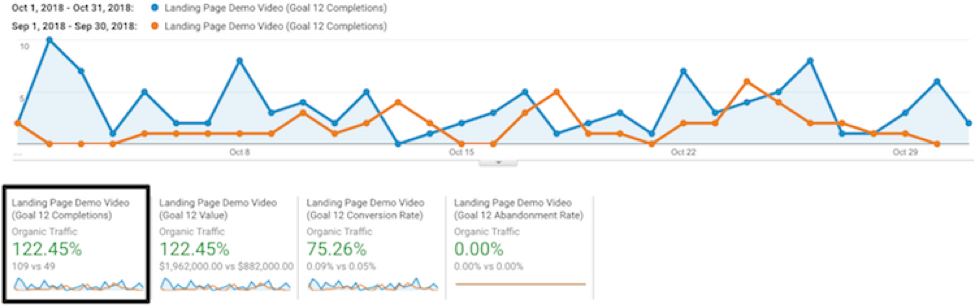
Stem the Tide With a Good Call To Action
A call to action, or CTA, is simply prompting the user to do something–sign up for an email newsletter or take a simple quiz. From these actions, you’ll gather information about your users. These are your leads.
Without a good call to action, your revenue is going to be a drop in the ocean compared to what it should be. An effective call to action will ensure your conversion rate remains high and creating one is like shooting fish in a barrel. Keep it concise and make sure it tells your customers exactly what to do.
Note These Web Design Mistakes to Avoid Because There Are Plenty More Fish In The Sea
If your SEO is currently drowning under a Tsunami of bigger fish, then it may be time to rethink your Web Design Strategy. As far as the customer is concerned, there are plenty more fish in the sea, so your SEO rating has to be a Great White. You don’t need to find any port in the storm, just implement the suggestions that we at Agency Partner Interactive have made and watch your website splash its way to surf heaven. The world really is your oyster!

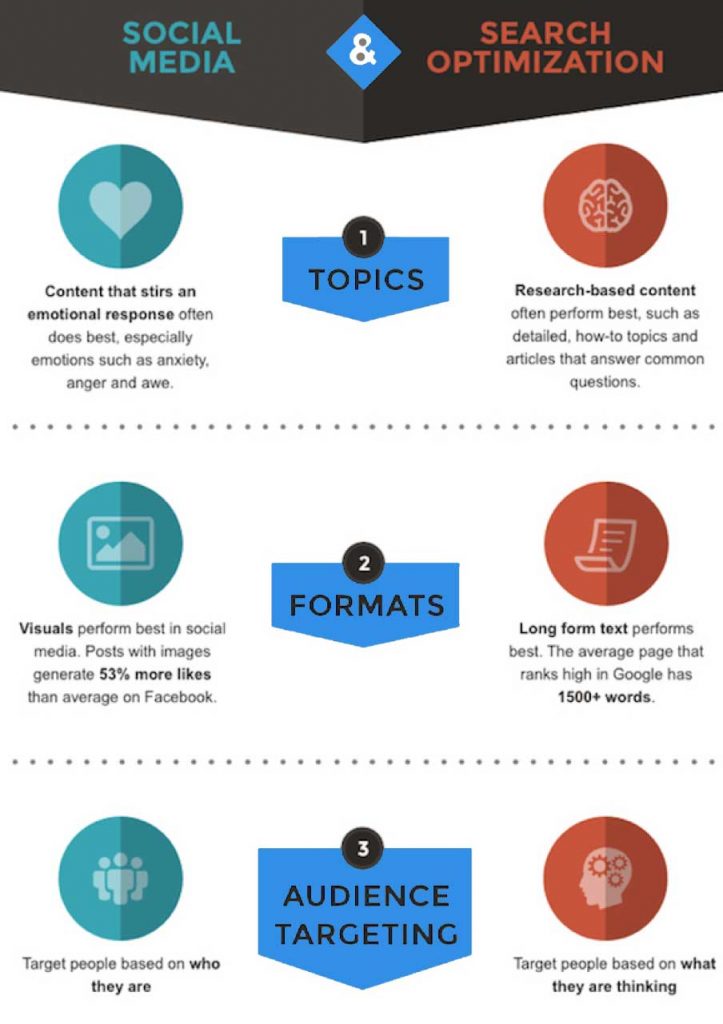
Not big on reading? That’s okay. Watch “Web Design Mistakes That Can Harm Your SEO” instead.
Using the power of Artificial Intelligence, we turned this blog into a video for you. Check it out below!
It doesn’t matter if you’re an industry leader or fresh out of college, making those all important web design changes can determine your business’s future.
Your online presence and popularity are highly dependent on a small number of crucial factors, one being your marketing dexterity. What is this exactly? Your ability to connect and communicate with your target market is essential, and the occasional free sample won’t do you any harm.
But what if we said that website design is the most vital factor when thinking about conversion rates? Imagine walking into a shop and choosing not to purchase something because you dislike their wallpaper. With an average attention span of around eight seconds nowadays, people make their decisions very quickly. As your website design is the very first thing people will notice, it’s paramount that it stands out for all the right reasons.
All Roads Lead to Home…
…at least they should, anyway. Ensuring that your website design features simple navigation is one of the first steps you can take toward boosting your conversion rates. The fundamental rule is to make navigation from one part of the website to another as quick, simple, and painless as possible. Ideally, this should never be more than a single click regardless of where on the site you currently are. This makes it easy for your visitors to take favorable actions.
Pages overflowing with instructions are going to appear monotonous, so a minimalist design with plenty of white space and snippets of text will come across as elegant and professional – novelties that will surely entice your audience.
Don’t Fall Off the Bandwagon
As it stands, projections suggest that by 2020 nearly 3 billion people around the world will be using their smartphones to access a website. That is well over one-third of the global population – a huge piece of the pie indeed!
Therefore, it seems favorable to optimize your web design to account for such a proportional figure. Stuffing every detail of each page into such a small space might be impossible, so it is essential that you prioritize. A call-to-action at the top of each mobile page will be a terrific start, and footing these pages with contact information will provide a solid foundation. The rest of each page can be toyed with at your leisure. Just remember that customers don’t want to be scrolling until the end of the week.
Further Expertise on Web Design Changes
There are dozens, if not hundreds of websites out there that can aid in web design changes. However, and without trying to blow our own trumpet too much, we are among the best at what we do – our online portfolio is a testament to this.
If you want your conversion rates to compete with some of the most successful online brands, start thinking seriously about web design changes you can make right now. Here at Accunity, we are passionate about taking your website into the 2020s with some of the most creative tools and minds available. So what are you waiting for? Even web design changes are just a click away!
Summing It Up
At Agency Partner Interactive, we can help you navigate the tides of change. In addition to Website Design and content creation, we offer social media marketing, LinkedIn lead generation, Brand Strategist, and Business Consulting.
Contact us to talk to an experienced professional who can help set your business onto the right trajectory.
Reach out today and let’s talk about how we can help make you successful.
Not big on reading? That’s okay. Watch “Website Design Changes That Will Impact Your Conversion Rate” instead.
Using the power of Artificial Intelligence, we turned this blog into a video for you. Check it out below!
There’s nothing like throwing a party for all your friends, only for the atmosphere to drain and the whole thing eventually implodes like a high-rise on demo day. This same chain of events can be used to analogize the unfortunate fate of many a website. People come, have a quick look around, get bored, and then inevitably, get out! The result: nothing but walls, windows and a general feeling of emptiness. So, how can you turn your house into a home?
Start With the Right Welcome Mat
Your home page will make or break your website’s page views and session rates, so make sure it is nothing less than impeccable. A video is a sure fire way of keeping visitors engaged from the get-go. Wyzowl claims that 72 percent of people, in fact, prefer this compared to a text-based welcome. Make sure that all content on the home page is relevant and, above all, direct. Anything tentative could cause the less patient of visitors to look for windows of opportunity elsewhere.
Don’t Lounge Around, Interact!
Lazyboys are yesterday’s news. According to the Content Marketing Institute, 2019 is only going to push forward in terms of interactivity. Making your guests feel welcome and sociable is the key to throwing a good party, so get those conversational juices flowing while the atmosphere is still fresh. Surveys, polls, and quizzes are some of the best tools to collect website leads. Interact and Qzzr will get you started.
Be a Spectacular Host with Live Chat
Whether it’s a conversation about your cookies or concerns about a mailing address, it helps to be in the room–around the clock if possible. Live chat is an excellent way of turning visitors into conversions. Digital may be the future, but people still want a fast answer from a real person, so consider implementing this into your website optimization strategy.
Be a King in the Kitchen
Lead magnets will always add terrific value to your content effectiveness, so get cooking. It’s all well and good feeding people with solutions after they’ve coughed up their credit card information, but who can say no to a freebie? Think of it as a doggy bag. If your guests can try free samples of digital products like ebooks, they’ll remember you for all the right reasons.
The Party is Almost Over
Urgency and scarcity are two tried and tested marketing tactics. People hate FOMO (fear of missing out) on something, especially if it is discounted or merits a freebie. Consider using an egg-timer in one corner of your website or strategically timed pop-ups.
Now You Should Know How to Collect Website Leads
Hopefully, your party will be in full swing now, and your website optimization will be on its way to competing with the best out there. Use one of the methods we have published, or use them all. Alternatively, if you prefer the shortcut process, work with Agency Partner. We already have proven methods and practices that guarantee results. We have worked with publicly-traded enterprises to mom-and-pop shops. We understand the lead generation strategies and how they can impact businesses. Contact us for a free quote and see how our digital marketing solutions can help with your lead generation.
Summing It Up
At Agency Partner, we can help you navigate the tides of change. In addition to website design and content creation, we offer social media marketing, brand strategizing, and business consulting. Contact us to talk to an experienced professional who can help set your business onto the right trajectory. Reach out today and let’s talk about how we can help make you successful.
Not big on reading? That’s okay. Watch “How to Collect Website Leads Like a Pro” instead.
Using the power of Artificial Intelligence, we turned this blog into a video for you. Check it out below!
Innovation and transparency are now key features in brand marketing strategies. Consumers are attracted to brands that are open about their intent and vision. Millennials are a mass commercial target market, driving consumer desires and expectations.
This means that brands lacking in those two particular values are going to want to emulate and prioritize them in their next strategic meeting on Social Media Marketing. With the purchasing pendulum swinging strongly to the side of moral and social merits, brands have the incentive to adjust to these millennial interests.
Social Media Strategy
Based on the structure and pace of social media and marketing, brand competition is stronger than ever. Anyone can start, populate, and build up a social media profile and become an active Twitter or Instagram participant in the commerce and advertising sphere. But a strategy is essential. With more visible stats geared to help companies understand what their target market wants, they’re able to maximize and narrow their efforts into profitable outcomes. Developing a marketing strategy is accessible and simplified through platforms such as Sprout Social.
The millennial age, otherwise known as the “avocado toast” generation, is ushering in companies that think about the environment, are self-care supporters, and don’t keep with the status quo. They support pioneering corporations that are affiliated with empowering social movements. To get a tangible idea, think biodegradable packaging, mental health awareness, and giving back to the community.
CEO-Consumer Connection
As millennial lives are strongly interwoven with constant technological access and connectivity, visible values of empathy and honesty go a long way. As found in a recent report from Sprout Social, it shows that CEO transparency has a substantial influence on millennial purchases. Consumer perspective has broadened to include the millennial expectation that companies active on social platforms such as Instagram, Twitter, and Messenger, shouldn’t be hierarchical in their interactions.
They expect that the 61 percent of the Fortune 500 CEOs and C-suite members, who aren’t currently involved on these social media platforms, have as much a presence as anyone else–no matter their roles. Hence the question, “is your CEO tweeting enough?”
Brand Loyalty
Brands that are open, clear, and connective incite consumers to afford them second chances and 85 percent of consumers would stick with them through thick and thin, should they experience a crisis. The human elements of empathy, compassion, and loyalty are strong driving forces behind this new wave of business-consumer relating.
Millennials hold strong voices on social platforms and, as brands are impacted by lashing tweets, infuriated comments, and negative reviews, customer care combined with social media responsiveness is not only a branding tool but a necessity. However, it’s not only millennials but consumers in general who are now expecting brands to respond to DMs, assist with product or service problems, and be vocal when it comes to social issues.
Summing Things Up
The social media landscape toes the line between facade and reality and will undoubtedly see integrity-driven transformation around its adaptive axis. We can expect to see shifts and evolution in consumer expectations of business regarding personalization, transparency, and interaction.
Pop culture, the breeding ground for fleeting fads and lasting trends, is seeing a rise in the contentious digitally-active world of social media influencer marketing. With its controversial tactics, it could foretell both the pitfalls and elevation of marketing in a commercial society.
Instagram and other social media platforms are so commonly used today that it would be remiss for brands not to utilize the space of endless-scrolling and double-taps. Given this vastly popular pastime, it is essential for companies to continually raise their social media presence to keep up with the changes in this virtual, social sphere. Along with brand awareness building and profile curation, companies are increasingly realizing the impact of influencer marketing.
Backing this trend, statistics show that when advertising products, influencers are able to convince 72 percent of their followers to trust an affiliated brand. Companies that promote their products and services with the help of influencers are seeing visible results.
Social Media Influencers Building Consumer Confidence
As Influencer Marketing is founded on a structure of connection and confidence with their followers, the time and effort already spent building that relationship is something on which brands can capitalize. Armed with a large following and a strong belief in the product or service, influencers are inspired to express their advocacy and form a mutually beneficial connection with brands.
Valued relationships and leader credibility are integral reasons as to why users continue to follow certain influencers.
These Instagram ‘celebs’ have a wide reach and loyal customer base – two very important aspects of advertorial marketing. Through their affiliated influencers, companies are able to target a niche audience who is more likely to be interested in their products or services. With influencer endorsements, businesses are noticing improved conversion rates.
Influencer Integrity
The movement is gaining in popularity, not only because of the freebies and marketing opportunities influencers stand to gain, but because it is a fathomable reality not reserved only for celebrities. From scrolling teens on Instagram to mothers giving advice based on personal experience, anyone with a large enough following qualifies.
That said, authenticity is a significant component in the world of influencer marketing–there is a fine line between integrity and greed. In November 2017, Facebook admitted that 60 million of their accounts are automated, or fake.
These “bot” accounts are built, bought, and sold, then used to augment an individual’s follower base, making them appear to a bonafide influencer. Undetected, these faux influencers have swindled many businesses. Now companies are advised to thoroughly investigate potential influencers before engaging their services.
The Future of Advertising
Children, teens, and adults are immersed in the visual world of Instagram. It’s a source of cultural reference that promotes lifestyles, products, and services through a facade of smiling faces and pretty pictures. However, this is precisely what advertising is – it’s just stepped onto new platforms and is changing a brand’s reach and advertising success.
Summing Things Up
Forging into the digital marketing realm may seem a bit overwhelming for some. And with new features constantly being added to social apps, many believe that there’s no possibility of influencer marketing slowing down any time soon. So, is an influencer the right course for your brand? It’s a tough question. But you don’t have to go it alone.
The success of a business mobile app is measured in many different ways. For some companies, nothing is more important than conversion rates or increasing the number of customers who make a purchase. For others, unique app views are paramount because it means that more new people are finding the company and seeing the brand for the first time. Regardless of how you measure success, one thing that must always be considered is customer loyalty – how loyal are app users to your particular brand name?
The Weight of Brand Loyalty in Mobile
For any business looking to market their brand, they often conceptualize their ideal customer as being whoever is the most likely to be able to influence the greatest amount of people. For example, they might target users who are extremely active on social media platforms and have a high following. The truth is, however, it doesn’t matter how many people that person is connected to if they are not loyal to your brand.
In fact, you would net far greater results to have a loyal app user with 50 social media followers advocating for your than you would with a regular app user with 5000. Why is that? Brand loyalty is everything! Especially when it comes to increasing the reach of your business mobile app.
When a customer is loyal to your brand, and to your mobile app, they are much more involved. This means that they are not only using your app regularly, but they might also be interacting with your brand through other forums as well, like on social media, and they are also telling their friends about the service they receive and the products they buy. As an added advantage, customers with higher engagement levels have been proven to regularly utilize mobile features like app sharing or referrals, which in turn drives more downloads and encourages new users.
There have been several studies dedicated to determining how increases in loyal customers relate to increases in overall profitability. For example, a 2013 report found that the average brand categorized 20% of their customer base as ‘loyal’ – and that these loyal customers visited the brand more than 10 times in a year.
How to Increase Mobile Customer Loyalty
Now that you understand the true weight of customer loyalty as it relates to your business mobile app, how do you go about guaranteeing that your customers remain loyal to your brand – and do not simply delete your app after the first use? Here are a few tips:
Focus on users who are most likely to use apps.Rather than fighting to keep one-time app users on your website, target the users who are already using apps frequently.
Research when and how you should be using push notifications.Push notifications are a fantastic way for apps to engage with infrequent app users, however, they have become more closely related to spam than a viable marketing tool. There is still value there, however, research how to use push notifications in a meaningful and helpful manner.
Offer rewards or incentives for customer loyalty.Thanking your loyal customers with rewards, points or some other incentive is a surefire way to increase loyalty to your brand and to entice new users to download anse use your app.
What other great tips do you have for increasing customer loyalty or brand loyalty? What has worked for you? We want to know.